I consistently find that many of my most memorable reads are older rather than current-year releases. Four of these are from 2023–4; the other nine are from 2012 or earlier, with the oldest from 1939. My selections are alphabetical within genre but in no particular rank order. Repeated themes included health, ageing, death, fascism, regret and a search for home and purpose. Reading more from these authors would probably help to ensure a great reading year in 2026!
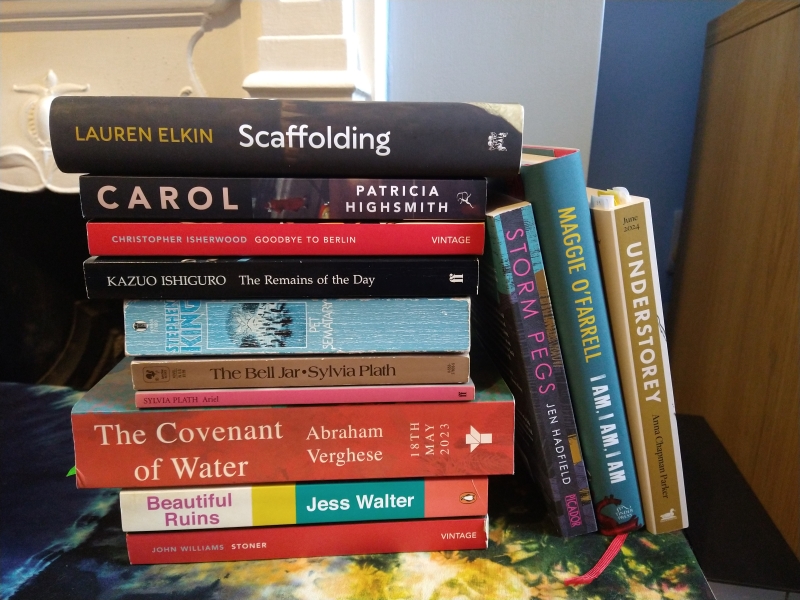
Some trivia:
- 4 were read for 20 Books of Summer (Hadfield, King, Verghese and Walter)
- 3 were rereads for book club (Ishiguro, O’Farrell and Williams) – just like last year!
- 1 was part of my McKitterick Prize judge reading (Elkin)
- 1 was read for 1952 Club (Highsmith)
- 1 was a review catch-up book (Parker)
- 1 was a book I’d been ‘reading’ since 2021 (The Bell Jar)
- The title of one (O’Farrell) was taken from another (The Bell Jar)
Fiction & Poetry
 Scaffolding by Lauren Elkin: Psychoanalysis, motherhood, and violence against women are resounding themes in this intellectual tour de force. As history repeats itself during one sweltering Paris summer, the personal and political structures undergirding the protagonists’ parallel lives come into question. This fearless, sophisticated work ponders what to salvage from the past—and what to tear down. This was our collective runner-up for the 2025 McKitterick Prize, but would have been my overall winner.
 Carol by Patricia Highsmith: Widely considered the first lesbian novel with a happy ending. Therese, a 19-year-old aspiring stage designer, meets a wealthy housewife – “Mrs. H. F. Aird” (Carol) – in a New York City department store one Christmas. When the women set off on a road trip, they’re trailed by a private detective looking for evidence against Carol in a custody battle. It’s a beautiful and subtle romance that unfolds despite the odds and shares the psychological intensity of Highsmith’s mysteries.
 Goodbye to Berlin by Christopher Isherwood: Isherwood intended for these autofiction stories to contribute to a “huge episodic novel of pre-Hitler Berlin.” Two “Berlin Diary” segments from 1930 and 1933 reveal a change in tenor accompanying the rise of Nazism. Even in lighter pieces, menace creeps in through characters’ offhand remarks about “dirty Jews” ruining the country. Famously, the longest story introduces club singer Sally Bowles. I later read Mr Norris Changes Trains as well. Witty and humane, restrained but vigilant.
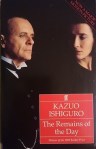 The Remains of the Day by Kazuo Ishiguro: I first read this pre-blog, back when I dutifully read Booker winners whether or not I expected to like them. I was too young then for its theme of regret over things done and left undone; I didn’t yet know that sometimes in life, it really is too late. When I reread it for February book club, it hit me hard. I wrote no review at the time (more fool me), but focused less on the political message than on the refined depiction of upper-crust English society and the brilliance of Stevens the unreliable, repressed narrator.
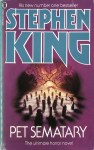 Pet Sematary by Stephen King: A dread-laced novel about how we deal with the reality of death. Is bringing the dead back a cure for grief or a horrible mistake? A sleepy Maine town harbours many cautionary tales, and the Creeds have more than their fair share of sorrow. Louis is a likable protagonist whose vortex of obsession and mental health is gripping. In the last quarter, which I read on a long train ride, I couldn’t turn the pages any faster. Sterling entertainment, but also surprisingly poignant. (And not gruesome until right towards the end.)
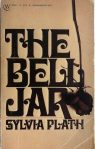
 The Bell Jar & Ariel by Sylvia Plath: Given my love of mental hospital accounts, it’s a wonder I’d not read this classic work of women’s autofiction before. Esther Greenwood is the stand-in for Plath: a talented college student who, after working in New York City during the remarkable summer of 1953, plunges into mental ill health. An enduringly relevant and absorbing read. / Ariel takes no prisoners. The images and vocabulary are razor-sharp and the first and last lines or stanzas are particularly memorable.
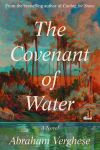 The Covenant of Water by Abraham Verghese: Wider events play out in the background (wars, partition, the fall of the caste system), but this saga sticks with one Kerala family in every generation of which someone drowns. I enjoyed the window onto St. Thomas Christianity, felt fond of all the characters, and appreciated how Verghese makes the Condition a cross between mystical curse and a diagnosable ailment. An intelligent soap opera that makes you think about storytelling, purpose and inheritance, this is extraordinary.
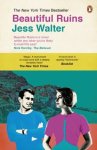 Beautiful Ruins by Jess Walter: I was captivated by the shabby glamour of Pasquale’s hotel in Porto Vergogna on the coast of northern Italy. A myriad of threads and formats – a movie pitch, a would-be Hemingway’s first chapter of a never-finished wartime opus, an excerpt from a producer’s autobiography and a play transcript – coalesce to flesh out what happened in the summer of 1962 and how the last half-century has treated all the supporting players. Warm, timeless and with great scenes, one of which had me in stitches. Fantastic.
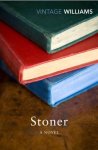 Stoner by John Williams: What a quiet masterpiece. A whole life, birth to death, with all its sadness and failure and tragedy; but also joy and resistance and dignity. One doesn’t have to do amazing things that earn the world’s accolades to find vocation and meaning. Just as powerful a second time (I first read it in 2013). I was especially struck by the power plays in Stoner’s marriage and university department, and how well Williams dissects them. It’s more about atmosphere than plot – and that melancholy tone will stay with you.
Nonfiction
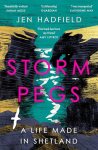 Storm Pegs by Jen Hadfield: Not a straightforward memoir but a set of atmospheric vignettes. Hadfield, a British Canadian poet, moved to Shetland in 2006 and soon found her niche. It’s a life of wild swimming, beachcombing, fresh fish, folk music, seabirds, kind neighbours, and good cheer that warms the long winter nights. After the isolation of the pandemic comes the unexpected joy of a partner and pregnancy in her mid-forties. I savoured this for its language and sense of place; it made me hanker to return to Shetland.
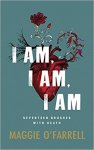 I Am, I Am, I Am: Seventeen Brushes with Death by Maggie O’Farrell: (The final book club reread.) The memoir-in-essays is a highly effective form because it focuses on themes or moments of intensity and doesn’t worry about accounting for boring intermediate material. These pieces form a vibrant picture of a life and also inspire awe at what the human body can withstand. The present tense and a smattering of second person make the work immediate and invite readers to feel their way into her situations. The last two essays are the pinnacle.
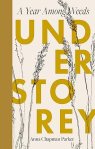 Understorey: A Year among Weeds by Anna Chapman Parker: I owe this a full review in the new year. Parker set out to study and sketch weeds as a way of cultivating attention and stillness as well as celebrating the everyday and overlooked. Daily drawings and entries bear witness to seasons changing but also to the minute alterations she observes in herself and her children. For me, this was all the more special because I’ve holidayed in Berwick-on-Tweed and could picture a lot of the ‘overgrown’ spaces she honours by making them her subjects.
What were some of your best backlist reads this year?
 Bookish Beck = Rebecca Foster. American transplant to England. Freelance proofreader and book reviewer.
 Bookish Beck
Hi Rebecca
Wow, this time I have read all the fiction books from your list. The first time that happened.
You’ll find my list from tomorrow onwards on our blog https://fabfourblog.com/.
Happy New Year
The Fab Four of Cley
🙂 🙂 🙂 🙂
LikeLiked by 1 person
Impressive!
LikeLike
I’ve read several of these (Plath, Ishiguro, King, O’Farrell, and Stoner, which bored me). Several I need to read too on my shelves in your picks (Elkin, Walters, Isherwood).
This year in backlist reads, I read a couple of brilliant Simenons, and a comic delight in The Ascent of Rum Doodle. Also Hotel Splendide by Ludwig Bemelmans and the sublime In Ascension by Martin MacInnes.
LikeLiked by 1 person
I’m keen on the Bemelmans.
LikeLike
All my best reads this year were backlist! So wait till I do my best books of the year post, if I get around to it (if not – the best book I read this year was Jazz by Toni Morrison). These all sound great, I’ve only read Stoner and The Bell Jar. Carol and Remains sound most appealing – I’ve loved the other books I’ve read from both authors.
LikeLiked by 1 person
Jazz was a DNF for me some years back…
LikeLike
Another huge fan here of Beautiful Ruins, Stoner, and the O’Farrell memoir. I remember loving The Remains of the Day too but it’s been 20 years (?!) since I read it, so I must go back; I had a great experience with Ishiguro’s When We Were Orphans this year and would like to read more of his older work. You’ve totally got me sold on Isherwood and Highsmith, plus I never need to be sold all that hard on vintage Stephen King…!
LikeLiked by 1 person
I’m impressed that you could appreciate Remains as a teenager, but I imagine you were always precocious 😉
I’ll definitely read some more King in 2026, probably The Shining and IT since my library has them and they’re among the most famous of his classic horror.
LikeLike
I’m not sure I really did appreciate it to the fullest – hence wanting to try again!
The Shining and IT are both great choices. IT is much the longer of the two, but very compelling.
LikeLiked by 1 person
Gosh, sometimes I feel like all I read is backlist books. Not purposefully, but that’s how it seems to work out.
LikeLiked by 1 person
I guess because you’re working through previous years’ prize winners, and you like the vintage crime reads and British Library / NYRB imprints.
LikeLiked by 1 person
I guess so.
LikeLike
I don’t go back into the past, recent or otherwise for my reading choices anything like often enough. I so agree about John Williams. Why is he so under the radar? Stoner would go on my list of Best All-Time Reads.
LikeLiked by 1 person
I often need to find an excuse, such as one of the classics clubs, to prioritize older books.
LikeLiked by 1 person
That sounds like a plan. Noted.
LikeLike
So glad you loved Beautiful Ruins so much and that I Am x3 and Remains of the Day were satisfying re-reads – I’ve been haunted by the latter since I studied it for A Level.
LikeLiked by 1 person
Ah, an interesting book to read in school! Stevens is a great unreliable narrator from literary fiction rather than the usual, psychological thrillers.
LikeLiked by 1 person
Exactly – he’s who I always think of when I see how badly thrillers do it.
LikeLike
Out of those, I’ve read The Bell Jar and Remains of the Day (which I would like to re-read) and I’m getting more and more keen to read Storm-Pegs! If you’re counting 2023 and older as back-list, I’m on 137 modern (skewed by my NetGalley addiction) and 102 backlist (going back to 1907 and with all decades apart from the 1910s represented).
LikeLiked by 1 person
I count everything from before 2025 as backlist!
That makes sense to me based on the mix of what you review.
LikeLiked by 1 person
Stoner is SO GOOD. Underrated!
I don’t differentiate my best-of list between current and backlist reads. But one of my favorite backlist reads this year was Commonwealth by Ann Patchett.
LikeLiked by 1 person
Stoner had a Moment here in the UK in 2013 when a major bookstore chain chose the reprint edition as its book of the year. But yes, even so, not enough people have heard of it. My book club mostly appreciated it but found it depressing.
LikeLiked by 1 person
You reminded me that I still, somehow, haven’t read Stoner. Mostly backlist reads for me this year–in theme, dominated by several eco and environmental books (a novel, a collection of poems, a short story collection, and a biography/memoir). Most interesting (if not a perfect book–Finding Abbey…by Sean Prentiss) introduced me to the very complicated environmental writer Edward Abbey. I lived in Arizona for a short time in my early adulthood, so the scenes of the SW were especially poignant.
LikeLiked by 1 person
Did you consciously set out to read environmental literature this year? How interesting — I don’t know anything by / about Abbey.
LikeLiked by 1 person
Not really. This year, the theme of my favorite literary festival (I attend yearly) was environmental/eco/nature writing. And I was asked to lead an hour-long discussion with two of the guest writers (an eco-fiction writer from Nova Scotia and an environmental poet/memoirist from Vermont). So, I read all their books beforehand–not that I had to, but I was into it. I’d never heard of Edward Abbey before, but he wrote a bunch of books and, I’d say, if he wasn’t a problematic figure (racist, against immigration, and an occasional eco-terrorist) he’d be as well known as Terry Tempest Williams in the American West writing genre. Not sure where my 2026 reading will take me–probably more dance/health writing, since that’s the thrust of the anthology I’m working on. Just never enough time for all the interests!
LikeLiked by 1 person
Similar to your comment on The Remains of the Day, I think I read The Bell Jar when I was too young to fully appreciate it. I have a copy on my shelf but scarcely remember it. Your comments here have me thinking I should give it another shot.
One of my favourite backlist reads was Karluk: The Great Untold Story of Arctic Exploration, a memoir from the 1970s about the sinking of the Karluk in 1913.
LikeLiked by 1 person
I love reading about Arctic and Antarctic travel!
LikeLiked by 1 person
Have you read Elizabeth Arthur’s Antarctica? It’s a perfect candidate for Doorstoppers in December.
LikeLiked by 1 person
No, I’ll note it down!
LikeLike
Ah, Antarctic Navigation. Last line of Kirkus review: “Like Scott’s expedition, a magnificent failure.” Rude!
LikeLike
Even though it was hard to try to avoid 2025 releases this year, the fact that there were so many good backlist titles in my stack really helped; just as you’ve said there are so many good ones we’ve missed along the way. On your list, I had flagged Remains for rereading this year and now I’m a little nervous; I can see where that might happen (although I actually did love it when it was released, but had a pull towards mortality/regret tales at a young age). You convinced me earlier to read Verghese but I haven’t gotten there yet. (and it might not be this year). I’ve not read quite as much as Laila of JW, but I love everything of his so far and definitely want to read the rest.
LikeLiked by 1 person
[…] of my best backlist reads of last year.) Parker set out to study and sketch weeds as a way of cultivating attention and […]
LikeLike