Cover Love 2025
As I did in 2019, 2020, 2021, 2022, 2023 and 2024, I’ve picked out some favourite book covers from the past year’s new releases. This time, I’ve read all of the books featured!
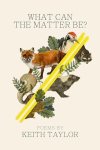
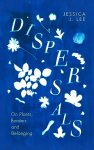
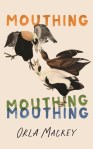
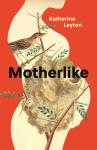
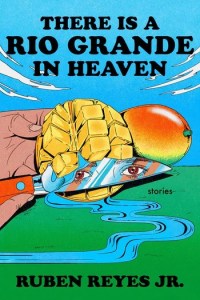
I’m drawn to flora and fauna on book covers; and to adapted artworks.
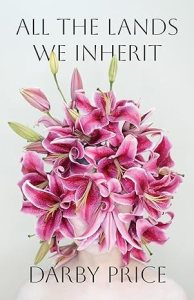

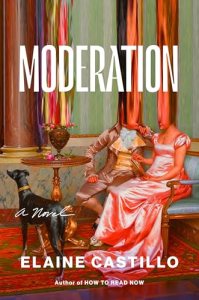
These two stood out for their psychedelic colour choices.


I like an unusual, elegant font. Can anyone identify the one below? I actually wonder if I would have chosen to read all four books had the font not attracted me.
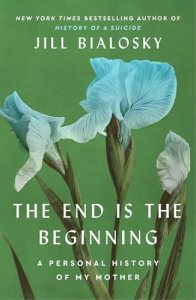
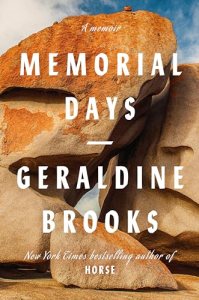
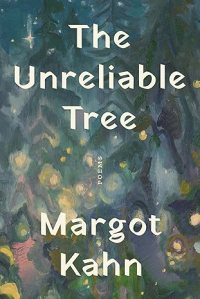
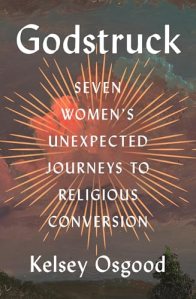
Neat that the image and/or (most of the) title are vertically aligned – a rarer choice.
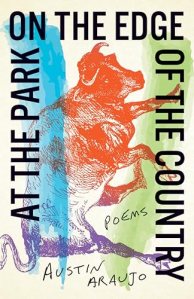
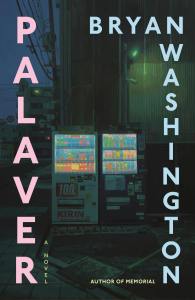
I found this paper cut-out striking, and loved how a cheekily torn matchbook gives the middle finger.
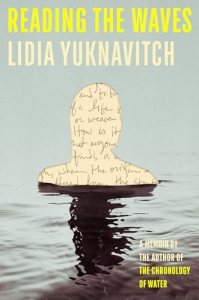

But my two favourite title and cover combinations of the year were:
- Calls May Be Recorded for Training and Monitoring Purposes by Katharina Volckmer – The cover is totally appropriate to the bonkers and raunchy contents (see my Shelf Awareness review – even though I technically reviewed the North American release I’m sticking with the full title and sex doll of the UK edition).
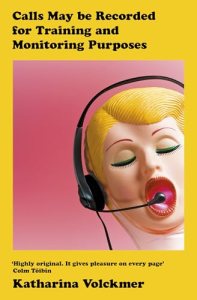
(Overall favourite:)
- Pan by Michael Clune – The cover perfectly captures the mood of this weird novel about a teenage boy who has panic attacks and muses about attributing them to the god Pan. The painting snippet is from The Drunkenness of Noah by Camillo Procaccini; but the eyes, look at those eyes!
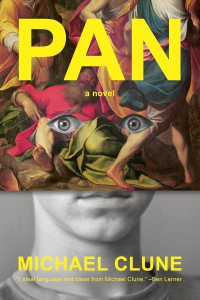
Postscript: In January 2026, Lit Hub chose their 75 best book covers of the past decade. Pan tied for third place for 2025.
What cover trends have you noticed this year? Which ones tend to grab your attention?
Cover Love 2024
As I did in 2019, 2020, 2021, 2022, and 2023, I’ve picked out some favourite book covers from the past year’s new releases, about half of which I’ve read. Abstract faces? Colour blocks? Partial female bodies? You never know what will dominate.
I’m sure to be drawn to flora and fauna on book covers, especially when they intertwine uniquely or adapt an artwork.




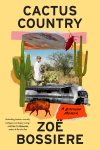
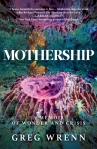
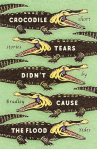

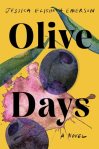

I also tend to like fruit on a cover. Here is one good example (gorgeous tiles)…

…followed by two awful ones (even though the books themselves, both speculative short story collections I read for paid reviews, were great!). Some will probably love these designs, but the first makes me think of late-1990s clip art and the other is like a crap still life.

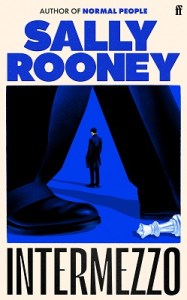
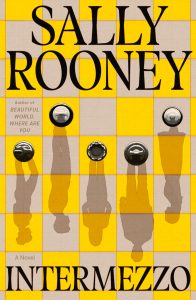
I almost always prefer the U.S. cover to the U.K. cover, and the latest Sally Rooney was no exception. Sorry, Faber, but the cover at left does not do the novel justice. Brilliant job, though, Farrar, Straus and Giroux: a perfect way of depicting the central characters and their dynamics via their shadows on a chess board, and having them upside down makes things that little bit off-kilter.
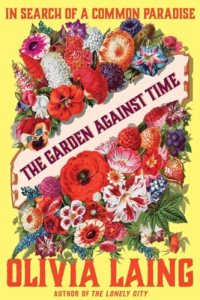
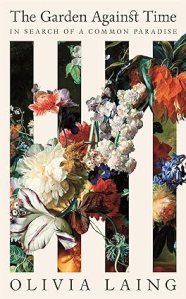
However, the opposite was the case with this Olivia Laing book: the colours and font seem too garish on the Norton edition at left, whereas the blooms slipping through the slats of a white bench on the Picador cover are more elegant and fitting for her style.
I also like a striking font. I loved the contrast between the historical cheekiness of the painting and the contemporary, sans serif, lime green lettering here.

The same goes for the below; I also like that the title goes vertically down the page – a rarer choice.

The rowhouses, the green swoop to simulate the road trip contained therein, the colours, the bold title going over two lines … I have my doubts as to whether this novel can live up to its fabulous packaging:

Similarly, everything about these two covers is fantastic … but the books were DNFs for me, alas:
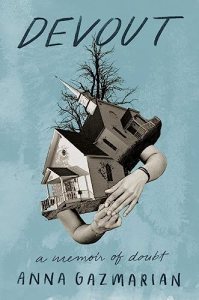

More themes, or odd ones out
Fractured or distorted faces:


Torn, cut or folded paper:
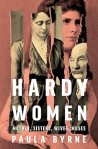
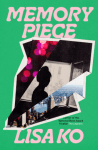
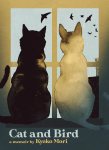

Overlapping words form a relevant shape:

Pastel kitsch:
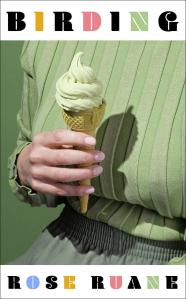
But my favourite cover of the year is for Hyper by Agri Ismaïl. The artwork, Doubts? (2020) by Faig Ahmed, is a handmade wool carpet. The cover and title honestly have nothing to do with the contents of the novel, but I love that symbolic melting into abstraction.
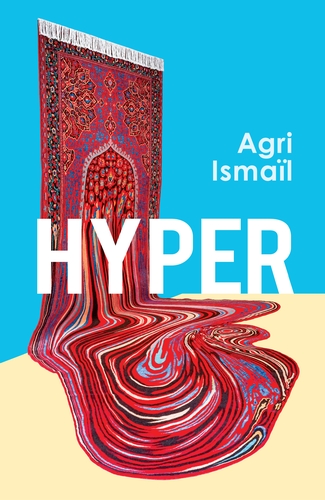
On which, see also my close second place. Painterly swirls almost mimic the view through a microscope, and what a classy font, too: Transgenesis by Ava Winter.

(See also Kate’s and Marina Sofia’s book cover posts.)
What cover trends have you noticed this year?
Which ones tend to grab your attention?
Cover Love 2023
As I did in 2019, 2020, 2021, and 2022, I’ve picked out some favourite book covers from the past year’s new releases. Gone are the days of mostly flora and fauna covers and abstract faces. Last year it was all about colour blocks and textures, with some partial images of female bodies. This year it’s a more random selection.
Gustave Caillebotte is one of my favourite painters, so I appreciated the use of his simple Bed of Daisies as the cover of Ann Patchett’s Tom Lake (though I still think the book could have had a more evocative title, such as The Cherry Orchard).
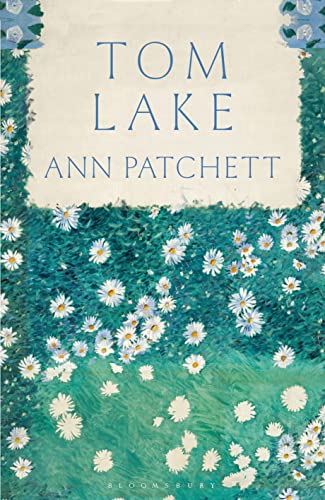
I lied; there was still a bit of flora and fauna this past year – those daisies, and the abstract trees, bunch of flowers and dangling creatures below:


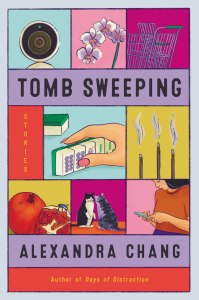
The cover of Tomb Sweeping by Alexandra Chang reminded me of a bento box or comic strip.
I was also into the swirly lines (often signifying fire) this year:
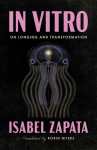
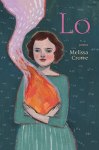
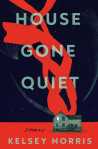
And these all stood out to me for their use of colours and font (the Acheson and Hull are almost twins):
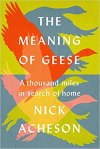

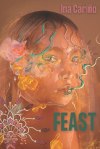
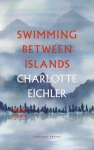
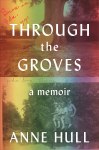
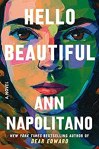
The sad truth is that for many of the above I liked the covers more than the contents, with exceptions being the Crowe, Napolitano and Patchett.
What cover trends have you noticed this year? Which ones tend to grab your attention?
A Recent Cover Trend: FRUIT
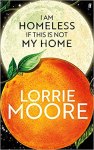
The other week on Twitter I remarked on seeing four covers with oranges on, and since then I have only been finding more.
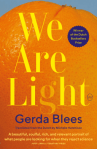
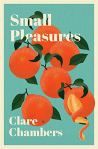
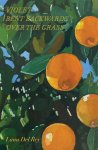
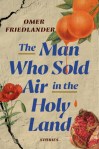
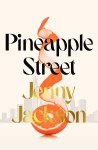


There was also this poetry collection I reviewed a few years ago. And that’s not to mention the title references (e.g., Larger than an Orange by Lucy Burns, Bitter Orange by Claire Fuller, The Orange Grove by Larry Tremblay)…


or the books that are actually about oranges, like a pre-release memoir I’m reading now by a Florida citrus buyer’s daughter, Through the Groves by Anne Hull.
However,
Oranges are not the only fruit
There’s also
Lemons
I have read (or, in the case of the Russell, DNFed) these six:


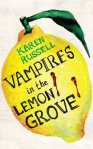
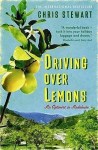
I own these three and might consider reviewing them together as a “Three on a Theme” post:
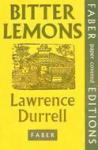

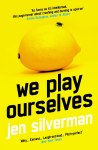
And yes, there are more! (A few of these lemony covers are recent, but most are not; perhaps it’s a trend that’s on the decline, whereas oranges are on the rise?)


Peaches
N.B. Often used suggestively!! Or as a metonym for the American South.
I’ve read these:
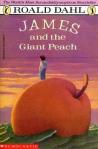
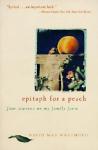
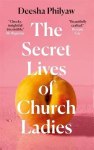
and had a look at this one:

Plus a couple more I spotted:
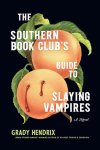

&
Pomegranates
I did the briefest of searches for titles including the word “pomegranate” and was overwhelmed. People seem to see the fruit as evocative of indulgent cooking, or of Mediterranean or Middle Eastern travels. Not a lot of the results were recent, but here’s an upcoming book that caught my eye. It’s about a queer Black woman just getting out of prison for opiate possession, and has been recommended to readers of Yaa Gyasi and Jesmyn Ward, so sounds worth getting hold of.
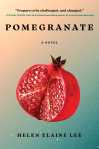
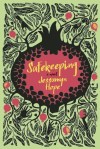 (I have actually reviewed several pomegranate books, plus another with one on the cover – Safekeeping by Jessamyn Hope.)
Have you read any of the books I feature here?
What cover trends have you been noticing this year?
Cover Love: My 13 Favourite Book Covers of 2022
As I did in 2019, 2020, and 2021, I’ve picked out some favourite book covers from the year’s new releases. Fewer have stood out to me this year for some reason, so it’s just a baker’s dozen here, and all of them are from books I’ve actually read.
Usually it’s the flora and fauna covers that get me. Not so many of those this year, though!

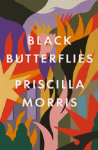
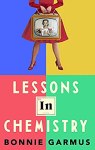
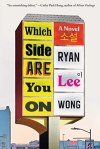
Instead, it was mostly about colour blocks and textures.

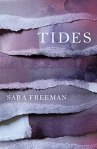


And a few of my favourites feature partial images of female bodies:


I also appreciate the use of a blocky 1980s-reminiscent font on these two. It’s appropriate to the contents in each case. Powell’s poems are loosely inspired by/structured like an old-school hip-hop album, and Zevin’s novel is about the love of vintage video games.
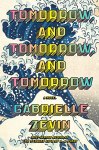
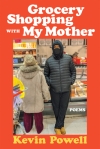
What cover trends have you noticed this year? Which ones tend to grab your attention?
Some of My Most Anticipated Releases of 2022
Ninety-nine 2022 releases have made it onto my Goodreads shelves so far. I’ve read about 10 already and will preview some of them tomorrow.
 This year we can expect new fiction from Julian Barnes, Carol Birch, Jessie Burton, Jennifer Egan, Karen Joy Fowler, David Guterson, Sheila Heti, John Irving (perhaps? at last), Liza Klaussman, Benjamin Myers, Julie Otsuka, Alex Preston and Anne Tyler; a debut novel from Emilie Pine; second memoirs from Amy Liptrot and Wendy Mitchell; another wide-ranging cultural history/self-help book from Susan Cain; another medical history from Lindsey Fitzharris; a biography of the late Jan Morris; and much more. (Already I feel swamped, and this in a year when I’ve said I want to prioritize backlist reads! Ah well, it is always thus.)
I’ve limited myself here to the 20 upcoming releases I’m most excited about. The low figure is a bit of a cheat: with a few exceptions, I’ve not included books I have / have been promised. I’ll be scurrying around requesting copies of most of the others soon. The following are due out between January and August and are in (UK) release date order, within sections by genre. (U.S. details given too/instead if USA-only. Quotes are extracted from publisher blurbs on Goodreads.)
U.S. covers – included where different – rule!
N.B. Fiction is winning this year!
Fiction
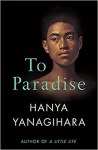 To Paradise by Hanya Yanagihara [Jan. 11, Picador / Doubleday] You’ll see this on just about every list; her fans are legion after the wonder that was A Little Life. Another doorstopper, but this time with the epic reach to justify the length: sections are set in an alternative 1893, 1993, and 2093 – “joined in an enthralling and ingenious symphony, as recurring notes and themes deepen and enrich one another.” [Proof copy]

UK cover
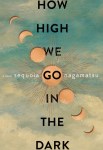 How High We Go in the Dark by Sequoia Nagamatsu [Jan. 18, Bloomsbury / William Morrow] Amazing author name! Similar to the Yanagihara what with the century-hopping and future scenario, a feature common in 2020s literature – a throwback to Cloud Atlas? I’m also reminded of the premise of Under the Blue, one of my favourites from last year. “Once unleashed, the Arctic Plague will reshape life on Earth for generations to come.”
Heartstopper, Volume 5 by Alice Oseman [Feb. ?, Hodder Children’s] I devoured the first four volumes of this teen comic last year. In 2020, Oseman tweeted that the fifth and final installment was slated for February 2022, but I don’t have any more information than that. Nick will be getting ready to go off to university, so I guess we’ll see how he leaves things with Charlie and whether their relationship will survive a separation. (No cover art yet.)
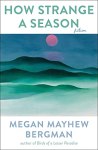 How Strange a Season by Megan Mayhew Bergman [March 29, Scribner] I enjoyed her earlier story collection, Almost Famous Women. “Bergman portrays women who wrestle with problematic inheritances: a modern glass house on a treacherous California cliff, a water-starved ranch, an abandoned plantation on a river near Charleston … provocative prose asks what are we leaving behind for our ancestors … what price will they pay for our mistakes?”
A Violent Woman by Ayana Mathis [April 7, Hutchinson] Her Oprah-approved 2013 debut, The Twelve Tribes of Hattie, got a rare 5-star review from me. About “an estranged mother and her daughter. Dutchess lives in Bonaparte, Alabama, a once thriving black town now in its death throes. Lena lives in Philadelphia in the 1980s. Her involvement with the radical separatist group STEP leads to transcendence and tragedy.” (No cover art yet.)
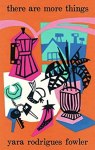 there are more things by Yara Rodrigues Fowler [April 28, Fleet] I so wanted her 2019 debut novel, Stubborn Archivist, to win the Young Writer of the Year Award. I love the cover and Hamlet-sourced title, and I’m here for novels of female friendship. “In January 2016, Melissa [South London native] and Catarina [born to well-known political family in Brazil] meet for the first time, and as political turmoil unfolds … their friendship takes flight.”


UK cover
Sea of Tranquility by Emily St. John Mandel [April 28, Picador / April 5, Knopf] This is the other title you’ll find on everyone else’s list. That’s because The Glass Hotel, even more so than Station Eleven, was amazing. Another history-to-future-hopper: “a novel of art, time, love, and plague that takes the reader from Vancouver Island in 1912 to a dark colony on the moon three hundred years later, unfurling a story of humanity across centuries and space.” [Edelweiss download]
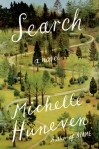 Search by Michelle Huneven [April 28, Penguin] A late addition to my list thanks to the Kirkus review. Sounds like one for readers of Katherine Heiny! “Dana Potowski is a restaurant critic and food writer … asked to join [her California Unitarian Universalist] church search committee for a new minister. Under pressure to find her next book idea, she agrees, and resolves to secretly pen a memoir, with recipes, about the experience.”


UK cover
Very Cold People by Sarah Manguso [April 28, Picador / Feb. 8, Hogarth] The debut novel from an author by whom I’ve read four nonfiction works. “For Ruthie, the frozen town of Waitsfield, Massachusetts, is all she has ever known. Once home to the country’s oldest and most illustrious families[,] … it is an unforgiving place awash with secrets. … Ruthie slowly learns how the town’s prim facade conceals a deeper, darker history…”
UK cover
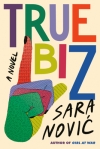
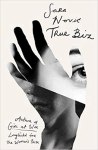
True Biz by Sara Nović [May 5, Little, Brown / April 5, Random House] Her 2015 Girl at War is one of my most-admired debuts of all time, and who can resist a campus novel?! “The students at the River Valley School for the Deaf just want to hook up, pass their history final, and have doctors, politicians, and their parents stop telling them what to do with their bodies. This revelatory novel plunges readers into the halls of a residential school for the deaf.”
 You Have a Friend in 10a: Stories by Maggie Shipstead [May 19, Transworld / May 17, Knopf] Shipstead’s Booker-shortlisted doorstopper, Great Circle, ironically, never took off for me; I’m hoping her short-form storytelling will work out better. “Diving into eclectic and vivid settings, from an Olympic village to a deathbed in Paris to a Pacific atoll, … Shipstead traverses ordinary and unusual realities with cunning, compassion, and wit.”

UK cover
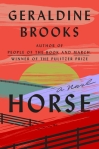 Horse by Geraldine Brooks [June 2, Little, Brown / June 14, Viking] You guessed it, another tripartite 1800s–1900s–2000s narrative! With themes of slavery, art and general African American history. I’m not big on horses, at least not these days, but Brooks’s March and Year of Wonders are among my recent favourites. “Based on the remarkable true story of the record-breaking thoroughbred, Lexington, who became America’s greatest stud sire.”

UK cover
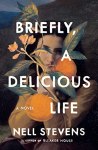
Briefly, a Delicious Life by Nell Stevens [June 23, Picador / June 21, Scribner] I’ve read her two previous autofiction-y memoirs and loved Mrs Gaskell & Me. The title, cover and Victorian setting of her debut novel beckon. “In 1473, fourteen-year-old Blanca dies in a hilltop monastery in Mallorca. Nearly four hundred years later, when George Sand, her two children, and her lover Frederic Chopin arrive in the village, Blanca is still there: a spirited, funny, righteous ghost.”
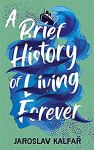 A Brief History of Living Forever by Jaroslav Kalfar [Aug. 4, Sceptre / Little, Brown] His Spaceman of Bohemia (2017) was terrific. “When Adela discovers she has a terminal illness, her thoughts turn to Tereza, the American-raised daughter she gave up at birth. … In NYC, Tereza is … the star researcher for two suspicious biotech moguls hellbent on developing a ‘god pill’ to extend human life indefinitely. … Narrated from the beyond by Adela.”
Nonfiction
 The Cure for Sleep by Tanya Shadrick [Jan. 20, Weidenfeld & Nicolson] Nature memoir / self-help. “On return from near-death, Shadrick vows to stop sleepwalking through life. … Around the care of young children, she starts to play with the shape and scale of her days: to stray from the path, get lost in the woods, make bargains with strangers … she moves beyond her respectable roles as worker, wife and mother in a small town.” [Review copy]
 The Invisible Kingdom: Reimagining Chronic Illness by Meghan O’Rourke [March 1, Riverhead] O’Rourke wrote one of the best bereavement memoirs ever. This ties in with my medical interests. “O’Rourke delivers a revelatory investigation into this elusive category of ‘invisible’ illness that encompasses autoimmune diseases, post-treatment Lyme disease syndrome, and now long COVID, synthesizing the personal and the universal.”

UK cover
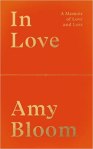
In Love: A Memoir of Love and Loss by Amy Bloom [April 7, Granta / March 8, Random House] The true story of how Bloom accompanied her husband Brian, who had Alzheimer’s, to Dignitas in Switzerland to end his life. I’ve read quite a lot around assisted dying. “Written in Bloom’s captivating, insightful voice and with her trademark wit and candor, In Love is an unforgettable portrait of a beautiful marriage, and a boundary-defying love.”
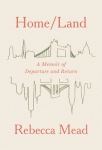 Home/Land: A Memoir of Departure and Return by Rebecca Mead [April 21, Grove Press UK / Feb. 8, Knopf] I enjoyed Mead’s bibliomemoir on Middlemarch. The Anglo-American theme is perfect for me: “drawing on literature and art, recent and ancient history, and the experience of encounters with individuals, environments, and landscapes in New York City and in England, Mead artfully explores themes of identity, nationality, and inheritance.”

UK cover
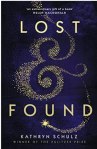
Lost & Found: A Memoir by Kathryn Schulz [April 28, Picador / Jan. 20, Random House] I loved her 2010 book Being Wrong, and bereavement memoirs are my jam. “Eighteen months before Kathryn Schulz’s father died, she met the woman she would marry. In Lost & Found, she weaves the story of those relationships into a brilliant exploration of the role that loss and discovery play in all of our lives … an enduring account of love in all its many forms.”
Poetry
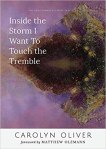 Inside the Storm I Want to Touch the Tremble by Carolyn Oliver [Aug. 19, Univ. of Utah Press] Carolyn used to blog at Rosemary and Reading Glasses. The poems she’s shared on social media are beautiful, and I’m proud of her for winning the Agha Shahid Ali Prize. “Inside this debut collection, girlhood’s dangers echo, transmuted, in the poet’s fears for her son. A body … is humbled by chronic illness. Stumbling toward joy across time and space, these poems hum with fear and desire, bewildering loss, and love’s lush possibilities.”
Themes arising: crossing three centuries; H & I titles, the word “brief”; moons and stars on covers. Mostly female authors (only two men here).
Do check out these other lists for more ideas!
Plus you can seek out all the usual lists (e.g. on Lit Hub and virtually every other book or newspaper site) … if you want to be overwhelmed!
What catches your eye here?
What other 2022 titles do I need to know about?
Cover Love: My Favourite Book Covers of 2021
As I did in 2019 and again last year, I’ve picked out some favourite book covers from the year’s new releases. In general, slap some flora and/or fauna on and I’m going to be drawn to a book. A lot of these covers are colourful and busy; on some later ones the layout is more stark.
Here are my favourite covers from books I’ve actually read:


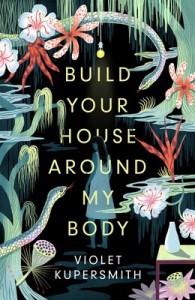
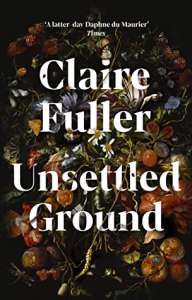
Plus a couple I’ve read whose covers aren’t quite like the others (I like swirly lines):


I prefer the U.S. cover (left) to the U.K. cover in these three cases:

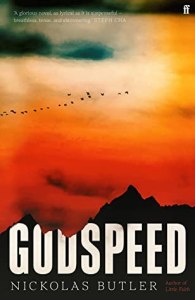


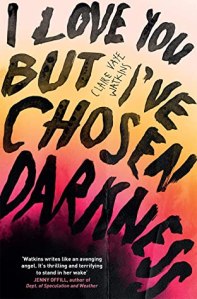
And I’ve noticed these particular fonts seem popular nowadays:

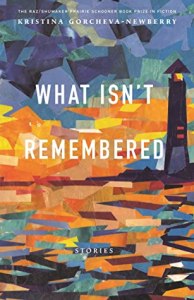


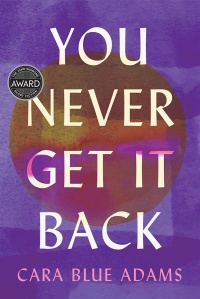

Here are some covers that caught my eye even though I’ve not read the books themselves (or maybe don’t plan to):


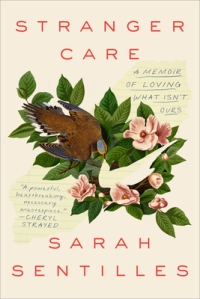

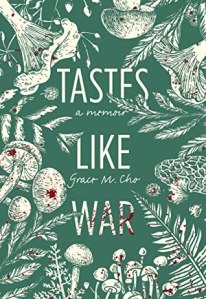

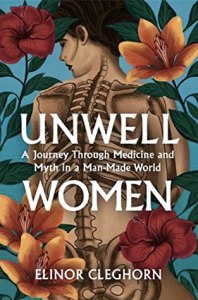


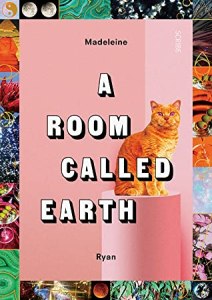


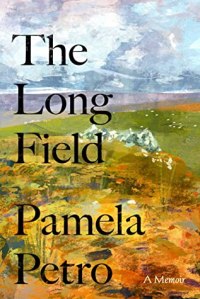


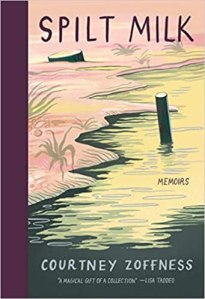
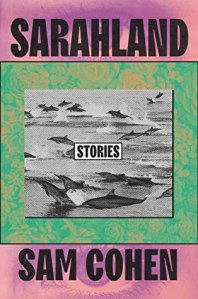


A few even buck the flora/fauna trend, employing interesting lines, shapes or perspective instead.
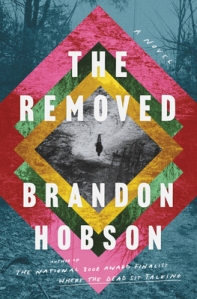

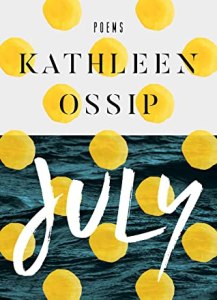


And I think these would be my absolute favourites:
What cover trends have you noticed this year?
Which ones tend to grab your attention?
Book Serendipity, Late 2020 into 2021
I call it Book Serendipity when two or more books that I read at the same time or in quick succession have something pretty bizarre in common. Because I have so many books on the go at once (20+), I suppose I’m more prone to such incidents than some. I also list some of my occasional reading coincidences on Twitter. The following are in chronological order.
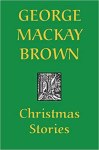
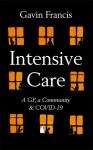
- The Orkney Islands were the setting for Close to Where the Heart Gives Out by Malcolm Alexander, which I read last year. They showed up, in one chapter or occasional mentions, in The Frayed Atlantic Edge by David Gange and The Stone Diaries by Carol Shields, plus I read a book of Christmas-themed short stories (some set on Orkney) by George Mackay Brown, the best-known Orkney author. Gavin Francis (author of Intensive Care) also does occasional work as a GP on Orkney.

- The movie Jaws is mentioned in Mr. Wilder and Me by Jonathan Coe and Landfill by Tim Dee.
- The Sámi people of the far north of Norway feature in Fifty Words for Snow by Nancy Campbell and The Mercies by Kiran Millwood Hargrave.
- Twins appear in Mr. Wilder and Me by Jonathan Coe and Tennis Lessons by Susannah Dickey. In Vesper Flights Helen Macdonald mentions that she had a twin who died at birth, as does a character in Miss Benson’s Beetle by Rachel Joyce. A character in The Light Years by Elizabeth Jane Howard is delivered of twins, but one is stillborn. From Wrestling the Angel by Michael King I learned that Janet Frame also had a twin who died in utero.
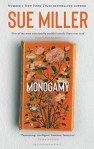
- Fennel seeds are baked into bread in The Mercies by Kiran Millwood Hargrave and The Strays of Paris by Jane Smiley. Later, “fennel rolls” (but I don’t know if that’s the seed or the vegetable) are served in Monogamy by Sue Miller.


- A mistress can’t attend her lover’s funeral in Here Is the Beehive by Sarah Crossan and Tennis Lessons by Susannah Dickey.
- A sudden storm drowns fishermen in a tale from Christmas Stories by George Mackay Brown and The Mercies by Kiran Millwood Hargrave.
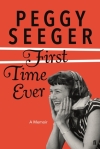 Silver Spring, Maryland (where I lived until age 9) is mentioned in one story from To Be a Man by Nicole Krauss and is also where Peggy Seeger grew up, as recounted in her memoir First Time Ever. Then it got briefly mentioned, as the site of the Institute of Behavioral Research, in Livewired by David Eagleman.
- Lamb is served with beans at a dinner party in Monogamy by Sue Miller and Larry’s Party by Carol Shields.
- Trips to Madagascar in Landfill by Tim Dee and Lightning Flowers by Katherine E. Standefer.
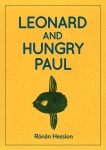 Hospital volunteering in My Year with Eleanor by Noelle Hancock and Leonard and Hungry Paul by Ronan Hession.
- A Ronan is the subject of Emily Rapp’s memoir The Still Point of the Turning World and the author of Leonard and Hungry Paul (Hession).
- The Magic Mountain (by Thomas Mann) is discussed in Scattered Limbs by Iain Bamforth, The Still Point of the Turning World by Emily Rapp, and Snow by Marcus Sedgwick.
- Frankenstein is mentioned in The Biographer’s Tale by A.S. Byatt, The Still Point of the Turning World by Emily Rapp, and Snow by Marcus Sedgwick.


- Rheumatic fever and missing school to avoid heart strain in Foreign Correspondence by Geraldine Brooks and Unsettled Ground by Claire Fuller. Janet Frame also had rheumatic fever as a child, as I discovered in her biography.
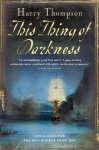
- Reading two novels whose titles come from The Tempest quotes at the same time: Owls Do Cry by Janet Frame and This Thing of Darkness by Harry Thompson.

- A character in Embers by Sándor Márai is nicknamed Nini, which was also Janet Frame’s nickname in childhood (per Wrestling the Angel by Michael King).
- A character loses their teeth and has them replaced by dentures in America Is Not the Heart by Elaine Castillo and The Light Years by Elizabeth Jane Howard.
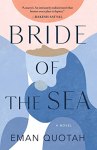
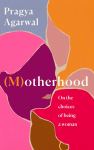
Also, the latest cover trend I’ve noticed: layers of monochrome upturned faces. Several examples from this year and last. Abstract faces in general seem to be a thing.




What’s the weirdest reading coincidence you’ve had lately?
Cover Love: My Favorite Book Covers of 2020
As I did last year, I’ve picked out some favorite book covers from the year’s new releases. In general, slap some flora and/or fauna on and I’m going to be drawn to a book. Sometimes these covers are colorful and busy; other times the layout is more stark.
Here are my favorite covers from books I’ve actually read:

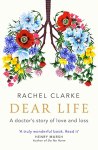


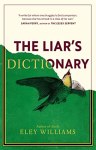

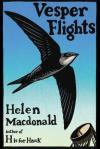
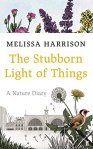
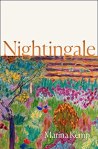


Plus a few I’ve read whose covers aren’t quite like the others:

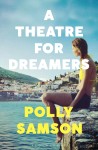
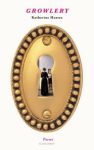
I prefer the U.S. cover (left) to the U.K. cover (right) in these four cases:


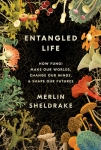


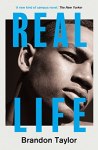
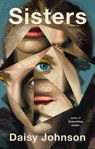

And here are covers that caught my eye even though I’ve not had a chance to read the books themselves (including USA-only releases and books my library doesn’t own):
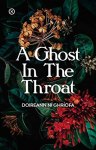



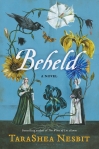
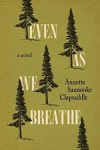
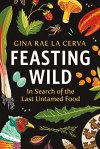
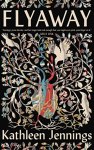
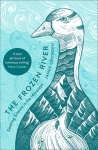
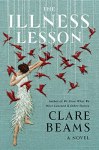
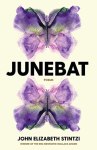
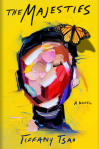
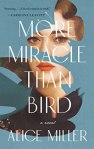


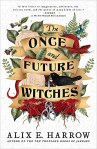


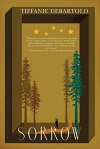

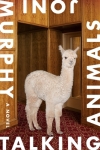
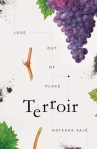
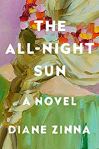


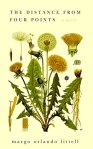

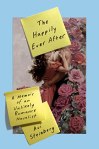
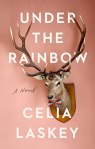

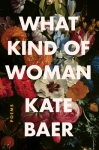

A few even buck the flora + fauna trend, employing interesting lines, shapes or perspective instead.


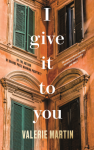
If I had to narrow it down, I think these three would be my absolute favorite covers of 2020:
What cover trends have you noticed this year?
Which ones tend to grab your attention?
They Don’t Make ’Em Like That Anymore
Volunteering at my local mall’s free bookshop, I see all manner of outmoded books and cover designs. I seem to be in a blogging slump*, so to keep things ticking over, I’ve compiled a selection of amusing period covers and blurbs I’ve come across there and elsewhere. (I got the Iris Murdochs in a bargain bundle from Oxfam years ago and read them for Liz’s recent readalong; the L’Engle children’s novel, a university library book, was recommended by Buried in Print.)
The dated:


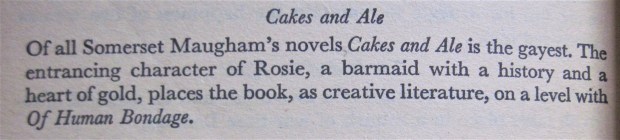
The provocative:


The lurid:


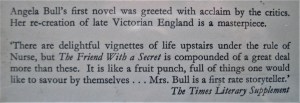
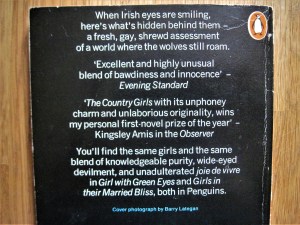
I can’t imagine that making it into a blurb or book review today…

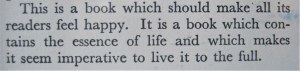
From the inside jacket of Meet the Austins.
From the back cover recommendation … “like a fruit punch”?!
An entirely unilluminating first paragraph on The Country Girls.
* More like a general life slump. January is tough for me: after all the cheer and socializing of the holidays, it’s back to the boring everyday and (often) to inescapably damp, cold weather. Many mornings it’s a struggle for me not to go back to bed after my husband leaves for work, and I’m more likely to leave assignments to the last minute. I was unsurprised to recall that today is called “Blue Monday,” while tomorrow is the fifth anniversary of my brother-in-law’s death from brain cancer.
At least it’s been sunny and frosty rather than gray and rainy for the last few days; I even managed to bundle up, don my wellies and spend half an hour reading with the cat on our garden bench this morning. (Our canalside garden is 1/3 flooded, but we’re on slightly higher ground so ours is nowhere near as bad as our neighbors’, which is a lake.)

In terms of books, I’m not particularly excited about at least half of the ones I’m reading. I’m sure I’ll get through them all eventually, but for now I’ve been bingeing on the few that appeal most. I’m working on a couple of thematic roundups (one on winter and another on love and marriage for Valentine’s Day), and will also report on a few recent releases I’ve enjoyed. I am finding, though, that with fewer review copies around, I have less direction and easily find a week or more passing before I think, “what can I blog about?!”
 Bookish Beck = Rebecca Foster. American transplant to England. Freelance proofreader and book reviewer.
 Bookish Beck