Happy 200th Birthday, Charlotte Brontë!
Today marks a big anniversary: the bicentennial of Charlotte Brontë’s birth. I’ve noticed a whole cluster of books being published or reissued in time for her 200th birthday, many of which I’ve reviewed with enjoyment; some of which I’ve sampled and left unfinished. I hope you’ll find at least one book on this list that will take your fancy. There could be no better time for going back to Charlotte Brontë’s timeless stories and her quiet but full life story.
Short Stories Inspired by Jane Eyre
MINOR SPOILERS AHEAD.
 Reader, I Married Him: Stories Inspired by Jane Eyre, edited by Tracy Chevalier
A mixed bag. Although there are some very good stand-alone stories (from Tessa Hadley, Sarah Hall, Emma Donoghue and Elizabeth McCracken, as you might expect), ultimately the theme is not strong enough to tie them all together and some seem like pieces the authors had lying around and couldn’t figure out what else to do with. Think about it this way: what story isn’t about romance and the decision to marry?
A few of the tales do put an interesting slant on this age-old storyline by positing a lesbian relationship for the protagonist or offering the possibility of same-sex marriage. Then there are the stories that engage directly with the plot and characters of Jane Eyre, giving Grace Poole’s (Helen Dunmore) or Mr. Rochester’s (Salley Vickers) side of things, putting Jane and Rochester in couples therapy (Francine Prose), or making Jane and Helen Burns part of a post-WWII Orphan Exchange (Audrey Niffenegger). My feeling with these spinoff stories was, I’m afraid, what’s the point? Plus there were a number of others that just felt tedious.
My least favorites were probably by Lionel Shriver (incredibly boring!), Kirsty Gunn (unrealistic, and she gives the name Mr. Rochester to a dog!) and Susan Hill (the title story, but she’s made it about Wallis Simpson – and has the audacity to admit, as if proudly, that she’s never read Jane Eyre!). On the other hand, one particular standout is by Elif Shafak. A Turkish Muslim falls in love with a visiting Dutch student but is so unfamiliar with romantic cues that she doesn’t realize he isn’t equally taken with her.
In Patricia Park’s story, my favorite of all, a Korean girl from Buenos Aires moves to New York City to study English. Park turns Jane Eyre on its head by having Teresa give up on the chance of romance to gain stability by marrying Juan, the St. John Rivers character. I loved getting a glimpse into a world I was entirely ignorant of – who knew there was major Korean settlement in Argentina? This also redoubled my wish to read Park’s novel, Re Jane. She’s working on a second novel set in Buenos Aires, so perhaps it will expand on this story.

The Bookbag reviews
Charlotte Brontë’s Secret Love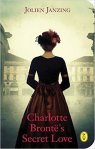 by Jolien Janzing
Charlotte and Emily Brontë’s time in Belgium – specifically, Charlotte’s passion for her teacher, Constantin Heger – is the basis for this historical novel. The authoritative yet inviting narration is a highlight, but some readers may be uncomfortable with the erotic portrayal; it doesn’t seem to fit the historical record, which suggests an unrequited love affair.

Sanctuary by Robert Edric
Branwell Brontë narrates his final year of life, when alcoholism, mental illness and a sense of disgrace hounded him to despair. I felt I never came to understand Branwell’s inner life, beneath the decadence and all the feeling sorry for himself. This gives a sideways look at Charlotte, Emily and Anne, though the sisters are little more than critical voices here; none of them has a distinctive personality.
Mutable Passions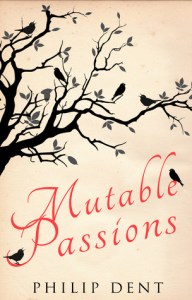 : Charlotte Brontë: A Disquieting Affair by Philip Dent
Dent focuses on a short period in Charlotte Brontë’s life: with all her siblings dead and Villette near completion, a surprise romance with her father’s curate lends a brief taste of happiness. Given her repeated, vociferous denial of feelings for Mr. Nicholls, I had trouble believing that, just 20 pages later, his marriage proposal would provoke rapturous happiness. To put this into perspective, I felt Dent should have referenced the three other marriage proposals Brontë is known to have received. Overwritten and suited to readers of romance novels than to Brontë enthusiasts, this might work well as a play. Dent is better at writing individual scenes and dialogue than at providing context.
Two Abandonees
I had bad luck with these two novels, which both sounded incredibly promising but I eventually abandoned (along with Yuki Chan in Brontë Country, featured in last month’s Six Books I Abandoned Recently post):
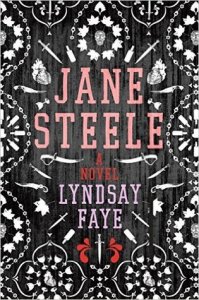 Jane Steele by Lyndsay Faye
Jane Steele is not quite Jane Eyre, though her life seems to mirror that of Brontë’s heroine in most particulars. How she differs is in her violent response to would-be sexual abusers. She’s a feminist vigilante wreaking vengeance on her enemies, whether her repulsive cousin or the vindictive master of “Lowan Bridge” (= Cowan Bridge, Brontë’s real-life school + Lowood, Jane Eyre’s). I stopped reading because I didn’t honestly think Faye was doing enough to set her book apart. “Reader, I murdered him” – nice spin-off line, but there wasn’t enough original material here to hold my attention. (Read the first 22%.)
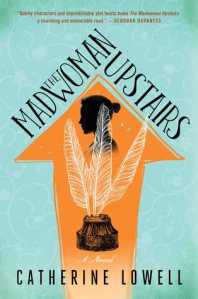 The Madwoman Upstairs by Catherine Lowell
There was every reason for me to love this novel – awkward American narrator, Oxford setting, Brontë connections aplenty, snarky literary criticism – but I got bored with it. Perhaps it was the first-person narration: being stuck in sarcastic Samantha Whipple’s head means none of the other characters feel real; they’re just paper dolls, with Orville a poor excuse for a Mr. Rochester substitute. I did laugh out loud a few times at Samantha’s unorthodox responses to classic literature (“Agnes Grey is, without question, the most boring book ever written”), but I gave up when I finally accepted that I had no interest in how the central mystery/treasure hunt played out. (Read the first 56%.)
An Excellent Biography
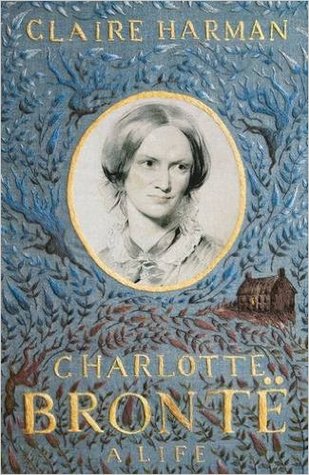 If I could recommend just one book from the recent flurry of Brontëana, it would be Charlotte Brontë: A Life by Claire Harman, which I reviewed for For Books’ Sake back in November.
One of the things Harman’s wonderful biography does best is to trace how the Brontës’ childhood experiences found later expression in their fiction. A chapter on the publication of Jane Eyre (1847) is a highlight. Diehard fans might not encounter lots of new material, but Harman does make a revelation concerning Charlotte’s cause of death – not TB, as previously believed, but hyperemesis gravidarum, or extreme morning sickness. This will help you appreciate afresh the work of a “poet of suffering” whose novels were “all the more subversive because of [their] surface conventionality.” Interesting piece of trivia for you: this and the Janzing novel (above) open with the same scene from Charlotte’s time in Belgium.

Have you read any of these, or other recent Brontë-themed books? What were your thoughts?
Bloxham Festival of Faith and Literature
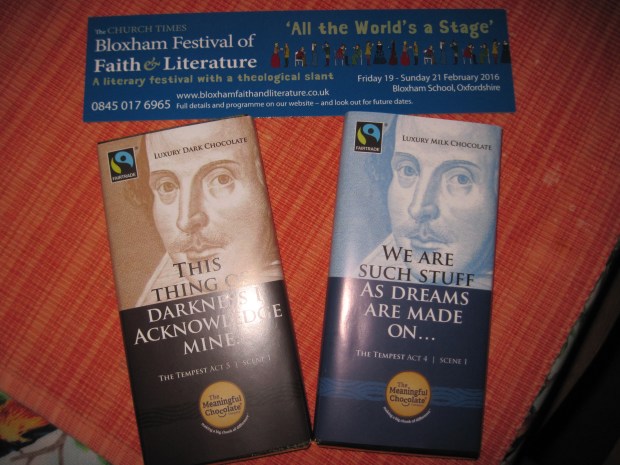
Bloxham Festival of Faith and Literature, “a literary festival with a theological slant,” has been running since 2011, but this past weekend marked the first time I managed to attend a few Saturday sessions. It was held at Oxfordshire’s very posh Bloxham School (sample course schedule: Mandarin, riding, and Shakespeare on Film). The theme for this year being “All the World’s a Stage,” all the events were given Shakespeare lines as titles. Hey, even the free chocolate bars from the Meaningful Chocolate Company were tailored to the Shakespeare theme!
The morning began with an interview with Sarah Perry. Now, I have to admit that I didn’t really get on with her first novel, After Me Comes the Flood. Still, I was intrigued by how she incorporates biblical themes and her religious background in her fiction, so I thought I’d give it a go. Perry herself wasn’t at all as I expected her to be. I’d only ever seen one tiny press photo, in which she had a somewhat tomboyish haircut and had a demurely downcast gaze. So I was pleasantly surprised to find she was voluble, learned, and confident; in a black lacey dress and with loosely pinned hair, she resembled a modern Gibson Girl with a Gothic twist.
Interviewed by the editor of the Church Times newspaper, Perry spoke a bit about her upcoming novel, The Essex Serpent (to be published in the UK by Serpent’s Tail on June 18th), set in 1890s London and an invented village on the Essex marshes. In keeping with the talk’s title, “I would not wish any companion in the world but you,” the book is about friendship, specifically that between a vicar and a widowed amateur naturalist. Inspired by her own relationship with her (male) best friend and by intimate ‘love letters’ she found that passed between friends (like St. Paul to the Philippians and D.H. Lawrence to Jack Murray, or Montaigne writing about his best friend), the novel seeks the goodness in its characters.
The two readings Perry gave were lush, Dickensian descriptions of the City under rain and a drunken man going for a dip in the marsh and seeing what appears to be a sea creature. Perry was surprised when her debut novel was described as Gothic, but she’s embraced the label now: her third book, currently in progress, is full-on Gothic horror. What links all of her work, she thinks, is the Gothic notion of the thing lurking over the shoulder. For Perry, that ever-present threat is Reformation theology: the idea that man is born in sin and deserves damnation. During her Strict Baptist upbringing (which she, not coincidentally, describes as being like living in the 1890s), she was cut off from contemporary culture and influenced primarily by the King James Bible and Foxe’s Book of Martyrs.
Perry spent a short time as a missionary in the Philippines and was a biblical fundamentalist until age 25, when she and her husband (whom she met at 13 and married at 20) left the church. Stepping outside of that limiting community was the impetus she needed to start writing; although she had had stories looping around her head since the age of four, she had rarely written anything down. She completed a creative writing MA and PhD, all while working full time at the Inns of Court.
 After Me Comes the Flood was rejected by 14 publishers; even her viva examiners, who passed her without corrections, were “ungracious,” she remarked. What it comes down to, she thinks, is simply that no one liked the book or knew what to make of it. It seemed unmarketable because it didn’t fit into a particular genre. At this point I was sheepishly keeping my head down, glad that Perry couldn’t possibly know about my largely unfavorable review in Third Way magazine. I confess that my reaction was roughly similar to the general consensus: “Not quite an allegory, [the book] still suffers from that genre’s pitfalls, such as one-dimensional characters,” I wrote.
A glowing Guardian review from poet John Burnside was enough to give Perry confidence to keep going as a novelist, and – having taken forever over writing her first book, an experience she likens to like pulling teeth because she had no idea what she was doing and could rarely overcome her natural laziness – she went on to write The Essex Serpent within just 10 months. And I’m glad she did, because this new book sounds right up my alley.
 It will be interesting to see how she imagines a platonic friendship between the sexes in a historical setting, and the Dickensian and Gothic touches, even from the little taster I got, were delicious. I was especially intrigued to learn about her research into the friendship ‘triangle’ (betrayal! early death! forgiveness!) between William Ewart Gladstone, Alfred Tennyson, and Arthur Henry Hallam. Perry said she thinks the tide may be turning, that friendships rather than romantic love could be starting to dominate fiction; perhaps Hanya Yanagihara’s A Little Life from last year would be a good example.
 In the other sessions I attended, a group of clergy revealed the shortlist for the £10,000 Michael Ramsey Prize for theology (to my surprise, I’d read one of the nominees, Unapologetic by Francis Spufford) and panelists introduced a forthcoming anthology of essays on Anglican women novelists from Charlotte Brontë onwards (to be published by Bloomsbury in January 2018). Jane Williams, wife of former archbishop Rowan Williams, will contribute a chapter on Barbara Pym, who obviously loved the Church but also sits at an anthropological distance to poke gentle fun at it. Her novels sound like great fun. Judith Maltby, one of the editors, convinced me that I need to read Rose Macauley’s The Towers of Trebizond (1956), while co-editor Alison Shell made the case for P.D. James’s late inclusion.
 Chaired by contemporary Anglican novelist Catherine Fox, the panel noted two common threads in many of the featured novelists: detective fiction and humor. The striking number of crime novelists (including Dorothy L. Sayers and Ellis Peters), Shell suggested, one might attribute to an Anglican license to moralize or a preoccupation with ‘last things’. Humor, meanwhile, seems to arise from the little hypocrisies inherent to religious life and to the fact that liturgical seriousness can often tilt into comedy. Other repeated themes include the sacraments, the role of the spinster, and class – the clergy are often educated but poor. I came away with a list of authors to try; many of their works are available through Virago reprints.
All in all, it was a terrific, thought-provoking experience for me – a perfect mixture of literature and theology, and a great way to spend a blustery February Saturday.
Reviews Roundup, October–November
One of my goals with this blog is to have one convenient place where I can gather together all my writing that has appeared in disparate online locations. To that end, once a month I provide links to all book reviews I’ve published elsewhere, with a rating (below each description) and a taster so you can decide whether to read more. A few exceptions: I won’t point out my Kirkus Indie, BlueInk or Publishers Weekly reviews since I don’t get a byline.
This month you may recognize a few books I already previewed in my posts on books as beautiful objects and library books read in October.
The Bookbag
Charlotte Brontë’s Secret Love by Jolien Janzing: Charlotte and Emily Brontë’s time in Belgium – specifically, Charlotte’s passion for her teacher, Constantin Heger – is the basis for this historical novel. The authoritative yet inviting narration is a highlight, but some readers may be uncomfortable with the erotic portrayal; it doesn’t seem to fit the historical record, which suggests an unrequited love affair. My other issue with the book is a couple of subplots that only seem to have minor significance.

In Fidelity by Jack Wilson: In this 1970s-set novel, the central couple’s relationship is tested by illness and extramarital sexual experiences. Moving from New England to Nigeria and back, the story asks what loyalty really requires when a once-strong connection has faded over time. Strongly reminiscent of John Updike in Part One, this is the male view of adultery. Something about the self-justifying tone stuck in my craw. A more balanced book would give the wife’s perspective, too, as Carol Shields did in Happenstance, or like Lauren Groff recently did to great success in Fates and Furies.

BookBrowse
 The Tsar of Love and Techno by Anthony Marra [subscription service]: This collection of tightly linked short stories, an intimate look at Russia and Chechnya in wartime and afterwards, reveals how politics, family, and art intertwine. Ranging from 1937 to 2013, the pieces show how fear and propaganda linger in the post-Stalinist era. In art as much as in politics, it can be difficult to distinguish airbrushed history from bitter reality. Just as he did in his excellent debut novel, A Constellation of Vital Phenomena, Marra renders unspeakable tragedies bearable because of his warm and witty writing. All his characters’ voices are well-realized and inviting, and he comes up with terrific one-liners.

BookTrib
 Mad Feast by Matthew Gavin Frank: This is the cookbook David Foster Wallace might have written. In an off-the-wall blend of memoir, travel, history and fiction, Frank proceeds region by region, choosing for each American state one beloved dish and interrogating its origins as well as its metaphors and associations. It’s a mixed bag of familiar foods and ones that only locals are likely to know about. Each chapter ends with a recipe for the signature plate, whether from a Lutheran church or a posh restaurant. Frank’s digressive, anecdotal approach takes some getting used to. If you appreciate the style of writers like Geoff Dyer, Maggie Nelson and Will Self, this should be your next food-themed read.
For Books’ Sake
Charlotte Brontë: A Life by Claire Harman: With her bicentennial approaching in April 2016, it’s the perfect time to revisit Charlotte Brontë’s timeless stories. One of the things Harman’s biography does best is trace how the Brontës’ childhood experiences found later expression in fiction. A chapter on the publication of Jane Eyre is a highlight. Diehard fans might not encounter lots of new material, but Harman does make a revelation concerning Charlotte’s cause of death – not TB, as previously believed, but hyperemesis gravidarum (extreme morning sickness). This will help you appreciate afresh a “poet of suffering” whose novels were “all the more subversive because of [their] surface conventionality.”

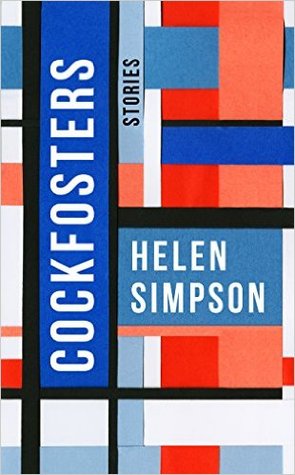
Cockfosters by Helen Simpson: Simpson’s sixth story collection is full of wry, incisive reflections on aging, loss, regrets, gender roles, and a changing relationship to sex. Most of Simpson’s characters are in their late forties, a liminal time when they’re caught between older parents and still-needy children. Many pieces are dialogue-driven, like scenes in plays. In “Kentish Town,” book club members meet to discuss Dickens’s The Chimes. Simpson weaves in discussion of the plot with commentary on the state of the nation as the ladies set the world to rights and make New Year’s resolutions. It’s a perfect story to read in the run-up to Christmas. The overall stand-out is “Erewhon,” named for Samuel Butler’s 1872 satirical utopian novel. It quickly becomes clear that gender roles are reversed in its fictional world.
Foreword Reviews
 Addiction Is Addiction by Raju Hajela, Paige Abbott and Sue Newton: This comprehensive, well-organized guide discusses the features of addictive thinking and feeling, suggests holistic recovery methods, and offers useful definitions, diagrams, and case studies. The authors are affiliated with Health Upwardly Mobile Inc., Calgary, Alberta. Tracing the history of addiction back to the eighteenth century, when it was first known as “alcoholic disease syndrome,” they present an expert view of the disease’s symptoms and outlook. Strongly recommended to those who have participated in groups like Alcoholics Anonymous or Narcotics Anonymous.
Kirkus
Indie Spotlight: Books about Religion: Self-publishing allows writers to tell their full stories. An article based on interviews with four indie religion authors and mini-reviews of their books.
Nudge
Notes on Suicide by Simon Critchley: Critchley is a philosophy professor at New York’s New School for Social Research. Although he reassures readers with his first line that “This book is not a suicide note,” he also hints that its writing was inspired by personal trouble: “my life has dissolved over the past year or so, like sugar in hot tea.” Not suicidal himself, then, but sympathetic to those who are driven to self-murder. This concise essay illuminates arguments surrounding suicide, with points of reference ranging from Greek philosophers to Robin Williams. Overall, though, it feels cursory and inconclusive.
 The Gratitude Diaries by Janice Kaplan: We can all do with a little encouragement to appreciate what we already have. In so many areas of life – finances, career, relationship, even the weather – we’re all too often hoping for more or better than what we are currently experiencing. Here Kaplan undertakes a year-long experiment to see if gratitude can improve every aspect of her life. She draws her information from interviews with researchers and celebrities, quotes from philosophers, and anecdotes from her own and friends’ lives. It’s easy, pleasant reading I’d recommend to fans of Gretchen Rubin.
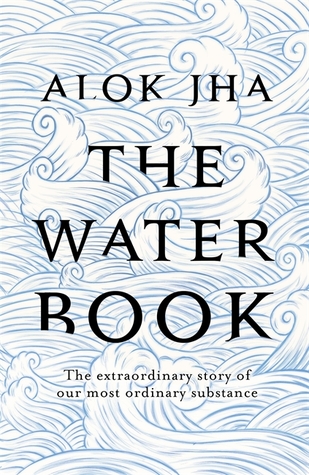 The Water Book by Alok Jha: An interdisciplinary look at water’s remarkable properties and necessity for life on earth. For the most part, Jha pitches his work at an appropriate level. However, if it’s been a while since you studied chemistry at school, you may struggle. Part IV, on the search for water in space, is too in-depth for popular science and tediously long. In December 2013 Jha was part of a month-long Antarctic expedition. He uses the trip as an effective framing device, but I would have liked more memoiristic passages. All in all, I was hoping for less hard science and more reflection on water’s importance to human culture.
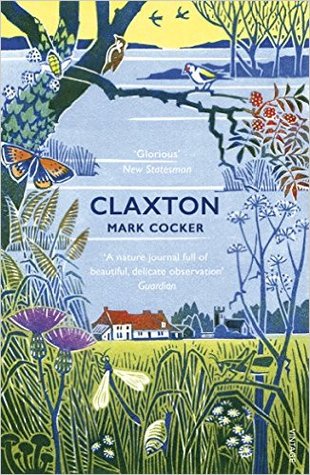 Claxton: Field Notes from a Small Planet by Mark Cocker: Mark Cocker is the Guardian’s country diarist for Norfolk. The short pieces in this book are reprints of his columns, some expanded or revised. I would advise keeping this as a bedside or coffee table book from which you read no more than one or two entries a week, so that you always stay in chronological sync. You’ll appreciate the book most if you experience nature along with Cocker, rather than reading from front cover to back in a few sittings. The problem with the latter approach is that there is inevitable repetition of topics across years. All told, after spending a vicarious year in Claxton, you’ll agree: “How miraculous that we are all here, now, in this one small place.”
 A Mile Down by David Vann: Vann, better known for fiction, tells the real-life story of his ill-fated journeys at sea. He hired a Turkish crew to build him a boat of his own, and before long shoddy workmanship, language difficulties, bureaucracy, and debts started to make it all seem like a very bad idea. Was he cursed? Would he follow his father into suicide? The day-to-day details of boat-building and sailing can be tedious, and there’s an angry tone that’s unpleasant; Vann seems to think everybody else was incompetent or a crook. However, he does an incredible job of narrating two climactic storms he sailed through.
Wasafiri
The Triumph of the Snake Goddess by Kaiser Haq: Beginning with the creation of the world and telling climactic tales of the snake goddess Manasa’s interactions with humans, Haq crafts a uniquely playful set of sacred stories that bear striking similarities to those from other religious traditions. Like Greek myths, the Manasa stories are full of shape-shifting and mistaken identity; rape and incest; jealousy and revenge; and over-the-top exploits of warring gods. She even wears snakes in her hair, like Medusa. Many parallels can also be drawn with the Hebrew and Christian scriptures. Haq’s rendering of the creation account, in particular, resembles the language of Genesis. This book will appeal to students of comparative religion, but can be read with equal enjoyment by laymen in search of engaging storytelling.
I also post reviews of most of my casual reading and skimming on Goodreads.
Mrs. Stevens Hears the Mermaids Singing by May Sarton: Although I’m a huge fan of Sarton’s memoirs, this was my first taste of her fiction. I was underwhelmed: it’s slight and strangely unfeminist. Part of the problem may be that I know so much about Sarton that I couldn’t help but see all the autobiographical detail here. Most of the novel’s action takes place in one day, as Mrs. Stevens awaits the arrival of two interviewers and reflects on past love affairs (some with women) and the meaning of the Muse. For me, Sarton’s journals are a better source of deep thoughts on the writer’s vocation, the value of solitude and the memory of love. This was seen as Sarton’s coming-out book, although it’s not at all sexually explicit.
 Running on the March Wind by Lenore Keeshig: Keeshig is a First Nations Canadian; these poems are full of images of Nanabush the Trickster, language from legal Indian acts, and sly subversion of stereotypes – cowboys and Indians, the only good Indian is a dead Indian (in “Making New”), the white man’s burden, and so on. In places I found these more repetitive and polemical than musical, though I did especially like the series of poems on trees.
The Cartographer Tries to Map a Way to Zion by Kei Miller: Kei Miller is a Jamaican writer who uses island patois and slang, and Rastafarian images and language, alongside standard English. Here he sets up (especially with the long, multi-part title poem) a playful contrast between the cartographer, emblem of civilization and unbiased science, and the rastaman, who takes an altogether more laidback approach to mapping his homeland. This was the perfect poetry collection to be reading in tandem with A Brief History of Seven Killings (see below).
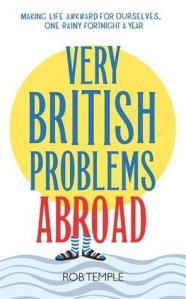 Very British Problems Abroad by Rob Temple: This is possibly ever so slightly funnier than the original (Very British Problems). A lot of it rings true. Once again the fact that the book originated as tweets means you can’t read too much of it at a time or the one-liners grow tiresome. A couple of my favorites were: “The feeling of dread as you approach the campsite and only then remembering that last year you said you’d never, ever do this again” and “Noticing an avalanche heading your way and hoping your umbrella’s up to the job.”
 Purity by Jonathan Franzen: By starting and ending with Purity ‘Pip’ Tyler, Franzen emphasizes his debt to Dickens: shades of both Bleak House and Great Expectations are there in the discovery of true parentage and unexpected riches. This is strong on the level of character and theme. Secrecy, isolation and compassion are recurring topics. East Germany, Bolivia and Oakland, California: Franzen doesn’t quite pull all his settings and storylines together, but this is close. With a more dynamic opening section, it might have been 5 stars.
 A Brief History of Seven Killings by Marlon James: This is an edgy, worthwhile Booker pick, but not for the faint-hearted. For the most part, James alternates patois and standard speech, but nearly every section is packed with local slang and expletives. Whether in monologue or dialogue, the many voices form a captivating chorus. The novel is in five parts, each named after a popular song or album of the time. James’s scope, especially as he follows Josey Wales to the Bronx, is too wide. All the narrative switches, once so dynamic, grow tiresome. At 350 pages this would have been a 5-star read. Nevertheless, I’ll be watching the HBO miniseries. (Full review to appear in December 2015 issue of Third Way magazine.)
 Kitchens of the Great Midwest by J. Ryan Stradal: One of my favorite debuts of 2015. Stradal has revealed that his grandmother’s Lutheran church cookbook was the inspiration for this culinary-themed novel that takes place over the course of 30 years. His unique structure takes what are essentially short stories from different perspectives and time periods and links them loosely through Eva Thorvald. Eva’s pop-up supper club gains fame thanks to her innovative adaptations of traditional Midwestern foods like venison or Scandinavian lutefisk; it charges $5,000 a head. I loved almost all of Stradal’s ordinary, flawed characters. If you want a peek at how average Americans live (apart from the $5,000 meals), you’ll find it here.
 The Japanese Lover by Isabel Allende: Allende is a wonderful storyteller. This isn’t up to the level of her South American novels (e.g. The House of the Spirits), and in elaborating both Alma’s and Irina’s stories there’s a bit too much telling rather than showing, but I thoroughly enjoyed the book all the same – I devoured it in just a few days. Allende is sensitive to both the process of aging and the various strategies for dealing with traumatic events from the past.
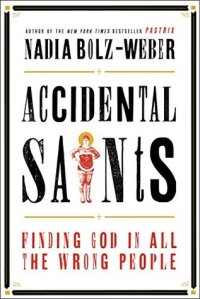 Accidental Saints: Finding God in All the Wrong People by Nadia Bolz-Weber: I knew of Nadia Bolz-Weber through Greenbelt Festival. She’s a foul-mouthed, tattooed, fairly orthodox Lutheran pastor. This brief, enjoyable memoir is about how she keeps believing despite her own past issues and the many messed-up and outwardly unlovable people who show up at her church, House for All Sinners and Saints in Denver. In my favorite section, she zeroes in on one Holy Week and shows the whole range of emotions and trauma that religion can address. The Ash Wednesday chapter is the overall highlight.
 The Road to Little Dribbling: Adventures of an American in Britain by Bill Bryson: Bryson’s funniest book for many years. It meant a lot to me since I am also an American expat in England. Two points of criticism, though: although he moves roughly from southeast to northwest in the country, the stops he makes are pretty arbitrary, and his subjects of mockery are often what you’d call easy targets. Do we really need Bryson’s lead to scorn litterbugs and reality television celebrities? Still, I released many an audible snort of laughter while reading.
 Shaler’s Fish by Helen Macdonald: I was a huge fan of Macdonald’s memoir, H is for Hawk, so was excited to read her poetry collection, originally published in 2001 but to be reissued by Atlantic Monthly Press. Unfortunately, despite the occasional bird and nature imagery (e.g. in “Monhegan”), I found these poems largely inaccessible. Perhaps it was the sprinkling of archaic vocabulary and spellings, or the general lack of punctuation apart from annoying slashes and ampersands.

Portrait of an Addict as a Young Man: A Memoir by Bill Clegg: One of the finest memoirs I’ve come across (and I read a heck of a lot of them). Through this book I followed literary agent Bill Clegg on dozens of taxi rides between generic hotel rooms and bar toilets and New York City offices and apartments; together we smoked innumerable crack pipes and guzzled dozens of bottles of vodka while letting partners and family members down and spiraling further down into paranoia and squalor. Every structural and stylistic decision works: the present tense, short paragraphs, speech set out in italics, occasional flashback chapters distanced through third-person narration. Clegg achieves a perfect balance between his feelings at the time – being out of control and utterly enslaved to his next hit – and the hindsight that allows him to see what a pathetic figure he was becoming.
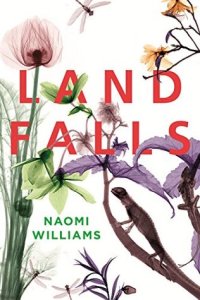 Landfalls by Naomi J. Williams: An enjoyable novel of eighteenth-century maritime adventure, based on a true story and reminiscent of Matthew Kneale’s English Passengers and Peter Carey’s Parrot and Olivier in America. Williams moves between the perspectives of various crew members and outsiders, sometimes employing first person and sometimes third. Key chapters are set in South America, California, Alaska, Macao, and the Solomon Islands. I especially enjoyed a chapter from the point-of-view of a native Alaskan girl – one of the few times the novel focuses on female experience.
 Dept. of Speculation by Jenny Offill: Not as innovative or profound as I was expecting given the rapturous reviews from so many quarters. It’s an attempt to tell an old, old story in a new way: wife finds out her husband is cheating. Offill’s style is fragmentary and aphoristic. Some of the facts and sayings are interesting, but most just sit there on the page and don’t add to the story. What I did find worthwhile was tracing the several tense and pronoun changes: from first-person, past tense into present tense, then to third-person and back to first-person for the final page.
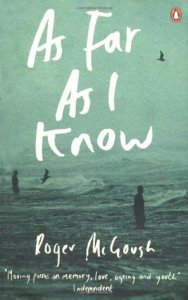 As Far As I Know by Roger McGough: A bit silly for my tastes; lots of puns and other plays on words. In style they feel like children’s poems, but with vocabulary and themes more suited to adults. I did like “Indefinite Definitions,” especially BRUPT: “A brupt is a person, curt and impolite / Brusque and impatient / Who thinks he’s always right.” The whole series is like that: words with the indefinite article cut off and an explanation playing on the original word’s connotations. From the “And So to Bed” concluding cycle, I loved Camp bed: “A la Recherche du Temps Perdu / on the bedside table / Gardenia on the pillow / Silk pyjamas neatly folded.”
 The Penguin Lessons: What I Learned from a Remarkable Bird by Tom Michell: Marley & Me with a penguin. Well, sort of. A sweet if slight story about the author keeping a Magellanic penguin as a pet while teaching in an Argentina boarding school in the 1970s. On a vacation to Uruguay the twentysomething rescued a penguin from an oil spill and named him Juan Salvado. The uproarious process of cleaning the oil-sodden bird, achieved with a bidet, string bag, and plenty of dish soap, was my favorite passage. However, I’m hesitant about anthropomorphizing, and the language can be stiff – I would have dated this to the 1950s by the speech. Also, there’s precious little evidence of Argentina’s political upheaval.
Books as Objects of Beauty
At least half of my reading nowadays is e-books, usually downloaded from NetGalley and Edelweiss and read on my Kindle. All the same, I still love the feel and smell of paper books, and it’s a special treat when the books are things of beauty in their own right. A few books I’ve reviewed recently have been absolutely stunning physical objects. Here are some photographs and a rundown of their key attributes:
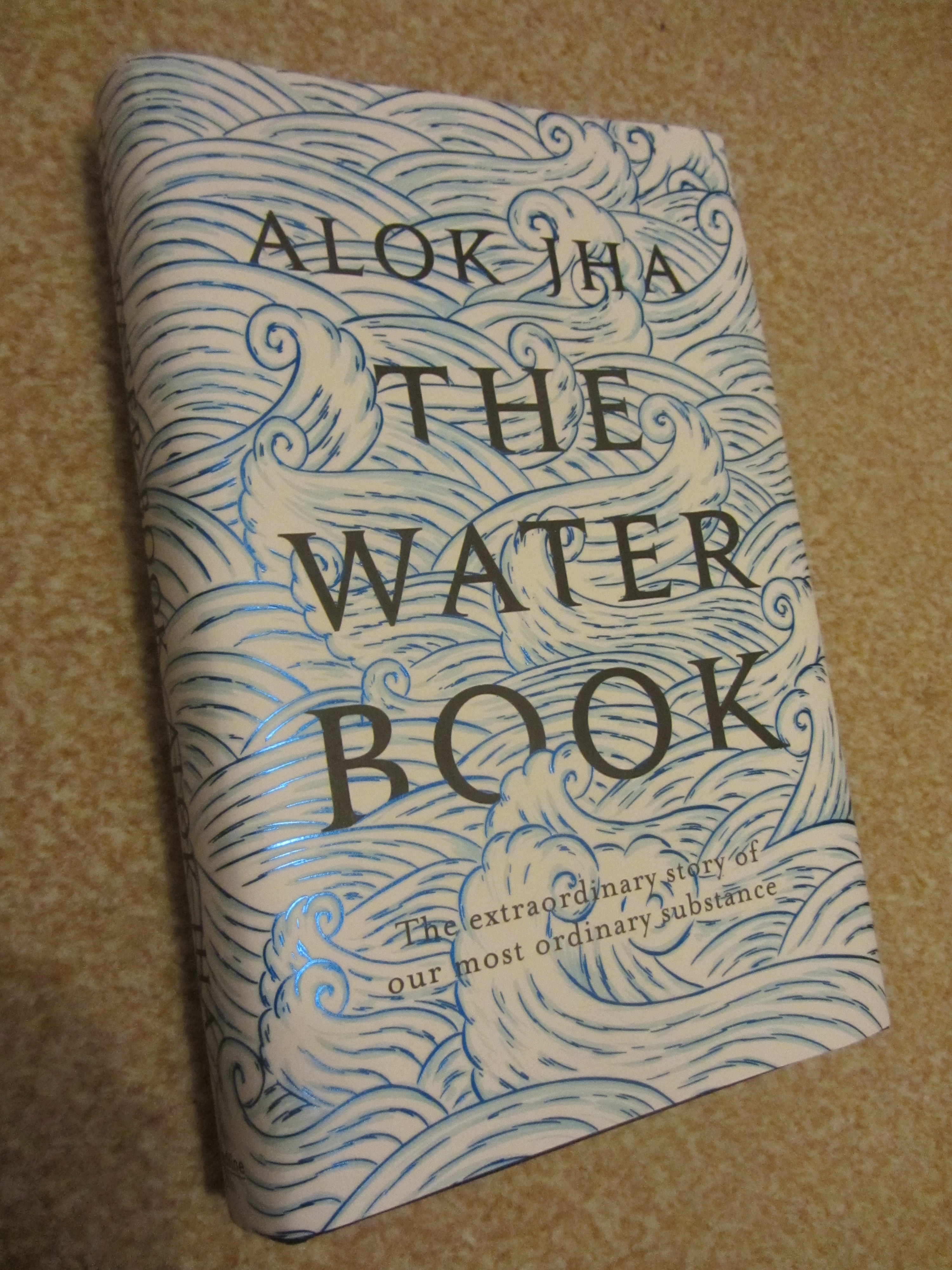
The Water Book by Alok Jha – Just look at that gorgeous, shiny cover! I was less taken with the contents of the book itself, but never mind. (My review is forthcoming at Nudge.)
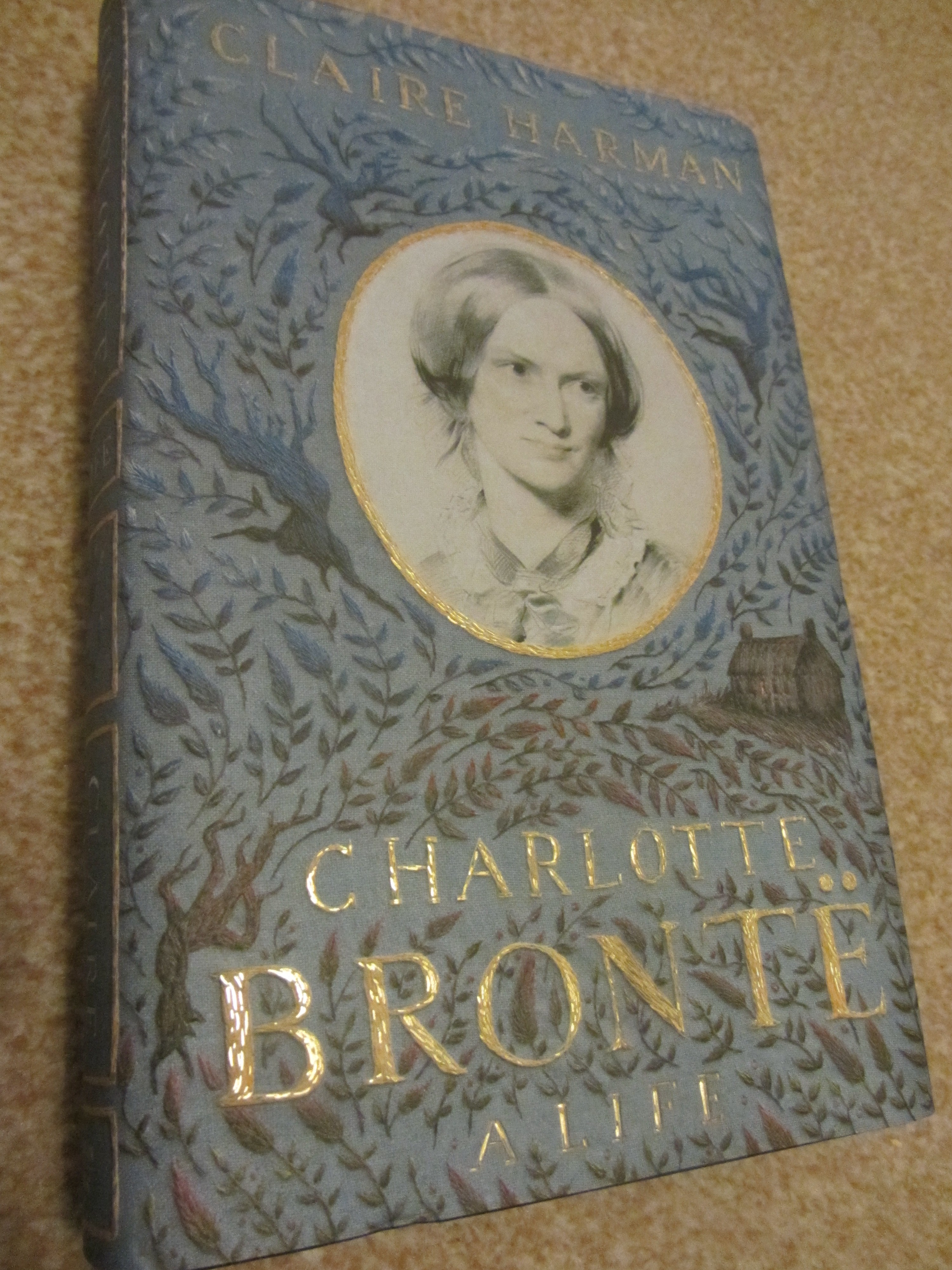
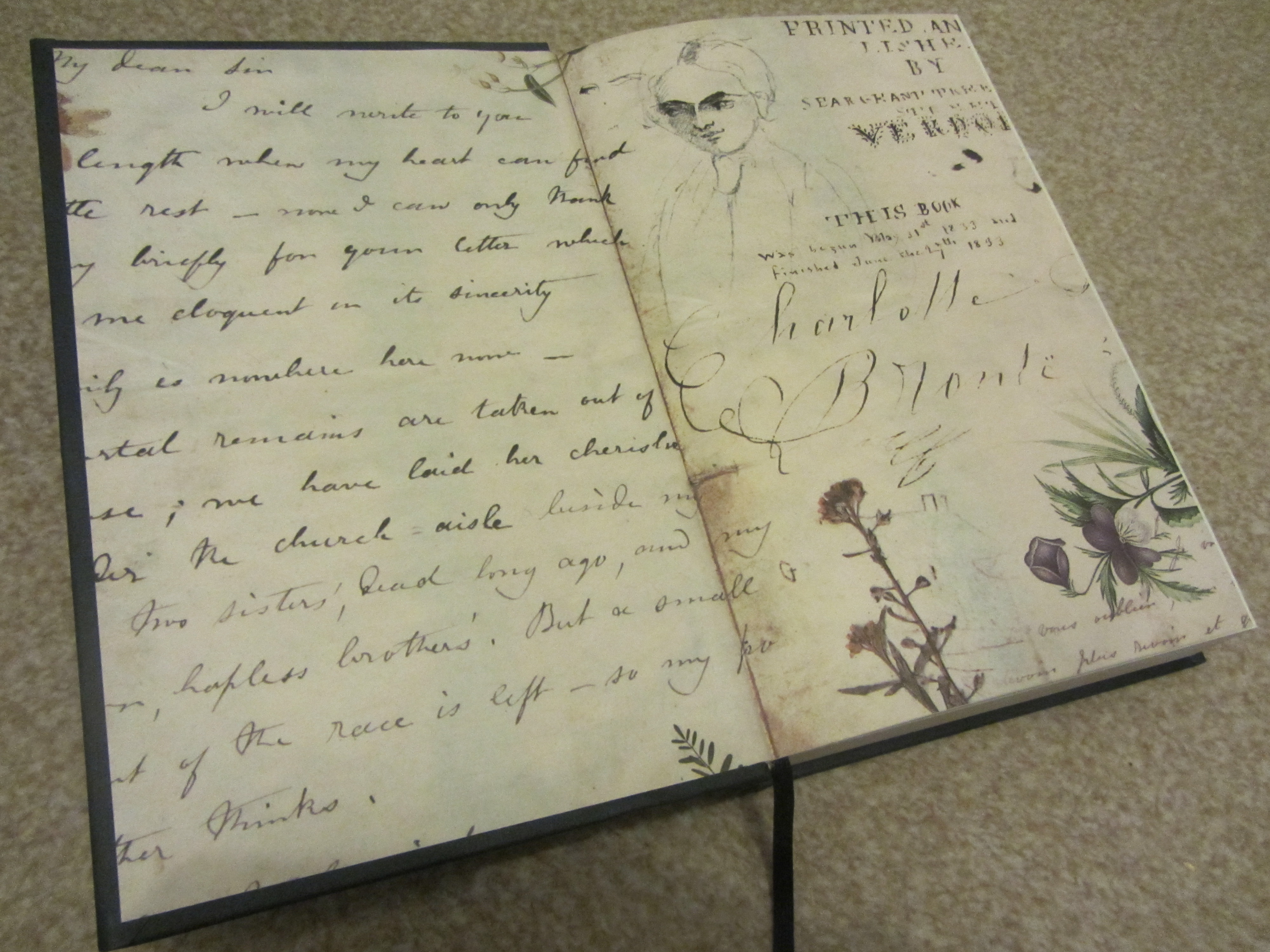
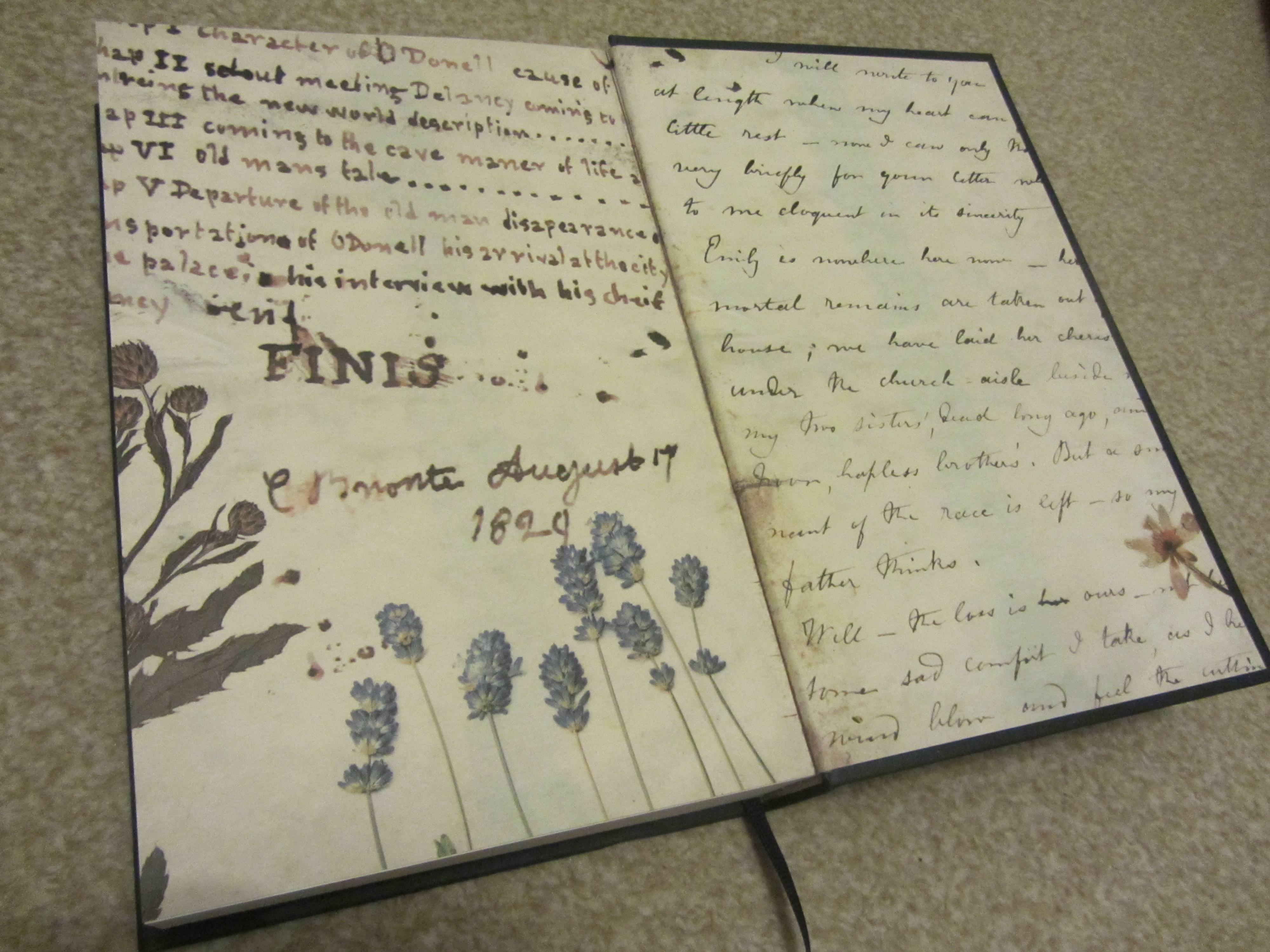
Charlotte Brontë: A Life by Claire Harman – Embossed embroidery effect on the cover, handwriting and sketches (including the only known C. Brontë self-portrait, only recently identified) on the endpapers, and built-in ribbon bookmark. (My review will go up at For Books’ Sake on Wednesday.)
A Brief History of Seven Killings by Marlon James – The dustjacket of this Booker Prize winner is lovely enough, but take it off and you still hold a striking object, in appropriately Rastafarian colors. (Full review in December issue of Third Way magazine.)


Ruins by Peter Kuper – Embossed title on the cover, with the monarch in matte; entomological drawings on the endpapers; alternating monochrome and full-color sequences; plus a built-in ribbon bookmark. (To be reviewed here in the near future.)


To survive in this modern age, physical books have to be more than just words on a page, because e-books do that much more efficiently. They simply have to be beautiful.
What are some of the most eye-catching books you’ve encountered recently?
Two Trips to the Theatre
Jane Eyre at the National Theatre
On October 3rd I was lucky enough to see a new production of Jane Eyre at London’s National Theatre. Thanks to theatre vouchers I had lying around, I paid all of £8 for my back-row seat, from which I had an excellent view, especially thanks to the pair of mini binoculars. Ten actors and musicians share all the roles. Sometimes a change of dress or hat is all that makes the distinction. For instance, the same actress (Laura Elphinstone) plays Helen Burns, Grace Poole, Adèle Varens, and St. John Rivers. One actor even plays Pilot the dog. His persistent “whoo-whoo” bark and habit of flopping at people’s feet make for charming comedy.
But the play belongs, of course, to Jane, and Madeleine Worrall is perfectly cast: unassuming yet passionate, a little firebrand. I can’t say for certain, but my impression is that she never leaves the stage during the entire production. She plays Jane at all ages: she voices a creepy baby cry when the bundle of cloth representing her infant self appears; other actors help her in and out of various dresses over a simple white shift as she grows up. The addition of a corset and petticoat indicates that she is now an adult, and a wedding dress and veil are the symbols of true love dangled before her eyes and then snatched away.
Set, props and music are all used to great effect. The action takes place on a complex of boardwalks, staircases and ladders, and most of the props are also wood and metal: stools, crates and window frames moved around to model different settings. The multiple levels allow for comings and goings but also for subtle displays of power relations. Objects hanging from the ceiling help to create location – family portraits and ominous red lighting signify Gateshead (the Reed house), simple sacking garments characterize Lowood School, and window frames and bare bulbs that flicker to Bertha’s laughs quite effectively evoke Thornfield Hall.
There is live musical backing at many points, with a piano, guitar, double bass and drums tucked off center under one of the boardwalks. The music ranges from instrumentals that wouldn’t be out of place in Downton Abbey or The Lord of the Rings to pop songs. An opera singer in a red satin dress wanders around singing snatches of folk spirituals and contemporary numbers. I certainly didn’t expect to hear Cee Lo Green’s “Crazy” during an adaptation of a nineteenth-century novel, but somehow it fits brilliantly.
The play is admirably true to the book. The two climactic fire scenes work very well, better than one might expect, and the romantic moments between Jane and Rochester are touchingly believable. I especially liked how journeys are suggested: a huddle of actors stand in the center of the stage and run in place to a percussion backing and a chant of destinations. One coach journey is even interrupted by a ‘piddle break’! Deaths are marked by opening a trap door near the edge of the stage and a character slowly descending some stairs out of sight.
The play started life in Bristol as a two-part adaptation stretching to four hours; for its move to London it has been condensed to just over three hours, but this still feels long, especially towards the end of the first act or in the aftermath of the revelation about Bertha. The St. John material, especially, drags – though that is true of the book as well. My main criticism of the production would be the way it sometimes tries to externalize Jane’s thoughts by having her ‘talk to herself’ via three or four other actors arguing. An angsty monologue à la Hamlet would have done the job just fine. Revealing Jane’s feelings for Rochester through a performance of the song “Mad About the Boy” likewise struck me as unsubtle.
![Painted by Evert A. Duyckinck, based on a drawing by George Richmond [Public domain], via Wikimedia Commons/](https://commons.wikimedia.org/wiki/File:Charlotte_Bronte_coloured_drawing.png)
Charlotte Brontë. Painted by Evert A. Duyckinck, based on a drawing by George Richmond [Public domain], via Wikimedia Commons.
A big anniversary is coming up: 2016 is the bicentennial of Charlotte Brontë’s birth. I’ve noticed a cluster of books being published or reissued in advance of her 200th birthday, such as Claire Harman’s biography, which I’ll review for For Books’ Sake, and a novel translated from the Dutch about Emily and Charlotte’s time in Belgium, Charlotte Brontë’s Secret Love by Jolien Janzing, which I’ll read for The Bookbag. There could be no better time for going back to her timeless stories, whether through the books themselves or another artistic expression.
My rating: 
To compare the thoughts of some professional theatregoers and see a few photos, check out the reviews on the Guardian and Telegraph websites.
When We Are Married by the Twyford & Ruscombe Players
J.B Priestley (1894–1984) is not a very familiar name for me, but my husband assures me he’s well known and loved here in England, if only for the play An Inspector Calls, which he studied at GCSE (it’s still a set text) and saw on stage. When We Are Married, one of the prolific Yorkshire author’s many plays, was first performed in 1938, though it’s set in 1908. I went to see it in our local village hall this past Saturday night.
The premise is simple: three couples (the Helliwells, Parkers and Soppitts) are celebrating their silver wedding anniversary, having all been married in the same chapel on the same morning. They even have a photo commemorating the occasion, and today they hope to recreate that shot. Over the years they have done well for themselves: one man is an alderman and another a counsellor; all three are heavily involved in their local chapel.

Press photograph of the original 1938 production: (clockwise from top left) Raymond Huntley, Lloyd Pearson, Ernest Butcher, Ethel Coleridge, Muriel George, and Helena Pickard. (From “The World of the Theatre,” Illustrated London News, 5 November 1938.)
All is not well in this small Yorkshire village, however. They are disappointed with their newly hired organist, a la-di-da southerner named Gerald Forbes who has been seen stepping out with young ladies at night. The whole play takes place in the drawing room of Alderman Helliwell’s home, and in an early scene the three gentlemen summon Gerald with the intention of dismissing him. However, he has his own surprise: a letter from the parish’s former parson, confessing that he wasn’t properly licensed to perform wedding ceremonies at the time. Consequently, these three pillars of the community are not legally married after all.
The news soon gets out thanks to a sullen cook who was listening behind the door and broadcasts the story at the local pub. In Act II the couples – including Gerald and his secret sweetheart, the Helliwells’ niece – take it in turns to come on stage for private chats. They spend time imagining what could be different in their lives if they really were single. Henpecked Herbert Soppitt gets his own back after years of cowering, while Mrs. Parker finally tells the Counsellor how dull and stingy she’s always found him to be.
The two best characters are Ruby Birtle, the Helliwells’ garrulous maid, and Henry Ormonroyd, a drunken photographer sent by the Yorkshire Argus. He functions like the Fool in this Shakespearean comedy of reversals, and happens to have some of the most profound lines. Will these unlucky couples get their anniversary photograph after all?
This was an enjoyable local production. The simple set was easy to maintain, and the acting – especially the Yorkshire accents – unimpeachable. The audience was in three sections in a rough semicircle around the action; my chair was just five feet behind a chaise longue on set. My only criticism would be that one of the three wives looked 20 years younger than the rest. I’ll certainly venture out for another show by the Twyford & Ruscombe Players.
My rating: 
Literary Tourism in Manchester
Over the August bank holiday weekend, my husband and I went to Manchester for the first time. Big cities aren’t our usual vacation destinations of choice, but we were going for the Sufjan Stevens gig at the O2 Apollo on the 31st and wanted to do the city justice while we were there, so stayed two nights at a chain hotel and worked out everything we wanted to see and do there, including two literary pilgrimages for me: Elizabeth Gaskell’s House and Chetham’s Library, where Karl Marx and Friedrich Engels met and discussed ideas in the summer of 1845. Armed only with a two-page map sliced out of an eleven-year-old Rough Guide, we felt perhaps a little ill-equipped, but managed to have a nice time nonetheless.
In preparation, I read The Communist Manifesto on the train ride north. It’s only 50 pages, and even with an introduction and multiple prefaces my Vintage Classics copy only comes to 70-some pages. That’s not to say it’s an easy read. I’ve never been politically or economically minded, so I struggled to follow the thread of the argument at times. Mostly what I appreciated was the language. In fact, it had never occurred to me that this was first issued in Marx’s native German; like Darwin’s Origin of Species, another seminal Victorian text, it has so many familiar lines and wonderful metaphors that have entered into common discourse that I simply assumed it was composed in English.

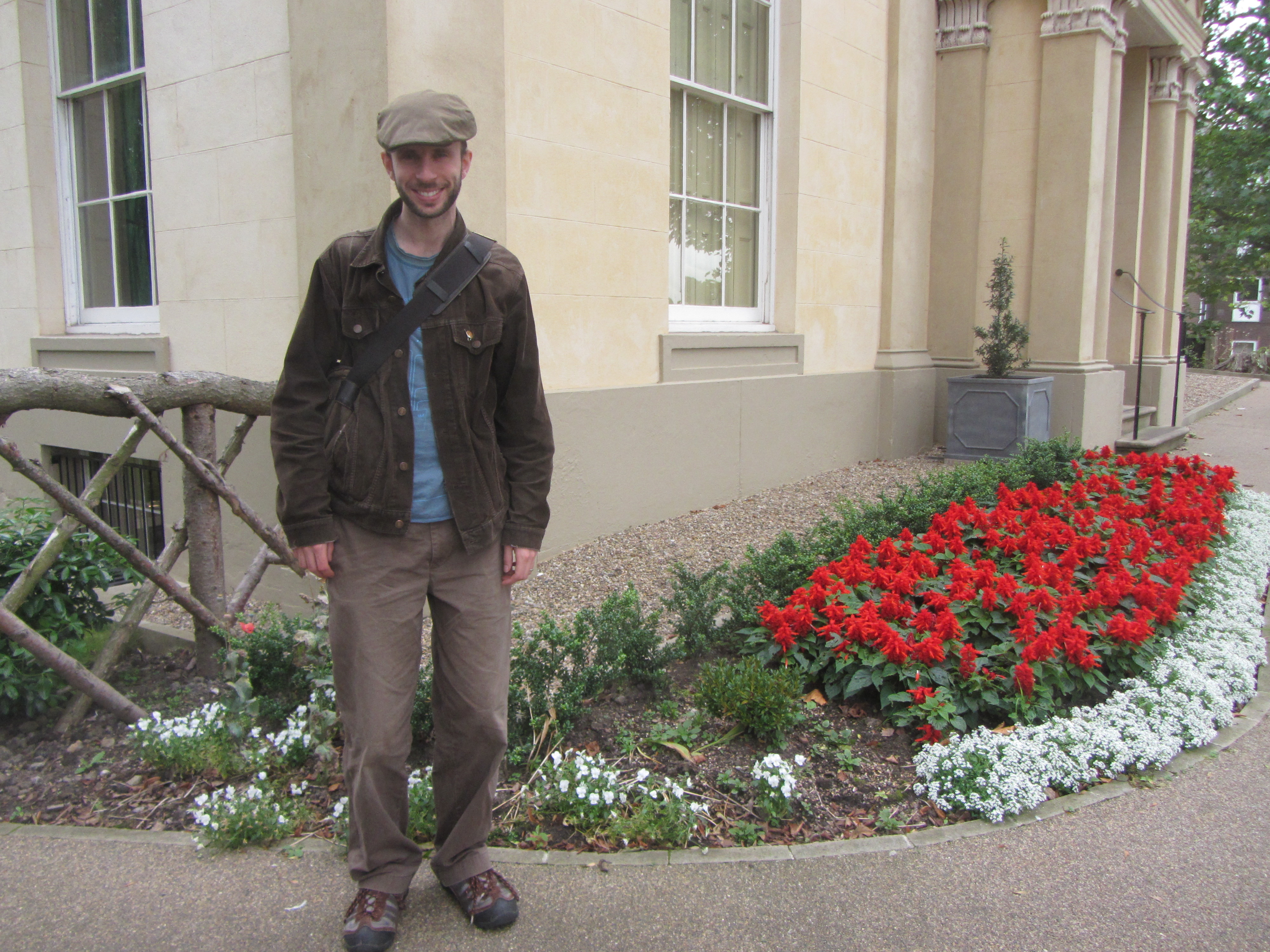
After leaving our bags at the hotel on Sunday afternoon, we wandered over to the Gaskell House. It’s only open a few days a week, so we were lucky to be around during its opening hours. All of the house’s contents were sold at auction early in the twentieth century, so none of the furnishings are original, but the current contents have been painstakingly chosen to suggest what the house would have looked like at the time Gaskell and her family – a Unitarian minister husband and their four daughters – lived there. I especially enjoyed seeing William’s study and hearing how Charlotte Brontë hid behind the curtains in the drawing room so she wouldn’t have to socialize with the Gaskells’ visitors. The staff are knowledgeable and unfussy; unlike in your average National Trust house, they let you sit on the furniture and touch the objects. The gardens are also beautifully landscaped.


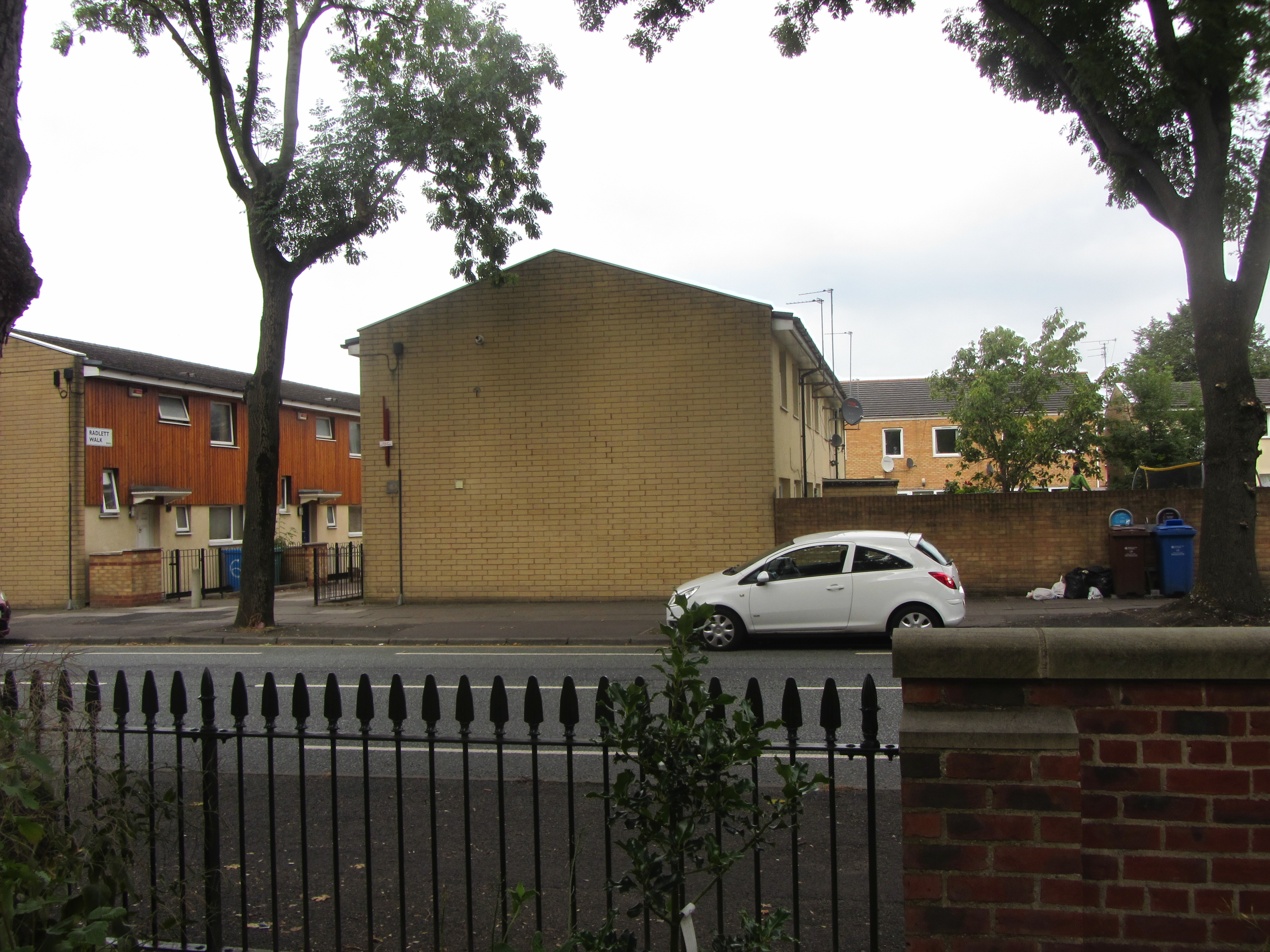
Talk about a contrast, though: look across the street and you see council housing and rubbish piled up on the pavement. In Gaskell’s time this was probably a genteel suburb, but now it’s an easy walk from the city center and in a considerably down-at-heel area. Indeed, we were taken aback by how grimy parts of Manchester were, and by how many homeless we encountered.
I’ve read four of Gaskell’s books: Mary Barton, North and South, Cranford and The Life of Charlotte Brontë. She’s not one of my favorite Victorian novelists, but I enjoyed each of those and intend to – someday – read Sylvia’s Lovers and Wives and Daughters, which was a few pages from completion when Gaskell died of a sudden heart attack in their second home in Hampshire, aged 55, in 1865.
Afterwards we stopped into the city’s Art Gallery and then headed to Mr Thomas’s Chop House for roast lamb and corned beef hash, then on to Sugar Junction to meet a blogger friend, the fabulous Lucy (aka Literary Relish), who I’d been corresponding with online for about two years but never met in real life. She graciously treated us to drinks and dessert at this cute café (one of the city’s many hip eateries) where she often hosts the Manchester Book Club, and we chatted about books and travel spots for a pleasant hour and a half.
On Monday we explored the Castlefield area with its canals and Roman ruins and went round both the Museum of Science and Industry and the People’s Museum, which together give a powerful sense of the city’s industrial and revolutionary past. We also toured the cathedral, took a peek at a Special Collections exhibit on the Gothic plus the main reading room at John Rylands Library, and browsed the huge selection at the main Waterstones branch. (On a future visit we are reliably informed that we must go find Sharston Books, a warehouse-scale secondhand shop out of town.) After a necessary pit stop for caffeine at The Foundation Coffee House and the best pizza we’ve ever had in the UK at Slice (including a Nutella and banana calzone for pudding), we headed over to the gig, which was terrific but not the purpose of this blog post.
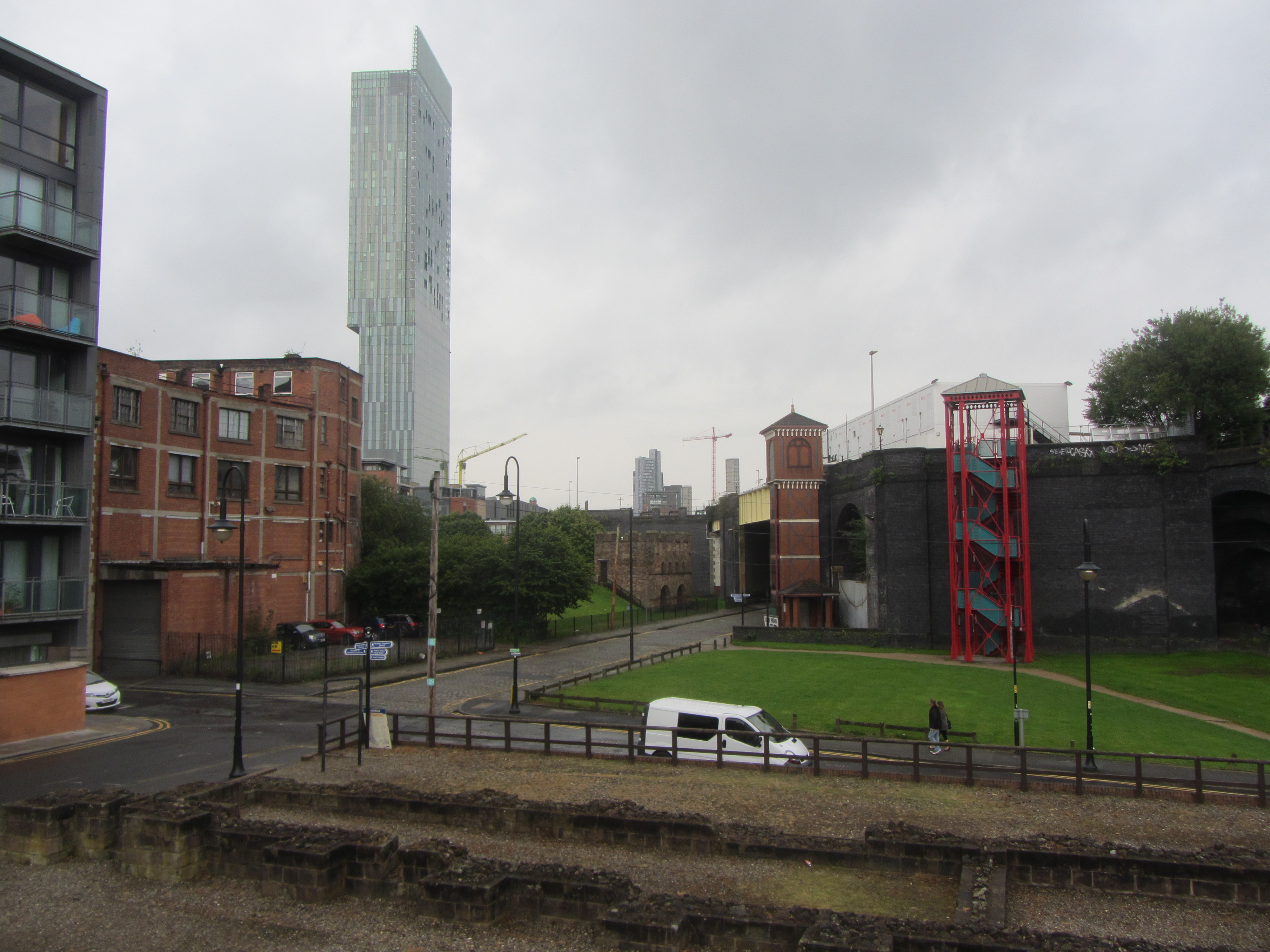
Contrast between old and new Manchester: the hideous Beetham Tower on the left and Roman ruins in the foreground.
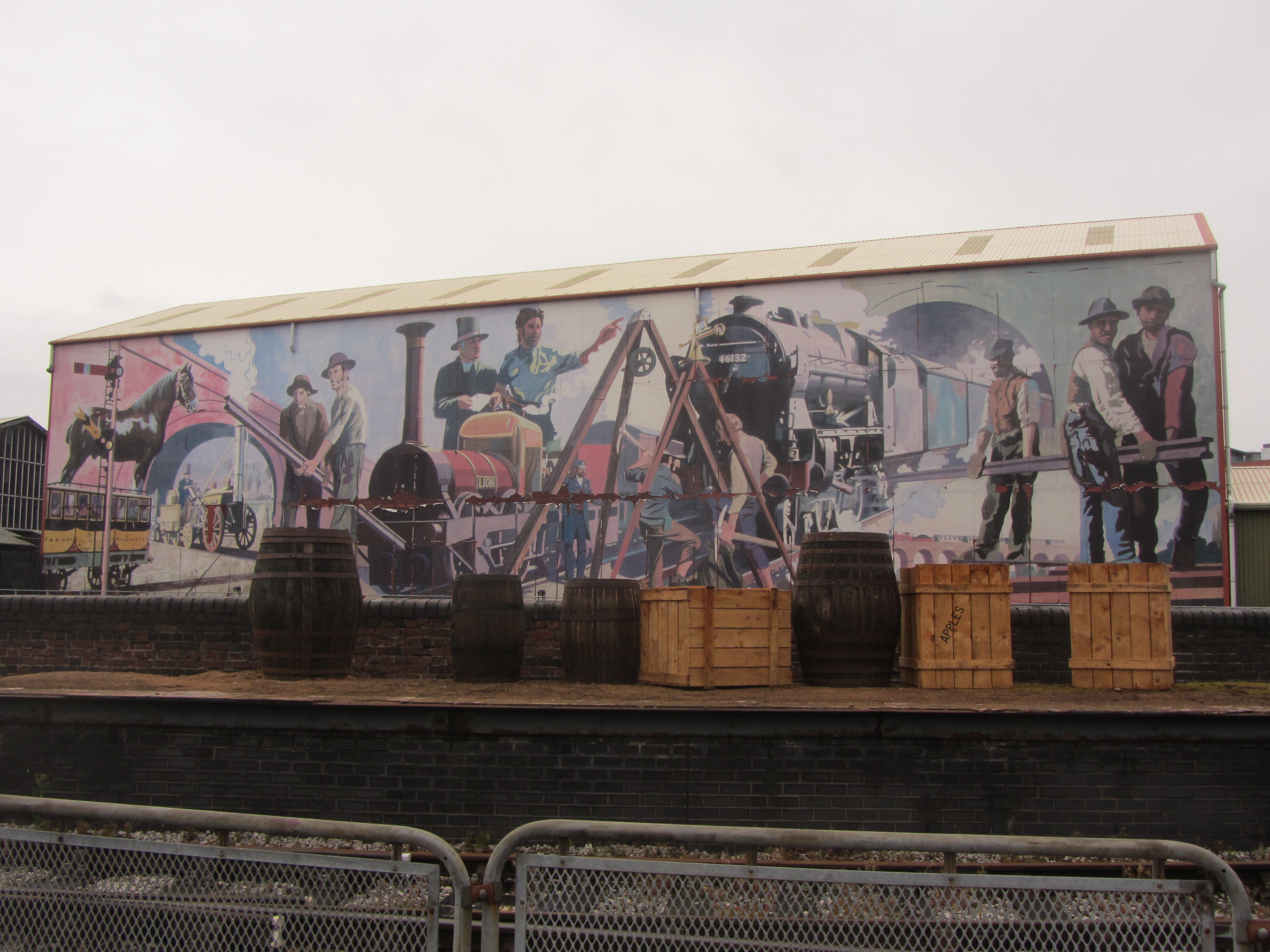
A mural at the Museum of Science and Industry.

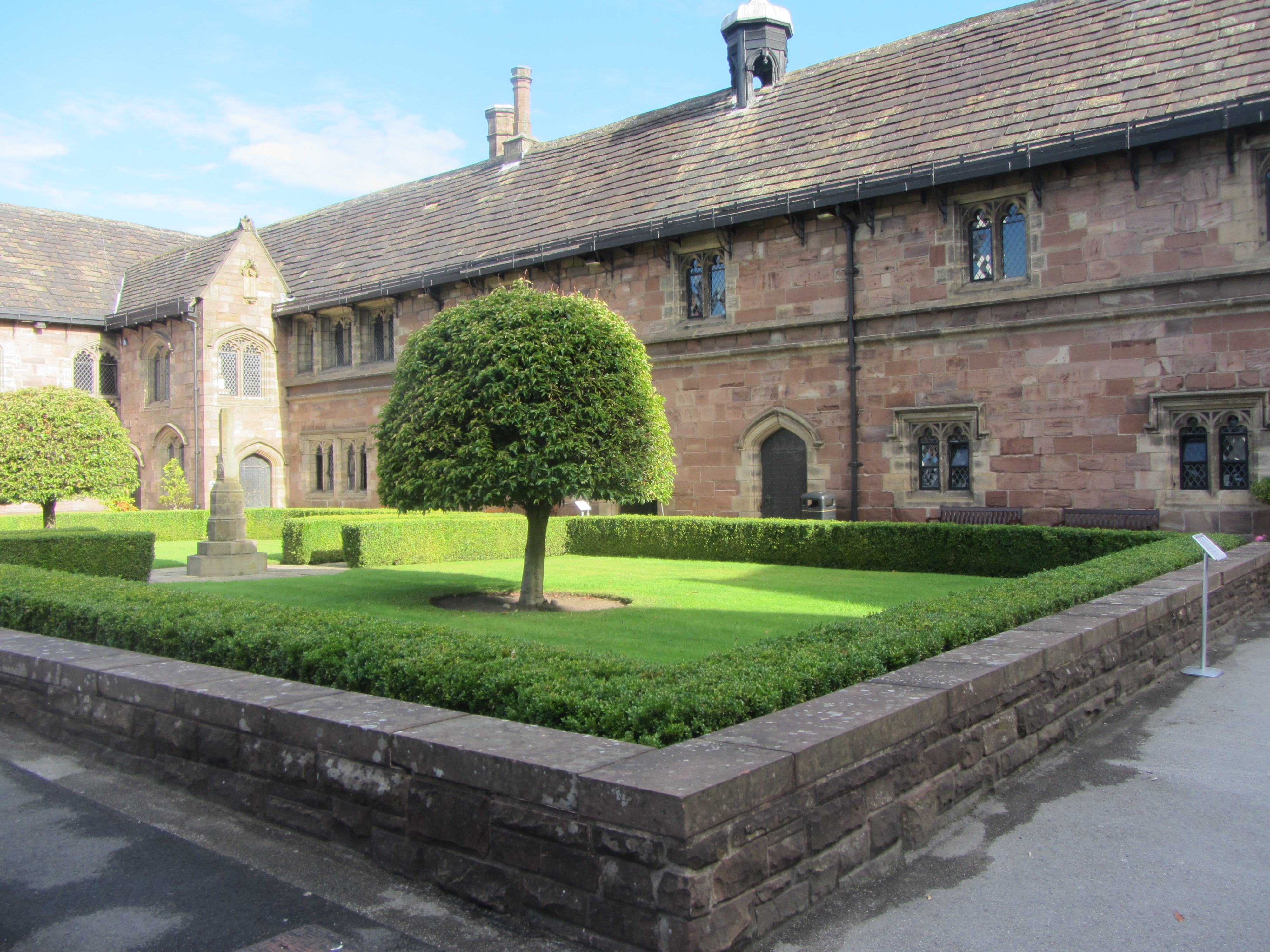
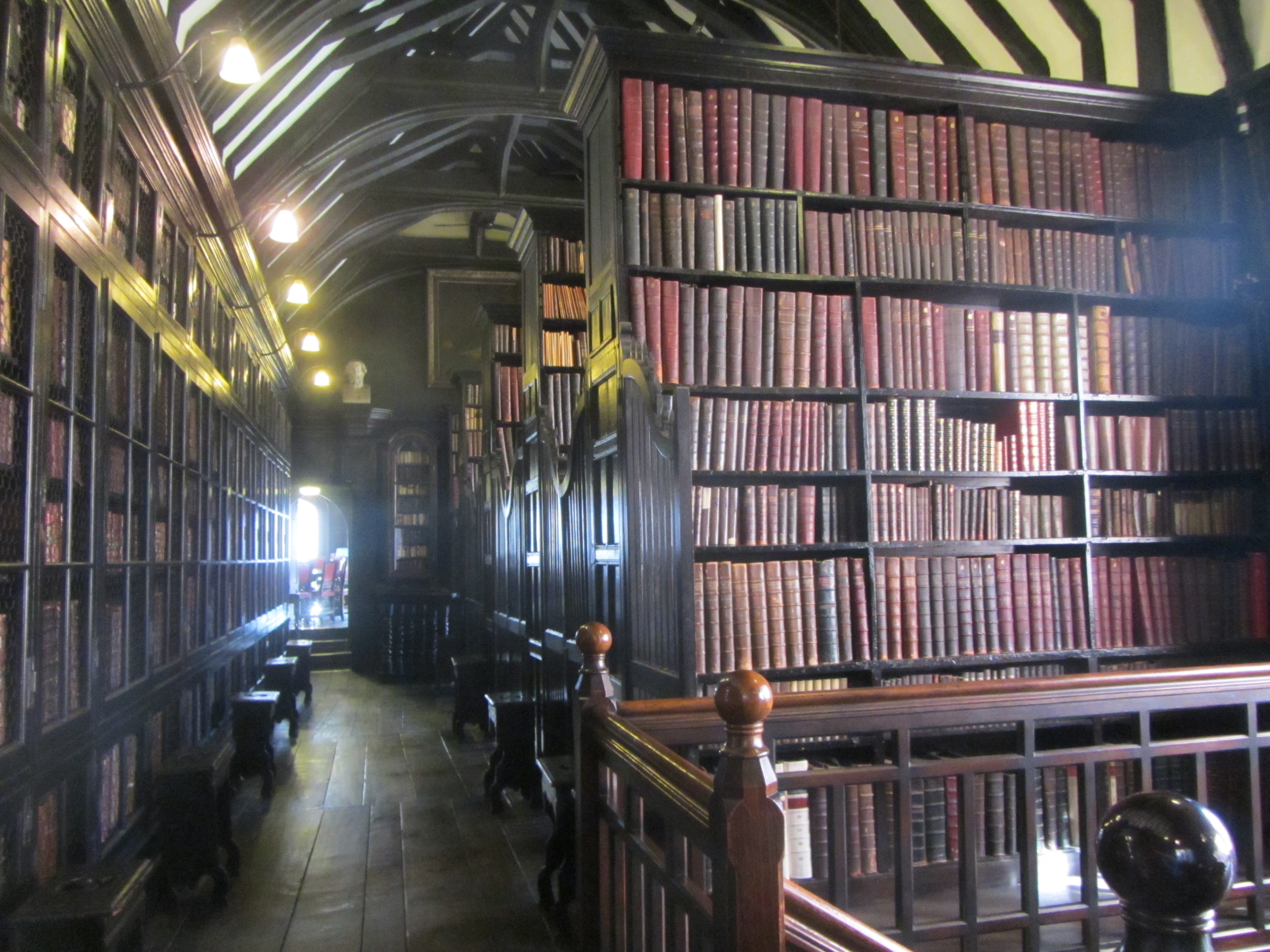
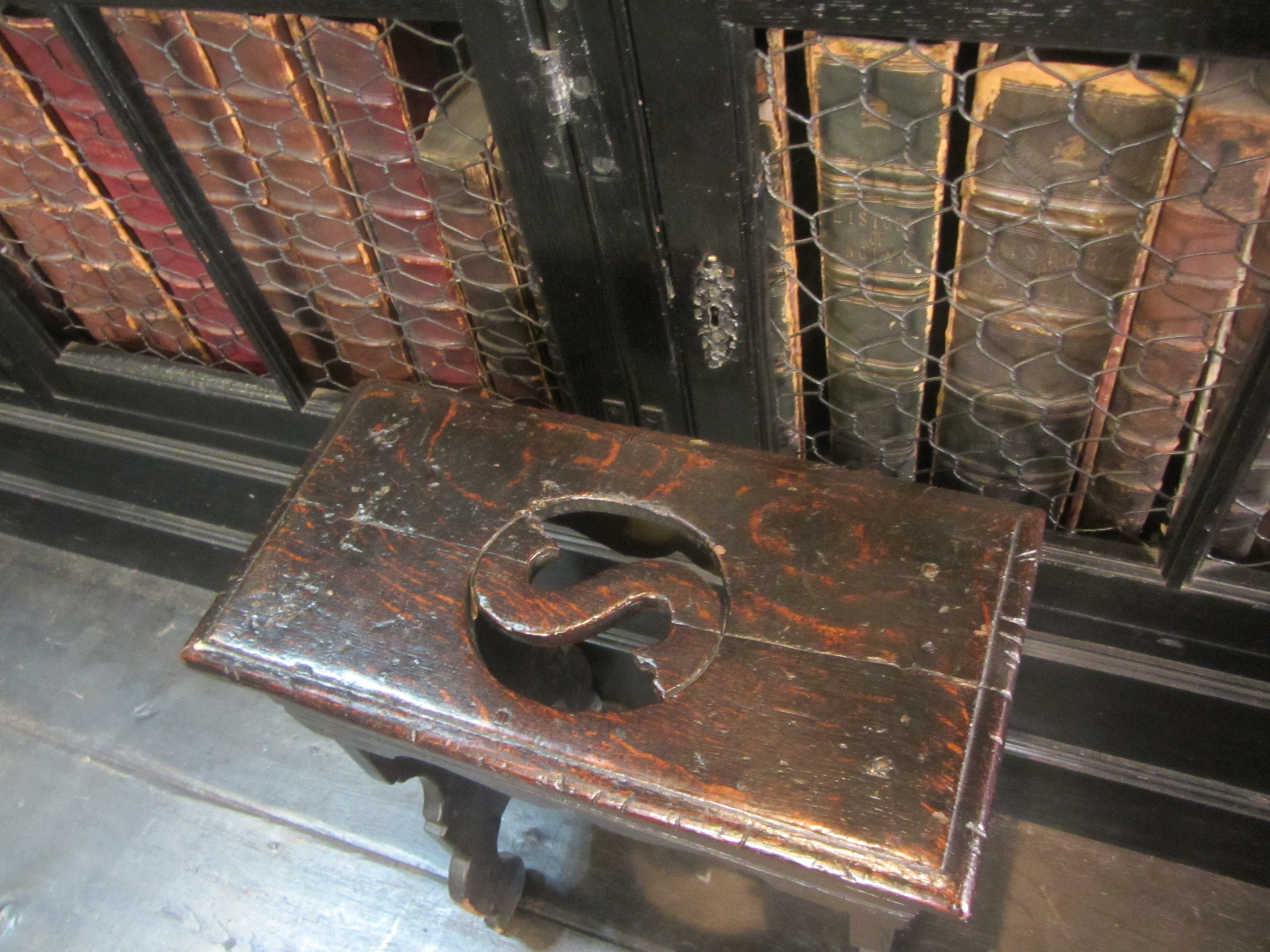
Our trip only spanned a Sunday and a bank holiday, so we missed seeing the inside of the hugely impressive Central Library and the 19th-century Portico Library. On Tuesday morning, though, we had just enough time before our train back to stop into Chetham’s Library. It’s a beautiful old library with rank after rank of leather-bound books sheltering amidst dark wood and mullioned windows. I love being in these kinds of places. They smell divine, and you can imagine holing up in a corner and reading all day, with the atmosphere beaming all kinds of lofty thoughts into your brain. We had the place to ourselves on this sunny morning and sat for a while in the bright alcove where Marx and Engels studied.
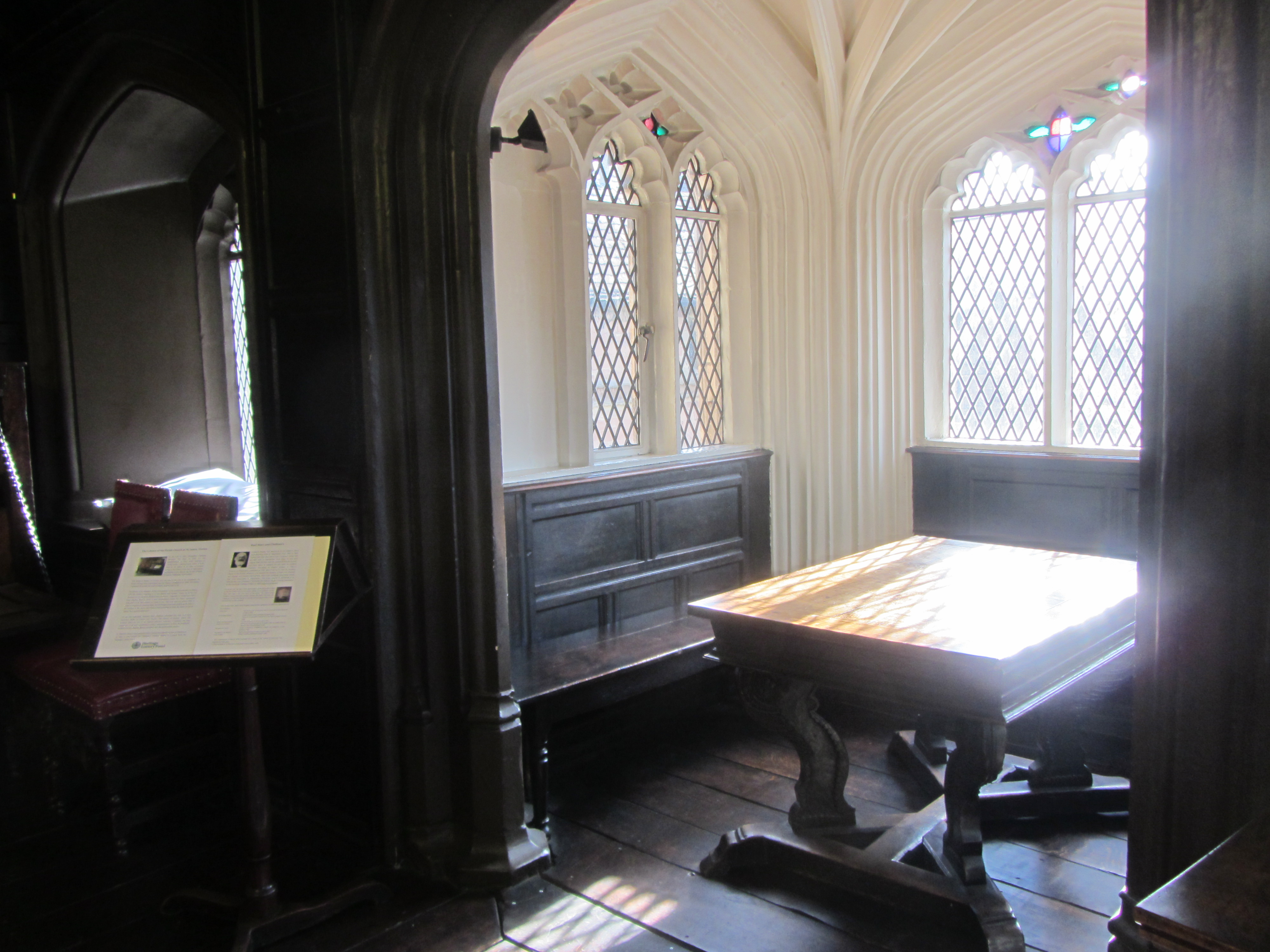
The Marx/Engels alcove
Apart from The Communist Manifesto, my reading on this trip was largely unrelated: My Salinger Year by Joanna Rakoff, a delightful literary memoir (review coming later this month); Number 11 by Jonathan Coe, a funny and mildly disturbing state-of-England and coming-of-age novel (releases November 11th); and The Mountain Can Wait by Sarah Leipciger, an atmospheric family novel set in the forests of Canada.
What have been some of your recent literary destinations? Do you like to read books related to the place you’re going, or do you choose your holiday reading at random?
 Bookish Beck = Rebecca Foster. American transplant to England. Freelance proofreader and book reviewer.
 Bookish Beck