Book Serendipity, Mid-June through August
I call it “Book Serendipity” when two or more books that I read at the same time or in quick succession have something in common – the more bizarre, the better. This is a regular feature of mine every couple of months. Because I usually have 20–30 books on the go at once, I suppose I’m more prone to such incidents. People frequently ask how I remember all of these coincidences. The answer is: I jot them down on scraps of paper or input them immediately into a file on my PC desktop; otherwise, they would flit away!
The following are in roughly chronological order.
- A description of the Y-shaped autopsy scar on a corpse in Pet Sematary by Stephen King and A Truce that Is Not Peace by Miriam Toews.
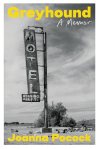
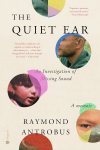
- Charlie Chaplin’s real-life persona/behaviour is mentioned in The Quiet Ear by Raymond Antrobus and Greyhound by Joanna Pocock.
- The manipulative/performative nature of worship leading is discussed in Don’t Forget We’re Here Forever by Lamorna Ash and Jarred Johnson’s essay in the anthology Queer Communion: Religion in Appalachia. I read one scene right after the other!
- A discussion of the religious impulse to celibacy in Don’t Forget We’re Here Forever by Lamorna Ash and The Dry Season by Melissa Febos.
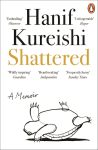
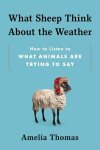
- Hanif Kureishi has a dog named Cairo in Shattered; Amelia Thomas has a son by the same name in What Sheep Think About the Weather.
- A pilgrimage to Virginia Woolf’s home in The Dry Season by Melissa Febos and Writing Creativity and Soul by Sue Monk Kidd.
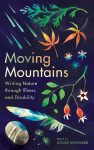
- Water – Air – Earth divisions in the Nature Matters (ed. Mona Arshi and Karen McCarthy Woolf) and Moving Mountains (ed. Louise Kenward) anthologies.
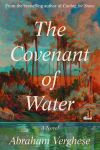 The fact that humans have two ears and one mouth and so should listen more than they talk is mentioned in What Sheep Think about the Weather by Amelia Thomas and The Covenant of Water by Abraham Verghese.
- Inappropriate sexual comments made to female bar staff in The Most by Jessica Anthony and Isobel Anderson’s essay in the Moving Mountains (ed. Louise Kenward) anthology.
- Charlie Parker is mentioned in The Most by Jessica Anthony and The Quiet Ear by Raymond Antrobus.
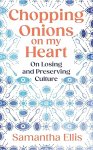
- The metaphor of an ark for all the elements that connect one to a language and culture was used in Chopping Onions on My Heart by Samantha Ellis, which I read earlier in the year, and then again in The Quiet Ear by Raymond Antrobus.
- A scene of first meeting their African American wife (one of the partners being a poet) and burning a list of false beliefs in The Dry Season by Melissa Febos and The Quiet Ear by Raymond Antrobus.
- The Kafka quote “a book must be the axe for the frozen sea inside us” appears in Shattered by Hanif Kureishi and Writing Creativity and Soul by Sue Monk Kidd. They also both quote Dorothea Brande on writing.
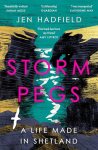
- The simmer dim (long summer light) in Shetland is mentioned in Storm Pegs by Jen Hadfield and Sally Huband’s piece in the Moving Mountains (ed. Louise Kenward) anthology (not surprising as they both live in Shetland!).
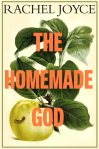
- A restaurant applauds a proposal or the news of an engagement in The Homemade God by Rachel Joyce and Likeness by Samsun Knight.
- Noticing that someone ‘isn’t there’ (i.e., their attention is elsewhere) in Woodworking by Emily St. James and Palaver by Bryan Washington.
- I was reading Leaving Atlanta by Tayari Jones and Leaving Church by Barbara Brown Taylor – which involves her literally leaving Atlanta to be the pastor of a country church – at the same time. (I was also reading Leave the World Behind by Rumaan Alam.)
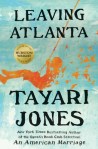
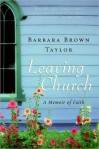
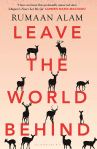
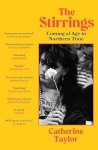
- A mention of an adolescent girl wearing a two-piece swimsuit for the first time in Leave the World Behind by Rumaan Alam, The Summer I Turned Pretty by Jenny Han, and The Stirrings by Catherine Taylor.
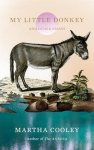
- A discussion of John Keats’s concept of negative capability in My Little Donkey by Martha Cooley and What Sheep Think About the Weather by Amelia Thomas.
- A mention of JonBenét Ramsey in Leave the World Behind by Rumaan Alam and the new introduction to Leaving Atlanta by Tayari Jones.
- A character drowns in a ditch full of water in Leaving Atlanta by Tayari Jones and The Covenant of Water by Abraham Verghese.
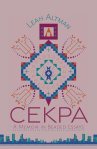 A girl dares to question her grandmother for talking down the girl’s mother (i.e., the grandmother’s daughter-in-law) in Cekpa by Leah Altman and Leaving Atlanta by Tayari Jones.
- A woman who’s dying of stomach cancer in The Covenant of Water by Abraham Verghese and Book of Exemplary Women by Diana Xin.
- A woman’s genitals are referred to as the “mons” in Leave the World Behind by Rumaan Alam and The Covenant of Water by Abraham Verghese.
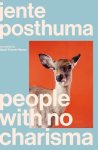
- A girl doesn’t like her mother asking her to share her writing with grown-ups in People with No Charisma by Jente Posthuma and one story of Book of Exemplary Women by Diana Xin.
- A girl is not allowed to walk home alone from school because of a serial killer at work in the area, and is unprepared for her period so lines her underwear with toilet paper instead in Leaving Atlanta by Tayari Jones and The Stirrings by Catherine Taylor.
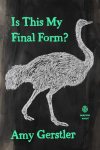 When I interviewed Amy Gerstler about her poetry collection Is This My Final Form?, she quoted a Walt Whitman passage about animals. I found the same passage in What Sheep Think About the Weather by Amelia Thomas.
- A character named Stefan in The Dime Museum by Joyce Hinnefeld and Palaver by Bryan Washington.
- A father who is a bad painter in The Dime Museum by Joyce Hinnefeld and The Homemade God by Rachel Joyce.
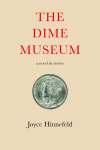
- The goddess Minerva is mentioned in The Dime Museum by Joyce Hinnefeld and The Stirrings by Catherine Taylor.
- A woman finds lots of shed hair on her pillow in In Late Summer by Magdalena Blažević and The Dig by John Preston.
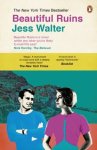 An Italian man who only uses the present tense when speaking in English in The Homemade God by Rachel Joyce and Beautiful Ruins by Jess Walter.
- The narrator ponders whether she would make a good corpse in People with No Charisma by Jente Posthuma and Terminal Surreal by Martha Silano. The former concludes that she would, while the latter struggles to lie still during savasana (“Corpse Pose”) in yoga – ironic because she has terminal ALS.
- Harry the cat in The Wedding People by Alison Espach; Henry the cat in Calls May Be Recorded by Katharina Volckmer.
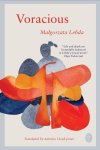
- The protagonist has a blood test after rapid weight gain and tiredness indicate thyroid problems in Voracious by Małgorzata Lebda and The Stirrings by Catherine Taylor.
- It’s said of an island that nobody dies there in Somebody Is Walking on Your Grave by Mariana Enríquez and Beautiful Ruins by Jess Walter.
- A woman whose mother died when she was young and whose father was so depressed as a result that he was emotionally detached from her in The Wedding People by Alison Espach and People with No Charisma by Jente Posthuma.
 A scene of a woman attending her homosexual husband’s funeral in The Homemade God by Rachel Joyce and Novel About My Wife by Emily Perkins.
- There’s a ghost in the cellar in In Late Summer by Magdalena Blažević, The Covenant of Water by Abraham Verghese and Book of Exemplary Women by Diana Xin.
- Mention of harps / a harpist in The Wedding People by Alison Espach, The Homemade God by Rachel Joyce, and What Mennonite Girls Are Good For by Jennifer Sears.
- “You use people” is an accusation spoken aloud in The Dry Season by Melissa Febos and Beautiful Ruins by Jess Walter.
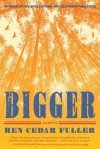
- Let’s not beat around the bush: “I want to f*ck you” is spoken aloud in The Wedding People by Alison Espach and Novel About My Wife by Emily Perkins; “Want to/Wanna f*ck?” is also in The Wedding People by Alison Espach and in Bigger by Ren Cedar Fuller.
 A young woman notes that her left breast is larger in Voracious by Małgorzata Lebda and Woodworking by Emily St. James. (And a girl fondles her left breast in one story of Book of Exemplary Women by Diana Xin.)
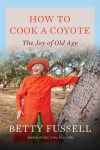
- A shawl is given as a parting gift in How to Cook a Coyote by Betty Fussell and one story of What Mennonite Girls Are Good For by Jennifer Sears.
- The author has Long Covid in Alec Finlay’s essay in the Moving Mountains anthology, and Pluck by Adam Hughes.
- An old woman applies suncream in Kate Davis’s essay in the Moving Mountains anthology, and How to Cook a Coyote by Betty Fussell.
- There’s a leper colony in What Mennonite Girls Are Good For by Jennifer Sears and The Covenant of Water by Abraham Verghese.
- There’s a missionary kid in South America in Bigger by Ren Cedar Fuller and What Mennonite Girls Are Good For by Jennifer Sears.
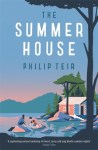 A man doesn’t tell his wife that he’s lost his job in Novel About My Wife by Emily Perkins and The Summer House by Philip Teir.
- A teen brother and sister wander the woods while on vacation with their parents in Leave the World Behind by Rumaan Alam and The Summer House by Philip Teir.
- Using a famous fake name as an alias for checking into a hotel in one story of Single, Carefree, Mellow by Katherine Heiny and Seascraper by Benjamin Wood.
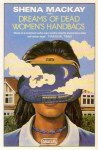
- A woman punches someone in the chest in the title story of Dreams of Dead Women’s Handbags by Shena Mackay and Novel About My Wife by Emily Perkins.
What’s the weirdest reading coincidence you’ve had lately?
Reading from the Wainwright Prize Longlists
Another day, another prize longlist! This year the Wainwright Prize has split into two awards for writing on 1) UK nature and 2) global conservation themes. Tomorrow (July 30th), they will be whittled down to shortlists. I happen to have read and reviewed 10 of the nominees already. I took the opportunity to experience a few more before the shortlist announcement. I give a paragraph on each below (forgive me for, in some cases, repeating the excerpts that appeared in my reviews roundups and best-of lists).
From the UK nature writing longlist:

 Dark, Salt, Clear: Life in a Cornish Fishing Town by Lamorna Ash: In her early 20s, Ash made multiple trips from London to stay in Newlyn: walking to the cove that bears her name, going out on fishing trawlers, and getting accepted into the small community. Gruelling and lonely, the fishermen’s way of life is fading away. The book goes deeper into Cornish history than non-locals need, but I enjoyed the literary allusions – the title is from Elizabeth Bishop. I liked the writing, but this was requested after me at the library, so I could only skim it.
 Wild Child: Coming Home to Nature by Patrick Barkham: Childhood has moved indoors over the course of three generations, the Guardian journalist observes. Highlighting activities that will engage budding naturalists in every season and accompanying his three children to outdoor nursery, he suggests how connection with nature can be part of everyday life. An engaging narrative not just for parents and educators but for anyone who has a stake in future generations’ resolve to conserve the natural world – which is to say, all of us. (Reviewed for Shiny New Books)
 Bird Therapy by Joe Harkness: In 2013, Harkness was in such a bad place that he attempted suicide. Although he’s continued to struggle with OCD and depression in the years since then, birdwatching has given him a new lease on life. Avoiding the hobby’s more obsessive, competitive aspects (like listing and twitching), he focuses on the benefits of outdoor exercise and mindfulness. He can be lyrical when describing his Norfolk patch and some of his most magical sightings, but the writing is weak. (My husband helped crowdfund the book via Unbound.)
 Dancing with Bees: A Journey Back to Nature by Brigit Strawbridge Howard: Bees were the author’s gateway into a general appreciation of nature, something she lost for a time in midlife because of the rat race and family complications. Allotment gardening gives her opportunities to observe bee behaviour and marvel at their various lookalikes (like hoverflies), identify plants, work on herbal remedies, and photograph her finds. She delights in discovery and is devoted to lifelong learning in a book characterized by curiosity and warmth. (On my runners-up of 2019 list)
 Surfacing by Kathleen Jamie: Jamie has a particular interest in birds, islands, archaeology and the oddities of the human body. The bulk of the book is three long pieces set in Alaska, Orkney and Tibet. Neolithic sites lead her to think about deep time – a necessary corrective to short-term thinking that has gotten us into environmental crisis. I connected with the few-page pieces on experiencing a cave, spotting an eagle or getting lost in a forest. Beautiful nature writing and relatable words on the human condition. (My #9 nonfiction book of 2019)
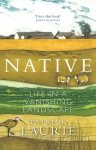 Native: Life in a Vanishing Landscape by Patrick Laurie: Galloway may be the forgotten corner of Scotland, but this third-generation cattle farmer can’t imagine living anywhere else. In his year-long nature diary, each month brings rewards as well as challenges as he strives to manage the land in a manner beneficial to wildlife. I’m lucky to have visited Wigtown and the surrounding area. You needn’t have been in person, though, to appreciate this pensive account rich with the sense of place and balanced between solastalgia and practicality. (Reviewed for Shiny New Books)
 Wintering by Katherine May: May’s sympathetic memoir considers winter not only as a literal season, but also as an emotional state. Although “depression” could be substituted for “wintering” in most instances, the book gets much metaphorical mileage out of the seasonal reference as she recounts how she attempted to embrace rather than resist the gloom and chill through rituals such as a candlelit St. Lucia service and an early morning solstice gathering at Stonehenge. Wintering alternates travel and research, mind and body. (Reviewed for TLS)
 Diary of a Young Naturalist by Dara McAnulty: McAnulty is the UK’s answer to Greta Thunberg: a leader in the youth environmental movement and an impassioned speaker on the love of nature. This is a wonderfully observant and introspective account of his fifteenth year: of disruptions – moving house and school, of outrage at the state of the world and at individual and political indifference, of the complications of being autistic, but also of the joys of everyday encounters with wildlife. Impressive perspective and lyricism. (Reviewed for Shiny New Books; on my Best of 2020 so far list.)
 Wanderland: A Search for Magic in the Landscape by Jini Reddy: Reddy has often felt like a nomad and an outsider. Through a year of travelling to holy sites, she seeks to be rooted in the country she has come to call home. The quest takes her all over the British Isles, creating an accessible introduction to its sacred spots. Recovering a sense of reverence for nature can only help in the long-term mission to preserve it. Reddy is the first person of colour nominated for the Wainwright Prize in its seven-year history. (Reviewed for Shiny New Books)
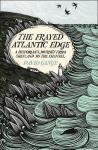 I think this year’s is an especially appealing longlist. It’s great to see small presses and debut authors getting recognition. I’ve now read 8 out of 13 (and skimmed one), and am interested in the rest, too, especially The Frayed Atlantic Edge by David Gange. The final three, all combining nature and (auto)biographical writing, are On the Red Hill by Mike Parker, The Well-Gardened Mind by Sue Stuart-Smith, and Rootbound: Rewilding a Life by Alice Vincent.
From the writing on global conservation longlist:

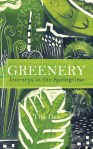 Greenery: Journeys in Springtime by Tim Dee: From the Cape of Good Hope to the Arctic Circle, Dee tracks the spring as it travels north. From first glimpse to last gasp, moving between his homes in two hemispheres, he makes the season last nearly half the year. His main harbingers are migrating birds, starting with swallows. The book is steeped in allusions and profound thinking about deep time and what it means to be alive in an era when nature’s rhythms are becoming distorted. A fresh, masterful model of how to write about nature. (Review reprinted at Shiny New Books; on my Best of 2020 so far list.)
 Irreplaceable: The Fight to Save Our Wild Places by Julian Hoffman: Species and habitat loss are hard to comprehend even when we know the facts. This exquisitely written book is about taking stock, taking responsibility, and going beyond the numbers to tell the stories of front-line conservation work. Irreplaceable is an elegy of sorts, but, more importantly, it’s a call to arms. It places environmentalism in the hands of laypeople and offers hope that in working together in the spirit of defiance we can achieve great things. (Reviewed for Shiny New Books; my #1 nonfiction book of 2019)
 Losing Eden: Why Our Minds Need the Wild by Lucy Jones: While nature’s positive effect on human mental health is something we know intuitively and can explain anecdotally, Jones wanted to investigate the scientific mechanism behind it. She makes an empirical enquiry but also attests to the personal benefits nature has. Losing Eden is full of common sense and passion, cramming masses of information into 200 pages yet never losing sight of the big picture. Like Silent Spring, on which it is patterned, I can see this leading to real change. (Reviewed for Shiny New Books; on my Best of 2020 so far list.)
 Notes from an Apocalypse: A Personal Journey to the End of the World and Back by Mark O’Connell: The same satirical outlook that made O’Connell’s first book so funny is perfect for approaches to the end of the world, especially in the early chapter about preppers. Preparing = retreating, so he travels to South Dakota bunkers; a Mars Society Conference in Los Angeles; New Zealand, where billionaires plan to take refuge; and the wilderness of the Scottish Highlands. While pessimism strikes him as the only rational attitude, he decides constant anxiety is no way to live. (More extended thoughts here.)
The other book from this longlist that I’m interested in reading is Rebirding by Benedict Macdonald. I DNFed Bloom (all you ever wanted to know about algae!) last year; the other five seem too similar to other things I’ve read.
My predictions-cum-wish lists:
UK nature writing:
- The Frayed Atlantic Edge by David Gange
- Surfacing by Kathleen Jamie*
- On the Red Hill by Mike Parker
- Diary of a Young Naturalist by Dara McAnulty
- Wanderland by Jini Reddy
- Rootbound: Rewilding a Life by Alice Vincent
Writing on global conservation:
- Greenery by Tim Dee
- What We Need to Do Now for a Zero Carbon Future by Chris Goodall
- Irreplaceable by Julian Hoffman*
- Losing Eden by Lucy Jones
- Bloom by Ruth Kassinger
- Harvest: The Hidden Histories of Seven Natural Objects by Edward Posnett
*Predicted overall winners.
 Bookish Beck = Rebecca Foster. American transplant to England. Freelance proofreader and book reviewer.
 Bookish Beck