Review Catch-Up: Medical Nonfiction & Nature Poetry
Catching up on four review copies I was sent earlier in the year and have finally got around to finishing and writing about. I have two works of health-themed nonfiction, one a narrative about organ transplantation and the other a psychiatrist’s memoir; and two books of nature poetry, a centuries-spanning anthology and a recent single-author collection.
The Story of a Heart by Rachel Clarke
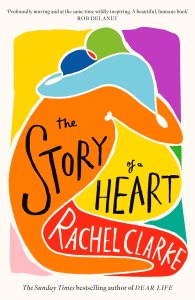 Rachel Clarke is a palliative care doctor and voice of wisdom on end-of-life issues. I was a huge fan of her Dear Life and admire her public critique of government policies that harm the NHS. (I’ve also reviewed Breathtaking, her account of hospital working during Covid-19.) While her three previous books all incorporate a degree of memoir, this is something different: narrative nonfiction based on a true story from 2017 and filled in with background research and interviews with the figures involved. Clarke has no personal connection to the case but, like many, discovered it via national newspaper coverage. Nine-year-old Max Johnson spent nearly a year in hospital with heart failure after a mysterious infection. Keira Ball, also nine, was left brain-dead when her family was in a car accident on a dangerous North Devon road. Keira’s heart gave Max a second chance at life.
Clarke zooms in on pivotal moments: the accident, the logistics of getting an organ from one end of the country to another, and the separate recovery and transplant surgeries. She does a reasonable job of recreating gripping scenes despite a foregone conclusion. Because I’ve read a lot around transplantation and heart surgery (such as When Death Becomes Life by Joshua D. Mezrich and Heart by Sandeep Jauhar), I grew impatient with the contextual asides. I also found that the family members and medical professionals interviewed didn’t speak well enough to warrant long quotation. All in all, this felt like the stuff of a long-read magazine article rather than a full book. The focus on children also results in mawkishness. However, the Baillie Gifford Prize judges who shortlisted this clearly disagreed. I laud Clarke for drawing attention to organ donation, a cause dear to my family. This case was instrumental in changing UK law: one must now opt out of donating organs instead of registering to do so.
With thanks to Abacus Books (Little, Brown) for the proof copy for review.
You Don’t Have to Be Mad to Work Here: A Psychiatrist’s Life by Dr Benji Waterhouse
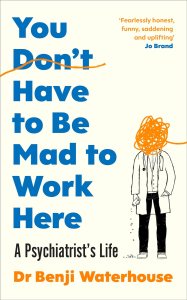 Waterhouse is also a stand-up comedian and is definitely channelling Adam Kay in his funny and touching debut memoir. Most chapters are pen portraits of patients and colleagues he has worked with. He also puts his own family under the microscope as he undergoes therapy to work through the sources of his anxiety and depression and tackles his reluctance to date seriously. In the first few years, he worked in a hospital and in community psychiatry, which involved house visits. Even though identifying details have been changed to make the case studies anonymous, Waterhouse manages to create memorable characters, such as Tariq, an unhoused man who travels with a dog (a pity Waterhouse is mortally afraid of dogs), and Sebastian, an outwardly successful City worker who had been minutes away from hanging himself before Waterhouse and his colleague rang on the door.
Along with such close shaves, there are tragic mistakes and tentative successes. But progress is difficult to measure. “Predicting human behaviour isn’t an exact science. We’re just relying on clinical assessment, a gut feeling and sometimes a prayer,” Waterhouse tells his medical student. The book gives a keen sense of the challenges of working for the NHS in an underfunded field, especially under Covid strictures. He is honest and open about his own failings but ends on the positive note of making advances in his relationship with his parents. This was a great read that I’d recommend beyond medical-memoir junkies like myself. Waterhouse has storytelling chops and the frequent one-liners lighten even difficult topics:
The sum total of my wisdom from time spent in the community: lots of people have complicated, shit lives.
Ambiguous statements … need clarification. Like when a depressed patient telephones to say they’re ‘in a bad place’. I need to check if they’re suicidal or just visiting Peterborough.
What is it about losing your mind that means you so often mislay your footwear too?
With thanks to Jonathan Cape (Penguin) for the proof copy for review.
Green Verse: An Anthology of Poems for Our Planet, ed. Rosie Storey Hilton
 Part of the “In the Moment” series, this anthology of nature poetry has been arranged seasonally – spring through to winter – and, within season, roughly thematically. No context or biographical information is given on the poets apart from birth and death years for those not living. Selections from Emily Dickinson, William Shakespeare and W.B. Yeats thus share space with the work of contemporary and lesser-known poets. This is a similar strategy to the Wildlife Trusts’ Seasons anthologies, the ranging across time meant to suggest continuity in human engagement with the natural world. However, with a few exceptions (the above plus Thomas Hardy’s “The Darkling Thrush” and Gerard Manley Hopkins’s “Inversnaid” are absolute classics, of course), the historical verse tends to be obscure, rhyming and sentimental; unfair to deem it all purple or doggerel, but sometimes bodies of work are forgotten for a reason. By contrast, I found many more standouts among the contemporary poets. Some favourites: “Cyanotype, by St Paul’s Cathedral” by Tamiko Dooley, “Eight Blue Notes” by Gillian Dawson (about eight species of butterfly), the gorgeously erotic “the bluebells are coming out & so am I” by Maya Blackwell, and “The Trees Don’t Know I’m Trans” by Eddy Quekett. It was also worthwhile to discover poems from other ancient traditions, such as haiku by Issa (“O Snail”) and wise aphoristic verse by Lao Tzu (“All things pass”). So, a bit of a mixed bag, but a nice introductory text for those newer to poetry.
With thanks to Saraband for the free copy for review.
Dangerous Enough by Becky Varley-Winter (2023)
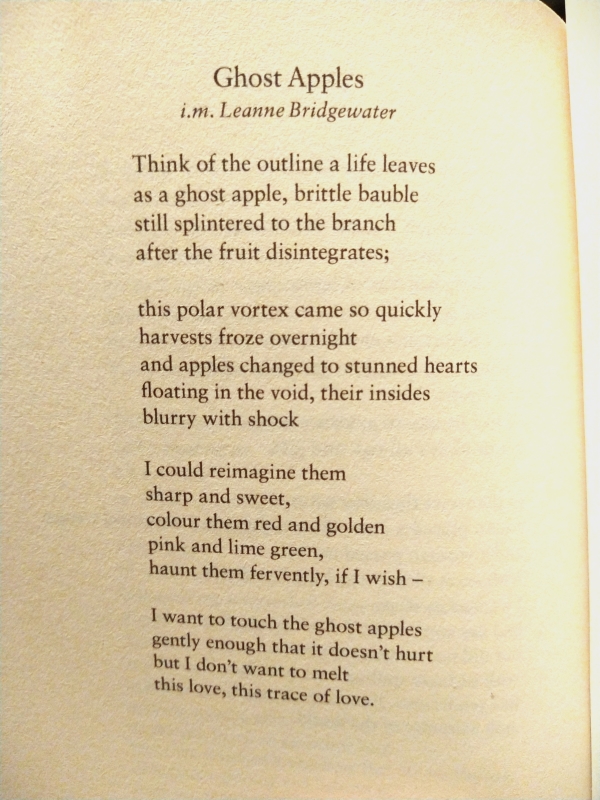
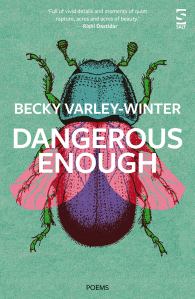 I requested this debut collection after hearing that it had been longlisted for the Laurel Prize for environmental poetry (funded by Simon Armitage, Poet Laureate). Varley-Winter crafts lovely natural metaphors for formative life experiences. Crows and wrens, foxes and fireflies, memories of a calf being born on a farm in Wales; gardens, greenhouses and long-lived orchids. These are the sorts of images that thread through poems about loss, parenting and the turmoil of lockdown. The last line or two of a poem is often especially memorable. It’s been months since I read this and I foolishly didn’t take any notes, so I haven’t retained more detail than that. But here is one shining example:
With thanks to Salt Publishing for the free copy for review.
Book Serendipity, August to October 2024
I call it “Book Serendipity” when two or more books that I read at the same time or in quick succession have something in common – the more bizarre, the better. This is a regular feature of mine every couple of months. Because I usually have 20–30 books on the go at once, I suppose I’m more prone to such incidents. People frequently ask how I remember all of these coincidences. The answer is: I jot them down on scraps of paper or input them immediately into a file on my PC desktop; otherwise, they flit away!
The following are in roughly chronological order.
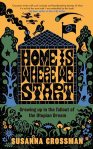
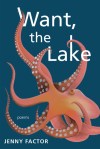
- The William Carlos Williams line “no ideas but in things” is quoted in Home Is Where We Start by Susanna Crossman and echoed with a slight adaptation in Want, the Lake by Jenny Factor.
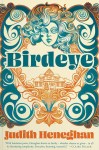
- A woman impulsively stops into a tattoo parlour in We Are Animals by Jennifer Case and Birdeye by Judith Heneghan.
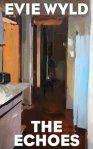
- Cleaning up a partner’s bristles from the sink in 300 Arguments by Sarah Manguso and The Echoes by Evie Wyld.
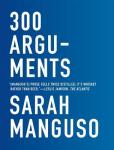
- Sarah Manguso, by whom I was reading two books for a Bookmarks article, was quoted in Some of Us Just Fall by Polly Atkin.
- Someone is annoyed at their spouse making a mess cooking lemon preserves in How We Know Our Time Travelers by Anita Felicelli and Liars by Sarah Manguso, both of which are set in California.
- Rumpelstiltskin is referenced in one short story of a speculative collection: How We Know Our Time Travelers by Anita Felicelli and The Man in the Banana Trees by Marguerite Sheffer.
- A father who is hard of hearing, and an Australian woman looking for traces of her grandmother’s life in England in The House with All the Lights On by Jessica Kirkness and The Echoes by Evie Wyld.
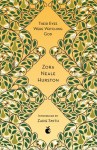
- A character named Janie or Janey in Their Eyes Were Watching God by Zora Neale Hurston and The Echoes by Evie Wyld. The Pre-Raphaelite model Janey is also mentioned in The Garden Against Time by Olivia Laing.
 Contrasting one’s childhood love of the Little House on the Prairie books with reading them as an adult and being aware of the racial and colonial implications in Home Is Where We Start by Susanna Crossman and My Good Bright Wolf by Sarah Moss.
- A mention of Little Women in A Perfect Arrangement by Suzanne Berne and My Good Bright Wolf by Sarah Moss.
- A character grew up in a home hair-dressing business in A Perfect Arrangement by Suzanne Berne and Home Is Where We Start by Susanna Crossman.
- The discovery of an old pram in an outbuilding in Instructions for a Heatwave by Maggie O’Farrell and Mina’s Matchbox by Yōko Ogawa.
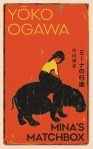
- An Irish woman named Aoife in My Good Bright Wolf by Sarah Moss and Instructions for a Heatwave by Maggie O’Farrell.
- Cooking then throwing out entire meals in My Good Bright Wolf by Sarah Moss and The Echoes by Evie Wyld. (Also throwing out a fresh meal in Birdeye by Judith Heneghan. Such scenes distress me!)
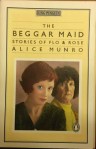 A new lover named Simon in one story of The Beggar Maid by Alice Munro and The Echoes by Evie Wyld.
- A character writes a recommendation letter for someone who then treats them vindictively, because they assumed the letter was negative when it wasn’t, in A Perfect Arrangement by Suzanne Berne and one story of The Beggar Maid by Alice Munro.
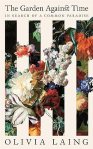
- After her parents’ divorce, the author never had a designated bedroom in her father’s house in Home Is Where We Start by Susanna Crossman and The Garden Against Time by Olivia Laing.
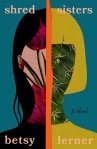 Reading The Bell Jar as a teenager in Shred Sisters by Betsy Lerner and My Good Bright Wolf by Sarah Moss.
- A contentious Town Hall meeting features in A Perfect Arrangement by Suzanne Berne and Birdeye by Judith Heneghan.
- The wife is pregnant with twins in A Perfect Arrangement by Suzanne Berne and The Year of Living Biblically by A.J. Jacobs. (There are also twins in Birdeye by Judith Heneghan. In general, I find that they occur far more often in fiction than in real life!)
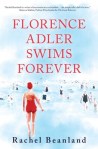
- 1930s Florida as a setting in Florence Adler Swims Forever by Rachel Beanland and Their Eyes Were Watching God by Zora Neale Hurston.
- Dorothy Wordsworth and her journals are discussed in Some of Us Just Fall by Polly Atkin and My Good Bright Wolf by Sarah Moss.
- Wordsworth’s daffodils are mentioned in Signs, Music by Raymond Antrobus and My Good Bright Wolf by Sarah Moss.
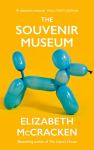
- “F*ck off” is delivered in an exaggerated English accent in Birdeye by Judith Heneghan and The Souvenir Museum by Elizabeth McCracken.
- The main character runs a country store in Their Eyes Were Watching God by Zora Neale Hurston and The Beggar Maid by Alice Munro.
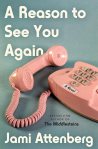 Reading a second novel this year in which the younger sister of a pair wants to go into STEM and joins the Mathletes in high school: first was A Reason to See You Again by Jami Attenberg; later was Shred Sisters by Betsy Lerner.
- An older sister who has great trouble attending normal school and so is placed elsewhere (including a mental institution) for a total of two years in Learning to Think by Tracy King and Shred Sisters by Betsy Lerner.
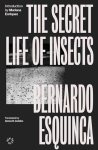
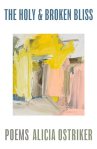
- The idea of trees taking revenge on people for environmental destruction in one story of The Secret Life of Insects by Bernardo Esquinca and one poem of The Holy & Broken Bliss by Alicia Ostriker.
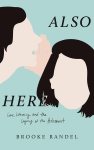
- An illiterate character in Instructions for a Heatwave by Maggie O’Farrell and Also Here by Brooke Randel.
-
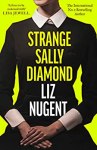 Controversy over throwing a dead body into the trash in Birdeye by Judith Heneghan and Strange Sally Diamond by Liz Nugent.
- A publishing assistant who wears a miniskirt and Doc Martens in Shred Sisters by Betsy Lerner and Summer Fridays by Suzanne Rindell.
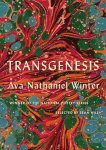
- Ancestors’ experience in Auschwitz in Also Here by Brooke Randel and Transgenesis by Ava Winter.
- The protagonist finds it comforting when her boyfriend lies down with his full weight on her in Shred Sisters by Betsy Lerner and The Echoes by Evie Wyld.
- A woman badgers her ex-husband about when his affair with his high school/college sweetheart started (before or after the divorce) in Shred Sisters by Betsy Lerner and Liars by Sarah Manguso.
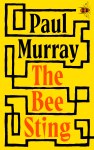 I encountered an Irish matriarch who married the ‘wrong’ brother, not Frank, in The Bee Sting by Paul Murray earlier in the year, and then in Instructions for a Heatwave by Maggie O’Farrell.
- A boy is playing in the family car on the driveway when it rolls backwards and kills someone in A Perfect Arrangement by Suzanne Berne and Tell Me Everything by Elizabeth Strout.
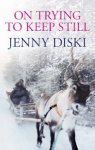
- Quantoxhead, Somerset is mentioned in On Trying to Keep Still by Jenny Diski and A House Unlocked by Penelope Lively.
- Tapeworms are mentioned in On Trying to Keep Still by Jenny Diski and one story of The Best Short Stories 2023: The O. Henry Prize Winners, ed. Lauren Groff.
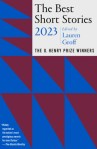
- A description of horrific teeth in one story of The Best Short Stories 2023: The O. Henry Prize Winners, ed. Lauren Groff, and one story of The Long Swim by Terese Svoboda.
- A character researches potato blight, and another keeps his smoking a secret from his wife, in one story of The Best Short Stories 2023: The O. Henry Prize Winners, ed. Lauren Groff, and Tell Me Everything by Elizabeth Strout.
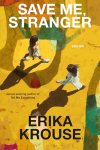 A piano gets mauled out of anger in one story of Save Me, Stranger by Erika Krouse and Strange Sally Diamond by Liz Nugent.
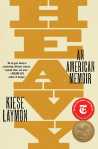
- Men experiencing eating disorders in Heavy by Kiese Laymon and Heartstopper Volumes 3 and 4 by Alice Oseman.
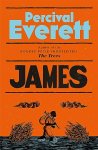
- Black people deliberately changing their vocabulary and speech register when talking to white people in James by Percival Everett and Heavy by Kiese Laymon.
- My second book of the year in which a woman from centuries ago who magically appears in the present requests to go night clubbing: first The Ministry of Time by Kaliane Bradley, then Isabella & Blodwen by Rachael Smith.
- Characters named Sadie in James by Percival Everett, The Souvenir Museum by Elizabeth McCracken, and Still Life at Eighty by Abigail Thomas.
- Creepy hares in horror: A Haunting on the Hill by Elizabeth Hand and What Moves the Dead by T. Kingfisher. There were weird rabbits in I’m the King of the Castle by Susan Hill, too.
- I read two scenes of a calf being born, one right after the other: in Dangerous Enough by Becky Varley-Winter, then I’m the King of the Castle by Susan Hill.
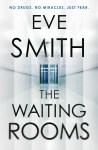
- I read about an animal scratch leading to infection leading to death in a future with no pharmaceuticals in Station Eleven by Emily St. John Mandel in the morning and then in the afternoon heard Eve Smith mention the same thing happening due to antibiotic resistance in her novel The Waiting Rooms. Forget about R.I.P.; this is the stuff that scares me…
What’s the weirdest reading coincidence you’ve had lately?
 Bookish Beck = Rebecca Foster. American transplant to England. Freelance proofreader and book reviewer.
 Bookish Beck