Six Degrees of Separation: From H Is for Hawk to Notes from an Exhibition
It’s been several years since I last participated in Kate’s Six Degrees meme. I’m not sure why I fell out of the habit, after posting pretty faithfully from February 2020 until August 2023. This month I was drawn back by the individualized starting point: your book club’s current read. (See Kate’s opening post.)
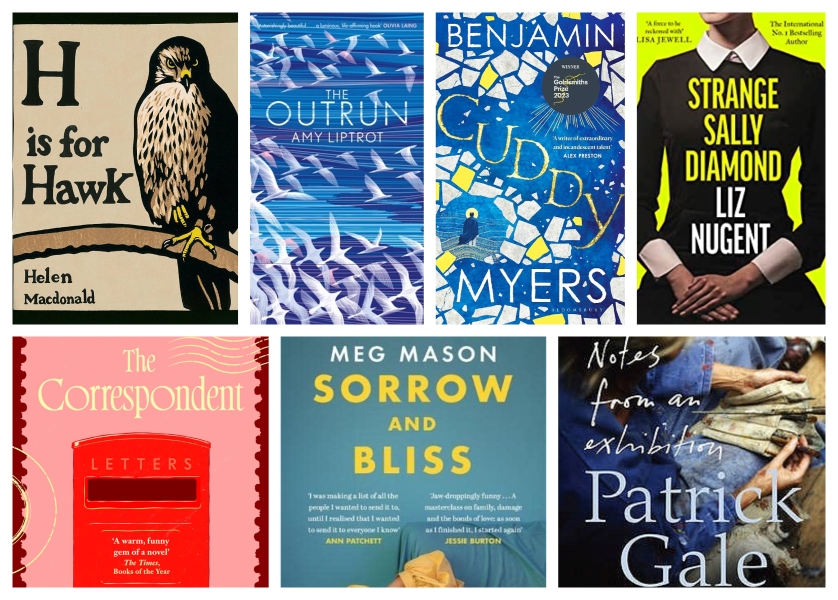
 So I start with Helen Macdonald’s H Is for Hawk, which I look forward to rereading for our next meeting in early October, and every link that follows is (or is connected to) a book we’ve read in book club.
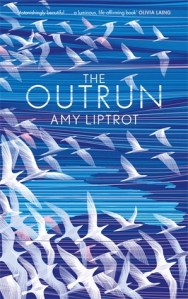 #1 H Is for Hawk was a vanguard of a new trend in nature writing that came to dominate the Wainwright Prize list in the UK: blending a hard/sad personal story with a quest that involves travel and/or communion with the natural world. In the case of Macdonald (who now uses they/them pronouns), they work through grief for their father by taking up falconry and training a goshawk.
I went with some members of my book club to see the excellent film starring Claire Foy, followed by a Q&A with the author, earlier this year. Another early example of the misery memoir-meets-nature book vogue was The Outrun by Amy Liptrot (a Wainwright winner), which combines her struggle with alcoholism with her return to the Orkney Islands and her work for the RSPB surveying endangered corncrakes. Another link: I saw the film version with Saoirse Ronan, which probably surpassed the book, with a book club friend. We then tried to get the others interested in rereading it with us, but it only got a few votes.
 #2 Liptrot lives in Hebden Bridge, Yorkshire, which is famous for its hippie artists and inclusivity (a Brighton of the North?). Among the other nearby residents (in the village of Mytholmroyd) is Benjamin Myers, whose experimental historical novel about Saint Cuthbert, Cuddy, we discussed in book club a year ago. I had skimmed it when it was first published, and enjoyed it in parts but thought it more pretentious than readable. It was not very well received by most members…
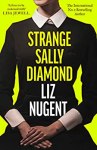 #3 …unlike the quirky and suspenseful Strange Sally Diamond by Liz Nugent, which we’d read the year before and was a hit with almost everyone. Cuddy is set in Northumberland, and I associate Sally with that county because I read it on holiday there.
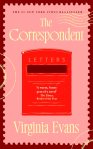 #4 Sally Diamond has some autistic-like traits, in terms of her lack of understanding of social conventions. We questioned whether this was an attempt by the author to reproduce the effects of trauma. The same book club member brought this up in relation to Sybil Van Antwerp, the protagonist of the most recent Women’s Prize winner, The Correspondent by Virginia Evans, which was our September read. I’d picked up on the characterization of her young friend Harry Landy as autistic, but Sybil herself? That hadn’t occurred to me. It just goes to show how discussing books in a group turns up fresh ideas about them.
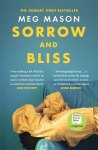 #5 We had also talked diagnoses with one of our previous reads, Sorrow and Bliss by Meg Mason, who scrupulously avoided naming her protagonist’s mental health condition, though it seemed pretty clear to us that it was meant to be bipolar. Another connection: we read that novel as part of our official Women’s Prize shadowing in 2022.
 #6 The Correspondent, Sorrow and Bliss, and Patrick Gale’s Notes from an Exhibition, which shares the theme of mental illness, are all among our top 10 reads of all time, with a score of 18.5/20. We’ve read two Gale novels now and he’s a reliable author for us.
Book Serendipity, March to May
I call it “Book Serendipity” when two or more books that I read at the same time or in quick succession have something in common – the more bizarre, the better. This is a regular feature of mine every couple of months. Because I usually have 20–30 books on the go at once, I suppose I’m more prone to such incidents. People frequently ask how I remember all of these coincidences. The answer is: I jot them down on scraps of paper or input them immediately into a file on my PC desktop; otherwise, they would flit away! Feel free to join in with your own.
The following are in roughly chronological order.
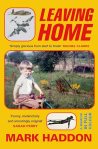
- A sister named Fiona in The Forgotten Waltz by Anne Enright and Leaving Home by Mark Haddon.
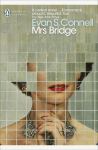
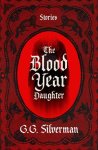
- A parent burns a dirty magazine in Mrs. Bridge by Evan S. Connell and The Blood Year Daughter by G.G. Silverman.
- Sabbath chains, Gaelic sermons, and psalm singing on the very pious Isle of Lewis in John of John by Douglas Stuart (set in the 1990s), then Findings by Kathleen Jamie (essay from the early 2000s). I doubt any of the above can still be found there, though we did note “Respect the Sabbath” signs on playground equipment on our 2022 trip.
- A single mother who won’t answer the phone because she’s afraid of who/what it might be in Blonde by Joyce Carol Oates and The First Day of Spring by Nancy Tucker.
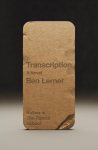
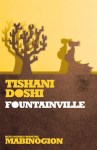
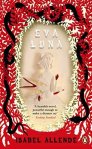
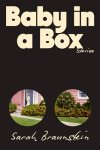
- An orphaned narrator named (Eva) Luna in Eva Luna by Isabel Allende and Fountainville by Tishani Doshi. Then I came across a dog named Luna in Transcription by Ben Lerner! And the main character in one story of Baby in a Box by Sarah Braunstein starts going by her nickname, Luna.
- There’s a Muriel Rukeyser poem in the anthology Night Feeds and Morning Songs (ed. Ana Sampson) and Rukeyser is a character in Sophie Ward’s Our Better Natures, which I was also reading at the time.
- Eating boiled ham in Ordinary Saints by Niamh Ni Mhaoileoin and I Capture the Castle by Dodie Smith (and boiled turkey in The First Day of Spring by Nancy Tucker).
 Checking a hotel room for bedbugs in Transcription by Ben Lerner and Half His Age by Jennette McCurdy.
- A young person writing in shorthand in I Capture the Castle by Dodie Smith and First Class Murder by Robin Stevens.
- A character named Emmie in Transcription by Ben Lerner and (no surprise here) Emmie Arbel: The Colour of Memory by Barbara Yelin.
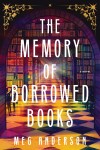
- Noting that roses are not suited to a particular climate in The Memory of Borrowed Books by Meg Anderson and Late Migrations by Margaret Renkl.

- A Welsh character named Owain in Fountainville by Tishani Doshi and Bog Child by Siobhan Dowd.
- The Secret Garden is discussed/mentioned in Reading My Mother Back by Timothy C. Baker and Mare by Emily Haworth-Booth, and mentioned in The Memory of Borrowed Books by Meg Anderson.
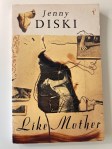
- The protagonist is emotionless at their mother’s deathbed in Like Mother by Jenny Diski and Leaving Home by Mark Haddon.
- (Apologies: this one is grim.) A young woman is sexually assaulted with a bottle in The Benefactors by Wendy Erskine and The Truth about Ruby Cooper by Liz Nugent (both Irish novelists).
- A husband is involved in a deliberate (suicidal) crash in Show Me Where It Hurts by Claire Gleeson and one story of I Am the Ghost Here by Kim Samek.
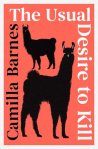
- Ali Baba’s cave is used as a metaphor in The Usual Desire to Kill by Camilla Barnes and Rita Hayworth and Shawshank Redemption by Stephen King.
- A brother- and sister-in-law have an affair in the two Portuguese novels I read on my Portugal holiday, The Migrant Painter of Birds by Lídia Jorge and The Piano Cemetery by José Luís Peixoto.
- A woman describes her discovery of orgasm in The Half Life by Rachel Beanland and The High Mountains of Portugal by Yann Martel.
- ‘There are two kinds of people…’ thinking in The Mighty Red by Louise Erdrich and one story of It Will Come Back to You by Sigrid Nunez.
- Money is hidden behind a boiler in The Mighty Red by Louise Erdrich and The Murderer’s Ape by Jakob Wegelius.
 The surname Callaway in The Half Life by Rachel Beanland and Calloway in The Watersmith by Yance Wyatt.
- Louise Erdrich, whose The Mighty Red I was reading at the time, is mentioned in The Madman’s Guide to Stamp Collecting by Robert Irwin.
- A minor character named Genevieve appears in Our Numbered Bones by Katya Balen and The Watersmith by Yance Wyatt.
- The Mighty Red by Louise Erdrich is the second novel I’ve read within eight months (after The Wedding People by Alison Espach) in which a reluctant bride is saddled with a groom named Gary.
- A mountain lion sighting in The Mighty Red by Louise Erdrich and Learning from Silence by Pico Iyer.
- A character has a love of Agatha Christie novels in The High Mountains of Portugal by Yann Martel and Buckeye by Patrick Ryan.
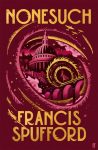
- A character with the nickname Kitten in Nonesuch by Francis Spufford (particularly funny because it’s for a thug) and Kitten by Stacey Yu.
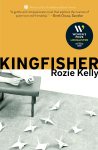
- Reading two queer novels with an academic writing course setting at the same time: Almost Life by Kiran Millwood Hargrave and Kingfisher by Rozie Kelly.
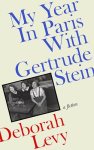
- A remark about the rare beauty of black hair with blue eyes in Kingfisher by Rozie Kelly and My Year in Paris with Gertrude Stein by Deborah Levy.
- An STD is evidence of a husband’s infidelity in The Daffodil Days by Helen Bain and A Beautiful Loan by Mary Costello.
- Bottles being used to hold picnic meals / foraged blackberries (noted because these days it would be plastic pots for everything) in Zami by Audre Lorde (the 1940s) and The Daffodil Days by Helen Bain (the 1960s).
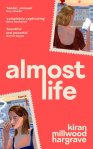 Kismet is a character name in The Mighty Red by Louise Erdrich, so I was primed to notice the word being used in Almost Life by Kiran Millwood Hargrave (it’s a synonym for fate).
- A writer who faces the wall to work in The Daffodil Days by Helen Bain (Ted Hughes, that is) and The Autobiography of Alice B. Toklas by Gertrude Stein (referring to Alice B. Toklas!).
- A painting of an Arctic tern features in The Migrant Painter of Birds by Lídia Jorge (on the cover) and Kingfisher by Rozie Kelly.
- Hot milk is drunk in The Memory of Borrowed Books by Meg Anderson, Kingfisher by Rozie Kelly (with Ovaltine), Nonesuch by Francis Spufford, and Kitten by Stacey Yu.
- William James is mentioned in My Year in Paris with Gertrude Stein by Deborah Levy and Wise by Frank Tallis.
 Algerian Muslim men appear in A Beautiful Loan by Mary Costello and Moveable Feasts by Chris Newens.
- A pet cat was found on the shore in The Memory of Borrowed Books by Meg Anderson and Kitten by Stacey Yu.
- Bringing cherries to an invalid in Almost Life by Kiran Millwood Hargrave and Kingfisher by Rozie Kelly.
- Sex with a woman who has a mastectomy scar in Kingfisher by Rozie Kelly and Zami by Audre Lorde.
- A sighting of a kingfisher as auspicious in Kingfisher by Rozie Kelly and Transcription by Ben Lerner.
- The idea that former lovers leave a mark on people in Almost Life by Kiran Millwood Hargrave and Zami by Audre Lorde.
- Pet cat(s) do themselves a mischief by getting into paint supplies in Zami by Audre Lorde and Kitten by Stacey Yu.
- A Sandymount, Dublin setting in A Beautiful Loan by Mary Costello and Hood by Emma Donoghue.
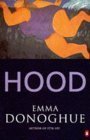
- An Irish family where the mother and one daughter move to the USA and the father and other daughter stay behind in Hood by Emma Donoghue and The Truth about Ruby Cooper by Liz Nugent (both Irish novelists).
- The concept of a “funeral cake” in The Mighty Red by Louise Erdrich and Kingfisher by Rozie Kelly.
- A character regrets wearing eye makeup on an emotional occasion in The Memory of Borrowed Books by Meg Anderson and Kingfisher by Rozie Kelly.
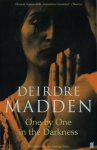 My second Irish novel of the year that takes place over one week: Hood by Emma Donoghue (after One by One in the Dark by Deirdre Madden).
- A cat of confusing gender: Grace is male in Hood by Emma Donoghue and Bob is always referred to as “it” in My Year in Paris with Gertrude Stein by Deborah Levy.
- The idea that it’s rare for a woman to a) be a good storyteller (in The Torrents of Spring by Ivan Turgenev) or b) tell a punchline with a straight face (in The Correspondent by Virginia Evans – at least the man gets called out on his sexist opinion in this case). I also noticed the use of the word “caprice” in both books (and also in Turgenev’s First Love) because it’s unusual and I like it.
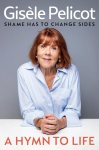
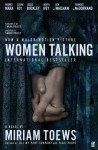
- Another grim, grim one: reading two books at the same time in which a woman is / women are drugged and raped while unconscious (A Hymn to Life by Gisèle Pelicot and Women Talking by Miriam Toews).
- I read two short stories in quick succession about a peasant porter who carries a broom: “A Real Durwan” by Jhumpa Lahiri (from Interpreter of Maladies) followed by “Mumu” by Ivan Turgenev.
- An older woman insists that she still is/has a little girl inside in The Correspondent by Virginia Evans and A Hymn to Life by Gisèle Pelicot.
 The number 7 has magical significance for the author in Ghost Stories by Siri Hustvedt and A Hymn to Life by Gisèle Pelicot.
- A couple meets when they see each other reading the same book in an outdoor location: A Lover’s Discourse by Roland Barthes in Almost Life by Kiran Millwood Hargrave; and The Great Gatsby in Sunset Park by Paul Auster.
- Alison Bechdel’s Dykes to Watch Out For is mentioned in Hood by Emma Donoghue; I was reading a Bechdel book, The Secret of Superhuman Strength, at the same time.
- Gnats are irksome in Sunset Park by Paul Auster and Lost Lambs by Madeline Cash.
What’s the weirdest reading coincidence you’ve had lately?
Reading Ireland Month, Part II: Dowd, Enright, Madden & Nugent
I’m catching up with a final set of reviews for #ReadingIrelandMonth26. I read two novels set at least partially during the Troubles, one of them for teenagers; a quiet novel about adultery and bereavement; and a thriller about consent and family legacy. I also read the first half of one more novel, a sombre one about the aftermath of a mental health crisis. Between this post and my first one, I covered 6.5 novels by Irish women, which I’ll call a win.
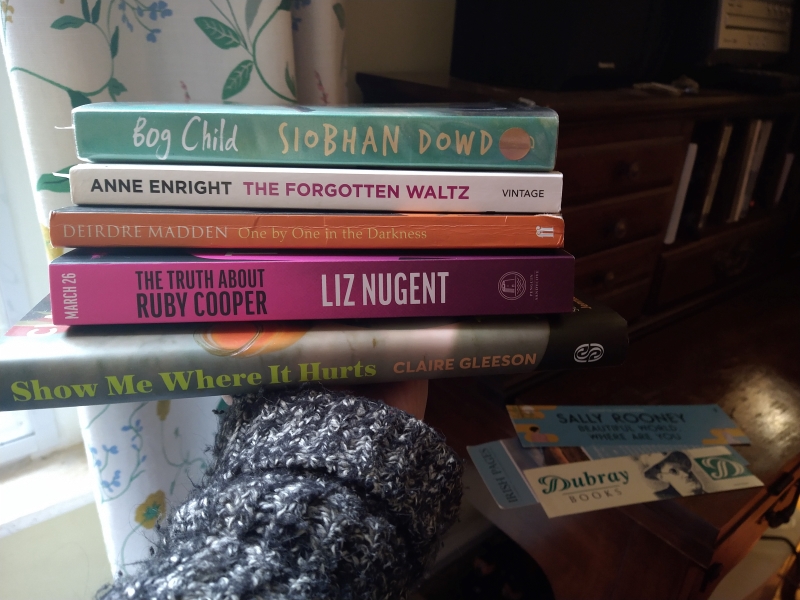
Bog Child by Siobhan Dowd (2008)
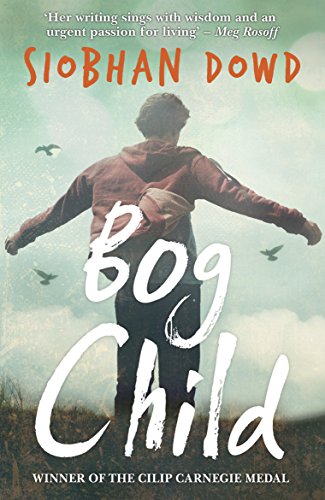 Fergus McCann is 18 and taking A levels; if he can only get three Bs, he’ll have his ticket out of Northern Ireland to study medicine at Aberdeen. This is no ordinary summer, though. He loves running on the hills at the border and here he makes a landmark discovery and embarks on a risky mission. The plot opens with Fergus and his uncle stumbling on the corpse of a girl while cutting peats. It’s a case for archaeologists rather than the police: the body is from the Iron Age and there’s evidence that the girl was sacrificed. An acquaintance then pressures Fergus into running parcels up and down the hill, right under the noses of the British at the checkpoint. He makes friends with Owain, a Welsh soldier, but gets a horrible feeling he’s partially responsible for the bombings he soon hears about on the radio. His family is enmeshed in the IRA anyway: his brother is among the hunger strikers in the local prison. There’s every chance that Joey could die before the summer is out, as much a victim of injustice as “Mel” (as Fergus names the girl from the bog, whose story he dreams).
This was Dowd’s third novel, published posthumously after her death from cancer, and won the Carnegie Medal. I’d say it’s one of the few best young adult novels I’ve ever read. (It’s shelved under Teenage Fiction at my library.) It’s an excellent peripheral glance at history ancient and modern – Fergus’s letter to Margaret Thatcher is brilliant – and effectively recreates a teen’s divided attention: friends, schooling, family drama, the future, and romance (via the daughter of the archaeologist). I searched my library catalogue for further books on bog bodies after reading Anna North’s Bog Queen and it really paid off! (Public library)
The Forgotten Waltz by Anne Enright (2011)
 I’ve only read a handful of Enright novels and wanted to experience more, so picked this one because it was shortlisted for the Orange Prize. On the face of it, it’s a fairly straightforward adultery story, but the unshowy potency of Enright’s writing and her realistic insight into relationships set it apart. While married to Conor, Gina has an affair with Seán, who’s older and married to Aileen. Seán is part of their social circle but also someone she knows through work, and business trips are an easy excuse. “The office game was another game for us to play, after the suburban couples game, and before the game of hotel assignations and fabulous, illicit lust, and neither of us thought there might come a moment when all the games would stop. It was a lot of fun.” Gina narrates matter-of-factly, rejecting cause-and-effect language. She doesn’t defend herself, or fool herself that Seán is perfect. This new relationship involves as many challenges as her marriage, what with her mother’s death and Seán’s preteen daughter, Evie, who appears to be autistic and epileptic. The short chapters are all headed with song lyrics, mostly from love songs (“Will You Love Me Tomorrow,” “Stop! In the Name of Love”) whose ironic optimism underlines the novel’s gently melancholy tone. This reminded me most of Maggie O’Farrell’s early work, and more than justified delving into Enright’s back catalogue. (Secondhand – Awesomebooks.com)
{SPOILERS IN THE REST!!}
One by One in the Darkness by Deirdre Madden (1996)
 Louise Kennedy’s Trespasses was our book club selection for March; I’d read it just two years ago, so skimmed back through and was impressed by its construction. Some were less convinced by the framing story and not emotionally engaged with Michael and Cushla’s affair, but we all appreciated it as a sideways look at Northern Irish history. One by One in the Darkness, which was also shortlisted for the Women’s (then Orange) Prize, is set close to its publication in the 1990s but returns to the Troubles through memories and flashbacks. Set over one week – Saturday to Friday – it’s the story of the three Quinn sisters. Cate is a journalist in London who flies home to Antrim to break the news that she’s pregnant out of wedlock. Helen is a lawyer and Sally a schoolteacher. They, their mother, and Uncle Brian have all gotten on with life as best they could, but their father’s murder is something they can’t forget and won’t ever get over. By saving that scene for the very last page of this novella, Madden keeps the horror of it fresh. Through one family’s story, she gives a sense of the scope of the country’s loss. But the book is not without a dark sense of humour, either. Madden was a new author for me. I found her work profound at the sentence level (see below for some favourite lines) rather than engaging at the plot level. (Secondhand – Awesomebooks.com)
“‘What’s wrong with Uncle Peter?’ ‘Two things,’ [Granny] said. ‘He thinks too much, and then he drinks too much.’”
“Once when [Cate] was home she’d remarked to Helen that she thought the forecasts were often inaccurate in Northern Ireland. ‘It’s probably deliberate,’ Helen had replied. ‘If they read out the average day’s news here and then said at the end of it, “Oh, and by the way, it’s going to bucket rain for the next twenty-four hours,” it might be more than people could take.’”
“Cate had remarked once that it was only when you lived away from Northern Ireland that you realised on returning how deeply divided a society it was, and how strange the effect of that could be.”
“There’d been well over three thousand people killed since the start of the Troubles, and every single one of them had parents or husbands and wives and children whose lives had been wrecked. It would be written about in the paper for two days, but as soon as the funeral was over it was as if that was the end, when it was really only the beginning.”
The Truth about Ruby Cooper by Liz Nugent (2026)
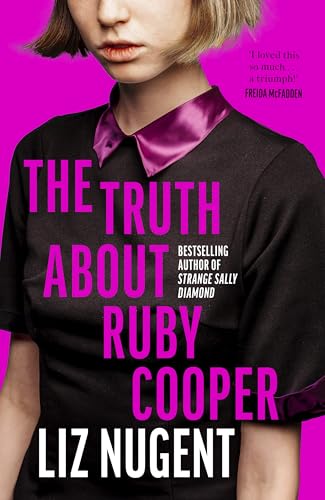 We read Nugent’s Strange Sally Diamond for book club a couple years ago and it was a great Northumberland holiday read for me, with a deliciously off-kilter narrator whose traumatized (and perhaps neurodivergent) perspective carried the novel. Here again Nugent prioritizes unreliable women’s voices and dark happenings, but Ruby is awfully hard to like. At age 16, she falsely accuses her older sister Erin’s boyfriend Milo of raping her. Milo maintains his innocence all along, but goes to jail for the crime; after all, DNA evidence can’t lie, right? Years of his life – and a heartbroken Erin’s – are stolen, his mother dies by suicide, Ruby becomes dependent on alcohol: all of this because of sisterly jealousy and an elaborate lie that their mother upholds rather than expose the family to further shame.
Narration alternates between Erin in Boston and Ruby, who’s moved back to Ireland with their mother. For Ruby’s confession to work, readers are kept in the dark about the truth of the incident, though only for 76 pages. Together the sisters give a tedious blow-by-blow of the intervening years – until Ruby’s daughter, Lucy, is raped by her boss on a drunken night out. Ruby refuses to believe her “because if it was true, that was karma coming to bit me on the ass.” This is where things finally get interesting, as Nugent explores ironies and familial patterns. But I’m sure I won’t be the only one to find the whole thing distasteful. Nugent clearly anticipates a backlash, stating in a prefatory letter, “I need to be very clear about the fact that girls and women like Ruby Cooper are extremely rare.” Was it worth undermining the #BelieveWomen campaign to explore a certain state of mind? Nah.
With thanks to Sandycove (Penguin) for the proof copy for review.
I’d also hoped to finish one more, but ran out of time. Here are my thoughts on the first half:
Show Me Where It Hurts by Claire Gleeson (2025)
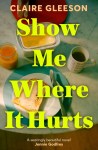 Rachel knew Tom had recurring problems with depression, but had no idea he was on the verge of a breakdown when he deliberately drove their car off the road with the intention of killing his entire family. Their two young children die in the crash but they both survive – Tom held in a psychiatric hospital and Rachel resuming her life as a nurse. The chapters alternate between “After” and “Before,” giving relative date markers in weeks, months or years out from the incident. Gleeson’s understated prose makes it possible for readers to face a tragedy so awful we’d otherwise look away; it never tips over into mawkishness.
Some 2024 Reading Superlatives
Longest book read this year: The Bee Sting by Paul Murray

Shortest books read this year: The Wood at Midwinter by Susanna Clarke – a standalone short story (unfortunately, it was kinda crap); After the Rites and Sandwiches by Kathy Pimlott – a poetry pamphlet
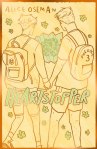 Authors I read the most by this year: Alice Oseman (5 rereads), Carol Shields (3 rereads); Margaret Atwood, Rachel Cusk, Pam Houston, T. Kingfisher, Sarah Manguso, Maggie O’Farrell, and Susan Allen Toth (2 each)
Publishers I read the most from: (Besides the ubiquitous Penguin Random House and its myriad imprints,) Carcanet (15), Bloomsbury & Faber (12 each), Alice James Books & Picador/Pan Macmillan (9 each)
My top author ‘discoveries’ of the year: Sherman Alexie and Bernardine Bishop

Proudest bookish achievements: Reading almost the entire Carol Shields Prize longlist; seeing The Bookshop Band on their huge Emerge, Return tour and not just getting my photo with them but having it published on both the Foreword Reviews and Shelf Awareness websites

Most pinching-myself bookish moment: Getting a chance to judge published debut novels for the McKitterick Prize
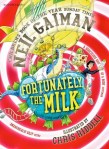
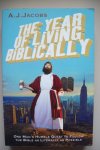
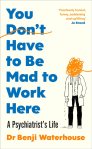
Books that made me laugh: Lots, but particularly Fortunately, the Milk… by Neil Gaiman, The Year of Living Biblically by A.J. Jacobs, and You Don’t Have to Be Mad to Work Here by Benji Waterhouse
Books that made me cry: On Chesil Beach by Ian McEwan, My Good Bright Wolf by Sarah Moss
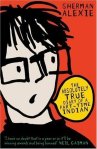
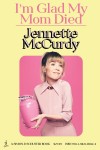 Two books that hit the laughing-and-crying-at-the-same-time sweet spot: The Absolutely True Diary of a Part-Time Indian by Sherman Alexie and I’m Glad My Mom Died by Jennette McCurdy
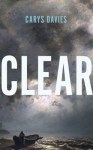
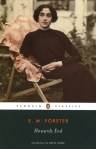
Best book club selections: Clear by Carys Davies, Howards End by E.M. Forster, Strange Sally Diamond by Liz Nugent
Best first lines encountered this year:
- From Cocktail by Lisa Alward: “The problem with parties, my mother says, is people don’t drink enough.”
- From A Reason to See You Again by Jami Attenberg: “Oh, the games families play with each other.”
- From The Snow Queen by Michael Cunningham: “A celestial light appeared to Barrett Meeks in the sky over Central Park, four days after Barrett had been mauled, once again, by love.”

Best last lines encountered this year:
 From The Ministry of Time by Kaliane Bradley: “Forgiveness and hope are miracles. They let you change your life. They are time-travel.”
- From Mammoth by Eva Baltasar: “May I know to be alert when, at the stroke of midnight, life sends me its cavalry.”
- From Private Rites by Julia Armfield: “For now, they stay where they are and listen to the unwonted quiet, the hush in place of rainfall unfamiliar, the silence like a final snuffing out.”
- From Come to the Window by Howard Norman: “Wherever you sit, so sit all the insistences of fate. Still, the moment held promise of a full life.”
- From Intermezzo by Sally Rooney: “It doesn’t always work, but I do my best. See what happens. Go on in any case living.”
- From Barrowbeck by Andrew Michael Hurley: “And she thought of those Victorian paintings of deathbed scenes: the soul rising vaporously out of a spent and supine body and into a starry beam of light; all tears wiped away, all the frailty and grossness of a human life transfigured and forgiven at last.”
- From Small Rain by Garth Greenwell: “Pure life.”

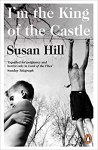
Books that put a song in my head every time I picked them up: I’m the King of the Castle by Susan Hill (“Crash” by Dave Matthews Band); Y2K by Colette Shade (“All Star” by Smashmouth)
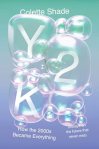
Shortest book titles encountered: Feh (Shalom Auslander) and Y2K (Colette Shade), followed by Keep (Jenny Haysom)
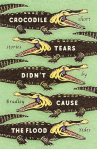 Best 2024 book titles: And I Will Make of You a Vowel Sound, I Can Outdance Jesus, Zombie Vomit Mad Libs, Crocodile Tears Didn’t Cause the Flood, This Is Why We Can’t Have Nice Things
Best book titles from other years: Recipe for a Perfect Wife, Tripping over Clouds, Waltzing the Cat, Dressing Up for the Carnival, The Met Office Advises Caution
Favourite title and cover combo of the year: I’m Mostly Here to Enjoy Myself by Glynnis MacNicol

Best punning title (and nominative determinism): Knead to Know: A History of Baking by Dr Neil Buttery
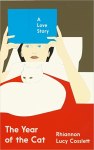 Biggest disappointments: The Glassmaker by Tracy Chevalier (I didn’t get past the first chapter because of all the info dumping from her research); The Year of the Cat by Rhiannon Lucy Cosslett; milk and honey by Rupi Kaur (that … ain’t poetry); 2 from the Observer’s 10 best new novelists feature (here and here)
A couple of 2024 books that everyone was reading but I decided not to: Creation Lake by Rachel Kushner, You Are Here by David Nicholls
 The worst books I read this year: Mammoth by Eva Baltasar, A Spy in the House of Love by Anaïs Nin
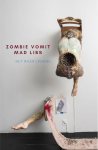
The downright strangest books I read this year: Zombie Vomit Mad Libs, followed by The Peculiar Life of a Lonely Postman. All Fours by Miranda July (I am at 44% now) is pretty weird, too.

Book Serendipity, August to October 2024
I call it “Book Serendipity” when two or more books that I read at the same time or in quick succession have something in common – the more bizarre, the better. This is a regular feature of mine every couple of months. Because I usually have 20–30 books on the go at once, I suppose I’m more prone to such incidents. People frequently ask how I remember all of these coincidences. The answer is: I jot them down on scraps of paper or input them immediately into a file on my PC desktop; otherwise, they flit away!
The following are in roughly chronological order.
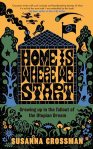
- The William Carlos Williams line “no ideas but in things” is quoted in Home Is Where We Start by Susanna Crossman and echoed with a slight adaptation in Want, the Lake by Jenny Factor.
- A woman impulsively stops into a tattoo parlour in We Are Animals by Jennifer Case and Birdeye by Judith Heneghan.
- Cleaning up a partner’s bristles from the sink in 300 Arguments by Sarah Manguso and The Echoes by Evie Wyld.

- Sarah Manguso, by whom I was reading two books for a Bookmarks article, was quoted in Some of Us Just Fall by Polly Atkin.
- Someone is annoyed at their spouse making a mess cooking lemon preserves in How We Know Our Time Travelers by Anita Felicelli and Liars by Sarah Manguso, both of which are set in California.
- Rumpelstiltskin is referenced in one short story of a speculative collection: How We Know Our Time Travelers by Anita Felicelli and The Man in the Banana Trees by Marguerite Sheffer.
- A father who is hard of hearing, and an Australian woman looking for traces of her grandmother’s life in England in The House with All the Lights On by Jessica Kirkness and The Echoes by Evie Wyld.
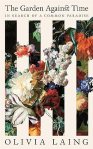
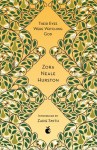
- A character named Janie or Janey in Their Eyes Were Watching God by Zora Neale Hurston and The Echoes by Evie Wyld. The Pre-Raphaelite model Janey is also mentioned in The Garden Against Time by Olivia Laing.
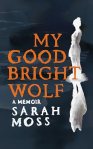 Contrasting one’s childhood love of the Little House on the Prairie books with reading them as an adult and being aware of the racial and colonial implications in Home Is Where We Start by Susanna Crossman and My Good Bright Wolf by Sarah Moss.
- A mention of Little Women in A Perfect Arrangement by Suzanne Berne and My Good Bright Wolf by Sarah Moss.
- A character grew up in a home hair-dressing business in A Perfect Arrangement by Suzanne Berne and Home Is Where We Start by Susanna Crossman.
- The discovery of an old pram in an outbuilding in Instructions for a Heatwave by Maggie O’Farrell and Mina’s Matchbox by Yōko Ogawa.
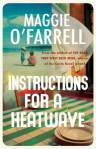
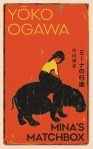
- An Irish woman named Aoife in My Good Bright Wolf by Sarah Moss and Instructions for a Heatwave by Maggie O’Farrell.
- Cooking then throwing out entire meals in My Good Bright Wolf by Sarah Moss and The Echoes by Evie Wyld. (Also throwing out a fresh meal in Birdeye by Judith Heneghan. Such scenes distress me!)
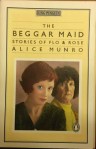 A new lover named Simon in one story of The Beggar Maid by Alice Munro and The Echoes by Evie Wyld.
- A character writes a recommendation letter for someone who then treats them vindictively, because they assumed the letter was negative when it wasn’t, in A Perfect Arrangement by Suzanne Berne and one story of The Beggar Maid by Alice Munro.
- After her parents’ divorce, the author never had a designated bedroom in her father’s house in Home Is Where We Start by Susanna Crossman and The Garden Against Time by Olivia Laing.
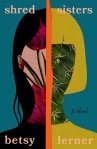 Reading The Bell Jar as a teenager in Shred Sisters by Betsy Lerner and My Good Bright Wolf by Sarah Moss.
- A contentious Town Hall meeting features in A Perfect Arrangement by Suzanne Berne and Birdeye by Judith Heneghan.
- The wife is pregnant with twins in A Perfect Arrangement by Suzanne Berne and The Year of Living Biblically by A.J. Jacobs. (There are also twins in Birdeye by Judith Heneghan. In general, I find that they occur far more often in fiction than in real life!)
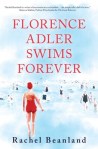
- 1930s Florida as a setting in Florence Adler Swims Forever by Rachel Beanland and Their Eyes Were Watching God by Zora Neale Hurston.
- Dorothy Wordsworth and her journals are discussed in Some of Us Just Fall by Polly Atkin and My Good Bright Wolf by Sarah Moss.
- Wordsworth’s daffodils are mentioned in Signs, Music by Raymond Antrobus and My Good Bright Wolf by Sarah Moss.
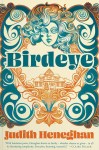
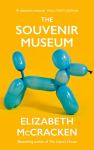
- “F*ck off” is delivered in an exaggerated English accent in Birdeye by Judith Heneghan and The Souvenir Museum by Elizabeth McCracken.
- The main character runs a country store in Their Eyes Were Watching God by Zora Neale Hurston and The Beggar Maid by Alice Munro.
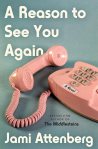 Reading a second novel this year in which the younger sister of a pair wants to go into STEM and joins the Mathletes in high school: first was A Reason to See You Again by Jami Attenberg; later was Shred Sisters by Betsy Lerner.
- An older sister who has great trouble attending normal school and so is placed elsewhere (including a mental institution) for a total of two years in Learning to Think by Tracy King and Shred Sisters by Betsy Lerner.
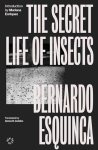
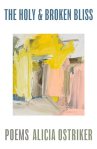
- The idea of trees taking revenge on people for environmental destruction in one story of The Secret Life of Insects by Bernardo Esquinca and one poem of The Holy & Broken Bliss by Alicia Ostriker.
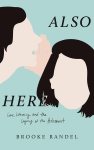
- An illiterate character in Instructions for a Heatwave by Maggie O’Farrell and Also Here by Brooke Randel.
- Controversy over throwing a dead body into the trash in Birdeye by Judith Heneghan and Strange Sally Diamond by Liz Nugent.
- A publishing assistant who wears a miniskirt and Doc Martens in Shred Sisters by Betsy Lerner and Summer Fridays by Suzanne Rindell.
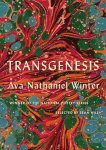
- Ancestors’ experience in Auschwitz in Also Here by Brooke Randel and Transgenesis by Ava Winter.
- The protagonist finds it comforting when her boyfriend lies down with his full weight on her in Shred Sisters by Betsy Lerner and The Echoes by Evie Wyld.
- A woman badgers her ex-husband about when his affair with his high school/college sweetheart started (before or after the divorce) in Shred Sisters by Betsy Lerner and Liars by Sarah Manguso.
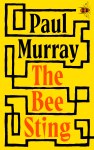 I encountered an Irish matriarch who married the ‘wrong’ brother, not Frank, in The Bee Sting by Paul Murray earlier in the year, and then in Instructions for a Heatwave by Maggie O’Farrell.
- A boy is playing in the family car on the driveway when it rolls backwards and kills someone in A Perfect Arrangement by Suzanne Berne and Tell Me Everything by Elizabeth Strout.
- Quantoxhead, Somerset is mentioned in On Trying to Keep Still by Jenny Diski and A House Unlocked by Penelope Lively.
- Tapeworms are mentioned in On Trying to Keep Still by Jenny Diski and one story of The Best Short Stories 2023: The O. Henry Prize Winners, ed. Lauren Groff.
- A description of horrific teeth in one story of The Best Short Stories 2023: The O. Henry Prize Winners, ed. Lauren Groff, and one story of The Long Swim by Terese Svoboda.
- A character researches potato blight, and another keeps his smoking a secret from his wife, in one story of The Best Short Stories 2023: The O. Henry Prize Winners, ed. Lauren Groff, and Tell Me Everything by Elizabeth Strout.
 A piano gets mauled out of anger in one story of Save Me, Stranger by Erika Krouse and Strange Sally Diamond by Liz Nugent.
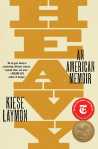
- Men experiencing eating disorders in Heavy by Kiese Laymon and Heartstopper Volumes 3 and 4 by Alice Oseman.
- Black people deliberately changing their vocabulary and speech register when talking to white people in James by Percival Everett and Heavy by Kiese Laymon.
- My second book of the year in which a woman from centuries ago who magically appears in the present requests to go night clubbing: first The Ministry of Time by Kaliane Bradley, then Isabella & Blodwen by Rachael Smith.
- Characters named Sadie in James by Percival Everett, The Souvenir Museum by Elizabeth McCracken, and Still Life at Eighty by Abigail Thomas.
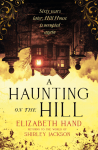
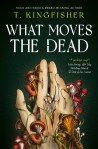
- Creepy hares in horror: A Haunting on the Hill by Elizabeth Hand and What Moves the Dead by T. Kingfisher. There were weird rabbits in I’m the King of the Castle by Susan Hill, too.
- I read two scenes of a calf being born, one right after the other: in Dangerous Enough by Becky Varley-Winter, then I’m the King of the Castle by Susan Hill.
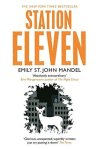
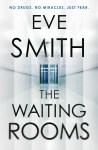
- I read about an animal scratch leading to infection leading to death in a future with no pharmaceuticals in Station Eleven by Emily St. John Mandel in the morning and then in the afternoon heard Eve Smith mention the same thing happening due to antibiotic resistance in her novel The Waiting Rooms. Forget about R.I.P.; this is the stuff that scares me…
What’s the weirdest reading coincidence you’ve had lately?
 Bookish Beck = Rebecca Foster. American transplant to England. Freelance proofreader and book reviewer.
