Book Serendipity, September through Mid-November
I call it “Book Serendipity” when two or more books that I read at the same time or in quick succession have something in common – the more bizarre, the better. This is a regular feature of mine every couple of months. Because I usually have 20–30 books on the go at once, I suppose I’m more prone to such incidents. People frequently ask how I remember all of these coincidences. The answer is: I jot them down on scraps of paper or input them immediately into a file on my PC desktop; otherwise, they would flit away.
Thanks to Emma and Kay for posting their own Book Serendipity moments! (Liz is always good about mentioning them as she goes along, in the text of her reviews.)
The following are in roughly chronological order.
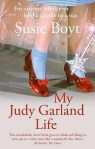
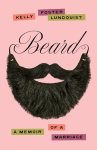
- An obsession with Judy Garland in My Judy Garland Life by Susie Boyt (no surprise there), which I read back in January, and then again in Beard: A Memoir of a Marriage by Kelly Foster Lundquist.
- Leaving a suicide note hinting at drowning oneself before disappearing in World War II Berlin; and pretending to be Jewish to gain better treatment in Aimée and Jaguar by Erica Fischer and The Lilac People by Milo Todd.
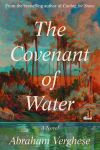
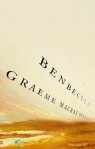
- Leaving one’s clothes on a bank to suggest drowning in The Covenant of Water by Abraham Verghese, read over the summer, and then Benbecula by Graeme Macrae Burnet.
- A man expecting his wife to ‘save’ him in Amanda by H.S. Cross and Beard: A Memoir of a Marriage by Kelly Foster Lundquist.
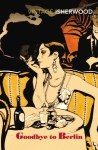 A man tells his story of being bullied as a child in Goodbye to Berlin by Christopher Isherwood and Beard by Kelly Foster Lundquist.
- References to Vincent Minnelli and Walt Whitman in a story from Touchy Subjects by Emma Donoghue and Beard by Kelly Foster Lundquist.
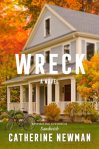
- The prospect of having one’s grandparents’ dining table in a tiny city apartment in Beard by Kelly Foster Lundquist and Wreck by Catherine Newman.
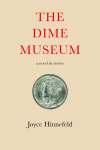
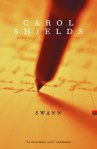
- Ezra Pound’s dodgy ideology was an element in The Dime Museum by Joyce Hinnefeld, which I reviewed over the summer, and recurs in Swann by Carol Shields.
- A character has heart palpitations in Andrew Miller’s story from The BBC National Short Story Award 2025 anthology and Endling by Maria Reva.
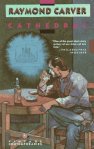
- A (semi-)nude man sees a worker outside the window and closes the curtains in one story of Cathedral by Raymond Carver and one from Good and Evil and Other Stories by Samanta Schweblin.
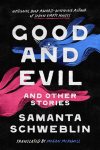
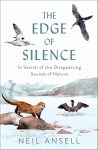
- The call of the cuckoo is mentioned in The Edge of Silence by Neil Ansell and Of All that Ends by Günter Grass.
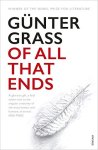 A couple in Italy who have a Fiat in Of All that Ends by Günter Grass and Caoilinn Hughes’s story from The BBC National Short Story Award 2025 anthology.
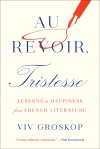
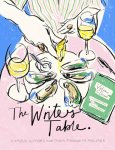
- Balzac’s excessive coffee consumption was mentioned in Au Revoir, Tristesse by Viv Groskop, one of my 20 Books of Summer, and then again in The Writer’s Table by Valerie Stivers.
- The main character is rescued from her suicide plan by a madcap idea in The Wedding People by Alison Espach and Endling by Maria Reva.
- The protagonist is taking methotrexate in Sea, Poison by Caren Beilin and Wreck by Catherine Newman.

- A man wears a top hat in Benbecula by Graeme Macrae Burnet and one story of Cathedral by Raymond Carver.
- A man named Angus is the murderer in Benbecula by Graeme Macrae Burnet and Swann by Carol Shields.
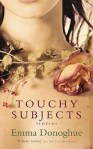 The thing most noticed about a woman is a hair on her chin in the story “Pluck” in Touchy Subjects by Emma Donoghue and Swann by Carol Shields.
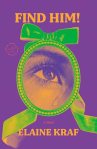
- The female main character makes a point of saying she doesn’t wear a bra in Sea, Poison by Caren Beilin and Find Him! by Elaine Kraf.
- A home hairdressing business in one story of Cathedral by Raymond Carver and Emil & the Detectives by Erich Kästner.
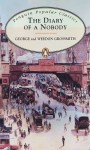
- Painting a bathroom fixture red: a bathtub in The Diary of a Nobody by George Grossmith, one of my 20 Books of Summer; and a toilet in Find Him! by Elaine Kraf.
- A teenager who loses a leg in a road accident in individual stories from A Wild Swan by Michael Cunningham and the Racket anthology (ed. Lisa Moore).
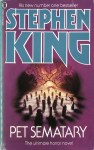
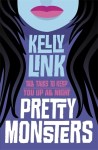
- Digging up the casket of a loved one in the wee hours features in Pet Sematary by Stephen King, one of my 20 Books of Summer; and one story of Pretty Monsters by Kelly Link.
- A character named Dani in the story “The St. Alwynn Girls at Sea” by Sheila Heti and The Silver Book by Olivia Laing; later, author Dani Netherclift (Vessel).
 Obsessive cultivation of potatoes in Benbecula by Graeme Macrae Burnet and The Martian by Andy Weir.
- The story of Dante Gabriel Rossetti digging up the poems he buried with his love is recounted in Sharon Bala’s story in the Racket anthology (ed. Lisa Moore) and one of the stories in Pretty Monsters by Kelly Link.
- Putting French word labels on objects in Alone in the Classroom by Elizabeth Hay and Find Him! by Elaine Kraf.
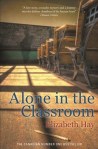
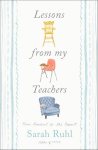 A man with part of his finger missing in Find Him! by Elaine Kraf and Lessons from My Teachers by Sarah Ruhl.
- In Minor Black Figures by Brandon Taylor, I came across a mention of the Italian film director Pier Paolo Pasolini, who is a character in The Silver Book by Olivia Laing.
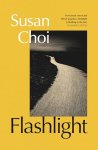
- A character who works in an Ohio hardware store in Flashlight by Susan Choi and Buckeye by Patrick Ryan (two one-word-titled doorstoppers I skimmed from the library). There’s also a family-owned hardware store in Alone in the Classroom by Elizabeth Hay.
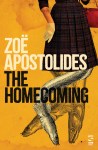
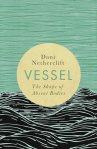
- A drowned father – I feel like drownings in general happen much more often in fiction than they do in real life – in The Homecoming by Zoë Apostolides, Flashlight by Susan Choi, and Vessel by Dani Netherclift (as well as multiple drownings in The Covenant of Water by Abraham Verghese, one of my 20 Books of Summer).
- A memoir by a British man who’s hard of hearing but has resisted wearing hearing aids in the past: first The Quiet Ear by Raymond Antrobus over the summer, then The Edge of Silence by Neil Ansell.
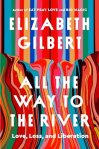 A loved one is given a six-month cancer prognosis but lives another (nearly) two years in All the Way to the River by Elizabeth Gilbert and Lessons from My Teachers by Sarah Ruhl.
- A man’s brain tumour is diagnosed by accident while he’s in hospital after an unrelated accident in Flashlight by Susan Choi and Saltwash by Andrew Michael Hurley.
- Famous lost poems in What We Can Know by Ian McEwan and Swann by Carol Shields.
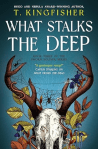
- A description of the anatomy of the ear and how sound vibrates against tiny bones in The Edge of Silence by Neil Ansell and What Stalks the Deep by T. Kingfisher.
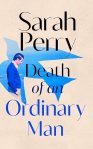
- Notes on how to make decadent mashed potatoes in Beard by Kelly Foster Lundquist, Death of an Ordinary Man by Sarah Perry, and Lessons from My Teachers by Sarah Ruhl.
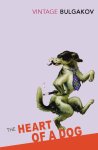
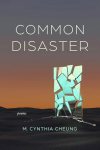
- Transplant surgery on a dog in Russia and trepanning appear in The Heart of a Dog by Mikhail Bulgakov and the poetry collection Common Disaster by M. Cynthia Cheung.
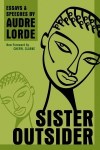
- Audre Lorde, whose Sister Outsider I was reading at the time, is mentioned in Lessons from My Teachers by Sarah Ruhl. Lorde’s line about the master’s tools never dismantling the master’s house is also paraphrased in Spent by Alison Bechdel.
- An adult appears as if fully formed in a man’s apartment but needs to be taught everything, including language and toilet training, in The Heart of a Dog by Mikhail Bulgakov and Find Him! by Elaine Kraf.
 Two sisters who each wrote a memoir about their upbringing in Spent by Alison Bechdel and Vessel by Dani Netherclift.
- The fact that ragwort is bad for horses if it gets mixed up into their feed was mentioned in Ghosts of the Farm by Nicola Chester and Understorey by Anna Chapman Parker.
- The Sylvia Plath line “the O-gape of complete despair” was mentioned in Vessel by Dani Netherclift, then I read it in its original place in Ariel later the same day.
- A mention of the Baba Yaga folk tale (an old woman who lives in the forest in a hut on chicken legs) in Common Disaster by M. Cynthia Cheung and Woman, Eating by Claire Kohda. [There was a copy of Sophie Anderson’s children’s book The House with Chicken Legs in the Little Free Library around that time, too.]
- Coming across a bird that seems to have simply dropped dead in Victorian Psycho by Virginia Feito, Vessel by Dani Netherclift, and Rainforest by Michelle Paver.
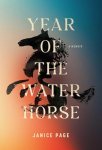
- Contemplating a mound of hair in Vessel by Dani Netherclift (at Auschwitz) and Year of the Water Horse by Janice Page (at a hairdresser’s).
- Family members are warned that they should not see the body of their loved one in Vessel by Dani Netherclift and Rainforest by Michelle Paver.
- A father(-in-law)’s swift death from oesophageal cancer in Year of the Water Horse by Janice Page and Death of an Ordinary Man by Sarah Perry.
- I saw John Keats’s concept of negative capability discussed first in My Little Donkey by Martha Cooley and then in Understorey by Anna Chapman Parker.
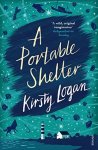
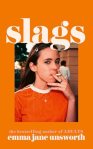
- I started two books with an Anne Sexton epigraph on the same day: A Portable Shelter by Kirsty Logan and Slags by Emma Jane Unsworth.
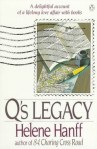
- Mentions of Martin Luther King, Jr.’s assassination in Q’s Legacy by Helene Hanff and Sister Outsider for Audre Lorde, both of which I was reading for Novellas in November.
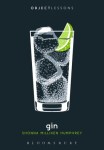
- Mentions of specific incidents from Samuel Pepys’s diary in Q’s Legacy by Helene Hanff and Gin by Shonna Milliken Humphrey, both of which I was reading for Nonfiction November/Novellas in November.
- Starseed (aliens living on earth in human form) in Beautyland by Marie-Helene Bertino and The Conspiracists by Noelle Cook.
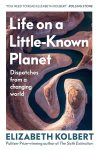
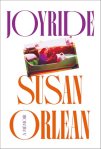
- Reading nonfiction by two long-time New Yorker writers at the same time: Life on a Little-Known Planet by Elizabeth Kolbert and Joyride by Susan Orlean.
- The breaking of a mirror seems like a bad omen in The Spare Room by Helen Garner and The Bell Jar by Sylvia Plath.
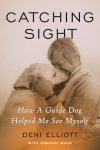 The author’s husband (who has a name beginning with P) is having an affair with a lawyer in Catching Sight by Deni Elliott and Joyride by Susan Orlean.
- Mentions of Lewis Hyde’s book The Gift in Lessons from My Teachers by Sarah Ruhl and The Serviceberry by Robin Wall Kimmerer; I promptly ordered the Hyde secondhand!
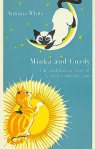
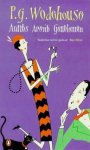
- The protagonist fears being/is accused of trying to steal someone else’s cat in Minka and Curdy by Antonia White and Aunts Aren’t Gentlemen by P.G. Wodehouse, both of which I was reading for Novellas in November.
What’s the weirdest reading coincidence you’ve had lately?
Reading Snapshot for Mid-January
As I said in my last post, I’m in the middle of a bunch of books but hardly finishing anything, so consider this another placeholder until my Love Your Library and January releases posts next week. People often ask how I read so much. One of the answers is that I generally read 20–30 books at once, bouncing between them as the mood takes me and making steady progress in most. A frequent follow-up question is how I keep so many books straight in my head. I maintain a variety of genres and topics in the stack and alternate between fiction, nonfiction and poetry in any reading session. If I’m going to be reviewing something, particularly for pay, I tend to make notes. Here’s a peek at my current stacks, with a line or two on each book and why I’m reading it.

- Myself & Other Animals by Gerald Durrell [public library] – This is a posthumous collection of excerpts from his published work, including newspaper articles, plus mini essays that he wrote towards an autobiography. We own/have read most of his animal-collecting and zoo-keeping memoirs and this is just as delightful, even in unconnected pieces. His conservationist zeal was ahead of his time.
- The God of the Woods by Liz Moore [public library] – It’s rare for me to borrow something from the Crime section, but this came highly lauded by Laila. Set in upstate New York in 1975, it’s a page-turning missing-girl mystery with a literary focus on character backstory, and it’s reminding me of Bright Young Women by Jessica Knoll and When the Stars Go Dark by Paula McLain.
- Gold by Elaine Feinstein [secondhand purchase] – I’ve enjoyed Feinstein’s poetry before so snapped this up on our second trip to Bridport. The first long poem was a monologue from the perspective of a collaborator of Mozart; I think I’ll engage more with the discrete poems to follow.
- Understorey by Anna Chapman Parker [review copy] – Catching up on one I was sent last year. It’s a one-year diary through ‘weeds’ (wild plants!) she observes and sketches near her home of Berwick upon Tweed, where we vacationed in September. I am enjoying reading a few peaceful entries per sitting.
- A God at the Door by Tishani Doshi [secondhand purchase] – Her Girls Are Coming out of the Woods was a favourite of mine a few years ago when I reviewed it for Wasafiri literary magazine. I found this on my last trip to Hay-on-Wye, and it is just as rich in long, forthright, feminist and political poems.
- The Secret Life of Snow by Giles Whittell [secondhand purchase] – I picked up a few snowy titles when we got a dusting the other week, in case it was the only snow of the year. This is so much like The Snow Tourist by Charlie English it’s uncanny; to my memory it’s more meteorological, though still accessible. The science is interspersed with travels and fun trivia about Norway’s Olympic skiers and so on.
- Moon of the Crusted Snow by Waubgeshig Rice [gift] – Probably my first book by an Indigenous Canadian, which was reason enough to read it. I’m about 50 pages in and so far it’s a plodding story of mysterious power outages which could just be part of the onset of winter but I suspect will turn out to be sinister and dystopian instead.
- Knead to Know by Neil Buttery [review copy] – Another 2024 book to catch up on. It’s a history of baking via mini-essays on loads of different breads, cakes, pies and pastries, many of them traditional English ones that you will never have heard of but will now want to cram. Lots of intriguing titbits.
- Invisible by Paul Auster [secondhand purchase] – Getting ready for Annabel’s second Paul Auster Reading Week in early February. A young (and Auster-like) would-be poet gets entangled with a thirtysomething professor who wants to fund a start-up literary magazine – and his French girlfriend. Highly readable and sure to get weirder.
- While the Earth Holds Its Breath by Helen Moat [review copy] – Yet another 2024 book to catch up on. Authors are still jumping on the Wintering bandwagon. This is composed of short autobiographical pieces about winter walks near home or further afield, many of them samey; the trip to Lapland has been a highlight so far.
- The Blindfold by Siri Hustvedt [review copy] – Also part of my preparation for Paul Auster Reading Week, and boy can you see his influence on her first novel! Iris Vegan is employed by Mr. Morning to record audio descriptions of relics left behind by a possibly murdered woman. Odd and enticing.
- Uneven by Sam Mills [review copy] – A group biography of nine bisexuals – make that 10, as there’s plenty of memoir fragments from Mills, too. I’ve read the chapters on Oscar Wilde, Colette & Bessie Smith, and Marlene Dietrich so far. It is particularly enlightening to think of Wilde as bi rather than a closeted homosexual.
- Unexpected Lessons in Love by Bernardine Bishop [secondhand purchase] – Every year I pick up at least a few “love” or “heart” titles in advance of Valentine’s Day. Bishop was one of my top discoveries last year (via The Street) and this Costa Award-nominated posthumous novel is equally engaging, even after just 50 pages.
- My Judy Garland Life by Susie Boyt [secondhand purchase] – After Loved and Missed, I was keen to try more from Boyt and this Ackerley Prize-shortlisted memoir sounded fascinating. I love The Wizard of Oz as much as the next person. Boyt, however, is a Garland mega-fan and blends biography and memoir as she writes about addiction, mental health, celebrity and the search for love.
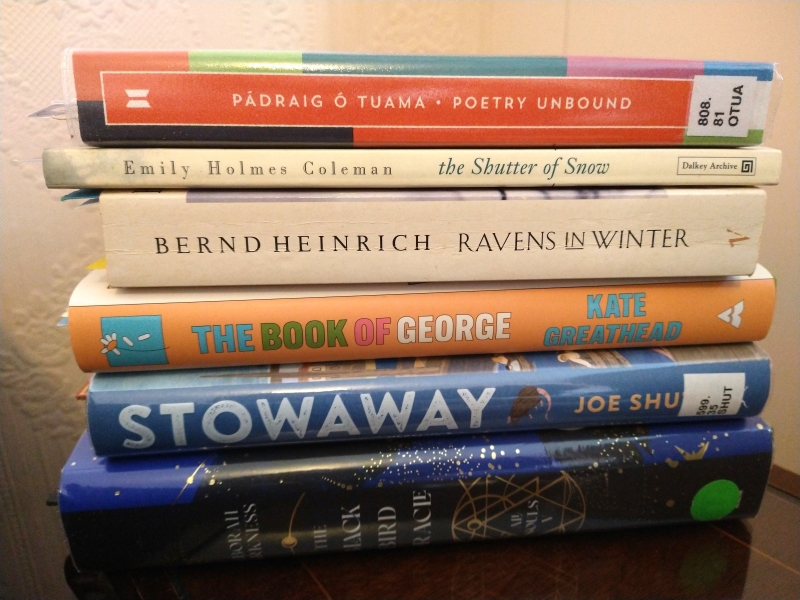
- Poetry Unbound by Pádraig Ó Tuama [public library] – I’m gradually making my way through this set of 50 poems and his critical/personal responses to them. Most of the poets have been unfamiliar to me. Marie Howe has been my top discovery.
- The Shutter of Snow by Emily Holmes Coleman [secondhand purchase] – Another incidental ‘snow’ title; this is autofiction about postpartum psychosis, written in a stream-of-consciousness style with no speech marks or apostrophes. It’s hard to believe it was written in the 1930s because it feels like it could have been yesterday.
- Ravens in Winter by Bernd Heinrich [secondhand purchase] – I’ve long meant to read more by Heinrich, who’s better known in the USA, after Winter World. This was a lucky find at Regent Books in Wantage. It’s a granular scientific study of bird behaviour, so I will likely read it very slowly, maybe even over two winters.
- The Book of George by Kate Greathead [review copy] – Linked short stories about an Everyman schmuck (and my exact contemporary) from adolescence up to today. He’s indecisive, lazy, an underachiever. Life keeps happening around him; will he make something happen? (George, c’est moi?) The deadpan tone is great.
- Stowaway by Joe Shute [public library] – I’ve been reading this off and on since, er, June, which is not to say that it’s not interesting but that it’s never been a priority. Like his book on ravens, it’s intended to rehabilitate the reputation of a species often considered to be a pest. He gets pet rats, too!
- The Black Bird Oracle by Deborah Harkness [public library] – It’s even rarer for me to borrow from the Science Fiction & Fantasy section of the library, but I’ve been following the series since A Discovery of Witches came out in 2011. I’m halfway through and enjoying Diana’s embrace of her witch heritage in the Salem area.
That’s not all, folks! There’s also the e-books.

- Dirty Kitchen by Jill Damatac [Edelweiss] – I’ll be reviewing this May release early for Shelf Awareness. The author’s Filipino family were undocumented immigrants in the USA and as a child she was occasionally abandoned and frequently physically abused. Recipes and legends offer a break from the tough subject matter (reminiscent of Educated or What My Bones Know).
- My Marriage Sabbatical by Leah Fisher [from publicist] – She Writes Press is a reliable source of women’s life writing. I’ve only just started this but will try to review it this month. Fisher, a psychotherapist, was sick of her psychiatrist husband’s workaholism and wanted to try living differently, starting with a house share.
- I’ll Come to You by Rebecca Kauffman [from publicist] – Another American linked short story collection, moving month by month through 1995 (does that count as historical fiction?!), cycling through the members of an extended family as they navigate illnesses and fraught parenting journeys. I’m getting J. Ryan Stradal vibes.
- Constructing a Witch by Helen Ivory [Edelweiss] – This feminist take on the historical persecution and stereotypes of witches is a good match for the Harkness! I just keep forgetting to open it up on my Kindle.
According to Goodreads, I’m reading 28 books at the moment, so I haven’t even covered all of them. (The rest include library books that would more honestly be classified as “set aside.”)
Whew. It somehow seems like even more when I write them all up like this…
Back to the reading!
 Bookish Beck = Rebecca Foster. American transplant to England. Freelance proofreader and book reviewer.
 Bookish Beck