Best Books of 2025: The Runners-Up
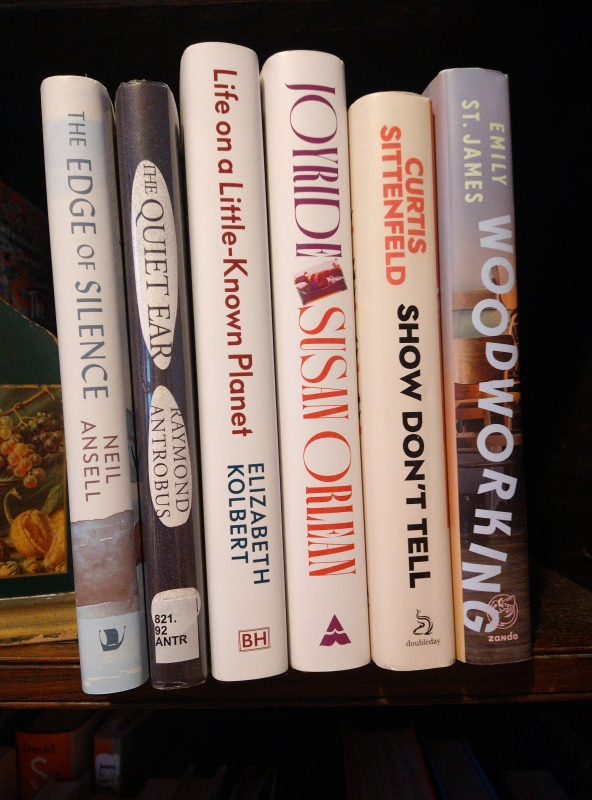
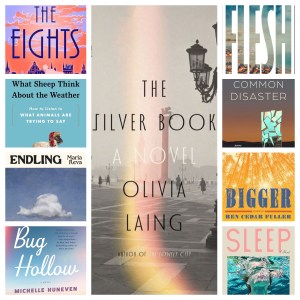
Coming up tomorrow: my list of the 15 best 2025 releases I’ve read. Here are 15 more that nearly made the cut. Pictured below are the ones I read / could get my hands on in print; the rest were e-copies or in-demand library books. Links are to my full reviews where available.
Fiction
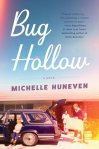 Bug Hollow by Michelle Huneven: A glistening portrait of a lovably dysfunctional California family beset by losses through the years but expanded through serendipity and friendship. Life changes forever for the Samuelsons (architect dad Phil; mom Sibyl, a fourth-grade teacher; three kids) when the eldest son, Ellis, moves into a hippie commune in the Santa Cruz Mountains. A rotating close third-person perspective spotlights each member. Fans of Jami Attenberg, Ann Patchett, and Anne Tyler need to try Huneven’s work pronto.
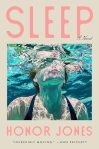 Sleep by Honor Jones: A breathtaking character study of a woman raising young daughters and facing memories of childhood abuse. Margaret’s 1990s New Jersey upbringing seems idyllic, but upper-middle-class suburbia conceals the perils of a dysfunctional family headed by a narcissistic, controlling mother. Jones crafts unforgettable, crystalline scenes. There are subtle echoes throughout as the past threatens to repeat. Reminiscent of Sarah Moss and Evie Wyld, and astonishing for its psychological acuity, this promises great things from Jones.
 The Silver Book by Olivia Laing: Steeped in the homosexual demimonde of 1970s Italian cinema (Fellini and Pasolini films), with a clear antifascist message filtered through the coming-of-age story of a young Englishman trying to outrun his past. This offers the best of both worlds: the verisimilitude of true crime reportage and the intimacy of the close third person. Laing leavens the tone with some darkly comedic moments. Elegant and psychologically astute work from one of the most valuable cultural commentators out there.
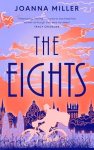 The Eights by Joanna Miller: Highly readable, book club-suitable fiction that is a sort of cross between In Memoriam and A Single Thread in terms of its subject matter: the first women to attend Oxford in the 1920s, the suffrage movement, and the plight of spare women after WWI. Different aspects are illuminated by the four central friends and their milieu. This debut has a good sense of place and reasonably strong characters. Despite some difficult subject matter, it remains resolutely jolly.
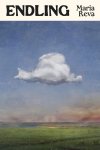 Endling by Maria Reva: What is worth doing, or writing about, in a time of war? That is the central question here, yet Reva brings considerable lightness to a novel also concerned with environmental devastation and existential loneliness. Yeva, a snail researcher in Ukraine, is contemplating suicide when Nastia and Sol rope her into a plot to kidnap 12 bride-seeking Western bachelors. The faux endings and re-dos are faltering attempts to find meaning when everything is breaking down. Both great fun to read and profound on many matters.
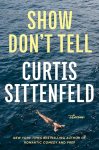 Show Don’t Tell by Curtis Sittenfeld: Sittenfeld’s second collection features characters negotiating principles and privilege in midlife. Split equally between first- and third-person perspectives, the 12 contemporary storylines spotlight everyday marital and parenting challenges. Dual timelines offer opportunities for hindsight on the events of decades ago. Nostalgic yet clear-eyed, these witty stories exploring how decisions determine the future are perfect for fans of Rebecca Makkai, Kiley Reid, and Emma Straub.
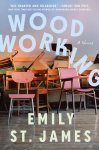 Woodworking by Emily St. James: When 35-year-old English teacher Erica realizes that not only is there another trans woman in her small South Dakota town but that it’s one of her students, she lights up. Abigail may be half her age but is further along in her transition journey and has sassy confidence. But this foul-mouthed mentor has problems of her own, starting with parents who refuse to refer to her by her chosen name. This was pure page-turning enjoyment with an important message, reminiscent of Celia Laskey and Tom Perrotta.
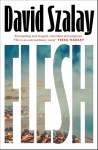 Flesh by David Szalay: Szalay explores modes of masculinity and channels, by turns, Hemingway; Fitzgerald and St. Aubyn; Hardy and McEwan. Unprocessed trauma plays out in Istvan’s life as violence against himself and others as he moves between England and Hungary and sabotages many of his relationships. He comes to know every sphere from prison to the army to the jet set. The flat affect and sparse style make this incredibly readable: a book for our times and all times and thus a worthy Booker Prize winner.
Nonfiction
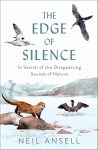 The Edge of Silence: In Search of the Disappearing Sounds of Nature by Neil Ansell: I owe this a full review. I’ve read all five of Ansell’s books and consider him one of the UK’s top nature writers. Here he draws lovely parallels between his advancing hearing loss and the biodiversity crisis we face because of climate breakdown. The world is going silent for him, but rare species may well become silenced altogether. His defiant, low-carbon adventures on the fringes offer one last chance to hear some of the UK’s beloved species, mostly seabirds.
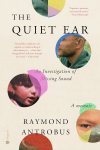 The Quiet Ear: An Investigation of Missing Sound by Raymond Antrobus: (Another memoir about being hard of hearing!) Antrobus’s first work of nonfiction takes up the themes of his poetry – being deaf and mixed-race, losing his father, becoming a parent – and threads them into an outstanding memoir that integrates his disability and celebrates his role models. This frank, fluid memoir of finding one’s way as a poet illuminates the literal and metaphorical meanings of sound. It offers an invaluable window onto intersectional challenges.
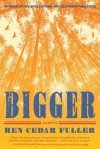 Bigger: Essays by Ren Cedar Fuller: Fuller’s perceptive debut work offers nine linked autobiographical essays in which she seeks to see herself and family members more clearly by acknowledging disability (her Sjögren’s syndrome), neurodivergence (she theorizes that her late father was on the autism spectrum), and gender diversity (her child, Indigo, came out as transgender and nonbinary; and she realizes that three other family members are gender-nonconforming). This openhearted memoir models how to explore one’s family history.
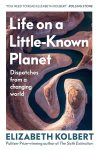 Life on a Little-Known Planet: Dispatches from a Changing World by Elizabeth Kolbert: These exceptional essays encourage appreciation of natural wonders and technological advances but also raise the alarm over unfolding climate disasters. There are travelogues and profiles, too. Most pieces were published in The New Yorker, whose generous article length allows for robust blends of research, on-the-ground experience, interviews, and in-depth discussion of controversial issues. (Review pending for the Times Literary Supplement.)
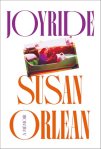 Joyride by Susan Orlean: Another one I need to review in the new year. As a long-time staff writer for The New Yorker (like Kolbert!), Orlean has had the good fortune to be able to follow her curiosity wherever it leads, chasing the subjects that interest her and drawing readers in with her infectious enthusiasm. She gives behind-the-scenes information on lots of her early stories and on each of her books. The Orchid Thief and the movie not-exactly-based on it, Adaptation, are among my favourites, so the long section on them was a thrill for me.
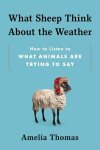 What Sheep Think About the Weather: How to Listen to What Animals Are Trying to Say by Amelia Thomas: A comprehensive yet conversational book that effortlessly illuminates the possibilities of human–animal communication. Rooted on her Nova Scotia farm but ranging widely through research, travel, and interviews, Thomas learned all she could from scientists, trainers, and animal communicators. Full of fascinating facts wittily conveyed, this elucidates science and nurtures empathy. (I interviewed the author, too.)
Poetry
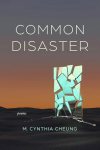 Common Disaster by M. Cynthia Cheung: Cheung is both a physician and a poet. Her debut collection is a lucid reckoning with everything that could and does go wrong, globally and individually. Intimate, often firsthand knowledge of human tragedies infuses the verse with melancholy honesty. Scientific vocabulary abounds here, with history providing perspective on current events. Ghazals with repeating end words reinforce the themes. These remarkable poems gild adversity with compassion and model vigilance during uncertainty.
Book Serendipity, Mid-April to Mid-June
I call it “Book Serendipity” when two or more books that I read at the same time or in quick succession have something in common – the more bizarre, the better. This is a regular feature of mine every couple of months. Because I usually have 20–30 books on the go at once, I suppose I’m more prone to such incidents. People frequently ask how I remember all of these coincidences. The answer is: I jot them down on scraps of paper or input them immediately into a file on my PC desktop; otherwise, they would flit away!
The following are in roughly chronological order.
- Raising a wild animal but (mostly) calling it by its species rather than by a pet name (so “Pigeon” and “the leveret/hare”) in We Should All Be Birds by Brian Buckbee and Raising Hare by Chloe Dalton.
- Eating hash cookies in New York City in Women by Chloe Caldwell and How to Be Somebody Else by Miranda Pountney.
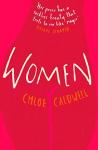
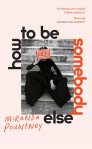
- A woman worries she’s left underclothes strewn about a room she’s about to show someone in one story of Single, Carefree, Mellow by Katherine Heiny and Days of Light by Megan Hunter.
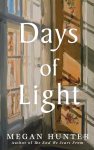 The dialogue is italicized in Women by Chloe Caldwell and Days of Light by Megan Hunter.
- The ‘you know it when you see it’ definition (originally for pornography) is cited in Moderation by Elaine Castillo and Bookish by Lucy Mangan.
- Women (including the protagonist) weightlifting in a gym in Moderation by Elaine Castillo and All Fours by Miranda July.
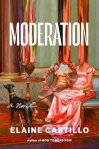
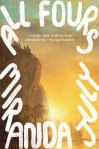
- Miranda July, whose All Fours I was also reading at the time, was mentioned in Chinese Parents Don’t Say I Love You by Candice Chung.
- A sibling story and a mystical light: late last year into early 2025 I read The Snow Queen by Michael Cunningham, and then I recognized this type of moment in Days of Light by Megan Hunter.
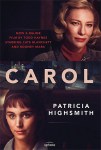
- A lesbian couple with a furniture store in Carol [The Price of Salt] by Patricia Highsmith and one story of Are You Happy? by Lori Ostlund.

- Not being able to see the stars in Las Vegas because of light pollution was mentioned in The Wild Dark by Craig Childs, then in Moderation by Elaine Castillo.
- A gynaecology appointment scene in All Fours by Miranda July and How to Be Somebody Else by Miranda Pountney.
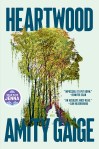
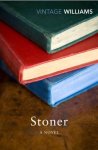
- An awkwardly tall woman in Heartwood by Amity Gaige, How to Be Somebody Else by Miranda Pountney, and Stoner by John Williams.
- The 9/11 memorial lights’ disastrous effect on birds is mentioned in The Wild Dark by Craig Childs and How to Be Somebody Else by Miranda Pountney.
- A car accident precipitated by an encounter with wildlife is key to the denouement in the novellas Women by Chloe Caldwell and Wild Boar by Hannah Lutz.
- The plot is set in motion by the death of an older brother by drowning, and pork chops are served to an unexpected dinner guest, in Bug Hollow by Michelle Huneven and Days of Light by Megan Hunter, both of which I was reading for Shelf Awareness review.
- Kids running around basically feral in a 1970s summer, and driving a box of human ashes around in Case Histories by Kate Atkinson and Bug Hollow by Michelle Huneven.
- A character becomes a nun in Case Histories by Kate Atkinson and Days of Light by Megan Hunter.
- Wrens nesting just outside one’s front door in Lifelines by Julian Hoffman and Little Mercy by Robin Walter.

- ‘The female Woody Allen’ is the name given to a character in Women by Chloe Caldwell and then a description (in a blurb) of French author Nolwenn Le Blevennec.
- A children’s birthday party scene in Single, Carefree, Mellow by Katherine Heiny and Friends and Lovers by Nolwenn Le Blevennec. A children’s party is also mentioned in Case Histories by Kate Atkinson and A Family Matter by Claire Lynch.
- A man who changes his child’s nappies, unlike his father – evidence of different notions of masculinity in different generations, in Case Histories by Kate Atkinson, What My Father and I Don’t Talk About, edited by Michele Filgate, and one piece in Beyond Touch Sites, edited by Wendy McGrath.
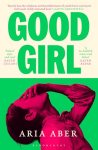
- What’s in a name? Repeated names I came across included Pansy (Case Histories by Kate Atkinson and Days of Light by Megan Hunter), Olivia (Case Histories by Kate Atkinson and A Family Matter by Claire Lynch), Jackson (Case Histories by Kate Atkinson and So Far Gone by Jess Walter), and Elias (Good Girl by Aria Aber and Dream State by Eric Puchner).
- The old wives’ tale that you should run in zigzags to avoid an alligator appeared in Alligator Tears by Edgar Gomez and then in The Girls Who Grow Big by Leila Mottley, both initially set in Florida.
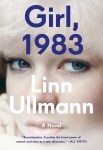
- A teenage girl is groped in a nightclub in Good Girl by Aria Aber and Girl, 1983 by Linn Ullmann.
- Discussion of the extinction of human and animal cultures and languages in both Nature’s Genius by David Farrier and Lifelines by Julian Hoffman, two May 2025 releases I was reading at the same time.
- In Body: My Life in Parts by Nina B. Lichtenstein, she mentions Linn Ullmann – who lived on her street in Oslo and went to the same school (not favourably – the latter ‘stole’ her best friend!); at the same time, I was reading Linn Ullmann’s Girl, 1983! And then, in both books, the narrator recalls getting a severe sunburn.
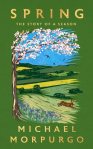 On the same day, I read about otter sightings in Lifelines by Julian Hoffman and Spring by Michael Morpurgo. The next day, I read about nesting swallows in both books.
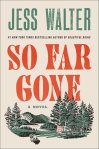
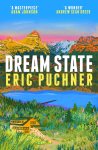
- The Salish people (Indigenous to North America) are mentioned in Lifelines by Julian Hoffman, Dream State by Eric Puchner (where Salish, the town in Montana, is also a setting), and So Far Gone by Jess Walter.
- Driving into a compound of extremists, and then the car being driven away by someone who’s not the owner, in Dream State by Eric Puchner and So Far Gone by Jess Walter.
- A woman worries about her (neurodivergent) husband saying weird things at a party in The Honesty Box by Lucy Brazier and Normally Weird and Weirdly Normal by Robin Ince.
- Shooting raccoons in Ginseng Roots by Craig Thompson and So Far Gone by Jess Walter. (Raccoons also feature in Dream State by Eric Puchner.)
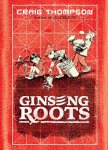
- A graphic novelist has Hollywood types adding (or at least threatening to add) wholly unsuitable supernatural elements to their plots in Spent by Alison Bechdel and Ginseng Roots by Craig Thompson.
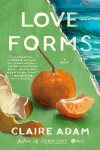
- A novel in which a character named Dawn has to give up her daughter in the early 1980s, one right after the other: A Family Matter by Claire Lynch, followed by Love Forms by Claire Adam.
- A girl barricades her bedroom door for fear of her older brother in Love Forms by Claire Adam and Sleep by Honor Jones.
- A scene of an only child learning that her mother had a hysterectomy and so couldn’t have any more children in Dream Count by Chimamanda Ngozi Adichie and Other People’s Mothers by Julie Marie Wade.
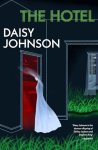
- An African hotel cleaner features in Dream Count by Chimamanda Ngozi Adichie and The Hotel by Daisy Johnson.

- Annie Dillard’s essay “Living Like Weasels” is mentioned in Nature’s Genius by David Farrier and The Dry Season by Melissa Febos.
- A woman assembles an inventory of her former lovers in Dream Count by Chimamanda Ngozi Adichie and The Dry Season by Melissa Febos.
What’s the weirdest reading coincidence you’ve had lately?
My Best Backlist Reads of the Year
Like many bloggers, I’m irresistibly drawn to the new books released each year. However, I consistently find that many of my more memorable reads were published earlier – most of these happen to have been published between one and a few years ago, with the ‘oldest’ being from 2004. These dozen selections – alphabetical within genre but in no particular rank order – together with my Best of 2023 post (coming up tomorrow), make up about the top 10% of my year’s reading.

Fiction
 Loved and Missed by Susie Boyt: The heart-wrenching story of a woman who adopts her granddaughter because of her daughter’s drug addiction. The prose is stunning as Boyt traces the history of this complicated, makeshift family. The title has a wry double meaning, but also connotations of anticipatory grief. There can be love even where there is estrangement, or eternal separation. That is one of the enduring messages of this gem of a short novel.
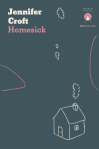 Homesick by Jennifer Croft: Each vignette – some just a paragraph long – is perfectly chosen to reveal a family dynamic and a moment in American history. What Croft does so brilliantly is to chart the accretion of ordinary and landmark events that form a life. In the end it didn’t matter whether this was presented as memoir or autofiction, so true was it to the experience of 1990s girlhood, as well as to sisterhood and coming of age.
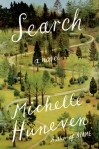 Search by Michelle Huneven: When middle-aged restaurant critic Dana Potowski is invited to be on the search committee to appoint the next minister for her California Unitarian church, she reluctantly agrees but soon wonders whether the experience could be interesting fodder for a new book… The setup might seem niche but will resonate with anyone who’s had a brush with bureaucracy. Pure pleasure; lit fic full of gossip and good food.
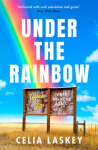 Under the Rainbow by Celia Laskey: Researchers identified Big Burr, Kansas as the most homophobic town in America. An Acceptance Across America task force descends on the rural backwater for a two-year program promoting education and friendship. Each chapter in the linked short story collection is a first-person, present-tense confession from a local or a queer visitor, whose stories interlock. Laskey inhabits all 11 with equal skill and compassion.
 The Chosen by Elizabeth Lowry: This utterly immersive novel examines Thomas Hardy’s relationship with his first wife, Emma Gifford. It opens on the morning of her death. The couple had long been estranged, but Hardy was instantly struck with grief – and remorse, his guilt compounded by what he found in her journals. A universal tale of waning romance, loss, and regret. Beautifully understated; perfectly convincing for the period but also timeless.
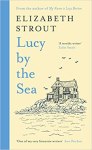 Lucy by the Sea by Elizabeth Strout: As Covid hits, William whisks Lucy from her NYC apartment to a house at the Maine coast. She’s an Everywoman recounting the fear and confusion of the early pandemic. Isolation has benefits: the first ‘room of her own’ she’s ever had, and time to ponder her childhood trauma and what went wrong in her marriage. Astute on American politics and writers’ inspirations; an effortless voice and emotional intelligence.
Nonfiction
 Bibliomaniac by Robin Ince: Ince was meant to undertake a stadium tour in Autumn 2021, but a Covid resurgence put paid to that. Not one for sitting around at home, he formulated Plan B: 100+ events, most of them in independent bookshops, over the course of two months, criss-crossing Britain and hitting many of my favourites. He’s not just a speaker at them but, invariably, a customer. I sensed a kindred spirit in so many lines. Witty and open-minded.
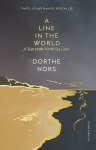 A Line in the World by Dorthe Nors: Nors lives in rural Jutland along the west coast of Denmark – little visited and largely unknown to foreigners. This can be both good and bad. Tourists feel they’re discovering somewhere new, but the residents are insular. Local legends and traditions, bird migration, reliance on the sea, wanderlust, maritime history, a visit to church frescoes, and more. Gorgeous writing and atmosphere, despite the bleakness.
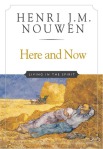 Here and Now by Henri Nouwen: This collection of micro-essays under themed headings like “Living in the Present” and “Suffering” is a perfect introduction to the Dutch Catholic priest’s theology. I marked out many reassuring or thought-provoking passages. I was taken by his ideas that the life of compassion is one of “downward mobility” and that inner freedom comes when you don’t judge anyone. Peaceful and readable; a good bedside devotional.
Poetry
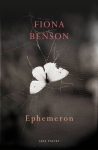 Ephemeron by Fiona Benson: Exquisite poems about the ephemeral, whether that be insect lives, boarding school days, primal emotions or moments from her children’s early years. The book is in four discrete corresponding sections but themes and language bleed from one into another and the whole is shot through with astonishing corporeality and eroticism. The form varies but the alliteration, slant rhymes and unexpected metaphors make each poem glisten.
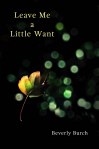 Leave Me a Little Want by Beverly Burch: Burch’s fourth collection juxtaposes the cosmic and the mundane, marvelling at the behind-the-scenes magic that goes into one human being born but also making poetry of an impatient wait in a long post office queue. Beset by environmental anxiety and the scale of bad news during the pandemic, she pauses in appreciation of the small and gradual.
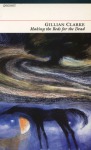 Making the Beds for the Dead by Gillian Clarke: Full of colour and nature imagery, profuse with alliteration and slant rhymes, relishing its specialist terminology, and taking on the serious subject matter of manmade disasters. Several sequences are devoted to gardening and geology; some pieces are ekphrastic, or dedicated to particular poets. The title sequence tackles the 2001foot and mouth disease outbreak. “The Fall” is on 9/11. Very affecting stuff.
My overall favourites were: in novels, Search and The Chosen (one contemporary and one historical) and in poetry, Ephemeron.
What were your best backlist reads this year?
Some 2023 Reading Superlatives
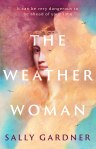 Longest book read this year: The Weather Woman by Sally Gardner (457 pages) – not very impressive compared to last year’s 720-page To Paradise. That means I didn’t get through a single doorstopper this year. D’oh!
Shortest book read this year: Pitch Black by Youme Landowne and Anthony Horton (40 pages)
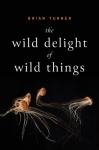
Authors I read the most by this year: Margaret Atwood, Deborah Levy and Brian Turner (3 books each); Amy Bloom, Simone de Beauvoir, Tove Jansson, John Lewis-Stempel, W. Somerset Maugham, L.M. Montgomery and Maggie O’Farrell (2 books each)


Publishers I read the most from: (Setting aside the ubiquitous Penguin and its many imprints) Carcanet (11 books) and Picador/Pan Macmillan (also 11), followed by Canongate (7).
My top author discoveries of the year: Michelle Huneven and Julie Marie Wade
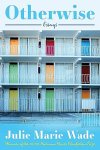
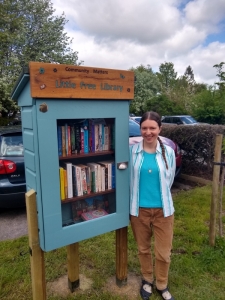
My proudest bookish accomplishment: Helping to launch the Little Free Library in my neighbourhood in May, and curating it through the rest of the year (nearly daily tidying; occasional culling; requesting book donations)
Most pinching-myself bookish moments: Attending the Booker Prize ceremony; interviewing Lydia Davis and Anne Enright over e-mail; singing carols after-hours at Shakespeare and Company in Paris

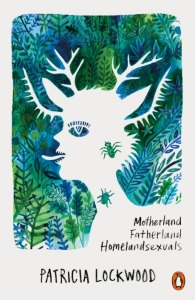
Books that made me laugh: Notes from a Small Island by Bill Bryson, The Librarianist by Patrick deWitt, two by Katherine Heiny, Motherland Fatherland Homelandsexuals by Patricia Lockwood
Books that made me cry: A Heart that Works by Rob Delaney, Lucy by the Sea by Elizabeth Strout, Family Meal by Bryan Washington
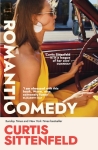 The book that was the most fun to read: Romantic Comedy by Curtis Sittenfeld
Best book club selections: By the Sea by Abdulrazak Gurnah and The Woman in Black by Susan Hill
Best last lines encountered this year: “And I stood there holding on to this man as though he were the very last person left on this sweet sad place that we call Earth.” (Lucy by the Sea, Elizabeth Strout)
A book that put a song in my head every time I picked it up: Here and Now by Henri Nouwen (Aqualung song here)
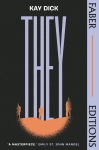
Shortest book title encountered: Lo (the poetry collection by Melissa Crowe), followed by Bear, Dirt, Milk and They
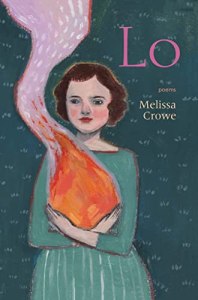



Best 2023 book titles: These Envoys of Beauty and You Bury the Birds in My Pelvis
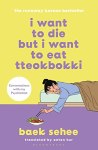 Best book titles from other years: I Want to Die but I Want to Eat Tteokbokki, Before You Suffocate Your Own Fool Self, A Down Home Meal for These Difficult Times, The Cats We Meet Along the Way, We All Want Impossible Things
Favourite title and cover combo of the year: I Am Homeless If This Is Not My Home by Lorrie Moore (shame the contents didn’t live up to it!)
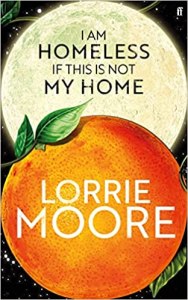
Biggest disappointment: Speak to Me by Paula Cocozza
A 2023 book that everyone was reading but I decided not to: Prophet Song by Paul Lynch

The worst books I read this year: Monica by Daniel Clowes, They by Kay Dick, Swallowing Geography by Deborah Levy and Self-Portrait in Green by Marie Ndiaye (1-star ratings are extremely rare for me; these were this year’s four)
The downright strangest book I read this year: Motherland Fatherland Homelandsexuals by Patricia Lockwood
20 Books of Summer, 9: Search by Michelle Huneven (2022)
Now this is what I want from my summer reading: pure pleasure; lit fic full of gossip and good food; the kind of novel I was always relieved to pick up and spend time with, usually as a reward for having gotten through my daily allotment in paid-review books and some more challenging reads. The Kirkus review was appealing enough to land this a place on my Most Anticipated list last year, but the only way to get hold of a copy was to spend my Bookshop.org voucher from my sister and have her bring it over in her suitcase in December.
The setup to Search might seem niche to many: a Southern California Unitarian church undergoes a months-long process to replace its retiring senior minister via a nationwide application process. But in fact it will resonate with, and elicit chuckles from, anyone who’s had even the most fleeting brush with bureaucracy – whether serving on a committee, conducting interviews, or trying to get a unanimous decision out of three or more people – and the framing story makes it warm and engrossing.
Dana Potowski is a middle-aged restaurant critic who has just released a successful cookbook based on what she grows on her smallholding. When she’s invited to be part of an eight-member task force looking for the right next minister for Arroyo Unitarian Universalist Community Church –
a “little chugger” of a church in a small unincorporated suburb of LA … three acres of raffish gardens, an ugly sanctuary, a deliquescing Italianate mansion, a jewel-box chapel used mostly for yoga classes
– she reluctantly agrees but soon wonders whether this could be interesting fodder for a second memoir (with identifying details changed, to be sure). You’ll quickly forget about the layers of fictionalization and become immersed in the interactions between the search committee members, who are of different genders, races and generations. They range from stalwart members, including a former church president and Dana the one-time seminarian, to a Filipino American recent Evangelical defector with a husband and young children.

Like the ministerial candidates, they’re all gloriously individual. You realize, however, that most of them have agendas and preconceived ideas. The church as a whole agreed that it wanted a gifted preacher and skilled site manager, but there’s also a collective sense that it’s time for a demographic change. A woman of colour is therefore a priority after decades of white male control, but a facilitator warns: “If you’re too focused on a specific category, you could overlook the best hire for your needs. Our goal is to get beyond thinking in categories to see the whole person.” Still, fault lines develop, with the younger contingent on the panel pushing for a thirtysomething candidate and the others giving more weight to experience.
Huneven develops all of her characters through the dialogue and repartee at the search committee’s meetings, which always take place over snacks, if not full meals with cocktails. Dana is not the only gifted home cook among the bunch (a section at the end gives recipes for some of the star dishes, like “Belinda’s Preserved Lemon Chicken,” “Dana’s Seafood Chowder,” and “Jennie’s Midmorning Glory Muffins”), and she also takes turns inviting her fellow committee members out on her restaurant assignments for the paper.
I was amazed by the formality and intensity of this decision-making process: a lengthy application packet, Skype interviews, watching/reading multiple sermons by the candidates, speaking to their references, and then an entire weekend of in-person activities with each of three top contenders. It’s clear that Huneven did a lot of research about how this works. The whole thing starts out casual and fun – Dana refers to the church and minister packets as “dating profiles” – but grows increasingly momentous. Completely different worship and leadership styles are at stake. People have their favourites, and with the future of a beloved institution at stake, compromise comes to feel more like a failure of integrity.
Keep in mind, of course, that we’re getting all of it from Dana’s perspective. She sets herself up as the objective recorder, but our admiration and distrust can only be guided by hers. And she’s a very likable narrator: intelligent and quick-witted, fond of gardening, passionate about food and spirituality, comfortable in her quiet life with her Jewish husband and her dog and donkeys. It’s possible not everyone will relate to her, or read meal plans and sermon transcripts as raptly, as I did. At the same time as I was totally absorbed in the narrative, I was also mentally transported to churches and pastors past, to petty dramas the ministers in my family have navigated, to the one Unitarian service I attended in Santa Fe in the summer of 2005… For me, this had it all. Both light and consequential; nostalgic and resolute about the future; frustrated with yet tender towards humanity. Delicious! I’ll seek out more by Huneven.
(New purchase with birthday money) 
Some of My Most Anticipated Releases of 2022
Ninety-nine 2022 releases have made it onto my Goodreads shelves so far. I’ve read about 10 already and will preview some of them tomorrow.
 This year we can expect new fiction from Julian Barnes, Carol Birch, Jessie Burton, Jennifer Egan, Karen Joy Fowler, David Guterson, Sheila Heti, John Irving (perhaps? at last), Liza Klaussman, Benjamin Myers, Julie Otsuka, Alex Preston and Anne Tyler; a debut novel from Emilie Pine; second memoirs from Amy Liptrot and Wendy Mitchell; another wide-ranging cultural history/self-help book from Susan Cain; another medical history from Lindsey Fitzharris; a biography of the late Jan Morris; and much more. (Already I feel swamped, and this in a year when I’ve said I want to prioritize backlist reads! Ah well, it is always thus.)
I’ve limited myself here to the 20 upcoming releases I’m most excited about. The low figure is a bit of a cheat: with a few exceptions, I’ve not included books I have / have been promised. I’ll be scurrying around requesting copies of most of the others soon. The following are due out between January and August and are in (UK) release date order, within sections by genre. (U.S. details given too/instead if USA-only. Quotes are extracted from publisher blurbs on Goodreads.)
U.S. covers – included where different – rule!
N.B. Fiction is winning this year!
Fiction
 To Paradise by Hanya Yanagihara [Jan. 11, Picador / Doubleday] You’ll see this on just about every list; her fans are legion after the wonder that was A Little Life. Another doorstopper, but this time with the epic reach to justify the length: sections are set in an alternative 1893, 1993, and 2093 – “joined in an enthralling and ingenious symphony, as recurring notes and themes deepen and enrich one another.” [Proof copy]

UK cover
 How High We Go in the Dark by Sequoia Nagamatsu [Jan. 18, Bloomsbury / William Morrow] Amazing author name! Similar to the Yanagihara what with the century-hopping and future scenario, a feature common in 2020s literature – a throwback to Cloud Atlas? I’m also reminded of the premise of Under the Blue, one of my favourites from last year. “Once unleashed, the Arctic Plague will reshape life on Earth for generations to come.”
Heartstopper, Volume 5 by Alice Oseman [Feb. ?, Hodder Children’s] I devoured the first four volumes of this teen comic last year. In 2020, Oseman tweeted that the fifth and final installment was slated for February 2022, but I don’t have any more information than that. Nick will be getting ready to go off to university, so I guess we’ll see how he leaves things with Charlie and whether their relationship will survive a separation. (No cover art yet.)
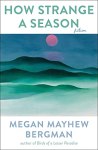 How Strange a Season by Megan Mayhew Bergman [March 29, Scribner] I enjoyed her earlier story collection, Almost Famous Women. “Bergman portrays women who wrestle with problematic inheritances: a modern glass house on a treacherous California cliff, a water-starved ranch, an abandoned plantation on a river near Charleston … provocative prose asks what are we leaving behind for our ancestors … what price will they pay for our mistakes?”
A Violent Woman by Ayana Mathis [April 7, Hutchinson] Her Oprah-approved 2013 debut, The Twelve Tribes of Hattie, got a rare 5-star review from me. About “an estranged mother and her daughter. Dutchess lives in Bonaparte, Alabama, a once thriving black town now in its death throes. Lena lives in Philadelphia in the 1980s. Her involvement with the radical separatist group STEP leads to transcendence and tragedy.” (No cover art yet.)
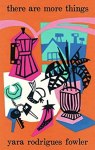 there are more things by Yara Rodrigues Fowler [April 28, Fleet] I so wanted her 2019 debut novel, Stubborn Archivist, to win the Young Writer of the Year Award. I love the cover and Hamlet-sourced title, and I’m here for novels of female friendship. “In January 2016, Melissa [South London native] and Catarina [born to well-known political family in Brazil] meet for the first time, and as political turmoil unfolds … their friendship takes flight.”


UK cover
Sea of Tranquility by Emily St. John Mandel [April 28, Picador / April 5, Knopf] This is the other title you’ll find on everyone else’s list. That’s because The Glass Hotel, even more so than Station Eleven, was amazing. Another history-to-future-hopper: “a novel of art, time, love, and plague that takes the reader from Vancouver Island in 1912 to a dark colony on the moon three hundred years later, unfurling a story of humanity across centuries and space.” [Edelweiss download]
Search by Michelle Huneven [April 28, Penguin] A late addition to my list thanks to the Kirkus review. Sounds like one for readers of Katherine Heiny! “Dana Potowski is a restaurant critic and food writer … asked to join [her California Unitarian Universalist] church search committee for a new minister. Under pressure to find her next book idea, she agrees, and resolves to secretly pen a memoir, with recipes, about the experience.”


UK cover
Very Cold People by Sarah Manguso [April 28, Picador / Feb. 8, Hogarth] The debut novel from an author by whom I’ve read four nonfiction works. “For Ruthie, the frozen town of Waitsfield, Massachusetts, is all she has ever known. Once home to the country’s oldest and most illustrious families[,] … it is an unforgiving place awash with secrets. … Ruthie slowly learns how the town’s prim facade conceals a deeper, darker history…”
UK cover
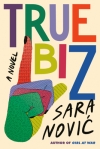
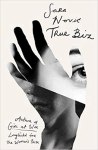
True Biz by Sara Nović [May 5, Little, Brown / April 5, Random House] Her 2015 Girl at War is one of my most-admired debuts of all time, and who can resist a campus novel?! “The students at the River Valley School for the Deaf just want to hook up, pass their history final, and have doctors, politicians, and their parents stop telling them what to do with their bodies. This revelatory novel plunges readers into the halls of a residential school for the deaf.”
 You Have a Friend in 10a: Stories by Maggie Shipstead [May 19, Transworld / May 17, Knopf] Shipstead’s Booker-shortlisted doorstopper, Great Circle, ironically, never took off for me; I’m hoping her short-form storytelling will work out better. “Diving into eclectic and vivid settings, from an Olympic village to a deathbed in Paris to a Pacific atoll, … Shipstead traverses ordinary and unusual realities with cunning, compassion, and wit.”

UK cover
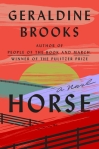 Horse by Geraldine Brooks [June 2, Little, Brown / June 14, Viking] You guessed it, another tripartite 1800s–1900s–2000s narrative! With themes of slavery, art and general African American history. I’m not big on horses, at least not these days, but Brooks’s March and Year of Wonders are among my recent favourites. “Based on the remarkable true story of the record-breaking thoroughbred, Lexington, who became America’s greatest stud sire.”
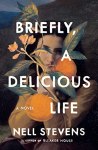

UK cover
Briefly, a Delicious Life by Nell Stevens [June 23, Picador / June 21, Scribner] I’ve read her two previous autofiction-y memoirs and loved Mrs Gaskell & Me. The title, cover and Victorian setting of her debut novel beckon. “In 1473, fourteen-year-old Blanca dies in a hilltop monastery in Mallorca. Nearly four hundred years later, when George Sand, her two children, and her lover Frederic Chopin arrive in the village, Blanca is still there: a spirited, funny, righteous ghost.”
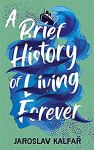 A Brief History of Living Forever by Jaroslav Kalfar [Aug. 4, Sceptre / Little, Brown] His Spaceman of Bohemia (2017) was terrific. “When Adela discovers she has a terminal illness, her thoughts turn to Tereza, the American-raised daughter she gave up at birth. … In NYC, Tereza is … the star researcher for two suspicious biotech moguls hellbent on developing a ‘god pill’ to extend human life indefinitely. … Narrated from the beyond by Adela.”
Nonfiction
 The Cure for Sleep by Tanya Shadrick [Jan. 20, Weidenfeld & Nicolson] Nature memoir / self-help. “On return from near-death, Shadrick vows to stop sleepwalking through life. … Around the care of young children, she starts to play with the shape and scale of her days: to stray from the path, get lost in the woods, make bargains with strangers … she moves beyond her respectable roles as worker, wife and mother in a small town.” [Review copy]
 The Invisible Kingdom: Reimagining Chronic Illness by Meghan O’Rourke [March 1, Riverhead] O’Rourke wrote one of the best bereavement memoirs ever. This ties in with my medical interests. “O’Rourke delivers a revelatory investigation into this elusive category of ‘invisible’ illness that encompasses autoimmune diseases, post-treatment Lyme disease syndrome, and now long COVID, synthesizing the personal and the universal.”

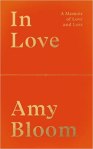
UK cover
In Love: A Memoir of Love and Loss by Amy Bloom [April 7, Granta / March 8, Random House] The true story of how Bloom accompanied her husband Brian, who had Alzheimer’s, to Dignitas in Switzerland to end his life. I’ve read quite a lot around assisted dying. “Written in Bloom’s captivating, insightful voice and with her trademark wit and candor, In Love is an unforgettable portrait of a beautiful marriage, and a boundary-defying love.”
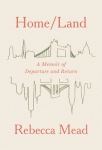 Home/Land: A Memoir of Departure and Return by Rebecca Mead [April 21, Grove Press UK / Feb. 8, Knopf] I enjoyed Mead’s bibliomemoir on Middlemarch. The Anglo-American theme is perfect for me: “drawing on literature and art, recent and ancient history, and the experience of encounters with individuals, environments, and landscapes in New York City and in England, Mead artfully explores themes of identity, nationality, and inheritance.”

UK cover
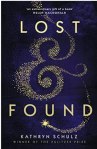
Lost & Found: A Memoir by Kathryn Schulz [April 28, Picador / Jan. 20, Random House] I loved her 2010 book Being Wrong, and bereavement memoirs are my jam. “Eighteen months before Kathryn Schulz’s father died, she met the woman she would marry. In Lost & Found, she weaves the story of those relationships into a brilliant exploration of the role that loss and discovery play in all of our lives … an enduring account of love in all its many forms.”
Poetry
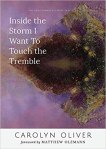 Inside the Storm I Want to Touch the Tremble by Carolyn Oliver [Aug. 19, Univ. of Utah Press] Carolyn used to blog at Rosemary and Reading Glasses. The poems she’s shared on social media are beautiful, and I’m proud of her for winning the Agha Shahid Ali Prize. “Inside this debut collection, girlhood’s dangers echo, transmuted, in the poet’s fears for her son. A body … is humbled by chronic illness. Stumbling toward joy across time and space, these poems hum with fear and desire, bewildering loss, and love’s lush possibilities.”
Themes arising: crossing three centuries; H & I titles, the word “brief”; moons and stars on covers. Mostly female authors (only two men here).
Do check out these other lists for more ideas!
Plus you can seek out all the usual lists (e.g. on Lit Hub and virtually every other book or newspaper site) … if you want to be overwhelmed!
 Bookish Beck = Rebecca Foster. American transplant to England. Freelance proofreader and book reviewer.
 Bookish Beck