Nonfiction November: Two Memoirs of Biblical Living by Evans and Jacobs
I love a good year-challenge narrative and couldn’t resist considering these together because of the shared theme. Sure, there’s something gimmicky about a rigorously documented attempt to obey the Bible’s literal commandments as closely as possible in the modern day. But these memoirs arise from sincere motives, take cultural and theological matters seriously, and are a lot of fun to read.
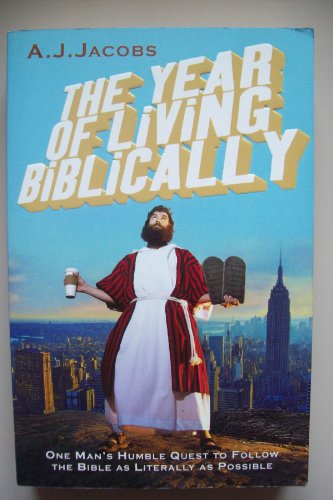
The Year of Living Biblically: One Man’s Humble Quest to Follow the Bible as Literally as Possible by A.J. Jacobs (2007)
Jacobs came up with the idea, so I’ll start with him. His first book, The Know-It-All, was about absorbing as much knowledge as possible by reading the encyclopaedia. This starts in similarly intellectual fashion with a giant stack of Bible translations and commentaries. From one September to the next, Jacobs vows, he’ll do his best to understand and implement commandments from both the Old and New Testaments. It’s not a completely random choice of project in that he’s a secular Jew (“I’m Jewish in the same way the Olive Garden is an Italian restaurant. Which is to say: not very.”). Firstly, and most obviously, he stops shaving and getting haircuts. “As I write this, I have a beard that makes me resemble Moses. Or Abe Lincoln. Or [Unabomber] Ted Kaczynski. I’ve been called all three.” When he also takes to wearing all white, he really stands out on the New York subway system. Loving one’s neighbour isn’t easy in such an antisocial city, but he decides to try his best.
 Jacobs is confused by the Bible’s combination of sensible moral guidelines and bizarre, arcane stuff. His conviction is that you can’t pick and choose – even if you don’t know why a law is important, you have to go with it. One of his “Top Five Most Perplexing Rules in the Bible” is a ban on clothing made of mixed fibers (shatnez). So he hires a shatnez tester, Mr. Berkowitz, who comes to investigate his entire wardrobe. To fulfil another obscure commandment, Berkowitz helps him ceremonially take an egg from a pigeon’s nest. Jacobs takes up prayer, hospitality, tithing, dietary restrictions, and avoiding women at the wrong time of the month. He gamely puts up a mezuzah, which displays a Bible passage above his doorframe. He even, I’m sorry to report, has a chicken sacrificed. Despite the proverb about not ‘sparing the rod’, he can’t truly bring himself to punish his son, so taps him gently with a Nerf bat; alas, Jasper thinks it’s a game. Stoning adulterers? Jacobs tosses pebbles at ankles.
The book is a near-daily journal, with a new rule or three grappled with each day. There are hundreds of strange and culturally specific guidelines, but the heart issues – covetousness, lust – pose more of a challenge. Alongside his work as a journalist for Esquire and this project, Jacobs has family stuff going on: IVF results in his wife’s pregnancy with twin boys. Before they become a family of five, he manages to meet some Amish people, visit the Creation Museum, take a trip to the Holy Land to see a long-lost uncle, and engage in conversation with Evangelicals across the political spectrum, from Jerry Falwell’s megachurch to Tony Campolo (who died just last week). Jacobs ends up a “reverent agnostic.” We needn’t go to such extremes to develop the gratitude he feels by the end, but it sure is a hoot to watch him. This has just the sort of amusing, breezy yet substantial writing that should engage readers of Bill Bryson, Dave Gorman and Jon Ronson. (Free mall bookshop) 
A Year of Biblical Womanhood: How a Liberated Woman Found Herself Sitting on Her Roof, Covering Her Head, and Calling Her Husband “Master” by Rachel Held Evans (2012)
 Evans’s book proposal must have referenced Jacobs’s project, but she comes at things from a different perspective as a progressive Christian, and likely had a separate audience in mind. Namely, the sort of people who worry about the concept of biblical womanhood and wrestle with Bible verses about women remaining silent in church and not holding positions of religious leadership over men. There are indeed factions of Christianity that take these passages literally. Given that she was a public speaker and popular theologian, Evans obviously didn’t. But in her native Alabama and her new home of Tennessee, many would. She decides to look more closely at some of the prescriptions for women in the scriptures, focusing on Proverbs 31, which describes the “woman of valor.” She looks at this idealized woman’s characteristics in turn and tries to adhere to them by dressing modestly, taking etiquette lessons, learning to cook and hosting dinners, and practicing for parenthood with a “Baby-Think-It-Over” doll. Like Jacobs, she stops cutting her hair and meets some Amish people. But she also sleeps outside in a tent while menstruating and undertakes silent meditation at an abbey and a mission trip to Bolivia. Each monthly chapter ends with a profile of a female character from the Bible and what might be learned from her story.
It’s a sweet, self-deprecating book. You can definitely tell that she was only 29 at the time she started her project. It’s okay with me that Evans turned all her literal intentions into more metaphorical applications by the end of the year. She concludes that the Church has misused Proverbs 31: “We abandoned the meaning of the poem by focusing on the specifics, and it became just another impossible standard by which to measure our failures. We turned an anthem into an assignment, a poem into a job description.” Her determination is not to obsess over rules but to continue with the habits that benefited her spiritual life, and to champion women whenever she can. I suspect this is a lesser entry from Evans’s oeuvre. She died too soon – suddenly in 2019, of brain swelling after a severe allergic reaction to an antibiotic – but remains a valued voice, and I’ll catch up on the rest of her books. Searching for Sunday, for instance, was great, and I’m keen to read Evolving in Monkey Town (about living in Dayton, Tennessee, where the famous Scopes Monkey Trial took place). (Birthday gift from my wish list, 2023) 
Book Serendipity, January to February 2024
I call it “Book Serendipity” when two or more books that I read at the same time or in quick succession have something in common – the more bizarre, the better. This is a regular feature of mine every couple of months. Because I usually have 20–30 books on the go at once, I suppose I’m more prone to such incidents. The following are in roughly chronological order.
- I finished two poetry collections by a man with the surname Barnett within four days in January: Murmur by Cameron Barnett and Birds Knit My Ribs Together by Phil Barnett.

- I came across the person or place name Courtland in The Optimist’s Daughter by Eudora Welty, then Cortland in a story from The Orange Fish by Carol Shields, then Cotland (but where? I couldn’t locate it again! Was it in Elizabeth Is Missing by Emma Healey?).
- The Manet painting Olympia is mentioned in Christmas Holiday by W. Somerset Maugham and The Paris Novel by Ruth Reichl (both of which are set in Paris).


- There’s an “Interlude” section in Babel by R.F. Kuang and The Vulnerables by Sigrid Nunez.
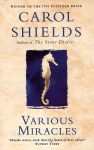
- The Morris (Minor) car is mentioned in Elizabeth Is Missing by Emma Healey and Various Miracles by Carol Shields.
- The “flour/flower” homophone is mentioned in Babel by R.F. Kuang and Various Miracles by Carol Shields.
- A chimney swift flies into the house in Cat and Bird by Kyoko Mori and The Optimist’s Daughter by Eudora Welty.
- A character named Cornelius in The Fruit Cure by Jacqueline Alnes and Wellness by Nathan Hill.
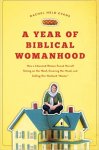
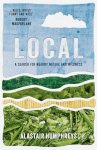
- Reading two year challenge books at the same time, A Year of Biblical Womanhood by Rachel Held Evans and Local by Alastair Humphreys, both of which are illustrated with frequent black-and-white photos by and of the author.
- A woman uses a bell to summon children in one story of Universally Adored and Other One Dollar Stories by Elizabeth Bruce and The Optimist’s Daughter by Eudora Welty.
- Apple turnovers get a mention in A Year of Biblical Womanhood by Rachel Held Evans and Wellness by Nathan Hill.
- A description of rolling out pie crust in A Year of Biblical Womanhood by Rachel Held Evans and Cat and Bird by Kyoko Mori.

- The idea of a house giving off good or bad vibrations in Wellness by Nathan Hill and a story from Various Miracles by Carol Shields.

- Emergency C-sections described or at least mentioned in Brother Do You Love Me by Manni Coe, The Unfamiliar by Kirsty Logan, Wellness by Nathan Hill, and lots more.
- Frustration with a toddler’s fussy eating habits, talk of “gentle parenting” methods, and mention of sea squirts in Wellness by Nathan Hill and Matrescence by Lucy Jones.
- The nickname “Poet” in The Tidal Year by Freya Bromley and My Friends by Hisham Matar.
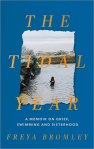
- A comment about seeing chicken bones on the streets of London in The Tidal Year by Freya Bromley and Went to London, Took the Dog by Nina Stibbe.
- Swans in poetry in The Tidal Year by Freya Bromley and Egg/Shell by Victoria Kennefick.
- A mention or image of Captcha technology in Egg/Shell by Victoria Kennefick and Went to London, Took the Dog by Nina Stibbe.
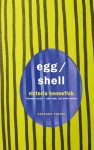

- An animal automaton in Loot by Tania James and Egg/Shell by Victoria Kennefick.
- A mention of Donna Tartt in The Tidal Year by Freya Bromley, Looking in the Distance by Richard Holloway, and Matrescence by Lucy Jones.
- Cathy Rentzenbrink appears in The Tidal Year by Freya Bromley and Went to London, Took the Dog by Nina Stibbe.
 Dialogue is given in italics in the memoirs The Tidal Year by Freya Bromley and The Unfamiliar by Kirsty Logan.
- An account of a man being forced to marry the sister of his beloved in A Year of Biblical Womanhood by Rachel Held Evans, Wellness by Nathan Hill, and The Tiger’s Wife by Téa Obreht.
- Saying that one doesn’t want to remember the loved one as ill (but really, not wanting to face death) so not saying goodbye (in Cat and Bird by Kyoko Mori) or having a closed coffin (Wellness by Nathan Hill).
- An unhappy, religious mother who becomes a hoarder in Wellness by Nathan Hill and I’m Glad My Mom Died by Jennette McCurdy.
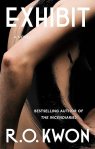
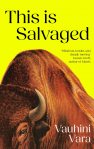
- Characters called Lidija and Jin in Exhibit by R. O. Kwon and Lydia and Jing in the first story of This Is Salvaged by Vauhini Vara.
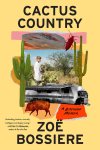
- Distress at developing breasts in Cactus Country by Zoë Bossiere and I’m Glad My Mom Died by Jennette McCurdy.
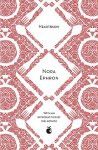
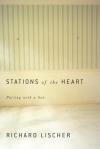
- I came across mentions of American sportscaster Howard Cosell in Heartburn by Nora Ephron and Stations of the Heart by Richard Lischer (two heart books I was planning on reviewing together) on the same evening. So random!
- Girls kissing and flirting with each other (but it’s clear one partner is serious about it whereas the other is only playing or considers it practice for being with boys) in Cactus Country by Zoë Bossiere and Winter’s Bone by Daniel Woodrell.
- A conversion to Catholicism in Places I’ve Taken My Body by Molly McCully Brown and Stations of the Heart by Richard Lischer.
- A zookeeper is attacked by a tiger when s/he goes into the enclosure (maybe not the greatest idea!!) in Tiger by Polly Clark and The Tiger’s Wife by Téa Obreht.

- The nickname Frodo appears in Tiger by Polly Clark and Brother Do You Love Me by Manni Coe.
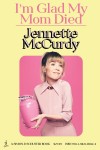
- Opening scene of a parent in a coma, California setting, and striking pink and yellow cover to Death Valley by Melissa Broder and I’m Glad My Mom Died by Jennette McCurdy.

- An Englishman goes to Nigeria in Howards End by E.M. Forster and Immanuel by Matthew McNaught.
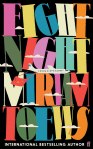 The Russian practice of whipping people with branches at a spa in Tiger by Polly Clark and Fight Night by Miriam Toews.
- A mother continues washing her daughter’s hair until she is a teenager old enough to leave home in Mrs. March by Virginia Feito and I’m Glad My Mom Died by Jennette McCurdy.
- Section 28 (a British law prohibiting the “promotion of homosexuality” in schools) is mentioned in A Bookshop of One’s Own by Jane Cholmeley, Some Kids I Taught and What They Taught Me by Kate Clanchy, and Brother Do You Love Me by Manni Coe.
- Characters named Gord (in one story from Various Miracles by Carol Shields, and in Fight Night by Miriam Toews), Gordy (in The Absolutely True Diary of a Part-Time Indian by Sherman Alexie), and Gordo (in Blood Red by Gabriela Ponce).
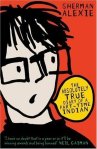

- Montessori and Waldorf schools are mentioned in Cactus Country by Zoë Bossiere and When Fragments Make a Whole by Lory Widmer Hess.
- A trailer burns down in The Absolutely True Diary of a Part-Time Indian by Sherman Alexie and Cactus Country by Zoë Bossiere.
What’s the weirdest reading coincidence you’ve had lately?
Recent Releases by Nathan Hill, Hisham Matar, Sigrid Nunez and More
One key way in which 2024’s reading has already differed from previous years’ is that I no longer avoid doorstoppers. I now classify any book with over 400 pages as a doorstopper, and by that definition I have already gotten through three this year: The Tidal Year plus two of the below, with Wellness standing out as the true whopper at 597 small-print pages. January offered a set of releases full of variety: gritty yet funny flash fiction; a novel of big ideas and big empathy for its flawed characters; an exile’s elegant love letter to Libya from London; a coy pandemic-era reflection on connection and creation; and a tour of nature close to home.
Universally Adored and Other One Dollar Stories by Elizabeth Bruce
 This was a great collection of 33 stories, all of them beginning with the words “One Dollar” and most of flash fiction length. Bruce has a knack for quickly introducing a setup and protagonist. The voice and setting vary enough that no two stories sound the same. What is the worth of a dollar? In some cases, where there’s a more contemporary frame of reference, a dollar is a sign of desperation (for the man who’s lost house, job and wife in “Little Jimmy,” for the coupon-cutting penny-pincher whose unbroken monologue makes up the whole of “Grocery List”), or maybe just enough for a small treat for a child (as in “Mouse Socks” or “Boogie Board”). In the historical stories, a dollar can buy a lot more. It’s a tank of gas – and a lesson on the evils of segregation – in “Gas Station”; it’s a huckster’s exorbitant charge for a mocked-up relic in “The Grass Jesus Walked On.”
The tone ranges from black comedy (“Festus”) to high tragedy (“Votive Candle”), but the book mostly falls within the realm of dirty realism with the attention to working-class country folk, so I’d recommend the collection to fans of authors who perch on the lighter side of that subgenre, such as Barbara Kingsolver or Denis Johnson. A few of my favorite stories, in addition to the above, were “Ice-Cold Water,” which I appreciated for the Washington D.C. setting and the way that an assumption about who would be racist was overturned by a moment of simple compassion; “Dolores,” in which a slick humanitarian fundraiser meets a waitress who has his number; and “Boiling the Buggers,” a window onto Covid-exacerbated mental illness. (Read via BookSirens)
Wellness by Nathan Hill
Somehow nearly eight years have passed since Hill’s debut novel, The Nix, which I dubbed “a rich, multi-layered story about family curses and failure.” I admired it as much for its prose as for its ideas, and Wellness is just as effervescent and insightful. It’s a state-of-the-nation novel filtered through one Chicago family: experimental photographer and underperforming academic Jack; his wife Elizabeth, a placebo researcher at Wellness; and their YouTube-obsessed son Toby. They’ve recently invested their life savings in a new condo and are considering trendy features like open shelves and separate master bedrooms. It would be oversimplifying, but true, to say that this couple is experiencing midlife and marital crises. Their nineties college romance – and a time of life when everything felt open and possible – is so remote now. When Elizabeth suggests they join a friend at a swingers’ club and a patient of hers who’s also a parent at Toby’s school sees them outside, chaos ensues.
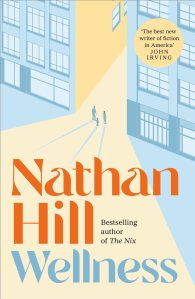
Some elements from The Nix carry over, such as campus politics, the American Midwest, and mother–son relationships, but also broader questions of authenticity, purpose and nurture. Is love itself a placebo? The novel spends time with Jack and Elizabeth at the dawn of their relationship and in the present day, but also looks back to their early careers and first years of parenthood. Hill is clearly fascinated with the sort of psychological experimentation Elizabeth engages in (there’s a whole bibliography of scientific papers consulted) but also turns it to humorous effect, as when Elizabeth subjects Toby to the marshmallow test. A lot of information is conveyed through dialogue, yet it never feels forced. A couple of long asides, on Elizabeth’s family history and the algorithms guiding Jack’s interactions with his conspiracy theorist father, tried my patience, but I loved a four-page chapter on a funeral supper where every sentence starts “There was.” Sooooo many quotable lines throughout.
The only fault in an addictive and spot-on novel (how did he know?! you’ll find yourself thinking about your own attitude to work/marriage/children) is that Hill is so committed to excavating these characters’ backstory of stunted emotion – Jack estranged from his religious Kansas farmer parents after a traumatic incident you feel right in the gut; Elizabeth glad to jettison her father’s wealth with his anger – that he hurries through the denouement. Still, this is sure to be a fiction highlight of my year. It’s one for readers of Jonathan Franzen, sure, but I also thought it reminiscent of Katherine Heiny’s Standard Deviation and Meg Wolitzer’s The Interestings.
With thanks to Picador for the proof copy for review.
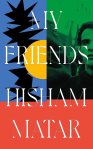
My Friends by Hisham Matar
“Benghazi was the one place I longed for the most, it was also the place I most feared to return to.”
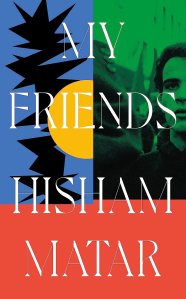 Taking a long walk through London one day, Khaled looks back from midlife on the choices he and his two best friends have made. He first came to the UK as an eighteen-year-old student at Edinburgh University. Everything that came after stemmed from one fateful day. Matar places Khaled and his university friend Mustafa at a real-life demonstration outside the Libyan embassy in London in 1984, which ended in a rain of bullets and the accidental death of a female police officer. Khaled’s physical wound is less crippling than the sense of being cut off from his homeland and his family. As he continues his literary studies and begins teaching, he decides to keep his injury a secret from them, as from nearly everyone else in his life. On a trip to Paris to support a female friend undergoing surgery, he happens to meet Hosam, a writer whose work enraptured him when he heard it on the radio back home long ago. Decades pass and the Arab Spring prompts his friends to take different paths.
I’d previously only read Matar’s short nonfiction work A Month in Siena. The slow, meditative style I enjoyed so much there didn’t translate well into doorstopper length; by the 300-page mark I found myself skimming to see if anything else might happen. Despite the title, we come to know Mustafa and Hosam much less well than we do Khaled. I would happily have had the book’s plot and sentiment concentrated into a taut 200 pages. However, I’m still interested in trying other books by Matar. In the Country of Men is significantly shorter and available from the backroom storage area of my library, and his Folio Prize-winning memoir The Return, too, is on shelf and I reckon will be right up my street.
With thanks to Viking (Penguin) for the proof copy for review.
The Vulnerables by Sigrid Nunez
I’m a huge Nunez fan after reading The Friend, What Are You Going Through, and especially A Feather on the Breath of God. Her last three books have been very much of a piece: autofiction voiced by an unnamed woman who has a duty of care towards a friend or a friend’s pet and ponders, in wry meta fashion, the nature of autobiographical writing and the meaning of life and death at a time of climate breakdown. Alas, The Vulnerables seems like no more than a rehashing of The Friend, with flanking main characters chosen at random from central casting: a parrot named Eureka and a mentally ill college drop-out called Vetch. This quirky trio is thrown together in a lavish New York City apartment during lockdown and nothing much happens but conversation brings them closer.
 A second problem: Covid-19 stories feel dated. For the first two years of the pandemic I read obsessively about it, mostly nonfiction accounts from healthcare workers or ordinary people looking for community or turning to nature in a time of collective crisis. But now when I come across it as a major element in a book, it feels like an out-of-place artefact; I’m almost embarrassed for the author: so sorry, but you missed your moment. My disappointment may primarily be because my expectations were so high. I’ve noted that two blogger friends new to Nunez were enthusiastic about this (but so was Susan, who’d enjoyed her before). That’s not to say this wasn’t a pleasantly fluid and incisive read, even if its message of essential human vulnerability is an obvious one. Anyway, I’ll take Nunez musing on familiar subjects over most other contemporary writers any day:
“Never write ‘I don’t remember,’ Editor says; it undermines your authority. But write as if you remember everything and Reader will smell a rat.”
“You can start with fiction or start with documentary, according to Jean-Luc Goddard. Either way, you will inevitably find the other.”
“I like this clarification by the narrator of a book by Stendhal: ‘It is not out of egotism that I say “I”; it is simply the quickest way to tell the story.’)”
(À propos of the doorstoppers above)
“Does that mean a long novel is easier to write than a short one? / Um, no. But, to borrow from a certain critic, in almost every long book I read I see a short one shirking its job.”
With thanks to Virago for the proof copy for review.
And a bonus work of nonfiction:
Local: A Search for Nearby Nature and Wildness by Alastair Humphreys
Lev Parikian alerted me to this amiable record of weekly discoveries of the nature on one’s home turf. Humphreys has been an international adventure traveller and written many books about his exploits. Here, by contrast, he zooms the lens in about as far as it will go, ordering a custom-made 20-km-square OS map that has his house at the centre and choosing one surrounding grid square per week (so 52 out of a total of 400) to cycle to and explore. He’s chosen to leave his town unnamed so this can function as an Everyman’s journey through edgelands. And his descriptions and black-and-white photographs really do present an accurate microcosm of modern England: fields, woods, waterways, suburban streets.
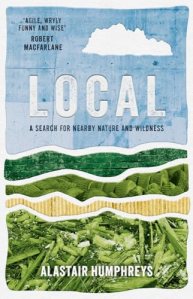 From one November to the next, he watches the seasons advance and finds many magical spaces with everyday wonders to appreciate. “This project was already beginning to challenge my assumptions of what was beautiful or natural in the landscape,” he writes in his second week. True, he also finds distressing amounts of litter, no-access signs and evidence of environmental degradation. But curiosity is his watchword: “The more I pay attention, the more I notice. The more I notice, the more I learn.”
Each week’s observations send him down a research rabbit hole, with topics including caves, land management, mudlarking, plant species, and much more. The nature of the short chapters means that there can only ever be a cursory look at huge issues like rewilding and veganism, but Humphreys is nimble in weaving in the brief, matter-of-fact discussions. His eagerness is irrepressible. “How you look, what you see, and the way all this makes you feel: a single map and the best of all possible worlds.” (See also: Paul’s review.)
With thanks to the author for the free copy for review.
A Reading Malady, a Book Haul, a Book Launch, and a TBR Challenge
A bit of a miscellany today, as a placeholder until I finally have some more reviews to share.
Stuck in the Middle
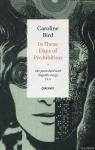 I’ve been reading up a storm in 2021, of course, but I’m having an unusual problem: I can’t seem to finish anything. Okay, I’ve finished three books so far – Intensive Care, my first read and only proper review so far of the year; In These Days of Prohibition by Caroline Bird, a surprising and funny poetry collection about mental illness and the crutches people turn to, including drugs and sex; and one more poetry book, a recent release I’ll round up later in the month – but compare that to January 2020, when I’d finished 11 books within the first 11 days. Half a month gone and I’m way behind on my Goodreads challenge already.
Most of you know that I take multi-reading to an extreme: I currently have nearly 30 books on the go, plus piles of set-aside and occasional-reading titles that I try to reintroduce a few at a time. All in all, that’s nearly 60 books I’m partway through, whether by a mere 10 pages or over 200. These stacks represent thousands of pages read, but no finished books. By the end of this month, I will at least have finished and reviewed the five more January releases, but it’s still an awfully slow start to the year for me. Maybe I’ve spread myself too thin.
Current Stars
I often stretch the definition of “currently reading” in that most days I don’t sit with every book on my stack; instead, I end up spending time with a changing subset of 10‒15. Some books I have barely touched since Christmas. But there are others that consistently hold my attention and that I look forward to reading 20 or more pages in each day. Here are some of the highlights on the pile:
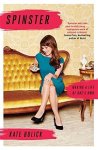 Spinster by Kate Bolick: Written as she was approaching 40, this is a cross between a memoir, a social history of unmarried women (mostly in the USA), and a group biography of five real-life heroines who convinced her it was alright to not want marriage and motherhood. First was Maeve Brennan; now I’m reading about Neith Boyce. The writing is top-notch.
 America Is Not the Heart by Elaine Castillo: Set in the 1990s in the Philippines and in the Filipino immigrant neighborhoods of California, this novel throws you into an unfamiliar culture and history right at the deep end. The characters shine and the story is complex and confident – I’m reminded especially of Chimamanda Ngozi Adichie’s work.
 Some Body to Love by Alexandra Heminsley: Finally pregnant after a grueling IVF process, Heminsley thought her family was perfect. But then her husband began transitioning. This is not just a memoir of queer family-making, but, as the title hints, a story of getting back in touch with her body after an assault and Instagram’s obsession with exercise perfection.
 The Light Years by Elizabeth Jane Howard: We’re reading the first volume of The Cazalet Chronicles for a supplementary book club meeting. I can hardly believe it was published in 1990; it’s such a detailed, convincing picture of 1937‒8 for a large, wealthy family in London and Sussex as war approaches. It’s so Downton Abbey; I love it and will continue the series.
 Outlawed by Anna North: After Reese Witherspoon chose it for her book club, there’s no chance you haven’t heard about this one. I requested it because I’m a huge fan of North’s previous novel, The Life and Death of Sophie Stark, but I’m also enjoying this alternative history/speculative take on the Western. It’s very Handmaid’s, with a fun medical slant.
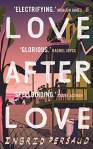 Love After Love by Ingrid Persaud: It was already on my TBR after the Faber Live Fiction Showcase in November, but my interest was redoubled by this recently winning the Costa First Novel Award. Set in Trinidad, it’s narrated, delightfully, in turn by Betty, a young widow; Solo, her teenage son; and Mr. Chetan, their lodger. Perfect for fans of Mr Loverman.
Acquiring More
Last week I ordered 21 books in one day. (In my defense, only 18 of them were for me.) It started like this: “Ah, must find a clearance 2021 calendar. Waterstones had a good selection last year…” And indeed, I found the perfect calendar, for half price. But then I continued browsing the online sale items and before I knew it there were also seven books in my basket. While I was at it, I went onto Awesomebooks.com and put together an order of secondhand books by authors I’ve been wanting to try or read more by. Add to that a couple more review books coming through the door and a couple of giveaways from neighbors (the Nicolson in the first photo, and Stoner for me to reread) and it’s been a big week for book acquisitions.


Attending a Book Launch
My fifth book launch since March 2020; my first to take place on Instagram. Hosted by Damian Barr, who runs a literary salon, it was for one I’ve already mentioned, Some Body to Love by Alexandra Heminsley, which came out on the 14th. (Barr and his husband are the book’s dedicatees.) “I am not ashamed of what happened,” she said about how her family has changed, adding that writing about such recent events has been a way of solidifying how she felt about them. Her ex has not read the book but wrote to Chatto & Windus saying she completely trusted Heminsley and consented to the publication. Some of her offers were for a more mass-market memoir about the marriage, whereas the book ended up being more diffuse, including other medical experiences and challenges to self-belief. It was amusing to hear that after the BLM movement her manuscript went through a “Karen edit” to make sure she hadn’t taken her privilege for granted.
A New TBR Challenge
“Hands. Face. Space.” is a current UK public health campaign slogan. It inspired me to trawl through my TBR shelves for appropriate covers and titles. I don’t know if I’m actually serious about reading these particular books I selected (I could have chosen any of dozens for the Face covers), but it was fun to put together the photo shoot. I had two replies from people on Twitter who came up with their own trio of titles.


And to cap off this miscellany, something non-book-related…
Top 5 albums from 2020
I originally wrote this little note for Facebook.
 Banana Skin Shoes, Badly Drawn Boy – His best since his annus mirabilis of 2002. Funky pop gems we’ve been caught dancing to by people walking past the living room window … oops! A track to try: “Is This a Dream?” (psychedelic music video)!
 Where the World Is Thin, Kris Drever – You may know him from Lau. Top musicianship and the most distinctive voice in folk. Nine folk-pop winners, including a lockdown anthem. A track to try: “I’ll Always Leave the Light On.”
 Henry Martin, Edgelarks – Mention traditional folk and I’ll usually run a mile. But the musical skill and new arrangements, along with Hannah Martin’s rich alto, hit the spot. A track to try: “Bird in a Cage.”
 Blindsided, Mark Erelli – We saw him perform the whole of his new folk-Americana album live in lockdown. Love the Motown and Elvis influences; his voice is at a peak. A track to try: “Rose-Colored Rearview.”
 American Foursquare, Denison Witmer – A gorgeous ode to family life in small-town Pennsylvania from a singer-songwriter whose career we’ve been following for upwards of 15 years. A track to try: “Birds of Virginia.”
How is your 2021 reading going?
A Look Back at 2020’s Reading Projects, Including Rereads
Major bookish initiatives:
- Coordinated a Not the Wellcome Prize blog tour to celebrate 2019’s health-themed books – in case you missed it, the winner was Sinéad Gleeson for Constellations.
- Co-hosted Novellas in November with Cathy (746 Books).
- Hosted Library Checkout each month.


Reading challenges joined:
- 12 blog tours
- Six Degrees of Separation: I started participating in February and did nine posts this year
- Paul Auster Reading Week
- Reading Ireland month
- Japanese Literature Challenge
- 1920 Club
- 20 Books of Summer
- Women in Translation Month
- Robertson Davies Weekend
- Women’s Prize winners (#ReadingWomen)
- 1956 Club
- R.I.P.
- Nonfiction November
- Margaret Atwood Reading Month
This works out to one blog tour, one reading project, and one regular meme per month – manageable. I’ll probably cut back on blog tours next year, though; unless for a new release I’m really very excited about, they’re often not worth it.


Buddy reads:
 Crossing to Safety with Laila (Big Reading Life)
- 6 Carol Shields novels plus The Trick Is to Keep Breathing, Deerbrook, and How to Be Both with Marcie (Buried in Print)
- A Visit from the Goon Squad and The Idea of Perfection with Laura T.
- Mother’s Milk with Annabel
- 666 Charing Cross Road with Liz
Self-set reading challenges:
- Seasonal reading
- Classic of the Month (14 in total; it’s only thanks to Novellas in November that I averaged more than one a month)
- Doorstopper of the Month (just 3; I’d like to try to get closer to monthly in 2021)
- Wainwright Prize longlist reading
- Bellwether Prize winners (read 2, DNFed 1)
- Short stories in September (8 collections)
- Young Writer of the Year Award shortlist reading
- Thematic roundups – I’m now calling these “Three on a Theme” and have done 2 so far
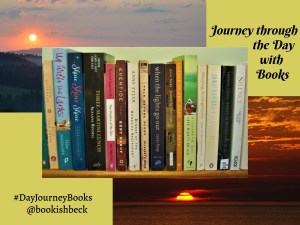
- Journey through the Day with Books (3 new reviews this year):
- Zennor in Darkness by Helen Dunmore
 Rise and Shine by Anna Quindlen
- [Up with the Larks by Tessa Hainsworth – DNF]
- [Shine Shine Shine by Lydia Netzer – DNF]
- Three-Martini Lunch by Suzanne Rindell – existing review
- The Shadow of the Sun by Ryszard Kapuściński – read part of
- Eventide by Kent Haruf
- Dinner at the Homesick Restaurant by Anne Tyler – existing review
- Talk before Sleep by Elizabeth Berg – existing review
- When the Lights Go Out by Carys Bray
- Journey by Moonlight by Antal Szerb
- Voyage in the Dark by Jean Rhys
- Late Nights on Air by Elizabeth Hay – existing review
- Sleeping Arrangements by Laura Shaine Cunningham
- The House of Sleep by Jonathan Coe
- Bodies in Motion and at Rest by Thomas Lynch – read but not reviewed
- Silence by Shūsaku Endō
- Arctic Dreams by Barry Lopez – read part of
- The Four in a Row Challenge – I failed miserably with this one. I started an M set but got bogged down in Tales of the City by Armistead Maupin (also a bibliotherapy self-prescription for Loneliness from The Novel Cure), which I had as a bedside book for much of the year, so only managed 1.5 out of 4; I also started an H quartet but set both Tinkers and Plainsong aside. Meanwhile, Debbie joined in and completed her own 4 in a Row. Well done! I like how simple this challenge is, so I’m going to use it next year as an excuse to read more from my shelves – but I’ll be more flexible and allow lots of substitutions in case I stall with one of the four books.

Rereading
At the end of 2019, I picked out a whole shelf’s worth of books I’d been meaning to reread. I kept adding options over the year, so although I managed a respectable 16 rereads in 2020, the shelf is still overflowing!

Many of my rereads have featured on the blog over the year, but here are two more I didn’t review at the time. Both were book club selections inspired by the Black Lives Matter movement. (We held a rally and silent protest in a park in the town centre in June.)
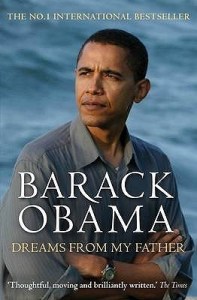 Dreams from My Father by Barack Obama: Remember when there was a U.S. president who thought deeply, searched his soul, and wrote eloquently? I first read this memoir in 2006, when Obama was an up-and-coming Democratic politician who’d given a rousing convention speech. I remembered no details, just the general sweep of Hawaii to Chicago to Kenya. On this reread I engaged most with the first third, in which he remembers a childhood in Hawaii and Indonesia, gives pen portraits of his white mother and absentee Kenyan father, and works out what it means to be black and Christian in America. By age 12, he’d stopped advertising his mother’s race, not wanting to ingratiate himself with white people. By contrast, “To be black was to be the beneficiary of a great inheritance, a special destiny, glorious burdens that only we were strong enough to bear.” The long middle section on community organizing in Chicago nearly did me in; I had to skim past it to get to his trip to Kenya to meet his paternal relatives – “Africa had become an idea more than an actual place, a new promised land”.
 now
now
 The Immortal Life of Henrietta Lacks by Rebecca Skloot: This Wellcome Book Prize winner about the use of a poor African-American woman’s cells in medical research was one of the first books to turn me onto health-themed reads. I devoured it in a few days in 2010. Once again, I was impressed at the balance between popular science and social history. Skloot conveys the basics of cell biology in a way accessible to laypeople, and uses recreated scenes and dialogue very effectively. I had forgotten the sobering details of the Lacks family experience, including incest, abuse, and STDs. Henrietta had a rural Virginia upbringing and had a child by her first cousin at age 14. At 31 she would be dead of cervical cancer, but the tissue taken from her at Baltimore’s Johns Hopkins hospital became an immortal cell line. HeLa is still commonly used in medical experimentation. Consent was a major talking point at our book club Zoom meeting. Cells, once outside a body, cannot be owned, but it looks like exploitation that Henrietta’s descendants are so limited by their race and poverty. I had forgotten how Skloot’s relationship and travels with Henrietta’s unstable daughter, Deborah, takes over the book (as in the film). While I felt a little uncomfortable with how various family members are portrayed as unhinged, I still thought this was a great read.
  then / now
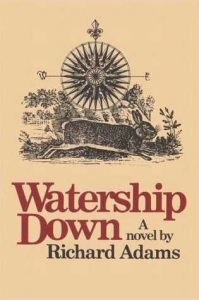 I had some surprising rereading DNFs. These were once favorites of mine, but for some reason I wasn’t able to recapture the magic: Middlesex by Jeffrey Eugenides, Everything Is Illuminated by Jonathan Safran Foer, Gilead by Marilynne Robinson, and On Beauty by Zadie Smith. I attempted a second read of John Fowles’s postmodern Victorian pastiche, The French Lieutenant’s Woman, on a mini-break in Lyme Regis, happily reading the first third on location, but I couldn’t make myself finish once we were back home. And A Visit from the Goon Squad by Jennifer Egan was very disappointing a second time; it hasn’t aged well. Lastly, I’ve been stalled in Watership Down for a long time, but do intend to finish my reread.
In general, voice- and style-heavy fiction did not work so well for me on rereading. Autobiographical essays by Anne Lamott and Abigail Thomas worked best, but I also succeeded at rereading some straightforward novels and short stories. Next year, I’d like to aim for a similar number of rereads, with a mixture of memoirs and fiction, including at least one novel by David Lodge. I’d also be interested in rereading earlier books by Ned Beauman and Curtis Sittenfeld if I can find them cheap secondhand.
What reading projects did you participate in this year?
Done much rereading lately?
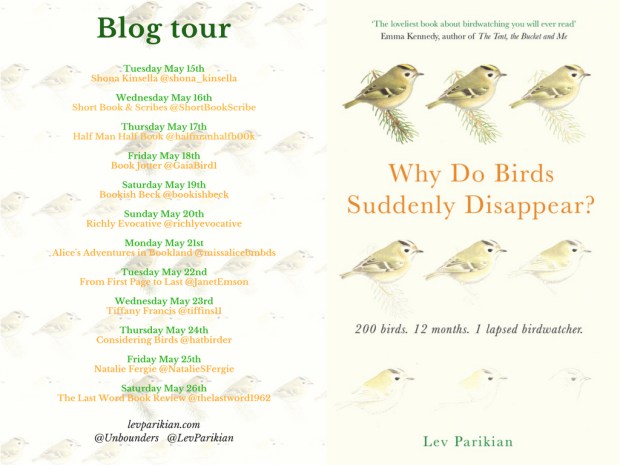
Blog Tour Review: Why Do Birds Suddenly Disappear? by Lev Parikian
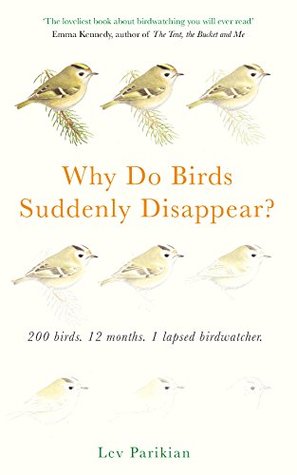 Lev Parikian was a keen birdwatcher when he was 11, but as an adult he barely remembered most of what he used to know about birds. He’d confidently declare that he’d seen a nightingale and then be too embarrassed to later admit it was actually a skylark. Also, he had to acknowledge that he hadn’t been completely honest as a preteen birder: No way had he seen a black redstart, for instance. Probably about 30% of his childhood sightings could be dismissed as cheats or downright lies. As the birdwatching bug bit again at the start of 2016, he decided it was time to set the record straight. His aim? To see 200 birds in a year, with no twitching (driving many miles to see a reported rarity) and no cheating.
Most of the book is a chronological tour through 2016, with each month’s new sightings totaled up at the end of the chapter. Being based in London isn’t the handicap one might expect – there’s a huge population of parakeets there nowadays, and the London Wetland Centre in Barnes is great for water birds – but Parikian also fills in his list through various trips around the country. He picks up red kites while in Windsor for a family wedding, and his list balloons in April thanks to trips to Minsmere and Rainham Marshes, where he finds additions like bittern and marsh harrier. The Isle of Wight, Scotland, Lindsifarne, North Norfolk… The months pass and the numbers mount until it’s the middle of December and his total is hovering at 196. Will he make it? I wouldn’t dare spoil the result for you!
I’ve always enjoyed ‘year-challenge’ books, everything from Julie Powell’s Julie and Julia to Nina Sankovitch’s Tolstoy and the Purple Chair, so I liked this memoir’s air of self-imposed competition, and its sense of humor. Having accompanied my husband on plenty of birdwatching trips, I could relate to the alternating feelings of elation and frustration. I also enjoyed the mentions of Parikian’s family history and career as a freelance conductor – I’d like to read more about this in his first book, Waving, Not Drowning (2013). This is one for fans of Alexandra Heminsley’s Leap In and Kyo Maclear’s Birds Art Life, or for anyone who needs reassurance that it’s never too late to pick up a new skill or return to a beloved hobby.
Lastly, I must mention what a beautiful physical object this book is. The good folk of Unbound have done it again. The cover image and endpapers reproduce Alan Harris’s lovely sketch of a gradually disappearing goldcrest, and if you lift the dustjacket you’re rewarded with the sight of some cheeky bird footprints traipsing across the cover.


Some favorite passages:
“Birders love a list. Day lists, week lists, month lists, year lists, life lists, garden lists, county lists, walk-to-work lists, seen-from-the-train lists, glimpsed-out-of-the-bathroom-window-while-doing-a-poo lists.”
“It’s one thing sitting in your favourite armchair, musing on the plumage differences between first- and second-winter black-headed gulls, but that doesn’t help identify the scrubby little blighter that’s just jigged into that bush, never to be seen again. And it’s no use asking them politely to damn well sit still blast you while I jot down the distinguishing features of your plumage in this notebook dammit which pocket is it in now where did I put the pencil ah here it is oh bugger it’s gone. They just won’t. Most disobliging.”
“There is a word in Swedish, gökotta, for the act of getting up early to listen to birdsong, but the knowledge that this word exists, while heartwarming, doesn’t make it any easier. It’s a bitter pill, this early rising, but my enthusiasm propels me to acts of previously unimagined heroism, and I set the alarm for an optimistic 5 a.m., before reality prompts me to change it to 5.15, no 5.30, OK then 5.45.”
My rating: 
Why Do Birds Suddenly Disappear? was published by Unbound on May 17th. My thanks to the publisher for the free copy for review.
I was delighted to be invited to participate in the blog tour for Why Do Birds Suddenly Disappear? See below for details of where other reviews and features have appeared or will be appearing soon (including on my hubby’s blog on Thursday!).
 Bookish Beck = Rebecca Foster. American transplant to England. Freelance proofreader and book reviewer.
 Bookish Beck