The Seed Collectors & The A to Z of You and Me
The Seed Collectors by Scarlett Thomas
“I have no idea why everyone thinks nature is so benign and glorious and wonderful. All nature is trying to do is kill us as efficiently as possible.”
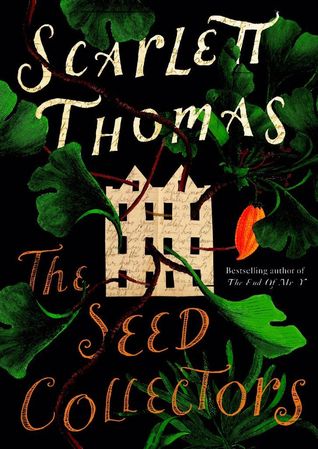 This offbeat novel about obsession, sex and inheritance is set in Kent in 2011 and stars an extended family of botanists. The concept of a family tree has a more than usually literal meaning here given the shared surname is Gardener and most members are named after plants. We have Great-Aunt Oleander, recently deceased; cousin Bryony and her children Holly and Ash; siblings Charlie and Clem (short for Clematis); and half-sister Fleur, who has taken over Oleander’s yoga center, Namaste House. The generation in between was virtually lost, perhaps to a plant-based drug overdose, on a seed collecting expedition to the South Pacific. Oleander has left each motherless child one of these possibly deadly seed pods.
Did I mention the book is saturated with sex? Incest, adultery, illegitimate children, S&M, Internet porn, you name it. But beyond that, the metaphorical language is highly sexualized – bursting with seeds, fertility and genital-like plants. I can’t think when I’ve encountered such oversexed vocabulary since D.H. Lawrence’s Sons and Lovers. Here’s a sampling:
Dave seems to be avoiding the clouds as he works the little plane up into the sky, penetrating it slowly, and really quite gently.
A surprising amount of plants look like dicks.
(of peat) It’s like walking on a giant’s pubes.
All lettuce wants is sex. And violence. Just like all plants. It wants to reproduce, and it wants to kill or damage its rivals so they don’t reproduce.
So many flowers are basically little sex booths.
And she was pulling him towards her, deeper into her, as if he were a flower and she an insect desperate for his cheap, sugary nectar.
Connections between characters morph and take on new dimensions as the book goes on. A few characters are unrealized, such as Fleur, which meant I felt slightly disconnected from them. (My ‘favorite’ in a book stuffed full of unlikable figures was probably Bryony, whose hunger for food, alcohol and shopping seems to be endless.) Likewise, not all the storylines are truly essential, so the book seems aimless for its final third; it definitely could have been shorter and tied together better, perhaps with some flashbacks to the previous generation’s experiences on the island to make the past feel more alive. The spiritual element remains vague, although there is a pleasant touch of magic realism along the way.
Despite these reservations, I truly enjoyed Thomas’s unusual writing. She moves freely between characters’ perspectives but also inserts odd second-person asides asking philosophical questions about wasted time and what is truly important in life. One peculiar little section even imagines the point-of-view of a robin in the garden of Namaste House, with made-up words fit for “The Jabberwocky”: “The man is, as always, incompt and untrig. He sloggers around his rooms in his black and grey ragtails like an elderly magpie.”
I like the range of questions you’re left with as a reader: Is nature malicious? Can we overcome our addictions? How much of who we are is down to our parentage? Does life really just come down to sex? The content of the novel might be reminiscent of A.S. Byatt and Andrea Barrett’s science-infused fiction or The World Before Us by Aislinn Hunter, but the style is totally different. I can’t even think who it reminds me of; it feels pretty one of a kind to me. Luckily this is Thomas’s sixth novel, so there’s plenty more for me to explore.
With thanks to Canongate for the free copy, won in a Goodreads giveaway.
My rating: 
The A to Z of You and Me by James Hannah
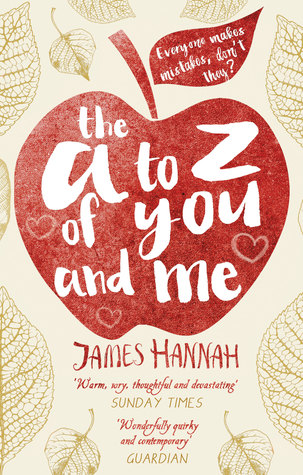 Lying in a hospice bed, 40-year-old Ivo looks back on his life. Even after just four short decades and a modest career at a garden center, he has plenty to regret. Hard partying and drug use exacerbated his diabetes and prompted kidney failure. His lifestyle also led indirectly to his girlfriend, a nursing student named Mia (the “you” whom he often addresses directly), leaving him. He’s estranged from his sister and the friends he’d been close to since school days, especially Mal. How did he mess up so badly and cut himself off so completely that he’s now dying alone? And how much can he put right before he goes?
There’s plenty of affecting writing in Hannah’s debut novel, as in one of my favorite passages: “The sun chooses this moment to radiate through to me, through me. It feels like – it feels like life. I can sense my corrupt blood bubbling and basking beneath the surface.” I also love how Hannah captures the routines of institutional life – the sights, smells and sounds that come to define Ivo’s circumscribed life:
Round the corner now. Noticeboard up on the right, pinned every inch over with flyers and leaflets. The papers at the bottom lift and flutter in the convection of the heater beneath.
I am lost in a world of regular hums, distant beeping, the periodic reheating of the coffee machine in the corridor, and that steady kazoo [of his next-door neighbor’s breathing].
Nurse Sheila and Amber, the daughter of another hospice patient, are great supporting characters. Sheila’s A to Z game, encouraging Ivo to think of a memory attached to body parts starting with each letter of the alphabet, provides a hokey but effective structure. As Ivo’s condition deteriorates and his thoughts are scrambled by morphine, his narration gradually becomes less coherent and more insular. This means that by the time we reach the conclusion (which somehow manages to be both predictable and shocking at the same time), we aren’t sure whether he’s giving a reliable account of events or imagining things.
Ultimately, I felt confused about what Hannah meant for the book to be. Is this Irvine Welsh lite? Or a Rachel Joyce style tear-jerker? It’s similar in setup to The Love Song of Miss Queenie Hennessy, you see, and the remembered relationship with Mia is rather sappy. However, keep in mind that in British English the letter Z is pronounced ‘zed’, so the title doesn’t rhyme, which keeps it from being overly twee. Another barrier to my appreciation of the novel was that I never understood why Ivo was dying. People don’t die of kidney failure nowadays, thanks to dialysis and transplantation. (I have a kidney disease, so I should know!)
I’d recommend this book to fans of Mark Haddon, David Nicholls and Donal Ryan. I’ll follow Hannah’s career and hope he can avoid melodrama and a contrived structure – the two near-pitfalls of this one – in the future.
With thanks to Transworld Books for the free copy, won in a Goodreads giveaway.
My rating: 
Review: Seal Morning by Rowena Farre
Here’s an obscure nature classic for animal lovers who can’t get enough of Gerald Durrell and James Herriot. It was a bestseller and a critical success when first published in 1957, and the fact that it has been reprinted several times in the new millennium is testament to its enduring appeal. It’s the account of seven years Farre spent living in a primitive Scottish croft (no electricity or running water) with her Aunt Miriam, starting at age 10. Despite an abrupt beginning, a dearth of dialogue and slightly rushed storytelling, I found this very enjoyable.
 Like the young Durrell, Farre kept a menagerie of wild and half-domesticated animals, including Cuthbert and Sara the gray squirrels, Rodney the rat, Hansel and Gretel the otters, and – the star of this memoir – Lora, a common seal pup. Other pets came and went, like an ill-tempered roe deer fawn, a family of song thrushes, and a pair of fierce wild cat kittens. Early chapters about the struggle to keep all these ravenous creatures fed and wrangled are full of humorous mishaps, like Cuthbert falling down a chimney into the porridge.
Farre acquired Lora on a trip to Lewis. Like dogs, seal pups are very loyal and attached. Farre fed Lora a bottle on her lap and let her sleep at the foot of the bed. Lora was also strikingly intelligent: she recognized 35 words, collected the mail from the postman, unpacked groceries and had an aptitude for music, including playing the mouth organ and xylophone and ‘singing’ along to piano accompaniment. She and the otters, along with Ben the dog, loved to frolic in the water and slide down snowy hills in the winter.
Besides capturing animal antics, what Farre does best in this book is to evoke the extreme isolation of their living situation. Aunt Miriam had saved up £75 a year for them to live off, but also painted designs on wooden bowls for extra cash. The regular summer routine of storing up food was not about passing the time but survival. Near-catastrophes, like getting lost in a mountain mist or the goats raiding Lora’s food supply, showed how precarious life could be. There was little to do on winter days, and only five or six hours of daylight anyway;
“Another hour in the croft and I would have had a nervous breakdown,” said Aunt Miriam. Life up here got you like that sometimes.
Really there are very few adults these days who possess the mental and emotional self-sufficiency necessary for leading satisfactory existences in these remote parts.
A life with animals is bound to involve some sadness. One pet gets picked off by a peregrine; another is injured in a trap and has to be put down. Ben’s fate is particularly sad. Lora’s, by contrast, is just mysterious: after seven years at the croft, she simply disappeared. Farre never learned what became of her.
At age 17, Farre had to decide how to make her own way in life. She took solo camping trips to contemplate her future, doing some informal seal research on Shetland and Iceland. Especially after Aunt Miriam met a Canadian man on an extended trip to visit friends in Berkshire and got engaged, it was clear that their crofting life together was soon to end. Farre hints at what happened next for her: she would go on to travel with British gypsies and journey to the Himalayas, subjects for two further autobiographies. The book ends on a melancholy note as Farre returns to the croft five years later and finds it no better than a ruin.
Farre died relatively young, aged 57 in 1979. Alas, an afterword by Maurice Fleming introduces an element of doubt about the writer and the strict veracity of her memoir. For one thing, Rowena Farre wasn’t her real name. “Piecing Daphne Lois Macready’s life together is like laying out a jigsaw from which some bits are missing and others faded,” Fleming writes. We know she was born in India to an Army officer and the family moved around the Far East for a number of years. However, Farre does not account for her formal schooling, and no evidence of the croft has ever been found. In other words, we don’t know how much is true.
Does this matter? It doesn’t detract from my enjoyment of this lively animal-themed memoir (after all, Herriot also did plenty of fictionalizing), but it does make me wonder whether some of Lora’s feats might be made up. Are seals really as intelligent and personable as she makes them out to be? I was left feeling slightly uneasy, and wanting to do more research about both Farre and seals to figure out what’s what. Still, this is a wonderfully cozy read to pick up by a fire this autumn or winter.
With thanks to the publisher, Birlinn, for the free copy.
My rating:
Review: Ruins by Peter Kuper
In the past few years I’ve made a conscious effort to get more into graphic novels. In that time I’ve discovered some real gems – highlighted in a previous post entitled “Graphic Novels for Newbies” – and Peter Kuper’s latest book, Ruins, is among my favorites. Kuper is a comics legend: he’s a long-time MAD Magazine illustrator and the author of more than 20 books, as well as a teacher at the School of Visual Arts in Manhattan.
 Ruins appealed to me because of its environmental theme, but I found so much more to love. I previewed it in my last post, “Books as Objects of Beauty,” because it’s a simply gorgeous physical book – what with the embossed title on the cover and spine, the red-edged pages, the built-in ribbon bookmark, and the entomological drawings on the endpapers. Luckily what’s inside is just as special as the packaging.
In essence, this is the bittersweet story of an American couple traveling from Manhattan to Oaxaca, Mexico for a sabbatical year. Samantha hopes to brush up on her Spanish, work on a book about Mexican history and legends, and finally get pregnant. George, recently laid off from his job as an entomologist at the Natural History Museum, is delighted with Oaxaca’s invertebrate life – leafcutter ants, edible grasshoppers, and a pesky scorpion – but not so convinced about having a baby; surely the world is too messed up to bring a new life into?
The novel’s small cast also includes Angelina, their housekeeper; another George, a British bookseller; and Al, a former photojournalist and heavy drinker who joins with our George to document the local teachers’ strike. We learn that Samantha has lived here before and has returned in part to exorcise tragic events from her past. The book’s title thus has many meanings in context: not only the ruined cities Samantha and George visit as tourists and the ruin corrupt Governor Ulises Ruiz Ortiz is currently making of the place, but also the decay of relationships old and new and the decline of the environment.
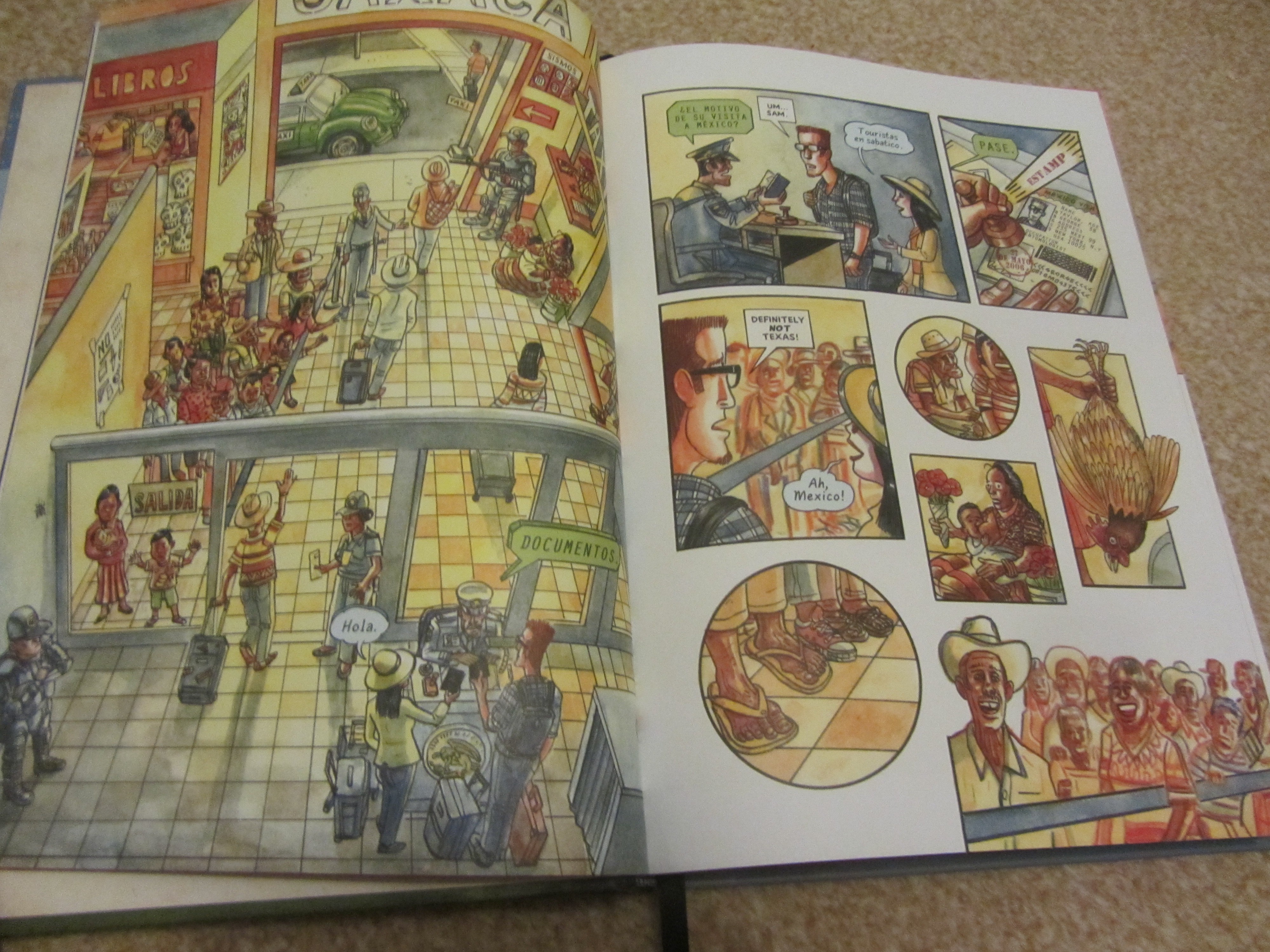
The colorful arrival at Oaxaca Airport.
The environmental agenda comes through in the parallel story of one monarch’s migration. Sections set in Mexico alternate with short interludes showing the butterfly’s journey south from America to Michoacan, Mexico, where monarchs gather en masse in a pine forest. The limited palette of these spreads, in contrast with the vibrant colors of the Oaxaca scenes, is particularly effective: the monarch is generally the only speck of color against a monochrome blue-gray background showing rather dreary American scenes. Tagged in Pennsylvania, the monarch flies over polluted rivers, a nuclear power plant, an abandoned West Virginian mine, the aftermath of Hurricane Katrina, Monsanto tomato pickers, a Texas border arrest, and a Mexican drug deal gone wrong – a symbol of precarious hope in spite of circumstance.
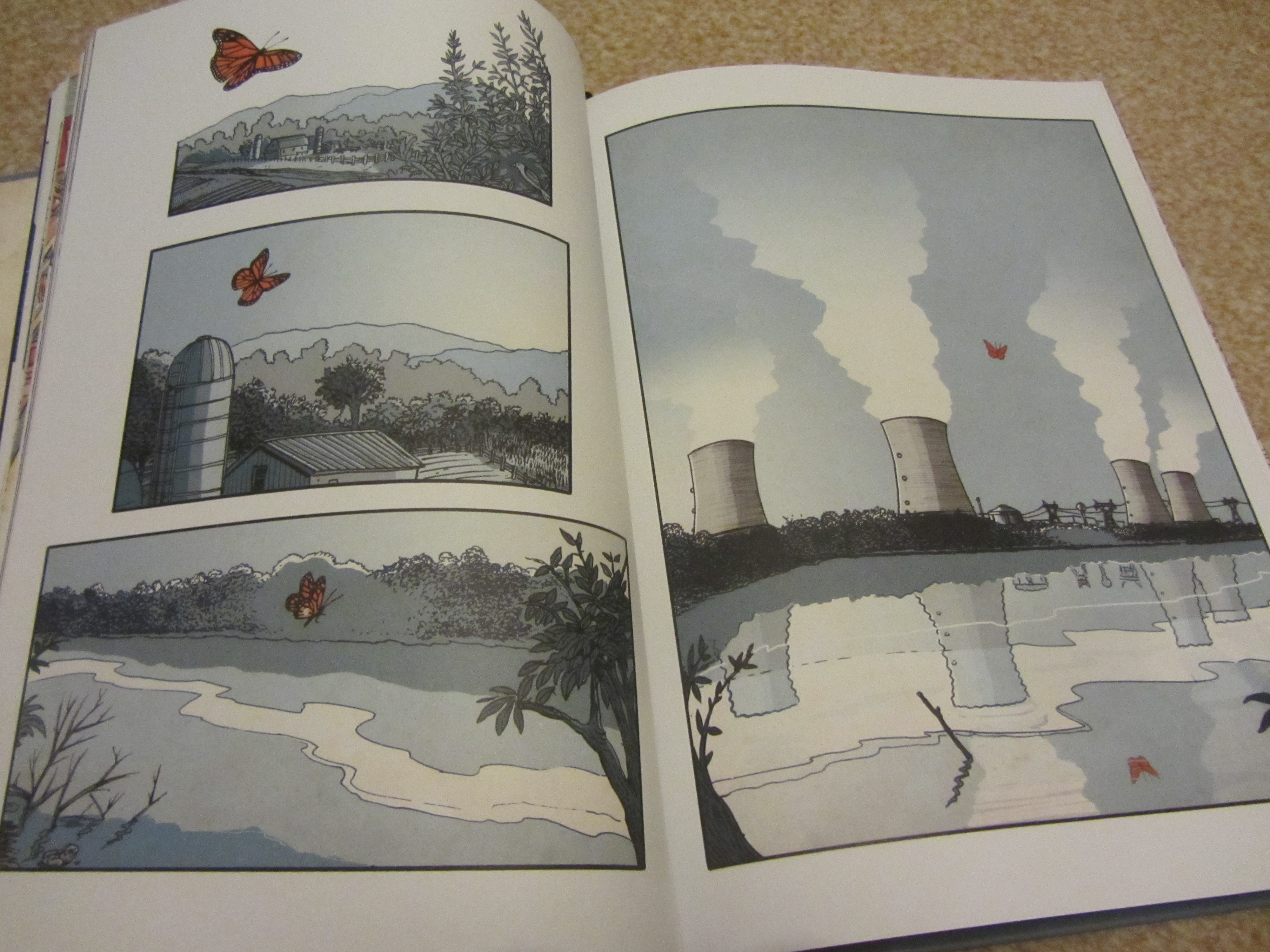
The tagged monarch flying over a polluted scene.
A Mexican folk belief has it that monarchs are the souls of dead children returning. At the end of the book a newly hatched butterfly starts its journey north – but what has become of our human heroes? That’s for readers lucky enough to get their hands on a copy of this wonderful book to find out.
Kuper and his family lived in Oaxaca from 2006 to 2008 and return annually for visits; you can see both familiarity and love in his terrific drawings of the city and its natural surroundings. Just as it tempers monochrome with color, Ruins carefully balances sadness and hope. If you think a graphic novel can’t sustain an involved and satisfying plot, think again. I’d especially recommend this to Barbara Kingsolver fans – the Mexican setting and monarch migration theme tie in with The Lacuna and Flight Behavior, respectively.
With thanks to the publisher, SelfMadeHero, for the free copy.
My rating: 
Books as Objects of Beauty
At least half of my reading nowadays is e-books, usually downloaded from NetGalley and Edelweiss and read on my Kindle. All the same, I still love the feel and smell of paper books, and it’s a special treat when the books are things of beauty in their own right. A few books I’ve reviewed recently have been absolutely stunning physical objects. Here are some photographs and a rundown of their key attributes:
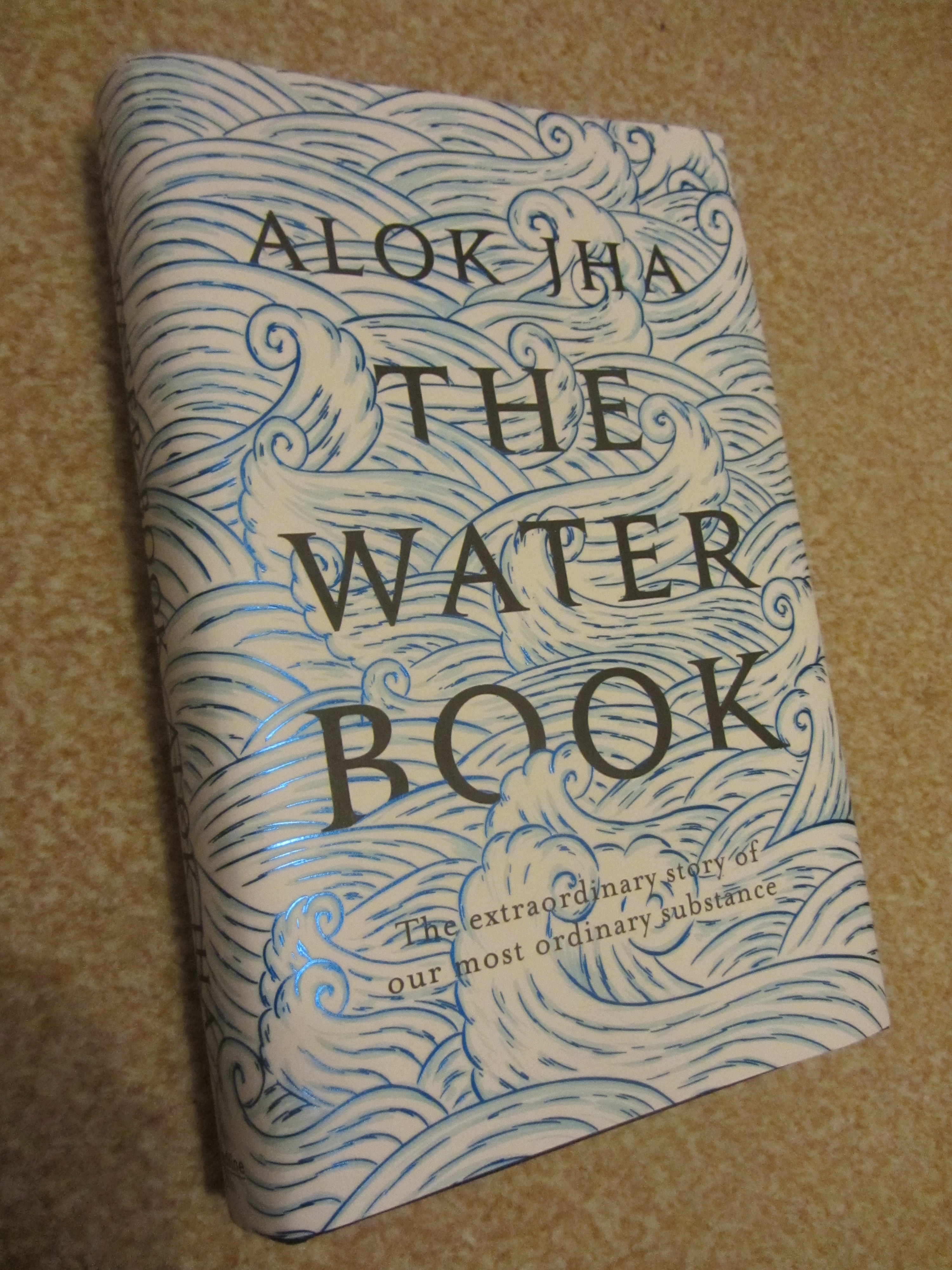
The Water Book by Alok Jha – Just look at that gorgeous, shiny cover! I was less taken with the contents of the book itself, but never mind. (My review is forthcoming at Nudge.)
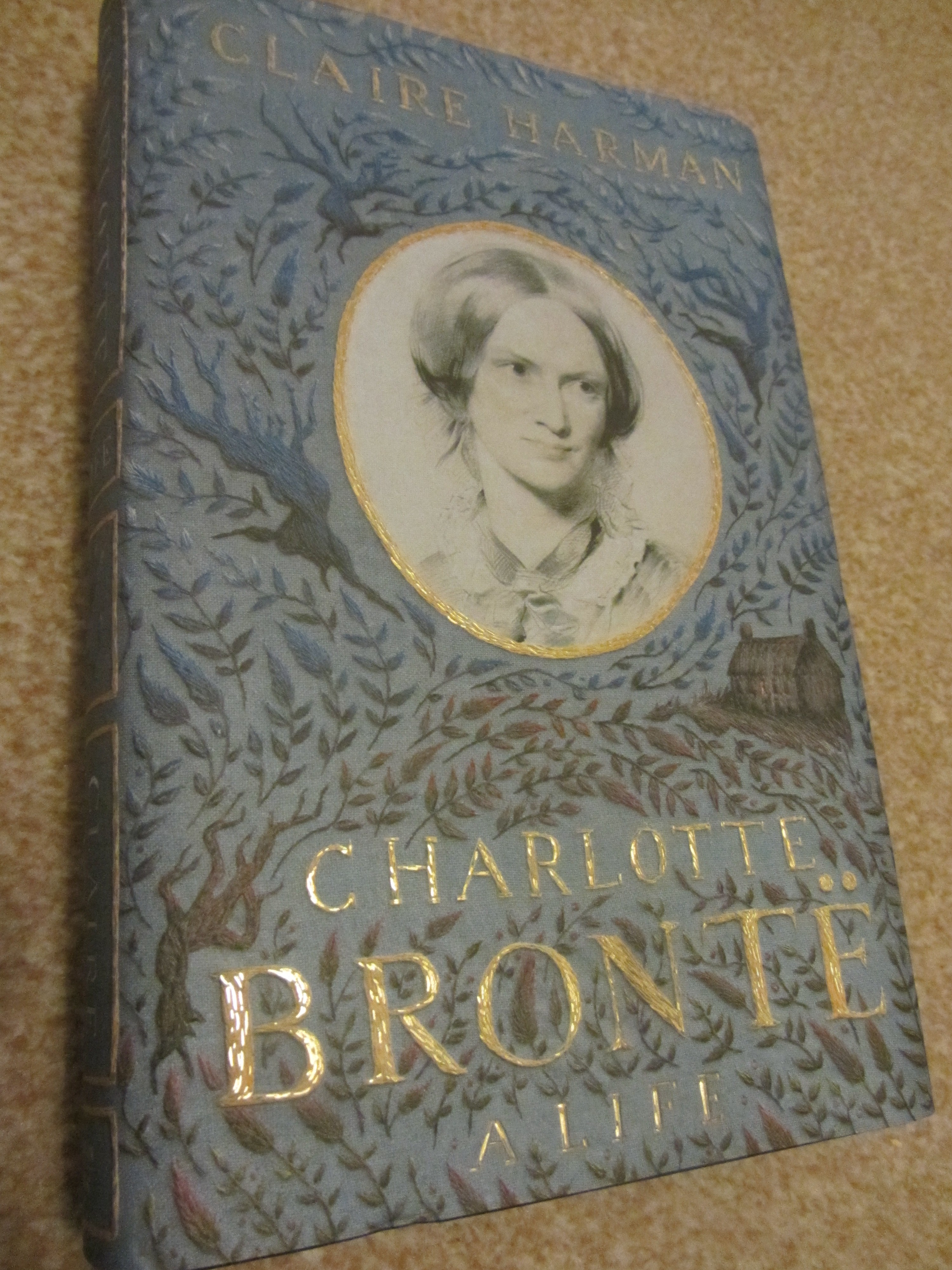
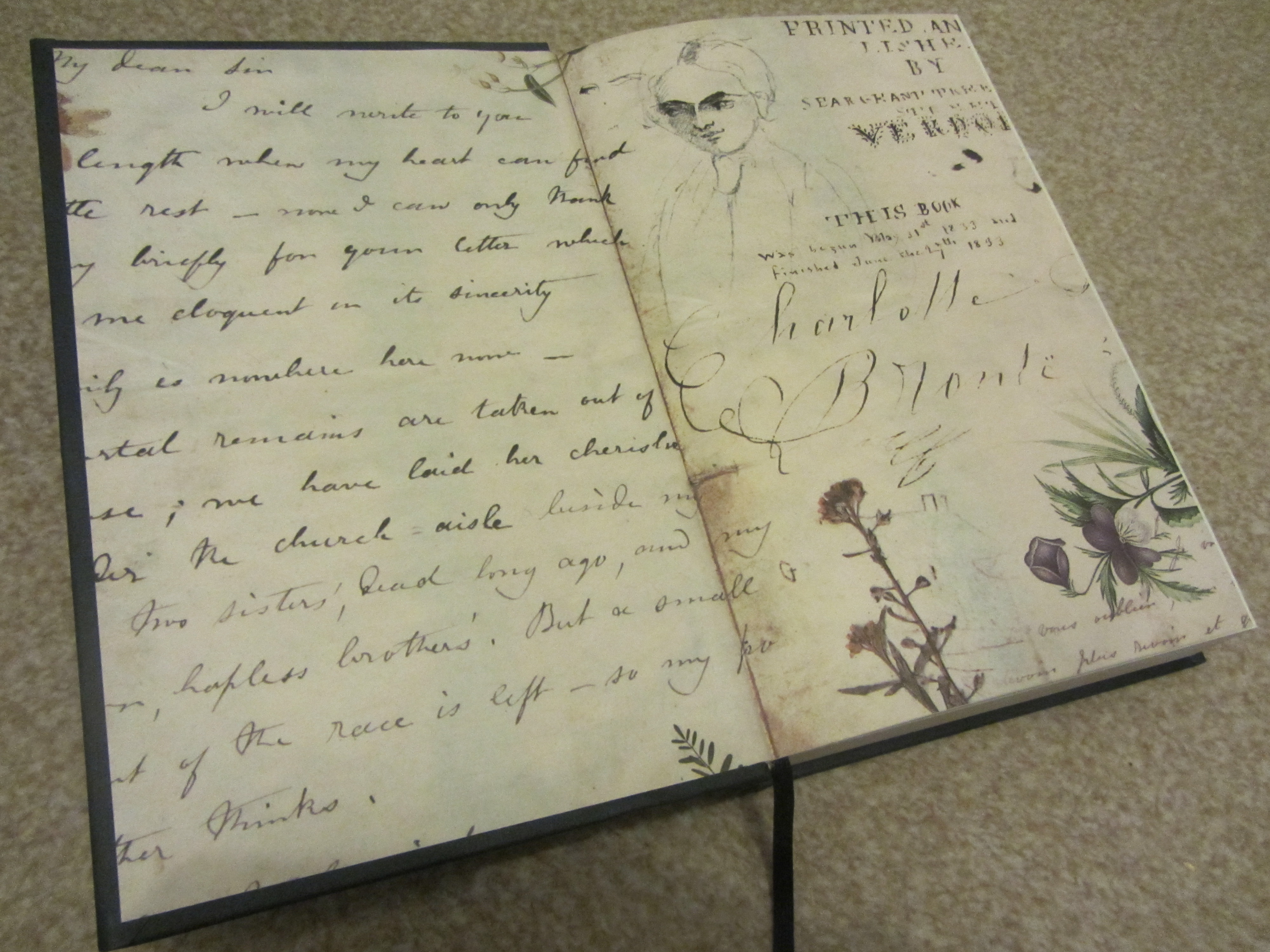
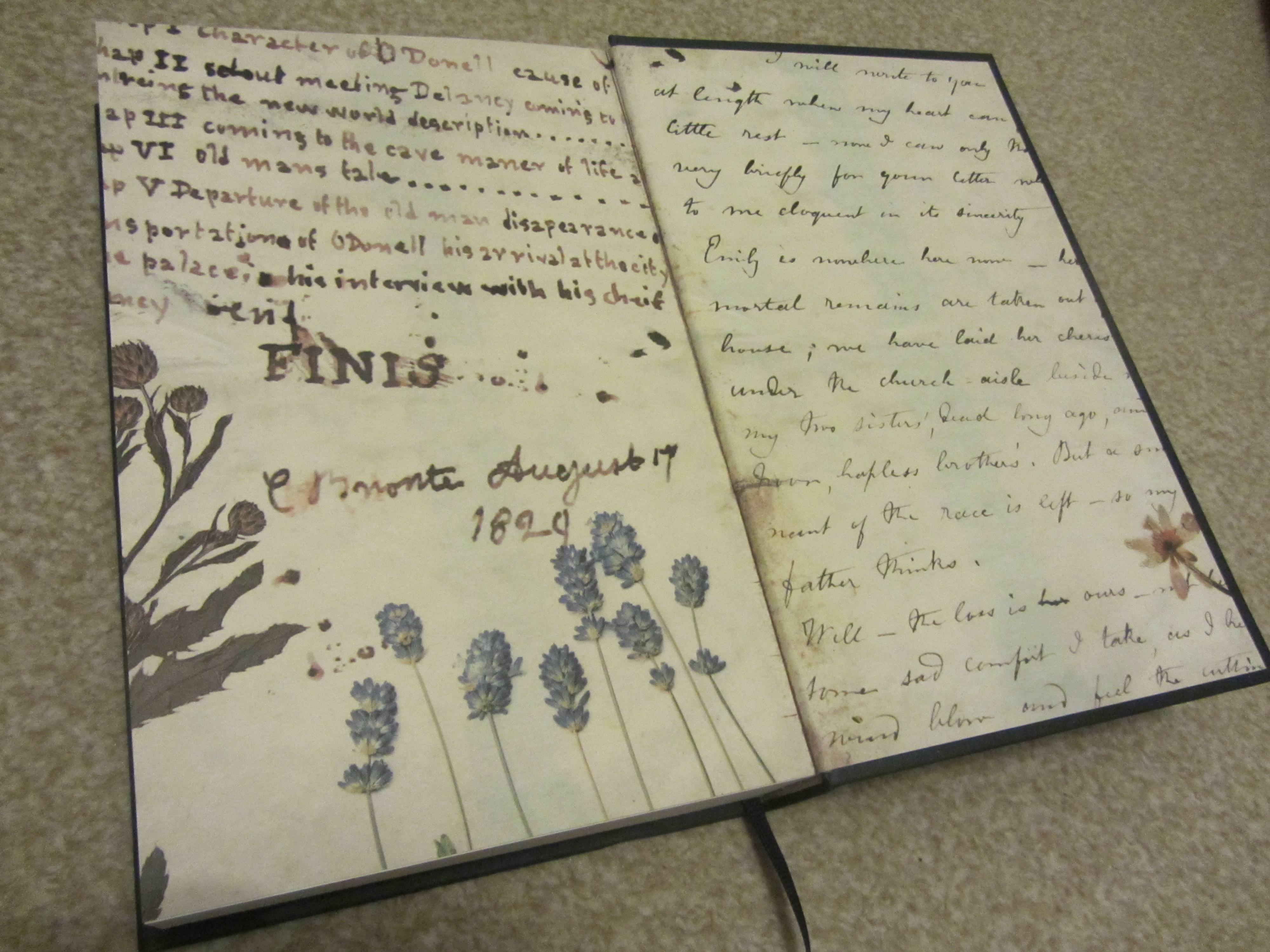
Charlotte Brontë: A Life by Claire Harman – Embossed embroidery effect on the cover, handwriting and sketches (including the only known C. Brontë self-portrait, only recently identified) on the endpapers, and built-in ribbon bookmark. (My review will go up at For Books’ Sake on Wednesday.)
A Brief History of Seven Killings by Marlon James – The dustjacket of this Booker Prize winner is lovely enough, but take it off and you still hold a striking object, in appropriately Rastafarian colors. (Full review in December issue of Third Way magazine.)


Ruins by Peter Kuper – Embossed title on the cover, with the monarch in matte; entomological drawings on the endpapers; alternating monochrome and full-color sequences; plus a built-in ribbon bookmark. (To be reviewed here in the near future.)


To survive in this modern age, physical books have to be more than just words on a page, because e-books do that much more efficiently. They simply have to be beautiful.
What are some of the most eye-catching books you’ve encountered recently?
Library Checkout: October 2015

I used to be a library fiend. At one point we belonged to about six different library systems thanks to our jobs at universities and our frequent back-and-forths to a couple of towns where we used to live. Back when reservations were still free through Reading Borough Libraries I would regularly have 20 or more new books on request at any one time, and every trip to the library required backpacks, tote bags and my husband’s help to get everything to the car.
Now that holds cost 50 pence each, however, I’ve cut back to basically zero. Most of what I used to read via libraries has now been replaced by e-books downloaded from NetGalley and Edelweiss. This is rather a shame, as I still love the feeling of stocking up with piles of physical books. I’ll still make an exception and pay 40 pence to reserve a book through our (more strictly local) Wokingham Borough Libraries when it’s something I’m hugely keen to read, like the new Jonathan Franzen novel or a book I need to review and can’t find online.
Nowadays I mostly peruse my local library for poetry collections and new nonfiction, though I can occasionally be tempted by recent fiction I haven’t gotten my hands on by other means.
(Thanks to Shannon at River City Reading for the great idea and the template! Check out her blog for other link-ups.)
LIBRARY BOOKS READ
- The Cartographer Tries to Map a Way to Zion, Kei Miller [I also saw the author speak at Reading Poetry Festival.]
- Purity, Jonathan Franzen
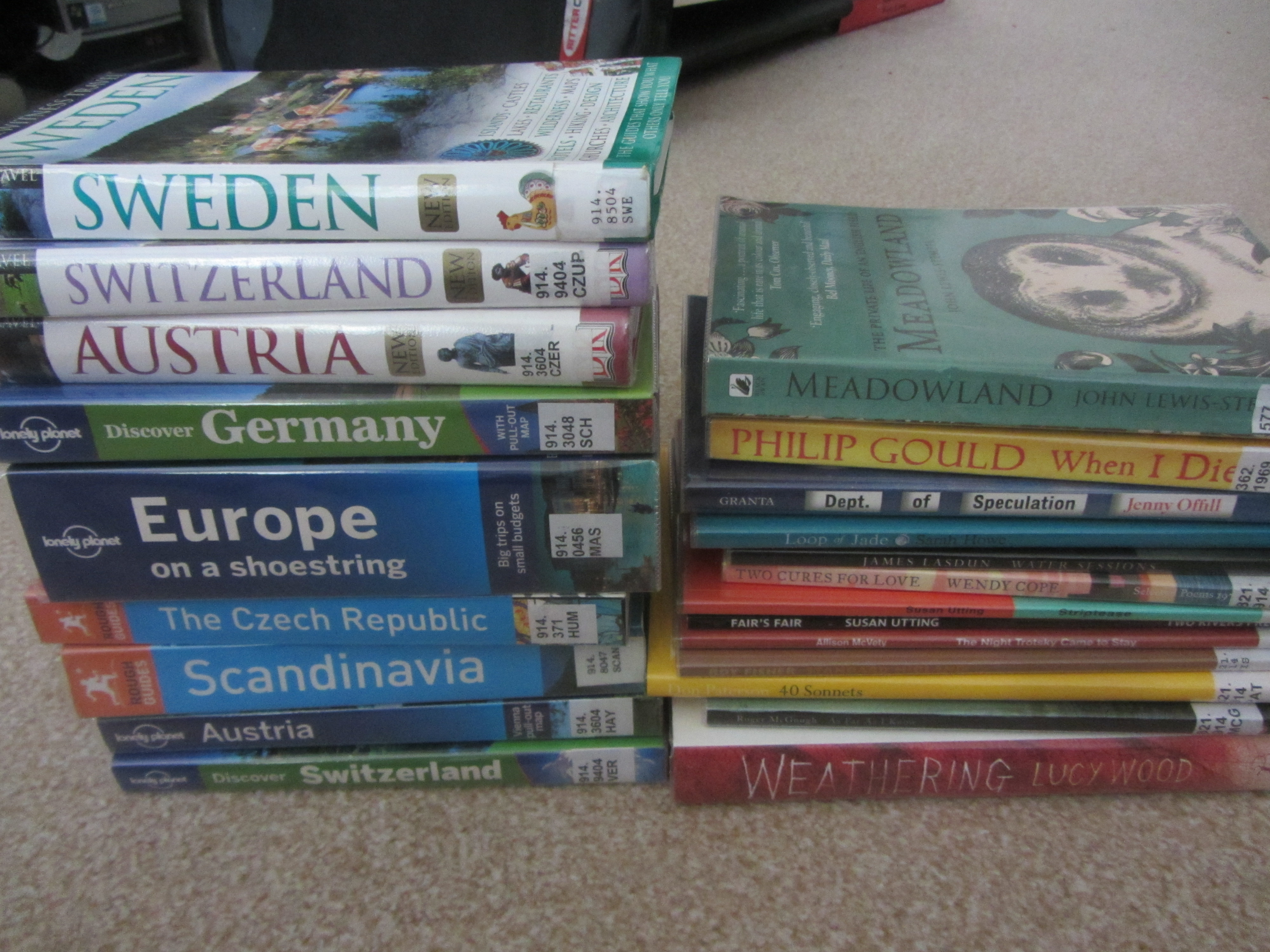
CHECKED OUT, TO BE READ
- DK Eyewitness Guides to Sweden, Austria, and Switzerland; Rough Guides to Scandinavia and the Czech Republic; Lonely Planet Guides to Germany, Austria, Switzerland, and “Europe on a Shoestring” [we’re contemplating a big trip around Europe by train next spring; the next few months will be for dreaming and planning]
- When I Die: Lessons from the Death Zone, Philip Gould
- Dept. of Speculation, Jenny Offill
- Weathering, Lucy Wood [for BookBrowse review]
- Meadowland: The Private Life of an English Field, John Lewis-Stempel
Poetry books:
- As Far as I Know, Roger McGough
- Two Cures for Love: Selected Poems 1979–2006, Wendy Cope
- The Night Trotsky Came to Stay, Allison McVety
- 40 Sonnets, Don Patterson
- Fair’s Fair, Susan Utting
- Striptease, Susan Utting
- Loop of Jade, Sarah Howe
- Water Sessions, James Lasdun
- Standard Midland, Roy Fisher
Do you take advantage of your local libraries?
What were some of your best recent library reads?
Review: The Looking-Glass Sisters, Gøhril Gabrielsen
Since discovering Peirene Press, a publisher of novellas in English translation (see my “Small Books Are Good, Too” post for a mini-review of one of their previous titles), I’ve been keen to try more of their little gems. This is the second of four novels from Gøhril Gabrielsen, a Norwegian author who lives in the far north of the country in a region called Finnmark. It’s an isolated place she uses to good effect in this novel about two sisters whose lives change – and not for the better – when one of them gets married.
I reign as queen in my room, in spite of the dust and the dirt. I have the silence, my pen and books, and, not least, I own the hours when Ragna is away.
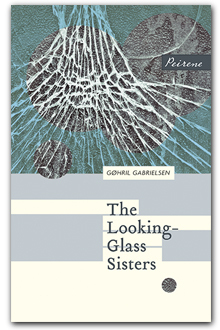 Our unnamed narrator is paralyzed from the waist down and keeps to her bed in a home she shares with her older sister, Ragna. Their parents had her late in life and died early, so Ragna has looked after her since they were 19 and 24. They are now in middle age, so for years have rubbed along reasonably well, although there have been small acts of cruelty on either side – for instance, as a child the narrator planted chewing gum in Ragna’s bed so she’d have her luxurious hair cut off, and Ragna stays in the bathroom so long one morning that the narrator, making her tortuous way downstairs on crutches, has an accident in the hallway.
Our unnamed narrator is paralyzed from the waist down and keeps to her bed in a home she shares with her older sister, Ragna. Their parents had her late in life and died early, so Ragna has looked after her since they were 19 and 24. They are now in middle age, so for years have rubbed along reasonably well, although there have been small acts of cruelty on either side – for instance, as a child the narrator planted chewing gum in Ragna’s bed so she’d have her luxurious hair cut off, and Ragna stays in the bathroom so long one morning that the narrator, making her tortuous way downstairs on crutches, has an accident in the hallway.
A short prologue tells us things have gotten worse: Ragna and her husband of less than one year, Johan, now keep the sister locked up in the attic. In the novella’s core section the narrator returns to the previous year, when Ragna and Johan were courting, to track the decline of this strange “little family with pus and pain in our cuts and scratches.” It all starts with her finding a letter Ragna wrote to a nursing home about committing her sister – and replacing it with a sheet of blank paper.
Our discontented narrator has a compulsion to remind everyone of her inconvenient existence: “I’m here. And I’m bloody hungry!” Whenever Ragna and Johan have friends visit, she is sure to make a scene. Her other acts of resistance are largely passive, though: writing snarky messages in the blank pages of encyclopedia volumes, listening on disapprovingly as Ragna and Johan have sex on the other side of the wall, and cursing Johan by burning his hair. Ragna follows suit by pettishly withholding library books and hot meals.
What we have here is essentially a psychological thriller with a claustrophobic domestic setting. Because we see everything from the narrator’s perspective, we share her sense of outrage at how Johan has upset her comfortable life and “sabotaged our sisterly pact.” At the same time, Gabrielsen implants tiny, clever clues that this is an unreliable narrator:
Can it be that I, the helpless one, have bred the anger in her by making myself more pathetic than I am? And can it be that I, in my struggle to gain the inviolable position of victim, have forged and fashioned Ragna the violator?
Furthermore, can it be that I, after years of exaggerated care needs, have robbed her of the ability to think, to create a living, inner life?
I can once more carry on my most precious occupation: lie on the pillows and twist the world exactly as I like.
Ultimately we have to wonder whether the person who has been telling us this whole story might be mentally compromised. How much of her mistreatment and present condition is she imagining? The way Gabrielsen counterbalances inherent trust in a narrator with skepticism as the story proceeds is remarkable. “I am reduced to an observing eye,” the protagonist tells us – and as readers we both see out of that eye and seek an objective outside view. It’s a gently thrilling book I’d recommend to you in the run-up to Halloween.
Peirene issues books in trios: this is part of the “Chance Encounter series: Meeting the Other,” along with Aki Ollikainen’s White Hunger and Raymond Jean’s Reader for Hire.
With thanks to Peirene Press for the free copy.
My rating:
Reviews Roundup, September–October
One of my goals with this blog is to have one convenient place where I can gather together all my writing that has appeared in disparate online locations. To that end, once a month I’ll provide links to all the book reviews I’ve published elsewhere, with a rating (below each description) and a short taster so you can decide whether to click to read more. A couple of exceptions: I won’t point out my Kirkus Indie, BlueInk or Publishers Weekly reviews since I don’t get a byline.
The Bookbag
Rising Strong by Brené Brown: Brown, a qualitative researcher in the field of social work, encourages readers to embrace vulnerability and transform failure and shame through a simple process of re-evaluating the stories we tell ourselves. The gimmicky terminology and frequent self-referencing grated on me a bit, but I appreciated how the book made me reconsider events from my own life. It’s the ideas that carry Rising Strong, so as long as you come to it expecting a useful tool rather than a literary experience you shouldn’t be disappointed. Genuinely helpful self-help.
 Life After You by Lucie Brownlee: With honesty and humor, Brownlee reconstructs the two years following her husband’s sudden death. My sister is still a new widow, so I read this expecting it to resonate with her situation, and it certainly does. I had an issue with the title and marketing, though. When originally published last year, the book had the title Me After You. That’s been changed to sound a little less like a Jojo Moyes novel, but the cover is more chick lit than ever, which doesn’t really match the contents of the book.
The Glass Girl by Sandy Hogarth (& interview): Moving between Australia and England and spanning several decades of Ruth Bishop’s life, this debut novel explores the psychological effects of sexual trauma and betrayal. The middle of the book feels a little meandering, and the chronology is sometimes over-complicated. However, Ruth’s is a warm first-person voice, and the ending hints at welcome resolution to unanswered questions. My favorite aspect of the novel, though, is the frequent observations of the natural world.

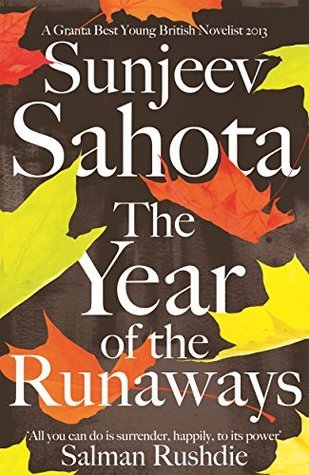 The Year of the Runaways by Sunjeev Sahota: With multilingual slang and several Sikh characters, Sahota’s second novel illuminates aspects of the South Asian experience that might be unfamiliar. Daily life is a struggle for Tochi, Randeep and Avtar: they work multiple jobs to make ends meet, serving at Crunchy Fried Chicken, cleaning sewers, or building a luxury hotel in Leeds. The fourth protagonist is Randeep’s visa-wife, Narinder. Through flashbacks we discover each one’s past. It’s a harrowing read, but you can’t help but sympathize with the four runaways as they make and dissolve connections over the year.
The Gap of Time by Jeanette Winterson: This contemporary ‘cover version’ of The Winter’s Tale links a London financier, a Parisian singer, and a blended family in New Orleans. Winterson creates clear counterparts for each Shakespeare characters, often tweaking names so they are recognizable but more modern. Inventive and true to the themes and imagery (time, adoption; angels, bears, statues) of the original, but ultimately adds little to one’s experience of Shakespeare. I’ll hope for better things from the rest of the Hogarth Shakespeare series. (Still to come: Margaret Atwood on The Tempest, Howard Jacobson on The Merchant of Venice and Anne Tyler on The Taming of the Shrew, among others.)
BookBrowse
 After the Parade by Lori Ostlund [subscription service, but the full text of my review will be available for free during the week of October 20th as part of Editor’s Choice]: Ostlund’s debut novel explores trauma and loneliness through the past and present of the protagonist, an ESL teacher who has just left his long-term partner, as well as the stories of those he meets. Although set over a six-month period, the novel is so full of flashbacks that it feels dense with the weight of the past. At times this can seem more like a set of short stories, only loosely connected through Aaron. Still, the overarching theme is strong and resonant: “after the parade,” after everything has changed irrevocably, you must keep going, pushing past the sadness to build a new life.
BookTrib
 The Best Small Fictions 2015, ed. by Tara L. Masih and Robert Olen Butler: In this very strong anthology of flash fiction, stories range from Tweet length to a few pages, but are always under 1,000 words. Titles and first lines carry a lot of weight. One of the best openers is “I didn’t recognize her without her head” (“Before She Was a Memory,” Emma Bolden). In genre the stories run the gamut from historical fiction to whimsical fantasy. You’ll be introduced to a wealth of fresh and existing talent. There are literally dozens of stand-outs here, but if I had to choose a top 3, they’d be “A Notice from the Office of Reclamation” by J. Duncan Wiley, “The Lunar Deep” by David Mellerick Lynch, and (overall favorite) “Something Overheard” by Yennie Cheung.
For Books’ Sake
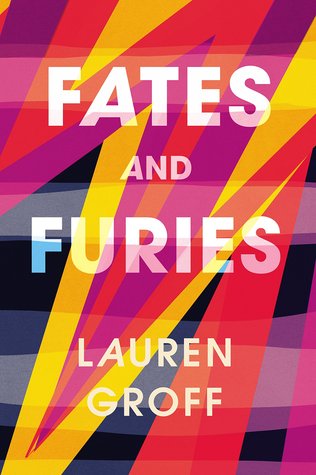 Fates and Furies by Lauren Groff: An incisive study of a marriage, beautifully written and rich with allusions to Shakespeare and Greek mythology. Short, verbless sentences pile up to create exquisite descriptions, as in “Sunset. House on the dunes like a sun-tossed conch. Pelicans thumb-tacked in the wind.” However, I was less sure about the necessity of the bracketed phrases, which seem to represent a Greek chorus giving omniscient commentary, and the use of slang and nicknames can grate. Groff makes it onto a short list of women I expect to produce the Great American Novel.
Foreword Reviews
 When All Goes Quiet by Augustinus F. Lodewyks: This religious memoir should interest those who are curious about how spiritual experience can infiltrate everyday life. “When all goes quiet, I know that Heaven is trying to show me its glory,” Lodewyks writes. In autobiographical vignettes, he vividly expresses his mystical visions, particularly those featuring Jesus, the Virgin Mary and angels, who tend to appear in times of crisis and during events of ritual significance like weddings, funerals and religious pilgrimages. Some will still object to the overt proselytizing, especially in the book’s last quarter.

The Blessing of Movement by Deborah Konrad: Konrad’s story is an inspirational memoir about life with disability and caring for dying relatives. Her sister Sandra became a quadriplegic in her twenties. Throughout the book, Konrad investigates the secret strength that underlay “the sunny disposition of the pretty paralyzed woman.” She concludes that it was all about thankfulness, as proven by Sandra’s gratitude journal. Konrad’s own life undeniably gets sidelined, though; more self-reflection would provide a good match for her insights into her sister’s character.
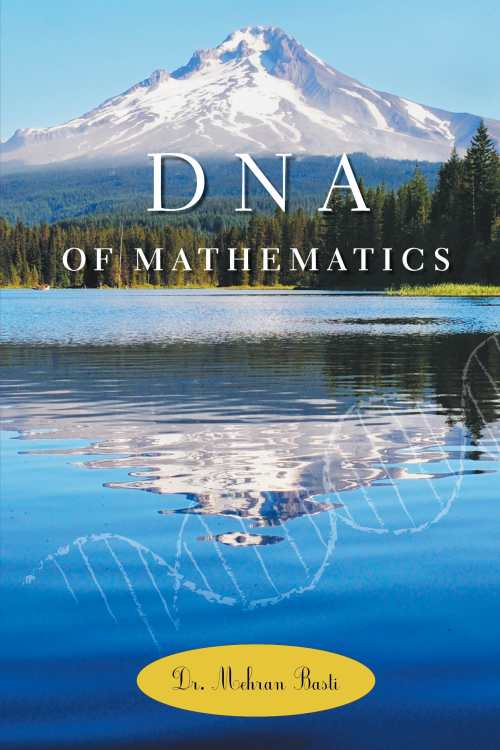 DNA of Mathematics by Mehran Basti: Drawing on his academic specialty in mathematics, Basti explores how scientific theories have been used and misused through history. The book lacks focus due to frequent unrelated asides. It may be difficult to grant credibility to a scientist who dismisses the big bang because it was theorized through “semi-broken scientific methods” and seems to have a personal vendetta against Stephen Hawking. Most importantly, the mathematics that forms the book’s basis is never fully explained.

From Hell to Heaven, One Man’s Journey by Gustav Daffy: This book was inspired by an acrimonious divorce and other family troubles; although Christian faith helped Gustav adjust his thinking, many of the poems still feel like the angry outpourings of a man with an ax to grind. Moreover, formulaic rhyming and poor spelling and grammar mar this overlong collection. It would take a professional copyeditor to hone this into a concise set of linguistically and stylistically acute poems. However, the author’s in-the-moment reactions are easy to relate to.
Shiny New Books
 Grief Is the Thing with Feathers by Max Porter: It may seem perverse to twist Emily Dickinson’s words about hope into a reflection on bereavement, but Porter’s exceptional debut does just that: tweak poetic forebears – chiefly Poe’s “The Raven” and Ted Hughes’s Crow – to create a hybrid response to loss. The novella is composed of three first-person voices: Dad, Boys and Crow (the soul of the book: witty, onomatopoeic, often macabre). Dad and his two young sons are adrift in mourning; the boys’ mum died after an unspecified accident in their London flat. The three narratives resemble monologues in a play, with short lines laid out on the page more like stanzas of a poem.
We Love This Book
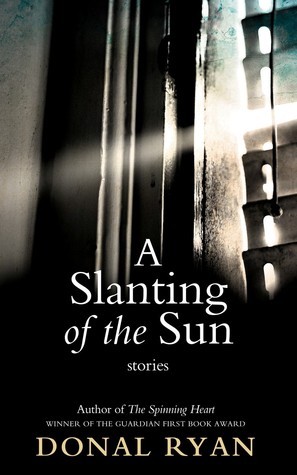 A Slanting of the Sun by Donal Ryan: The Irish author of the novels The Spinning Heart (winner of the Guardian First Book Award in 2013) and The Thing About December, returns with 20 jolting, voice-driven short stories suffused with loneliness and anger. Nineteen of the 20 are in the first person, echoing the chorus of voices that made The Spinning Heart so effective. Many of the narrators speak in thick dialect and run-on sentences, which helps to immerse you in the rhythms of Irish speech. In a book full of lonely people, it is the moments of connection – however fleeting – that matter. For example, in “Long Puck,” one of the best stories, a Catholic priest posted to Syria initiates interfaith hurling matches that temporarily lift everyone’s spirits.
I also post reviews of most of my casual reading and skimming on Goodreads.
 The River by Helen Humphreys: Humphreys has lived along Ontario’s Napanee River for over a decade. I was expecting a blend of personal reflection and natural observations, but instead the book is mostly composed of brief fictional passages illuminating a handful of species. I liked the passages about the heron best – Humphreys successfully imagines the life of a plume hunter and contrasts it with the excitement of two women involved in the foundation of a bird conservation charity. However, much of the book felt like unconnected vignettes, not building to any kind of grander picture of a location.

The Mountain Can Wait by Sarah Leipciger: The novel opens and closes with a hit-and-run, but in between those momentous peaks it’s a quieter tale of a single father trying to guide his son and daughter into young adulthood in the wilds of Canada’s west and islands. Tom Berry’s work is not cutting trees down but planting them – an interesting adaptation of a traditional woodsman’s activity to a new eco age. I found the story a little sleepy but loved Leipciger’s writing, especially her account of the daily drudgery of manual labor and her descriptions of wilderness scenery.
 Decline of the Animal Kingdom by Laura Clarke: Bizarre, in-your-face poetry from a 30-year-old Canadian: business jargon, YouTube videos, fast food…and, yes, animals. Many of the poems feature mules and lions, including weird dialogues between a mule and its supervisor / domestic partner / psychiatrist. With plays on words and sexualized vocabulary, Clarke considers inter-species altruism and the inevitable slide towards extinction. Two favorite lines: “You forget you live parallel to violence” (from “Carnivora”); “The Tasmanian tiger live-tweets its extinction from the Hobart zoo in 1933” (from “Extirpation”).
Do No Harm: Stories of Life, Death and Brain Surgery by Henry Marsh: “Terrible job, neurosurgery. Don’t do it.” Lucky for us, Henry Marsh reports back from the frontlines of brain surgery so we don’t have to. He’s nearing retirement age after a career divided between a London hospital and medical missions to Ukraine. The punchy chapters are named after conditions he has treated or observed. Marsh comes across as having a hot temper, exhibiting extreme frustration with NHS bureaucracy. At the same time, he gets very emotional over his patients declining and dying, and experiences profound guilt over operations that go wrong or were ultimately unnecessary.

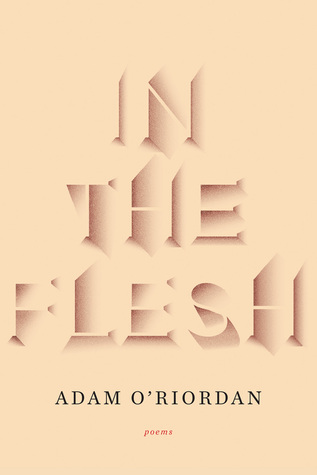 In the Flesh by Adam O’Riordan: My favorite poems in O’Riordan’s debut collection were about Victorian Manchester, 1910s suffragettes and the Wordsworths, this last based on the author’s year in residence at their Lake District cottage. I also liked “The Corpse Garden” – about the outdoor forensic lab in Knoxville, Tennessee – and a couple of multi-part poems that seem to enliven family history. It’s the vocabulary and alliteration that make these poems; there are only a handful of rhyming couplets.
A Circle of Quiet by Madeleine L’Engle: If, like me, you only knew L’Engle through her Wrinkle in Time children’s series, this journal should come as a revelation. I didn’t know she wrote any nonfiction for adults. The Crosswicks books cannot be called simple memoirs, however; there’s so much more going on. In this journal (published 1972) of a summer spent at their Connecticut farmhouse, L’Engle muses on theology, purpose, children’s education, the writing life, the difference between creating stories for children and adults, neighbors and fitting into a community, and much besides.
 A View of the Harbour by Elizabeth Taylor: My third Taylor – not as good as Mrs. Palfrey, but better than Angel. It’s about the everyday family and romantic entanglements of a small English harbor village in the 1940s. Beth is a preoccupied writer who doesn’t notice that her husband, the local doctor, is carrying on an affair with her best friend, the divorcée Tory, who is also their next-door neighbor. As always, Taylor has great insight into the human psyche and unlikely relationships. The plot is low on thrills for sure, but it’s pleasant reading, especially if you’re on holiday at the seaside (I started reading it on the coast near Dublin).
Amazing Grace: A Vocabulary of Faith by Kathleen Norris: This makes the shortlist of books I would hand to skeptics to show them there might be something to this Christianity nonsense after all. Norris spent 20 years away from the faith but gradually made her way back, via the simple Presbyterianism of her Dakota relatives but also through becoming an oblate at a Benedictine monastery – two completely different expressions of the same faith. In few-page essays, she gives each word or phrase a rich backstory through anecdote, scripture and lived philosophy, ensuring that it’s not just religious jargon anymore.
 Undermajordomo Minor by Patrick deWitt: What The Sisters Brothers did for the Western, this does for the Gothic fairytale. It’s not quite as fun or successful as the previous book, but has a nicely campy Dracula or Jane Eyre feel. Lucien “Lucy” Minor, a compulsive liar, sets out to find adventure and romance as undermajordomo of a castle in the quaint German countryside. Here he meets pickpockets, a periodically insane baron, a randy maiden, and a strapping rival who’s a soldier in the absurdist local conflict. DeWitt’s understated humor is not as clearly on display here; there’s also, strangely, quite a bit of sex.
Sentenced to Life by Clive James: James, an Australian critic and all-round man of letters, was first diagnosed with leukemia in 2010. After a setback in 2013, he’s rallied, but these poems are certainly infused with a sense of imminent mortality. The incessant ABAB rhyming in the early poems set up a jaunty rhythm I didn’t find appropriate to the subject matter; I much prefer the later unrhymed poems. “Plot Points” is my favorite, artfully linking disparate historical moments.
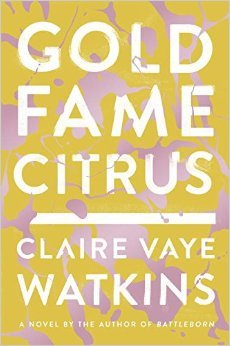 Gold Fame Citrus by Claire Vaye Watkins: Gold, fame, citrus: reasons people once came to California. Now, only a desperate remnant remains in this waterless wasteland. Luz and Ray squat in a starlet’s abandoned mansion and live off of Luz’s modeling money – she was once the environmental movement’s poster child, “Baby Dunn.” When they take charge of a baby called Ig, however, their priorities change. They set off for the strangely beautiful sea of dunes, the Amargosa, leaving behind the ‘frying pan’ of exposure to the elements for the ‘fire’ of a desert cult. There is some absolutely beautiful prose. This is the book that California (Edan Lepucki) wanted to be.
Satin Island by Tom McCarthy: U. is a corporate anthropologist in London, coming off the success of the Koob–Sassen contract and facing the blank page of the Great Report he’s tasked with writing. Not much happens here; the book is more about his anthropological observations and the things he fixates on, like oil spills, a sabotaged parachutist, and Satin Island – a place he encounters in a dream and then, by word association, likens to Staten Island, a destination he doesn’t quite make it to. For me the most interesting parts were about narrative. I found this too clever for its own good; not Booker Prize material.
Two Trips to the Theatre
Jane Eyre at the National Theatre
On October 3rd I was lucky enough to see a new production of Jane Eyre at London’s National Theatre. Thanks to theatre vouchers I had lying around, I paid all of £8 for my back-row seat, from which I had an excellent view, especially thanks to the pair of mini binoculars. Ten actors and musicians share all the roles. Sometimes a change of dress or hat is all that makes the distinction. For instance, the same actress (Laura Elphinstone) plays Helen Burns, Grace Poole, Adèle Varens, and St. John Rivers. One actor even plays Pilot the dog. His persistent “whoo-whoo” bark and habit of flopping at people’s feet make for charming comedy.
But the play belongs, of course, to Jane, and Madeleine Worrall is perfectly cast: unassuming yet passionate, a little firebrand. I can’t say for certain, but my impression is that she never leaves the stage during the entire production. She plays Jane at all ages: she voices a creepy baby cry when the bundle of cloth representing her infant self appears; other actors help her in and out of various dresses over a simple white shift as she grows up. The addition of a corset and petticoat indicates that she is now an adult, and a wedding dress and veil are the symbols of true love dangled before her eyes and then snatched away.
Set, props and music are all used to great effect. The action takes place on a complex of boardwalks, staircases and ladders, and most of the props are also wood and metal: stools, crates and window frames moved around to model different settings. The multiple levels allow for comings and goings but also for subtle displays of power relations. Objects hanging from the ceiling help to create location – family portraits and ominous red lighting signify Gateshead (the Reed house), simple sacking garments characterize Lowood School, and window frames and bare bulbs that flicker to Bertha’s laughs quite effectively evoke Thornfield Hall.
There is live musical backing at many points, with a piano, guitar, double bass and drums tucked off center under one of the boardwalks. The music ranges from instrumentals that wouldn’t be out of place in Downton Abbey or The Lord of the Rings to pop songs. An opera singer in a red satin dress wanders around singing snatches of folk spirituals and contemporary numbers. I certainly didn’t expect to hear Cee Lo Green’s “Crazy” during an adaptation of a nineteenth-century novel, but somehow it fits brilliantly.
The play is admirably true to the book. The two climactic fire scenes work very well, better than one might expect, and the romantic moments between Jane and Rochester are touchingly believable. I especially liked how journeys are suggested: a huddle of actors stand in the center of the stage and run in place to a percussion backing and a chant of destinations. One coach journey is even interrupted by a ‘piddle break’! Deaths are marked by opening a trap door near the edge of the stage and a character slowly descending some stairs out of sight.
The play started life in Bristol as a two-part adaptation stretching to four hours; for its move to London it has been condensed to just over three hours, but this still feels long, especially towards the end of the first act or in the aftermath of the revelation about Bertha. The St. John material, especially, drags – though that is true of the book as well. My main criticism of the production would be the way it sometimes tries to externalize Jane’s thoughts by having her ‘talk to herself’ via three or four other actors arguing. An angsty monologue à la Hamlet would have done the job just fine. Revealing Jane’s feelings for Rochester through a performance of the song “Mad About the Boy” likewise struck me as unsubtle.
![Painted by Evert A. Duyckinck, based on a drawing by George Richmond [Public domain], via Wikimedia Commons/](https://commons.wikimedia.org/wiki/File:Charlotte_Bronte_coloured_drawing.png)
Charlotte Brontë. Painted by Evert A. Duyckinck, based on a drawing by George Richmond [Public domain], via Wikimedia Commons.
A big anniversary is coming up: 2016 is the bicentennial of Charlotte Brontë’s birth. I’ve noticed a cluster of books being published or reissued in advance of her 200th birthday, such as Claire Harman’s biography, which I’ll review for For Books’ Sake, and a novel translated from the Dutch about Emily and Charlotte’s time in Belgium, Charlotte Brontë’s Secret Love by Jolien Janzing, which I’ll read for The Bookbag. There could be no better time for going back to her timeless stories, whether through the books themselves or another artistic expression.
My rating:
To compare the thoughts of some professional theatregoers and see a few photos, check out the reviews on the Guardian and Telegraph websites.
When We Are Married by the Twyford & Ruscombe Players
J.B Priestley (1894–1984) is not a very familiar name for me, but my husband assures me he’s well known and loved here in England, if only for the play An Inspector Calls, which he studied at GCSE (it’s still a set text) and saw on stage. When We Are Married, one of the prolific Yorkshire author’s many plays, was first performed in 1938, though it’s set in 1908. I went to see it in our local village hall this past Saturday night.
The premise is simple: three couples (the Helliwells, Parkers and Soppitts) are celebrating their silver wedding anniversary, having all been married in the same chapel on the same morning. They even have a photo commemorating the occasion, and today they hope to recreate that shot. Over the years they have done well for themselves: one man is an alderman and another a counsellor; all three are heavily involved in their local chapel.

Press photograph of the original 1938 production: (clockwise from top left) Raymond Huntley, Lloyd Pearson, Ernest Butcher, Ethel Coleridge, Muriel George, and Helena Pickard. (From “The World of the Theatre,” Illustrated London News, 5 November 1938.)
All is not well in this small Yorkshire village, however. They are disappointed with their newly hired organist, a la-di-da southerner named Gerald Forbes who has been seen stepping out with young ladies at night. The whole play takes place in the drawing room of Alderman Helliwell’s home, and in an early scene the three gentlemen summon Gerald with the intention of dismissing him. However, he has his own surprise: a letter from the parish’s former parson, confessing that he wasn’t properly licensed to perform wedding ceremonies at the time. Consequently, these three pillars of the community are not legally married after all.
The news soon gets out thanks to a sullen cook who was listening behind the door and broadcasts the story at the local pub. In Act II the couples – including Gerald and his secret sweetheart, the Helliwells’ niece – take it in turns to come on stage for private chats. They spend time imagining what could be different in their lives if they really were single. Henpecked Herbert Soppitt gets his own back after years of cowering, while Mrs. Parker finally tells the Counsellor how dull and stingy she’s always found him to be.
The two best characters are Ruby Birtle, the Helliwells’ garrulous maid, and Henry Ormonroyd, a drunken photographer sent by the Yorkshire Argus. He functions like the Fool in this Shakespearean comedy of reversals, and happens to have some of the most profound lines. Will these unlucky couples get their anniversary photograph after all?
This was an enjoyable local production. The simple set was easy to maintain, and the acting – especially the Yorkshire accents – unimpeachable. The audience was in three sections in a rough semicircle around the action; my chair was just five feet behind a chaise longue on set. My only criticism would be that one of the three wives looked 20 years younger than the rest. I’ll certainly venture out for another show by the Twyford & Ruscombe Players.
My rating:
Today’s Secondhand Book Haul
Today, as an early birthday outing for me, we headed to Henley-on-Thames by train, getting off one stop early at Shiplake to walk a couple of miles along the river.
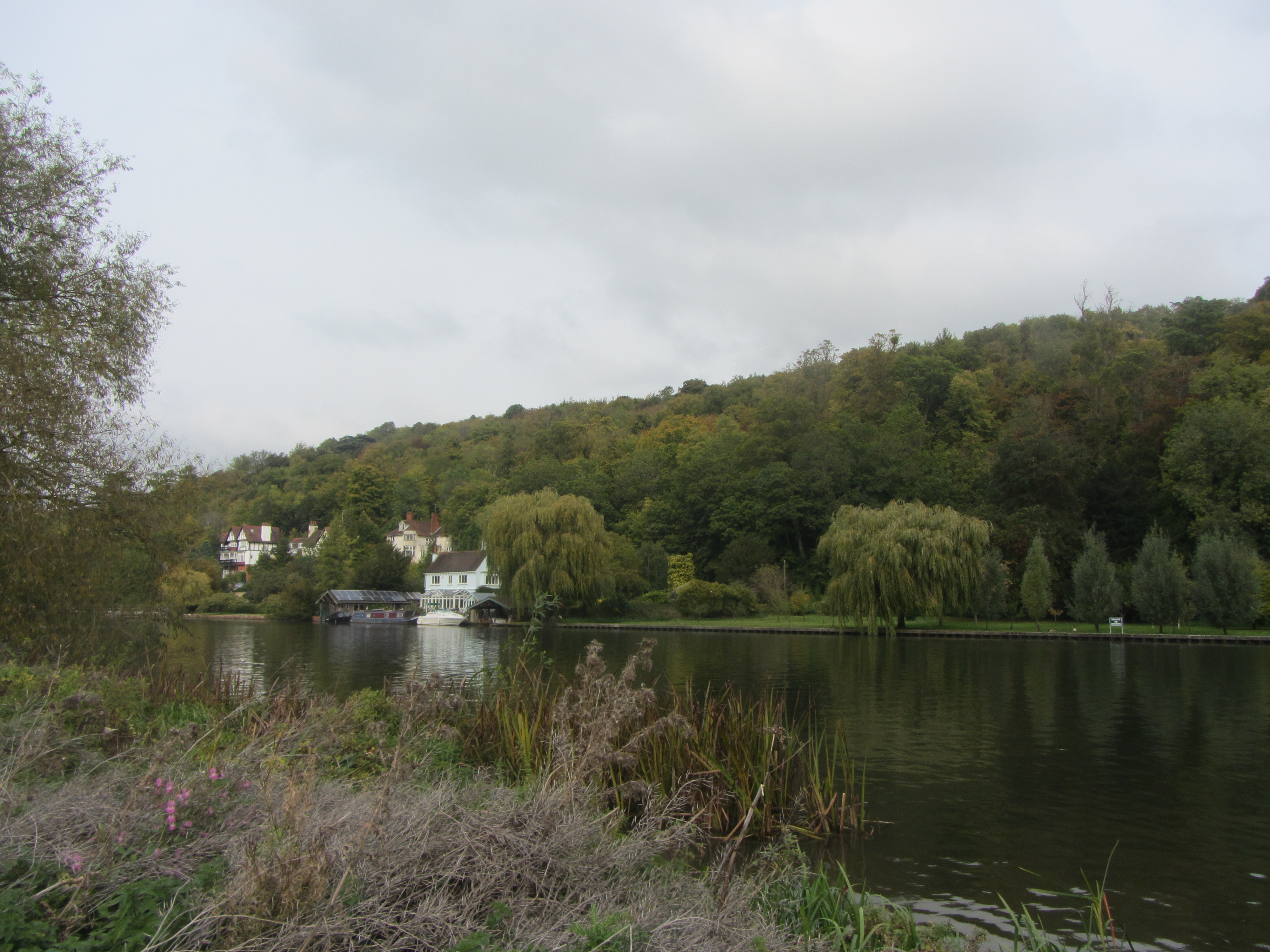
Courtesy of Chris Foster
Henley has one of our favorite local secondhand bookstores. It’s only our second time there, but we instantly became devotees thanks to their £1 section, which includes all paperbacks.

Courtesy of Chris Foster
Today’s haul (total spend = £10):
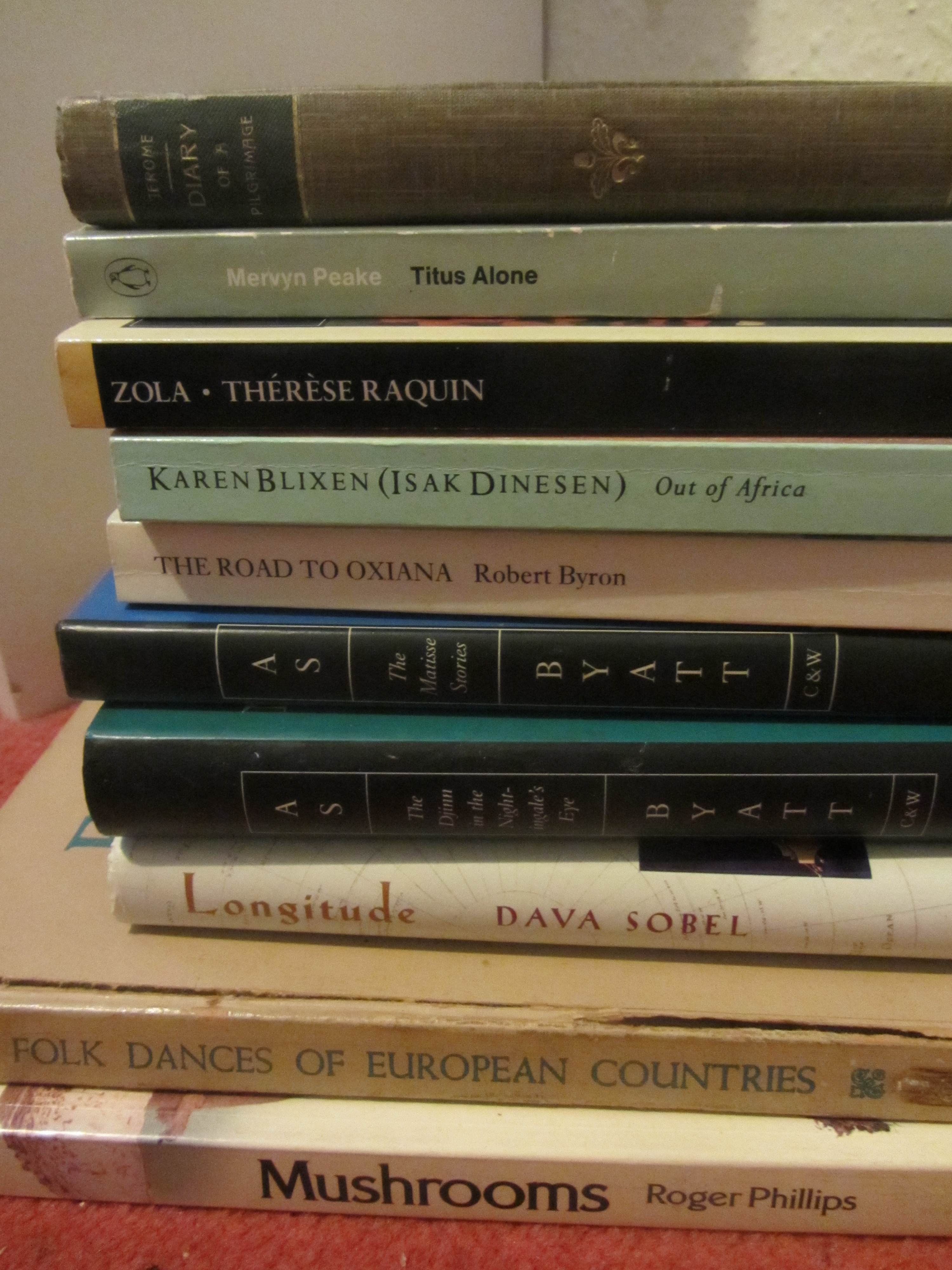
I’m especially pleased with the £1 copy of Diary of a Pilgrimage by Jerome K. Jerome, a novel about a journey by train and boat from England to Germany to see the Oberammergau Passion Play. We have plans to travel around Europe by train next year, so this will be a fun one to slip in a handbag for the Germany leg.
Tonight I’m headed to the theatre for the second time in a week – I shall report back about both trips on Monday.
My Salinger Year and Hotel Alpha
My Salinger Year by Joanna Rakoff
“Publishing, books, life. … It seemed possible to get one right. But not all three.”
 I’ve hardly read any Salinger, but that’s okay – neither had Joanna Rakoff until about two-thirds of the way through her year working for the legendary recluse’s literary agency in New York City. One long weekend she gorged on his complete works and found – in a man she’d previously encountered only as a shouting elderly voice on the phone – a kindred spirit.
This was 1996, and Rakoff was 23 years old, living with a boyfriend who didn’t appreciate her in a crummy apartment and harboring secret literary ambitions. On the cusp of the digital world, the Agency still resisted computers. Rakoff did most of her work on a typewriter and read manuscripts from the slush pile, extracting a couple of promising ones and getting a colleague to read her boyfriend Don’s unpublishable novel in turn. She had heavy student loans after graduate studies in London, and could barely afford a daily deli salad for lunch.
Mostly Rakoff spent her time typing form letters to Salinger’s fans, informing correspondents that he had asked not to have his letters forwarded. Believing she might make a difference, she went off-piste and started writing personal replies to some of the more wrenching letters: war veterans, struggling students, and a quiet young man who didn’t know what to do with his emotions. Alas, it backfired: more often than not she’d get an angry response, with the writer objecting to her presuming to take the place of Salinger and dispense life advice.
It’s remarkable how, at a distance of nearly 20 years, Rakoff makes this all seem like it happened yesterday: she adds in just the right amount of what Mary Karr, in The Art of Memoir, calls “carnal detail” to make her story seem timely and believable. The tone is nostalgic but also bittersweet – while it was a precious year, Rakoff also realizes what she could have done better (chiefly, ditching Don sooner).
Especially for female readers, this will instantly take you back to your own immediate post-college days of trying to figure out what life is about and who you wanted to be. “Was it possible, too, that one could be complicated, intellectual, awake to the world, that one could be an artist, and also be rosy and filled with light? Was it possible that one could be all those things and also be happy?”
With thanks to Bloomsbury for my free copy, won in a Facebook giveaway.
My rating:
Hotel Alpha by Mark Watson
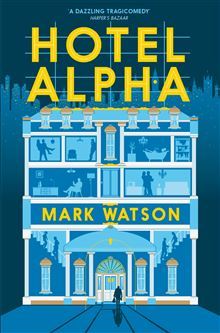 You may be unsurprised to learn there’s a touch of The Grand Budapest Hotel to this one. Hotel founder Howard York, though he sounds an awful lot like an Ayn Rand creation (i.e. Howard Roark, the architect-hero of The Fountainhead), is most like the Ralph Fiennes character. He uses his influence to finagle anything for a guest; “you could believe, sitting here in his castle, that he really did mean to live a couple of centuries and that everything he had built would still be standing around him.” But even he can’t stop tragedy; a fire at the hotel in the 1980s orphaned and blinded a small boy named Chas, who Howard then adopted.
The novel is told in alternating first-person chapters from Chas and Graham, the hotel concierge. Graham reminded me of Stevens in The Remains of the Day: very proper, even uptight, but with a hidden passion. Technology’s advance helps Chas immensely, but makes Graham feel superseded; “I have lived a great part of my own life in homage to my own past,” he acknowledges.
Key events take place between 2001 and 2005, with a historical backdrop including 9/11, the Olympic bid, and the 7/7 bombings. Chas works in PR and is involved with Kathleen, a journalist who’s opposed to the Iraq War. Howard, on the other hand, always supports the winning team and status quo. He is also a man of secrets. Why did Chas’s tutor, Ella, and Graham’s assistant, Agatha, both suddenly leave the hotel for America years ago? It all has to do with the legend of what happened the night of the fire, the truth of which will be exposed in time.
Watson is a stand-up comedian as well as the author of several novels. I like how he shows both the good and bad sides of technology here. My favorite part was Chas’s visit to China with Kathleen; even though he’s mostly stuck in a hotel, he still experiences extreme culture shock.
There are another 100 stories about the Hotel Alpha on the website, eight of which are printed as an appendix to the paperback edition. Much as I liked the main characters (especially Agatha), I didn’t think the two voices were distinctive enough – I wish Watson had incorporated more of the stories’ narrative variety (some first-person and some third-person) into the novel itself.
My rating:
With thanks to Picador for my free copy, won in a newsletter giveaway.
 Bookish Beck = Rebecca Foster. American transplant to England. Freelance proofreader and book reviewer.
 Bookish Beck