More Seasonal Reading
I like this reading with the seasons lark. It’s a shame that my library hold on Ali Smith’s Autumn didn’t come in until well after it turned to winter here in England, but I was intrigued by the sound of her post-Brexit seasonal quartet. Then, as if one winter anthology wasn’t enough, I tried another – this time a broader range of literature, history and travel writing.
Autumn by Ali Smith
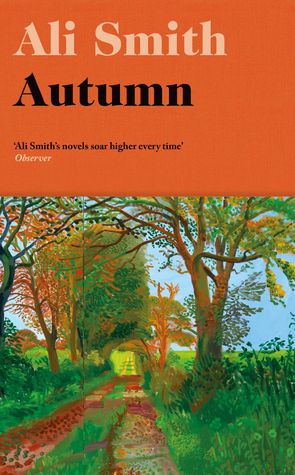 Smith is attempting a sort of state-of-the-nation novel in four parts. Her two main characters are Daniel Gluck, a centenarian dying at a care home, and his former next-door neighbor, Elisabeth Demand, in her early thirties and still figuring out her path in life. The present world Elisabeth and her mother navigate is a true-to-life post-Brexit bureaucratic nightmare where people are building walls and hurling racist epithets – “news right now is like a flock of speeded-up sheep running off the side of a cliff.” Mostly the book is composed of flashbacks to wordplay-filled conversations between Elisabeth and Daniel when he used to babysit for her, as well as dreams/hallucinations Daniel is having on his deathbed. But there’s also a lot of seemingly irrelevant material about pop artist Pauline Boty and Christine Keeler.
This was most likely written very quickly in response to current events, and while some of Smith’s strengths benefit from immediacy – the nearly stream-of-consciousness style (no speech marks) and the jokey dialogue – I think I would have preferred a more circumspect, compressed narrative. In places this was too repetitive, and the seasonal theme felt neither here nor there. I’ll listen out for what the other books are like, but doubt I’ll bother reading them. Aspects of this are very similar to Number 11 by Jonathan Coe (the state-of-Britain remit, even the single mother hoping to appear on a reality show), but I much preferred his take. [Gorgeous cover, though – David Hockney’s Early November Tunnel (2006).]
My rating: 
[For more positive reviews, see those by Eric of Lonesome Reader, and Lucy of Hard Book Habit.]
Winter: A Book for the Season, edited by Felicity Trotman
 This seasonal anthology contains a nice mixture of poetry, nature and travel pieces, and excerpts from longer works of fiction. Some favorite pieces were W.H. Hudson on the town birds of Bath in the late nineteenth century, Mark Twain on his determination to keep wearing his trademark white through the winter, a Hans Christian Andersen dialogue between a snowman who longs to be by the stove and the yard-dog that warns him away, and Richard Jefferies on those who go out to work on a winter morning. But I enjoyed the poetry the most. Trotman includes a wide range of celebrated poets, from Shakespeare and Keats to John Clare and Wordsworth. I particularly liked a more recent contribution from Carolyn King, “First Snow,” in which a cat imagines that a giant wallpaper stripper has produced the flakes.
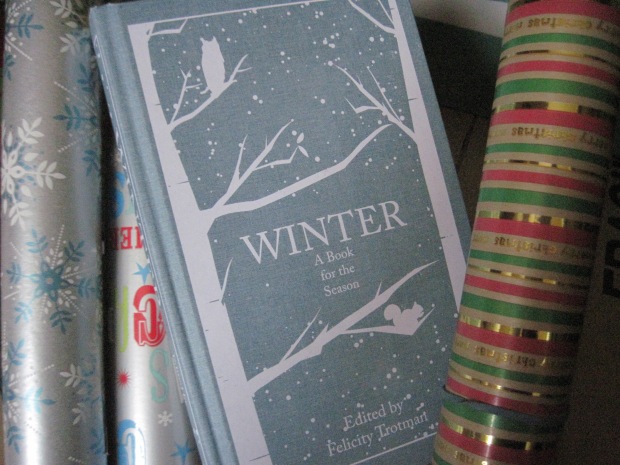
All told, though, there are too many seventeenth-century and older pieces with archaic spellings, and a number of the history and travel extracts, in particular, feel overlong – with nearly 40 pages in total from Ernest Shackleton’s South. Especially given the thin pages and small type, this represents a tediously large chunk of the book. Shorter pieces increase the variety in an anthology and mean the book lends itself to being picked up and read a few stories at a time. This is one to keep on the coffee table each winter and dip into over several years rather than read straight through. (See my full review at The Bookbag.)
My rating: 
As it happens, I’ve now read five books titled Winter: besides the Wildlife Trusts anthology and the novel about Thomas Hardy, both of which I’ve already reviewed here, there’s also Rick Bass’s wonderful memoir of his first year in Montana and Adam Gopnik’s wide-ranging book about the season. But beyond those with the simple one-word title, there are a whole host of titles on my TBR containing the word “Winter”. Here’s the whole list!
Have you read any “Autumn” or “Winter” books this year?
Return to Bookbarn
Sounds like a summer blockbuster, doesn’t it? There was certainly plenty of tension on our drive from the Reading area to Somerset this past Friday, as traffic on the M4 built up and our time for book shopping ticked down from a planned hour and a half to just 35 minutes before store closing. It had been almost exactly one year since my last trip to Bookbarn International, and after weeks of wheedling I’d finally persuaded my husband to make the detour on our way to visit friends in Bristol.
Despite the tight deadline, I enjoyed my browsing and scored some good finds. As usual, it seemed like a terrific bargain: £14.50 for 15 books. One’s a gift for our nephew in America, four are nature books my husband chose, and the rest are mine! Bonus: a few days later it occurred to me to ask after the collectible books I left behind last year for Bookbarn to sell for me and it turns out I have nearly £21 coming to me – so in effect our shopping was free!
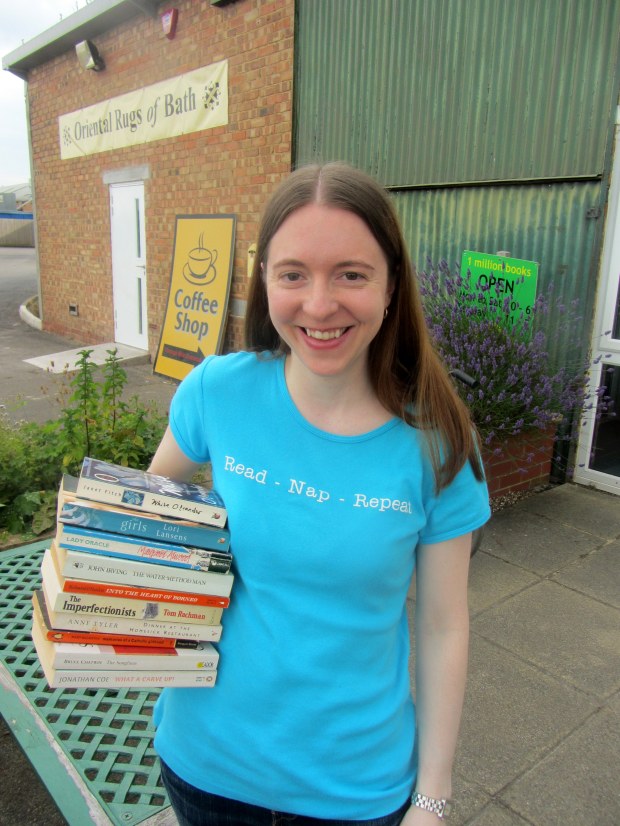
In case you can’t read the titles in the photo, here’s my haul:
Travel books:
The Songlines, Bruce Chatwin
Into the Heart of Borneo, Redmond O’Hanlon
[I featured both of the world-class travel writers in a recent article for Bookmarks, so it’s only proper that I actually read something by them.]
Memoir:
Memories of a Catholic Girlhood, Mary McCarthy [I’m a sucker for religious memoirs.]
Fiction:
Lady Oracle, Margaret Atwood [It’s been a while since I tried one from her back catalogue.]
What a Carve Up!, Jonathan Coe [I enjoyed the recent ‘sequel’, Number 11.]
White Oleander, Janet Fitch [An Oprah favorite I’ve long meant to read.]
The Water-Method Man, John Irving [Let’s hope for better things from his second novel.]
The Girls, Lori Lansens [I can’t resist a conjoined twins story.]
The Imperfectionists, Tom Rachman [Already read some years back, but worth owning.]
Dinner at the Homesick Restaurant, Anne Tyler [To continue my run of Tyler classics.]
Had any secondhand book coups lately?
The Best Fiction of 2015: My Top 15
2015 was a great year for fiction, largely dominated by doorstoppers (like Death & Mr. Pickwick and City on Fire, in addition to the Franzen and Yanagihara listed below) and Harper Lee. I’ve decided to pass on Go Set a Watchman, but I’ve read plenty of the year’s big-name fiction, as well as some more obscure titles I’d like to bring to your attention.
As difficult as it is to pit books against each other and come up with a numbered list, I’ve given it a go and come up with my top 15 fiction works of the year. To keep it simple for myself and straightforward for potential readers, I’m limiting myself to two sentences per title: the first is a potted summary; the second tells you why you should read it. I also link to any full reviews.
Let the countdown begin!
- The Shore
 by Sara Taylor: Gritty and virtuosic, this debut novel-in-13-stories imagines 250 years of history on a set of islands. Every region needs a literary chronicler, and I reckon Taylor – channeling David Mitchell with her cross-centuries approach – is it for the Eastern Shore of Maryland and Virginia’s islands.
 Gold Fame Citrus by Claire Vaye Watkins: Gold, fame, citrus: reasons people once came to California; now, only a desperate remnant remains in the waterless wasteland. As a smart, believable dystopian with a family at its heart, this trumps any of last year’s efforts (like Station Eleven or California).
 Preparation for the Next Life by Atticus Lish: Like West Side Story, this debut novel is an updated Romeo and Juliet narrative – a tragedy-bound love story with a grimy contemporary setting and a sobering message about racism and the failure of the American dream. The matter-of-fact style somehow manages to elevate the everyday and urban into an art form. (Reviewed for Third Way magazine in August.)
- Circling the Sun
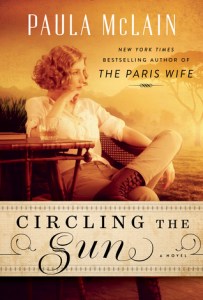 by Paula McLain: Before she ever thought of flying solo across the Atlantic, aviatrix Beryl Markham was just Beryl Clutterbuck: raised in Kenya, one of Africa’s first female horse trainers, its first professional female pilot, and the other side of the love triangle featuring Karen Blixen (Isak Dinesen) and Denys Finch Hatton. McLain describes her African settings beautifully, and focuses as much on the small emotional moments that make a life as she does on its external thrills.
 Kitchens of the Great Midwest by J. Ryan Stradal: One of my favorite debuts of the year: a culinary-themed collection of short stories loosely linked through the character of Eva Thorvald, a young chef with an unfortunate past and a rare palate. Read it for a glimpse of how ordinary, flawed Americans live – no fairytale endings here.
 Hausfrau by Jill Alexander Essbaum: This arresting debut reads like a modern retelling of Madame Bovary, with its main character a desperate American housewife in Zurich. Watch Anna’s trajectory with horror, but you cannot deny there is a little of her in you.
 The Versions of Us by Laura Barnett: In this impressively structured, elegantly written debut, Barnett chronicles the romantic lives of two Cambridge graduates through three-quarters of a century, giving three options for how their connection might play out. There is no one perfect person or story: unsentimental this may be, but it feels true to how life works. (Reviewed for Third Way magazine in July.)
 Fates and Furies by Lauren Groff: An incisive study of a marriage, beautifully written and rich with allusions to Shakespeare and Greek mythology. Groff makes it onto a short list of women I expect to produce the Great American Novel (along with Curtis Sittenfeld, Jennifer Egan, and Hanya Yanagihara).
 Purity by Jonathan Franzen: East Germany, Bolivia and Oakland, California: Franzen doesn’t quite pull all his settings and storylines together, but this is darn close to a 5-star Dickensian read. It’s strong on the level of character and theme, with secrecy, isolation and compassion as recurring topics.
 You Too Can Have a Body Like Mine by Alexandra Kleeman: Kleeman’s first novel is a full-on postmodern satire bursting with biting commentary on consumerism and conformity. Think of her as an heir to Dave Eggers and Douglas Coupland, with a hefty dollop of Margaret Atwood thrown in.
 The Animals by Christian Kiefer: Kiefer’s second novel contrasts wildness and civilization through the story of a man who runs an animal refuge to escape from his criminal past. A tough opening sequence establishes themes that will be essential to the novel: the fine line between instincts and decisions, the moral dilemmas involved in environmentalism, and the seeming inescapability of violence.
 The Tsar of Love and Techno by Anthony Marra: A collection of tightly linked short stories giving an intimate look at Russia and Chechnya in wartime and afterwards – revealing how politics, family, and art intertwine. Just as he did in his first novel, Marra renders unspeakable tragedies bearable through his warm and witty writing.
 Girl at War by Sara Nović: This pitch-perfect debut novel is an inside look at the Yugoslavian Civil War and its aftermath, from the perspective of a young girl caught up in the fighting. The way Nović recreates a child’s perspective on the horrors of war is masterful: Ana’s viewpoint is realistic and matter-of-fact, without the melodrama an omniscient narrator might inject.
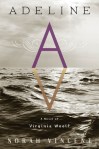 Adeline by Norah Vincent: Set in 1925–1941 and structured like a five-act play, the novel revolves around Virginia Woolf’s philosophical conversations with Leonard Woolf, Lytton Strachey and his lover Carrington, T.S. and Valerie Eliot, W.B. Yeats, and her doctor, Octavia Wilberforce. Vincent has produced a remarkable picture of mental illness from the inside.
- A Little Life
 by Hanya Yanagihara: Jude St. Francis: Dickensian orphan, patron saint of lost causes, Christlike Man of Sorrows, and one of the most memorable characters in recent fiction. This novel is an attempt to tackle the monolithic question of what makes life worth living; among the potential answers: love (though it doesn’t conquer all), friendship, creativity, and the family you create for yourself.
Best Discoveries of the Year: Mary Lawson (Road Ends), Daniel Kehlmann (F: A Novel), Jonathan Evison (This Is Your Life, Harriet Chance!) and Jonathan Coe (Number 11).
Debut Novelists Whose Next Work I’m Most Looking Forward to: Jessamyn Hope (Safekeeping – reviewed here in June) and Carmiel Banasky (The Suicide of Claire Bishop – reviewed for Foreword’s Fall 2015 issue).
 The Year’s Biggest Disappointments: Etta and Otto and Russell and James by Emma Hooper; Where My Heart Used to Beat by Sebastian Faulks and Avenue of Mysteries by John Irving (both rehash the authors’ familiar themes; I couldn’t make it past 15% in the latter).
Novels I Most Wish I’d Gotten to in 2015: Nell Zink’s Mislaid, Sara Baume’s Spill Simmer Falter Wither, and the final two volumes of Jane Smiley’s “Last Hundred Years” trilogy.
What are the best novels you read this year? Any new favorite books or authors? Your comments are always welcome.
I’ll be back tomorrow with my top 15 nonfiction books I read this year (most of them not published in 2015, however – I seem to have been a nonfiction slacker!)
Reviews Roundup, August–September
One of my goals with this blog is to have one convenient place where I can gather together all my writing that has appeared in disparate online locations. To that end, once a month I’ll provide links to all the book reviews I’ve published elsewhere, with a rating (below each description) and a short taster so you can decide whether to click to read more. A couple of exceptions: I won’t point out my Kirkus Indie or BlueInk reviews since I don’t get a byline.
The Bookbag
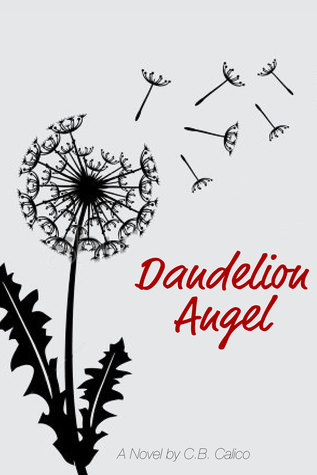 Dandelion Angel by C.B. Calico (& interview): This was inspired by a non-fiction work, Understanding the Borderline Mother by Christine Ann Lawson. The four mother/daughter relationships in this Germany-set novel – all marked to some extent by dysfunction, physical and/or verbal abuse, and borderline personality disorder – are based on Lawson’s metaphorical classifications: the hermit, the queen, the waif, and the witch. Looping back through her four storylines in three complete cycles, Calico shows how mental illness is rooted in childhood experiences and can go on to affect a whole family.

The Last Pilot by Benjamin Johncock: Cinematic descriptions of the California desert setting plus excellent characters and dialogue enliven this debut novel about a fictional test pilot and his family troubles during America’s Space Race. Johncock is British, but you can tell he’s taken inspiration from stories about the dawn of the astronaut age. If I allowed myself small points of criticism, I would say that it’s a challenge to accept the passage of time in the final 50 pages, and that a keen interest in astronauts is probably a boon to keep readers going through the test flight portions, which to me were less compelling than the domestic drama of Jim, Grace and Florence.
 Home Is Burning by Dan Marshall: At age 25, Dan Marshall went home to Salt Lake City to care for a father with ALS and a mother with leukemia. He and his four hapless siblings (a Sedaris-like clan) approached caregiving with sarcasm and dirty humor. Gleefully foul-mouthed, his memoir lacks introspective depth. He hardly ventures deeper than initial descriptions like “My gay brother, Greg” and “My adopted Native American sister, Michelle.” And even when his sentiments about his father are sincere, they are conveyed via what sound like clichés: “I wanted my poor dad to get better, not worse.” But to my surprise, Marshall made me cry in the end.

Of Orcas and Men by David Neiwert: Inspired by personal sightings near his home in Seattle, Neiwert set out to learn everything he could about orcas. The result is a thorough study of whales’ behavior and interactions with humanity from native mythology through modern-day aquarium shows. Some specialist interest would probably be helpful to those attempting this book, although there are plenty of black-and-white photographs to keep even casual readers interested. “Recovering our humanity may be the real gift of the orcas, what they can teach us. It’s our choice whether to listen.”

BookBrowse
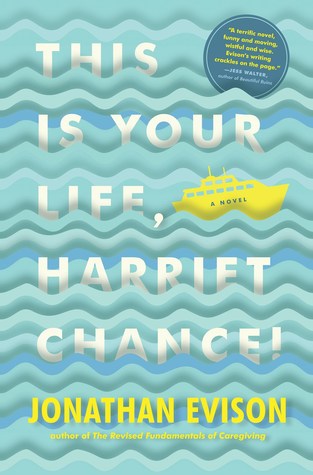 This Is Your Life, Harriet Chance! by Jonathan Evison [a subscription service, but an excerpt is available for free]: A widow in her seventies relives the ups and downs of her life while on an Alaskan cruise to scatter her husband’s ashes. Chapters alternate between a third-person account of the cruise and a second-person survey of Harriet’s past, delivered in the format of TV’s This Is Your Life. The narration is fresh and effective because the gradual revelations undermine Harriet’s elderly persona in such surprising ways. She is an out-of-the-ordinary but believable protagonist who, like all of us, has a mixture of victories and disappointments behind her. This is a charming novel about learning to reckon with the past.
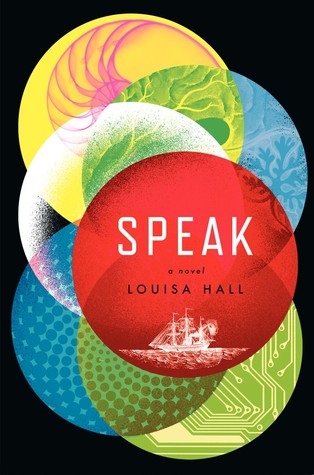 Speak by Louisa Hall [subscription service, but the full text of my review will be available for free during the week starting September 25th as part of Editor’s Choice]: Hall interweaves disparate time periods and voices to track the development of artificial intelligence. The fact that all six narratives are in different documentary formats – memoirs, letters, the transcript of a dialogue, a diary, and so on – means they are easy to distinguish. One might argue that two of them (Alan Turing’s letters and Mary’s shipboard diary) are unnecessary, and yet these are by far the most enjoyable. They prove Hall has an aptitude for historical fiction, a genre she might choose to pursue in the future. A remarkable book interrogating how the languages we converse in and the stories we tell make us human.
BookTrib
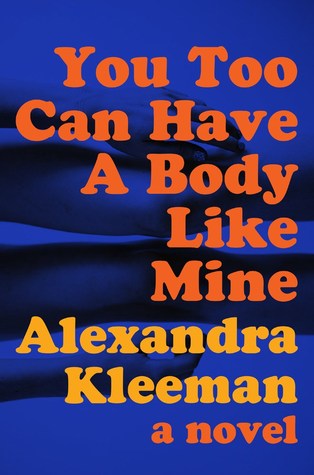 You Too Can Have a Body Like Mine by Alexandra Kleeman: Think of Alexandra Kleeman as an heir to Dave Eggers and Douglas Coupland, with a hefty dollop of Margaret Atwood thrown in. Her first novel is a full-on postmodern satire bursting with biting commentary on consumerism and conformity. Television and shopping are the twin symbolic pillars of a book about the commodification of the body. In a culture of self-alienation where we buy things we don’t need, have no idea where food comes from and desperately keep up the façade of normalcy, Kleeman’s is a fresh voice advocating the true sanity of individuality. Don’t miss her incredible debut.

Foreword Reviews
Conflict Communication by Rory Miller: Based on “ConCom,” the police verbal de-escalation program Miller developed with Marc MacYoung, this book aims to introduce readers to more conscious methods of verbal communication that will sidestep instinctive reactions and promote peaceful solutions. The advice is practical and intuitive, yet picks up on tiny details that most people would not notice. Concise, helpful, and well-organized, this is strongly recommended for readers interested in the psychology of violence and improving communication skills.
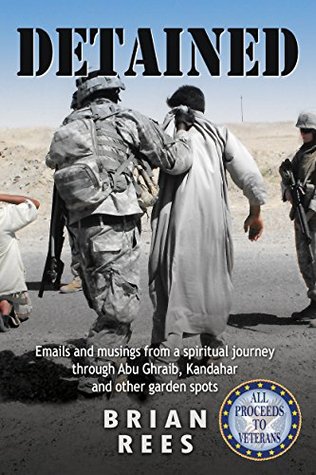 Detained by Brian Rees: Rees intersperses witty e-mail updates from his tours of Iraq and Afghanistan with clued-in commentary about war tactics, terrorism, Islam, and the benefits of transcendental meditation (TM) for soldiers with PTSD. The mixture of formats and topics generally works well, though the spiritual material deserves its own book. There’s no denying Rees’s expertise, and his fluid writing keeps the pages turning. This could make a fascinating companion volume for fans of recent war fiction such as The Yellow Birds, Redeployment, and War of the Encyclopaedists.
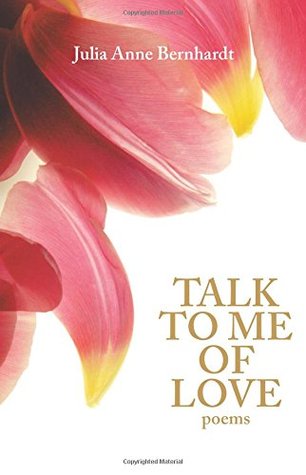 Talk to Me of Love by Julia Anne Bernhardt: The poems in Bernhardt’s first collection range from erotic to spiritual as they investigate love in all its forms. Repetition, rhyme, and mantras produce hypnotic sonic effects and support the central message of the epigraph: “God is in the detail.” The everyday and the eternal mix here. This well-structured collection celebrates different types of love through meditative verse. The themes’ strength is enough to recommend it to readers of Jo Shapcott and Julia Copus.
The Hidden Treasure of Dutch Buffalo Creek by Jackson Badgenoone: Otherworldly ghost writers (the “Neverborn”) compose biographies for ordinary people in this playfully metafictional novel. James is a strong central character whose memories from the 1950s through the present give a sense of history’s sweep, while vivid descriptive language enlivens the settings. Although well written, the book as a whole is an unusual amalgam of spiritualism, historical nostalgia, and technology. James’s story might have been better told as a simple coming-of-age novel with flashbacks.
Nudge
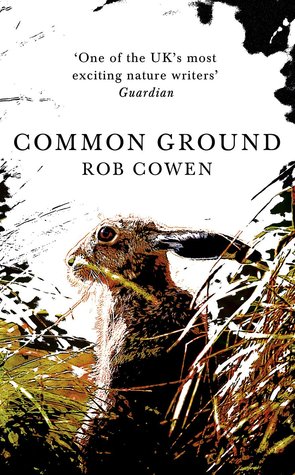 Common Ground by Rob Cowen: An unassuming patch of edge-land outside Harrogate is Cowen’s nature paradise, providing him with wildlife encounters and imaginative scenarios. Essentially, what Cowen does is give profiles of the edge-land’s inhabitants: animal and human, himself included. For instance, he creates an account of the life and death of a fox; elsewhere, he crafts a first-person narrative by a deer being hunted in medieval times. These fictions emulating Watership Down or Tarka the Otter, though well written, are out of place. When the book avoids melodramatic anthropomorphizing, it is very beautiful indeed.
We Love This Book
 Where My Heart Used to Beat by Sebastian Faulks: In Faulks’s thirteenth novel, his trademark themes of war, love and memory coalesce through the story of a middle-aged psychiatrist discovering the truth about his father’s death. Reminiscent of Birdsong as well as John Fowles’s The Magus and Ernest Hemingway’s A Farewell to Arms, this does not have the power of Faulks’s previous work but is a capable study of how war stories and love stories translate into personal history. [A few extra thoughts at Goodreads.]

I also post reviews of most of my casual reading and skimming on Goodreads.
 How to Write a Novel by Melanie Sumner: Our would-be novelist is Aris (short for Aristotle) Thibodeau, 12.5 years old and as precocious as Flavia de Luce. Diane is her single mother, and Max her downright weird younger brother. Using Write a Novel in 30 Days!, Aris is turning her family’s life story into fiction. In some ways they are very out of place here in Kanuga, Georgia. The child’s wry look at family dysfunction reminded me of Sue Townsend’s The Secret Diary of Adrian Mole, Aged 13 ¾. I would probably read something else from Sumner, so long as it wasn’t quite as silly and YA geared as this.
The Art of Memoir by Mary Karr: I would recommend this to anyone who reads and/or secretly wants to write memoirs; for the latter group, there is a wealth of practical advice here, on topics such as choosing the right carnal details (not sexual – or not only sexual – but physicality generally), correcting your facts and misconceptions, figuring out a structure, and settling on your voice. Along the way Karr discusses a number of favorite memoirs in detail, sometimes even line by line: Wild by Cheryl Strayed, Stop-Time by Pat Conroy, A Childhood by Harry Crews, Maya Angelou’s books, Speak, Memory by Nabokov, and so on.

Emblems of the Passing World: Poems after Photographs by August Sander by Adam Kirsch: A charming mix of historical photographs (1910s–1950s Germany) and poems. Kirsch uses his poetry to bring these one-dimensional figures to life, imagining the stories behind their generic titles (“Office Worker” or “Farming Family”) and sometimes slyly questioning the political and status connotations of such designations. One of my favorites was “Student of Philosophy.” This book could draw people whose interests usually run more to nonfiction – especially social history – into giving poetry a try. Releases November 17th.
 Browsings by Michael Dirda: Dirda wrote this pleasant set of bibliophilic essays for the American Scholar website in 2012–13. He’s the American equivalent of the UK’s John Sutherland: an extremely well-read doyen of the classics with a special love for Victorian and Edwardian genre fiction, often as revived by small presses and specialist societies. At times Dirda’s interests can be a bit obscure for the average reader, and some of the essays feel redundant. Still, it’s easy to relate to his addictive book purchasing and hoarding.
The Communist Manifesto by Karl Marx and Friedrich Engels: I read this on the train to Manchester, appropriate reading when approaching one of the UK’s biggest centers of Victorian industry and the place where Marx and Engels met to discuss ideas in the mid-1840s. Like Darwin’s Origin of Species, another seminal Victorian text, this has so many familiar lines and wonderful metaphors that have entered into common discourse that I simply assumed it was composed in English. My eyes glaze over at politics or economics, so I valued this more for its language than for its ideas. Part II, “Proletarians and Communists,” is the most focused part if you want to sample it.
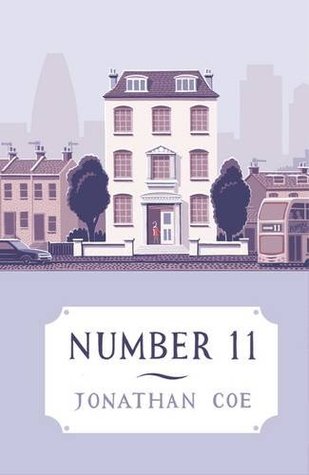 Number 11 by Jonathan Coe: This is a funny and mildly disturbing state-of-England and coming-of-age novel. I’d only read one previous book by Coe, Expo 58; this is a better example of his usual pattern: multiple, loosely linked storylines. Here the theme is the absurdity of modern culture, encompassing many aspects: unjust wars, the excesses of the uber-rich, the obsession with celebrity, and suspicion and exclusion of those who are different from us. The number 11 keeps popping up, too. My favorite parts were a Survivor-type reality television show and a laughably over-the-top prize ceremony banquet. Releases November 11th.
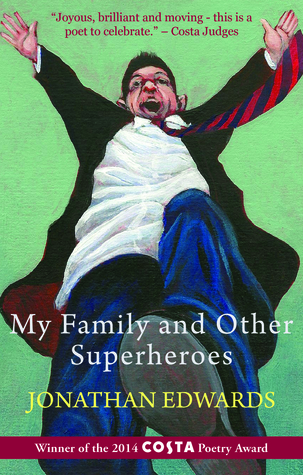 My Family and Other Superheroes by Jonathan Edwards: Edwards displays his proud Welsh heritage with poems reflecting on his family tree and the country’s landscape. One of my favorites was “View of Valleys Village from a Hill,” in which the narrator, with a God’s-eye view of his family, envisions messing around with them. The witty “In John F. Kennedy International Airport” imagines that Wales has been abolished and recreated in miniature in a small Kansas museum (a bit like Julian Barnes’s England, England).
The Whole & Rain-domed Universe by Colette Bryce: Many of these poems are about the author’s Irish family inheritance, both literal and figurative, as in “Heritance”: “From her? Resilience. Generosity. / A teacher’s gravitas. / Irish stew. A sense / of the ridiculous. High ceilings.” I loved the first line of “Signature” – “When I finally gave up and became my mother.” It’s particularly nice how enjambment often makes the thought go just that one line beyond what you expect. I’d read more from Bryce.
Literary Tourism in Manchester
Over the August bank holiday weekend, my husband and I went to Manchester for the first time. Big cities aren’t our usual vacation destinations of choice, but we were going for the Sufjan Stevens gig at the O2 Apollo on the 31st and wanted to do the city justice while we were there, so stayed two nights at a chain hotel and worked out everything we wanted to see and do there, including two literary pilgrimages for me: Elizabeth Gaskell’s House and Chetham’s Library, where Karl Marx and Friedrich Engels met and discussed ideas in the summer of 1845. Armed only with a two-page map sliced out of an eleven-year-old Rough Guide, we felt perhaps a little ill-equipped, but managed to have a nice time nonetheless.
In preparation, I read The Communist Manifesto on the train ride north. It’s only 50 pages, and even with an introduction and multiple prefaces my Vintage Classics copy only comes to 70-some pages. That’s not to say it’s an easy read. I’ve never been politically or economically minded, so I struggled to follow the thread of the argument at times. Mostly what I appreciated was the language. In fact, it had never occurred to me that this was first issued in Marx’s native German; like Darwin’s Origin of Species, another seminal Victorian text, it has so many familiar lines and wonderful metaphors that have entered into common discourse that I simply assumed it was composed in English.

After leaving our bags at the hotel on Sunday afternoon, we wandered over to the Gaskell House. It’s only open a few days a week, so we were lucky to be around during its opening hours. All of the house’s contents were sold at auction early in the twentieth century, so none of the furnishings are original, but the current contents have been painstakingly chosen to suggest what the house would have looked like at the time Gaskell and her family – a Unitarian minister husband and their four daughters – lived there. I especially enjoyed seeing William’s study and hearing how Charlotte Brontë hid behind the curtains in the drawing room so she wouldn’t have to socialize with the Gaskells’ visitors. The staff are knowledgeable and unfussy; unlike in your average National Trust house, they let you sit on the furniture and touch the objects. The gardens are also beautifully landscaped.


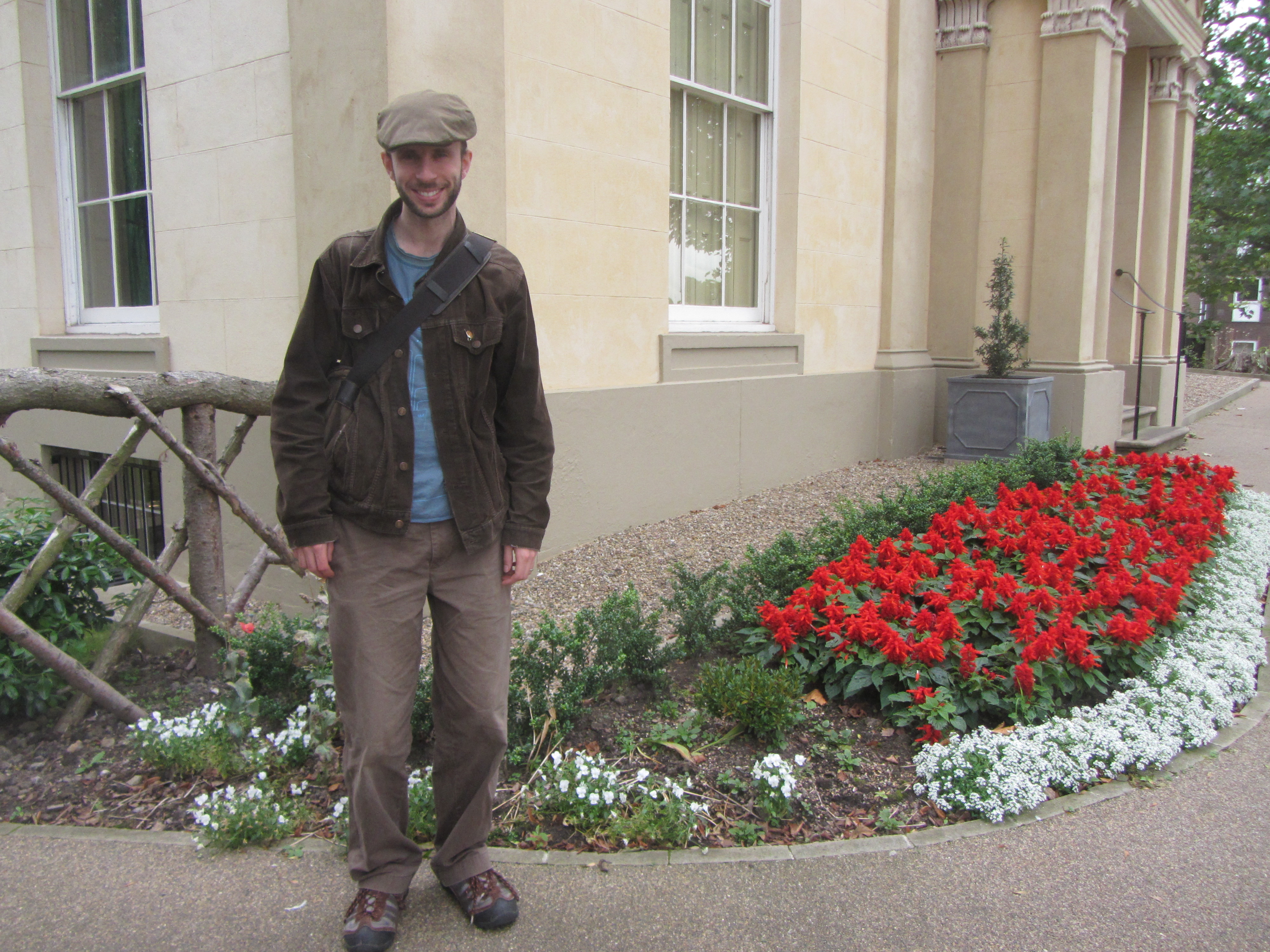
Talk about a contrast, though: look across the street and you see council housing and rubbish piled up on the pavement. In Gaskell’s time this was probably a genteel suburb, but now it’s an easy walk from the city center and in a considerably down-at-heel area. Indeed, we were taken aback by how grimy parts of Manchester were, and by how many homeless we encountered.
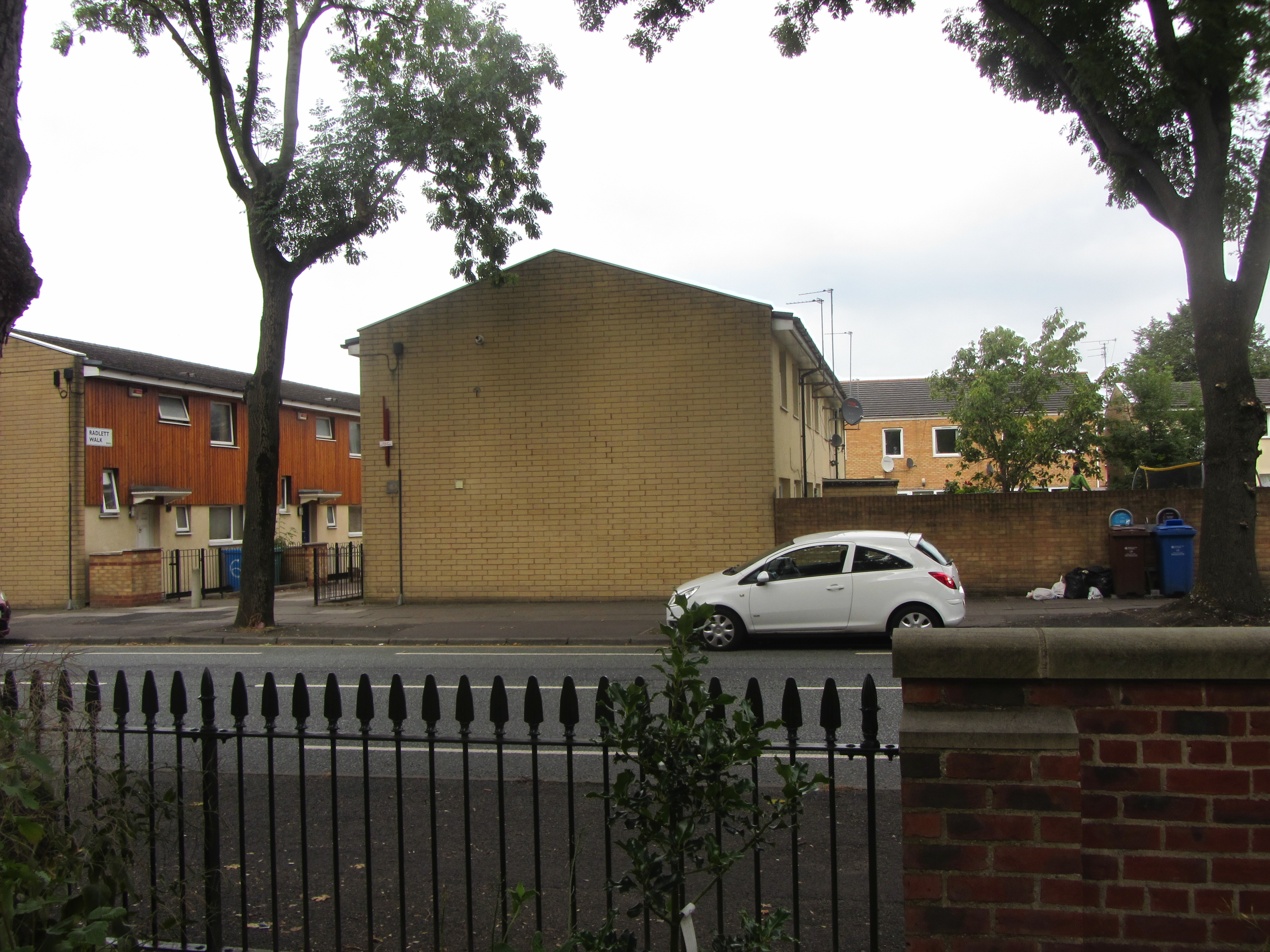
I’ve read four of Gaskell’s books: Mary Barton, North and South, Cranford and The Life of Charlotte Brontë. She’s not one of my favorite Victorian novelists, but I enjoyed each of those and intend to – someday – read Sylvia’s Lovers and Wives and Daughters, which was a few pages from completion when Gaskell died of a sudden heart attack in their second home in Hampshire, aged 55, in 1865.
Afterwards we stopped into the city’s Art Gallery and then headed to Mr Thomas’s Chop House for roast lamb and corned beef hash, then on to Sugar Junction to meet a blogger friend, the fabulous Lucy (aka Literary Relish), who I’d been corresponding with online for about two years but never met in real life. She graciously treated us to drinks and dessert at this cute café (one of the city’s many hip eateries) where she often hosts the Manchester Book Club, and we chatted about books and travel spots for a pleasant hour and a half.
On Monday we explored the Castlefield area with its canals and Roman ruins and went round both the Museum of Science and Industry and the People’s Museum, which together give a powerful sense of the city’s industrial and revolutionary past. We also toured the cathedral, took a peek at a Special Collections exhibit on the Gothic plus the main reading room at John Rylands Library, and browsed the huge selection at the main Waterstones branch. (On a future visit we are reliably informed that we must go find Sharston Books, a warehouse-scale secondhand shop out of town.) After a necessary pit stop for caffeine at The Foundation Coffee House and the best pizza we’ve ever had in the UK at Slice (including a Nutella and banana calzone for pudding), we headed over to the gig, which was terrific but not the purpose of this blog post.
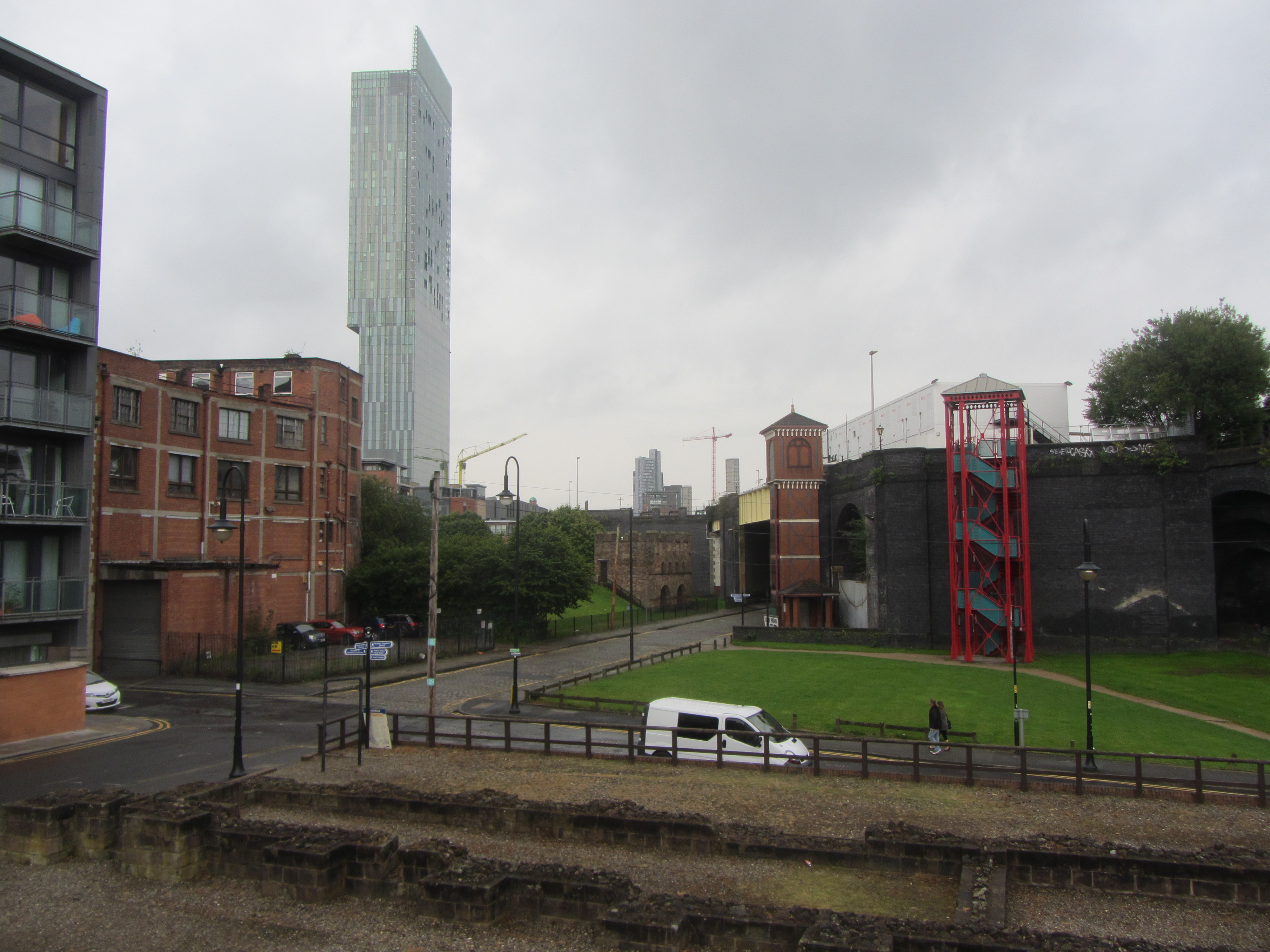
Contrast between old and new Manchester: the hideous Beetham Tower on the left and Roman ruins in the foreground.
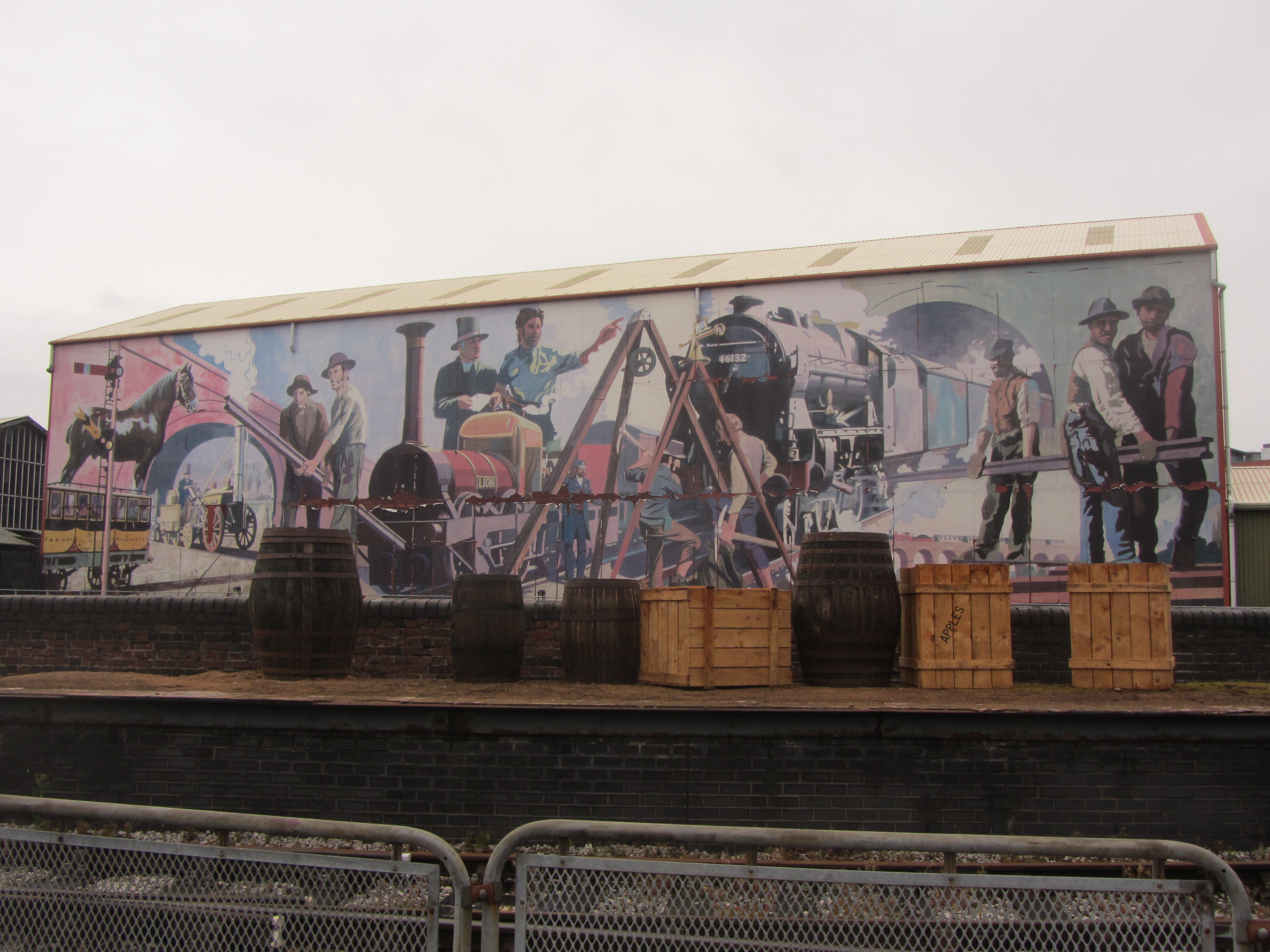
A mural at the Museum of Science and Industry.

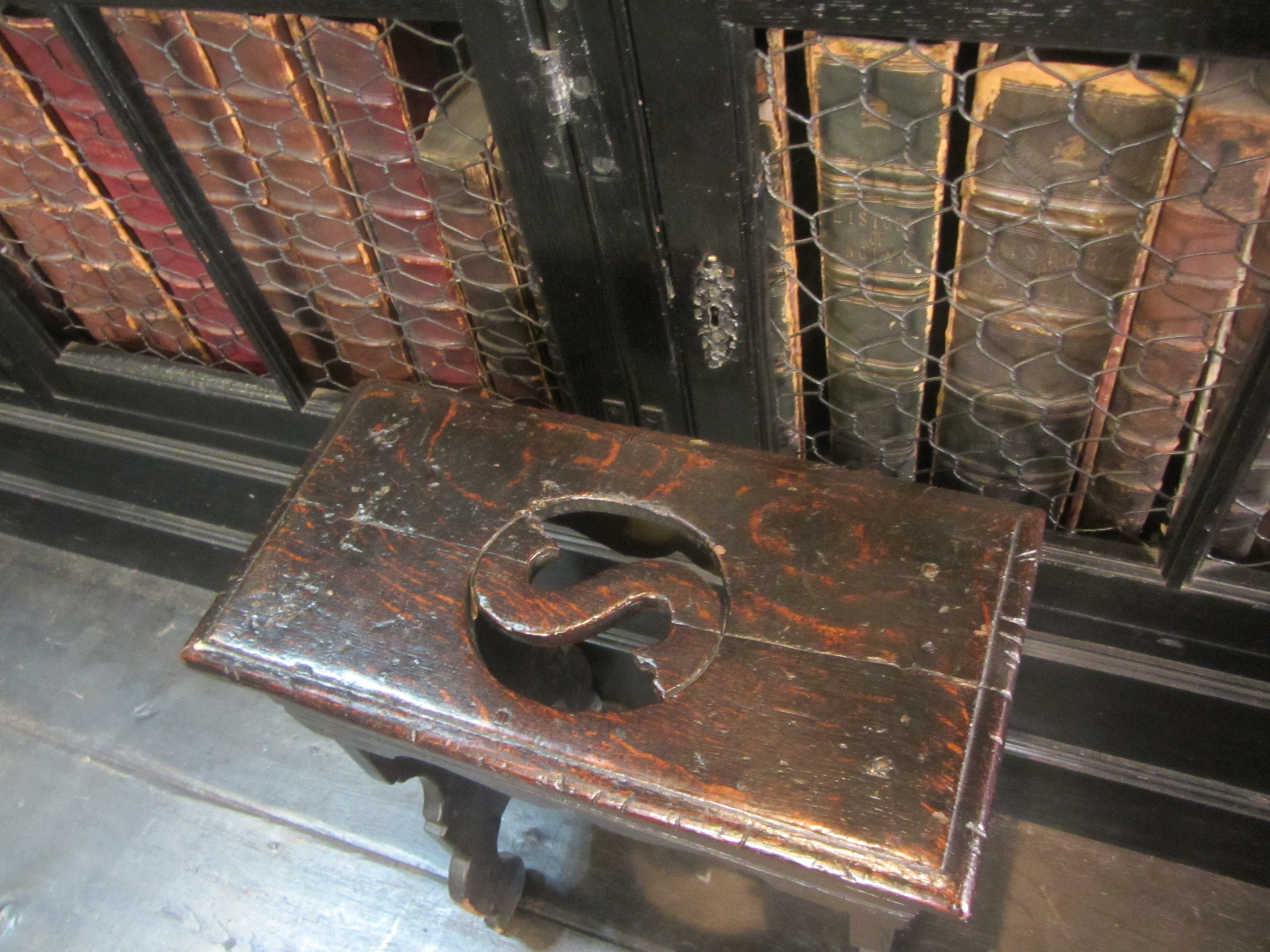
Our trip only spanned a Sunday and a bank holiday, so we missed seeing the inside of the hugely impressive Central Library and the 19th-century Portico Library. On Tuesday morning, though, we had just enough time before our train back to stop into Chetham’s Library. It’s a beautiful old library with rank after rank of leather-bound books sheltering amidst dark wood and mullioned windows. I love being in these kinds of places. They smell divine, and you can imagine holing up in a corner and reading all day, with the atmosphere beaming all kinds of lofty thoughts into your brain. We had the place to ourselves on this sunny morning and sat for a while in the bright alcove where Marx and Engels studied.
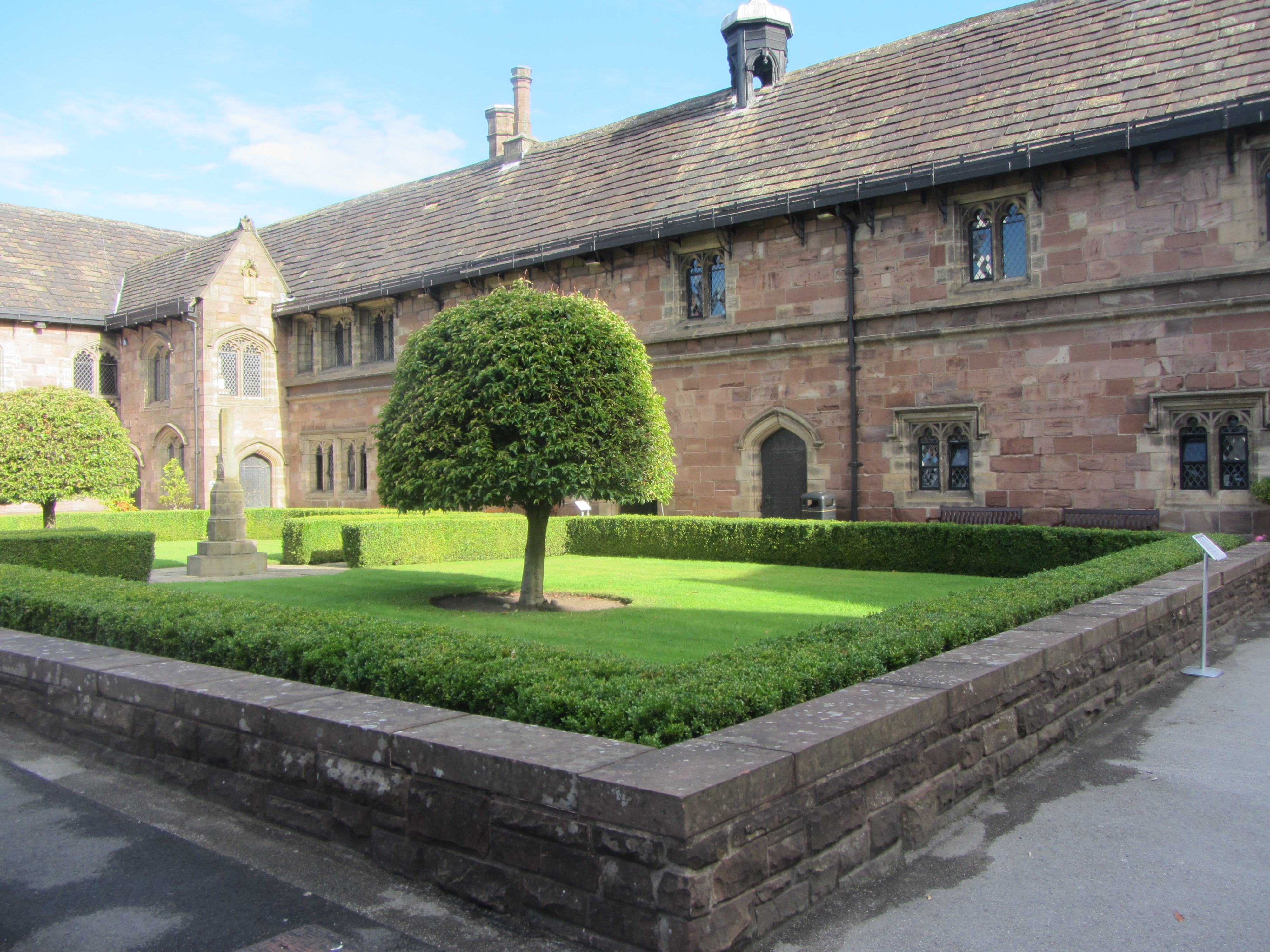
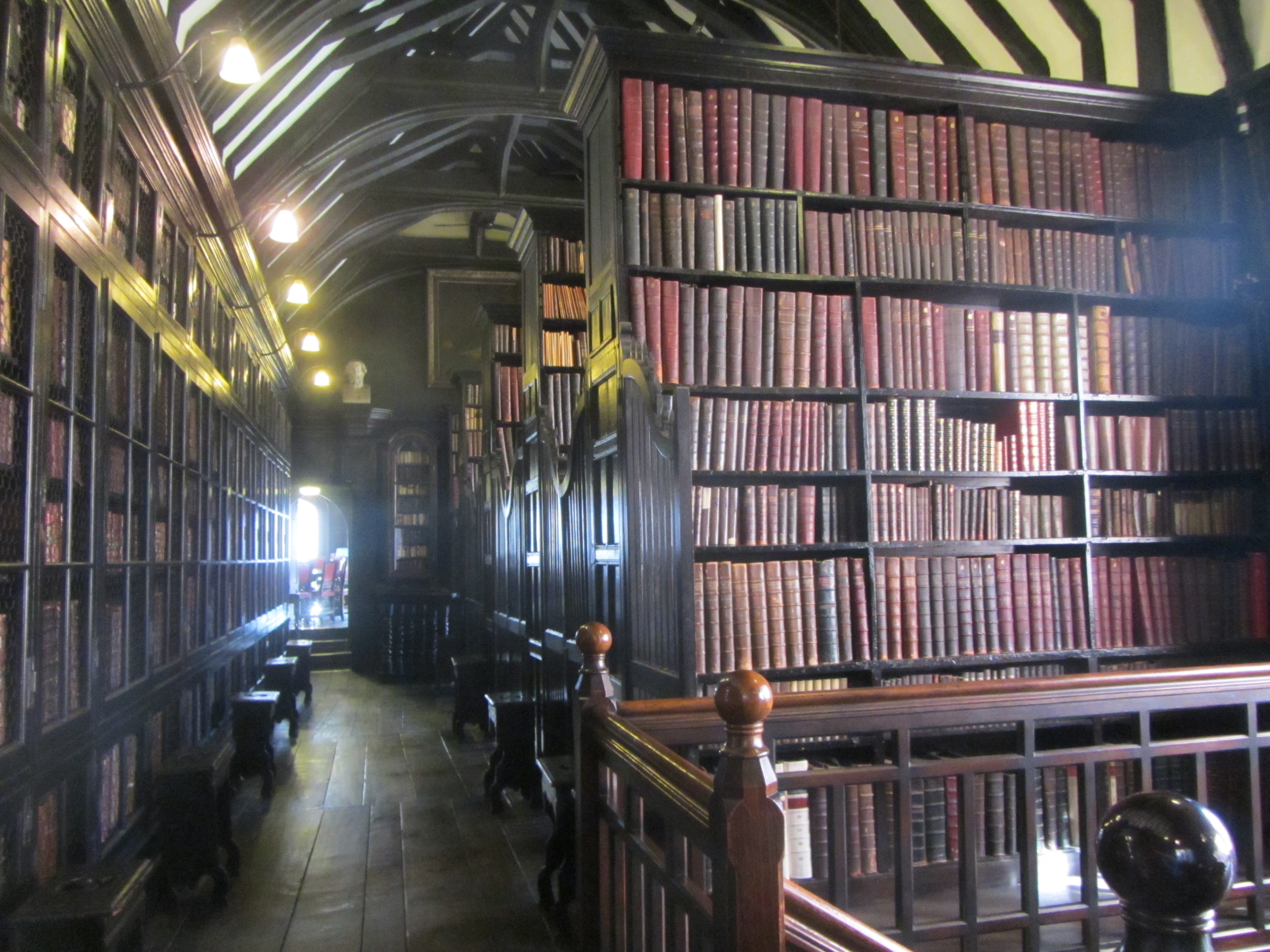
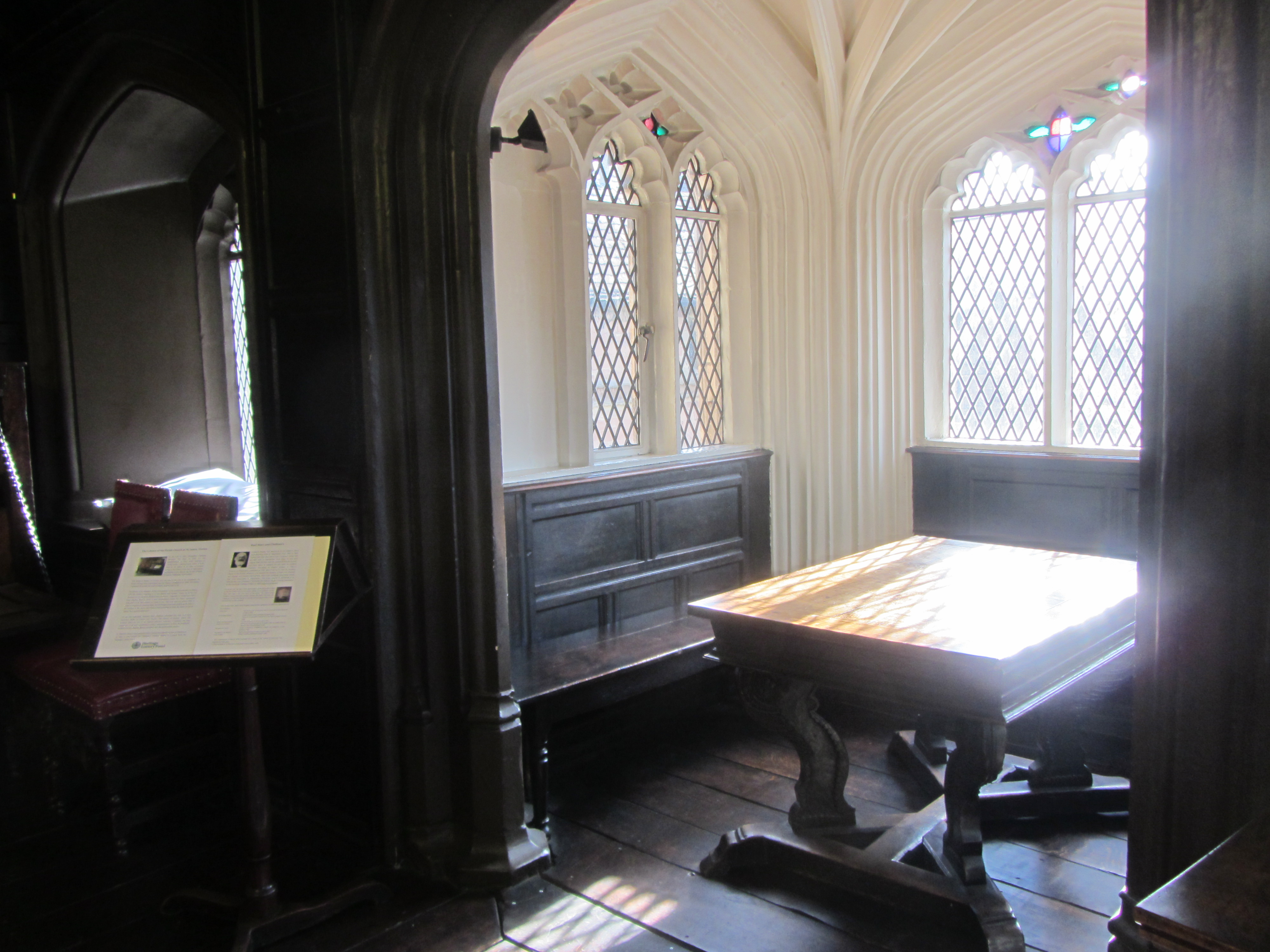
The Marx/Engels alcove
Apart from The Communist Manifesto, my reading on this trip was largely unrelated: My Salinger Year by Joanna Rakoff, a delightful literary memoir (review coming later this month); Number 11 by Jonathan Coe, a funny and mildly disturbing state-of-England and coming-of-age novel (releases November 11th); and The Mountain Can Wait by Sarah Leipciger, an atmospheric family novel set in the forests of Canada.
What have been some of your recent literary destinations? Do you like to read books related to the place you’re going, or do you choose your holiday reading at random?
 Bookish Beck = Rebecca Foster. American transplant to England. Freelance proofreader and book reviewer.
 Bookish Beck