Best Books of 2024: My Top 20
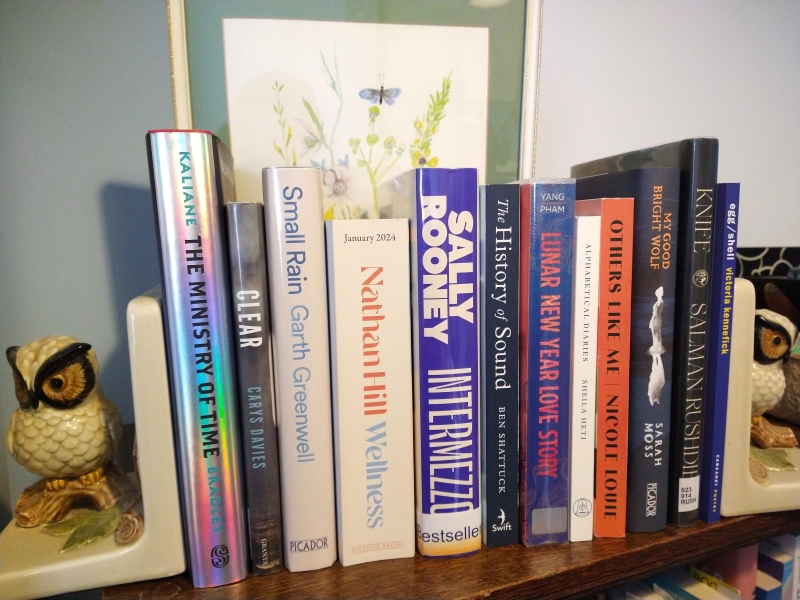
I’m keeping it simple again this year with one post covering all genres: these are the 20 current-year releases that stood out the most for me. (No rankings.) Those that aren’t repeated from my Best Books from the First Half of 2024 post didn’t quite make the cut but should be considered as runners-up well worth your time. Unsurprisingly, health is a common theme across many of my selections, especially as it touches women’s lives. Pictured below are the books I read in print; the others were all electronic copies. Links are to my full reviews where available.
Fiction
 The Worst Journey in the World, Volume 1: Making Our Easting Down: The Graphic Novel by Sarah Airriess: The thrilling opening to a cinematically vivid adaptation of Apsley Cherry-Garrard’s 1922 memoir. He was an assistant zoologist on Robert Falcon Scott’s perilous 1910-13 Terra Nova expedition to the South Pole. The book resembles a full-color storyboard for a Disney-style maritime adventure film. There is jolly camaraderie as the men sing sea shanties to boost morale. The next volume can’t arrive soon enough.
 The Ministry of Time by Kaliane Bradley: This nuanced debut alternately goes along with and flouts the tropes of spy fiction and time travel sci-fi, making clever observations about how we frame stories of empire and progress. The narrator is a “bridge” helping to resettle a Victorian polar explorer in near-future London. You just have to suspend disbelief and go with it. Bradley’s descriptive prose is memorable but never quirky for the sake of it. I haven’t had so much fun with a book since Romantic Comedy. A witty, sexy, off-kilter gem.
 Behind You Is the Sea by Susan Muaddi Darraj: Darraj’s novel-in-stories is a shimmering composite portrait of a Palestinian American community in Baltimore. Across nine stellar linked stories, she explores the complex relationships between characters divided by—or connected despite—class, language, and traditional values. Each of the stories (four in the first person, five in the third person) spotlights a particular character. The book depicts the variety of immigrant and second-generation experience, especially women’s.
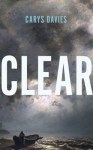 Clear by Carys Davies: Depicts the Highland Clearances in microcosm though Ivar, last resident of a remote Scottish island between Shetland and Norway. John is a minister sent by the landowner to remove Ivar. Mary, John’s wife, journeys from the mainland to rescue him. Davies writes striking scenes that bring the island scenery to life. Her deceptively simple prose captures the slow building of emotion and moments that change everything. For a trio that seemed on course for tragedy, there is the grace of a happier ending.
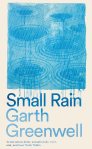 Small Rain by Garth Greenwell: A poet and academic (who both is and is not Greenwell) endures a Covid-era medical crisis that takes him to the brink of mortality and the boundary of survivable pain. Over two weeks, we become intimately acquainted with his every test, intervention, setback and fear. Experience is clarified precisely into fluent language that also flies far above a hospital bed, into a vibrant past, a poetic sensibility, a hoped-for normality. I’ve never read so remarkable an account of what it is to be a mind in a fragile body.
 Wellness by Nathan Hill: A state-of-the-nation story filtered through one Chicago family experiencing midlife and marital crises: underperforming academic Jack; his wife Elizabeth, a placebo researcher at Wellness; and their YouTube-obsessed son Toby. They’ve recently invested their life savings in a new condo. The addictive and spot-on novel asks questions about authenticity, purpose, and nurture. Is love itself a placebo? Hill is clearly fascinated with psychological experimentation but also questions it to humorous effect.
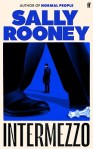 Intermezzo by Sally Rooney: Twenty- and thirtysomethings having lots of sex, yes, but now a solemn tone: Characters’ suffering and failures have deepened their thinking, sense of self, and ability to feel for others. Peter and Ivan lost their father to cancer; Sylvia is in chronic pain after an accident; Naomi is evicted and aimless; Margaret is ashamed of having an estranged alcoholic husband. Chess is a clever metaphor for their interactions; the depiction of grief rings true. A stylistic leap forward, too. Her best, most mature work by a mile.
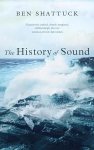 The History of Sound by Ben Shattuck: A dozen stories form a “hook-and-chain” formation of five couplets, bookended by a first and last story related to each other. Links are satisfyingly overt: A pair takes place in the same New England house in different centuries; a companion piece fills in the history of the characters from the previous. All are historically convincing, and the very human themes of lust, parenthood, sorrow and frustrated ambition resonate across centuries and state lines. Really beautiful (and better than North Woods).
 Lunar New Year Love Story by Gene Luen Yang (illus. LeUyen Pham): A super-cute teen graphic novel with gorgeous illustrations prioritizing pink and red to suit the theme. We follow Vietnamese American Valentina through high school as she plays host to an internal debate between cynicism and romanticism. Ever since her mother left, she’s longed to believe in romance but feared that love is a doomed prospect for her family. The Asian community of Oakland, California and a new hobby of lion dancing provide engrossing cultural detail.
Nonfiction
 Grief Is for People by Sloane Crosley: A bereavement memoir like no other. Heart-wrenching yet witty, it bears a unique structure and offers fascinating glimpses into the New York City publishing world. Crosley’s Manhattan apartment was burgled exactly a month before the suicide of her best friend and former boss, Russell. Throughout, the whereabouts of her family jewelry is as much of a mystery as the reason for Russell’s death, and investigating the stolen goods in parallel serves as a displacement activity for her.
 Alphabetical Diaries by Sheila Heti: Heti put 10 years of diary contents into a spreadsheet, alphabetizing each sentence, and then ruthlessly culled the results. The recurring topics are familiar from the rest of her oeuvre: obsessive cogitating about relationships, art and identity, but also the practicalities of trying to make a living as a woman in a creative profession. Heti transcends the quotidian by exploding chronology. Amazingly, the collage approach produces a genuine, crystalline vision of the self. A sui generis work of life writing.
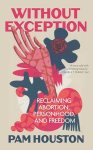 Without Exception: Reclaiming Abortion, Personhood, and Freedom by Pam Houston: If you’re going to read a polemic, make sure it’s as elegantly written and expertly argued as this one. Houston responds to the overturning of Roe v. Wade with 60 micro-essays – one for each full year of her life – about what it means to be in a female body in a country that seeks to control and systematically devalue women. The cycling of topics makes for an exquisite structure. Houston is among my recommendations for top-notch authors you might not know.
 The Body Alone: A Lyrical Articulation of Chronic Pain by Nina Lohman: Chronic Daily Headaches: Having a clinical term for extreme pain did nothing to solve it; no treatment Lohman has tried over a decade has helped much either. Medical professionals and friends alike downplay her experience because she is able to pass as well and raise two children. The fragmentary pieces read like poems. Bodily realities defy language, yet she employs words exquisitely. The tone flows from enraged to resigned to cynical and back.
 Others Like Me: The Lives of Women without Children by Nicole Louie: This impassioned auto/biographical collage combines the strengths of oral history, group biography and a fragmented memoir. “Motherhood as the epicentre of women’s lives was all I’d ever witnessed” via her mother and grandmother, Louie writes, so finding examples of women living differently was key. As readers, we watch her life, her thinking and the book all take shape. It’s warm and empathetic, with layers of stories that reflect diversity of experience.
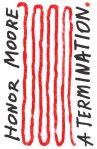 A Termination by Honor Moore: A fascinatingly discursive memoir that circles a 1969 abortion and contrasts societal mores across her lifetime. Moore was a 23-year-old drama student; the termination was “my first autonomous decision,” she insists, a way of saying, “I want this life, not that life.” Family and social factors put her life into perspective. The concise text is composed of crystalline fragments, incorporating occasional second- and third-person narration. The kaleidoscopic yet fluid approach is stunning.
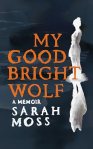 My Good Bright Wolf by Sarah Moss: Moss effectively contrasts the would-be happily ever after of generally getting better after eight years of disordered eating with her anorexia returning with a vengeance at age 46. The mood shifts so that what threatens to be slightly cloying in the childhood section turns academically curious and then, somehow, despite distancing pronouns (mostly second- but also some third-person narration), intimate. Shape-shifting, devastating, staunchly pragmatic; a unique model for converting life into art.
 Knife: Meditations after an Attempted Murder by Salman Rushdie: I’ve not had much success with Rushdie’s fiction, but this is excellent, with intriguing side tendrils and many quotable lines. It traces lead-up and aftermath; unexpected echoes, symbolism and ironies. Although Rushdie goes into some medical detail about his recovery, you get the sense of him more as an unchanging mind and a resolute will. The most noteworthy section imagines dialogues he might have with the imprisoned assailant, probing his beliefs and motivations.
Poetry
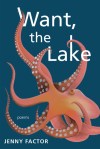 Want, the Lake by Jenny Factor: Factor’s long, intricate poetry collection showcases the tension between past and present and envisions womanhood as a tug of war between desire and constraint. “Elegy for a Younger Self” poems string together vivid reminiscences. In “Sapphics on Nursing” and elsewhere, romantic friendships edge toward homoeroticism; heterosexual marriage and motherhood represent either delightful intimacy or a snare. Allusion and experience, slant rhymes and wordplay craft a lavish tapestry.
 Inconsolable Objects by Nancy Miller Gomez: This debut collection recalls a Midwest girlhood of fairground rides and lake swimming, tornadoes and cicadas. But her Kansas isn’t all rose-tinted nostalgia; there’s an edge of sadness and danger. “Missing History” notes how women’s stories, such as her grandmother’s, are lost to time. In “Tilt-A-Whirl,” her older sister’s harmless flirtation with a ride operator becomes sinister. She also takes inspiration from headlines. The alliteration and slant rhymes are to die for.
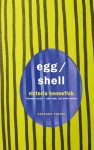 Egg/Shell by Victoria Kennefick: Motherhood and the body are overarching themes. The speaker has multiple miscarriages and names her lost children after plants. Becoming a mother is a metamorphosis all its own, while another long section is about her husband’s transition. Bird metaphors are inescapable. The structure varies throughout: columns, stanzas; a list, a recipe. Amid the sadness, there is dark humour and one-line rejoinders. If you’re wondering how life can be captured in achingly beautiful poetry, look no further.
If I had to choose just one of each? This trio trying out complementary strategies for transmuting life into literature: Small Rain, Alphabetical Diaries and Egg/Shell.


Have you read any of these? Or might you now, based on my recommendation?
The Best Books from the First Half of 2024
Hard to believe, but it’s that time of year already! It’s the eighth year in a row that I’ve been making a first-half superlatives list. It remains to be seen how many of these will make it onto my overall best-of year rundown, but for now, these are my 18 favourite 2024 releases that I’ve read so far (representing the top 20% of my current-year reading). One is a bonus in that it won’t actually be published until August; six happen to be books I reviewed for Shelf Awareness. Pictured below are the ones I read in print; all the others were e-copies. Links are to my full reviews where available.


Fiction
The Ministry of Time by Kaliane Bradley: This nuanced debut novel alternately goes along with and flouts the tropes of spy fiction and time travel sci-fi, making clever observations about how we frame stories of empire and progress. The narrator is a “bridge” helping to resettle a Victorian polar explorer in near-future London. You just have to suspend disbelief and go with it. Bradley’s descriptive prose is memorable but never quirky for the sake of it. I haven’t had so much fun with a book since Romantic Comedy. A witty, sexy, off-kilter gem.
Behind You Is the Sea by Susan Muaddi Darraj: Darraj’s second novel-in-stories is a shimmering composite portrait of a Palestinian American community in Baltimore. Across nine stellar linked stories, she explores the complex relationships between characters divided by—or connected despite—class, language, and traditional values. Each of the stories (four in the first person, five in the third person) spotlights a particular character. The book depicts the variety of immigrant and second-generation experience, especially women’s.
 Piglet by Lottie Hazell: The protagonist works for a cookbook publisher, loves to cook, and has a history of overeating during psychological distress. When her fiancé blindsides her with a confession 13 days before their wedding, she returns to binge eating, dress fittings be damned. Food is also a sign of her education and class pretensions. Uncomfortable themes, but I kept reading in fascinated horror because Hazell writes absolutely incredible scenes. This is also about what women are allowed to want, and how they are expected to settle.
Wellness by Nathan Hill: A state-of-the-nation novel filtered through one Chicago family experiencing midlife and marital crises: underperforming academic Jack; his wife Elizabeth, a placebo researcher at Wellness; and their YouTube-obsessed son Toby. They’ve recently invested their life savings in a new condo. The addictive and spot-on novel asks questions about authenticity, purpose, and nurture. Is love itself a placebo? Hill is clearly fascinated with psychological experimentation but also turns it to humorous effect.
 Happiness Falls by Angie Kim: Over 2.5 days in June 2020, a Korean American family (mother Hannah and 20-year-old twins Mia and John, home from college for the lockdown) investigates, on their own and with the help of police and tip-offs, what happened to the father, Adam, who’d been at River Falls Park with the severely disabled 14-year-old son, Eugene, who is autistic and has mosaic Angelman syndrome. Mia narrates, and it’s a pleasure spending time with her quick, systematic brain as she considers each theory and red herring.
 Company by Shannon Sanders: This energetic debut novel in 13 linked stories traces several generations of the Collins clan, whose experiences at once exemplify African American gentrification and evoke timeless patterns of parental legacy and sibling jealousy. Sisters Cassandra, Fay, Lee and Suzette grew up at their parents’ Atlantic City jazz club before going their separate ways. We revisit relatives at different points in their lives, mostly between the 1990s and the present day. Celebration scenes make for memorable moments.
Lunar New Year Love Story by Gene Luen Yang (illus. LeUyen Pham): A super-cute teen story with gorgeous illustrations, including lots of pink and red to suit the theme. We follow Vietnamese-American Valentina through high school as she plays host to an internal debate between cynicism and romanticism. Ever since her mother left, she’s longed to believe in romance but feared that love is a doomed prospect for her family. The Asian community of Oakland, California and a new hobby of lion dancing provide engrossing cultural detail.
Nonfiction
 Intervals by Marianne Brooker: An extended essay about her mother’s protracted death with multiple sclerosis and the issues it brought up around disability, poverty, and inequality of access to medical care and services. Brooker decries the injustice of the wealthy having the option of travelling to Dignitas in Switzerland for an assisted death, whereas her single mother had so such relief in sight. Brooker’s description of the vigil of the last days, like her account of her vivacious mother’s life, is both tender and unflinching.
Grief Is for People by Sloane Crosley: A bereavement memoir like no other. Heart-wrenching yet witty, it bears a unique structure and offers fascinating glimpses into the New York City publishing world. Crosley’s Manhattan apartment was burgled exactly a month before the suicide of her best friend and former boss, Russell. Throughout the book, the whereabouts of her family jewelry is as much of a mystery as the reason for Russell’s death, and investigating the stolen goods in parallel serves as a displacement activity for her.
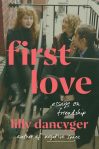 First Love: Essays on Friendship by Lilly Dancyger: Poignant interlocking essays about female friendship. Love and death coexist here. Dancyger’s first best friend was her cousin Sabina, who was raped and murdered at age 20. “Sad Girls” takes on Sylvia Plath fandom. Dancyger also maps her bisexuality and ponders whether to have a child. She is nostalgic for the freedom of being young and unsupervised in New York City and Europe. A sensitive interrogation of women’s relationships, perfect for fans of Melissa Febos and Emma Straub.
Alphabetical Diaries by Sheila Heti: Heti put 10 years of diary contents into a spreadsheet, alphabetizing each sentence, and then ruthlessly culled the results. The recurring topics are familiar from the rest of her oeuvre: obsessive cogitating about relationships, art and identity, but also the practicalities of trying to make a living as a woman in a creative profession. Heti transcends the quotidian by exploding chronology. Remarkably, the collage approach produces a genuine, crystalline vision of the self. A sui generis work of life writing.
Others Like Me: The Lives of Women without Children by Nicole Louie: This impassioned auto/biographical collage combines the strengths of oral history, group biography and a fragmented memoir. “Motherhood as the epicentre of women’s lives was all I’d ever witnessed” via her mother and grandmother, Louie writes, so finding examples of women living differently was key. As readers, we watch her life, her thinking and the book all take shape. It’s intimate and empathetic, with layers of stories that reflect diversity of experience.
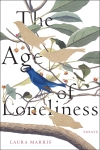 The Age of Loneliness: Essays by Laura Marris: A perceptive, moving collection of nine braided essays linking personal experience of loss with the climate crisis. “Cancerine” is a strong example. Cancer, the sign of the crab, was her father’s cause of death; horseshoe crabs were ground into fertilizer in the 19th century, and their blood is still harvested for biomedical testing. Driven by curiosity and environmental conscience, these reflective pieces reminiscent of Helen Macdonald’s longform journalism ponder human responsibility and resilience. [Graywolf Press, 6 August]
Knife: Meditations after an Attempted Murder by Salman Rushdie: I’ve not had much success with Rushdie’s fiction, but this is excellent, with intriguing side tendrils and lots of quotable lines. It traces lead-up and aftermath; unexpected echoes, symbolism and ironies. Although Rushdie goes into some medical detail about his recovery, you get the sense of him more as an unchanging mind and a resolute will. The most remarkable section imagines dialogues between him and his imprisoned assailant, probing his beliefs and motivations.
Poetry
 Theophanies by Sarah Ghazal Ali: In this poised debut collection by a Muslim poet, spiritual enlightenment is a female, embodied experience, mediated by the matriarchs of the Abrahamic faiths. Ali’s poems hymn women’s bodies, desire, and motherhood. She blurs the line between human and divine with her allusions to the Quran. Ambivalence towards faith is clear in the alliteration-laden verse that recalls Kaveh Akbar’s. Wordplay, floral metaphors, and multiple ghazals make for dazzling language.
 Baby Schema by Isabel Galleymore: A slant-wise look at environmental crisis and an impending decision about motherhood. The title comes from Konrad Lorenz’s identification of features that invite nurture. Galleymore edges towards the satirical fantasies of Caroline Bird or Patricia Lockwood as she imagines alternative scenarios of caregiving. What is worthy of maternal concern? Does cuteness merit survival? Extinction and eco-grief on the one hand, yes, but the implacability of biological cycles on the other. Sardonic yet humane.
Inconsolable Objects by Nancy Miller Gomez: This debut collection recalls a Midwest girlhood of fairground rides and lake swimming, tornadoes and cicadas. But her Kansas isn’t all rose-tinted nostalgia; there’s an edge of sadness and danger. “Missing History” notes how women’s stories, such as her grandmother’s, are lost to time. In “Tilt-A-Whirl,” her older sister’s harmless flirtation with a ride operator turns sinister. She also takes inspiration from headlines. The alliteration and slant rhymes are to die for. (Full review to come.)
Egg/Shell by Victoria Kennefick: Motherhood and the body are overarching themes. The speaker experiences multiple miscarriages and names her lost children after plants. Becoming a mother is a metamorphosis all its own, while the second long section is about her husband transitioning. Bird metaphors are inescapable. The structure varies throughout: columns, stanzas; a list, a recipe. Amid the sadness, there is dark humour and one-line rejoinders. If you’re wondering how life can be captured in achingly beautiful poetry, look no further.
Two of the novels above were among my Most Anticipated books of the year. I’ve now read 10 of the 12 on that list and DNFed another (the Sarah Perry), which just leaves Memory Piece by Lisa Ko to find – though others’ responses make me think it might not be worthwhile to do so. I sometimes wonder if designating a book as anticipated or a priority is a kiss of death, as I was at least somewhat disappointed with over half of my choices this time.
In the second part of the year, I’m looking forward to new releases from Rachel Clarke, Sarah Manguso, Charlotte Mendelson, Richard Powers, Sally Rooney, Elizabeth Strout and Evie Wyld.
What 2024 releases should I catch up on? What’s in your sights for the rest of the year?
Book Serendipity, January to February 2024
I call it “Book Serendipity” when two or more books that I read at the same time or in quick succession have something in common – the more bizarre, the better. This is a regular feature of mine every couple of months. Because I usually have 20–30 books on the go at once, I suppose I’m more prone to such incidents. The following are in roughly chronological order.
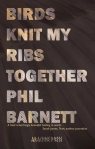
- I finished two poetry collections by a man with the surname Barnett within four days in January: Murmur by Cameron Barnett and Birds Knit My Ribs Together by Phil Barnett.

- I came across the person or place name Courtland in The Optimist’s Daughter by Eudora Welty, then Cortland in a story from The Orange Fish by Carol Shields, then Cotland (but where? I couldn’t locate it again! Was it in Elizabeth Is Missing by Emma Healey?).
- The Manet painting Olympia is mentioned in Christmas Holiday by W. Somerset Maugham and The Paris Novel by Ruth Reichl (both of which are set in Paris).


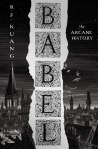
- There’s an “Interlude” section in Babel by R.F. Kuang and The Vulnerables by Sigrid Nunez.
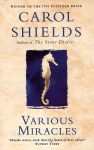
- The Morris (Minor) car is mentioned in Elizabeth Is Missing by Emma Healey and Various Miracles by Carol Shields.
- The “flour/flower” homophone is mentioned in Babel by R.F. Kuang and Various Miracles by Carol Shields.
- A chimney swift flies into the house in Cat and Bird by Kyoko Mori and The Optimist’s Daughter by Eudora Welty.
- A character named Cornelius in The Fruit Cure by Jacqueline Alnes and Wellness by Nathan Hill.
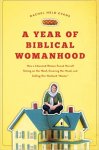
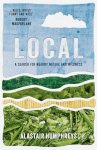
- Reading two year challenge books at the same time, A Year of Biblical Womanhood by Rachel Held Evans and Local by Alastair Humphreys, both of which are illustrated with frequent black-and-white photos by and of the author.
- A woman uses a bell to summon children in one story of Universally Adored and Other One Dollar Stories by Elizabeth Bruce and The Optimist’s Daughter by Eudora Welty.
- Apple turnovers get a mention in A Year of Biblical Womanhood by Rachel Held Evans and Wellness by Nathan Hill.
- A description of rolling out pie crust in A Year of Biblical Womanhood by Rachel Held Evans and Cat and Bird by Kyoko Mori.

- The idea of a house giving off good or bad vibrations in Wellness by Nathan Hill and a story from Various Miracles by Carol Shields.

- Emergency C-sections described or at least mentioned in Brother Do You Love Me by Manni Coe, The Unfamiliar by Kirsty Logan, Wellness by Nathan Hill, and lots more.
- Frustration with a toddler’s fussy eating habits, talk of “gentle parenting” methods, and mention of sea squirts in Wellness by Nathan Hill and Matrescence by Lucy Jones.
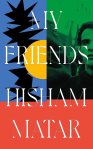
- The nickname “Poet” in The Tidal Year by Freya Bromley and My Friends by Hisham Matar.
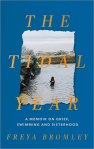
- A comment about seeing chicken bones on the streets of London in The Tidal Year by Freya Bromley and Went to London, Took the Dog by Nina Stibbe.
- Swans in poetry in The Tidal Year by Freya Bromley and Egg/Shell by Victoria Kennefick.
- A mention or image of Captcha technology in Egg/Shell by Victoria Kennefick and Went to London, Took the Dog by Nina Stibbe.

- An animal automaton in Loot by Tania James and Egg/Shell by Victoria Kennefick.
- A mention of Donna Tartt in The Tidal Year by Freya Bromley, Looking in the Distance by Richard Holloway, and Matrescence by Lucy Jones.
- Cathy Rentzenbrink appears in The Tidal Year by Freya Bromley and Went to London, Took the Dog by Nina Stibbe.
 Dialogue is given in italics in the memoirs The Tidal Year by Freya Bromley and The Unfamiliar by Kirsty Logan.
- An account of a man being forced to marry the sister of his beloved in A Year of Biblical Womanhood by Rachel Held Evans, Wellness by Nathan Hill, and The Tiger’s Wife by Téa Obreht.
- Saying that one doesn’t want to remember the loved one as ill (but really, not wanting to face death) so not saying goodbye (in Cat and Bird by Kyoko Mori) or having a closed coffin (Wellness by Nathan Hill).
- An unhappy, religious mother who becomes a hoarder in Wellness by Nathan Hill and I’m Glad My Mom Died by Jennette McCurdy.
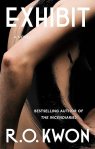
- Characters called Lidija and Jin in Exhibit by R. O. Kwon and Lydia and Jing in the first story of This Is Salvaged by Vauhini Vara.
- Distress at developing breasts in Cactus Country by Zoë Bossiere and I’m Glad My Mom Died by Jennette McCurdy.
- I came across mentions of American sportscaster Howard Cosell in Heartburn by Nora Ephron and Stations of the Heart by Richard Lischer (two heart books I was planning on reviewing together) on the same evening. So random!
- Girls kissing and flirting with each other (but it’s clear one partner is serious about it whereas the other is only playing or considers it practice for being with boys) in Cactus Country by Zoë Bossiere and Winter’s Bone by Daniel Woodrell.
- A conversion to Catholicism in Places I’ve Taken My Body by Molly McCully Brown and Stations of the Heart by Richard Lischer.
- A zookeeper is attacked by a tiger when s/he goes into the enclosure (maybe not the greatest idea!!) in Tiger by Polly Clark and The Tiger’s Wife by Téa Obreht.

- The nickname Frodo appears in Tiger by Polly Clark and Brother Do You Love Me by Manni Coe.
- Opening scene of a parent in a coma, California setting, and striking pink and yellow cover to Death Valley by Melissa Broder and I’m Glad My Mom Died by Jennette McCurdy.

- An Englishman goes to Nigeria in Howards End by E.M. Forster and Immanuel by Matthew McNaught.
 The Russian practice of whipping people with branches at a spa in Tiger by Polly Clark and Fight Night by Miriam Toews.
- A mother continues washing her daughter’s hair until she is a teenager old enough to leave home in Mrs. March by Virginia Feito and I’m Glad My Mom Died by Jennette McCurdy.
- Section 28 (a British law prohibiting the “promotion of homosexuality” in schools) is mentioned in A Bookshop of One’s Own by Jane Cholmeley, Some Kids I Taught and What They Taught Me by Kate Clanchy, and Brother Do You Love Me by Manni Coe.
- Characters named Gord (in one story from Various Miracles by Carol Shields, and in Fight Night by Miriam Toews), Gordy (in The Absolutely True Diary of a Part-Time Indian by Sherman Alexie), and Gordo (in Blood Red by Gabriela Ponce).

- Montessori and Waldorf schools are mentioned in Cactus Country by Zoë Bossiere and When Fragments Make a Whole by Lory Widmer Hess.
- A trailer burns down in The Absolutely True Diary of a Part-Time Indian by Sherman Alexie and Cactus Country by Zoë Bossiere.
What’s the weirdest reading coincidence you’ve had lately?
Recent Releases by Nathan Hill, Hisham Matar, Sigrid Nunez and More
One key way in which 2024’s reading has already differed from previous years’ is that I no longer avoid doorstoppers. I now classify any book with over 400 pages as a doorstopper, and by that definition I have already gotten through three this year: The Tidal Year plus two of the below, with Wellness standing out as the true whopper at 597 small-print pages. January offered a set of releases full of variety: gritty yet funny flash fiction; a novel of big ideas and big empathy for its flawed characters; an exile’s elegant love letter to Libya from London; a coy pandemic-era reflection on connection and creation; and a tour of nature close to home.
Universally Adored and Other One Dollar Stories by Elizabeth Bruce
 This was a great collection of 33 stories, all of them beginning with the words “One Dollar” and most of flash fiction length. Bruce has a knack for quickly introducing a setup and protagonist. The voice and setting vary enough that no two stories sound the same. What is the worth of a dollar? In some cases, where there’s a more contemporary frame of reference, a dollar is a sign of desperation (for the man who’s lost house, job and wife in “Little Jimmy,” for the coupon-cutting penny-pincher whose unbroken monologue makes up the whole of “Grocery List”), or maybe just enough for a small treat for a child (as in “Mouse Socks” or “Boogie Board”). In the historical stories, a dollar can buy a lot more. It’s a tank of gas – and a lesson on the evils of segregation – in “Gas Station”; it’s a huckster’s exorbitant charge for a mocked-up relic in “The Grass Jesus Walked On.”
The tone ranges from black comedy (“Festus”) to high tragedy (“Votive Candle”), but the book mostly falls within the realm of dirty realism with the attention to working-class country folk, so I’d recommend the collection to fans of authors who perch on the lighter side of that subgenre, such as Barbara Kingsolver or Denis Johnson. A few of my favorite stories, in addition to the above, were “Ice-Cold Water,” which I appreciated for the Washington D.C. setting and the way that an assumption about who would be racist was overturned by a moment of simple compassion; “Dolores,” in which a slick humanitarian fundraiser meets a waitress who has his number; and “Boiling the Buggers,” a window onto Covid-exacerbated mental illness. (Read via BookSirens)
Wellness by Nathan Hill
Somehow nearly eight years have passed since Hill’s debut novel, The Nix, which I dubbed “a rich, multi-layered story about family curses and failure.” I admired it as much for its prose as for its ideas, and Wellness is just as effervescent and insightful. It’s a state-of-the-nation novel filtered through one Chicago family: experimental photographer and underperforming academic Jack; his wife Elizabeth, a placebo researcher at Wellness; and their YouTube-obsessed son Toby. They’ve recently invested their life savings in a new condo and are considering trendy features like open shelves and separate master bedrooms. It would be oversimplifying, but true, to say that this couple is experiencing midlife and marital crises. Their nineties college romance – and a time of life when everything felt open and possible – is so remote now. When Elizabeth suggests they join a friend at a swingers’ club and a patient of hers who’s also a parent at Toby’s school sees them outside, chaos ensues.
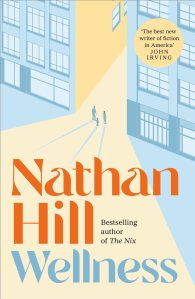
Some elements from The Nix carry over, such as campus politics, the American Midwest, and mother–son relationships, but also broader questions of authenticity, purpose and nurture. Is love itself a placebo? The novel spends time with Jack and Elizabeth at the dawn of their relationship and in the present day, but also looks back to their early careers and first years of parenthood. Hill is clearly fascinated with the sort of psychological experimentation Elizabeth engages in (there’s a whole bibliography of scientific papers consulted) but also turns it to humorous effect, as when Elizabeth subjects Toby to the marshmallow test. A lot of information is conveyed through dialogue, yet it never feels forced. A couple of long asides, on Elizabeth’s family history and the algorithms guiding Jack’s interactions with his conspiracy theorist father, tried my patience, but I loved a four-page chapter on a funeral supper where every sentence starts “There was.” Sooooo many quotable lines throughout.
The only fault in an addictive and spot-on novel (how did he know?! you’ll find yourself thinking about your own attitude to work/marriage/children) is that Hill is so committed to excavating these characters’ backstory of stunted emotion – Jack estranged from his religious Kansas farmer parents after a traumatic incident you feel right in the gut; Elizabeth glad to jettison her father’s wealth with his anger – that he hurries through the denouement. Still, this is sure to be a fiction highlight of my year. It’s one for readers of Jonathan Franzen, sure, but I also thought it reminiscent of Katherine Heiny’s Standard Deviation and Meg Wolitzer’s The Interestings.
With thanks to Picador for the proof copy for review.
My Friends by Hisham Matar
“Benghazi was the one place I longed for the most, it was also the place I most feared to return to.”
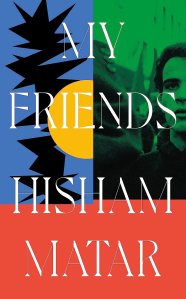 Taking a long walk through London one day, Khaled looks back from midlife on the choices he and his two best friends have made. He first came to the UK as an eighteen-year-old student at Edinburgh University. Everything that came after stemmed from one fateful day. Matar places Khaled and his university friend Mustafa at a real-life demonstration outside the Libyan embassy in London in 1984, which ended in a rain of bullets and the accidental death of a female police officer. Khaled’s physical wound is less crippling than the sense of being cut off from his homeland and his family. As he continues his literary studies and begins teaching, he decides to keep his injury a secret from them, as from nearly everyone else in his life. On a trip to Paris to support a female friend undergoing surgery, he happens to meet Hosam, a writer whose work enraptured him when he heard it on the radio back home long ago. Decades pass and the Arab Spring prompts his friends to take different paths.
I’d previously only read Matar’s short nonfiction work A Month in Siena. The slow, meditative style I enjoyed so much there didn’t translate well into doorstopper length; by the 300-page mark I found myself skimming to see if anything else might happen. Despite the title, we come to know Mustafa and Hosam much less well than we do Khaled. I would happily have had the book’s plot and sentiment concentrated into a taut 200 pages. However, I’m still interested in trying other books by Matar. In the Country of Men is significantly shorter and available from the backroom storage area of my library, and his Folio Prize-winning memoir The Return, too, is on shelf and I reckon will be right up my street.
With thanks to Viking (Penguin) for the proof copy for review.
The Vulnerables by Sigrid Nunez
I’m a huge Nunez fan after reading The Friend, What Are You Going Through, and especially A Feather on the Breath of God. Her last three books have been very much of a piece: autofiction voiced by an unnamed woman who has a duty of care towards a friend or a friend’s pet and ponders, in wry meta fashion, the nature of autobiographical writing and the meaning of life and death at a time of climate breakdown. Alas, The Vulnerables seems like no more than a rehashing of The Friend, with flanking main characters chosen at random from central casting: a parrot named Eureka and a mentally ill college drop-out called Vetch. This quirky trio is thrown together in a lavish New York City apartment during lockdown and nothing much happens but conversation brings them closer.
 A second problem: Covid-19 stories feel dated. For the first two years of the pandemic I read obsessively about it, mostly nonfiction accounts from healthcare workers or ordinary people looking for community or turning to nature in a time of collective crisis. But now when I come across it as a major element in a book, it feels like an out-of-place artefact; I’m almost embarrassed for the author: so sorry, but you missed your moment. My disappointment may primarily be because my expectations were so high. I’ve noted that two blogger friends new to Nunez were enthusiastic about this (but so was Susan, who’d enjoyed her before). That’s not to say this wasn’t a pleasantly fluid and incisive read, even if its message of essential human vulnerability is an obvious one. Anyway, I’ll take Nunez musing on familiar subjects over most other contemporary writers any day:
“Never write ‘I don’t remember,’ Editor says; it undermines your authority. But write as if you remember everything and Reader will smell a rat.”
“You can start with fiction or start with documentary, according to Jean-Luc Goddard. Either way, you will inevitably find the other.”
“I like this clarification by the narrator of a book by Stendhal: ‘It is not out of egotism that I say “I”; it is simply the quickest way to tell the story.’)”
(À propos of the doorstoppers above)
“Does that mean a long novel is easier to write than a short one? / Um, no. But, to borrow from a certain critic, in almost every long book I read I see a short one shirking its job.”
With thanks to Virago for the proof copy for review.
And a bonus work of nonfiction:
Local: A Search for Nearby Nature and Wildness by Alastair Humphreys
Lev Parikian alerted me to this amiable record of weekly discoveries of the nature on one’s home turf. Humphreys has been an international adventure traveller and written many books about his exploits. Here, by contrast, he zooms the lens in about as far as it will go, ordering a custom-made 20-km-square OS map that has his house at the centre and choosing one surrounding grid square per week (so 52 out of a total of 400) to cycle to and explore. He’s chosen to leave his town unnamed so this can function as an Everyman’s journey through edgelands. And his descriptions and black-and-white photographs really do present an accurate microcosm of modern England: fields, woods, waterways, suburban streets.
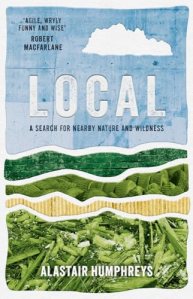 From one November to the next, he watches the seasons advance and finds many magical spaces with everyday wonders to appreciate. “This project was already beginning to challenge my assumptions of what was beautiful or natural in the landscape,” he writes in his second week. True, he also finds distressing amounts of litter, no-access signs and evidence of environmental degradation. But curiosity is his watchword: “The more I pay attention, the more I notice. The more I notice, the more I learn.”
Each week’s observations send him down a research rabbit hole, with topics including caves, land management, mudlarking, plant species, and much more. The nature of the short chapters means that there can only ever be a cursory look at huge issues like rewilding and veganism, but Humphreys is nimble in weaving in the brief, matter-of-fact discussions. His eagerness is irrepressible. “How you look, what you see, and the way all this makes you feel: a single map and the best of all possible worlds.” (See also: Paul’s review.)
With thanks to the author for the free copy for review.
My Most Anticipated Releases of 2024
I feel a sense of freedom and anticipation about the reading opportunities stretching out ahead of me and want to preserve that, so apart from participating in my usual challenges and trying to read more from my own shelves, I have no specific reading goals for the year. (My ever-growing set-aside shelf does make me feel guilty, though.)
Knowing myself, close to half of my reading will be current-year releases. I’ve already read 10 releases from 2024 (8 are written up here), and I’m also looking forward to new work from Julia Armfield, Tracy Chevalier, Matt Gaw, Garth Risk Hallberg, Sheila Heti, Ann Hood, Rachel Khong, Sarah Manguso, Tommy Orange, Francesca Segal, Joe Shute and J. Courtney Sullivan. If there’s a recurring theme here, it’s sophomore novels from authors whose debuts I loved. Only a few nonfiction releases are musts for me.
I’ve chosen the dozen below as my most anticipated titles that I know about so far. They are arranged in UK release date order, within sections by genre. (U.S. details given too/instead if USA-only.) Quotes are excerpts from the publisher blurbs, e.g., from Goodreads. I’ve noted if I have sourced a review copy already.
Fiction
Wellness by Nathan Hill [Jan. 25, Picador; has been out since September from Knopf] Hill’s debut novel, The Nix, was fantastic. I’ve developed an allergy to doorstoppers over the past year, but am determined to read this anyway. “Moving from the gritty 90s Chicago art scene to a suburbia of detox diets and home renovation hysteria, Wellness mines the absurdities of modern technology and modern love to reveal profound, startling truths about intimacy and connection.” Has been likened to Egan, Franzen and Strout. (Print proof copy)
 The Vulnerables by Sigrid Nunez [Jan. 25, Virago; has been out since November from Riverhead] I’ve read and loved three of Nunez’s novels. I’m a third of the way into this, “a meditation on our contemporary era, as a solitary female narrator asks what it means to be alive at this complex moment in history … Humor, to be sure, is a priceless refuge. Equally vital is connection with others, who here include an adrift member of Gen Z and a spirited parrot named Eureka.” (Print proof copy)
 Come and Get It by Kiley Reid [Jan. 30, Bloomsbury / Jan. 9, G.P. Putnam’s] Such a Fun Age was a surprise hit with me, so I’m keen to try her second novel, set on a college campus. “It’s 2017 at the University of Arkansas. Millie Cousins, a senior resident assistant, wants to graduate, get a job, and buy a house. So when Agatha Paul, a [lesbian] visiting professor and writer, offers Millie an easy yet unusual opportunity, she jumps at the chance. But Millie’s starry-eyed hustle becomes jeopardised by odd new friends, vengeful dorm pranks and illicit intrigue.” (NetGalley download / public library reservation)
 Martyr! by Kaveh Akbar [March 7, Picador /Jan. 23, Knopf] I’ve read Akbar’s two full-length poetry collections and particularly admired Pilgrim Bell. His debut novel sounds kind of unhinged, but I figure it’s worth a try. “When Cyrus’s obsession with the lives of the martyrs – Bobby Sands, Joan of Arc – leads him to a chance encounter with a dying artist, he finds himself drawn towards the mysteries of an uncle who rode through Iranian battlefields dressed as the Angel of Death; and toward his [late] mother, who may not have been who or what she seemed.” (NetGalley download)
 Memory Piece by Lisa Ko [March 7, Dialogue Books / March 19, Riverhead] Ko’s debut, The Leavers, was a favourite of mine from 2018, so it was great to hear that she is coming out with a new book. “Moving from the predigital 1980s to the art and tech subcultures of the 1990s to a strikingly imagined portrait of the 2040s, Memory Piece is an innovative and audacious story of three lifelong [female, Asian American] friends as they strive to build satisfying lives in a world that turns out to be radically different from the one they were promised.”
 The Paris Novel by Ruth Reichl [April 23, Random House] I’m reading this for an early Shelf Awareness review. It’s fairly breezy but enjoyable, with an expected foodie theme plus hints of magic but also trauma from the protagonist’s upbringing. “When her estranged mother dies, Stella is left with an unusual gift: a one-way plane ticket, and a note reading ‘Go to Paris’. But Stella is hardly cut out for adventure … When her boss encourages her to take time off, Stella resigns herself to honoring her mother’s last wishes.” (PDF review copy)
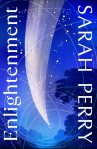 Enlightenment by Sarah Perry [May 2, Jonathan Cape / May 7, Mariner Books] “Thomas Hart and Grace Macauley are fellow worshippers at the Bethesda Baptist chapel in the small Essex town of Aldleigh. Though separated in age by three decades, the pair are kindred spirits – torn between their commitment to religion and their desire for more. But their friendship is threatened by the arrival of love.” Sounds a lot like The Essex Serpent (which is a very good thing) but with astronomy. (Print proof copy)
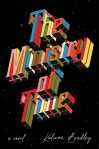 The Ministry of Time, Kaliane Bradley [May 7, Sceptre/Avid Reader Press] “A time travel romance, a speculative spy thriller, a workplace comedy, and an ingeniously constructed exploration of the nature of truth and power and the potential for love to change it. In the near future, a civil servant is offered the salary of her dreams and is, shortly afterward, told what project she’ll be working on. A recently established government ministry is gathering ‘expats’ from across history to establish whether time travel is feasible—for the body, but also for the fabric of space-time.” Promises to be zany and fun.
 Exhibit by R.O. Kwon [May 21, Virago/Riverhead] I loved The Incendiaries and look forward to reading this next month for an early Shelf Awareness review. “At a lavish party in the hills outside of San Francisco, Jin Han meets Lidija Jung and nothing will ever be the same for either woman. A brilliant, young photographer, Jin is at a crossroads in her work, in her marriage to college sweetheart Phillip, in who she is and who she wants to be. Lidija is a glamorous, injured world-class ballerina on hiatus from her ballet company under mysterious circumstances. Drawn to each other by their intense artistic drives, the two women talk all night.” Bisexual rep from Kwon. (PDF review copy)
Nonfiction
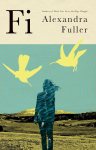 Fi: A Memoir of My Son by Alexandra Fuller [April 9, Grove Press] Fuller is one of the best memoirists out there (Don’t Let’s Go to the Dogs Tonight and Leaving Before the Rains Come), and I read pretty much every bereavement memoir I can get my hands on anyway. “It’s midsummer in Wyoming and Alexandra is barely hanging on. Grieving her father and pining for her home country of Zimbabwe, reeling from a midlife breakup, freshly sober and piecing her way uncertainly through a volatile new relationship with a younger woman, Alexandra vows to get herself back on even keel. And then – suddenly and incomprehensibly – her son Fi, at 21 years old, dies in his sleep.” (PDF review copy)
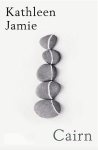 Cairn by Kathleen Jamie [June 13, Sort Of Books] Thanks to Paul (I link to his list below) for letting me know about this one. I’ll read anything Kathleen Jamie writes. “Cairn: A marker on open land, a memorial, a viewpoint shared by strangers. For the last five years … Kathleen Jamie has been turning her attention to a new form of writing: micro-essays, prose poems, notes and fragments. Placed together, like the stones of a wayside cairn, they mark a changing psychic and physical landscape.” Which leads nicely into…
Poetry
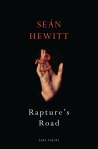 Rapture’s Road by Seán Hewitt [Jan. 11, Jonathan Cape] Hewitt’s debut collection, Tongues of Fire, was brilliant. This sounds like more of the same: “these poems forge their own unique path through the landscape. … Following the reciprocal relationship between queer sexuality and the natural world that he explored in [his previous book, the poet conjures us here into a trance: a deep delirium of hypnotic, hectic rapture where everything is called into question, until a union is finally achieved – a union in nature, with nature.”
Other lists for more ideas:
Electric Lit (all by women of color, as chosen by R.O. Kwon)
Kate – we overlap on a couple of our picks
Laura – we overlap on a few of our picks
Paul (mostly nonfiction)
What catches your eye here? What other 2024 titles do I need to know about?
Pandemic Reading Strategies & Recommendations, Serious or Tongue-in-Cheek
If you’ve been spending time blog-hopping or on Twitter over the last few weeks, you will have seen countless riffs on this topic. Everyone’s pondering what’s best to read in these times. All we can get our hands on about plagues (Boccaccio, Camus, Defoe)? Allegories of similarly challenging worldwide disasters (WWII, 9/11)? Childhood favorites? Comfort reads? Funny books? Light, undemanding stuff? Rereads?
My general answer would be: as always, read whatever you want or can – anything that captures your attention is worthwhile. We’re under so much stress that our reading should be entirely unpressured. But to be a little more specific, I’ve gathered reading recommendations on a variety of topics, drawing on lists that others have made and linking to my own blog reviews where applicable.
(Some of these ideas are less serious than others.)
If you are brave enough to learn about zoonotic diseases:
 Spillover: Animal Infections and the Next Human Pandemic by David Quammen: This is top-notch scientific journalism: pacey, well-structured, and gripping. The best chapters are on Ebola and SARS; the SARS chapter, in particular, reads like a film screenplay, if this were a far superior version of Contagion. It’s a sobering subject, with some quite alarming anecdotes and statistics, but this is not scare-mongering for the sake of it; Quammen is frank about the fact that we’re still all more likely to get heart disease or be in a fatal car crash.
If you can’t look away from pandemic stories, historical or imagined:


I already had Philip Roth’s Nemesis (set in 1940s New Jersey amid a polio epidemic) out from the library because it was on the Wellcome Book Prize shortlist in 2011. I was also inspired to take Year of Wonders by Geraldine Brooks (set in the 1660s and featuring an English village that quarantined itself during the Plague) off the shelf. I’m nearing the end of these two and should have my reviews up next week.
You will see no one book referenced more than Station Eleven by Emily St. John Mandel. It’s a wholly believable dystopian novel in which 99% of the population has been wiped out by a pandemic. The remnant bands together not just to survive but to create and preserve art. “What was lost in the collapse: almost everything, almost everyone, but there is still such beauty.” (My full BookBrowse review from December 2014.)
See also this Publishers Weekly list of “13 Essential Pandemic Novels.”
If you’re feeling cooped up…
 Infinite Home by Kathleen Alcott: “Edith is a widowed landlady who rents apartments in her Brooklyn brownstone to an unlikely collection of humans, all deeply in need of shelter.” (I haven’t read it, but I do have a copy; now would seem like the time to read it!)
…yet want to appreciate the home you’re stuck in:


Years ago I read and loved At Home: A Short History of Private Life by Bill Bryson and Happier at Home by Gretchen Rubin. I can’t tell you anything more than that because it was before the days when I reviewed everything I read, but these are both reliable authors.
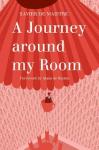 I love the sound of A Journey Around My Room by Xavier de Maistre: “Finding himself locked in his room for six weeks, a young officer journeys around his room in his imagination, using the various objects it contains as inspiration for a delightful parody of contemporary travel writing and an exercise in Sternean picaresque.”
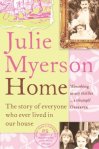
I’m also drawn to Home: The Story of Everyone Who Ever Lived in Our House by Julie Myerson, who combed archives for traces of all the former residents of her 1870s terraced house in Clapham.
If you’re struggling with being on your own:


The Lonely City by Olivia Laing: This remarkable book on outsider artists interweaves biography, art criticism and memoir. Laing is a tour guide into the peculiar, lonely crowdedness you find in a world city.
How to Be Alone by Sara Maitland: Maitland argues that although being alone is easy to achieve, there is an art to doing it properly, and solitude and loneliness are by no means the same thing. Profiling everyone from the Desert Fathers of early Christianity to the Romantic poets, she enumerates all the benefits that solitude confers.
Journal of a Solitude by May Sarton: A one-year account of her writing life in New Hampshire, this is Sarton’s best. The book dwells on the seasonal patterns of the natural world (shovelling snow, gardening, caring for animals) but also the rhythms of the soul – rising in hope but also falling into occasional, inevitable despair.
See also this Penguin UK list of books to read in self-isolation.
If you’ve been passing the time by baking…
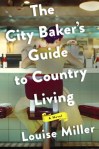 The City Baker’s Guide to Country Living by Louise Miller: As chief baker at the Sugar Maple Inn in Guthrie, Vermon, Olivia Rawlings settles into a daily routine of baking muffins, bread and cakes. This is a warm, cozy debut novel full of well-drawn secondary characters and romantic possibilities. There’s nothing clichéd about it, though. Livvy is a sassy narrator, and I loved how Miller documents the rhythms of the small-town country year, including tapping the maple trees in the early spring and a pie baking contest at the summer county fair.
 Sourdough by Robin Sloan: Lois Clary, a Bay Area robot programmer, becomes obsessed with baking. “I needed a more interesting life. I could start by learning something. I could start with the starter.” She attempts to link her job and her hobby by teaching a robot arm to knead the bread she makes for a farmer’s market. Madcap adventures ensue. It’s a funny and original novel and it makes you think, too – particularly about the extent to which we should allow technology to take over our food production.
…but can’t find yeast or eggs in the shop:
Yeast: A Problem by Charles Kingsley (1851). Nope, I haven’t read it, but our friend has a copy in his Everyman’s Library collection and the title makes us laugh every time we see it.
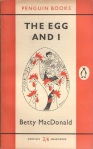 The Egg & I by Betty Macdonald: MacDonald and her husband started a rural Washington State chicken farm in the 1940s. Her account of her failure to become the perfect farm wife is hilarious. The voice reminded me of Doreen Tovey’s: mild exasperation at the drama caused by household animals, neighbors, and inanimate objects. “I really tried to like chickens. But I couldn’t get close to the hen either physically or spiritually, and by the end of the second spring I hated everything about the chicken but the egg.” Perfect pre-Easter reading.
And here are a few lists I put together for Hungerford Bookshop:
If you need a laugh:
Fiction:
Lucky Jim by Kingsley Amis
The Darling Buds of May (and sequels) by H.E. Bates
Ella Minnow Pea by Mark Dunn
Heartburn by Nora Ephron
 Cold Comfort Farm by Stella Gibbons
Anything by Nick Hornby
Three Men in a Boat by Jerome K. Jerome
Anything by David Lodge
Dear Committee Members by Julie Schumacher
The Rosie Project (and sequels) by Graeme Simsion
To Say Nothing of the Dog by Connie Willis
Nonfiction:
 Anything by Bill Bryson
21st-Century Yokel by Tom Cox
Anything by Gerald Durrell
Anything by Nora Ephron (essays)
This Is Going to Hurt by Adam Kay
Priestdaddy by Patricia Lockwood
Dear Lupin by Roger Mortimer
Anything by David Sedaris
Little Failure by Gary Shteyngart
If you want to disappear into a long book:


The Heart’s Invisible Furies by John Boyne
Jonathan Strange & Mr Norrell by Susanna Clarke
David Copperfield by Charles Dickens
Middlesex by Jeffrey Eugenides
The Crimson Petal and the White by Michel Faber
The Signature of All Things by Elizabeth Gilbert
The Nix by Nathan Hill
We, the Drowned by Carsten Jensen
Mary Ann Sate, Imbecile by Alice Jolly
The Poisonwood Bible by Barbara Kingsolver
The Wind-Up Bird Chronicle by Haruki Murakami
The Sparrow by Mary Doria Russell
American Wife by Curtis Sittenfeld
East of Eden by John Steinbeck
The Goldfinch by Donna Tartt
Cutting for Stone by Abraham Verghese
The Paying Guests by Sarah Waters
If you’re looking for some hope:
 Almost Everything: Notes on Hope by Anne Lamott
Hope in the Dark by Rebecca Solnit
Hope Dies Last: Making a Difference in an Indifferent World by Studs Terkel
I’ve been doing a combination of the above strategies, reading about historical plagues in fiction and nonfiction but also doing some rereading and consuming lighter genre stuff like mysteries. I continue to dip into new releases, and I enjoy the ongoing challenge of my reading projects. Right now, I’m working through a few current Women’s Prize longlistees, as well as some past Wellcome Book Prize nominees and Women’s Prize winners, and I’m about to start a third #1920Club title. Plus I’m already thinking about my 20 Books of Summer (I’m considering an all-foodie theme).
Further reading:
- Book Riot pinpoints seven categories of books to read during a pandemic.
- Clare surveys the post-pandemic literary landscape.
- Elle logs her pandemic reading and viewing.
- Laura discusses pandemic reading strategies and distraction reading.
- Literary Hub looks at parallel situations, including post-9/11 reads, to make predictions, and asks what your “go-to quarantine read” says about you. (I’ve read Kindred most recently, but I wouldn’t say that describes me.)
- Simon thinks about what we can and should read.
- Susan highlights some comfort reads.
What are your current reading strategies?
Orchid & the Wasp by Caoilinn Hughes
Gael Foess, the antiheroine of Caoilinn Hughes’ debut novel, is a trickster. When we first meet her in Dublin in 2002, the 11-year-old is promptly kicked out of school for trying to sell other girls “virginity pills.” As the years pass we see her con her way into a London Business School interview, self-assuredly teach a literature class when her professor doesn’t show up, pretend to be a journalist to get an exclusive interview, and use deception to try to boost the careers of both her mother, Sive (a conductor), and her younger brother, Guthrie (a painter and single dad). In the title metaphor, which refers to an orchid species that lures pollinating wasps, Gael is the seductive flower that gets what it wants. We’re also invited to think of her, with that typically Gael-ic name, as an incarnation of mythological Irish hero Cúchulainn.
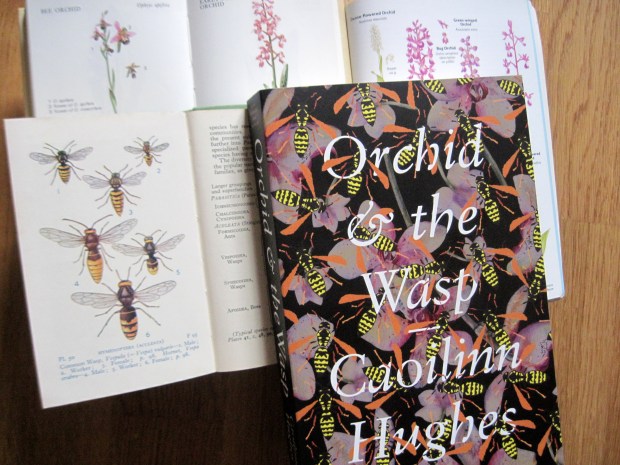
The novel spans about nine years: a politically turbulent decade that opens with Iraq War protests and closes with the Occupy movement in New York City. The financial crisis temporarily jolts Gael and Guthrie’s father, Jarleth, a high-flying Barclays banker who leaves the family in 2008. The biblical parable of the talents, which he recounted to Gael when she was a little girl, comes back to resonate: It’s a potent reminder that money and skills don’t get distributed fairly in this life. When Gael gets to New York in 2011, she plans to redress the balance in two paradoxical ways: living in the Occupy camp and taking part in protests; and secretly earning her brother a fortune on his modern art. For even while decrying her father’s privilege, she indulges her own love of fine things; even if ironically, she says that she aspires to be in the 1%, too.
With all her contradictions, Gael is an unforgettable character. I also found Guthrie fascinating. It was serendipitous that I read this novel alongside Suzanne O’Sullivan’s new book, Brainstorm. Guthrie was a mystically religious child and suffered from seizures, which doctors determined weren’t due to epilepsy but to somatic delusions – psychological rather than physiological. The seizures, ironically, became a boon because they inspire his art: “they’re hallowed and each aura is an absolution – a benison – and not just a synaptic blip.”

The U.S. cover
Hughes is wonderfully adept at voices, bringing secondary characters to life largely through how they speak. I especially warmed to Art, Sive’s boyfriend, who’s a Yorkshireman; and Harper, Gael’s OCD-plagued flatmate from Las Vegas. Even a brief run-in with American officialdom gets the perfect deadpan rendering: “United States Customs has no interest in surprises. Matter of fact, we hate surprises.” The novel often has a frenetic pace – an energy that’s well matched by the virtuosic use of language, with wordplay, neologisms, and metaphors drawn from art, music and nature. An orchestra is compared to a flock of starlings; a despondent Sive “began to resemble a bass clef.” The Irish are like radishes: “Pink on the outside, white underneath. Speck of mud on their cheeks.” Harper’s entire upbringing is pithily reduced to an “only-childhood of sprinkler weather, window glare and doughnut glazing.” I also loved this tiny poem of a phrase: “sobbing hampers syntax.”
My only real misgiving about the novel is the ending: After Gael comes back from New York, things sort of fizzle out. I even wondered if the story line could have stopped a chapter earlier. But in a way it makes sense to get no tidy closure for our protagonist. Gael is still only 20 years old at the book’s end, so it’s no surprise that she remains a restless wanderer. I certainly wouldn’t object to hearing about her further adventures in a sequel. Hughes is an exciting writer who has rightfully attracted a lot of buzz for her debut, and this is sure to be one of my novels of the year. It’s a perfect follow-on read from Tom Rachman’s The Italian Teacher, and I’d also recommend it highly to fans of Sweetbitter, The Art of Fielding, The Nix, and The Life and Death of Sophie Stark. Watch out for it in two weeks’ time.
My rating: 
Orchid & the Wasp will be published by Oneworld in the UK on June 7th. It’s not out in the USA until July 10th (Hogarth). My thanks to Margot Weale for a proof copy for review.
Blog Tour Review: The Leavers by Lisa Ko
Lisa Ko’s exceptional debut novel, The Leavers, was hand-picked by Barbara Kingsolver for the 2016 PEN/Bellwether Prize for Socially Engaged Fiction, was a finalist for the 2017 National Book Award for Fiction in the States, and is now the launch title for Little, Brown UK’s new imprint, Dialogue Books, which will feature “stories from illuminating voices often excluded from the mainstream,” specifically those “for, about and by readers from the LGBTQI+, disability, working class and BAME communities.” I highly recommend it to fans of Nathan Hill’s The Nix, Atticus Lish’s Preparation for the Next Life and Celeste Ng’s Little Fires Everywhere. It’s an ambitious and satisfying novel set in New York and China, with major themes of illegal immigration, searching for a mother and a sense of belonging, and deciding what to take with you from your past.
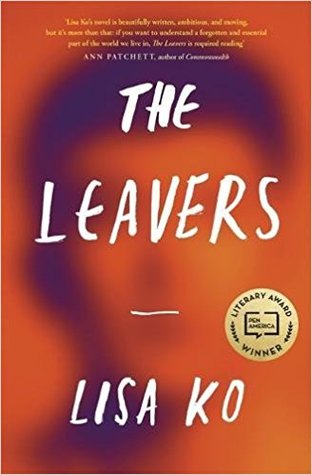 Eleven-year-old Deming Guo and his mother Peilan (nicknamed “Polly”), an undocumented immigrant, live in New York City with another Fuzhounese family: Leon, Polly’s boyfriend, works in a slaughterhouse, and they share an apartment with his sister Vivian and her son Michael. Deming gets back from school one day to find that his mother never came home from her job at a nail salon. She’d been talking about moving to Florida to work in a restaurant, but how could she just leave him behind with no warning?
Ten years later, Deming is Daniel Wilkinson, adopted and raised in upstate New York by a pair of white professors, Peter and Kay. He’s made a mess of his life with drinking and an addiction to online poker, and has been expelled from college. Now the guitar is his life, but even his best friend and bandmate Roland Fuentes isn’t willing to cut him any slack when he doesn’t show up for rehearsals and performances. Peter and Kay are pulling strings to get Daniel accepted into their college, but he keeps screwing up every chance he’s given. He can only hope his efforts to reconnect with his birth mother will be more successful.
The novel shifts fluidly between a third-person account of our protagonist then (Deming) and now (Daniel) and a first-person confession as Polly explains all: her upbringing in poverty in China, her pregnancy out of wedlock, her illegal entry to the United States, and why she had to leave Deming so suddenly. Polly and Deming/Daniel are vibrant characters, and I ached for their struggles. Both have the sense of being split between lives, of “juggling selves.” Their collective story is about figuring out who you are, what can be made right, and what to leave behind as you move forward in life. It’s such a beautiful novel, and an impressive debut from Lisa Ko.
My rating:
The Leavers will be published in paperback by Dialogue Books on April 26th. My thanks to Little, Brown for the free copy for review.
Best Fiction of 2017, Plus Some Other Favorite Reads
Below I’ve chosen my top nine fiction releases from 2017 (seven by women!), followed by the backlist titles I loved the most this year. Many of these books have already featured on my blog in some way over the course of the year. To keep it simple for myself as well as for all of you who are figuring out whether you’re interested in these books or not, as with my nonfiction selections I’m mostly limiting myself to two sentences per title: the first is a potted summary; the second tells you why you should read it. I also link to any full reviews.
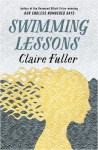 Swimming Lessons by Claire Fuller: This atmospheric novel reminiscent of Iris Murdoch is no happy family story; it’s full of betrayals and sadness, of failures to connect and communicate, yet it’s beautifully written, with all its scenes and dialogue just right. I recently caught up on Fuller’s acclaimed 2015 debut, Our Endless Numbered Days, and collectively I’m so impressed with her work, specifically the elegant way she alternates between time periods to gradually reveal the extent of family secrets and the faultiness of memory.
 The Lucky Ones by Julianne Pachico: You may remember that our shadow panel chose this as our winner for the Sunday Times Young Writer of the Year award: we were blown away by this linked short story collection set in a drug-fueled Colombia in which violence and its aftermath are never far away. For the originality of the setup and the sheer excellence of the writing, this can’t be topped.
 The Velveteen Daughter by Laurel Davis Huber: The name Margery Williams Bianco might not seem familiar, but chances are you remember her classic children’s book, The Velveteen Rabbit. This is about Margery and her daughter, Pamela Bianco, a painter and child prodigy troubled by mental illness, and the themes of creativity, mental health and motherhood are nestled in a highly visual debut novel full of cameos by everyone from Pablo Picasso to Eugene O’Neill.
 The Animators by Kayla Rae Whitaker: The cartooning world and the Kentucky–New York City dichotomy together feel like a brand new setting for a literary tragicomedy. Though it seems lighthearted, there’s a lot of meat to this story of the long friendship between two female animators as Whitaker contrasts the women’s public and private personas and imagines their professional legacy.
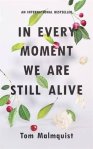 In Every Moment We Are Still Alive by Tom Malmquist: While it’s being marketed as a novel, this reads more like a stylized memoir: Similar to Karl Ove Knausgaard’s books, it features the author as the central character and narrator, and the story of grief it tells is a highly personal one. Malmquist does an extraordinary job of depicting his protagonist’s bewilderment at the sudden loss of his partner and his new life as a single father.
 How to Be Human by Paula Cocozza: As much as this is about a summer of enchantment and literal brushes with urban wildlife, it’s also about a woman’s life: loneliness, the patterns we get stuck in, and those unlooked-for experiences that might just liberate us. There’s something gently magical about the way the perspective occasionally shifts to give a fox’s backstory and impressions as a neologism-rich stream.
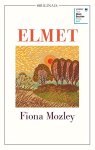 Elmet by Fiona Mozley: The dark horse on this past year’s Man Booker Prize longlist, this is a twisted fable about the clash of the land-owning and serf classes in contemporary England. It’s a gorgeous, timeless tale balanced between lush nature writing and Hardyesque pessimism.
-
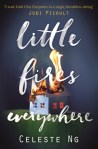 Little Fires Everywhere by Celeste Ng: A multi-layered story about many facets of motherhood: adoption, surrogacy, pregnancy, abortion; estrangement, irritation, longing and pride. Each and every character earns our sympathy here – a real triumph of characterization, housed in a tightly plotted and beautifully written novel you’ll race through.
And my fiction book of the year was:
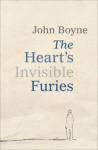 The Heart’s Invisible Furies by John Boyne: A wonderful seam of humor tempers the awfulness of much of what befalls Cyril Avery – born in Dublin in 1945 – for whom homosexuality seems a terrible curse. It’s an alternately heartbreaking and heartening portrait of a life lived in defiance of intolerance and tragedy.
My poetry read of the year was:
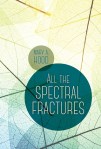 All the Spectral Fractures: New and Selected Poems, Mary A. Hood: There is so much substance and variety to this poetry collection spanning the whole of Hood’s career. A professor emerita of microbiology at the University of West Florida and a former poet laureate of Pensacola, Florida, she takes inspiration from the ordinary folk of the state, the world of academic scientists, flora and fauna, and the minutiae of everyday life.
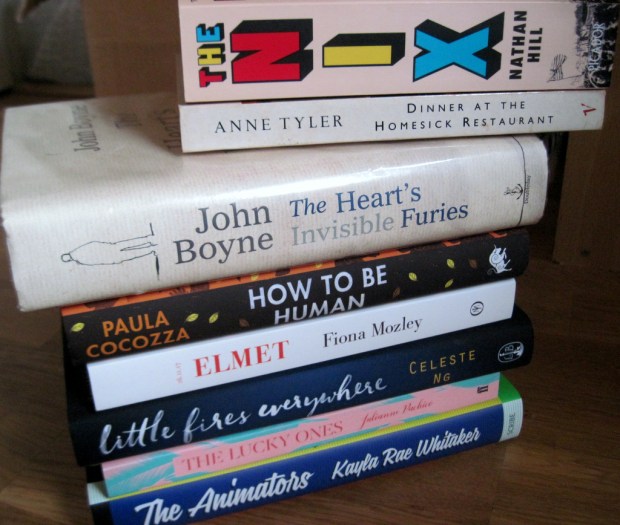
The year’s best books that I happen to have around in print.
And here’s a quick run-through of the seven best backlist titles I read this year:
-
 To Say Nothing of the Dog by Connie Willis: Time travel would normally be a turnoff for me, but Willis manages it perfectly in this uproarious blend of science fiction and pitch-perfect Victorian pastiche (boating, séances and sentimentality, oh my!).
-
 Homegoing by Yaa Gyasi: Brings together so many facets of the African and African-American experience; full of clear-eyed observations about the ongoing role race plays in American life.
-
 Days Without End by Sebastian Barry: Contains the most matter-of-fact consideration of same-sex relationships I’ve ever encountered in historical fiction. Heart-breaking, life-affirming, laugh-out-loud: those may be clichés, but it’s all these things and more.
-
 The Wind-Up Bird Chronicle by Haruki Murakami: Mesmerizing and bizarre, but in the best possible way: it questions our comfort in the everyday by contorting familiar elements like dreams do. I’m a definite Murakami convert.
-
 The Nix by Nathan Hill: A rich story about family curses and failure, and how to make amends for a life full of mistakes. Hill is a funny and inventive writer.
-
 Signs for Lost Children by Sarah Moss: Simply superb in the way it juxtaposes England and Japan in the 1880s and comments on mental illness, the place of women, and the difficulty of navigating a marriage whether the partners are thousands of miles apart or in the same room.
My overall most memorable fiction read of the year, to my great surprise, was:
-
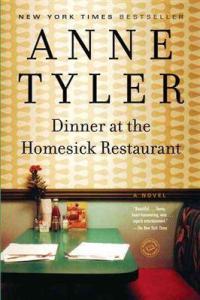 Dinner at the Homesick Restaurant by Anne Tyler: I’ve been lukewarm on Anne Tyler’s novels before – this is my sixth from her – but this instantly leapt onto my list of absolute favorite books. Its chapters are like perfectly crafted short stories focusing on different members of the Tull family. These vignettes masterfully convey the common joys and tragedies of a fractured family’s life. After Beck Tull leaves with little warning, Pearl must raise Cody, Ezra and Jenny on her own and struggle to keep her anger in check. Cody is a vicious prankster who always has to get the better of good-natured Ezra; Jenny longs for love but keeps making bad choices. Despite their flaws, I adored these characters and yearned for them to sit down, even just the once, to an uninterrupted family dinner of comfort food.
What were some of your top fiction reads of the year?
Tomorrow I’ll be naming some runners-up and listing a few other superlatives.
December’s Doorstopper: The Heart’s Invisible Furies by John Boyne
The more I examined the architecture of my life, the more I realized how fraudulent were its foundations.
This is a book that wasn’t even on my radar until fairly late on in the year, when I noticed just how many of my Goodreads friends had read it and rated it – almost without fail – 5 stars. I knew John Boyne’s name only through the movie version of his Holocaust-set novel for younger readers, The Boy in the Striped Pajamas, and didn’t think I’d be interested in his work. But the fact that The Heart’s Invisible Furies was written in homage to John Irving (Boyne’s dedicatee) piqued my interest, and I’m so glad I gave it a try. It distills all the best of Irving’s tendencies while eschewing some of his more off-putting ones. Of the Irving novels I’ve read, this is most like The World According to Garp and In One Person, with which it shares, respectively, a strong mother–son relationship and a fairly explicit sexual theme.
 A wonderful seam of humor tempers the awfulness of much of what befalls Cyril Avery, starting with his indifferent adoptive parents, Charles and Maude. Charles is a wealthy banker and incorrigible philanderer occasionally imprisoned for tax evasion, while Maude is a chain-smoking author whose novels, to her great disgust, are earning her a taste of celebrity. Both are cold and preoccupied, always quick to remind Cyril that since he’s adopted he’s “not a real Avery”. The first bright spot in Cyril’s life comes when, at age seven, he meets Julian Woodbead, the son of his father’s lawyer. They become lifelong friends, though Cyril’s feelings are complicated by an unrequited crush. Julian is as ardent a heterosexual as Cyril is a homosexual, and sex drives them apart in unexpected and ironic ways in the years to come.
For Cyril, born in Dublin in 1945, homosexuality seems a terrible curse. It was illegal in Ireland until 1993, so assignations had to be kept top-secret to avoid police persecution and general prejudice. Only when he leaves for Amsterdam and the USA is Cyril able to live the life he wants. The structure of the novel works very well: Boyne checks in on Cyril every seven years, starting with the year of his birth and ending in the year of his death. In every chapter we quickly adjust to a new time period, deftly and subtly marked out by a few details, and catch up on Cyril’s life. Sometimes we don’t see the most climactic moments; instead, we see what happened just before and then Cyril remembers the aftermath for us years later. It’s an effective tour through much of the twentieth century and beyond, punctuated by the AIDS crisis and focusing on the status of homosexuals in Ireland – in 2015 same-sex marriage was legalized, which would have seemed unimaginable a few short decades before.
Boyne also sustains a dramatic irony that kept me reading eagerly: the book opens with the story Cyril’s birth mother told him of her predicament in 1945, and in later chapters Cyril keeps running into this wonderfully indomitable woman in Dublin – but neither of them realizes how intimately they’re connected. Thanks to the first chapter we know they eventually meet and all will be revealed, but exactly when and how is a delicious mystery.
Along with Irving, Dickens must have been a major influence on Boyne. I spotted traces of David Copperfield and Great Expectations in minor characters’ quirks as well as in Cyril’s orphan status, excessive admiration of a romantic interest, and frequent maddening failures to do the right thing. But there are several other recent novels – all doorstoppers – that are remarkably similar in their central themes and questions. In Donna Tartt’s The Goldfinch, Hanya Yanagihara’s A Little Life and Nathan Hill’s The Nix we also have absent or estranged mothers; friends, lovers and adoptive family who help cut through a life of sadness and pain; and the struggle against a fate that seems to force one to live a lie. Given a span of 500 pages or more, it’s easy to become thoroughly engrossed in the life of a flawed character.
The Heart’s Invisible Furies – a phrase Hannah Arendt used to describe the way W.H. Auden wore his experiences on his face – is an alternately heartbreaking and heartening portrait of a life lived in defiance of intolerance and tragedy. A very Irish sense of humor runs all through the dialogue and especially Maude’s stubborn objection to fame. I loved Boyne’s little in-jokes about the writer’s life (“It’s a hideous profession. Entered into by narcissists who think their pathetic little imaginations will be of interest to people they’ve never met”) and thanks to my recent travels I was able to picture a lot of the Dublin and Amsterdam settings. Although it’s been well reviewed on both sides of the Atlantic, I’m baffled that this novel doesn’t have the high profile it deserves. I am especially grateful to Sarah of Sarah’s Book Shelves for naming this her book of the year: knowing her discriminating tastes, I could tell I’d be in for something special. Look out for it on my Best Fiction of 2017 list tomorrow.
My rating:
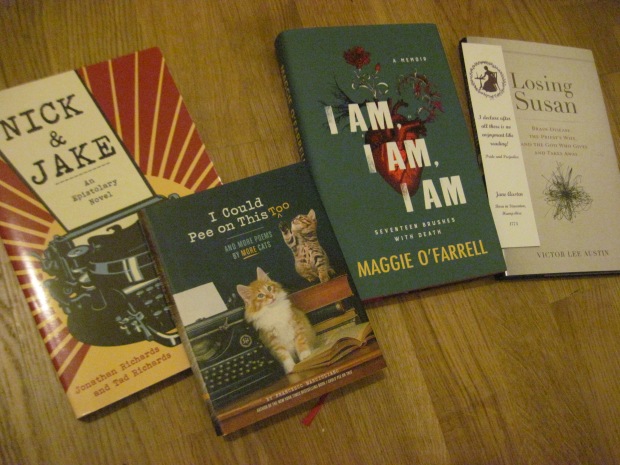
I got just four books for Christmas this year, but they’re all ones I’m very excited to read. I looked back at last year’s Christmas book haul photo and am impressed that I’ve actually read seven out of eight of them now – and the eighth is a cocktail cookbook one wouldn’t read all the way through anyway. All too often I let books sit around for years unread, but I will try to keep up this trend of reading books fairly soon after they enter my collection.
 Bookish Beck = Rebecca Foster. American transplant to England. Freelance proofreader and book reviewer.
 Bookish Beck