Book Serendipity, November to December 2024
I call it “Book Serendipity” when two or more books that I read at the same time or in quick succession have something in common – the more bizarre, the better. This is a regular feature of mine every couple of months. Because I usually have 20–30 books on the go at once, I suppose I’m more prone to such incidents. People frequently ask how I remember all of these coincidences. The answer is: I jot them down on scraps of paper or input them immediately into a file on my PC desktop; otherwise, they would flit away! The following are in roughly chronological order.
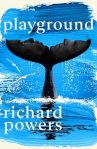
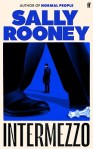
- Characters who were in a chess club and debating society in high school/college in Playground by Richard Powers and Intermezzo by Sally Rooney.
- Pondering the point of a memorial and a mention of hiring mourners in Immemorial by Lauren Markham and Basket of Deplorables by Tom Rachman.
- A mention of Rachel Carson, and her The Sea Around Us in particular, in Playground by Richard Powers, while I was also reading for review Rachel Carson and the Power of Queer Love by Lida Maxwell.
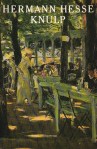
- A character pretends to be asleep when someone comes into the room to check on them in Knulp by Hermann Hesse and Rental House by Weike Wang.
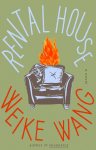
- A mention of where a partner puts his pistachio shells in After the Rites and Sandwiches by Kathy Pimlott and Rental House by Weike Wang.
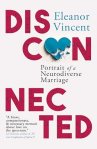 A character who startles very easily (in the last two cases because of PTSD) in Life before Man by Margaret Atwood, A History of Sound by Ben Shattuck, and Disconnected by Eleanor Vincent.
- The husband is named Nate in Life before Man by Margaret Atwood and Rental House by Weike Wang.
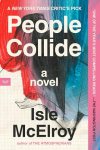
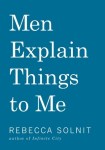
- In People Collide by Isle McElroy, there’s a mention of Elizabeth reading “a popular feminist book about how men explained things to women.” The day I finished reading the novel, I started reading the book in question: Men Explain Things to Me by Rebecca Solnit.
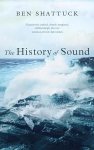
- I learned about the “he’s-at-home” (19th-century dildo) being used by whalers’ wives on Nantucket while the husbands are away at sea through historical fiction – Daughters of Nantucket by Julie Gerstenblatt, which I read last year – and encountered the practice again through an artefact found in the present day in The History of Sound by Ben Shattuck. Awfully specific!
- A week after I finished reading Station Eleven by Emily St. John Mandel, it turned up in a discussion of Vancouver Island in Island by Julian Hanna.
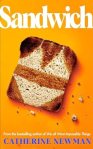
- A Cape Cod setting in Sandwich by Catherine Newman (earlier in the year) plus The History of Sound by Ben Shattuck and Rental House by Weike Wang.
- A gay character references Mulder and Scully (of The X-Files) in the context of determining sexual preference, and there’s a female character named Kit, in The Old Haunts by Allan Radcliffe and one story of Show Don’t Tell by Curtis Sittenfeld.
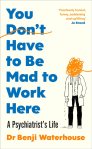
- A mention of The Truman Show in the context of delusions in The Year of Living Biblically by A.J. Jacobs and You Don’t Have to Be Mad to Work Here by Benji Waterhouse.
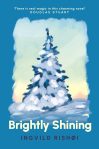
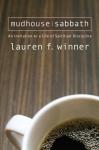
- St. Lucia is mentioned in Beasts by Ingvild Bjerkeland, Brightly Shining by Ingvild Rishøi (two Norwegian authors named Ingvild there!), and Mudhouse Sabbath by Lauren Winner.
- A pet named Darwin: in Levels of Life by Julian Barnes it’s Sarah Bernhardt’s monkey; in Cold Kitchen by Caroline Eden it’s her beagle. Within days I met another pet beagle named Darwin in Island by Julian Hanna. (It took me a moment to realize why it’s a clever choice!)
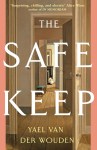
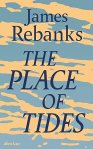
- A character named Henrik in The Place of Tides by James Rebanks and one story of Show Don’t Tell by Curtis Sittenfeld, and a Hendrik in The Safekeep by Yael van der Wouden.
- A hat with a green ribbon in The Safekeep by Yael van der Wouden and one story of Show Don’t Tell by Curtis Sittenfeld (in which it’s an emoji).
- Romanian neighbours who speak very good English in Island by Julian Hanna and Rental House by Weike Wang.
- A scene of returning to a house one used to live in in Hyper by Agri Ismaïl, The Old Haunts by Allan Radcliffe, and one story of Show Don’t Tell by Curtis Sittenfeld.
- A woman has had three abortions in The House of Dolls by Barbara Comyns and Without Exception by Pam Houston.
- Household items keep going missing and there’s broken china in The House of Dolls by Barbara Comyns and The Safekeep by Yael van der Wouden.
- Punctuated equilibrium (a term from evolutionary biology) is used as a metaphor in Hyper by Agri Ismaïl and Men Explain Things to Me by Rebecca Solnit.
 The author’s mother repeatedly asked her daughter a rhetorical question along the lines of “Do you know what I gave up to have you?” in Permission by Elissa Altman and Without Exception by Pam Houston.
- The author/character looks in the mirror at the end of a long day and hardly recognizes him/herself in The Place of Tides by James Rebanks, You Don’t Have to Be Mad to Work Here by Benji Waterhouse, and Amphibian by Tyler Wetherall.
- A man is afraid to hold his boyfriend’s hand in public in another country because he’s unsure about the cultural attitudes towards homosexuality in Clinical Intimacy by Ewan Gass and Small Rain by Garth Greenwell.
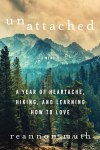
- The author’s mother is a therapist/psychologist and the author her/himself is undergoing some kind of mental health treatment in Unattached by Reannon Muth and You Don’t Have to Be Mad to Work Here by Benji Waterhouse.
- A man declares that dying in one’s mid-40s is nothing to complain about in A Beginner’s Guide to Dying by Simon Boas and Small Rain by Garth Greenwell.
- A woman ponders whether her ongoing anxiety is related to the stressful circumstances of her birth in Unattached by Reannon Muth and When the World Explodes by Amy Lee Scott.
What’s the weirdest reading coincidence you’ve had lately?
Basket of Deplorables by Tom Rachman (2017)
“Basket of deplorables” is a term that Hillary Clinton applied to the xenophobic wing of Donald Trump’s supporters in a September 2016 campaign speech. Basket of Deplorables is Tom Rachman’s third of five books and I somehow had never heard of it until a good few years after its release. That surprised me because I’ve followed his career with interest and read his other works right at their publication.
Like Rachman’s The Imperfectionists and The Imposters, it’s a linked short story collection. The five stories are on the longish side but read quickly. In the opening title piece, a woman who went blind after an accident co-hosts a 2016 presidential election watch party with her husband in their Manhattan apartment. Their friends are uniformly left-wing and choke with disbelief as results start to filter through. In “Truth Is for Losers,” Glen agrees to stage a funeral for his billionaire brother Fleming, who has faked his own death. The memorial service is an opportunity for high farce, but I also warmed to Glen for his simple enthusiasm for his job as a Starbucks barista in Kalamazoo. This was my favourite of the stories; its depiction of the spread of fake news feels like a worthwhile analogy rather than a rehashing of headlines.
“Leakzilla” imagines the complications of Internet dating in an alternate world where would-be partners can scour each other’s e-mail history at will – and find out that someone masquerading as clued-in voted for Trump in 2016. “Sad! Wrong! Not Nice!” follows Fleming, a Trump-esque blowhard, into his new life in Italy. The backstory of a minor character explains a mysterious moment from the first piece, and the sister of the woman from “Leakzilla” is then the protagonist of “How the End Begins.” Here, Kelly discovers with quiet horror a website where you can input any person’s name and view their future cause of death. There is a grim dystopian edge to this final story.

Rachman gave the book the tagline (not quite a subtitle) of “Almost-true stories.” I suspect it was written quickly in response to Trump’s election and it is rather thin, aiming at obvious targets and exhibiting wholly reasonable yet unsubtle liberal outrage. I found it so depressing to see how history threatens to repeat itself less than a decade later:
“David’s worry is that Trump won’t accept his defeat, throwing the whole democratic process into chaos”
“More a boomerang of history, where we keep throwing out the bad bits, and they keep flying back, hitting us in the mouth.”
I can hardly bear to think about tomorrow’s election. The USA could elect the first woman president (of color, no less), or hand power back to a cretin – a convicted felon and probably the worst holder of the office in its nearly 250 years. It’s a choice between progress and regression. Between sanity and sleepwalking into destruction. And whatever happens at the polls, it seems inevitable that Trump will foment further violence and hatred.
 Did I do all I could? I sent in my postal vote several weeks ago, and donated to the Harris/Walz campaign (which means I now get seven e-mails a day from them, but that’s fine). The local Democrats Abroad branch didn’t reply to me over the summer, so I missed out on the chance to volunteer with them, whereas in 2020 I colored in postcards to send to Democrat-registered North Carolina voters in the UK to remind them to get their ballots.
My leanings are clear, then, and I’m sure pretty much all my readers will concur. That I didn’t enjoy this obscure Rachman work more is due to my low tolerance for satire in general and to the fact that these stories of division and deception are not almost true, but all too true. (Secondhand – gift from my wish list, Christmas 2023) 
Choose the Year Book Tag: 2010
Thanks to a couple of Lauras (Reading in Bed and Dr Laura Tisdall) for making me aware of this tag that has also been going around on BookTube. If you haven’t already taken part and think this looks like fun, why not give it a try?
Goodreads lists the 200 most popular books of any given year. Skim through and see how many you’ve read from the list and discuss whichever ones you like. (I chose not to answer the last two questions of this prompt but have included them at the bottom of the post.)
- Choose a year and say why.
I browsed a few of the years and found that 2010 contained 12 books that I’ve read, including some that stood out to me for various reasons. For instance, two of them marked the start of my interest in medical-themed reading. I also think of 2010 as when my reading went into ‘mega’ mode, i.e. approaching 200 books per year. (Now it’s more like 320 a year.)
- Which books published in that year have you read [or if none, heard of]?
Because the list is based on the number of times a book has been added to users’ shelves (though not necessarily read and rated) on Goodreads, there is a LOT of YA and series fiction, e.g. Mockingjay at #1. Other notable inclusions: Heaven Is for Real by Todd Burpo and Orange Is the New Black before that really took off.
Read at the time:
 Gimmicky child narrator, but thoroughly readable: Room by Emma Donoghue (#4)
Medical masterpieces: The Immortal Life of Henrietta Lacks by Rebecca Skloot (#6) and The Emperor of All Maladies: A Biography of Cancer by Siddhartha Mukherjee (#45)
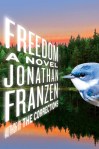 Postmodern, angsty pop culture-filled delights: A Visit from the Goon Squad by Jennifer Egan (#31) and Freedom by Jonathan Franzen (#37). I wonder if they’ve stood the test of time?
Vintage Bryson in curiosity-indulging mode: At Home: A Short History of Private Life by Bill Bryson (#69)
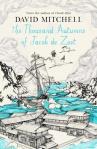 Not his usual sort of thing, but my introduction to him and a damn fine work of historical fiction: The Thousand Autumns of Jacob de Zoet by David Mitchell (#112)
Not my usual sort of thing (sappiness + magic realism), but I read it at a festival and it passed the time: The Particular Sadness of Lemon Cake by Aimee Bender (#116)
Part of my progressive Christian education, but not a great example; not memorable in the least: Radical: Taking Back Your Faith from the American Dream by David Platt (#138)
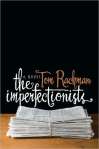 A joy of a linked short story collection set among expat journalists in Rome; this author hasn’t disappointed me since: The Imperfectionists by Tom Rachman (#156)
Who knew typesetting could be so fascinating?! Just My Type: A Book About Fonts by Simon Garfield (#178)
 Read later on:
A brilliant WWII novel, truly among the best of the best: The Invisible Bridge by Julie Orringer (#93)
A DNF: Washington: A Life by Ron Chernow (#73) was way too involved for my level of interest.
- Are there any books published in that year that sound interesting, and would you read them now?
On the TBR:
 #50 Major Pettigrew’s Last Stand by Helen Simonson
#75 The Warmth of Other Suns: The Epic Story of America’s Great Migration by Isabel Wilkerson
#124 Girl in Translation by Jean Kwok
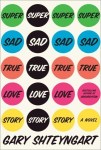
#152 Super Sad True Love Story by Gary Shteyngart
None of these are priorities, but I’d still read them if a copy came my way.
[4. Most obscure-sounding book
5. Strangest book cover]
Do you remember any of these 2010 releases with fondness? Which other ones from the list should I read?
20 Books of Summer, #7–10: Auster, Darlington, Durrell, Jansma
Owls and leopards and dogs – oh my! My animal-themed reading project continues. I’m more than halfway through in that I’m in the middle of quite a few more books, but finishing and reviewing them all before the 3rd of September may still prove to be a challenge.
Timbuktu by Paul Auster (1999)
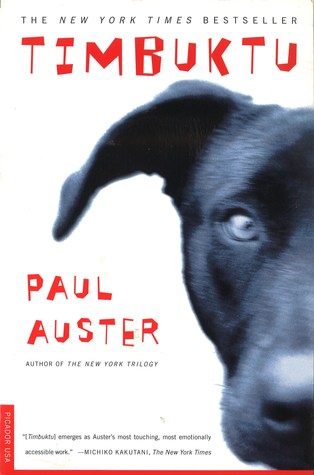 My first from Auster – and not, I take it, representative of his work in general. Never mind, though; I enjoyed it, and it was a good follow-up to Fifteen Dogs. Like the Alexis novel, this gives an intimately imagined dog’s perspective, taking seriously the creature’s whole life story. The canine protagonist is Mr. Bones, who’s accompanied his mentally unstable writer owner, Willy G. Christmas, from New York City down to Baltimore, where, one August Sunday, Willy wants to find his old high school English teacher before he dies.
What took me by surprise is that Auster doesn’t stick with Willy, but has Mr. Bones move on to two more living situations: first he’s the secret friend of 10-year-old Henry Chow, whose parents run a Chinese restaurant, then he’s a family pet in suburban Virginia. Although his English comprehension is advanced, he isn’t able to reproduce its sounds like some of the dogs in Fifteen Dogs can, so he can’t tell these new owners his real name and has to accept being called first “Cal” and then “Sparky.” In dreams he still hears Willy’s voice. He assumes Willy is now in the afterlife (“Timbuktu”), and longs to rejoin him.
The novel is tender as well as playful and funny – I loved the passage where Mr. Bones wakes up to pain but doesn’t realize he’s been castrated:
How was he to know that those missing parts had been responsible for turning him into a father many times over? Except for his ten-day affair with Greta, the malamute from Iowa City, his romances had always been brief—impetuous couplings, impromptu flings, frantic rolls in the hay—and he had never seen any of the pups he had sired. And even if he had, how would he have been able to make the connection? Dick Jones had turned him into a eunuch, but in his own eyes he was still the prince of love, the lord of the canine Romeos, and he would go on courting the ladies until his last, dying breath. For once, the tragic dimension of his own life eluded him.

Owl Sense by Miriam Darlington (2018)
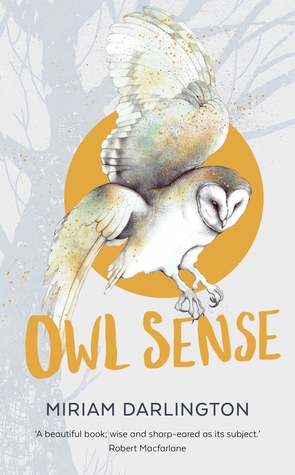 Initially the idea was to see all of Britain’s resident owls, but as often happens, the project expanded until Darlington was also taking trips to Serbia to find a Long-Eared Owl, Finland for a Eurasian Eagle Owl, and France for a Pygmy Owl; and going on a fruitless twitch to see a vagrant Snowy Owl in Cornwall. Each chapter considers a different species and includes information on its anatomy, geographical distribution, conservation status, and any associated myths and anecdotes (The Secret Life of the Owl by John Lewis-Stempel does much the same thing, but with less richness). She has closer encounters with some than with others: when volunteering with the Barn Owl Trust, she gets to ring chicks and collects pellets for dissection. But even the most fleeting sightings can be magical.
The book also subtly weaves in what was happening in Darlington’s life at the time, especially her son Benji’s struggles. On the autistic spectrum, he suddenly started having physical problems that were eventually explained by non-epileptic seizures. I would have welcomed more personal material, but that just speaks to my love of memoir. This feels slightly hurried and not quite as editorially polished as her master work, Otter Country, but it’s still well worth reading if you have any interest in birds or nature conservation. (I’ve only seen two owls in the wild: Barn and Tawny.) 
Fillets of Plaice by Gerald Durrell (1971)
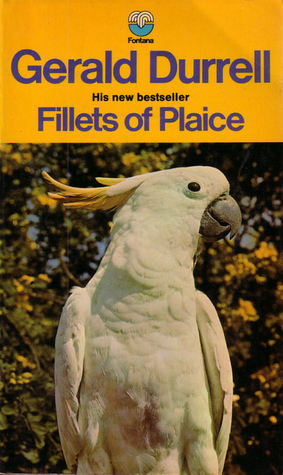 This is a pleasant miscellany of leftover essays that didn’t make it into any of Durrell’s other books. The best is “The Birthday Party,” about an incident from the Corfu years: Larry insisted on taking the fridge along on Mother’s birthday outing to an island, and their boat ran out of petrol. In “A Transport of Terrapins,” teenage Gerry works as a lowly pet shop assistant in London even though he knows twice as much as his boss; and meets other eccentric fellows, such as a bird collector and a retired colonel who has a house full of model figures for war gaming.
“A Question of Promotion” is set on one of the animal-collecting expeditions to Cameroon and turned me off a little with its colonial attitude: Durrell talks to the natives in condescending pidgin as he helps prepare a feast for the District Commissioner’s visit. In “A Question of Degrees” he visits two hospitals for a cataclysmic nosebleed, while “Ursula” is about a girlfriend who couldn’t open her mouth without uttering a malapropism. Entertaining scraps for diehard fans; if you’re new to Durrell, though, start with My Family and Other Animals and Menagerie Manor. 
The Unchangeable Spots of Leopards by Kristopher Jansma (2013)
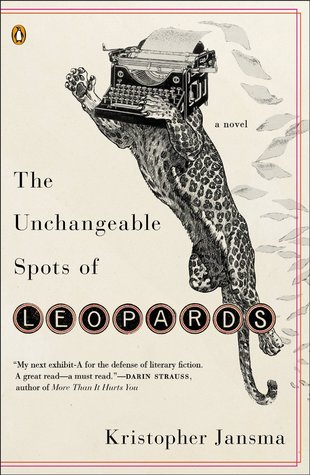 I’d meant to read Jansma’s debut ever since Why We Came to the City, his terrific novel about five university friends negotiating life in New York City during the recession, came out in 2016. I assumed the leopards of the title would be purely metaphorical – a reference to people not being able to change their inborn nature – and they are, but they’re also surprisingly literal in the one chapter set in Africa.
Jansma’s deliciously unreliable narrator, never named but taking on various aliases in these linked short stories, is a trickster, constantly reworking his life into fiction. He longs to be a successful novelist, but keeps losing his works in progress. We think we know the basics of his identity – he’s the son of a single mother who worked as a flight attendant; he grew up in North Carolina emulating the country club and debutante class; at Berkshire College he met his best friend and rival Julian McGann in creative writing class and fell for Julian’s friend Evelyn, the great unrequited love of his life – but Part II introduces doubt by calling the characters different names. Are these the ‘real’ people, or the narrator’s fictionalized versions?
The characters go on a bizarre odyssey that moves the setting from New York City to Nevada to Dubai to Sri Lanka to Ghana to Iceland to Luxembourg, finally ending up back in the very airport terminal where it started. As I remembered from Why We Came to the City, Jansma interleaves Greek mythology and allusions to other writers, especially F. Scott Fitzgerald. The coy way in which he layers fiction on fiction reminded me of work by John Boyne and Tom Rachman; other recommended readalikes are The Goldfinch and Orchid & the Wasp.
Best Fiction & Poetry of 2018
Below I’ve chosen my top 12 fiction releases from 2018 (eight of them happen to be by women!). Many of these books have already featured on my blog in some way over the course of the year. To keep things simple, as with my nonfiction selections, I’m limiting myself to two sentences per title: the first is a potted summary; the second tells you why you should read it. I’ve also highlighted my three favorites from the year’s poetry releases.
 Orchid & the Wasp by Caoilinn Hughes: From the Iraq War protests to the Occupy movement in New York City, we follow antiheroine Gael Foess as she tries to get her brother’s art recognized. This debut novel is a potent reminder that money and skills don’t get distributed fairly in this life.
 Bitter Orange by Claire Fuller: Fuller’s third novel tells the suspenseful story of the profligate summer of 1969 spent at a dilapidated English country house. The characters and atmosphere are top-notch; this is an absorbing, satisfying novel to swallow down in big gulps.
 The Only Story by Julian Barnes: It may be a familiar story – a May–December romance that fizzles out – but, as Paul believes, we only really get one love story, the defining story of our lives. The picture of romantic youth shading into cynical but still hopeful middle age really resonates, as do the themes of unconventionality, memory, addiction and pity.
 The Immortalists by Chloe Benjamin: Summer 1969: four young siblings escape a sweltering New York City morning by visiting a fortune teller who can tell you the day you’ll die; in the decades that follow, they have to decide what to do with this advance knowledge: will it spur them to live courageous lives, or drive them to desperation? This compelling family story lives up to the hype.
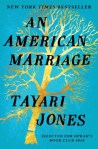 An American Marriage by Tayari Jones: Roy and Celestial only get a year of happy marriage before he’s falsely accused of rape and sentenced to 12 years in prison in Louisiana. This would make a great book club pick: I ached for all the main characters in their impossible situation; there’s a lot to probe about their personalities and motivations, and about how they reveal or disguise themselves through their narration and letters.
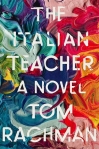 The Italian Teacher by Tom Rachman: Charles “Pinch” Bavinsky is an Italian teacher; as a boy in Rome in the 1950s–60s he believed he’d follow in the footsteps of his sculptor mother and his moderately famous father, Bear Bavinsky, who paints close-ups of body parts, but along the way something went wrong. This is a rewarding novel about the desperation to please, or perhaps exceed, one’s parents and the legacy of artists in a fickle market.
 The Incendiaries by R. O. Kwon: A sophisticated, unsettling debut novel about faith and its aftermath, fractured through the experience of three people coming to terms with painful circumstances. Kwon spent 10 years writing this book, and that time and diligence come through in how carefully honed the prose is: such precise images; not a single excess word.
 Unsheltered by Barbara Kingsolver: Kingsolver’s bold eighth novel has a dual timeline that compares the America of the 1870s and the recent past and finds that they are linked by distrust and displacement. There’s so much going on that it feels like it encompasses all of human life; it’s by no means a subtle book, but it’s an important one for our time, with many issues worth pondering and discussing.
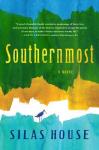 Southernmost by Silas House: In House’s sixth novel, a Tennessee preacher’s family life falls apart when he accepts a gay couple into his church. We go on a long journey with Asher Sharp: not just a literal road trip from Tennessee to Florida, but also a spiritual passage from judgment to grace in this beautiful, quietly moving novel of redemption and openness to what life might teach us.
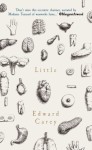 Little by Edward Carey: This is a deliciously macabre, Dickensian novel about Madame Tussaud, who started life as Anne Marie Grosholtz in Switzerland in 1761. From a former monkey house to the Versailles palace and back, Marie must tread carefully as the French Revolution advances and a desire for wax heads is replaced by that for decapitated ones.
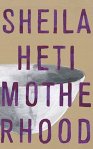 Motherhood by Sheila Heti: Chance, inheritance, and choice vie for pride of place in this relentless, audacious inquiry into the purpose of a woman’s life. The book encapsulates nearly every thought that has gone through my mind over the last decade as I’ve faced the intractable question of whether to have children.
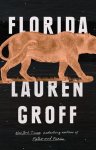 Florida by Lauren Groff: There’s an oppressive atmosphere throughout these 11 short stories, with violent storms reminding the characters of an uncaring universe, falling-apart relationships, and the threat of environmental catastrophe. Florida feels innovative and terrifyingly relevant; any one of its stories is a bracing read; together they form a masterpiece. (I never would have predicted that a short story collection would be my favorite fiction read of the year!)

My 2018 fiction books of the year (the ones I own in print, anyway).
Poetry selections:
-
 Three Poems by Hannah Sullivan: These poem-essays give fragmentary images of city life and question the notion of progress and what meaning a life leaves behind. “The Sandpit after Rain” stylishly but grimly juxtaposes her father’s death and her son’s birth.
-
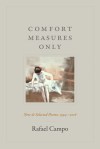 Comfort Measures Only: New and Selected Poems, 1994–2016 by Rafael Campo: Superb, poignant poetry about illness and the physician’s duty. A good bit of this was composed in response to the AIDS crisis; it’s remarkable how Campo wrings beauty out of clinical terminology and tragic situations.
-
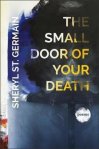 The Small Door of Your Death by Sheryl St. Germain: St. Germain’s seventh collection is in memory of her son Gray, who died of a drug overdose in 2014, aged 30. She turns her family history of alcohol and drug use into a touchpoint and affirms life’s sensual pleasures – everything from the smell of brand-new cowboy boots to luscious fruits.
What were some of your top fiction (or poetry) reads of the year?
Tomorrow I’ll be naming some runners-up (both fiction and nonfiction).
The Best Books from the First Half of 2018
Here’s a quick look back at a baker’s dozen of 2018 releases that have stood out most for me so far. I’ve linked to books that I’ve already reviewed in full on the blog or elsewhere.
Fiction:
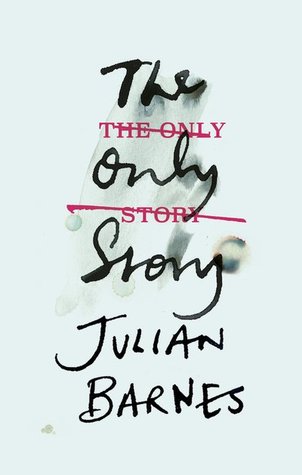 The Only Story by Julian Barnes: A familiar story: a May–December romance fizzles out. A sad story: an idealistic young man who swears he’ll never be old and boring has to face that this romance isn’t all he wanted it to be. A love story nonetheless. Paul met 48-year-old Susan, a married mother of two, at the local tennis club when he was 19. The narrative is partly the older Paul’s way of salvaging what happy memories he can, but also partly an extended self-defense. Barnes takes what could have been a dreary and repetitive story line and makes it an exquisitely plangent progression: first-person into second-person into third-person. The picture of romantic youth shading into cynical but still hopeful middle age really resonates, as do the themes of unconventionality, memory, addiction and pity.
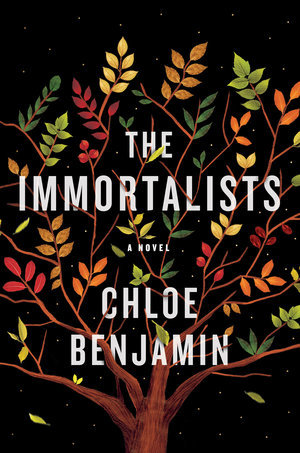 The Immortalists by Chloe Benjamin: Summer 1969: four young siblings escape a sweltering New York City morning by visiting a fortune teller who can tell you the day you’ll die. In the decades that follow, they have to decide what to do with this advance knowledge: will it spur them to live courageous lives, or drive them to desperation? This compelling family story lives up to the hype. Imagine the fun Benjamin had researching four distinct worlds: Daniel, a military doctor, examines Iraq War recruits; Klara becomes a magician in Las Vegas; Varya researches aging via primate studies; and Simon is a dancer in San Francisco. The settings, time periods, and career paths are so diverse that you get four novels’ worth of interesting background.
 Florida by Lauren Groff: Two major, connected threads in this superb story collection are ambivalence about Florida, and ambivalence about motherhood. There’s an oppressive atmosphere throughout, with environmental catastrophe an underlying threat. Set-ups vary in scope from almost the whole span of a life to one scene. A dearth of named characters emphasizes just how universal the scenarios and emotions are. Groff’s style is like a cross between Karen Russell’s Swamplandia! and Cormac McCarthy’s The Road, and her unexpected turns of phrase jump off the page. A favorite was “Above and Below,” in which a woman slips into homelessness. Florida feels innovative and terrifyingly relevant. Any one of its stories is a bracing read; together they form a masterpiece.
 Motherhood by Sheila Heti: Should one have children? Should I have children? No matter who’s asking the questions or in what context, you’re going to get the whole gamut of replies. Heti’s unnamed heroine consults a fortune teller and psychics, tosses coins and interprets her dreams as The Decision looms. Chance, inheritance, and choice vie for pride of place in this relentless, audacious inquiry into the purpose of a woman’s life. I marked out dozens of quotes that could have been downloaded directly from my head or copied from my e-mails and journal pages. The book encapsulates nearly every thought that has gone through my mind over the last decade as I’ve faced the intractable question of whether to have children. Heti has captured brilliantly what it’s like to be in this situation in this moment in time.
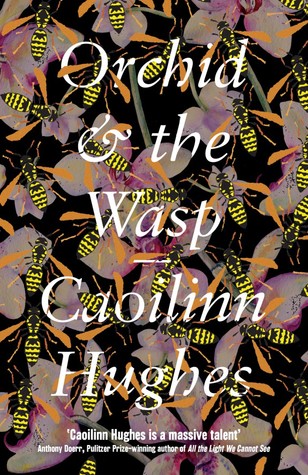 Orchid & the Wasp by Caoilinn Hughes: The action spans about nine years: a politically turbulent decade that opens with the Iraq War protests and closes with the Occupy movement in New York City. Gael Foess, our lovable antiheroine, is a trickster. She’s learned well her banker father’s lesson that money and skills don’t get distributed fairly in this life, so she’s going to do what she can to ensure that her loved ones succeed. Art, music, religion and health are major interlocking themes. The author is wonderfully adept at voices, and the book’s frenetic pace is well matched by the virtuosic use of language – wordplay, neologisms, and metaphors drawn from the arts and nature. Hughes is an exciting writer who has rightfully attracted a lot of buzz for her debut.
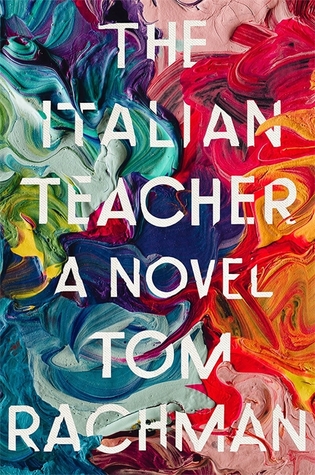 The Italian Teacher by Tom Rachman: Charles “Pinch” Bavinsky is just an Italian teacher, though as a boy in Rome in the 1950s–60s he believed he would follow in the footsteps of his sculptor mother and his moderately famous father, Bear Bavinsky, who paints close-ups of body parts. We follow Pinch through the rest of his life, a sad one of estrangement, loss and misunderstandings – but ultimately there’s a sly triumph in store for the boy who was told that he’d never make it as an artist. Rachman jets between lots of different places – Rome, New York City, Toronto, rural France, London – and ropes in quirky characters in the search for an identity and a place to belong. This is a rewarding story about the desperation to please, or perhaps exceed, one’s parents, and the legacy of artists in a fickle market.

The ‘bests’ that I happen to own in print.
Nonfiction:
 The Line Becomes a River by Francisco Cantú: Francisco Cantú was a U.S. Border Patrol agent for four years in Arizona and Texas. Impressionistic rather than journalistic, his book is a loosely thematic scrapbook. He inserts snippets of U.S.–Mexico history, including the establishment of the border, and quotes from other primary and secondary texts. He also adds in fragments of his family’s history: His ancestors left Mexico during the Mexican Revolution of the 1910s, but there’s no doubt his Latino name and features made him a friendly face for illegal immigrants. The final third of the book makes things personal when his friend is detained in Mexico. Giving faces to an abstract struggle, this work passionately argues that people should not be divided by walls but united in common humanity.
 The Unmapped Mind by Christian Donlan: Some of the best medical writing from a layman’s perspective I’ve ever read. Donlan, a Brighton-area video games journalist, was diagnosed with (relapsing, remitting) multiple sclerosis in 2014. “I think sometimes that early MS is a sort of tasting menu of neurological disease,” Donlan wryly offers. He approaches his disease with good humor and curiosity, using metaphors of maps to depict himself as an explorer into uncharted territory. The accounts of going in for an MRI and a round of chemotherapy are excellent. Short interludes also give snippets from the history of MS and the science of neurology in general. What’s especially nice is how he sets up parallels with his daughter’s early years. My frontrunner for next year’s Wellcome Book Prize so far.
 Free Woman by Lara Feigel: Doris Lessing lived by ideals of free love and Communism, but it came at the price of abandoning her children. Lara Feigel could identify with Lessing in some ways, and as she entered a rocky time in her mid-thirties – a miscarriage followed by IVF, which was a strain on her marriage; the death of a close friend; ongoing worry over how motherhood might affect her academic career – she set out to find what Lessing could teach her about how to be free. A familiarity with the works of Doris Lessing is not a prerequisite to enjoying this richly satisfying hybrid of biography, literary criticism and memoir. The Golden Notebook is about the ways in which women compartmentalize their lives and the struggle to bring various strands into harmony; that’s what Free Woman is all about as well.
 Implosion by Elizabeth W. Garber: The author grew up in a glass house designed by her father, Modernist architect Woodie Garber, outside Cincinnati in the 1960s to 70s. This and Woodie’s other most notable design, Sander Hall, a controversial tower-style dorm at the University of Cincinnati that was later destroyed in a controlled explosion, serve as powerful metaphors for her dysfunctional family life. Woodie is such a fascinating, flawed figure. Garber endured sexual and psychological abuse yet likens him to Odysseus, the tragic hero of his own life. She connected with him over Le Corbusier’s designs, but it was impossible for a man born in the 1910s to understand his daughter’s generation. This definitely is not a boring tome just for architecture buffs. It’s a masterful memoir for everyone.
 Skybound by Rebecca Loncraine: Each year seems to bring one exquisite posthumous memoir about facing death with dignity. For Rebecca Loncraine, after treatment for breast cancer in her early thirties, taking flying lessons in an unpowered glider was her way of rediscovering joy and experiencing freedom by facing her fears in the sky. She discovered a particular love for flying alongside birds: red kites in Wales, and vultures in Nepal. The most remarkable passages of the book are the exhilarating descriptions of being thousands of feet up in the air and the reflections on why humans are drawn to flight and what it does for our bodies and spirits. Loncraine had virtually finished this manuscript when her cancer returned; she underwent another 14 grueling months of treatment before her death in September 2016.
 Bookworm by Lucy Mangan: Mangan takes us along on a nostalgic chronological tour through the books she loved most as a child and adolescent. No matter how much or how little of your early reading overlaps with hers, you’ll appreciate her picture of the intensity of children’s relationship with books – they can completely shut out the world and devour their favorite stories over and over, almost living inside them, they love and believe in them so much – and her tongue-in-cheek responses to them upon rereading them decades later. There are so many witty lines that it doesn’t really matter whether you give a fig about the particular titles she discusses or not. A delightful paean to the joys of being a lifelong reader; recommended to bibliophiles and parents trying to make bookworms out of their children.
 Educated by Tara Westover: This is one of the most powerful and well-written memoirs I’ve ever read. It tells of a young woman’s off-grid upbringing in Idaho and the hard work that took her from almost complete ignorance to a Cambridge PhD. Westover’s is an incredible story about testing the limits of perseverance and sanity. Her father may have been a survivalist, but her psychic survival is the most impressive outcome here. What takes this astonishing life story to the next level, making it a classic to sit alongside memoirs by Alexandra Fuller, Mary Karr and Jeannette Walls, is the writing. Westover writes with calm authority, channeling the style of the scriptures and history books that were formative in her upbringing and education.
What are some of the best books you’ve read so far this year?
What 2018 releases do I need to catch up on right away?
Orchid & the Wasp by Caoilinn Hughes
Gael Foess, the antiheroine of Caoilinn Hughes’ debut novel, is a trickster. When we first meet her in Dublin in 2002, the 11-year-old is promptly kicked out of school for trying to sell other girls “virginity pills.” As the years pass we see her con her way into a London Business School interview, self-assuredly teach a literature class when her professor doesn’t show up, pretend to be a journalist to get an exclusive interview, and use deception to try to boost the careers of both her mother, Sive (a conductor), and her younger brother, Guthrie (a painter and single dad). In the title metaphor, which refers to an orchid species that lures pollinating wasps, Gael is the seductive flower that gets what it wants. We’re also invited to think of her, with that typically Gael-ic name, as an incarnation of mythological Irish hero Cúchulainn.
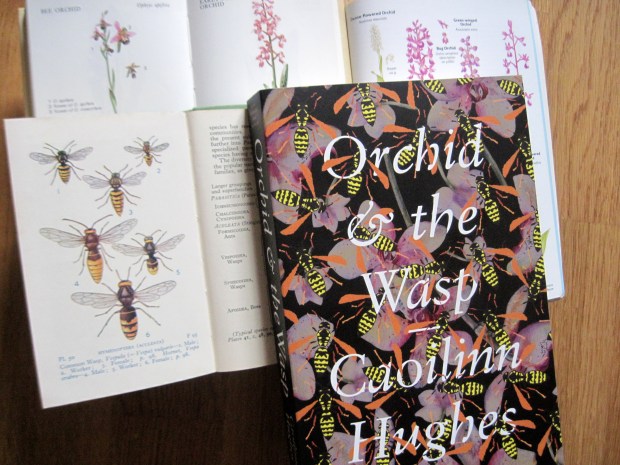
The novel spans about nine years: a politically turbulent decade that opens with Iraq War protests and closes with the Occupy movement in New York City. The financial crisis temporarily jolts Gael and Guthrie’s father, Jarleth, a high-flying Barclays banker who leaves the family in 2008. The biblical parable of the talents, which he recounted to Gael when she was a little girl, comes back to resonate: It’s a potent reminder that money and skills don’t get distributed fairly in this life. When Gael gets to New York in 2011, she plans to redress the balance in two paradoxical ways: living in the Occupy camp and taking part in protests; and secretly earning her brother a fortune on his modern art. For even while decrying her father’s privilege, she indulges her own love of fine things; even if ironically, she says that she aspires to be in the 1%, too.
With all her contradictions, Gael is an unforgettable character. I also found Guthrie fascinating. It was serendipitous that I read this novel alongside Suzanne O’Sullivan’s new book, Brainstorm. Guthrie was a mystically religious child and suffered from seizures, which doctors determined weren’t due to epilepsy but to somatic delusions – psychological rather than physiological. The seizures, ironically, became a boon because they inspire his art: “they’re hallowed and each aura is an absolution – a benison – and not just a synaptic blip.”

The U.S. cover
Hughes is wonderfully adept at voices, bringing secondary characters to life largely through how they speak. I especially warmed to Art, Sive’s boyfriend, who’s a Yorkshireman; and Harper, Gael’s OCD-plagued flatmate from Las Vegas. Even a brief run-in with American officialdom gets the perfect deadpan rendering: “United States Customs has no interest in surprises. Matter of fact, we hate surprises.” The novel often has a frenetic pace – an energy that’s well matched by the virtuosic use of language, with wordplay, neologisms, and metaphors drawn from art, music and nature. An orchestra is compared to a flock of starlings; a despondent Sive “began to resemble a bass clef.” The Irish are like radishes: “Pink on the outside, white underneath. Speck of mud on their cheeks.” Harper’s entire upbringing is pithily reduced to an “only-childhood of sprinkler weather, window glare and doughnut glazing.” I also loved this tiny poem of a phrase: “sobbing hampers syntax.”
My only real misgiving about the novel is the ending: After Gael comes back from New York, things sort of fizzle out. I even wondered if the story line could have stopped a chapter earlier. But in a way it makes sense to get no tidy closure for our protagonist. Gael is still only 20 years old at the book’s end, so it’s no surprise that she remains a restless wanderer. I certainly wouldn’t object to hearing about her further adventures in a sequel. Hughes is an exciting writer who has rightfully attracted a lot of buzz for her debut, and this is sure to be one of my novels of the year. It’s a perfect follow-on read from Tom Rachman’s The Italian Teacher, and I’d also recommend it highly to fans of Sweetbitter, The Art of Fielding, The Nix, and The Life and Death of Sophie Stark. Watch out for it in two weeks’ time.
My rating: 
Orchid & the Wasp will be published by Oneworld in the UK on June 7th. It’s not out in the USA until July 10th (Hogarth). My thanks to Margot Weale for a proof copy for review.
Two Recommended March Releases
The Little Book of Feminist Saints by Julia Pierpont
[Coming from Random House (USA) and Virago (UK) on the 6th]
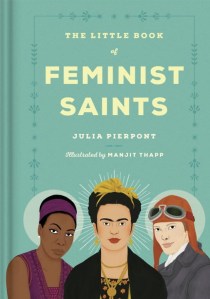 Like A Glorious Freedom, this is a celebration of women’s achievements, especially those that have been overlooked. Each “matron saint,” presented in chronological order by birthday, gets a two-page spread, with a full-color portrait on the left (by Manjitt Thapp, a young British artist), often featuring a halo, and a very short biographical essay on the right that highlights the person’s background and contributions towards greater opportunities for women. The first two subjects give you a sense of the range covered: Artemisia Gentileschi and Michelle Obama. There are about 90 profiles here, and while I recognized many of the figures, a lot of the mathematical/scientific pioneers and civil rights activists were new to me. This is the perfect little coffee table book to gift to the women in your life this year.
My rating:
E-ARC from Edelweiss.
The Italian Teacher by Tom Rachman
[Coming from Viking on the 20th]
Charles “Pinch” Bavinsky is just an Italian teacher, though as a boy in Rome in the 1950s–60s he believed he would follow in the footsteps of his sculptor mother and his moderately famous father, Bear Bavinsky, who paints close-ups of body parts. When his father shattered his dream, though, he turned to criticism, getting art history degrees and planning to preserve his father’s reputation by writing his authorized biography. But along the way something went wrong. We follow Pinch through the rest of his life, a sad one of estrangement, loss and misunderstandings – but ultimately there’s a sly triumph in store for the boy who was told that he’d never make it as an artist.
Like his previous book, The Rise and Fall of Great Powers, Rachman’s new one jets between lots of different places – Rome, New York City, Toronto, rural France, London – and ropes in quirky characters in the search for an identity and a place to belong. Although I preferred the early chapters when Pinch is a child – these have some of the free-wheeling energy of The Imperfectionists, Rachman’s first novel – this is a rewarding story about the desperation to please, or perhaps exceed, one’s parents, and the legacy of artists in a fickle market. Existing Rachman fans will certainly want to read this, but for those who are new to his work I’d particularly recommend it to fans of Daniel Kehlmann’s F and Dominic Smith’s The Last Painting of Sara de Vos.
My rating:
E-ARC from Edelweiss.
Plus one I’m a bit less enthusiastic in recommending, alas.
Anatomy of a Miracle by Jonathan Miles
[Coming from Hogarth on the 13th]
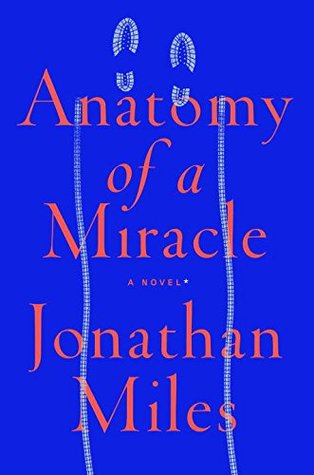 On August 23, 2014, wheelchair-bound veteran Cameron Harris stands up and walks outside the Biz-E-Bee convenience store in Biloxi, Mississippi. In the rest of the novel we find out how he got to this point and what others – ranging from his doctor to representatives of the Roman Catholic Church – will make of his recovery. Was it a miracle, or an explainable medical phenomenon? Miles has been rather sly in how he’s packaged this. On the title page he calls it a “True Story,” but an asterisk qualifies that with the phrase “a novel.” The style, reminiscent of journalistic reportage, is like what Dave Eggers uses in Zeitoun. He keeps up the pretense of the whole thing being based on interviews with the key players, all the way through to the acknowledgements. But early on I searched for information on a war veteran named Cameron Harris and found nothing. Miles made it all up.
It’s hard to reconcile the style with the fictional contents. That’s a shame, because there are interesting questions here that would be rewarding for a book club to discuss. What is the relationship between science and storytelling? How can we determine what “God’s will” is? Miles’s previous novel, Want Not, is one of the books I most wish I’d written, so it was perhaps inevitable this one would suffer in comparison. (Full review at The Bookbag.)
My rating:
Other March releases I’m planning to read:
- Happiness by Aminatta Forna (Grove Atlantic, 16th)
- The Friendship Cure, by Kate Leaver (Duckworth, 22nd) – for blog review
- The Long Forgotten by David Whitehouse (Picador, 22nd) – for blog tour
- The Parentations by Kate Mayfield (Oneworld, 29th) – for Shiny New Books review
What March books do you have on the docket?
Have you already read any that you can recommend?
My Most Anticipated 2018 Releases, Part I
Here are 30 books that are on my radar for the months of January through June. This is by no means a full inventory of what’s coming out (or even of what I have available through NetGalley and Edelweiss); instead, think of it as a preview of the books I actually intend to read. This time my list seems strangely skewed towards plants (the covers too), with a couple of bird- and medical-themed reads in there too. Also: two feminist group biographies, plenty of historical fiction, some short stories, a bit of true crime, and a fair few memoirs. I hope you’ll find a book or two here to tempt you.
(The descriptions below are generally adapted from the publisher blurbs on Goodreads, NetGalley or Edelweiss. Some of these I already have access to in print or galley form; others I’m still on the look-out for. The list is in chronological order by first publication date; if multiple books release on the same day they are in alphabetical order by author surname.)
January
 On the Bright Side: The New Secret Diary of Hendrik Groen [Jan. 11, Michael Joseph (Penguin UK)]: I loved the first Hendrik Groen novel back in 2016 (reviewed here); this promises more of the same witty, bittersweet stories about elderly Dutch eccentrics. “Chaos will ensue as 85-year-old Hendrik Groen is determined to grow old with dignity … He dreams of escaping the confines of his care home and practising hairpin turns on his mobility scooter.” (NetGalley download)
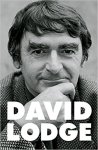 Writer’s Luck: A Memoir: 1976–1991 by David Lodge [Jan. 11, Harvill Secker]: I reviewed the first volume of Lodge’s memoirs, Quite a Good Time to Be Born, for Nudge back in 2015, so I’m eager to continue his life story in this second installment. “Readers of Lodge’s novels will be fascinated by the insights this book gives—not only into his professional career but also more personal experience. The main focus, however, is on writing as a vocation.”
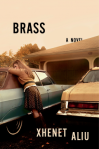 Brass: A Novel by Xhenet Aliu (for BookBrowse review) [Jan. 23, Random House]: “A waitress at the Betsy Ross Diner, Elsie hopes her nickel-and-dime tips will add up to a new life. Then she meets Bashkim, … who left Albania to chase his dreams. … Told in equally gripping parallel narratives with biting wit and grace, Brass announces a fearless new voice with a timely, tender, and quintessentially American story.” (NetGalley download)
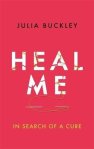 Heal Me: In Search of a Cure by Julia Buckley [Jan. 25, Weidenfeld & Nicolson]: The “search for a cure [for chronic pain] takes her on a global quest, exploring the boundaries between science, psychology and faith with practitioners on the fringes of conventional, traditional and alternative medicine. Rais[es] vital questions about the modern medical system … and the struggle to retain a sense of self.” (print review copy)
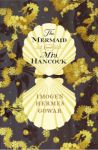 The Mermaid and Mrs. Hancock by Imogen Hermes Gowar [Jan. 25, Harvill Secker]: “A spellbinding story of curiosity, love and obsession from an astonishing new talent. One September evening in 1785, the merchant Jonah Hancock hears urgent knocking on his front door. One of his captains is waiting eagerly on the step. He has sold Jonah’s ship for what appears to be a mermaid.” Comes recommended by Elle. (NetGalley download)
February
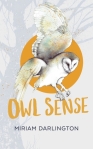 Owl Sense by Miriam Darlington [Feb. 6, Guardian Faber]: Darlington’s previous nature book, Otter Country, was stunning. Here, “Darlington sets out to tell a new story. Her fieldwork begins with wild encounters in the British Isles and takes her to the frosted borders of the Arctic. In her watching and deep listening to the natural world, she cleaves myth from reality and will change the way you think of this magnificent creature.”
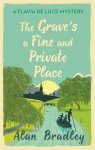 The Grave’s a Fine and Private Place by Alan Bradley [Feb. 8, Orion]: I’ve read all eight Flavia de Luce novels so far, which is worth remarking on because I don’t otherwise read mysteries and I usually find child narrators annoying. There’s just something delicious about this series set in 1950s England. This one will be particularly interesting because a life-changing blow came at the end of the previous book.
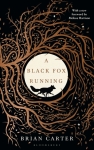 A Black Fox Running by Brian Carter [Feb. 8, Bloomsbury UK]: “A beautiful lost classic of nature writing” from 1981 that “sits alongside Tarka the Otter, Watership Down,” et al. “This is the story of Wulfgar, the dark-furred fox of Dartmoor, and of his nemesis, Scoble the trapper, in the seasons leading up to the pitiless winter of 1947. As breathtaking in its descriptions of the natural world as it is perceptive in its portrayal of damaged humanity.” Championed by Melissa Harrison.
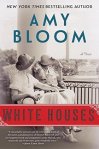 White Houses by Amy Bloom [Feb. 13, Random House]: The story of Lorena Hickock’s friendship/affair with Eleanor Roosevelt. “From Washington, D.C. to Hyde Park, from a little white house on Long Island to an apartment on Manhattan’s Washington Square, Amy Bloom’s new novel moves elegantly through fascinating places and times, written in compelling prose and with emotional depth, wit, and acuity.” (Edelweiss download)
The Italian Teacher by Tom Rachman [Feb. 20, Riverrun/Viking]: I’m a huge fan of Rachman’s, especially his previous novel, The Rise & Fall of Great Powers. “1955: The artists are gathering together for a photograph. In one of Rome’s historic villas, a party is bright with near-genius, shaded by the socialite patrons of their art. … Rachman displays a nuanced understanding of twentieth-century art and its demons, vultures and chimeras.” (Edelweiss download)
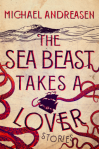 The Sea Beast Takes a Lover: Stories by Michael Andreasen [Feb. 27, Dutton (Penguin Group)]: “Romping through the fantastic with big-hearted ease, these stories cut to the core of what it means to navigate family, faith, and longing, whether in the form of a lovesick kraken slowly dragging a ship of sailors into the sea [or] a small town euthanizing its grandfathers in a time-honored ritual.” (NetGalley download)
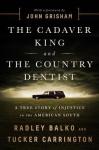 The Cadaver King and the Country Dentist: A True Story of Injustice in the American South by Radley Balko and Tucker Carrington [Feb. 27, PublicAffairs]: “After two three-year-old girls were raped and murdered in rural Mississippi, law enforcement pursued and convicted two innocent men, [who] spent a combined thirty years in prison before finally being exonerated in 2008. Meanwhile, the real killer remained free.”
March
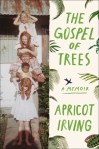 The Gospel of Trees: A Memoir by Apricot Irving [March 6, Simon & Schuster]: “Apricot Irving grew up as a missionary’s daughter in Haiti—a country easy to sensationalize but difficult to understand. Her father was an agronomist, a man who hiked alone into the hills … to preach the gospel of trees in a deforested but resilient country. Her mother and sisters, meanwhile, spent most of their days in the confines of the hospital compound they called home. As a child, this felt like paradise; as a teenager, the same setting felt like a prison.”
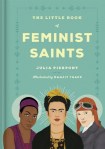 The Little Book of Feminist Saints by Julia Pierpont (illus. by Manjitt Thapp) [March 6, Random House]: This project reminds me a lot of A Glorious Freedom with its focus on women’s achievements and the full-color portraits of the subjects. I’ve just opened the file and the first two pieces give you a sense of the range that will be covered: Artemisia Gentileschi and Michelle Obama! (Edelweiss download)
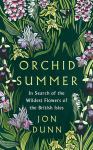 Orchid Summer: In Search of the Wildest Flowers of the British Isles by Jon Dunn [March 8, Bloomsbury UK]: Dunn’s were my favorite contributions to the Wildlife Trusts’ Seasons anthologies (e.g. Winter). I’ve also enjoyed following his botanical travels on Twitter. “From the chalk downs of the south coast of England to the heathery moorland of the Shetland Isles, and from the holy island of Lindisfarne in the east to the Atlantic frontier of western Ireland, Orchid Summer is a journey into Britain and Ireland’s most beautiful corners.”
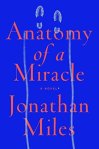 Anatomy of a Miracle by Jonathan Miles [March 13, Hogarth]: Miles’s previous novel, Want Not, is one of the books I most wish I’d written. “Rendered paraplegic after a traumatic event, Cameron Harris has been living his new existence alongside his sister, Tanya, in their battered Biloxi, Mississippi neighborhood where only half the houses made it through Katrina. … [A] stunning exploration of faith, science, mystery, and the meaning of life.”
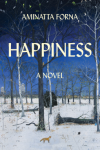 Happiness by Aminatta Forna [March 16, Grove Atlantic]: “London. A fox makes its way across Waterloo Bridge. The distraction causes two pedestrians to collide—Jean, an American studying the habits of urban foxes, and Attila, a Ghanaian psychiatrist there to deliver a keynote speech. … Forna’s unerring powers of observation show how in the midst of the rush of a great city lie numerous moments of connection.” (NetGalley download)
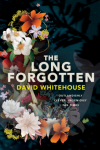 The Long Forgotten by David Whitehouse [March 22, Pan Macmillan/Picador]: “When the black box flight recorder of a plane that went missing 30 years ago is found at the bottom of the sea, a young man named Dove begins to remember a past that isn’t his. The memories belong to a rare flower hunter in 1980s New York, whose search led him around the world and ended in tragedy.” (NetGalley download)
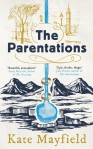 The Parentations by Kate Mayfield (to review for Shiny New Books?) [March 29, Oneworld]: From editor Jenny Parrott: “a stunning speculative historical novel … The story spans 200 years across Iceland and London, as a strange boy who can never die is surrounded by a motley collection of individuals, each with vested interests in his welfare. … [S]ome of the most extraordinary literary prose I’ve read during a thirty-year career.”
April
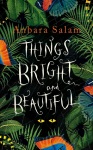 Things Bright and Beautiful by Anbara Salam [April 5, Fig Tree]: “1954, the South Pacific islands. When Beatriz Hanlon agreed to accompany her missionary husband Max to a remote island, she knew there would be challenges. But it isn’t just the heat and the damp and the dirt. There are more insects than she could ever have imagined, and the islanders are strangely hostile. [Then] an unexpected … guest arrives, and the couple’s claustrophobic existence is stretched to breaking point.” Sounds like Euphoria by Lily King. (NetGalley download)
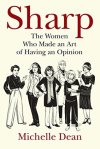 Sharp: The Women Who Made an Art of Having an Opinion by Michelle Dean [April 10, Grove Press]: “Dorothy Parker, Rebecca West, Hannah Arendt, Mary McCarthy, Susan Sontag, Pauline Kael, Joan Didion, Nora Ephron, Renata Adler, and Janet Malcolm—these brilliant women’s lives intertwine as they cut through the cultural and intellectual history of America in the twentieth century, arguing as fervently with each other as they did with the sexist attitudes of the men who often undervalued their work as critics and essayists.”
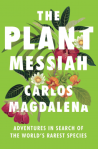 The Plant Messiah: Adventures in Search of the World’s Rarest Species by Carlos Magdalena [April 10, Doubleday]: “Carlos Magdalena is not your average horticulturist. He’s a man on a mission to save the world’s most endangered plants. … [He] takes readers from the Amazon to the jungles of Mauritius. … Back in the lab, we watch as he develops groundbreaking, left-field techniques for rescuing species from extinction, encouraging them to propagate and thrive once again.” (NetGalley download)
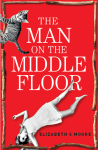 The Man on the Middle Floor by Elizabeth S. Moore (for blog tour) [April 12, RedDoor Publishing]: “Despite living in the same three-flat house in the suburbs of London, the residents are strangers to one another. … They have lived their lives separately, until now, when an unsolved murder and the man on the middle floor connect them. … It questions whether society is meeting the needs of the fast growing autistic section of society.” (print ARC)
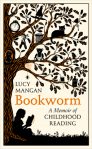 Bookworm: A Memoir of Childhood Reading by Lucy Mangan [April 24, Random House UK]: “This is a love letter to the joys of childhood reading, full of enthusiasm and wit, telling the colorful story of our best-loved children’s books, the extraordinary people who created them, and the thousand subtle ways they shape our lives.” (NetGalley download)
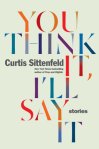 You Think It, I’ll Say It: Stories by Curtis Sittenfeld [April 24, Random House]: I would read anything Curtis Sittenfeld wrote; American Wife is still one of my absolute favorites. “The theme that unites these stories … is how even the cleverest people tend to misread others, and how much we all deceive ourselves. Sharp and tender, funny and wise, this collection shows [her] knack for creating real, believable characters that spring off the page.”
May
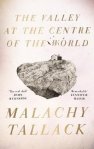 The Valley at the Centre of the World by Malachy Tallack [May 3, Canongate]: I’ve reviewed and enjoyed both of Tallack’s previous nonfiction works, including The Un-Discovered Islands. “Set against the rugged west coast of Shetland, in a community faced with extinction, [this] is a novel about love and grief, family and inheritance, rapid change and an age-old way of life. … [T]hese islanders must decide: what is left of us when the day’s work is done, the children grown, and all our choices have been made?”
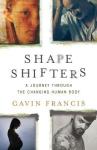 Shapeshifters: A Journey through the Changing Human Body by Gavin Francis [May 8, Basic Books]: “Francis considers the inevitable changes all of our bodies undergo—such as birth, puberty, and death, but also … those that only some of our bodies will: like getting a tattoo, experiencing psychosis, suffering anorexia, being pregnant, or undergoing a gender transition. … [E]ach event becomes an opportunity to explore the meaning of identity.”
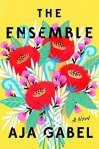 The Ensemble by Aja Gabel [May 15, Riverhead]: An “addictive debut novel about four young friends navigating the cutthroat world of music and their complex relationships with each other, as ambition, passion, and love intertwine over the course of their lives.”
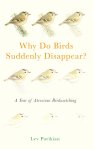 Why Do Birds Suddenly Disappear? by Lev Parikian (for blog tour) [May 17, Unbound]: “A lapsed and hopeless birdwatcher’s attempt to see 200 birds in a year. But it’s not just about birds. It’s about family, music, nostalgia; hearing the stories of strangers; the nature of obsession and obsession with nature.”
June
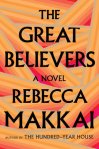 The Great Believers by Rebecca Makkai [June 19, Viking]: I loved both of Makkai’s previous novels and have her short story collection on my Kindle. “Fiona is in Paris tracking down her estranged daughter, who disappeared into a cult. While staying with an old friend, a famous photographer …, she finds herself finally grappling with the devastating ways the AIDS crisis affected her life and her relationship with her daughter.” (Edelweiss download)
Other lists of enticing 2018 releases that might give you some ideas:
Guardian (UK, nonfiction)
Halfman, Halfbook (UK, mostly science/nature and history)
Parchment Girl (mostly nonfiction)
Stylist (UK)
Which 2018 books are you most looking forward to? Do any of my choices interest you?
Return to Bookbarn
Sounds like a summer blockbuster, doesn’t it? There was certainly plenty of tension on our drive from the Reading area to Somerset this past Friday, as traffic on the M4 built up and our time for book shopping ticked down from a planned hour and a half to just 35 minutes before store closing. It had been almost exactly one year since my last trip to Bookbarn International, and after weeks of wheedling I’d finally persuaded my husband to make the detour on our way to visit friends in Bristol.
Despite the tight deadline, I enjoyed my browsing and scored some good finds. As usual, it seemed like a terrific bargain: £14.50 for 15 books. One’s a gift for our nephew in America, four are nature books my husband chose, and the rest are mine! Bonus: a few days later it occurred to me to ask after the collectible books I left behind last year for Bookbarn to sell for me and it turns out I have nearly £21 coming to me – so in effect our shopping was free!
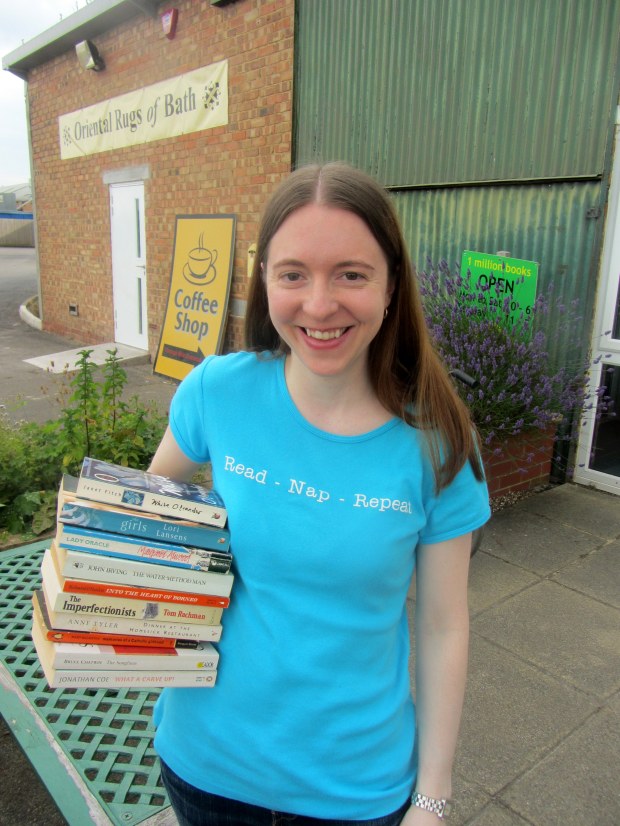
In case you can’t read the titles in the photo, here’s my haul:
Travel books:
The Songlines, Bruce Chatwin
Into the Heart of Borneo, Redmond O’Hanlon
[I featured both of the world-class travel writers in a recent article for Bookmarks, so it’s only proper that I actually read something by them.]
Memoir:
Memories of a Catholic Girlhood, Mary McCarthy [I’m a sucker for religious memoirs.]
Fiction:
Lady Oracle, Margaret Atwood [It’s been a while since I tried one from her back catalogue.]
What a Carve Up!, Jonathan Coe [I enjoyed the recent ‘sequel’, Number 11.]
White Oleander, Janet Fitch [An Oprah favorite I’ve long meant to read.]
The Water-Method Man, John Irving [Let’s hope for better things from his second novel.]
The Girls, Lori Lansens [I can’t resist a conjoined twins story.]
The Imperfectionists, Tom Rachman [Already read some years back, but worth owning.]
Dinner at the Homesick Restaurant, Anne Tyler [To continue my run of Tyler classics.]
 Bookish Beck = Rebecca Foster. American transplant to England. Freelance proofreader and book reviewer.
 Bookish Beck