Reporting Back on My Most Anticipated Reads of 2025
Most years I’ve combined this topic with a rundown of my DNFs for the year; this time I can’t be bothered to list them. There have probably not been as many as usual; generally, I’ve given a sentence or two about each DNF in a Love Your Library post. In any case, I hereby give you blanket permission to drop that book you’ve been struggling with. I absolve you of all potential guilt. It makes no difference if it has been nominated for or won a major prize, or if everyone else seems to love it. If for any reason a book isn’t connecting with you, move onto something else; you can always come back to try it another time, or not. Life is short.
So, on to those Most Anticipated books. In January, I picked the 25 new releases I was most looking forward to in the first half of the year, and followed it up in July with another 15 for the second half. Here’s how I fared with them:
Read and enjoyed: 14 (some will appear on my Best-of list!)
 Book of Lives: A Memoir of Sorts by Margaret Atwood
- Spent: A Comic Novel by Alison Bechdel
- Victorian Psycho by Virginia Feito
- Heartwood by Amity Gaige
- Poets Square: A Memoir in Thirty Cats by Courtney Gustafson
- Lifelines: Searching for Home in the Mountains of Greece by Julian Hoffman
- The Silver Book by Olivia Laing
- Ripeness by Sarah Moss
- Joyride by Susan Orlean
- Are You Happy?: Stories by Lori Ostlund
- Ghosts of the Farm: Two Women’s Journeys Through Time, Land and Community by Nicola Chester
- The Lost Trees of Willow Avenue: A Story of Climate and Hope on One American Street by Mike Tidwell
- Three Days in June by Anne Tyler
- Palaver by Bryan Washington
 Read and found disappointing (i.e., 3 stars or below): 6
- Dream Count by Chimamanda Ngozi Adichie
- Breasts: A Relatively Brief Relationship by Jean Hannah Edelstein
- Mother Animal by Helen Jukes
- Heart the Lover by Lily King
- The Accidentals: Stories by Guadalupe Nettel
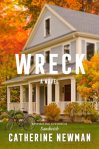
- Wreck by Catherine Newman
Skimmed (because it was disappointing): 1
- Somebody Is Walking on Your Grave: My Cemetery Journeys by Mariana Enríquez

 Currently reading / have read part of: 4
- Ghosts of the Farm: Two Women’s Journeys Through Time, Land and Community by Nicola Chester
- Jesusland: Stories from the Upside[-]Down World of Christian Pop Culture by Joelle Kidd
- The Girls Who Grew Big by Leila Mottley
- Minor Black Figures by Brandon Taylor
DNF: 1
- Archive of Unknown Universes by Ruben Reyes Jr.
 Owned in print but haven’t read yet (one was received for my birthday and two just now for Christmas!): 3
- Ordinary Saints by Niamh Ni Mhaoileoin
- Bread and Milk by Karolina Ramqvist
- The Antidote by Karen Russell
On my e-reader but haven’t gotten to yet: 9
- The Unworthy by Agustina Bazterrica
- Kate & Frida by Kim Fay
- Live Fast by Brigitte Giraud
- The Swell by Kat Gordon
- My Mother in Havana: A Memoir of Magic & Miracle by Rebe Huntman
- A Long Game: Notes on Writing Fiction by Elizabeth McCracken
- Tigers Between Empires: The Improbable Return of Great Cats to the Forests of Russia and China by Jonathan C. Slaght
 Elegy, Southwest by Madeleine Watts
- Alive: An Alternative Anatomy by Gabriel Weston
Haven’t managed to get hold of: 2
- O Sinners! by Nicole Cuffy
- The Forgotten Sense: The New Science of Smell by Jonas Olofsson [my library has a copy]
I can’t resist compiling this list each year. In the first week of January, I’ll be previewing my 20 Most Anticipated titles for the first half of 2026.
Do you choose Most Anticipated books each year? (Or do you prefer to be surprised?) And if you do, do they generally meet your expectations?
Love Your Library, November 2025
Thanks, as always, to Eleanor and Skai for posting about their recent library reading. And thanks to Margaret for joining in for the first time!
Last month I was lamenting my disengagement from the Booker Prize shortlist. Luckily, I loved the eventual winner, Flesh by David Szalay, which I finished reading about an hour and a half before the prize announcement! In other news, I’m judging the McKitterick Prize again this year. When, mid-month, it hit me that my first shipment of submissions was going to be arriving soon, I had to clear the decks by returning some library books I knew I wasn’t going to get to any time soon. This included a few 2025 releases that I’d hoped to prioritise but that didn’t, at least within the first few pages, leap out at me as must-reads.
The new categorisation system at my library doesn’t seem to be as disruptive as predicted, though it does look untidy having two different types of stickers in any one section. The self-service reservations have been moved from one wall to the opposite one, as if just to confuse patrons. (None of these changes are ever run by the staff and volunteers who will actually live with them day to day.)
I’m there for the books, but there’s an amazing range of other services that people access. One young woman comes for one-on-one English tutoring and picks up free period products. A man with aphasia after a stroke has literacy training. Older people book IT sessions. The NHS runs a free clinic for health checks. Our £1 coffee machine is very popular. There are also recycling points for bras and batteries. Truly a community hub.
My library use over the last month:
(links are to books not already reviewed on the blog; some reviews are still to come)
READ
- Emil and the Detectives by Erich Kästner

- Heart the Lover by Lily King
- Misery by Stephen King

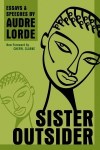
- Sister Outsider: Essays and Speeches by Audre Lorde
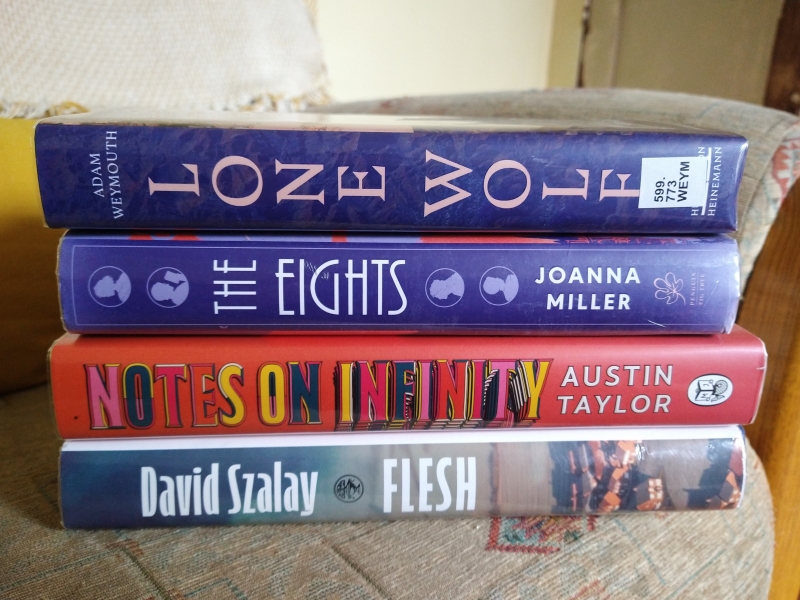
- The Eights by Joanna Miller

- Super-Frog Saves Tokyo by Haruki Murakami

- Rainforest by Michelle Paver
- Death of an Ordinary Man by Sarah Perry

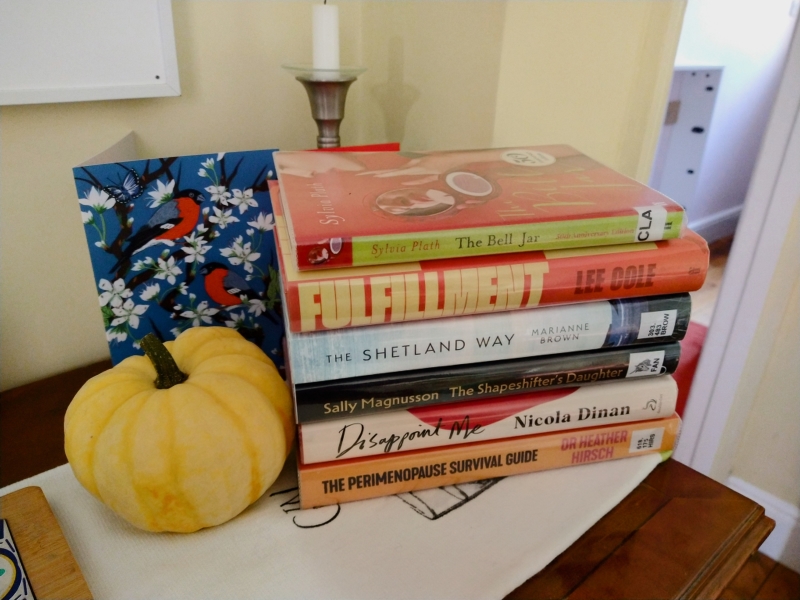
- The Bell Jar by Sylvia Plath
- Flesh by David Szalay
- Slags by Emma Jane Unsworth

CURRENTLY READING
- The Honesty Box by Lucy Brazier
- Of Thorn & Briar: A Year with the West Country Hedgelayer by Paul Lamb
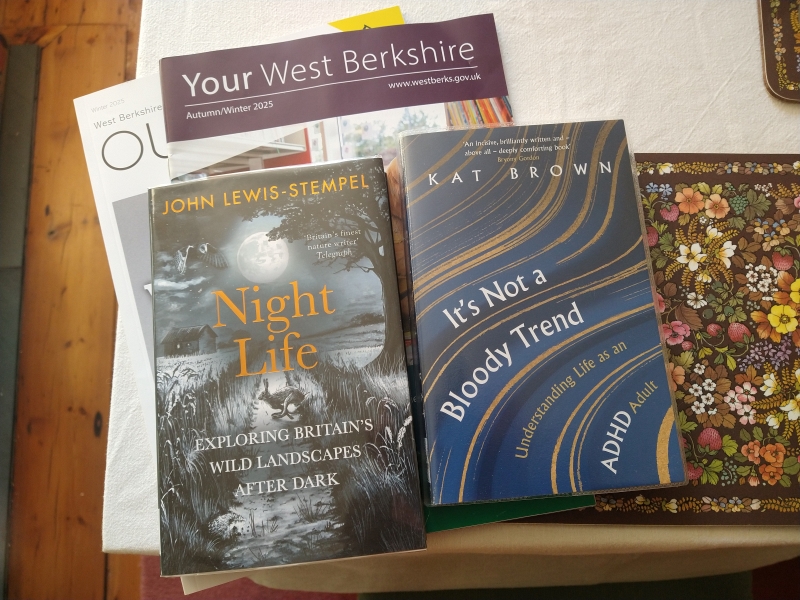
- Night Life: Walking Britain’s Wild Landscapes after Dark by John Lewis-Stempel
SKIMMED
- The Perimenopause Survival Guide: A Feel-Like-Yourself-Again Roadmap for Every Woman over 35 by Heather Hirsch
CHECKED OUT, TO BE READ
- It’s Not a Bloody Trend: Understanding Life as an ADHD Adult by Kat Brown
- A Certain Smile by Françoise Sagan
- The Death of Ivan Ilyich by Leo Tolstoy
ON HOLD, TO BE COLLECTED
- The Parallel Path: Love, Grit and Walking the North by Jenn Ashworth
- Book of Lives: A Memoir of Sorts by Margaret Atwood
- Look Closer: How to Get More out of Reading by Robert Douglas-Fairhurst
- Winter by Val McDermid
- We Live Here Now by C.D. Rose
IN THE RESERVATION QUEUE
- Honour & Other People’s Children by Helen Garner
- Snegurochka by Judith Heneghan
- Do Admit: The Mitford Sisters and Me by Mimi Pond
- Weirdo Goes Wild by Zadie Smith and Nick Laird
- Murder Most Unladylike by Robin Stevens
RETURNED UNREAD
- The Shetland Way: Community and Climate Crisis on My Father’s Islands by Marianne Brown
- Fulfillment by Lee Cole
- Disappoint Me by Nicola Dinan
- The Shapeshifter’s Daughter by Sally Magnusson
- Notes on Infinity by Austin Taylor
- Lone Wolf: Walking the Faultlines of Europe by Adam Weymouth
RETURNED UNFINISHED
- A Single Man by Christopher Isherwood
- Kairos by Jenny Erpenbeck
- Red Pockets: An Offering by Alice Mah
- Death in Venice and Other Stories by Thomas Mann
What have you been reading or reviewing from the library recently?
Share a link to your own post in the comments. Feel free to use the above image. The hashtag is #LoveYourLibrary.

Book Serendipity, September through Mid-November
I call it “Book Serendipity” when two or more books that I read at the same time or in quick succession have something in common – the more bizarre, the better. This is a regular feature of mine every couple of months. Because I usually have 20–30 books on the go at once, I suppose I’m more prone to such incidents. People frequently ask how I remember all of these coincidences. The answer is: I jot them down on scraps of paper or input them immediately into a file on my PC desktop; otherwise, they would flit away.
Thanks to Emma and Kay for posting their own Book Serendipity moments! (Liz is always good about mentioning them as she goes along, in the text of her reviews.)
The following are in roughly chronological order.
- An obsession with Judy Garland in My Judy Garland Life by Susie Boyt (no surprise there), which I read back in January, and then again in Beard: A Memoir of a Marriage by Kelly Foster Lundquist.
- Leaving a suicide note hinting at drowning oneself before disappearing in World War II Berlin; and pretending to be Jewish to gain better treatment in Aimée and Jaguar by Erica Fischer and The Lilac People by Milo Todd.
- Leaving one’s clothes on a bank to suggest drowning in The Covenant of Water by Abraham Verghese, read over the summer, and then Benbecula by Graeme Macrae Burnet.
- A man expecting his wife to ‘save’ him in Amanda by H.S. Cross and Beard: A Memoir of a Marriage by Kelly Foster Lundquist.
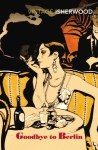 A man tells his story of being bullied as a child in Goodbye to Berlin by Christopher Isherwood and Beard by Kelly Foster Lundquist.
- References to Vincent Minnelli and Walt Whitman in a story from Touchy Subjects by Emma Donoghue and Beard by Kelly Foster Lundquist.
- The prospect of having one’s grandparents’ dining table in a tiny city apartment in Beard by Kelly Foster Lundquist and Wreck by Catherine Newman.
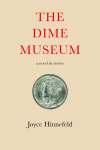
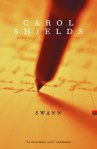
- Ezra Pound’s dodgy ideology was an element in The Dime Museum by Joyce Hinnefeld, which I reviewed over the summer, and recurs in Swann by Carol Shields.
- A character has heart palpitations in Andrew Miller’s story from The BBC National Short Story Award 2025 anthology and Endling by Maria Reva.
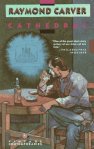
- A (semi-)nude man sees a worker outside the window and closes the curtains in one story of Cathedral by Raymond Carver and one from Good and Evil and Other Stories by Samanta Schweblin.
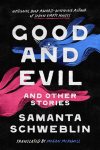
- The call of the cuckoo is mentioned in The Edge of Silence by Neil Ansell and Of All that Ends by Günter Grass.
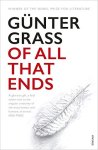 A couple in Italy who have a Fiat in Of All that Ends by Günter Grass and Caoilinn Hughes’s story from The BBC National Short Story Award 2025 anthology.
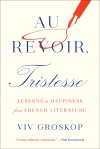
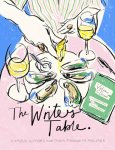
- Balzac’s excessive coffee consumption was mentioned in Au Revoir, Tristesse by Viv Groskop, one of my 20 Books of Summer, and then again in The Writer’s Table by Valerie Stivers.
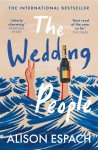
- The main character is rescued from her suicide plan by a madcap idea in The Wedding People by Alison Espach and Endling by Maria Reva.
- The protagonist is taking methotrexate in Sea, Poison by Caren Beilin and Wreck by Catherine Newman.

- A man wears a top hat in Benbecula by Graeme Macrae Burnet and one story of Cathedral by Raymond Carver.
- A man named Angus is the murderer in Benbecula by Graeme Macrae Burnet and Swann by Carol Shields.
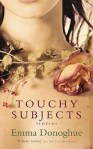 The thing most noticed about a woman is a hair on her chin in the story “Pluck” in Touchy Subjects by Emma Donoghue and Swann by Carol Shields.
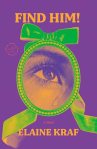
- The female main character makes a point of saying she doesn’t wear a bra in Sea, Poison by Caren Beilin and Find Him! by Elaine Kraf.
- A home hairdressing business in one story of Cathedral by Raymond Carver and Emil & the Detectives by Erich Kästner.
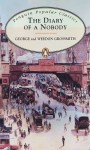
- Painting a bathroom fixture red: a bathtub in The Diary of a Nobody by George Grossmith, one of my 20 Books of Summer; and a toilet in Find Him! by Elaine Kraf.
- A teenager who loses a leg in a road accident in individual stories from A Wild Swan by Michael Cunningham and the Racket anthology (ed. Lisa Moore).
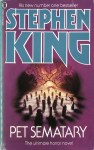
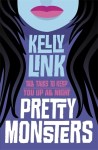
- Digging up the casket of a loved one in the wee hours features in Pet Sematary by Stephen King, one of my 20 Books of Summer; and one story of Pretty Monsters by Kelly Link.
- A character named Dani in the story “The St. Alwynn Girls at Sea” by Sheila Heti and The Silver Book by Olivia Laing; later, author Dani Netherclift (Vessel).
 Obsessive cultivation of potatoes in Benbecula by Graeme Macrae Burnet and The Martian by Andy Weir.
- The story of Dante Gabriel Rossetti digging up the poems he buried with his love is recounted in Sharon Bala’s story in the Racket anthology (ed. Lisa Moore) and one of the stories in Pretty Monsters by Kelly Link.
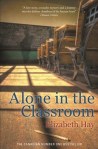
- Putting French word labels on objects in Alone in the Classroom by Elizabeth Hay and Find Him! by Elaine Kraf.
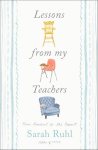 A man with part of his finger missing in Find Him! by Elaine Kraf and Lessons from My Teachers by Sarah Ruhl.
- In Minor Black Figures by Brandon Taylor, I came across a mention of the Italian film director Pier Paolo Pasolini, who is a character in The Silver Book by Olivia Laing.
- A character who works in an Ohio hardware store in Flashlight by Susan Choi and Buckeye by Patrick Ryan (two one-word-titled doorstoppers I skimmed from the library). There’s also a family-owned hardware store in Alone in the Classroom by Elizabeth Hay.
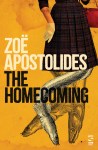
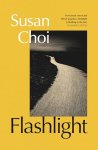
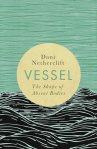
- A drowned father – I feel like drownings in general happen much more often in fiction than they do in real life – in The Homecoming by Zoë Apostolides, Flashlight by Susan Choi, and Vessel by Dani Netherclift (as well as multiple drownings in The Covenant of Water by Abraham Verghese, one of my 20 Books of Summer).
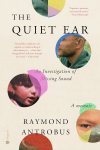
- A memoir by a British man who’s hard of hearing but has resisted wearing hearing aids in the past: first The Quiet Ear by Raymond Antrobus over the summer, then The Edge of Silence by Neil Ansell.
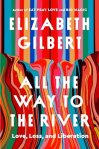 A loved one is given a six-month cancer prognosis but lives another (nearly) two years in All the Way to the River by Elizabeth Gilbert and Lessons from My Teachers by Sarah Ruhl.
- A man’s brain tumour is diagnosed by accident while he’s in hospital after an unrelated accident in Flashlight by Susan Choi and Saltwash by Andrew Michael Hurley.
- Famous lost poems in What We Can Know by Ian McEwan and Swann by Carol Shields.
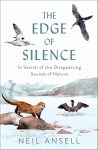
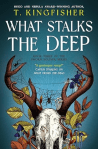
- A description of the anatomy of the ear and how sound vibrates against tiny bones in The Edge of Silence by Neil Ansell and What Stalks the Deep by T. Kingfisher.
- Notes on how to make decadent mashed potatoes in Beard by Kelly Foster Lundquist, Death of an Ordinary Man by Sarah Perry, and Lessons from My Teachers by Sarah Ruhl.
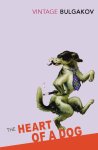
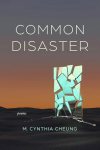
- Transplant surgery on a dog in Russia and trepanning appear in The Heart of a Dog by Mikhail Bulgakov and the poetry collection Common Disaster by M. Cynthia Cheung.
- Audre Lorde, whose Sister Outsider I was reading at the time, is mentioned in Lessons from My Teachers by Sarah Ruhl. Lorde’s line about the master’s tools never dismantling the master’s house is also paraphrased in Spent by Alison Bechdel.
- An adult appears as if fully formed in a man’s apartment but needs to be taught everything, including language and toilet training, in The Heart of a Dog by Mikhail Bulgakov and Find Him! by Elaine Kraf.
 Two sisters who each wrote a memoir about their upbringing in Spent by Alison Bechdel and Vessel by Dani Netherclift.
- The fact that ragwort is bad for horses if it gets mixed up into their feed was mentioned in Ghosts of the Farm by Nicola Chester and Understorey by Anna Chapman Parker.
- The Sylvia Plath line “the O-gape of complete despair” was mentioned in Vessel by Dani Netherclift, then I read it in its original place in Ariel later the same day.
- A mention of the Baba Yaga folk tale (an old woman who lives in the forest in a hut on chicken legs) in Common Disaster by M. Cynthia Cheung and Woman, Eating by Claire Kohda. [There was a copy of Sophie Anderson’s children’s book The House with Chicken Legs in the Little Free Library around that time, too.]
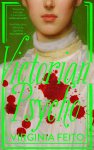
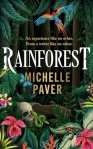
- Coming across a bird that seems to have simply dropped dead in Victorian Psycho by Virginia Feito, Vessel by Dani Netherclift, and Rainforest by Michelle Paver.
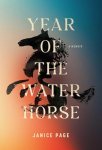
- Contemplating a mound of hair in Vessel by Dani Netherclift (at Auschwitz) and Year of the Water Horse by Janice Page (at a hairdresser’s).
- Family members are warned that they should not see the body of their loved one in Vessel by Dani Netherclift and Rainforest by Michelle Paver.
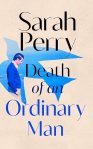
- A father(-in-law)’s swift death from oesophageal cancer in Year of the Water Horse by Janice Page and Death of an Ordinary Man by Sarah Perry.
- I saw John Keats’s concept of negative capability discussed first in My Little Donkey by Martha Cooley and then in Understorey by Anna Chapman Parker.
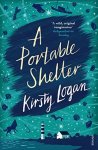
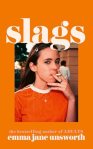
- I started two books with an Anne Sexton epigraph on the same day: A Portable Shelter by Kirsty Logan and Slags by Emma Jane Unsworth.
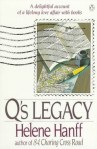
- Mentions of Martin Luther King, Jr.’s assassination in Q’s Legacy by Helene Hanff and Sister Outsider for Audre Lorde, both of which I was reading for Novellas in November.
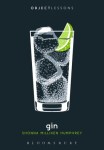
- Mentions of specific incidents from Samuel Pepys’s diary in Q’s Legacy by Helene Hanff and Gin by Shonna Milliken Humphrey, both of which I was reading for Nonfiction November/Novellas in November.
- Starseed (aliens living on earth in human form) in Beautyland by Marie-Helene Bertino and The Conspiracists by Noelle Cook.
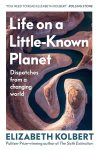
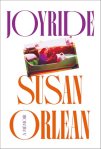
- Reading nonfiction by two long-time New Yorker writers at the same time: Life on a Little-Known Planet by Elizabeth Kolbert and Joyride by Susan Orlean.
- The breaking of a mirror seems like a bad omen in The Spare Room by Helen Garner and The Bell Jar by Sylvia Plath.
 The author’s husband (who has a name beginning with P) is having an affair with a lawyer in Catching Sight by Deni Elliott and Joyride by Susan Orlean.
- Mentions of Lewis Hyde’s book The Gift in Lessons from My Teachers by Sarah Ruhl and The Serviceberry by Robin Wall Kimmerer; I promptly ordered the Hyde secondhand!
- The protagonist fears being/is accused of trying to steal someone else’s cat in Minka and Curdy by Antonia White and Aunts Aren’t Gentlemen by P.G. Wodehouse, both of which I was reading for Novellas in November.
What’s the weirdest reading coincidence you’ve had lately?
Four (Almost) One-Sitting Novellas by Blackburn, Murakami, Porter & School of Life (#NovNov25)
I never believe people who say they read 300-page novels in a sitting. How is that possible?! I’m a pretty slow reader, I like to bounce between books rather than read one exclusively, and I often have a hot drink to hand beside my book stack, so I’d need a bathroom break or two. I also have a young cat who doesn’t give me much peace. But 100 pages or thereabouts? I at least have a fighting chance of finishing a novella in one go. Although I haven’t yet achieved a one-sitting read this month, it’s always the goal: to carve out the time and be engrossed such that you just can’t put a book down. I’ll see if I can manage it before November is over.
A couple of longish car rides last weekend gave me the time to read most of three of these, and the next day I popped the other in my purse for a visit to my favourite local coffee shop. I polished them all off later in the week. I have a mini memoir in pets, a surreal Japanese story with illustrations, an innovative modern classic about bereavement, and a set of short essays about money and commodification.
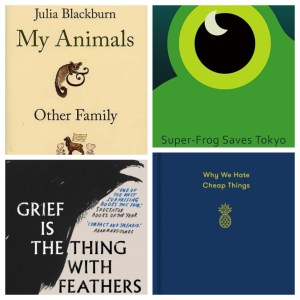
My Animals and Other Family by Julia Blackburn; illus. Herman Makkink (2007)
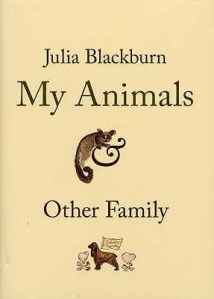 In five short autobiographical essays, Blackburn traces her life with pets and other domestic animals. Guinea pigs taught her the facts of life when she was the pet monitor for her girls’ school – and taught her daughter the reality of death when they moved to the country and Galaxy sired a kingdom of outdoor guinea pigs. They also raised chickens, then adopted two orphaned fox cubs; this did not end well. There are intriguing hints of Blackburn’s childhood family dynamic, which she would later write about in the memoir The Three of Us: Her father was an alcoholic poet and her mother a painter. It was not a happy household and pets provided comfort as well as companionship. “I suppose tropical fish were my religion,” she remarks, remembering all the time she devoted to staring at the aquarium. Jason the spaniel was supposed to keep her safe on walks, but his presence didn’t deter a flasher (her parents’ and a policeman’s reactions to hearing the story are disturbingly blasé). My favourite piece was the first, “A Bushbaby from Harrods”: In the 1950s, the department store had a Zoo that sold exotic pets. Congo the bushbaby did his business all over her family’s flat but still was “the first great love of my life,” Blackburn insists. This was pleasant but won’t stay with me. (New purchase – remainder copy from Hay Cinema Bookshop, 2025) [86 pages]
Super-Frog Saves Tokyo by Haruki Murakami; illus. Seb Agresti and Suzanne Dean (2000, 2001; this edition 2025)
[Translated from Japanese by Jay Rubin]
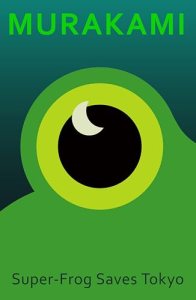 This short story first appeared in English in GQ magazine in 2001 and was then included in Murakami’s collection after the quake, a response to the Kobe earthquake of 1995. “Katigiri found a giant frog waiting for him in his apartment,” it opens. The six-foot amphibian knows that an earthquake will hit Tokyo in three days’ time and wants the middle-aged banker to help him avert disaster by descending into the realm below the bank and doing battle with Worm. Legend has it that the giant worm’s anger causes natural disasters. Katigiri understandably finds it difficult to believe what’s happening, so Frog earns his trust by helping him recover a troublesome loan. Whether Frog is real or not doesn’t seem to matter; either way, imagination saves the city – and Katigiri when he has a medical crisis. I couldn’t help but think of Rachel Ingalls’ Mrs. Caliban (one of my NovNov reads last year). While this has been put together as an appealing standalone volume and was significantly more readable than any of Murakami’s recent novels that I’ve tried, I felt a bit cheated by the it-was-all-just-a-dream motif. (Public library) [86 pages]
Grief Is the Thing with Feathers by Max Porter (2015)
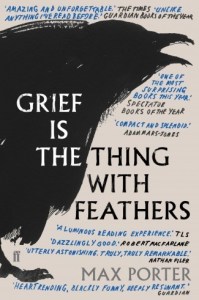 A reread – I reviewed this for Shiny New Books when it first came out and can’t better what I said then. “The novel is composed of three first-person voices: Dad, Boys (sometimes singular and sometimes plural) and Crow. The father and his two young sons are adrift in mourning; the boys’ mum died in an accident in their London flat. The three narratives resemble monologues in a play, with short lines often laid out on the page more like stanzas of a poem than prose paragraphs.” What impressed me most this time was the brilliant mash-up of allusions and genres. The title: Emily Dickinson. The central figure: Ted Hughes’s Crow. The setup: Edgar Allan Poe’s “The Raven” – while he’s grieving his lost love, a man is visited by a black bird that won’t leave until it’s delivered its message. (A raven cronked overhead as I was walking to get my cappuccino.) I was less dazzled by the actual writing, though, apart from a few very strong lines about the nature of loss, e.g. “Moving on, as a concept, is for stupid people, because any sensible person knows grief is a long-term project.” I have a feeling this would be better experienced in other media (such as audio, or the play version). I do still appreciate it as a picture of grief over time, however. Porter won the Sunday Times Young Writer of the Year Award as well as the Dylan Thomas Prize. (Secondhand – Gifted by a friend as part of a trip to Community Furniture Project, Newbury last year; I’d resold my original hardback copy – more fool me!) [114 pages]


My original rating (in 2015):
My rating now: 
Why We Hate Cheap Things by The School of Life (2017)
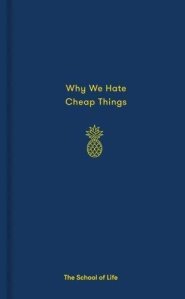 I’m generally a fan of the high-brow self-help books The School of Life produces, but these six micro-essays feel like cast-offs from a larger project. The title essay explores the link between the cost of an item or experience and how much we value it – with reference to pineapples and paintings. The other essays decry the fact that money doesn’t get fairly distributed, such that craftspeople and arts graduates often struggle financially when their work and minds are exactly what we should be valuing as a society. Fair enough … but any suggestions for how to fix the situation?! I’m finding Robin Wall Kimmerer’s The Serviceberry, which is also on a vaguely economic theme, much more engaging and profound. There’s no author listed for this volume, but as The School of Life is Alain de Botton’s brainchild, I’m guessing he had a hand. Perhaps he’s been cancelled? This raises a couple of interesting questions, but overall you’re probably better off spending the time with something more in depth. (Little Free Library) [78 pages]
#NovNov25 Begins! & My Year in Novellas
Welcome to Novellas in November! The link-up is open (see my pinned post). At the start of the month, we’re inviting you to tell us about any novellas you’ve read since last November.

I have a designated shelf of short books that I keep adding to throughout the year. Whenever I’m at secondhand bookshops, charity shops, the Little Free Library, or the public library volunteering, I’m always eyeing up thin volumes and thinking about my piles for November.
But I read novellas other times of year, too. Forty-five of them between December 2024 and now, according to my Goodreads shelves (last year the figure was 44 and the year before it was 46, so that’s my natural average). I often choose to review books of novella length for BookBrowse, Foreword and Shelf Awareness, so that helps to account for the number. I’ve read a real mixture, but predominantly literature in translation and autobiographical works.
My four favourites are ones I’ve already covered on the blog (links to my reviews): The Most by Jessica Anthony, Pale Shadows by Dominique Fortier and Three Days in June by Anne Tyler; and, in nonfiction, Mornings without Mii by Mayumi Inaba. Two works of historical fiction, one contemporary story; and a memoir of life with a cat.


What are some of your recent favourite novellas?
Love Your Library, October 2025
Thanks, as always, to Eleanor and Skai for posting about their recent library reading!
Library borrowing is often the only thing that allows me to follow literary prizes. My library system always acquires at least the entire shortlist for most major UK prizes; sometimes the longlist as well. It would be fair to say that I’ve not engaged with what I’ve read from the Booker Prize shortlist this year. I half-heartedly skimmed two novels (Choi and Miller) and swiftly DNFed another (Markovits; see below). The Desai isn’t going to happen any time soon due to the length, and I haven’t enjoyed Kitamura enough in the past to try her again. David Szalay is my last great hope! I remember liking his All that Man Is, so when I pick up Flesh from the library tomorrow I’ll be hoping that it jumps out at me as a potential winner.
My library use over the last month:
(links are to books not already reviewed on the blog; some reviews are still to come)
READ
- New Cemetery by Simon Armitage
- The Penelopiad by Margaret Atwood
- Cathedral by Raymond Carver
- Dim Sum Palace by X. Fang
- The Black Bird Oracle by Deborah Harkness
- Endling by Maria Reva
- The Doctor Stories by William Carlos Williams
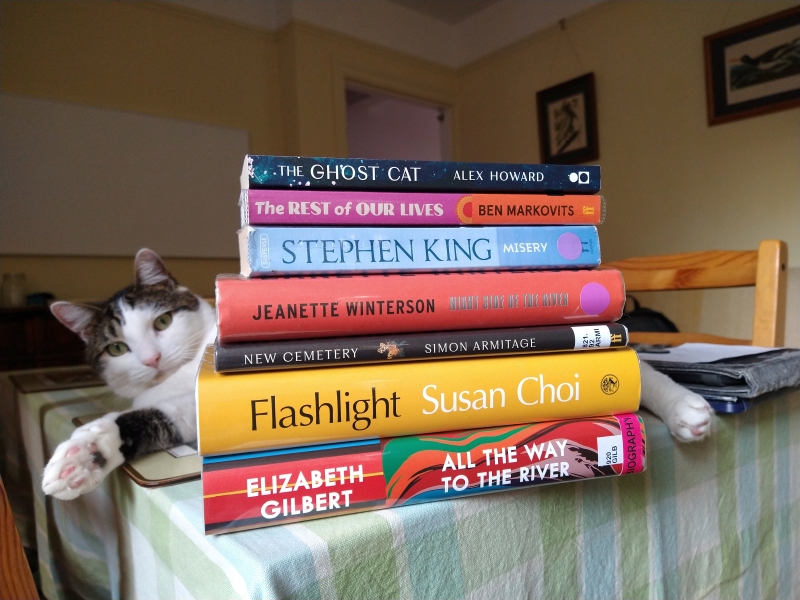
Naughty photo bomber on the dining table!
SKIMMED
- Flashlight by Susan Choi
- All the Way to the River by Elizabeth Gilbert
- The Haunted Wood: A History of Childhood Reading by Sam Leith
- Buckeye by Patrick Ryan
CURRENTLY READING
- The Honesty Box by Lucy Brazier
- Kairos by Jenny Erpenbeck
- Emil and the Detectives by Erich Kästner
- Misery by Stephen King
- Of Thorn & Briar: A Year with the West Country Hedgelayer by Paul Lamb
- Sister Outsider: Essays and Speeches by Audre Lorde
- Red Pockets: An Offering by Alice Mah
- Rainforest by Michelle Paver
- Death of an Ordinary Man by Sarah Perry
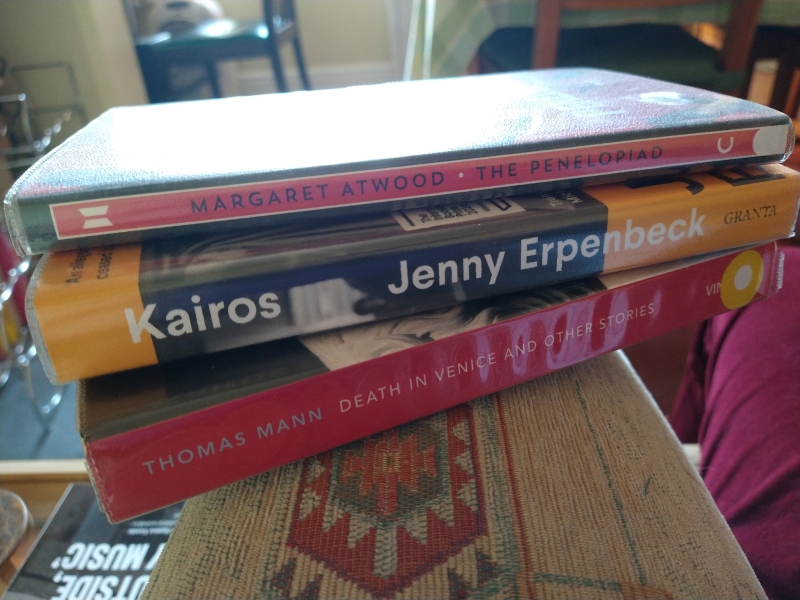
CHECKED OUT, TO BE READ
- A Single Man by Christopher Isherwood
- Death in Venice and Other Stories by Thomas Mann
- Super-Frog Saves Tokyo by Haruki Murakami
- The Death of Ivan Ilyich by Leo Tolstoy
ON HOLD, TO BE COLLECTED
- The Eights by Joanna Miller
- Flesh by David Szalay
- Notes on Infinity by Austin Taylor
- Lone Wolf: Walking the Faultlines of Europe by Adam Weymouth
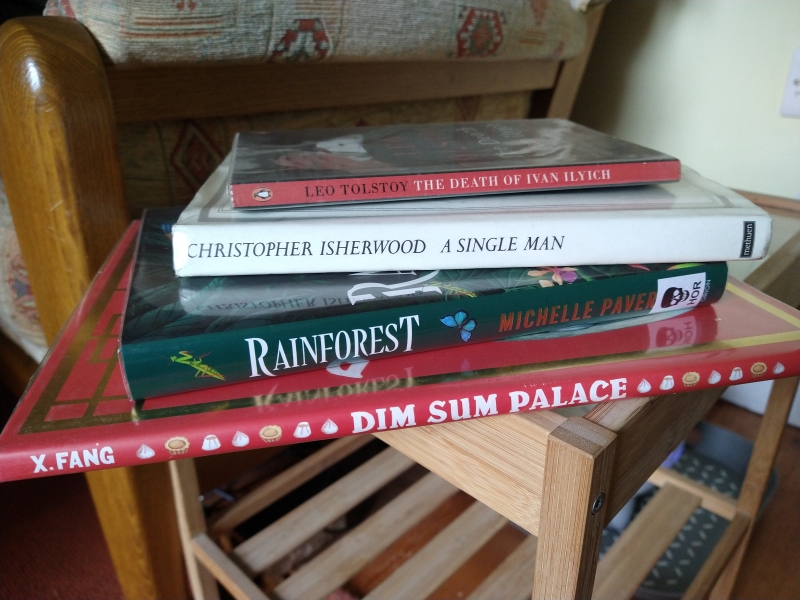
IN THE RESERVATION QUEUE
- Book of Lives: A Memoir of Sorts by Margaret Atwood
- It’s Not a Bloody Trend: Understanding Life as an ADHD Adult by Kat Brown
- Look Closer: How to Get More out of Reading by Robert Douglas-Fairhurst
- Honour & Other People’s Children by Helen Garner
- Snegurochka by Judith Heneghan
- The Perimenopause Survival Guide: A Feel-Like-Yourself-Again Roadmap for Every Woman over 35 by Heather Hirsch
- Queen Esther by John Irving
- The Matchbox Girl by Alice Jolly
- Heart the Lover by Lily King
- Night Life: Walking Britain’s Wild Landscapes after Dark by John Lewis-Stempel
- The Shapeshifter’s Daughter by Sally Magnusson
- Winter by Val McDermid
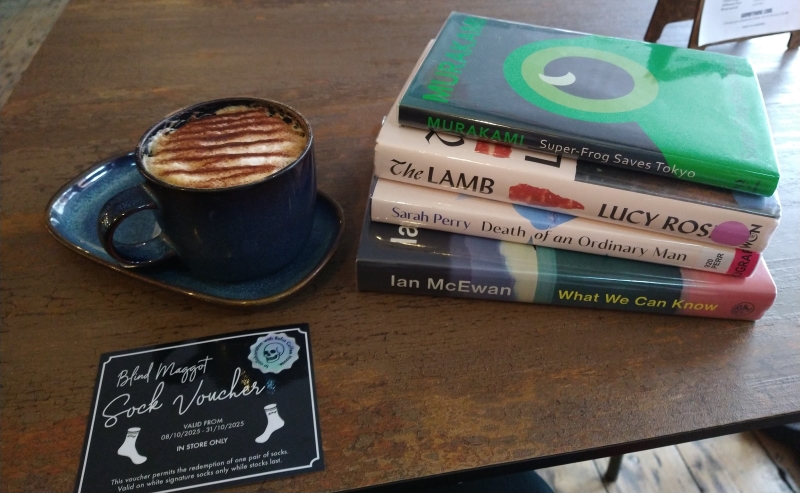
Library pick-ups on my birthday; I perused them over a cappuccino at my favourite local coffeehouse. Also got a voucher for a free pair of socks (which I gave to my husband).
RETURNED UNREAD
- The Two Roberts by Damian Barr – Lost immediate interest.
- Opt Out by Carolina Setterwall – Lost immediate interest.
- Slags by Emma Jane Unsworth – Keeps being requested off me.
- Night Side of the River by Jeanette Winterson – I was put off by the endless introduction about the history of ghost stories, and at a glance none of the stories themselves jumped out at me.
RETURNED UNFINISHED
- The Ghost Cat by Alex Howard – Great premise but iffy writing/editing, including lots of “reigns”-instead-of-reins nonsense. I read 40-some pages.
- The Rest of Our Lives by Benjamin Markovits – THIS is one of the six best books of the past year!? I thought I’d try Markovits again after the lacklustre A Weekend in New York but I barely made it past page 10. What a boring voice!
- What We Can Know by Ian McEwan – I was tickled that the protagonist shares my birthday, but not at all drawn in. I read 20-some pages.
- The Lamb by Lucy Rose – The vampire novel I have on the go is enough for me for R.I.P. without cannibalism added on. I glanced at the first few pages.
- A Long Winter by Colm Tóibín – Jumping on that Claire Keegan stand-alone-story bandwagon. Except this story of an alcoholic mother and soldier brother was deathly dull. I read 30-some pages (in a small hardback with some supplementary material this is stretched out to 130+).
What have you been reading or reviewing from the library recently?
Share a link to your own post in the comments. Feel free to use the above image. The hashtag is #LoveYourLibrary.
#NovNov25 and Other November Reading Plans
Not much more than two weeks now before Novellas in November (#NovNov25) begins! Cathy and I are getting geared up and making plans for what we’re going to read. I have a handful of novellas out from the library, but mostly I gathered potential reads from my own shelves. I’m hoping to coincide with several of November’s other challenges, too.
Although we’re not using the below as themes this year, I’ve grouped my options into categories:
Short Classics (pre-1980)
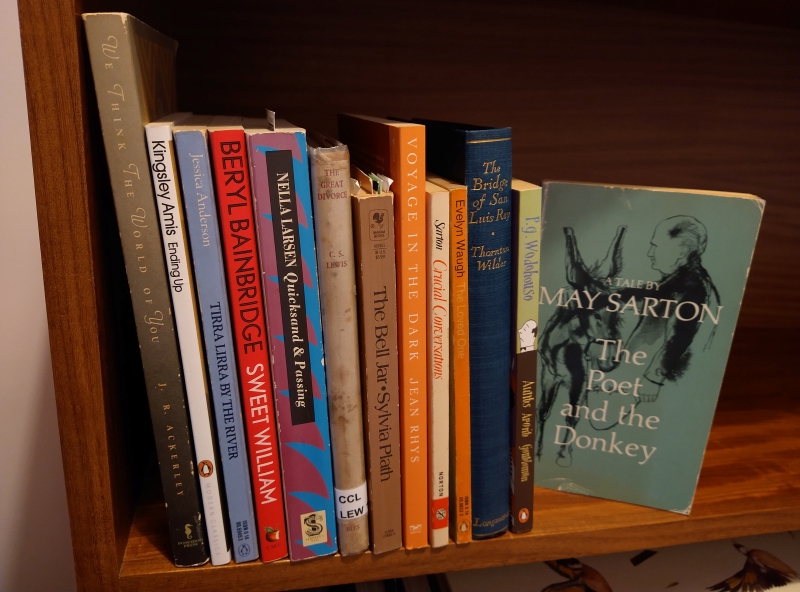
Just Quicksand to read from the Larsen volume; the Wilder would be a reread.
Contemporary Novellas
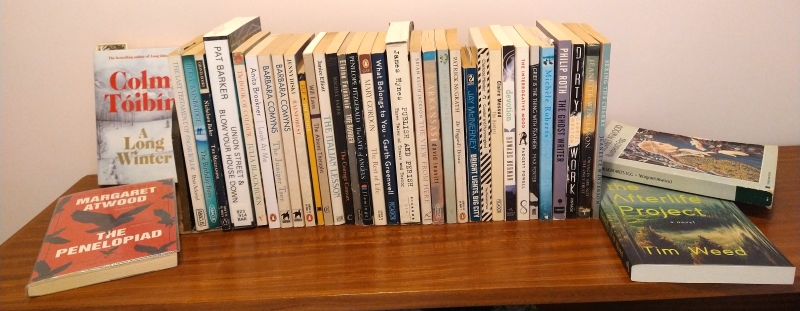
(Just Blow Your House Down; and the last two of the three novellas in the Hynes.)
Also, on my e-readers: Sea, Poison by Caren Beilin, Likeness by Samsun Knight, Eradication: A Fable by Jonathan Miles (a 2026 release, to review early for Shelf Awareness)
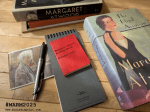 *Margaret Atwood Reading Month is hosted by Marcie of Buried in Print. I’ve just read The Penelopiad for book club, so I’ll start off with a review of that. I might also reread Bluebeard’s Egg, and I’ll be eagerly awaiting her memoir from the library.
[*Science Fiction Month: Beautyland by Marie-Helene Bertino, Archive of Unknown Universes by Ruben Reyes Jr., and The Afterlife Project (all catch-up review books) are options, plus I recently started reading The Martian by Andy Weir.]
Short Nonfiction
Including our buddy read, Sister Outsider by Audre Lorde. (A shame about that cover!)
Also, on my e-readers: The Serviceberry by Robin Wall Kimmerer, No Straight Road Takes You There by Rebecca Solnit, Because We Must by Tracy Youngblom. And, even though it doesn’t come out until February, I started reading The Irish Goodbye: Micro-Memoirs by Beth Ann Fennelly via Edelweiss.
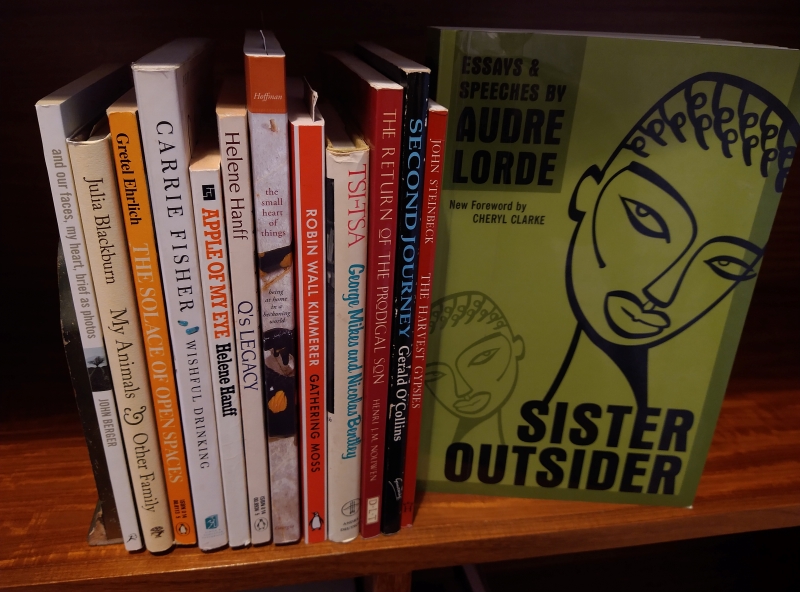
For Nonfiction November, I also have plenty of longer nonfiction on the go, a mixture of review books to catch up on and books from the library:
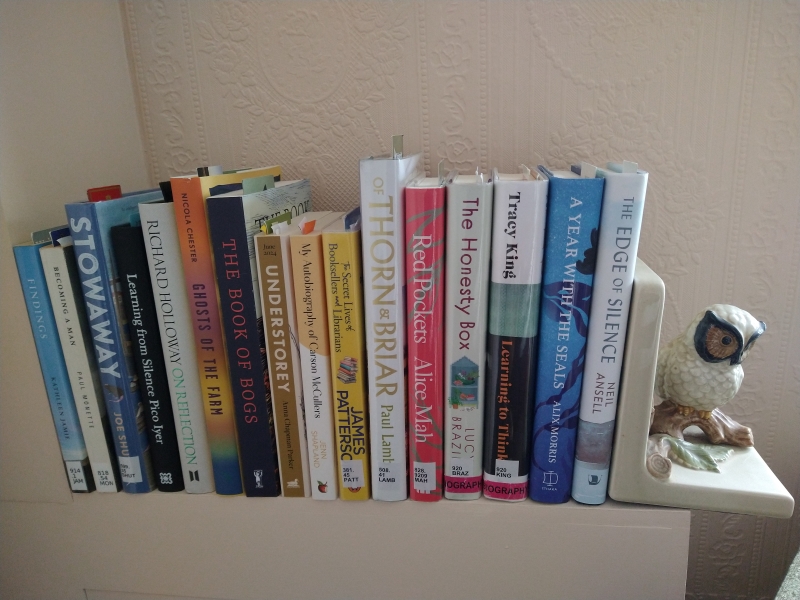
I also have one nonfiction November release, Joyride by Susan Orlean, to review.
Novellas in Translation
At left are all the novella-length options, with four German books on top.
The Chevillard and Modiano are review copies to catch up on.

Also on the stack, from the library: Super-Frog Saves Tokyo by Haruki Murakami
On my e-readers: The Old Fire by Elisa Shua Dusapin, The Old Man by the Sea by Domenico Starnone, Our Precious Wars by Perrine Tripier
 *German Literature Month: Our recent trip to Berlin and Lübeck whetted my appetite to read more German/German-language fiction. I’ll try to coincide with the Thomas Mann week as I was already planning to reread Death in Venice. I have some longer German books on the right-hand side as well. I started Kairos but found it hard going so might switch to audiobook. I also have Demian by Hermann Hesse on my Nook, downloaded from Project Gutenberg.
Spy any favourites or a particularly appealing title in my piles?
The link-up is now open for you to share your planning post!
Any novellas lined up to read next month?
Love Your Library, September 2025
Thanks, as always, to Eleanor for posting about her recent library reading! And thank you to Skai for joining in again.
Somehow over the summer I forgot to mark two anniversaries: my library’s 25th birthday (July), and five years of me volunteering there (August). When I first started as a volunteer, Covid was still a raging unknown and the library was closed to the public. I shelved returns in an empty building. It was blissful, in all honesty. But I know it’s perverse to be nostalgic about the pandemic. I still enjoy my Tuesday morning sessions of hunting for reservations, even when it’s (too) busy and noisy during the school holidays.

Early in the month, my husband and I went to an evening event at the library with Jasper Fforde. C is a fan, having read five of his novels, whereas I read The Eyre Affair during graduate school and found it silly – in the same way I can’t really get on with Douglas Adams or Terry Pratchett. But with tickets just £5, I thought why not go and support the library.
Fforde considers himself an “accidental author” for two reasons: one, he was seen as a stupid child who would never achieve anything – his dyslexia wasn’t diagnosed until he was in his fifties; and two, he wanted to work on films, and indeed did for a time. In 1988 he sat down to write a short story treatment of his intended film script and fell in love with the process of writing. He described it as being like a jigsaw where the words just fell into place. Thirteen years of hard work later, he made the New York Times bestseller list.

I didn’t realize that Fforde has lived fairly locally and set novels in Reading and Swindon – comic in itself because these are very unlovely towns. His first two series, nursery rhyme crime novels and the Thursday Next books (the eighth and last, Dark Reading Matter, is due out in September 2026), were about “moving the furniture around in people’s heads,” taking existing classic stories and twisting them. When he tried making things up, as with the Shades of Grey and Red Side Story duology and The Last Dragonslayer children’s books, the results were not as commercially successful. During the question time he reflected on the irony of his book getting confused with the blockbuster Fifty Shades of Grey. He joked that some probably bought his book by mistake and then wondered where the bondage was.
The evening was a conversation with the library staff member who seems to organise all the events. She asked him a lot of questions about his process. He listed a few tenets he lives by: “the narrative dare” (come up with a random idea and then figure out how to pull it off), “the path less-trodden,” and “the no-plan plan” (he makes it up as he goes along). His mind works like a drift net, he said, saving bits and pieces up to use another time, such as snippets of conversation overheard on a bus. For instance, “Oh my goodness, they’ve trodden on the gibbon!” and “They say haddock is making a comeback.” He also leaves himself “off-ramps” he can take up later if he ends up writing a sequel.
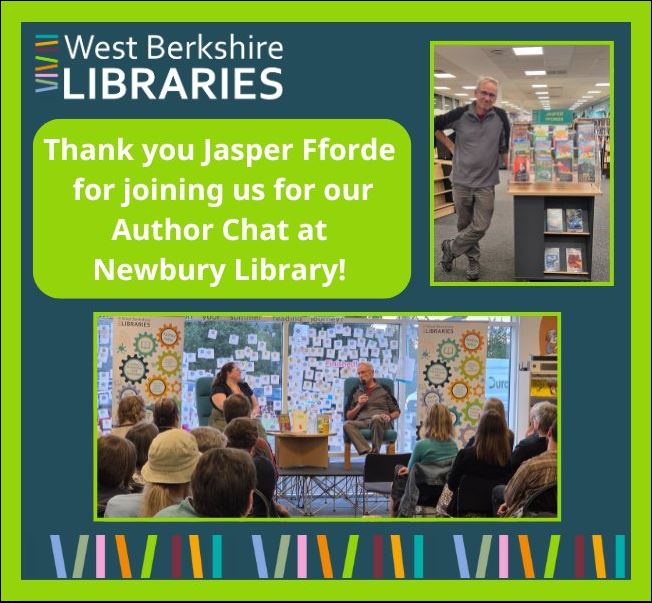
(C is at the bottom right of the second photo.)
Fforde was very personable and self-deprecating and I got more out of the event than I might have expected to.
My library use over the last month:
(links are to books not already reviewed on the blog)
READ
- The Most by Jessica Anthony
- Sojourn by Amit Chaudhuri
- The Wedding People by Alison Espach
- Of All that Ends, Günter Grass
- The Summer I Turned Pretty by Jenny Han

- Seascraper by Benjamin Wood

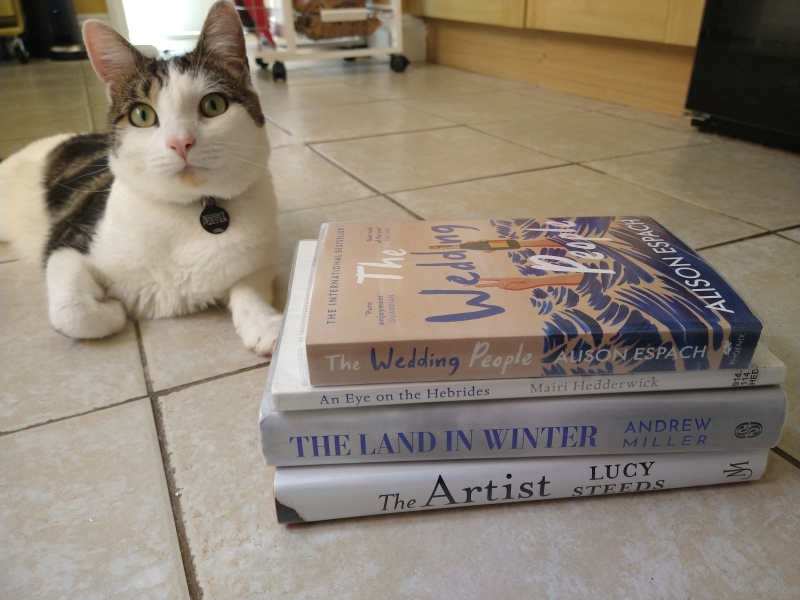
SKIMMED
- Wild City by Ben Hoare
- The Land in Winter by Andrew Miller – The chilly writing and atmosphere suit the subject matter, but didn’t draw me in or make me care about the central characters.
- Cuddy by Benjamin Myers (for book club)
CURRENTLY READING
- Kairos by Jenny Erpenbeck
- Of Thorn & Briar: A Year with the West Country Hedgelayer by Paul Lamb
- Endling by Maria Reva
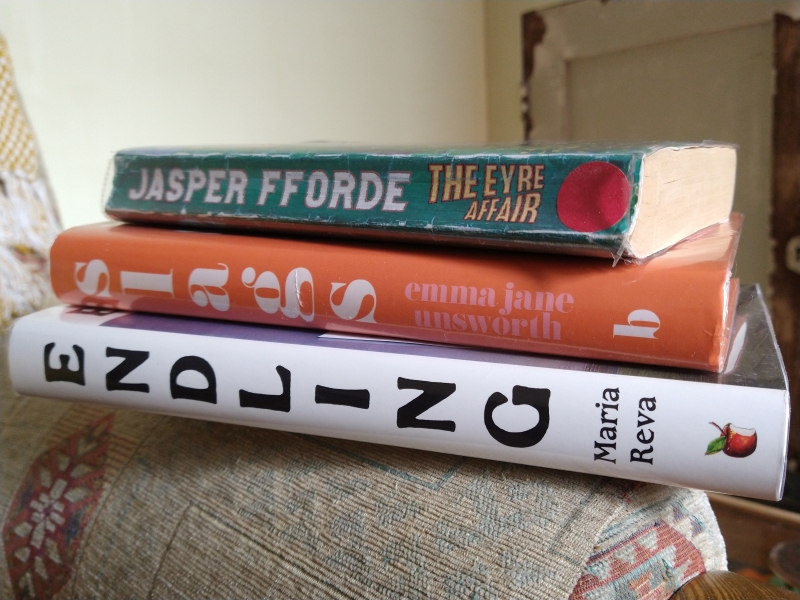
CHECKED OUT, TO BE READ
- The Penelopiad by Margaret Atwood (for book club)
- Red Pockets: An Offering by Alice Mah
- Death in Venice and Other Stories by Thomas Mann
- Opt Out by Carolina Setterwall
- Slags by Emma Jane Unsworth
ON HOLD, TO BE COLLECTED
- The Two Roberts by Damian Barr
- All the Way to the River by Elizabeth Gilbert
- The Haunted Wood: A History of Childhood Reading by Sam Leith
- Buckeye by Patrick Ryan
- A Long Winter by Colm Tóibín
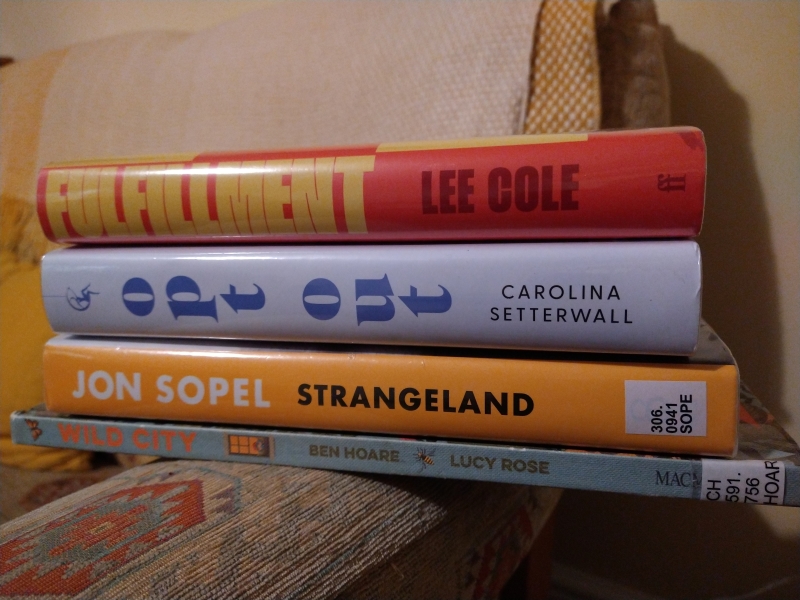
C will read the Sopel for book club, but I have to miss that meeting for a Repair Cafe committee meeting.
IN THE RESERVATION QUEUE
- New Cemetery by Simon Armitage
- Book of Lives: A Memoir of Sorts by Margaret Atwood
- It’s Not a Bloody Trend: Understanding Life as an ADHD Adult by Kat Brown
- Flashlight by Susan Choi
- The Perimenopause Survival Guide: A Feel-Like-Yourself-Again Roadmap for Every Woman over 35 by Heather Hirsch
- Queen Esther by John Irving
- The Matchbox Girl by Alice Jolly
- Heart the Lover by Lily King
- Misery by Stephen King
- The Rest of Our Lives by Benjamin Markovits
- What We Can Know by Ian McEwan
- The Eights by Joanna Miller
- Mexican Gothic by Silvia Moreno-Garcia
- Super-Frog Saves Tokyo by Haruki Murakami
- Rainforest by Michelle Paver
- Death of an Ordinary Man by Sarah Perry
- The Lamb by Lucy Rose
- Flesh by David Szalay
RETURNED UNREAD
- Fulfillment by Lee Cole – Argh, this keeps being requested off me!
- An Eye on the Hebrides by Mairi Hedderwick
- Love in Five Acts by Daniela Krien
- The Artist by Lucy Steeds
I missed the moment on the last three but may try another time.
- The Eyre Affair by Jasper Fforde – I thought about giving him another try after the event, but … no.
RETURNED UNFINISHED
- The Mermaid Chair by Sue Monk Kidd – I read about 45 pages. The setup was interesting but the narrative voice did not captivate.
- The Names by Florence Knapp – Ditto, but only 25 pages. The writing was just not very good.
What have you been reading or reviewing from the library recently?
Share a link to your own post in the comments. Feel free to use the above image. The hashtag is #LoveYourLibrary.
Book Serendipity, Mid-June through August
I call it “Book Serendipity” when two or more books that I read at the same time or in quick succession have something in common – the more bizarre, the better. This is a regular feature of mine every couple of months. Because I usually have 20–30 books on the go at once, I suppose I’m more prone to such incidents. People frequently ask how I remember all of these coincidences. The answer is: I jot them down on scraps of paper or input them immediately into a file on my PC desktop; otherwise, they would flit away!
The following are in roughly chronological order.
- A description of the Y-shaped autopsy scar on a corpse in Pet Sematary by Stephen King and A Truce that Is Not Peace by Miriam Toews.
- Charlie Chaplin’s real-life persona/behaviour is mentioned in The Quiet Ear by Raymond Antrobus and Greyhound by Joanna Pocock.
- The manipulative/performative nature of worship leading is discussed in Don’t Forget We’re Here Forever by Lamorna Ash and Jarred Johnson’s essay in the anthology Queer Communion: Religion in Appalachia. I read one scene right after the other!
- A discussion of the religious impulse to celibacy in Don’t Forget We’re Here Forever by Lamorna Ash and The Dry Season by Melissa Febos.
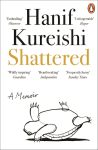
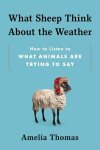
- Hanif Kureishi has a dog named Cairo in Shattered; Amelia Thomas has a son by the same name in What Sheep Think About the Weather.
- A pilgrimage to Virginia Woolf’s home in The Dry Season by Melissa Febos and Writing Creativity and Soul by Sue Monk Kidd.
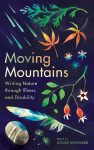
- Water – Air – Earth divisions in the Nature Matters (ed. Mona Arshi and Karen McCarthy Woolf) and Moving Mountains (ed. Louise Kenward) anthologies.
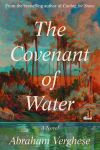 The fact that humans have two ears and one mouth and so should listen more than they talk is mentioned in What Sheep Think about the Weather by Amelia Thomas and The Covenant of Water by Abraham Verghese.
- Inappropriate sexual comments made to female bar staff in The Most by Jessica Anthony and Isobel Anderson’s essay in the Moving Mountains (ed. Louise Kenward) anthology.
- Charlie Parker is mentioned in The Most by Jessica Anthony and The Quiet Ear by Raymond Antrobus.
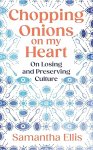
- The metaphor of an ark for all the elements that connect one to a language and culture was used in Chopping Onions on My Heart by Samantha Ellis, which I read earlier in the year, and then again in The Quiet Ear by Raymond Antrobus.
- A scene of first meeting their African American wife (one of the partners being a poet) and burning a list of false beliefs in The Dry Season by Melissa Febos and The Quiet Ear by Raymond Antrobus.
- The Kafka quote “a book must be the axe for the frozen sea inside us” appears in Shattered by Hanif Kureishi and Writing Creativity and Soul by Sue Monk Kidd. They also both quote Dorothea Brande on writing.
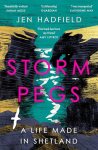
- The simmer dim (long summer light) in Shetland is mentioned in Storm Pegs by Jen Hadfield and Sally Huband’s piece in the Moving Mountains (ed. Louise Kenward) anthology (not surprising as they both live in Shetland!).
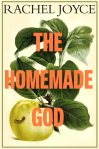
- A restaurant applauds a proposal or the news of an engagement in The Homemade God by Rachel Joyce and Likeness by Samsun Knight.
- Noticing that someone ‘isn’t there’ (i.e., their attention is elsewhere) in Woodworking by Emily St. James and Palaver by Bryan Washington.
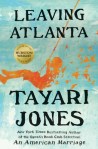
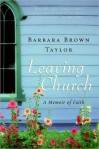
- I was reading Leaving Atlanta by Tayari Jones and Leaving Church by Barbara Brown Taylor – which involves her literally leaving Atlanta to be the pastor of a country church – at the same time. (I was also reading Leave the World Behind by Rumaan Alam.)
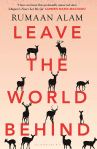
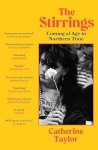
- A mention of an adolescent girl wearing a two-piece swimsuit for the first time in Leave the World Behind by Rumaan Alam, The Summer I Turned Pretty by Jenny Han, and The Stirrings by Catherine Taylor.
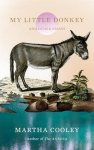
- A discussion of John Keats’s concept of negative capability in My Little Donkey by Martha Cooley and What Sheep Think About the Weather by Amelia Thomas.
- A mention of JonBenét Ramsey in Leave the World Behind by Rumaan Alam and the new introduction to Leaving Atlanta by Tayari Jones.
- A character drowns in a ditch full of water in Leaving Atlanta by Tayari Jones and The Covenant of Water by Abraham Verghese.
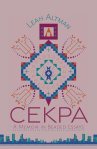 A girl dares to question her grandmother for talking down the girl’s mother (i.e., the grandmother’s daughter-in-law) in Cekpa by Leah Altman and Leaving Atlanta by Tayari Jones.
- A woman who’s dying of stomach cancer in The Covenant of Water by Abraham Verghese and Book of Exemplary Women by Diana Xin.
- A woman’s genitals are referred to as the “mons” in Leave the World Behind by Rumaan Alam and The Covenant of Water by Abraham Verghese.
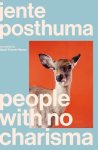
- A girl doesn’t like her mother asking her to share her writing with grown-ups in People with No Charisma by Jente Posthuma and one story of Book of Exemplary Women by Diana Xin.
- A girl is not allowed to walk home alone from school because of a serial killer at work in the area, and is unprepared for her period so lines her underwear with toilet paper instead in Leaving Atlanta by Tayari Jones and The Stirrings by Catherine Taylor.
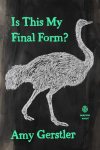 When I interviewed Amy Gerstler about her poetry collection Is This My Final Form?, she quoted a Walt Whitman passage about animals. I found the same passage in What Sheep Think About the Weather by Amelia Thomas.
- A character named Stefan in The Dime Museum by Joyce Hinnefeld and Palaver by Bryan Washington.
- A father who is a bad painter in The Dime Museum by Joyce Hinnefeld and The Homemade God by Rachel Joyce.
- The goddess Minerva is mentioned in The Dime Museum by Joyce Hinnefeld and The Stirrings by Catherine Taylor.
- A woman finds lots of shed hair on her pillow in In Late Summer by Magdalena Blažević and The Dig by John Preston.
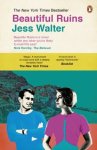 An Italian man who only uses the present tense when speaking in English in The Homemade God by Rachel Joyce and Beautiful Ruins by Jess Walter.
- The narrator ponders whether she would make a good corpse in People with No Charisma by Jente Posthuma and Terminal Surreal by Martha Silano. The former concludes that she would, while the latter struggles to lie still during savasana (“Corpse Pose”) in yoga – ironic because she has terminal ALS.
- Harry the cat in The Wedding People by Alison Espach; Henry the cat in Calls May Be Recorded by Katharina Volckmer.
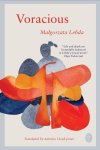
- The protagonist has a blood test after rapid weight gain and tiredness indicate thyroid problems in Voracious by Małgorzata Lebda and The Stirrings by Catherine Taylor.
- It’s said of an island that nobody dies there in Somebody Is Walking on Your Grave by Mariana Enríquez and Beautiful Ruins by Jess Walter.
- A woman whose mother died when she was young and whose father was so depressed as a result that he was emotionally detached from her in The Wedding People by Alison Espach and People with No Charisma by Jente Posthuma.
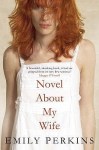 A scene of a woman attending her homosexual husband’s funeral in The Homemade God by Rachel Joyce and Novel About My Wife by Emily Perkins.
- There’s a ghost in the cellar in In Late Summer by Magdalena Blažević, The Covenant of Water by Abraham Verghese and Book of Exemplary Women by Diana Xin.
- Mention of harps / a harpist in The Wedding People by Alison Espach, The Homemade God by Rachel Joyce, and What Mennonite Girls Are Good For by Jennifer Sears.
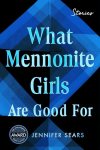
- “You use people” is an accusation spoken aloud in The Dry Season by Melissa Febos and Beautiful Ruins by Jess Walter.
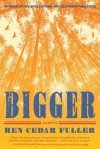
- Let’s not beat around the bush: “I want to f*ck you” is spoken aloud in The Wedding People by Alison Espach and Novel About My Wife by Emily Perkins; “Want to/Wanna f*ck?” is also in The Wedding People by Alison Espach and in Bigger by Ren Cedar Fuller.
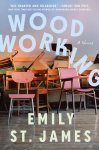 A young woman notes that her left breast is larger in Voracious by Małgorzata Lebda and Woodworking by Emily St. James. (And a girl fondles her left breast in one story of Book of Exemplary Women by Diana Xin.)
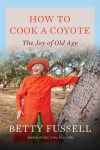
- A shawl is given as a parting gift in How to Cook a Coyote by Betty Fussell and one story of What Mennonite Girls Are Good For by Jennifer Sears.
- The author has Long Covid in Alec Finlay’s essay in the Moving Mountains anthology, and Pluck by Adam Hughes.
- An old woman applies suncream in Kate Davis’s essay in the Moving Mountains anthology, and How to Cook a Coyote by Betty Fussell.
- There’s a leper colony in What Mennonite Girls Are Good For by Jennifer Sears and The Covenant of Water by Abraham Verghese.
- There’s a missionary kid in South America in Bigger by Ren Cedar Fuller and What Mennonite Girls Are Good For by Jennifer Sears.
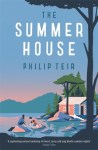 A man doesn’t tell his wife that he’s lost his job in Novel About My Wife by Emily Perkins and The Summer House by Philip Teir.
- A teen brother and sister wander the woods while on vacation with their parents in Leave the World Behind by Rumaan Alam and The Summer House by Philip Teir.
- Using a famous fake name as an alias for checking into a hotel in one story of Single, Carefree, Mellow by Katherine Heiny and Seascraper by Benjamin Wood.
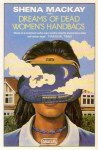
- A woman punches someone in the chest in the title story of Dreams of Dead Women’s Handbags by Shena Mackay and Novel About My Wife by Emily Perkins.
What’s the weirdest reading coincidence you’ve had lately?
Challenges Completed; Reviews to Come!
I have another 6 books to tell you about for Women in Translation Month, and I finished reading the last of my 20 Books of Summer today. But my grand plan to write everything up by the end of August did not come to fruition. Instead, it’s been one of those rare weekends where we had all-day events both Saturday and Sunday, plus did various cooking and baking projects, so I couldn’t fit in any time with a laptop. I’ll catch up during the first week of September.
 Bookish Beck = Rebecca Foster. American transplant to England. Freelance proofreader and book reviewer.
 Bookish Beck