Mega #ShortStorySeptember Catch-Up! Fetto, P. Fitzgerald, Henley, Logan, L. Moore, E. Williams & 2 Partial Reads, 3 DNFs, 2 Single Stories
In total, I read 10 collections, as well as parts of five more, and nine individual stories for Short Story September. It would be absurd for me to be disappointed with those numbers (in comparison to last year’s 15 collections, I guess). Today is the last day of the link-up, so I’m calling it a day and giving brief responses to the rest of the books I read for the challenge. (My other reviews: six stories, Old Romantics by Maggie Armstrong, “Death in Midsummer” by Yukio Mishima, three R.I.P. collections.) The range of styles, settings, and subject matter in the below really showcase how much the short story can do, often in very few pages.
Hail Mary by Funmi Fetto (2025)
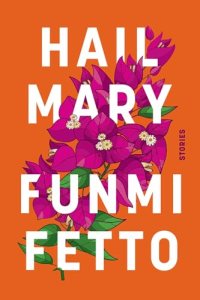 These nine stories explore religious and cultural limitations on Nigerian women’s lives at home and in London. The title story questions whether Riliwa’s efforts to assimilate have been worthwhile; “It amazed her how much England was lauded and celebrated back home. Her reality was cruel and cold.” In “Dodo Is Yoruba for Fried Plantain,” Morayo married into privilege in the Gloucestershire countryside, but long since discovered the relationship was a sham. On trips to London markets to buy authentic African ingredients, she wonders if reconnecting with her roots will redeem lost time. A longing for motherhood underpins several of the stories, even sometimes explaining willingness to ignore homosexual urges. I was most impressed by “House Girl,” in which the abused protagonist flees her inescapable situation in a full-on Anna Karenina finale. There is not a lot of cheer here, but ample Adichie-esque talent with character, details, and plot to keep one reading. (Public library)
The Means of Escape by Penelope Fitzgerald (2000)
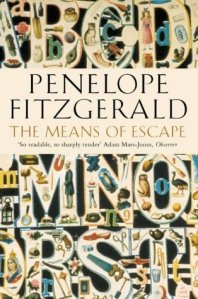 I already reviewed the single story “The Axe,” which is the odd one out – a mischievous ghost story. The rest are more typical of Fitzgerald: elegant slices of historical fiction, immediately establishing mastery of a place, time and set of circumstances, whether that be a convict on the loose in 1850s Australia (the title story), Impressionist-era English painters seeking models in Paris (“The Red-Haired Girl)”, or a poor boy who loses his precious medal in the 1660s (“Desideratus”). A couple of the stories appear to be contemporary and have a gently comic tone: the fussy conductor located on a tiny Scottish island in “Beehernz,” the overbearing stately-home guide in “Not Shown.” There’s a timeless, allegorical feel to “The Prescription” (one of two Greek/Turkish settings), in which doctors who once had a mentor–student relationships give rival diagnoses, and the title of “Our Lives Are Only Lent to Us” indicates philosophizing about the tragic losses in a small Central American town. I was dazzled by the breadth of Fitzgerald’s imagination and the confidence of her execution. (Secondhand – Community Furniture Project, Newbury)
Apple & Palm by Patricia Henley (2026)
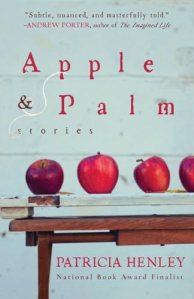 How had I never heard of Henley – an accomplished novelist, story writer, poet and playwright who was a National Book Award finalist for her debut? These eight linked short stories initially attracted me because they’re set in (fictional) Whistle Pig, Western Maryland, a region of my home state I know reasonably well, with Baltimore an occasional counterpart. Each spins its own web of connections and complications; together, they form a composite portrait of a community through its (ageing) women. Though Roxy’s 100th birthday has passed, she still shows her photographs and supports friends through a women’s art collective. Jill manages the family orchard and frets about her gambling-addicted father. After a disabling accident, Harper borrows Aunt Jill’s car for her gig as an artist’s model. Claire lashes out at her tenure refusal and her husband’s request for an open marriage. Sally leaves an IVF struggle behind for a vacation home in the Bahamas. A massage therapist hears a customer’s life story; sixtysomething friends diverge through varying experiences of illness and sex. I especially appreciated the matter-of-fact portrayal of a middle-aged asexual character. These fine stories reminded me of work by Stewart O’Nan and Ann Patchett.
Published by Cornerstone Press. With thanks to publicist Caitlin Hamilton Summie for the e-copy for review.
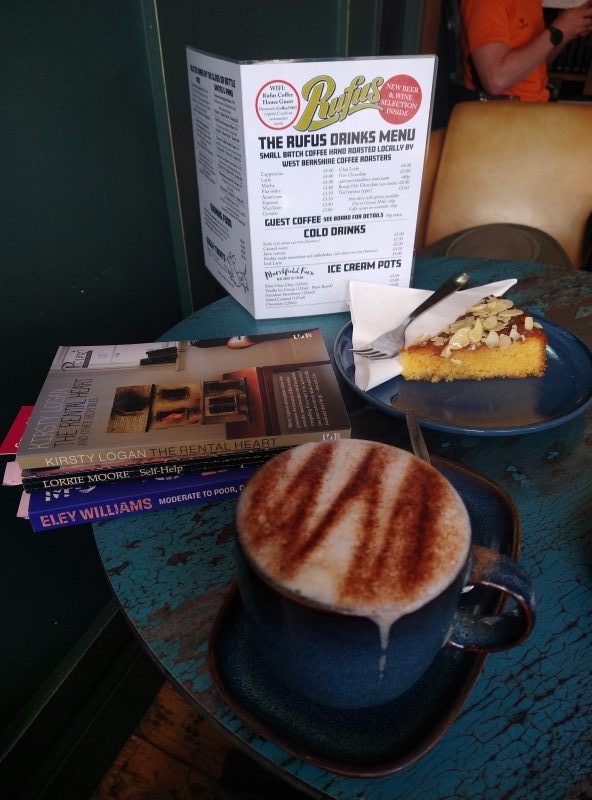
The Rental Heart and Other Fairytales by Kirsty Logan (2014)
 I’m not sure why I felt led to buy this Polari First Book Prize winner, as I’ve struggled with Logan’s fiction before (“The Gracekeeper” here was expanded into a novel). Of the 20 stories, many are flash length; I tended to prefer the slightly longer, queer takes on history and folklore. “Underskirts” is voiced by houseguests and servants, including the various maids the Lady of the manor seduces. It starts as a bit of fun when teenage girls experiment sexually with each other; then one goes to live with Baba Yaga in “Witch.” In “Coin-Operated Boys,” Elodie comes up with a novel solution to her lack of suitors. Many of the characters are young people reeling from loss or facing transition moments. A fair few stories are in titled or numbered fragments and have multiple narrators or a reverse chronology. You certainly couldn’t complain of them being samey. Still, many feel wispy, like there isn’t enough time to care about or understand the characters; to turn a skit into a full-length, satisfying drama. (New purchase from Salt Publishing)
Self-Help by Lorrie Moore (1985)
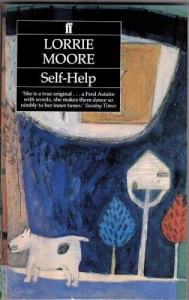 My fourth collection (after Bark, Birds of America and Like Life) by Moore, who is truly one of the great short story writers. In keeping with the title, four story names start with “How” and several are in the second person, to distance the main character and/or establish a tongue-in-cheek, advice-giving imperative. Women navigate marriage, infidelity, motherhood, and having ill or mentally compromised mothers of their own. I got Melissa Bank and Nora Ephron vibes from the first story, “How to Be an Other Woman.” Charlene’s quick wit makes her much more than just a mistress: “‘So, you’re a secretary.’ Squirm and quip: ‘More like a sedentary’.” “The Kid’s Guide to Divorce” adopts a child’s perspective with equal aplomb and is only four pages. In “Go Like This,” Liz schedules her escape from cancer for Bastille Day. The diary entries of “Amahl and the Night Visitors” wrestle with freedom vs. control in a couple’s relationship through their argument about whether or not to let the cat go outside. A woman persists in writing despite her professors and classmates objecting to her “outrageous and incompetent” sense of plot. There are such hilarious turns of phrase – “a strange flesh sundae of despair and exhilaration,” “full-haired as Easter basket grass” – throughout that I was taken aback by the dark turn in the final story, “To Fill,” where the narrator’s flippant wordplay masks her mental instability. A treat for Amy Bloom and Helen Simpson fans. (Secondhand – The Bookshop, Wigtown)
Moderate to Poor, Occasionally Good by Eley Williams (2024)
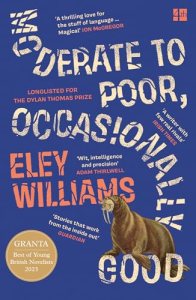 I could make a quip about how apt the title is for the contents, but that would feel mean. My sense with Williams’s second collection was that her practice was to think of an outlandish image or moment and go from there. What if a courtship withered because one partner accidentally sent footage of walrus sex? (“Scrimshaw,” which was a finalist for the BBC National Short Story Award in 2020.) What if someone hired a skywriter to scrawl “Will you marry me?” outside a restaurant window and it wasn’t received well? What if someone reading the radio shipping forecast (which lends the title phrase) used that segment to address their failing relationship? These 19 stories are inventive, yes, and often delight in wordplay and obscure vocabulary. That will be no surprise to anyone who’s read Attrib. and Other Stories or The Liar’s Dictionary. Too often, though, it feels like showing off skill but not committing emotionally, which means I didn’t believe in the lovelorn narrators and their peculiar predicaments. (“Too-quick chicanery of thought can cause a conversational form of the bends.” Quite.) The highlight was “Squared Circle,” about two pro wrestlers who convene every year on the anniversary of their famous showdown, even when one is seriously ill. (Gift from my wish list last year)
I’m still reading two excellent linked short story collections that I’m taking my time over:
 Rattlebone by Maxine Clair (1994): Vibrant and varied snapshots of a Black community in Kansas. I feel like Tayari Jones must have been influenced by it.
 A Desert between Two Seas by A. Muia (2025): Exquisitely detailed historical stories about a Mexican priest, his houseboy’s enforced pearl-diving, and the wanderings that ensue.
A few DNFs:
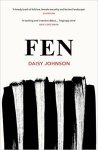 Fen by Daisy Johnson (2016): Adolescent girls discover sex – “Virginity was a half-starved dog you were looking after, wanted to give away as quickly as possible so you could forget it ever existed.” I read six stories but found the majority of them too similar, and provocative for the sake of it. Two good ones: “Starver” compares disordered eating with local eels that refuse to eat when the land is drained; in “Language,” a ghost struggles to communicate. (Gift from my wish list)
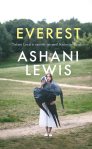 Everest by Ashani Lewis (2024): I read more than two-thirds of the book but can barely tell you anything about it. There’s some anxiety about social media, some coming-of-age discovery, some mean-girls friendship. Technically, the stories are accomplished, but they lack warmth. Two good ones: “Antarctica,” about an ill, older woman petitioning to go to the Scott Polar Research Institute; in “The Imitation Oyster,” fine dining is the basis of a liaison. (Public library)
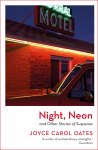 Night, Neon by Joyce Carol Oates (2021): I reviewed two stories on Oates’s birthday. My third Oates DNF; I don’t have high hopes of getting through a book by this lady. Despite the short form, she has such repetitive phrasing. Two good ones: in “Curious,” a writer makes generous anonymous donations to change a grocery clerk’s life; in “Parole Hearing, California Institution for Women, Chino, CA,” a Charles Manson follower appeals. Even in this nine-pager – short for Oates – the anaphora of “Because…” statements gets old. (Public library)
Single stories:
“The Quiet” by Carys Davies (2014)
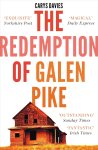 [from The Redemption of Galen Pike]
A good companion to West and Clear; all three share a vivid historical setting and a surprise ending that makes you want to stand up and cheer. Susan Boyce is a pioneer’s wife, isolated and battered. Her neighbour, Henry Fowler, keeps coming around, including when her husband is away, and at first there’s a hint of menace about his visits. But then they compare their scars. Brilliant. (New purchase from Salt Publishing)
“The Necklace” by Guy de Maupassant (1884)
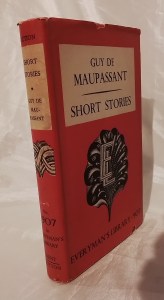 [translated from French by Marjorie Laurie; from the Everyman Short Stories volume]
Thanks to Emma of Words and Peace for recommending this one. It’s such an instant classic I a) can’t believe I’d never encountered it before and b) can’t imagine a time when it didn’t exist. A young woman with little money but grand pretensions marries.
She was eternally restive under the conviction that she had been born to enjoy every refinement and luxury. Depressed by her humble surroundings, the sordid walls of her dwelling, its worn furniture and shabby fabrics were a torment to her.
She had no pretty gowns, no jewels, nothing—and yet she cared for nothing else. She felt that it was for such things as these that she had been born.
Now, as Madame Loisel, she is keen to make a good impression at her first society outing, an At Home at the Education Office, but has nothing to wear. She begs her husband for money to buy a new dress, then borrows a diamond necklace from a friend. When the necklace gets lost in the hustle and bustle of the party, it has lasting consequences. “How small a thing can serve to save or ruin you!” This sobering morality tale is like Flaubert crossed with O. Henry. The lesson I drew from it was, just confess! I lost one of the earrings that I borrowed from a friend to wear to the Booker Prize ceremony, and everything was fine! (Little Free Library)
Whew, all caught up!
And the final statistics for Short Story September:
25 bloggers
80 posts
38 individual stories &
60 whole collections reviewed
(+ 1 bonus biography of a short story writer)
All the posts are here and here.

Thank you all again for joining in!
Love Your Library: September 2026
Thanks to Elle, Marcie and Skai for posting about their recent library use!
The Summer Reading Challenge ended on the 15th and my library has been quieting down again, thankfully. The number of reservations is still high, though – a good sign that people of all ages are continuing to use the library despite the return to school.
I was amused by this reverse-psychology display. I spotted a book I, too, hated (The Satsuma Complex), and another that I loved (Flesh) – though I can see what the reviewer means!


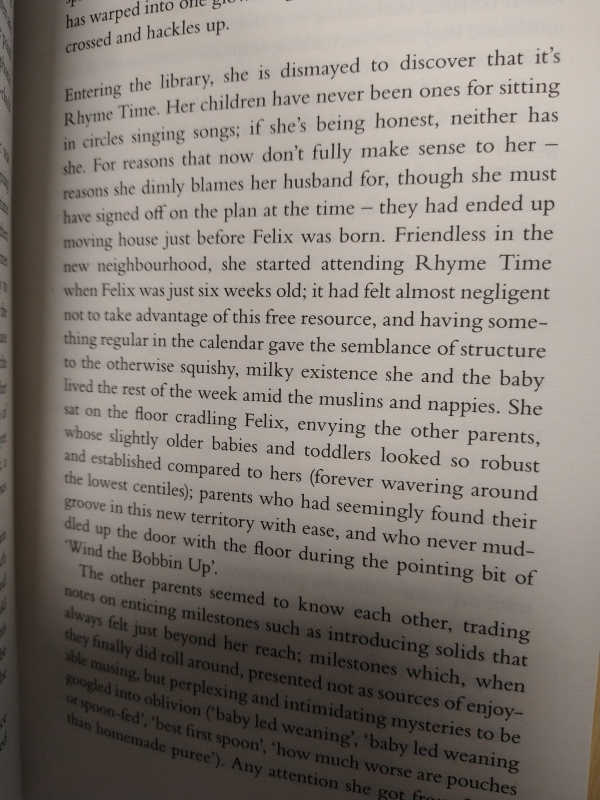
There’s a scene about Rhyme Time – which at my library starts just as I’m winding up my volunteering shift around 11 on a Tuesday morning – in Natural Disaster by Lisa Owens (see below):
My library use over the last month:
(links are to any book reviews not already featured on the blog)
READ
- The Great Bear by Annie Booker
- I Remember Nothing and Other Reflections by Nora Ephron (a reread)
- The End of Everything by M. John Harrison

- Natural Disaster by Lisa Owens
- Hum by Helen Phillips
- Crossing the Water by Sylvia Plath
CURRENTLY READING
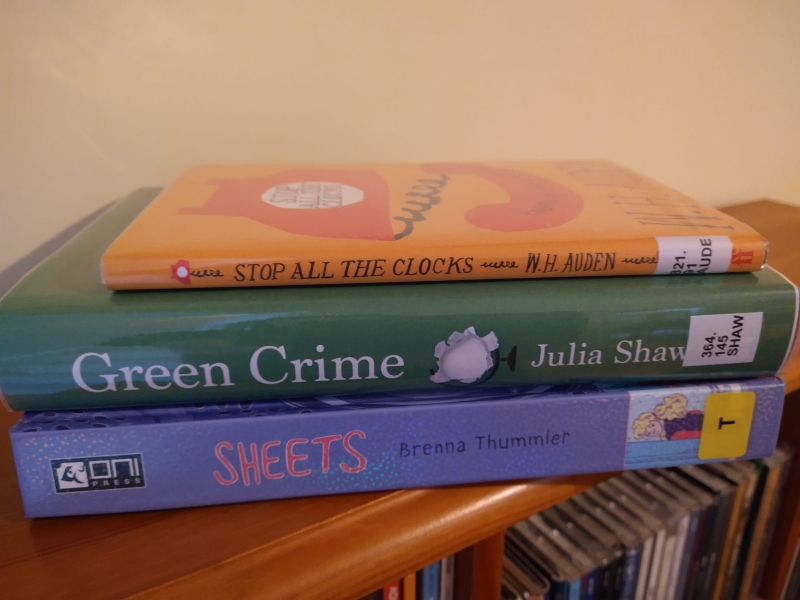
- Stop All the Clocks: Poems of Love and Loss by W.H. Auden
- The Most of Nora Ephron
- Hail Mary by Funmi Fetto
- Everest by Ashani Lewis
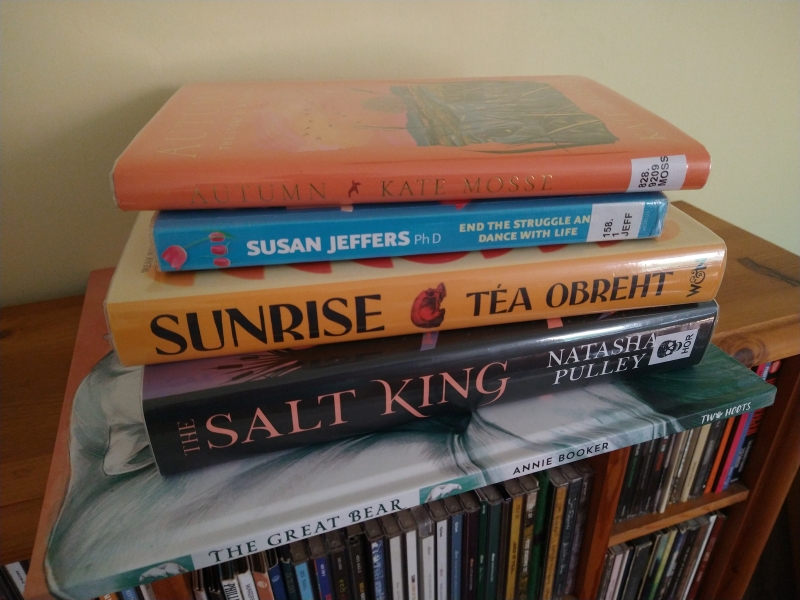
- Autumn by Kate Mosse
- Night, Neon and Other Stories of Suspense by Joyce Carol Oates
- The Original by Nell Stevens
- The Queen’s Gambit by Walter S. Tevis
- Sheets by Brenna Thummler
SKIMMED
- The Savage Landscape by Cal Flyn (Wainwright Prize winner)
CHECKED OUT, TO BE READ
- In Meadowlight by Sussie Anie
- The Leveret by Anna Goldreich
- Eat the Planet Well: How to Fix Our Toxic Food System – One Meal at a Time by Dave Goulson
- End the Struggle and Dance with Life: How to Build Yourself Up when the World Gets You Down by Susan Jeffers
- The Good Terrorist by Doris Lessing (from university library, for Classics book club)
- The Salt King by Natasha Pulley
- Green Crime by Julia Shaw
- When the Forest Breathes: Renewal and Resilience in the Natural World by Suzanne Simard
- Fiesta: A Journey through Festivity by Daniel Stables
ON HOLD, TO BE COLLECTED
- Every Last Fish by Rose George
- Neurodivergent, by Nature by Joe Harkness
IN THE RESERVATION QUEUE
- The Strangers by Naomi Alderman
- The Man Who Read Books by Rachid Benzine
- Dodge City by Patrick deWitt
- Honour & Other People’s Children by Helen Garner
- The Mushroom Tapes by Helen Garner et al.
- Hag: Forgotten Folktales Retold by Daisy Johnson et al.
- Black Bag by Luke Kennard
- Are You with Me Now? by Hanif Kureishi
- Solace in Winter by Mary Lawson
- Paradises Lost by Ursula Le Guin
- Suspicion by Seichō Matsumoto
- Confessions of a Mask by Yukio Mishima
- How to Be Hopeful by Caitlin Moran
- The Winter Guest by Sarah Moss
- The Witching Hour by Michelle Paver et al.
- May We Feed the King by Rebecca Perry
- Look What the Cat Dragged In by Jason Rekulak
- Dead and Alive by Zadie Smith
- A Very British Christmas by Rob Temple
- The Housekeeper by Rose Tremain
RETURNED UNFINISHED
- Through the Window by Julian Barnes – I only read the one short story for #ShortStorySeptember.
- Taking Pictures by Anne Enright – I read the first two stories but didn’t feel drawn to continue.
- The Given World by Melissa Harrison
- Sunrise by Téa Obreht – The first chapters didn’t draw me in.
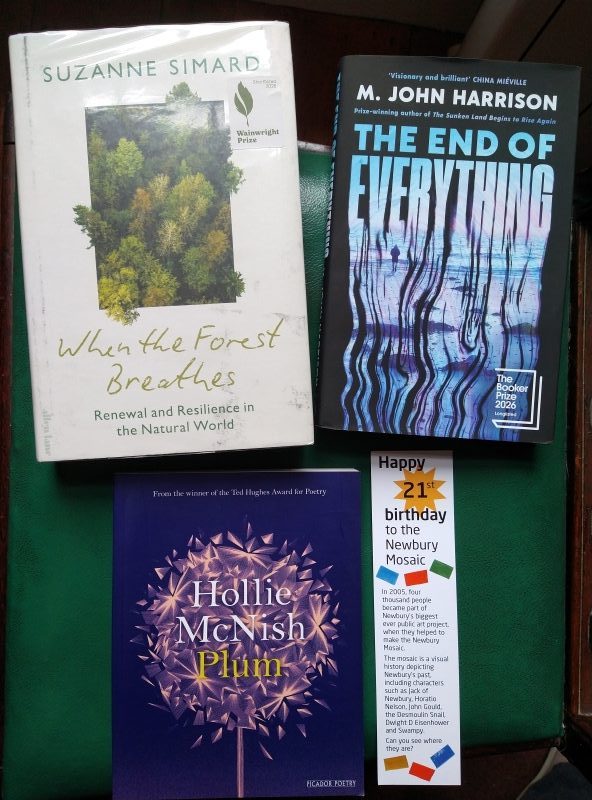
Two books borrowed; one bought from the sale shelves.
RETURNED UNREAD
- Ever Land by Amy Abdelnoor – Elle warned me not to waste my time.
- A Day in the Life of a Smiling Woman: The Collected Stories by Margaret Drabble – I ran out of time to try this one in September.
- Gentleman’s Relish by Patrick Gale – Ditto.
- From Far Around They Saw Us Burn by Alice Jolly – Ditto.
- The News from Dublin by Colm Tóibín – Requested off of me before I could get to it.
What have you been reading or reviewing from the library recently?

Share a link to your own post in the comments. Feel free to use the above image. The hashtag is #LoveYourLibrary.
20 Books of Summer, 17–20: Jaouad, Kim, Merwin, Piñeiro (#WITMonth)
It’s time to draw a line under 20 Books of Summer so I can focus on hosting Short Story September. I’m technically not quite finished with these first two I’m technically not quite finished with these first two [70 pages to go in the Jaouad and 46 in the Kim], but I’ve read enough to form an opinion and will pop back later to add in final thoughts and ratings. My final four are a memoir of cancer in young adulthood; a page-turning courtroom drama about experimental autism treatment gone wrong; gorgeous nature poems; and a novella in translation that comments on disability, motherhood and mental health issues. Skip to the end for my one DNF of the challenge and a look back at some stats plus my most successful reads.
Between Two Kingdoms: What Almost Dying Taught Me about Living by Suleika Jaouad (2021)
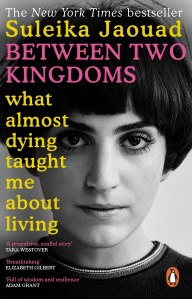
{Updated on 7 September} Jaouad wrote a New York Times column about going through leukaemia treatment in her early twenties and what came next. After months of itching and fatigue, she fell properly ill while working her first postgraduate job in Paris and her blood test results were so bad that she flew home to New York. She would be in and out of hospital for the next five years, enduring multiple rounds of chemo and a bone marrow transplant from her brother. It’s a terrific granular account of the physical and emotional rigours of illness, as well as the strain it put on her relationships – being her primary caregiver was too much for her boyfriend, Will. But she also found a community of young cancer patients, many (like Max Ritvo) now dead. After 60% of the book’s length, as the title – its metaphor taken from Susan Sontag – suggests, the new challenge for Jaouad was resuming life. “I’ve spent the past fifteen hundred days working tirelessly toward a single goal—survival. And now that I’ve survived, I’m realizing I don’t know how to live.” She decides to undertake a cross-country road trip punctuated by visits to people who wrote to her through her column: fellow cancer survivors, a mother who lost a son to suicide, a man on death row in Texas. At first I thought this content felt tacked on and should have been a sequel, but ultimately it illustrates why she wouldn’t edit out her illness if she had it all to do again. I hadn’t heard of Jaouad before I stumbled on this book; from Instagram, I learned she’s now (at age 38) weathered cancer three times. (Little Free Library)
Miracle Creek by Angie Kim (2019)
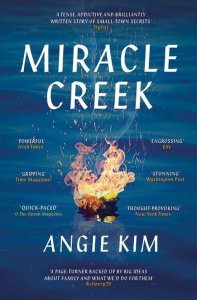
{Updated on 7 September} After enjoying Happiness Falls so much, I wanted to go back to Kim’s debut, for which she won an Edgar Award. (There’s an autistic boy and discussion of therapies in that second book as well.) The bulk of the novel is set during the four days of an August 2009 trial. It’s been a year since a horrific accident at Pak Yoo’s “Miracle Submarine,” a rural Virginia hyperbaric oxygen chamber where regulars came for twice-daily treatment of autism, cerebral palsy, and infertility. Meanwhile, protesters gathered outside to draw attention to what they believed to be a dangerous and unproven technique, the equivalent of child abuse. Someone with Camel cigarettes and matches from a local 7-11 set a small fire under an oxygen tank; the resulting explosion killed two and seriously injured two more. The mother of one of the autistic boys was arrested for suspected arson and attempted murder, but as the trial goes on suspicion seems to shift to members of the Korean American family who ran the HBOT operation. There’s a lot to sink the teeth into here. Each character has secrets, and little revelations are emerging all the time, such that the prosecutor and defence lawyer are always having to adjust their approach. Like I’ve experienced with Kim before, this was intelligent, thought-provoking, and absorbing. It’s just the sort of crime-adjacent fiction I like. An author Q&A at the end reveals a couple of autobiographical inspirations: working in her immigrant parents’ convenience store near Baltimore as a teenager, and taking one of her sons, who had neurological deafness and chronic illnesses, for HBOT. (Gift from my wish list)
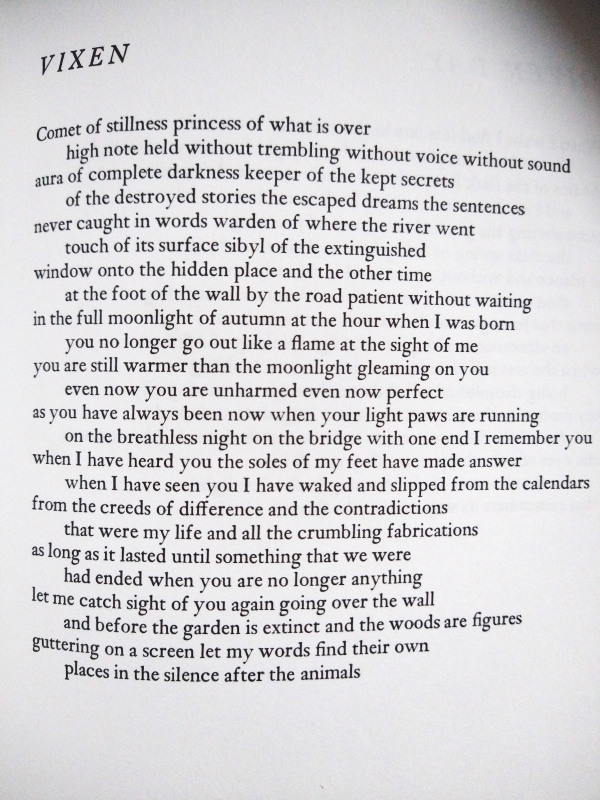
The Vixen by W.S. Merwin (1996)
it seems that the world is made of a single
summer as it always has been (from “Entry”)
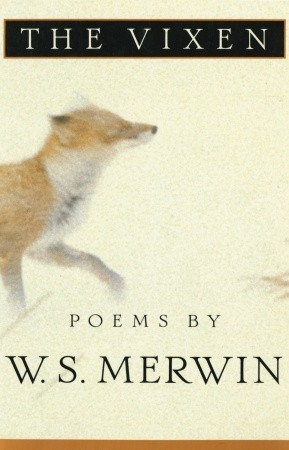 I took this off the shelf because Merwin was one of the POV characters in The Daffodil Days, Helen Bain’s excellent novel about Sylvia Plath’s final years. I had no idea what to expect, and it took me a while to get used to his entirely unpunctuated verse. Only by reading aloud or in my head was I able to split the text blocks into meaning-rich phrases. The fox is a revenant flitting through many of these poems as they pinpoint natural rhythms and human traces across the seasons and centuries. A lot reference summer, in particular, so this was a perfect choice for the challenge. There are a few historical portraits but most of the pieces feel timeless, evoking a countryside locale where the speaker returns to find derelict dwellings given over to birds and trees. Mostly it feels like this could be England, but sometimes a dry aridity suggests the Mediterranean. There is a strong sense of temporality, especially of afterness – the close of a day, the tail end of a season, the still-resonant emptiness after life has left or activity has finished. But there is also the hint of an eternal present:
Seen from afterward the time appears to have been
all of a piece which of course it was but how seldom
it seemed that way when it was still happening (from “Completion”)
In a long book (~65 pieces), there were only a few poems that washed over me without making any impression. The run-on pace, alliteration, and close attention to the natural world made this utterly mesmerizing. I’ll be sure to read more by Merwin. (Secondhand – Bridport Old Books) 
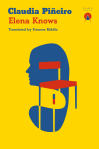
Elena Knows by Claudia Piñeiro (2007; 2021)
[Translated from Spanish by Frances Riddle]
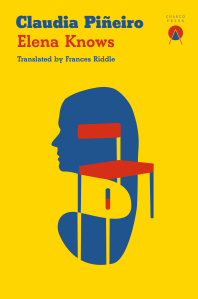 Piñeiro is an Argentinian author known for infusing her detective novels with a political conscience. Elena Knows is a mystery of sorts, in which the title character devotes herself to investigating her daughter’s death (Rita was found hanging in the belfry of a church). But several elements make this atypical for crime fiction: Elena has Parkinson’s disease – “that f—ing whore illness,” she calls it; refuses to accept the police’s conclusion that Rita died by suicide – she would never have gone there in the rain, she insists; and drags her uncooperative body across Buenos Aires to confront an acquaintance she thinks might be able to shed some light. It’s a circadian narrative, divided into sections by Elena’s pill schedule, but expands its timeline through flashbacks to consider the complications of the mother–daughter relationship as Elena became more physically dependent. The eventual encounter with Isabel presents a contrast in the form of a woman who didn’t want to become a mother but had to because of a prohibition on abortion, which was only legalized in Argentina in 2020. While the approach and themes were appealing, I found this repetitive and the long blocks of dialogue in italics were challenging to read. This was shortlisted for the International Booker Prize, though I thought it had a better chance in that year’s Barbellion Prize race (returning this year!). (Gift from my wish list)
And a DNF:
Blonde by Joyce Carol Oates (2000)
Her problem wasn’t she was a dumb blonde, it was she wasn’t a blonde and she wasn’t dumb.
Sigh. Between February and July I read about 200 pages, then skimmed another 100 or so, then finally gave up. (My third Oates DNF. I don’t think she and I are meant to be, though I seem to have better luck with her short stories and own another couple of her books to try.) I engaged most with the early pages about her childhood with a vain, neglectful mother who ends up in a mental hospital; and then with her teenage marriage to Bucky Glazer and involvement in the war effort.
She was a sweet kid but so emotional. Wanting love all the time. She was immature and unreliable and I guess so was I; we were too young. If she’d been a better cook and not so emotional, it might’ve worked out.
Except that people were dying and being injured and the world filling up with smoldering rubble, Norma Jeane liked the War. The War was as steady and reliable as hunger or sleep. Always, the War was there.
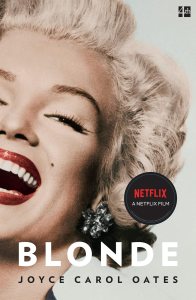 In the part that I skimmed, she is starting to become known in Hollywood, with a nude photo shoot (for which she only earned $50), bit parts in films, and her famous stage name.
In the introductory Author’s Note, Oates writes, “for all its length, synecdoche is the principle of appropriation.” So, for instance, instead of multiple foster families, we just get one. Always, there was unwanted male attention, including molestation. I was surprised to find that the pick-and-choose, fact–fiction hybrid approach became a problem for me. I wanted to know if she really married a man named Bucky and wrote poetry. Yet I didn’t want to have to be verifying every fact either.
Oates’s kitchen-sink style involves imagined scenes and dialogue plus retrospective commentary and knowing asides; long, looping sentences and short ones; direct and indirect speech; lots of exclamation points. Lots of everything. The repetition will be deliberate, for effect, but I kept longing for a streamlined version that cut, say, three of every five sentences.
Anyway, this was certainly a project worth undertaking for Oates; you can see why it was irresistible to unearth the reality behind a legend. Norma Jeane is intriguing for her simultaneous childlike innocence and cultivated sensuality. (Secondhand – Awesomebooks.com)
20 Books Statistics:
14 fiction
4 nonfiction
2 poetry
7 by BIPOC
3 towards WIT Month (for which I reviewed 8 in total, with library reads and Foreword reviews)
3 rereads
I’ve learned this year that it’s important, momentum-wise, to build in a number of shorter books (6 of novella length + 2 poetry collections) and best to avoid doorstoppers. I was wise to pick some addictive, undemanding novels that tread the line between popular and literary fiction (Kim, Mantel, O’Farrell, Reid, Sullivan); anything that feels like hard work (Oates!) is definitely not a summer read.
I only read a risible 4 of the specific books I set out as options in my planning post, plus 1 of my additional ideas. (It’s ironic that I struggled to finish this set of 20 when I could have labelled anything from my shelves part of the challenge – in total, I read 39 of my own books this summer.)
My favourites of the 20 were Strange Weather in Tokyo, Prodigal Summer & The Vanishing Act of Esme Lennox (both rereads), and The Vixen. But What Belongs to You, Miracle Creek, Mitz, The Employees, Commencement, and Flush were also great reads. To be able to single out half of the books equals a huge success!
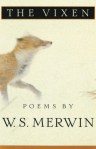
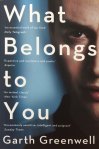
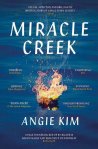
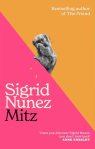
I also completed a 4-book diagonal on the Bingo card!
- Summer in the title (PRODIGAL SUMMER)
- A classic you’ve been meaning to (RE-)read (FLUSH)
- Features a family holiday (MITZ)
- Published in summer (ELENA KNOWS – July 2021)
Love Your Library: July 2026
Thanks to Eleanor, Marcie and Skai for posting about their recent library reading!
My library hosted a talk with Claire Fuller early in the month and I volunteered as a steward. It was a very hot evening, but I was still disappointed that there wasn’t a larger turnout for an author of her stature (though two members of my book club came). I hope she got a good impression of Newbury and its readers nonetheless. Her new novel, Hunger and Thirst, arose from a short story she wrote about Ursula’s first time at a restaurant. It’s about loneliness and belonging; necessity and desire – hunger being literal here but also figurative for everything missing in the protagonist’s life. Ursula lost her mother young and grew up in care. Fuller said she had to interview lots of people who were involved in the care system to get this right. (She disagrees with the view that you can’t write about things outside your own experience; you just have to be careful to represent them properly. For instance, she talked with her own daughter, who has Ehlers-Danlos syndrome, before giving a character that condition.)
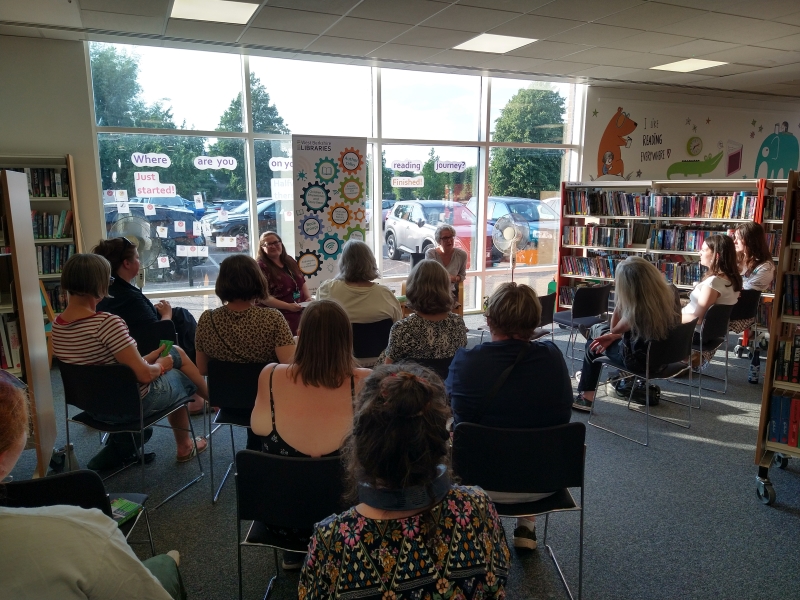
At 16, Ursula is working in the post room of an art college and living in a squat that has some properties of a haunted house. Her friend Sue is obsessed with horror films and they have a go at filming their own – until real life takes a horrific turn. A true crime documentary is used as a framing device in the novel, with snippets of interviews interspersed. Fuller said she had to take care not to reveal too much via these in terms of who was still alive. (No spoilers here or in the talk!) I was interested to hear that the author makes a cameo appearance in the novel, as a 19-year-old student rolling a cigarette, and that her spin-off story imagining Sue’s twin siblings several decades in the future, “A Land Beneath,” is in the anthology Unquiet Guests, which has just won a Shirley Jackson Award. Hunger and Thirst has also been a Radio 4 Book at Bedtime – an odd choice for that given the spookiness! – and she was impressed that they abridged the story by 80% but it still managed to hang together.
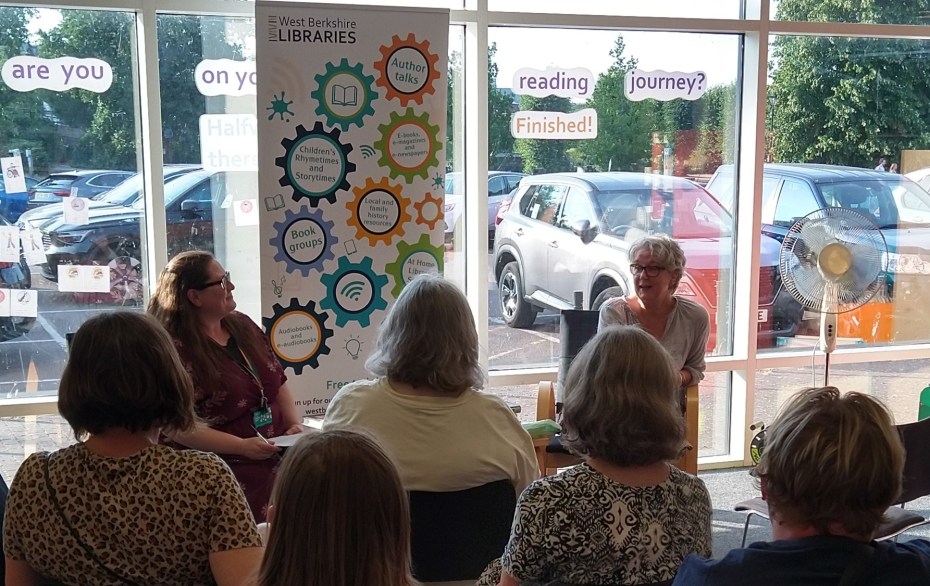
 This was my least favourite of Fuller’s novels, unfortunately – for once I don’t think her flirtation with genre fiction really works – so I was more interested in her general thoughts about the writing and publishing process. She doesn’t plan at all, instead finding the plot as she goes along. If she’s not actively publicizing a book, she’ll be at her desk 9 to 6. (Though she does sometimes have to scramble to write a few words before her husband gets home from his library job.) She’s never had multi-book deals because she doesn’t want to deal with deadlines or publisher demands. Instead, her books are sold ad hoc. She said her agent is a useful go-between if there’s ever an issue, e.g. she didn’t like the original proposed cover for Bitter Orange; her agent conveyed that message and it got changed quietly without anyone falling out. There is film news about several of her books: filming is to begin in June for Our Endless Numbered Days, and both Bitter Orange and Unsettled Ground have also been optioned.
My library use over the last month:
(links are to any book reviews not already featured on the blog)
READ
- Dominion by Addie E. Citchens

- Receipts from the Bookshop: A Bookseller’s Year by Katie Clapham
- Hunger and Thirst by Claire Fuller
- A Long Game: How to Write Fiction by Elizabeth McCracken
- The Typing Lady and Other Fictions by Ruth Ozeki

- The Things We Never Say by Elizabeth Strout
- Saltwater: A Midsummer Ghost Story by Elaine Thomson
And the picture book Simon Gets Sneezed by Adam Kay, which is a little gross (as per usual for Kay’s sense of humour) but also actually taught me some things about the purpose of mucus.
I love snapping up appealing picture books during my library shelving sessions and reading them at home between other things. I encountered this apt quote in the Clapham:
“do you know what happens when you read a picture book as an adult? Your mood almost instantly, vastly improves because there’s a brief window of time in which you are being cared for so completely – stimulated by beautiful images, engaged by a thoughtful text; perhaps you’re being momentarily transported to a younger version of yourself who remembers reading books like this”
A cute idea, that: reading to feel comforted by words and pictures alike.
CURRENTLY READING
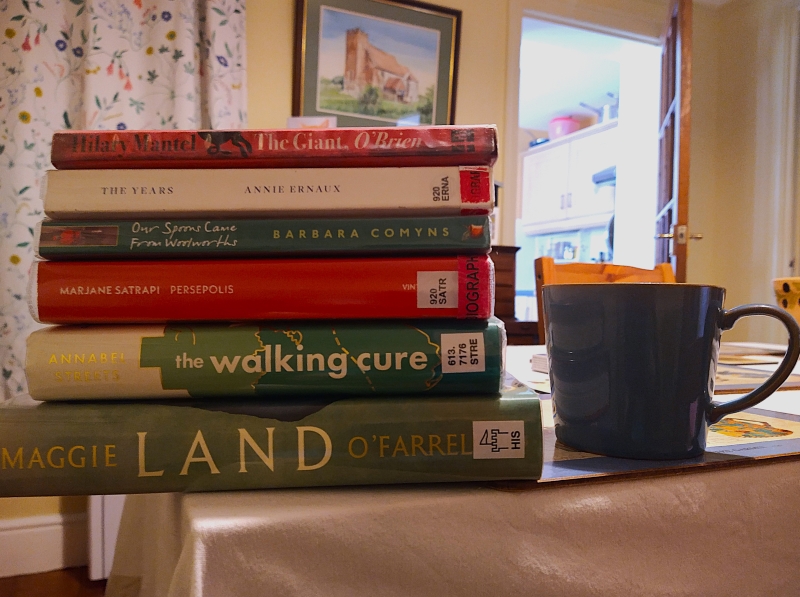
- The Years by Annie Ernaux
- Kakigori Summer by Emily Itami
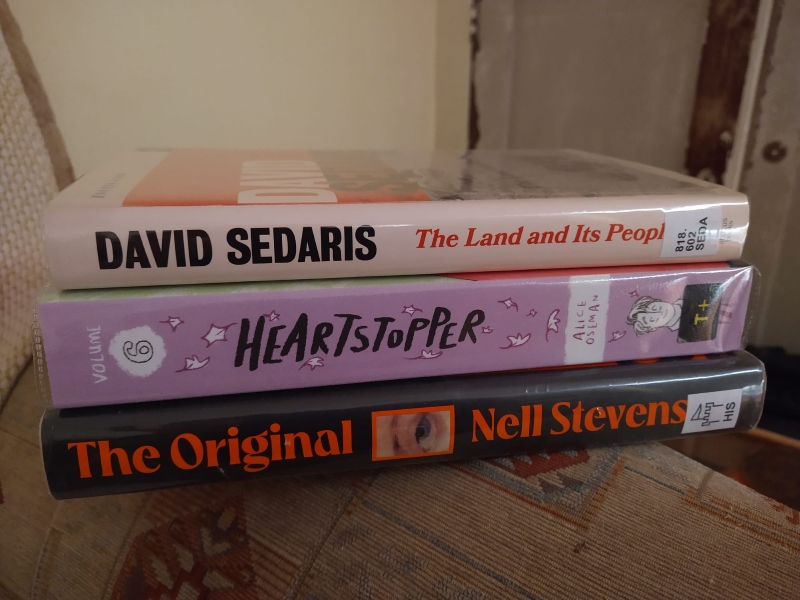
- The New Carthaginians by Nick Makoha
- Night, Neon and Other Stories of Suspense by Joyce Carol Oates
- Heartstopper: Volume 6 by Alice Oseman
- Persepolis by Marjane Satrapi (a reread)
- The Land and Its People by David Sedaris
- The Original by Nell Stevens
- The Queen’s Gambit by Walter S. Tevis
SKIMMED
- The Walking Cure by Annabel Streets
CHECKED OUT, TO BE READ
- Our Spoons Came from Woolworths by Barbara Comyns (for Classics book club)
- Hum by Helen Phillips
- Crossing the Water by Sylvia Plath
ON HOLD, TO BE COLLECTED
- Fasting, Feasting by Anita Desai
- The Shock of the Light by Lori Inglis Hall
- Country People by Daniel Mason
IN THE RESERVATION QUEUE
- Second Self by Chloë Ashby
- Life of M by Rachel Cusk
- Honour & Other People’s Children by Helen Garner
- The Given World by Melissa Harrison
- Why I Am Not a Bus Driver by Ashley Hickson-Lovence
- Sophie, Standing There by Meg Mason
- Natural Disaster by Lisa Owens
RETURNED UNFINISHED
- Mother Mary Comes to Me by Arundhati Roy – I read the first few chapters and liked the portrait of her mother but wasn’t interested enough in their lives to read more than the equivalent of a long magazine essay.
- Land by Maggie O’Farrell – Even less interesting than Hamnet (one of my most controversial literary opinions is that that’s her weakest novel), drowning in descriptive language and lacking momentum. Why does she persist with historical fiction? The Marriage Portrait was good; these others, not so much. I guess no one dares edit her anymore; look at these sample lines: “The wind vanishes, as does the relentless rain. He is enclosed and enfolded, as if he has stepped inside the secret green house of a giant.” Overwritten! Too many, and stretched, metaphors; unnecessary doubling of similar verbs. I read about 30 pages, skimmed another 100 or so, and then gave it back so the other 38 people in the queue can (hopefully) enjoy it much more than I did.
RETURNED UNREAD
- Come What May: Life-Changing Lessons for Coping with Crisis by Lucy Easthope – Requested off me before I could have a look.
- The Giant, O’Brien by Hilary Mantel – I borrowed this as an example of something our Classics book club could consider reading in the future. I’ll get it back out when we schedule it in.
What have you been reading or reviewing from the library recently?
Share a link to your own post in the comments. Feel free to use the above image. The hashtag is #LoveYourLibrary.
20 Books of Summer Begins!
Today marks the start of 20 Books of Summer and for me it begins with a novel that will no doubt take me the entire three months of the challenge to finish (with many other books on the go at the same time, of course).
I technically started reading Blonde by Joyce Carol Oates back in February, but I’ve only reached page 70, where I’ve been stuck for weeks. It’s not that I’m not enjoying it, but the type is so small and thus the writing so dense on the 700+ pages that I never seem to make any progress. Even setting myself micro-goals of 10 pages per day, for instance, failed as I’ve found that I always want to pick up other ‘easier’ books instead. In these sorts of situations, I would be inclined to skim, but that would be missing the whole point of an Oates novel, which seems to be the style just as much as the plot.
I’ve failed with her twice before, alas: in 2020 I read about 80 pages of We Were the Mulvaneys before giving up. My pithy response: “Too much of quirky folks.” (The other attempt, that same year, was Night-Gaunts, of which I only read the first story.) And “too much” seems about right for describing JCO in general. Too dark, too wordy. “Prolix” is an adjective I’m tempted to apply, but it doesn’t seem fair when I haven’t managed an entire book yet. Moreover, I’m committed to a casual Oates buddy reading project with Marcie (of Buried in Print) this summer and autumn. We’re choosing different books but trying with our selections to get a good sense of her range. Towards Halloween time we’ll read some spooky stories, for instance. I’d also like to source some of her novellas and nonfiction.
In any case, today is the perfect day to introduce this read as it would have been Marilyn Monroe’s 100th birthday. Oates calls her novel a “radically distilled ‘life’ in the form of fiction, and, for all its length, synecdoche is the principle of appropriation.” After a prologue about Death coming for Norma Jeane, the early pages have been about her childhood with a vain, neglectful mother who ends up in a mental hospital. “The primary fact of Gladys was the primary mystery of Gladys: She could not be a true mother to Norma Jeane. Not at the present time.” Already we see the forces that will shape Norma Jeane’s future: the deep wound of an absent father and an unfit mother, a fascination with glamour and Hollywood, and the genetic curse of substance use disorder.
Here’s a song about endometriosis that uses Norma Jeane as its starting point: “One in Ten” by Jenn Butterworth. Every time I so much as look at the cover of Blonde, I get it in my head…
Love Your Library: May 2026
I hope everyone is having a good Memorial Day / Bank Holiday weekend. It’s far too hot here in southern England!
Thanks so much to Eleanor, Marcie, and Skai for posting about their recent library reading!
 Here’s Audre Lorde on the importance libraries had in her life (from Zami): “I learned how to read from Mrs. Augusta Baker, the children’s librarian at the old 135th Street branch library. … If that was the only good deed that lady ever did in her life, may she rest in peace. Because that deed saved my life, if not sooner, then later, when sometimes the only thing I had to hold on to was knowing I could read, and that that could get me through.” In a neat echo of her early life, the Epilogue then has Lorde graduating from library school.
My library use over the last month:
(links are to any book reviews not already featured on the blog)
My library system has bought the whole Jhalak Prize for Poetry shortlist, so I’ll be working my way through that. (The Howe was the first.)
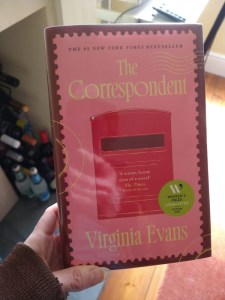
I’m also proceeding through the Women’s Prize shortlist; I’m only awaiting one more title that’s on order. I predict The Correspondent will win, and that would suit me just fine as I am loving it.
READ
- A Beautiful Loan by Mary Costello
- The Mighty Red by Louise Erdrich
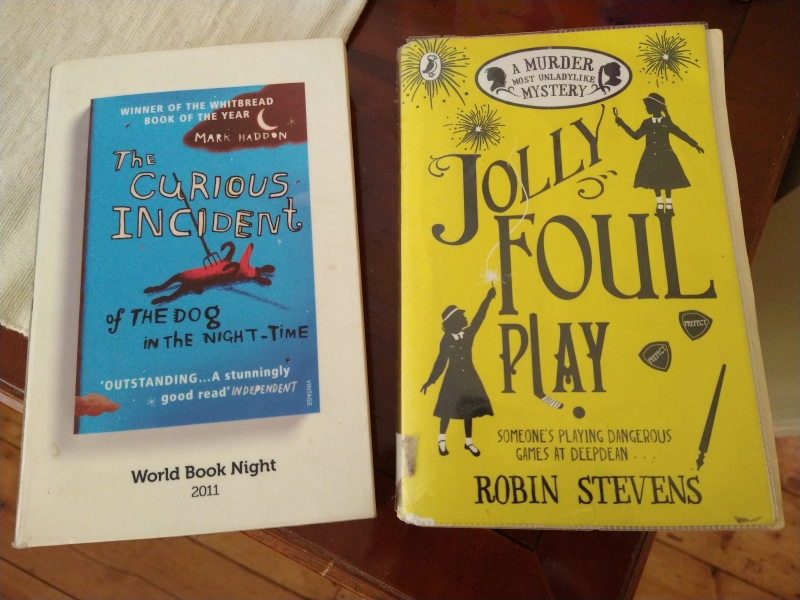
- The Curious Incident of the Dog in the Night-Time by Mark Haddon (a reread)
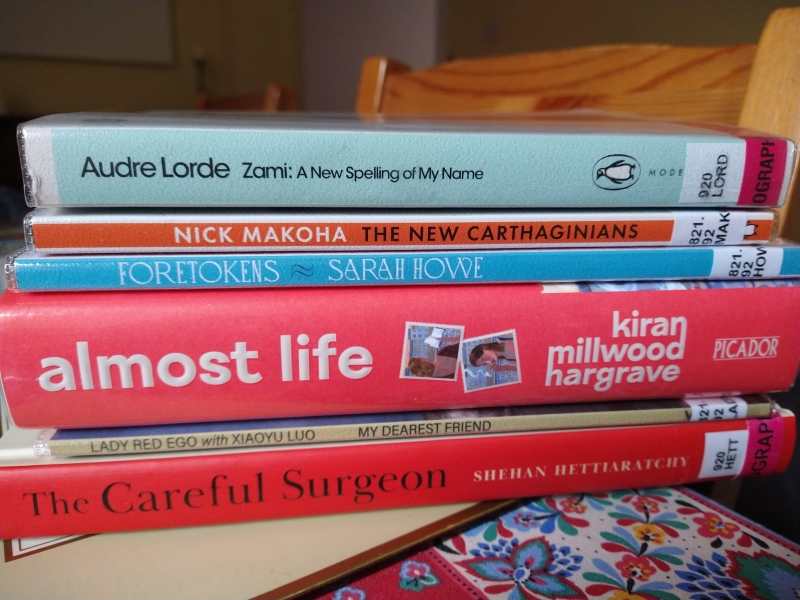
- Almost Life by Kiran Millwood Hargrave
- Foretokens by Sarah Howe
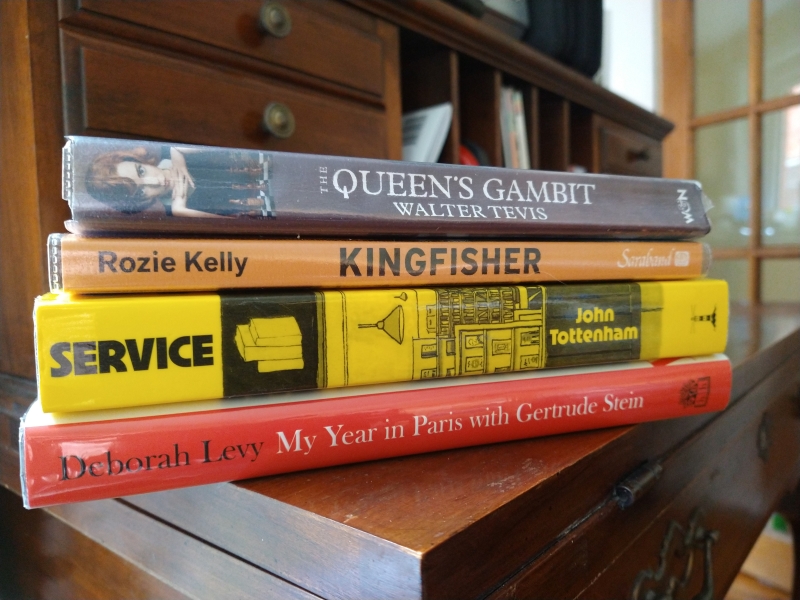
- My Year in Paris with Gertrude Stein: A Fiction by Deborah Levy
- Zami by Audre Lorde
- Nonesuch by Francis Spufford
- The Murderer’s Ape by Jakob Wegelius (a reread)

SKIMMED
- Wise: Finding Purpose, Meaning and Wisdom Beyond the Midpoint of Life by Frank Tallis
 CURRENTLY READING
- Pathfinding: On Walking, Motherhood and Freedom by Kerri Andrews
- The Heart of Christianity by Marcus Borg (a reread)
- The Correspondent by Virginia Evans
- Kingfisher by Rozie Kelly
- Carrie by Stephen King
- The Spirituality Gap by Abi Millar
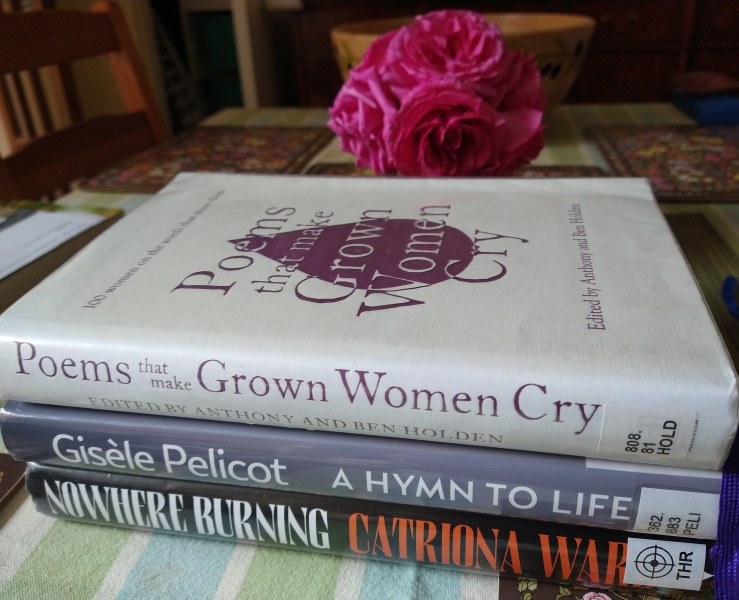
- A Hymn to Life: Shame Has to Change Sides by Gisèle Pelicot
- Greenwild by Pari Thomson
- Women Talking by Miriam Toews
CHECKED OUT, TO BE READ
- My Dearest Friend by Lady Red Ego
- Poems that Make Grown Women Cry: 100 Women on the Words that Move Them, ed. Anthony and Ben Holden
- The New Carthaginians by Nick Makoha
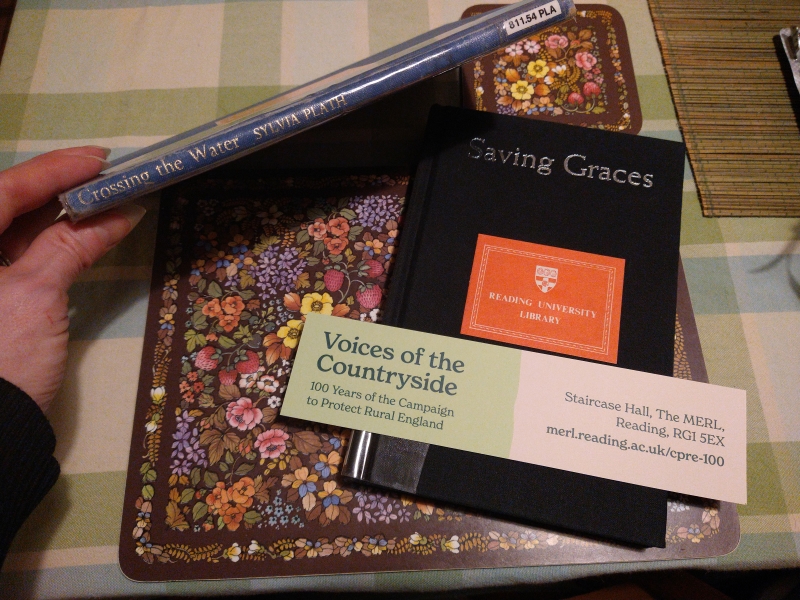
- Crossing the Water by Sylvia Plath
- Saving Graces: Images of Women in European Cemeteries by David Robinson
- The Queen’s Gambit by Walter Tevis
ON HOLD, TO BE COLLECTED
- Lost Lambs by Madeline Cash
- I Sing to the Greenhearts by Maggie Harris
- Holy Boys by Andrés N. Ordorica
IN THE RESERVATION QUEUE
- Yesteryear by Caro Claire Burke
- Dominion by Addie E. Citchens
- Come What May: Life-Changing Lessons for Coping with Crisis by Lucy Easthope
- Agnes Aubert’s Mystical Cat Shelter by Heather Fawcett
- Hunger and Thirst by Claire Fuller
- Honour & Other People’s Children by Helen Garner
- The Shock of the Light by Lori Inglis Hall
- Why I Am Not a Bus Driver by Ashley Hickson-Lovence
- Alice with a Why by Anna James
- Dogs, Boys and Other Things I’ve Cried About by Isabel Klee
- The Book of Birds by Robert Macfarlane and Jackie Morris
- Mother Mary Comes to Me by Arundhati Roy
- The Original by Nell Stevens
- The Things We Never Say by Elizabeth Strout
RETURNED UNFINISHED
- Service by John Tottenham – I read the first 25 pages and found the grumpy bookseller narrator’s perspective amusing (but potentially quite tiresome after another 300). I loved this skewering of the trend for publishing short stories in individual volumes: “At sixty-three pages this recently published book was no more than a short story, but it was presented in the form of a novel; it was the sort of book that people who wanted to be thought of as ‘well-read’ felt they were supposed to like, and it was presented with a classic red-on-black design with bold lettering.”
- Nowhere Burning by Catriona Ward – This wasn’t gripping me in the first few pages, but I might try it again one day.
RETURNED UNREAD
- The Swell by Kat Gordon – Will borrow another time.
- The Careful Surgeon: Finding Light, Courage and Compassion in the Face of Life and Death by Shehan Hettiaratchy – Seemed twee and not notably well written.
- Skylark by Paula McLain – I’ve enjoyed her other novels and this seems like it should be perfect for Tracy Chevalier fans, but it’s so long and with such small type that I have attempted it twice and made no headway.
- Wandering Stars by Tommy Orange – Will borrow another time.
- Carrion Crow by Heather Parry – Will borrow another time.
What have you been reading or reviewing from the library recently?
Share a link to your own post in the comments. Feel free to use the above image. The hashtag is #LoveYourLibrary.
Love Your Library: April 2026
My thanks, as always, to Eleanor and Skai for posting about their recent library borrowing and reads!
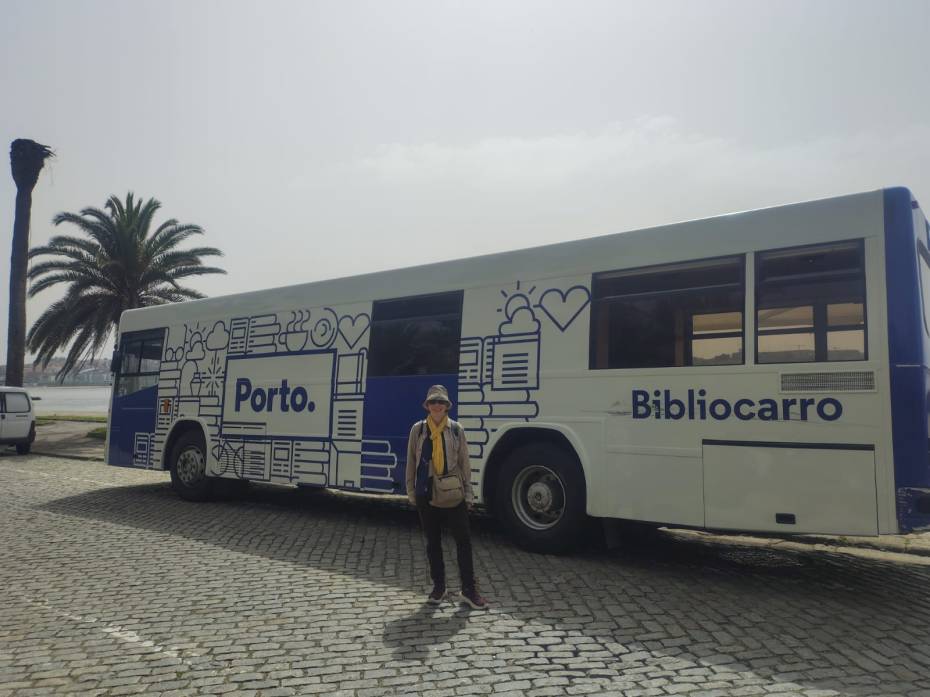
We spotted Porto’s library bus at the Foz do Douro on our recent trip to Portugal.
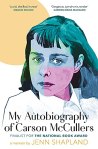 From My Autobiography of Carson McCullers by Jenn Shapland:
“Library books, especially annotated ones, or ones with page corners creased, or with notes or bookmarks or other ephemera tucked into them, have given me this same feeling, this reprieve from loneliness, since I was a kid. Someone else was here.”
This sentiment feels more applicable to university or specialist library books. If, during my volunteering, I come across books with dogeared pages, I unfold them; I also remove any items used as page markers and put them in our basket for lost bookmarks. Secondhand book purchases, I find, tend to have more of an aura of their previous owners.
My library use over the last month:
(links are to any book reviews not already featured on the blog)
READ
- Tender: 100 Poems for the First 100 Days of Life by Harry Baker
- Our Numbered Bones by Katya Balen
- Bog Child by Siobhan Dowd
- The Migrant Painter of Birds by Lídia Jorge
- The High Mountains of Portugal by Yann Martel
- First Class Murder by Robin Stevens
SKIMMED
- Eva Luna by Isabel Allende (for April book club)
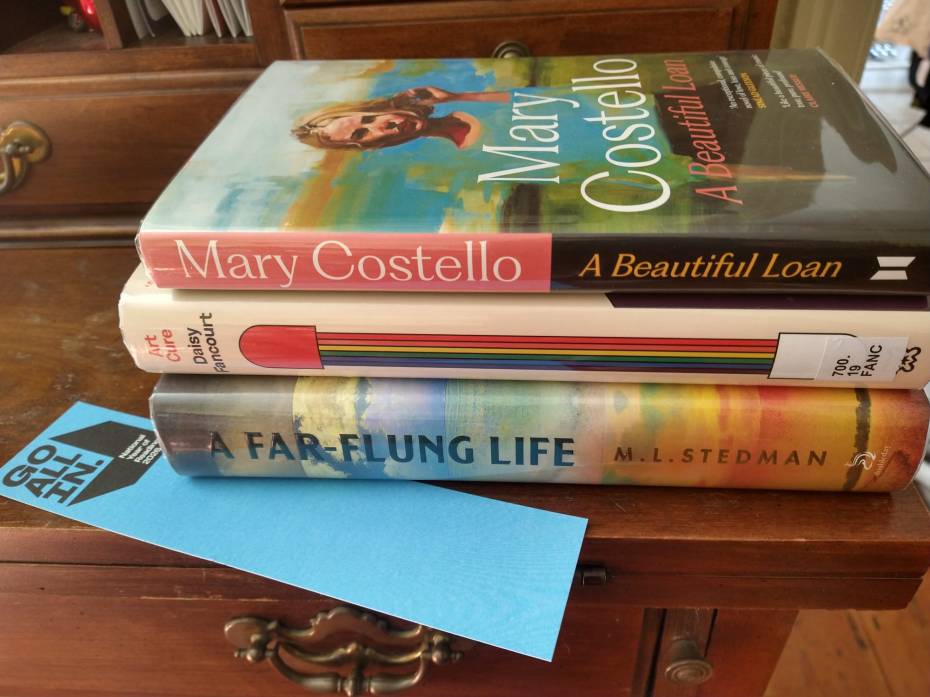
- Art Cure: The Science of How the Arts Transform Our Health by Daisy Fancourt
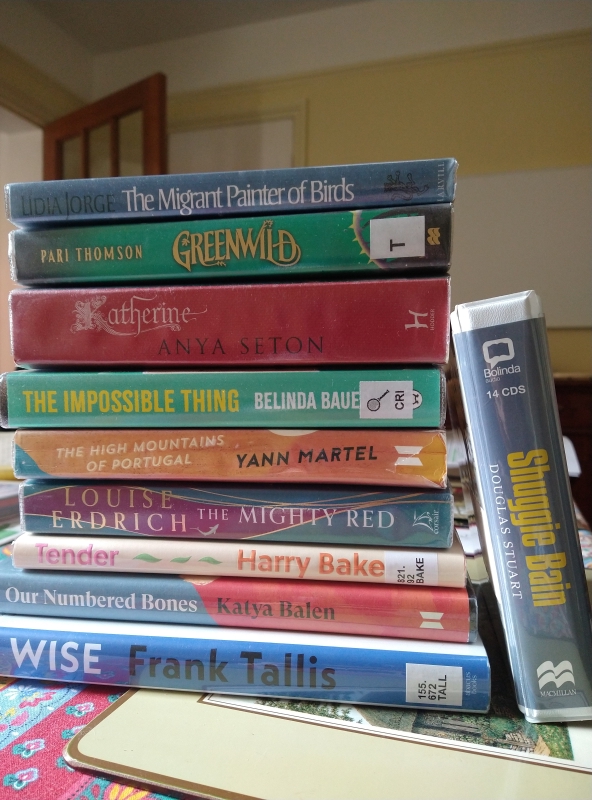
CURRENTLY READING
- The Heart of Christianity by Marcus Borg (a reread)
- A Beautiful Loan by Mary Costello
- The Mighty Red by Louise Erdrich (for May book club)
- The Curious Incident of the Dog in the Night-Time by Mark Haddon (a reread)
- Carrie by Stephen King
- The Spirituality Gap by Abi Millar
- Nonesuch by Francis Spufford
- The Murderer’s Ape by Jakob Wegelius (a reread)
CHECKED OUT, TO BE READ
- Pathfinding: On Walking, Motherhood and Freedom by Kerri Andrews
- The Swell by Kat Gordon
- Skylark by Paula McLain
- Wandering Stars by Tommy Orange
- Carrion Crow by Heather Parry
- Wise: Finding Purpose, Meaning and Wisdom Beyond the Midpoint of Life by Frank Tallis
- Greenwild by Pari Thomson
- Women Talking by Miriam Toews
ON HOLD, TO BE COLLECTED
- Almost Life by Kiran Millwood Hargrave
- The Careful Surgeon: Finding Light, Courage and Compassion in the Face of Life and Death by Shehan Hettiaratchy
IN THE RESERVATION QUEUE
- Yesteryear by Caro Claire Burke
- Lost Lambs by Madeline Cash
- Dominion by Addie E. Citchens
- The Correspondent by Virginia Evans
- Agnes Aubert’s Mystical Cat Shelter by Heather Fawcett
- Honour & Other People’s Children by Helen Garner
- The Shock of the Light by Lori Inglis Hall
- Alice with a Why by Anna James
- My Year in Paris with Gertrude Stein: A Fiction by Deborah Levy
- A Hymn to Life: Shame Has to Change Sides by Gisèle Pelicot
- The Original by Nell Stevens
RETURNED UNFINISHED
- Our Better Natures by Sophie Ward – I managed the first 76 pages but found none of the three storylines compelling and gave up hope of them feeling significant in conjunction with each other. Disappointing as I loved her first book and named this one of my Most Anticipated titles of 2026.
RETURNED UNREAD
- The Impossible Thing by Belinda Bauer – Silly me; I don’t read crime. (I was attracted by the setting of Bempton Cliffs and the plot element of stealing seabird eggs.)
- Katherine by Anya Seton – Sarah Perry thinks this is one of the best examples of historical fiction out there, but I can’t get over my antipathy for the time period.
- Sempre: Finding Home by Raymond Silverthorne – Requested because it came up on a search for Portugal in the library catalogue; I didn’t realize it was self-published.
- A Far-Flung Life by M.L. Stedman – The first few pages didn’t draw me in, so I’ll let the many others in the reservation queue have a go.
- Shuggie Bain by Douglas Stuart (audiobook) – I didn’t end up having an opportunity to listen to an audiobook. Perhaps one day I will get to Stuart’s back catalogue!
What have you been reading or reviewing from the library recently?
Share a link to your own post in the comments. Feel free to use the above image. The hashtag is #LoveYourLibrary.
Love Your Library: March 2026
Thanks, as always, to Eleanor and Skai for posting about their recent library borrowing.
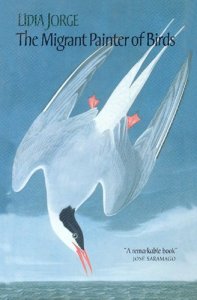 I’ve ordered my first interlibrary loan from another library in the SELMS (South East Library Management Systems) consortium: The Migrant Painter of Birds by Lídia Jorge. This is a novel I discovered through the Rough Guide to Portugal (Rough Guides always have a great section at the back for related reading, including not just travel books but also varied fiction). There is a £4 charge for the ILL service, but I decided it’s worth it because the Kindle book is £7.99 – more than I’d pay for an e-book, plus I read so much electronically for work that I prefer to read in print when I can – and secondhand copies are much more.
I’ll take it on our trip to Portugal next month, along with a couple more Portugal-set novels I found through a catalogue search, some doorstoppers for getting stuck into on the 20-hour ferry rides, and the audiobook of Shuggie Bain in case the waves are so bad I can only lie on my bunk, close my eyes and wait for death. (We had a beautifully smooth sailing to Spain in 2022 and hope that history repeats itself, but can’t count on it. I’ll have the Kwells, acupressure bracelets, ginger ales and ginger biscuits all to hand!)
Spotted with delight in the Acknowledgements of two recent reads:
- Wendy Erskine: “If I’ve not written The Benefactors sitting at my kitchen table, it’s been in one of these beloved spots: Belfast Central Library, the Linen Hall Library, Woodstock Library, Zentralbibliothek Zürich, the Mitchell Library, Glasgow, the Central Library, Liverpool and Central Library, Dublin. Thank you. Nowhere finer than a public library.”
- Niamh Ni Mhaoileoin (Ordinary Saints): “My heartfelt thanks to literally everyone in the world who does anything to support the continued existence of public libraries. In particular, to the staff, volunteers and taxpayers who sustain the National Library of Scotland, Edinburgh Libraries and Leith Library.”
My library use over the last month:
READ
- Strangers: The Story of a Marriage by Belle Burden
- Like Mother by Jenny Diski
- Leaving Home: A Memoir in Full Colour by Mark Haddon

- Of Thorn & Briar: A Year with the West Country Hedgelayer by Paul Lamb
- Half His Age by Jennette McCurdy
- The First Day of Spring by Nancy Tucker
CURRENTLY READING
- Eva Luna by Isabel Allende (for book club)
- The Heart of Christianity by Marcus Borg (a reread)
- Bog Child by Siobhan Dowd
- The Curious Incident of the Dog in the Night-Time by Mark Haddon (a reread)
- Carrie by Stephen King
- The Spirituality Gap by Abi Millar
- First Class Murder by Robin Stevens
- Our Better Natures by Sophie Ward
CHECKED OUT, TO BE READ
- Pathfinding: On Walking, Motherhood and Freedom by Kerri Andrews
- The Swell by Kat Gordon
- Skylark by Paula McLain
- Wandering Stars by Tommy Orange
- Carrion Crow by Heather Parry
- Women Talking by Miriam Toews
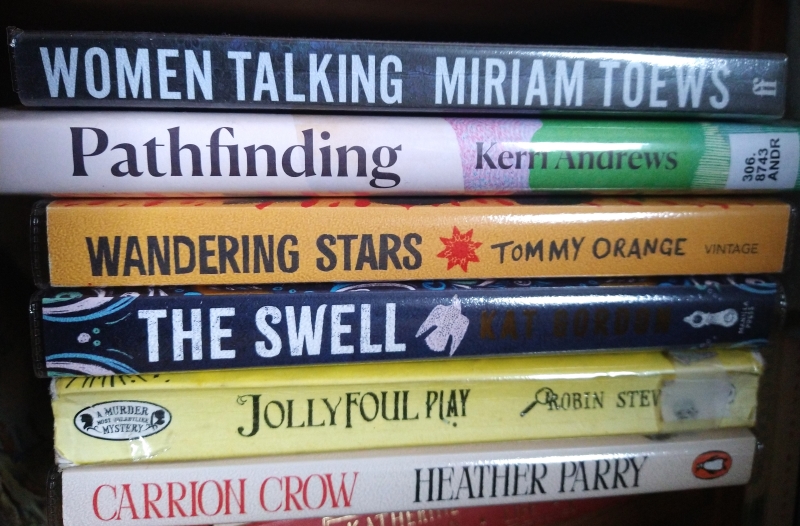
I was amused by the found poem (below) that a subset of my borrowed books created on my bedside shelf. I imagined a group of women walking along a coastal path, being overcome by a malevolent wave, and perishing.
ON HOLD, TO BE COLLECTED
- Tender: 100 Poems for the First 100 Days of Life by Harry Baker
- Our Numbered Bones by Katya Balen
- The Impossible Thing by Belinda Bauer
- The Mighty Red by Louise Erdrich (for May book club)
- The Migrant Painter of Birds by Lídia Jorge
- The High Mountains of Portugal by Yann Martel
- Katherine by Anya Seton
- Shuggie Bain by Douglas Stuart (audiobook)
- Wise: Finding Purpose, Meaning and Wisdom Beyond the Midpoint of Life by Frank Tallis
IN THE RESERVATION QUEUE
- Lost Lambs by Madeline Cash
- A Beautiful Loan by Mary Costello
- The Correspondent by Virginia Evans
- Art Cure: The Science of How the Arts Transform Our Health by Daisy Fancourt
- Agnes Aubert’s Mystical Cat Shelter by Heather Fawcett
- Honour & Other People’s Children by Helen Garner
- The Shock of the Light by Lori Inglis Hall
- Almost Life by Kiran Millwood Hargrave
- The Careful Surgeon: Finding Light, Courage and Compassion in the Face of Life and Death by Shehan Hettiaratchy
- Alice with a Why by Anna James
- The Wilds by Sarah Pearse
- A Hymn to Life: Shame Has to Change Sides by Gisèle Pelicot
- Sempre: Finding Home by Raymond Silverthorne
- A Far-Flung Life by M.L. Stedman
- The Original by Nell Stevens
- Greenwild by Pari Thomson
RETURNED UNFINISHED
- The Parallel Path: Love, Grit and Walking the North by Jenn Ashworth – I have to admit to myself that I don’t enjoy long-distance walking travelogues, even when written by authors I generally like.
- Seven by Joanna Kavenna – I hadn’t the patience for something so experimental.
- People Like Us by Jason Mott – I read about 50 pages and it was so satirical, like Paul Beatty on steroids, that there was no reason to care.
- Pick a Colour by Souvankham Thammavongsa – I read 60-some pages and was unspeakably bored. Such a shame as her short story collection was great.
RETURNED UNREAD
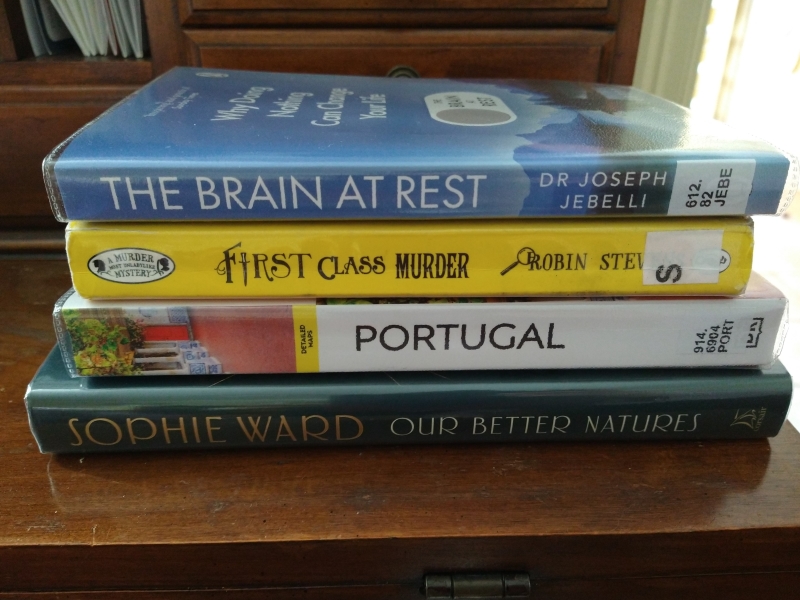
- The Brain at Rest: Why Doing Nothing Can Change Your Life by Joseph Jebelli – Requested off me before I had time to even skim it.
- Jolly Foul Play by Robin Stevens – Ditto, but that’s okay because I think I’m tiring of the series and it’s time for a break.
What have you been reading or reviewing from the library recently?
Share a link to your own post in the comments. Feel free to use the image below. The hashtag is #LoveYourLibrary.
Reporting Back on My Most Anticipated Reads of 2025
Most years I’ve combined this topic with a rundown of my DNFs for the year; this time I can’t be bothered to list them. There have probably not been as many as usual; generally, I’ve given a sentence or two about each DNF in a Love Your Library post. In any case, I hereby give you blanket permission to drop that book you’ve been struggling with. I absolve you of all potential guilt. It makes no difference if it has been nominated for or won a major prize, or if everyone else seems to love it. If for any reason a book isn’t connecting with you, move onto something else; you can always come back to try it another time, or not. Life is short.
So, on to those Most Anticipated books. In January, I picked the 25 new releases I was most looking forward to in the first half of the year, and followed it up in July with another 15 for the second half. Here’s how I fared with them:
Read and enjoyed: 14 (some will appear on my Best-of list!)
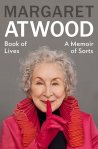 Book of Lives: A Memoir of Sorts by Margaret Atwood
- Spent: A Comic Novel by Alison Bechdel
- Victorian Psycho by Virginia Feito
- Heartwood by Amity Gaige
- Poets Square: A Memoir in Thirty Cats by Courtney Gustafson
- Lifelines: Searching for Home in the Mountains of Greece by Julian Hoffman
- The Silver Book by Olivia Laing
- Ripeness by Sarah Moss
- Joyride by Susan Orlean
- Are You Happy?: Stories by Lori Ostlund
- Ghosts of the Farm: Two Women’s Journeys Through Time, Land and Community by Nicola Chester
- The Lost Trees of Willow Avenue: A Story of Climate and Hope on One American Street by Mike Tidwell
- Three Days in June by Anne Tyler
- Palaver by Bryan Washington
 Read and found disappointing (i.e., 3 stars or below): 6
- Dream Count by Chimamanda Ngozi Adichie
- Breasts: A Relatively Brief Relationship by Jean Hannah Edelstein
- Mother Animal by Helen Jukes
- Heart the Lover by Lily King
- The Accidentals: Stories by Guadalupe Nettel
- Wreck by Catherine Newman
Skimmed (because it was disappointing): 1
- Somebody Is Walking on Your Grave: My Cemetery Journeys by Mariana Enríquez

 Currently reading / have read part of: 4
- Ghosts of the Farm: Two Women’s Journeys Through Time, Land and Community by Nicola Chester
- Jesusland: Stories from the Upside[-]Down World of Christian Pop Culture by Joelle Kidd
- The Girls Who Grew Big by Leila Mottley
- Minor Black Figures by Brandon Taylor
DNF: 1
- Archive of Unknown Universes by Ruben Reyes Jr.
 Owned in print but haven’t read yet (one was received for my birthday and two just now for Christmas!): 3
- Ordinary Saints by Niamh Ni Mhaoileoin
- Bread and Milk by Karolina Ramqvist
- The Antidote by Karen Russell
On my e-reader but haven’t gotten to yet: 9
- The Unworthy by Agustina Bazterrica
- Kate & Frida by Kim Fay
- Live Fast by Brigitte Giraud
- The Swell by Kat Gordon
- My Mother in Havana: A Memoir of Magic & Miracle by Rebe Huntman
- A Long Game: Notes on Writing Fiction by Elizabeth McCracken
- Tigers Between Empires: The Improbable Return of Great Cats to the Forests of Russia and China by Jonathan C. Slaght
 Elegy, Southwest by Madeleine Watts
- Alive: An Alternative Anatomy by Gabriel Weston
Haven’t managed to get hold of: 2
- O Sinners! by Nicole Cuffy
- The Forgotten Sense: The New Science of Smell by Jonas Olofsson [my library has a copy]
I can’t resist compiling this list each year. In the first week of January, I’ll be previewing my 20 Most Anticipated titles for the first half of 2026.
Do you choose Most Anticipated books each year? (Or do you prefer to be surprised?) And if you do, do they generally meet your expectations?
#NovNov25 Catch-Up: Dodge, Garner, O’Collins, Sagan and A. White
As promised, I’m catching up on five novella-length works I finished in November. In fiction, I have an odd duck of a family story, a piece of autofiction about caring for a friend with cancer, a record of an affair, and a tale of settling two new cats into home life in the 1950s. And in nonfiction, a short book about the religious approach to midlife crisis.
Fup by Jim Dodge (1983)
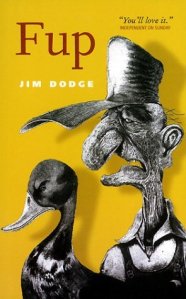 I’d never heard of this but picked it up because of my low-key project of reading books from my birth year. After his daughter died in a freak accident, Grandaddy Jake Santee adopted his grandson “Tiny.” With that touch of backstory dabbed in, we’re in the northern California hills in 1978 with grandfather and grandson – now 99 and 22, respectively. Tiny builds fences, while Grandaddy is famous for his incredibly strong, home-distilled whiskey, “Ol’ Death Whisper.” One day, Tiny rescues a filthy creature from a posthole where it’s been chased by their nemesis, Lockjaw the wild boar. It turns out to be a duckling that grows into a hen mallard named Fup Duck (it’s a spoonerism…) who eats so much she’s too heavy to fly. Grandaddy plans to continue drinking and gambling indefinitely, but the hunt for Lockjaw – who he thinks may be a reincarnation of his Native American friend, Seven Moons – breaks the household apart. This was very weird: it starts out a mixture of grit (those grotesque Harry Horse drawings!) and Homer Hickam schmaltz and then goes full Jonathan Livingston Seagull. (Secondhand – Community Furniture Project, Newbury) [89 pages]
The Spare Room by Helen Garner (2008)
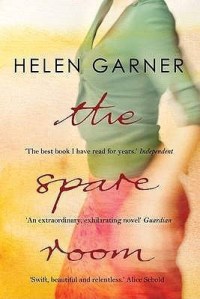 Who knew there was such a market for novels about helping a friend through cancer treatment? Or maybe it’s just that I love them so much I home right in on them. As a work of autofiction – the no-nonsense narrator, Helen, gives her old friend Nicola a place to stay in Melbourne for several weeks while she undergoes experimental procedures – this is most like What Are You Going Through by Sigrid Nunez (but I also had in mind Talk Before Sleep by Elizabeth Berg, We All Want Impossible Things by Catherine Newman, and Some Bright Nowhere by Ann Packer). Helen thinks The Theodore Institute peddles quack medicine, whereas Nicola is willing to shell out thousands of dollars for its coffee enemas and vitamin C infusions, even though they leave her terrifyingly fragile. Nicola is the only character who doesn’t acknowledge that her case is terminal. The pages turn effortlessly as Helen covers her frustration with Nicola, Nicola’s essential optimism, and the realities of living while dying. “Oh, I loved her for the way she made me laugh. She was the least self-important person I knew, the kindest, the least bitchy. I couldn’t imagine the world without her.” I’ll read more by Garner for sure. (Secondhand – Awesomebooks.com) [195 pages]
Second Journey: Spiritual Awareness and the Mid-Life Crisis by Gerald O’Collins SJ (1978; 1995)
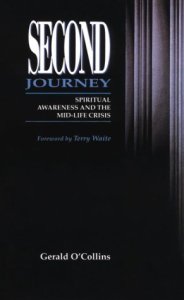 O’Collins, a Jesuit priest, sought a more constructive term than “midlife crisis” for the unease and difficult decisions that many face in their forties. He chooses instead the language of journeys, specifically one embarked upon because a previous way of life was no longer working. There are several types of triggers that O’Collins illustrates through brief case studies of famous individuals or anonymous acquaintances. The shift might be prompted by a sense of failure (John Wesley, Jimmy Carter), by literal exile (Dante), by falling in love (someone who left the priesthood to marry), by experiencing severe illness (John Henry Newman) or fighting in a war (Ignatius of Loyola), or simply by a longing for “something more” (Mother Teresa). But there are only two end points, O’Collins offers: a new place or situation; or a fresh appreciation of the old one – he quotes Eliot’s “to arrive where we started / And know the place for the first time.” This is practical and relatable, but light on actual advice. It also pales by comparison to Richard Rohr’s more recent work on spirituality in the different stages of life (especially in Falling Upward). (Free from a church member’s donations) [100 pages]
A Certain Smile by Françoise Sagan (1956)
[Translated from French by Irene Ash]
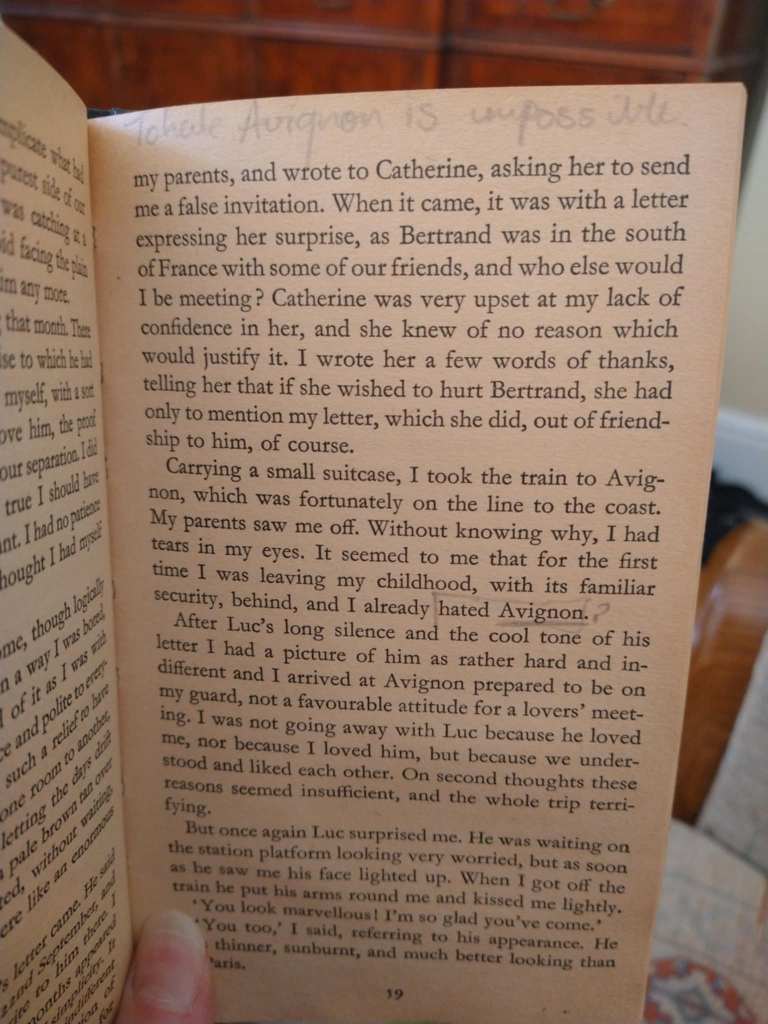
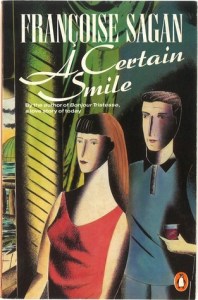 Law student Dominique is lukewarm on her boyfriend Bertrand and starts seeing his married uncle, Luc, instead. The high point is when they manage to go on a ‘honeymoon’ trip of several weeks to Avignon. Both Bertrand and Luc’s wife, Françoise, eventually find out, but everyone is very grown-up about it. The struggle is never external so much as within Dominique to accept that she doesn’t mean as much to Luc as he does to her, and that the relationship will only be a little blip in her early adulthood. I found this a disappointment compared to Bonjour Tristesse and Aimez-Vous Brahms – it really is just the story of an affair; nothing more – but Sagan is always highly readable. I read this in two days, a big section of it on a chilly beach in Devon. In its frank, cool assessment of relationship dynamics, this felt like a model for Sally Rooney. I had to laugh at the righteously angry and rather ungrammatical marginalia below (“To hate Avignon is unpossible”). (University library) [112 pages]
Minka and Curdy by Antonia White; illus. Janet and Anne Johnstone (1957)
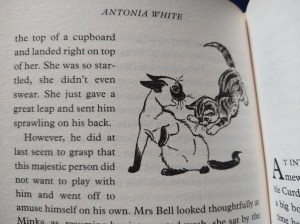
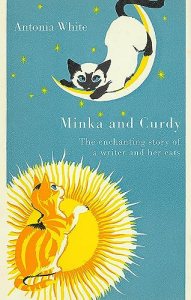 After Mrs Bell’s formidable cat Victoria dies, she hankers to get a new kitten to keep her company – she works at home as a writer. She finds herself greeting all the neighbourhood cats and, in her enthusiasm to help a ‘stray’, accidentally overfeeds someone else’s pet with fresh fish. Her heart is set on a marmalade kitten, so she reserves one from an impending litter in Kent. But then the opportunity to take on a beautiful young female Siamese cat, for free, comes her way, and though she feels guilty about the ginger tom she’s been promised, she adopts Minka anyway. When Coeur de Lion (“Curdy”) arrives a few weeks later, her challenge is to get the kitties to coexist peacefully in her London flat. This reminded me so much of myself back in February and March, when I was so glum over losing Alfie that we rushed into adopting a giant kitten who has been a bit much for us. But we’re already contemplating getting Benny a little sister or two, so I read with interest to see how she made it happen. Well, this is fiction, so it starts out fraught but then is somewhat magically fine. No matter – White writes about cats’ antics and personalities with all the warmth and delight of Derek Tangye, Doreen Tovey and the like, and this 2023 Virago reprint is adorable. (Secondhand – Awesomebooks.com) [113 pages]
I also had a few DNFs last month:
- The Book of Colour by Julia Blackburn (1995) seemed a good bet because I’ve enjoyed some of Blackburn’s nonfiction and it was on the Orange Prize shortlist. But after 60 pages I still had no idea what was going on amid the Mauritius-set welter of family history and magic realism. (Secondhand – Bas Books charity shop, 2022)
- A Single Man by Christopher Isherwood (1964) lured me because I’d so loved Goodbye to Berlin and I remember liking the Colin Firth film. But this story of an Englishman secretly mourning his dead partner while trying to carry on as normal as a professor in Los Angeles was so dreary I couldn’t persist. (Public library)
- Night Life: Walking Britain’s Wild Landscapes after Dark by John Lewis-Stempel (2025) – JLS could write one of these mini nature volumes in his sleep. (Maybe he did with this one, actually?) I’d rather one full-length book from him every few years than bitty, redundant ones annually. (Public library)
- Aunts Aren’t Gentlemen by P.G. Wodehouse (1974) – I’ve read one Jeeves & Wooster book before and enjoyed it well enough. This felt inconsequential, so as I already had way too many novellas on the go I sent it back whence it came. (Little Free Library)
Final statistics for #NovNov25 coming up tomorrow!
 Bookish Beck = Rebecca Foster. American transplant to England. Freelance proofreader and book reviewer.
