Two Trips to the Theatre
Jane Eyre at the National Theatre
On October 3rd I was lucky enough to see a new production of Jane Eyre at London’s National Theatre. Thanks to theatre vouchers I had lying around, I paid all of £8 for my back-row seat, from which I had an excellent view, especially thanks to the pair of mini binoculars. Ten actors and musicians share all the roles. Sometimes a change of dress or hat is all that makes the distinction. For instance, the same actress (Laura Elphinstone) plays Helen Burns, Grace Poole, Adèle Varens, and St. John Rivers. One actor even plays Pilot the dog. His persistent “whoo-whoo” bark and habit of flopping at people’s feet make for charming comedy.
But the play belongs, of course, to Jane, and Madeleine Worrall is perfectly cast: unassuming yet passionate, a little firebrand. I can’t say for certain, but my impression is that she never leaves the stage during the entire production. She plays Jane at all ages: she voices a creepy baby cry when the bundle of cloth representing her infant self appears; other actors help her in and out of various dresses over a simple white shift as she grows up. The addition of a corset and petticoat indicates that she is now an adult, and a wedding dress and veil are the symbols of true love dangled before her eyes and then snatched away.
Set, props and music are all used to great effect. The action takes place on a complex of boardwalks, staircases and ladders, and most of the props are also wood and metal: stools, crates and window frames moved around to model different settings. The multiple levels allow for comings and goings but also for subtle displays of power relations. Objects hanging from the ceiling help to create location – family portraits and ominous red lighting signify Gateshead (the Reed house), simple sacking garments characterize Lowood School, and window frames and bare bulbs that flicker to Bertha’s laughs quite effectively evoke Thornfield Hall.
There is live musical backing at many points, with a piano, guitar, double bass and drums tucked off center under one of the boardwalks. The music ranges from instrumentals that wouldn’t be out of place in Downton Abbey or The Lord of the Rings to pop songs. An opera singer in a red satin dress wanders around singing snatches of folk spirituals and contemporary numbers. I certainly didn’t expect to hear Cee Lo Green’s “Crazy” during an adaptation of a nineteenth-century novel, but somehow it fits brilliantly.
The play is admirably true to the book. The two climactic fire scenes work very well, better than one might expect, and the romantic moments between Jane and Rochester are touchingly believable. I especially liked how journeys are suggested: a huddle of actors stand in the center of the stage and run in place to a percussion backing and a chant of destinations. One coach journey is even interrupted by a ‘piddle break’! Deaths are marked by opening a trap door near the edge of the stage and a character slowly descending some stairs out of sight.
The play started life in Bristol as a two-part adaptation stretching to four hours; for its move to London it has been condensed to just over three hours, but this still feels long, especially towards the end of the first act or in the aftermath of the revelation about Bertha. The St. John material, especially, drags – though that is true of the book as well. My main criticism of the production would be the way it sometimes tries to externalize Jane’s thoughts by having her ‘talk to herself’ via three or four other actors arguing. An angsty monologue à la Hamlet would have done the job just fine. Revealing Jane’s feelings for Rochester through a performance of the song “Mad About the Boy” likewise struck me as unsubtle.
![Painted by Evert A. Duyckinck, based on a drawing by George Richmond [Public domain], via Wikimedia Commons/](https://commons.wikimedia.org/wiki/File:Charlotte_Bronte_coloured_drawing.png)
Charlotte Brontë. Painted by Evert A. Duyckinck, based on a drawing by George Richmond [Public domain], via Wikimedia Commons.
A big anniversary is coming up: 2016 is the bicentennial of Charlotte Brontë’s birth. I’ve noticed a cluster of books being published or reissued in advance of her 200th birthday, such as Claire Harman’s biography, which I’ll review for For Books’ Sake, and a novel translated from the Dutch about Emily and Charlotte’s time in Belgium, Charlotte Brontë’s Secret Love by Jolien Janzing, which I’ll read for The Bookbag. There could be no better time for going back to her timeless stories, whether through the books themselves or another artistic expression.
My rating: 
To compare the thoughts of some professional theatregoers and see a few photos, check out the reviews on the Guardian and Telegraph websites.
When We Are Married by the Twyford & Ruscombe Players
J.B Priestley (1894–1984) is not a very familiar name for me, but my husband assures me he’s well known and loved here in England, if only for the play An Inspector Calls, which he studied at GCSE (it’s still a set text) and saw on stage. When We Are Married, one of the prolific Yorkshire author’s many plays, was first performed in 1938, though it’s set in 1908. I went to see it in our local village hall this past Saturday night.
The premise is simple: three couples (the Helliwells, Parkers and Soppitts) are celebrating their silver wedding anniversary, having all been married in the same chapel on the same morning. They even have a photo commemorating the occasion, and today they hope to recreate that shot. Over the years they have done well for themselves: one man is an alderman and another a counsellor; all three are heavily involved in their local chapel.

Press photograph of the original 1938 production: (clockwise from top left) Raymond Huntley, Lloyd Pearson, Ernest Butcher, Ethel Coleridge, Muriel George, and Helena Pickard. (From “The World of the Theatre,” Illustrated London News, 5 November 1938.)
All is not well in this small Yorkshire village, however. They are disappointed with their newly hired organist, a la-di-da southerner named Gerald Forbes who has been seen stepping out with young ladies at night. The whole play takes place in the drawing room of Alderman Helliwell’s home, and in an early scene the three gentlemen summon Gerald with the intention of dismissing him. However, he has his own surprise: a letter from the parish’s former parson, confessing that he wasn’t properly licensed to perform wedding ceremonies at the time. Consequently, these three pillars of the community are not legally married after all.
The news soon gets out thanks to a sullen cook who was listening behind the door and broadcasts the story at the local pub. In Act II the couples – including Gerald and his secret sweetheart, the Helliwells’ niece – take it in turns to come on stage for private chats. They spend time imagining what could be different in their lives if they really were single. Henpecked Herbert Soppitt gets his own back after years of cowering, while Mrs. Parker finally tells the Counsellor how dull and stingy she’s always found him to be.
The two best characters are Ruby Birtle, the Helliwells’ garrulous maid, and Henry Ormonroyd, a drunken photographer sent by the Yorkshire Argus. He functions like the Fool in this Shakespearean comedy of reversals, and happens to have some of the most profound lines. Will these unlucky couples get their anniversary photograph after all?
This was an enjoyable local production. The simple set was easy to maintain, and the acting – especially the Yorkshire accents – unimpeachable. The audience was in three sections in a rough semicircle around the action; my chair was just five feet behind a chaise longue on set. My only criticism would be that one of the three wives looked 20 years younger than the rest. I’ll certainly venture out for another show by the Twyford & Ruscombe Players.
My rating: 
Today’s Secondhand Book Haul
Today, as an early birthday outing for me, we headed to Henley-on-Thames by train, getting off one stop early at Shiplake to walk a couple of miles along the river.
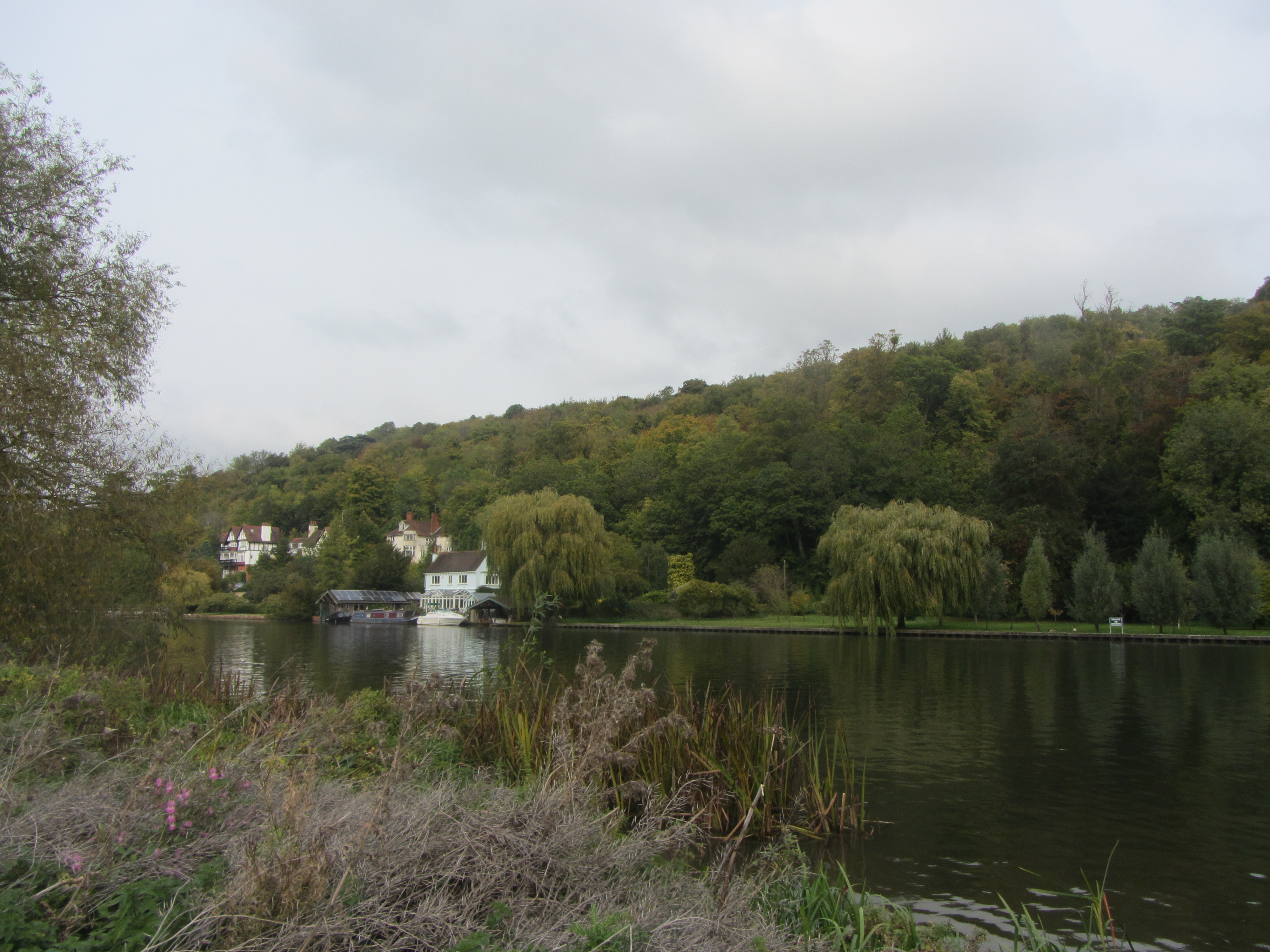
Courtesy of Chris Foster
Henley has one of our favorite local secondhand bookstores. It’s only our second time there, but we instantly became devotees thanks to their £1 section, which includes all paperbacks.

Courtesy of Chris Foster
Today’s haul (total spend = £10):
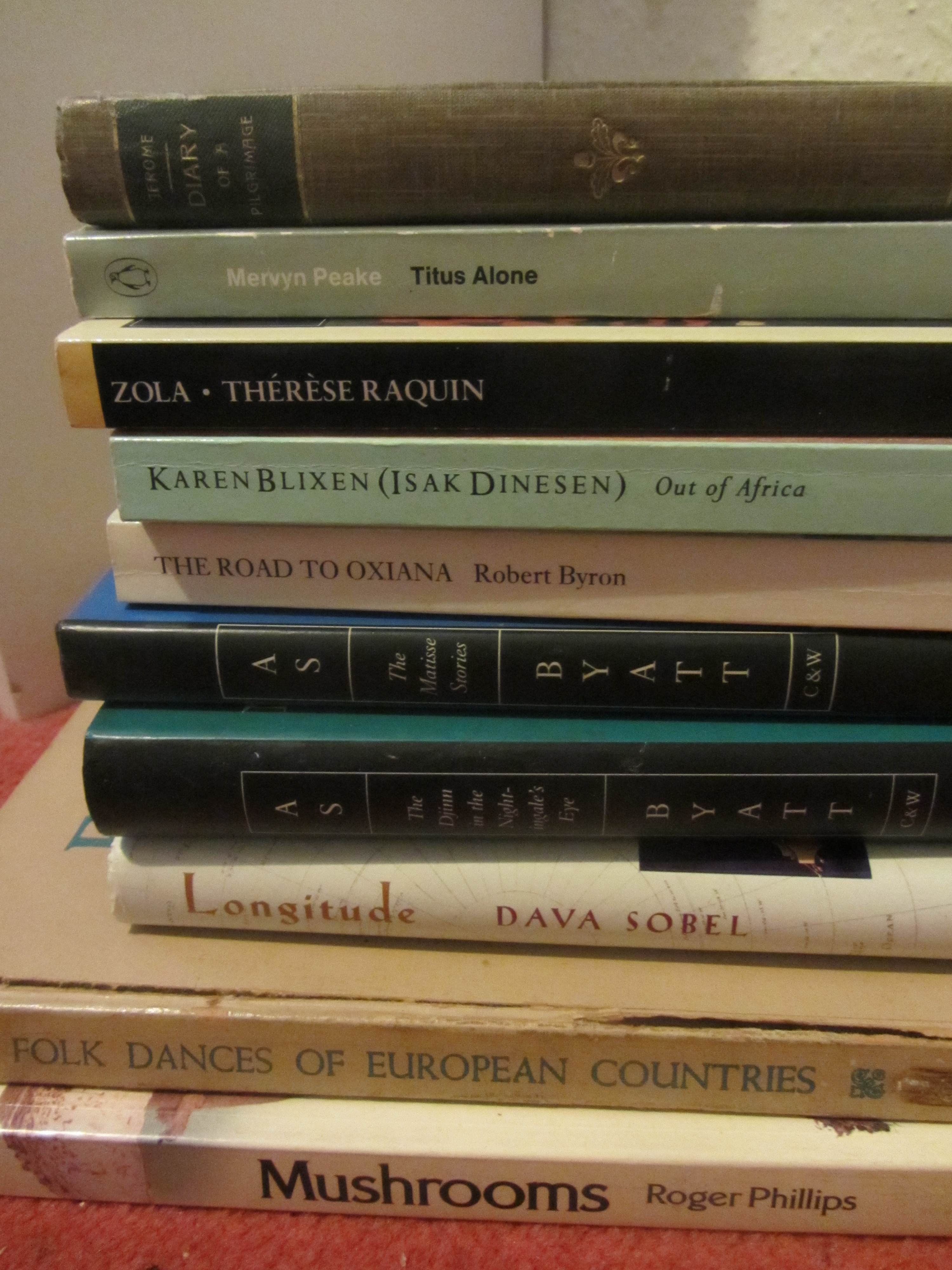
I’m especially pleased with the £1 copy of Diary of a Pilgrimage by Jerome K. Jerome, a novel about a journey by train and boat from England to Germany to see the Oberammergau Passion Play. We have plans to travel around Europe by train next year, so this will be a fun one to slip in a handbag for the Germany leg.
Tonight I’m headed to the theatre for the second time in a week – I shall report back about both trips on Monday.
My Salinger Year and Hotel Alpha
My Salinger Year by Joanna Rakoff
“Publishing, books, life. … It seemed possible to get one right. But not all three.”
 I’ve hardly read any Salinger, but that’s okay – neither had Joanna Rakoff until about two-thirds of the way through her year working for the legendary recluse’s literary agency in New York City. One long weekend she gorged on his complete works and found – in a man she’d previously encountered only as a shouting elderly voice on the phone – a kindred spirit.
This was 1996, and Rakoff was 23 years old, living with a boyfriend who didn’t appreciate her in a crummy apartment and harboring secret literary ambitions. On the cusp of the digital world, the Agency still resisted computers. Rakoff did most of her work on a typewriter and read manuscripts from the slush pile, extracting a couple of promising ones and getting a colleague to read her boyfriend Don’s unpublishable novel in turn. She had heavy student loans after graduate studies in London, and could barely afford a daily deli salad for lunch.
Mostly Rakoff spent her time typing form letters to Salinger’s fans, informing correspondents that he had asked not to have his letters forwarded. Believing she might make a difference, she went off-piste and started writing personal replies to some of the more wrenching letters: war veterans, struggling students, and a quiet young man who didn’t know what to do with his emotions. Alas, it backfired: more often than not she’d get an angry response, with the writer objecting to her presuming to take the place of Salinger and dispense life advice.
It’s remarkable how, at a distance of nearly 20 years, Rakoff makes this all seem like it happened yesterday: she adds in just the right amount of what Mary Karr, in The Art of Memoir, calls “carnal detail” to make her story seem timely and believable. The tone is nostalgic but also bittersweet – while it was a precious year, Rakoff also realizes what she could have done better (chiefly, ditching Don sooner).
Especially for female readers, this will instantly take you back to your own immediate post-college days of trying to figure out what life is about and who you wanted to be. “Was it possible, too, that one could be complicated, intellectual, awake to the world, that one could be an artist, and also be rosy and filled with light? Was it possible that one could be all those things and also be happy?”
With thanks to Bloomsbury for my free copy, won in a Facebook giveaway.
My rating:
Hotel Alpha by Mark Watson
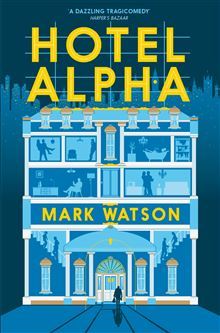 You may be unsurprised to learn there’s a touch of The Grand Budapest Hotel to this one. Hotel founder Howard York, though he sounds an awful lot like an Ayn Rand creation (i.e. Howard Roark, the architect-hero of The Fountainhead), is most like the Ralph Fiennes character. He uses his influence to finagle anything for a guest; “you could believe, sitting here in his castle, that he really did mean to live a couple of centuries and that everything he had built would still be standing around him.” But even he can’t stop tragedy; a fire at the hotel in the 1980s orphaned and blinded a small boy named Chas, who Howard then adopted.
The novel is told in alternating first-person chapters from Chas and Graham, the hotel concierge. Graham reminded me of Stevens in The Remains of the Day: very proper, even uptight, but with a hidden passion. Technology’s advance helps Chas immensely, but makes Graham feel superseded; “I have lived a great part of my own life in homage to my own past,” he acknowledges.
Key events take place between 2001 and 2005, with a historical backdrop including 9/11, the Olympic bid, and the 7/7 bombings. Chas works in PR and is involved with Kathleen, a journalist who’s opposed to the Iraq War. Howard, on the other hand, always supports the winning team and status quo. He is also a man of secrets. Why did Chas’s tutor, Ella, and Graham’s assistant, Agatha, both suddenly leave the hotel for America years ago? It all has to do with the legend of what happened the night of the fire, the truth of which will be exposed in time.
Watson is a stand-up comedian as well as the author of several novels. I like how he shows both the good and bad sides of technology here. My favorite part was Chas’s visit to China with Kathleen; even though he’s mostly stuck in a hotel, he still experiences extreme culture shock.
There are another 100 stories about the Hotel Alpha on the website, eight of which are printed as an appendix to the paperback edition. Much as I liked the main characters (especially Agatha), I didn’t think the two voices were distinctive enough – I wish Watson had incorporated more of the stories’ narrative variety (some first-person and some third-person) into the novel itself.
My rating:
With thanks to Picador for my free copy, won in a newsletter giveaway.
Review: The First Bad Man, Miranda July
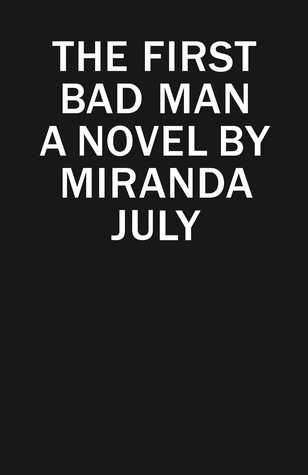 Scribner sent me a copy of this one entirely at random. I had barely heard of the author (an indie filmmaker and visual artist) and knew nothing about the book before starting it – which is probably for the best given that a simple synopsis makes it sound even weirder than it really is and would likely have turned me off. That black-and-white cover doesn’t really give you any clues, either, though when you open it up you get the riotously colored modern art swirls of the endpapers. You could think of the design as emblematic of the book itself: unpromising from the outside but reasonably rewarding once you get into it.
Cheryl Glickman is a neurotic 43-year-old manager at Open Palm, a Los Angeles area women’s self-defense organization that now mostly runs fitness classes. Her obsessive personality comes through with her devotion to “the system,” a strict minimalism that involves as few possessions as possible, plus reusing everything to save time and increase efficiency, and her crush on Phillip Bettelheim, an odious colleague 22 years her senior.
The book opens with two key events: Phil recommends she undergo chromotherapy for the globus in her throat; and her bosses con her into hosting their 21-year-old daughter, Clee, who seems to do nothing but lie around watching TV. The color therapy morphs into more general therapy with Ruth-Anne, while the unwanted houseguest changes Cheryl’s life forever, though not at all in the way one might expect.

Open up the dull cover and you get the colorful surprise of the endpapers.
“What was the name of the situation I was in? What category was this?” Cheryl wonders to herself. Clee messes with her system and starts mocking and even physically abusing Cheryl. Instead of kicking her out, though, Cheryl codifies their fights into reenactments of some of Open Palm’s 1990s self-defense videos (the title phrase comes from one of these scenarios).
And then things get sexual. First Phil starts texting about his infatuation with a 16-year-old, asking permission to make a move. Next Cheryl starts an intense masturbation campaign, imagining Clee in various pornographic situations. Sometimes Cheryl pretends she is Phil diddling Clee. To take her mind off things, Ruth-Anne suggests that Cheryl sing. She chooses a David Bowie song.
(Still with me?)
Cheryl has conflicted feelings about Clee. She likes the physical closeness of their combative relationship. At the same time, she’s disgusted by Clee’s laziness and smelly feet. Still, she’s fixated. “Her cowlike vacuousness didn’t really bother me anymore. Or it didn’t matter—her personality was just a little piece of parsley decorating warm tawny haunches.”
Eventually Cheryl wakes up to the reality that she is “a middle-aged woman who couldn’t keep her hands off herself.” The first half of the book is about fantasy and fabrication. “Real comes and goes and isn’t very interesting,” as Ruth-Anne says. In the second, though, things swiftly turn concrete when Clee realizes she’s pregnant. Cheryl takes on an advisory and later a supportive role; “I’d been her enemy, then her mother, then her girlfriend. That was three lifetimes right there.”
Does Clee love Cheryl? Does Cheryl love Clee? It’s hard to say; “maybe that was the point of love: not to think.” Regardless, all of a sudden, Cheryl finds herself a mother. “[Clee] was the worst possible person to do this with—that was evident now, but what could I do?” July herself had a new baby at the time of writing this novel, which accounts for how authentic the Jack sections feel. It’s a bit of an aimless story, but watching Cheryl’s development is certainly interesting. I could have done without most of the Phil stuff, but it turns out he’s important to the plot.
If I had to compare July’s style to anyone else’s, it would be Douglas Coupland. At times Cheryl was also a bit like Don Tillman in The Rosie Effect, what with her matter-of-fact recounting of Jack’s fetal development. Blend the voyeuristic raunchiness of The Heart Goes Last with the uncomfortable physical reality of After Birth, two novels I’ve previously reviewed on this blog, and you get an idea of the dynamic at work here.
I can’t say I entirely enjoyed the book; I don’t always appreciate quirky-for-quirkiness’-sake. However, my utter lack of expectations was a good thing, and I thought July did a solid job of making her somewhat unpleasant characters sympathetic by making them go through one of life’s central challenges: parenthood. She also comes up with some delightfully off-the-wall sentences, as in my favorite passage, in which Cheryl vocalizes her thoughts to baby Jack:
“You are a sweet potato.”This sounded literal, as if I was letting him know he was a root vegetable, a tuber. “You’re a baby,” I added, just in case there was any confusion on that last point.
My rating:
Have you ever read a book by a celebrity known for their achievements in a different field? What did you think?
Review: The Heart Goes Last, Margaret Atwood
 Last month an unsolicited e-copy of The Heart Goes Last landed in my inbox: a random Thursday afternoon present for this Margaret Atwood fan. I was meant to review it for one of the websites I write for, but a misunderstanding meant the book was also assigned to someone else. So while I won’t be getting paid for my review (Boooooo!), I was still grateful for the opportunity to read the book early.
Atwood’s last project before this was the Maddaddam dystopian trilogy, and while there are still some dystopian elements here, she is blending speculative elements with realist social commentary in a way that makes me hope she is leaving some of the overt absurdity of her science-fiction scenarios behind.
 I didn’t dislike the Maddaddam books per se, but nor did I feel that it was necessary to turn Oryx and Crake into a trilogy, especially when the two following novels only re-examined events from different perspectives, filling in backstory rather than adding new present action (see my Maddaddam review on For Books’ Sake). It felt like a fairly indulgent ten-year project distracting Atwood from producing potential gems along the lines of The Blind Assassin, one of my favorites.
The Heart Goes Last began as four Positron short stories that appeared on the Byliner website between 2012 and 2013. We’re in a vague post-financial crisis, post-environmental apocalypse world, a little like California or The Road but not quite as drastic. Stan and Charmaine are a married couple reduced to living in their car. Charmaine works in a bar, but Stan has lost his job and won’t quite stoop to his brother Conor’s level of moving money around offshore. (It’s no coincidence his brother’s nickname is “Con.”)
One day Charmaine sees an ad for the Positron Project and convinces Stan to sign them up. Participants spend every other month working in the model community of Consilience…and every other month in prison. “DO TIME NOW, BUY TIME FOR OUR FUTURE!” one slogan reads. They share their home with another couple on an alternate schedule.
It’s a little like Pleasantville or The Truman Show: Consilience is stuck somewhere between the 1950s and a sustainable future. Doris Day and Bing Crosby play over the speakers (“The past is so much safer, because whatever’s in it has already happened”), but everyone rides scooters and cheerfully goes about their jobs – Stan as a poultry inspector, and Charmaine in hospital procurement.
Yet Positron has some sordid and even sinister side-projects. With an echo of Animal Farm, Atwood emphasizes how seductive this ultimately oppressive community can seem:
“Hey. Everyone’s different.” / “But some are more different than others.”
Things get weird as foul-mouthed Stan becomes obsessed with the sex lives of their alternates, Max and Jasmine. He imagines their lovemaking to be so much more passionate than his with Charmaine. Yet Charmaine, so seemingly bland and innocent (her worst curse is “Darn it to heck”), is up to something. What is she doing sneaking around derelict houses, and what is her top-secret job within the prison?
Gradually both Stan and Charmaine, separately, get caught up in a conspiracy to take Positron down from the inside. The wacky plot involves “prostibot” sex dolls (tagline: “Better than real”), Elvis Presley and Marilyn Monroe impersonators, and a Midsummer Night’s Dream-esque procedure that reprograms people so they fall in love with the first creature they see after they wake up.
This is all reasonably good fun, but, as with the Maddaddam books, the technology and naming tip over into pure silliness, and here there’s an added layer of raunchiness I’m not accustomed to seeing from Atwood. In distinguishing the fake from the real, the novel goes deep into unpleasant themes of fetishism and voyeurism.
I’m not as down on the book as the Kirkus reviewer (their hatchet job is quite amusing), but I did find it problematic. Charmaine is whiny and annoying throughout, as well as implausibly naïve. All the characters are similarly one-dimensional, even those with secrets. Moreover, the plot takes plenty of unexpected turns with some Shakespearean comedy reversals, but it’s downright ludicrous at times. There’s even a situation straight out of Ted, one of the worst movies I’ve had the bad luck to sample.
In short, a somewhat disappointing one-off from Atwood. Almost the best thing about it is the title, which refers to both biological death and the difficulty of faking true love. I long for the doyenne of Canadian fiction to return to contemporary realism or even historical fiction. There’s just as much scope in those genres for serious social commentary as there is in speculative fiction. Or maybe I should just delve into her extensive back catalogue instead.
My rating:
Have you read Atwood’s recent books? What’s your take?
Reviews Roundup, August–September
One of my goals with this blog is to have one convenient place where I can gather together all my writing that has appeared in disparate online locations. To that end, once a month I’ll provide links to all the book reviews I’ve published elsewhere, with a rating (below each description) and a short taster so you can decide whether to click to read more. A couple of exceptions: I won’t point out my Kirkus Indie or BlueInk reviews since I don’t get a byline.
The Bookbag
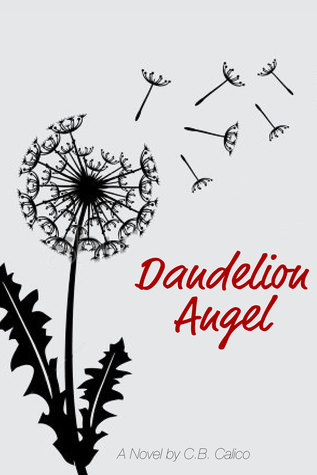 Dandelion Angel by C.B. Calico (& interview): This was inspired by a non-fiction work, Understanding the Borderline Mother by Christine Ann Lawson. The four mother/daughter relationships in this Germany-set novel – all marked to some extent by dysfunction, physical and/or verbal abuse, and borderline personality disorder – are based on Lawson’s metaphorical classifications: the hermit, the queen, the waif, and the witch. Looping back through her four storylines in three complete cycles, Calico shows how mental illness is rooted in childhood experiences and can go on to affect a whole family.
The Last Pilot by Benjamin Johncock: Cinematic descriptions of the California desert setting plus excellent characters and dialogue enliven this debut novel about a fictional test pilot and his family troubles during America’s Space Race. Johncock is British, but you can tell he’s taken inspiration from stories about the dawn of the astronaut age. If I allowed myself small points of criticism, I would say that it’s a challenge to accept the passage of time in the final 50 pages, and that a keen interest in astronauts is probably a boon to keep readers going through the test flight portions, which to me were less compelling than the domestic drama of Jim, Grace and Florence.
 Home Is Burning by Dan Marshall: At age 25, Dan Marshall went home to Salt Lake City to care for a father with ALS and a mother with leukemia. He and his four hapless siblings (a Sedaris-like clan) approached caregiving with sarcasm and dirty humor. Gleefully foul-mouthed, his memoir lacks introspective depth. He hardly ventures deeper than initial descriptions like “My gay brother, Greg” and “My adopted Native American sister, Michelle.” And even when his sentiments about his father are sincere, they are conveyed via what sound like clichés: “I wanted my poor dad to get better, not worse.” But to my surprise, Marshall made me cry in the end.
Of Orcas and Men by David Neiwert: Inspired by personal sightings near his home in Seattle, Neiwert set out to learn everything he could about orcas. The result is a thorough study of whales’ behavior and interactions with humanity from native mythology through modern-day aquarium shows. Some specialist interest would probably be helpful to those attempting this book, although there are plenty of black-and-white photographs to keep even casual readers interested. “Recovering our humanity may be the real gift of the orcas, what they can teach us. It’s our choice whether to listen.”

BookBrowse
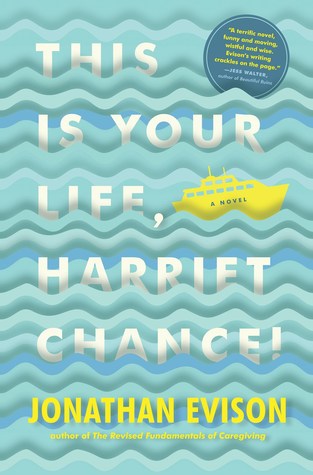 This Is Your Life, Harriet Chance! by Jonathan Evison [a subscription service, but an excerpt is available for free]: A widow in her seventies relives the ups and downs of her life while on an Alaskan cruise to scatter her husband’s ashes. Chapters alternate between a third-person account of the cruise and a second-person survey of Harriet’s past, delivered in the format of TV’s This Is Your Life. The narration is fresh and effective because the gradual revelations undermine Harriet’s elderly persona in such surprising ways. She is an out-of-the-ordinary but believable protagonist who, like all of us, has a mixture of victories and disappointments behind her. This is a charming novel about learning to reckon with the past.
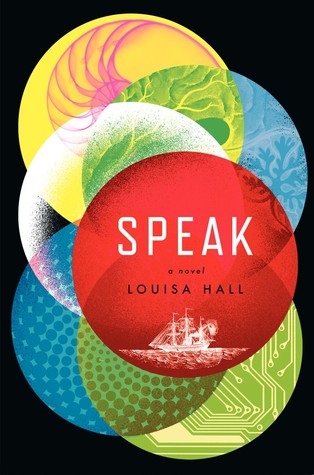 Speak by Louisa Hall [subscription service, but the full text of my review will be available for free during the week starting September 25th as part of Editor’s Choice]: Hall interweaves disparate time periods and voices to track the development of artificial intelligence. The fact that all six narratives are in different documentary formats – memoirs, letters, the transcript of a dialogue, a diary, and so on – means they are easy to distinguish. One might argue that two of them (Alan Turing’s letters and Mary’s shipboard diary) are unnecessary, and yet these are by far the most enjoyable. They prove Hall has an aptitude for historical fiction, a genre she might choose to pursue in the future. A remarkable book interrogating how the languages we converse in and the stories we tell make us human.
BookTrib
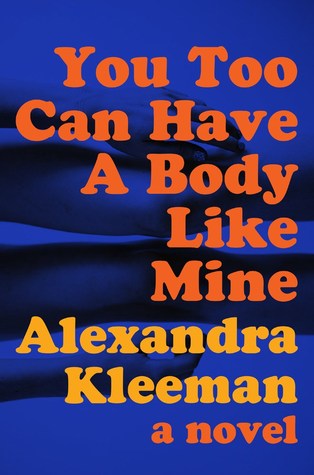 You Too Can Have a Body Like Mine by Alexandra Kleeman: Think of Alexandra Kleeman as an heir to Dave Eggers and Douglas Coupland, with a hefty dollop of Margaret Atwood thrown in. Her first novel is a full-on postmodern satire bursting with biting commentary on consumerism and conformity. Television and shopping are the twin symbolic pillars of a book about the commodification of the body. In a culture of self-alienation where we buy things we don’t need, have no idea where food comes from and desperately keep up the façade of normalcy, Kleeman’s is a fresh voice advocating the true sanity of individuality. Don’t miss her incredible debut.

Foreword Reviews
Conflict Communication by Rory Miller: Based on “ConCom,” the police verbal de-escalation program Miller developed with Marc MacYoung, this book aims to introduce readers to more conscious methods of verbal communication that will sidestep instinctive reactions and promote peaceful solutions. The advice is practical and intuitive, yet picks up on tiny details that most people would not notice. Concise, helpful, and well-organized, this is strongly recommended for readers interested in the psychology of violence and improving communication skills.
 Detained by Brian Rees: Rees intersperses witty e-mail updates from his tours of Iraq and Afghanistan with clued-in commentary about war tactics, terrorism, Islam, and the benefits of transcendental meditation (TM) for soldiers with PTSD. The mixture of formats and topics generally works well, though the spiritual material deserves its own book. There’s no denying Rees’s expertise, and his fluid writing keeps the pages turning. This could make a fascinating companion volume for fans of recent war fiction such as The Yellow Birds, Redeployment, and War of the Encyclopaedists.
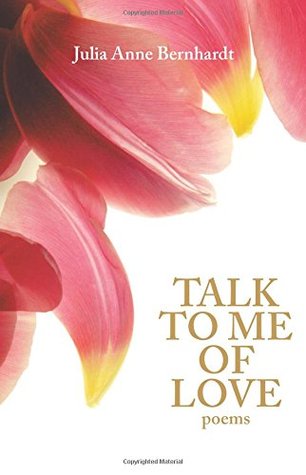 Talk to Me of Love by Julia Anne Bernhardt: The poems in Bernhardt’s first collection range from erotic to spiritual as they investigate love in all its forms. Repetition, rhyme, and mantras produce hypnotic sonic effects and support the central message of the epigraph: “God is in the detail.” The everyday and the eternal mix here. This well-structured collection celebrates different types of love through meditative verse. The themes’ strength is enough to recommend it to readers of Jo Shapcott and Julia Copus.
The Hidden Treasure of Dutch Buffalo Creek by Jackson Badgenoone: Otherworldly ghost writers (the “Neverborn”) compose biographies for ordinary people in this playfully metafictional novel. James is a strong central character whose memories from the 1950s through the present give a sense of history’s sweep, while vivid descriptive language enlivens the settings. Although well written, the book as a whole is an unusual amalgam of spiritualism, historical nostalgia, and technology. James’s story might have been better told as a simple coming-of-age novel with flashbacks.
Nudge
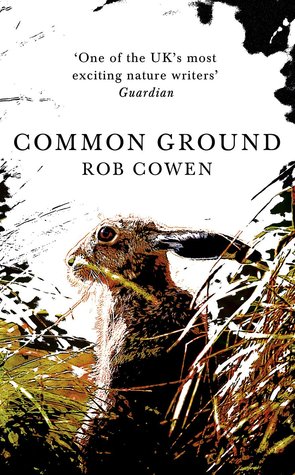 Common Ground by Rob Cowen: An unassuming patch of edge-land outside Harrogate is Cowen’s nature paradise, providing him with wildlife encounters and imaginative scenarios. Essentially, what Cowen does is give profiles of the edge-land’s inhabitants: animal and human, himself included. For instance, he creates an account of the life and death of a fox; elsewhere, he crafts a first-person narrative by a deer being hunted in medieval times. These fictions emulating Watership Down or Tarka the Otter, though well written, are out of place. When the book avoids melodramatic anthropomorphizing, it is very beautiful indeed.
We Love This Book
 Where My Heart Used to Beat by Sebastian Faulks: In Faulks’s thirteenth novel, his trademark themes of war, love and memory coalesce through the story of a middle-aged psychiatrist discovering the truth about his father’s death. Reminiscent of Birdsong as well as John Fowles’s The Magus and Ernest Hemingway’s A Farewell to Arms, this does not have the power of Faulks’s previous work but is a capable study of how war stories and love stories translate into personal history. [A few extra thoughts at Goodreads.]

I also post reviews of most of my casual reading and skimming on Goodreads.
 How to Write a Novel by Melanie Sumner: Our would-be novelist is Aris (short for Aristotle) Thibodeau, 12.5 years old and as precocious as Flavia de Luce. Diane is her single mother, and Max her downright weird younger brother. Using Write a Novel in 30 Days!, Aris is turning her family’s life story into fiction. In some ways they are very out of place here in Kanuga, Georgia. The child’s wry look at family dysfunction reminded me of Sue Townsend’s The Secret Diary of Adrian Mole, Aged 13 ¾. I would probably read something else from Sumner, so long as it wasn’t quite as silly and YA geared as this.
The Art of Memoir by Mary Karr: I would recommend this to anyone who reads and/or secretly wants to write memoirs; for the latter group, there is a wealth of practical advice here, on topics such as choosing the right carnal details (not sexual – or not only sexual – but physicality generally), correcting your facts and misconceptions, figuring out a structure, and settling on your voice. Along the way Karr discusses a number of favorite memoirs in detail, sometimes even line by line: Wild by Cheryl Strayed, Stop-Time by Pat Conroy, A Childhood by Harry Crews, Maya Angelou’s books, Speak, Memory by Nabokov, and so on.

Emblems of the Passing World: Poems after Photographs by August Sander by Adam Kirsch: A charming mix of historical photographs (1910s–1950s Germany) and poems. Kirsch uses his poetry to bring these one-dimensional figures to life, imagining the stories behind their generic titles (“Office Worker” or “Farming Family”) and sometimes slyly questioning the political and status connotations of such designations. One of my favorites was “Student of Philosophy.” This book could draw people whose interests usually run more to nonfiction – especially social history – into giving poetry a try. Releases November 17th.
 Browsings by Michael Dirda: Dirda wrote this pleasant set of bibliophilic essays for the American Scholar website in 2012–13. He’s the American equivalent of the UK’s John Sutherland: an extremely well-read doyen of the classics with a special love for Victorian and Edwardian genre fiction, often as revived by small presses and specialist societies. At times Dirda’s interests can be a bit obscure for the average reader, and some of the essays feel redundant. Still, it’s easy to relate to his addictive book purchasing and hoarding.
The Communist Manifesto by Karl Marx and Friedrich Engels: I read this on the train to Manchester, appropriate reading when approaching one of the UK’s biggest centers of Victorian industry and the place where Marx and Engels met to discuss ideas in the mid-1840s. Like Darwin’s Origin of Species, another seminal Victorian text, this has so many familiar lines and wonderful metaphors that have entered into common discourse that I simply assumed it was composed in English. My eyes glaze over at politics or economics, so I valued this more for its language than for its ideas. Part II, “Proletarians and Communists,” is the most focused part if you want to sample it.
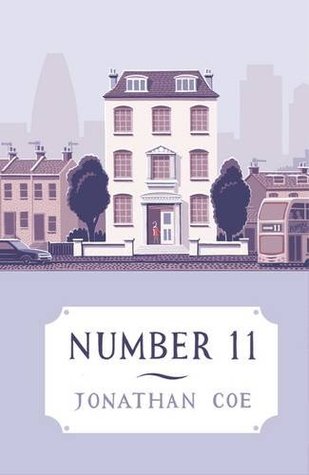 Number 11 by Jonathan Coe: This is a funny and mildly disturbing state-of-England and coming-of-age novel. I’d only read one previous book by Coe, Expo 58; this is a better example of his usual pattern: multiple, loosely linked storylines. Here the theme is the absurdity of modern culture, encompassing many aspects: unjust wars, the excesses of the uber-rich, the obsession with celebrity, and suspicion and exclusion of those who are different from us. The number 11 keeps popping up, too. My favorite parts were a Survivor-type reality television show and a laughably over-the-top prize ceremony banquet. Releases November 11th.
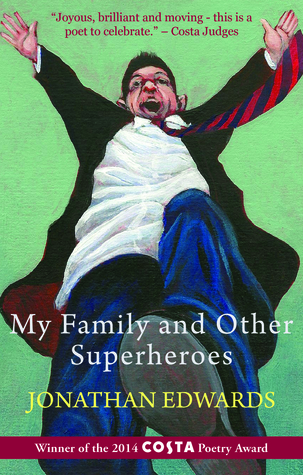 My Family and Other Superheroes by Jonathan Edwards: Edwards displays his proud Welsh heritage with poems reflecting on his family tree and the country’s landscape. One of my favorites was “View of Valleys Village from a Hill,” in which the narrator, with a God’s-eye view of his family, envisions messing around with them. The witty “In John F. Kennedy International Airport” imagines that Wales has been abolished and recreated in miniature in a small Kansas museum (a bit like Julian Barnes’s England, England).
The Whole & Rain-domed Universe by Colette Bryce: Many of these poems are about the author’s Irish family inheritance, both literal and figurative, as in “Heritance”: “From her? Resilience. Generosity. / A teacher’s gravitas. / Irish stew. A sense / of the ridiculous. High ceilings.” I loved the first line of “Signature” – “When I finally gave up and became my mother.” It’s particularly nice how enjambment often makes the thought go just that one line beyond what you expect. I’d read more from Bryce.
Literary Tourism in Dublin
Almost immediately after our trip to Manchester (see my write-up of the literary destinations), we left again for Dublin, where my husband was attending a Royal Entomological Society conference. Like we did last year when he presented a poster at a conference in Florence, I went along since we only had to pay for my flight and meals.
We stayed north of the Liffey at one of the branches of Jurys Inn. For some reason they put us in a disabled room, which meant the bathroom was a bit odd, but I can’t complain about the breakfast buffet, which included black pudding, soda bread, fruit scones, and particularly delicious porridge.
Across the street was the terrific Chapters bookstore, with extensive secondhand and new stock. I highly recommend the Lonely Planet guide to Dublin, which provided my maps and many of my ideas for the week; I even managed to do 8 of their 10 recommended activities.
On Wednesday I wandered just a few minutes down the road to the Dublin Writers’ Museum. An audio guide takes you through the chronological displays about minor figures as well as the big names like W.B. Yeats, Oscar Wilde, and George Bernard Shaw. One caveat: only dead writers are considered; the museum is definitely missing a trick there – they could easily fill another room with living authors.
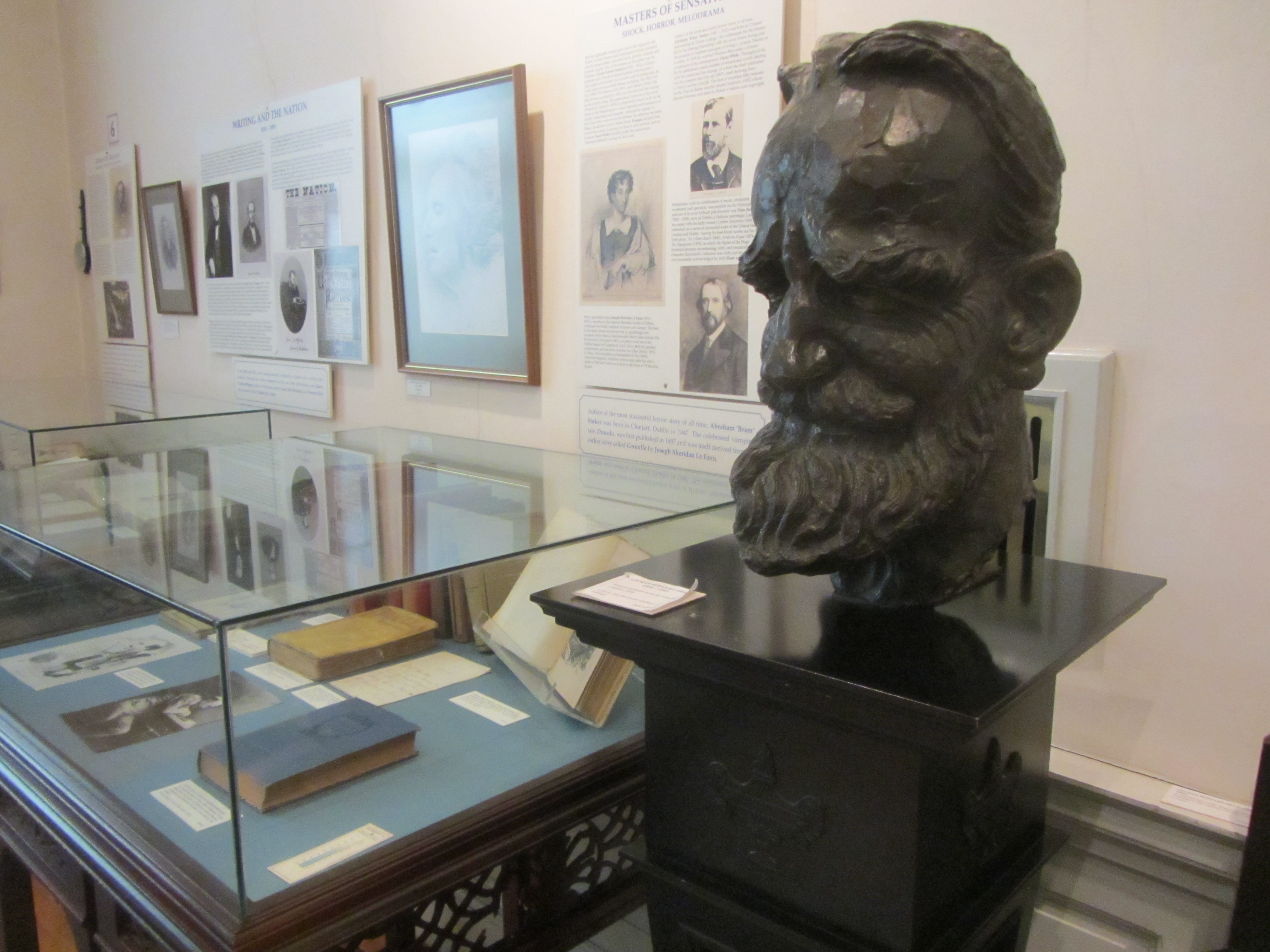
George Bernard Shaw
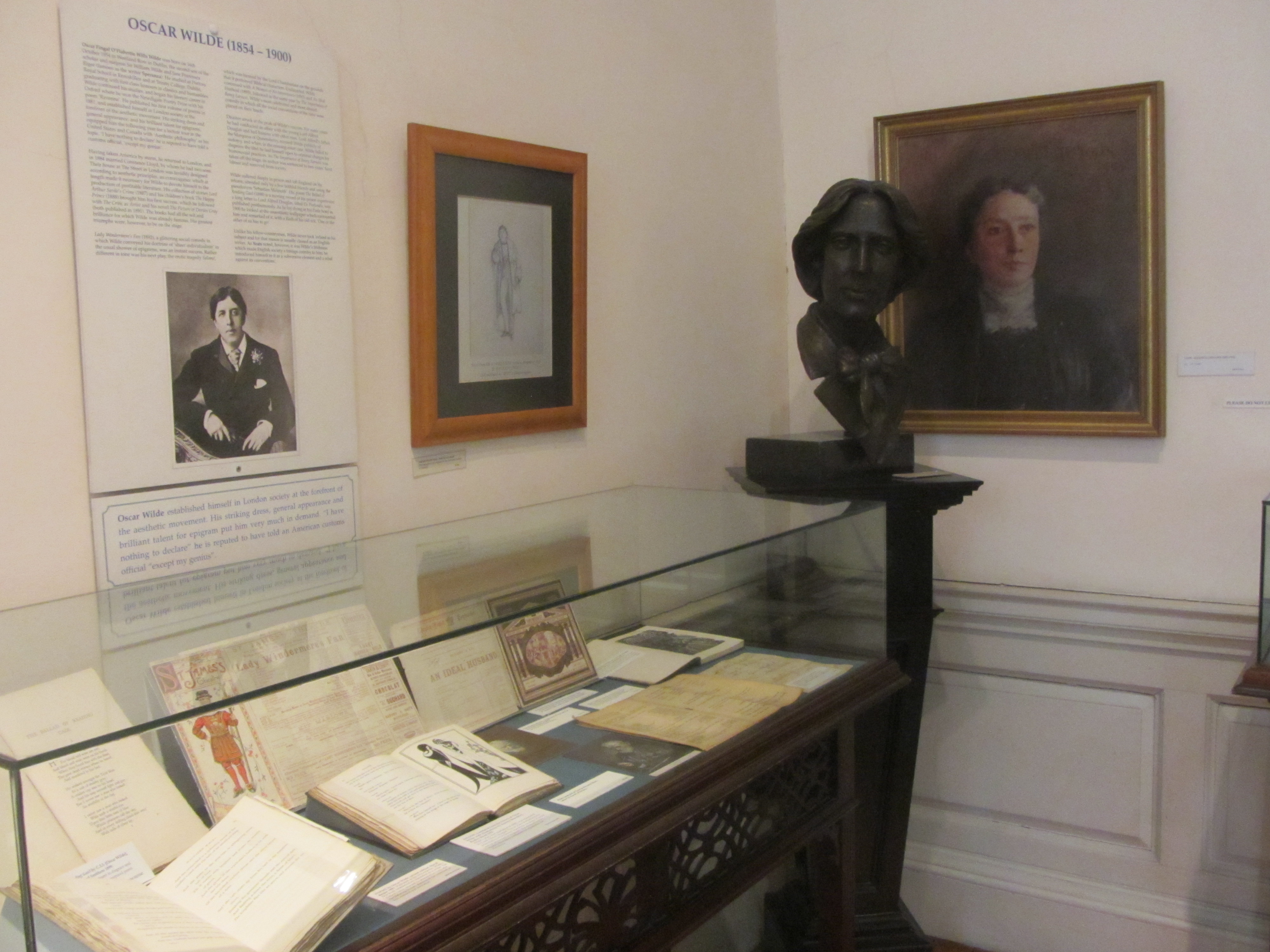
A case on Oscar Wilde. (That’s his wife in the portrait.)
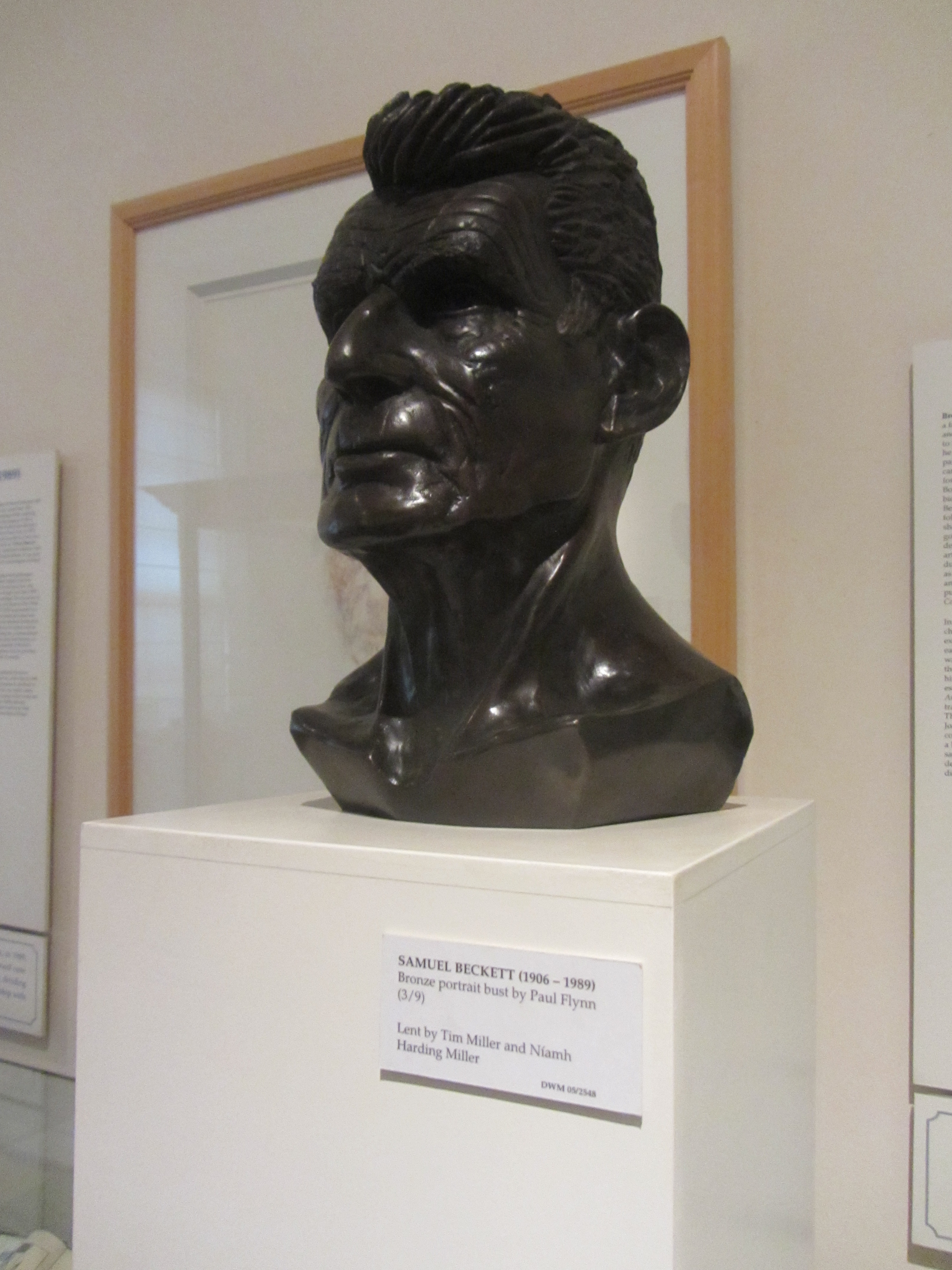
A striking bust of Beckett.
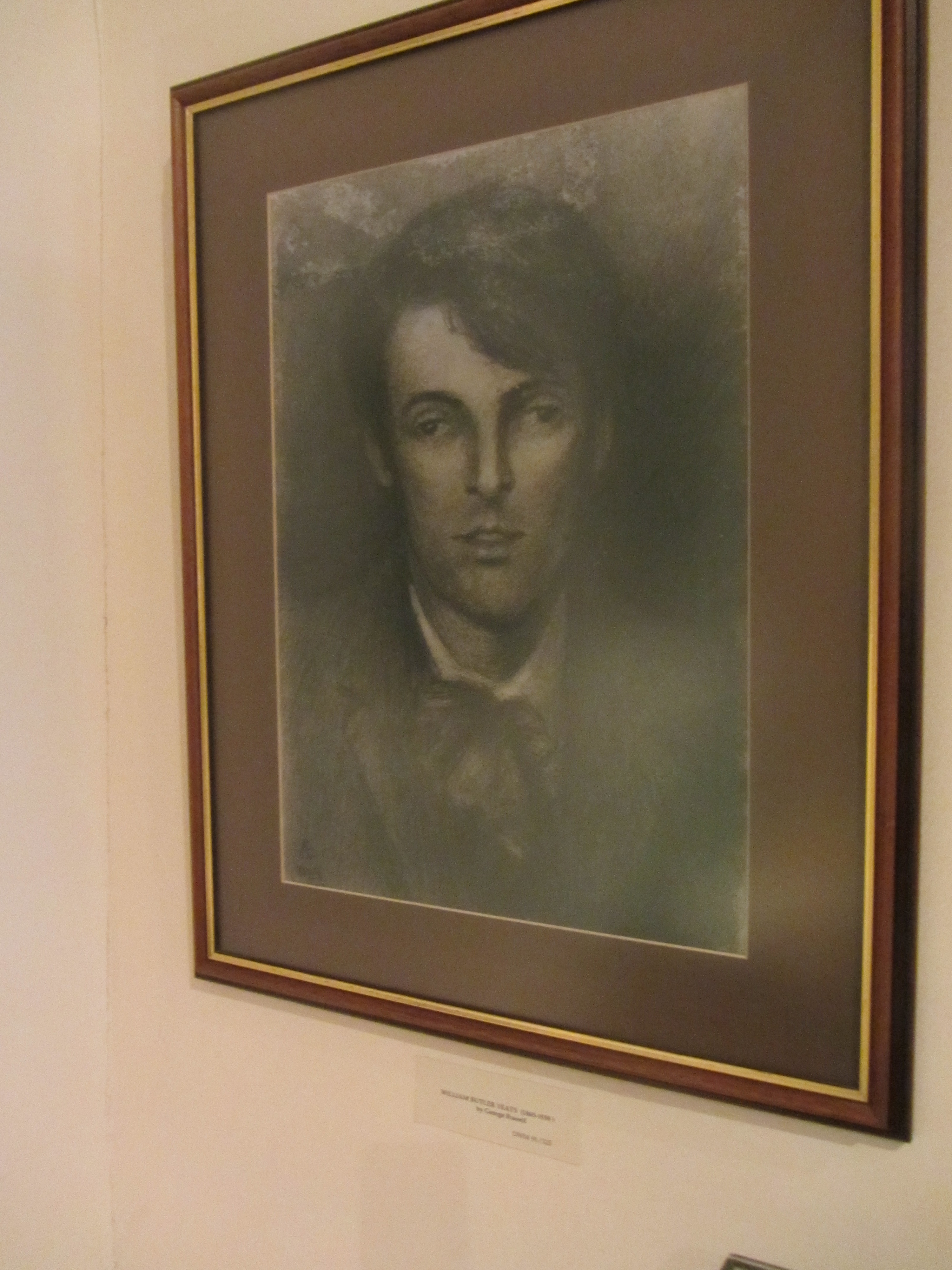
Poor Yeats is looking a bit cross-eyed.

I somehow hadn’t realized that Frank McCourt died six years ago.
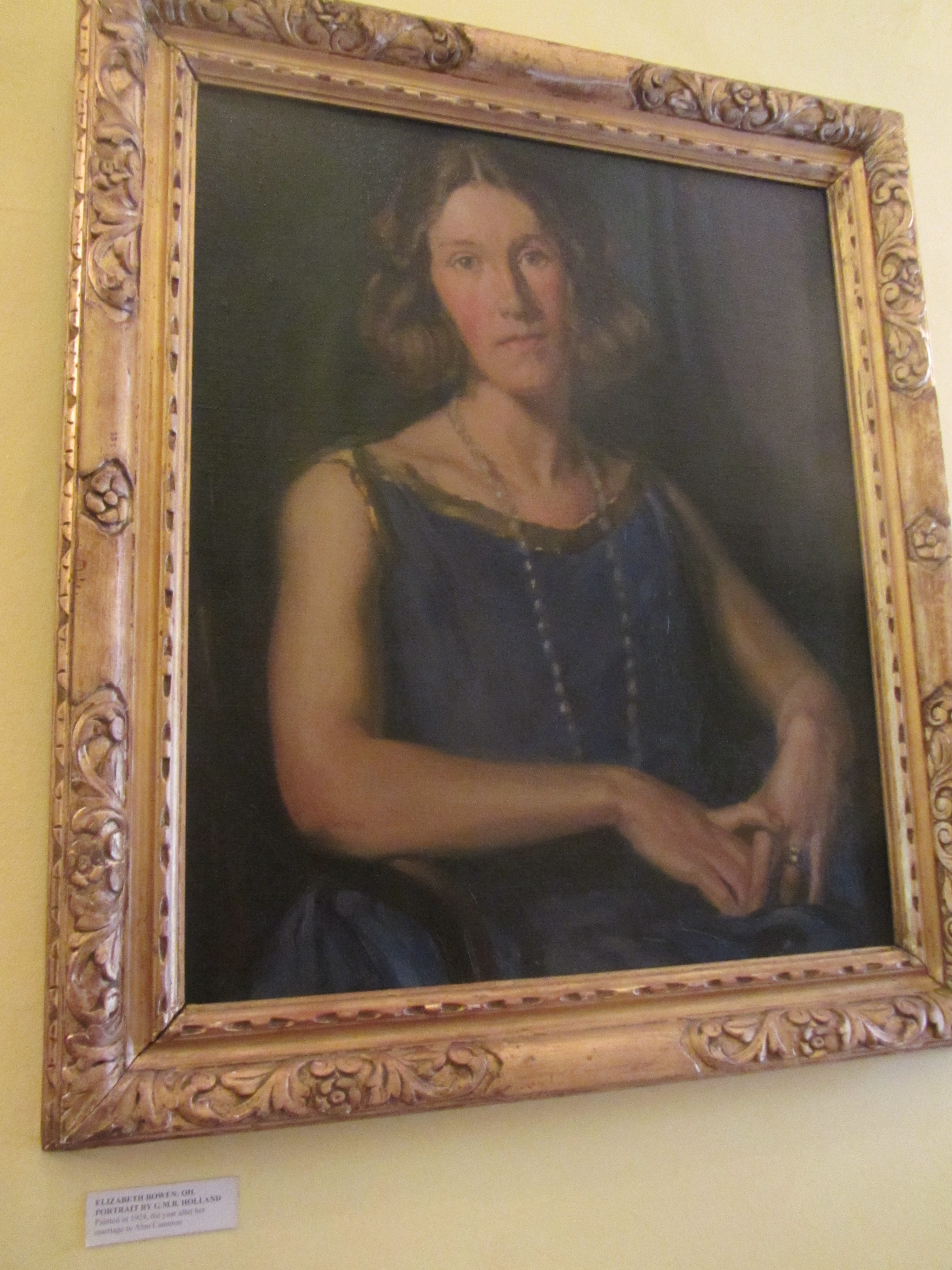
Painting of Elizabeth Bowen (I really need to read something by her…).
On the whole I found the place looking a bit shabby nowadays, but I passed a pleasant hour and a half here before popping a few doors down to the Dublin City Gallery, where they have multiple paintings by Jack B. Yeats (William Butler’s brother) as well as gems like a Monet and a Monet.
On Thursday I used the DK guide for a recommended walk through literary and Georgian Dublin. Along the way I discovered plaques to Yeats, Wilde (his home is now the headquarters of the American College and not open to the public, alas), ghost story writer Joseph Sheridan LeFanu, Bram Stoker, and Elizabeth Bowen, and a statue of poet Patrick Kavanagh by the canal. Fitzwilliam and Merrion Squares reminded me of London’s Bloomsbury Square (the latter houses a deliciously camp statue of Wilde), and St. Stephen’s Green would be a Hyde Park-type lovely spot for a sunny stroll – though it was drizzling and chilly as I walked through.

One of Yeats’s Dublin residences, 82 Merrion Square.
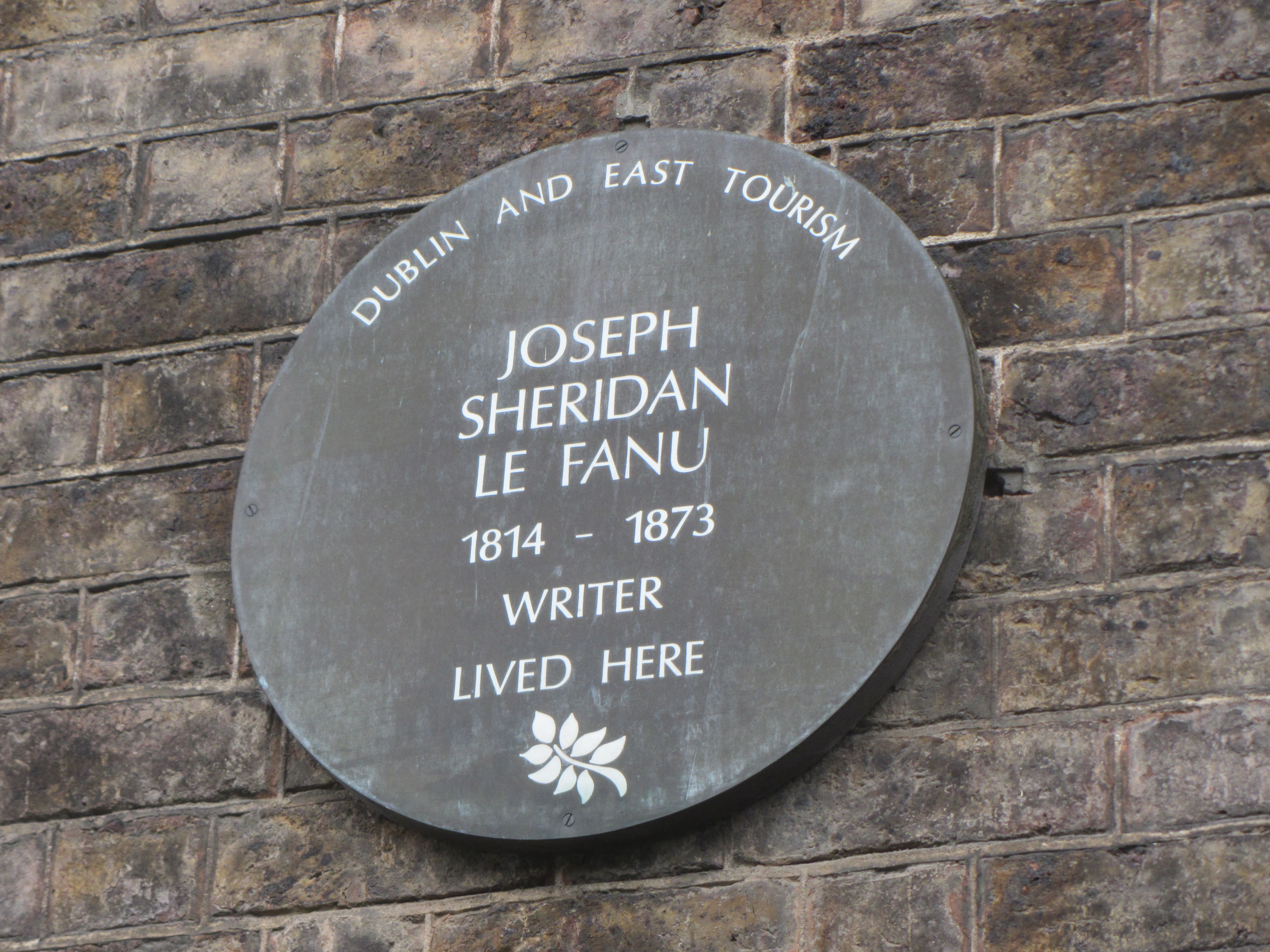
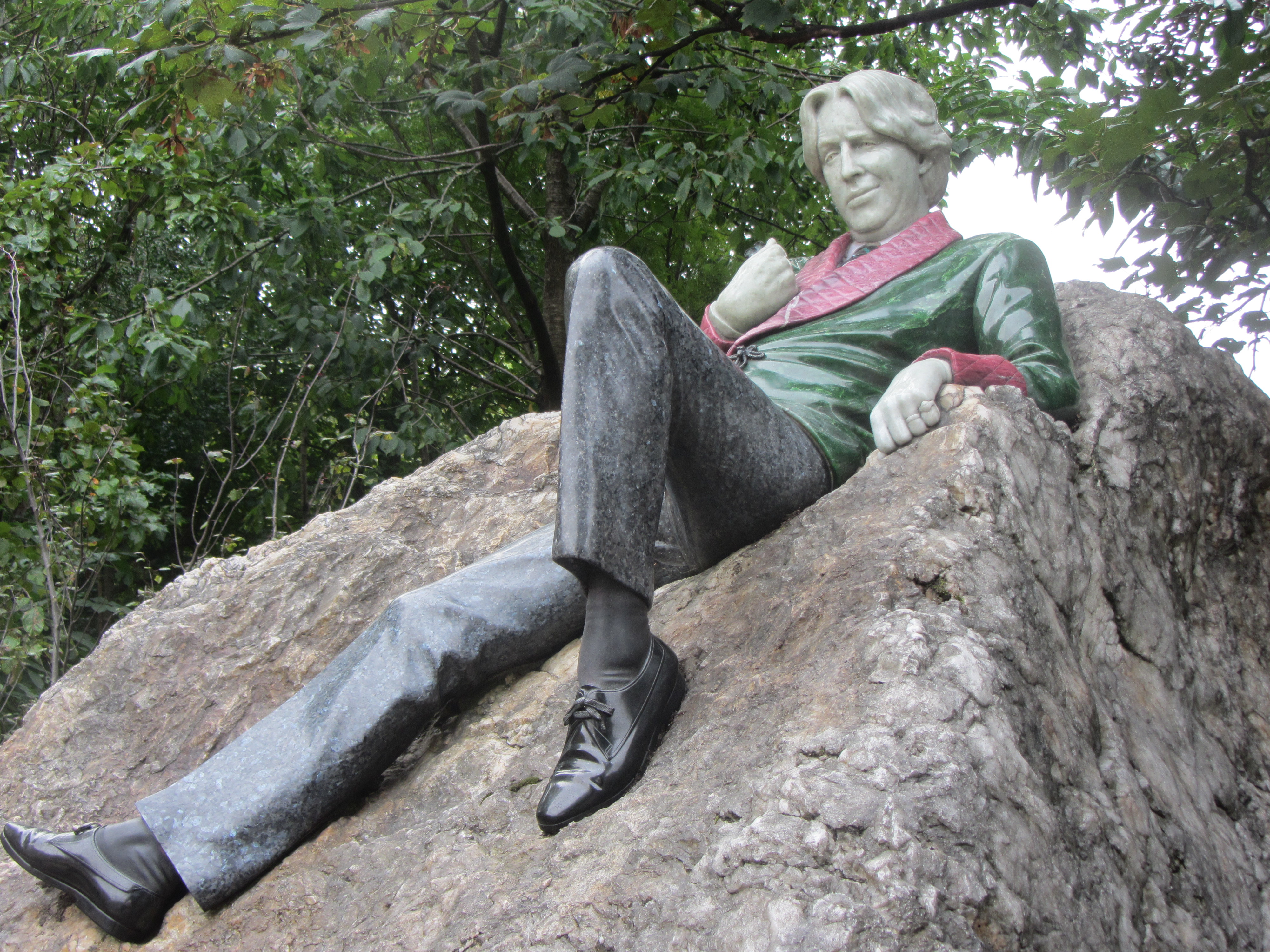

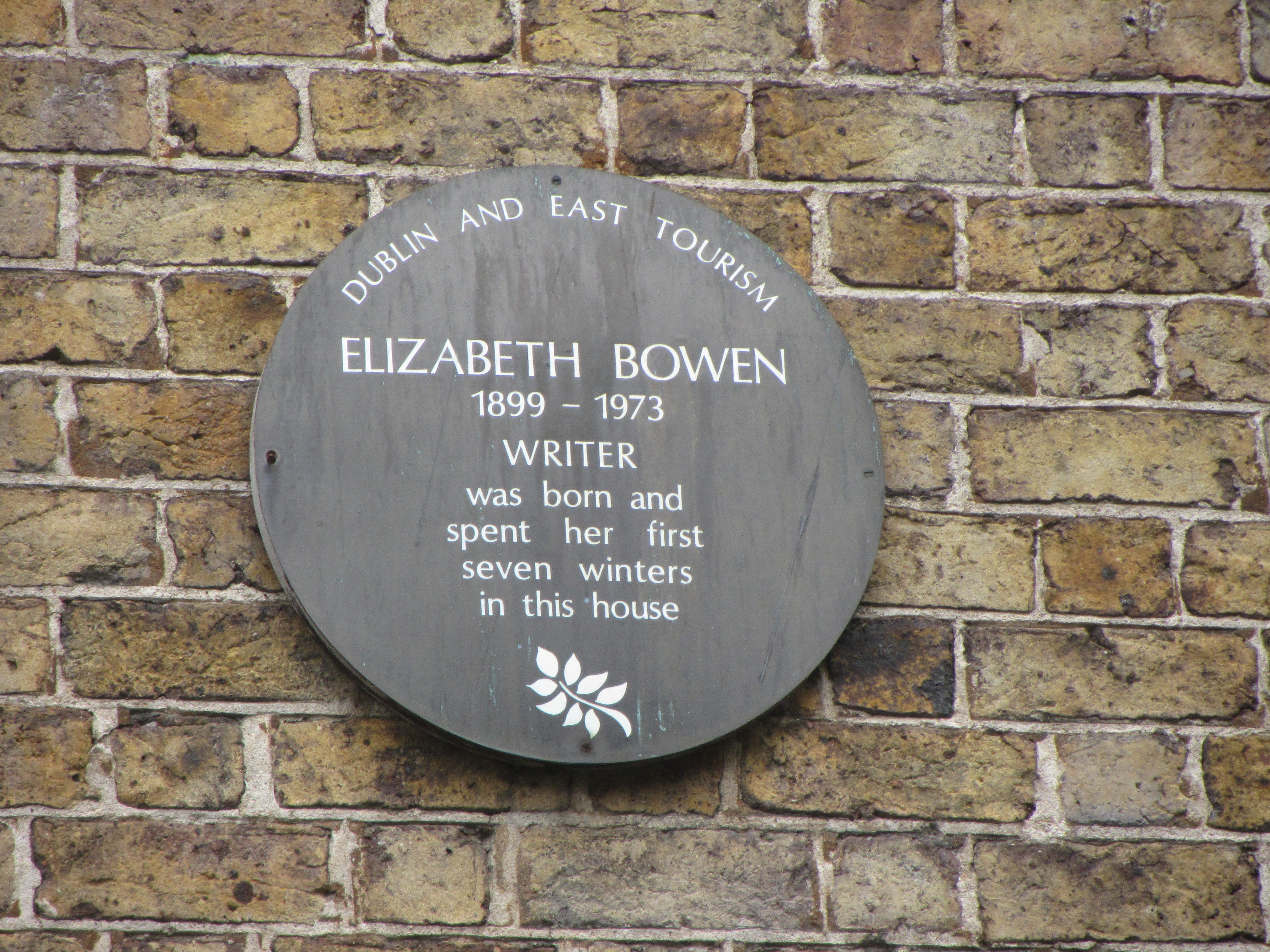

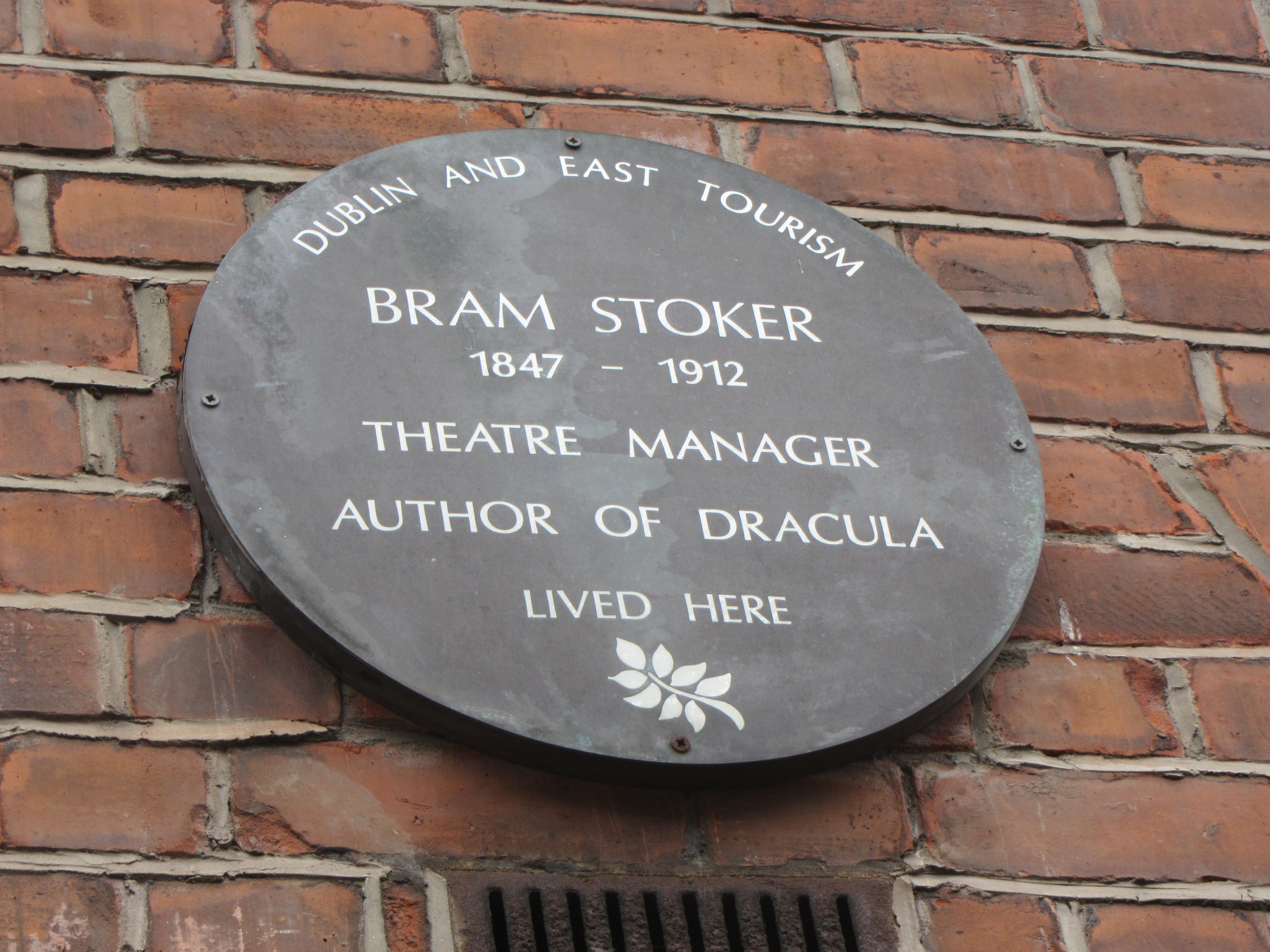
At the National Museum (Archaeology), I learned about Brian Boru, the national hero who kicked out the Vikings at the Battle of Clontarf and united the country.
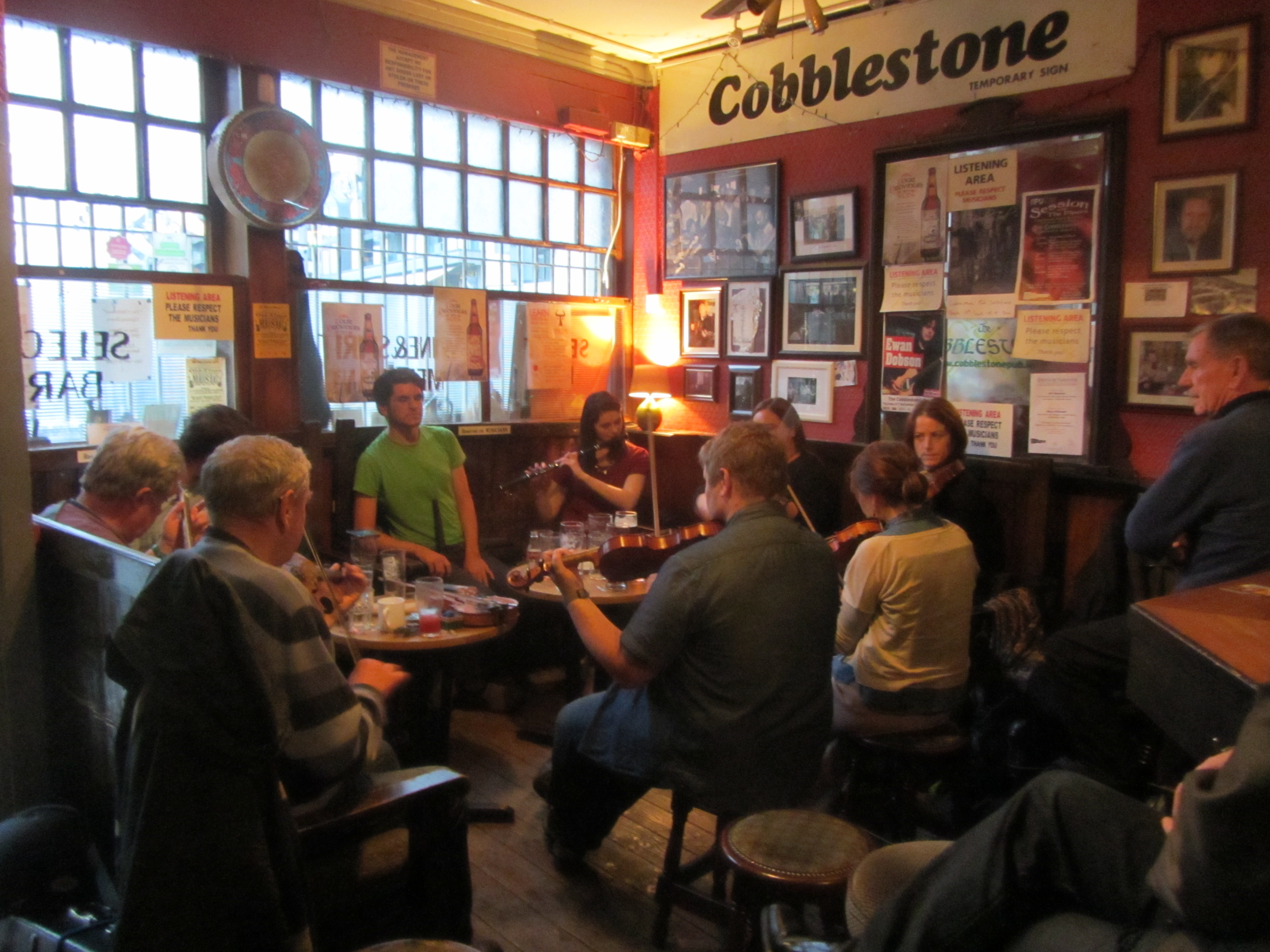
My husband’s conference was at Trinity College, so he had a special chance to look in at the Old Library and the Book of Kells for a discounted price, but I didn’t end up going. On Thursday night we did something quintessentially Irish: found a pub with live traditional Irish folk music. Although we paid through the teeth for a pint of Guinness and a bottle of cider, it was an experience we wouldn’t have missed.
On Friday, after finishing up some reviewing work in the morning and checking out of the hotel, I returned to the Lonely Planet for a guided walk through Viking and medieval Dublin. The route took in the two cathedrals plus various other churches, ending up at the Castle and the Chester Beatty Library. I skipped the former but enjoyed a brief look at the rare books and manuscripts of the latter (mostly relating to the Far East, with a special focus on Asian religions) before walking back to the National Gallery to see the permanent collection.
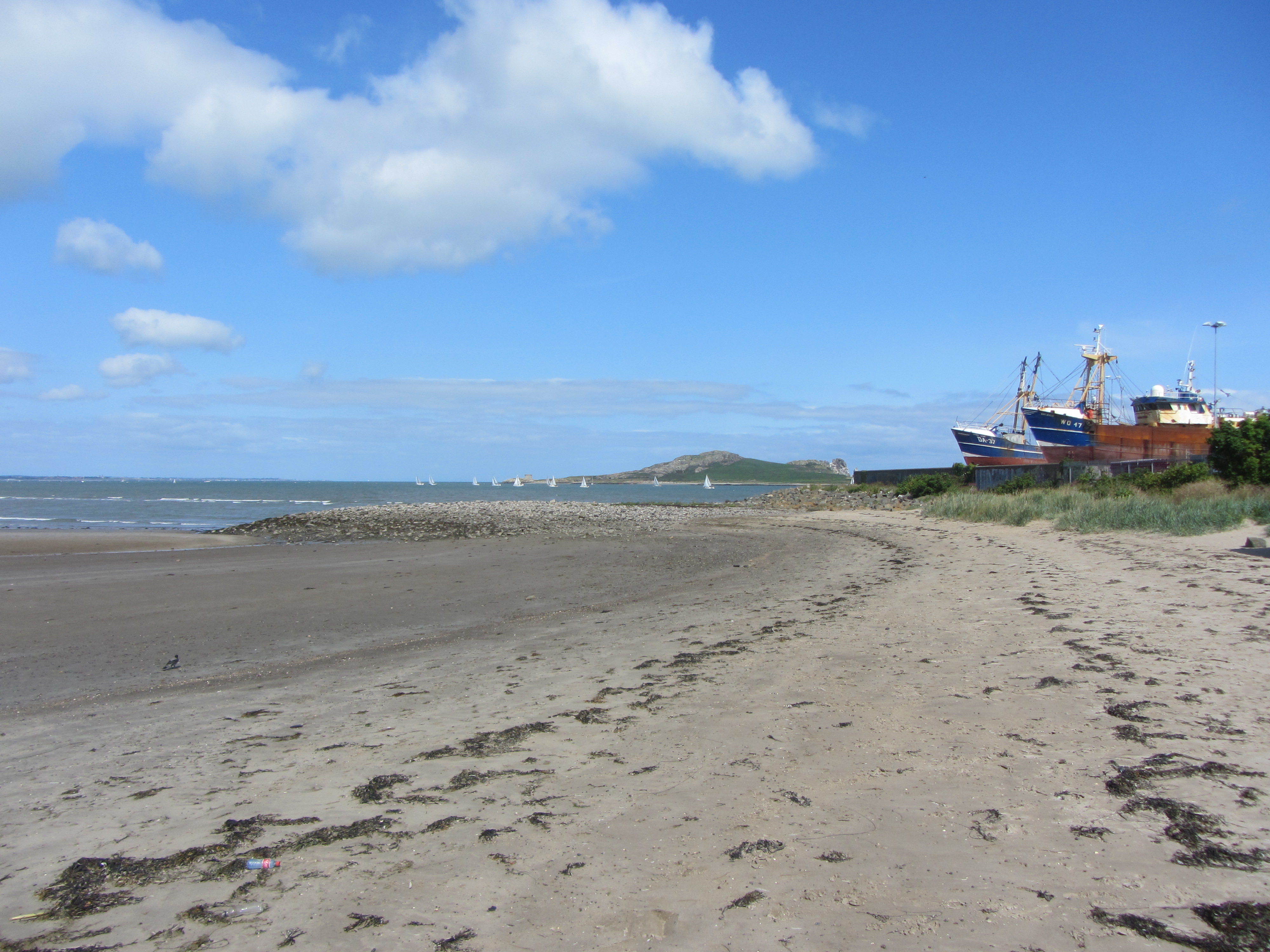
That afternoon we moved on to Howth, a Dublin suburb only about 20 minutes away on the DART commuter train, but that somehow feels a world away: it’s a pleasant seaside village with heather- and gorse-covered hills and a lighthouse. It felt good to get out of the city – which was extremely busy and seemed to be mostly full of fellow tourists and the homeless – even if just for a little while.
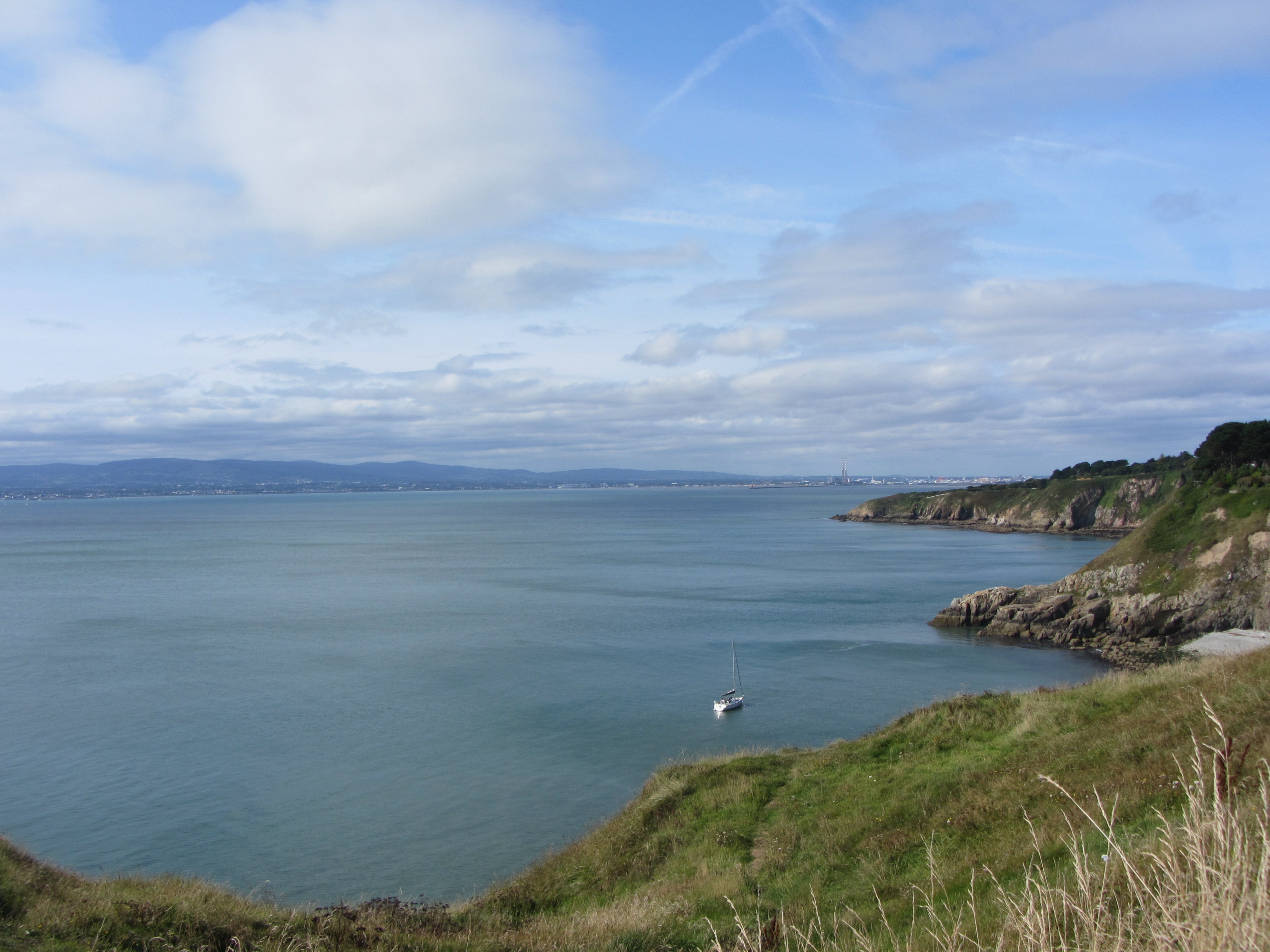
This was our first Airbnb experience and turned out well after some unfortunate communication difficulties. Before settling in to our B&B we found a cheap and filling meal of fish and chips. The next day we explored the cliffs and met some friendly hooded crows before heading back into Dublin for a look at the wonderfully musty Natural History Museum and an excellent dinner at The Woollen Mills (interesting American fusion food: I had pork belly mac & cheese, and our dessert platter included an Oreo peanut butter tart).

My overall feeling was that Dublin still isn’t making as much of its literary heritage as it might do. I was perhaps not as impressed as I’d hoped to be – it’s a lot like London, and not as quaint as I might have expected. Still, I’m glad I went. Next time, though, I suspect we’ll go to less inhabited and more picturesque areas in the south and west.
I hadn’t the courage to face Joyce’s Ulysses or some other monolith of Irish literature, but I did continue Anne Enright’s The Green Road while in Dublin. I was also working on My Salinger Year by Joanna Rakoff, Of Human Bondage by W. Somerset Maugham (my current doorstopper), and The Heart Goes Last by Margaret Atwood.
Any comments about Ireland and its literary sites and/or heroes are most welcome!
Literary Tourism in Manchester
Over the August bank holiday weekend, my husband and I went to Manchester for the first time. Big cities aren’t our usual vacation destinations of choice, but we were going for the Sufjan Stevens gig at the O2 Apollo on the 31st and wanted to do the city justice while we were there, so stayed two nights at a chain hotel and worked out everything we wanted to see and do there, including two literary pilgrimages for me: Elizabeth Gaskell’s House and Chetham’s Library, where Karl Marx and Friedrich Engels met and discussed ideas in the summer of 1845. Armed only with a two-page map sliced out of an eleven-year-old Rough Guide, we felt perhaps a little ill-equipped, but managed to have a nice time nonetheless.
In preparation, I read The Communist Manifesto on the train ride north. It’s only 50 pages, and even with an introduction and multiple prefaces my Vintage Classics copy only comes to 70-some pages. That’s not to say it’s an easy read. I’ve never been politically or economically minded, so I struggled to follow the thread of the argument at times. Mostly what I appreciated was the language. In fact, it had never occurred to me that this was first issued in Marx’s native German; like Darwin’s Origin of Species, another seminal Victorian text, it has so many familiar lines and wonderful metaphors that have entered into common discourse that I simply assumed it was composed in English.

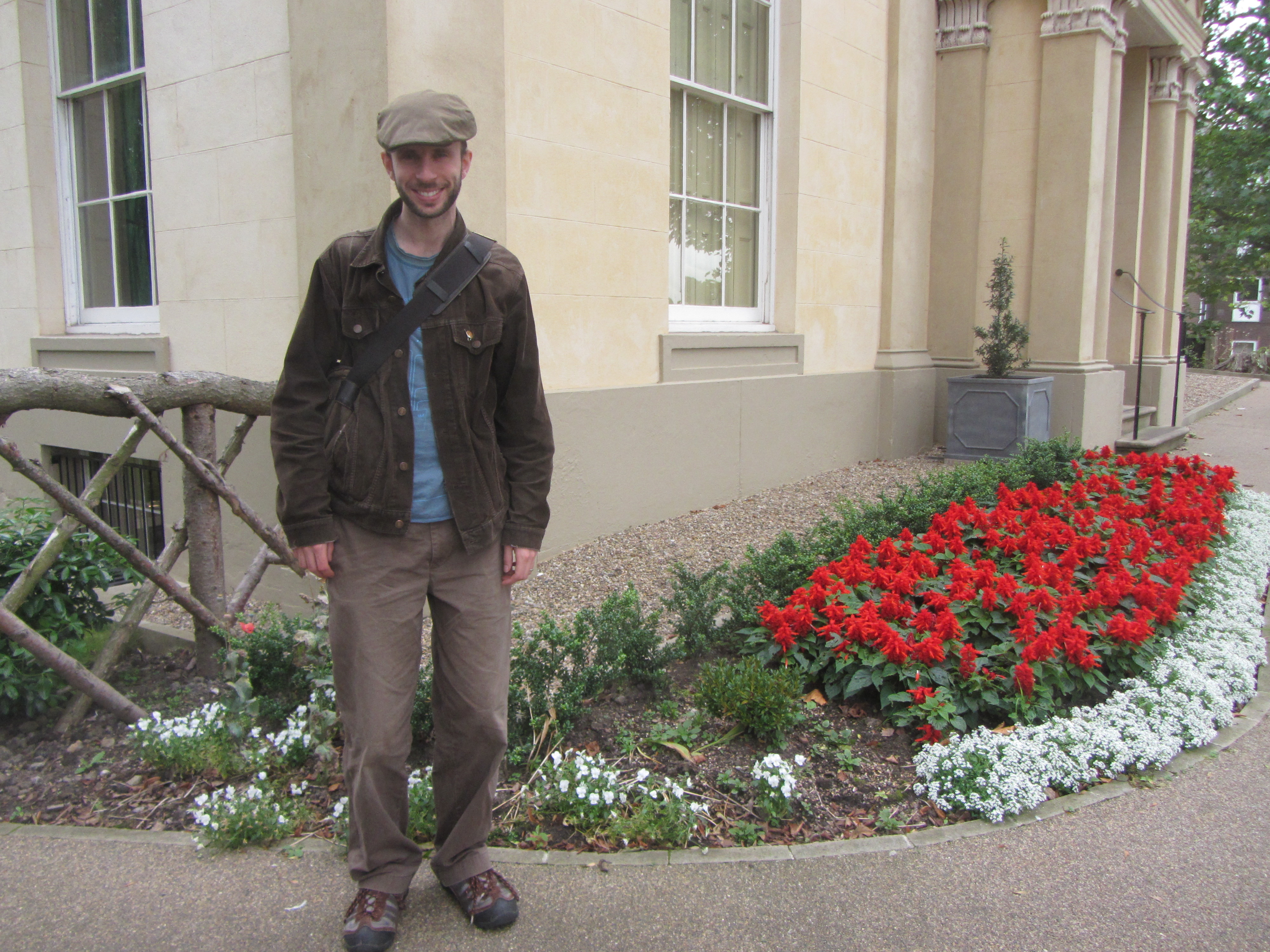
After leaving our bags at the hotel on Sunday afternoon, we wandered over to the Gaskell House. It’s only open a few days a week, so we were lucky to be around during its opening hours. All of the house’s contents were sold at auction early in the twentieth century, so none of the furnishings are original, but the current contents have been painstakingly chosen to suggest what the house would have looked like at the time Gaskell and her family – a Unitarian minister husband and their four daughters – lived there. I especially enjoyed seeing William’s study and hearing how Charlotte Brontë hid behind the curtains in the drawing room so she wouldn’t have to socialize with the Gaskells’ visitors. The staff are knowledgeable and unfussy; unlike in your average National Trust house, they let you sit on the furniture and touch the objects. The gardens are also beautifully landscaped.


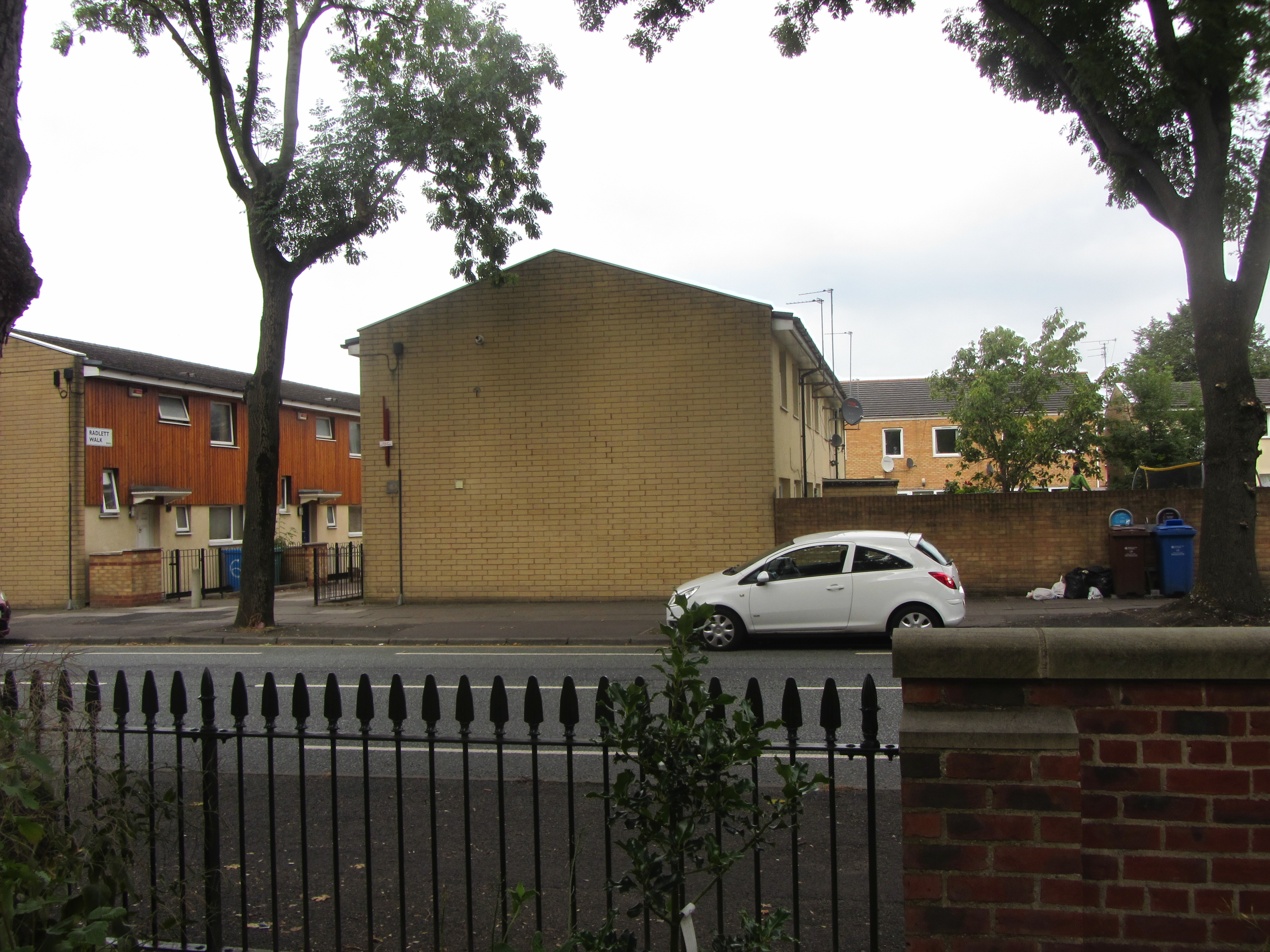
Talk about a contrast, though: look across the street and you see council housing and rubbish piled up on the pavement. In Gaskell’s time this was probably a genteel suburb, but now it’s an easy walk from the city center and in a considerably down-at-heel area. Indeed, we were taken aback by how grimy parts of Manchester were, and by how many homeless we encountered.
I’ve read four of Gaskell’s books: Mary Barton, North and South, Cranford and The Life of Charlotte Brontë. She’s not one of my favorite Victorian novelists, but I enjoyed each of those and intend to – someday – read Sylvia’s Lovers and Wives and Daughters, which was a few pages from completion when Gaskell died of a sudden heart attack in their second home in Hampshire, aged 55, in 1865.
Afterwards we stopped into the city’s Art Gallery and then headed to Mr Thomas’s Chop House for roast lamb and corned beef hash, then on to Sugar Junction to meet a blogger friend, the fabulous Lucy (aka Literary Relish), who I’d been corresponding with online for about two years but never met in real life. She graciously treated us to drinks and dessert at this cute café (one of the city’s many hip eateries) where she often hosts the Manchester Book Club, and we chatted about books and travel spots for a pleasant hour and a half.
On Monday we explored the Castlefield area with its canals and Roman ruins and went round both the Museum of Science and Industry and the People’s Museum, which together give a powerful sense of the city’s industrial and revolutionary past. We also toured the cathedral, took a peek at a Special Collections exhibit on the Gothic plus the main reading room at John Rylands Library, and browsed the huge selection at the main Waterstones branch. (On a future visit we are reliably informed that we must go find Sharston Books, a warehouse-scale secondhand shop out of town.) After a necessary pit stop for caffeine at The Foundation Coffee House and the best pizza we’ve ever had in the UK at Slice (including a Nutella and banana calzone for pudding), we headed over to the gig, which was terrific but not the purpose of this blog post.
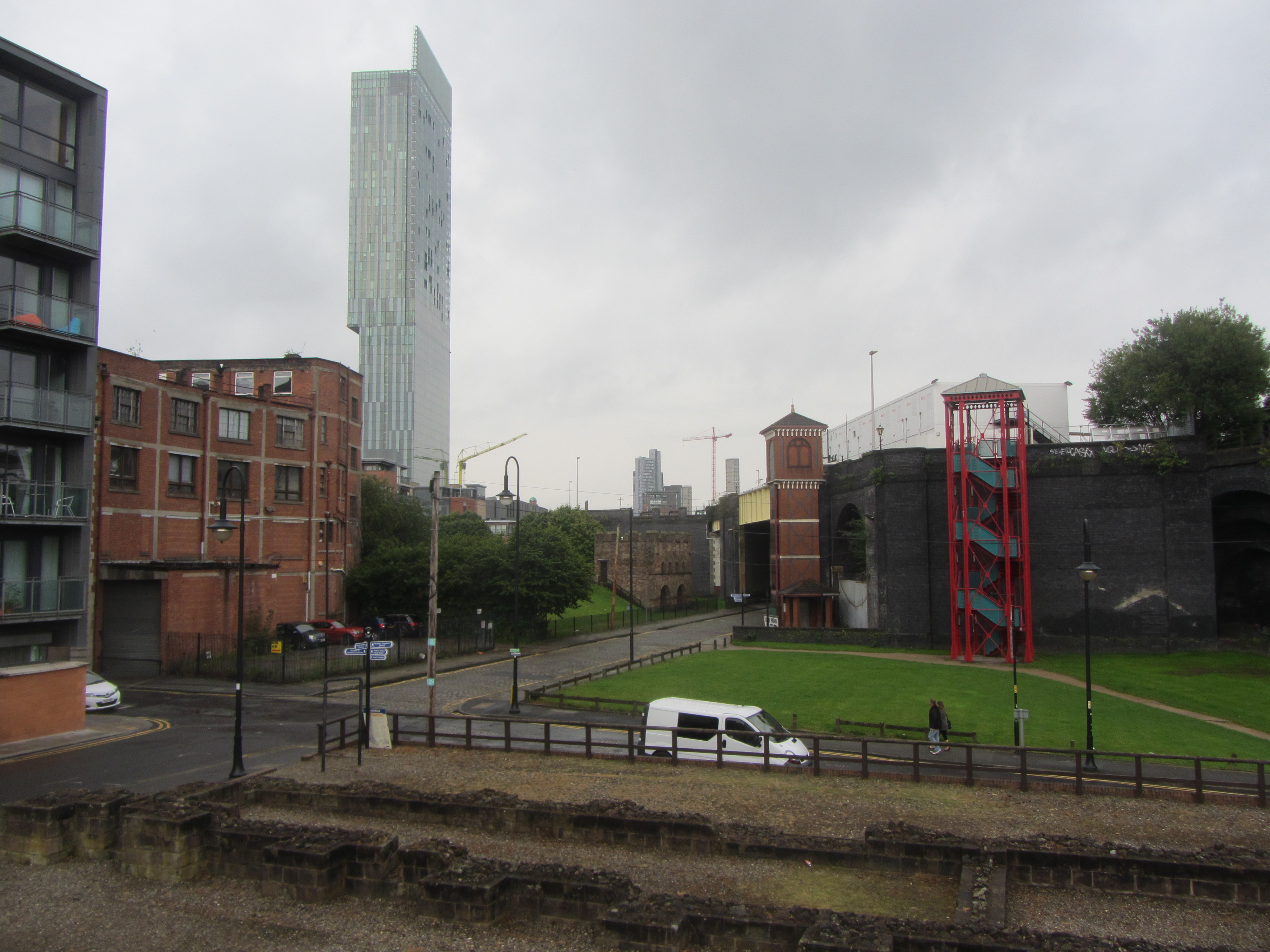
Contrast between old and new Manchester: the hideous Beetham Tower on the left and Roman ruins in the foreground.
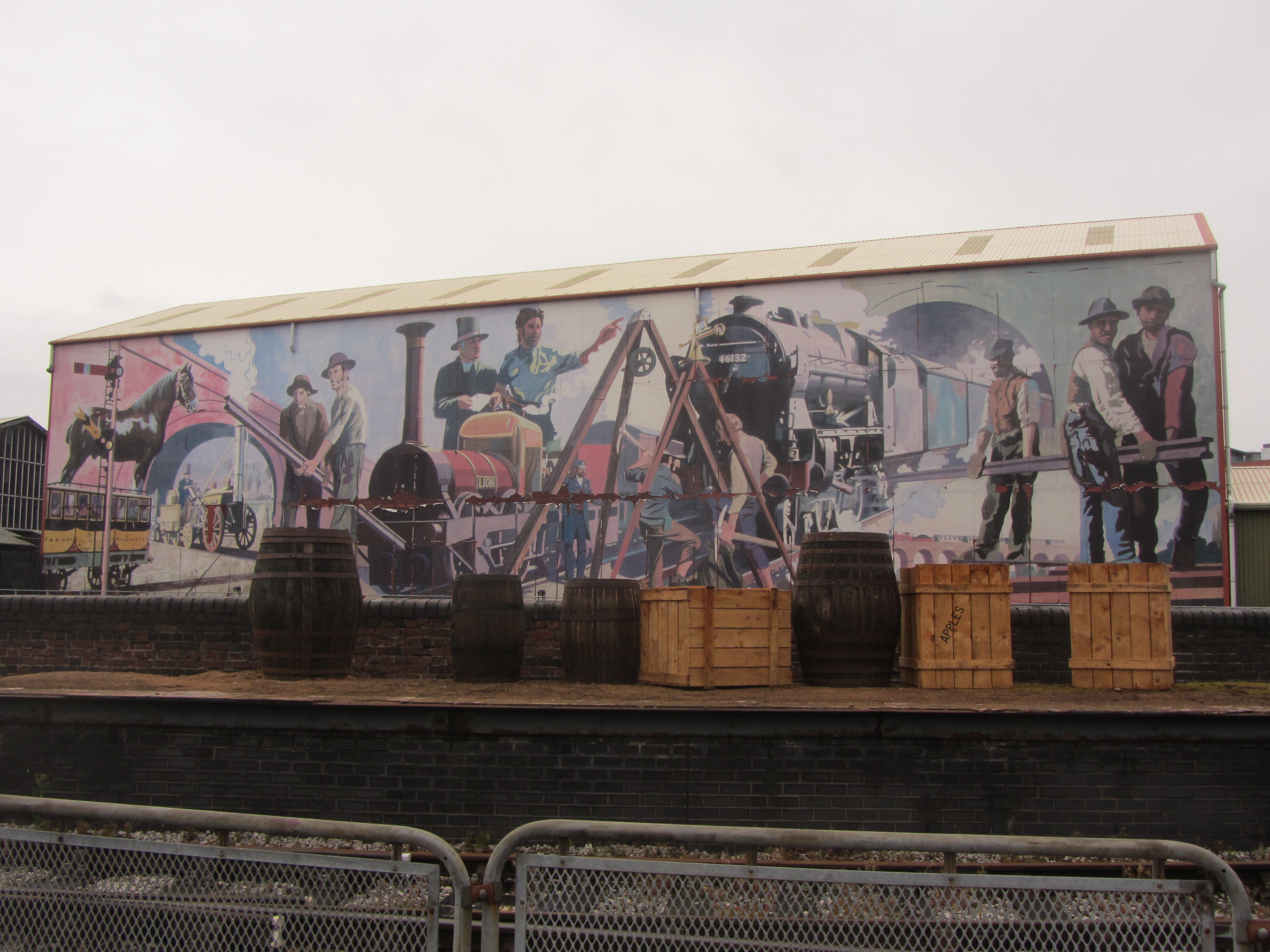
A mural at the Museum of Science and Industry.

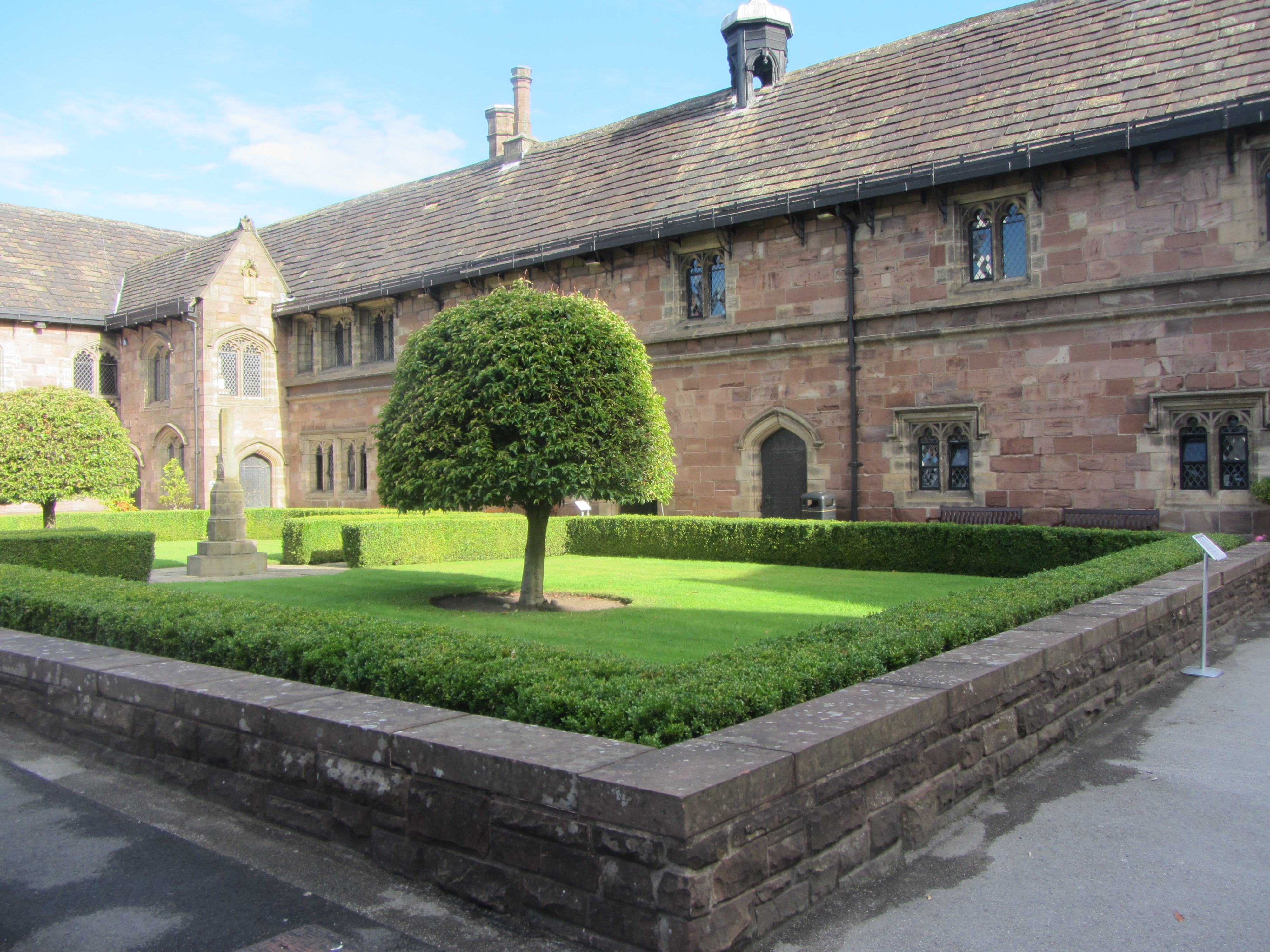
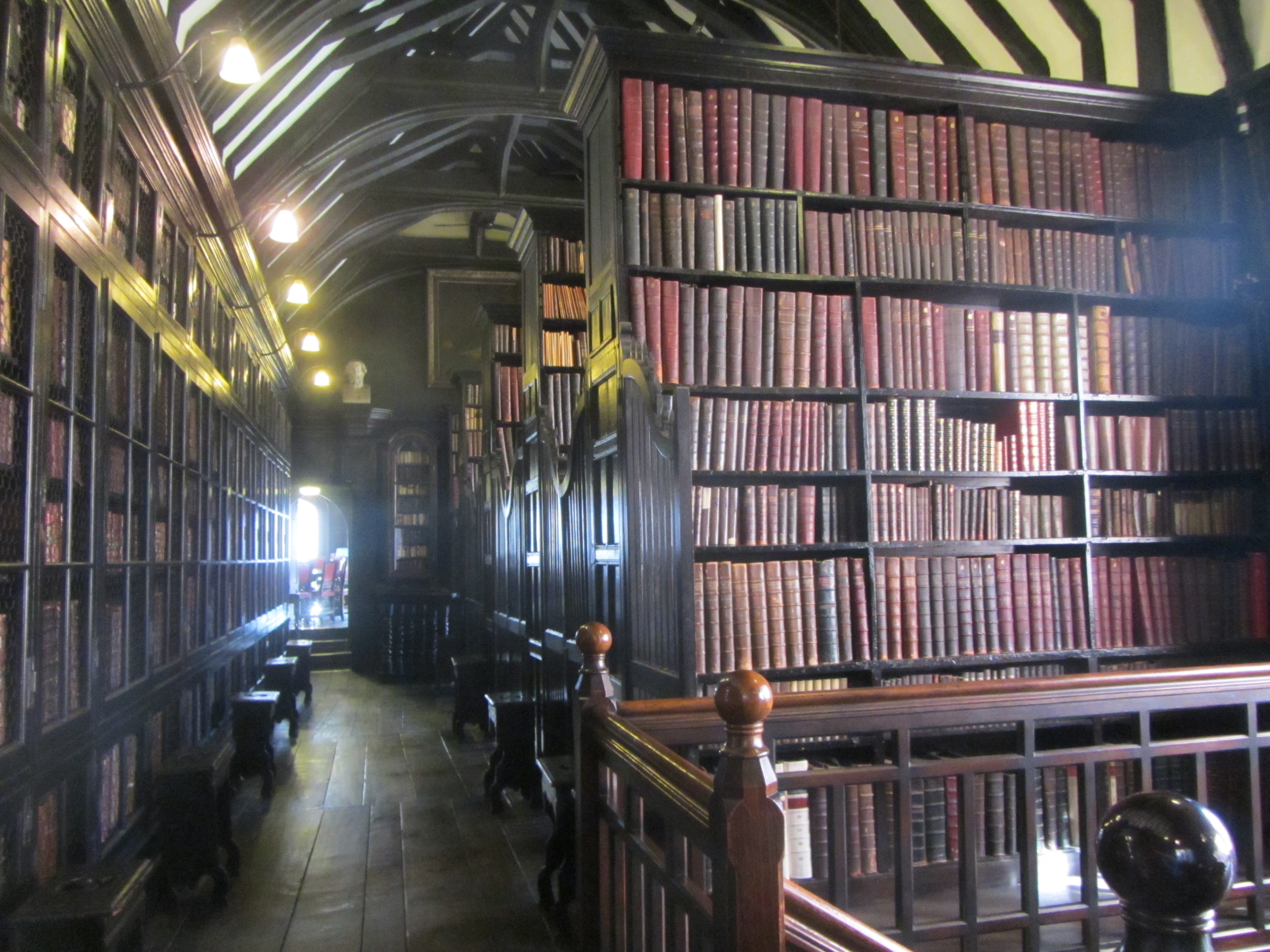
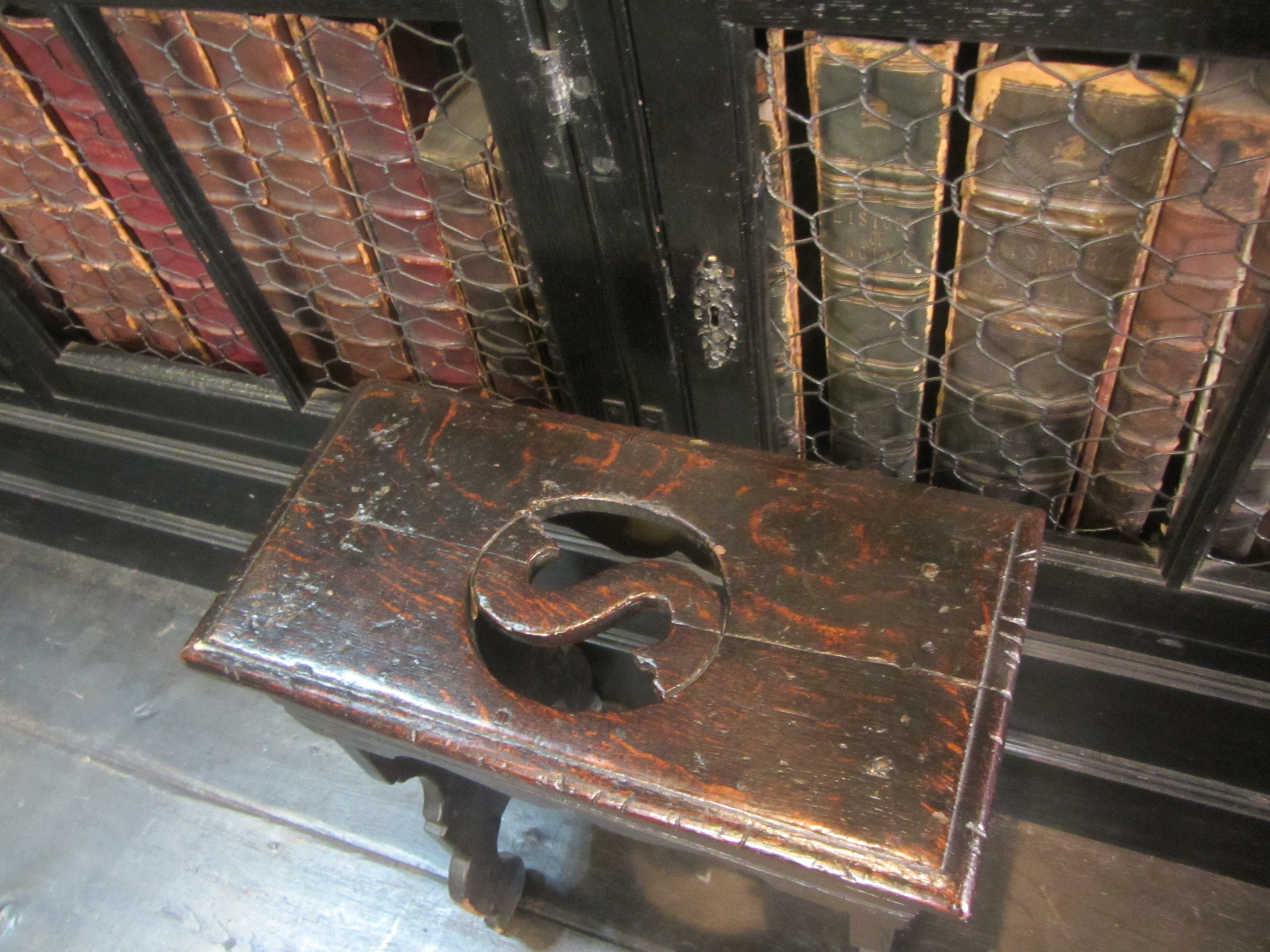
Our trip only spanned a Sunday and a bank holiday, so we missed seeing the inside of the hugely impressive Central Library and the 19th-century Portico Library. On Tuesday morning, though, we had just enough time before our train back to stop into Chetham’s Library. It’s a beautiful old library with rank after rank of leather-bound books sheltering amidst dark wood and mullioned windows. I love being in these kinds of places. They smell divine, and you can imagine holing up in a corner and reading all day, with the atmosphere beaming all kinds of lofty thoughts into your brain. We had the place to ourselves on this sunny morning and sat for a while in the bright alcove where Marx and Engels studied.
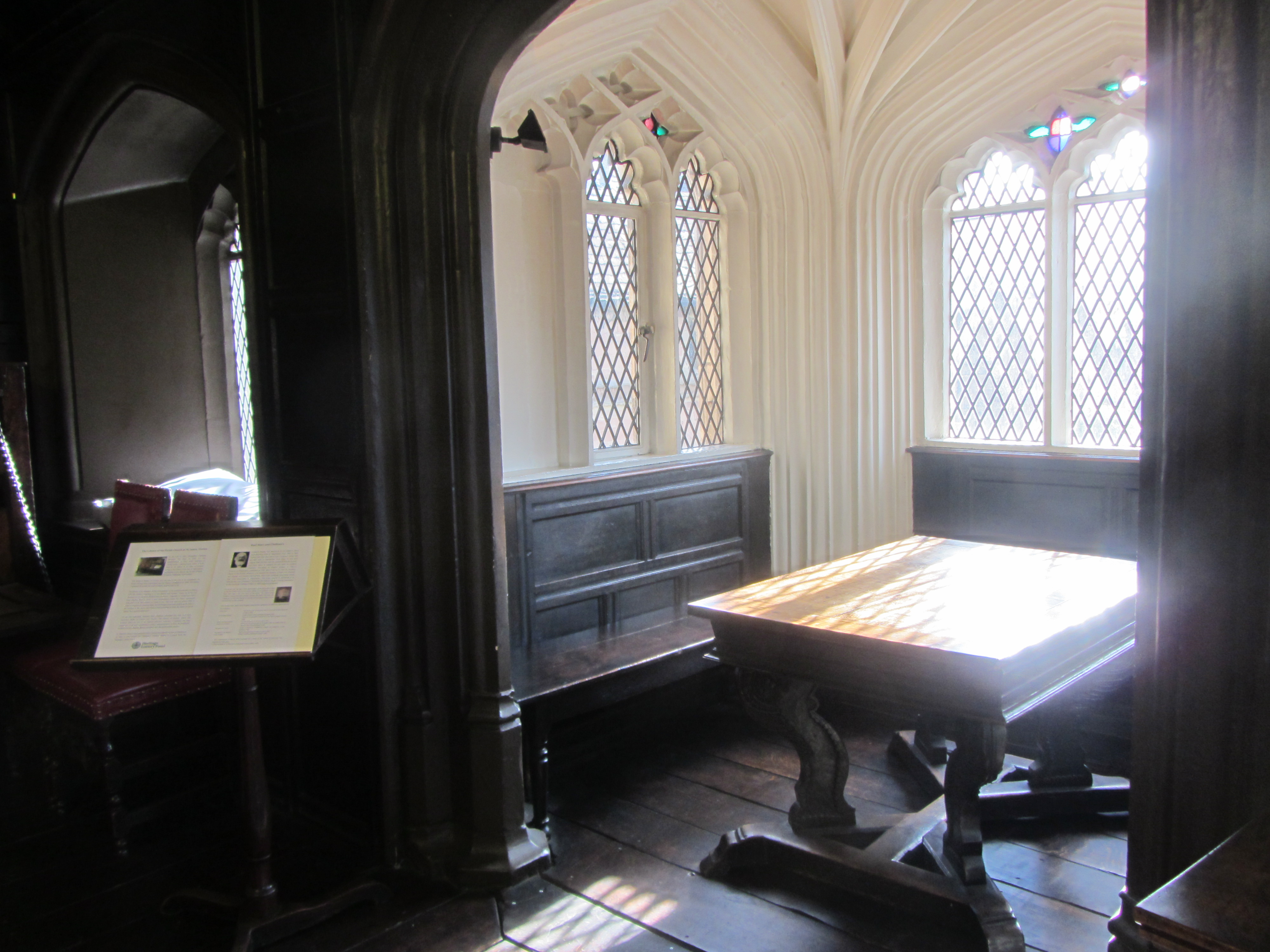
The Marx/Engels alcove
Apart from The Communist Manifesto, my reading on this trip was largely unrelated: My Salinger Year by Joanna Rakoff, a delightful literary memoir (review coming later this month); Number 11 by Jonathan Coe, a funny and mildly disturbing state-of-England and coming-of-age novel (releases November 11th); and The Mountain Can Wait by Sarah Leipciger, an atmospheric family novel set in the forests of Canada.
What have been some of your recent literary destinations? Do you like to read books related to the place you’re going, or do you choose your holiday reading at random?
Review: The Penny Heart by Martine Bailey
“Time devours all things: love and murder and secrets.”
 I loved Martine Bailey’s first novel, last year’s An Appetite for Violets. My description of that one – “lively, well-researched historical fiction, seasoned with mystery and culinary tradition” – is apt here, although this doesn’t quite live up to Bailey’s debut. As in Violets, the setting is the English Midlands in the late eighteenth century, and one of the main characters is a cook at a grand home. However, whereas cook Biddy Leigh herself was the narrator of Violets, through journal entries, here the first-person perspective is that of the mistress of Delafosse Hall (in Greaves, Lancashire), Grace Croxon.
After being dissuaded from making an unfortunate love match, Grace has been pressed into marriage with Michael Croxon, a brooding, almost possessed character. It soon becomes clear that his affections lie elsewhere and he has married Grace for her money, which will fund his ill-fated attempt to set up a mill. My favorite section of the book is the middle, in which Grace is like the Gothic heroine trapped in a spooky house with a distant husband and all kinds of strange goings-on that she doesn’t understand. She reminded me most of the protagonist of Daphne du Maurier’s Rebecca.
At the same time as Grace is trying to figure out what is happening at Delafosse, we also learn the surprising story of how Peg Blissett came to be the Croxons’ new cook. Under another name, she suffered tremendous trials, including transportation to Australia and a dramatic escape to live with New Zealand natives. She also lost her true love, Jack, and on her return to England determines to have her revenge on the man responsible for sending her to prison.
It takes a while to figure out how Peg’s story ties in with Grace and Michael’s, and the plot gets very melodramatic towards the end, with hints of the Victorian sensation novel, but overall it’s a satisfying and atmospheric tale. It’s mostly in comparison with Violets that I locate this book’s weaknesses: a first-person narrative from Peg would have been more interesting, as well as fairer to her own story (and she would seem less like a pantomime villainess towards the end); and the date and place information plus recipes heading each section feel largely unnecessary, whereas they were integral to the previous book.
I kept getting a funny feeling as I was reading that this book must have been written first and later revised to capitalize on the success of Violets, which might account for the way that the culinary theme seems slightly shoehorned in here. Still, Bailey comes up with memorable characters and plots, with the kinds of twists and turns that keep you wondering where it will all lead. I hope that her third novel will break new ground rather than just repeating themes and structures she’s used before.
I was delighted to win a free copy through a Goodreads First Reads giveaway.
My rating:
I Do Love a Good Book List
In the same way that I love following literary prize races (see my post on that topic from a couple weeks ago), I adore a good book list. This includes everything from an inspirational lifetime reading menu such as 1001 Books You Must Read Before You Die to those gimmicky “5 Novels About…” or “10 Books for People Who Like…” lists you get on websites like BuzzFeed and the Huffington Post.
Every time a new ‘Best Books Ever’ type of checklist comes out, I gleefully scan through to figure out how many I’ve already read. Usually the disappointing results smack me back and remind me that for all my voracious reading, I still haven’t read many of the classics everyone’s supposed to have read by my age.
Here for your delectation (if you like this sort of thing) is a sampling of the book lists I’ve bookmarked over the years, with my running total noted in brackets after each:
THE BEST OF THE BEST
The 100 Greatest Novels of All Time, as chosen by the Guardian in 2003 [33]
1000 novels everyone must read, as chosen by the Guardian in 2009 (interestingly, they divide it up by genre: Love Stories, Crime Fiction, Comedy, Family & Self, State of the Nation, Science Fiction & Fantasy, and War & Travel) [155 + 2 in progress]
The 100 greatest non-fiction books, as chosen by the Guardian in 2011 [7]
Vintage 21, a set of 21 modern classics chosen in 2011 [14]
100 novels everyone should read, as chosen by the Telegraph in April [29]
The 100 best novels written in English, as chosen by Robert McCrum in the Guardian last week [34]
PARTICULAR TIMES OF LIFE
65 Books You Need To Read in Your 20s, from BuzzFeed (alas, it’s too late for many of us) [13, 12 of which I think I read in my 20s]
25 Books to Help You Survive Your Mid-20s, from Bustle (ditto) [9, all read in my 20s, I think]
Conversely, here’s 15 Books You Should Definitely Not Read in Your 20s from Flavorwire (well, that’s alright, then) [I disobeyed them on 4 counts]
21 Books Every Woman Should Read By 35, from Bustle (I’ve got 3.13 years to work on it) [5; I left The Flamethrowers unfinished]
11 Novels That Expectant Parents Should Read Instead of Parenting Books, from Electric Literature (my mother may be reading this, so I must hastily add that THIS SITUATION DOES NOT APPLY TO ME!) [6]
SPECIFIC AUTHORS
The Best Hemingway Novels, on Publishers Weekly [2 out of 6, but A Moveable Feast is my favorite from him]
The 13 Best John Steinbeck Books, on Publishers Weekly [3]
The 10 Best Mark Twain Books, on Publishers Weekly [just 1!]
23 Contemporary Writers You Should Have Read by Now, on Reader’s Digest [I’ve read 3, Elizabeth Spencer, Percival Everett and Pamela Erens]
Beyond Murakami: 7 Japanese Authors to Read, on Book Riot [none so far]
SPECIFIC GENRES
20 Classic Novels You’ve Never Heard of, from QwikLit [I’ve heard of plenty of these, but only read 1]
12 Fiction Books That Will Shape Your Theology, from RELEVANT Magazine [3]
The 10 Best Books Shorter Than 150 Pages, on Publishers Weekly [2]
10 Best Southern Gothic Books, on Publishers Weekly [none so far]
10 Novels with Multiple Narratives, on Publishers Weekly [2]
The 10 Best Short Story Collections You’ve Never Read, on Publishers Weekly [they got that right; none so far]
The top 10 novels about childbirth, on the Guardian (again, NOT APPLICABLE TO ME!) [7]
I also highly recommend Nancy Pearl’s Book Lust series of four books, each one divided into themes.
ONE LAST LIST
Not a book list, but it may be useful for all you bibliophiles:
The 25 Best Websites for Literature Lovers, by Flavorwire
Do you love book lists as much as I do? Are you addicted to counting how many you’ve read from a checklist?
How do you fare on the lists above?
 Bookish Beck = Rebecca Foster. American transplant to England. Freelance proofreader and book reviewer.
 Bookish Beck