Book Serendipity, Mid-April through Early June
I call it “Book Serendipity” when two or more books that I read at the same time or in quick succession have something in common – the more bizarre, the better. This is a regular feature of mine every few months. Because I usually have 20–30 books on the go at once, I suppose I’m more prone to such incidents. The following are in roughly chronological order.
- Fishing with dynamite takes place in Glowing Still by Sara Wheeler and In Memoriam by Alice Winn.
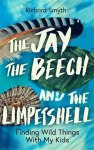
- Egg collecting (illegal!) is observed and/or discussed in Sea Bean by Sally Huband and The Jay, the Beech and the Limpetshell by Richard Smyth.

- Deborah Levy’s Things I Don’t Want to Know is quoted in What I’d Rather Not Think About by Jente Posthuma and Glowing Still by Sara Wheeler. I then bought a secondhand copy of the Levy on my recent trip to the States.
- “Piss-en-lit” and other folk names for dandelions are mentioned in The House of the Interpreter by Lisa Kelly and The Furrows by Namwali Serpell.
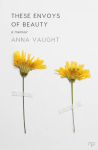
- Buttercups and nettles are mentioned in The House of the Interpreter by Lisa Kelly and Springtime in Britain by Edwin Way Teale (and other members of the Ranunculus family, which includes buttercups, in These Envoys of Beauty by Anna Vaught).

- The speaker’s heart is metaphorically described as green in a poem in Lo by Melissa Crowe and The House of the Interpreter by Lisa Kelly.
- Discussion of how an algorithm can know everything about you in Tomb Sweeping by Alexandra Chang and I’m a Fan by Sheena Patel.
- A brother drowns in The Loved Ones: Essays to Bury the Dead by Madison Davis, What I’d Rather Not Think About by Jente Posthuma, and The Furrows by Namwali Serpell.


A few cases of a book recalling a specific detail from an earlier read:
- This metaphor in The Chosen by Elizabeth Lowry links it to The Marriage Portrait by Maggie O’Farrell, another work of historical fiction I’d read not long before: “He has further misgivings about the scalloped gilt bedside table, which wouldn’t look of place in the palazzo of an Italian poisoner.”
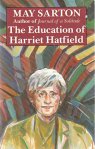
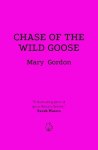
- This reference in The Education of Harriet Hatfield by May Sarton links it back to Chase of the Wild Goose by Mary Louisa Gordon (could it be the specific book she had in mind? I suspect it was out of print in 1989, so it’s more likely it was Elizabeth Mavor’s 1971 biography The Ladies of Llangollen): “Do you have a book about those ladies, the eighteenth-century ones, who lived together in some remote place, but everyone knew them?”
- This metaphor in Things My Mother Never Told Me by Blake Morrison links it to The Chosen by Elizabeth Lowry: “Moochingly revisiting old places, I felt like Thomas Hardy in mourning for his wife.”
- A Black family is hounded out of a majority-white area by harassment in The Education of Harriet Hatfield by May Sarton and Ordinary Notes by Christina Sharpe.
 Wartime escapees from prison camps are helped to freedom, including with the help of a German typist, in My Father’s House by Joseph O’Connor and In Memoriam by Alice Winn.
- A scene of eating a deceased relative’s ashes in 19 Claws and a Black Bird by Agustina Bazterrica and The Loved Ones by Madison Davis.
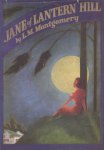
- A girl lives with her flibbertigibbet mother and stern grandmother in “Wife Days,” one story from How Strange a Season by Megan Mayhew Bergman, and Jane of Lantern Hill by L.M. Montgomery.
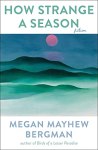
- Macramé is mentioned in How Strange a Season by Megan Mayhew Bergman, The Memory of Animals by Claire Fuller, Floppy by Alyssa Graybeal, and Sidle Creek by Jolene McIlwain.
- A fascination with fractals in Floppy by Alyssa Graybeal and one story in Sidle Creek by Jolene McIlwain. They are also mentioned in one essay in These Envoys of Beauty by Anna Vaught.
- I found disappointed mentions of the fact that characters wear blackface in Laura Ingalls Wilder’s Little Town on the Prairie in Monsters by Claire Dederer and, the very next day, Ordinary Notes by Christina Sharpe.


- Moon jellyfish are mentioned in the Blood and Cord anthology edited by Abi Curtis, Floppy by Alyssa Graybeal, and Sea Bean by Sally Huband.
- A Black author is grateful to their mother for preparing them for life in a white world in the memoirs-in-essays I Can’t Date Jesus by Michael Arceneaux and Ordinary Notes by Christina Sharpe.
- The children’s book The Owl Who Was Afraid of the Dark by Jill Tomlinson is mentioned in The Jay, the Beech and the Limpetshell by Richard Smyth and These Envoys of Beauty by Anna Vaught.
- The protagonist’s father brings home a tiger as a pet/object of display in The Marriage Portrait by Maggie O’Farrell and The Memory of Animals by Claire Fuller.

- Bloor Street, Toronto is mentioned in Jane of Lantern Hill by L.M. Montgomery and Ordinary Notes by Christina Sharpe.
- Ralph Waldo Emerson’s thinking about the stars is quoted in Jane of Lantern Hill by L.M. Montgomery and These Envoys of Beauty by Anna Vaught.
- Wondering whether a marine animal would be better off in captivity, where it could live much longer, in The Memory of Animals by Claire Fuller (an octopus) and Sea Bean by Sally Huband (porpoises).
 Martha Gellhorn is mentioned in The Collected Regrets of Clover by Mikki Brammer and Monsters by Claire Dederer.
- Characters named June in “Indigo Run,” the novella-length story in How Strange a Season by Megan Mayhew Bergman, and The Cats We Meet Along the Way by Nadia Mikail.
- “Explicate!” is a catchphrase uttered by a particular character in Girls They Write Songs About by Carlene Bauer and The Lake Shore Limited by Sue Miller.
- It’s mentioned that people used to get dressed up for going on airplanes in Fly Girl by Ann Hood and The Lights by Ben Lerner.
- Green-Wood Cemetery in Brooklyn is a setting in The Lights by Ben Lerner and Grave by Allison C. Meier.
- Last year I read Tomorrow, and Tomorrow, and Tomorrow by Gabrielle Zevin, in which Oregon Trail re-enactors (in a video game) die of dysentery; this is also a live-action plot point in “Pioneers,” one story in Lydia Conklin’s Rainbow Rainbow.
- A bunch (4 or 5) of Italian American sisters in Circling My Mother by Mary Gordon and Hello Beautiful by Ann Napolitano.
What’s the weirdest reading coincidence you’ve had lately?
10 Days in the USA and What I Read (Plus a Book Haul)
On October 29th, I went to an evening drinks party at a neighbour’s house around the corner. A friend asked me about whether the UK or the USA is “home” and I replied that the States feels less and less like home every time I go, that the culture and politics are ever more foreign to me and the UK’s more progressive society is where I belong. I even made an offhand comment to the effect of: once my mother passed, I didn’t think I’d fly back there often, if at all. I was thinking about 5–10 years into the future; instead, a few hours after I got home from the party, we were awoken by the middle-of-the-night phone call saying my mother had suffered a nonrecoverable brain bleed. The next day she was gone.
I haven’t reflected a lot on the irony of that timing, probably because it feels like too much, but it turns out I was completely wrong: in fact, I’m now returning to the States more often. With our mom gone and our dad not really in our lives, my sister and I have gotten closer. Since October I’ve flown back twice and she’s visited here once. There are 7.5 years between us and we’ve always been at different stages of life, with separate preoccupations and priorities; I was also lazy and let my mom be the go-between, passing family news back and forth. Now there’s a sense that we are all we have, and we have to stick together.


So it was doubly important for me to be there for my sister’s graduation from nursing school last week. If we follow each other on Facebook or Instagram, you will have already seen that she finished at the top of her cohort and was one of just two students recognized for academic excellence out of the college’s over 200 graduates – and all of this while raising four children and coping with the disruption of Mom’s death seven months ago. There were many times when she thought she would have to pause or give up her studies, but she persisted and will start work as a hospice nurse soon. We’re all as proud as could be, on our mom’s behalf, too.
The trip was a mixture of celebratory moments and sad duties. We started the process of going through our mom’s belongings and culling what we can, but the files, photos and mementoes are the real challenge and had to wait for another time. There were dozens of books I’d given her for birthdays and holidays, mostly by her favourite gentle writers – Gerald Durrell, Jan Karon, Gervase Phinn – invariably annotated with her name, the date and occasion. I looked back through them and then let them go.


Between my two suitcases I managed to bring back the rest of her first box of journals (there are 150 of them in total, spanning 1989 to 2022), and I’m halfway through #4 at the moment. We moved out of my first home when I was nine, and I don’t have a lot of vivid memories of those early years. But as I read her record of everyday life it’s like I’m right back in those rooms. I get new glimpses of myself, my dad, my sister, but especially of her – not as my mother, but as a whole person. As a child I never realized she was depressed: distressed about her job situation, worried over conflicts with her siblings and my sister, coping with ill health (she was later diagnosed with fibromyalgia) and resisting ageing. For as strong as her Christian faith was, she was really struggling in ways I couldn’t appreciate then.
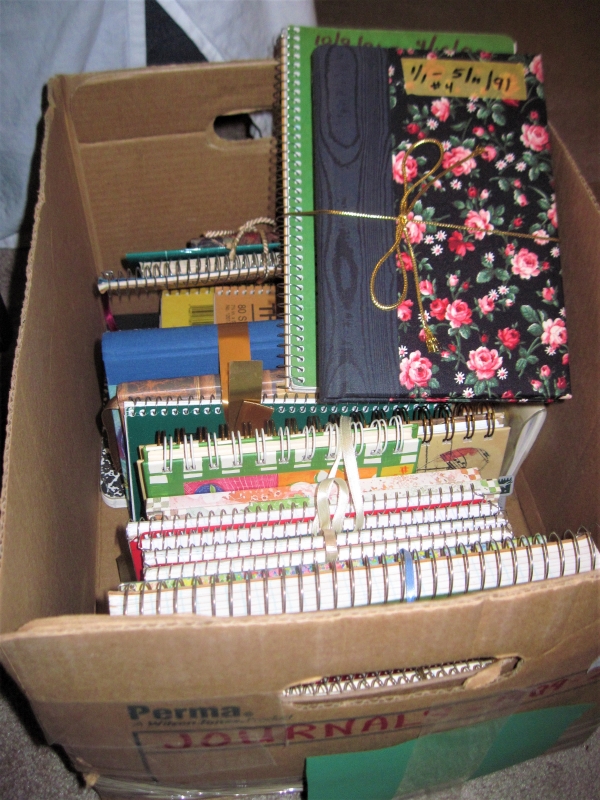
I hope that later journals will introduce hindsight, now that she’s not around to give a more circumspect view. In any case, they’re an incredible legacy, a chance for me to relive much of my life that I otherwise would only remember in fragments through photographs, and perhaps have a preview of what I can expect from the course of our shared kidney disease.
What I Read
 The Housekeepers by Alex Hay – A historical heist novel with shades of Downton Abbey, this comes out in July. Reviewed for Shelf Awareness.

Cowboys Are My Weakness by Pam Houston – Terrific: stark, sexy stories about women who live out West and love cowboys and hunters (as well as dogs and horses). Ten of the stories are in the first person, voiced by women in their twenties and thirties who are looking for romance and adventure and anxiously pondering motherhood (“by the time you get to be thirty, freedom has circled back on itself to mean something totally different from what it did at twenty-one”). The remaining two are in the second person, which I always enjoy. The occasional Montana setting reminded me of stories I’ve read by Maile Meloy and Maggie Shipstead, while the relationship studies made me think of Amy Bloom’s work. 

The Harpy by Megan Hunter – Read for Literary Wives club. Review coming up on Monday. 

The Lake Shore Limited by Sue Miller – A solid set of narratives alternating between the POVs of four characters whose lives converge around a play inspired by the playwright’s loss of her boyfriend on one of the hijacked planes on 9/11. Her mixed feelings about him towards the end of his life and about being shackled to his legacy as his ‘widow’ reverberate in other sections: one about the lead actor, whose wife has ALS; and one about a widower the playwright is being set up with on a date. Fitting for a book about a play, the scenes feel very visual. A little underpowered, but subtlety is to be expected from a Miller novel. She, Anne Tyler and Elizabeth Berg write easy reads with substance, just the kind of book I want to take on an airplane, as indeed I did with this one. I read the first 2/3 on my travel day (although with the 9/11 theme this maybe wasn’t the best choice!).
 For apposite plane reading, I also started Fly Girl by Ann Hood, her memoir of being a TWA flight attendant in the 1970s, the waning glory days of air travel. I’ve read 10 or so of Hood’s books before from various genres, but lost interest in the minutiae of her job applications and interviews. Another writer would probably have made a bigger deal of the inherent sexism of the profession, too. I read 30%.
 Hello Beautiful by Ann Napolitano – I knew I wanted to read this even before it was Oprah’s 100th book club pick. It’s a family story spanning three decades and focusing on the Padavanos, a working-class Italian American Chicago clan with four daughters: Julia, Sylvie, and twins Cecilia and Emeline. Julia meets melancholy basketball player William Waters while at Northwestern in the late 1970s and they marry and have a daughter; Sylvie, a budding librarian, makes out with boys in the stacks until her great romance comes along; Cecilia is an artist and Emeline loves babies and manages a nursery. More than once a character think of their collective story as a “soap opera,” and there’s plenty of melodrama here – an out-of-wedlock pregnancy, estrangements, a suicide attempt, a coming out, stealing another’s man – as well as far-fetched coincidences, including the two major deaths falling on the same day as a birth and a reconciliation.
There is such warmth and intensity to the telling, and brave reckoning with mental illness, prejudice and trauma, that I excused flaws such as dwelling overly much in characters’ heads through close third person narration, to the detriment of scenes and dialogue. I love sister stories in general, and the subtle echoes of Leaves of Grass and Little Women (the connections aren’t one to one and you’re kept guessing for most of the book who will be the Beth) add heft. I especially appreciated how a late parent is still remembered in daily life after 30 years have passed. This is, believe it or not, the second basketball novel I’ve loved this year, after Tell the Rest by Lucy Jane Bledsoe.
I always try to choose thematically appropriate reads, so I also started:
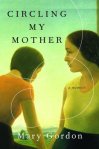 Circling My Mother by Mary Gordon – A memoir she began after her nonagenarian mother’s death with dementia. Intriguingly, the structure is not chronological but topic by topic, built around key relationships: so far I’ve read “My Mother and Her Bosses” and “My Mother: Words and Music.”
Grave by Allison C. Meier – My sister and I made a day trip up to my mother’s grave for the first time since her burial. She has a beautiful spot in a rural cemetery dating back to the 1780s, but it’s in full sun and very dry, so we tried to cheer up the dusty plot with some extra topsoil and grass seed, marigolds, and a butterfly flag.


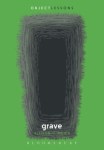 Meier is a cemetery tour guide in Brooklyn, where she lives. In the third of the e-book I’ve read so far, she looks at American burial customs, the lack of respect for Black and Native American burial sites, and the rise of garden cemeteries such as Mount Auburn in Cambridge, Massachusetts. I’ve been reading death-themed books for over a decade and have delighted in exploring cemeteries (including Mount Auburn, as part of my New England honeymoon) for even longer, so this is right up my street and one of the better Object Lessons monographs.
What I Bought
I traded in most of my mother’s books at 2nd & Charles and Wonder Book and Video but, no surprise, promptly spent the store credit on more secondhand books. Thanks to clearance shelves at both stores, I only had to chip in another $12.25 for the below haul, which also covered two Dollar Tree purchases (I felt bad for Susan Minot having signed editions end up remaindered!). Some tried and true authors here, as well as novelties to test out, with a bunch of short stories and novellas to read later in the year.


Book Serendipity, July to August 2021
I call it Book Serendipity when two or more books that I read at the same time or in quick succession have something pretty bizarre in common. Because I have so many books on the go at once (usually 20–30), I suppose I’m more prone to such incidents. I’ve realized that, of course, synchronicity is really the more apt word, but this branding has stuck. This used to be a quarterly feature, but to keep the lists from getting too unwieldy I’ve shifted to bimonthly.
The following are in roughly chronological order.
- I read two novels about the disappearance of a 15-year-old girl at the same time: Heatstroke by Hazel Barkworth and When the Stars Go Dark by Paula McLain.
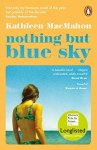
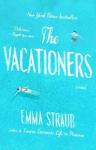
- Two novels in a row were set on a holiday in Spain: Nothing but Blue Sky by Kathleen MacMahon and The Vacationers by Emma Straub.
- I encountered mentions of the removal of the Edward Colston statue in God Is Not a White Man by Chine McDonald and I Belong Here by Anita Sethi on the same evening.
- Characters have the habit of making up names and backstories for strangers in Ruby by Ann Hood and Nothing but Blue Sky by Kathleen MacMahon.
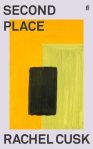
- The main female character says she works out what she thinks by talking in Second Place by Rachel Cusk and The Amateur Marriage by Anne Tyler.

- A passive mother is bullied by her controlling husband in Nothing but Blue Sky by Kathleen MacMahon and Female Friends by Fay Weldon.
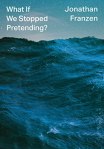
- Two reads in a row were a slim volume on the necessity of giving up denial: What White People Can Do Next by Emma Dabiri (re: racism) and What If We Stopped Pretending by Jonathan Franzen (re: climate change).

- Expressions of a strange sense of relief at disaster in Forecast by Joe Shute (re: flooding) and The Amateur Marriage by Anne Tyler (re: a car accident).
- The biomass ratios of livestock to humans to other mammals are cited in Silent Earth by Dave Goulson, The Anthropocene Reviewed by John Green, and Bewilderment by Richard Powers.
- Two Booker nominees referencing china crockery: An Island by Karen Jennings and China Room by Sunjeev Sahota (yep, it’s talking about the plates rather than the country).


- Teens sneak vodka in Heartstopper, Volume 3 by Alice Oseman and The Interestings by Meg Wolitzer.
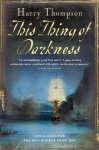
- Robert FitzRoy appears in The Glitter in the Green by Jon Dunn and Forecast by Joe Shute, and is the main subject of This Thing of Darkness by Harry Thompson, a doorstopper that has been languishing on my set-aside pile.
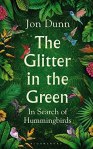

- Dave Goulson’s bumblebee research is mentioned in The Glitter in the Green by Jon Dunn, which I was reading at the same time as Goulson’s new book, Silent Earth.
- Reading two cancer memoirs that mention bucket lists at the same time: No Cure for Being Human by Kate Bowler and Year of Plagues by Fred D’Aguiar.


- Mentions of the damaging practice of clearing forest to plant eucalyptus in The Glitter in the Green by Jon Dunn and Forecast by Joe Shute.
- Mentions of mosquito coils being used (in Borneo or Australia) in Small Bodies of Water by Nina Mingya Powles and The Weekend by Charlotte Wood.


- Different words to the tune of Leonard Cohen’s “Hallelujah” in In Every Mirror She’s Black by Lola Akinmade Åkerström and How We Do Family by Trystan Reese.
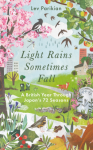 A brief mention of China and Japan’s 72 mini-seasons in Small Bodies of Water by Nina Mingya Powles: this will then be the setup for Light Rains Sometimes Fall by Lev Parikian, which I’ll be reading later in September.
- Beached whales feature in Fathoms by Rebecca Giggs and Small Bodies of Water by Nina Mingya Powles.
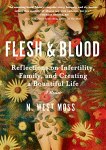
- A chapter in No Cure for Being Human by Kate Bowler is entitled “Flesh & Blood,” which is the title of the whole memoir by N. West Moss that I picked up next – and both are for Shelf Awareness reviews.
- A description of a sonogram appointment where the nurse calls the doctor in to interpret the results and they know right away that means the pregnancy is unviable, followed by an account of a miscarriage, in Flesh & Blood by N. West Moss and How We Do Family by Trystan Reese.

- Robin Wall Kimmerer and Robert Macfarlane quoted in Church of the Wild by Victoria Loorz and Small Bodies of Water by Nina Mingya Powles.
What’s the weirdest reading coincidence you’ve had lately?
Book Serendipity, May to June 2021
I call it Book Serendipity when two or more books that I read at the same time or in quick succession have something pretty bizarre in common. Because I have so many books on the go at once (usually 20‒30), I suppose I’m more prone to such incidents. I’ve realized that, of course, synchronicity is really the more apt word, but this branding has stuck.
The following are in roughly chronological order.
- Sufjan Stevens songs are mentioned in What Is a Dog? by Chloe Shaw and After the Storm by Emma Jane Unsworth.
- There’s a character with two different coloured eyes in The Mothers by Brit Bennett and Painting Time by Maylis de Kerangal.
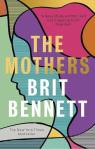

- A description of a bathroom full of moisturizers and other ladylike products in The Mothers by Brit Bennett and The Interior Silence by Sarah Sands.
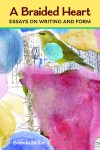
- A description of having to saw a piece of furniture in half to get it in or out of a room in A Braided Heart by Brenda Miller and After the Storm by Emma Jane Unsworth.

- The main character is named Esther Greenwood in the Charlotte Perkins Gilman short story “The Unnatural Mother” in the anthology Close Company and The Bell Jar by Sylvia Plath. Indeed, it seems Plath may have taken her protagonist’s name from the 1916 story. What a find!
- Reading two memoirs of being in a coma for weeks and on a ventilator, with a letter or letters written by the hospital staff: Many Different Kinds of Love by Michael Rosen and Coma by Zara Slattery.


- Reading two memoirs that mention being in hospital in Brighton: Coma by Zara Slattery and After the Storm by Emma Jane Unsworth.
- Reading two books with a character named Tam(b)lyn: My Cousin Rachel by Daphne du Maurier and Coma by Zara Slattery.
- A character says that they don’t miss a person who’s died so much as they miss the chance to have gotten to know them in Featherhood by Charlie Gilmour and In by Will McPhail.

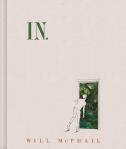
- A man finds used condoms among his late father’s things in The Invention of Solitude by Paul Auster and Featherhood by Charlie Gilmour.
- An absent husband named David in Open House by Elizabeth Berg and Ruby by Ann Hood.
- The murder of Thomas à Becket featured in Murder in the Cathedral by T.S. Eliot (read in April) and Heavy Time by Sonia Overall (read in June).


- Adrienne Rich is quoted in (M)otherhood by Pragya Agarwal and Heavy Time by Sonia Overall.
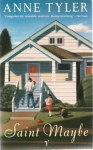
- A brother named Danny in Immediate Family by Ashley Nelson Levy and Saint Maybe by Anne Tyler.
- The male lead is a carpenter in Early Morning Riser by Katherine Heiny and Saint Maybe by Anne Tyler.
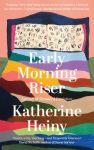
- An overbearing, argumentative mother who is a notably bad driver in Early Morning Riser by Katherine Heiny and Blue Shoe by Anne Lamott.
- That dumb 1989 movie Look Who’s Talking is mentioned in (M)otherhood by Pragya Agarwal and Early Morning Riser by Katherine Heiny.
- In the same evening, I started two novels that open in 1983, the year of my birth: The Other Black Girl by Zakiya Dalila Harris and Malibu Rising by Taylor Jenkins Reid.


- “Autistic” is used as an unfortunate metaphor for uncontrollable or fearful behavior in Open House by Elizabeth Berg and Blue Shoe by Anne Lamott (from 2000 and 2002, so they’re dated references rather than mean-spirited ones).
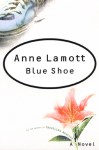 A secondary character mentions a bad experience in a primary school mathematics class as being formative to their later life in Blue Shoe by Anne Lamott and Saint Maybe by Anne Tyler (at least, I think it was in the Tyler; I couldn’t find the incident when I went back to look for it. I hope Liz will set me straight!).
- The panopticon and Foucault are referred to in Great Circle by Maggie Shipstead and I Live a Life Like Yours by Jan Grue. Specifically, Jeremy Bentham’s panopticon is the one mentioned in the Shipstead, and Bentham appears in The Cape Doctor by E.J. Levy.
What’s the weirdest reading coincidence you’ve had lately?
20 Books of Summer, #6–8: Aristide, Hood, Lamott
This latest batch of colour-themed summer reads took me from a depleted post-pandemic landscape to the heart of dysfunctional families in Rhode Island and California.
Under the Blue by Oana Aristide (2021)
Fans of Station Eleven, this one’s for you: the best dystopian novel I’ve read since Mandel’s. Aristide started writing this in 2017, and unknowingly predicted a much worse pandemic than Covid-19. In July 2020, Harry, a middle-aged painter inhabiting his late nephew’s apartment in London, finally twigs that something major is going on. He packs his car and heads to his Devon cottage, leaving its address under the door of the cute neighbour he sometimes flirts with. Hot days stack up and his new habits of rationing food and soap are deeply ingrained by the time the gal from #22, Ash – along with her sister, Jessie, a doctor who stocked up on medicine before fleeing her hospital – turn up. They quickly sink into his routines but have a bigger game plan: getting to Uganda, where their mum once worked and where they know they will be out of range of Europe’s at-risk nuclear reactors. An epic road trip ensues.
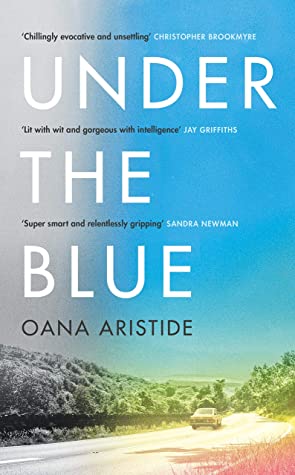 It gradually becomes clear that Harry, Ash and Jessie are among mere thousands of survivors worldwide, somehow immune to a novel disease that spread like wildfire. There are echoes of Cormac McCarthy’s The Road in the way that they ransack the homes of the dead for supplies, and yet there’s lightness to their journey. Jessie has a sharp sense of humour, provoking much banter, and the places they pass through in France and Italy are gorgeous despite the circumstances. It would be a privilege to wander empty tourist destinations were it not for fear of nuclear winter and not finding sufficient food – and petrol to keep “the Lioness” (the replacement car they steal; it becomes their refuge) going. While the vague sexual tension between Harry and Ash persists, all three bonds are intriguing.
In an alternating storyline starting in 2017, Lisa and Paul, two computer scientists based in a lab at the Arctic Circle, are programming an AI, Talos XI. Based on reams of data on history and human nature, Talos is asked to predict what will happen next. But when it comes to questions like the purpose of art and whether humans are worth saving, the conclusions he comes to aren’t the ones his creators were hoping for. These sections are set out as transcripts of dialogues, and provide a change of pace and perspective. Initially, I was less sure about this strand, worrying that it would resort to that well-worn trope of machines gone bad. Luckily, Aristide avoids sci-fi clichés, and presents a believable vision of life after the collapse of civilization.
The novel is full of memorable lines (“This absurd overkill, this baroque wedding cake of an apocalypse: plague and then nuclear meltdowns”) and scenes, from Harry burying a dead cow to the trio acting out a dinner party – just in case it’s their last. There’s an environmentalist message here, but it’s subtly conveyed via a propulsive cautionary tale that also reminded me of work by Louisa Hall and Maja Lunde. (Public library)
Ruby by Ann Hood (1998)
Olivia had the perfect life: fulfilling, creative work as a milliner; a place in New York City and a bolthole in Rhode Island; a new husband and plans to try for a baby right away. But then, in a fluke accident, David was hit by a car while jogging near their vacation home less than a year into their marriage. As the novel opens, 37-year-old Olivia is trying to formulate a letter to the college girl who struck and killed her husband. She has returned to Rhode Island to get the house ready to sell but changes her mind when a pregnant 15-year-old, Ruby, wanders in one day.
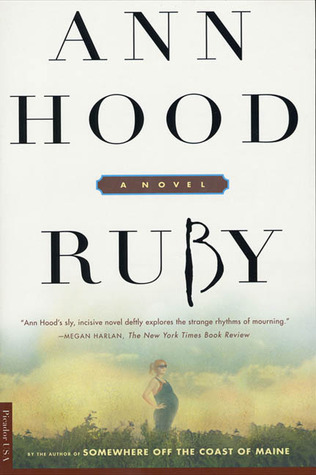 At first, I worried that the setup would be too neat: Olivia wants a baby but didn’t get a chance to have one with David before he died; Ruby didn’t intend to get pregnant and looks forward to getting back her figure and her life of soft drugs and petty crime. And indeed, Olivia suggests an adoption arrangement early on. But the outworkings of the plot are not straightforward, and the characters, both main and secondary (including Olivia’s magazine writer friend, Winnie; David’s friend, Rex; Olivia’s mother and sister; a local lawyer who becomes a love interest), are charming.
It’s a low-key, small-town affair reminiscent of the work of Anne Tyler, and I appreciated how it sensitively explores grief, its effects on the protagonist’s decision-making, and how daunting it is to start over (“The idea of that, of beginning again from nothing, made Olivia feel tired.”). It was also a neat touch that Olivia is the same age as me, so in some ways I could easily imagine myself into her position.
This was the ninth book I’ve read by Hood, an author little known outside of the USA – everything from grief memoirs to a novel about knitting. Ironically, its main themes of adoption and bereavement were to become hallmarks of her later work: she lost her daughter in 2002 and then adopted a little girl from China. (Secondhand purchase, June 2021)
[I’ve read another novel titled Ruby – Cynthia Bond’s from 2014.]
Blue Shoe by Anne Lamott (2002)
I’m a devoted reader of Lamott’s autobiographical essays about faith against the odds (see here), but have been wary of trying her fiction, suspecting I wouldn’t enjoy it as much. Well, it’s true that I prefer her nonfiction on the whole, but this was an enjoyably offbeat novel featuring the kind of frazzled antiheroine who wouldn’t be out of place in Anne Tyler’s work.
 Mattie Ryder has left her husband and returned to her Bay Area family home with her young son and daughter. She promptly falls for Daniel, the handyman she hires to exterminate the rats, but he’s married, so she keeps falling into bed with her ex, Nicky, even after he acquires a new wife and baby. Her mother, Isa, is drifting ever further into dementia. A blue rubber shoe that Mattie finds serves as a totem of her late father – and his secret life. She takes a gamble that telling the truth, no matter what the circumstances, will see her right.
As in Ruby, I found the protagonist relatable and the ensemble cast of supporting characters amusing. Lamott crafts some memorable potted descriptions: “She was Jewish, expansive and yeasty and uncontained, as if she had a birthright for outrageousness” and “He seemed so constrained, so neatly trimmed, someone who’d been doing topiary with his soul all his life.” She turns a good phrase, and adopts the same self-deprecating attitude towards Mattie that she has towards herself in her memoirs: “She usually hoped to look more like Myrna Loy than an organ grinder’s monkey when a man finally proclaimed his adoration.”
At a certain point – maybe two-thirds of the way through – my inward reply to a lot of the novel’s threads was “okay, I get it; can we move on?” Yes, the situation with Isa is awful; yes, something’s gotta give with Daniel and his wife; yes, the revelations about her father seem unbearable. But with a four-year time span, it felt like Mattie was stuck in the middle for far too long. It’s also curious that she doesn’t apply her zany faith (a replica of Lamott’s) to questions of sexual morality – though that’s true of more liberal Christian approaches. All in all, I had some trouble valuing this as a novel because of how much I know about Lamott’s life and how closely I saw the storyline replicating her family dynamic. (Secondhand purchase, c. 2006 – I found a signed hardback in a library book sale back in my U.S. hometown for $1.)
Hmm, altogether too much blue in my selections thus far (4 out of 8!). I’ll have to try to come up with some more interesting colours for my upcoming choices.
Next books in progress: The Other’s Gold by Elizabeth Ames and God Is Not a White Man by Chine McDonald.
Read any of these? Interested?
Blog Tour: Two Voices, One Story
“[B]eing an adoptive parent is like parenting in Technicolor: everything is just a little more intense. This means the highs can be really high, but it also means that the lows are going to be really low. You have to prepare yourself.”
~Sharon Roszia, quoted in A Book about Love, by Jonah Lehrer
Two Voices, One Story is a mother–daughter memoir that splits narration duties between Elaine Rizzo and Amy Masters, the now-teenage daughter she adopted from China in 1999. Elaine’s sections provide the main thread of their story, while Amy’s passages, generally shorter and printed in italics, chime in to give her perspective on various events and relationships that have been important in her life.
 Elaine is forthright about her infertility and the miscarriage that led to her decision to adopt. In the late 1990s, China’s one-child policy was still in place, but it was the severe flooding of the Yangtze River that led directly to Amy’s adoption. Thousands died and millions more were displaced. Given the context, it’s not so surprising that baby Amy was left outside a welfare center. She was given the Chinese name Tong Fang – “Copper Child.”
For me the highlight of the book was Elaine and Lee’s trip to China to pick up Amy. Although they were nervous and disoriented, they experienced the kindness of strangers and responded with compassion of their own, taking along extra toiletries and clothes of different sizes and leaving the surplus with the care center. Amy had bronchitis, one more worry on top of all the paperwork and red tape they had to go through to finalize the adoption.
Back in England, Amy had some behavioral problems that were likely vestiges of her time at the orphanage. She hated noise, especially thunderstorms; she hit herself and others; and she often woke up screaming. Private schooling ensured she wouldn’t get left behind, and there were many happy times with extended family and holidays to Australia and the west coast of Wales, where Elaine and Amy would later settle with Elaine’s second husband.
But life wasn’t always rosy: Amy was strong-willed and uncooperative – perhaps nothing out of the ordinary for a teenager, but still a challenge for her parents. Elaine recalls a social worker telling them “that very often adoptive parents don’t feel like they have the right to tell their child off, or that they think they shouldn’t say or do anything which might upset the child, because they are trying to compensate for what has happened prior to the adoption.”
Lengthy commuting to her job back in England and years-long house renovations demanded much of Elaine’s attention, yet she remained alert to what was going on with Amy. Unfortunately, in her teen years Amy experienced racism from a few schoolmates, including abusive Facebook messages that drove the family to contact the police. Amy herself, though, always comes across as easygoing about being different: “Every Christmas we used to do a Nativity show and I remember being an angel first and then one of the kings, which I suppose was the right role for me because I really do come from the East.”
Even though this is a very quick read, my interest waxed and waned. The telling can be clichéd and sentimental, and I felt too much space was given to banal details that added little to an understanding of the central mother–daughter relationship. This self-published book has a very appealing cover but needs another look from an experienced editor who could fix the fairly frequent typos and punctuation issues and cut out the bullet points (nine pages’ worth) and speech tics like “I will also say…” and “I have to comment…”
I would certainly recommend this book to those who have a personal experience of or interest in adoption, particularly from overseas (for a fictional take on adoption from China, you might also try The Fortunes by Peter Ho Davies, The Red Thread by Ann Hood, and This Must Be the Place by Maggie O’Farrell), as well as to anyone wondering how to parent or educate a child who is in some way different.
I’ll end with some lovely words from Amy:
when my Chinese mum left me outside the gates of the welfare center almost eighteen years ago now, because there was nothing left for me in Tongling, she must have had the desperate hope that I would find a happy life with people who loved me. I can only say that her wish did come true.
My rating:
Two Voices, One Story will be published by Clink Street Publishing on March 21st. Thanks to Rachel Gilbey of Authoright Marketing & Publicity for arranging my free copy for review.
I was pleased to participate in the blog tour for Two Voices, One Story.
European Traveling and Reading
We’ve been back from our European trip for over a week already, but I haven’t been up to writing until now. Partially this is because I’ve had a mild stomach bug that has left me feeling yucky and like I don’t want to spend any more time at a computer than is absolutely necessary for my work; partially it’s because I’ve just been a bit blue. Granted, it’s nice to be back where all the signs and announcements are in English and I don’t have to worry about making myself understood. Still, gloom over Brexit has combined with the usual letdown of coming back from an amazing vacation and resuming normal life to make this a ho-hum sort of week. Nonetheless, I want to get back into the rhythm of blogging and give a quick rundown of the books I read while I was away.

Tiny Lavin station, our base in southeastern Switzerland.
But first, some of the highlights of the trip:
- the grand architecture of the center of Brussels; live jazz emanating from a side street café
- cycling to the zoo in Freiburg with our friends and their kids
- ascending into the mountains by cable car and then on foot to circle Switzerland’s Lake Oeschinensee
- traipsing through meadows of Alpine flowers
- exploring the Engadine Valley of southeast Switzerland, an off-the-beaten track, Romansh-speaking area where the stone buildings are covered in engravings, paintings and sayings
- our one big splurge of the trip (Switzerland is ridiculously expensive; we had to live off of supermarket food): a Swiss dessert buffet followed by a horse carriage ride
- spotting ibex and chamois at Oeschinensee and marmots in the Swiss National Park
- miming “The Hills Are Alive” in fields near our accommodation in Austria (very close to where scenes from The Sound of Music were filmed)
- the sun coming out for our afternoon in Salzburg
- daily coffee and cake in Austrian coffeehouses
- riding the underground and trams of Vienna’s public transport network
- finding famous musicians’ graves in Vienna’s Zentralfriedhof cemetery
- discovering tasty vegan food at a hole-in-the-wall Chinese restaurant in Vienna that makes its own noodles
- going to Slovakia for the afternoon on a whim (its capital, Bratislava, is only 1 hour from Vienna by train – why not?!)
We went to such a variety of places and had so many different experiences. Weather and language were hugely variable, too: it rained nine days in a row; some mornings in Switzerland I wore my winter coat and hat; in Bratislava it was 95 °F. Even in the ostensibly German-speaking countries of the trip, we found that greetings and farewells changed everywhere we went (doubly true in the Romansh-speaking Engadine). Most of the time we had no idea what shopkeepers were saying to us. Just smile and nod. It was more difficult at the farm where we stayed in Austria. Thanks to Google Translate, we had no idea that the owner spoke no English; her e-mails were all in unusual but serviceable English. We speak virtually no German, so fellow farm guests, including a Dutch couple, had to translate between us. (The rest of Europe puts us to shame with their knowledge of languages!)
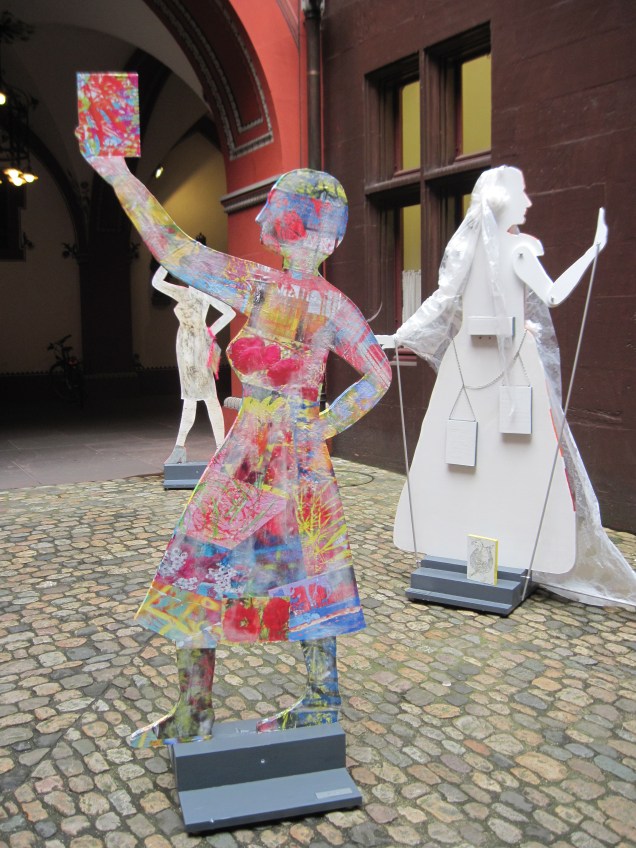
A reading-themed art installation at the Rathaus in Basel, Switzerland.
Train travel was, for the most part, easy and stress-free. Especially enjoyable were the small lines through the Engadine, which include the highest regular-service station in Europe (Ospizia Bernina, where we found fresh snowfall). The little town where we stayed in an Airbnb cabin, Lavin, was a request stop on the line, meaning you always had to press a button to get the train to stop and then walk across the tracks (!) to board. Contrary to expectations, we found that nearly all of our European trains were running late. However, they were noticeably more comfortable than British trains, especially the German ones. Thanks to train rides of an hour or more on most days, I ended up getting a ton of reading done.
 On the journey out I finished The Accidental Tourist by Anne Tyler. This is the first “classic” Tyler I’ve read, after her three most recent novels, and although I kept being plagued by odd feelings of ‘reverse déjà vu’, I really enjoyed it. This story of staid, reluctant traveler Macon Leary and how his life is turned upside down by a flighty dog trainer is all about the patterns of behavior we get stuck in. Tyler suggests that occasionally journeying into someone else’s unpredictable life might change ours for the good.
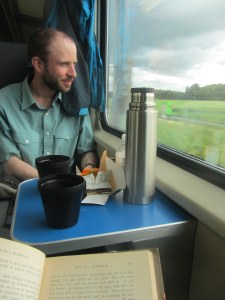 Diary of a Pilgrimage by Jerome K. Jerome was just what I expected: a very silly book about the travails of international travel. It’s much more about the luckless journey and the endurance of national stereotypes than it is about the Passion Play the travelers see once they get to Germany. It was amusing to see the ways in which some things have hardly changed in 125 years.
 A Whole Life by Robert Seethaler, a novella set in the Austrian Alps, is the story of Andreas Egger – at various times a farmer, a prisoner of war, and a tourist guide. Various things happen to him, most of them bad. I have trouble pinpointing why Stoner is a masterpiece whereas this is just kind of boring. There’s a great avalanche scene, though.
 The Book that Matters Most by Ann Hood releases on August 9th. A new book club helps Ava cope with her divorce, her daughter Maggie’s rebelliousness, and tragic events from her past. Each month one club member picks the book that has mattered most to them in life. I thought the choices were all pretty clichéd and Ava was unrealistically passive. Although what happens to her in Paris is rather melodramatic, I most enjoyed Maggie’s sections.
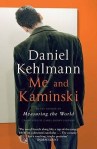 Me and Kaminski was my second novel from Daniel Kehlmann. Know-nothing art critic Sebastian Zöllner interviews reclusive artist Manuel Kaminski and then accompanies the older man on a road trip to find his lost sweetheart. Zöllner is an amusingly odious narrator, but I found the plot a bit thin. This is a rare case where I would argue the book needs to be 100 pages longer.
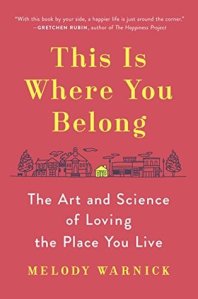 About midway through the trip I finished another I’d started earlier in the month, This Is Where You Belong by Melody Warnick. The average American moves 11.7 times in their life. I’m long past that already. The book collects an interesting set of ideas about how to feel at home wherever you are: things like learning the place on foot, shopping and eating locally, and getting to know your neighbors. I am bad about integrating into a new community every time we move, so I picked up some good tips. Warnick uses examples from all over (though mostly U.S. locations), but also makes it specific to her home of Blacksburg, Virginia.
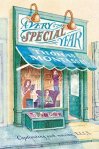 “A cabinet of fantasies, a source of knowledge, a collection of lore from past and present, a place to dream… A bookshop can be so many things.” In A Very Special Year by Thomas Montasser, Valerie takes over Ringelnatz & Co. bookshop when the owner, her Aunt Charlotte, disappears. She has the entrepreneurial skills to run a business and gradually develops a love of books, too. The title book is a magical tome with blank pages that reveal the reader’s destination when the time is right. Twee but enjoyable; a quick read.
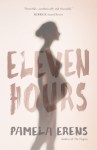 Eleven Hours by Pamela Erens is a taut thriller set during one woman’s experience of childbirth in New York City in 2004. Flashbacks to how the patient and her Caribbean nurse got where they are now add emotional depth. Another very quick read.
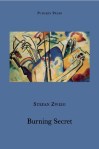 Burning Secret by Stefan Zweig is a psychologically astute novella in which a 12-year-old tries to interpret what’s happening between his mother and a fellow hotel guest, a baron he looks up to. For this naïve boy, many things come as a shock, including the threat of sex and the possibility of deception. This reminded me most of Thomas Mann’s Death in Venice. (On a hill above Salzburg we discovered a strange disembodied bust of Stefan Zweig, along with a plaque and a road sign.)


 Playing Dead by Elizabeth Greenwood (releases August 9th) was great fun. Thinking of the six-figure education debt weighing on her shoulders, she surveys various cases of people who faked their own death or simply tried to disappear. Death fraud/“pseudocide” is not as easy to get away with as you might think. Fake drownings are especially suspect. I found most ironic the case of a man who lived successfully for 20 years under an assumed name but was caught when police stopped him for having a license plate light out. I particularly liked the chapter in which Greenwood travels to the Philippines, a great place to fake your death, and comes back with a copy of her own death certificate.
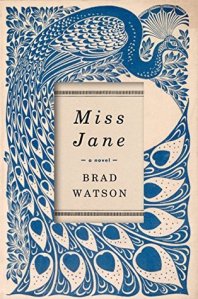 Miss Jane by Brad Watson (releases July 12th) is a historical novel loosely based on the story of the author’s great-aunt. Born in Mississippi in 1915, she had malformed genitals, which led to lifelong incontinence. Jane is a wonderfully plucky protagonist, and her friendship with her doctor, Ed Thompson, is particularly touching. “You would not think someone so afflicted would or could be cheerful, not prone to melancholy or the miseries.” This reminded me most of What Is Visible by Kimberly Elkins, an excellent novel about living a full life and finding romance in spite of disability.
I also left two novels unfinished (that’ll be for another post) and made progress in two other nonfiction titles. All in all, a great set of reading!


I’m supposed to be making my way through just the books we already own for the rest of the summer, but when I got back of course I couldn’t resist volunteering for a few new books available through Nudge and The Bookbag. Apart from a few blog reviews I’m bound to, my summer plan will be to give the occasional quick roundup of what I’ve read of late.
What have you been reading recently?
Summer Reading Plans
In June my husband and I will be off to Europe for two weeks of train travel, making stops in Brussels, Freiburg (Germany), two towns in Switzerland and another two in Austria. I like picking appropriate reading material for my vacations whenever possible (even though I’ll never forget Jan Morris’s account of reading the works of Jane Austen on a houseboat in Sri Lanka – a case of the context being so wrong it’s right), so I’ve been thinking about what to take with me and what to read ahead of time.
Back in October I picked up a lovely little secondhand hardback of Jerome K. Jerome’s Diary of a Pilgrimage for £1. Given that it’s a novel about a journey by train and boat from England to Germany to see the Oberammergau Passion Play and that Jerome is a safe bet for a funny read, this one is definitely going in my luggage. I also plan to take along a library paperback of A Whole Life by Robert Seethaler, a novella set in the Austrian Alps at the time of the Second World War.
Last year I discovered Austrian writer Daniel Kehlmann through the brilliant F: A Novel, and now have two more of his waiting: Me and Kaminski and Measuring the World, which sound completely different from each other but equally appealing (see Naomi’s review of the latter). What I might do is read one just before the trip and the other soon after we get back.
There are a few thin classics I have on my shelves and might be tempted to slip into a backpack, but for the most part I’ll plan to save space by taking a well-loaded Kindle. (It currently houses 300 books, so there’s no risk of running out of reading material!) I think I’ll treat myself to a few July/August books from my priority advanced reads list, like (fiction) The Hemingway Thief by Shaun Harris and The Book that Matters Most by Ann Hood, and (nonfiction) Playing Dead by Elizabeth Greenwood and On Trails by Robert Moor.
Once we get back to England, my self-imposed restriction for the rest of the summer will be reading only my own books. That means no library books, NetGalley/Edelweiss ARCs, or unpaid review books. This should work out well because it looks like we’ll be moving on August 18th, so I’ll be able to cull some books after reading them to reduce the packing load.
In any case, it will be a good chance to reassess my collection and get through some doorstoppers like A Suitable Boy, City on Fire, and This Thing of Darkness. During moving week itself I may have to stick to Kindle books while the print ones are inaccessible, but then as I rediscover them through unpacking I can try to push myself through a few more.
What are your summer and/or vacation reading strategies?
 Bookish Beck = Rebecca Foster. American transplant to England. Freelance proofreader and book reviewer.
 Bookish Beck