Women’s Prize 2019: Longlist Review Excerpts and Shortlist Thoughts
There’s a reason I could never wholeheartedly shadow the Women’s Prize: although each year the prize introduces me one or two great novels I might never have heard of otherwise, inevitably there are also some I don’t care for, or have zero interest in reading. Here’s how I fared this year, in categories from best to worst, with excerpts and links to any I’ve reviewed in full:
Loved! (5)
- The Pisces by Melissa Broder: This starts off as a funny but somewhat insubstantial novel about a thirtysomething stuck with a life she isn’t sure she wants, morphs into a crass sex comedy (featuring a merman), but ultimately becomes a profound exploration of possession, vulnerability and the fluidity of gender roles. It’s about the prison of the body, and choosing which of the many different siren voices calling us we’ll decide to listen to. It’s a Marmite book, but perfect Women’s Prize material.

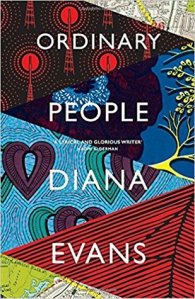 Ordinary People by Diana Evans: Reminds me of On Beauty by Zadie Smith, one of my favorite novels of this millennium. It focuses on two Black couples in South London and the suburbs who, in the wake of Obama’s election, are reassessing their relationships. Their problems are familiar middle-class ones, but Evans captures them so candidly that many passages made me wince. The chapter in which two characters experience mental instability is a standout, and the Black slang and pop music references a nice touch.
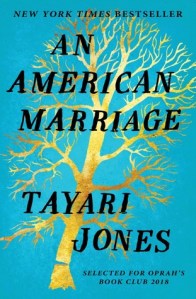
- An American Marriage by Tayari Jones: Roy and Celestial only get a year of happy marriage before he’s falsely accused of rape and sentenced to 12 years in prison in Louisiana. I ached for all three main characters: It’s an impossible situation. There’s a lot to probe about the characters’ personalities and motivations, and about how they reveal or disguise themselves through their narration. I found it remarkable how the letters, which together make up not even one-fifth of the text, enhance the raw honesty of the book.
- Ghost Wall by Sarah Moss: It’s the late 1980s and teenager Silvie Hampton and her parents have joined a university-run residential archaeology course in the North of England, near the bogs where human sacrifice once took place. Nationalism, racism, casual misogyny – there are lots of issues brewing under the surface here. Women’s bodies and what can be done to them is central; as the climax approaches, the tricksy matter of consent arises. I ended up impressed by how much Moss conveys in so few pages. Another one custom-made for the Women’s Prize.
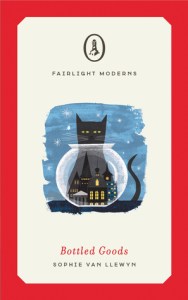 Bottled Goods by Sophie van Llewyn: I just finished this the other day. It’s a terrific hybrid work that manages to combine several of my favorite forms: a novella, flash fiction and linked short stories. The content is also an intriguing blend, of the horrific and the magical. After her brother-in-law’s defection, Alina and her husband Liviu come under extra scrutiny in Communist Romania. Bursts of magic realism and a delightful mixture of narrative styles (lists and letters; alternating between the first and third person) make all this material bearable.
Did not particularly enjoy (2)
- Freshwater by Akwaeke Emezi: Magic realism and mental illness fuel a swirl of disorienting but lyrical prose. Much of the story is told by the ọgbanje (an Igbo term for evil spirits) inhabiting Ada’s head. The conflation of the abstract and the concrete didn’t quite work for me, and the whole is pretty melodramatic. Although I didn’t enjoy this as much as some other inside-madness tales I’ve read, I can admire the attempt to convey the reality of mental illness in a creative way.

 Normal People by Sally Rooney: This book’s runaway success continues to baffle me. I kept waiting for more to happen, skimming ahead to see if there would be anything more to it than drunken college parties and frank sex scenes. It is appealing to see into these characters’ heads and compare what they think of themselves and each other with their awareness of what others think. But page to page it is pretty tedious, and fairly unsubtle.
Attempted but couldn’t get through (3)
- Remembered by Yvonne Battle-Felton: A historical novel marked by the presence of ghosts, this is reminiscent of the work of Cynthia Bond, Toni Morrison and Jesmyn Ward. It’s the closest thing to last year’s Sing, Unburied, Sing. I only read the first 36 pages as neither the characters nor the prose struck me as anything special.
 Swan Song by Kelleigh Greenberg-Jephcott: Full of glitzy atmosphere contrasted with washed-up torpor. I have no doubt the author’s picture of Truman Capote is accurate, and there are great glimpses into the private lives of his catty circle. I always enjoy first person plural narration, too. However, I quickly realized I don’t have sufficient interest in the figures or time period to sustain me through nearly 500 pages. I read the first 18 pages and skimmed to p. 35.
- Number One Chinese Restaurant by Lilian Li: Vague The Nest vibes, but the prose felt flat and the characters little more than clichés (especially scheming ‘Uncle’ Pang). I grew up in Silver Spring, Maryland so was expecting there to be more local interest for me, but this could be taking place anywhere. Reviews from trusted Goodreads friends suggested that the plot and characterization don’t significantly improve as the book goes on, so I gave up after the first two chapters.
Not interested (6)
(Don’t you go trying to change my mind!)

- The Silence of the Girls by Pat Barker: Updated Greek classics are so not my bag.
- My Sister, the Serial Killer by Oyinkan Braithwaite: Meh.
- Milkman by Anna Burns: Nah.
- Lost Children Archive by Valeria Luiselli: I’ll try something else by Luiselli.
- Praise Song for the Butterflies by Bernice L. McFadden: The setting of a fictional African country and that title already have me groaning.
- Circe by Madeline Miller: See the note on Barker above.
The shortlist will be announced on Monday the 29th. Broder and Moss will most likely make the cut. I’d love to see the van Llewyn make it through, as it’s my favorite of what I’ve read from the longlist, but I think it will probably be edged out by more high-profile releases. Either Evans or Jones will advance; Jones probably has the edge with more of an issues book. One of the Greek myth updates is likely to succeed. Luiselli is awfully fashionable right now. Emezi’s is an interesting book and the Prize is making a statement by supporting a non-binary author. Rooney has already won or been nominated for every prize going, so I don’t think she needs the recognition. Same for Burns, having won the Booker.
So, quickly pulling a combination of wanted and expected titles out of the air would give this predicted shortlist:
 The Silence of the Girls by Pat Barker
The Pisces by Melissa Broder
Freshwater by Akwaeke Emezi
An American Marriage by Tayari Jones
Lost Children Archive by Valeria Luiselli
Ghost Wall by Sarah Moss
Eleanor, Eric, Laura and Rachel have been posting lots of reviews and thoughts related to the Women’s Prize. Have a look at their blogs!
Birthday Goings-on & Booker Prize Predictions
For a low-key early birthday outing we went to The Living Rainforest, a local tourist attraction run by a conservation charity. It’s on the small side, but our tickets got us free annual entry, so we’ll likely come back with family and friends with kids. Along with the tropical plants (including various fig trees I sought out especially!), there are birds both free-roaming and in cages, marmosets and monkeys, fish and turtles, an armadillo, and an elusive sloth we didn’t manage to see. Afterwards we went around the corner for cappuccinos and generous slabs of cake at the Hampstead Norreys community shop café.


My birthday itself was a gloomy day, but I didn’t mind at all; I filled it with reading and feasting, plus listening to music, working on a jigsaw puzzle, and having the cat on my lap. Each year my husband happily takes on impressive cooking and baking projects of my choice. This year we had acorn squash and black bean enchiladas with homemade salsa and guacamole, followed by Mexican rice pudding flavored with cinnamon and lime. In the afternoon with presents we’d had David Lebovitz’s Banana Cake with Mocha Frosting and Salted Candied Peanuts from Ready for Dessert. A delicious and decadent grown-up cake.


I got chocolate, notebooks, Lush shampoo, a bunch of llama/alpaca stuff, and 10 books as gifts (I suspect there might be more books to come, though). Looking back at my birthday book hauls from 2016 and 2017, I can see that I’ve had mixed success with getting through the acquisitions in a timely fashion: I’ve now read 9 out of 12 of 2016’s, but only 4 out of 11 of 2017’s. Though I’m very excited about some of my new books – I marked them as high priority on my wish list, after all – that doesn’t always translate into reading them soon. However, I’ve added two of them to my novellas pile for November, and I’ll read the first L’Engle journal in December as it starts around Christmastime.
Tomorrow the Man Booker Prize will be announced. Although I’ve only read one and a third books from the shortlist, I’m going to have a go at making predictions anyway. Here are the six nominees in what I think is their likelihood of winning:
 #1: I fully expect Richard Powers to win for The Overstory. This is the one I’m partway through; I started reading a library copy on Friday. I’m so impressed by the novel’s expansive nature. It seems to have everything: love, war, history, nature, politics, technology, small-town life, family drama, illness, accidents, death. And all of human life is overshadowed and put into perspective by the ancientness of trees, whose power we disregard at a cost. I’m reminded of the work of Jonathan Franzen (Freedom + Purity), as well as Barbara Kingsolver’s latest, Unsheltered – though Powers is prophetic where she’s polemic.
 #2: Washington Black by Esi Edugyan is a good old-fashioned adventure story about a slave who gets the chance to leave his Barbados sugar plantation behind when he becomes an assistant to an abolitionist inventor, Christopher “Titch” Wilde. Wash discovers a talent for drawing and a love for marine life and pursues these joint interests in the disparate places where life takes him. Part One was much my favorite; none of what followed quite matched it in depth or pace. Still, I enjoyed following along on Wash’s escapades, and I wouldn’t mind seeing this take the prize – it would be great to see a woman of color win.
 #3: The Mars Room by Rachel Kushner: Kushner is well respected, though I’ve failed to get on with her fiction before. An inside look at the prison system, this could be sufficiently weighty and well-timed to win.
 #4: Everything Under by Daisy Johnson: A myth-infused debut novel about a mother and daughter. On my library stack to read next, and the remaining title from the shortlist I’m most keen to read.
 #5: The Long Take by Robin Robertson: A novel, largely in verse, about the aftermath of war service. Also on my library stack. Somewhat experimental forms like this grab Booker attention, but this might be too under-the-radar to win.
 #6: Milkman by Anna Burns: Set in Belfast during the Troubles or a dystopian future? From my Goodreads friends’ reviews this sounds wooden and overwritten. Like the Kushner, I’d consider reading it if it wins but probably not otherwise.
Do you follow the Booker Prize? Which novel do you expect to win?
Just Okay for Me, Dawg
This was one of the catchphrases of long-time judge Randy Jackson on the reality TV show American Idol, which was my guilty pleasure viewing for a decade or more. The three recent books for which I provide short-ish reviews below have nothing much in common apart from the fact that I requested or accepted them from publishers and ended up feeling disappointed but like I still owed a review. You can consider them all .
The Friendship Cure by Kate Leaver
(Duckworth, March 22nd)
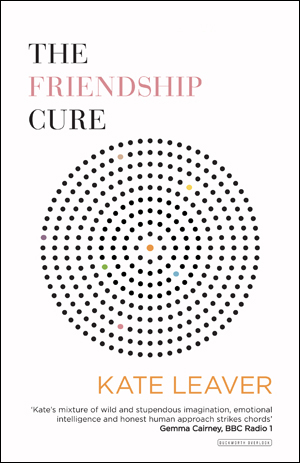 We’re in the middle of a loneliness epidemic, so friends are more important than ever. That’s the impetus for Kate Leaver’s jaunty, somewhat insubstantial book about modern friendship. She observes teen girls on the Tube and reflects on how we as primates still engage in social grooming – though language has replaced much of this more primitive bond-forming behavior. We experience a spike in our number of friends through adolescence and early adulthood, but friendships can fall by the wayside during our thirties as we enter long-term relationships and turn our attention to children and other responsibilities. Leaver argues that female friendships can amplify women’s voices and encourage us to embrace imperfection. She also surveys the bromance, mostly in its TV and film manifestations. There are plenty of pop culture references in the book; while I enjoy a Scrubs or Parks and Recreation scene or quotation as much as the next fan, the reliance on pop culture made the book feel lightweight.
Perhaps the most useful chapter was the one on online friendships (hi, book blogger friends!). We so often hear that these can’t replace IRL friendships, but Leaver sticks up for social media: it allows us to meet like-minded people, and is good for introverted and private people. Anything is better than isolation. The biggest problem I had with the book was the tone: Leaver is going for a Caitlin Moran vibe, and peppers in hip references to Taylor Swift, Lindsay Lohan and the like. But then she sometimes tries for more of a Mary Beard approach, yet doesn’t trust herself to competently talk about science, so renders it in matey, anti-intellectual language like “Robin [Dunbar, of Oxford University] did some fancy maths” (um, I think you mean “Dr. Dunbar”!) or “Let me hit you with a bit of research.”
Favorite lines:
“on some days, somewhere in our souls, we still count the number of social media connections as a measure of who we are”
“When you successfully recruit a new person into your friendship circle, you’re essentially confirming that you are a likable human being, worthy of someone’s time and emotional investment.”
You might choose to read instead: Kory Floyd’s The Loneliness Cure; Ann Patchett’s Truth and Beauty; Anna Quindlen’s essay “Girlfriends” from Lots of Candles, Plenty of Cake.
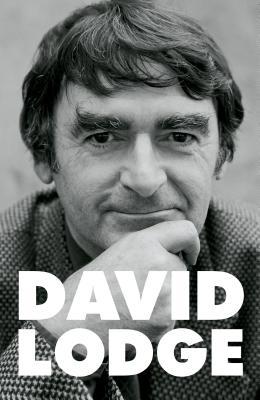
Writer’s Luck: A Memoir: 1976–1991 by David Lodge
(Harvill Secker, January 11th)
David Lodge has been one of my favorite authors for over a decade. His first memoir, Quite a Good Time to Be Born: A Memoir, 1935–1975 (see my Nudge review), is a good standalone read, even for non-fans, for its insight into the social changes of post-war Britain. However, this volume makes the mistake of covering much less ground, in much more detail – thanks to better record-keeping at the peak of his career – and the result is really rather tedious. The book opens with the publication of How Far Can You Go? and carries through to the reception of Paradise News, with a warning that he cannot promise a third volume; he is now 83. Conferences, lecture tours, and travels are described in exhaustive detail. There’s also a slightly bitter edge to Lodge’s attempts to figure out why ventures flopped or novels got negative reviews (Small World, though Booker-shortlisted, was better received in America), though he concludes that his career was characterized by more good luck than bad.
 I liked the account of meeting Muriel Spark in Italy, and valued the behind-the-scenes look at the contentious task of judging the 1989 Booker Prize, which went to Kazuo Ishiguro for The Remains of the Days. Especially enjoyable is a passage about getting hooked on saunas via trips to Finland and to Center Parcs, a chain of all-inclusive holiday activity camps in England. Oh how I laughed at his description of nude sauna-going in midlife (whether I was supposed to or not, I’m not sure): “The difference in pleasure between swimming wearing a costume of any kind and the sensation of swimming without one, the water coursing unimpeded round your loins as you move through it, cannot be exaggerated, and I first discovered it in Center Parcs.” I also cringed at the Lodges placing “our Down’s son” Christopher in a residential care home – I do hope thinking about disability has moved on since the mid-1980s.
Ultimately, I’m not sure Lodge has had an interesting enough life to warrant a several-volume project. He’s an almost reassuringly dull chap; “The fact is that I am constitutionally monogamous,” he admits at one point. Although it was fun for me to see the genesis of novels like Paradise News, I don’t think I’d have the stomach for reading any more about why Lodge thinks his star faded starting in the 1990s. However, I’ll keep this on the shelf to go back to for some context when I finally get around to rereading Small World and Nice Work.
Favorite lines:
“there has been a downside to the Prize Culture which the Booker engendered. It has warped the evaluation of new fiction by measuring success as if it were a competitive sport.”
You might choose to read instead: Lodge’s Quite a Good Time to Be Born or John Carey’s The Unexpected Professor: An Oxford Life in Books – overall the better autobiography of a working-class, bookish lad.
The Parentations by Kate Mayfield
(Point Blank [Oneworld], March 29th)
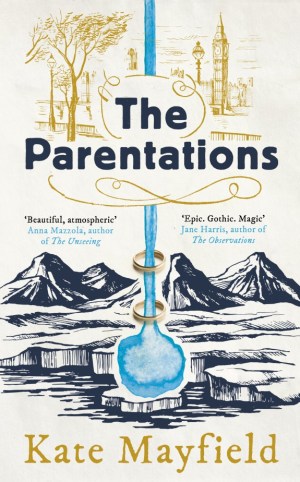 Sisters Constance and Verity Fitzgerald have been alive for over 200 years. A green pool in Iceland, first discovered in 1783, gives them “extended mortality” so long as they take the occasional two-week nap and only swallow two drops of the liquid at a time. In London in 2015, they eat a hearty stew by candlelight and wait for their boy to come. Then they try the churchyard: dead or alive, they are desperate to have him back. Meanwhile, Clovis Fowler is concealing extra phials of the elixir from her husband, their son and the maid. What’s going on here? We go back to Iceland in 1783 to see how the magic pool was first found, and then hop across to 1783 London to meet the sisters as children.
I read the first 67 pages, continued skimming to page 260, and then gave up. At well past the one-third point, the novel still hasn’t established basic connections. A book of nearly 500 pages has to hook the reader in sooner and more securely, not lull them with wordiness (case in point: on the first page of the first chapter, the adjective “macilent” – I looked it up and it means thin or lean, either of which would have been a far preferable word to use).
I could see faint echoes here of so many great books – Jonathan Strange and Mr. Norrell, A Discovery of Witches, Slade House, The Essex Serpent; works by Hannah Kent and Diane Setterfield, maybe even Matt Haig? I liked Mayfield’s memoir The Undertaker’s Daughter and had hoped for improvement with this debut novel. As it is, The Parentations has an interesting premise and lineage, but doesn’t deliver.
Favorite lines:
“His rage foments a decision. He will either take his place in the mounds of the dead, or he will find a good reason to stay alive.”
“Francis and Averil Lawless have impressed upon their daughters the concept of the consequences of a single moment, and there is no better teacher than the river’s majesty and its demand for respect for its waters, which can easily bring violence and ruin as well as wealth and peace.”
You might choose to read instead: Any of the literary fantasy novels listed above.
What books have disappointed or defeated you lately?
Jacob’s Room Is Full of Books by Susan Hill
Susan Hill has published dozens of books in multiple genres, but is probably best known for her perennially popular ghost story, The Woman in Black (1983). Apart from that and two suspense novellas, the only book I’d read by her before is Howards End Is on the Landing (2009), a sort of prequel to this work. Both are bookish memoirs animated by the specific challenge to spend more time reading from her shelves and revisiting the books that have meant the most to her in the past. Though not quite a journal, this is set up chronologically and also incorporates notes on the weather, family events and travels, and natural phenomena encountered near her home in Norfolk.
The Virginia Woolf reference in the title is fitting, as Hill realizes she has four shelves’ worth of books about Woolf and her Bloomsbury set. It’s just one of many mini-collections she discovers in her library on regular “de-stocking” drives when she tries to be realistic about what, at age 75, she’s likely to reread or reference in the future. “A book that cannot be returned to again and again, and still yield fresh entertainment and insights, is only half a book,” Hill contends. Some authors who merit frequent rereading for her are Edith Wharton, Muriel Spark, W. Somerset Maugham and Olivia Manning, while other passions had a time limit: she’s gone off E.F. Benson, and no longer reads about Antarctica or medieval theology.
 Hill is unashamedly opinionated, though she at least has the humility to ask what individual taste matters. Her substantial list of no-nos includes fairy tales, science fiction, Ethan Frome, Patricia Highsmith and e-readers, and she seems strangely proud of never having read Jane Eyre. She’s ambivalent about literary festivals and especially about literary prizes: they were a boon to her as a young author, but she was also on the infamous 2011 Booker Prize judging panel, and disapproves of that prize being opened up to American entries.
As well as grumpy pronouncements, this book is full of what seems like name-dropping: encounters with Iris Murdoch, J.B. Priestley, Susan Sontag and the like. (To be fair, the stories about Murdoch and Sontag are rather lovely.) Although aspects of this book rubbed me the wrong way, I appreciated it as a meditation on how books are woven into our lives. I took note of quite a few books I want to look up, and Hill ponders intriguing questions that book clubs might like to think about: Can we ever enjoy books as purely as adults as we did as children, now that we have to “do something” with our reading (e.g. discussing or reviewing)? Is it a lesser achievement to turn one’s own life experiences into fiction than to imagine incidents out of thin air? Will an author unconsciously “catch the style” of any writer they are reading at the time of their own compositions? Is it better to come to a book blind, without having read the blurb or anything else about it?
You’ll applaud; you’ll be tempted to throw the book at the wall (this was me with the early page disparaging May Sarton). Perhaps on consecutive pages. But you certainly won’t be indifferent. And a book that provokes a reaction is a fine thing.
Some favorite lines:
“Cold room, warm bed, good book.”
“I have had fifty-five years of experience but still every book is like walking a tightrope. I might fall off.”
“People say they can never part with a book. I can. As fast as I get one out of the back door, two new ones come in through the front anyway.”
“How many people are there living in the books here? Only take the complete novels of Dickens and add up all the characters in each one and then multiply by … and I already need to lie down. Overall, there must be thousands of imaginary people sharing this house with us.”
“One of the best presents anyone can give you is the name of a writer whose books they believe will be ‘you’ – and they are. Someone you would almost certainly never have found for yourself.”
My rating:
Jacob’s Room Is Full of Books was released in the UK on October 5th. My thanks to Profile Books for the free copy for review.
And the Winner Is…
In case you haven’t already heard, the winner of the Man Booker Prize 2016 is
The Sellout by Paul Beatty
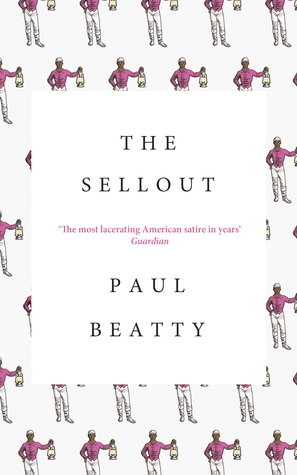 He’s the first American winner of the Booker Prize, for which I must express a modicum of pride. Yet I’m gobsmacked by the judges’ decision. Do you know that lovely bit of British slang? It means, roughly, astounded. You see, I would have placed The Sellout fifth out of six in terms of its likelihood of winning (ahead of only Eileen).
When I reviewed it for Shiny New Books back in early June, I expressed my doubts that this outrageous racial satire would strike a chord in Britain as it had in the States. It’s a zany, irreverent take on racial politics in America today, crammed with old stereotypes of African-Americans. For me, the satire wore thin and I yearned for more of an introspective Bildungsroman. But it’s clear that, with police shootings of black men in America a seemingly daily news phenomenon, the Booker judges chose a timely and incisive winner.
Here’s a taste of the sort of audacious lines the book is chock-full of:
“I understand now that the only time black people don’t feel guilty is when we’ve actually done something wrong, because that relieves us of the cognitive dissonance of being black and innocent, and in a way the prospect of going to jail becomes a relief.”
“When a white bitch got problems, she’s a damsel in distress! When a black bitch got problems, she’s a welfare cheat and a burden on society. How come you never see any black damsels? Rapunzel, Rapunzel, let down your weave!”
Amid the laughs, you still get a sense of how important it is to Beatty that race remain a topic for public discussion. An exchange the narrator has with a police officer could just as easily describe the author’s purpose:
“It’s illegal to yell ‘Fire’ in a crowded theatre, right?”
“It is.”
“Well, I’ve whispered ‘Racism’ in a post-racial world.”
No whisper, this, but a brazen shout.
Did the panel get it right this year?
Reviews Roundup, September–October
One of my goals with this blog is to have one convenient place where I can gather together all my writing that has appeared in disparate online locations. To that end, once a month I’ll provide links to all the book reviews I’ve published elsewhere, with a rating (below each description) and a short taster so you can decide whether to click to read more. A couple of exceptions: I won’t point out my Kirkus Indie, BlueInk or Publishers Weekly reviews since I don’t get a byline.
The Bookbag
Rising Strong by Brené Brown: Brown, a qualitative researcher in the field of social work, encourages readers to embrace vulnerability and transform failure and shame through a simple process of re-evaluating the stories we tell ourselves. The gimmicky terminology and frequent self-referencing grated on me a bit, but I appreciated how the book made me reconsider events from my own life. It’s the ideas that carry Rising Strong, so as long as you come to it expecting a useful tool rather than a literary experience you shouldn’t be disappointed. Genuinely helpful self-help.

 Life After You by Lucie Brownlee: With honesty and humor, Brownlee reconstructs the two years following her husband’s sudden death. My sister is still a new widow, so I read this expecting it to resonate with her situation, and it certainly does. I had an issue with the title and marketing, though. When originally published last year, the book had the title Me After You. That’s been changed to sound a little less like a Jojo Moyes novel, but the cover is more chick lit than ever, which doesn’t really match the contents of the book.
The Glass Girl by Sandy Hogarth (& interview): Moving between Australia and England and spanning several decades of Ruth Bishop’s life, this debut novel explores the psychological effects of sexual trauma and betrayal. The middle of the book feels a little meandering, and the chronology is sometimes over-complicated. However, Ruth’s is a warm first-person voice, and the ending hints at welcome resolution to unanswered questions. My favorite aspect of the novel, though, is the frequent observations of the natural world.

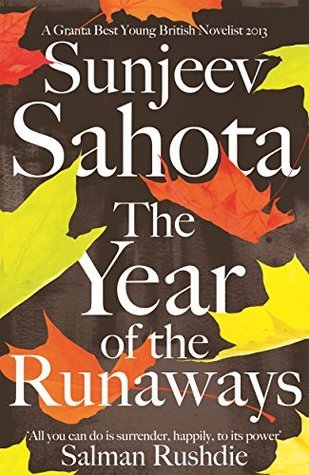 The Year of the Runaways by Sunjeev Sahota: With multilingual slang and several Sikh characters, Sahota’s second novel illuminates aspects of the South Asian experience that might be unfamiliar. Daily life is a struggle for Tochi, Randeep and Avtar: they work multiple jobs to make ends meet, serving at Crunchy Fried Chicken, cleaning sewers, or building a luxury hotel in Leeds. The fourth protagonist is Randeep’s visa-wife, Narinder. Through flashbacks we discover each one’s past. It’s a harrowing read, but you can’t help but sympathize with the four runaways as they make and dissolve connections over the year.
The Gap of Time by Jeanette Winterson: This contemporary ‘cover version’ of The Winter’s Tale links a London financier, a Parisian singer, and a blended family in New Orleans. Winterson creates clear counterparts for each Shakespeare characters, often tweaking names so they are recognizable but more modern. Inventive and true to the themes and imagery (time, adoption; angels, bears, statues) of the original, but ultimately adds little to one’s experience of Shakespeare. I’ll hope for better things from the rest of the Hogarth Shakespeare series. (Still to come: Margaret Atwood on The Tempest, Howard Jacobson on The Merchant of Venice and Anne Tyler on The Taming of the Shrew, among others.)
BookBrowse
 After the Parade by Lori Ostlund [subscription service, but the full text of my review will be available for free during the week of October 20th as part of Editor’s Choice]: Ostlund’s debut novel explores trauma and loneliness through the past and present of the protagonist, an ESL teacher who has just left his long-term partner, as well as the stories of those he meets. Although set over a six-month period, the novel is so full of flashbacks that it feels dense with the weight of the past. At times this can seem more like a set of short stories, only loosely connected through Aaron. Still, the overarching theme is strong and resonant: “after the parade,” after everything has changed irrevocably, you must keep going, pushing past the sadness to build a new life.
BookTrib
 The Best Small Fictions 2015, ed. by Tara L. Masih and Robert Olen Butler: In this very strong anthology of flash fiction, stories range from Tweet length to a few pages, but are always under 1,000 words. Titles and first lines carry a lot of weight. One of the best openers is “I didn’t recognize her without her head” (“Before She Was a Memory,” Emma Bolden). In genre the stories run the gamut from historical fiction to whimsical fantasy. You’ll be introduced to a wealth of fresh and existing talent. There are literally dozens of stand-outs here, but if I had to choose a top 3, they’d be “A Notice from the Office of Reclamation” by J. Duncan Wiley, “The Lunar Deep” by David Mellerick Lynch, and (overall favorite) “Something Overheard” by Yennie Cheung.
For Books’ Sake
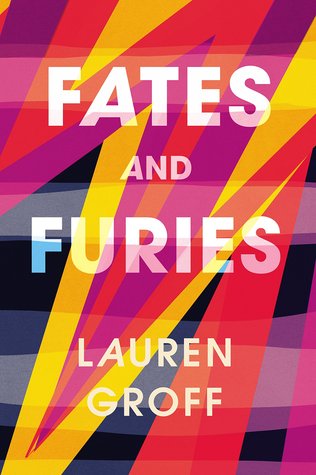 Fates and Furies by Lauren Groff: An incisive study of a marriage, beautifully written and rich with allusions to Shakespeare and Greek mythology. Short, verbless sentences pile up to create exquisite descriptions, as in “Sunset. House on the dunes like a sun-tossed conch. Pelicans thumb-tacked in the wind.” However, I was less sure about the necessity of the bracketed phrases, which seem to represent a Greek chorus giving omniscient commentary, and the use of slang and nicknames can grate. Groff makes it onto a short list of women I expect to produce the Great American Novel.
Foreword Reviews
 When All Goes Quiet by Augustinus F. Lodewyks: This religious memoir should interest those who are curious about how spiritual experience can infiltrate everyday life. “When all goes quiet, I know that Heaven is trying to show me its glory,” Lodewyks writes. In autobiographical vignettes, he vividly expresses his mystical visions, particularly those featuring Jesus, the Virgin Mary and angels, who tend to appear in times of crisis and during events of ritual significance like weddings, funerals and religious pilgrimages. Some will still object to the overt proselytizing, especially in the book’s last quarter.

The Blessing of Movement by Deborah Konrad: Konrad’s story is an inspirational memoir about life with disability and caring for dying relatives. Her sister Sandra became a quadriplegic in her twenties. Throughout the book, Konrad investigates the secret strength that underlay “the sunny disposition of the pretty paralyzed woman.” She concludes that it was all about thankfulness, as proven by Sandra’s gratitude journal. Konrad’s own life undeniably gets sidelined, though; more self-reflection would provide a good match for her insights into her sister’s character.
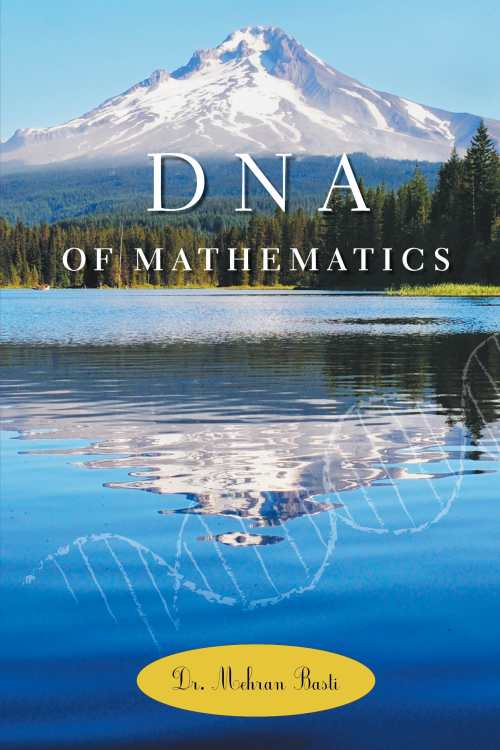 DNA of Mathematics by Mehran Basti: Drawing on his academic specialty in mathematics, Basti explores how scientific theories have been used and misused through history. The book lacks focus due to frequent unrelated asides. It may be difficult to grant credibility to a scientist who dismisses the big bang because it was theorized through “semi-broken scientific methods” and seems to have a personal vendetta against Stephen Hawking. Most importantly, the mathematics that forms the book’s basis is never fully explained.

From Hell to Heaven, One Man’s Journey by Gustav Daffy: This book was inspired by an acrimonious divorce and other family troubles; although Christian faith helped Gustav adjust his thinking, many of the poems still feel like the angry outpourings of a man with an ax to grind. Moreover, formulaic rhyming and poor spelling and grammar mar this overlong collection. It would take a professional copyeditor to hone this into a concise set of linguistically and stylistically acute poems. However, the author’s in-the-moment reactions are easy to relate to.
Shiny New Books
 Grief Is the Thing with Feathers by Max Porter: It may seem perverse to twist Emily Dickinson’s words about hope into a reflection on bereavement, but Porter’s exceptional debut does just that: tweak poetic forebears – chiefly Poe’s “The Raven” and Ted Hughes’s Crow – to create a hybrid response to loss. The novella is composed of three first-person voices: Dad, Boys and Crow (the soul of the book: witty, onomatopoeic, often macabre). Dad and his two young sons are adrift in mourning; the boys’ mum died after an unspecified accident in their London flat. The three narratives resemble monologues in a play, with short lines laid out on the page more like stanzas of a poem.
We Love This Book
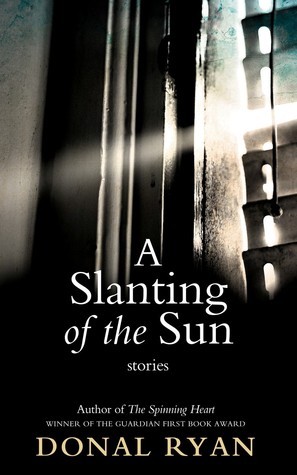 A Slanting of the Sun by Donal Ryan: The Irish author of the novels The Spinning Heart (winner of the Guardian First Book Award in 2013) and The Thing About December, returns with 20 jolting, voice-driven short stories suffused with loneliness and anger. Nineteen of the 20 are in the first person, echoing the chorus of voices that made The Spinning Heart so effective. Many of the narrators speak in thick dialect and run-on sentences, which helps to immerse you in the rhythms of Irish speech. In a book full of lonely people, it is the moments of connection – however fleeting – that matter. For example, in “Long Puck,” one of the best stories, a Catholic priest posted to Syria initiates interfaith hurling matches that temporarily lift everyone’s spirits.
I also post reviews of most of my casual reading and skimming on Goodreads.
 The River by Helen Humphreys: Humphreys has lived along Ontario’s Napanee River for over a decade. I was expecting a blend of personal reflection and natural observations, but instead the book is mostly composed of brief fictional passages illuminating a handful of species. I liked the passages about the heron best – Humphreys successfully imagines the life of a plume hunter and contrasts it with the excitement of two women involved in the foundation of a bird conservation charity. However, much of the book felt like unconnected vignettes, not building to any kind of grander picture of a location.

The Mountain Can Wait by Sarah Leipciger: The novel opens and closes with a hit-and-run, but in between those momentous peaks it’s a quieter tale of a single father trying to guide his son and daughter into young adulthood in the wilds of Canada’s west and islands. Tom Berry’s work is not cutting trees down but planting them – an interesting adaptation of a traditional woodsman’s activity to a new eco age. I found the story a little sleepy but loved Leipciger’s writing, especially her account of the daily drudgery of manual labor and her descriptions of wilderness scenery.
 Decline of the Animal Kingdom by Laura Clarke: Bizarre, in-your-face poetry from a 30-year-old Canadian: business jargon, YouTube videos, fast food…and, yes, animals. Many of the poems feature mules and lions, including weird dialogues between a mule and its supervisor / domestic partner / psychiatrist. With plays on words and sexualized vocabulary, Clarke considers inter-species altruism and the inevitable slide towards extinction. Two favorite lines: “You forget you live parallel to violence” (from “Carnivora”); “The Tasmanian tiger live-tweets its extinction from the Hobart zoo in 1933” (from “Extirpation”).
Do No Harm: Stories of Life, Death and Brain Surgery by Henry Marsh: “Terrible job, neurosurgery. Don’t do it.” Lucky for us, Henry Marsh reports back from the frontlines of brain surgery so we don’t have to. He’s nearing retirement age after a career divided between a London hospital and medical missions to Ukraine. The punchy chapters are named after conditions he has treated or observed. Marsh comes across as having a hot temper, exhibiting extreme frustration with NHS bureaucracy. At the same time, he gets very emotional over his patients declining and dying, and experiences profound guilt over operations that go wrong or were ultimately unnecessary.

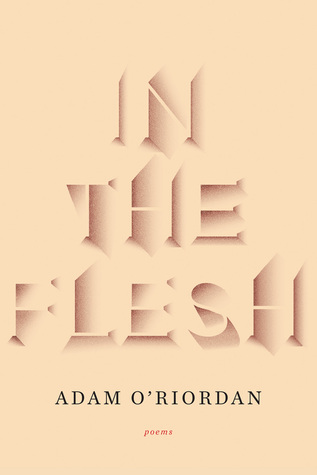 In the Flesh by Adam O’Riordan: My favorite poems in O’Riordan’s debut collection were about Victorian Manchester, 1910s suffragettes and the Wordsworths, this last based on the author’s year in residence at their Lake District cottage. I also liked “The Corpse Garden” – about the outdoor forensic lab in Knoxville, Tennessee – and a couple of multi-part poems that seem to enliven family history. It’s the vocabulary and alliteration that make these poems; there are only a handful of rhyming couplets.
A Circle of Quiet by Madeleine L’Engle: If, like me, you only knew L’Engle through her Wrinkle in Time children’s series, this journal should come as a revelation. I didn’t know she wrote any nonfiction for adults. The Crosswicks books cannot be called simple memoirs, however; there’s so much more going on. In this journal (published 1972) of a summer spent at their Connecticut farmhouse, L’Engle muses on theology, purpose, children’s education, the writing life, the difference between creating stories for children and adults, neighbors and fitting into a community, and much besides.
 A View of the Harbour by Elizabeth Taylor: My third Taylor – not as good as Mrs. Palfrey, but better than Angel. It’s about the everyday family and romantic entanglements of a small English harbor village in the 1940s. Beth is a preoccupied writer who doesn’t notice that her husband, the local doctor, is carrying on an affair with her best friend, the divorcée Tory, who is also their next-door neighbor. As always, Taylor has great insight into the human psyche and unlikely relationships. The plot is low on thrills for sure, but it’s pleasant reading, especially if you’re on holiday at the seaside (I started reading it on the coast near Dublin).
Amazing Grace: A Vocabulary of Faith by Kathleen Norris: This makes the shortlist of books I would hand to skeptics to show them there might be something to this Christianity nonsense after all. Norris spent 20 years away from the faith but gradually made her way back, via the simple Presbyterianism of her Dakota relatives but also through becoming an oblate at a Benedictine monastery – two completely different expressions of the same faith. In few-page essays, she gives each word or phrase a rich backstory through anecdote, scripture and lived philosophy, ensuring that it’s not just religious jargon anymore.
 Undermajordomo Minor by Patrick deWitt: What The Sisters Brothers did for the Western, this does for the Gothic fairytale. It’s not quite as fun or successful as the previous book, but has a nicely campy Dracula or Jane Eyre feel. Lucien “Lucy” Minor, a compulsive liar, sets out to find adventure and romance as undermajordomo of a castle in the quaint German countryside. Here he meets pickpockets, a periodically insane baron, a randy maiden, and a strapping rival who’s a soldier in the absurdist local conflict. DeWitt’s understated humor is not as clearly on display here; there’s also, strangely, quite a bit of sex.
Sentenced to Life by Clive James: James, an Australian critic and all-round man of letters, was first diagnosed with leukemia in 2010. After a setback in 2013, he’s rallied, but these poems are certainly infused with a sense of imminent mortality. The incessant ABAB rhyming in the early poems set up a jaunty rhythm I didn’t find appropriate to the subject matter; I much prefer the later unrhymed poems. “Plot Points” is my favorite, artfully linking disparate historical moments.
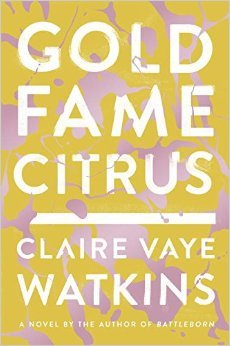 Gold Fame Citrus by Claire Vaye Watkins: Gold, fame, citrus: reasons people once came to California. Now, only a desperate remnant remains in this waterless wasteland. Luz and Ray squat in a starlet’s abandoned mansion and live off of Luz’s modeling money – she was once the environmental movement’s poster child, “Baby Dunn.” When they take charge of a baby called Ig, however, their priorities change. They set off for the strangely beautiful sea of dunes, the Amargosa, leaving behind the ‘frying pan’ of exposure to the elements for the ‘fire’ of a desert cult. There is some absolutely beautiful prose. This is the book that California (Edan Lepucki) wanted to be.
Satin Island by Tom McCarthy: U. is a corporate anthropologist in London, coming off the success of the Koob–Sassen contract and facing the blank page of the Great Report he’s tasked with writing. Not much happens here; the book is more about his anthropological observations and the things he fixates on, like oil spills, a sabotaged parachutist, and Satin Island – a place he encounters in a dream and then, by word association, likens to Staten Island, a destination he doesn’t quite make it to. For me the most interesting parts were about narrative. I found this too clever for its own good; not Booker Prize material.
In Praise of Literary Prizes
I like a spot of competition. Whether watching Olympic figure skating, playing board games like Scrabble and Boggle, entering a low-key Oscars pool, or rooting for my favorites in American Idol seasons and Miss America pageants, I’ve always loved trying to pick the best. This means that literary prizes are hugely exciting for me, and I follow the races closely.
I’m particularly devoted to the Man Booker Prize. I was delighted to see Hanya Yanagihara’s A Little Life on the recent longlist (catch up on it here), a truly interesting set of books, diverse in terms of their genres and authors’ nationalities and nicely balanced between male and female writers (6:7). I’ve read four of the longlisted titles so far:
 The Fishermen, Chigozie Obioma (full review in May 2015 issue of Third Way): From a young Nigerian debut novelist comes a haunting tale of sibling rivalry and revenge. With sectarian riots afoot, the four oldest Agwu boys decide to make money by skipping school and fishing in the Omi-Ala River. Things get more complicated when Abulu, the local madman, issues a prophecy that seems bound to divide the brothers. The first quarter of the novel, especially, is drenched in foreshadowing (not always subtle, nor do the plot turns often rise above the predictable). Rich with prophecy and allusions, this owes much to biblical narratives and tragedies from Shakespeare to Chinua Achebe.
- Lila, Marilynne Robinson – reviewed at For Books’ Sake
- A Spool of Blue Thread, Anne Tyler – also reviewed at For Books’ Sake
- A Little Life, Hanya Yanagihara – reviewed at Shiny New Books

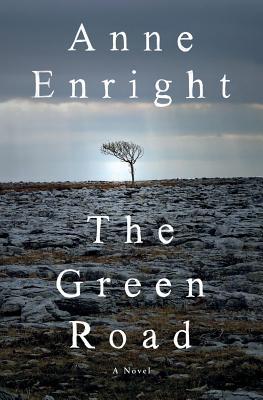 Next up: I’m reviewing The Green Road by Anne Enright for the November 2015 issue of Third Way. The Booker Prize shortlist will be announced on September 15th and the winner on October 13th.
Beyond the Booker, here are some of the other prizes I follow throughout the year, listed in vague chronological order:
 The Not the Booker Prize run by the Guardian. On this year’s shortlist is Shame by Melanie Finn, a book I loved when I reviewed it for Third Way’s April 2015 issue. It’s a powerful story of regret and the search for redemption. Though it has elements of a straightforward psychological thriller, the daring structure and moral complexities are more akin to Graham Greene. In alternating chapters, Pilgrim Jones contrasts flashbacks to her car accident and the subsequent investigation back in Switzerland with her present-tense African odyssey. This is Conrad’s Africa, a continent characterized by darkness and suffering. The question of culpability remains murky, yet the possibility of salvation shines through. [Voting will take place in October.]

- The Guardian First Book Award (open to both fiction and nonfiction): the shortlist will be announced this Friday, August 14th. One entry, Spill Simmer Falter Wither by Sara Baume, has already been chosen by readers, and the other nine are selected from publishers’ submissions. [Winner announced in late November.]
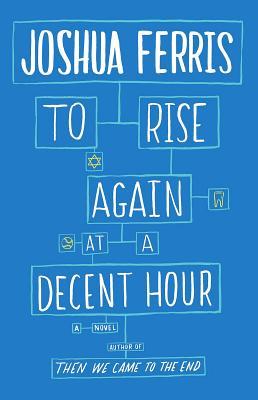
 The Dylan Thomas Prize for young writers (under 39) went to Joshua Ferris for To Rise Again at a Decent Hour last year. [Longlist in September, shortlist in October and winner announced in November.]
- The Costa Book Awards give separate prizes for fiction, debut fiction, biography, poetry, and children’s books, and also choose one overall winner. [Category shortlists in late November, category winners in early January and overall winner on January 26, 2016.]
- The Folio Prize, only two years old, considers any work of fiction published in English; before the Booker expanded to include American entries last year, it was the most Catholic of the fiction prizes. Now it risks being considered redundant; especially since it lost its Folio Society sponsorship, it’s unclear whether it will continue. [Shortlist in February and winner announced in March.]
 The Wellcome Book Prize is for medical-themed literature, fiction or nonfiction. Last year’s winner, The Iceberg by Marion Coutts, meant a lot to me for personal reasons but was also one of the most unusual and impressive memoirs I’ve ever read. I reviewed it for The Bookbag here. [Shortlist in March and winner announced in April.]

- The Pulitzer Prize is America’s premier literary award. I confess I often feel a little out of touch with the winners and don’t necessarily make a conscious effort to seek out the nominated books. I’d like to be more familiar with Pulitzer winners. Next year marks the prize’s centennial, so there’s no better time! [Winners announced in April.]
- The Independent Foreign Fiction Prize is for any book that has been translated into English and published in the UK in the previous year. I’ve found some great offbeat reads by browsing through previous longlists. As of next year, the prize is merging with the Man Booker International award, which previously recognized the life work of a foreign author every other year. [Longlist in March, shortlist in April and winner announced in May.]
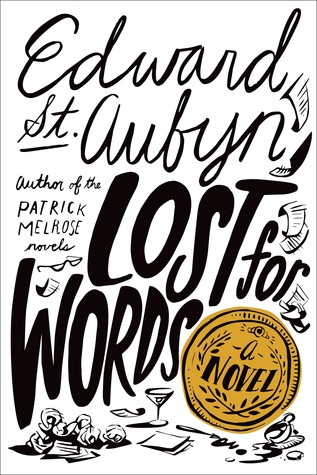
 The Bollinger Everyman Wodehouse Prize, the UK’s prize for comic literature, has run since 2000. Among the past winners are Paul Torday, Howard Jacobson, Terry Pratchett, Geoff Dyer, Gary Shteyngart, and (surprise!) Ian McEwan. I’ve read five of the winners, including Lost for Words by Edward St. Aubyn. [Shortlist in March and winner announced in May.]
- The Baileys Women’s Prize for Fiction (formerly known as the Orange Prize). Ali Smith won the 2015 award for How to Be Both. [Longlist in March; shortlist and winner announced in June.]
Do you follow literary prize races? Do you make a point of reading the winner and/or the shortlisted books? All comments welcome!
 Bookish Beck = Rebecca Foster. American transplant to England. Freelance proofreader and book reviewer.
 Bookish Beck