Book Serendipity, January to February
I call it “Book Serendipity” when two or more books that I read at the same time or in quick succession have something in common – the more bizarre, the better. This is a regular feature of mine every couple of months. Because I usually have 20–30 books on the go at once, I suppose I’m more prone to such incidents. People frequently ask how I remember all of these coincidences. The answer is: I jot them down on scraps of paper or input them immediately into a file on my PC desktop; otherwise, they would flit away! Feel free to join in with your own.
The following are in roughly chronological order.
- An old woman with purple feet (due to illness or injury) in one story of Brawler by Lauren Groff and John of John by Douglas Stuart.

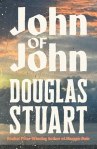
- Someone is pushed backward and dies of the head injury in Zofia Nowak’s Book of Superior Detecting by Piotr Cieplak and one story of Brawler by Lauren Groff.
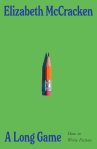
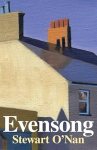
- The Hindenburg disaster is mentioned in A Long Game by Elizabeth McCracken and Evensong by Stewart O’Nan.
- Reluctance to cut into a corpse during medical school and the dictum ‘see one, do one, teach one’ in the graphic novel See One, Do One, Teach One: The Art of Becoming a Doctor by Grace Farris and Separate by C. Boyhan Irvine.
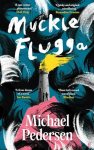 A remote Scottish island setting and a harsh father in Muckle Flugga by Michael Pedersen [Shetland] and John of John by Douglas Stuart [Harris]. (And another Scottish island setting in A Calendar of Love by George Mackay Brown [Orkney].)
- A mention of genuine Harris tweed in Alone in the Classroom by Elizabeth Hay and John of John by Douglas Stuart.
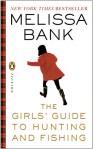
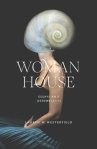
- The Katharine Hepburn film The Philadelphia Story is mentioned in The Girls’ Guide to Hunting and Fishing by Melissa Bank and Woman House by Lauren W. Westerfield.
- A mention of Icelandic poppies in Nighthawks by Lisa Martin and Boundless by Kathleen Winter.
- Vita Sackville-West is mentioned in the Orlando graphic novel adaptation by Susanne Kuhlendahl and Boundless by Kathleen Winter.

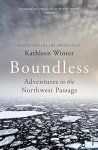
- Fear of bear attacks in Black Bear by Trina Moyles and Boundless by Kathleen Winter. Bears also feature in A Rough Guide to the Heart by Pam Houston and No Paradise with Wolves by Katie Stacey. [Looking through children’s picture books at the library the other week, I was struck by how many have bears in the title. Dozens!]
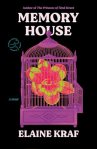
- I was reading books called Memory House (by Elaine Kraf) and Woman House (by Lauren W. Westerfield) at the same time, both of them pre-release books for Shelf Awareness reviews.
- An adolescent girl is completely ignorant of the facts of menstruation in I Who Have Never Known Men by Jacqueline Harpman and Carrie by Stephen King.
- Camembert is eaten in The Honesty Box by Lucy Brazier and Ordinary Saints by Niamh Ni Mhaoileoin.
- A herbal tonic is sought to induce a miscarriage in The Girls Who Grew Big by Leila Mottley and Bog Queen by Anna North.

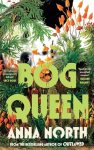
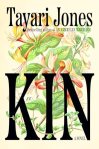
- Vicks VapoRub is mentioned in Love Invents Us by Amy Bloom, Kin by Tayari Jones, and Dirt Rich by Graeme Richardson.
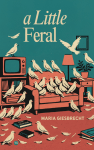
- An adolescent girl only admits to her distant mother that she’s gotten her first period because she needs help dealing with a stain (on her bedding / school uniform) in Love Invents Us by Amy Bloom, An Experiment in Love by Hilary Mantel, and Ordinary Saints by Niamh Ni Mhaoileoin. (I had to laugh at the mother asking the narrator of the Mantel: “Have you got jam on your underskirt?”) Basically, first periods occurred a lot in this set! They are also mentioned in A Little Feral by Maria Giesbrecht and one story of The Blood Year Daughter by G.G. Silverman. [I also had three abortion scenes in this cycle, but I think it would constitute spoilers to say which novels they appeared in.)
- A casual job cleaning pub/bar toilets in Kin by Tayari Jones and John of John by Douglas Stuart.
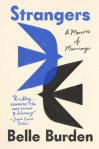
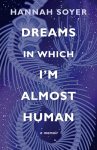
- Kansas City is a location mentioned in Strangers by Belle Burden, Mrs. Bridge by Evan S. Connell, and Dreams in Which I’m Almost Human by Hannah Soyer. (Not actually sure if that refers to Kansas or Missouri in two of them.)
- The notion of “flirting with God” is mentioned in Love Invents Us by Amy Bloom and A Little Feral by Maria Giesbrecht.

- A signature New Orleans cocktail, the Sazerac (a variation on the whisky old-fashioned containing absinthe), appears in Kin by Tayari Jones and Let the Bad Times Roll by Alice Slater.
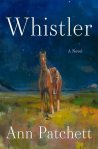
- An older person’s smell brings back childhood memories in Love Invents Us by Amy Bloom and Whistler by Ann Patchett.
- The fact that complaining of chest pain will get you seen right away in an emergency room is mentioned in Love Invents Us by Amy Bloom and The Girls Who Grew Big by Leila Mottley.
- Thickly buttered toast is a favoured snack in The Honesty Box by Lucy Brazier and An Experiment in Love by Hilary Mantel.
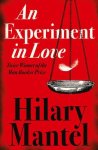 A scene of trying on fur coats in Love Invents Us by Amy Bloom and An Experiment in Love by Hilary Mantel.
- Lime and soda is drunk in Our Numbered Bones by Katya Balen, Kin by Tayari Jones, and Whistler by Ann Patchett.
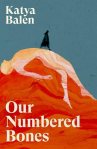
- A husband 17 years older than his wife in Kin by Tayari Jones and Whistler by Ann Patchett.
- The protagonist seems to hold a special attraction for old men in Love Invents Us by Amy Bloom and Whistler by Ann Patchett.
- A tattoo of a pottery shard (her ex-husband’s) in Strangers by Belle Burden and one of an arrowhead (her own) in Dreams in Which I’m Almost Human by Hannah Soyer.
- A relationship with an older editor at a publishing house: The Girls’ Guide to Hunting and Fishing by Melissa Bank (romantic) and Whistler by Ann Patchett (stepfather–stepdaughter).
- Repeated vomiting and a fever of 103–104°F leads to a diagnosis of appendicitis in My Grandmothers and I by Diana Holman-Hunt and Whistler by Ann Patchett.
 Multiple pet pugs in Strangers by Belle Burden and My Grandmothers and I by Diana Holman-Hunt.
- Palm crosses are mentioned in My Grandmothers and I by Diana Holman-Hunt and Kin by Tayari Jones.
- A Miss Jemison in Kin by Tayari Jones and a Miss Jamieson in Elizabeth and Ruth by Livi Michael.
- Pasley as a surname in Elizabeth and Ruth by Livi Michael and a place name (Pasley Bay) in Boundless by Kathleen Winter.
- A remark on a character’s unwashed hair in My Grandmothers and I by Diana Holman-Hunt and Let the Bad Times Roll by Alice Slater.
- A mention of a monkey’s paw in Museum Visits by Éric Chevillard and Let the Bad Times Roll by Alice Slater.

- A character gets 26 (22) stitches in her face (head) after a car accident, a young person who’s vehemently anti-smoking, and a mention of being dusted orange from eating Cheetos, in Whistler by Ann Patchett and Let the Bad Times Roll by Alice Slater.
- Pre-eclampsia occurs in Strangers by Belle Burden and The Girls Who Grew Big by Leila Mottley.
- There’s a chapter on searching for corncrakes on the Isle of Coll (the Inner Hebrides of Scotland) in The Edge of Silence by Neil Ansell, which I read last year; this year I reread the essay on the same topic in Findings by Kathleen Jamie.
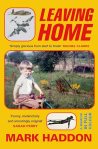
- Worry over women with long hair being accidentally scalped – if a horse steps on her ponytail in Mare by Emily Haworth-Booth; if trapped in a London Underground escalator in Leaving Home by Mark Haddon.
 A pet ferret in My Grandmothers and I by Diana Holman-Hunt and Shooting Up by Jonathan Tepper.
- A dodgy doctor who molests a young female patient in Leaving Home by Mark Haddon and Elizabeth and Ruth by Livi Michael.
- A high school girl’s inappropriate relationship with her English teacher is the basis for Love Invents Us by Amy Bloom, and then Half His Age by Jennette McCurdy, which I started soon after.

- College roommates who become same-sex lovers, one of whom goes on to have a heterosexual marriage, in Kin by Tayari Jones and Whistler by Ann Patchett.
- A mention of Sephora (the cosmetics shop) in Half His Age by Jennette McCurdy and Whistler by Ann Patchett.
- A discussion of the Greek mythology character Leda in Mrs. Bridge by Evan S. Connell and Whistler by Ann Patchett (where it’s also a character name).
- A workaholic husband who rarely sees his children and leaves their care to his wife in Strangers by Belle Burden and Mrs. Bridge by Evan S. Connell.
- An apparently wealthy man who yet steals food in Strangers by Belle Burden and Let the Bad Times Roll by Alice Slater.
- Characters named Lulubelle in Mrs. Bridge by Evan S. Connell and Lulabelle in Kin by Tayari Jones.
- Characters named Ruth in Mrs. Bridge by Evan S. Connell, Kin by Tayari Jones, and Elizabeth and Ruth by Livi Michael.
 A mention of Mary McLeod Bethune in Negroland by Margo Jefferson and Kin by Tayari Jones.
- Doing laundry at a whorehouse in Kin by Tayari Jones and Elizabeth and Ruth by Livi Michael.
- A male character nicknamed Doll in John of John by Douglas Stuart and then Elizabeth and Ruth by Livi Michael.
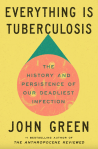
- A mention of tuberculosis of the stomach in Findings by Kathleen Jamie and Shooting Up by Jonathan Tepper. I was also reading a whole book on tuberculosis, Everything Is Tuberculosis by John Green, at the same time.
- Mention of Doberman dogs in Mrs. Bridge by Evan S. Connell and one story of The Blood Year Daughter by G.G. Silverman.
- Extreme fear of flying in Leaving Home by Mark Haddon and Whistler by Ann Patchett.
What’s the weirdest reading coincidence you’ve had lately?
A Return to the Outer Hebrides & What I Read (Including 20 Books of Summer, 4–5)
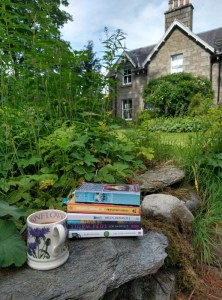
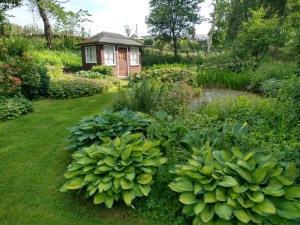
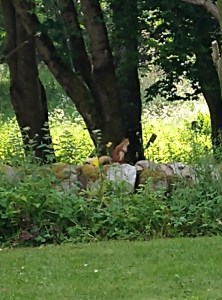
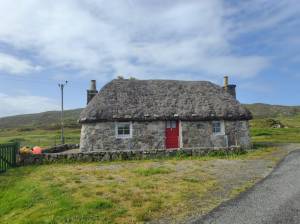
Three summers ago, we first explored the Outer Hebrides, moving south from Lewis through Harris to North Uist and Benbecula. It took longer than expected to make it back to the Western Isles. (It’s also taken longer than expected to write up a trip we took in late June. My excuse is we’ve been having work done in the house for a couple of weeks and it’s thrown off routines, plus we’re now away again on a short break.) We kept our word and completed the southern half of the chain this year, staying on South Uist and journeying via Eriskay to Barra and Vatersay. As last time, we combined public transport and car rental. Unlike last time, we had no major transport disasters. We took the train up to Edinburgh, where we rented a car and headed first of all to the edge of the Cairngorms. The village had little to offer apart from riverside scenery, so while my husband did beetle-collecting fieldwork nearby, I spent my time reading in the idyllic B&B grounds. Here the wildlife came to me: seven stags and a red squirrel! I’ve substituted in two of my relevant trip reads to my 20 Books of Summer roster.
20 Books of Summer, #4
The Cone-Gatherers by Robin Jenkins (1955)
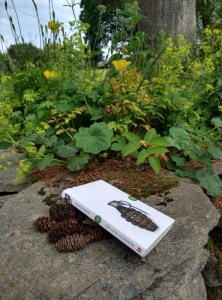
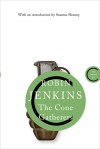 Rightly likened to Of Mice and Men, this is an engrossing short novel about two brothers, Neil and Calum, tasked with climbing trees and gathering the pinecones of a wealthy Scottish estate. They will be used to replant the many woodlands being cut down to fuel the war effort. Calum, the younger brother, is physically and intellectually disabled but has a deep well of compassion for living creatures. He has unwittingly made an enemy of the estate’s gamekeeper, Duror, by releasing wounded rabbits from his traps. Much of the story is taken up with Duror’s seemingly baseless feud against the brothers – though we’re meant to understand that his bedbound wife’s obesity and his subsequent sexual frustration may have something to do with it – as well as with Lady Runcie-Campbell’s class prejudice. Her son, Roderick, is an unexpected would-be hero and voice of pure empathy. I read this quickly, with grim fascination, knowing tragedy was coming but not quite how things would play out. The introduction to Canongate’s Canons Collection edition is by actor Paul Giamatti, of all people. (Secondhand – Community Furniture Project, Newbury)
Then it was a several-hour drive to Oban to take our rescheduled ferry over to Lochboisdale in South Uist for the holiday proper to begin. With a six-night Airbnb stay booked in the home of a local woman, we relaxed into an unhurried pace of life. It’s more about the landscape than any particular indoor attractions here; during rainy spells we toured the excellent museum, tasted gin and rum at the North Uist (Downpour) and Benbecula (MacMillan Spirits) distilleries, took advantage of 5 for £1 books and CDs at the Benbecula thrift shop, and tried a couple of cafes, but for the most part we just made a few short excursions per day.


-
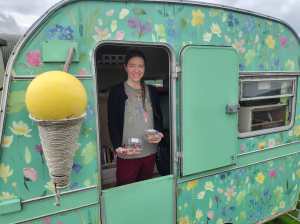
- Honesty box with cakes
-
- Photos by Chris Foster
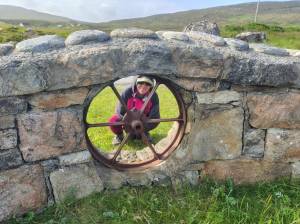
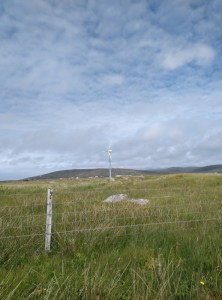
We saw acres of machair (wildflower-rich fields), sand dunes undermined by an empire of rabbits, deserted beaches, and rare patches of woodland. We successfully staked out white-tailed sea eagles, red-throated divers, and a red-necked phalarope; watched cuckoos and short-eared owls (who are active in the daytime) as much as possible; and stared at every likely sea loch but failed to find an otter. Each evening we’d heat up a simple supper – pouches of curry and rice; ravioli with tomato sauce – using the microwave and hob. In quite a contrast to the heatwave-mired south of England, we had 12–16 degrees C (54–61 degrees F) most days, with light rain and high winds. The radiators and Rayburn (a big stove like an Aga) were on most of the time.


20 Books of Summer, #5
The Inn at the Edge of the World by Alice Thomas Ellis (1990)
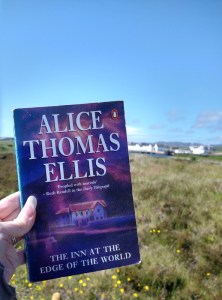 Eric and Mabel moved from the Midlands to run a hotel on a remote Scottish island. He places an advertisement in select London periodicals to lure in some Christmas-haters for the holidays and attracts a motley group: a bereaved former soldier writing a biography of General Gordon, a pair of actors known only for commercials, a psychoanalyst, and a department store buyer looking for a novel sweater pattern. Mabel decides she’s had enough and flees the island just as the guests start arriving. One guest is stalking another; one has history on the island. And all along, there are hints that this is a site of major selkie activity. I found it jarring how the novella moved from Shena Mackay-like social comedy into magic realism and doubt I’ll read more by Ellis (I’d already read one volume of Home Life), though this was light and enjoyable enough. (Secondhand – Awesomebooks.com)
I was pleased that I managed to find two relevant hyperlocal reads. It was so neat to encounter the same place names out the car window and in my books:
To the Edge of the Sea: Schooldays of a Crofter’s Child by Christina Hall (1995)
Hall’s father inherited a South Uist croft and the family struggled so much financially that she was sent to live with her schoolteacher aunts on Benbecula and then Barra. Some things haven’t changed on the islands, such as the rabbits on the machair and the notoriously choppy ferry rides back to the mainland, where she attended a convent school at Fort William. There are some enjoyable pen portraits, such as of an Irish peddler. The most memorable incident was when she ran away from the aunts’ to attend a family wedding on Benbecula. The tone is pleasant, reminiscent of early Diana Athill and Doreen Tovey, but this isn’t one to pick up unless you have a particular interest in the places described. (Public library)
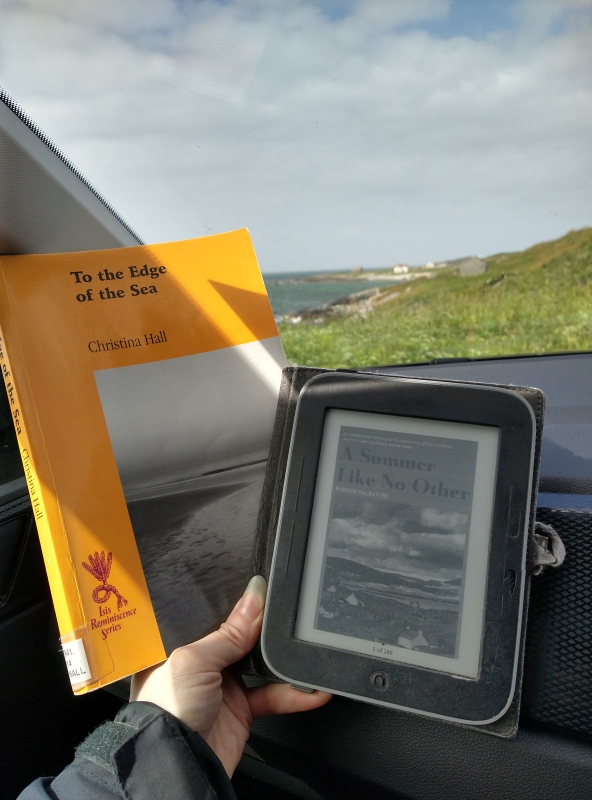
A Summer Like No Other by Martin MacIntyre (2018; 2025)
As World Cup fever ramps up in the summer of 1978, aimless 20-year-old Colin Quinn breaks from his university studies to shadow his uncle, Dr. Ruairidh Gillies, during his locum on South Uist. Between the home medical visits and recording folktales and songs by an eighty-something bard and several other members of the community, Colin gets to know almost everyone – but the person he knows the least well is himself. His involvement with the bard’s great-niece and her abusive husband will change the tenor of the summer for him, and have lasting consequences that only become clear decades later.
 The many Gaelic phrases, defined in footnotes, help to create the atmosphere. The chapter epigraphs from the legend of Oisín (son of Fionn Mac Cumhaill) and Tír Na nÓg, the land of eternal youth, heighten the contrast between Colin’s idealism and the reality of this life-changing season. I think this is the first book I’ve read that was originally published in Gaelic and I hope it will find readers far beyond its island niche. (BookSirens)
There’s Something about Mary
My husband would like it known that he was the clever clogs who spotted a theme to our trip: Mary.
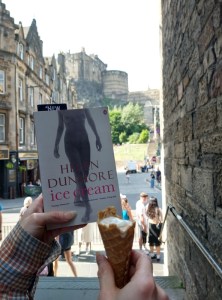 1) Our transit through Edinburgh was brief and muggy, but we made sure to leave just enough time to queue for cones at Mary’s Milk Bar, which has the most interesting flavours you’ll find anywhere. Pictured, though half eaten, are my one scoop of Earl Grey and peach sorbet and one scoop of fig and cardamom ice cream. When we returned to Edinburgh to return the car at the end of our trip, I took the train home by myself but C stayed on for a conference, during which he treated himself to another round at Mary’s.
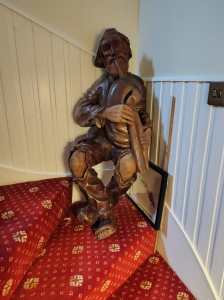
A piper statue at the Airbnb that continually frightened us on the stairs.
2) Our South Uist host was Mary MacInnes, a major mover and shaker in the local Gaelic-speaking community. (Her Alexa even obeyed Gaelic commands.) She is a retired head teacher of one of the schools and had various grandchildren popping in and out. Thanks to her heads-up, we had a unique cultural experience: a local arts venue’s lunchtime ceilidh of live music that was being filmed for BBC Scotland. Between her and others, we heard a lot of spoken Gaelic and got further into the mood by finding Julie Fowlis’s Gaelic-language albums online and playing them in our rental car. Each morning, Mary served us breakfast. We made the mistake of answering “Yes” to the question “D’ye take porridge?” on the first morning and had to slog through a stodgy bowl for five of the next six days. However, she also produced fresh-baked scones on two days and that made up for it. Triangular and baked in a cast-iron skillet, they tasted more like soda bread and were a perfect snack with jam.
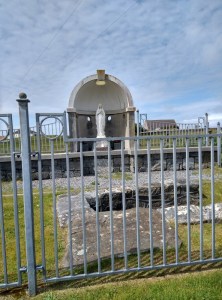
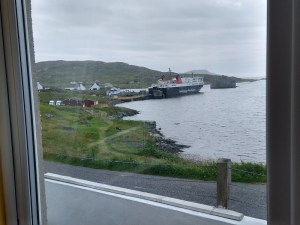
3) The final full day of our trip was spent on Barra, a quick hop from South Uist. Whereas Lewis and Harris are staunchly Protestant, the southern islands are Catholic. We’d found a roadside shrine on South Uist, and on this late June day we devoted a couple of hours to climbing up Heaval, Barra’s highest hill as far as the statue of Mary, Star of the Sea. We were taken with this round, rugged island of secluded coves and beach-lounging cows; I can imagine going back to spend more time there. (I’d also like to see a bit more of Eriskay, from which our ferry departed and where the shipwreck that inspired Whisky Galore – one to read next time – took place.) Our hostel room overlooked the harbour where our ferry for the mainland was docked, which was handy as we had to be in the queue by 6:10 the next morning.
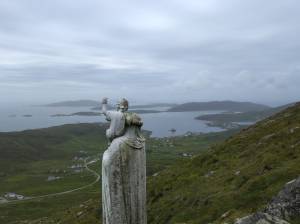
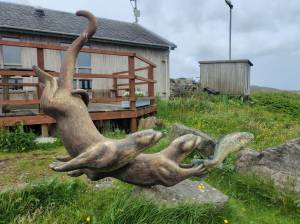
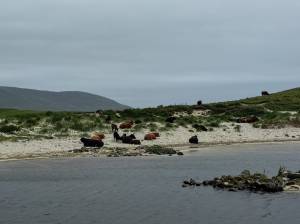
My additional reasonably local or otherwise relevant reading:
Four Ducks on a Pond: A Highland Memory by Nicholas the Cat with Annabel Carothers (2010)
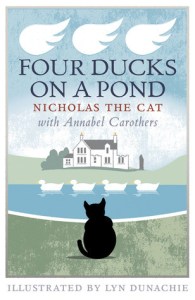 A quaint short memoir set in the 1950s on the island of Mull (which we sailed past on our way to and from the Outer Hebrides). It’s narrated in tongue-in-cheek fashion by Nicholas the Cat, who pals around with the farm’s dogs, horse and goats and comments on the doings of its human inhabitants, such as “Puddy” (Carothers), a war widow, and her daughter Fionna, who goes away to school. “We understand so much about them, yet they understand so little about us,” he opines. Indeed, the animals are all observant and can communicate with each other. Corrieshellach is a fine horse taken to compete in shows. The goats are lucky to escape with their lives after a local outbreak of foot-and-mouth disease among livestock. Nicholas grows fat on rabbits and fathers several litters. He voices some traditional views (the Clearances: bad but the Empire: good; crows: bad); then again, cats would certainly be C/conservatives. A sweet Blyton-esque read for precocious children or sentimental adults, this passed the time nicely on a long drive. It could do with a better title, though; the ducks only play a tiny role. (Favourite aside: “that beverage which humans find so comforting when things aren’t right. Tea.”) (Secondhand – Benbecula thrift shop)
Katie Morag’s Island Stories by Mairi Hedderwick (1995)
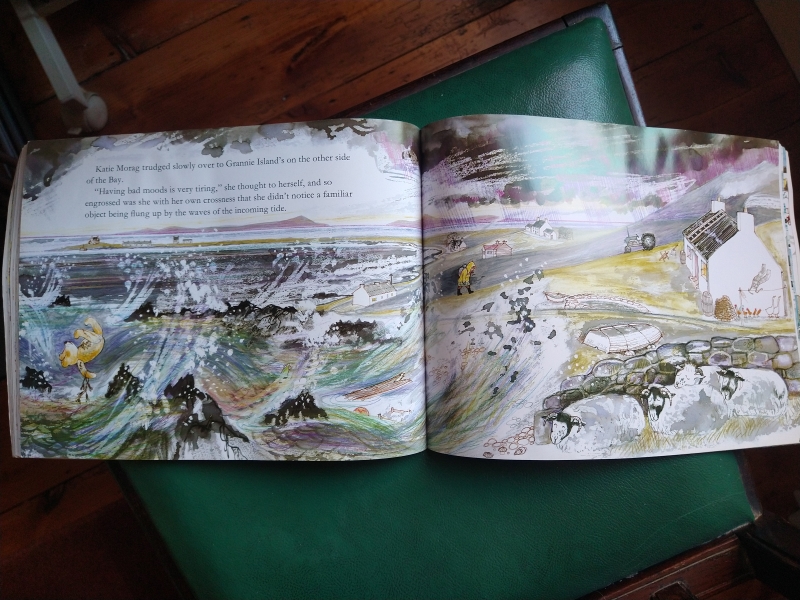
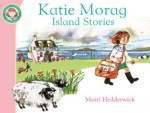 I read half of this large-format paperback before our trip and the rest afterward. It collects four of Hedderwick’s picture books, which are all set on the Isle of Struay, a kind of Hebridean composite that reproduces the islands’ wildlife and scenery beautifully. Katie Morag’s parents run the shop and post office and her mother always seems to be producing another little brother. In Katie Morag Delivers the Mail, the little red-haired girl causes chaos by delivering parcels at random. Sophisticated Granma Mainland and practical Grannie Island are the stars of Katie Morag and the Two Grandmothers. Katie Morag learns to deal with her anger and with being punished, respectively, in …and the Tiresome Ted and …and the Big Boy Cousins. Cute stories with useful lessons, but the illustrations are the main attraction. I’ll get the rest of the books out from the library. (Little Free Library)
Island Calling by Francesca Segal (2025)
The sequel to Welcome to Glorious Tuga, which I reviewed for Shelf Awareness last year. Charlotte Walker is a tortoise researcher who becomes the default veterinarian on this remote South Atlantic island that combines a 1950s English ethos with a cosmopolitan heritage from sailors and settlers. In this volume, Charlotte resolves her troubled love triangle and cements her understanding of her father’s identity. But the main thing that happens is that her posh and entitled mother, Lucinda Compton-Neville, takes a break from her busy job as a QC to travel to the island and demand that Charlotte return to London with her. Motherhood is a strong theme throughout: Natalie Lindo, already a mother of four, has to decide what to do about a high-risk pregnancy; half-feral Annie Goss rejects her mother’s affection, and so on. Some of the characters are lovably quirky, but overall I find the cliché-laden series lackluster, a pointless and indulgent side-track and thus a real waste of talent by Segal (after The Innocents and Mother Ship, especially). If you enjoy romance novels or escapist beach reads, you might feel differently. But I won’t bother reading the third volume.
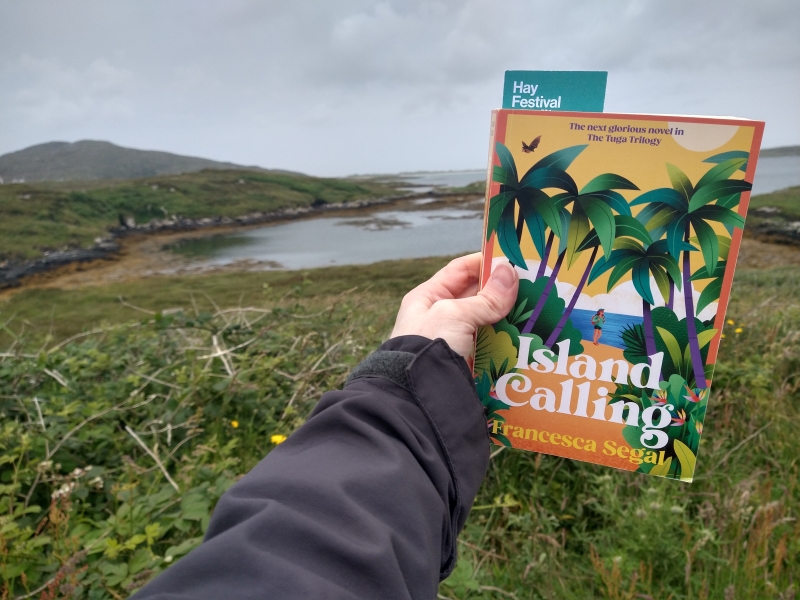
With thanks to Chatto & Windus (Penguin) for the proof copy for review.
I also made good progress on Storm Pegs by Jen Hadfield, a memoir of life in Shetland – different islands with their own character, but still fitting the hardy Scottish spirit.
I’d finished my first 7 Books of Summer by the end of June, so I was on track as of then. (Reviews of two more coming up on Friday.) I’m in the middle of some designated reads, but it’ll be ages before I finish any. I’ll hope to review another batch by the end of July.
Exploring Darkness and Light: Nonfiction by Gaw, Geddes and May
I’ve recently read a number of books that engage with topics of sunlight, darkness and the winter, exploring all the practical implications of the season and the night sky as well as their metaphorical associations. (See also: my review of An Ode to Darkness by Sigri Sandberg.)
Two of these are brand new as of this month; the other came out in paperback late last year and was one of my Christmas gifts.
Under the Stars: A Journey into Light by Matt Gaw (2020)
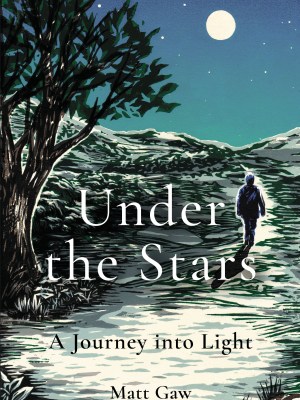 I very much enjoyed Matt Gaw’s The Pull of the River (2018), a jolly yet reflective travelogue of canoe trips down Britain’s rivers. His follow-up nature book is broader in focus but again rooted in on-the-ground knowledge, chiefly gained through a series of night walks. He travels everywhere from London to Isle of Coll, a Dark Sky Community in Scotland’s Inner Hebrides, to compare the quality of darkness and to ponder the emotions these places elicit at night. Fear of darkness feels innate, while for him the stars are almost overwhelming.
In London and in Bury St Edmunds, where he lives, Gaw observes that cities seem removed from nature and that artificial illumination is causing light pollution that negatively affects flora and fauna. At the beach or in Dartmoor or Scotland, though, being outside at night allowed him to feel “part of the natural world in a way that I rarely have during the day. … To be open to the night, to welcome it, embrace it, rather than shut it out, does bring with it an extra richness. To walk at night has been a night twice lived.”
Whether making a jaunt to a 24-hour supermarket after hearing a tawny owl or awaking to a cow nibbling at his sleeping bag on Coll, Gaw is an entertaining and knowledgeable tour guide through the nature of night. I admire his writing and hope that with this second book he will continue to find the wider audience he deserves. Under the Stars covers a lot of ground in under 200 pages and would be a perfect primer for someone looking forward to the supermoon on March 9th.
A favorite passage:
“Over the horizon of the North Sea comes the moon. First a glow. Then a pale, pinkish cuticle that swells into a weakling light. It continues to rise, an ever-expanding, ever-brightening island, until after only a couple of minutes she tears away from the membrane of water, dripping light onto the earth, shining back at the sunken sun. The birth of the full moon.”
Under the Stars is published by Elliott & Thompson today, February 20th. My thanks to the publisher for the free copy for review.
Chasing the Sun: The new science of sunlight and how it shapes our bodies and minds by Linda Geddes (2019)
 Circadian rhythms govern just about every bodily process, from blood pressure to digestion, so even minor changes in our sleep and sunlight exposure can have drastic effects. Like Matthew Walker’s Why We Sleep, this is a book chock-full of facts that should be common sense, yet are more like a body of knowledge we have lost as we have become disconnected from natural human behavioral patterns. We weren’t meant to work nights, or to stay awake for many hours in the glow of artificial light after the sun has gone down on a winter’s day.
Geddes experiments with making do with only candlelight after sunset for several weeks. She also investigates seasonal affective disorder and “circadian lighting,” surveys the history of sunlight as a medical treatment, gives practical advice for minimizing jet lag, and weighs the case for abolishing daylight savings time. Whether you’re a regular reader of popular science or not, you should pick up this concise and highly readable book by a science journalist; it delves into topics that affect us all. It’s one to keep on the shelf and refer to the next time you cross time zones or change your work schedule.
Wintering: How I learned to flourish when life became frozen by Katherine May (2020)
 May’s sympathetic memoir considers winter not only as a literal season, but also as an emotional state. Although “depression” could be substituted for “wintering” in most instances, the book gets much metaphorical mileage out of the seasonal reference as she recounts how she attempted to embrace rather than resist the gloom and chill through rituals such as a candlelit St. Lucia service and an early morning solstice gathering at Stonehenge. Wintering alternates travel and research, and mind and body. Cold-water swimming becomes the author’s primary strategy for invigorating a winter-fogged brain and frozen limbs. (My full review will appear in a forthcoming issue of the Times Literary Supplement.)
Wintering was published by Rider Books on February 6th. My thanks to the publisher for the free copy for review.
 Bookish Beck = Rebecca Foster. American transplant to England. Freelance proofreader and book reviewer.
 Bookish Beck