Book Serendipity, August to September
From Jennifer Croft’s superb Notes on Postcards (forthcoming in November):
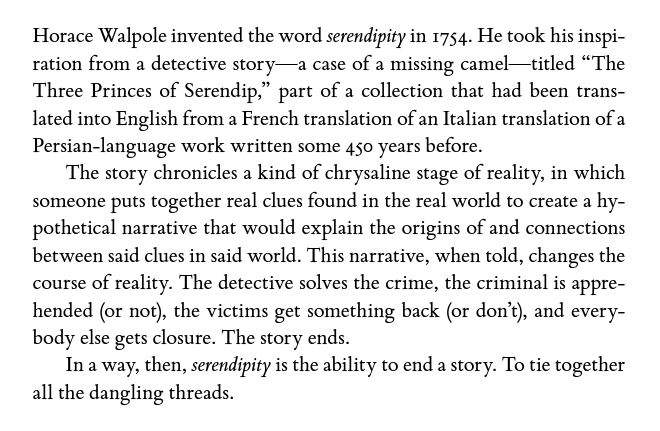
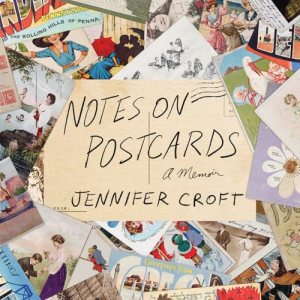
I’d heard that story of Horace Walpole and the etymology of “serendipity” before. Tying together dangling threads is a good description of what I try to do with these posts, which arise from my reading.
I call it “Book Serendipity” when two or more books that I have read at the same time or in quick succession have something in common – the more bizarre, the better. This is a regular feature of mine every couple of months. Because I usually have 20–30 books on the go at once, I suppose I’m more prone to such incidents. People frequently ask how I remember all of these coincidences. The answer is: I jot them down on scraps of paper or input them immediately into a file on my PC desktop; otherwise, they would flit away!
 The more accurate keyword would probably be “synchronicity,” which according to Carl Jung, who “believed in a universe of mysterious connections,” is “a meaningful coincidence in which an internal mental state somehow attracts a real-world parallel” (quotes from The Spirituality Gap by Ali Millar). An intriguing idea, that: somehow, by thinking about these ideas or details, I might be … luring repeat incidents to me?!
The following are in roughly chronological order.
What’s in a name?
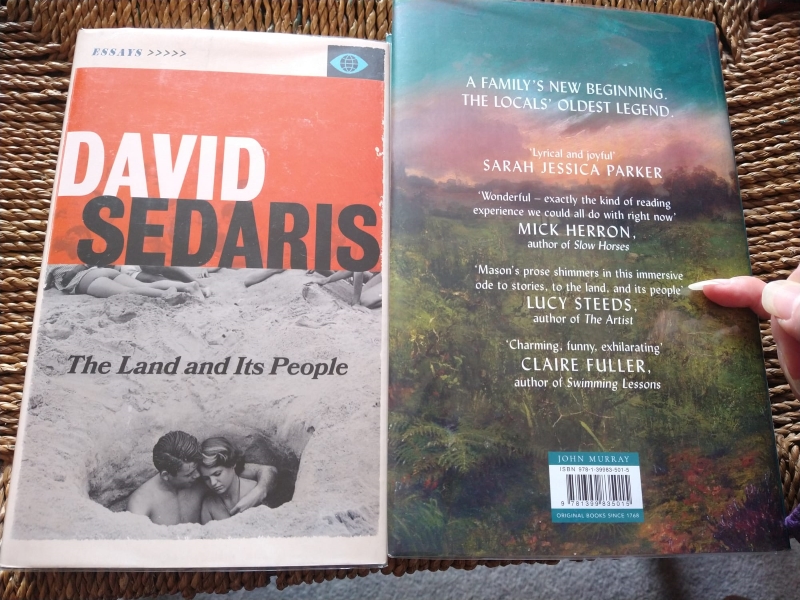
- Girlfriends named Maddie (in Year of the Drought by Roland Buti) and Mattie (Tom’s in Pardon Our French by Alex Durand and Tom Carles); plus a granddaughter (in The Typing Lady and Other Fictions by Ruth Ozeki) and niece (in The Land and Its People by David Sedaris) named Maddy.
- A character named Hattie in Leaving the Yellow House by Saul Bellow and The Correspondent by Virginia Evans.
- A character named India in Leaving the Yellow House by Saul Bellow and Family Family by Laurie Frankel (our second The Marriage Plot/Literary Wives club read this year in which the protagonist was named India, after Mrs. Bridge by Evan S. Connell).
 A daughter named Rebecca in Switzy by Emma Cline and Family Family by Laurie Frankel (where she’s known as Bex); and sisters named Rebecca (known as Becks) in one story of The Rental Heart and Other Fairytales by Kirsty Logan and The Long Road to Holy Island by Austin Suggs. Those are both nicknames I’ve had, by the way. The one nickname I detest is Becky.
- A mother named Monica in The Summerhouse Trilogy by Alice Thomas Ellis and Apt Pupil by Stephen King.
- A Hilda in The Given World by Melissa Harrison and one story of Self-Help by Lorrie Moore.
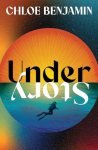
- A Clare in Under Story by Chloe Benjamin, The Leveret by Anna Goldreich and The Given World by Melissa Harrison.
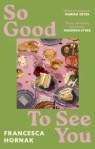
- A Sergio in Old Romantics by Maggie Armstrong and a Serge in So Good to See You by Francesca Hornak.
- A son named Silas in Under Story by Chloe Benjamin and So Good to See You by Francesca Hornak.
- Compensation for run-over chickens in Year of the Drought by Roland Buti and Don’t Let’s Go to the Dogs Tonight by Alexandra Fuller.
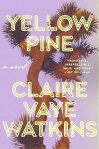
- “Enough is enough” is a slogan in The Land and Its People by David Sedaris (where it’s also an essay title) and Yellow Pine by Claire Vaye Watkins.
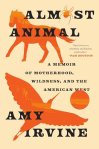
 Telluride, Colorado features as a setting in Almost Animal by Amy Irvine and in one essay of The Land and Its People by David Sedaris.
- A trip from Paris to see Chartres Cathedral in The Magician by W. Somerset Maugham and Shadow of a Man by May Sarton.
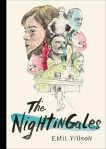
- Fleeting references to the Donner Party in Yellow Pine by Claire Vaye Watkins and The Nightingales by Emil Wilson.
- An essay about an Icelandic sheep ram, and the idea that one should ride geldings because they’re calmer and more reliable than mares, in Animals Taught Me Everything by Pam Houston and The Land and Its People by David Sedaris.
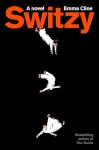
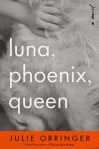
- The protagonist’s work performance declining due to dementia, and a tweed jacket, in Switzy by Emma Cline and Luna, Phoenix, Queen by Julie Orringer. (There’s also a tweed jacket mentioned in Strange Weather in Tokyo by Hiromi Kawakami.)

- German artist Käthe Kollwitz is mentioned in Seed Corn Must Not Be Ground (the title is from one of her works) by Pat Browne and The Book of Mating by Laksmi Pamuntjak.
- Child brides and incestuous rape are mentioned/feature in Almost Animal by Amy Irvine and The Book of Mating by Laksmi Pamuntjak, both of which I was reading early for Foreword Reviews.
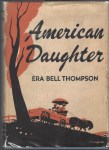
- The keeping of goats in Almost Animal by Amy Irvine and American Daughter by Era Bell Thompson, both of which I was reading early for Foreword Reviews.
- In August I unwittingly started rereading two books that I’d first read in April 2013 (is 13+ years the ideal interval?!): I Feel Bad about My Neck by Nora Ephron and Flush by Virginia Woolf.
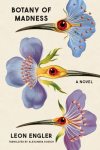
- Men by the name of Christmas: the narrator’s parents wanted to name him Noel (but the German state didn’t allow it?!) in Botany of Madness by Leon Engler; and a main character is named Joe Christmas in Light in August by William Faulkner.
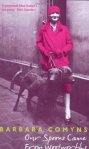
- To the narrator’s question of whether something awful has happened / they’ve done something wrong, a reply of “it very likely had but she hadn’t heard about it yet” in Our Spoons Came from Woolworths by Barbara Comyns and “Most likely. You know that better than I do” in Botany of Madness by Leon Engler.
- The idea that human–animal communication/connection is deeper than that between humans because it is beyond language plays a major role in three books I read around the same time: Animals Taught Me Everything by Pam Houston, Mitz by Sigrid Nunez, and Luna, Phoenix, Queen by Julie Orringer. (The Houston and Orringer both publish on 13 October and I was reviewing them early for Shelf Awareness.)
- The fact that children of alcoholics feel they have to make everything perfect to avoid conflict appears in Botany of Madness by Leon Engler and Animals Taught Me Everything by Pam Houston.
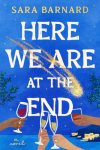 I encountered lines from the song “Closing Time” by Semisonic in Here We Are at the End by Sara Barnard (a specific reference to the pop song accompanied “Every new beginning comes from some other beginning’s end” – which I was amused to learn is actually a quote from Seneca!) and Family Family by Laurie Frankel (“You don’t have to go home. But you can’t stay here.” – not attributed, but I can’t but think she had the song in mind.)
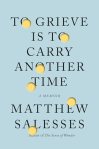
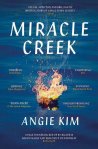
- The stereotype of overachieving Asian Americans is mentioned or discussed in Family Family by Laurie Frankel, Miracle Creek by Angie Kim, and To Grieve Is to Carry Another Time by Matthew Salesses. There are Korean Americans in all three, and Korean children adopted into a white family in the Frankel and Salesses.
- A young woman is aghast at her mother getting rid of loved pet(s) in Nightjar by Emily Ruskovich and The Nightingales by Emil Wilson (both titled after birds!)
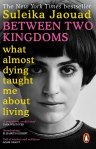
- A mention of the practice of buying single cigarettes from a city corner shop for 50 cents in Between Two Kingdoms by Suleika Jaouad and Miracle Creek by Angie Kim.
- Saving turtles from the road in Yellow Pine by Claire Vaye Watkins and then a mention of someone else doing so in To Grieve Is to Carry Another Time by Matthew Salesses.
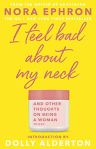 The lines “Leave as soon as you think to yourself, ‘This is a great party. I’m having a wonderful time’” from Nora Ephron’s I Feel Bad About My Neck are echoed in Emma Cline’s Switzy.
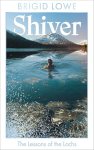
- A holy well is mentioned in The Given World by Melissa Harrison and Shiver by Brigid Lowe.
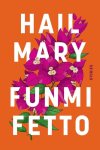
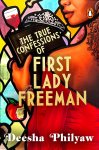
- A sexy pastor’s wife features in one story of Hail Mary by Funmi Fetto and The True Confessions of First Lady Freeman by Deesha Philyaw.
- A flawed pearl is mentioned in Apt Pupil by Stephen King and A Desert between Two Seas by A. Muia.
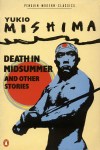
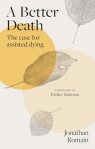
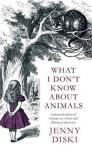
- A mention of hara-kiri (literal) in Death in Midsummer by Yukio Mishima and A Better Death by Jonathan Romain; and as a metaphor in What I Don’t Know about Animals by Jenny Diski.
- Camel cigarettes appear in Miracle Creek by Angie Kim and Apt Pupil by Stephen King.
- A woman remembers being nicknamed an “ice queen” in one story of Everest by Ashani Lewis and Plum by Hollie McNish.
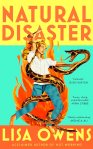
- A woman has to have a bowel movement in the labour ward in Old Romantics by Maggie Armstrong and Natural Disaster by Lisa Owens.
- The challenge of being a mother in the film industry is discussed in Family Family by Laurie Frankel and So Good to See You by Francesca Hornak.
 A three-year-old gets their own cereal breakfast in Old Romantics by Maggie Armstrong and So Good to See You by Francesca Hornak.
- A woman feels guilty of neglect due to her eight-year-old son’s death in a lake in Under Story by Cloe Benjamin and The Correspondent by Virginia Evans.
- A viral scandal where photographs/video footage are misconstrued to make a woman look bad in Hum by Helen Phillips and The True Confessions of First Lady Freeman by Deesha Philyaw.
- A misunderstanding causes a mother to be investigated for child neglect in one story of Old Romantics by Maggie Armstrong and Hum by Helen Phillips.
 Shirley Temples (the non-alcoholic cocktail) are mentioned in Idle Grounds by Krystelle Bamford and The True Confessions of First Lady Freeman by Deesha Philyaw.
- A woman impulsively takes a dishwashing job in Under Story by Cloe Benjamin and Exit Party by Emily St. John Mandel.

- A scene of putting out sandbags in Rattlebone by Maxine Clair and The Long Road to Holy Island by Austin Suggs.
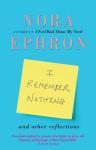 An unwanted mince pie in Idle Grounds by Krystelle Bamford and I Remember Nothing by Nora Ephron.
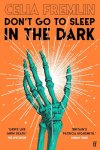
- A child in hospital with acute appendicitis in one story of Don’t Go to Sleep in the Dark by Celia Fremlin and Natural Disaster by Lisa Owens (and with suspected appendicitis in Shiver by Brigid Lowe).
- The Tennyson poem “The Charge of the Light Brigade” is mentioned in Idle Grounds by Krystelle Bamford and Peck & Peck by Bonnie Garmus.
- Having to get off an elevator at the previous floor because it doesn’t go up to the destination in Exit Party by Emily St. John Mandel and Blood Is Dripping onto the Courtyard by Elvira Navarro.
- Realizing one’s bed is unmade in one story of Everest by Ashani Lewis and A Very British Midlife Crisis by Rob Temple.
- Confusion over the name of a possibly abused dog (with special powers!) adopted from a shelter in Peck & Peck by Bonnie Garmus and Luna, Phoenix, Queen by Julie Orringer.
- I encountered the phrase “She’s not worth it” in both Peck & Peck by Bonnie Garmus and The True Confessions of First Lady Freeman by Deesha Philyaw within 10 minutes!
 Someone being pulled back into the womb in Under Story by Chloe Benjamin and Nightmares and Daydreams: A.C. 2020 by Mirko Ilić.
- An apple orchard as a setting in Under Story by Chloe Benjamin and one story of Apple and Palm by Patricia Henley.

- “Little Nemo in Slumberland” as an image and metaphor in Switzy by Emma Cline and Nightmares and Daydreams: A.C. 2020 by Mirko Ilić.
- A lost twin sibling – lost at birth in Peck & Peck by Bonnie Garmus and H Is for Hawk by Helen Macdonald; lost later on in one story of The Rental Heart and Other Fairytales by Kirsty Logan.


- A portal to another timeline, and characters who are doubles of each other, in Under Story by Chloe Benjamin and Exit Party by Emily St. John Mandel.
- A lesbian couple moves to a new house and the one woman feels isolated and sad because she’s recently had a miscarriage in the debut novels The New People by Andrea Uptmor (reviewed for BookBrowse) and then The Leveret by Anna Goldreich.

- Nagging a woman to use lotion on her hands as they’re the first place to show signs of ageing in Hum by Helen Phillips and one story of Moderate to Poor, Occasionally Good by Eley Williams.
A couple of visual ones:
- I was reading The Land and Its People by David Sedaris at the same time as Country People by Daniel Mason, one of whose blurbs happens to borrow Sedaris’s title phrase.
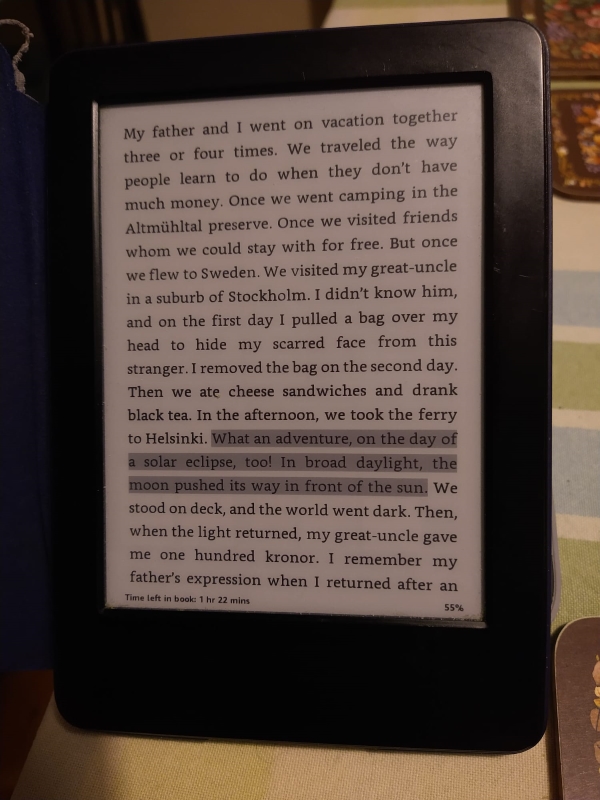
- I was reading Botany of Madness by Leon Engler and encountered this passage on the day of the solar eclipse in Europe (12 August):
What’s the weirdest reading coincidence you’ve had lately?
Book Serendipity, March to May
I call it “Book Serendipity” when two or more books that I read at the same time or in quick succession have something in common – the more bizarre, the better. This is a regular feature of mine every couple of months. Because I usually have 20–30 books on the go at once, I suppose I’m more prone to such incidents. People frequently ask how I remember all of these coincidences. The answer is: I jot them down on scraps of paper or input them immediately into a file on my PC desktop; otherwise, they would flit away! Feel free to join in with your own.
The following are in roughly chronological order.
- A sister named Fiona in The Forgotten Waltz by Anne Enright and Leaving Home by Mark Haddon.
- A parent burns a dirty magazine in Mrs. Bridge by Evan S. Connell and The Blood Year Daughter by G.G. Silverman.
- Sabbath chains, Gaelic sermons, and psalm singing on the very pious Isle of Lewis in John of John by Douglas Stuart (set in the 1990s), then Findings by Kathleen Jamie (essay from the early 2000s). I doubt any of the above can still be found there, though we did note “Respect the Sabbath” signs on playground equipment on our 2022 trip.
- A single mother who won’t answer the phone because she’s afraid of who/what it might be in Blonde by Joyce Carol Oates and The First Day of Spring by Nancy Tucker.
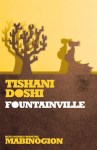
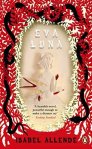
- An orphaned narrator named (Eva) Luna in Eva Luna by Isabel Allende and Fountainville by Tishani Doshi. Then I came across a dog named Luna in Transcription by Ben Lerner! And the main character in one story of Baby in a Box by Sarah Braunstein starts going by her nickname, Luna.

- There’s a Muriel Rukeyser poem in the anthology Night Feeds and Morning Songs (ed. Ana Sampson) and Rukeyser is a character in Sophie Ward’s Our Better Natures, which I was also reading at the time.
- Eating boiled ham in Ordinary Saints by Niamh Ni Mhaoileoin and I Capture the Castle by Dodie Smith (and boiled turkey in The First Day of Spring by Nancy Tucker).
 Checking a hotel room for bedbugs in Transcription by Ben Lerner and Half His Age by Jennette McCurdy.
- A young person writing in shorthand in I Capture the Castle by Dodie Smith and First Class Murder by Robin Stevens.
- A character named Emmie in Transcription by Ben Lerner and (no surprise here) Emmie Arbel: The Colour of Memory by Barbara Yelin.
- Noting that roses are not suited to a particular climate in The Memory of Borrowed Books by Meg Anderson and Late Migrations by Margaret Renkl.
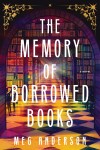

- A Welsh character named Owain in Fountainville by Tishani Doshi and Bog Child by Siobhan Dowd.
- The Secret Garden is discussed/mentioned in Reading My Mother Back by Timothy C. Baker and Mare by Emily Haworth-Booth, and mentioned in The Memory of Borrowed Books by Meg Anderson.
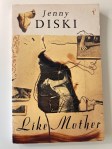
- The protagonist is emotionless at their mother’s deathbed in Like Mother by Jenny Diski and Leaving Home by Mark Haddon.
- (Apologies: this one is grim.) A young woman is sexually assaulted with a bottle in The Benefactors by Wendy Erskine and The Truth about Ruby Cooper by Liz Nugent (both Irish novelists).
- A husband is involved in a deliberate (suicidal) crash in Show Me Where It Hurts by Claire Gleeson and one story of I Am the Ghost Here by Kim Samek.
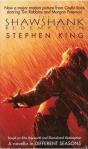
- Ali Baba’s cave is used as a metaphor in The Usual Desire to Kill by Camilla Barnes and Rita Hayworth and Shawshank Redemption by Stephen King.

- A brother- and sister-in-law have an affair in the two Portuguese novels I read on my Portugal holiday, The Migrant Painter of Birds by Lídia Jorge and The Piano Cemetery by José Luís Peixoto.
- A woman describes her discovery of orgasm in The Half Life by Rachel Beanland and The High Mountains of Portugal by Yann Martel.
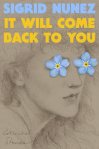
- ‘There are two kinds of people…’ thinking in The Mighty Red by Louise Erdrich and one story of It Will Come Back to You by Sigrid Nunez.
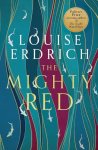
- Money is hidden behind a boiler in The Mighty Red by Louise Erdrich and The Murderer’s Ape by Jakob Wegelius.
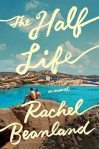 The surname Callaway in The Half Life by Rachel Beanland and Calloway in The Watersmith by Yance Wyatt.
- Louise Erdrich, whose The Mighty Red I was reading at the time, is mentioned in The Madman’s Guide to Stamp Collecting by Robert Irwin.
- A minor character named Genevieve appears in Our Numbered Bones by Katya Balen and The Watersmith by Yance Wyatt.
- The Mighty Red by Louise Erdrich is the second novel I’ve read within eight months (after The Wedding People by Alison Espach) in which a reluctant bride is saddled with a groom named Gary.
- A mountain lion sighting in The Mighty Red by Louise Erdrich and Learning from Silence by Pico Iyer.
- A character has a love of Agatha Christie novels in The High Mountains of Portugal by Yann Martel and Buckeye by Patrick Ryan.
- A character with the nickname Kitten in Nonesuch by Francis Spufford (particularly funny because it’s for a thug) and Kitten by Stacey Yu.
- Reading two queer novels with an academic writing course setting at the same time: Almost Life by Kiran Millwood Hargrave and Kingfisher by Rozie Kelly.
- A remark about the rare beauty of black hair with blue eyes in Kingfisher by Rozie Kelly and My Year in Paris with Gertrude Stein by Deborah Levy.
- An STD is evidence of a husband’s infidelity in The Daffodil Days by Helen Bain and A Beautiful Loan by Mary Costello.
- Bottles being used to hold picnic meals / foraged blackberries (noted because these days it would be plastic pots for everything) in Zami by Audre Lorde (the 1940s) and The Daffodil Days by Helen Bain (the 1960s).
 Kismet is a character name in The Mighty Red by Louise Erdrich, so I was primed to notice the word being used in Almost Life by Kiran Millwood Hargrave (it’s a synonym for fate).
- A writer who faces the wall to work in The Daffodil Days by Helen Bain (Ted Hughes, that is) and The Autobiography of Alice B. Toklas by Gertrude Stein (referring to Alice B. Toklas!).
- A painting of an Arctic tern features in The Migrant Painter of Birds by Lídia Jorge (on the cover) and Kingfisher by Rozie Kelly.
- Hot milk is drunk in The Memory of Borrowed Books by Meg Anderson, Kingfisher by Rozie Kelly (with Ovaltine), Nonesuch by Francis Spufford, and Kitten by Stacey Yu.

- William James is mentioned in My Year in Paris with Gertrude Stein by Deborah Levy and Wise by Frank Tallis.
 Algerian Muslim men appear in A Beautiful Loan by Mary Costello and Moveable Feasts by Chris Newens.
- A pet cat was found on the shore in The Memory of Borrowed Books by Meg Anderson and Kitten by Stacey Yu.
- Bringing cherries to an invalid in Almost Life by Kiran Millwood Hargrave and Kingfisher by Rozie Kelly.
- Sex with a woman who has a mastectomy scar in Kingfisher by Rozie Kelly and Zami by Audre Lorde.
- A sighting of a kingfisher as auspicious in Kingfisher by Rozie Kelly and Transcription by Ben Lerner.
- The idea that former lovers leave a mark on people in Almost Life by Kiran Millwood Hargrave and Zami by Audre Lorde.
- Pet cat(s) do themselves a mischief by getting into paint supplies in Zami by Audre Lorde and Kitten by Stacey Yu.
- A Sandymount, Dublin setting in A Beautiful Loan by Mary Costello and Hood by Emma Donoghue.
- An Irish family where the mother and one daughter move to the USA and the father and other daughter stay behind in Hood by Emma Donoghue and The Truth about Ruby Cooper by Liz Nugent (both Irish novelists).
- The concept of a “funeral cake” in The Mighty Red by Louise Erdrich and Kingfisher by Rozie Kelly.
- A character regrets wearing eye makeup on an emotional occasion in The Memory of Borrowed Books by Meg Anderson and Kingfisher by Rozie Kelly.
 My second Irish novel of the year that takes place over one week: Hood by Emma Donoghue (after One by One in the Dark by Deirdre Madden).
- A cat of confusing gender: Grace is male in Hood by Emma Donoghue and Bob is always referred to as “it” in My Year in Paris with Gertrude Stein by Deborah Levy.
- The idea that it’s rare for a woman to a) be a good storyteller (in The Torrents of Spring by Ivan Turgenev) or b) tell a punchline with a straight face (in The Correspondent by Virginia Evans – at least the man gets called out on his sexist opinion in this case). I also noticed the use of the word “caprice” in both books (and also in Turgenev’s First Love) because it’s unusual and I like it.
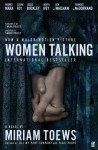
- Another grim, grim one: reading two books at the same time in which a woman is / women are drugged and raped while unconscious (A Hymn to Life by Gisèle Pelicot and Women Talking by Miriam Toews).

- I read two short stories in quick succession about a peasant porter who carries a broom: “A Real Durwan” by Jhumpa Lahiri (from Interpreter of Maladies) followed by “Mumu” by Ivan Turgenev.
- An older woman insists that she still is/has a little girl inside in The Correspondent by Virginia Evans and A Hymn to Life by Gisèle Pelicot.
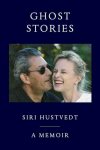 The number 7 has magical significance for the author in Ghost Stories by Siri Hustvedt and A Hymn to Life by Gisèle Pelicot.
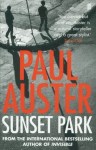
- A couple meets when they see each other reading the same book in an outdoor location: A Lover’s Discourse by Roland Barthes in Almost Life by Kiran Millwood Hargrave; and The Great Gatsby in Sunset Park by Paul Auster.
- Alison Bechdel’s Dykes to Watch Out For is mentioned in Hood by Emma Donoghue; I was reading a Bechdel book, The Secret of Superhuman Strength, at the same time.
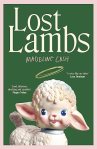
- Gnats are irksome in Sunset Park by Paul Auster and Lost Lambs by Madeline Cash.
What’s the weirdest reading coincidence you’ve had lately?
Literary Wives Club: Mrs. Bridge by Evan S. Connell (1959)
This is the best thing we’ve read in my time with the Literary Wives online book club (out of 16 books so far). In the early pages it reminded me of Richard Yates’s work, but by the end I was thinking of it as on par with Stoner by John Williams, a masterpiece I reread last year. Is Mrs. Bridge a female Stoner? In that she is an Everywoman, representative of a certain comfortable, conventional interwar life but also of common longings to be purposeful, experience novelty, and connect with others – I’d say yes. From the first line onwards, we see her as at odds with the facts of her life, which at least appear to her to be unalterable: “Her first name was India – she was never able to get used to it.” She’s never lived up to her exotic name, she feels; her parents must have expected something of her that she couldn’t be.
Connell (1924–2013) sets this portrait of a marriage in his native Kansas City, Missouri. The story is not contemporaneous to its publication but begins in the 1930s; this doesn’t become clear until two-thirds of the way through when, on a European tour that workaholic lawyer Walter Bridge arranged as a belated birthday gift to his wife, news comes that the Nazis have invaded Poland and they have to hurry home. Bear in mind that this is the man who refused to move when a tornado threatened their country club and every single other person had moved to the basement. He insisted on staying at the table and finishing his steak. (So … he expects the weather to bow to his will, if not world leaders?) It’s an astonishing scene, and occasions an astute summation of their relationship dynamic:
It did not occur to Mrs Bridge to leave her husband and run to the basement. She had been brought up to believe without question that when a woman married she was married for the rest of her life and was meant to remain with her husband wherever he was, and under all circumstances, unless he directed her otherwise. She wished he would not be so obstinate; she wished he would behave like everyone else, but she was not particularly frightened. For nearly a quarter of a century she had done as he told her, and what he had said would happen had indeed come to pass, and what he had said would not occur had not occurred. Why, then, should she not believe him now?
(That attitude of blind faith seems more appropriate in a father–daughter or God–mortal relationship than husband–wife, does it not?)
The structure of the book must have been groundbreaking for its time: it’s in 117 short, titled vignettes – a fragmentary style later popularized by writers such as Elizabeth Hardwick, Sarah Manguso and Jenny Offill – that build a picture of the protagonist and her milieu. Even though many of them seem to concern minor incidents from the Bridges’ social life (parties, gossip, the bores they’re forced to have lunch with every time they’re in town), they also reveal a lot about India’s outlook. She wears stockings even on the hottest summer days because “it was the way things were, it was the way things had always been, and so she complied.” Like many of her time and place, she is a casual racist, evidenced by comments on her children’s Black and “gypsy” friends. It pains her that she doesn’t understand her three children. To her it seems they do strange, shocking things (okay, Douglas building a tower of junk is pretty weird) when really they’re just experimenting with fashion and sexuality as any teenager would.
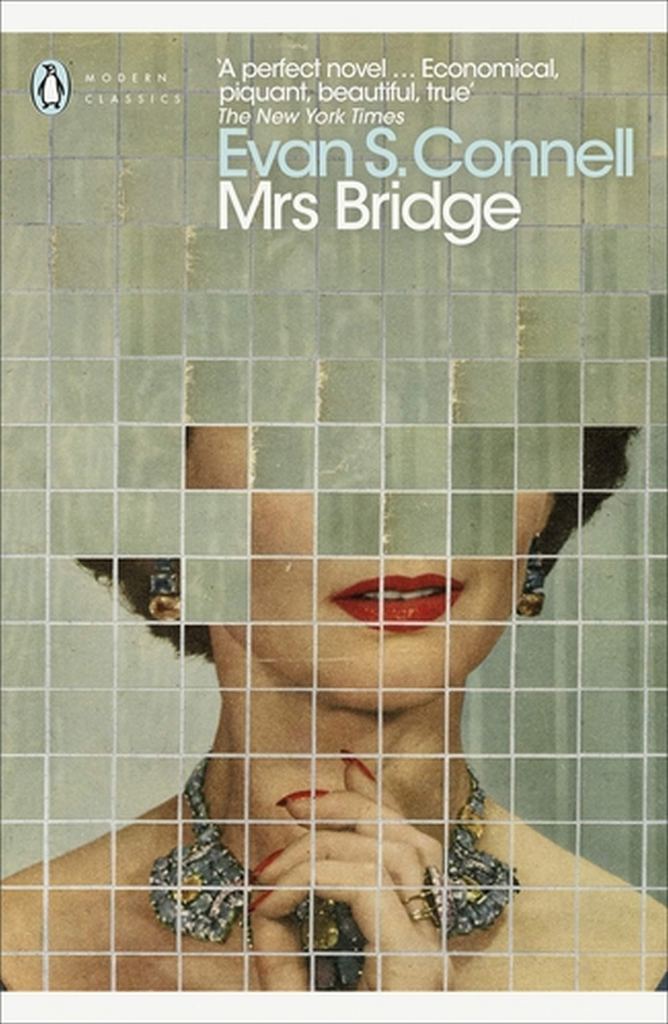
India is in awe of the women of her acquaintance who step out of line, like Grace Barron and Mabel Ong. Grace, in particular, is well informed and confident arguing with men. India seriously considers breaking away from Walter and voting liberal at the next election, but loses her nerve at the last minute; her viewpoint is fundamentally conservative. The novel justifies this by showing how those who flout social rules are shamed or punished in some way.
Mostly, India feels pointless. With a housekeeper around, there’s nothing for her to do. She has nothing but leisure time she doesn’t know how to fill. And yet the years fly past, propelling her into middle age. Occasionally, she’ll summon the motivation to sign up for painting classes or start learning Spanish via records, but she never follows through. So it’s just unnecessary shopping trips in a massive Lincoln she never figures out how to park properly.
She spent a great deal of time staring into space, oppressed by the sense that she was waiting. But waiting for what? She did not know. Surely someone would call, someone must be needing her. Yet each day proceeded like the one before. … Time did not move. The home, the city, the nation, and life itself were eternal; still she had a foreboding that one day, without warning and without pity, all the dear, important things would be destroyed.
It may be fashionable to scorn the existential despair of the privileged, but this is a potent picture of a universal condition. It’s all too easy to get stuck in the status quo and feel helpless to change life for the better. I came across a Slightly Foxed article (Spring 2016) by William Palmer, “The Sadness of Mrs Bridge.” Palmer suggests that Connell was an oddity to his publishers because he wrote in so many genres, and never the same kind of book twice. He dubs this Connell’s finest work. I marked out a couple of passages from his appreciation:
The genius of Connell is to show that this is how most people live: first in their own minds, then in their families, then in their limited social circles; most historical novels fail to realize that most people simply do not notice whatever great moments of history are being enacted around them unless they actually impinge upon their lives.
What is truly compelling about Mrs Bridge is her very ordinariness, notwithstanding all her petty snobbery, conformism and timidity. The list is easy to make and appears to be a fairly damning indictment, but Connell is not writing a satirical portrait. His intention is to show us the utter uniqueness of this one human life, irreplaceability of body and soul that is India Bridge. Connell portrays her so tenderly that we come to sympathize with her and, more, to care for her.
{SOME SPOILERS IN THE REMAINDER}
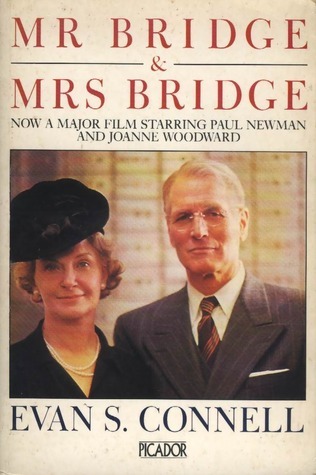
The way Mrs. Bridge ends indicates that Mr. Bridge, which was published 10 years later, will be not a sequel but a companion piece. I’m somewhat wary of reading it, but it will be intriguing to see how events overlap and to what extent Connell is able to make Walter a more sympathetic character. (Palmer remarks, “It is terrifying how little the two portraits have in common – they might be describing two entirely different worlds.”) Connell’s work remains influential: Claire Fuller has featured the pair of novels in one of her year-end reading roundups, and the husband’s surname in Manguso’s Liars is Bridges.
I’ve written much more than I intended to about Mrs. Bridge, but wanted to do justice to what will no doubt be one of my stand-out reads of the year.
(My omnibus edition came from the free bookshop we used to have in the local mall.) 
The main question we ask about the books we read for Literary Wives is:
What does this book say about wives or about the experience of being a wife?
Based on Mrs. Bridge’s experience, one would be excused for thinking that being a wife involves the complete suppression of one’s own personality, ambitions and desires – including sexual, as dealt with very succinctly in the first chapter: Walter usually initiates; the one time she tries to do so, he gives her a patronizing hug and falls asleep. “This was the night Mrs Bridge concluded that while marriage might be an equitable affair, love itself was not.” A wry statement from Connell as marriage is certainly not equitable in this novel.
Granted, this was the 1910s–1930s. By the 1940s, when her daughters are young women, they’re determined to live differently, the one by becoming a New York City career girl, single and promiscuous. The other also vows to do things differently – “Listen, Mother, no man is ever going to push me around the way Daddy pushes you around” – yet ends up pregnant and battered. When India tries to encourage her to placate her husband through sex, she replies, “Oh no, don’t tell me that! I don’t want any part of that myth.”
So we see attitudes starting to change, but it would be another couple of decades before there were more options for both of these generations of women.
A common observation in many of the novels we’ve considered is that, even in a marriage, it is possible for the partners to be a complete mystery to each other. I’ll be interested to see whether Walter’s side of the story illuminates anything or portrays him as clueless. And a main moral I draw from most of our reads is that defining oneself by any relationship – mostly marriage, but also parenthood – sets one up for disappointment, or worse.
See the reviews by Becky, Kate, Kay and Naomi, too!
We recently welcomed a new member, Marianne, and will soon be choosing our books for the next two-plus years. Here’s the club page on Kay’s blog with the current members’ profiles plus all the books covered since 2013.
Our next selection will be Interpreter of Maladies by Jhumpa Lahiri in June. I’ve not read Lahiri before but have always meant to, so I’m particularly looking forward to this one.
Book Serendipity, January to February
I call it “Book Serendipity” when two or more books that I read at the same time or in quick succession have something in common – the more bizarre, the better. This is a regular feature of mine every couple of months. Because I usually have 20–30 books on the go at once, I suppose I’m more prone to such incidents. People frequently ask how I remember all of these coincidences. The answer is: I jot them down on scraps of paper or input them immediately into a file on my PC desktop; otherwise, they would flit away! Feel free to join in with your own.
The following are in roughly chronological order.
- An old woman with purple feet (due to illness or injury) in one story of Brawler by Lauren Groff and John of John by Douglas Stuart.

- Someone is pushed backward and dies of the head injury in Zofia Nowak’s Book of Superior Detecting by Piotr Cieplak and one story of Brawler by Lauren Groff.
- The Hindenburg disaster is mentioned in A Long Game by Elizabeth McCracken and Evensong by Stewart O’Nan.
- Reluctance to cut into a corpse during medical school and the dictum ‘see one, do one, teach one’ in the graphic novel See One, Do One, Teach One: The Art of Becoming a Doctor by Grace Farris and Separate by C. Boyhan Irvine.
 A remote Scottish island setting and a harsh father in Muckle Flugga by Michael Pedersen [Shetland] and John of John by Douglas Stuart [Harris]. (And another Scottish island setting in A Calendar of Love by George Mackay Brown [Orkney].)
- A mention of genuine Harris tweed in Alone in the Classroom by Elizabeth Hay and John of John by Douglas Stuart.
- The Katharine Hepburn film The Philadelphia Story is mentioned in The Girls’ Guide to Hunting and Fishing by Melissa Bank and Woman House by Lauren W. Westerfield.
- A mention of Icelandic poppies in Nighthawks by Lisa Martin and Boundless by Kathleen Winter.
- Vita Sackville-West is mentioned in the Orlando graphic novel adaptation by Susanne Kuhlendahl and Boundless by Kathleen Winter.

- Fear of bear attacks in Black Bear by Trina Moyles and Boundless by Kathleen Winter. Bears also feature in A Rough Guide to the Heart by Pam Houston and No Paradise with Wolves by Katie Stacey. [Looking through children’s picture books at the library the other week, I was struck by how many have bears in the title. Dozens!]
- I was reading books called Memory House (by Elaine Kraf) and Woman House (by Lauren W. Westerfield) at the same time, both of them pre-release books for Shelf Awareness reviews.
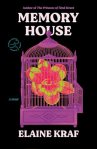
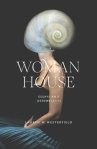
- An adolescent girl is completely ignorant of the facts of menstruation in I Who Have Never Known Men by Jacqueline Harpman and Carrie by Stephen King.
- Camembert is eaten in The Honesty Box by Lucy Brazier and Ordinary Saints by Niamh Ni Mhaoileoin.
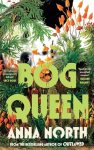
- A herbal tonic is sought to induce a miscarriage in The Girls Who Grew Big by Leila Mottley and Bog Queen by Anna North.

- Vicks VapoRub is mentioned in Love Invents Us by Amy Bloom, Kin by Tayari Jones, and Dirt Rich by Graeme Richardson.
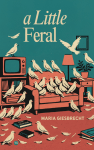
- An adolescent girl only admits to her distant mother that she’s gotten her first period because she needs help dealing with a stain (on her bedding / school uniform) in Love Invents Us by Amy Bloom, An Experiment in Love by Hilary Mantel, and Ordinary Saints by Niamh Ni Mhaoileoin. (I had to laugh at the mother asking the narrator of the Mantel: “Have you got jam on your underskirt?”) Basically, first periods occurred a lot in this set! They are also mentioned in A Little Feral by Maria Giesbrecht and one story of The Blood Year Daughter by G.G. Silverman. [I also had three abortion scenes in this cycle, but I think it would constitute spoilers to say which novels they appeared in.)
- A casual job cleaning pub/bar toilets in Kin by Tayari Jones and John of John by Douglas Stuart.
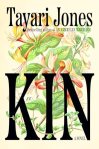
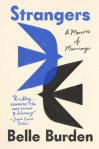
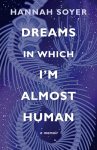
- Kansas City is a location mentioned in Strangers by Belle Burden, Mrs. Bridge by Evan S. Connell, and Dreams in Which I’m Almost Human by Hannah Soyer. (Not actually sure if that refers to Kansas or Missouri in two of them.)
- The notion of “flirting with God” is mentioned in Love Invents Us by Amy Bloom and A Little Feral by Maria Giesbrecht.

- A signature New Orleans cocktail, the Sazerac (a variation on the whisky old-fashioned containing absinthe), appears in Kin by Tayari Jones and Let the Bad Times Roll by Alice Slater.
- An older person’s smell brings back childhood memories in Love Invents Us by Amy Bloom and Whistler by Ann Patchett.

- The fact that complaining of chest pain will get you seen right away in an emergency room is mentioned in Love Invents Us by Amy Bloom and The Girls Who Grew Big by Leila Mottley.
- Thickly buttered toast is a favoured snack in The Honesty Box by Lucy Brazier and An Experiment in Love by Hilary Mantel.
 A scene of trying on fur coats in Love Invents Us by Amy Bloom and An Experiment in Love by Hilary Mantel.
- Lime and soda is drunk in Our Numbered Bones by Katya Balen, Kin by Tayari Jones, and Whistler by Ann Patchett.

- A husband 17 years older than his wife in Kin by Tayari Jones and Whistler by Ann Patchett.
- The protagonist seems to hold a special attraction for old men in Love Invents Us by Amy Bloom and Whistler by Ann Patchett.
- A tattoo of a pottery shard (her ex-husband’s) in Strangers by Belle Burden and one of an arrowhead (her own) in Dreams in Which I’m Almost Human by Hannah Soyer.
- A relationship with an older editor at a publishing house: The Girls’ Guide to Hunting and Fishing by Melissa Bank (romantic) and Whistler by Ann Patchett (stepfather–stepdaughter).
- Repeated vomiting and a fever of 103–104°F leads to a diagnosis of appendicitis in My Grandmothers and I by Diana Holman-Hunt and Whistler by Ann Patchett.
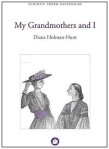 Multiple pet pugs in Strangers by Belle Burden and My Grandmothers and I by Diana Holman-Hunt.
- Palm crosses are mentioned in My Grandmothers and I by Diana Holman-Hunt and Kin by Tayari Jones.
- A Miss Jemison in Kin by Tayari Jones and a Miss Jamieson in Elizabeth and Ruth by Livi Michael.
- Pasley as a surname in Elizabeth and Ruth by Livi Michael and a place name (Pasley Bay) in Boundless by Kathleen Winter.
- A remark on a character’s unwashed hair in My Grandmothers and I by Diana Holman-Hunt and Let the Bad Times Roll by Alice Slater.
- A mention of a monkey’s paw in Museum Visits by Éric Chevillard and Let the Bad Times Roll by Alice Slater.

- A character gets 26 (22) stitches in her face (head) after a car accident, a young person who’s vehemently anti-smoking, and a mention of being dusted orange from eating Cheetos, in Whistler by Ann Patchett and Let the Bad Times Roll by Alice Slater.
- Pre-eclampsia occurs in Strangers by Belle Burden and The Girls Who Grew Big by Leila Mottley.
- There’s a chapter on searching for corncrakes on the Isle of Coll (the Inner Hebrides of Scotland) in The Edge of Silence by Neil Ansell, which I read last year; this year I reread the essay on the same topic in Findings by Kathleen Jamie.
- Worry over women with long hair being accidentally scalped – if a horse steps on her ponytail in Mare by Emily Haworth-Booth; if trapped in a London Underground escalator in Leaving Home by Mark Haddon.
 A pet ferret in My Grandmothers and I by Diana Holman-Hunt and Shooting Up by Jonathan Tepper.
- A dodgy doctor who molests a young female patient in Leaving Home by Mark Haddon and Elizabeth and Ruth by Livi Michael.
- A high school girl’s inappropriate relationship with her English teacher is the basis for Love Invents Us by Amy Bloom, and then Half His Age by Jennette McCurdy, which I started soon after.
- College roommates who become same-sex lovers, one of whom goes on to have a heterosexual marriage, in Kin by Tayari Jones and Whistler by Ann Patchett.
- A mention of Sephora (the cosmetics shop) in Half His Age by Jennette McCurdy and Whistler by Ann Patchett.
- A discussion of the Greek mythology character Leda in Mrs. Bridge by Evan S. Connell and Whistler by Ann Patchett (where it’s also a character name).
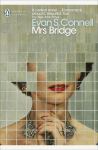
- A workaholic husband who rarely sees his children and leaves their care to his wife in Strangers by Belle Burden and Mrs. Bridge by Evan S. Connell.
- An apparently wealthy man who yet steals food in Strangers by Belle Burden and Let the Bad Times Roll by Alice Slater.
- Characters named Lulubelle in Mrs. Bridge by Evan S. Connell and Lulabelle in Kin by Tayari Jones.
- Characters named Ruth in Mrs. Bridge by Evan S. Connell, Kin by Tayari Jones, and Elizabeth and Ruth by Livi Michael.
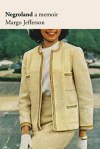 A mention of Mary McLeod Bethune in Negroland by Margo Jefferson and Kin by Tayari Jones.
- Doing laundry at a whorehouse in Kin by Tayari Jones and Elizabeth and Ruth by Livi Michael.
- A male character nicknamed Doll in John of John by Douglas Stuart and then Elizabeth and Ruth by Livi Michael.
- A mention of tuberculosis of the stomach in Findings by Kathleen Jamie and Shooting Up by Jonathan Tepper. I was also reading a whole book on tuberculosis, Everything Is Tuberculosis by John Green, at the same time.

- Mention of Doberman dogs in Mrs. Bridge by Evan S. Connell and one story of The Blood Year Daughter by G.G. Silverman.
- Extreme fear of flying in Leaving Home by Mark Haddon and Whistler by Ann Patchett.
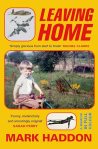
What’s the weirdest reading coincidence you’ve had lately?
 Bookish Beck = Rebecca Foster. American transplant to England. Freelance proofreader and book reviewer.
