2020 Reading Goals and Anticipated Releases
Review copies have started to feel like an obligation I don’t want. Almost as soon as one comes through the door, I regret having asked for or accepted it. (Now I have to read the danged thing, and follow through with a review!) So I’m going to cut back severely this year. The idea is to wait until late in 2020 to figure out which are the really worthwhile releases, and then only read those instead of wading through a lot of mediocre stuff.
“Until one has some kind of professional relationship with books one does not discover how bad the majority of them are. In much more than nine cases out of ten the only objectively truthful criticism would be ‘This book is worthless,’ while the truth about the reviewer’s own reaction would probably be ‘This book does not interest me in any way, and I would not write about it unless I were paid to’. … The best practice, it has always seemed to me, would be simply to ignore the great majority of books and to give very long reviews … to the few that seem to matter.” (from “Confessions of a Book Reviewer” in Books v. Cigarettes by George Orwell)
These are the January to May 2020 releases I own so far, with perhaps a few more on the way. I acquired a lot of these in September through November, before I made the decision to cut down on review copies.

I’m also looking forward to new books by Sebastian Barry, Susanna Clarke, Stephanie Danler, Anne Enright, Yaa Gyasi, John Irving, Daisy Johnson, Daniel Kehlmann, Sue Monk Kidd, Rebecca Dinerstein Knight, Maya Shanbhag Lang, Helen Macdonald, Hilary Mantel, David Mitchell, Sarah Moss, Mark O’Connell, Maggie O’Farrell, Anne Tyler, Abraham Verghese, Raynor Winn and Molly Wizenberg.
I can still access new/pre-release books via my public library and NetGalley/Edelweiss, especially fiction to review for BookBrowse and nonfiction for Kirkus and the TLS.
This resolution is not about denying or punishing myself, as bloggers’ book-buying bans sometimes seem to be, so if an unmissable book (e.g. HAMNET) is offered on Twitter or via my blog, I won’t consider it cheating to say yes. FOMO will likely be a chronic condition for me this year, but ultimately I hope to do myself a favor.
With the reading time I’m saving, I plan to make major inroads into those 440 print books I own and haven’t read yet, and to do a lot of re-reading (I only managed one and a bit rereads in 2019). I might well blog less often and only feature those books that have been exceptional for me. I’ve set aside this shelf of mostly fiction that I think deserves re-reading soon:

“I do not think we go back to the exciting books,—they do not usually leave a good taste in the mouth; neither to the dull books, which leave no taste at all in the mouth; but to the quiet, mildly tonic and stimulating books,—books that have the virtues of sanity and good nature, and that keep faith with us.” (from “On the Re-Reading of Books” in Literary Values by John Burroughs)
I hope (as always) to read more classics, literature in translation and doorstoppers. Travel and biography are consistently neglected categories for me. Though I won’t set specific goals for these genres, I will aim to see measurable progress. I will also take advantage of the Wellcome Book Prize being on hiatus this year to catch up on some of the previous winners and shortlisted books that I’ve never managed to read.
Mostly, I want to avoid any situations that make me feel guilty or mean (so no more books received direct from the author, and any review books that disappoint will be quietly dropped), follow my whims, and enjoy my reading.
What are some of your goals (reading-related or otherwise) for 2020?
Holiday Book Haul and Final 2019 Statistics
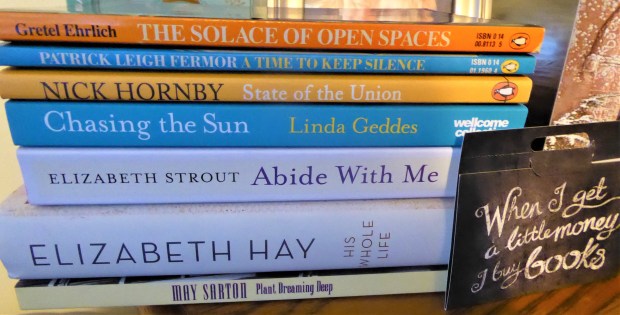
This is the stack I got for Christmas – along with a £30 Waterstones voucher to buy more books! I haven’t spent it yet, but I’m contemplating some combination of Be My Guest by Priya Basil, Disappearing Earth by Julia Phillips, The Glovemaker by Ann Weisgarber, a pre-order of the paperback of Benjamin Myers’s The Offing, and a cheap 2020 calendar.
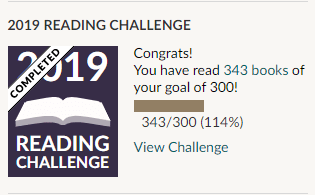
2019 was my most prolific reading year yet! (I’m sure I said the same thing the last two years.) People sometimes joke, “why not aim for a book a day?” but that’s not how I do things. Instead of reading one book from start to finish and then beginning another, I almost always have 10 to 20 books on the go at a time. I tend to start and finish books in batches – I’m addicted to starting new books, but also to finishing them.
Some interesting additional statistics courtesy of Goodreads:
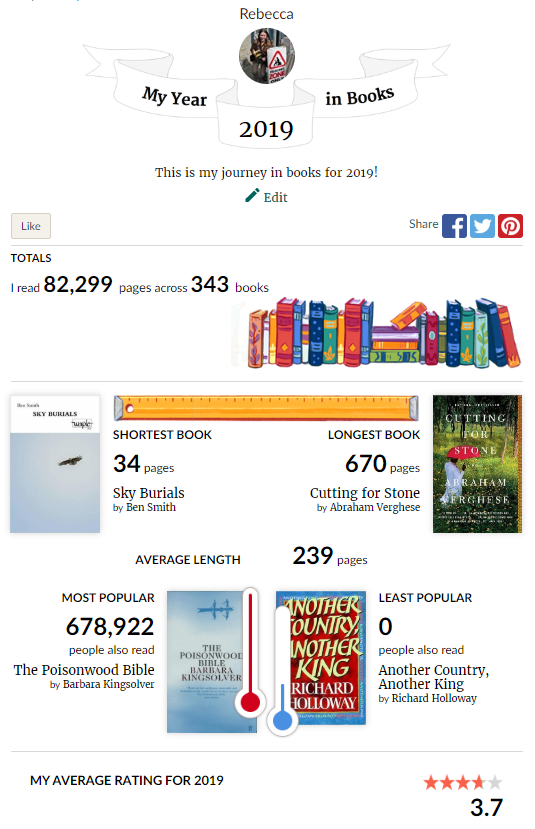
How did 2019 turn out for you reading-wise?
Other 2019 Superlatives and Some Statistics
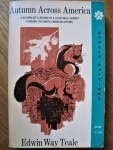
My best discoveries of the year: The poetry of Tishani Doshi; Penelope Lively and Elizabeth Strout (whom I’d read before but not fully appreciated until this year); also, the classic nature writing of Edwin Way Teale.


The authors I read the most by this year: Margaret Atwood and Janet Frame (each: 2 whole books plus parts of 2 more), followed by Doris Lessing (2 whole books plus part of 1 more), followed by Miriam Darlington, Paul Gallico, Penelope Lively, Rachel Mann and Ben Smith (each: 2 books).
Debut authors whose next work I’m most looking forward to: John Englehardt, Elizabeth Macneal, Stephen Rutt, Gail Simmons and Lara Williams.
My proudest reading achievement: A 613-page novel in verse (Mary Ann Sate, Imbecile by Alice Jolly) + 2 more books of over 600 pages (East of Eden by John Steinbeck and Cutting for Stone by Abraham Verghese).


Best book club selection: Red Dust Road by Jackie Kay was our first nonfiction book and received our highest score ever.
Some best first lines encountered this year:
 “What can you say about a twenty-five-year old girl who died?” (Love Story by Erich Segal)
- “The women of this family leaned towards extremes” (Away by Jane Urquhart)
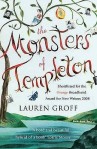
- “The day I returned to Templeton steeped in disgrace, the fifty-foot corpse of a monster surfaced in Lake Glimmerglass.” (from The Monsters of Templeton by Lauren Groff)
The downright strangest book I read this year: Lanny by Max Porter
The 2019 books everybody else loved (or so it seems), but I didn’t: Fleishman Is in Trouble by Taffy Brodesser-Akner, The Topeka School by Ben Lerner, Underland by Robert Macfarlane, The Boy, The Mole, The Fox and The Horse by Charlie Mackesy, Three Women by Lisa Taddeo and The Nickel Boys by Colson Whitehead
 The year’s major disappointments: Cape May by Chip Cheek, We Are the Weather: Saving the Planet Begins at Breakfast by Jonathan Safran Foer, Letters to the Earth: Writing to a Planet in Crisis, ed. Anna Hope et al., Bowlaway by Elizabeth McCracken, Rough Magic: Riding the World’s Loneliest Horse Race by Lara Prior-Palmer, The Lager Queen of Minnesota by J. Ryan Stradal, The Knife’s Edge by Stephen Westaby and Frankissstein by Jeanette Winterson
The worst book I read this year: Jonathan Livingston Seagull by Richard Bach
Some statistics on my 2019 reading:
Fiction: 45.4%
Nonfiction: 43.4%
Poetry: 11.2%
(As usual, fiction and nonfiction are neck and neck. I read a bit more poetry this year than last.)
Male author: 39.4%
Female author: 58.9%
Nonbinary author (the first time this category has been applicable for me): 0.85%
Multiple genders (anthologies): 0.85%
(I’ve said this the past three years: I find it interesting that female authors significantly outweigh male authors in my reading; I have never consciously set out to read more books by women.)
E-books: 10.3%
Print books: 89.7%
(My e-book reading has been declining year on year, partially because I’ve cut back on the reviewing gigs that involve only reading e-books and partially because I’ve done less traveling; also, increasingly, I find that I just prefer to sit down with a big stack of print books.)
Work in translation: 7.2%
(Lower than I’d like, but better than last year’s 4.8%.)
Where my books came from for the whole year:
- Free print or e-copy from publisher: 36.8%
- Public library: 21.3%
- Secondhand purchase: 13.8%
- Free (giveaways, The Book Thing of Baltimore, the free mall bookshop, etc.): 9.2%
- Downloaded from NetGalley, Edelweiss or Project Gutenberg: 7.8%
- Gifts: 4.3%
- University library: 2.9%
- New purchase (usually at a bargain price): 2.9%
- Church theological library: 0.8%
- Borrowed: 0.2%
(Review copies accounted for over a third of my reading; I’m going to scale way back on this next year. My library reading was similar to last year’s; my e-book reading decreased in general; I read more books that I either bought new or got for free.)
Number of unread print books in the house: 440
(Last thing I knew the figure was more like 300, so this is rather alarming. I blame the free mall bookshop, where I volunteer every Friday. Most weeks I end up bringing home at least a few books, but it’s often a whole stack. Surely you understand. Free books! No strings attached!)
A Report on My Most Anticipated Reads & The Ones that Got Away
Between my lists in January and June, I highlighted 45 of the 2019 releases I was most looking forward to reading. Here’s how I did:
Read: 28 [Disappointments (rated
or
): 12]
Currently reading: 1
Abandoned partway through: 5
Lost interest in reading: 1
Haven’t managed to find yet: 9
Languishing on my Kindle; I still have vague intentions to read: 1
To my dismay, it appears I’m not very good at predicting which books I’ll love; I would have gladly given 43% of the ones I read a miss, and couldn’t finish another 11%. Too often, the blurb is tempting or I loved the author’s previous book(s), yet the book doesn’t live up to my expectations. And I still have 376 books published in 2019 on my TBR, which is well over a year’s reading. For the list to keep growing at that annual rate is simply unsustainable.
Thus, I’m gradually working out a 2020 strategy that involves many fewer review copies. For strings-free access to new releases I’m keen to read, I’ll go via my local library. I can still choose to review new and pre-release fiction for BookBrowse, and nonfiction for Kirkus and the TLS. If I’m desperate to read an intriguing-sounding new book and can’t find it elsewhere, there’s always NetGalley or Edelweiss, too. I predict my FOMO will rage, but I’m trying to do myself a favor by waiting most of the year to find out which are truly the most worthwhile books rather than prematurely grabbing at everything that might be interesting.
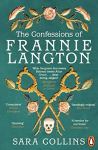
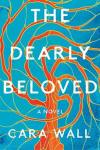
I regret not having time to finish two 2019 novels I’m currently reading that are so promising they likely would have made at least my runners-up list had I finished them in time. I’m only a couple of chapters into The Confessions of Frannie Langton by Sara Collins (on the Costa Awards debut shortlist), a Gothic pastiche about a Jamaican maidservant on trial for killing her master and mistress (doubly intended) in Georgian London, but enjoying it very much. I’m halfway through The Dearly Beloved by Cara Wall, a quiet character study of co-pastors and their wives and how they came to faith (or not); it is lovely and simply cannot be rushed.
The additional 2019 releases I most wished I’d found time for before the end of this year are:
All This Could Be Yours by Jami Attenberg
Your House Will Pay by Steph Cha
Dominicana by Angie Cruz
&
In the Dream House by Carmen Maria Machado: I’ve heard that this is an amazing memoir of a same-sex abusive relationship, written in an experimental style. It was personally recommended to me by Yara Rodrigues Fowler at the Young Writer of the Year Award ceremony, and also made Carolyn Oliver’s list of nonfiction recommendations.
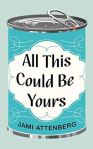
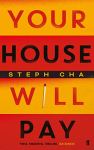
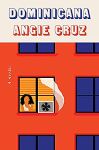

Luckily, I have another chance at these four since they’re all coming out in the UK in January; I have one as a print proof (Cruz) and the others as NetGalley downloads. I also plan to skim Invisible Women: Exposing Data Bias in a World Designed for Men by Caroline Criado Perez, a very important new release, before it’s due back at the library.
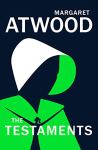 The biggest release of 2019 is another that will have to wait until 2020: I know I made a lot of noise about boycotting The Testaments, but I’ve gradually come round to the idea of reading it, and was offered a free hardback to read as a part of an online book club starting on the 13th, so I’m currently rereading Handmaid’s to be ready to start the sequel in the new year.
Here’s the books I’m packing for the roughly 48 hours we’ll spend at my in-laws’ over Christmas. (Excessive, I know, but I’m a dabbler, and like to keep my options open!) A mixture of current reads, including a fair bit of suspense and cozy holiday stuff, with two lengthy autobiographies, an enormous Victorian pastiche, and an atmospheric nature/travel book waiting in the wings. I find that the holidays can be a good time to start some big ol’ books I’ve meant to read for ages.

Left stack: to start and read gradually over the next couple of months; right stack: from the currently reading pile.
I’ll be back on the 26th to start the countdown of my favorite books of the year, starting with fiction.
Merry Christmas!
Library Checkout: December 2019
One final chance to get through the rest of the 2019 releases I was most interested in reading. At the last minute, a bunch of my reservations on Costa Awards shortlisted books (one from the Novel category, one from the First Novel category, one from the Biography category, and the entire poetry shortlist) arrived. I’m pushing myself to get through at least the poetry.
I give links to reviews of any books I haven’t already featured, as well as ratings. What have you been reading from your local libraries? Use this image and leave a link to your blog in the comments if you’ve taken part.

READ
- The Easternmost House: A Year of Life on the Edge of England by Juliet Blaxland
- Ring the Hill by Tom Cox
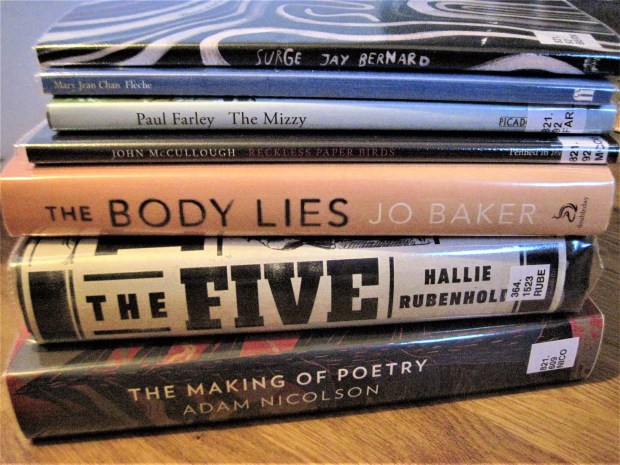
- The Mizzy by Paul Farley [poetry]
- The Snow Goose by Paul Gallico
- The Heavens by Sandra Newman

- My Name Is Why: A Memoir by Lemn Sissay
SKIMMED
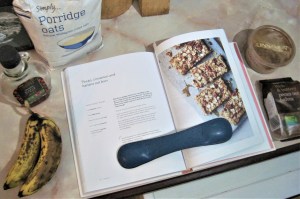
- Five Ingredient Vegan: 100 Simple, Fast, Modern Recipes by Katy Beskow – I made the banana pecan bars, above, for a quick snack.
- Afloat: A Memoir by Danie Couchman
- The School of Life: An Emotional Education by Alain de Botton
- Happy Ever After: Escaping the Myth of the Perfect Life by Paul Dolan
- Diary of a Lone Twin by David Loftus
- The Making of Poetry: Coleridge, the Wordsworths and Their Year of Marvels by Adam Nicolson
- The Five: The Untold Lives of the Women Killed by Jack the Ripper by Hallie Rubenhold
- The Christmas Chronicles by Nigel Slater
CURRENTLY READING
- The Body Lies by Jo Baker
- Surge by Jay Bernard [poetry]
- Flèche by Mary Jean Chan [poetry]
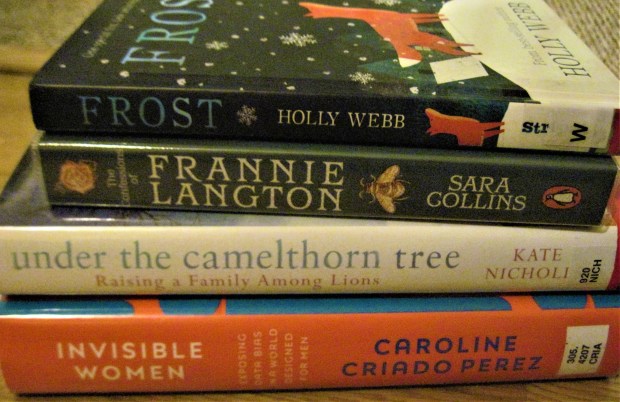
- The Confessions of Frannie Langton by Sara Collins
- Reckless Paper Birds by John McCullough [poetry]
- Under the Camelthorn Tree: Raising a Family among Lions by Kate Nicholls
- Mr Dickens and His Carol by Samantha Silva
- A Good Enough Mother by Bev Thomas
CURRENTLY SKIMMING
- Invisible Women: Exposing Data Bias in a World Designed for Men by Caroline Criado Perez
CHECKED OUT, TO BE READ
- The Botanist’s Daughter by Kayte Nunn
- Frost by Holly Webb
- Everything, Everything by Nicola Yoon [for February book club]
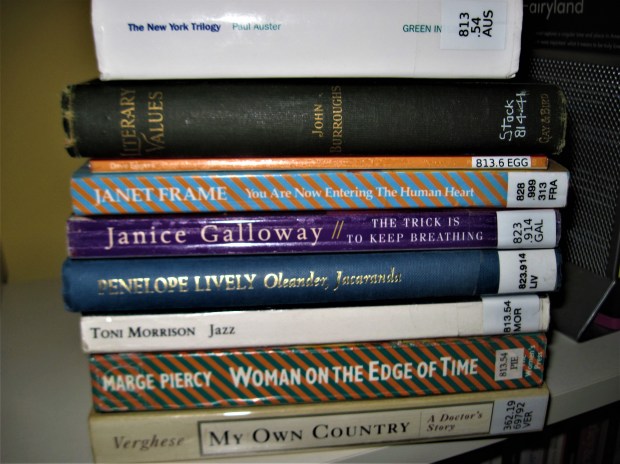
PLUS an exciting new batch of university library books! (I keep hoping no one notices the odd selection of books my husband borrows in addition to his standard bird biology stuff…)
- The New York Trilogy by Paul Auster
- Literary Values by John Burroughs
- Short Short Stories by Dave Eggers
- You Are Now Entering the Human Heart: Stories by Janet Frame
- The Trick Is to Keep Breathing by Janice Galloway
- Oleander, Jacaranda: A Childhood Perceived by Penelope Lively
- Jazz by Toni Morrison
- Woman on the Edge of Time by Marge Piercy
- My Own Country: A Doctor’s Story by Abraham Verghese
ON HOLD, TO BE PICKED UP
- Winter Garden by Kristin Hannah
- Confession with Blue Horses by Sophie Hardach
- The Ice by Laline Paull
IN THE RESERVATION QUEUE
- The Handmaid’s Tale [graphic novel] by Margaret Atwood; illustrated by Renée Nault
- Whatever Happened to Margo? by Margaret Durrell
- This Is How It Always Is by Laurie Frankel
- The Night Brother by Rosie Garland
- When All Is Said by Anne Griffin
- Speak No Evil by Uzodinma Iweala
- The Boy, the Mole, the Fox and the Horse by Charlie Mackesy
- The Giver of Stars by Jojo Moyes
- The Imitation Game: Alan Turing Decoded by Jim Ottaviani [graphic novel]
- Feel Free: Essays by Zadie Smith
- Blood Orange by Harriet Tyce
RETURNED UNFINISHED
- The Glass Woman by Caroline Lea
- The Starless Sea by Erin Morgenstern
RETURNED UNREAD
- Ducks, Newburyport, Lucy Ellmann – 1000+ pages. It just wasn’t going to happen. Not even a skim.
- Early Riser by Jasper Fforde – The blurb appealed to me, but I quickly remembered that I don’t actually like Fforde’s writing (I read The Eyre Affair many a year ago).
What appeals from my stacks?
Reading Fail: The Remainder of the 2019 DNFs
Yipes, 97 DNFs this year – that’s roughly 22% of the books I started. Higher than my usual 15% average, suggesting that I’ve had trouble getting on with books that appealed for their subject matter or hype but didn’t live up to my expectations. (In the latter category, I’m thinking of It books of the year like The Man Who Saw Everything, The Starless Sea, Three Women, Trick Mirror and On Earth We Are Briefly Gorgeous.)
Following on from June’s post on the books I’d abandoned so far in 2019, here’s a list of the other DNFs I haven’t already written about, perhaps in a monthly Library Checkout post. No cover images, tags, links or full reviews here; just a text dump. Titles are in chronological order; the number of pages or percentage I read is generally given in brackets at the end.
Note: I encourage readers to give up on books they are not enjoying – at any time, but as early on as possible. You owe it to yourself to devote your limited, precious time to the books you’ll love and find worthwhile.
Stroke: A 5% Chance of Survival by Ricky Monahan Brown: Brown, a Scot in New York City, suffered a hemorrhagic stroke at age 38. I’m pretty oversaturated with medical memoirs; despite the breezy style and accessible details, this one doesn’t stand out. (104 pp.)
How to Catch a Mole: And Find Yourself in Nature by Marc Hamer: Hamer is a gardener and former molecatcher. This is a gentle natural history of the mole, as well as a meditation on our connections with a nature and a memoir of a life lived largely outdoors. But is it about atonement or not? (103 pp.)
The Great Railway Bazaar by Paul Theroux: I read up to when Theroux arrives in northern Italy. He mostly describes his fellow passengers, as well as the details of meals and sleeping arrangements on trains. The writing struck me as old-fashioned. (32 pp.)
What Dementia Teaches Us about Love by Nicci Gerard: I’ve read a lot of books about dementia, both clinical and anecdotal, and this doesn’t add anything new. (11%)
The Music Room by William Fiennes: Time to accept that I just don’t get on with Fiennes’s writing, even when the subjects seem tailor-made for me. (10 pp.)
Tisala by Richard Seward Newton: I guess I read a blurb and thought this was unmissable, but I should have tried to read a sample or some more reviews of it. I couldn’t imagine reading another 560+ pages. (6 pp.)
The Days of Abandonment by Elena Ferrante: Alas, I do not appreciate Elena Ferrante’s work; this is a third try. I enjoyed the narrator’s voice well enough, and loved the scene in which her errant husband finds broken glass in his dinner, but had no interest in how this seemingly predictable story of the end of a marriage might play out. (25 pp.)
Breaking and Mending: A Junior Doctor’s Stories of Compassion and Burnout by Joanna Cannon: I’ve read so many doctors’ memoirs now, and this one doesn’t really cut the mustard: the writing is undistinguished and the tone as sentimental as I’ve come to expect from her fiction. (30 pp.)
Dunedin by Shena Mackay: After loving The Orchard on Fire, I thought I’d try another Mackay novel, and I was intrigued by the dual timeline of 1909 New Zealand and 1989 London. I kept thinking we were going to get links back to the historical chapter; I got bored of waiting. (189 pp.)
Skyfaring: A Journey with a Pilot by Mark Vanhoenacker: I thought it would be fascinating to read about flying from the perspective of a British Airways pilot. But this is more of an academic and philosophical study of flight and the modern condition of dislocation than a memoir of what it’s like to train to fly planes. (28 pp.)
Night Boat to Tangier by Kevin Barry: At first these ageing Irish gangsters seem like harmless drunks, but gradually you come to realize just how dangerous they are. I loved the voices and if this was a short story it would have gotten a top rating, but I found I had no interest in the backstory of how these men got involved in heroin smuggling. (76 pp.)
The Country Ahead of Us, the Country Behind by David Guterson: I read “Angels in the Snow” (last Christmas) and “Wood Grouse on a High Promontory Overlooking Canada.” Both were fine but not memorable; a glance at the rest suggests they’ll all be about baseball and hunting. If I want to read stories about dudes hunting I’ll turn to Hemingway or David Vann.
The Man Who Saw Everything by Deborah Levy: There’s a lot of repetition and random details that seem deliberately placed to be clues. I’m sure there’s a clever story in here somewhere, but apart from a few intriguing anachronisms, there is not a lot of plot or character to latch onto. (35 pp.)
Inland by Téa Obreht: I made two attempts to get into this Western, but found it excruciatingly slow and couldn’t warm to any of the characters or convince myself of the accuracy of the period speech. This was disappointing as it was one of my most anticipated titles of the second half of the year and I loved The Tiger’s Wife. (37 pp.)
Our Place: Can We Save Britain’s Wildlife before It Is Too Late?, by Mark Cocker: I simply didn’t need this level of detail on the history of nature conservation in Britain. The personal writing about his patch of Norfolk engaged me a bit more. (60 pp.)
Better Off Bald: A Life in 147 Days by Andrea Wilson Woods: When Woods’s 13-years-younger sister Adrienne was diagnosed with liver cancer, it hit her hard. This didn’t pull me in, despite strong recreated dialogue and an extraordinary memory for events. I think it’s a combination of it being far too long and detailed, and feeling dated. (12%)
The Grassling: A Geological Memoir by Elizabeth-Jane Burnett: Burnett’s roots are in Ide, Devon and in Kenya. She has previously published poetry and is going for extreme lyricism in her nature writing, which at times makes it feel overwritten, especially in the prologue. (55 pp.)
The Man in the Red Coat by Julian Barnes: I completely misjudged this: I thought it would be historical fiction, but it’s actually narrative nonfiction about an obscure historical figure. I found it dull and impenetrable. A shame, as Barnes is a favorite author of mine. (9 pp.)
Loop by Brenda Lozano: The narrator, waiting for her boyfriend to come back from Spain, is explicitly likened to Penelope. She lets her mind wander at random, which leads to unrelated paragraphs about dwarves, David Bowie songs, her choice of notebooks, tiny things that happened to her, and so on. Not enough narrative to keep me interested. (35 pp.)
The Dream Life of Balso Snell by Nathanael West: I’m not sure I even made it past the second page. It’s even more bizarre and crass than I’m used to from him.
Whiskey When We’re Dry by John Larison: Larison has done a good job of approximating the voice of an unlettered young woman in the 1880s, but I found this quite slow and feel like I’ve read too many Westerns in the last few years. (50 pp.)
Dust Falls on Eugene Schlumburger / Toddler on the Run by Shena Mackay: Argh, another Mackay DNF! She wrote these two novellas when she was SEVENTEEN. I only managed a few pages of Dust, but got 40 pages into Toddler. It has an amusing premise but was only okay.
The Voyage Out by Virginia Woolf: I couldn’t even tell you the basics of what happened. Some posh English people on a boat to South America? I could see that there were keen psychological insights, but no plot to speak of. (Did you know Mrs Dalloway is a character?!) Perhaps I’ll try this again someday, but it will require a concerted effort. (110 pp.)
Shelf Life by Livia Franchini: Reminiscent of Eleanor Oliphant: readable but blah. (40%)
The Complete Stories of Saki by Hector Hugh Munro: This was a follow-up bibliotherapy prescription for reading aloud. My husband and I read “Tobermory,” “Sredni Vashtar,” “The Easter Egg,” “Laura,” and “Tea.” The stories are very short and quite witty, but the language so advanced/old-fashioned that I found them rather like tongue-twisters.
The Starless Sea by Erin Morgenstern: Like most of the rest of the world, I was enraptured with The Night Circus. This, however, felt like a knockoff of A Discovery of Witches and The Thirteenth Tale, with added geek and queer stylings. Passages from the book within a book failed to draw me in. (44 pp.)
The Glass Woman by Caroline Lea: I don’t know if it’s the time period and setting (17th-century Iceland), or the writing style, but I couldn’t get through Sally Magnusson’s The Sealwoman’s Gift either. The challenging names add to a feeling of foreignness that’s more bewildering than entrancing. (8 pp.)
Ghostwalk by Rebecca Stott: The idea of a ghostwriter being almost literally haunted by her subject is appealing, and I did find the writing atmospheric. However, the Isaac Newton and animal rights activism plots didn’t capture my attention. (126 pp.)
Three Flames by Alan Lightman: I’d enjoyed several Lightman books before, fiction and non-, but despite his nonprofit work with women in Southeast Asia, he doesn’t seem like the person to write this novel about women’s lives in post-Khmer Rouge Cambodia. (50 pp.)
Bowlaway by Elizabeth McCracken: Quirk for quirk’s sake. Characters are found alive in a cemetery, killed by a flow of molasses, or expire by spontaneous combustion. What is supposed to unite this 19th-century community – a bowling alley – never comes to life. Another disappointment from my most anticipated titles of the year list. (153 pp.)
Trick Mirror by Jia Tolentino: I read part of “Ecstasy,” her essay on belonging to a Texas megachurch in her high school years. The other topics, and the writing in general, didn’t interest me enough.
Idiot Wind by Peter Kaldheim: I requested this purely on the basis of an enthusiastic NPR review from an acquaintance. While there’s a lot of energy to this memoir of the author’s time as a New York City drug dealer/addict taking off on a cross-country road trip in the late 1980s, I should have known it wouldn’t be for me. (14 pp.)
Final Book Serendipity Incidents to Close out 2019
Just a short post this time. I call it serendipitous when two or more books that I’m reading at the same time or in quick succession have something pretty bizarre in common. Because I have so many books on the go at once – usually between 10 and 20 – I guess I’m more prone to such incidents. I post these occasional reading coincidences on Twitter. What’s the weirdest one you’ve had lately? (The following are in rough chronological order.)
[Previous 2019 Book Serendipity posts covered April, July and October.]
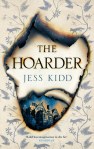
- Characters sit for a portrait in The Confession by Jessie Burton and The Hoarder by Jess Kidd.
- An obsession with saints in Fifth Business by Robertson Davies and The Hoarder by Jess Kidd.

- A mention of the urban myth regarding why our fingertips prune in water (something about an outdated evolutionary strategy for gripping underwater) in The Body by Bill Bryson and Humiliation: Stories by Paulina Flores.
- Memories of childhood trips to Martha’s Vineyard in Chances Are by Richard Russo and The Dearly Beloved by Cara Wall.
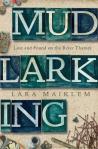
- The River Thames is the setting for Mudlarking by Lara Maiklem and Once Upon a River by Diane Setterfield.

- Mentions of pelicans being clubbed to death in God Unbound: Theology in the Wild by Brian McLaren and Autumn Across America by Edwin Way Teale.
- A character who speaks and writes backwards words in The Poisonwood Bible and The Robber Bride.
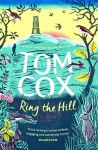
- Epigraphs containing folk names for the hare, and soon enough a dead hare, in Ring the Hill by Tom Cox and Starve Acre by Andrew Michael Hurley.

- An unexpected THIRD set of conjoined twins encountered this year (after Cutting for Stone and The Girls) in Fall on Your Knees by Ann-Marie Macdonald.
- The song “Oh My Darling, Clementine” is quoted in The Robber Bride and Fall on Your Knees.
- Warming an orphaned lamb in a low oven in Moral Disorder by Margaret Atwood and The Dig by Cynan Jones.
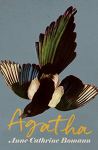
- A character is presumed incapable of laughter in Agatha by Anne Cathrine Bomann and Bowlaway by Elizabeth McCracken.
- Marilynne Robinson’s Housekeeping is mentioned in The River Capture by Mary Costello and Surrender by Joanna Pocock.
Library Checkout: November 2019
I’ve been desperately trying to get through the final handful of 2019 releases on my docket, whether they’re review copies or available from the library. So I recently made a last-minute flurry of requests on the 2019 titles I still intend to read, and will do my darndest to get through them all – though I’m definitely being brutal at this point and DNFing anything that doesn’t grab me within the first chapter.
I give links to reviews of any books I haven’t already featured, as well as ratings for all. What have you been reading from your local libraries? Library Checkout runs on the last Monday of every month. I don’t have an official link-up system, but feel free to use this image in your post and to leave a link to your blog in the comments if you’ve taken part.
READ
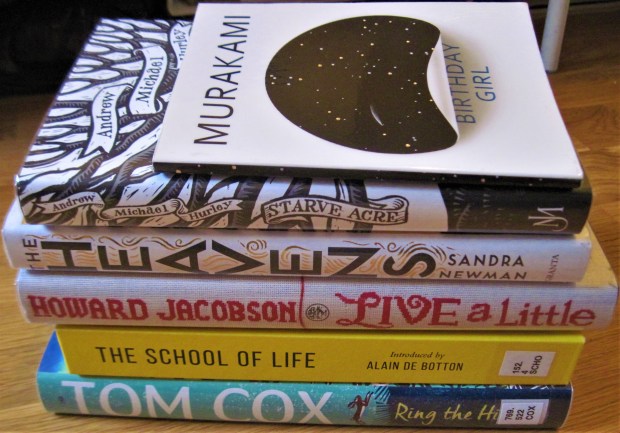
- Starve Acre by Andrew Michael Hurley

- The Dig by Cynan Jones
- Mudlarking: Lost and Found on the River Thames by Lara Maiklem
- “Birthday Girl” by Haruki Murakami

- A Half Baked Idea: How Grief, Love and Cake Took Me from the Courtroom to Le Cordon Bleu by Olivia Potts
- Chances Are by Richard Russo
- The Poetry Pharmacy Returns: More Prescriptions for Courage, Healing and Hope by William Sieghart
- Baker Cat by Posy Simmonds
- Rain Falling by the River: New and Selected Poems of the Spirit, Christopher Southgate [from my church’s theological library]
SKIMMED
- Critical: Science and Stories from the Brink of Human Life by Dr Matt Morgan
CURRENTLY READING
- Ring the Hill by Tom Cox
- The Glass Woman by Caroline Lea
- The Starless Sea by Erin Morgenstern
- The Heavens by Sandra Newman
- My Name Is Why: A Memoir by Lemn Sissay
CURRENTLY SKIMMING
- Afloat: A Memoir by Danie Couchman
- The School of Life: An Emotional Education by Alain de Botton
- Happy Ever After: Escaping the Myth of the Perfect Life by Paul Dolan
- Diary of a Lone Twin by David Loftus
CHECKED OUT, TO BE READ
- The Snow Goose by Paul Gallico

ON HOLD, TO BE PICKED UP
- Ducks, Newburyport by Lucy Ellmann (I only plan to skim it!)
IN THE RESERVATION QUEUE
- The Body Lies by Jo Baker
- Five Ingredient Vegan: 100 Simple, Fast, Modern Recipes by Katy Beskow
- The Easternmost House: A Year of Life on the Edge of England by Juliet Blaxland
- Invisible Women: Exposing Data Bias in a World Designed for Men by Caroline Criado Perez
- Early Riser by Jasper Fforde
- Under the Camelthorn Tree: Raising a Family among Lions by Kate Nicholls
- The Botanist’s Daughter by Kayte Nunn
- The Five: The Untold Lives of the Women Killed by Jack the Ripper by Hallie Rubenhold
- Mr Dickens and his Carol by Samantha Silva
- The Christmas Chronicles by Nigel Slater
- Feel Free: Essays by Zadie Smith
RETURNED UNFINISHED
- Live a Little by Howard Jacobson – It’s been a while since I tried a Jacobson novel; the idea of a comic romance between 90-somethings appealed to me. The first chapter, about Beryl and her morbid cross-stitch sayings, was entertaining enough, but the second chapter quickly lost me.
- After the End by Clare Mackintosh – I thought this might be a bit like a Jodi Picoult book: a gripping, heartwarming issues book with a medical theme. That might indeed be the case, but the first 10 pages were awfully dull.
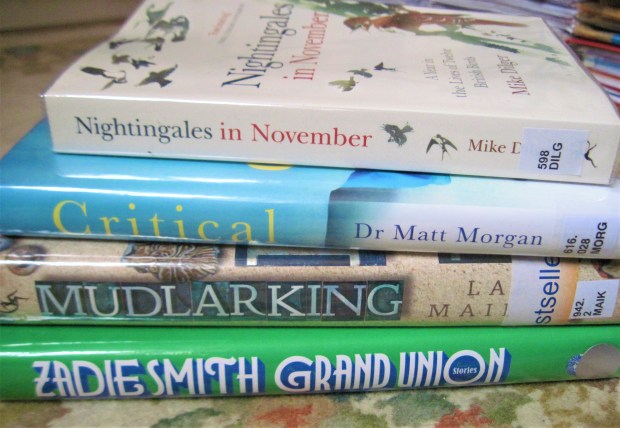
- Grand Union: Stories by Zadie Smith – I read the first and last (title) stories, and started on the second. Two out of three were so bad that if they didn’t have the famous name attached I’m not sure they could have gotten published. In “The Dialectic” Smith attempts to cross Elena Ferrante with Jonathan Safran Foer for a thin tale of a mother and daughter arguing about the treatment of animals on a beach. Main problem: no one speaks like the daughter speaks here, no matter her age or upbringing (“I dislike this place”). The title story, about mothers and daughters in a diverse area of London, is fine, but nothing special. And then the first five pages of “Sentimental Education” were sexually explicit just for the sake of it and too reminiscent of On Beauty. I skimmed through the rest to see if any other story jumped out at me, but decided to move on to something else instead.
RETURNED UNREAD
- Nightingales in November: A Year in the Lives of Twelve British Birds by Mike Dilger – The writing is very dry: a set of list-like, month-by-month observations.
Does anything appeal from my stacks?
Getting Real about My “Set Aside Temporarily” Shelf
Mid-November, and I’ve been thinking about how many of the books I currently have on the go I will be able to finish before the end of the year – not to mention whether I can squeeze in any more 2019 releases, or get a jump on early 2020 releases (ha!).
In the back of my mind, however, is some mild, self-induced anxiety. You see, the other year I started an exclusive Goodreads shelf (i.e., one that doesn’t fall into one of the three standard categories, “Read,” “Currently Reading” or “Want to Read”) called “Set Aside Temporarily,” on which I place a book I have put on hiatus for whatever reason, whether I’d read a handful of pages or 200. Maybe a few library holds came in that I needed to finish before a strict due date, or I took on a last-minute review assignment and needed to focus on that book instead.
Usually, though, it’s just a case of having started too many books at once. I’m addicted to finishing books, but also to starting them – often a fresh stack of four or five in one sitting, to add to my 10 or more already on the go. I always used to say that I read 10‒15 books at a time, but in the latter half of this year that has crept up to 20‒25. Sometimes I can manage it; other times it feels like too much, and a few books from the stack fall by the wayside and get stuck with that polite label of “set aside.” It doesn’t necessarily mean that I wasn’t enjoying them, just that they were less compelling than some other reads.

Some of my “set aside” reads, stacked up next to my reading armchair.
So as I contemplated this virtual shelf, which as of the 12th had 33 titles on it, I figured I have the following alternatives for each book: pick it back up immediately and finish it as soon as possible, ideally this year (especially if it’s a 2019 release, so it can be in the running for my Best Of lists); regretfully mark it as a DNF; put it back on the shelf, with or without a place marker, to read some other time; skim to the end if I wasn’t getting on with it particularly well yet want to know what happens; or keep it in limbo for now and maybe read it in 2020.
I told myself it was decision time on all of these. Here’s how it played out:
(* = 2019 release)
Currently reading:
- Let’s Hope for the Best by Carolina Setterwall*
- Savage Pilgrims: On the Road to Santa Fe by Henry Shukman
To resume soon:
- The Easternmost House by Juliet Blaxland* (as soon as my library hold comes in)
- Fleishman Is in Trouble by Taffy Brodesser-Akner*
- The Spirit of Christmas: Stories, Poems, Essays by G.K. Chesterton
- The River Capture by Mary Costello*
- The Scar by Mary Cregan*
- The Envoy from Mirror City by Janet Frame
- Deep Creek: Finding Hope in the High Country by Pam Houston*
- Two-Part Invention: The Story of a Marriage by Madeleine L’Engle
- The Way through the Woods: Of Mushrooms and Mourning by Long Litt Woon*
- Kinds of Love by May Sarton
- All the Lives We Ever Lived: Seeking Solace in Virginia Woolf by Katharine Smyth*
- Dancing with Bees by Brigit Strawbridge Howard*
- A Three Dog Life by Abigail Thomas (a re-read)
- The Dearly Beloved by Cara Wall*
DNFed:
- The Manticore by Robertson Davies – A different perspective isn’t enough to keep me interested in a recounting of the events from Fifth Business.
- The Dovekeepers by Alice Hoffman (even though I’d read 250 pages of the danged thing) – Painstaking but worthy historical fiction.
- Then She Found Me by Elinor Lipman – The first 100 or so pages were pleasant reading during a beer festival, but I had no impetus to pick it up afterwards.
- A Door in the Earth by Amy Waldman* – The first 12% didn’t grab me. Never say never, but I don’t plan on picking it back up soon. Sad, as this was one of my most anticipated releases of the year.
- The Voyage Out by Virginia Woolf – I really tried. It was the third Woolf novel I’d picked up (and put down) in quick succession this year. She’s just such hard work.
Returned to the shelf for another time:
- Ship Fever by Andrea Barrett
- Emerald City by Jennifer Egan
- The Liars’ Club by Mary Karr
- Cider with Rosie by Laurie Lee
- Wait Till I Tell You by Candia McWilliam
- The Seven Storey Mountain by Thomas Merton
- Full Tilt: Ireland to India with a Bicycle by Dervla Murphy
- A Few Short Notes on Tropical Butterflies by John Murray
- Saint Maybe by Anne Tyler
To skim:
- The Yellow House by Sarah M. Broom* – Although very well written, this is dense with family detail, more than I really need.
Still set aside:
- In the Springtime of the Year by Susan Hill – to finish off next spring!
- Bodies in Motion and at Rest: On Metaphor and Mortality by Thomas Lynch (a university library book) – It’s in discrete essays so can be picked up and put down at will.
Some general observations: Recently I’ve lacked staying power with short story collections. However, I find it’s not usually a problem to read a few stories (or essays) and then return to a collection some months later. Memoirs, travel books and quiet fiction can also withstand an interruption. If I’ve put aside a plotty or style-heavy novel, however, that’s a bad sign that I will probably end up DNFing it.
Do you have a physical or virtual shelf of books that are partly read and languishing? How have you tackled it in the past?
November Plans: Novellas, Margaret Atwood Reading Month & More
This is my fourth year joining Laura Frey and others in reading mostly novellas in November. Last year Laura put together a history of the challenge (here); it has had various incarnations but has no particular host or rules. Join us if you like! (#NovNov and #NovellasinNovember) The definition of a novella is loose – it’s based more on the word count than the number of pages – so it’s up to you what you’d like to classify as one. I generally limit myself to books of 150 pages or fewer, though I might go as high as 180-some if there aren’t that many words on a page. Some, including Laura and Susan, would be as generous as 200.


I’ve trawled my shelves for fiction and nonfiction stacks to select from, as well as a few volumes that include several novellas (I’d plan on reading at least the first one) and some slightly longer novels (150–190 pages) for backups. [From the N. West volume, I just have the 52-page novella The Dream Life of Balso Snell, his debut, to read. The Tangye book with the faded cover is Lama.] Also available on my Kindle are The Therapist by Nial Giacomelli*, Record of a Night too Brief by Hiromi Kawakami, Childhood: Two Novellas by Gerard Reve, and Milton in Purgatory by Edward Vass* (both *Fairlight Moderns Novellas, as is Atlantic Winds by William Prendiville).
Other November reading plans…
Margaret Atwood Reading Month
 This is the second year of #MARM, hosted by Canadian bloggers extraordinaires Marcie of Buried in Print and Naomi of Consumed by Ink. This year they’re having a special The Handmaid’s Tale/The Testaments theme, but even if you’re avoiding the sequel, join us in reading one or more Atwood works of your choice. She has so much to choose from! Last year I read The Edible Woman and Surfacing. This year I’ve earmarked copies of the novel The Robber Bride (1993) and Moral Disorder (2006), a linked short story collection, both of which I got for free – the former from the free bookshop where I volunteer, and the latter from a neighbor who was giving it away.
Nonfiction November
I don’t usually participate in this challenge because nonfiction makes up at least 40% of my reading anyway, but last year I enjoyed putting together some fiction and nonfiction pairings and ‘being the expert’ on women’s religious memoirs, a subgenre I have a couple of books to add to this year. So I will probably end up doing at least one post. The full schedule is here.
Young Writer of the Year Award
Being on the shadow panel for the Sunday Times/PFD Young Writer of the Year Award was a highlight of 2017 for me. I was sad to not be able to attend any of the events last year. I’m excited for this year’s shadow panelists, a couple of whom are blogging friends (one I’ve met IRL), and I look forward to following along with the nominated books and attending the prize ceremony at the London Library on December 5th.
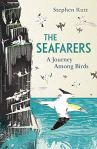
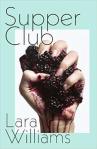 With any luck I will already have read at least one or two books from the shortlist, which is to be announced on November 3rd. I have my fingers crossed for Yara Rodrigues Fowler, Daisy Johnson, Elizabeth Macneal, Stephen Rutt and Lara Williams; I expect we may also see repeat appearances from one of the poets recognized by the Forward Prizes and Guy Gunaratne, the winner of the 2019 Dylan Thomas Prize.
Any reading plans for November? Will you be joining in with novellas, Margaret Atwood’s books or Nonfiction November?
 Bookish Beck = Rebecca Foster. American transplant to England. Freelance proofreader and book reviewer.
 Bookish Beck