My Year in Nonfiction (Thus Far)
If your household is anything like mine, stressful days and nights of lost sleep are ceding to relief after the U.S. election result was finally announced. We celebrated with whoopie pies (a Pennsylvania specialty) and Prosecco.


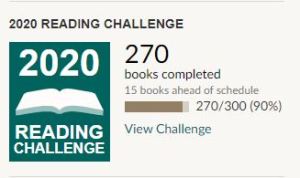
And look: I happened to pass 270 yesterday as well!
I’d taken part in the Six Degrees of Separation meme every month since February, but this time I had no inspiration. I was going to start with these two apple covers…
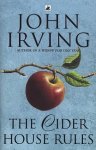
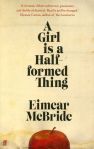
…but that’s as far as I got. Never mind! I’ll be back next month, when we all start with the YA classic Are You There God? It’s Me, Margaret by Judy Blume.
Instead, I’m catching up with this past week’s Nonfiction November prompt: Your Year in Nonfiction. It was hosted by Leann of Shelf Aware.

 What topics have been prominent in your year’s nonfiction reading?
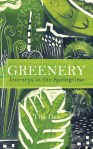
I’ve read a lot of nature and popular science, probably more than in an average year. Greenery by Tim Dee has been an overall highlight. I managed to read 12 books from the Wainwright Prize longlists, and I’m currently reading four books of nature-themed essays or journals. Thoughtful as well as consoling.

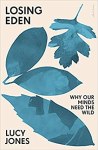
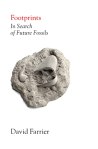
The popular science material has focused on environmentalism and current events, which has inevitably involved politics and long-term planning (Annabel called this category “The State We’re In”): e.g. Losing Eden, Footprints, The Good Ancestor, and Notes from an Apocalypse.


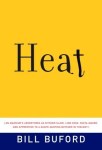 Thanks to the food and drink theme I set for my 20 Books of Summer, I read a number of foodie memoirs. The best one was Heat by Bill Buford, but I also really enjoyed Kitchen Confidential by Anthony Bourdain and My Berlin Kitchen by Luisa Weiss.
 Since the Wellcome Book Prize didn’t run this year, I’ve read fewer health-related books, although I did specially read Not the Wellcome Prize shortlistee The Remarkable Life of the Skin by Monty Lyman, and Dear Life by Rachel Clarke, a palliative care doctor, has been one of my overall best nonfiction reads of the year.
Not very well represented in my nonfiction reading this year were biographies and travel books. I can struggle with the depth and dryness of some books from these genres, but I’d like to find some readable options to get stuck into next year.
What are your favorite nonfiction books you’ve read so far?
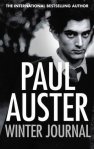
I’m a huge memoir junkie. Some of the most memorable ones this year have been Winter Journal by Paul Auster, Traveling Mercies by Anne Lamott (a reread), and A Three Dog Life by Abigail Thomas (another reread).


An incidental theme in the life writing I’ve read in 2020 is childhood (Childhood by Tove Ditlevsen, Cider with Rosie by Laurie Lee, Oleander, Jacaranda by Penelope Lively, Period Piece by Gwen Raverat); I hope to continue reading around this topic next year.
What books have you recommended the most to others?
I’ve mentioned the Clarke (above) in any discussions of books about illness and death.
I recommended the memoir Are You Somebody? by Nuala O’Faolain more than once following Reading Ireland Month.
Entangled Life, Merlin Sheldrake’s enthusiastic book about fungi, is one I can imagine suggesting to readers who don’t often pick up nonfiction.
And Signs of Life by Dr. Stephen Fabes has generated a fair bit of interest among my Goodreads friends.


Besides Annabel, Kate and Liz also wrote about their 2020 nonfiction reading habits.
How has your nonfiction reading been going this year?
Novellas in November Begins!
Burnt out on doorstoppers after Victober? Wondering how you’ll ever reach your reading target in this strange year? It’s time to stack up the short books (anything under 200 pages) and get reading towards Novellas in November!

Here’s a reminder of the weekly themes Cathy and I are taking it in turn to host:
2–8 November: Contemporary fiction (Cathy)
9–15 November: Nonfiction novellas (Rebecca)
16–22 November: Literature in translation (Cathy)
23–29 November: Short classics (Rebecca)
Leave your links here and/or on Cathy’s intro post at 746 Books and we’ll update our blogs through the month to include them. We look forward to seeing what you read!
Don’t forget to tag us on Twitter (@bookishbeck / @cathy746books) and Instagram (@bookishbeck / @cathy_746books) and use the hashtag #NovNov.
Novellas in November 2020 posts:
Mrs Caliban by Rachel Ingalls (reviewed by Cathy at 746books)
The Spare Room by Helen Garner (reviewed by Cathy at 746books)
Train Dreams by Denis Johnson (reviewed by Hopewell’s Library of Life)
Three Novellas – Bythell, Carey and Diop
Mostly Hero by Anna Burns (reviewed by Cathy at 746books)
Dark Wave by Lana Guineay (reviewed by Lisa at ANZ LitLovers)
Train Dreams by Denis Johnson (reviewed by Cathy at 746books)
The Swallowed Man by Edward Carey (reviewed by Susan at A life in books)
The Man from London by Georges Simenon (reviewed by Helen at She Reads Novels)
Cyclone by Vance Palmer (reviewed by Lisa at ANZ LitLovers)
Short Fiction from Steinbeck and Triolet (reviewed by Carol at cas d’intérêt)
Contemporary Fiction novella recommendations (Monika at Lovely Bookshelf)
Red at the Bone by Jacqueline Woodson (reviewed by Kim at Reading Matters)
Surfacing – Margaret Atwood (1973) (reviewed by Ali at Heavenali)
Simenon, Greg & Moss (reviewed by Annabel at Annabookbel)
10 Favorite Nonfiction Novellas from My Shelves
The Guest Cat by Takashi Hiraide (reviewed by Margaret at BooksPlease)
300 Arguments by Sarah Manguso (reviewed by Cathy at 746books)
The Poisoning by Maria Lazar (reviewed by Juliana at The Blank Garden)
Summerwater by Sarah Moss (reviewed by Lisa at ANZ LitLovers)
The Invisible Land by Hubert Mingarelli (reviewed by Susan at A life in books)
The Moon Is Down by John Steinbeck (reviewed by Lisa at ANZ LitLovers)
Two Reviews for Non-fiction Novella Week (Cathy at 746books)
A Month in Siena by Hisham Matar (reviewed by Imogen at Reading and Viewing the World)
Our Nig by Harriet E. Wilson (reviewed by Juliana at The Blank Garden)
Runaway Amish Girl: The Great Escape by Emma Gingerich (reviewed by Hopewell’s Library of Life)
The Days of Abandonment by Elena Ferrante (reviewed by Radhika’s Reading Retreat)
8 Novellas in Translation (reviewed by Grant at 1streading)
Nonfiction novella recommendations (Monika at Lovely Bookshelf)
Four More Short Nonfiction Books for Novellas for November
Quicksand and Passing by Nella Larsen (reviewed by Davida at The Chocolate Lady’s Book Review Blog)
Bill Bailey’s Remarkable Guide to Happiness (reviewed by Annabel at Annabookbel)
The Legend of the Holy Drinker by Joseph Roth (reviewed by Karen at Kaggsy’s Bookish Ramblings)
Chess by Stefan Zweig (reviewed by Cathy at 746books)
Popcorn by Cornelia Otis Skinner (reviewed by Ali at Heavenali)
The Transmigration of Bodies by Yuri Herrera (reviewed by Imogen at Reading and Viewing the World)
The Hidden Life of Trees by Peter Wohlleben (reviewed by Hopewell’s Library of Life)
The Taiga Syndrome by Cristina Rivera Garza (reviewed by Cathy at 746books)
Three novellas: Albertalli, Meruane, Moore (reviewed by Dr Laura Tisdall)
A Meal in Winter by Hubert Mingarelli (reviewed by Karen at Booker Talk)
Wendy McGrath’s Trilogy (reviewed by Marcie at Buried in Print)
Dog Island by Philippe Claudel (reviewed by Susan at A life in books)
The Man behind Narnia by AN Wilson (reviewed by Margaret at BooksPlease)
Fall on Me by Nigel Featherstone (reviewed by Nancy at NancyElin)
An interview with Cath Barton, author of novella The Plankton Collector, by Kathryn at Nut Press
Black Water by Joyce Carol Oates (reviewed by Kim at Reading Matters)
Translated novella recommendations (Monika at Lovely Bookshelf)
Happiness, As Such by Natalia Ginzberg (reviewed by Jacqui at JacquiWine’s Journal)
Dolores by Lauren Aimee Curtis (reviewed by Nancy at NancyElin)
The Provincial Lady Goes Further by E.M. Delafield (reviewed by Hopewell’s Library of Life)
The Pigeon by Patrick Süskind (reviewed by Cathy at 746books)
A Girl Returned by Donatella Di Pietrantonio (reviewed by Ali at Heavenali)
Sweet Days of Discipline by Fleur Jaeggy (reviewed by Cathy at 746books)
Icefall by Stephanie Gunn (reviewed by Nancy at NancyElin)
Maigret and the Reluctant Witnesses by Georges Simenon (reviewed by Margaret at BooksPlease)
The Silence by Don DeLillo (reviewed by Kim at Reading Matters)
My favourite classic novellas (Cathy at 746books)
Short Classics recommendations (Monika at Lovely Bookshelf)
Good Morning, Midnight by Jean Rhys (reviewed by Imogen at Reading and Viewing the World)
Cheerful Weather for the Wedding by Julia Strachey (reviewed by Radhika’s Reading Retreat)
The Spare Room by Helen Garner (reviewed by Brona’s Books)
The Jew’s Beech-Tree by Annette von Droste-Hülshoff (reviewed by Juliana at The Blank Garden)
Daughters by Lucy Fricke (reviewed by Lizzy’s Literary Life)
What Are You Going Through by Sigrid Nunez (reviewed by Kim at Reading Matters)
The Mystery of the Enchanted Crypt by Eduardo Mendoza (reviewed by Reese Warner)
The Hound of the Baskervilles by Sir Arthur Conan Doyle (reviewed by Cathy at 746books)
In the Sweep of the Bay by Cath Barton (reviewed by Calmgrove)
Maud Martha by Gwendolyn Brooks (reviewed by Juliana at The Blank Garden)
Short Classics: Orwell + Austen, Buchan, Capote, Wharton (Margaret at BooksPlease)
Follies and The Power of Privilege (reviewed by Liz at Adventures in reading, running and working from home)
The Strange Bird by Jeff Vandermeer (reviewed by Annabel at Annabookbel)
Girl Reporter by Tansy Roberts (reviewed by Nancy at NancyElin)
The House of Dolls by Barbara Comyns (reviewed by Ali at Heavenali)
Elizabeth and Her German Garden by Elizabeth Von Arnim (reviewed by Brona’s Books)
Simpson Returns by Wayne Macauley (reviewed by Nancy at NancyElin)
Miscellaneous Novellas: Murdoch, Read & Spark; Comics; Art Books
Three short classics from the 746: Mann, West, Atwood (reviewed by Cathy at 746books)
Writers on Writers: Josephine Rowe on Beverley Farmer (reviewed by Brona’s Books)
Utz by Bruce Chatwin (reviewed by Calmgrove)
A Novellas Inventory (Market Garden Reader)
Three novellas by Ivan Turgenev (reviewed by Book Around the Corner)
The Lifted Veil & Silly Novels by Lady Novelists by George Eliot (reviewed by Helen at She Reads Novels)
The Weight of Things by Marianne Fritz (reviewed by J. C. Greenway at 10 million hardbacks)
Theo by Paul Torday (reviewed by Davida at The Chocolate Lady’s Book Review Blog)
Another novella by Triolet (reviewed by Carol at cas d’intérêt)
The Three Graces of Va-Kill by
Miscellaneous novellas: Oates, Moss, Orstavik, de Moor, Hull (reviewed by Naomi at Consumed by Ink)
See also this terrific list of Australian novellas put together by Brona, a list of 17 intriguing novellas you can read in a day (or an afternoon) put together by Kim, and Louise Walter’s thoughts on the writing (and publishing) of novellas.
Announcing Novellas in November!
Lots of us make a habit of prioritizing novellas in our November reading. (Who can resist that alliteration?) Perhaps you’ve been finding it hard to focus on books with all the bad news around, and your reading target for the year is looking out of reach. If you’re beset by distractions or only have brief bits of free time in your day, short books can be a boon.
In 2018 Laura Frey surveyed the history of Novellas in November, which has had various incarnations but no particular host. This year Cathy of 746 Books and I are co-hosting it as a month-long challenge with four weekly prompts. We’ll both put up an opening post on 1 November where you can leave your links throughout the month, to be rounded up on the 30th, and we’ll take turns introducing a theme each Monday.
The definition of a novella is loose – it’s based on word count rather than number of pages – but we suggest aiming for 150 pages or under, with a firm upper limit of 200 pages. Any genre is valid. As author Joe Hill (the son of Stephen King) has said, a novella should be “all killer, no filler.” With distinctive characters, intense scenes and sharp storytelling, the best novellas can draw you in for a memorable reading experience – maybe even in one sitting.
It’s always a busy month in the blogging world, what with Nonfiction November, German Literature Month, Australia Reading Month, and Margaret Atwood Reading Month. Why not search your shelves and/or local library for novellas that count towards multiple challenges? See Cathy’s recent post for ideas of how books can overlap on a few categories. Or you might choose a short Atwood novel, like Surfacing (186 pages) or The Penelopiad (199 pages).
2–8 November: Contemporary fiction (Cathy)
9–15 November: Nonfiction novellas (Rebecca)
16–22 November: Literature in translation (Cathy)
23–29 November: Short classics (Rebecca)
We’re looking forward to having you join us! Keep in touch via Twitter (@bookishbeck / @cathy746books) and Instagram (@bookishbeck / @cathy_746books) and feel free to use the terrific feature image Cathy made and the hashtag #NovNov.
My stacks of possibilities for the four weeks (with a library haul of mostly lit in translation to follow).
Bonus points for three of the below being November review books!


Six Degrees of Separation: From The Turn of the Screw to The Cider House Rules
This month we’re starting with The Turn of the Screw, a Gothic horror novella about a governess and her charges – and one of only two Henry James novels I’ve read (the other is What Maisie Knew; I’ve gravitated towards the short, atypical ones, and even in those his style is barely readable). Most of my links are based on title words this time, along with a pair of cover images.
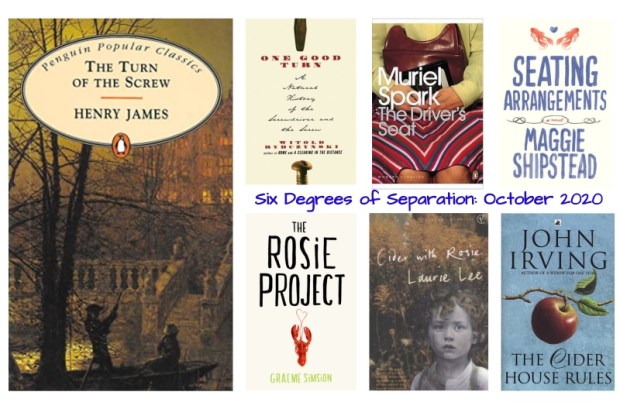
#1 On our trip to Hay-on-Wye last month, I was amused to see in a shop a book called One Good Turn: A Natural History of the Screwdriver and the Screw (2000) by Witold Rybczynski. A bit of a niche subject and nothing I can ever imagine myself reading, but it’s somehow pleasing to know that it exists.

#2 I’m keen to try Muriel Spark again with The Driver’s Seat (1970), a suspense novella with a seam of dark comedy. I remember reading a review of it on Heaven Ali’s blog and thinking that it sounded deliciously creepy. My plan is to get it out from the university library to read and review for Novellas in November.
#3 Seating Arrangements by Maggie Shipstead was one of my favorite debut novels of 2012. An upper-middle-class family prepares for their heavily pregnant daughter’s wedding weekend on an island off Connecticut. Shipstead is great at capturing social interactions. There’s pathos plus humor here; I particularly liked the exploding whale carcass. I’m still waiting for her to come out with a worthy follow-up (2014’s Astonish Me was so-so).

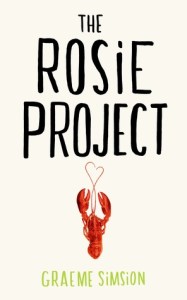
#4 The cover lobsters take me to The Rosie Project (2013) by Graeme Simsion, the first and best book in his Don Tillman trilogy. A (probably autistic) Melbourne genetics professor, Don decides at age 39 that it is time to find a wife. He goes about it in a typically methodical manner, drawing up a 16-page questionnaire, but still falls in love with the ‘wrong’ woman.
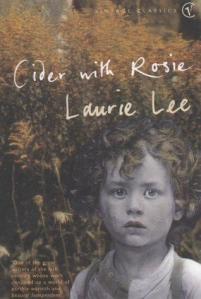
#5 Earlier in the year I reviewed Cider with Rosie (1959) by Laurie Lee as my classic of the month and a food-themed entry in my 20 Books of Summer. It’s a nostalgic, evocative look at a country childhood. The title comes from a late moment when Rosie Burdock tempts the adolescent Lee with alcoholic cider and kisses underneath a hay wagon.
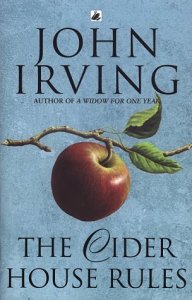
#6 My current reread is The Cider House Rules (1985), one of my favorite John Irving novels. Homer Wells is the one kid at the St. Cloud’s, Maine orphanage who never got adopted. Instead, he assists the director, Dr. Wilbur Larch, and later runs a cider factory. Expect a review in a few weeks – this will count as my Doorstopper of the Month.
Going from spooky happenings to apple cider, my chain feels on-brand for October!
Join us for #6Degrees of Separation if you haven’t already! (Hosted the first Saturday of each month by Kate W. of Books Are My Favourite and Best. Her introductory post is here.) Next month is a wildcard: start with a book you’ve ended a previous chain with.
Have you read any of my selections? Are you tempted by any you didn’t know before?
Six Degrees of Separation: From Rodham to The Shadow in the Garden
This month we’re all starting with Rodham. I reviewed this Marmite novel as part of the UK blog tour and was fully engaged in its blend of historical and fictional material. Ultimately, it doesn’t work as well as American Wife because we all know too much about Hillary Clinton, but it was a lot of fun for summer binge reading and is a must for any diehard Curtis Sittenfeld fan.
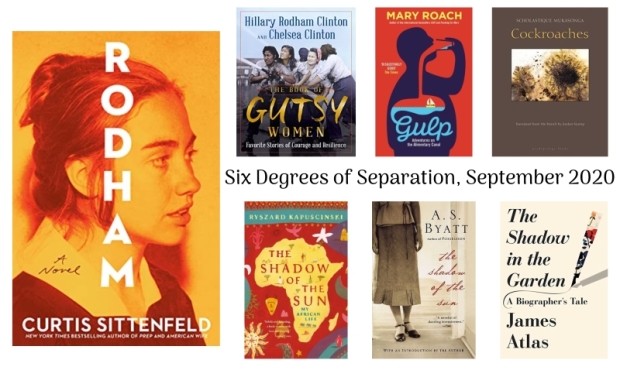
#1 Late last year I was sent an e-copy of The Book of Gutsy Women by Hillary and Chelsea Clinton for a potential review. I didn’t end up reading it at the time, but I still have it on my Kindle so might get to it someday. Like many, many books that have come out over the last few years, it’s full of mini-biographies of praiseworthy women from history. It seems a bit superfluous and overlong, but if the writing is up to snuff it might still be one to skim.
#2 Speaking of guts, earlier in the year I took perverse glee in reading Gulp by Mary Roach, a tour through the body’s digestive and excretory systems. Here’s a quick question to help you gauge whether the book is for you: does the prospect of three chapters on flatulence make you go “Yesssss!” or “Ew, no. Why?!” I’m in the former camp so, for the most part, found it fascinating. Footnotes on bizarre scientific studies are particularly hilarious.
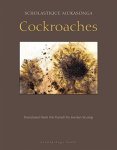
#3 I’ve read two novels with “Roach” in the title; I didn’t want to use Ian McEwan as a link two months in a row, so I went with the other one: Cockroaches by Scholastique Mukasonga, which is also a good follow-on from #WITMonth as it was originally written in French. I reviewed this harrowing memoir of her Tutsi family’s slaughter during the Rwandan genocide of the 1990s for Wasafiri literary magazine in early 2018.
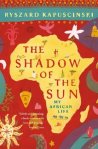
#4 One of the sunny/summer reads I featured last week was The Shadow of the Sun by Ryszard Kapuściński. One essay from the middle of the book is called “A Lecture on Rwanda,” which locates the seeds of the 1990s conflict in the independence struggle and peasant revolt of the late 1950s and early 1960s: the Hutu majority caste (85%) was composed of tenant farmers who rebelled against the cattle-owning Tutsi minority (14%).
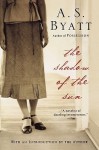
#5 I’ve read another book by the title The Shadow of the Sun, this one a weak early novel by A.S. Byatt. It’s about a young woman struggling to get out from under the expectations and example of her father, a literary lion.
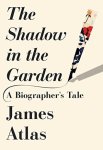
#6 Staying in the shadows … my top nonfiction read of 2017 was James Atlas’s memoir of the biographer’s profession, The Shadow in the Garden. The book deals with the nitty-gritty of archival research and how technology has changed it; story-telling strategies and the challenge of impartiality; and how we look for patterns in a life that might explain what, besides genius, accounts for a writer’s skill. Even though I knew little about his two main subjects, poet Delmore Schwartz and Saul Bellow, I found the book thoroughly enthralling.
Join us for #6Degrees of Separation if you haven’t already! (Hosted the first Saturday of each month by Kate W. of Books Are My Favourite and Best; see her intro post.)
Have you read any of my selections?
Are you tempted by any you didn’t know before?
Six Degrees of Separation: From How to Do Nothing to Genie and Paul

It’s my seventh month in a row doing Six Degrees. This time (see Kate’s introductory post) we all start with How to Do Nothing by Jenny Odell, about time and mindfulness. I’ve not read this 2019 release, but its premise reminds me of two books I reviewed a couple of years ago for this Los Angeles Review of Books article on the benefits of “wasting time.”
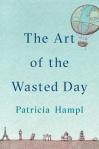
#1 One of those books was The Art of the Wasted Day by Patricia Hampl. The book blends memoir with travel and biographical information about some of Hampl’s exemplars of solitary, introspective living. Her book wanders along with her mind, in keeping with her definition of memoir as “lyrical quest literature,” where meaning always hovers above the basics of plot.
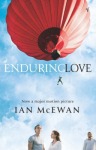
#2 The hot air balloon on the cover takes me to Enduring Love by Ian McEwan. It opens, famously, with a fatal ballooning accident that leaves the witnesses guiltily wondering whether they could have done more. Freelance science journalist Joe Rose – on a picnic with his partner, Keats scholar Clarissa – rushed to help, as did Jed Parry, a young Christian zealot who fixates on Joe. I recently borrowed a DVD of the film from a neighbor and it somehow felt even darker and creepier. (Strangely, the two main characters’ jobs were changed to philosophy professor and sculptor – were those considered easier to show on film?)
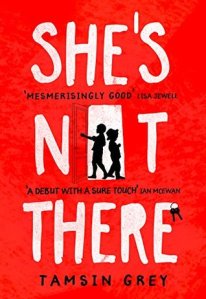 #3 A quote from McEwan on the cover convinced my book club to read the mediocre She’s Not There by Tamsin Grey. (I think the author was also a friend of a friend of someone in the group.) One morning, nine-year-old Jonah wakes up to find the front door of the house open and his mum gone. It takes just a week for the household to descend into chaos as Jonah becomes sole carer for his foul-mouthed little brother, six-year-old Raff. In this vivid London community, children are the stars and grown-ups, only sketchily drawn, continually fail them.
#4 The readalike that came to mind when reading Grey’s novel was Pigeon English by Stephen Kelman, set on a similarly rough London estate. It was on the notorious 2011 Man Booker Prize shortlist (a judge spoke of looking for books that “zip along”; the right author won – Julian Barnes – but for a book I did not particularly enjoy, The Sense of an Ending). The novel is narrated by eleven-year-old Harrison Opoku, who is newly arrived in England from Ghana and turns sleuth when one of his young acquaintances is found murdered.
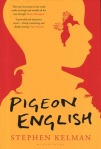
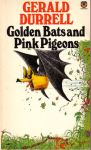
#5 According to my Goodreads library, the only other book I’ve read with “pigeon” in the title is Golden Bats and Pink Pigeons by Gerald Durrell. I love his animal-collecting adventure books, although this one set on Mauritius did not particularly stand out.
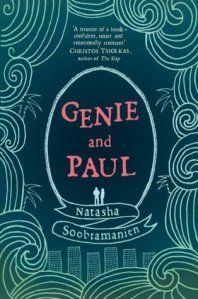 #6 The Mauritius location, plus a return to the “pigeon/pidgin” pun of the Kelman title, leads me to my final book, Genie and Paul by Natasha Soobramanien, about a brother and sister pair who left Mauritius for London as children and still speak Creole when joking. I reviewed this postcolonial response to Paul et Virginie (1788), the classic novel by Jacques-Henri Bernardin de Saint-Pierre, for Wasafiri literary magazine in 2013. It was among my first professional book reviews, and I’ve enjoyed reviewing occasionally for Wasafiri since then – it gives me access to small-press books and BAME authors, which I otherwise don’t read often enough.
Join us for #6Degrees of Separation if you haven’t already! Next month’s starting book will be Rodham by Curtis Sittenfeld (see my review).
Have you read any of my selections?
Are you tempted by any you didn’t know before?
Six Degrees of Separation: From What I Loved to The Story of an African Farm
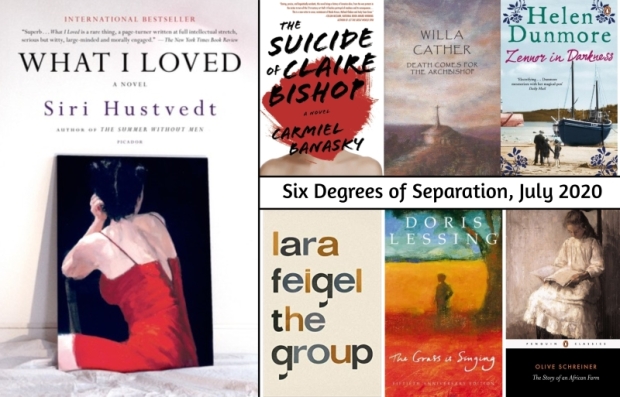
I’m a Six Degrees regular now: this is my sixth month taking part. This time (see Kate’s introductory post) we have all started with Siri Hustvedt’s What I Loved (2003). Narrated by a professor and set between the 1970s and 1990s, it’s about two New York City couples – academics and artists – and the losses they suffer over the years.
 #1 The readalike I chose when I read What I Loved for a Valentine’s Day post in 2017 was The Suicide of Claire Bishop by Carmiel Banasky, which I’d covered for Foreword Reviews in 2015 (see here); it shares the themes of modern art and mental illness.
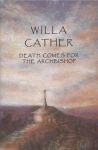
#2 Death + a “bishop” leads me to Death Comes for the Archbishop (1927), which vies with My Ántonia for the top spot from the six novels I’ve read so far by Willa Cather. It’s set in Santa Fe, New Mexico in the nineteenth century. I read it shortly after my trip to Santa Fe for the D.H. Lawrence Society of North America conference in the summer of 2005.
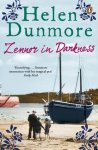
#3 Although I don’t think I’ve read a Lawrence novel in the past 15 years, I still enjoy reading about him, e.g. in Frieda by Annabel Abbs. My next biographical novel that includes DHL and his wife as characters will be Zennor in Darkness by Helen Dunmore (1994).
#4 Although it’s mostly set in London among university friends now in their late thirties or early forties, a few late scenes of The Group by Lara Feigel (brand new; I’ll be reviewing it in full later this month) are set in Zennor, Cornwall.

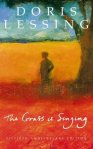
#5 The other book I’ve read by Lara Feigel is Free Woman, her bibliomemoir about marriage, motherhood and the works of Doris Lessing. My favorite of the six books I’ve read so far by Lessing is The Grass Is Singing (1950), set on a farm in Zimbabwe.
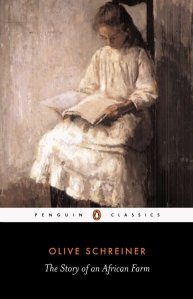 #6 The Story of an African Farm by Olive Schreiner (1883) is one of the novels I wrote about for my MA dissertation on female characters with unconventional religious views in the Victorian novel. In particular, I looked at the intersection of dissenting religious fiction and the “New Woman” novels that paved the way for Modernism. This is an obscure classic well worth picking up for its early feminist perspective; Schreiner was also a socialist and anti-war campaigner.
My chain has featured only books by women again this month: a few classics, a historical novel with real people in it, an updated modern classic (the Feigel – I’ll discuss its debt to Mary McCarthy’s The Group in my review), and more. The themes have included art, death, feminism, friendship, and religion.
Join us for #6Degrees of Separation if you haven’t already! Next month’s starting book is How to Do Nothing by Jenny Odell.
Have you read any of my selections?
Are you tempted by any you didn’t know before?
Six Degrees of Separation: From Normal People to The Bass Rock
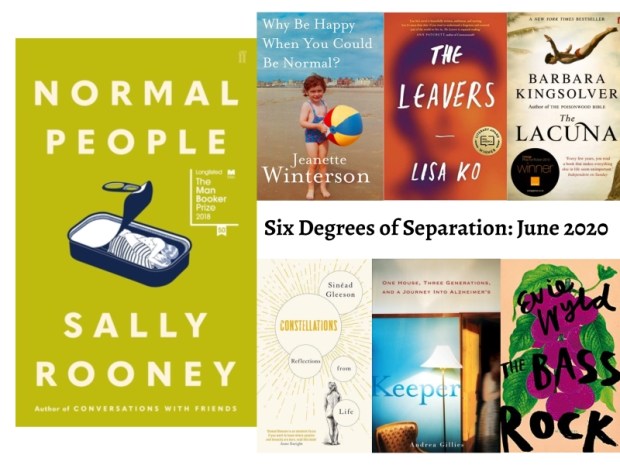
I’m a #6Degrees regular now: this is my fifth time participating. This month (see Kate’s introductory post) we start with Sally Rooney’s Normal People (2018). I loved Conversations with Friends but wasn’t so enamored with Rooney’s second novel (see my review), so I haven’t been tempted to watch the television adaptation; I don’t have a TV anyway.
#1 Picking out one of the words from the book title, and echoing the question that Rooney’s characters seem to be asking themselves, I’ll hop over to a memoir I enjoyed a lot in late 2011, Why Be Happy When You Could Be Normal? by Jeanette Winterson. Adopted into a strict religious household, Winterson had to hide her sexuality. Here you get the full story behind her autobiographical debut novel, Oranges Are Not the Only Fruit.

#2 Adoption is my link to The Leavers by Lisa Ko. When he’s abandoned by his mother, an undocumented Chinese immigrant in the USA, Daniel is adopted by a pair of white professors. This is an achingly beautiful story of searching for a mother and a sense of belonging. It won the 2016 PEN/Bellwether Prize for Socially Engaged Fiction.
#3 Barbara Kingsolver created and funds the biennial Bellwether Prize for unpublished fiction that addresses issues of social justice. I have vague ambitions to read as many Bellwether and Women’s Prize winners as I can. While it’s not one of my favorites by Kingsolver, The Lacuna (2009) won her the (then) Orange Prize. A historical novel, it’s largely set in the household of Diego Rivera and Frida Kahlo.
#4 Frida Kahlo is my link to Constellations by Sinéad Gleeson, autobiographical essays about the female body in pain. Kahlo is one of Gleeson’s gurus in that she turned her chronic pain and pregnancy loss into art – “making wounds the source of inspiration.” Constellations was our Not the Wellcome Prize winner during this hiatus year for the official prize.
#5 The first winner of the Wellcome Book Prize, in 2009, was Keeper by Andrea Gillies, a memoir of her mother-in-law Nancy’s struggle with Alzheimer’s disease. I also intend to read as many WBP winners and nominees as possible, so I recently ordered a secondhand copy of this and read the introduction before setting it aside for another time. Already I can tell it will be an engaging if harrowing book; Gillies pulls no punches in her depiction of the misery of the years when Nancy lived with her family and then in an institution.


[#5.5 Another book called Keeper, this one by Jessica Moor, provides my cheaty half-step. I found this debut novel to be a gripping and grimly fascinating story of why women stay with their abusers and what finally drives them to leave.]
 #6 Violence against women is also the theme of The Bass Rock by Evie Wyld, my novel of 2020 so far. While it ranges across the centuries, it always sticks close to the title location, an uninhabited island off the east coast of Scotland. It cycles through its three strands in an ebb and flow pattern that is appropriate to the coastal setting and creates a sense of time’s fluidity. This is not a puzzle book where everything fits together. Instead, it is a haunting echo chamber where elements keep coming back, stinging a little more each time. A must-read, especially for fans of Claire Fuller, Sarah Moss and Lucy Wood. (See my full Shiny New Books review.)
I’ve featured only books by women this month, and there have been quite a number of prize winners in here, too.
Join us for Six Degrees of Separation if you haven’t already!
Have you read any of my selections? Are you tempted by any you didn’t know before?
New Reading Projects! (Join Me?)
It’s only one week since we announced the Not the Wellcome Prize winner, the culmination of a month-long project that was months more in the planning. I don’t think I’ll be coordinating another blog tour anytime soon, as it was a lot of work finding participants, working out a schedule and keeping on top of the publicizing via social media. Still, it was a lot of fun, and already I’m missing the buzz and ready to get stuck into more projects.
I’d love it if you joined me for one or more of these. Some could be combined with your 20 Books of Summer or other challenges, too.
Ongoing buddy reads
 It would have been Richard Adams’s 100th birthday on the 9th. That night I started rereading his classic tale of rabbits in peril, Watership Down, which was my favorite book from childhood even though I only read it the once at age nine. I’m 80 pages in and enjoying all the local place names. Who would ever have predicted that that mousy tomboy from Silver Spring, Maryland would one day live just 6.5 miles from the real Watership Down?!
 My husband is joining me for the Watership Down read (he’s not sure he ever read it before), and we’re also doing a buddy read of Arctic Dreams by Barry Lopez. In that case, we ended up with two free copies, one from the bookshop where I volunteer and the other from The Book Thing of Baltimore, so we each have a copy on the go. Lopez’s style, like Peter Matthiessen’s, lends itself to slower, reflective reading, so I’m only two chapters in. It’s novel to journey to the Arctic, especially as we approach the summer.
I plan to take my time over these two, so tell me if you have a copy of either and feel like picking it up at any point over the next few months.
Bibliotherapy self-prescriptions
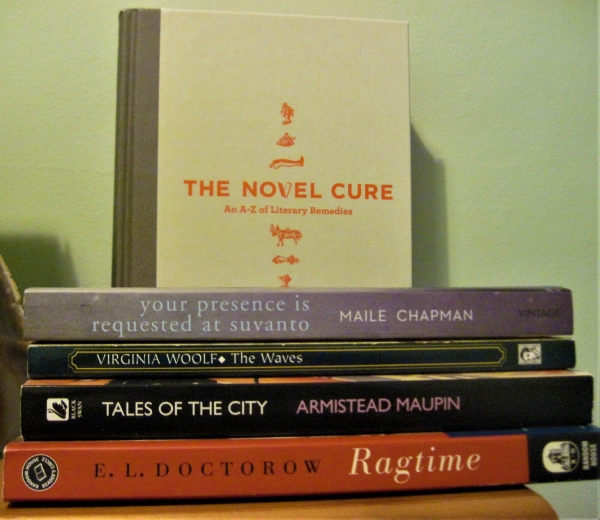
The other day I got out my copy of The Novel Cure by School of Life bibliotherapists Ella Berthoud and Susan Elderkin and browsed through the categories for some prescriptions that might feel relevant to the current situation. I found four books I own that fit the bill:
From the list of “The Ten Best Novels to Lower Your Blood Pressure”: Your Presence Is Requested at Suvanto by Maile Chapman & The Waves by Virginia Woolf (and I’ve read another three of them, including, recently, Crossing to Safety).
One of several prescriptions for Loneliness: Tales of the City by Armistead Maupin.
The cure for Zestlessness: Ragtime by E. L. Doctorow.
If you have access to one of these, or have a copy of The Novel Cure and are keen on following up on another of the prescriptions, let me know.
And now for two memes that I (think I) have created. Although I’m sure something similar has been done in the past, I couldn’t find any specific blogs about them. I don’t know about you, but I always need encouragement to pick up books from my own shelves – even though libraries are currently closed, I’m still working my way through a library stack, and I’m tempted to make another order of new books from Hungerford Bookshop. It’s great to support libraries and independent bookstores, of course, but there could be no better time to mine your own bookshelves for treasures you bought ages ago but still have never read.
Journey through the Day with Books
I enjoyed picking out 18 books from my shelves that refer to particular times of day or meals or activities associated therewith. Four of these are books I’ve already read and four are ones I’m currently reading. You can piggyback on my selections if you wish, or find your own set.
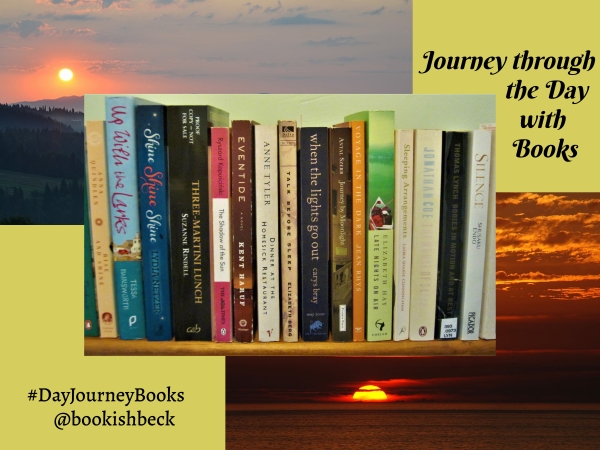
Here’s my full list:
Zennor in Darkness by Helen Dunmore
Rise and Shine by Anna Quindlen
Up with the Larks by Tessa Hainsworth
Shine Shine Shine by Lydia Netzer
Three-Martini Lunch by Suzanne Rindell
The Shadow of the Sun by Ryszard Kapuściński
Eventide by Kent Haruf
Dinner at the Homesick Restaurant by Anne Tyler
Talk before Sleep by Elizabeth Berg
When the Lights Go Out by Carys Bray
Journey by Moonlight by Antal Szerb
Voyage in the Dark by Jean Rhys
Late Nights on Air by Elizabeth Hay
Sleeping Arrangements by Laura Shaine Cunningham
The House of Sleep by Jonathan Coe
Bodies in Motion and at Rest by Thomas Lynch
Silence by Shūsaku Endō
Arctic Dreams by Barry Lopez
The Four in a Row Challenge
I’ve been contemplating this one for quite a while. It’s inspired by Phyllis Rose’s The Shelf –from LEQ to LES: Adventures in Extreme Reading (one of Simon’s favourite books – see his review), for which she picked a shelf of the New York Society Library, eliminated duplicates and repeat entries from the same author, and read the remainder – whether she’d heard of them or not; whether they were awful or not. (“Hands down the worst book on the shelf is Le Queux’s Three Knots, a mystery that reads as if it were written by an eight-year-old on Percocet.”)

This is a variation in that you’re looking at your own TBR shelves and picking a set of four books in a row. For many, that will be four novels whose authors’ surnames all start with the same letter. But if you organize your books differently (especially within nonfiction), you may find that the set of four is more arbitrary. You never know what they might have in common, though (book serendipity!).
I’m no strict challenge host, so if you want to engineer your shelf order, or if you decide to swap a book in later on, that is no problem at all. My one firm rule is only one book per author.
I’ve picked out a few appealing sets, all from my fiction shelves. F, G, L and M had particularly rich pickings. I’ll report back as I finish each set, while the “Journey through a Day” may well take me the whole rest of the year.
Still ongoing (more here): Projects to read as many Bellwether Prize, Wellcome Book Prize and Women’s Prize winners as possible, as well as Wellcome long- and shortlistees.
Can I tempt you to take part in any of these reading projects?
[Journey through the Day: Sunrise in Pieniny, Poland (Pudelek / CC BY-SA (https://creativecommons.org/licenses/by-sa/4.0)) / Sunset (Alvesgaspar / CC BY-SA (https://creativecommons.org/licenses/by-sa/3.0))
Four in a Row: Four pelicans in a row (Sheba_Also 43,000 photos / CC BY-SA (https://creativecommons.org/licenses/by-sa/2.0)) / Phone boxes, Market Place, Ripon (Tim Green from Bradford / CC BY (https://creativecommons.org/licenses/by/2.0))]
Six Degrees of Separation: From The Road to On Being Different
This month’s Six Degrees of Separation (see Kate’s introductory post) starts with Cormac McCarthy’s bleak dystopian novel The Road (2006).
I’ve read several of McCarthy’s novels, including this one. Believe it or not, this is not the darkest – that would be Blood Meridian.

#1 Sticking with the road trip theme, I’ll start by highlighting one of my favorite novels from 2018, Southernmost by Silas House. Tennessee preacher Asher Sharp’s family life falls apart when he welcomes a homosexual couple into his church. After being voted out of his post, he kidnaps his son and drives to Key West, Florida, where his estranged gay brother lives.


#2 A minister is also the main character in Abide with Me by Elizabeth Strout (2006). I finished this one, my fourth novel from Strout, a couple of weeks ago. She tenderly probes the dark places of a mid-twentieth century Maine community and its pastor’s doubts, but finds the light shining through. From first line to last word, this was gorgeous.
#3 “Abide with Me,” Reverend Tyler Caskey’s favorite hymn, gives the novel its title. Also named after a song is Norwegian Wood by Haruki Murakami (1987/2000). I have a copy on the shelf and tried the first 20 pages a couple of months ago, but it was so normal – compared to The Wind-Up Bird Chronicle, anyway – that I felt disoriented and set it aside.


#4 Returning to bleakness … the Norwegian reference takes me one of the first books from Norway I remember reading: Hunger by Knut Hamsun (1890). It’s a spare story of a starving writer who wanders the streets of Oslo looking for opportunities for food and publication, tramping about simply to keep warm at the onset of a bitter Scandinavian winter.
#5 Same title; rather different contents: Hunger by Roxane Gay (2017) is a collection of short autobiographical essays that riff on weight, diet, exercise and body image. The writing style is matter-of-fact and never self-pitying. This is still the only thing I’ve read by her, but I mean to read more, starting with her novel An Untamed State.
[#5.5 Her surname takes me to the title of my cheaty half-step, A Gay and Melancholy Sound by Merle Miller (1962), a semi-autobiographical novel about a man from Iowa who helps free the concentration camps and then has a career as a theatrical producer. It was Nancy Pearl’s first Book Lust Rediscoveries reprint book and is on my TBR.]
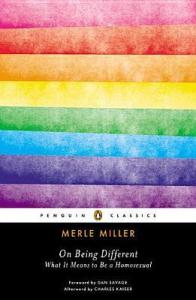 #6 While it’s not implied by that title, Miller was, er, gay, which leads to another of his books, On Being Different. I have Pearl to thank for leading me to this 1971 essay, which was republished in book form in 2013. It’s an insider’s view of what it is like to be a homosexual. A period piece now, it feels like a precursor to the revolution in gay rights. It’s one of the books (along with Straight by Hanne Blank and Conundrum by Jan Morris) that have most boosted my tolerance and compassionate understanding.
(This loops nicely back to #1 and the story of a preacher accepting homosexuality in his family as well as in his church congregation.)
Join us for #6Degrees of Separation if you haven’t already!
 Bookish Beck = Rebecca Foster. American transplant to England. Freelance proofreader and book reviewer.


.jpg)
.jpg)