Some of My Most Anticipated Releases of 2021
Although 120+ books that will be published in 2021 are already on my radar, I’ve limited myself to the 20 I’m most excited about. The modest number is a cheat in that I’ve already read a couple of books from this period in advance (and I’m currently reading another two), and I haven’t listed any that I already own as proofs or finished copies (pictured here) or have been promised. With a couple of exceptions, these books are due out between January and June.
I’m also not counting these three forthcoming books that I’ve sponsored via Kickstarter (the Trauma anthology) or Unbound:


Two that I read as U.S. e-books but would recommend that UK-based readers look out for in 2021 are Memorial by Bryan Washington (Jan. 7, Atlantic) and Transcendent Kingdom by Yaa Gyasi (March 4, Penguin).


The following are in UK release date order, within sections by genre; the quoted descriptions are from the publisher blurbs on Goodreads. Much more fiction is catching my eye this time.
Fiction
 The Living Sea of Waking Dreams by Richard Flanagan [Jan. 14, Chatto & Windus / May 25, Knopf] “In a world of perennial fire and growing extinctions, Anna’s aged mother … increasingly escapes through her hospital window … When Anna’s finger vanishes and a few months later her knee disappears, Anna too feels the pull of the window. … A strangely beautiful novel about hope and love and orange-bellied parrots.” I’ve had mixed success with Flanagan, but the blurb draws me and I’ve read good early reviews so far. [Library hold]
 The Charmed Wife by Olga Grushin [Jan. 21, Hodder & Stoughton / Jan. 12, Putnam] “Cinderella married the man of her dreams – the perfect ending she deserved after diligently following all the fairy-tale rules. Yet now, two children and thirteen-and-a-half years later, things have gone badly wrong. One night, she sneaks out of the palace to get help from the Witch who, for a price, offers love potions to disgruntled housewives.” A feminist retelling. I loved Grushin’s previous novel, Forty Rooms. [Edelweiss download]
 The Prophets by Robert Jones Jr. [Jan. 21, Quercus / Jan. 5, G.P. Putnam’s Sons] “A singular and stunning debut novel about the forbidden union between two enslaved young men on a Deep South plantation, the refuge they find in each other, and a betrayal that threatens their existence.” Lots of hype about this one. I’m getting Days Without End vibes, and the mention of copious biblical references is a draw for me rather than a turn-off. The cover looks so much like the UK cover of The Vanishing Half! [Publisher request pending]
 Mrs Death Misses Death by Salena Godden [Jan. 28, Canongate] “Mrs Death has had enough. She is exhausted from spending eternity doing her job and now she seeks someone to unburden her conscience to. Wolf Willeford, a troubled young writer, is well acquainted with death, but until now hadn’t met Death in person – a black, working-class woman who shape-shifts and does her work unseen. Enthralled by her stories, Wolf becomes Mrs Death’s scribe, and begins to write her memoirs.” [NetGalley download / Library hold]
 No One Is Talking About This by Patricia Lockwood [Feb. 16, Bloomsbury / Riverhead] “A woman known for her viral social media posts travels the world speaking to her adoring fans … Suddenly, two texts from her mother pierce the fray … [and] the woman confronts a world that seems to contain both an abundance of proof that there is goodness, empathy and justice in the universe, and a deluge of evidence to the contrary.” Lockwood’s memoir, Priestdaddy, is an all-time favorite of mine. [NetGalley download / Publisher request pending]
 A Town Called Solace by Mary Lawson [Feb. 18, Chatto & Windus / Feb. 16, Knopf Canada] “It’s North Ontario in 1972, and seven-year-old Clara’s teenage sister Rose has just run away from home. At the same time, a strange man – Liam – drives up to the house next door, which he has just inherited from Mrs Orchard, a kindly old woman who was friendly to Clara … A beautiful portrait of a small town, a little girl and an exploration of childhood.” I’ve loved the two Lawson novels I’ve read. [Publisher request pending]
 Klara and the Sun by Kazuo Ishiguro [March 2, Faber & Faber / Knopf] Synopsis from Faber e-mail: “Klara and the Sun is the story of an ‘Artificial Friend’ who … is warned not to invest too much in the promises of humans. A luminous narrative about humanity, hope and the human heart.” I’m not an Ishiguro fan per se, but this looks set to be one of the biggest books of the year. I’m tempted to pre-order a signed copy as part of an early bird ticket to a Faber Members live-streamed event with him in early March.
 Hot Stew by Fiona Mozley [March 18, Hodder & Stoughton / April 20, Algonquin Books] “The Soho that Precious and Tabitha live and work in is barely recognizable anymore. … Billionaire-owner Agatha wants to kick the women out to build expensive restaurants and luxury flats. Men like Robert, who visit the brothel, will have to go elsewhere. … An insightful and ambitious novel about property, ownership, wealth and inheritance.” This sounds very different to Elmet, but I liked Mozley’s writing enough to give it a try.
 Libertie by Kaitlyn Greenidge [March 30, Algonquin Books; April 29, Serpent’s Tail] “Coming of age as a free-born Black girl in Reconstruction-era Brooklyn, Libertie Sampson” is expected to follow in her mother’s footsteps as a doctor. “When a young man from Haiti proposes, she accepts, only to discover that she is still subordinate to him and all men. … Inspired by the life of one of the first Black female doctors in the United States.” I loved Greenidge’s underappreciated debut, We Love You, Charlie Freeman. [Edelweiss download]
 An Ordinary Wonder by Buki Papillon [April 9, Dialogue Books] “Richly imagined with art, proverbs and folk tales, this moving and modern novel follows Oto through life at home and at boarding school in Nigeria, through the heartbreak of living as a boy despite their profound belief they are a girl, and through a hunger for freedom that only a new life in the United States can offer. … a powerful coming-of-age story that explores complex desires as well as challenges of family, identity, gender and culture, and what it means to feel whole.”
 Great Circle by Maggie Shipstead [May 4, Doubleday / Knopf] “In 1940s London, after a series of reckless romances and a spell flying to aid the war effort, Marian embarks on a treacherous, epic flight in search of the freedom she has always craved. She is never seen again. More than half a century later, Hadley Baxter, a troubled Hollywood starlet beset by scandal, is irresistibly drawn to play Marian Graves in her biopic.” I loved Seating Arrangements and have been waiting for a new Shipstead novel for seven years!
 The Anthill by Julianne Pachico [May 6, Faber & Faber; this has been out since May 2020 in the USA, but was pushed back a year in the UK] “Linda returns to Colombia after 20 years away. Sent to England after her mother’s death when she was eight, she’s searching for the person who can tell her what’s happened in the time that has passed. Matty – Lina’s childhood confidant, her best friend – now runs a refuge called The Anthill for the street kids of Medellín.” Pachico was our Young Writer of the Year shadow panel winner.
 Filthy Animals: Stories by Brandon Taylor [June 24, Daunt Books / June 21, Riverhead] “In the series of linked stories at the heart of Filthy Animals, set among young creatives in the American Midwest, a young man treads delicate emotional waters as he navigates a series of sexually fraught encounters with two dancers in an open relationship, forcing him to weigh his vulnerabilities against his loneliness.” Sounds like the perfect follow-up for those of us who loved his Booker-shortlisted debut novel, Real Life.
Saturday Night at the Lakeside Supper Club by J. Ryan Stradal [USA only? Pamela Dorman Books; no cover or exact date yet, just “Summer 2021”] “Combines the comedic pathos of John Irving with the brilliant generational storytelling of Jane Smiley and the wildly rich and quirky characters of fellow Minnesotan Anne Tyler … set on a lake in Northern Minnesota, about a beloved but dying family restaurant and whether it can be saved.” I was disappointed by Stradal’s latest, but love Kitchens of the Great Midwest enough to give him another try.
Matrix by Lauren Groff [Sept. 23, Cornerstone / Riverhead; no cover yet] “Cast out of the royal court by Eleanor of Aquitaine, … seventeen-year-old Marie de France is sent to England to be the new prioress of an impoverished abbey, its nuns on the brink of starvation and beset by disease. … a mesmerizing portrait of consuming passion, aberrant faith, and a woman that history moves both through and around.” Yuck to medieval history in general as a setting, but I love Groff’s work enough to get hold of this one anyway.
Nonfiction
 Islands of Abandonment: Nature Rebounding in the Post-Human Landscape by Cal Flyn [Jan. 21, William Collins; June 1, Viking] “A variety of wildlife not seen in many lifetimes has rebounded on the irradiated grounds of Chernobyl. A lush forest supports thousands of species that are extinct or endangered everywhere else on earth in the Korean peninsula’s narrow DMZ. … Islands of Abandonment is a tour through these new ecosystems … ultimately a story of redemption”. Good news about nature is always nice to find. [Publisher request pending]
 The Believer by Sarah Krasnostein [March 2, Text Publishing – might be Australia only; I’ll have an eagle eye out for news of a UK release] “This book is about ghosts and gods and flying saucers; certainty in the absence of knowledge; how the stories we tell ourselves to deal with the distance between the world as it is and as we’d like it to be can stunt us or save us.” Krasnostein was our Wellcome Book Prize shadow panel winner in 2019. She told us a bit about this work in progress at the prize ceremony and I was intrigued!
 A History of Scars: A Memoir by Laura Lee [March 2, Atria Books; no sign of a UK release] “In this stunning debut, Laura Lee weaves unforgettable and eye-opening essays on a variety of taboo topics. … Through the vivid imagery of mountain climbing, cooking, studying writing, and growing up Korean American, Lee explores the legacy of trauma on a young queer child of immigrants as she reconciles the disparate pieces of existence that make her whole.” I was drawn to this one by Roxane Gay’s high praise.
 Everybody: A Book about Freedom by Olivia Laing [April 29, Picador / May 4, W. W. Norton & Co.] “The body is a source of pleasure and of pain, at once hopelessly vulnerable and radiant with power. … Laing charts an electrifying course through the long struggle for bodily freedom, using the life of the renegade psychoanalyst Wilhelm Reich to explore gay rights and sexual liberation, feminism, and the civil rights movement.” Wellcome Prize fodder from the author of The Lonely City.
 Rooted: Life at the Crossroads of Science, Nature, and Spirit by Lyanda Lynn Haupt [May 4, Little, Brown Spark; no sign of a UK release] “Cutting-edge science supports a truth that poets, artists, mystics, and earth-based cultures across the world have proclaimed over millennia: life on this planet is radically interconnected. … In the tradition of Rachel Carson, Elizabeth Kolbert, and Mary Oliver, Haupt writes with urgency and grace, reminding us that at the crossroads of science, nature, and spirit we find true hope.” I’m a Haupt fan.
Which of these do you want to read, too?
What other upcoming 2021 titles are you looking forward to?
My Best Backlist Reads of 2020
Like many book bloggers, I’m irresistibly drawn to the shiny new books released each year. However, I consistently find that many of my most memorable reads were published years or even decades ago. These 29 selections, in alphabetical order by author name, account for the rest of my 4.5- and 5-star ratings of the year. Five rereads made it onto my list.
Fiction
 Americanah by Chimamanda Ngozi Adichie: Through Ifemelu’s years of studying, working, and blogging her way around the Eastern seaboard of the United States, Adichie explores the ways in which the experience of an African abroad differs from that of African Americans. On a sentence level as well as at a macro plot level, this was utterly rewarding.
 Year of Wonders by Geraldine Brooks: In 1665, with the Derbyshire village of Eyam in the grip of the Plague, the drastic decision is made to quarantine it. Frustration with the pastor’s ineffectuality attracts people to religious extremism. Anna’s intimate first-person narration and the historical recreation are faultless, and there are so many passages that feel apt.
 Shotgun Lovesongs by Nickolas Butler: Four childhood friends from Little Wing, Wisconsin. Which bonds will last, and which will be strained to the breaking point? This is a book full of nostalgia and small-town atmosphere. All the characters wonder whether they’ve made the right decisions or gotten stuck. A lot of bittersweet moments, but also comic ones.
 Kindred by Octavia E. Butler: A perfect time-travel novel for readers who quail at science fiction. Dana, an African American writer in Los Angeles, is dropped into early-nineteenth-century Maryland. This was such an absorbing read, with first-person narration that makes you feel you’re right there alongside Dana on her perilous travels.
 Dominicana by Angie Cruz: Ana Canción is just 15 when she arrives in New York from the Dominican Republic on the first day of 1965 to start her new life as the wife of Juan Ruiz. An arranged marriage and arriving in a country not knowing a word of the language: this is a valuable immigration story that stands out for its plucky and confiding narrator.
 Ella Minnow Pea by Mark Dunn: A book of letters in multiple sense. Laugh-out-loud silliness plus a sly message about science and reason over superstition = a rare combination that made this an enduring favorite. On my reread I was more struck by the political satire: freedom of speech is endangered in a repressive society slavishly devoted to a sacred text.
 Love Medicine by Louise Erdrich: Interlocking stories that span half a century in the lives of a couple of Chippewa families that sprawl out from a North Dakota reservation. Looking for love, looking for work. Getting lucky, getting even. Their problems are the stuff of human nature and contemporary life. I adored the descriptions of characters and of nature.
 Notes from an Exhibition by Patrick Gale: Nonlinear chapters give snapshots of the life of a bipolar artist and her interactions with her husband and children. Their Quakerism sets up a calm and compassionate atmosphere, but also allows family secrets to proliferate. The novel questions patterns of inheritance and the possibility of happiness.
 Confession with Blue Horses by Sophie Hardach: When Ella’s parents, East German art historians who came under Stasi surveillance, were caught trying to defect, their children were taken away from them. Decades later, Ella is determined to find her missing brother and learn what really happened to her mother. Eye-opening and emotionally involving.
 The Go-Between by L.P. Hartley: Twelve-year-old Leo Colston is invited to spend July at his school friend’s home, Brandham Hall. You know from the famous first line on that this juxtaposes past and present. It’s masterfully done: the class divide, the picture of childhood tipping over into the teenage years, the oppressive atmosphere, the comical touches.
 Our Souls at Night by Kent Haruf: Addie is a widow; Louis is a widower. They’re both lonely and prone to fretting about what they could have done better. Would he like to come over to her house at night to talk and sleep? Matter-of-fact prose, delivered without speech marks, belies a deep undercurrent of emotion. Understated, bittersweet, realistic. Perfect.
 The Emperor’s Children by Claire Messud: A 9/11 novel. The trio of protagonists, all would-be journalists aged 30, have never really had to grow up; now it’s time to get out from under the shadow of a previous generation and reassess what is admirable and who is expendable. This was thoroughly engrossing. Great American Novel territory, for sure.
 My Year of Meats by Ruth Ozeki: A Japanese-American filmmaker is tasked with finding all-American families and capturing their daily lives – and best meat recipes. There is a clear message here about cheapness and commodification, but Ozeki filters it through the wrenching stories of two women with fertility problems. Bold if at times discomforting.
 Small Ceremonies by Carol Shields: An impeccable novella, it brings its many elements to a satisfying conclusion and previews the author’s enduring themes. Something of a sly academic comedy à la David Lodge, it’s laced with Shields’s quiet wisdom on marriage, parenting, the writer’s vocation, and the difficulty of ever fully understanding another life.
 Larry’s Party by Carol Shields: The sweep of Larry’s life, from youth to middle age, is presented chronologically through chapters that are more like linked short stories: they focus on themes (family, friends, career, sex, clothing, health) and loop back to events to add more detail and new insight. I found so much to relate to in Larry’s story; Larry is really all of us.
 Abide with Me by Elizabeth Strout: Tyler Caskey is a widowed pastor whose five-year-old daughter has gone mute and started acting up. As usual, Strout’s characters are painfully real, flawed people, often struggling with damaging obsessions. She tenderly probes the dark places of the community and its minister’s doubts, but finds the light shining through.
 The Wife by Meg Wolitzer: On the way to Finland, where her genius writer husband will accept the prestigious Helsinki Prize, Joan finally decides to leave him. Alternating between the trip and earlier in their marriage, this is deceptively thoughtful with a juicy twist. Joan’s narration is witty and the point about the greater value attributed to men’s work is still valid.
Nonfiction
 Winter Journal by Paul Auster: Approaching age 64, the winter of his life, Auster decided to assemble his most visceral memories: scars, accidents and near-misses, what his hands felt and his eyes observed. The use of the second person draws readers in. I particularly enjoyed the tour through the 21 places he’s lived. One of the most remarkable memoirs I’ve ever read.
 Heat by Bill Buford: Buford was an unpaid intern at Mario Batali’s famous New York City restaurant, Babbo. In between behind-the-scenes looks at frantic sessions of food prep, Buford traces Batali’s culinary pedigree through Italy and London. Exactly what I want from food writing: interesting trivia, quick pace, humor, and mouthwatering descriptions.
 Sixpence House: Lost in a Town of Books by Paul Collins: Collins moved to Hay-on-Wye with his wife and toddler son, hoping to make a life there. As he edited the manuscript of his first book, he started working for Richard Booth, the eccentric bookseller who crowned himself King of Hay. Warm, funny, and nostalgic. An enduring favorite of mine.
 A Year on the Wing by Tim Dee: From a life spent watching birds, Dee weaves a mesh of memories and recent experiences, meditations and allusions. He moves from one June to the next and from Shetland to Zambia. The most powerful chapter is about watching peregrines at Bristol’s famous bridge – where he also, as a teen, saw a man commit suicide.
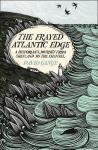 The Frayed Atlantic Edge by David Gange: While kayaking down the western coast of the British Isles and Ireland, Gange delves into the folklore, geology, history, local language and wildlife of each region and island group – from the extreme north of Scotland at Muckle Flugga to the southwest tip of Cornwall. An intricate interdisciplinary approach.
 Traveling Mercies: Some Thoughts on Faith by Anne Lamott: There is a lot of bereavement and other dark stuff here, yet an overall lightness of spirit prevails. A college dropout and addict, Lamott didn’t walk into a church and get clean until her early thirties. Each essay is perfectly constructed, countering everyday angst with a fumbling faith.
 In the Dream House by Carmen Maria Machado: This has my deepest admiration for how it prioritizes voice, theme and scene, gleefully does away with chronology and (not directly relevant) backstory, and engages with history, critical theory and the tropes of folk tales to interrogate her experience of same-sex domestic violence. (Second-person narration again!)
 Period Piece by Gwen Raverat: Raverat was a granddaughter of Charles Darwin. This is a portrait of what it was like to grow up in a particular time and place (Cambridge from the 1880s to about 1909). Not just an invaluable record of domestic history, it is a funny and impressively thorough memoir that serves as a model for how to capture childhood.
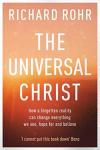 The Universal Christ by Richard Rohr: I’d read two of the Franciscan priest’s previous books but was really blown away by the wisdom in this one. The argument in a nutshell is that Western individualism has perverted the good news of Jesus, which is renewal for everything and everyone. A real gamechanger. My copy is littered with Post-it flags.
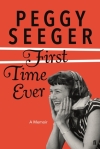 First Time Ever: A Memoir by Peggy Seeger: The octogenarian folk singer and activist has packed in enough adventure and experience for multiple lifetimes, and in some respects has literally lived two: one in America and one in England; one with Ewan MacColl and one with a female partner. Her writing is punchy and impressionistic. She’s my new hero.
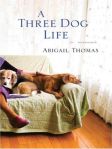 A Three Dog Life by Abigail Thomas: A memoir in essays about her husband’s TBI and what kept her going. Unassuming and heart on sleeve, Thomas wrote one of the most beautiful books out there about loss and memory. It is one of the first memoirs I remember reading; it made a big impression the first time, but I loved it even more on a reread.
 On Silbury Hill by Adam Thorpe: Explores the fragmentary history of the manmade Neolithic mound and various attempts to excavate it, but ultimately concludes we will never understand how and why it was made. A flawless integration of personal and wider history, as well as a profound engagement with questions of human striving and hubris.

(Books not pictured were read digitally, or have already gone back to the library.)
And if I really had to limit myself to just two favorites – my very best fiction and nonfiction reads of the year – they would be Our Souls at Night by Kent Haruf and Winter Journal by Paul Auster.
What were your best backlist reads this year?
The Best Books of 2020: Some Runners-Up
I’ve chosen 25 more cracking reads that were first released in 2020. (Asterisks = my hidden gems of the year.) Between this post and my Fiction/Poetry and Nonfiction best-of lists, I’ve now highlighted about the top 12% of my year’s reading.
Novels:
 The Vanishing Half by Brit Bennett: Like some lost mid-career gem from Toni Morrison, this novel is meaty with questions of racial and sexual identity. Light-skinned African-American twins’ paths divide in 1950s Louisiana. Perceptive and beautifully written, this has characters whose struggles feel genuine and pertinent.
 Piranesi by Susanna Clarke: To start with, Piranesi traverses his watery labyrinth like he’s an eighteenth-century adventurer, his resulting notebooks reading rather like Alexander von Humboldt’s writing. I admired how the novel moved from the fantastical and abstract into the real and gritty. Read it even if you say you don’t like fantasy.
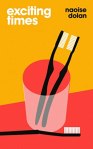 Exciting Times by Naoise Dolan: At 22, Ava leaves Dublin to teach English as a foreign language to wealthy preteens and almost accidentally embarks on affairs with an English guy and a Chinese girl. Dolan has created a funny, deadpan voice that carries the entire novel. I loved the psychological insight, the playfulness with language, and the zingy one-liners.
 *A Good Neighborhood by Therese Anne Fowler: Issues of race and privilege undermine a teen romance in a perfect-seeming North Carolina community. This is narrated in a first-person plural voice, like the Greek chorus of a classical tragedy. If you loved An American Marriage, it should be next on your list. I’m puzzled by how overlooked it’s been this year.
 Transcendent Kingdom by Yaa Gyasi: A more subdued and subtle book than Homegoing, but its treatment of themes of addiction, grief, racism, and religion is so spot on that it packs a punch. Gifty is a PhD student at Stanford, researching reward circuits in the mouse brain. There’s also a complex mother–daughter relationship and musings on love and risk. [To be published in the UK in March]
 The Mercies by Kiran Millwood Hargrave: A rich, natural exploration of a place and time period – full of detail but wearing its research lightly. Inspired by a real-life storm that struck on Christmas Eve 1617 and wiped out the male population of the Norwegian island of Vardø, it intimately portrays the lives of the women left behind. Tender, surprising, and harrowing.
 Sisters by Daisy Johnson: Teenagers September and July were born just 10 months apart, with July always in thrall to her older sister. For much of this short novel, Johnson keeps readers guessing as to why the girls’ mother, Sheela, took them away to Settle House, her late husband’s family home in the North York Moors. As mesmerizing as it is unsettling.
 The Book of Longings by Sue Monk Kidd: Kidd’s bold fourth novel started as a what-if question: What if Jesus had a wife? Although this retells biblical events, it is chiefly an attempt to illuminate women’s lives in the 1st century and to chart the female contribution to sacred literature and spirituality. An engrossing story of women’s intuition and yearning.
 *The Ninth Child by Sally Magnusson: Intense and convincing, this balances historical realism and magical elements. In mid-1850s Scotland, there is a move to ensure clean water. The Glasgow waterworks’ physician’s wife meets a strange minister who died in 1692. A rollicking read with medical elements and a novel look into Victorian women’s lives.
 *The Bell in the Lake by Lars Mytting: In this first book of a magic-fueled historical trilogy, progress, religion, and superstition are forces fighting for the soul of a late-nineteenth-century Norwegian village. Mytting constructs the novel around compelling dichotomies. Astrid, a feminist ahead of her time, vows to protect the ancestral church bells.
 What Are You Going Through by Sigrid Nunez: The narrator is called upon to help a terminally ill friend commit suicide. The voice is not solely or even primarily the narrator’s but Other: art consumed and people encountered become part of her own story; curiosity about other lives fuels empathy. A quiet novel that sneaks up to seize you by the heartstrings.
 Weather by Jenny Offill: A blunt, unromanticized, wickedly funny novel about how eco-anxiety permeates everyday life, written in an aphoristic style. Set either side of Trump’s election in 2016, the novel amplifies many voices prophesying doom. Offill’s observations are dead right. This felt like a perfect book for 2020 and its worries.
 Love and Other Thought Experiments by Sophie Ward: An intriguing set of linked short stories that combine philosophy and science fiction. Rachel and Eliza are preparing to have a baby together when an ant crawls into Rachel’s eye and she falls ill. I was particularly taken by the chapter narrated by the ant. It’s well worth making a rare dip into sci-fi for this one.
 *The Inland Sea by Madeleine Watts: The young female narrator of this debut novel lives in Sydney and works for Australia’s emergency call service. Against a backdrop of flooding and bush fires, a series of personal catastrophes play out. A timely, quietly forceful story of how women cope with concrete and existential threats.
Short Stories:
 To Be a Man by Nicole Krauss: These 10 stories from the last 18 years are melancholy and complex, often featuring several layers of Jewish family history. Europe, Israel, and film are frequent points of reference. “Future Emergencies,” though set just after 9/11, ended up feeling the most contemporary because it involves gas masks and other disaster preparations.
 *Help Yourself by Curtis Sittenfeld: A bonus second UK release from Sittenfeld in 2020 after Rodham. Just three stories, but not leftovers; a strong follow-up to You Think It, I’ll Say It. They share the theme of figuring out who you really are versus what others think of you. “White Women LOL,” especially, compares favorably to Kiley Reid’s Such a Fun Age.
 You Will Never Be Forgotten by Mary South: In this debut collection, characters turn to technology to stake a claim on originality, compensate for losses, and leave a legacy. These 10 quirky, humorous stories never strayed so far into science fiction as to alienate me. I loved the medical themes and subtle, incisive observations about a technology-obsessed culture.
Poetry:
 *Survival Is a Style by Christian Wiman: Wiman examines Christian faith in the shadow of cancer. This is the third of his books that I’ve read, and I’m consistently impressed by how he makes room for doubt, bitterness, and irony – yet a flame of faith remains. There is really interesting phrasing and vocabulary in this volume.
Nonfiction:
 Inferno: A Memoir by Catherine Cho: Cho experienced stress-induced postpartum psychosis after the birth of her son. She alternates between her time in the mental hospital and her life before the breakdown, weaving in family history and Korean sayings and legends. It’s a painstakingly vivid account.
 *The Lost Family: How DNA Testing Is Upending Who We Are by Libby Copeland: DNA tests can find missing relatives within days. But there are troubling aspects to this new industry, including privacy concerns, notions of racial identity, and criminal databases. A thought-provoking book with all the verve and suspense of fiction.
 *Signs of Life: To the Ends of the Earth with a Doctor by Stephen Fabes: Fabes is an emergency room doctor in London and spent six years of the past decade cycling six continents. This warm-hearted and laugh-out-loud funny account of his travels achieves a perfect balance between world events, everyday discomforts, and humanitarian volunteering.
 Losing Eden: Why Our Minds Need the Wild by Lucy Jones: Nature’s positive effect on human mental health is something we know intuitively and can explain anecdotally, but Jones wanted to investigate the scientific mechanism behind it. Losing Eden is full of common sense and passion, cramming in lots of information yet never losing sight of the big picture.
 *Nobody Will Tell You This But Me: A True (As Told to Me) Story by Bess Kalb: Jewish grandmothers are renowned for their fiercely protective love, but also for nagging. Both sides of the stereotypical matriarch are on display in this funny, heartfelt family memoir, narrated in the second person – as if from beyond the grave – by her late grandmother. A real delight.
 Diary of a Young Naturalist by Dara McAnulty: McAnulty is a leader in the UK’s youth environmental movement and an impassioned speaker on the love of nature. This is a wonderfully observant and introspective account of his fifteenth year and the joys of everyday encounters with wildlife. Impressive perspective and lyricism.
 Memorial Drive: A Daughter’s Memoir by Natasha Trethewey: Trethewey grew up biracial in 1960s Mississippi, then moved with her mother to Atlanta. Her stepfather was abusive; her mother’s murder opens and closes the book. Trethewey only returned to their Memorial Drive apartment after 30 years had passed. A striking memoir, delicate and painful.

(Books not pictured were read digitally, or have already gone back to the library.)
Coming tomorrow: My best backlist reads of the year.
Best of 2020: Nonfiction
Complementing yesterday’s list of my top fiction and poetry reads of 2020, I have chosen my six favorite nonfiction works of the year. Last year’s major themes were bodies, archaeology, and the environmental crisis; this year’s are adjacent: anatomy, nature, deep time, death, and questions of inheritance, both within families and more broadly. What will we leave behind? As usual, these topics reflect my own interests but also, I think, something of the zeitgeist.
Let the countdown begin!
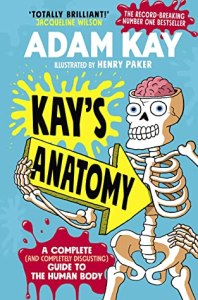 Kay’s Anatomy: A Complete (and Completely Disgusting) Guide to the Human Body by Adam Kay: Think of this as a juvenile, graphic novel version of Bill Bryson’s The Body; that’s exactly how thorough, accessible, and entertaining it is. Kay ditches his usual raunchiness and plumps for innocuous forms of humor: puns, dad jokes, toilet humor, running gags and so on. But where it counts – delivering vital information about not smoking, mental health, puberty, and facing the death of someone you love – Kay is completely serious, and always lets young readers know when it’s essential to tell an adult or ask a doctor. Henry Paker’s silly, grotesque illustrations are the perfect accompaniment.
-
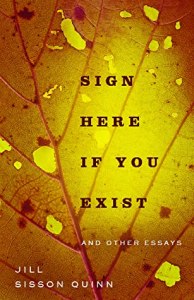 Sign Here If You Exist and Other Essays by Jill Sisson Quinn: The naturalist’s second essay collection considers themes of connection and change. Quinn regrets the afterlife prospect she lost along with her childhood Christian faith, while adopting a baby leads her to question notions of belonging and inheritance. Whether she’s studying wasps and reptiles or musing on family and faith, she knits her subjects together with meticulous attention. Putting self and nature under the microscope, she illuminates both. (Reviewed for Foreword.)
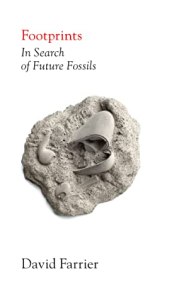 Footprints: In Search of Future Fossils by David Farrier: Blending human and planetary history, environmental realism and literary echoes, Farrier, a lecturer in English literature, tells the story of the human impact on the Earth. Each chapter is an intricate blend of fact, experience, and story. We’ll leave behind massive road networks, remnants of coastal megacities, plastics, carbon and methane in the permafrost, the fossilized Great Barrier Reef, nuclear waste, and jellyfish-dominated oceans. An invaluable window onto the deep future.
-
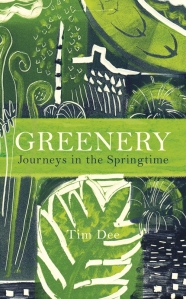 Greenery: Journeys in Springtime by Tim Dee: From the Cape of Good Hope to the Arctic Circle, Dee tracks the spring as it travels north. From first glimpse to last gasp, moving between his homes in two hemispheres, he makes the season last nearly half the year. His main harbingers are migrating birds, starting with swallows. The book is steeped in allusions and profound thinking about deep time and what it means to be alive in an era when nature’s rhythms are becoming distorted. A fresh, masterful model of how to write about nature.
-
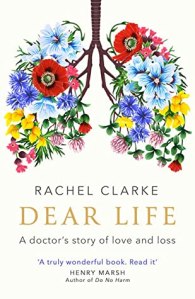 Dear Life: A Doctor’s Story of Love and Loss by Rachel Clarke: I’ve read so many doctors’ memoirs and books about death that it takes a truly special one to stand out. Clarke specializes in palliative medicine and alternates her patients’ stories with her own in a natural way. A major theme is her relationship with her doctor father and his lessons of empathy and dedication. She wrote in the wake of his death from cancer – an experience that forced her to practice what she preaches as a hospice doctor: focus on quality of life rather than number of days. This passionate and practical book encourages readers to be sure they and their relatives have formalized their wishes for end-of-life care and what will happen after their death.
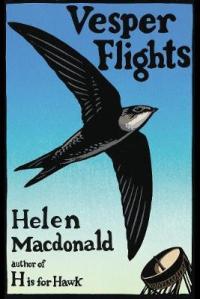 Vesper Flights by Helen Macdonald: Any doubt that Macdonald could write a worthy follow-up to H Is for Hawk evaporates instantly. Though these essays were written for various periodicals and anthologies and range in topic from mushroom-hunting to deer–vehicle collisions and in scope from deeply researched travel pieces to one-page reminiscences, they form a coherent whole. Equally reliant on argument and epiphany, the book has more to say about human–animal interactions in one of its essays than some whole volumes manage. As you might expect, birds are a recurring theme. Her final lines are always breath-taking. I’d rather read her writing on any subject than almost any other author’s.
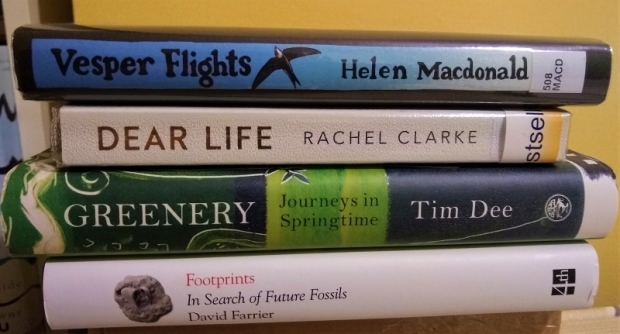
(Books not pictured were read digitally, or have already gone back to the library.)
What were some of your top nonfiction reads of the year?
Upcoming posts:
28th: Library Checkout
29th: Runners-up from 2020 (all genres)
30th: Best backlist reads
31st: Random superlatives and some statistics
Best of 2020: Fiction and Poetry
I’ve managed to whittle down my favorite releases of 2020 to 17 in total: six each from nonfiction (that’s for tomorrow) and fiction, plus five poetry volumes. Plenty more books from all genres will turn up on my runners-up list, due Tuesday.
Let the countdown begin!
Fiction
-
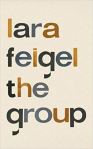 The Group by Lara Feigel: A kaleidoscopic portrait of five women’s lives in 2018. Stella, Kay, Helena, Polly, and Priss met as Oxbridge students. Now 40-ish, they live in London and remain close, though their lives have diverged. Fast-forward a Sally Rooney novel by 20 years and you have an idea of what to expect. This sexually frank and socially engaged story arose from the context of the #MeToo movement and fully acknowledges the privilege and limitations of its setting. The advantage of the apparent heterogeneity in the friend group is that it highlights depths of personality and subtleties of experience. Absorbing and relevant.
-
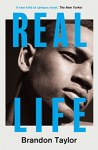 Real Life by Brandon Taylor: Over the course of one late summer weekend, Wallace questions everything about the life he has built. As a gay African American, he has always been an outsider at the Midwestern university where he’s a graduate student in biochemistry. Tacit prejudice comes out into the open in ugly ways; sex and violence are uneasily linked. I so admired how the novel is constructed: the condensed timeframe, the first and last chapters in the past tense (versus the rest in the present tense), the contrast between the cerebral and the bodily, and the thematic and linguistic nods to Virginia Woolf. A very fine debut indeed.
-
 Monogamy by Sue Miller: After 30 years, Annie and Graham are forced to scrutinize their marriage anew. Annie is a photographer; Graham owns a Cambridge, Massachusetts bookstore. Around them swirl a circle of family, friends, acquaintances, and former and would-be lovers. Miller knows her characters and how they interact intimately, and each viewpoint is thoroughly believable. Even in what seems a conventional story, she managed several proper made-me-gasp surprises. A beautifully observant novel about ambition, ageing and grief, reminiscent of Julia Glass, Sigrid Nunez, Maggie O’Farrell, and Carol Shields.
-
 Writers & Lovers by Lily King: Following a breakup and her mother’s sudden death, Casey Peabody is drowning in grief and debt. Between waitressing shifts, she chips away at the novel she’s been writing for six years. Life gets complicated, especially when two love interests appear. We see this character at rock bottom but also when things start to go well at long last. Thanks to the confiding first-person, present-tense narration, I felt I knew Casey through and through, and I cheered for her. I came to think of this as an older, sadder Sweetbitter, perhaps as written by Elizabeth Strout. It gives you all the feels, as they say.
-
 The Glass Hotel by Emily St. John Mandel: Mandel’s characters are rootless people stuck in literal or figurative states they don’t fully understand. Addiction is its own country for Paul, as is money for his half-sister, Vincent, who unexpectedly takes on the role of trophy wife to an older New York financier named Jonathan Alkaitis. Shuttling between the concrete (the shipping industry) and the abstract (even imaginary money can pay for luxuries), and laced with music and visual art, the novel explores liminal spaces, finding the fairy tales and nightmares that nip at the heels of real life. A satisfyingly layered story.
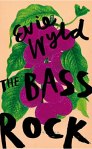 The Bass Rock by Evie Wyld: There’s no avoiding violence for the women and children of this fictional world. It’s a sobering theme, certainly, but Wyld convinced me hers is an accurate vision and a necessary mission. The novel cycles through its three strands in an ebb and flow pattern appropriate to the coastal setting, creating a sense of time’s fluidity. Themes and elements keep coming back, stinging a little more each time. An elegant, time-blending structure and an unrelenting course – that indifferent monolith off the coast of Scotland is the perfect symbol. Looking back, this is the novel that has most haunted my imagination.
Poetry
-
 How to Fly: In Ten Thousand Easy Lessons by Barbara Kingsolver: The opening segment, “How to Fly,” is full of folk wisdom from nature and the body’s intuitive knowledge. “Pellegrinaggio” is a set of poems about accompanying her Italian mother-in-law back to her homeland. “This Is How They Come Back to Us” is composed of elegies for the family’s dead; four short remaining sections are inspired by knitting, literature, daily life, and concern for the environment. The book gives equal weight to personal and collective losses, and Kingsolver builds momentum with her salient natural imagery and entrancing rhythms.
 Moving House by Theophilus Kwek: This is the Chinese Singaporean poet’s first collection to be published in the UK. Infused with Asian history, his elegant verse ranges from elegiac to romantic. Many poems are inspired by historical figures and real headlines; others are about the language and experience of love. I also enjoyed the touches of art and legend: “Monologues for Noh Masks” is about the Pitt-Rivers Museum collection, while “Notes on a Landscape” is about Iceland’s geology and folk tales. Highly recommended to readers of Mary Jean Chan and Ocean Vuong.
-
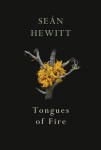 Tongues of Fire by Seán Hewitt: This debut collection is alive with striking imagery that draws links between the natural and the supernatural. Sex and grief, two major themes, are silhouetted against the backdrop of nature. Fields and forests are loci of meditation and epiphany, but also of clandestine encounters between men. Hewitt recalls travels to Berlin and Sweden, and charts his father’s rapid decline and death from an advanced cancer. The whole is capped off with the moving words addressed to the poet’s father: “You are not leaving, I know, // but shifting into image – my head / already is haunted with you”.
-
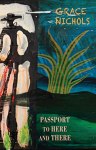 Passport to Here and There by Grace Nichols: Nichols’s ninth collection is split, like her identity, between the Guyana where she grew up and the England which she has made her home. Creole and the imagery of ghosts conjure up her coming of age in South America. She often draws on the natural world for her metaphors, and her style is characterized by alliteration and assonance. Nichols brings her adopted country to life with poems on everything from tea and the Thames to the London Underground and the Grenfell Tower fire. (My full review will appear in Issue 106 of Wasafiri literary magazine.)
-
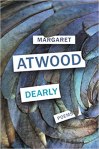 Dearly by Margaret Atwood: A treasure trove, rich with themes of memory, women’s rights, environmental crisis and bereavement and by turns reflective and playful, melancholy and hopeful. I can highly recommend it, even to non-poetry readers, because it is led by its themes; although there are layers to explore, the poems are generally about what they say they’re about, and more material than abstract. Alliteration, internal and slant rhymes, and neologisms will delight language lovers. Atwood’s imagery ranges from the Dutch masters to The Wizard of Oz; her frame of reference is as wide as the range of fields she’s written in.

(Books not pictured were read digitally, or have already gone back to the library.)
What were some of your top fiction and poetry reads of the year?
Tomorrow I’ll be naming my favorite nonfiction books from the year.
Most Anticipated Releases of the Second Half of 2020
Although over 100 books from the second half of the year are already on my radar, I’ve limited myself here to the 15 July to November releases that I’m most excited about.
The modest number is a cheat in that I’ve already read seven books from this period in advance (plus I’m currently reading another three), and I haven’t listed any that I already have access to via proofs, promised finished copies, NetGalley, Edelweiss, or library preorders. Some of these that I intend to read are A Traveler at the Gates of Wisdom by John Boyne, D (A Tale of Two Worlds): A Modern-Day Dickensian Fable by Michel Faber, Bringing Back the Beaver by Derek Gow, Just Like You by Nick Hornby, How to Fly (poems) by Barbara Kingsolver, Vesper Flights by Helen Macdonald, Utopia Avenue by David Mitchell, Summerwater by Sarah Moss, Lake Life by David James Poissant, Dear Reader by Cathy Rentzenbrink, Jack by Marilynne Robinson and The Wild Silence by Raynor Winn.

(Meanwhile, two of my overall most anticipated 2020 releases have been pushed back to 2021, at least in the UK: Transcendent Kingdom by Yaa Gyasi and The Anthill by Julianne Pachico.)

The following are in release date order, within sections by genre; the quoted descriptions are from the publisher blurbs on Goodreads. For most I’ve added a note on why I want to read it. Nonfiction dominates: this seems to be the way of 2020 for me. Lots of flora and fauna on the covers and in the themes. Look out for antlers x 2.
Fiction

I love the U.S. cover.
Artifact by Arlene Heyman [July 9, Bloomsbury] “A sweeping debut novel about love, sex, motherhood, and ambition that follows a gifted and subversive scientist’s struggle to reach beyond cultural constraints for the life she wants. … Artifact is an intimate and propulsive portrait of a whole woman.” Susan of A life in books put me onto this one; here’s her review.

I love the U.S. cover.
Sisters by Daisy Johnson [Aug. 13, Jonathan Cape / Aug. 25, Riverhead] “After a serious case of school bullying becomes too much to bear, sisters July and September move across the country with their mother to a long-abandoned family home. … With its roots in psychological horror, Sisters is a taut, powerful and deeply moving account of sibling love.” I loved Johnson’s Booker-shortlisted debut, Everything Under.
Piranesi by Susanna Clarke [Sept. 15, Bloomsbury] “Piranesi’s house is no ordinary building: its rooms are infinite, its corridors endless. … For readers of Neil Gaiman’s The Ocean at the End of the Lane … Piranesi introduces an astonishing new world.” It feels like forever since we had a book from Clarke. I remember devouring Jonathan Strange & Mr Norrell during a boating holiday on the Norfolk Broads in 2006. But whew: this one is only 272 pages.
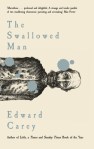 The Swallowed Man by Edward Carey [Nov. 5, Gallic / Oct. 27, Riverhead] “A beautiful and haunting imagining of the years Geppetto spends within the belly of a sea beast. Drawing upon the Pinocchio story while creating something entirely his own, Carey tells an unforgettable tale of fatherly love and loss, pride and regret, and of the sustaining power of art and imagination.” His Little was one of my favorite novels of 2018.
Poetry
 Dearly: New Poems by Margaret Atwood [Nov. 10, Chatto & Windus / Ecco / McClelland & Stewart] “By turns moving, playful and wise, the poems … are about absences and endings, ageing and retrospection, but also about gifts and renewals. They explore bodies and minds in transition … Werewolves, sirens and dreams make their appearance, as do various forms of animal life and fragments of our damaged environment.”
Nonfiction
 Bright Precious Thing: A Memoir by Gail Caldwell [July 7, Random House] “In a voice as candid as it is evocative, Gail Caldwell traces a path from her west Texas girlhood through her emergence as a young daredevil, then as a feminist.” I’ve enjoyed two of Caldwell’s previous books, especially Let’s Take the Long Way Home. Also, I’ve been reading a lot of childhood memoirs and I like comparing them to see how authors capture that time of life.
 The Fragments of My Father by Sam Mills [July 9, Fourth Estate] A memoir of being the primary caregiver for her father, who had schizophrenia; with references to F. Scott Fitzgerald and Leonard Woolf, who also found themselves caring for people struggling with mental illness. “A powerful and poignant memoir about parents and children, freedom and responsibility, madness and creativity and what it means to be a carer.”
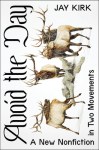 Avoid the Day: A New Nonfiction in Two Movements by Jay Kirk [July 28, Harper Perennial] Transylvania, Béla Bartók’s folk songs, an eco-tourist cruise in the Arctic … “Avoid the Day is part detective story, part memoir, and part meditation on the meaning of life—all told with a dark pulse of existential horror.” It was Helen Macdonald’s testimonial that drew me to this: it “truly seems to me to push nonfiction memoir as far as it can go.”
 World of Wonders: In Praise of Fireflies, Whale Sharks, and Other Astonishments by Aimee Nezhukumatathil [Aug. 3, Milkweed Editions] “From beloved, award-winning poet Aimee Nezhukumatathil comes a debut work of nonfiction—a collection of essays about the natural world, and the way its inhabitants can teach, support, and inspire us. … Even in the strange and the unlovely, Nezhukumatathil finds beauty and kinship.” Who could resist that title or cover?
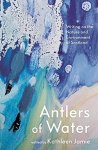 Antlers of Water: Writing on the Nature and Environment of Scotland, edited by Kathleen Jamie [Aug. 6, Canongate] Contributors include Amy Liptrot, musician Karine Polwart and Malachy Tallack. “Featuring prose, poetry and photography, this inspiring collection takes us from walking to wild swimming, from red deer to pigeons and wasps, from remote islands to back gardens … writing which is by turns celebratory, radical and political.”
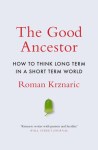 The Good Ancestor: How to Think Long Term in a Short-Term World by Roman Krznaric [Aug. 27, W.H. Allen] “Drawing on radical solutions from around the world, Krznaric celebrates the innovators who are reinventing democracy, culture and economics so that we all have the chance to become good ancestors and create a better tomorrow.” I’ve been reading a fair bit around this topic. I got a sneak preview of this one from Krznaric’s Hay Festival talk.
 Eat the Buddha: The Story of Modern Tibet through the People of One Town by Barbara Demick [Sept. 3, Granta / July 28, Random House] “Illuminating a culture that has long been romanticized by Westerners as deeply spiritual and peaceful, Demick reveals what it is really like to be a Tibetan in the twenty-first century, trying to preserve one’s culture, faith, and language.” I read her book on North Korea and found it eye-opening. I’ve read a few books about Tibet over the years; it is fascinating.
 Entangled Life: How Fungi Make Our Worlds, Change Our Minds and Shape Our Futures by Merlin Sheldrake [Sept. 3, Bodley Head / May 12, Random House] “Entangled Life is a mind-altering journey into this hidden kingdom of life, and shows that fungi are key to understanding the planet on which we live, and the ways we think, feel and behave.” I like spotting fungi. Yes, yes, the title and cover are amazing, but also the author’s name!! – how could you not want to read this?
 Between Light and Storm: How We Live with Other Species by Esther Woolfson [Sept. 3, Granta] “Woolfson considers prehistoric human‒animal interaction and traces the millennia-long evolution of conceptions of the soul and conscience in relation to the animal kingdom, and the consequences of our belief in human superiority.” I’ve read two previous nature books by Woolfson and have done some recent reading around deep time concepts. This is sure to be a thoughtful and nuanced take.
 The Stubborn Light of Things: A Nature Diary by Melissa Harrison [Nov. 5, Faber & Faber] “Moving from scrappy city verges to ancient, rural Suffolk, where Harrison eventually relocates, this diary—compiled from her beloved “Nature Notebook” column in The Times—maps her joyful engagement with the natural world and demonstrates how we must first learn to see, and then act to preserve, the beauty we have on our doorsteps.” I love seeing her nature finds on Twitter. I think her writing will suit this format.
Which of these do you want to read, too?
What other upcoming 2020 titles are you looking forward to?
The Best Books from the First Half of 2020
My top 10 releases of 2020 thus far, in alphabetical order within genre (nonfiction is dominating the year for me!), are:
Fiction
The Vanishing Half by Brit Bennett: Like some lost mid-career gem from Toni Morrison, this novel is meaty with questions of racial and sexual identity. Light-skinned African American twins Stella and Desiree Vignes’ paths divide in 1954, with Stella passing as white. Both are desperate to escape from Mallard, Louisiana. The twins’ decisions affect the next generation, too. It’s perceptive and beautifully written, with characters whose struggles feel genuine and pertinent. The themes of self-reinvention and running from one’s past resonate.
Writers & Lovers by Lily King: Following a breakup and her mother’s sudden death, Casey Peabody is drowning in grief and debt. Between waitressing shifts, she chips away at the novel she’s been writing for six years. Life gets complicated, especially when two love interests appear. We see this character at rock bottom but also when things start to go well at long last. I felt I knew Casey through and through, and I cheered for her. An older, sadder Sweetbitter, perhaps as written by Elizabeth Strout. It gives you all the feels, as they say.
Weather by Jenny Offill: A blunt, unromanticized, wickedly funny novel about how eco-anxiety permeates everyday life, Weather is in the same aphoristic style as Offill’s Dept. of Speculation. Lizzie is married with a young son and works in a NYC university library. She takes on a second job as PA to her former professor, who runs a podcast on environmental issues. Set either side of Trump’s election, the novel amplifies many voices prophesying doom. Offill’s observations are spot on. Could there be a more perfect book for 2020?
The Bass Rock by Evie Wyld: There’s no avoiding violence for the women and children of this novel. It’s a sobering theme, certainly, but Wyld convinced me that hers is an accurate vision and a necessary mission. The novel cycles through its three strands in an ebb and flow pattern that seems appropriate to the coastal setting and creates a sense of time’s fluidity. Themes and elements keep coming back, stinging a little more each time. An elegant, time-blending structure and an unrelenting course – that indifferent monolith is the perfect symbol.
Nonfiction
 Dear Life: A Doctor’s Story of Love and Loss by Rachel Clarke: I’ve read so many doctors’ memoirs and books about death and dying; it takes a truly special one like this to stand out. Clarke specializes in palliative medicine and alternates her patients’ stories with her own in a very natural way. A major theme is her relationship with her father, who was also a doctor, and how she absorbed his lessons of empathy and dedication. A passionate and practical book, encouraging readers to be sure they and older relatives have formalized their wishes.
The Lost Family: How DNA Testing Is Upending Who We Are by Libby Copeland: Gone are the days when people interested in family history had to trawl through microfilm and wait months to learn anything new; nowadays a DNA test can find missing relatives within days. But there are troubling aspects to this new industry, including privacy concerns, notions of racial identity, and criminal databases. Copeland spoke to scientists and 400 laypeople who sent off saliva samples. A thought-provoking book with all the verve and suspense of fiction.
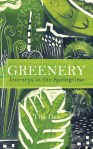 Greenery: Journeys in Springtime by Tim Dee: From the Cape of Good Hope to the Arctic Circle, Dee tracks the spring as it travels north. From first glimpse to last gasp, moving between his homes in two hemispheres, he makes the season last nearly half the year. His main harbingers are migrating birds, starting with swallows. The book is steeped in allusions and profound thinking about deep time and what it means to be alive in an era when nature’s rhythms are becoming distorted. A fresh, masterful model of how to write about nature.
 Footprints: In Search of Future Fossils by David Farrier: Blending human and planetary history, environmental realism and literary echoes, Farrier, a lecturer in English literature, tells the story of the human impact on the Earth. Each chapter is an intricate blend of fact, experience and story. We’ll leave behind massive road networks, remnants of coastal megacities, plastics, carbon and methane in the permafrost, the fossilized Great Barrier Reef, nuclear waste, and jellyfish-dominated oceans. An invaluable window onto the deep future.
Losing Eden: Why Our Minds Need the Wild by Lucy Jones: While nature’s positive effect on human mental health is something we know intuitively and can explain anecdotally, Jones wanted to investigate the scientific mechanism behind it. She makes an empirical enquiry but also attests to the personal benefits nature has. Losing Eden is full of common sense and passion, cramming masses of information into 200 pages yet never losing sight of the big picture. Like Silent Spring, on which it is patterned, I can see this leading to real change.
Diary of a Young Naturalist by Dara McAnulty: McAnulty is the UK’s answer to Greta Thunberg: a leader in the youth environmental movement and an impassioned speaker on the love of nature. This is a wonderfully observant and introspective account of his fifteenth year: of disruptions – moving house and school, of outrage at the state of the world and at individual and political indifference, of the complications of being autistic, but also of the joys of everyday encounters with wildlife. Impressive perspective and lyricism.

The ones I own in print (not pictured: 2 read on Kindle; 1 read via the library).
The 4.5- or 5-star backlist books that I’ve read this year but haven’t yet written about on here in some way are:
- Kindred by Octavia E. Butler
- Love Medicine by Louise Erdrich
- Small Ceremonies by Carol Shields
What are some of the best books you’ve read so far this year?
What 2020 releases do I need to catch up on right away?
20 Books of Summer 2020 (Food & Drink Theme): #1 Tiny Moons
It’s my third year participating in Cathy’s 20 Books of Summer challenge. Two years ago I read only books by women; last year I did an animal theme. This year, my 20 books will all tie into a food and drink theme. This includes recognizable foodie lit, memoirs and travel books that have a food element (such as Dave Gorman seeking out non-chain restaurants in America Unchained and Alice Steinbach taking French cooking lessons in Educating Alice), and fiction or nonfiction works that just happen to have a food word in the title. To avoid being grisly, I’ll try not to include any animal books left over from last year!


I have around 30 books to choose from, including these slightly cheaty selections whose authors’ names bring food to mind.

The one constant in my three summers’ selections is that all the books have to be from my own shelves – it’s my way of trying to tackle my hundreds-strong physical TBR. I also have a few classics and two rereads (Dunn and Kingsolver) in the mix here, which would contribute to other ongoing reading goals.
I’m kicking off #20BooksofSummer20 with a quick win, only 85 pages long and read in a single sitting this morning. It was a great start to the project and had my mouth watering for elevenses two hours early…
Tiny Moons: A Year of Eating in Shanghai by Nina Mingya Powles (2020)
This lovely pamphlet of food-themed essays arose from a blog Powles kept while in Shanghai on a one-year scholarship to learn Mandarin. She’d lived in the city as a teen, attending an international high school, so it was somewhat familiar – yet she struggled with homesickness. From one winter to another, she explores the city’s culinary offerings and muses on the ways in which food is bound up with her memories of people and places.
As a child in a mixed-race household in New Zealand, she only knew food words in her Malaysian Chinese mother’s native languages. “My earliest childhood impressions are ones where I am just about to eat something,” she writes. That something might have been Western or Asian food – they coexist in the book (most delightfully on a long-distance train ride she takes: you can buy noodles and dried chicken feet, but also Oreos and Pringles).

As a student in Shanghai, she has dumplings and soup for lunch almost every day. She could live off of spring onion oil noodles and pineapple buns (named for their cross-hatched top rather than their flavour). Messy foods, greasy foods, comfort foods – “It is tiring to be a woman who loves to eat in a society where hunger is something not to be satisfied but controlled.” She and her classmates know that their time here is limited, and they’re going to make the most of these flavours you can’t find every day.
Two sets of cooking lessons add dishes like sticky rice dumplings and stir-fried aubergines to her repertoire. She learns about the traditional foods associated with Chinese festivals, and about the country’s north/south divides: wheat noodles versus rice and thick-skinned dumplings versus thin ones. Street food and snacks abound, including savoury and sweet buns, filled pancakes, tofu bowls and mooncakes.
This is a book about how food can help you be at home, despite loneliness or a language barrier: “In any city anywhere, if there’s a Chinatown I’ll feel at home,” Powles concludes. I love how she uses the senses – not just taste, but also smell and sight – to recreate important places in her life. A fresh banana fritter eaten at her grandparents’ home in Borneo brings it all back, with the senses mingling synaesthetically: “I taste tropical heat. I can taste the slow hours spent in the back garden beneath the mango tree … I taste the fierce sun on my neck”.
My rating: 
Readalikes: Shark’s Fin and Sichuan Pepper: A Sweet-Sour Memoir of Eating in China by Fuchsia Dunlop & Two Trees Make a Forest: On Memory, Migration and Taiwan by Jessica J. Lee
Note: Last year Nina Mingya Powles won the inaugural Nan Shepherd Prize for underrepresented voices in nature writing, earning a publishing contract with Canongate for a nature/travel memoir that will be released in August 2021. I’m looking forward to it already.
Tiny Moons was published on February 27th. My thanks to Emma Dai’an Wright of The Emma Press, a small press based in Birmingham, UK, for the free copy for review. (Emma also illustrated the book!)
Are you joining in the summer reading challenge? What’s the first book on the docket?
Do you spy any favorites on my piles? Which ones should I be sure to read?
Pandemic Reading Strategies & Recommendations, Serious or Tongue-in-Cheek
If you’ve been spending time blog-hopping or on Twitter over the last few weeks, you will have seen countless riffs on this topic. Everyone’s pondering what’s best to read in these times. All we can get our hands on about plagues (Boccaccio, Camus, Defoe)? Allegories of similarly challenging worldwide disasters (WWII, 9/11)? Childhood favorites? Comfort reads? Funny books? Light, undemanding stuff? Rereads?
My general answer would be: as always, read whatever you want or can – anything that captures your attention is worthwhile. We’re under so much stress that our reading should be entirely unpressured. But to be a little more specific, I’ve gathered reading recommendations on a variety of topics, drawing on lists that others have made and linking to my own blog reviews where applicable.
(Some of these ideas are less serious than others.)
If you are brave enough to learn about zoonotic diseases:
 Spillover: Animal Infections and the Next Human Pandemic by David Quammen: This is top-notch scientific journalism: pacey, well-structured, and gripping. The best chapters are on Ebola and SARS; the SARS chapter, in particular, reads like a film screenplay, if this were a far superior version of Contagion. It’s a sobering subject, with some quite alarming anecdotes and statistics, but this is not scare-mongering for the sake of it; Quammen is frank about the fact that we’re still all more likely to get heart disease or be in a fatal car crash.
If you can’t look away from pandemic stories, historical or imagined:


I already had Philip Roth’s Nemesis (set in 1940s New Jersey amid a polio epidemic) out from the library because it was on the Wellcome Book Prize shortlist in 2011. I was also inspired to take Year of Wonders by Geraldine Brooks (set in the 1660s and featuring an English village that quarantined itself during the Plague) off the shelf. I’m nearing the end of these two and should have my reviews up next week.
You will see no one book referenced more than Station Eleven by Emily St. John Mandel. It’s a wholly believable dystopian novel in which 99% of the population has been wiped out by a pandemic. The remnant bands together not just to survive but to create and preserve art. “What was lost in the collapse: almost everything, almost everyone, but there is still such beauty.” (My full BookBrowse review from December 2014.)
See also this Publishers Weekly list of “13 Essential Pandemic Novels.”
If you’re feeling cooped up…
 Infinite Home by Kathleen Alcott: “Edith is a widowed landlady who rents apartments in her Brooklyn brownstone to an unlikely collection of humans, all deeply in need of shelter.” (I haven’t read it, but I do have a copy; now would seem like the time to read it!)
…yet want to appreciate the home you’re stuck in:


Years ago I read and loved At Home: A Short History of Private Life by Bill Bryson and Happier at Home by Gretchen Rubin. I can’t tell you anything more than that because it was before the days when I reviewed everything I read, but these are both reliable authors.
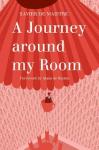 I love the sound of A Journey Around My Room by Xavier de Maistre: “Finding himself locked in his room for six weeks, a young officer journeys around his room in his imagination, using the various objects it contains as inspiration for a delightful parody of contemporary travel writing and an exercise in Sternean picaresque.”
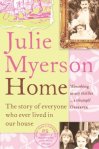
I’m also drawn to Home: The Story of Everyone Who Ever Lived in Our House by Julie Myerson, who combed archives for traces of all the former residents of her 1870s terraced house in Clapham.
If you’re struggling with being on your own:


The Lonely City by Olivia Laing: This remarkable book on outsider artists interweaves biography, art criticism and memoir. Laing is a tour guide into the peculiar, lonely crowdedness you find in a world city.
How to Be Alone by Sara Maitland: Maitland argues that although being alone is easy to achieve, there is an art to doing it properly, and solitude and loneliness are by no means the same thing. Profiling everyone from the Desert Fathers of early Christianity to the Romantic poets, she enumerates all the benefits that solitude confers.
Journal of a Solitude by May Sarton: A one-year account of her writing life in New Hampshire, this is Sarton’s best. The book dwells on the seasonal patterns of the natural world (shovelling snow, gardening, caring for animals) but also the rhythms of the soul – rising in hope but also falling into occasional, inevitable despair.
See also this Penguin UK list of books to read in self-isolation.
If you’ve been passing the time by baking…
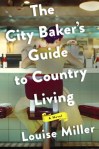 The City Baker’s Guide to Country Living by Louise Miller: As chief baker at the Sugar Maple Inn in Guthrie, Vermon, Olivia Rawlings settles into a daily routine of baking muffins, bread and cakes. This is a warm, cozy debut novel full of well-drawn secondary characters and romantic possibilities. There’s nothing clichéd about it, though. Livvy is a sassy narrator, and I loved how Miller documents the rhythms of the small-town country year, including tapping the maple trees in the early spring and a pie baking contest at the summer county fair.
 Sourdough by Robin Sloan: Lois Clary, a Bay Area robot programmer, becomes obsessed with baking. “I needed a more interesting life. I could start by learning something. I could start with the starter.” She attempts to link her job and her hobby by teaching a robot arm to knead the bread she makes for a farmer’s market. Madcap adventures ensue. It’s a funny and original novel and it makes you think, too – particularly about the extent to which we should allow technology to take over our food production.
…but can’t find yeast or eggs in the shop:
Yeast: A Problem by Charles Kingsley (1851). Nope, I haven’t read it, but our friend has a copy in his Everyman’s Library collection and the title makes us laugh every time we see it.
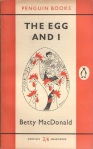 The Egg & I by Betty Macdonald: MacDonald and her husband started a rural Washington State chicken farm in the 1940s. Her account of her failure to become the perfect farm wife is hilarious. The voice reminded me of Doreen Tovey’s: mild exasperation at the drama caused by household animals, neighbors, and inanimate objects. “I really tried to like chickens. But I couldn’t get close to the hen either physically or spiritually, and by the end of the second spring I hated everything about the chicken but the egg.” Perfect pre-Easter reading.
And here are a few lists I put together for Hungerford Bookshop:
If you need a laugh:
Fiction:
Lucky Jim by Kingsley Amis
The Darling Buds of May (and sequels) by H.E. Bates
Ella Minnow Pea by Mark Dunn
Heartburn by Nora Ephron
 Cold Comfort Farm by Stella Gibbons
Anything by Nick Hornby
Three Men in a Boat by Jerome K. Jerome
Anything by David Lodge
Dear Committee Members by Julie Schumacher
The Rosie Project (and sequels) by Graeme Simsion
To Say Nothing of the Dog by Connie Willis
Nonfiction:
 Anything by Bill Bryson
21st-Century Yokel by Tom Cox
Anything by Gerald Durrell
Anything by Nora Ephron (essays)
This Is Going to Hurt by Adam Kay
Priestdaddy by Patricia Lockwood
Dear Lupin by Roger Mortimer
Anything by David Sedaris
Little Failure by Gary Shteyngart
If you want to disappear into a long book:


The Heart’s Invisible Furies by John Boyne
Jonathan Strange & Mr Norrell by Susanna Clarke
David Copperfield by Charles Dickens
Middlesex by Jeffrey Eugenides
The Crimson Petal and the White by Michel Faber
The Signature of All Things by Elizabeth Gilbert
The Nix by Nathan Hill
We, the Drowned by Carsten Jensen
Mary Ann Sate, Imbecile by Alice Jolly
The Poisonwood Bible by Barbara Kingsolver
The Wind-Up Bird Chronicle by Haruki Murakami
The Sparrow by Mary Doria Russell
American Wife by Curtis Sittenfeld
East of Eden by John Steinbeck
The Goldfinch by Donna Tartt
Cutting for Stone by Abraham Verghese
The Paying Guests by Sarah Waters
If you’re looking for some hope:
 Almost Everything: Notes on Hope by Anne Lamott
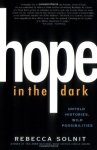
Hope in the Dark by Rebecca Solnit
Hope Dies Last: Making a Difference in an Indifferent World by Studs Terkel
I’ve been doing a combination of the above strategies, reading about historical plagues in fiction and nonfiction but also doing some rereading and consuming lighter genre stuff like mysteries. I continue to dip into new releases, and I enjoy the ongoing challenge of my reading projects. Right now, I’m working through a few current Women’s Prize longlistees, as well as some past Wellcome Book Prize nominees and Women’s Prize winners, and I’m about to start a third #1920Club title. Plus I’m already thinking about my 20 Books of Summer (I’m considering an all-foodie theme).
Further reading:
- Book Riot pinpoints seven categories of books to read during a pandemic.
- Clare surveys the post-pandemic literary landscape.
- Elle logs her pandemic reading and viewing.
- Laura discusses pandemic reading strategies and distraction reading.
- Literary Hub looks at parallel situations, including post-9/11 reads, to make predictions, and asks what your “go-to quarantine read” says about you. (I’ve read Kindred most recently, but I wouldn’t say that describes me.)
- Simon thinks about what we can and should read.
- Susan highlights some comfort reads.
What are your current reading strategies?
Some Early Recommendations for 2020
I haven’t done much dipping into 2020 releases yet, but I do have two that I would highly recommend to pretty much anyone, plus some more that are also worth highlighting.
My top recommendations (so far) for 2020:
American Dirt by Jeanine Cummins
[Coming on January 21st from Tinder Press (UK) / Flatiron Books (USA)]
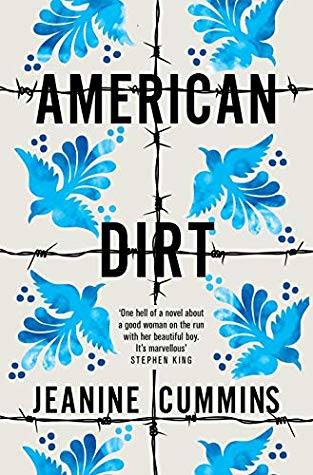 You’ve most likely already heard of this novel about the plight of migrants crossing the U.S. border in search of a better life. What’s interesting is that the main characters are not your typical border crossers: Lydia was a middle-class Acapulco bookshop owner whose journalist husband was murdered for his pieces exposing the local drug cartel. She and her eight-year-old son, Luca, know that the cartel is after them, too, and its informers are everywhere. They join Central American migrants in hopping onto La Bestia, a dangerous freight train network running the length of Mexico. Their fellow travelers’ histories reveal the traumatic situations migrants leave and the hazards they face along the way. Cummins alternates between the compelling perspectives of Lydia and Luca, and the suspense is unrelenting. It feels current and crucial. (My full review will be in Issue 491 of Stylist magazine, so if you are in London or another city that hands it out and can pick up a copy, keep an eye out!)
The Lost Family: How DNA Testing Is Upending Who We Are by Libby Copeland
[Coming on March 3rd from Abrams Press (USA)]
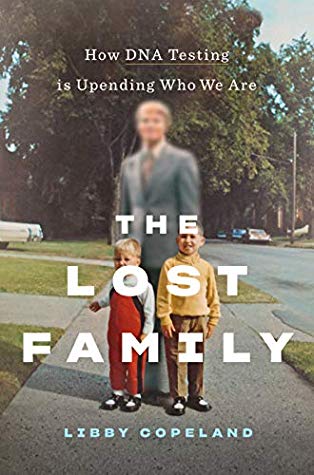 A terrific follow-up to one of my runners-up from last year, Inheritance by Dani Shapiro. I learned that “non-paternity events” such as Shapiro experienced are not as uncommon as you might think. Copeland spoke to scientists, DNA testing companies, and some 400 ordinary people who sent off saliva samples to get their DNA profile and, in many cases, received results they were never expecting. There are stories of secret second families, of people who didn’t find out they were adopted until midlife, and of babies switched at birth. We’ve come a long way since the days when people interested in family history had to trawl through reams of microfilm and wait months or years to learn anything new; nowadays a DNA test can turn up missing relatives within a matter of days. But there are a lot of troubling aspects to this new industry, including privacy concerns, notions of racial identity, and criminal databases. It’s a timely and thought-provoking book, written with all the verve and suspense of fiction.
Also of note (in release date order):
 Half Broke: A Memoir by Ginger Gaffney: Horse trainer Gaffney has volunteered at the Delancey Street Foundation’s New Mexico ranch, an alternative prison for drug offenders, for six years. She chronicles how feral horses and humans can help each other heal. Great for fans of Cheryl Strayed. (February 4, W.W. Norton)
Survival Is a Style: Poems by Christian Wiman: Wiman examines Christian faith in the shadow of cancer. This is the third of his books that I’ve read; I’m consistently impressed by how he makes room for doubt, bitterness and irony, yet a flame of faith remains. Really interesting phrasing and vocabulary here. (February 4, Farrar, Straus and Giroux)
 Pain Studies by Lisa Olstein: Another in a growing number of hard-hitting books about female pain. Specifically, Olstein has chronic migraines. In these essays she ranges from ancient philosophy to recent television in her references, and from lists of symptoms to poetic descriptions in her format. A little rambly, but stylish nonetheless. (March 4, Bellevue Literary Press)
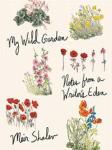 My Wild Garden: Notes from a Writer’s Eden by Meir Shalev: The Israeli novelist tells of how he took a derelict garden in the Jezreel Valley and made it thrive. He blends botanical knowledge with Jewish folklore. I particularly enjoyed his good-natured feud against his local mole rats. Gentle and charming. (March 31, Shocken)
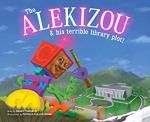 The Alekizou and His Terrible Library Plot! by Nancy Turgeon: The Alekizou can’t read! Jealous of the fun he sees children having at the library, he breaks in and steals all the vowels. Without them, books and speech don’t make sense. Luckily, the children know sign language and use it to create replacement letters. A fun picture book with rhymes reminiscent of Dr. Seuss, this also teaches children vowels and basic signing. (April 6, CrissCross AppleSauce)
With thanks to the publisher for the free PDF copy for review.
 Why We Swim by Bonnie Tsui: A personal history with swimming, but also a wide-ranging study of humans’ relationship with the water – as a source of food, exercise, healing, competition and enjoyment. Tsui meets scientists, coaches, Olympians and record holders, and recounts some hard-to-believe survival tales. (April 14, Algonquin Books)
 Bookish Beck = Rebecca Foster. American transplant to England. Freelance proofreader and book reviewer.
 Bookish Beck