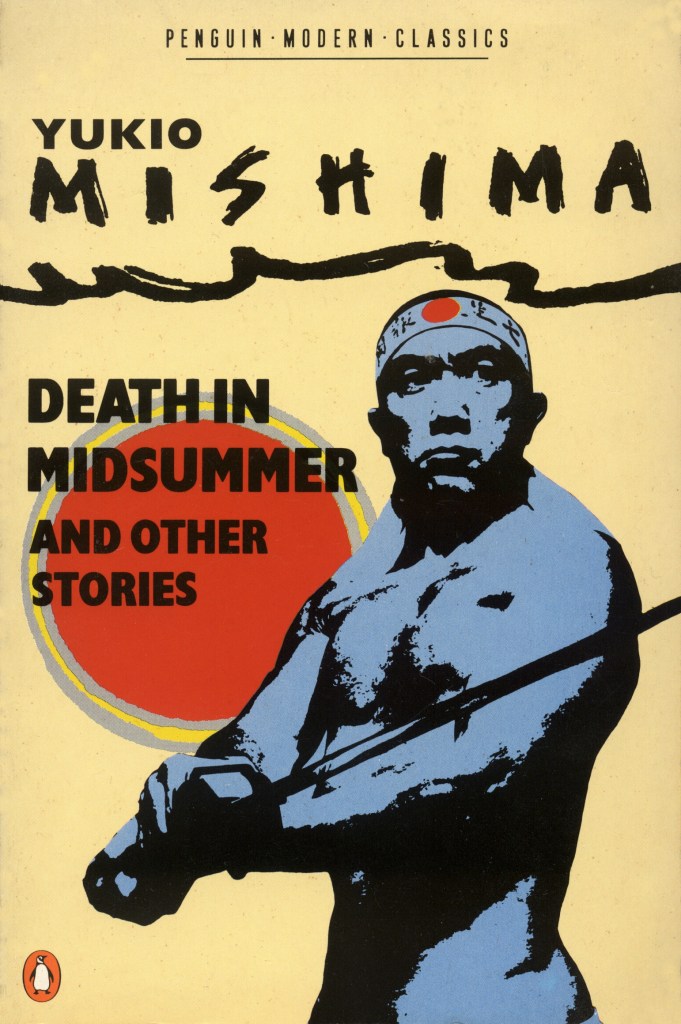
#ShortStorySeptember: “Death in Midsummer” by Yukio Mishima (1952; 1966)
Tomoko Ikuta is on a beach vacation with her three children and sister-in-law, Yasue, who is their de facto nanny and housekeeper. The trip soon turns nightmarish when three family members die in quick succession.
{BEWARE SPOILERS IN THE REMAINDER}
Tomoko is taking a well-deserved nap to escape the punishing sun. Yasue is an attentive babysitter who has already chased after the children and warned them about going any deeper. She’s barely looked away for a second when the six-year-old boy, Kiyoo, and five-year-old girl, Keiko, disappear. Yasue runs into the ocean to find them and is hit by a massive wave that seems to trigger a heart attack. In the ensuing chaos, the missing children are forgotten – even by Tomoko – until it’s far too late.
All of the above happens within the first six pages; the rest is aftermath. The idyllic setting introduced in the story’s first few paragraphs (the beach “unspoiled for sea bathing,” the hotel’s “beautiful” view, the placid image of the mother asleep) feels like mockery when set against the “ridiculous” and “excessive” tragedy that has befallen the family. The husband, Masaru, on the train from Tokyo to join his diminished kin, wishes he could “shout at the other passengers: ‘Listen, everybody. You don’t know it, but I have just lost my sister and two of my three children.” The season itself seems to have betrayed them: “If only summer would end. The very word ‘summer’ carried with it festering thoughts of death.”
Mishima’s vision is of fate as cruel and capricious. As the bereaved parents undertake the necessary funeral preparations, he explores the practicalities and the ironies of the situation:
A death is always a problem in administration. They were frantically busy administering.
Tomoko listened to the subdued humming of the autumn cicadas, and smelled the incense and the cool, shady grass. ‘What a nice place. They’ll have room to play, and they won’t be bored. I can’t help thinking it will be good for them. Strange, isn’t it?’
She’s found a perfect, peaceful spot for her children to spend eternity, since they’ll never get to grow up.
As time passes, the memory of the incident is less painful. What had been unbearable becomes simple reality. But then something curious happens. One family’s losses take on legendary status, transformed into a widespread cautionary tale:
Rather than an injury it became a moral lesson, and it changed from a concrete fact to a metaphor. It was no longer the property of the Ikuta family, it was public. … You have to watch children constantly when you take them to the beach. People drown where you would never think it possible. Not that Masaru and his wife had sacrificed two children and a sister to teach a lesson. The loss of the three had served no other purpose, however; and many a heroic death produces as little.
Yet Mishima also extends an opportunity for redemption when, two years later, the couple returns to the same beach with their remaining son, five-year-old Katsuo, and their new daughter, Momoko. It’s an act of faith and an acceptance that danger is always present and that no parent, however protective, can completely eliminate risk. By inscribing a full circle like that, Mishima emphasizes the severity of the loss but also somehow atones for it.
I found this story so powerful – emotionally charged but understated – that I’m surprised I’d not come across it before in my constant quest to find the best classic grief literature. At 29 pages, it feels just right; a note at the end mentions that it was abridged by translator Edward G. Seidensticker. I’ll be sure to try more by Mishima.
From Death in Midsummer and Other Stories (1966) (Secondhand – Better World Books)

Three I Read for Father’s Day: Faber Poetry Anthology; Giffels & Pascoe
I’m behind on reviews after a long weekend visiting friends. As I did last year, I picked out three books related to fathers and fatherhood. It’s my ideal Three on a Theme recipe: one fiction + one nonfiction + one poetry. I won a copy of a poetry anthology about parenthood and completed the trio with a memoir that’s been on my shelves for a number of years and a debut novel I bought secondhand mostly for the title.
Family Lines: Poems about Parents and Parenthood, ed. Simon Armitage and Rachel Bower (2026)
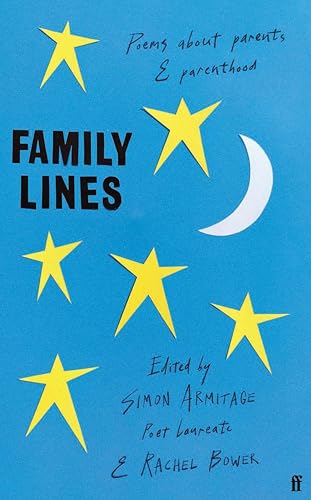 Not all of the poems are about fathers, of course, but there are plenty of selections here that feel true of any family relationship: the complicated emotions, the sometimes physical realities of transformation and care, the risks of ageing and loss, and how identity is defined by a connection or an opposition. This suffered a bit from its first third – covering pregnancy, birth, and early parenthood – being very similar in scope to Night Feeds and Morning Songs (2021, ed. Ana Sampson), which I reviewed for Mother’s Day. Some of the same contributors feature, though I think only the one specific poem overlaps, Liz Berry’s “The Republic of Motherhood.” Highlights included Gail McConnell’s prose poem “Orange” contemplating lesbian motherhood and Rita Dove’s “Daystar” about never-ending domestic duties: “She wanted a little room for thinking; / but she saw diapers steaming on the line”.
Contemporary material mingles with older; Homer and Wordsworth are two of the ten poets included in a chapter on fathers and father figures. “Sleep” by Roger Robinson was the best example of the theme, a sweet tribute to a man who “for the next twenty years / … battles on his job every day / just so you could be comfortable / and have the space to be what you want.” Relevant entries from other sections were Alden Nowlan’s “It’s Good to Be Here,” about his inauspicious beginning in 1932 with a 14-year-old mother (“I’m in trouble, she said / to him. …// … they began to talk very quietly and at last he said / well, I guess we’ll just have to make the best of it”); Anne Sexton’s “All My Pretty Ones,” about going through her late father’s things and wondering if she’s inherited his alcoholism; and Hartley Coleridge’s “Lines—,” acknowledging he’ll never live up to his father’s talent: “Because I bear my Father’s name / I am not quite despised, / My little legacy of fame / I’ve not yet realized.” (Faber giveaway)
Furnishing Eternity: A Father, a Son, a Coffin, and a Measure of Life by David Giffels (2018)
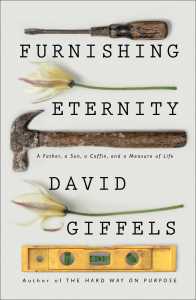 Losing his mother and best friend to cancer within a year, and then turning 50, got Giffels to thinking about mortality. He had a whim to build his own coffin and decided it would be a perfect joint project with his widowed father, who had a home workshop full of tools. As sprightly and driven as his father was, he was also in his eighties and had survived a couple of different cancers, so it was never far from the author’s mind that he needed to make the most of his time with his father while he could. I’m not at all interested in woodworking or DIY, but this is an unusual and likable memoir that alternates the practicalities of building the casket with memories of his relationships with his mother and friend John, who was an artist. While Giffels mentions his wife Gina frequently, he doesn’t talk about his own children as much as I might have expected to take the lessons full circle. No matter; I appreciated the middle-aged Ohio hipster’s thoughts on friendship, ageing and grief. Bereavement memoirs are more often the preserve of women, it seems, so it was good to have a different take.
This is how middle-aged friendships often go, slipping and slipping until ‘we really should get together soon’ becomes a discomforting veil for the truth—that such friendships cease to exist.
I thought a time would come when I would feel definitively like a grown-up, like I would have achieved a certain kind of acumen for making decisions and knowing what to do in unknowable situations, when I wouldn’t feel insecure in real-life grown-up scenarios (board meetings; ordering wine; delivering eulogies). Instead, I still felt like a kid. Or rather, I felt like an adult who was in the continuous loop of his youth.
death is a shattering. Grief is the chaos of wreckage. Only life can find the pattern, and only in its own sweet time. What I remember from the long season of loss was wanting each day to pass as quickly as possible. To get beyond it. I guess I missed the fact that the by-product of this wish was for my own life to rush by.
(New bargain purchase from Amazon)
Our Father Who Art in the Tree by Judy Pascoe (2002)
“It was simple for me: the saints were in heaven, and guardian angels had extendable wings like Batman, and my dad had died and gone to live in the tree in the back yard.”
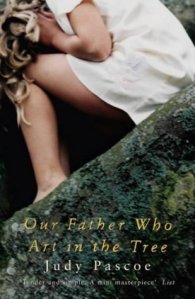 The premise of this Australia-set novella was appealing enough for me to overcome my usual antipathy to child narrators. It probably helps that Simone is looking back from adulthood rather than limited to a 10-year-old’s knowledge. She tells her mother, Dawn, about the voice coming from the tree and it turns out that the two of them are the only ones who can hear her father. He tells them that he’s sorry he left, that he will always love them, that death is not so bad. Simone’s three brothers and best friend, the judgemental neighbours: they’re all clueless. The boys carry on with normal life as best they can, while Dawn has the chance to start over with “the drain man.” Meanwhile, the tree keeps encroaching on the house, undermining the foundations. It’s both a literal problem and a symbol of the enormity of grief, and the book as a whole works on both levels. Despite the early promise of magic, I found it to be a mostly realistic and reasonably touching look at the aftermath of family tragedy. (Secondhand – Community Furniture Project, Newbury)
Some Peripheral Reading for Joyce Carol Oates’s Birthday
June 16th is Bloomsday, of course, and was Paul Auster and Siri Hustvedt’s wedding anniversary – as I learned from Ghost Stories. It’s also the 88th birthday of one of our most prolific authors, Joyce Carol Oates. As I wrote in my introductory post for 20 Books of Summer, Marcie (of Buried in Print) and I have embarked on a casual Oates buddy reading project starting this summer and extending into autumn’s spooky selections. (See her post from today on her early and recent experiences with JCO.)
 First, an update: I’m now on page 101 of Blonde! It’s such a mammoth doorstopper that I will celebrate my every milestone.
When I scoured the public library and university library catalogues for Oates’s work, I found two oddities to explore further. One is an essay contributed to an anthology on tear-jerking poems; the other is her introduction to an art book on a particular genre of funerary sculpture.
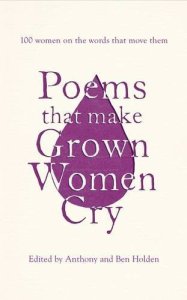
For Poems that Make Grown Women Cry: 100 Women on the Words that Move Them (2016; ed. Anthony and Ben Holden), Oates chose “City Horse” by Henri Cole (I’ve read his 2025 collection The Other Love). It’s a melodramatic portrait of a dead horse overcome by a natural disaster. We know from the title who the poem is about, though not until over halfway through do we get an actual identification: “O, wondrous horse; O, delicate horse – dead, dead”; before that, the unnamed “she” has been simply one more element of the flood detritus (“sucked out to sea and washed up again – / with uprooted trees, crumpled cars, and collapsed houses –”), with evidence of human abuse before that (“facedown in dirt, and tied to a telephone pole, / as if trying to raise herself still, though one leg is broken”). It gets more mawkish before the end: “‘She was more smarter than me, / she just wait,’ a boy sobs”. So I didn’t love the poem as a whole, but the first line of this elegy is incredible: “At the end of the road from concept to corpse”.
In her prefatory essay, Oates extrapolates from one suffering creature to pity “for us all”: “we have been made unnatural by our increasingly mechanized and impersonal society,” and we, too, will be “used up and discarded eventually … by nature, and by time.”
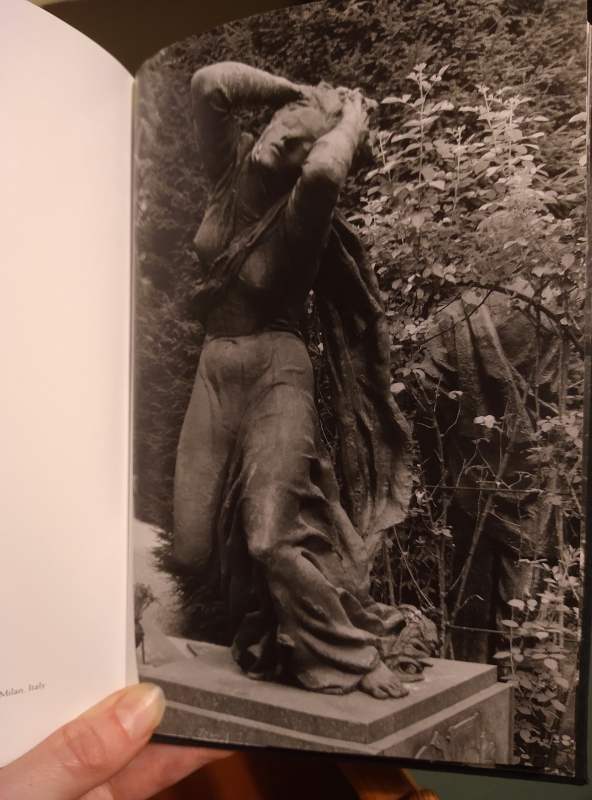
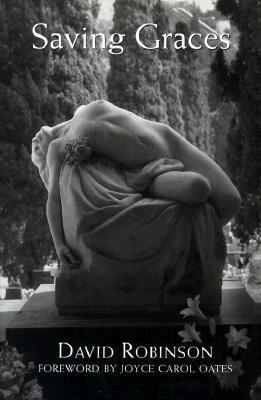 From a dead horse to cities full of dead humans … I think we can safely conclude Oates is not the most cheerful of writers. Saving Graces by David Robinson (1995) is a black-and-white photographic tour through European cemeteries, mostly in London, Milan, and Paris, with a focus on a specific class of 19th-century statuary. These are mourning women: generally semi-nude or flimsily draped and often in the throes of full-body, abandoned weeping that looks like a sexual swoon. They are not angels, Robinson insists; instead, he came to believe that they represented the meeting of the Romantic infatuation with death and “the emergence of the family as the primary focus of affection” in the Victorian period. The women emphasize the finality of death and the overwhelming nature of grief, but those who commissioned the statues may also have envisioned them as “escorts on the journey ahead … posted there to watch over and take care of the deceased.” As photographs go, they’re not hugely interesting; there’s only so much one can do, composition-wise, with gravestones, and I wish he or Oates had done more to subvert the exploitation of the sensual female image.
Oates’s foreword contrasts the photography of life with “the photography of stillness—of the arrested, meditative image.” Robinson’s are the latter type, of course. She describes the book as follows:
“an assemblage of strikingly beautiful photographs that tells us much, and hints at far more, of our collective desire that death be not mere deadness—biological decay, cellular decomposition, the extinction of the ‘unique’ human personality—but Death: mysterious, ethereal, mourned, and therefore celebrated by the most attractive among us. Contemplating these images, we realize how human anxiety, human vanity, human terror of the unknown, whether male or female, may well be the unacknowledged origin of our greatest artworks”.
I’ve already encountered Death in the first chapter of Blonde, and I reckon he’ll be a common figure in much of Oates’s work to come, whether realist, Gothic or gory.
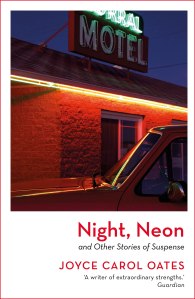 Today I picked up Night, Neon (2021), one of Oates’s many collections of suspense stories, from the library and, based on online reviews, chose two stories to read. I started with the first one, “Detour,” in which a road sign reroutes Abigail from her usual commute when she’s a mile from home. Disoriented, she ends up driving into a ditch and stumbles to the nearest dwelling for help. No one answers the door, so she lets herself in and, Goldilocks-like, makes herself at home, using the toilet and settling into a bed for a nap. When she wakes up, she’s been put into a nightgown and is locked into the bedroom by a man who claims to be her husband of 30 years and is concerned about her health. How has she entered into someone else’s life, and will she be able to get back to her own? The story ends on a note of (hopeful) uncertainty.
“Miss Golden Dreams 1949” proved to be a great companion to Blonde in that it’s voiced by a Marilyn Monroe clone/sex robot being auctioned off at Sotheby’s. Creepily, it’s addressed from her to “Daddy,” a wealthy potential buyer. Even in Oates’s short fiction, I’m finding that she uses three sentences where one would do the job, but at least the stories pass quickly.
Guardian reviewer Ben East sums up her approach nicely (“You tend to know what you’re getting with an Oatesian short – a disquieting snapshot of American life on the verge of individual or ideological collapse”) and describes her short fiction in general as “nuanced rather than neat.” This collection seems promising, so I’ll probably go ahead and read its six more stories and a novella before the summer is out.
January Releases by Julian Barnes and Stewart O’Nan
These two novels by literary lions (of the UK and USA, respectively) share themes of ageing, loss, and memory, as well as a wry and gently melancholy tone. I’ve read 23 books by Julian Barnes, some of them twice; Stewart O’Nan has also published twenty-some books, but was a new author for me.
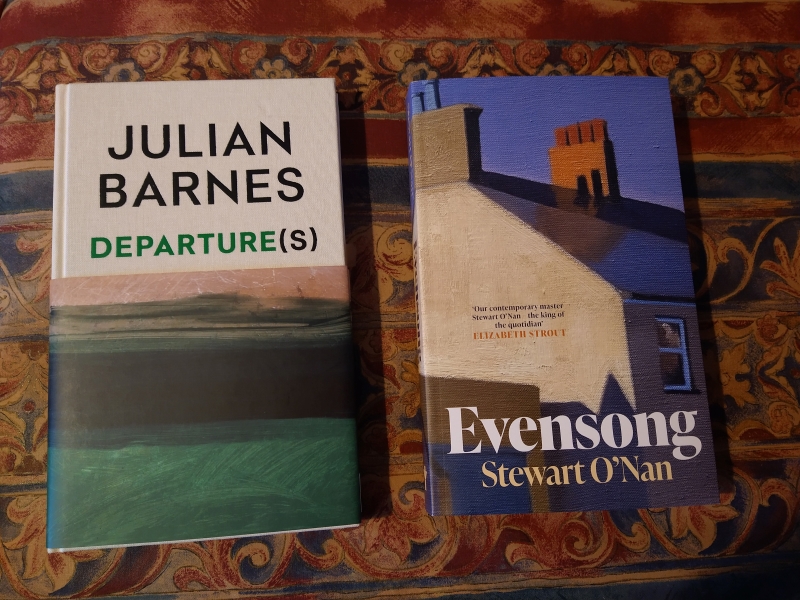
Departure(s) by Julian Barnes (2026)
“That’s what I’ve been after all my writing life: the whole story.”
Julian Barnes has been a favourite author of mine since my early twenties. He insists this novella will be his final book. It’s a coy fiction–autofiction mixture featuring the same fixations as much of his work: how time affects relationships and memory, how life gets translated into written evidence, and how we make peace with death. The narrator is one Julian Barnes, a writer approaching age 80 and adjusting to a recent diagnosis of a non-life-threatening blood cancer. The ostensible point is to retell his Oxford University friends Stephen and Jean’s two-stage romance: they were college sweethearts but married other people; then Julian reintroduced them in their sixties and they married – but it didn’t last.
 He parcels out bits of this story in between pondering involuntary autobiographical memory (IAM), his “incurable but manageable” condition, and his possible legacy. He hopes he’ll be exonerated due to waiting until Stephen and Jean were dead to write about them and adopting Jean’s old Jack Russell terrier, Jimmy. His late wife, Pat Kavanagh, is never far from his thoughts, and he documents other losses among his peers, including Martin Amis (d. 2023 – for a short book, this is curiously dated, as if it hung around for years unfinished). There are also, as one would expect from Barnes, occasional references to French literature. Confident narration gives the sense of an author in full control of his material. Yet I found much of it tedious. He’s addressed subjectivity much more originally in other works, and the various strands here feel like incomplete ideas shoehorned into one volume.
It’s a shame that I had just reread Talking It Over, a glistening voice-led novel of his from 1991, because it showed up the thinness and repetition of much of his recent work. (I even thought I spotted a reference to Talking It Over as Jean is warning Julian not to write about her and Stephen. “I’ll tell you the truth, and don’t you ever fucking use it, not even deeply disguised in some novel where I appear as Jeanette [Gillian?] and Stephen is Stuart.”) I see his oeuvre as a left-skewed bell curve: three of the first four novels are not worth reading and five of the last seven have also been dubious, but with much excellent material in between. It’s been a case of diminishing returns from The Sense of an Ending onwards, but I have many excellent rereads to look forward to. My next two will be A History of the World in 10½ Chapters – a typically playful take on documented history and legend – and Nothing to Be Frightened Of, his forthright memoir about mortality. If you’ve not read Barnes before, this wouldn’t be a bad place to start as you’ll get a taster of his trademark topics and dry wit, but delving into his back catalogue may well prove more rewarding.
With thanks to Jonathan Cape (Penguin) for the free copy for review.
Evensong by Stewart O’Nan (2025)
The comparisons to Kent Haruf and Elizabeth Strout in the press materials and pre-publication reviews are spot on: this is the kind of quiet American novel that appeals for its small-town ambience and cosy community of lovably quirky people with everyday problems. O’Nan grew up in Pittsburgh, the setting for this fourth book in a loose series based around the character Emily Maxwell – I did have a slight feeling of having wandered into a variant of Olive, Again partway through, but it wasn’t a major stumbling block for me. The generally elderly, female members of the Humpty Dumpty Club form a constellation of care: they help each other out by driving to hospital appointments, picking up prescriptions and groceries – and, when worst comes to worst, planning funeral services.
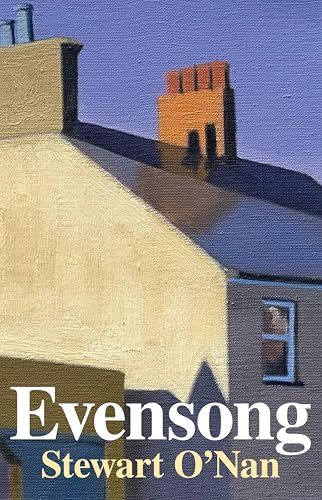 Often, the short chapters are vignettes starring one or more of the central characters. When Joan has a fall down her stairs and lands in rehab, Kitzi takes over as de facto HDC leader. A musical couple’s hoarding and cat colony become her main preoccupation. Emily deals with family complications I didn’t fully understand for want of backstory, and Arlene realizes dementia is affecting her daily life. Susie, the “baby” of the group at 63, takes in Joan’s cat, Oscar, and meets someone through online dating. The novel covers four months of 2022–23, anchored by a string of holidays (Halloween, Thanksgiving, Christmas); events such as John Fetterman’s election and ongoing Covid precautions; and the cycle of the Church year.
O’Nan encourages affection for his salt-of-the-earth folk who vote Democrat, support the Steelers and attend liberal Protestant churches as a matter of course. They lead simple lives and cope with failing health with as much dignity as they can. There’s something to be said for celebrating older, ordinary people, who don’t often get a look-in in contemporary fiction. But I struggled with the ensemble nature of the cast – well over halfway through I was still trying to work out who everyone was; it doesn’t help that there are a Gene, a Jean and a Joan – and the extreme verisimilitude. The Humpty Dumpty Club exists in real life, but these women could be your aunt or choir director from Any Town, USA. Were my mother still around, this would be her, running errands and helping neighbours in suburban Pittsburgh, and I would be visiting the area annually. That combination of the mundane and the too close to home conspired to make this more of a slog than expected. I also feel I gleaned no distinct understanding of O’Nan as a writer – especially as other novels of his that I own (The Night Country and A Prayer for the Dying) are classed under horror. I’ll just have to try more.
First published in November 2025 by Atlantic Monthly Press in the USA. With thanks to Grove Press UK for the free copy for review.
While these were much anticipated reads for me, I ultimately found them a little underwhelming. I think I wanted a bit more raging against the dying of the light.
Have you read either or both of these authors? What can you recommend by them, or what will you seek out?
Best Books of 2025
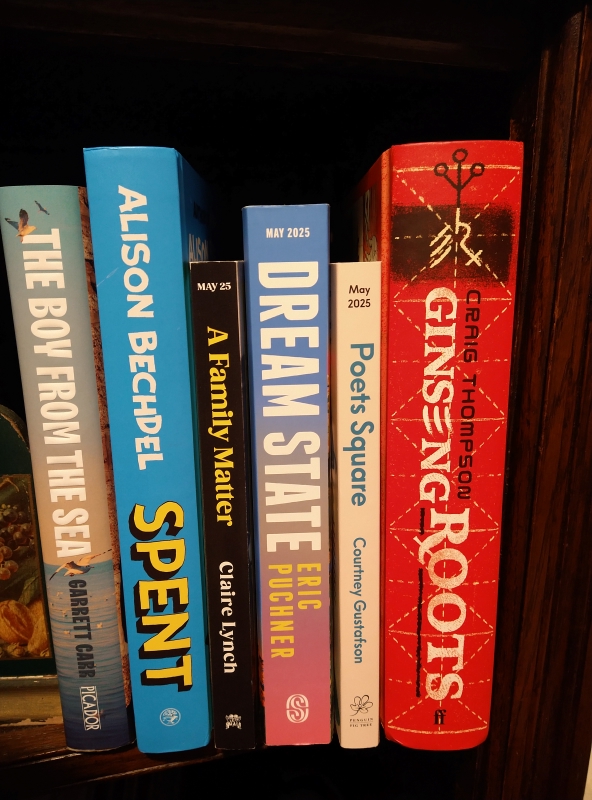
Without further ado, I present my 15 favourite releases from 2025. (With the 15 runners-up I chose yesterday, these represent about the top 9.5% of my current-year reading.) Pictured below are the ones I read in print; all the others were e-copies or library books I couldn’t get my hands on for a photo shoot. Links are to my full reviews where available.
Fiction
 Spent: A Comic Novel by Alison Bechdel: Alison has writer’s block and is consumed with anxiety about the state of the world. “Who can draw when the world is burning?” Then she has an idea for a book – or a reality TV series – called $UM to wean people off of capitalism. That creative journey is mirrored here. Through Alison’s ageing hippie friends and their kids, Bechdel showcases alternative ways of living. Even the throwaway phrases are hilarious. It’s a gleeful and zeitgeist-y satire, yet draws to a touching close. So great, I read it twice.
 The Boy from the Sea by Garrett Carr: I was entranced by this story of an Irish family in the 1970s–80s: Ambrose, a fisherman left behind by technology; his wife Christine, walked all over by her belligerent father and sister; their son Declan, a budding foodie; and the title character, Brendan, a foundling they adopt and raise. Narrated by a chorus of village voices, this debut has the heart of Claire Keegan and the humour of Paul Murray. It reimagines biblical narratives, too: Cain and Abel, Jacob and Esau (brotherly rivalry!); Job and more.
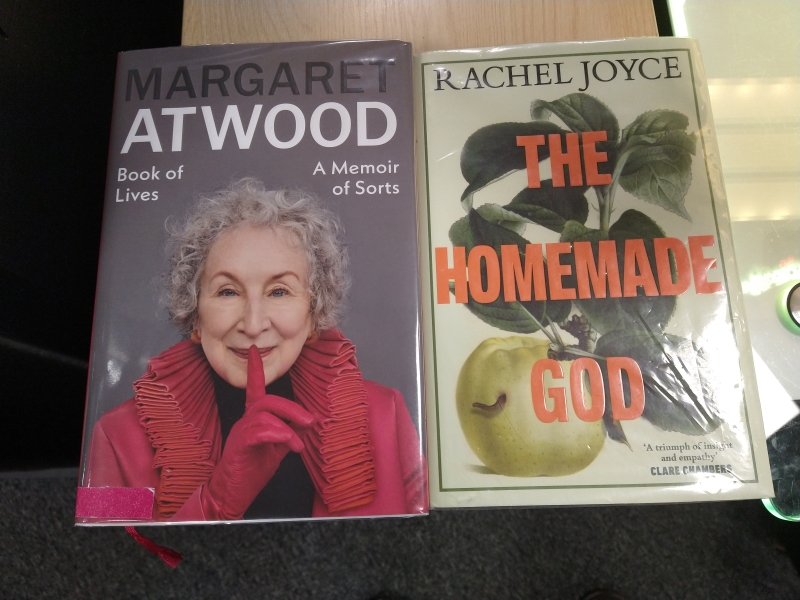
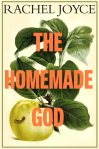 The Homemade God by Rachel Joyce: The story of four siblings initially drawn together (in Italy) and then dramatically blown apart by their father’s remarriage and death. Despite weighty themes including alcoholism and depression, there is an overall lightness of tone and style that made this a pleasure to read. Joyce has really upped her game: it’s more expansive, elegant and empathetic than her previous seven books. You can tell she got her start in theatre, too: she’s so good at scenes, dialogue, and moving groups of people around.
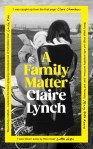 A Family Matter by Claire Lynch: In her research into UK divorce cases in the 1980s, Lynch learned that 90% of lesbian mothers lost custody of their children. Her earnest, delicate debut novel, which bounces between 2022 and 1982, imagines such a situation through close portraits of three family members. Maggie knew only that her mother, Dawn, abandoned her when she was little. Lynch’s compassion is equal for all three characters. This confident, tender story of changing mores and steadfast love is the new Carol for our times.
 Are You Happy? by Lori Ostlund: Nine short fictions form a stunning investigation into how violence and family dysfunction reverberate. “The Peeping Toms” and “The Stalker” are a knockout pair featuring Albuquerque lesbian couples under threat by male acquaintances. Characters are haunted by loss and grapple with moral dilemmas. Each story has the complexity and emotional depth of a novel. Freedom versus safety for queer people is a resonant theme in an engrossing collection ideal for Alice Munro and Edward St. Aubyn fans.
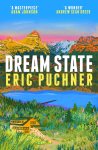 Dream State by Eric Puchner: It starts as a glistening romantic comedy about t Charlie and Cece’s chaotic wedding at a Montana lake house in summer 2004. First half the wedding party falls ill with norovirus, then the best man, Garrett, falls in love with the bride. The rest examines the fallout of this uneasy love triangle as it stretches towards 2050 and imagines a Western USA smothered in smoke from near-constant forest fires. Still, there are funny set-pieces and warm family interactions. Jonathan Franzen meets Maggie Shipstead.
 Palaver by Bryan Washington: Washington’s emotionally complex third novel explores the strained bond between a mother and her queer son – and their support systems of friends and lovers – when she visits him in Tokyo. The low-key plot builds through memories and interactions: the son’s with his students or hook-ups; the mother’s with restaurateurs as she gains confidence exploring Japan. Through words and black-and-white photographs, the author brings settings to life vibrantly. This is his best and most moving work yet.
Nonfiction
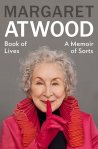 Book of Lives: A Memoir of Sorts by Margaret Atwood: For diehard fans, this companion to her oeuvre is a trove of stories and photographs. The context on each book is illuminating and made me want to reread lots of her work. I was reminded how often she’s been ahead of her time. The title feels literal in that Atwood has been wilderness kid, literary ingénue, family and career woman, philanthropist and elder stateswoman. She doesn’t try to pull all her incarnations into one, instead leaving the threads trailing into the beyond.
 Poets Square: A Memoir in 30 Cats by Courtney Gustafson: Working for a food bank, trapped in a cycle of dead-end jobs and rising rents: Gustafson saw first hand how broken systems and poverty wear people down. She’d recently started feeding and getting veterinary care for a feral cat colony in her Tucson, Arizona neighbourhood. With its radiant portraits of individual cats and its realistic perspective on personal and collective problems, this is a cathartic memoir and a probing study of building communities of care in times of hardship.
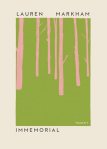 Immemorial by Lauren Markham: An outstanding book-length essay that compares language, memorials, and rituals as strategies for coping with climate anxiety and grief. The dichotomies of the physical versus the abstract and the permanent versus the ephemeral are explored. Forthright, wistful, and determined, the book treats grief as a positive, as “fuel” or a “portal.” Hope is not theoretical in this setup, but solidified in action. This is an elegant meditation on memory and impermanence in an age of climate crisis.
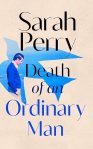 Death of an Ordinary Man by Sarah Perry: Perry recognises what a sacred privilege it was to witness her father-in-law’s death nine days after his diagnosis with oesophageal cancer. David’s end was as peaceful as could be hoped: in his late seventies, at home and looked after by his son and daughter-in-law, with mental capacity and minimal pain or distress. The beauty of this direct but tender memoir is its patient, clear-eyed unfolding of every stage of dying, a natural and inexorable process that in other centuries would have been familiar to all.
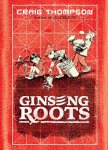 Ginseng Roots by Craig Thompson: A book about everything, by way of ginseng. It begins with Thompson’s childhood summers working on American ginseng farms with his siblings in Marathon, Wisconsin. As an adult, he travels first to Midwest ginseng farms and festivals and then through China and Korea to learn about the plant’s history, cultivation, lore, and medicinal uses. Roots are symbolic of a family story that unfolds in parallel. Both expansive and intimate, this is a surprising gem from one of the best long-form graphic storytellers.
Poetry
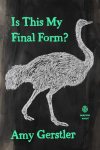 Is This My Final Form? by Amy Gerstler: This delightfully odd collection amazes with its range of voices and techniques. It leaps from surrealism to elegy as it ponders life’s randomness. The language of transformation is integrated throughout. Aging and the seasons are examples of everyday changes. Elsewhere, speakers fall in love with the bride of Frankenstein or turn to dinosaur urine for a wellness regimen. Monologues and sonnets recur. Alliteration plus internal and end rhymes create satisfying resonance.
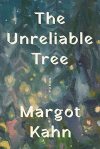 The Unreliable Tree by Margot Kahn: Kahn’s radiant first collection ponders how traumatic events interrupt everyday life. Poles of loss and abundance structure delicate poems infused with family history and food imagery. The title phrase describes literal harvests but is also a metaphor for the vicissitudes of long relationships. California’s wildfires, Covid-19, a mass shooting, and health crises – an emergency surgery and a friend’s cancer – serve as reminders of life’s unpredictability. Disaster is random and inescapable.
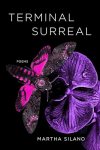 Terminal Surreal by Martha Silano: Silano’s posthumous collection (her eighth) focuses on nature and relationships as she commemorates the joys and ironies of her last years with ALS. The shock of a terminal diagnosis was eased by the quotidian pleasures of observing Pacific Northwest nature, especially birds. Fascination with science recurs, too. Most pieces are free form and alliteration and wordplay enliven the register. Her winsome philosophical work is a gift. “What doesn’t die? / The closest I’ve come to an answer / is poetry.”
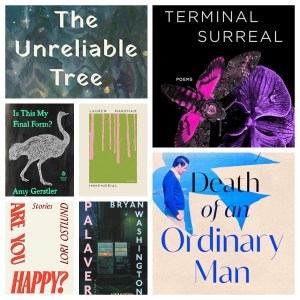
If I had to pick one from each genre? Well, like last year, I find that the books that have stuck with me most are the ones that play around with the telling of life stories. This time, all by women. So it’s Spent, Book of Lives and Is This My Final Form?


What 2025 releases should I catch up on?
All Souls’ Day Reading: Armitage, Campbell, Mah & Perry
Along with my Halloween-tide R.I.P. reading (here and here), I’ve been reading books about ancestors and the dead – appropriate for All Saints’ Day (yesterday) and All Souls’ Day (today). Both are in the Church calendar but less a part of popular culture.
My mind naturally turns toward the dead as October advances: on the 30th, it was three years since my mother’s death (plus the 25th marked a year since we started losing sweet Alfie). To allay dread at the impending anniversary, I booked myself a treat to look forward to that day. For some reason, Wantage Literary Festival included a Gin Tasting Extravaganza alongside its bookish events. I didn’t fancy any book talks but was keen to try 10 British Isles gins, 9 of which were new to me and 5 of which were ticks in my 101 Gins to Try before You Die book.


Beforehand, I did some secondhand book shopping. Regent is an excellent and enormous maze of a bookshop that I’d been to once before. It has an exhaustive selection and great prices (£2.50 paperbacks / £3–5 hardbacks) that haven’t changed in three years. I considered this return trip a chance for another birthday book haul and was delighted with my finds (the Gleeson was from a charity shop in the town).


My All Souls’ stack includes a poetry collection and three #NonfictionNovember reads.
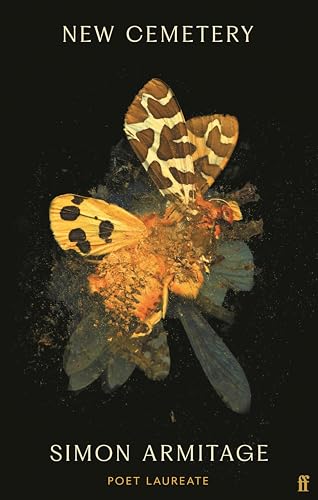
New Cemetery by Simon Armitage (2025)
Not far from the English Poet Laureate’s home in Huddersfield, some cow fields were recently converted into a municipal graveyard. I can’t do better than Armitage’s own description of the style in this collection: “short-lined tercets linked with/by intermittent rhymes and half-rhymes … like threading daisy chains.” Each one is titled in brackets after a species of moth, in a rather arbitrary way, as he acknowledges. The point was to – in a time of climate breakdown – include nature in the inevitable march of death and decay. I most liked the poems about the cemetery, whereas the majority of the book is about everyday moments from a writer’s life.
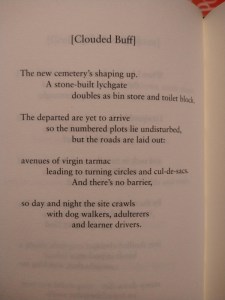
There are some amusing and poignant lines among the rest:
 I died and went
to Bristol Parkway
for my sins,
interchange
between soul and flesh
the whispered half-rhymes
of earth and death
on the spade’s tongue.
I also appreciated this haiku-like stanza: “Almond blossom / slash rotten confetti / clogging the church drains.” But there was little that struck me otherwise. I’ve tried to love Armitage’s poetry, but this third experience again leaves me unmoved. I’ve preferred his travel memoirs. Still, the book ends on the perfect note:
the dead are patiently
killing time
between visiting hours,
deaf, blind, mute
and numb,
unable to love
but capable still
of being loved.
(Public library) 
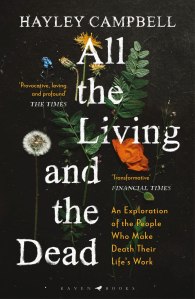 I’ve read the first two chapters of a long-neglected review copy of All the Living and the Dead by Hayley Campbell (2022), in which she shadows various individuals who work in the death industry, starting with a funeral director and the head of anatomy services for the Mayo Clinic in Minnesota. In Victorian times, corpses were stolen for medical students to practice on. These days, more people want to donate their bodies to science than can usually be accommodated. The Mayo Clinic receives upwards of 200 cadavers a year and these are the basis for many practical lessons as trainees prepare to perform surgery on the living. Campbell’s prose is journalistic, detailed and matter-of-fact, but I’m struggling with the very small type in my paperback. Upcoming chapters will consider a death mask sculptor, a trauma cleaner, a gravedigger, and more. If you’ve enjoyed Caitlin Doughty’s books, try this.
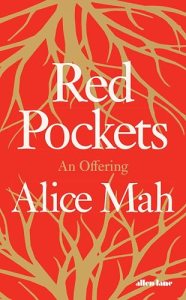 I’m halfway through Red Pockets: An Offering by Alice Mah (2025) from the library. I borrowed it because it was on the Wainwright Prize for Conservation Writing shortlist. During the Qingming Festival, the Chinese return to their hometowns to honour their ancestors. By sweeping their tombs and making offerings, they prevent the dead from coming back as hungry ghosts. When Mah, who grew up in Canada and now lives in Scotland, returns to South China with a cousin in 2017, she finds little trace of her ancestors but plenty of pollution and ecological degradation. Their grandfather wrote a memoir about his early life and immigration to Canada. In the present day, the cousins struggle to understand cultural norms such as gifting red envelopes of money to all locals. This is easy reading but slightly dull; it feels like Mah included every detail from her trips simply because she had the material, whereas memoirs need to be more selective. But I’m reminded of the works of Jessica J. Lee, which is no bad thing.
Death of an Ordinary Man by Sarah Perry (2025)
Perry recognises what a sacred privilege it was to witness her father-in-law’s death, which occurred just nine days after his diagnosis with oesophageal cancer. She concludes, like Simone de Beauvoir does of her mother in A Very Easy Death, that David’s end was as good as one might hope for. Viz., he was in his late seventies, remained at home, was looked after by his son and daughter-in-law, more or less maintained his mental capacity until the end, and showed minimal signs of pain or distress. Still, every death is fraught, to some degree, with bureaucracy, medical error and pangs of regret. There is a searing encounter here with an unfeeling GP; on the other hand, there is such kindness from nurses, relatives and a pastor.
The beauty of Perry’s memoir is its patient, clear-eyed unfolding of every stage of dying, a natural and inexorable process that in other centuries would have been familiar to anyone – having observed it with siblings, children, parents, neighbours, distant relatives and so on. She felt she was joining a specifically womanly lineage of ministering, a destiny so quotidian that she didn’t feel uncomfortable with any of the intimate care involved. I thought of my sister and her mother- and sister-in-law sitting vigil at my brother-in-law’s deathbed in 2015.
 Perry traces the physical changes in David as he moved with alarming alacrity from normal, if slowed, daily life to complete dependency to death’s door. At the same time, she is aware that this is only her own perspective on events, so she records her responses and emotional state and, to a lesser extent, her husband’s. Her quiver of allusions is perfectly chosen and she lands on just the right tone: direct but tender. Because of her and David’s shared upbringing, the points of reference are often religious, but not obtrusive. My only wish is to have gotten more of a sense of David alive. There’s a brief section on his life at the start, mirrored by a short “Afterlife” chapter at the end telling what succeeded his death. But the focus is very much on the short period of his illness and the days of his dying. During this time, he appears confused and powerless. He barely says anything beyond “I’m in a bit of a muddle,” to refer to anything from incontinence to an inability to eat. At first I thought this was infantilizing him. But I came to see it as a way of reflecting how death strips everything away.
As I read, I often had tears in my eyes, thinking of the deaths I have experienced at second hand and the many more that will come my way until my own. In this gift of a book, Perry captures the emotional poles of bearing witness, and the dignity and uniqueness of every life:
There was relief, and there was loss – it was the saddest thing we’d ever seen, and the best thing we had ever done – all these things existing together undiminished, and never cancelling each other out.
now I understand there are no ordinary lives – that every death is the end of a single event in time’s history: an event so improbable it represents a miracle, and irreplaceable in every particular.
(Public library) 
Death and grief are common topics in my stacks at all times of year. I see more books on dying and the dead in my immediate future, starting with two rereads for #NovNov – The Death of Ivan Ilych and Death in Venice, along with The Field by Robert Seethaler (narrated by the inhabitants of a cemetery), the latter two for #GermanLitMonth; and A Single Man by Christopher Isherwood.
Three Days in June vs. Three Weeks in July
Two very good 2025 releases that I read from the library. While they could hardly be more different in tone and particulars, I couldn’t resist linking them via their titles.
Three Days in June by Anne Tyler
(From my Most Anticipated list.) A delightful little book that I loved more than I expected to, for several reasons: the effective use of a wedding weekend as a way of examining what goes wrong in marriages and what we choose to live with versus what we can’t forgive; Gail’s first-person narration, a rarity for Tyler* and a decision that adds depth to what might otherwise have been a two-dimensional depiction of a woman whose people skills leave something to be desired; and the unexpected presence of a cat who brings warmth and caprice back into her home. (I read this soon after losing my old cat, and it was comforting to be reminded that cats and their funny ways are the same the world over.)
From Tyler’s oeuvre, this reminded me most of The Amateur Marriage and has a surprise Larry’s Party-esque ending. The discussion of the outmoded practice of tapping one’s watch is a neat tie-in to her recurring theme of the nature of time. And through the lunch out at a chic crab restaurant, she succeeds at making the Baltimore setting essential rather than incidental, more so than in much of her other work.
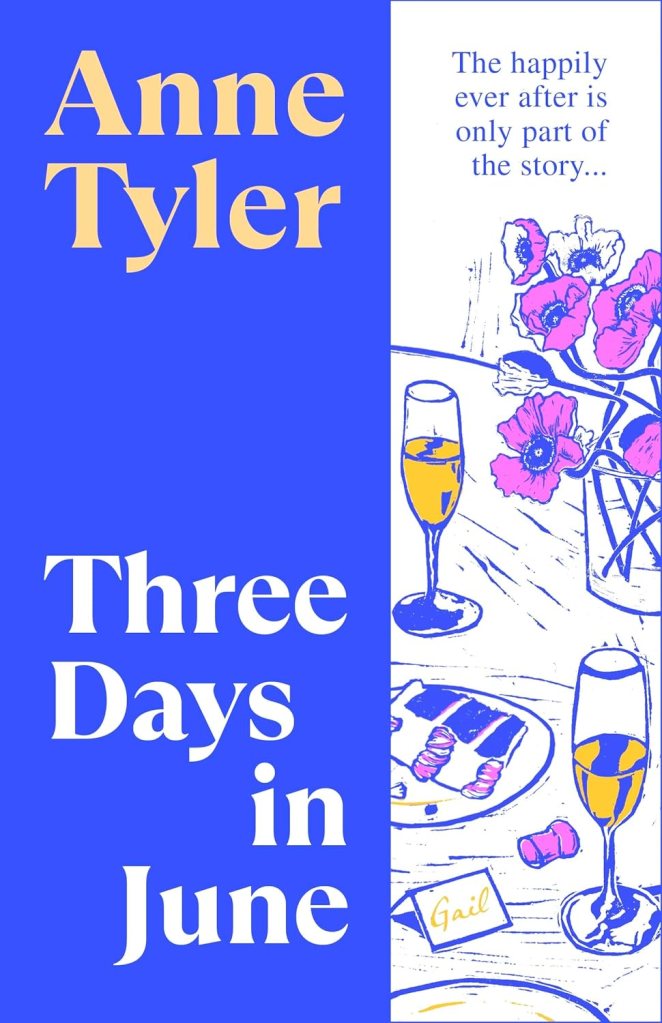
Gail is in the sandwich generation with a daughter just married and an old mother who’s just about independent. I appreciated that she’s 61 and contemplating retirement, but still feels as if she hasn’t a clue: “What was I supposed to do with the rest of my life? I’m too young for this, I thought. Not too old, as you might expect, but too young, too inept, too uninformed. How come there weren’t any grownups around? Why did everyone just assume I knew what I was doing?”
My only misgiving is that Tyler doesn’t quite get it right about the younger generation: women who are in their early thirties in 2023 (so born about 1990) wouldn’t be called Debbie and Bitsy. To some degree, Tyler’s still stuck back in the 1970s, but her observations about married couples and family dynamics are as shrewd as ever. Especially because of the novella length, I can recommend this to readers wanting to try Tyler for the first time. 
*I’ve noted it in Earthly Possessions. Anywhere else?
Three Weeks in July: 7/7, The Aftermath, and the Deadly Manhunt by Adam Wishart and James Nally
July 7th is my wedding anniversary but before that, and ever since, it’s been known as the date of the UK’s worst terrorist attack, a sort of lesser 9/11 – and while reading this I felt the same way that I’ve felt reading books about 9/11: a sort of awed horror. Suicide bombers who were born in the UK but radicalized on trips to Islamic training camps in Pakistan set off explosions on three Underground trains and one London bus. I didn’t think my memories of 7/7 were strong, yet some names were incredibly familiar to me (chiefly Mohammad Sidique Khan, the leader of the attacks; Jean Charles de Menezes, the innocent Brazilian electrician shot dead on a Tube train when confused with a suspect in the 21/7 copycat plot – police were operating under a new shoot-to-kill policy and this was the tragic result).
 Fifty-two people were killed that day, ranging in age from 20 to 60; 20 were not UK citizens, hailing from everywhere from Grenada to Mauritius. But a total of 770 people were injured. I found the authors’ recreation of events very gripping, though do be warned that there is a lot of gruesome medical and forensic detail about fatalities and injuries. They humanize the scale of events and make things personal by focusing on four individuals who were injured, even losing multiple limbs in some cases, but survived and now work in motivational speaking, disability services or survivor advocacy.
What really got to me was thinking about all the hundreds of people who, 20 years on, still live with permanent pain, disability or grief because of the randomness of them or their loved ones getting caught up in a few misguided zealots’ plot. One detail that particularly struck me: with the Tube tunnels closed off at both ends while searchers recovered bodies, the temperature rose to 50 degrees C (122 degrees F), only exacerbating the stench. The book mostly avoids cliches and overwriting, though I did find myself skimming in places. It is based on the research done for a BBC documentary series and synthesizes a lot of material in an engaging way that does justice to the victims. 
Have you read one or both of these?
Could you see yourself picking one of them up?
20 Books of Summer, 6–7: Helen Dunmore and Stephen King
At least, I managed a pretty terrific pair, and completed half of my intended 4-in-a-row (the second row) on the Bingo card.


(Book featuring ice cream or summer foods)
Ice Cream by Helen Dunmore (2000)
These 18 pieces are quite varied: a few have historical settings, two are written in the second person, and several return to the life of Ulli (a recurring character from Love of Fat Men), a Finnish teenager who faces an unexpected pregnancy. Even the slight-seeming ones are satisfying slices of fiction. The title story and its follow-up, “Be Vigilant, Rejoice, Eat Plenty” advocate sensual indulgence, which I guess is the reason for the cover image – which I couldn’t decide whether to hide or flaunt as I was reading it in public.
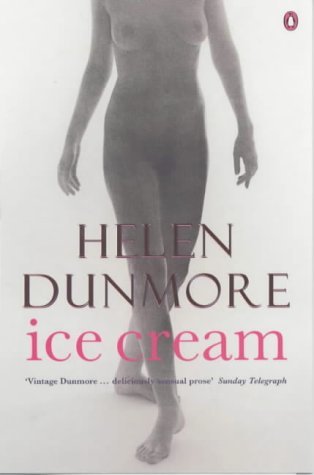 Often, there is a hint of menace, whether the topic is salmon fishing, raspberry picking or the history of a lost ring. “The Clear and Rolling Water” has the atmosphere of a Scottish folk ballad, which made it perfect reading for our recent holiday to Scotland. “Leonardo, Michelangelo, SuperStork” and “Mason’s Mini-break” stand out for their dystopian and magic realist touches, respectively. In the former, couples are only allowed to conceive via state- sanctioned services; in the latter, an arrogant Booker Prize-winning author is patronizing when he meets a would-be writer while on holiday in Yorkshire.
Two of my favourites were “The Lighthouse Keeper’s Wife” and “Swimming into the Millennium,” which might have been written by Helen Simpson. All are of a high standard, and though they don’t fit together per se and mostly won’t stay with me, I really do rate Dunmore as a short story writer. (Secondhand – Community Furniture Project, Newbury) 
(Book from a genre you rarely read)
Pet Sematary by Stephen King (1983)
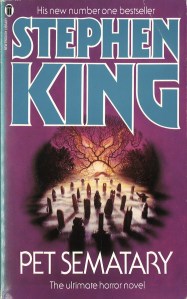 I’d only ever read King’s On Writing and worried I wouldn’t be able to handle his fiction. I could never watch a horror film, but somehow the same content was okay in print. For half the length or more, it’s more of a mildly dread-laced, John Irving-esque novel about how we deal with the reality of death. Dr. Louis Creed and his family – wife Rachel, five-year-old daughter Ellie, two-year-old son Gage and cat Church (short for Winston Churchill) – have recently moved from Chicago to Maine for him to take up a post as head of University Medical Services. Their 83-year-old neighbour across the street, Judson Crandall, becomes a sort of surrogate father to Louis, warning them about the dangerous highway that separates their houses and initiating them with a tour of the pet cemetery and Micmac burial ground that happen to be on their property. Things start getting weird early on: Louis’s first day on the job sees a student killed by a car while jogging; the young man’s cryptic dying words are about the pet cemetery, and he then visits Louis in a particularly vivid dream.
The family surname is no coincidence. “I believe that we go on,” Louis says when Ellie asks him about what happens when we die. “But as to what it’s like, I have no opinion.” So King interrogates what it would be like for the dead to go on literally instead of just figuratively in the remembrance of loved ones. Would bringing the dead back be a cure for grief or a horrible mistake? This sleepy New England town harbours many cautionary tales, and the Creeds have more than their fair share of sorrow. Rachel witnessed her sister’s death from a long illness when she was just a child and has always repressed her memories of it.
Louis is a likable protagonist whose vortex of obsession and mental health (“He walked the balance-beam of rationality”) is gripping. As can be the case with genre fiction, King prioritizes readability over writing quality, though I did pick out an occasional glistening metaphor. It doesn’t get gruesome or schlocky until right towards the end. In the last quarter, which I read on the long train ride home from Edinburgh, I couldn’t get the book closer to my face or the pages turning any faster. It helped that it was a beat-up small-format paperback. When we arrived into London I was about six pages from the end and it was so frustrating to have to wait until I got on my next train to read the rest.


This also counted towards one of my low-key ongoing challenges: reading works published in my birth year. I could imagine the Eighties stylings of an adaptation, especially Rachel’s power suit and pumps when she’s on her race-against-the-clock flight and road trip. I did find the book dated in some of its Murakami-like descriptions (“The … double doors were set into a grassy rise of hill, a shape as natural and as attractive as the swell of a woman’s breast”) and cringey sex scenes, and I wondered if King would get away with using imagery of the Windigo these days. Still, on this evidence, I’ll seek out more of his classic horror – do give me your recommendations. So long as they’re this addictive (and no scarier), I’m game. Pet Sematary was sterling entertainment, but also surprisingly poignant. A message I took away: you just have to live with the pain of loss, not fight it or deny it. “When it started not to hurt, it started not to matter.” (Little Free Library) 
Love Your Library, May 2025
Thanks to Eleanor and Skai for posting about their recent library reading! Marina Sofia also recently posted about public libraries in China.
My library had a display coinciding with Dying Matters Awareness Week (5–11 May), an initiative of Hospice UK. I read a lot around illness, death and dying and am pleased to see books on these topics featured. I hadn’t heard of this weeklong celebration before, but I hope that it and the library display will get people talking.

 I appreciated this quote from Women by Chloe Caldwell, whose narrator works in a library: “Books are like doctors and I am lucky to have unlimited access to them during this time. A perk of the library.” Bibliotherapy works!
My library use over the last month:
(links are to books not already reviewed on the blog)
READ
- Case Histories by Kate Atkinson (for book club)

- Women by Chloe Caldwell

- All Fours by Miranda July
- The Cafe at the Edge of the Woods by Mikey Please
- Stoner by John Williams (a reread for book club)

SKIMMED
- Spring Is the Only Season: How It Works, What It Does and Why It Matters by Simon Barnes

CURRENTLY READING
- Good Girl by Aria Aber
- Bellies by Nicola Dinan
- May Day by Jackie Kay
- Spring: The Story of a Season by Michael Morpurgo
- The Secret Lives of Booksellers and Librarians: True Stories of the Magic of Reading by James Patterson & Matt Eversmann
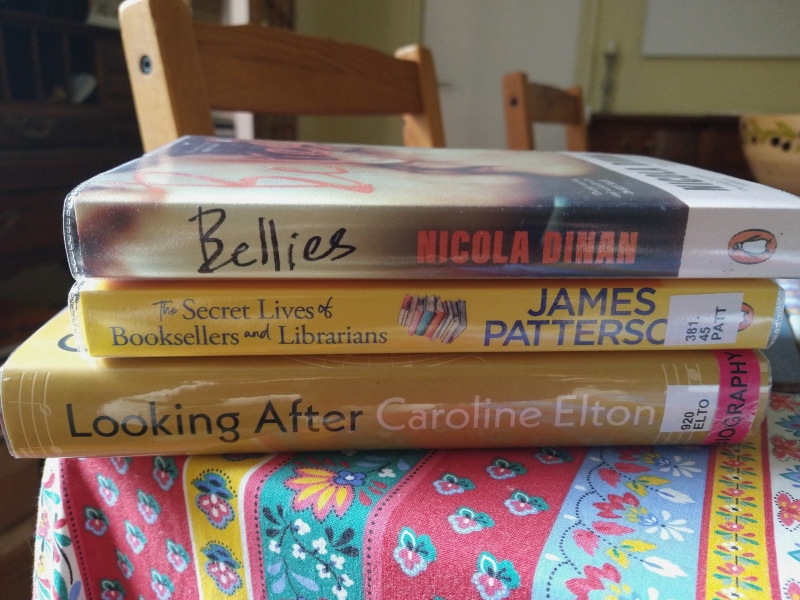
CHECKED OUT, TO BE READ
- The Honesty Box by Lucy Brazier
- Day by Michael Cunningham
- Looking After: A Portrait of My Autistic Brother by Caroline Elton
- Rebel Bodies: A Guide to the Gender Health Gap Revolution by Sarah Graham
- Period Power: Harness Your Hormones and Get Your Cycle Working for You by Maisie Hill
- Self-Portrait with Family by Amaan Hyder
- Adam by Gboyega Odubanjo
- The Forgotten Sense: The Nose and the Perception of Smell by Jonas Olofsson
- Horse by Rushika Wick
- Top Doll by Karen McCarthy Woolf
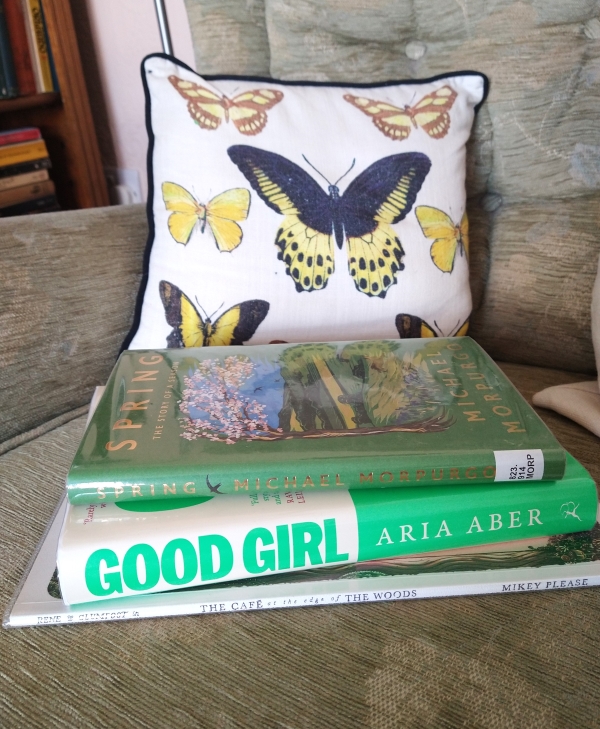
ON HOLD, TO BE PICKED UP
- Is a River Alive? by Robert Macfarlane
- The Persians by Sanam Mahloudji
IN THE RESERVATION QUEUE
- The Most by Jessica Anthony
- Don’t Forget We’re Here Forever: A New Generation’s Search for Religion by Lamorna Ash
- The Interpretation of Cats: And Their Owners by Claude Béata; translated by David Watson
- Fulfillment by Lee Cole
- A Sharp Scratch by Heather Darwent
- I Think I Like Girls by Rosie Day
- The Husbands by Holly Gramazio
- To the Edge of the Sea: Schooldays of a Crofter’s Child by Christina Hall
- The Blue Hour by Paula Hawkins
- Normally Weird and Weirdly Normal: My Adventures in Neurodiversity by Robin Ince
- The Homemade God by Rachel Joyce
- Shattered by Hanif Kureishi
- Enchanted Ground: Growing Roots in a Broken World by Steven Lovatt
- Whisky Galore by Compton Mackenzie
- Wife by Charlotte Mendelson
- Ripeness by Sarah Moss
- The Age of Diagnosis: Sickness, Health and Why Medicine Has Gone Too Far by Suzanne O’Sullivan
- Atmosphere by Taylor Jenkins Reid
- Three Weeks in July by Adam Wishart & James Nally
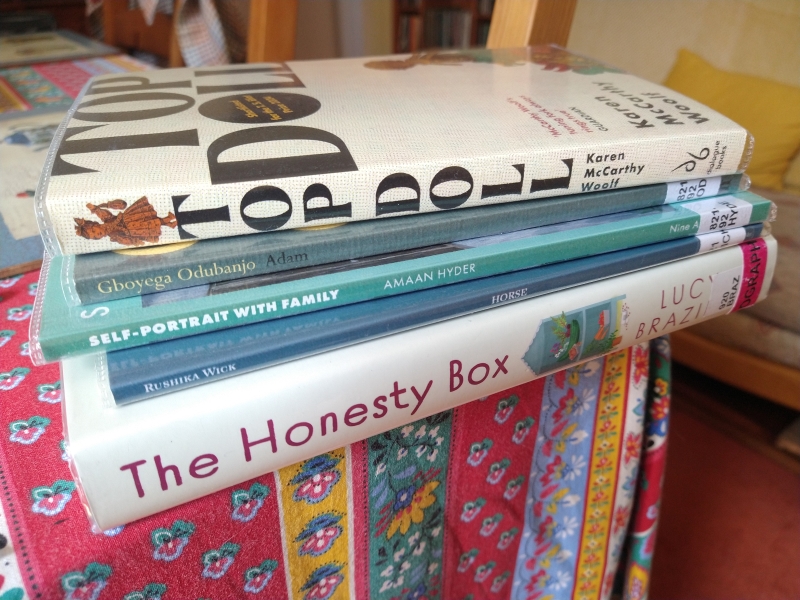
The top four books are from the Jhalak Poetry Prize shortlist.
RETURNED UNFINISHED
- The Meteorites: Encounters with Outer Space and Deep Time by Helen Gordon – I enjoyed her previous book well enough, but found I wasn’t interested enough in the subject matter here.
RETURNED UNREAD
- I Am Not a Tourist by Daisy J. Hung – The writing style was not enticing.
- Of Thorn & Briar: A Year with the West Country Hedgelayer by Paul Lamb – This was requested off of me but I will get it out another time.
What have you been reading or reviewing from the library recently?

Share a link to your own post in the comments. Feel free to use the above image. The hashtag is #LoveYourLibrary.
#NovNov24 Catch-Up, II: Ingalls; Boas, Lindbergh, Toth
Thanks for indulging me as I assemble a final catch-up of the novella-length works I started in November and didn’t manage to review until now. In fiction, I have a surreal modern classic. And in nonfiction, two books of open-hearted and witty writing on the approach of death, and a memoir with a unique framework.
Mrs Caliban by Rachel Ingalls (1982)
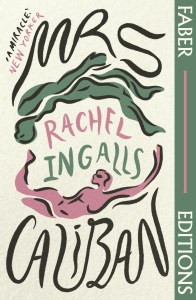 Dorothy Caliban is a California housewife whose unhappy marriage to Fred has been strained by the death of their young son (an allergic reaction during routine surgery) and a later miscarriage. When we read that Dorothy believes the radio has started delivering personalized messages to her, we can’t then be entirely sure if its news report about a dangerous creature escaped from an oceanographic research centre is real or a manifestation of her mental distress. Even when the 6’7” frog-man, Larry, walks into her kitchen and becomes her lover and secret lodger, I had to keep asking myself: is he ever independently seen by another character? Can these actions be definitively attributed to him? So perhaps this is a novella to experience on two levels. Take it at face value and it’s a lighthearted caper of duelling adulterers and revenge, with a pointed message about the exploitation of the Other. Or interpret it as a midlife fantasy of sexual rejuvenation and an attentive partner (“[Larry] said that he enjoyed housework. He was good at it and found it interesting”):
Dorothy still felt like a teenager. At the time when her hope and youth and adventurousness had left her, she had believed herself cheated of those early years when nothing had happened to her, although it might have. Later still, she realized that if she had made an effort, she herself could have made things happen. But now it didn’t matter. Here she was.
I thought of it as a waystation between Bear by Marian Engel and something like Melissa Broder’s novels or All Fours by Miranda July. I enjoyed it well enough but didn’t wholly see what the fuss was all about. (New bargain purchase from Faber) [117 pages]
A Beginner’s Guide to Dying by Simon Boas (2024)
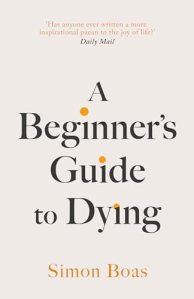 I hadn’t heard of the author but picked this up from the Bestseller display in my library. It’s a posthumous collection of writings, starting with a few articles Boas wrote for his local newspaper, the Jersey Evening Post, about his experience of terminal illness. Diagnosed late on with incurable throat cancer, Boas spent his last year smoking and drinking Muscadet. Looking back at the privilege and joys of his life, he knew he couldn’t complain too much about dying at 46. He had worked in charitable relief in wartorn regions, finishing his career as director of Jersey Overseas Aid. The articles are particularly witty. After learning his cancer had metastasized to his lungs, he wrote, “The prognosis is not quite ‘Don’t buy any green bananas’, but it’s pretty close to ‘Don’t start any long books’.” While I admired the perspective and equanimity of the other essays, most of their topics were overly familiar for me (gratitude, meditation, therapy, what (not) to do/say to the dying). His openness to religion and use of psychedelics were a bit more interesting. It’s hard to write anything original about dying, and his determined optimism – to the extent of downplaying the environmental crisis – grated. (Public library) [138 pages]
No More Words: A Journal of My Mother, Anne Morrow Lindbergh by Reeve Lindbergh (2001)
 I’ve reviewed one of Anne Morrow Lindbergh’s books for a previous NovNov: Gift from the Sea. She was also a poet and aviator. Reeve Lindbergh’s memoir focuses on the last year and a half of her mother’s life, 1999–2001. At this point she was in her early nineties and mostly nonverbal after a series of mini-strokes. She moved to live with her daughter on a Vermont farm and had carers to attend to her daily needs. It’s painful for the whole family to watch someone who was so fond of words gradually lose the ability to communicate. There are still moments of connection and possible memory, as when she reads her mother’s work aloud to her, and even humour, as they eat the messiest possible strawberry shortcake. It is an easy dying: her nurses are gentle and respectful, and she lives significantly longer than anyone predicted. Along the way, we get glimpses of the running of the farm, such as bottle-feeding an abandoned lamb, and of repeated tragedies from the family’s history: the Charles Lindberghs’ first child died in a botched kidnapping attempt at age one, and Reeve also lost a son at a similar age. “It is good just to sit next to my mother, whom I have known and loved for so long,” she writes. These low-key thoughts on age, infirmity and anticipatory grief were nicely done, but won’t likely stay with me. (Secondhand – Barter Books, 2024) [174 pages]
Leaning into the Wind: A Memoir of Midwest Weather by Susan Allen Toth (2003)
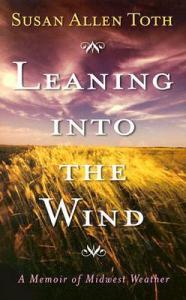 I was always going to read this because I’m a big fan of Susan Allen Toth’s work, including her trilogy of cosy travel books about Great Britain. I’m a memoir junkie in general, but I especially like ones that view the self through a particular filter, e.g., garments sewn (Bound by Maddie Ballard), houses lived in (My Life in Houses by Margaret Forster) and train journeys taken (The Lost Properties of Love by Sophie Ratcliffe). Toth grew up in Iowa and, barring stints on the coasts for her degrees, always lived in the Midwest, chiefly Minnesota. “The weather, I have happily discovered, does not grow old” – a perennial conversation starter and source of novel, cyclical experiences. She remembers huddling in a basement during tornado warnings and welcoming the peace of a first snow. Squalls seen out the window seemed to mirror her turbulent first marriage. She would fret over her daughter driving in thunderstorms until her safe arrival home. Fending off insects is a drawback to summer, and keeping a garden is an alloyed joy. I especially liked the essays on the metaphorical use of weather words and the temptation of ascribing meteorological events to divine activity. Not a squeak about climate change, though at the time the general public was aware of it; there could be an update chapter on shifts in seasonality and the increased frequency of extreme weather events. (Birthday gift from my wish list in 2021) [124 pages]
Final statistics
For this year’s Novellas in November, I reviewed a total of 30 short books, so I achieved my goal of reading the equivalent of one short book for each day of the month! The standouts were (nonfiction) Without Exception by Pam Houston and (fiction) On Chesil Beach by Ian McEwan, which was a reread for me. Other highlights included The House of Dolls by Barbara Comyns, Recognising the Stranger by Isabella Hammad, and Island by Julian Hanna. I also reviewed a film based on a novella, Small Things Like These.
It was great to get involved with Weatherglass Books in the inaugural year of their Novella Prize by attending their “The Future of the Novella” event in London, reviewing Astraea, and interviewing Neil Griffiths. I’ll review Aerth soon, too.
Collectively, we had 46 participants contributing 188 posts covering 160+ books. If you want to take a look back at the link parties, they’re all here. Another fantastic year – thank you again!

 Bookish Beck = Rebecca Foster. American transplant to England. Freelance proofreader and book reviewer.
