The Ones that Got Away: 2022’s DNFs, Most Anticipated Reads & More
Every time I list my DNFs the posts are absurdly popular, so if this is the permission you need to drop that book you’ve been struggling with, take it! If for any reason a book isn’t connecting with you, move onto something else; you can always try it another time. I’ve given a few words as to why I gave up on each one. In rough chronological order:
What Cannot Be Undone by Walter M. Robinson: Medical essays. Repetitive and mawkish; won’t stand out in the crowded field of doctors’ memoirs.
Loss of Memory Is Only Temporary by Johanna Kaplan: Rediscovered short stories of Jewish NYC in the 1960s–70s. The character portraits are sharp, but the first story, “Other People’s Lives,” is novella length and felt absolutely endless.
Six Walks: In the Footsteps of Henry David Thoreau by Ben Shattuck: Nice enough travel writing about trips to Cape Cod, Walden Pond and Mt. Katahdin, but the information on Thoreau (including extensive quotations) is not well integrated and the reflections generic.
Here Comes the Miracle by Anna Beecher (from the ST Young Writer of the Year Award shortlist): MA-course writing-by-numbers and seemed to be building towards When God Was a Rabbit-style mawkishness.
Empire of Wild by Cherie Dimaline: The premise was appealing but it was so slow to go anywhere and the writing was only so-so.
Devotion by Hannah Kent: I was enjoying the beautiful writing and the gentle love story unfolding between two teenage girls setting off from Prussia to Australia with their families. My interest waned a little during the start of the sea voyage, as I kept waiting for the bizarre twist other bloggers had warned of. When I finally got to it, it seemed so silly that I could scarcely be bothered to continue. A shame as I was getting Kiran Millwood Hargrave vibes.
Mercury Pictures Presents by Anthony Marra: A huge disappointment as I adored Marra’s two previous works. I wasn’t connecting to the characters or setting at all. Something about it felt too familiar, also; I kept trying to think what it was reminding me of. Mr Wilder & Me by Jonathan Coe?
After Sappho by Selby Wynn Schwartz: From the Booker Prize longlist. Another case of a terrific premise – and interesting style, too, what with the first person plural in the prologue and the discrete paragraphs like prose poems – but I found that there were too many historical figures, most of them too obscure for me to get interested in.
Raining Sideways: A Devonshire Diary of Food and Farming by Sally Vincent: Boring observations, poorly edited.
Motherthing by Ainslie Hogarth: I actually read about two-thirds of this comic horror novel about a woman dealing with the aftermath of her hateful mother-in-law’s suicide, and intended to review it for R.I.P. even though it felt try-hard. But when my mother died I found that the whole thing seemed in poor taste and I didn’t want to go back to it.
Liberation Day by George Saunders: I only read the first story, which was so much like “The Semplica Girl Diaries” (from Tenth of December) in voice and content that it felt unnecessary, as well as being overlong (nearly 1/3 of the whole book). I’ll hold my place in the Kindle edition and think about trying the rest again another time.
Lessons by Ian McEwan: I’m used to much shorter novels with more contrived plots from McEwan, whereas this feels like the sort of rambling life story William Boyd would have written. I was intrigued by the promised element of Roland’s abuse by his childhood piano teacher, but bored with the Cold War theme of the 1980s strand (which feels most like The Child in Time from his past oeuvre). Perhaps I’ll try it again another day.
Plus a handful more I didn’t keep notes on and barely remember, so they just get my reductive and unfair two-word summaries (alphabetical order this time):
- Human Croquet by Kate Atkinson: Too quirky.
- The Flow by Amy-Jane Beer: Too overwritten.
- The Wilderness by Sarah Duguid: Too pulpy.
- Brave New World: A Graphic Novel by Fred Fordham: Too lurid.
- Mother’s Boy by Patrick Gale: Too mild.
- The Quarry by Ben Halls: Too gritty.
- The White Rock by Anna Hope: Too what’s-the-point.
- One Good Story, That One by Thomas King: Too trickster.
- As I Walked Out One Midsummer Morning by Laurie Lee: Too old-fashioned.
- Homage to Catalonia by George Orwell: Too academic.
- What Is Not Yours Is Not Yours by Helen Oyeyemi: Too weird.
- Catch Your Breath by Ed Patrick: Too unfunny.
- The Unadoptables by Hana Tooke: Too boring.
Whew. I think that’s all.
That works out to abandoning about 8% of the books I started in the year, which is not a bad average for me (often it’s closer to 15%).
In January, I wrote about the 20 new releases I was most looking forward to reading in 2022. Here’s how I did with them:
Read and enjoyed (3.5* or above rating): 10 (a few will appear on my Best-of lists for the year)
Currently reading: 2
Started but set aside; need to finish: 3
Haven’t managed to get hold of: 3
Not actually published yet: 2 (Heartstopper, Volume 5 is now due out in 2023; try as I might, I can’t find any info on A Violent Woman by Ayana Mathis.)
This beats last year’s showing, when I had 5 DNFs from my Most Anticipated list!
I regret running out of time to finish True Biz and Horse from that Most Anticipated list, as well as The Rabbit Hutch (a bit too clever for its own good?) and Fight Night. It’s entirely possible that I could have found some more year favourites on my groaning set-aside and review backlog shelves. I also would have liked to get to the in-demand 2022 releases I’ve just picked up from the library, including The Seven Moons of Maali Almeida and Our Missing Hearts. No matter – I’ll enjoy these just as much when I get to them in an unhurried fashion next year.
What are some of the ‘ones that got away’ from you this year?
Love Your Library, December 2022
The UK has just experienced its coldest week since 2010, so it’s no wonder we’ve been freezing here in our drafty old house. It’s turning milder (and rainy), so we hope to have it habitable for hosting my parents-in-law on Christmas day, and my sister the week after.
Margaret sent me a link to this charming story about a public library in Poland that moved its entire collection 350 meters down the road using a human chain of over 600 volunteers. Marcie sourced many of her graphic novel and poetry reads, as well as various globe-trotting stories, from the library this year. And Eleanor has been reading loads of print and e-books from her library: everything from Dickens to sci-fi. Thank you all for your contributions!
Earlier in the month my library closed to the public for two days to complete a stock take (which happens once every three years). I helped out for my usual two hours on the Tuesday morning, scanning children’s chapter books with a tiny device about the size of two memory sticks put together. We scanned the library’s nearly 50,000 on-shelf items in the equivalent of just over one working day.
All of my remaining reservations seem to have come in at once. There’s no hope of me reading all the big-name 2022 releases (such as the Booker Prize winner, and Celeste Ng’s new novel) before the end of the year, but I will see if I can manage to finish a few more that I have in progress.
Since last month:
READ
- Pages & Co.: The Treehouse Library by Anna James

- Heat and Dust by Ruth Prawer Jhabvala
- Maureen Fry and the Angel of the North by Rachel Joyce
- Everything the Light Touches by Janice Pariat
- Leap Year by Helen Russell

- The Family Retreat by Bev Thomas
- Another Brooklyn by Jacqueline Woodson

CURRENTLY READING
- Horse by Geraldine Brooks
- A Heart that Works by Rob Delaney
- Leila and the Blue Fox by Kiran Millwood Hargrave
- Standard Deviation by Katherine Heiny
- Crying in H Mart by Michelle Zauner
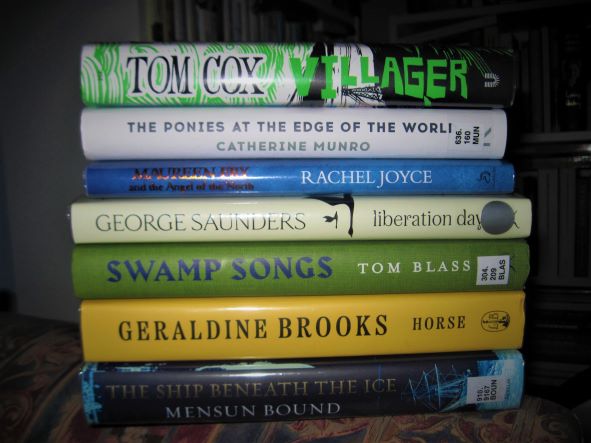
RETURNED UNFINISHED
- Lessons by Ian McEwan
- Liberation Day by George Saunders
What have you been reading or reviewing from the library recently?

Share a link to your own post in the comments. Feel free to use the above image. The hashtag is #LoveYourLibrary.
Book Serendipity, Mid-October to Mid-December 2022
The last entry in this series for the year. Those of you who join me for Love Your Library, note that I’ll host it on the 19th this month to avoid the holidays. Other than that, I don’t know how many more posts I’ll fit in before my year-end coverage (about six posts of best-of lists and statistics). Maybe I’ll manage a few more backlog reviews and a thematic roundup.
I call it “Book Serendipity” when two or more books that I read at the same time or in quick succession have something in common – the more bizarre, the better. This is a regular feature of mine every few months. Because I usually have 20–30 books on the go at once, I suppose I’m more prone to such incidents. The following are in roughly chronological order.
- Tom Swifties (a punning joke involving the way a quotation is attributed) in Savage Tales by Tara Bergin (“We get a lot of writers in here, said the rollercoaster operator lowering the bar”) and one of the stories in Birds of America by Lorrie Moore (“Would you like a soda? he asked spritely”).
- Prince’s androgynous symbol was on the cover of Dickens and Prince by Nick Hornby and is mentioned in the opening pages of Shameless by Nadia Bolz-Weber.


- Clarence Thomas is mentioned in one story of Birds of America by Lorrie Moore and Encore by May Sarton. (A function of them both dating to the early 1990s!)
- A kerfuffle over a ring belonging to the dead in one story of Shoot the Horses First by Leah Angstman and Motherthing by Ainslie Hogarth.
- Excellent historical fiction with a 2023 release date in which the amputation of a woman’s leg is a threat or a reality: one story of Shoot the Horses First by Leah Angstman and The House Is on Fire by Rachel Beanland.
- More of a real-life coincidence, this one: I was looking into Paradise, Piece by Piece by Molly Peacock, a memoir I already had on my TBR, because of an Instagram post I’d read about books that were influential on a childfree woman. Then, later the same day, my inbox showed that Molly Peacock herself had contacted me through my blog’s contact form, offering a review copy of her latest book!
- Reading nonfiction books titled The Heart of Things (by Richard Holloway) and The Small Heart of Things (by Julian Hoffman) at the same time.
- A woman investigates her husband’s past breakdown for clues to his current mental health in The Fear Index by Robert Harris and Motherthing by Ainslie Hogarth.
- “Tomorrow and tomorrow and tomorrow” is a repeated phrase in Another Brooklyn by Jacqueline Woodson, as it was in Tomorrow and Tomorrow and Tomorrow by Gabrielle Zevin.

- Massive, much-anticipated novel by respected author who doesn’t publish very often, and that changed names along the way: John Irving’s The Last Chairlift (2022) was originally “Darkness as a Bride” (a better title!); Abraham Verghese’s The Covenant of Water (2023) started off as “The Maramon Convention.” I plan to read the Verghese but have decided against the Irving.
- Looting and white flight in New York City in Feral City by Jeremiah Moss and Another Brooklyn by Jacqueline Woodson.
- Two bereavement memoirs about a loved one’s death from pancreatic cancer: Ti Amo by Hanne Ørstavik and Crying in H Mart by Michelle Zauner.


- The Owl and the Pussycat of Edward Lear’s poem turn up in an update poem by Margaret Atwood in her collection The Door and in Anna James’s fifth Pages & Co. book, The Treehouse Library.
- Two books in which the author draws security attention for close observation of living things on the ground: Where the Wildflowers Grow by Leif Bersweden and The Lichen Museum by A. Laurie Palmer.
- Seal and human motherhood are compared in Zig-Zag Boy by Tanya Frank and All of Us Together in the End by Matthew Vollmer, two 2023 memoirs I’m enjoying a lot.


- Mystical lights appear in Animal Life by Auður Ava Ólafsdóttir (the Northern Lights, there) and All of Us Together in the End by Matthew Vollmer.
- St Vitus Dance is mentioned in Zig-Zag Boy by Tanya Frank and Robin by Helen F. Wilson.
- The history of white supremacy as a deliberate project in Oregon was a major element in Heaven Is a Place on Earth by Adrian Shirk, which I read earlier in the year, and has now recurred in The Distance from Slaughter County by Steven Moore.


What’s the weirdest reading coincidence you’ve had lately?
December Reading Plans
November is always a busy blogging month what with co-hosting Novellas in November and making small contributions to several other challenges: Nonfiction November, German Literature Month, and Margaret Atwood Reading Month.
In the final month of the year, my ambitions are always split:
I want to get to as many 2022 releases as possible … but I also want to dip a toe into the 2023 offerings.
I need to work on my review copy backlog … but I also want to relax and read some cosy wintry or holiday-themed stuff.
I want to get to the library books I’ve had out for ages … but I also want to spend some time reading from my shelves.
And that’s not even to mention my second year of McKitterick Prize judging (my manuscript longlist is due at the end of January).
My set-aside shelves (yes, literal shelves plural) are beyond ridiculous, and I have another partial shelf of review books not yet started. I do feel bad that I’ve accepted so many 2022 books for review and not read them, let alone reviewed them. But books are patient, and I’m going to cut myself some slack given that my year has contained two of the most stressful events possible (buying and moving into a house, and the death of a close family member).
I’m not even going to show you my preposterous backlog, because my WordPress media library is at capacity. “Looks like you have used 3.0 GB of your 3.0 GB upload limit (99%).” I’ll have to work on deleting lots of old images later on this month so that I can post photos of my best-of stacks towards the end of the year.
 So, for December I’ll work a bit on all of the above. My one final challenge to self is “Diverse December” – not official since 2020, when Naomi Frisby spearheaded it, but worth doing anyway. This is the second year that I’ve specifically monitored my reading of BIPOC authors. Last year, I managed 18.5%. I have no idea where I stand now, but would like to see a higher total.
 I’ll start with a December review book, A Down Home Meal for These Difficult Times by Meron Hadero, and see how I go from there. I was a lucky recipient of a proof copy of The Late Americans by Brandon Taylor, one of my new favourite authors; it doesn’t come out until May 23 in the USA and June 22 in the UK, but I will also see if I can read it early. Another potential 2023 release I have by a BIPOC author is Camp Zero by Michelle Min Sterling, a debut dystopian novel about climate refugees, which arrived unsolicited last month.
Among the other tempting options on my dedicated BIPOC-author shelf:
Leave the World Behind by Rumaan Alam
Black Buck by Mateo Askaripour
Fruit of the Drunken Tree by Ingrid Rojas Contreras
The Inheritance of Loss by Kiran Desai
Diamond Hill by Kit Fan
A Fine Balance by Rohinton Mistry
Still Born by Guadalupe Nettel
The Last of Her Kind by Sigrid Nunez
Names of the Women by Jeet Thayil
What are your year-end bookish plans? Happy December reading!
Love Your Library, November 2022
Eleanor got loads of her R.I.P. reads from the library last month. Several of my novellas for this month have come from the public library, and before long it’ll be time to gather up a few holiday-appropriate reads.
I cut down my library volunteering from four hours a week to two, to claw back a little more time for work and for myself – between adjusting my meal times and walking there and back, it felt like I lost the whole of my Thursday afternoons, and already I enjoy having them free.
Early next month the library will close for two days for a complete stock take. I’ll go in on my usual Tuesday morning to help out with that for a few hours. I know to expect a lot of standing and repetitive work, but we’ve been promised tea and cake at break time!
Since last month:
READ
- Strangers on a Pier: Portrait of a Family by Tash Aw

- Fair Play by Tove Jansson
- The Magic Pudding by Norman Lindsay
CURRENTLY READING
- Standard Deviation by Katherine Heiny
- Pages & Co.: The Treehouse Library (Pages & Co. #5) by Anna James
- Heat and Dust by Ruth Prawer Jhabvala
- Everything the Light Touches by Janice Pariat
- Leap Year by Helen Russell
- The Family Retreat by Bev Thomas
- Another Brooklyn by Jacqueline Woodson
- Crying in H Mart by Michelle Zauner
What have you been reading or reviewing from the library recently?
Share a link to your own post in the comments. Feel free to use the above image. The hashtag is #LoveYourLibrary.
Love Your Library, October 2022
Naomi has been reading an interesting selection of books from the library. I’ve recently returned a couple of giant piles of library books unread or part-read so that I can focus on novellas next month; I can always borrow those particular books again another time, or maybe the fact that none ever made it onto one of my reading stacks tells me I wasn’t excited enough about them.
A lot of other reading challenges are coming up in November: Australia Reading Month, German Literature Month, Margaret Atwood Reading Month, and Nonfiction November. If you don’t already have plans, your local library is a great source of options. And of course we would be delighted to have you join us in reading one or more short books for Novellas in November (#NovNov22), which launches tomorrow. I’ve been reading ahead for it, as you can see.
Since last month (links where I haven’t already reviewed a book or plan to soon):
READ
- The Improbable Cat by Allan Ahlberg

- Treacle Walker by Alan Garner

- Jungle Nama by Amitav Ghosh
- The Fear Index by Robert Harris

- Hare House by Sally Hinchcliffe

- We Have Always Lived in the Castle by Shirley Jackson

- Undoctored by Adam Kay

- Up at the Villa by W. Somerset Maugham
- Metronome by Tom Watson
- Tomorrow, and Tomorrow, and Tomorrow by Gabrielle Zevin
CURRENTLY READING
- Strangers on a Pier: Portrait of a Family by Tash Aw
- Heat and Dust by Ruth Prawer Jhabvala
- The Magic Pudding by Norman Lindsay
- Leap Year by Helen Russell
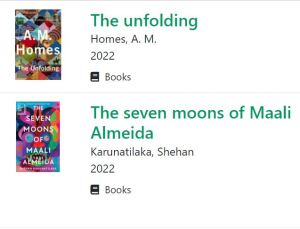
Then I have various new releases on hold for me, including the new Maggie O’Farrell novel (which I’m on the fence about actually reading) and this pleasingly colourful pair.
 What have you been reading or reviewing from the library recently?
Share a link to your own post in the comments. Feel free to use the above image. The hashtag is #LoveYourLibrary.
Planning My Reading Stacks for Novellas in November (#NovNov22)
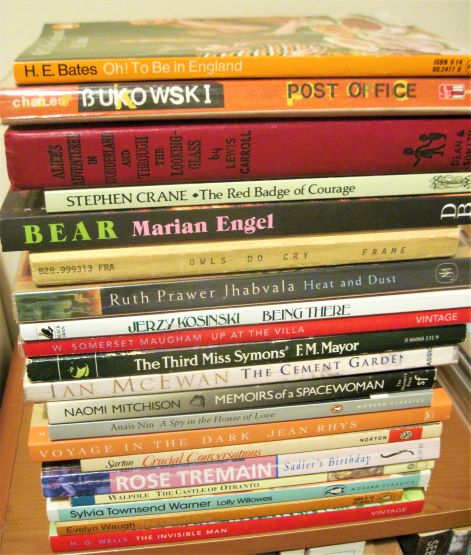
Just a couple of weeks until Novellas in November (#NovNov22) begins! I gathered up all of my potential reads for a photo shoot, including review copies, library loans, recent birthday gifts and books that have been languishing on my shelves for ages.
Week One: Short Classics (= pre-1980)
Week Two: Novellas in Translation
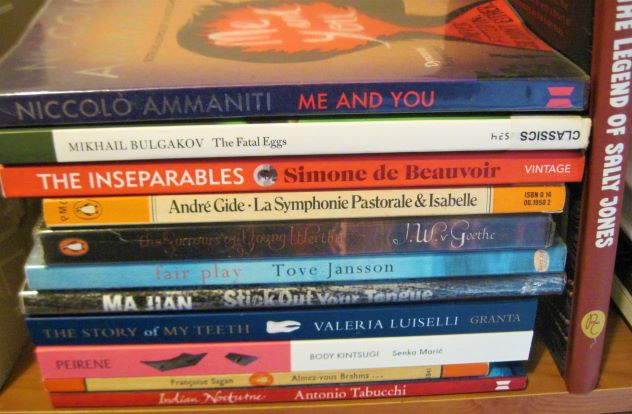 I always struggle with this prompt the most. (The Sorrows of Young Werther by Johann Wolfgang Goethe would also be a token contribution to German Literature Month.)
Week Three: Short Nonfiction
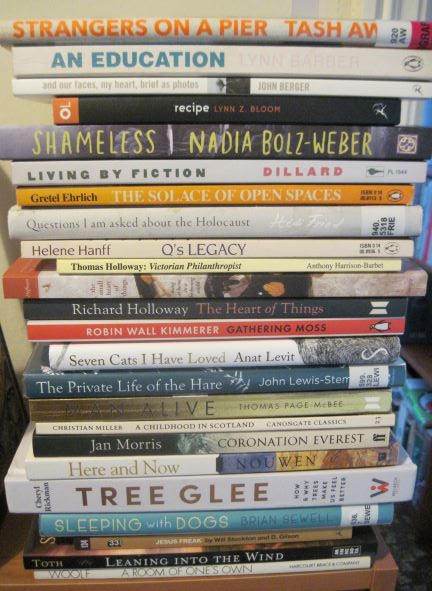 This is probably (not so secretly) my favourite week of the month. Others may find it strange to consider nonfiction during a novellas month, but this challenge is really about celebrating the art of the short book in all its forms, and I love a work that can contribute something significant on a topic, or illuminate a portion of an author’s life, in under 200 pages.
Week Four: Contemporary Novellas (= post-1980)
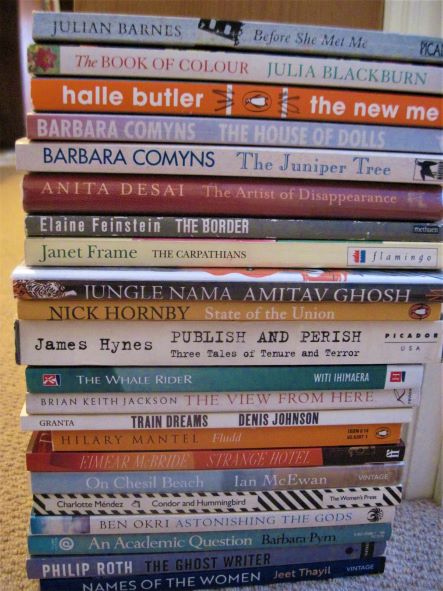
I have a few other options on my e-readers as well, such as Marigold and Rose by Louise Glück, Foster by Claire Keegan (our buddy read for the month), and The Hero of This Book by Elizabeth McCracken.
I read 29 novellas last November; why not aim for one a day this time?! November is also Margaret Atwood Reading Month, so I’ve lined up one of her fairly recent poetry collections that I picked up from a Little Free Library. Apart from that, I do have a few review books I need to get to for Shelf Awareness, so it’ll be a jam-packed month.
Kate has already come up with her list of possible titles. Look out for Cathy’s today, too. If you’re struggling for ideas, here’s a long list of suitable authors and publishers I put together last year, or you might like to browse through the reviews from 2021.
Now to get reading!!
Do you have any novellas in mind to read next month?
Which options from my stacks should I prioritize?
Book Serendipity, Mid-August to Mid-October 2022
It’s my birthday today and we’re off to Kelmscott Manor, where William Morris once lived, so I’ll start with a Morris-related anecdote even if it’s not a proper book coincidence. One of his most famous designs, the Strawberry Thief, is mentioned in Tomorrow, and Tomorrow, and Tomorrow by Gabrielle Zevin, and I happen to be using a William Morris wall calendar this year. I will plan to report back tomorrow on our visit plus any book hauls that occur.
I call it “Book Serendipity” when two or more books that I read at the same time or in quick succession have something in common – the more bizarre, the better. This is a regular feature of mine every few months. Because I usually have 20–30 books on the go at once, I suppose I’m more prone to such incidents. The following are in roughly chronological order.
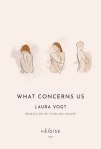
 There’s a character named Verena in What Concerns Us by Laura Vogt and Summer by Edith Wharton. Add on another called Verona from Stories from the Tenants Downstairs by Sidik Fofana.
- Two novels with a female protagonist who’s given up a singing career: Brief Lives by Anita Brookner and What Concerns Us by Laura Vogt.
- Two books featuring Black characters, written in African American Vernacular English, and with elements of drug use and jail time plus rent rises driving people out of their apartments and/or to crime (I’ve basically never felt so white): Stories from the Tenants Downstairs by Sidik Fofana and Nightcrawling by Leila Mottley.

- Two books on my stack with the protagonist an African American woman from Oakland, California: Red Island House by Andrea Lee and Nightcrawling by Leila Mottley
- A middle-aged woman’s hair is described as colourless and an officious hotel staff member won’t give the protagonist a cup of coffee/glass of wine in Brief Lives by Anita Brookner and Oh William! by Elizabeth Strout.
- There’s a central Switzerland setting in Mountain Song by Lucy Fuggle and What Concerns Us by Laura Vogt.
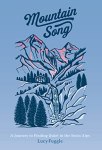
- On the same day, I encountered two references to Mary Oliver’s famous poem “The Summer Day” (“what is it you plan to do / with your one wild and precious life?”): in Mountain Song by Lucy Fuggle and This Beauty by Nick Riggle. (Fuggle and Riggle – that makes me laugh!)
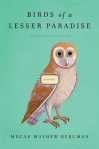
- In the same evening I found mentions of copperhead snakes in Demon Copperhead by Barbara Kingsolver (no surprise there), but also on the very first page of Birds of a Lesser Paradise by Megan Mayhew-Bergman.

- Crop circles are important to What Remains? by Rupert Callender and The Perfect Golden Circle by Benjamin Myers.
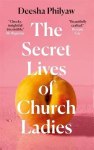
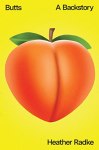
- I was reading two books with provocative peaches on the cover at the same time: The Secret Lives of Church Ladies by Deesha Philyaw and Butts: A Backstory by Heather Radke.
- A main character is pregnant but refuses medical attention in The Language of Flowers by Vanessa Diffenbaugh and What Concerns Us by Laura Vogt.
- An Australian setting and the slang “Carn” or “C’arn” for “come on” in Cloudstreet by Tim Winton and one story (“Halflead Bay”) from The Boat by Nam Le.
- Grape nuts cereal is mentioned in Leap Year by Helen Russell and This Time Tomorrow by Emma Straub.
- A character wagers their hair in a short story from Bratwurst Haven by Rachel King and one from Anthropology by Dan Rhodes.
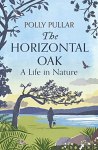
- Just after I started reading a Jackie Kay poetry collection (Other Lovers), I turned to The Horizontal Oak by Polly Pullar and found a puff from Kay on the front cover. And then one from Jim Crumley, whose The Nature of Spring I was also reading, on the back cover! (All Scottish authors, you see.)
- Reading two memoirs that include a father’s suicide – Sinkhole by Juliet Patterson and The Horizontal Oak by Polly Pullar – at the same time.
- Middle school students reading Of Mice and Men in Ms. Hempel Chronicles by Sarah Shun-lien Bynum and Stories from the Tenants Downstairs by Sidik Fofana.
- A second novel in two months in which Los Angeles’s K-Town (Korean neighbourhood) is an important location: after Which Side Are You On by Ryan Lee Wong, Tomorrow, and Tomorrow, and Tomorrow by Gabrielle Zevin.
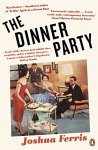
- The main character inherits his roommate’s coat in one story of The Dinner Party by Joshua Ferris, and Tomorrow, and Tomorrow, and Tomorrow by Gabrielle Zevin.
- The Groucho Marx quote “Whatever it is, I’m against it” turns up in What Remains? by Rupert Callender and Blurb Your Enthusiasm by Louise Willder (where it’s adapted to “we’re” as the motto of 3:AM Magazine).
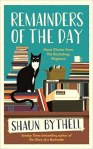 In Remainders of the Day by Shaun Bythell, Polly Pullar is mentioned as one of the writers at that year’s Wigtown Book Festival; I was reading her The Horizontal Oak at the same time.
- Marilyn Monroe’s death is mentioned in Sinkhole by Juliet Patterson and Tomorrow, and Tomorrow, and Tomorrow by Gabrielle Zevin.
- The types of standard plots that there are, and the fact that children’s books get the parents out of the way as soon as possible, are mentioned in And Finally by Henry Marsh and Blurb Your Enthusiasm by Louise Willder.
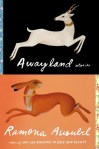
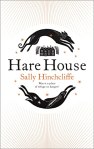
- Two books in quick succession with a leaping hare (and another leaping mammal, deer vs. dog) on the cover: Awayland by Ramona Ausubel, followed by Hare House by Sally Hinchcliffe.
- Three fingers held up to test someone’s mental state after a head injury in The House Is on Fire by Rachel Beanland and The Fear Index by Robert Harris.
- A scene where a teenage girl has to help with a breech livestock delivery (goat vs. sheep) in Belzhar by Meg Wolitzer and The Truants by Kate Weinberg.
- Two memoirs by a doctor/comedian that open with a scene commenting on the genitals of a cadaver being studied in medical school: Catch Your Breath by Ed Patrick wasn’t funny in the least, so I ditched it within the first 10 pages or so, whereas Undoctored by Adam Kay has been great so far.
What’s the weirdest reading coincidence you’ve had lately?
Love Your Library, September 2022
How embarrassing to find out from a fellow blogger’s post that two North American readers host a weekly meme for library borrowing. It’s called Library Loot (title envy!), and you should feel free to participate in that in addition to or instead of my monthly event.
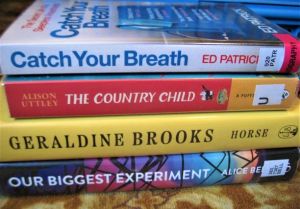 Pretty soon it will be time to stock up on horror and short books for R.I.P. and Novellas in November. For now, I’m still working on some short story collections, and plan to skim a bunch of nonfiction I’m interested-ish in (but not enough to read every word) to make space on my card. I did have reserves on three Booker-shortlisted titles, but admitted to myself that I don’t actually want to read them and cancelled my holds. The one that I do still plan to read is Treacle Walker by Alan Garner, a perfect read for #NovNov22, if not before.
Since last month:
READ
- Brief Lives by Anita Brookner (for book club)
- Case Study by Graeme Macrae Burnet
- The Dinner Party by Joshua Ferris
- The Boat by Nam Le
- Nightcrawling by Leila Mottley
- This Time Tomorrow by Emma Straub
- Oh William! by Elizabeth Strout
- Summer by Edith Wharton
- The Young Accomplice by Benjamin Wood
CURRENTLY READING
- The Dark Is Rising by Susan Cooper
- State of Wonder by Ann Patchett (a reread)
- Leap Year by Helen Russell
- Tomorrow, and Tomorrow, and Tomorrow by Gabrielle Zevin
Plus various new releases on loan or on hold.
What have you been reading or reviewing from the library recently?
Share a link to your own post in the comments. Feel free to use the above image. The hashtag is #LoveYourLibrary.
Get Ready for Novellas in November!
Novellas: “all killer, no filler” (said Joe Hill). For the third year in a row, Cathy of 746 Books and I are co-hosting Novellas in November as a month-long challenge, with four weekly prompts we’ll take it in turns to focus on. We’re announcing early to give you plenty of time to get your stacks ready.
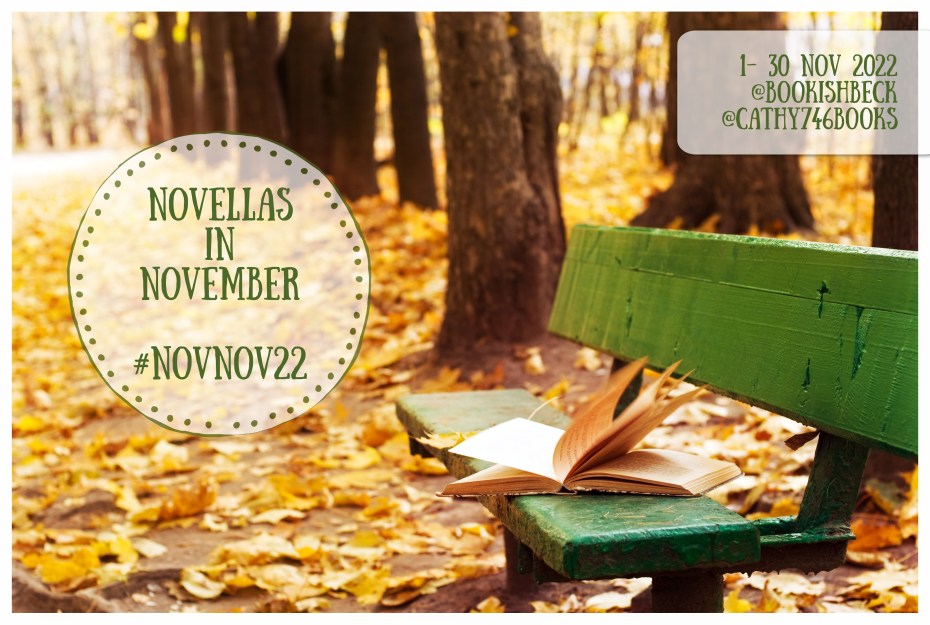
Here’s the schedule:
1–7 November: Short classics (Rebecca)
8–14 November: Novellas in translation (Cathy)
15–21 November: Short nonfiction (Rebecca)
22–28 November: Contemporary novellas (Cathy)
29–30 November: You might like to post a “New to my TBR” or “My NovNov Month” roundup.
(As a reminder, we suggest 150–200 pages as the upper limit for a novella, and post-1980 as a definition of “contemporary.”)
This year we have one overall buddy read. Claire Keegan has experienced a resurgence of attention thanks to the Booker Prize shortlisting of Small Things Like These – one of our most-reviewed novellas from last year. Foster is a modern Irish classic that comes in at under 90 pages, and, in an abridged version, is free to read on the New Yorker website. You can find that here. (Or whet your appetite with Cathy’s review.)
Keegan describes Foster as a “long short story” rather than a novella, but it was published as a standalone volume by Faber in 2010. A new edition will be released by Grove Press in the USA on November 1st, and the book is widely available for Kindle. It is also the source material for the recent record-breaking Irish-language film The Quiet Girl, so there are several ways for you to encounter this story.
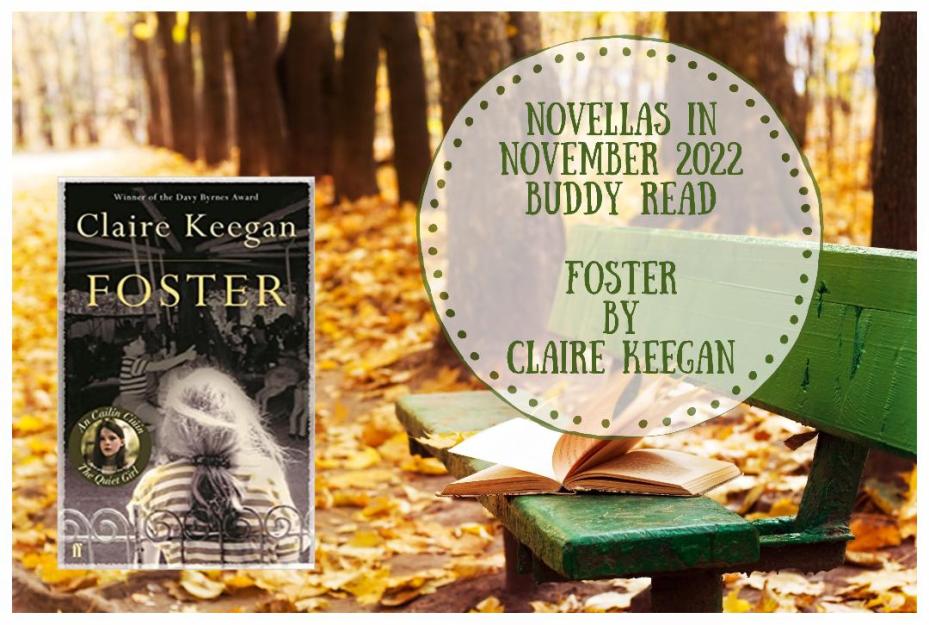
We’re looking forward to having you join us! We will each put up a pinned post where you can leave links starting on 1 November. Keep in touch via Twitter (@bookishbeck / @cathy746books) and Instagram (@bookishbeck / @cathy_746books), and feel free to use the terrific feature images Cathy has made and our new hashtag, #NovNov22.
 Bookish Beck = Rebecca Foster. American transplant to England. Freelance proofreader and book reviewer.
