#NovNov25 and Other November Reading Plans
Not much more than two weeks now before Novellas in November (#NovNov25) begins! Cathy and I are getting geared up and making plans for what we’re going to read. I have a handful of novellas out from the library, but mostly I gathered potential reads from my own shelves. I’m hoping to coincide with several of November’s other challenges, too.

Although we’re not using the below as themes this year, I’ve grouped my options into categories:
Short Classics (pre-1980)
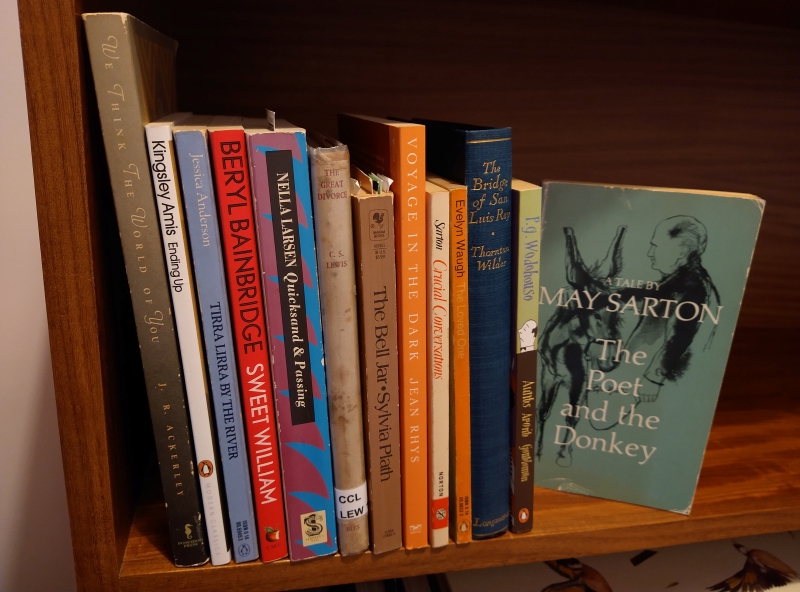
Just Quicksand to read from the Larsen volume; the Wilder would be a reread.
Contemporary Novellas
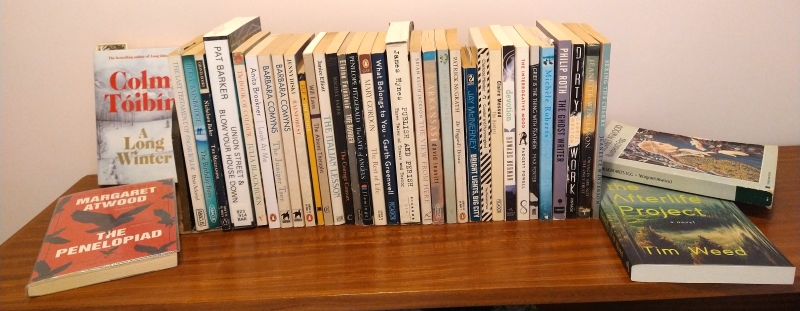
(Just Blow Your House Down; and the last two of the three novellas in the Hynes.)
Also, on my e-readers: Sea, Poison by Caren Beilin, Likeness by Samsun Knight, Eradication: A Fable by Jonathan Miles (a 2026 release, to review early for Shelf Awareness)
 *Margaret Atwood Reading Month is hosted by Marcie of Buried in Print. I’ve just read The Penelopiad for book club, so I’ll start off with a review of that. I might also reread Bluebeard’s Egg, and I’ll be eagerly awaiting her memoir from the library.
[*Science Fiction Month: Beautyland by Marie-Helene Bertino, Archive of Unknown Universes by Ruben Reyes Jr., and The Afterlife Project (all catch-up review books) are options, plus I recently started reading The Martian by Andy Weir.]
Short Nonfiction
Including our buddy read, Sister Outsider by Audre Lorde. (A shame about that cover!)
Also, on my e-readers: The Serviceberry by Robin Wall Kimmerer, No Straight Road Takes You There by Rebecca Solnit, Because We Must by Tracy Youngblom. And, even though it doesn’t come out until February, I started reading The Irish Goodbye: Micro-Memoirs by Beth Ann Fennelly via Edelweiss.
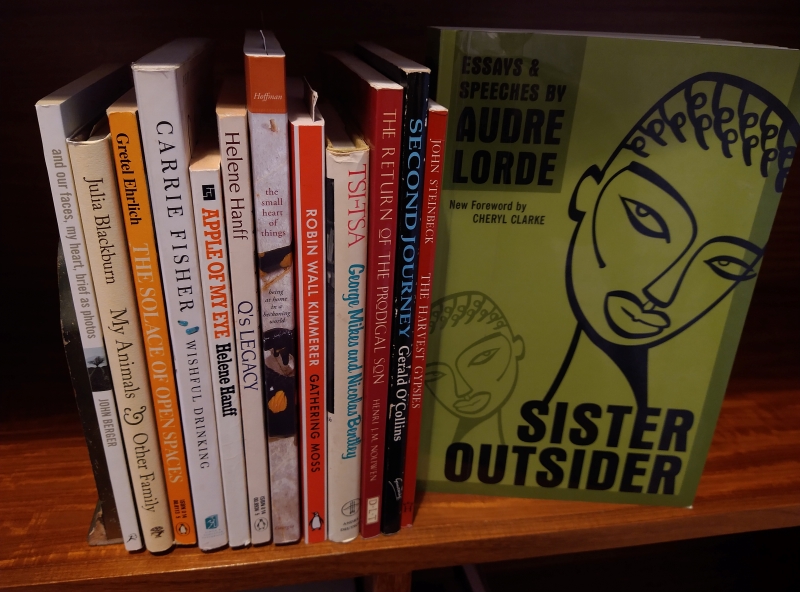
For Nonfiction November, I also have plenty of longer nonfiction on the go, a mixture of review books to catch up on and books from the library:
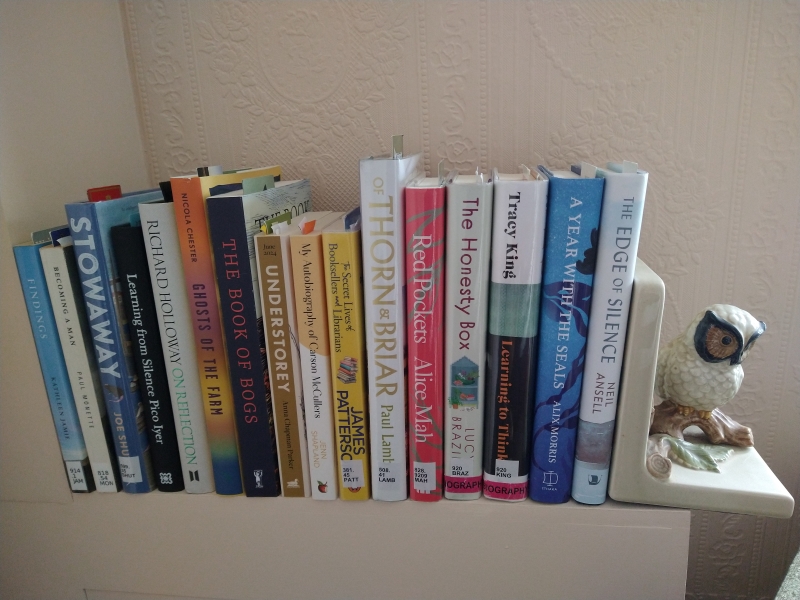
I also have one nonfiction November release, Joyride by Susan Orlean, to review.
Novellas in Translation
At left are all the novella-length options, with four German books on top.
The Chevillard and Modiano are review copies to catch up on.

Also on the stack, from the library: Super-Frog Saves Tokyo by Haruki Murakami
On my e-readers: The Old Fire by Elisa Shua Dusapin, The Old Man by the Sea by Domenico Starnone, Our Precious Wars by Perrine Tripier
 *German Literature Month: Our recent trip to Berlin and Lübeck whetted my appetite to read more German/German-language fiction. I’ll try to coincide with the Thomas Mann week as I was already planning to reread Death in Venice. I have some longer German books on the right-hand side as well. I started Kairos but found it hard going so might switch to audiobook. I also have Demian by Hermann Hesse on my Nook, downloaded from Project Gutenberg.
Spy any favourites or a particularly appealing title in my piles?
The link-up is now open for you to share your planning post!
Any novellas lined up to read next month?
Love Your Library, September 2025
Thanks, as always, to Eleanor for posting about her recent library reading! And thank you to Skai for joining in again.
Somehow over the summer I forgot to mark two anniversaries: my library’s 25th birthday (July), and five years of me volunteering there (August). When I first started as a volunteer, Covid was still a raging unknown and the library was closed to the public. I shelved returns in an empty building. It was blissful, in all honesty. But I know it’s perverse to be nostalgic about the pandemic. I still enjoy my Tuesday morning sessions of hunting for reservations, even when it’s (too) busy and noisy during the school holidays.
Early in the month, my husband and I went to an evening event at the library with Jasper Fforde. C is a fan, having read five of his novels, whereas I read The Eyre Affair during graduate school and found it silly – in the same way I can’t really get on with Douglas Adams or Terry Pratchett. But with tickets just £5, I thought why not go and support the library.
Fforde considers himself an “accidental author” for two reasons: one, he was seen as a stupid child who would never achieve anything – his dyslexia wasn’t diagnosed until he was in his fifties; and two, he wanted to work on films, and indeed did for a time. In 1988 he sat down to write a short story treatment of his intended film script and fell in love with the process of writing. He described it as being like a jigsaw where the words just fell into place. Thirteen years of hard work later, he made the New York Times bestseller list.

I didn’t realize that Fforde has lived fairly locally and set novels in Reading and Swindon – comic in itself because these are very unlovely towns. His first two series, nursery rhyme crime novels and the Thursday Next books (the eighth and last, Dark Reading Matter, is due out in September 2026), were about “moving the furniture around in people’s heads,” taking existing classic stories and twisting them. When he tried making things up, as with the Shades of Grey and Red Side Story duology and The Last Dragonslayer children’s books, the results were not as commercially successful. During the question time he reflected on the irony of his book getting confused with the blockbuster Fifty Shades of Grey. He joked that some probably bought his book by mistake and then wondered where the bondage was.
The evening was a conversation with the library staff member who seems to organise all the events. She asked him a lot of questions about his process. He listed a few tenets he lives by: “the narrative dare” (come up with a random idea and then figure out how to pull it off), “the path less-trodden,” and “the no-plan plan” (he makes it up as he goes along). His mind works like a drift net, he said, saving bits and pieces up to use another time, such as snippets of conversation overheard on a bus. For instance, “Oh my goodness, they’ve trodden on the gibbon!” and “They say haddock is making a comeback.” He also leaves himself “off-ramps” he can take up later if he ends up writing a sequel.
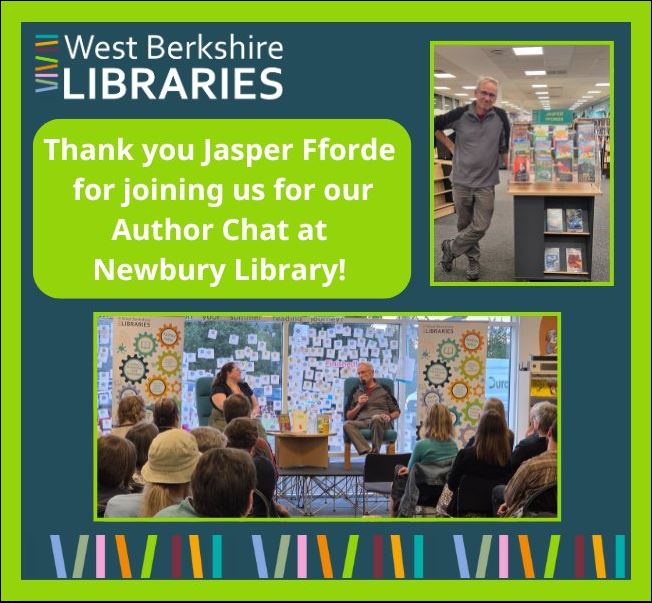
(C is at the bottom right of the second photo.)
Fforde was very personable and self-deprecating and I got more out of the event than I might have expected to.
My library use over the last month:
(links are to books not already reviewed on the blog)
READ
- The Most by Jessica Anthony

- Sojourn by Amit Chaudhuri

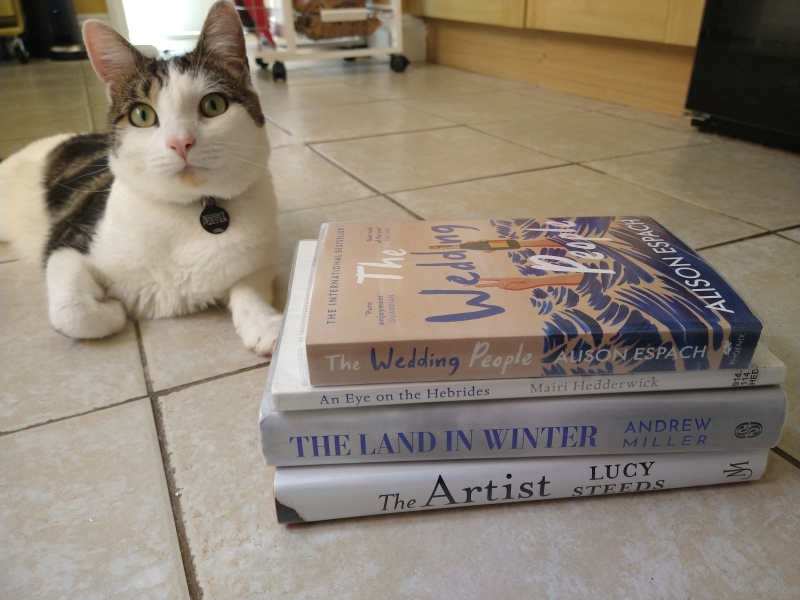
- The Wedding People by Alison Espach
- Of All that Ends, Günter Grass

- The Summer I Turned Pretty by Jenny Han

- Seascraper by Benjamin Wood

SKIMMED
- Wild City by Ben Hoare
- The Land in Winter by Andrew Miller – The chilly writing and atmosphere suit the subject matter, but didn’t draw me in or make me care about the central characters.
- Cuddy by Benjamin Myers (for book club)
CURRENTLY READING
- Kairos by Jenny Erpenbeck
- Of Thorn & Briar: A Year with the West Country Hedgelayer by Paul Lamb
- Endling by Maria Reva
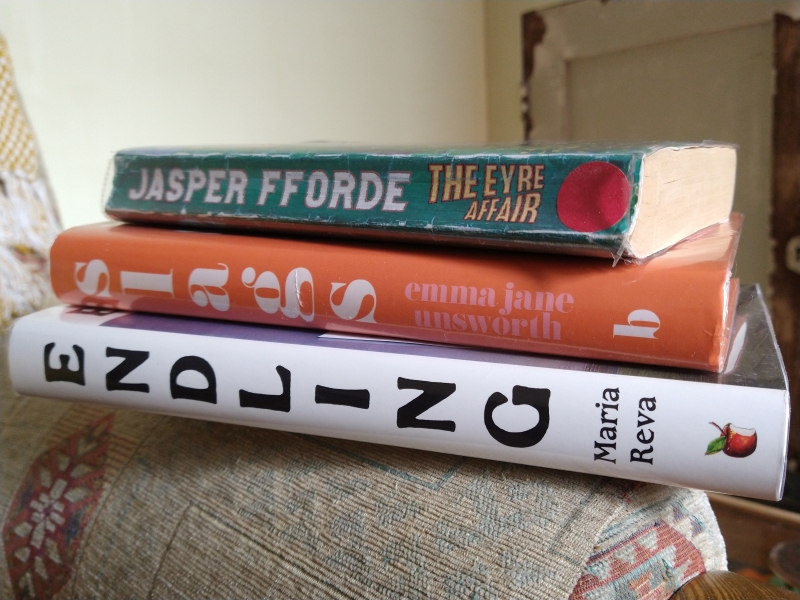
CHECKED OUT, TO BE READ
- The Penelopiad by Margaret Atwood (for book club)
- Red Pockets: An Offering by Alice Mah
- Death in Venice and Other Stories by Thomas Mann
- Opt Out by Carolina Setterwall
- Slags by Emma Jane Unsworth
ON HOLD, TO BE COLLECTED
- The Two Roberts by Damian Barr
- All the Way to the River by Elizabeth Gilbert
- The Haunted Wood: A History of Childhood Reading by Sam Leith
- Buckeye by Patrick Ryan
- A Long Winter by Colm Tóibín
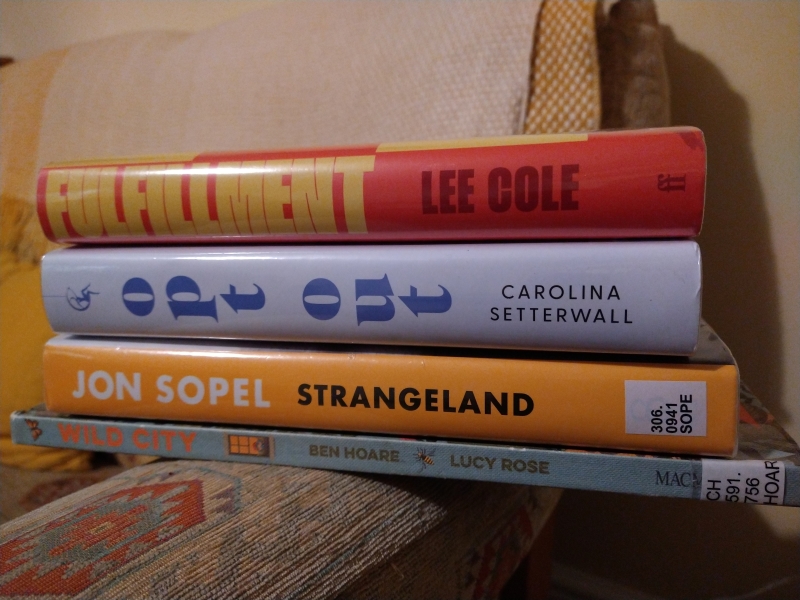
C will read the Sopel for book club, but I have to miss that meeting for a Repair Cafe committee meeting.
IN THE RESERVATION QUEUE
- New Cemetery by Simon Armitage
- Book of Lives: A Memoir of Sorts by Margaret Atwood
- It’s Not a Bloody Trend: Understanding Life as an ADHD Adult by Kat Brown
- Flashlight by Susan Choi
- The Perimenopause Survival Guide: A Feel-Like-Yourself-Again Roadmap for Every Woman over 35 by Heather Hirsch
- Queen Esther by John Irving
- The Matchbox Girl by Alice Jolly
- Heart the Lover by Lily King
- Misery by Stephen King
- The Rest of Our Lives by Benjamin Markovits
- What We Can Know by Ian McEwan
- The Eights by Joanna Miller
- Mexican Gothic by Silvia Moreno-Garcia
- Super-Frog Saves Tokyo by Haruki Murakami
- Rainforest by Michelle Paver
- Death of an Ordinary Man by Sarah Perry
- The Lamb by Lucy Rose
- Flesh by David Szalay
RETURNED UNREAD
- Fulfillment by Lee Cole – Argh, this keeps being requested off me!
- An Eye on the Hebrides by Mairi Hedderwick
- Love in Five Acts by Daniela Krien
- The Artist by Lucy Steeds
I missed the moment on the last three but may try another time.
- The Eyre Affair by Jasper Fforde – I thought about giving him another try after the event, but … no.
RETURNED UNFINISHED
- The Mermaid Chair by Sue Monk Kidd – I read about 45 pages. The setup was interesting but the narrative voice did not captivate.
- The Names by Florence Knapp – Ditto, but only 25 pages. The writing was just not very good.
What have you been reading or reviewing from the library recently?

Share a link to your own post in the comments. Feel free to use the above image. The hashtag is #LoveYourLibrary.
Book Serendipity, Mid-June through August
I call it “Book Serendipity” when two or more books that I read at the same time or in quick succession have something in common – the more bizarre, the better. This is a regular feature of mine every couple of months. Because I usually have 20–30 books on the go at once, I suppose I’m more prone to such incidents. People frequently ask how I remember all of these coincidences. The answer is: I jot them down on scraps of paper or input them immediately into a file on my PC desktop; otherwise, they would flit away!
The following are in roughly chronological order.
- A description of the Y-shaped autopsy scar on a corpse in Pet Sematary by Stephen King and A Truce that Is Not Peace by Miriam Toews.
- Charlie Chaplin’s real-life persona/behaviour is mentioned in The Quiet Ear by Raymond Antrobus and Greyhound by Joanna Pocock.
- The manipulative/performative nature of worship leading is discussed in Don’t Forget We’re Here Forever by Lamorna Ash and Jarred Johnson’s essay in the anthology Queer Communion: Religion in Appalachia. I read one scene right after the other!
- A discussion of the religious impulse to celibacy in Don’t Forget We’re Here Forever by Lamorna Ash and The Dry Season by Melissa Febos.
- Hanif Kureishi has a dog named Cairo in Shattered; Amelia Thomas has a son by the same name in What Sheep Think About the Weather.
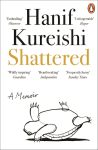
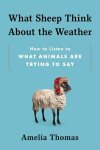
- A pilgrimage to Virginia Woolf’s home in The Dry Season by Melissa Febos and Writing Creativity and Soul by Sue Monk Kidd.
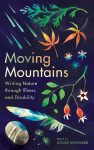
- Water – Air – Earth divisions in the Nature Matters (ed. Mona Arshi and Karen McCarthy Woolf) and Moving Mountains (ed. Louise Kenward) anthologies.
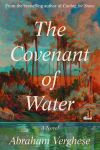 The fact that humans have two ears and one mouth and so should listen more than they talk is mentioned in What Sheep Think about the Weather by Amelia Thomas and The Covenant of Water by Abraham Verghese.
- Inappropriate sexual comments made to female bar staff in The Most by Jessica Anthony and Isobel Anderson’s essay in the Moving Mountains (ed. Louise Kenward) anthology.
- Charlie Parker is mentioned in The Most by Jessica Anthony and The Quiet Ear by Raymond Antrobus.
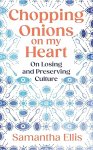
- The metaphor of an ark for all the elements that connect one to a language and culture was used in Chopping Onions on My Heart by Samantha Ellis, which I read earlier in the year, and then again in The Quiet Ear by Raymond Antrobus.
- A scene of first meeting their African American wife (one of the partners being a poet) and burning a list of false beliefs in The Dry Season by Melissa Febos and The Quiet Ear by Raymond Antrobus.
- The Kafka quote “a book must be the axe for the frozen sea inside us” appears in Shattered by Hanif Kureishi and Writing Creativity and Soul by Sue Monk Kidd. They also both quote Dorothea Brande on writing.
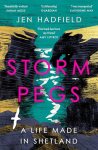
- The simmer dim (long summer light) in Shetland is mentioned in Storm Pegs by Jen Hadfield and Sally Huband’s piece in the Moving Mountains (ed. Louise Kenward) anthology (not surprising as they both live in Shetland!).
- A restaurant applauds a proposal or the news of an engagement in The Homemade God by Rachel Joyce and Likeness by Samsun Knight.
- Noticing that someone ‘isn’t there’ (i.e., their attention is elsewhere) in Woodworking by Emily St. James and Palaver by Bryan Washington.
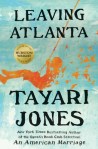
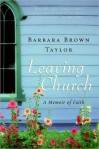
- I was reading Leaving Atlanta by Tayari Jones and Leaving Church by Barbara Brown Taylor – which involves her literally leaving Atlanta to be the pastor of a country church – at the same time. (I was also reading Leave the World Behind by Rumaan Alam.)
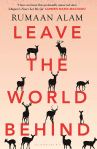
- A mention of an adolescent girl wearing a two-piece swimsuit for the first time in Leave the World Behind by Rumaan Alam, The Summer I Turned Pretty by Jenny Han, and The Stirrings by Catherine Taylor.
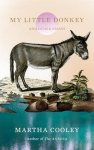
- A discussion of John Keats’s concept of negative capability in My Little Donkey by Martha Cooley and What Sheep Think About the Weather by Amelia Thomas.
- A mention of JonBenét Ramsey in Leave the World Behind by Rumaan Alam and the new introduction to Leaving Atlanta by Tayari Jones.
- A character drowns in a ditch full of water in Leaving Atlanta by Tayari Jones and The Covenant of Water by Abraham Verghese.
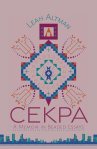 A girl dares to question her grandmother for talking down the girl’s mother (i.e., the grandmother’s daughter-in-law) in Cekpa by Leah Altman and Leaving Atlanta by Tayari Jones.
- A woman who’s dying of stomach cancer in The Covenant of Water by Abraham Verghese and Book of Exemplary Women by Diana Xin.
- A woman’s genitals are referred to as the “mons” in Leave the World Behind by Rumaan Alam and The Covenant of Water by Abraham Verghese.
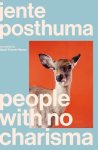
- A girl doesn’t like her mother asking her to share her writing with grown-ups in People with No Charisma by Jente Posthuma and one story of Book of Exemplary Women by Diana Xin.
- A girl is not allowed to walk home alone from school because of a serial killer at work in the area, and is unprepared for her period so lines her underwear with toilet paper instead in Leaving Atlanta by Tayari Jones and The Stirrings by Catherine Taylor.
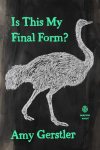 When I interviewed Amy Gerstler about her poetry collection Is This My Final Form?, she quoted a Walt Whitman passage about animals. I found the same passage in What Sheep Think About the Weather by Amelia Thomas.
- A character named Stefan in The Dime Museum by Joyce Hinnefeld and Palaver by Bryan Washington.
- A father who is a bad painter in The Dime Museum by Joyce Hinnefeld and The Homemade God by Rachel Joyce.
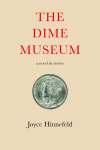
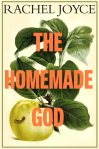
- The goddess Minerva is mentioned in The Dime Museum by Joyce Hinnefeld and The Stirrings by Catherine Taylor.
- A woman finds lots of shed hair on her pillow in In Late Summer by Magdalena Blažević and The Dig by John Preston.
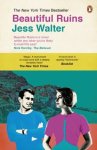 An Italian man who only uses the present tense when speaking in English in The Homemade God by Rachel Joyce and Beautiful Ruins by Jess Walter.
- The narrator ponders whether she would make a good corpse in People with No Charisma by Jente Posthuma and Terminal Surreal by Martha Silano. The former concludes that she would, while the latter struggles to lie still during savasana (“Corpse Pose”) in yoga – ironic because she has terminal ALS.
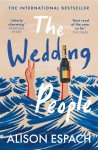
- Harry the cat in The Wedding People by Alison Espach; Henry the cat in Calls May Be Recorded by Katharina Volckmer.
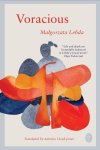
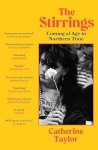
- The protagonist has a blood test after rapid weight gain and tiredness indicate thyroid problems in Voracious by Małgorzata Lebda and The Stirrings by Catherine Taylor.
- It’s said of an island that nobody dies there in Somebody Is Walking on Your Grave by Mariana Enríquez and Beautiful Ruins by Jess Walter.
- A woman whose mother died when she was young and whose father was so depressed as a result that he was emotionally detached from her in The Wedding People by Alison Espach and People with No Charisma by Jente Posthuma.
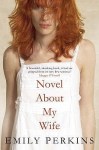 A scene of a woman attending her homosexual husband’s funeral in The Homemade God by Rachel Joyce and Novel About My Wife by Emily Perkins.
- There’s a ghost in the cellar in In Late Summer by Magdalena Blažević, The Covenant of Water by Abraham Verghese and Book of Exemplary Women by Diana Xin.
- Mention of harps / a harpist in The Wedding People by Alison Espach, The Homemade God by Rachel Joyce, and What Mennonite Girls Are Good For by Jennifer Sears.
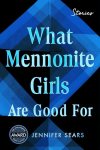
- “You use people” is an accusation spoken aloud in The Dry Season by Melissa Febos and Beautiful Ruins by Jess Walter.
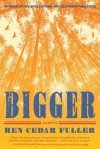
- Let’s not beat around the bush: “I want to f*ck you” is spoken aloud in The Wedding People by Alison Espach and Novel About My Wife by Emily Perkins; “Want to/Wanna f*ck?” is also in The Wedding People by Alison Espach and in Bigger by Ren Cedar Fuller.
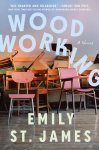 A young woman notes that her left breast is larger in Voracious by Małgorzata Lebda and Woodworking by Emily St. James. (And a girl fondles her left breast in one story of Book of Exemplary Women by Diana Xin.)
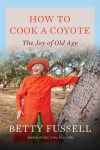
- A shawl is given as a parting gift in How to Cook a Coyote by Betty Fussell and one story of What Mennonite Girls Are Good For by Jennifer Sears.
- The author has Long Covid in Alec Finlay’s essay in the Moving Mountains anthology, and Pluck by Adam Hughes.
- An old woman applies suncream in Kate Davis’s essay in the Moving Mountains anthology, and How to Cook a Coyote by Betty Fussell.
- There’s a leper colony in What Mennonite Girls Are Good For by Jennifer Sears and The Covenant of Water by Abraham Verghese.
- There’s a missionary kid in South America in Bigger by Ren Cedar Fuller and What Mennonite Girls Are Good For by Jennifer Sears.
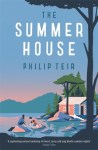 A man doesn’t tell his wife that he’s lost his job in Novel About My Wife by Emily Perkins and The Summer House by Philip Teir.
- A teen brother and sister wander the woods while on vacation with their parents in Leave the World Behind by Rumaan Alam and The Summer House by Philip Teir.
- Using a famous fake name as an alias for checking into a hotel in one story of Single, Carefree, Mellow by Katherine Heiny and Seascraper by Benjamin Wood.
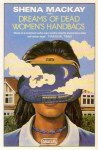
- A woman punches someone in the chest in the title story of Dreams of Dead Women’s Handbags by Shena Mackay and Novel About My Wife by Emily Perkins.
What’s the weirdest reading coincidence you’ve had lately?
Challenges Completed; Reviews to Come!
I have another 6 books to tell you about for Women in Translation Month, and I finished reading the last of my 20 Books of Summer today. But my grand plan to write everything up by the end of August did not come to fruition. Instead, it’s been one of those rare weekends where we had all-day events both Saturday and Sunday, plus did various cooking and baking projects, so I couldn’t fit in any time with a laptop. I’ll catch up during the first week of September.
Love Your Library, August 2025
Thanks to Eleanor for posting about her recent library reading, including for 20 Books of Summer (here and here). Thanks also to Skai for joining in again!
Further to last month: My library system’s reclassification seems all the stranger the more I look at it, especially in the children’s section. Yellow stickers will have: one black stripe (Beginner Reads), two black stripes (Short Chapter Books), three black stripes (Picture Books for Older Readers) or a T (Teen). Okay, that last one makes sense, but taking in the number of stripes at a quick glance when organising a trolley or shelving? Seems like a recipe for misfiling.
Also, as a member of senior staff astutely observed, surely the length of a book is the one thing you can tell just by looking at it! So why make that its own designation? Especially when those double-stripe books will be mixed in with the rest of the chapter books, which from now on will not be given a very helpful label on the spine with the first letter of the author’s surname.
It’s having the two systems on the go at the same time that is most confusing. Apparently, these changes were handed down from on high, to keep us in line with other libraries, but no one consulted with the people who actually handle the books on a day-to-day basis. As in, the staff and volunteers. Ahem. We shall see how it goes.
My library use over the last month:
(links are to books not already reviewed on the blog)
I’ve been borrowing some Booker and Wainwright Prize list reads, as well as looking ahead to our mid-September trip to Berlin and Novellas in November.
READ
- Good Night, Little Bookshop by Amy Cherrix
- Bothered by Bugs by Emily Gravett
- More Katie Morag Island Stories by Mairi Hedderwick
- The Homemade God by Rachel Joyce

- The Dig by John Preston
Last month we joined my in-laws for a few days at the holiday cottage they’d rented in Suffolk. We crammed in loads: Orford Ness, a former military site with a very unusual shingle landscape where hares live and the wind howls; Minsmere RSPB reserve; and Sutton Hoo, the site of a famous Anglo-Saxon ship burial, discovered there during an archaeological dig of the mounds in 1939; and Woodbridge, the nearest town to the cottage, whose museum has a project underway to build a full-size replica of the ship. I didn’t put two and two together to realize that The Dig, adapted into a 2021 Netflix film starring Ralph Fiennes and Carey Mulligan (there was a big on-site exhibit about the filming), is about Sutton Hoo or I would have gotten it out of the library to take with us. Instead, I caught up afterward.


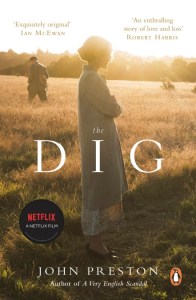 Preston focuses on the few spring and summer months of Basil Brown’s amateur excavation, which was then co-opted by museum professionals. Edith Pretty, the landowner, was a widow in her fifties, raising her plucky son Robert on her own and struggling with ill health (she had Robert at age 47, almost unheard of in those days, and would die after a stroke in 1942). The day to day of the excavation was engrossing and I enjoyed the interactions between Brown and Pretty. I didn’t need the third narrator, Peggy Piggott, wife of one of the archaeologists and excavation staff in her own right, nor the extra background about characters’ marriages and museum bureaucracy. Meanwhile, the epilogue from Robert returning to the site in the 1960s made me wish that there had been more of that retrospective viewpoint. This was enjoyable in a minor way but I wouldn’t have read it had I not been to Sutton Hoo. I wonder if the film would be, on the whole, more successful.
SKIMMED
- I Think I Like Girls by Rosie Day – I took a desultory look but the content seemed pretty lite and the writing style iffy. (Hadn’t heard of Day but I guess she’s a celebrity?)
SKIMMING
- Cuddy by Benjamin Myers (for book club; I also skimmed it when it first came out)
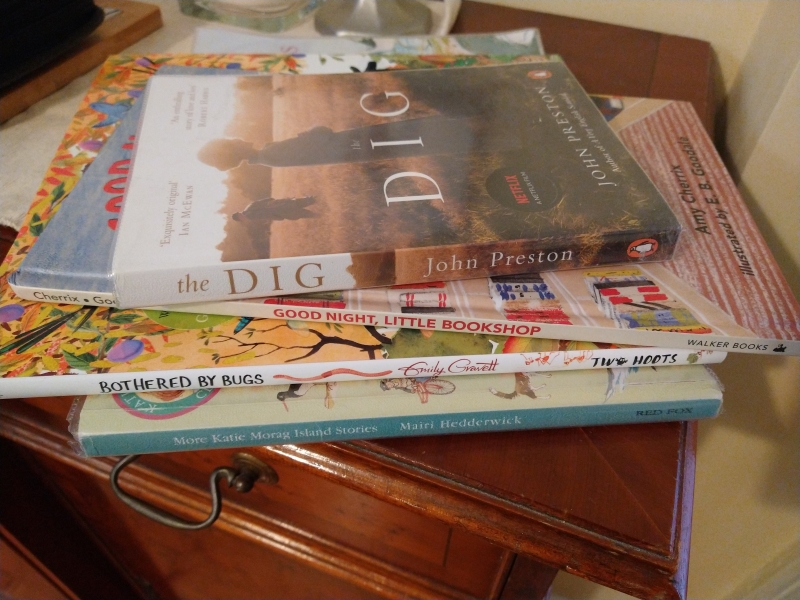
CURRENTLY READING
- The Most by Jessica Anthony
- The Honesty Box by Luzy Brazier
- Bellies by Nicola Dinan
- The Wedding People by Alison Espach
- The Summer I Turned Pretty by Jenny Han
- An Eye on the Hebrides by Mairi Hedderwick
- The Mermaid Chair by Sue Monk Kidd
- Of Thorn & Briar: A Year with the West Country Hedgelayer by Paul Lamb
- The Land in Winter by Andrew Miller
- The Secret Lives of Booksellers and Librarians: True Stories of the Magic of Reading by James Patterson & Matt Eversmann
CHECKED OUT, TO BE READ
It’s nearly time for Novellas in November planning! Thus I borrowed a quartet of books from the university library (the bottom stack below), two of which were recommended by blog friends: the Barker (Blow Your House Down) by Margaret and the Hesse by Kaggsy. The Kertesz is on my radar thanks to C’s bandmate Jo. And I’ve enjoyed the two Sagan novellas I’ve read so far so thought I’d source another.
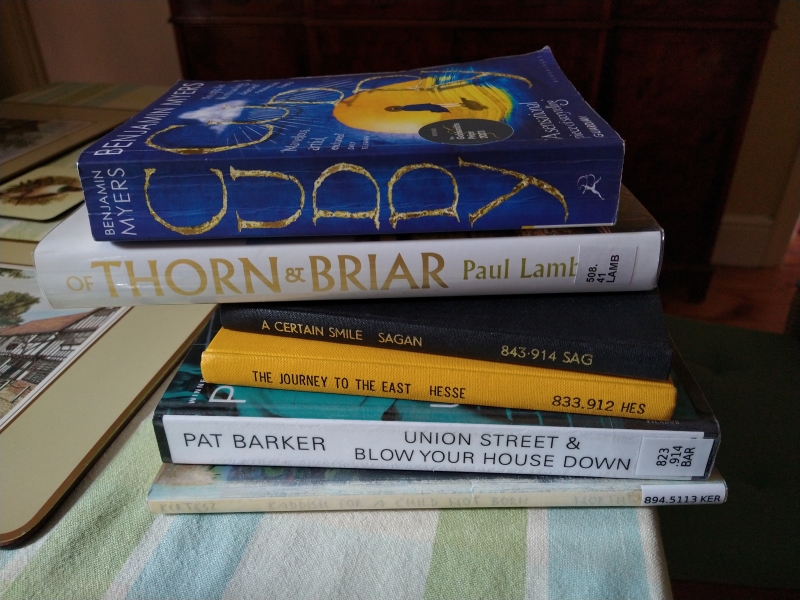
ON HOLD, TO BE COLLECTED
- Sojourn by Amit Chaudhuri
- The Names by Florence Knapp
- Love in Five Acts by Daniela Krien
- Red Pockets: An Offering by Alice Mah
- Birding by Rose Ruane
- Opt Out by Carolina Setterwall
- Slags by Emma Jane Unsworth
- Seascraper by Benjamin Wood
IN THE RESERVATION QUEUE
- The Two Roberts by Damian Barr
- All the Way to the River by Elizabeth Gilbert
- Helm by Sarah Hall
- The Haunted Wood: A History of Childhood Reading by Sam Leith
- What We Can Know by Ian McEwan
- The Eights by Joanna Miller
- Endling by Maria Reva
- Buckeye by Patrick Ryan
- Flesh by David Szalay
RETURNED UNREAD
- Fragile Minds by Bella Jackson
- Enchanted Ground: Growing Roots in a Broken World by Steven Lovatt
- Wife by Charlotte Mendelson
- The Forgotten Sense: The Nose and the Perception of Smell by Jonas Olofsson
I lost immediate interest in all of these but would be willing to try them again another time.
What have you been reading or reviewing from the library recently?
Share a link to your own post in the comments. Feel free to use the above image. The hashtag is #LoveYourLibrary.
Love Your Library, July 2025
Thank you to Eleanor (here and here) and Skai for posting about their recent library reading.
On a brief trip to Tilehurst last week for a podiatry consultation, I popped into its library (part of Reading Borough, where I’ve lived at various points) and liked how they designated subgenres with 3D paper letter names above the bays along with a suitable spine sticker on the books themselves. Action is to the right of romance here; they also give Family Sagas and Historical Fiction their own sections.
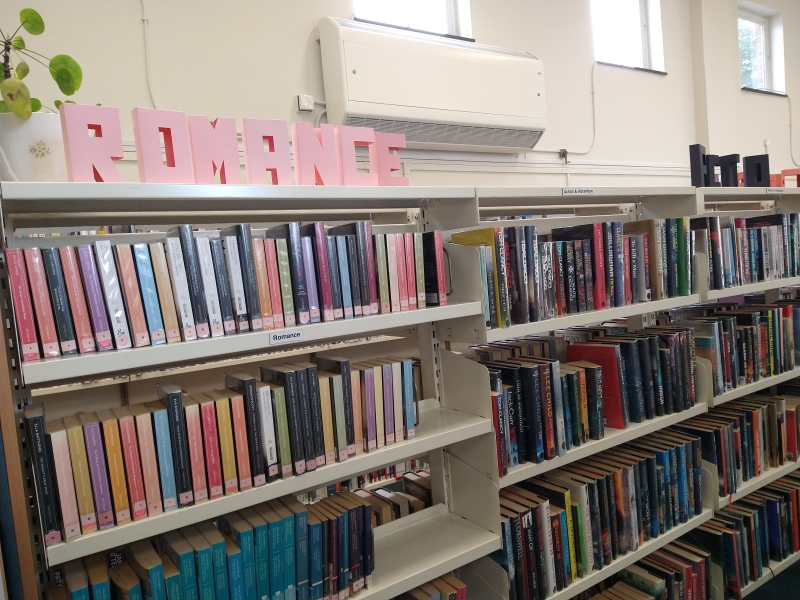
My library system recently made a slight change to our classifications. Now, instead of a monolithic Crime designation (red circular sticker on spine) there will be a white square spine label with either a magnifying glass and CRI or a gun target with THR for thriller; both will be shelved in the Crime section. Likewise, the SFF section (previously, green circular sticker) will have two subdivisions, FAN with a unicorn and SCI with a ringed planet. I can see why the new subgenres were perceived to be more helpful for readers, but I predict that the shelving, which is almost exclusively done by volunteers, will go haywire. Even with the very clear coloured stickers, books are frequently mis-shelved. (During each of my sessions, I probably reshelve 10 to 15 books.) Now there will be a mixture of coloured and white labels, the latter of which must be read carefully to not end up on the wrong trolley or shelf…
My library use over the last month:
(links are to books not already reviewed on the blog)
READ
- Don’t Forget We’re Here Forever: A New Generation’s Search for Religion by Lamorna Ash

- To the Edge of the Sea: Schooldays of a Crofter’s Child by Christina Hall
- Shattered by Hanif Kureishi
- Ripeness by Sarah Moss
- Three Weeks in July: 7/7, The Aftermath, and the Deadly Manhunt by Adam Wishart & James Nally
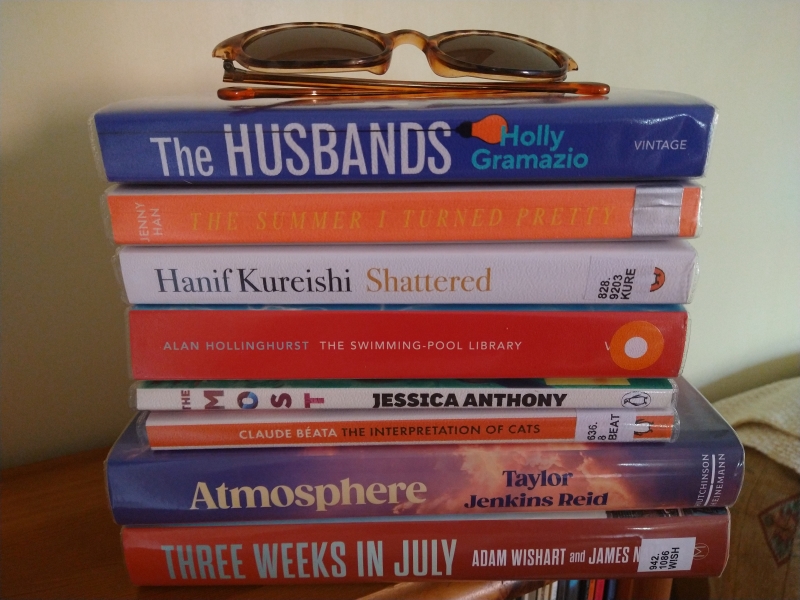
CURRENTLY READING
- The Most by Jessica Anthony
- The Interpretation of Cats: And Their Owners by Claude Béata; translated by David Watson
- The Honesty Box by Luzy Brazier
- Bellies by Nicola Dinan
- The Homemade God by Rachel Joyce
- The Mermaid Chair by Sue Monk Kidd
- The Secret Lives of Booksellers and Librarians: True Stories of the Magic of Reading by James Patterson & Matt Eversmann
CHECKED OUT, TO BE READ
- I Think I Like Girls by Rosie Day
- Fragile Minds by Bella Jackson
- Enchanted Ground: Growing Roots in a Broken World by Steven Lovatt
- Wife by Charlotte Mendelson
- The Forgotten Sense: The Nose and the Perception of Smell by Jonas Olofsson
+ various children’s books
(the other books pictured are for my husband’s stack)
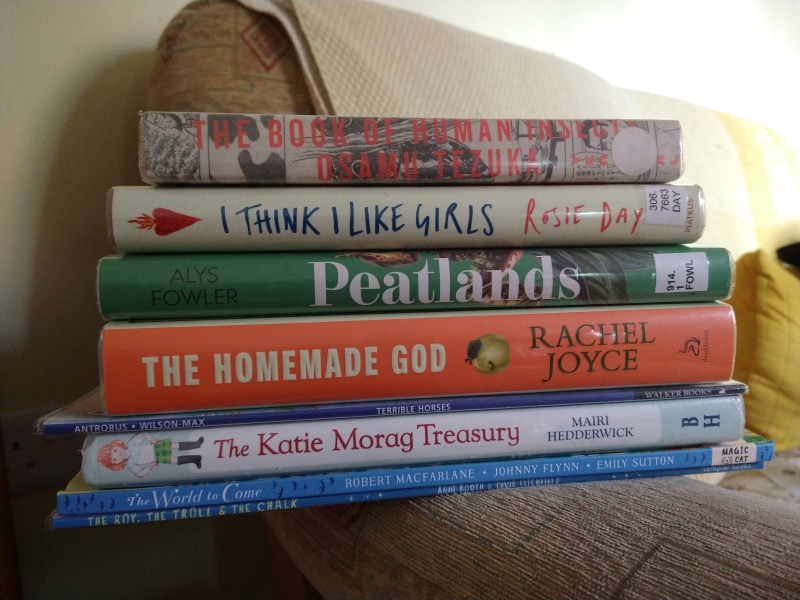
IN THE RESERVATION QUEUE
- Helm by Sarah Hall
- An Eye on the Hebrides by Mairi Hedderwick
- Albion by Anna Hope
- The Names by Florence Knapp
- The Eights by Joanna Miller
- The Dig by John Preston
- Birding by Rose Ruane
- Opt Out by Carolina Setterwall

RETURNED UNFINISHED
- The Husbands by Holly Gramazio – I read the first 28 pages or so. A fun premise, but I felt I’d gotten the gist already and couldn’t imagine another 300 pages of the same.
- The Summer I Turned Pretty by Jenny Han – This was requested off me before I could get halfway. So annoying! I’ve placed a hold but don’t know if it will come back into my hands in time to actually finish it during the summer. Harrumph.
- Atmosphere by Taylor Jenkins Reid – I read about 18 pages. I always like the idea of her novels, but since Daisy Jones haven’t gotten far in one.
- Boiled Owls by Azad Ashim Sharma – This poetry collection was not for me.
RETURNED UNREAD
- Fulfillment by Lee Cole – Requested off me before I could start it. I’m back in the queue.
- Adam by Gboyega Odubanjo – This poetry collection was not for me.
- The Artist by Lucy Steeds – Requested off me before I could start it. I’m back in the queue.
- The Sleepwalkers by Scarlett Thomas – Ditto!
What have you been reading or reviewing from the library recently?
Share a link to your own post in the comments. Feel free to use the above image. The hashtag is #LoveYourLibrary.
Love Your Library, June 2025
Thank you, as always, to Eleanor, who has put up multiple posts about her recent library reading. My thanks also go to Skai for participating again. Marcie has been taking part in the Toronto Public Library reading challenge Bingo card. I enjoyed seeing in Molly Wizenberg’s latest Substack that she and her child are both doing the Seattle Public Library Summer Book Bingo. I’ve never joined my library system’s adult summer reading challenge because surely it’s meant for non-regular readers. You can sign up to win a prize if you read five or more books – awwww! – and it just wouldn’t seem fair for me to participate.
It’s Pride Month and my library has displays up for it, of course. I got to attend the first annual Queer Folk Festival in London as an ally earlier this month and it was great fun!


Two current initiatives in my library system are pop-up libraries in outlying villages, and a quiet first hour of opening each weekday, meant to benefit those with sensory needs. I volunteer in the first two hours on Tuesdays but haven’t yet noticed lower lighting or it being any quieter than usual.


At the Society of Authors Awards ceremony, Joseph Coelho mentioned that during his time as Waterstones Children’s Laureate, he joined 217 libraries around the country to support their work! (He also built a bicycle out of bamboo and rode it around the south coast.)
I enjoyed this satirical article on The Rumpus about ridding libraries of diversity and inclusion practices. My favourite line: “The ‘Diverse Discussions’ book club will be renamed ‘Not Woke Folk (Tales).’”
And finally, I discovered evidence of my first bout of library volunteering (in Bowie, Maryland, for a middle school requirement) in my mother’s journal entry from 20 April 1996: “Rebecca started her Community Service this a.m., 10 – 12 noon, at the Library. She learned to put children’s books on the cart by sorting them.”
My library use over the last month:
(links are to books not already reviewed on the blog)
READ
- Good Girl by Aria Aber
- Moving the Millers’ Minnie Moore Mine Mansion by Dave Eggers

- Self-Portrait with Family by Amaan Hyder
- May Day by Jackie Kay

- Spring: The Story of a Season by Michael Morpurgo
- The Age of Diagnosis: Sickness, Health and Why Medicine Has Gone Too Far by Suzanne O’Sullivan
SKIMMED
- Period Power: Harness Your Hormones and Get Your Cycle Working for You by Maisie Hill
- Is a River Alive? by Robert Macfarlane

CURRENTLY READING
- Don’t Forget We’re Here Forever: A New Generation’s Search for Religion by Lamorna Ash
- The Honesty Box by Lucy Brazier
- Bellies by Nicola Dinan
- To the Edge of the Sea: Schooldays of a Crofter’s Child by Christina Hall
- The Secret Lives of Booksellers and Librarians: True Stories of the Magic of Reading by James Patterson & Matt Eversmann
- Ripeness by Sarah Moss
CHECKED OUT, TO BE READ
- Fulfillment by Lee Cole
- Adam by Gboyega Odubanjo
- The Forgotten Sense: The Nose and the Perception of Smell by Jonas Olofsson
- Enchanted Ground: Growing Roots in a Broken World by Steven Lovatt
- Boiled Owls by Azad Ashim Sharma
- The Artist by Lucy Steeds
+ various Berlin and Germany guides to plan a September trip
ON HOLD, TO BE COLLECTED
- The Most by Jessica Anthony
- Atmosphere by Taylor Jenkins Reid
- Three Weeks in July by Adam Wishart & James Nally
IN THE RESERVATION QUEUE
- Terrible Horses by Raymond Antrobus
- The Interpretation of Cats: And Their Owners by Claude Béata; translated by David Watson
- The Boy, the Troll and the Chalk by Anne Booth (whom I met at the SoA Awards ceremony)
- The Husbands by Holly Gramazio
- Albion by Anna Hope
- Fragile Minds by Bella Jackson
- The Homemade God by Rachel Joyce
- The Names by Florence Knapp
- Shattered by Hanif Kureishi
- Wife by Charlotte Mendelson
- The Eights by Joanna Miller
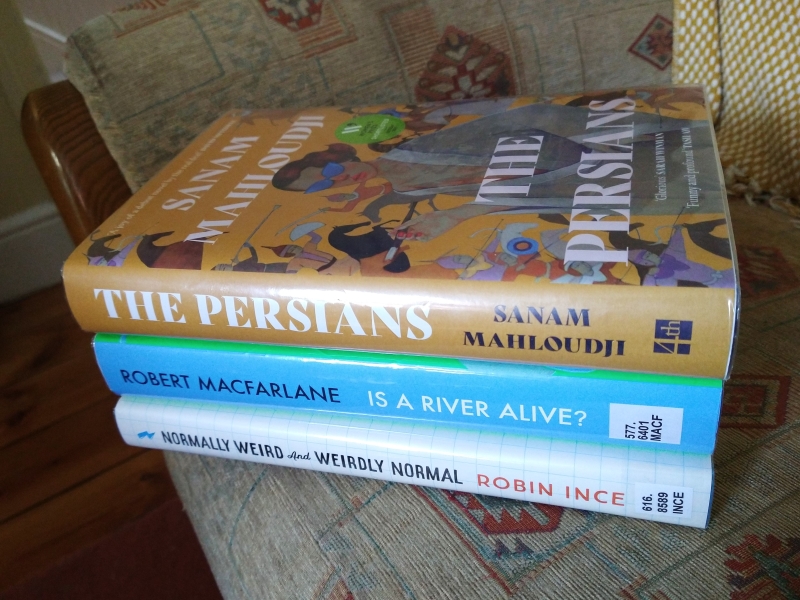
RETURNED UNFINISHED
- Normally Weird and Weirdly Normal: My Adventures in Neurodiversity by Robin Ince – His rambling stories work better in person (I really enjoyed seeing him in Hungerford on the tour promoting this book) than in print. I read about 66 pages.
- The Persians by Sanam Mahloudji – I only read the first few pages of this Women’s Prize shortlistee and it seemed flippant and unnecessary.
RETURNED UNREAD
- Day by Michael Cunningham – I’ll get it back out another time.
- Looking After: A Portrait of My Autistic Brother by Caroline Elton – This was requested off of me; I might get it back out another time.
- Rebel Bodies: A Guide to the Gender Health Gap Revolution by Sarah Graham – I lost interest and needed to make space on my card.
- The Kingdoms by Natasha Pulley – I thought I’d try this because it has an Outer Hebrides setting, but I couldn’t get into the first few pages and didn’t want to pack a chunky paperback that might not work out for me.
- Horse by Rushika Wick – I needed to make space on my card plus this didn’t really look like my sort of poetry.
What have you been reading or reviewing from the library recently?
Share a link to your own post in the comments. Feel free to use the above image. The hashtag is #LoveYourLibrary.
Book Serendipity, Mid-April to Mid-June
I call it “Book Serendipity” when two or more books that I read at the same time or in quick succession have something in common – the more bizarre, the better. This is a regular feature of mine every couple of months. Because I usually have 20–30 books on the go at once, I suppose I’m more prone to such incidents. People frequently ask how I remember all of these coincidences. The answer is: I jot them down on scraps of paper or input them immediately into a file on my PC desktop; otherwise, they would flit away!
The following are in roughly chronological order.
- Raising a wild animal but (mostly) calling it by its species rather than by a pet name (so “Pigeon” and “the leveret/hare”) in We Should All Be Birds by Brian Buckbee and Raising Hare by Chloe Dalton.
- Eating hash cookies in New York City in Women by Chloe Caldwell and How to Be Somebody Else by Miranda Pountney.
- A woman worries she’s left underclothes strewn about a room she’s about to show someone in one story of Single, Carefree, Mellow by Katherine Heiny and Days of Light by Megan Hunter.
 The dialogue is italicized in Women by Chloe Caldwell and Days of Light by Megan Hunter.
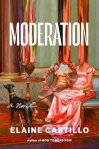
- The ‘you know it when you see it’ definition (originally for pornography) is cited in Moderation by Elaine Castillo and Bookish by Lucy Mangan.
- Women (including the protagonist) weightlifting in a gym in Moderation by Elaine Castillo and All Fours by Miranda July.
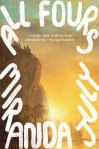
- Miranda July, whose All Fours I was also reading at the time, was mentioned in Chinese Parents Don’t Say I Love You by Candice Chung.
- A sibling story and a mystical light: late last year into early 2025 I read The Snow Queen by Michael Cunningham, and then I recognized this type of moment in Days of Light by Megan Hunter.
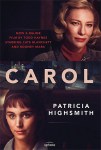
- A lesbian couple with a furniture store in Carol [The Price of Salt] by Patricia Highsmith and one story of Are You Happy? by Lori Ostlund.

- Not being able to see the stars in Las Vegas because of light pollution was mentioned in The Wild Dark by Craig Childs, then in Moderation by Elaine Castillo.
- A gynaecology appointment scene in All Fours by Miranda July and How to Be Somebody Else by Miranda Pountney.
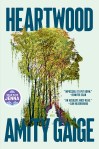
- An awkwardly tall woman in Heartwood by Amity Gaige, How to Be Somebody Else by Miranda Pountney, and Stoner by John Williams.
- The 9/11 memorial lights’ disastrous effect on birds is mentioned in The Wild Dark by Craig Childs and How to Be Somebody Else by Miranda Pountney.
- A car accident precipitated by an encounter with wildlife is key to the denouement in the novellas Women by Chloe Caldwell and Wild Boar by Hannah Lutz.
- The plot is set in motion by the death of an older brother by drowning, and pork chops are served to an unexpected dinner guest, in Bug Hollow by Michelle Huneven and Days of Light by Megan Hunter, both of which I was reading for Shelf Awareness review.
- Kids running around basically feral in a 1970s summer, and driving a box of human ashes around in Case Histories by Kate Atkinson and Bug Hollow by Michelle Huneven.
- A character becomes a nun in Case Histories by Kate Atkinson and Days of Light by Megan Hunter.
- Wrens nesting just outside one’s front door in Lifelines by Julian Hoffman and Little Mercy by Robin Walter.

- ‘The female Woody Allen’ is the name given to a character in Women by Chloe Caldwell and then a description (in a blurb) of French author Nolwenn Le Blevennec.
- A children’s birthday party scene in Single, Carefree, Mellow by Katherine Heiny and Friends and Lovers by Nolwenn Le Blevennec. A children’s party is also mentioned in Case Histories by Kate Atkinson and A Family Matter by Claire Lynch.
- A man who changes his child’s nappies, unlike his father – evidence of different notions of masculinity in different generations, in Case Histories by Kate Atkinson, What My Father and I Don’t Talk About, edited by Michele Filgate, and one piece in Beyond Touch Sites, edited by Wendy McGrath.
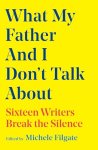
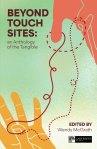
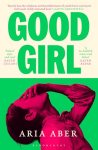
- What’s in a name? Repeated names I came across included Pansy (Case Histories by Kate Atkinson and Days of Light by Megan Hunter), Olivia (Case Histories by Kate Atkinson and A Family Matter by Claire Lynch), Jackson (Case Histories by Kate Atkinson and So Far Gone by Jess Walter), and Elias (Good Girl by Aria Aber and Dream State by Eric Puchner).
- The old wives’ tale that you should run in zigzags to avoid an alligator appeared in Alligator Tears by Edgar Gomez and then in The Girls Who Grow Big by Leila Mottley, both initially set in Florida.
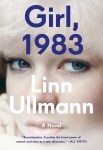
- A teenage girl is groped in a nightclub in Good Girl by Aria Aber and Girl, 1983 by Linn Ullmann.
- Discussion of the extinction of human and animal cultures and languages in both Nature’s Genius by David Farrier and Lifelines by Julian Hoffman, two May 2025 releases I was reading at the same time.
- In Body: My Life in Parts by Nina B. Lichtenstein, she mentions Linn Ullmann – who lived on her street in Oslo and went to the same school (not favourably – the latter ‘stole’ her best friend!); at the same time, I was reading Linn Ullmann’s Girl, 1983! And then, in both books, the narrator recalls getting a severe sunburn.
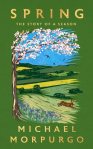 On the same day, I read about otter sightings in Lifelines by Julian Hoffman and Spring by Michael Morpurgo. The next day, I read about nesting swallows in both books.
- The Salish people (Indigenous to North America) are mentioned in Lifelines by Julian Hoffman, Dream State by Eric Puchner (where Salish, the town in Montana, is also a setting), and So Far Gone by Jess Walter.
- Driving into a compound of extremists, and then the car being driven away by someone who’s not the owner, in Dream State by Eric Puchner and So Far Gone by Jess Walter.
- A woman worries about her (neurodivergent) husband saying weird things at a party in The Honesty Box by Lucy Brazier and Normally Weird and Weirdly Normal by Robin Ince.
- Shooting raccoons in Ginseng Roots by Craig Thompson and So Far Gone by Jess Walter. (Raccoons also feature in Dream State by Eric Puchner.)
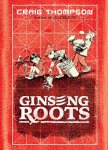
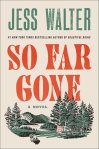
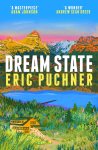
- A graphic novelist has Hollywood types adding (or at least threatening to add) wholly unsuitable supernatural elements to their plots in Spent by Alison Bechdel and Ginseng Roots by Craig Thompson.
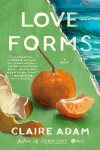
- A novel in which a character named Dawn has to give up her daughter in the early 1980s, one right after the other: A Family Matter by Claire Lynch, followed by Love Forms by Claire Adam.
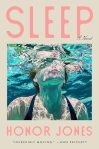
- A girl barricades her bedroom door for fear of her older brother in Love Forms by Claire Adam and Sleep by Honor Jones.
- A scene of an only child learning that her mother had a hysterectomy and so couldn’t have any more children in Dream Count by Chimamanda Ngozi Adichie and Other People’s Mothers by Julie Marie Wade.
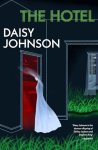
- An African hotel cleaner features in Dream Count by Chimamanda Ngozi Adichie and The Hotel by Daisy Johnson.

- Annie Dillard’s essay “Living Like Weasels” is mentioned in Nature’s Genius by David Farrier and The Dry Season by Melissa Febos.
- A woman assembles an inventory of her former lovers in Dream Count by Chimamanda Ngozi Adichie and The Dry Season by Melissa Febos.
What’s the weirdest reading coincidence you’ve had lately?
Love Your Library, May 2025
Thanks to Eleanor and Skai for posting about their recent library reading! Marina Sofia also recently posted about public libraries in China.
My library had a display coinciding with Dying Matters Awareness Week (5–11 May), an initiative of Hospice UK. I read a lot around illness, death and dying and am pleased to see books on these topics featured. I hadn’t heard of this weeklong celebration before, but I hope that it and the library display will get people talking.

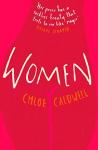 I appreciated this quote from Women by Chloe Caldwell, whose narrator works in a library: “Books are like doctors and I am lucky to have unlimited access to them during this time. A perk of the library.” Bibliotherapy works!
My library use over the last month:
(links are to books not already reviewed on the blog)
READ
- Case Histories by Kate Atkinson (for book club)
- Women by Chloe Caldwell
- All Fours by Miranda July
- The Cafe at the Edge of the Woods by Mikey Please
- Stoner by John Williams (a reread for book club)

SKIMMED
- Spring Is the Only Season: How It Works, What It Does and Why It Matters by Simon Barnes

CURRENTLY READING
- Good Girl by Aria Aber
- Bellies by Nicola Dinan
- May Day by Jackie Kay
- Spring: The Story of a Season by Michael Morpurgo
- The Secret Lives of Booksellers and Librarians: True Stories of the Magic of Reading by James Patterson & Matt Eversmann
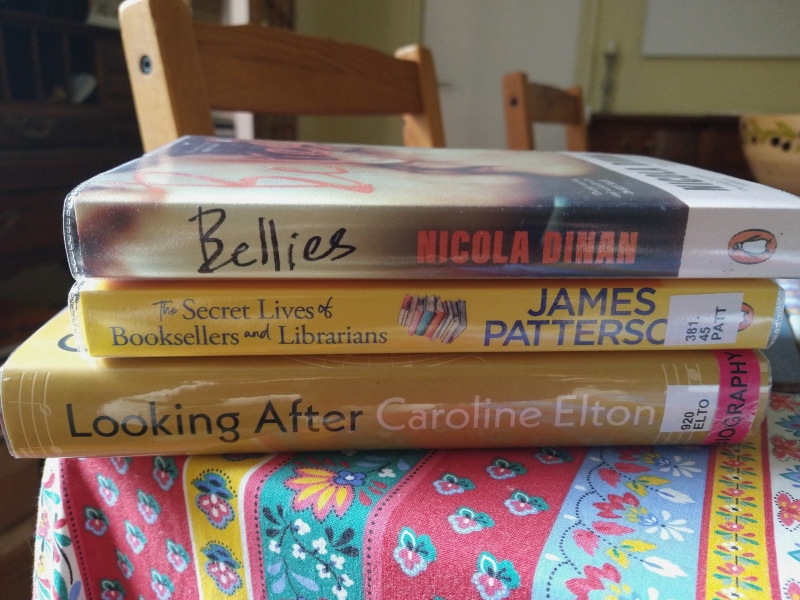
CHECKED OUT, TO BE READ
- The Honesty Box by Lucy Brazier
- Day by Michael Cunningham
- Looking After: A Portrait of My Autistic Brother by Caroline Elton
- Rebel Bodies: A Guide to the Gender Health Gap Revolution by Sarah Graham
- Period Power: Harness Your Hormones and Get Your Cycle Working for You by Maisie Hill
- Self-Portrait with Family by Amaan Hyder
- Adam by Gboyega Odubanjo
- The Forgotten Sense: The Nose and the Perception of Smell by Jonas Olofsson
- Horse by Rushika Wick
- Top Doll by Karen McCarthy Woolf
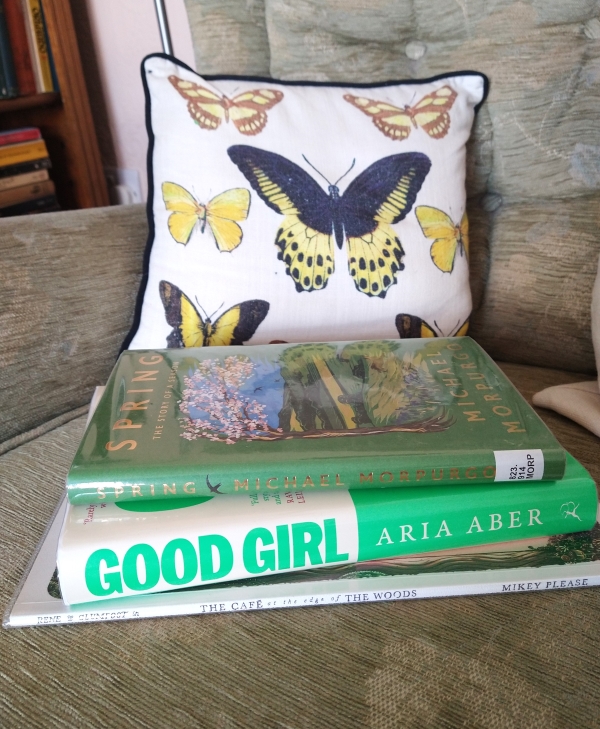
ON HOLD, TO BE PICKED UP
- Is a River Alive? by Robert Macfarlane
- The Persians by Sanam Mahloudji
IN THE RESERVATION QUEUE
- The Most by Jessica Anthony
- Don’t Forget We’re Here Forever: A New Generation’s Search for Religion by Lamorna Ash
- The Interpretation of Cats: And Their Owners by Claude Béata; translated by David Watson
- Fulfillment by Lee Cole
- A Sharp Scratch by Heather Darwent
- I Think I Like Girls by Rosie Day
- The Husbands by Holly Gramazio
- To the Edge of the Sea: Schooldays of a Crofter’s Child by Christina Hall
- The Blue Hour by Paula Hawkins
- Normally Weird and Weirdly Normal: My Adventures in Neurodiversity by Robin Ince
- The Homemade God by Rachel Joyce
- Shattered by Hanif Kureishi
- Enchanted Ground: Growing Roots in a Broken World by Steven Lovatt
- Whisky Galore by Compton Mackenzie
- Wife by Charlotte Mendelson
- Ripeness by Sarah Moss
- The Age of Diagnosis: Sickness, Health and Why Medicine Has Gone Too Far by Suzanne O’Sullivan
- Atmosphere by Taylor Jenkins Reid
- Three Weeks in July by Adam Wishart & James Nally
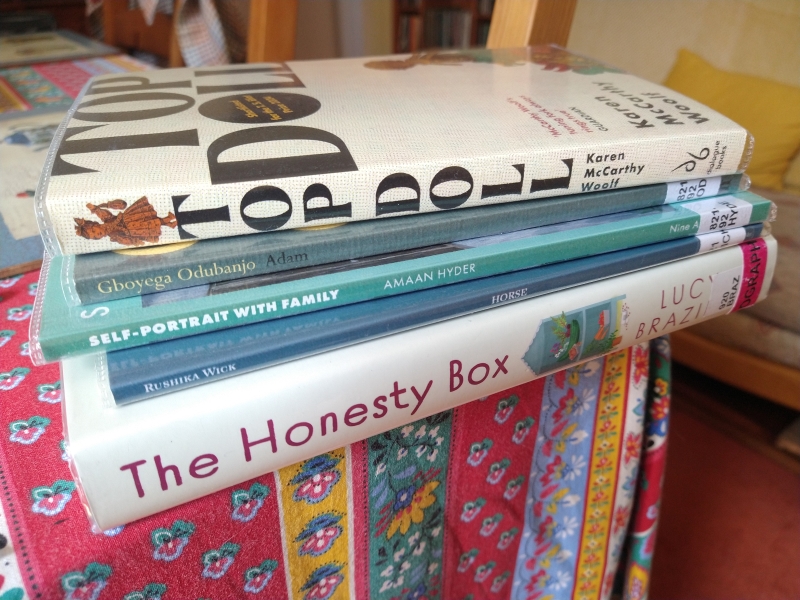
The top four books are from the Jhalak Poetry Prize shortlist.
RETURNED UNFINISHED
- The Meteorites: Encounters with Outer Space and Deep Time by Helen Gordon – I enjoyed her previous book well enough, but found I wasn’t interested enough in the subject matter here.
RETURNED UNREAD
- I Am Not a Tourist by Daisy J. Hung – The writing style was not enticing.
- Of Thorn & Briar: A Year with the West Country Hedgelayer by Paul Lamb – This was requested off of me but I will get it out another time.
What have you been reading or reviewing from the library recently?
Share a link to your own post in the comments. Feel free to use the above image. The hashtag is #LoveYourLibrary.
Love Your Library, April 2025
Thanks to Eleanor, Laura, Marcie, and Skai for posting about their recent library reading!
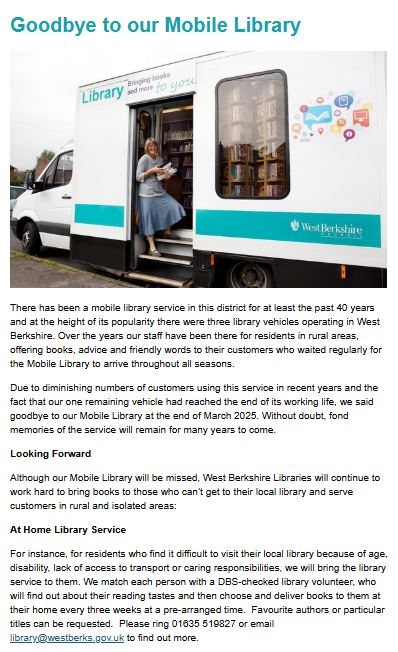
Sadly, my library system’s Mobile Library service closed down recently.
New at the library, however, is a digital piano, which can only be played with headphones on.

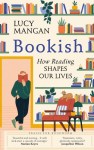 I was delighted to come across Lucy Mangan’s paean to Bromley Library in Bookish: “it was ugly as sin. Unlike my beloved Torridon, it was modern. Its cold, stark, straight lines, metal bookshelves and thin polyester carpeting … amplified every sound. … But it had more books than Torridon. Lots more books. More books in one place than I had ever seen. … And it had a secret. Behind a set of unassuming double doors was hiding a silent reading room and a reference library.” It was a sacred space for her even when she wasn’t borrowing books.
My library use over the last month:
(links are to books not already reviewed on the blog)
READ
- The Things He Carried by Stephen Cottrell (from my church’s theological library)
- Raising Hare by Chloe Dalton
- Broken Country by Clare Leslie Hall
- We Do Not Part by Han Kang
- Bookish: How Reading Shapes Our Lives by Lucy Mangan
- Poetry Unbound by Pádraig Ó Tuama
- The Leopard in My House: One Man’s Adventures in Cancerland by Mark Steel

SKIMMED
- The Courage to Be by Paul Tillich
CURRENTLY READING
- Spring Is the Only Season: How It Works, What It Does and Why It Matters by Simon Barnes
- Women by Chloe Caldwell
- All Fours by Miranda July
- Stoner by John Williams (a reread for May book club)
CHECKED OUT, TO BE READ
- Case Histories by Kate Atkinson (for June book club)
- A Conversation with a Cat by Hilaire Belloc
- Day by Michael Cunningham
- The Meteorites: Encounters with Outer Space and Deep Time by Helen Gordon
- Period Power: Harness Your Hormones and Get Your Cycle Working for You by Maisie Hill
- I Am Not a Tourist by Daisy J. Hung
- The Forgotten Sense: The Nose and the Perception of Smell by Jonas Olofsson
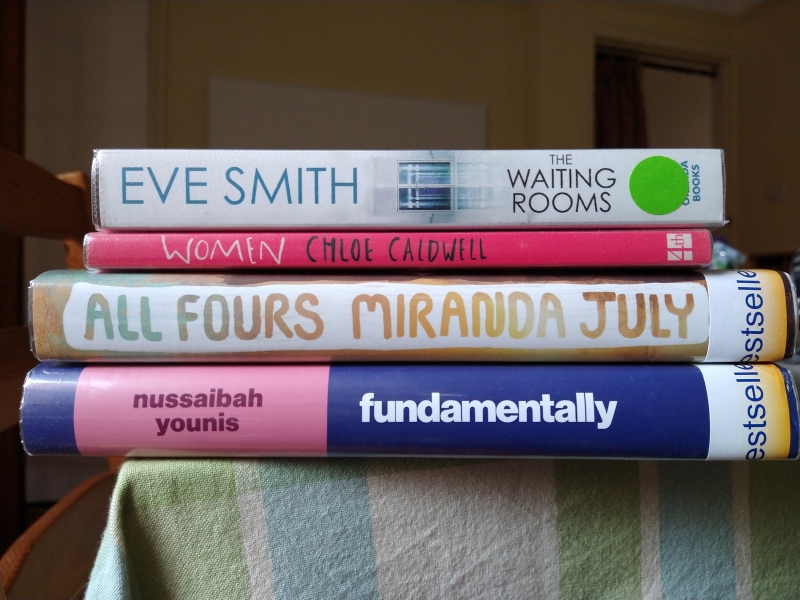
- The Waiting Rooms by Eve Smith
ON HOLD, TO BE PICKED UP
- Bellies by Nicola Dinan
- Looking After: A Portrait of My Autistic Brother by Caroline Elton
- Rebel Bodies: A Guide to the Gender Health Gap Revolution by Sarah Graham
- Of Thorn & Briar: A Year with the West Country Hedgelayer by Paul Lamb
- The Secret Lives of Booksellers and Librarians: True Stories of the Magic of Reading by James Patterson & Matt Eversmann
IN THE RESERVATION QUEUE
- Good Girl by Aria Aber
- Don’t Forget We’re Here Forever: A New Generation’s Search for Religion by Lamorna Ash
- A Sharp Scratch by Heather Darwent
- The Husbands by Holly Gramazio
- Normally Weird and Weirdly Normal: My Adventures in Neurodiversity by Robin Ince
- The Homemade God by Rachel Joyce
- Enchanted Ground: Growing Roots in a Broken World by Steven Lovatt
- Is a River Alive? by Robert Macfarlane
- Whisky Galore by Compton Mackenzie
- The Persians by Sanam Mahloudji
- Spring: The Story of a Season by Michael Morpurgo
- Ripeness by Sarah Moss
- The Age of Diagnosis: Sickness, Health and Why Medicine Has Gone Too Far by Suzanne O’Sullivan

RETURNED UNFINISHED
- The Alternatives by Caoilinn Hughes – The type is so small in the paperback that I couldn’t cope. I will have to get this on Kindle or secondhand in hardback sometime.
- Fundamentally by Nussaibah Younis – The first couple of short chapters were entertaining enough but a little bit try-hard. I decided to focus on other things.
RETURNED UNREAD
- Deep Cuts by Holly Brickley – The first pages weren’t gripping and it was requested after me. Let me know if it’s worth trying again another time.
- Sarn Helen by Tom Bullough – It’s at least the second time I’ve had this out from the library, thinking it would be a perfect one to take on holiday to Wales, and not read it. I glanced at the first few pages but, you know, I don’t actually enjoy most long-distance walking adventure books.
What have you been reading or reviewing from the library recently?
Share a link to your own post in the comments. Feel free to use the above image. The hashtag is #LoveYourLibrary.
 Bookish Beck = Rebecca Foster. American transplant to England. Freelance proofreader and book reviewer.
