Sixth Blog Anniversary (& International Women’s Day)
Bookish Beck launched six years ago today. This is the 874th post, which means I’m producing 2.8 posts per week – a pleasing average.


My six most popular posts of all time, with the number of views, are:


Some new interest there in super-short novellas and in a Barbara Kingsolver event. Me daring to admit I don’t love Elena Ferrante has been quite a draw. My The Diary of a Bookseller review was in my most popular lists last year and the year before as well. The First Bad Man was one of the first reviews I ever published here and has always been among my top posts, for some reason. The Clock Dance review was in the top four at the time of my fourth anniversary, took a break last year, and is now back in the rankings.
It’s also International Women’s Day today. Six of my favorite books by women that I’ve read in the last few years are:
Fiction
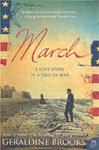 March by Geraldine Brooks
The Poisonwood Bible by Barbara Kingsolver*
Moon Tiger by Penelope Lively
Nonfiction
 Traveling Mercies by Anne Lamott*
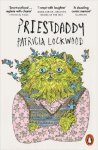
Priestdaddy by Patricia Lockwood
A Three Dog Life by Abigail Thomas*
*These were rereads and I loved them even more the second time around.
Thanks to all who support my blog by commenting, retweeting, and so on. You’re stars!
Random 2020 Superlatives and Statistics
My top ‘discoveries’ of the year: Chimamanda Ngozi Adichie (4 books), Octavia E. Butler, Tim Dee (3 books each, read or in progress), and Louise Erdrich (2 books, one in progress).


Also the publisher Little Toller Books: I read four of their releases this year and they were fantastic.
The authors I read the most by this year: Carol Shields tops the list at 6 books (3 of these were rereads) thanks to my buddy reads with Buried in Print, followed by Paul Auster with 5 due to Annabel’s reading week in February, then Chimamanda Ngozi Adichie with 4, and finally Anne Lamott with 3 comfort rereads.


Debut authors whose next work I’m most looking forward to: Naoise Dolan, Bess Kalb, Dara McAnulty, Mary South, Brandon Taylor, and Madeleine Watts
My proudest reading achievement: 16 rereads, which must be a record for me. Also, I always say I’m not really a short story person … and yet somehow I’ve read 19 collections of them this year (and one stand-alone story, plus another collection currently on the go)!
My proudest (non-reading) bookish achievement: Conceiving of and coordinating the Not the Wellcome Prize blog tour.
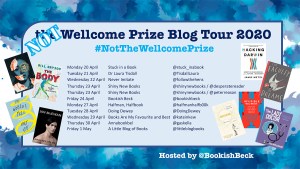
Five favorite blog posts of the year: Love, Etc. – Some Thematic Reading for Valentine’s Day; Polio and the Plague: Epidemics in Fiction; Thinking about the Future with David Farrier & Roman Krznaric (Hay Festival); Three Out-of-the-Ordinary Memoirs: Kalb, Machado, McGuinness; Asking What If? with Rodham by Curtis Sittenfeld (I had a lot of fun putting the current post together, too!)
The bookish experience that most defined my year: Watching the Bookshop Band’s live shows from their living room. Between their Friday night lockdown performances and one-offs for festivals and book launches, I think I saw them play 33 times in 2020!

Biggest book read this year: Going by dimensions rather than number of pages, it was the oversize hardback The Lost Words by Robert Macfarlane and Jackie Morris.
vs.
Smallest book read this year: Pocket-sized and only about 60 pages: No One Is Too Small to Make a Difference by Greta Thunberg.

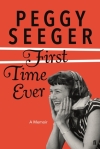 Oldest author read this year: Peggy Seeger was 82 when her memoir First Time Ever was published. I haven’t double-checked the age of every single author, but I think second place at 77 is a tie between debut novelist Arlene Heyman for Artifact and Sue Miller for Monogamy. (I don’t know how old Michael McCarthy, Jeremy Mynott and Peter Marren, the joint authors of The Consolation of Nature, are; Mynott may actually be the oldest overall, and their combined age is likely over 200.)
vs.
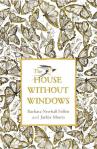 Youngest author read this year: You might assume it was 16-year-old Dara McAnulty with Diary of a Young Naturalist, which won the Wainwright Prize (as well as the An Post Irish Book Award for Newcomer of the Year, the Books Are My Bag Reader Award for Non-Fiction, and the Hay Festival Book of the Year!) … or Thunberg, above, who was 16 when her book came out. They were indeed tied for youngest until, earlier in December, I started reading The House without Windows (1927) by Barbara Newhall Follett, a bizarre fantasy novel published when the child prodigy was 12.
Most As on a book cover: Americanah by Chimamanda Ngozi Adichie
vs.
Most Zs on a book cover: The Hiding Place by Trezza Azzopardi. I haven’t read it yet, but a neighbor passed on a copy she was getting rid of. It was nominated for both the Booker Prize and the Orange Prize.

 The book that made me laugh the most: Kay’s Anatomy by Adam Kay
Books that made me cry: Writers and Lovers by Lily King, Monogamy by Sue Miller, First Time Ever by Peggy Seeger, and Catalogue Baby: A Memoir of (In)fertility by Myriam Steinberg (coming out in March 2021)
 The book that put a song in my head every single time I looked at it, much less read it: I Am an Island by Tamsin Calidas (i.e., “I Am a Rock” by Simon and Garfunkel, which, as my husband pointed out, has very appropriate lyrics for 2020: “In a deep and dark December / I am alone / Gazing from my window to the streets below … Hiding in my room / Safe within my womb / I touch no one and no one touches me.”)
Best book club selections: Notes from an Exhibition by Patrick Gale and The Wife by Meg Wolitzer tied for our highest score ever and gave us lots to talk about.

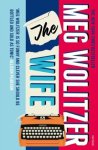
 Most unexpectedly apt lines encountered in a book: “People came to church wearing masks, if they came at all. They’d sit as far from each other as they could.” (Gilead by Marilynne Robinson. Describing not COVID-19 times but the Spanish flu.)
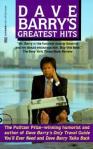 Most ironic lines encountered in a book: “September 12—In the ongoing hearings, Senator Joseph Biden pledges to consider the Bork nomination ‘with total objectivity,’ adding, ‘You have that on my honor not only as a senator, but also as the Prince of Wales.’ … October 1—Senator Joseph Biden is forced to withdraw from the Democratic presidential race when it is learned that he is in fact an elderly Norwegian woman.” (from the 1987 roundup in Dave Barry’s Greatest Hits – Biden has been on the U.S. political scene, and mocked, for 3.5+ decades!)
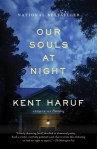 Best first line encountered this year: “And then there was the day when Addie Moore made a call on Louis Waters.” (Our Souls at Night by Kent Haruf)
Best last lines encountered this year:
- “my childhood falls silently to the bottom of my memory, that library of the soul from which I will draw knowledge and experience for the rest of my life.” (Childhood by Tove Ditlevsen)
- “What I want to say is: I misremember all this so vividly it’s as if it only happened yesterday.” (Other People’s Countries: A Journey into Memory by Patrick McGuinness)
- “these friends would forever be her stitches, her scaffold, her ballast, her home.” (The Dearly Beloved by Cara Wall)
My favorite title and cover combo of the year: A Registry of My Passage Upon the Earth by Daniel Mason
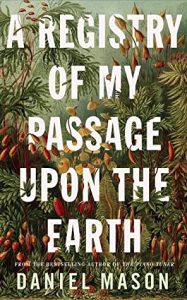
The book I wish had gotten a better title and cover: Tennis Lessons by Susannah Dickey – I did enjoy this second-person novel about a young woman who is her own worst enemy, to the tune of 3.5 stars, but the title says nothing about it and the cover would have been a turnoff had I not won a signed copy from Mslexia.

The most unfortunate typos I found in published works: In English Pastoral by James Rebanks, “sewn” where he meant “sown” (so ironic in a book about farming!) versus, in Mr Wilder & Me by Jonathan Coe, “sown” in place of “sewn.” Also “impassible” where it should read “impassable” in Apeirogon by Colum McCann. This is what proofreaders like myself are for. We will save you from embarrassing homophone slips, dangling modifiers, and more!
The 2020 books that everybody else loved, but I didn’t: The Mirror and the Light by Hilary Mantel, Hamnet by Maggie O’Farrell, and Shuggie Bain by Douglas Stuart


The year’s biggest disappointments: I don’t like to call anything “worst” (after all, I didn’t read anything nearly as awful as last year’s Jonathan Livingston Seagull), but my lowest ratings went to A Traveller at the Gates of Wisdom by John Boyne and At Hawthorn Time by Melissa Harrison, and I was disappointed that When the Lights Go Out by Carys Bray was misleadingly marketed.
 The downright strangest books I read this year: Enter the Aardvark by Jessica Anthony, A Traveller at the Gates of Wisdom by John Boyne, The House Without Windows by Barbara Newhall Follett, and The Child in Time by Ian McEwan
The people and themes that kept turning up in my reading: Rachel Carson and Henry David Thoreau; curlews and plagues; how we define and relate to history; childhood memoirs (seven of them).

Some of my 2020 curlew reading. (Two more books with curlews on the cover were borrowed from the library.)
Some statistics on my 2020 reading:
Fiction: 57.2%
Nonfiction: 36.8%
Poetry: 6%
(Fiction reigned supreme this year! Last year my F:NF ratio was roughly 1:1. Poetry was down by ~5% this year compared to 2019.)
Male author: 34.1%
Female author: 63.8%
Nonbinary author: 0.3% (= 1 author, Jay Bernard)
Multiple genders (anthologies): 1.8%
(Women dominated by an extra ~5% this year over 2019. I’ve said this for four years now: I find it intriguing that female authors significantly outweigh male authors in my reading because I have never consciously set out to read more books by women; it must be a matter of being interested in the kinds of stories women tell and how they capture their experiences in nonfiction.)
E-books: 10.6%
Print books: 89.4%
(Almost exactly the same as last year. My e-book reading has been declining, partially because I’ve cut back on the reviewing gigs that involve only reading e-books and partially because I’ve done less traveling. Increasingly, I prefer to sit down with a big stack of print books.)
Books by BIPOC: 14.7%
Literature in translation: 6.6%
(Down from last year’s 7.2%; how did this happen?! This will be something to address in 2021.)
Where my books came from for the whole year:
- Free print or e-copy from publisher: 25.6%
- Public library: 25.6%
- Free (giveaways, The Book Thing of Baltimore, the free mall bookshop, etc.): 14.9%
- Secondhand purchase: 11.6%
- Downloaded from NetGalley, Edelweiss or Project Gutenberg: 6.7%
- New purchase (sometimes at a bargain price): 6.3%
- Gifts: 5.5%
- University library: 3.8%
I promised to scale back on review copies this year, and I did: last year they accounted for nearly 37% of my reading. My library reading was higher than last year’s, despite the challenges of lockdowns; my e-book reading decreased in general. I bought more than twice as many new books as usual this year, and read lots that I either bought secondhand or got for free.
Number of unread print books in the house: 435
At the end of last year this figure was at 440 after lots of stock-ups from the free mall bookshop, which has since closed. So even though it might look like I have only read five books of my own, I have in fact read loads from my shelves this year … but also acquired many more books, both new and secondhand.
In any case, the overall movement has been downward, so I’m calling it a win!
My Best Backlist Reads of 2020
Like many book bloggers, I’m irresistibly drawn to the shiny new books released each year. However, I consistently find that many of my most memorable reads were published years or even decades ago. These 29 selections, in alphabetical order by author name, account for the rest of my 4.5- and 5-star ratings of the year. Five rereads made it onto my list.
Fiction
 Americanah by Chimamanda Ngozi Adichie: Through Ifemelu’s years of studying, working, and blogging her way around the Eastern seaboard of the United States, Adichie explores the ways in which the experience of an African abroad differs from that of African Americans. On a sentence level as well as at a macro plot level, this was utterly rewarding.
 Year of Wonders by Geraldine Brooks: In 1665, with the Derbyshire village of Eyam in the grip of the Plague, the drastic decision is made to quarantine it. Frustration with the pastor’s ineffectuality attracts people to religious extremism. Anna’s intimate first-person narration and the historical recreation are faultless, and there are so many passages that feel apt.
 Shotgun Lovesongs by Nickolas Butler: Four childhood friends from Little Wing, Wisconsin. Which bonds will last, and which will be strained to the breaking point? This is a book full of nostalgia and small-town atmosphere. All the characters wonder whether they’ve made the right decisions or gotten stuck. A lot of bittersweet moments, but also comic ones.
 Kindred by Octavia E. Butler: A perfect time-travel novel for readers who quail at science fiction. Dana, an African American writer in Los Angeles, is dropped into early-nineteenth-century Maryland. This was such an absorbing read, with first-person narration that makes you feel you’re right there alongside Dana on her perilous travels.
 Dominicana by Angie Cruz: Ana Canción is just 15 when she arrives in New York from the Dominican Republic on the first day of 1965 to start her new life as the wife of Juan Ruiz. An arranged marriage and arriving in a country not knowing a word of the language: this is a valuable immigration story that stands out for its plucky and confiding narrator.
 Ella Minnow Pea by Mark Dunn: A book of letters in multiple sense. Laugh-out-loud silliness plus a sly message about science and reason over superstition = a rare combination that made this an enduring favorite. On my reread I was more struck by the political satire: freedom of speech is endangered in a repressive society slavishly devoted to a sacred text.
 Love Medicine by Louise Erdrich: Interlocking stories that span half a century in the lives of a couple of Chippewa families that sprawl out from a North Dakota reservation. Looking for love, looking for work. Getting lucky, getting even. Their problems are the stuff of human nature and contemporary life. I adored the descriptions of characters and of nature.
 Notes from an Exhibition by Patrick Gale: Nonlinear chapters give snapshots of the life of a bipolar artist and her interactions with her husband and children. Their Quakerism sets up a calm and compassionate atmosphere, but also allows family secrets to proliferate. The novel questions patterns of inheritance and the possibility of happiness.
 Confession with Blue Horses by Sophie Hardach: When Ella’s parents, East German art historians who came under Stasi surveillance, were caught trying to defect, their children were taken away from them. Decades later, Ella is determined to find her missing brother and learn what really happened to her mother. Eye-opening and emotionally involving.
 The Go-Between by L.P. Hartley: Twelve-year-old Leo Colston is invited to spend July at his school friend’s home, Brandham Hall. You know from the famous first line on that this juxtaposes past and present. It’s masterfully done: the class divide, the picture of childhood tipping over into the teenage years, the oppressive atmosphere, the comical touches.
Our Souls at Night by Kent Haruf: Addie is a widow; Louis is a widower. They’re both lonely and prone to fretting about what they could have done better. Would he like to come over to her house at night to talk and sleep? Matter-of-fact prose, delivered without speech marks, belies a deep undercurrent of emotion. Understated, bittersweet, realistic. Perfect.
 The Emperor’s Children by Claire Messud: A 9/11 novel. The trio of protagonists, all would-be journalists aged 30, have never really had to grow up; now it’s time to get out from under the shadow of a previous generation and reassess what is admirable and who is expendable. This was thoroughly engrossing. Great American Novel territory, for sure.
 My Year of Meats by Ruth Ozeki: A Japanese-American filmmaker is tasked with finding all-American families and capturing their daily lives – and best meat recipes. There is a clear message here about cheapness and commodification, but Ozeki filters it through the wrenching stories of two women with fertility problems. Bold if at times discomforting.
 Small Ceremonies by Carol Shields: An impeccable novella, it brings its many elements to a satisfying conclusion and previews the author’s enduring themes. Something of a sly academic comedy à la David Lodge, it’s laced with Shields’s quiet wisdom on marriage, parenting, the writer’s vocation, and the difficulty of ever fully understanding another life.
 Larry’s Party by Carol Shields: The sweep of Larry’s life, from youth to middle age, is presented chronologically through chapters that are more like linked short stories: they focus on themes (family, friends, career, sex, clothing, health) and loop back to events to add more detail and new insight. I found so much to relate to in Larry’s story; Larry is really all of us.
 Abide with Me by Elizabeth Strout: Tyler Caskey is a widowed pastor whose five-year-old daughter has gone mute and started acting up. As usual, Strout’s characters are painfully real, flawed people, often struggling with damaging obsessions. She tenderly probes the dark places of the community and its minister’s doubts, but finds the light shining through.
 The Wife by Meg Wolitzer: On the way to Finland, where her genius writer husband will accept the prestigious Helsinki Prize, Joan finally decides to leave him. Alternating between the trip and earlier in their marriage, this is deceptively thoughtful with a juicy twist. Joan’s narration is witty and the point about the greater value attributed to men’s work is still valid.
Nonfiction
 Winter Journal by Paul Auster: Approaching age 64, the winter of his life, Auster decided to assemble his most visceral memories: scars, accidents and near-misses, what his hands felt and his eyes observed. The use of the second person draws readers in. I particularly enjoyed the tour through the 21 places he’s lived. One of the most remarkable memoirs I’ve ever read.
 Heat by Bill Buford: Buford was an unpaid intern at Mario Batali’s famous New York City restaurant, Babbo. In between behind-the-scenes looks at frantic sessions of food prep, Buford traces Batali’s culinary pedigree through Italy and London. Exactly what I want from food writing: interesting trivia, quick pace, humor, and mouthwatering descriptions.
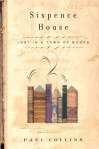 Sixpence House: Lost in a Town of Books by Paul Collins: Collins moved to Hay-on-Wye with his wife and toddler son, hoping to make a life there. As he edited the manuscript of his first book, he started working for Richard Booth, the eccentric bookseller who crowned himself King of Hay. Warm, funny, and nostalgic. An enduring favorite of mine.
 A Year on the Wing by Tim Dee: From a life spent watching birds, Dee weaves a mesh of memories and recent experiences, meditations and allusions. He moves from one June to the next and from Shetland to Zambia. The most powerful chapter is about watching peregrines at Bristol’s famous bridge – where he also, as a teen, saw a man commit suicide.
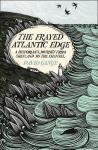 The Frayed Atlantic Edge by David Gange: While kayaking down the western coast of the British Isles and Ireland, Gange delves into the folklore, geology, history, local language and wildlife of each region and island group – from the extreme north of Scotland at Muckle Flugga to the southwest tip of Cornwall. An intricate interdisciplinary approach.
 Traveling Mercies: Some Thoughts on Faith by Anne Lamott: There is a lot of bereavement and other dark stuff here, yet an overall lightness of spirit prevails. A college dropout and addict, Lamott didn’t walk into a church and get clean until her early thirties. Each essay is perfectly constructed, countering everyday angst with a fumbling faith.
 In the Dream House by Carmen Maria Machado: This has my deepest admiration for how it prioritizes voice, theme and scene, gleefully does away with chronology and (not directly relevant) backstory, and engages with history, critical theory and the tropes of folk tales to interrogate her experience of same-sex domestic violence. (Second-person narration again!)
 Period Piece by Gwen Raverat: Raverat was a granddaughter of Charles Darwin. This is a portrait of what it was like to grow up in a particular time and place (Cambridge from the 1880s to about 1909). Not just an invaluable record of domestic history, it is a funny and impressively thorough memoir that serves as a model for how to capture childhood.
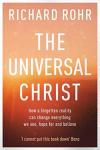 The Universal Christ by Richard Rohr: I’d read two of the Franciscan priest’s previous books but was really blown away by the wisdom in this one. The argument in a nutshell is that Western individualism has perverted the good news of Jesus, which is renewal for everything and everyone. A real gamechanger. My copy is littered with Post-it flags.
First Time Ever: A Memoir by Peggy Seeger: The octogenarian folk singer and activist has packed in enough adventure and experience for multiple lifetimes, and in some respects has literally lived two: one in America and one in England; one with Ewan MacColl and one with a female partner. Her writing is punchy and impressionistic. She’s my new hero.
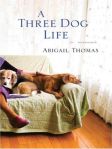 A Three Dog Life by Abigail Thomas: A memoir in essays about her husband’s TBI and what kept her going. Unassuming and heart on sleeve, Thomas wrote one of the most beautiful books out there about loss and memory. It is one of the first memoirs I remember reading; it made a big impression the first time, but I loved it even more on a reread.
 On Silbury Hill by Adam Thorpe: Explores the fragmentary history of the manmade Neolithic mound and various attempts to excavate it, but ultimately concludes we will never understand how and why it was made. A flawless integration of personal and wider history, as well as a profound engagement with questions of human striving and hubris.

(Books not pictured were read digitally, or have already gone back to the library.)
And if I really had to limit myself to just two favorites – my very best fiction and nonfiction reads of the year – they would be Our Souls at Night by Kent Haruf and Winter Journal by Paul Auster.
What were your best backlist reads this year?
A Look Back at 2020’s Reading Projects, Including Rereads
Major bookish initiatives:
- Coordinated a Not the Wellcome Prize blog tour to celebrate 2019’s health-themed books – in case you missed it, the winner was Sinéad Gleeson for Constellations.
- Co-hosted Novellas in November with Cathy (746 Books).
- Hosted Library Checkout each month.


Reading challenges joined:
- 12 blog tours
- Six Degrees of Separation: I started participating in February and did nine posts this year
- Paul Auster Reading Week
- Reading Ireland month
- Japanese Literature Challenge
- 1920 Club
- 20 Books of Summer
- Women in Translation Month
- Robertson Davies Weekend
- Women’s Prize winners (#ReadingWomen)
- 1956 Club
- R.I.P.
- Nonfiction November
- Margaret Atwood Reading Month
This works out to one blog tour, one reading project, and one regular meme per month – manageable. I’ll probably cut back on blog tours next year, though; unless for a new release I’m really very excited about, they’re often not worth it.


Buddy reads:
 Crossing to Safety with Laila (Big Reading Life)
- 6 Carol Shields novels plus The Trick Is to Keep Breathing, Deerbrook, and How to Be Both with Marcie (Buried in Print)
- A Visit from the Goon Squad and The Idea of Perfection with Laura T.
- Mother’s Milk with Annabel
- 666 Charing Cross Road with Liz
Self-set reading challenges:
- Seasonal reading
- Classic of the Month (14 in total; it’s only thanks to Novellas in November that I averaged more than one a month)
- Doorstopper of the Month (just 3; I’d like to try to get closer to monthly in 2021)
- Wainwright Prize longlist reading
- Bellwether Prize winners (read 2, DNFed 1)
- Short stories in September (8 collections)
- Young Writer of the Year Award shortlist reading
- Thematic roundups – I’m now calling these “Three on a Theme” and have done 2 so far
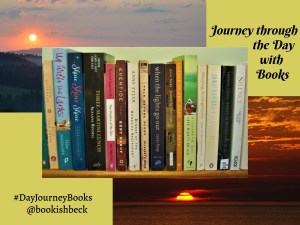
- Journey through the Day with Books (3 new reviews this year):
- Zennor in Darkness by Helen Dunmore
 Rise and Shine by Anna Quindlen
- [Up with the Larks by Tessa Hainsworth – DNF]
- [Shine Shine Shine by Lydia Netzer – DNF]
- Three-Martini Lunch by Suzanne Rindell – existing review
- The Shadow of the Sun by Ryszard Kapuściński – read part of
- Eventide by Kent Haruf
- Dinner at the Homesick Restaurant by Anne Tyler – existing review
- Talk before Sleep by Elizabeth Berg – existing review
- When the Lights Go Out by Carys Bray
- Journey by Moonlight by Antal Szerb
- Voyage in the Dark by Jean Rhys
- Late Nights on Air by Elizabeth Hay – existing review
- Sleeping Arrangements by Laura Shaine Cunningham
- The House of Sleep by Jonathan Coe
- Bodies in Motion and at Rest by Thomas Lynch – read but not reviewed
- Silence by Shūsaku Endō
- Arctic Dreams by Barry Lopez – read part of
- The Four in a Row Challenge – I failed miserably with this one. I started an M set but got bogged down in Tales of the City by Armistead Maupin (also a bibliotherapy self-prescription for Loneliness from The Novel Cure), which I had as a bedside book for much of the year, so only managed 1.5 out of 4; I also started an H quartet but set both Tinkers and Plainsong aside. Meanwhile, Debbie joined in and completed her own 4 in a Row. Well done! I like how simple this challenge is, so I’m going to use it next year as an excuse to read more from my shelves – but I’ll be more flexible and allow lots of substitutions in case I stall with one of the four books.

Rereading
At the end of 2019, I picked out a whole shelf’s worth of books I’d been meaning to reread. I kept adding options over the year, so although I managed a respectable 16 rereads in 2020, the shelf is still overflowing!

Many of my rereads have featured on the blog over the year, but here are two more I didn’t review at the time. Both were book club selections inspired by the Black Lives Matter movement. (We held a rally and silent protest in a park in the town centre in June.)
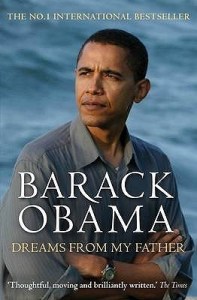 Dreams from My Father by Barack Obama: Remember when there was a U.S. president who thought deeply, searched his soul, and wrote eloquently? I first read this memoir in 2006, when Obama was an up-and-coming Democratic politician who’d given a rousing convention speech. I remembered no details, just the general sweep of Hawaii to Chicago to Kenya. On this reread I engaged most with the first third, in which he remembers a childhood in Hawaii and Indonesia, gives pen portraits of his white mother and absentee Kenyan father, and works out what it means to be black and Christian in America. By age 12, he’d stopped advertising his mother’s race, not wanting to ingratiate himself with white people. By contrast, “To be black was to be the beneficiary of a great inheritance, a special destiny, glorious burdens that only we were strong enough to bear.” The long middle section on community organizing in Chicago nearly did me in; I had to skim past it to get to his trip to Kenya to meet his paternal relatives – “Africa had become an idea more than an actual place, a new promised land”.
 now
now
 The Immortal Life of Henrietta Lacks by Rebecca Skloot: This Wellcome Book Prize winner about the use of a poor African-American woman’s cells in medical research was one of the first books to turn me onto health-themed reads. I devoured it in a few days in 2010. Once again, I was impressed at the balance between popular science and social history. Skloot conveys the basics of cell biology in a way accessible to laypeople, and uses recreated scenes and dialogue very effectively. I had forgotten the sobering details of the Lacks family experience, including incest, abuse, and STDs. Henrietta had a rural Virginia upbringing and had a child by her first cousin at age 14. At 31 she would be dead of cervical cancer, but the tissue taken from her at Baltimore’s Johns Hopkins hospital became an immortal cell line. HeLa is still commonly used in medical experimentation. Consent was a major talking point at our book club Zoom meeting. Cells, once outside a body, cannot be owned, but it looks like exploitation that Henrietta’s descendants are so limited by their race and poverty. I had forgotten how Skloot’s relationship and travels with Henrietta’s unstable daughter, Deborah, takes over the book (as in the film). While I felt a little uncomfortable with how various family members are portrayed as unhinged, I still thought this was a great read.
  then / now
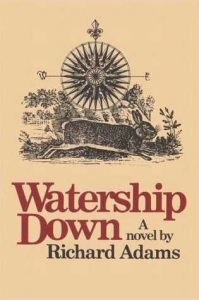 I had some surprising rereading DNFs. These were once favorites of mine, but for some reason I wasn’t able to recapture the magic: Middlesex by Jeffrey Eugenides, Everything Is Illuminated by Jonathan Safran Foer, Gilead by Marilynne Robinson, and On Beauty by Zadie Smith. I attempted a second read of John Fowles’s postmodern Victorian pastiche, The French Lieutenant’s Woman, on a mini-break in Lyme Regis, happily reading the first third on location, but I couldn’t make myself finish once we were back home. And A Visit from the Goon Squad by Jennifer Egan was very disappointing a second time; it hasn’t aged well. Lastly, I’ve been stalled in Watership Down for a long time, but do intend to finish my reread.
In general, voice- and style-heavy fiction did not work so well for me on rereading. Autobiographical essays by Anne Lamott and Abigail Thomas worked best, but I also succeeded at rereading some straightforward novels and short stories. Next year, I’d like to aim for a similar number of rereads, with a mixture of memoirs and fiction, including at least one novel by David Lodge. I’d also be interested in rereading earlier books by Ned Beauman and Curtis Sittenfeld if I can find them cheap secondhand.
What reading projects did you participate in this year?
Done much rereading lately?
My Year in Nonfiction (Thus Far)
If your household is anything like mine, stressful days and nights of lost sleep are ceding to relief after the U.S. election result was finally announced. We celebrated with whoopie pies (a Pennsylvania specialty) and Prosecco.


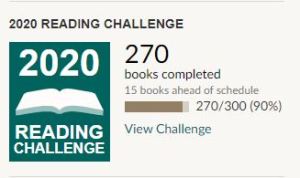
And look: I happened to pass 270 yesterday as well!
I’d taken part in the Six Degrees of Separation meme every month since February, but this time I had no inspiration. I was going to start with these two apple covers…
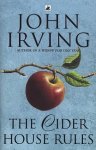
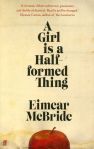
…but that’s as far as I got. Never mind! I’ll be back next month, when we all start with the YA classic Are You There God? It’s Me, Margaret by Judy Blume.
Instead, I’m catching up with this past week’s Nonfiction November prompt: Your Year in Nonfiction. It was hosted by Leann of Shelf Aware.

 What topics have been prominent in your year’s nonfiction reading?
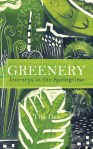
I’ve read a lot of nature and popular science, probably more than in an average year. Greenery by Tim Dee has been an overall highlight. I managed to read 12 books from the Wainwright Prize longlists, and I’m currently reading four books of nature-themed essays or journals. Thoughtful as well as consoling.

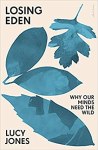
The popular science material has focused on environmentalism and current events, which has inevitably involved politics and long-term planning (Annabel called this category “The State We’re In”): e.g. Losing Eden, Footprints, The Good Ancestor, and Notes from an Apocalypse.


Thanks to the food and drink theme I set for my 20 Books of Summer, I read a number of foodie memoirs. The best one was Heat by Bill Buford, but I also really enjoyed Kitchen Confidential by Anthony Bourdain and My Berlin Kitchen by Luisa Weiss.
 Since the Wellcome Book Prize didn’t run this year, I’ve read fewer health-related books, although I did specially read Not the Wellcome Prize shortlistee The Remarkable Life of the Skin by Monty Lyman, and Dear Life by Rachel Clarke, a palliative care doctor, has been one of my overall best nonfiction reads of the year.
Not very well represented in my nonfiction reading this year were biographies and travel books. I can struggle with the depth and dryness of some books from these genres, but I’d like to find some readable options to get stuck into next year.
What are your favorite nonfiction books you’ve read so far?
I’m a huge memoir junkie. Some of the most memorable ones this year have been Winter Journal by Paul Auster, Traveling Mercies by Anne Lamott (a reread), and A Three Dog Life by Abigail Thomas (another reread).


An incidental theme in the life writing I’ve read in 2020 is childhood (Childhood by Tove Ditlevsen, Cider with Rosie by Laurie Lee, Oleander, Jacaranda by Penelope Lively, Period Piece by Gwen Raverat); I hope to continue reading around this topic next year.
What books have you recommended the most to others?
I’ve mentioned the Clarke (above) in any discussions of books about illness and death.
I recommended the memoir Are You Somebody? by Nuala O’Faolain more than once following Reading Ireland Month.
Entangled Life, Merlin Sheldrake’s enthusiastic book about fungi, is one I can imagine suggesting to readers who don’t often pick up nonfiction.
And Signs of Life by Dr. Stephen Fabes has generated a fair bit of interest among my Goodreads friends.


Besides Annabel, Kate and Liz also wrote about their 2020 nonfiction reading habits.
How has your nonfiction reading been going this year?
#17–18: Marrow & The Hundred-Foot Journey
Almost there! Today I have a family memoir about the repercussions of cancer and a novel about an Indian chef who becomes a guardian of traditional French cuisine.
Marrow: A Love Story by Elizabeth Lesser (2016)
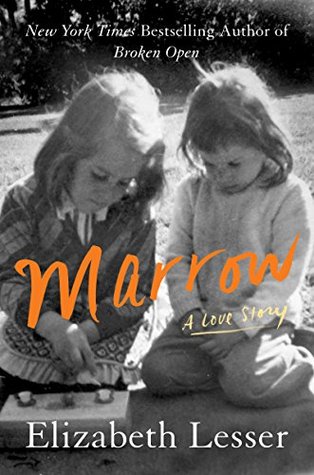 (20 Books of Summer, #17) I put this on the pile for my foodie-themed summer reading challenge because a marrow is an overgrown courgette (zucchini), but of course bone marrow is also eaten and is what is being referred to here. When they were in middle age and Lesser’s younger sister Maggie had a recurrence of her lymphoma, the author was identified as a perfect match to donate bone marrow. She charts the ups and downs of Maggie’s treatment but also goes deep into their family history: parents who rejected the supernatural in reaction to her mother’s Christian Science upbringing; a quartet of sisters who competed for love and attention; and different approaches to life – Maggie was a back-to-the-land Vermont farmer, nurse and botanical artist, while Elizabeth had bucked the trend by moving to New York City and exploring spirituality (she co-founded the Omega Institute, a holistic retreat center).
By including unedited “field notes” Maggie wrote periodically, Lesser recreates the drama and heartache of the cancer journey. She also muses a lot about attempts to repair family relationships through honest conversations and therapy. “Marrow” is not just a literal substance but also a metaphor for getting to the heart of what matters in life. I expect this memoir will be too New Age-y for many readers, but I appreciated its insights and the close sister bonds. I also loved the deckle edge and Maggie’s botanical prints on the endpapers. Recommended to fans of Elizabeth Gilbert and Anne Lamott.
Source: A clearance book from Blackwell’s in Oxford (bought on a trip with Annabel last summer)
My rating: 
The Hundred-Foot Journey by Richard C. Morais (2008)
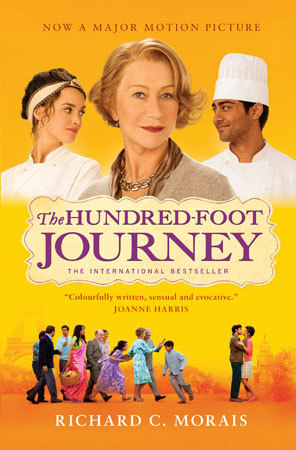 (20 Books of Summer, #18) From the acknowledgments I learned that this was written specifically to be filmed by the author’s friend Ismail Merchant; though Merchant died in 2005, it’s no surprise that it went on to become a well-received 2014 movie. I think the story probably worked better on the big screen, what with the Indian and French settings, the swirls of color and the bustle of restaurant kitchens. Still, I’d forgotten enough about the story line to enjoy the book, too.
Hassan Haji, the narrator, is born in Mumbai, one of six children of a restaurateur, and has his interest in other food cultures awakened early by a memorable French meal (a common experience in several other books I’ve reviewed this summer: Kitchen Confidential, How to Love Wine and Tender at the Bone). After his mother’s death, the extended family relocates to London and then to provincial France. Stranded in Lumière by a car breakdown, the family decides to stay, opening a curry house across from a fine dining establishment run by Gertrude Mallory. Madame Mallory engages in a battle of wills with the uncouth new arrivals. It nearly takes a tragedy for her to get over her snobbishness and xenophobia and realize Hassan has a perfect palate. She takes him on as an apprentice and he makes the title’s 100-foot journey across the street to join her staff.
The film was undoubtedly a Helen Mirren vehicle, and the Lumière material from the middle of the book holds the most interest. The remainder goes more melancholy as Hassan loses many family members and colleagues and deplores the rise of French bureaucracy and fads like molecular gastronomy. Although he eventually earns a third Michelin star for his Paris restaurant, the 40-year time span means that the warm ending somewhat loses its luster. (I can’t remember if the film went so far into the future.) A pleasant summer read nonetheless.
Source: Free from a neighbor
My rating: 
Book Serendipity, April‒Early July
I call it serendipitous when two or more books that I read at the same time or in quick succession have something pretty bizarre in common. Because I have so many books on the go at once (usually around 20), I suppose I’m more prone to such incidents than some. I also list these occasional reading coincidences on Twitter. The following are in rough chronological order. (January to March appeared in this post.)
- Characters named Sonny in Pew by Catherine Lacey, My Father’s Wake by Kevin Toolis, and Sacred Country by Rose Tremain.
- A double dose via Greenery via Tim Dee – while reading it I was also reading Other People’s Countries by Patrick McGuinness, whom he visits in Belgium; and A Cold Spring by Elizabeth Bishop, referenced in a footnote.


- A red thread is worn as a bracelet for its emotional or spiritual significance in The Book of Longings by Sue Monk Kidd and Plan B by Anne Lamott.
- The Library of Alexandria features in Footprints by David Farrier and The Book of Longings by Sue Monk Kidd.
- The Artist’s Way is mentioned in At Hawthorn Time by Melissa Harrison and Traveling Mercies by Anne Lamott.
- Characters sleep in a church in Pew by Catherine Lacey and Abide With Me by Elizabeth Strout. (And both novels have characters named Hilda.)


- Coins being flung away among some trees in In the Springtime of the Year by Susan Hill and The Book of Longings by Sue Monk Kidd (literally the biblical 30 pieces of silver in the Kidd, which is then used as a metaphor in the Hill).
- Rabbit-breeding projects in When the Lights Go Out by Carys Bray and Parable of the Sower by Octavia E. Butler.


- Mentions of the Great Barrier Reef in When the Lights Go Out by Carys Bray and Footprints by David Farrier.
- The same very specific fact – that Seamus Heaney’s last words, in a text to his wife, were “Noli timere” – was mentioned in Curlew Moon by Mary Colwell and Greenery by Tim Dee.
- Klondike ice cream bars appeared in both Small Victories by Anne Lamott and The Fixed Stars by Molly Wizenberg.

- The metaphor of a rising flood only the parent or the child will survive is used in both Exit West by Mohsin Hamid and What We Carry by Maya Lang.
- The necessity of turning right to save oneself in a concentration camp setting is mentioned in both Man’s Search for Meaning by Viktor Frankl and Fugitive Pieces by Anne Michaels.
- An English child is raised in North Africa in Oleander, Jacaranda by Penelope Lively and The Child in Time by Ian McEwan.
- The Bristol Stool Chart appeared in both Gulp by Mary Roach and The Bad Doctor by Ian Williams.


- A Greek island setting in both Exit West by Mohsin Hamid and Fugitive Pieces by Anne Michaels (plus, earlier, in A Theatre for Dreamers by Polly Samson).
- Both Writers & Lovers by Lily King and Mother: A Memoir by Nicholas Royle mention Talking Heads within the first 20 pages.
- A trip to North Berwick in the early pages of Mother: A Memoir by Nicholas Royle, and hunting for cowrie shells on the beach – so familiar from Evie Wyld’s The Bass Rock, read the previous month. (Later, more collecting of cowrie shells in Oleander, Jacaranda by Penelope Lively.)
- Children’s authors are main characters in The Crow Road by Iain Banks and The Child in Time by Ian McEwan.

- A character is killed by a lightning strike in The Crow Road by Iain Banks and Writers & Lovers by Lily King.
- Characters named Ash in The Crow Road by Iain Banks and The Fixed Stars by Molly Wizenberg.
 A brother steals the main character’s object of affection in The Crow Road by Iain Banks and Sacred Country by Rose Tremain.
- A minor character in Parable of the Sower by Octavia E. Butler is called Richard Rohr … meanwhile, I was reading a book by Richard Rohr, The Universal Christ.
- A maternity ward setting in The Pull of the Stars by Emma Donoghue and The Bell in the Lake by Lars Mytting.
- A love triangle is a central element in Writers & Lovers by Lily King and The Bell in the Lake by Lars Mytting.


- Reading a book by a Galloway (The Trick Is to Keep Breathing by Janice Galloway) and a book about Galloway (Native: Life in a Vanishing Landscape by Patrick Laurie) simultaneously.
- Attending college in L.A. in The Vanishing Half by Brit Bennett and Dreams from My Father by Barack Obama.
- Two books that reference the same Darwin quote: Into the Tangled Bank by Lev Parikian, and “The Entangled Bank” is the title of the final poem in Red Gloves by Rebecca Watts.


- Characters with the surname Savage in The Box Garden by Carol Shields and Islands of Mercy by Rose Tremain.
- A character is taught how to eat oysters in The Vanishing Half by Brit Bennett and Kitchen Confidential by Anthony Bourdain.
- A Louisiana setting in The Vanishing Half by Brit Bennett and Property by Valerie Martin.
- Characters named Stella in The Vanishing Half by Brit Bennett and The Group by Lara Feigel.


- The last line of the book has a character saying “Come in” in Americanah by Chimamanda Ngozi Adichie and Ankomst by Gøhril Gabrielsen.
- Currently reading four books with mixed-race narrators: (Black/white) The Girl Who Fell from the Sky by Heidi Durrow, Dreams from My Father by Barack Obama, Memorial Drive by Natasha Trethewey; and (Japanese/white) My Year of Meats by Ruth Ozeki.
- Currently reading two novels in which a pair of orphaned sisters are taken in by relatives (Deerbrook by Harriet Martineau and Rise and Shine by Anna Quindlen). Plus two more novels with orphan characters: The Girl Who Fell from the Sky and My Year of Meats.
-
- In two of these four (not telling which, though you can safely assume it’s not the Victorian novel!), they are orphans because both parents were killed in a car accident. I feel like this is a fictional setup that I encounter all the time (cf. All the Beautiful Girls, The Monsters of Templeton, Saint Maybe) that can’t be that common in real life?
-


- Vassar as an alma mater in Kitchen Confidential by Anthony Bourdain and The Group by Mary McCarthy.
- Punahou School (Honolulu, Hawaii) is the author’s alma mater in The Noonday Demon by Kathleen Norris and Dreams from My Father by Barack Obama.
What’s the weirdest reading coincidence you’ve had lately?
Soul Food: Rereading Anne Lamott
I first read Anne Lamott’s autobiographical essays on faith in about 2005, when I was in my early twenties and a recovering fundamentalist and Republican. She’s a Northern Californian ex-alcoholic, a single mother, a white lady with dreadlocks. Her liberal, hippie approach to Christianity was a bit much for me back then. I especially remember her raging against George W. Bush and the war in Iraq. But even if I couldn’t fully get behind all of her views, her picture of a fumbling faith that doesn’t claim to know much for certain appealed to me. Jesus is for her the herald of a radical path of love and grace. Lamott describes herself stumbling towards kindness and forgiveness while uttering the three simplest and truest prayers she knows, “Help, thanks, wow.” I only own three of her eight spiritual books (though I’ve read them all), so I recently reread them one right after the other – the best kind of soul food binge in a stressful time.
Traveling Mercies: Some Thoughts on Faith (1999)
 Her first and best collection. Many of these pieces first appeared in Salon web magazine. There is a lot of bereavement and other dark stuff here, yet an overall lightness of spirit prevails. Lamott’s father died of melanoma that metastasized to his brain (her work has meant a lot to my sister because her husband, too, died of brain cancer) and her best friend Pammy died of breast cancer – both far too young. A college dropout, alcoholic and drug addict, Lamott didn’t walk into a church and get clean until she was in her early thirties. Newly sober and with the support of the community, she was able to face unexpected motherhood and raise Sam in the church, clinging to fragments of family and nurturing seeds of faith.
The essays sometimes zero in on moments of crisis or decision, but more often on everyday angst, such as coming to terms with a middle-aged body. “Thirst” and “Hunger” are a gorgeous pair about getting sober and addressing disordered eating. “Ashes,” set on one Ash Wednesday, sees her trying to get her young son interested in the liturgical significance and remembering scattering Pammy’s ashes. “Knocking on Heaven’s Door” and “Barn Raising” are two classics about surviving a turbulent flight and supporting a local family whose child has cystic fibrosis. Each essay is perfectly constructed: bringing together multiple incidents and themes in a lucid way, full of meaning but never over-egging the emotion.
Like A Three Dog Life by Abigail Thomas, this was even better the second time around – I can see that the memoir-in-essays is now among my most admired forms.
Some favorite lines:
“The main reason [that she makes Sam go to church] is that I want to give him what I found in the world[: …] a path and a little light to see by. Most of the people I know who have what I want—which is to say, purpose, heart, balance, gratitude, joy—are people with a deep sense of spirituality.”
“You really do have to eat, anything at all you can bear. So we had smoothies, with bananas, which I believe to be the only known cure for existential dread.”
“most of the time, all you have is the moment, and the imperfect love of people.”
“even though I am a feminist and even though I am religious, I secretly believe, in some mean little rat part of my brain, that I am my skin, my hair, and worst of all, those triangles of fat that pooch at the top of my thighs. In other words, that I am my packaging.”
My original rating (c. 2005):
My rating now:
Plan B: Further Thoughts on Faith (2005)
 Here’s the more political material I remembered from Lamott. Desperately angry about the impending Iraq War, she struggles to think civilly about Bush. “I wake up some mornings pinned to the bed by centrifugal sadness and frustration.” In the meantime, her difficult mother has died and it takes years to get to a point where she can take the woman’s ashes (with a misspelling on the name label) out of the closet and think of scattering them. Sam is a teenager and there are predictable battles of wills but also touching moments as they rekindle a relationship with his father. Lamott also starts a Sunday School and says goodbye to a dear old dog. A few of the essays (especially “One Hand Clapping”) feel like filler, and there are fewer memorable lines. “Ham of God,” though, is an absolute classic about the everyday miracle of a free ham she could pass on to a family who needed it.
I’ve been surprised that Lamott hasn’t vented her spleen against Donald Trump in her most recent books – he makes Bush look like a saint, after all. But I think it must be some combination of spiritual maturity and not wanting to alienate a potential fan base (though to most evangelicals she’ll be beyond the pale anyway). Although her response to current events makes this book less timeless than Traveling Mercies, I found some of her words applicable to any troubled period: “These are such rich, ripe times for paranoia and despair that each celebration, each occasion of tribal love and music and overeating glows more brightly … People are helping one another keep their spirits up.”
My secondhand copy has had quite the journey: it has a “The Munich Readery” stamp in the front and has sat text block facing out on a shelf for ages judging by the pattern of yellowing; I picked it up from the Community Furniture Project, a local charity warehouse, last year for a matter of pence.
Some favorite lines:
(on caring for an ageing body) “You celebrate what works and you take tender care of what doesn’t, with lotion, polish and kindness.”
“Rest and laughter are the most spiritual and subversive acts of all. Laugh, rest, slow down.”
My original rating (c. 2005):
My rating now:
Small Victories: Spotting Improbable Moments of Grace (2014)
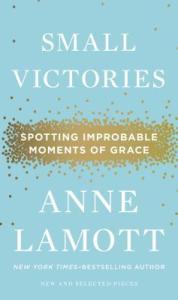 This is a sort of “Greatest Hits” collection of new and selected essays. I skipped over the ones I’d just encountered in Traveling Mercies and Plan B to focus on the newer material. I don’t have a copy of Grace (Eventually), her third set of essays on faith, so I wasn’t sure which were from that and which were previously unpublished in book form. More so than before, Lamott’s thoughts turn to ageing and her changing family dynamic – she’s now a grandmother. As usual, the emphasis is on being kind to oneself and learning the art of forgiveness. Sometimes it seems like her every friend or relative has cancer. Her writing has tailed off noticeably in quality, but I suspect there’s still no one many of us would rather hear from about life and faith. It’s a beautiful book, too, with deckle edge, blue type and gold accents. My favorite of the new stuff was “Matches,” about Internet dating.
My original rating (2015):
My rating now (for the newer material only): 
Currently rereading: Everything Is Illuminated by Jonathan Safran Foer
Considering rereading next: Heaven’s Coast by Mark Doty
Done any rereading lately?
What books have been balm for the soul for you?
Pandemic Reading Strategies & Recommendations, Serious or Tongue-in-Cheek
If you’ve been spending time blog-hopping or on Twitter over the last few weeks, you will have seen countless riffs on this topic. Everyone’s pondering what’s best to read in these times. All we can get our hands on about plagues (Boccaccio, Camus, Defoe)? Allegories of similarly challenging worldwide disasters (WWII, 9/11)? Childhood favorites? Comfort reads? Funny books? Light, undemanding stuff? Rereads?
My general answer would be: as always, read whatever you want or can – anything that captures your attention is worthwhile. We’re under so much stress that our reading should be entirely unpressured. But to be a little more specific, I’ve gathered reading recommendations on a variety of topics, drawing on lists that others have made and linking to my own blog reviews where applicable.
(Some of these ideas are less serious than others.)
If you are brave enough to learn about zoonotic diseases:
 Spillover: Animal Infections and the Next Human Pandemic by David Quammen: This is top-notch scientific journalism: pacey, well-structured, and gripping. The best chapters are on Ebola and SARS; the SARS chapter, in particular, reads like a film screenplay, if this were a far superior version of Contagion. It’s a sobering subject, with some quite alarming anecdotes and statistics, but this is not scare-mongering for the sake of it; Quammen is frank about the fact that we’re still all more likely to get heart disease or be in a fatal car crash.
If you can’t look away from pandemic stories, historical or imagined:


I already had Philip Roth’s Nemesis (set in 1940s New Jersey amid a polio epidemic) out from the library because it was on the Wellcome Book Prize shortlist in 2011. I was also inspired to take Year of Wonders by Geraldine Brooks (set in the 1660s and featuring an English village that quarantined itself during the Plague) off the shelf. I’m nearing the end of these two and should have my reviews up next week.
You will see no one book referenced more than Station Eleven by Emily St. John Mandel. It’s a wholly believable dystopian novel in which 99% of the population has been wiped out by a pandemic. The remnant bands together not just to survive but to create and preserve art. “What was lost in the collapse: almost everything, almost everyone, but there is still such beauty.” (My full BookBrowse review from December 2014.)
See also this Publishers Weekly list of “13 Essential Pandemic Novels.”
If you’re feeling cooped up…
 Infinite Home by Kathleen Alcott: “Edith is a widowed landlady who rents apartments in her Brooklyn brownstone to an unlikely collection of humans, all deeply in need of shelter.” (I haven’t read it, but I do have a copy; now would seem like the time to read it!)
…yet want to appreciate the home you’re stuck in:


Years ago I read and loved At Home: A Short History of Private Life by Bill Bryson and Happier at Home by Gretchen Rubin. I can’t tell you anything more than that because it was before the days when I reviewed everything I read, but these are both reliable authors.
 I love the sound of A Journey Around My Room by Xavier de Maistre: “Finding himself locked in his room for six weeks, a young officer journeys around his room in his imagination, using the various objects it contains as inspiration for a delightful parody of contemporary travel writing and an exercise in Sternean picaresque.”
I’m also drawn to Home: The Story of Everyone Who Ever Lived in Our House by Julie Myerson, who combed archives for traces of all the former residents of her 1870s terraced house in Clapham.
If you’re struggling with being on your own:


The Lonely City by Olivia Laing: This remarkable book on outsider artists interweaves biography, art criticism and memoir. Laing is a tour guide into the peculiar, lonely crowdedness you find in a world city.
How to Be Alone by Sara Maitland: Maitland argues that although being alone is easy to achieve, there is an art to doing it properly, and solitude and loneliness are by no means the same thing. Profiling everyone from the Desert Fathers of early Christianity to the Romantic poets, she enumerates all the benefits that solitude confers.
Journal of a Solitude by May Sarton: A one-year account of her writing life in New Hampshire, this is Sarton’s best. The book dwells on the seasonal patterns of the natural world (shovelling snow, gardening, caring for animals) but also the rhythms of the soul – rising in hope but also falling into occasional, inevitable despair.
See also this Penguin UK list of books to read in self-isolation.
If you’ve been passing the time by baking…
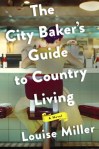 The City Baker’s Guide to Country Living by Louise Miller: As chief baker at the Sugar Maple Inn in Guthrie, Vermon, Olivia Rawlings settles into a daily routine of baking muffins, bread and cakes. This is a warm, cozy debut novel full of well-drawn secondary characters and romantic possibilities. There’s nothing clichéd about it, though. Livvy is a sassy narrator, and I loved how Miller documents the rhythms of the small-town country year, including tapping the maple trees in the early spring and a pie baking contest at the summer county fair.
 Sourdough by Robin Sloan: Lois Clary, a Bay Area robot programmer, becomes obsessed with baking. “I needed a more interesting life. I could start by learning something. I could start with the starter.” She attempts to link her job and her hobby by teaching a robot arm to knead the bread she makes for a farmer’s market. Madcap adventures ensue. It’s a funny and original novel and it makes you think, too – particularly about the extent to which we should allow technology to take over our food production.
…but can’t find yeast or eggs in the shop:
Yeast: A Problem by Charles Kingsley (1851). Nope, I haven’t read it, but our friend has a copy in his Everyman’s Library collection and the title makes us laugh every time we see it.
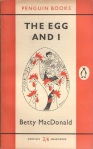 The Egg & I by Betty Macdonald: MacDonald and her husband started a rural Washington State chicken farm in the 1940s. Her account of her failure to become the perfect farm wife is hilarious. The voice reminded me of Doreen Tovey’s: mild exasperation at the drama caused by household animals, neighbors, and inanimate objects. “I really tried to like chickens. But I couldn’t get close to the hen either physically or spiritually, and by the end of the second spring I hated everything about the chicken but the egg.” Perfect pre-Easter reading.
And here are a few lists I put together for Hungerford Bookshop:
If you need a laugh:
Fiction:
Lucky Jim by Kingsley Amis
The Darling Buds of May (and sequels) by H.E. Bates
Ella Minnow Pea by Mark Dunn
Heartburn by Nora Ephron
 Cold Comfort Farm by Stella Gibbons
Anything by Nick Hornby
Three Men in a Boat by Jerome K. Jerome
Anything by David Lodge
Dear Committee Members by Julie Schumacher
The Rosie Project (and sequels) by Graeme Simsion
To Say Nothing of the Dog by Connie Willis
Nonfiction:
 Anything by Bill Bryson
21st-Century Yokel by Tom Cox
Anything by Gerald Durrell
Anything by Nora Ephron (essays)
This Is Going to Hurt by Adam Kay
Priestdaddy by Patricia Lockwood
Dear Lupin by Roger Mortimer
Anything by David Sedaris
Little Failure by Gary Shteyngart
If you want to disappear into a long book:


The Heart’s Invisible Furies by John Boyne
Jonathan Strange & Mr Norrell by Susanna Clarke
David Copperfield by Charles Dickens
Middlesex by Jeffrey Eugenides
The Crimson Petal and the White by Michel Faber
The Signature of All Things by Elizabeth Gilbert
The Nix by Nathan Hill
We, the Drowned by Carsten Jensen
Mary Ann Sate, Imbecile by Alice Jolly
The Poisonwood Bible by Barbara Kingsolver
The Wind-Up Bird Chronicle by Haruki Murakami
The Sparrow by Mary Doria Russell
American Wife by Curtis Sittenfeld
East of Eden by John Steinbeck
The Goldfinch by Donna Tartt
Cutting for Stone by Abraham Verghese
The Paying Guests by Sarah Waters
If you’re looking for some hope:
 Almost Everything: Notes on Hope by Anne Lamott
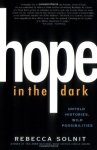
Hope in the Dark by Rebecca Solnit
Hope Dies Last: Making a Difference in an Indifferent World by Studs Terkel
I’ve been doing a combination of the above strategies, reading about historical plagues in fiction and nonfiction but also doing some rereading and consuming lighter genre stuff like mysteries. I continue to dip into new releases, and I enjoy the ongoing challenge of my reading projects. Right now, I’m working through a few current Women’s Prize longlistees, as well as some past Wellcome Book Prize nominees and Women’s Prize winners, and I’m about to start a third #1920Club title. Plus I’m already thinking about my 20 Books of Summer (I’m considering an all-foodie theme).
Further reading:
- Book Riot pinpoints seven categories of books to read during a pandemic.
- Clare surveys the post-pandemic literary landscape.
- Elle logs her pandemic reading and viewing.
- Laura discusses pandemic reading strategies and distraction reading.
- Literary Hub looks at parallel situations, including post-9/11 reads, to make predictions, and asks what your “go-to quarantine read” says about you. (I’ve read Kindred most recently, but I wouldn’t say that describes me.)
- Simon thinks about what we can and should read.
- Susan highlights some comfort reads.
What are your current reading strategies?
Book Serendipity: 2020, Part I
I call it serendipitous when two or more books that I’m reading at the same time or in quick succession have something pretty bizarre in common. Because I have so many books on the go at once – usually between 10 and 20 – I guess I’m more prone to such incidents. I also post these occasional reading coincidences on Twitter. (The following are in rough chronological order.)
- A Wisconsin setting in three books within a month (Shotgun Lovesongs by Nickolas Butler, This Is How It Always Is by Laurie Frankel and Crossing to Safety by Wallace Stegner)
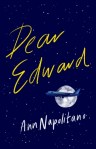
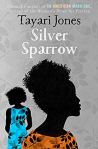
- I came across a sculpture of “a flock of 191 silver sparrows” in Dear Edward by Ann Napolitano while also reading Silver Sparrow by Tayari Jones.
- Characters nearly falling asleep at the wheel of a car in Crossing to Safety by Wallace Stegner and In the Dream House by Carmen Maria Machado
- There’s no escaping Henry David Thoreau! Within the span of a week I saw him mentioned in The Library of Ice by Nancy Campbell, The Snow Tourist by Charlie English, Losing Eden by Lucy Jones and Crossing to Safety by Wallace Stegner. Plus I’d just read the whole graphic novel Thoreau and Me by Cédric Taling.


- Discussions of the work of D.H. Lawrence in Unfinished Business by Vivian Gornick and The Offing by Benjamin Myers
- That scientific study on patient recovery in hospital rooms with a window view vs. a view of a brick wall turns up in both Dear Life by Rachel Clarke and Losing Eden by Lucy Jones.
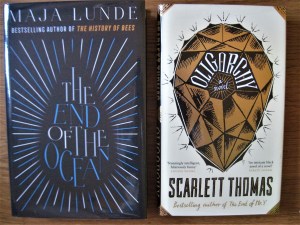
- The inverted teardrop shapes mirror each other on these book covers:
- Punchy, one-word titles on all these books I was reading simultaneously:

- Polio cases in The Golden Age by Joan London, Nemesis by Philip Roth and Crossing to Safety by Wallace Stegner
- An Italian setting and the motto “Pazienza!” in Dottoressa by Susan Levenstein and Crossing to Safety by Wallace Stegner
- Characters named Lachlan in The Ninth Child by Sally Magnusson and The Inland Sea by Madeleine Watts


- Mentions of the insecticide Flit in Nemesis by Philip Roth and Sacred Country by Rose Tremain
- A quoted Leonard Cohen lyric in Traveling Mercies by Anne Lamott; Cohen as a character in A Theatre for Dreamers by Polly Samson
- Plague is brought to an English village through bolts of cloth from London in Year of Wonders by Geraldine Brooks and Hamnet by Maggie O’Farrell; both also feature a woman who is a herbal healer sometimes mistaken for a witch (and with similar names: Anys versus Agnes)

- Gory scenes of rats being beaten to death in Hamnet by Maggie O’Farrell and Nemesis by Philip Roth
- Homemade mobiles in a baby’s room in A Theatre for Dreamers by Polly Samson and Sacred Country by Rose Tremain
- Speech indicated by italics rather than the traditional quotation marks in Pew by Catherine Lacey and Red at the Bone by Jacqueline Woodson
 Bookish Beck = Rebecca Foster. American transplant to England. Freelance proofreader and book reviewer.
 Bookish Beck