May Graphic Novels by Alison Bechdel, Peter Kuper & Craig Thompson
May has been chock-full of new releases for me! For this first batch of reviews, I’m featuring three fantastic graphic novels that have made it onto my Best of 2025 (so far) list. I don’t read graphic books as often as I’d like to – my library tends to major on superhero comics and manga, which aren’t my cup of tea – but I sometimes get a chance to access them for paid review purposes. (The first two below are ones I was sent for potential Shelf Awareness reviews, but I missed the deadlines.) Reading these took me back to the early 2010s when I worked for a university library in South London and would walk to Lambeth Library on my lunch breaks to borrow huge piles of books, mostly taking advantage of their excellent graphic novel selection. That was where my education and fascination began.
Spent: A Comic Novel by Alison Bechdel
 I’ve read all but one of Bechdel’s works now. Fun Home was among the first graphic books I read and is a great choice if you’re new to this form of storytelling. It’s a family memoir about her father’s funeral home business and closeted lifestyle, which emerged shortly after her own coming-out – and shortly before his accidental death. In Spent, Alison and her handy wife Holly live on a Vermont pygmy goat farm. Alison has writer’s block and is struggling financially despite her famous memoir about her taxidermist father having been made into a successful TV series, Death & Taxidermy. Mostly, she’s consumed with anxiety about the state of the world, what with the ongoing pandemic, her sister’s right-wing opinions, and the litany of awful headlines. “Who can draw when the world is burning?” she exclaims.
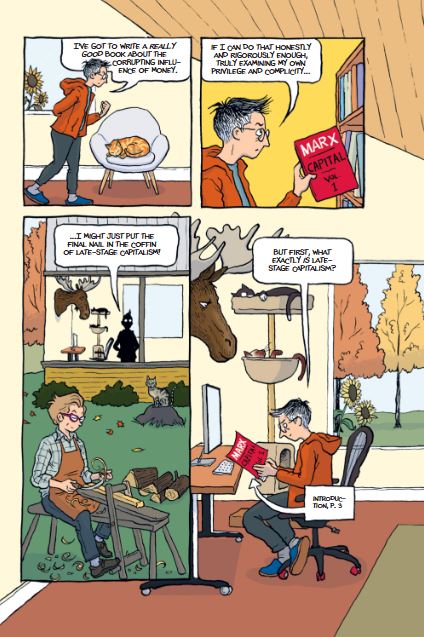
Then Alison has an idea for a book – or maybe a reality TV series – called $UM that will wean people off of capitalism. That creative journey is mirrored in Spent, which is composed of 12 “episodes” titled after Marxist terminology. Through Alison’s ageing hippie friends and their kids, Bechdel showcases alternative ways of living: a commune, a throuple, nonbinary identity, unpaid internships, Just Stop Oil demos, and the influencer lifestyle versus rejection of technology. It’s (auto)fiction exaggerated to the brink of absurdity, with details changed enough to mock but not enough to hide (e.g., she’s published by “Megalopub,” the hardware store is “Home Despot,” her show airs on “Schmamazon”).

Tiny details in the drawings reward close attention, such as Alison and Holly’s five cats’ antics during their morning routine, and a stuffed moose head rolling its eyes. It’s the funniest I can remember Bechdel being, with much broad humour derived from the outrageous screen mangling of her book – cannibalism, volcanoes and dragons come out of nowhere – and her middle-class friends’ hand-wringing over their liberal credentials. Even the throwaway phrases are hilarious. It’s a gleeful and zeitgeist-y satire, yet draws to a touching close as Alison has the epiphany that she can’t fix everything herself so must simply do what she can, “with a little help from her annoying, tender-hearted, and utterly luminous friends.”
Accessed as an e-book from Mariner Books. Published in the UK by Jonathan Cape (Penguin).
Insectopolis: A Natural History by Peter Kuper
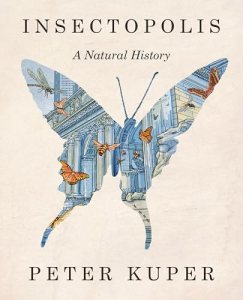 Nearly a decade ago, I reviewed Peter Kuper’s Ruins, which features monarch migration and has as protagonist a laid-off Natural History Museum entomologist. Here insects have even more of a starring role. The E. O. Wilson epigraph sets the stage: “If all mankind were to disappear, the world would regenerate back to the rich state of equilibrium that existed ten thousand years ago. If insects were to vanish, the environment would collapse into chaos.” We follow an African American brother-and-sister pair, the one dubious and the other eager, as they walk downtown to the New York Public Library. The sister, who holds a PhD in entomology, promises that its exhibition on insects is going to be amazing. But just before they reach the building, a red alert flashes up on every smartphone and sirens start blaring. A week later, the city is a ruin of overturned cabs and debris. Only insects remain and, group by group, they guide readers through the empty exhibit, interacting within and across species.


It’s a sly blend of science, history, stories and silliness. I loved the scenes of mosquitoes and ants railing against how they’ve been depicted as villainous, and dignified dung beetles resisting scatological jokes and standing up for their importance in ecosystems. There are interesting interludes about insects in literature (not just Kafka and Nabokov, but the Japanese graphic novel The Book of Human Insects by Osamu Tezuka), and unsung heroines of entomology get their moment in the sun. The pages in which Margaret Collins, an African American termite researcher in the 1950s, and Rachel Carson appear to a dragonfly as ghosts and tell their stories of being dismissed by male researchers were among my favourites. Informative and entertaining at once; what could be better? Welcome our insect overlords!
Accessed as an e-book from W. W. Norton & Company.
Ginseng Roots by Craig Thompson
 I’d read several of Thompson’s works and especially enjoyed his previous graphic memoir, Blankets, about his first love and loss of faith. When I read this blurb, I worried the niche subject couldn’t possibly sustain my attention for nearly 450 pages. But I was wrong; this is a vital book about everything, by way of ginseng. It begins with childhood summers working on American ginseng farms with his siblings in Marathon, Wisconsin. Theirs was a blue collar and highly religious family, but Thompson and his little brother Phil were allowed to spend their earnings from the back-breaking labour of weeding and picking rocks as they pleased. Each hour, each dollar, meant a new comic from the pharmacy. “Comics helped me survive my childhood. But what will help me survive my adulthood?” Thompson asks.

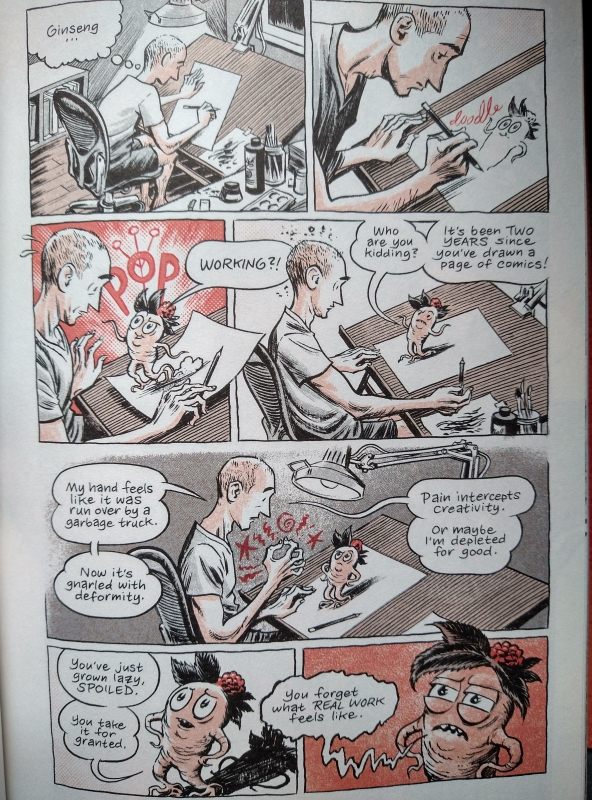
Together with Phil, he travels first to Midwest ginseng farms and festivals and then through China and Korea to learn about the plant’s history, cultivation practices, lore, and medicinal uses. As he meets producers – including a Hmong man whose early life mirrors his own – he feels sheepish about how he makes a living: “I carry this working-class guilt – what I do isn’t real work.” When his livelihood is threatened by worsening autoimmune conditions, he tries everything from acupuncture to psychotherapy to save his hands and his creativity.
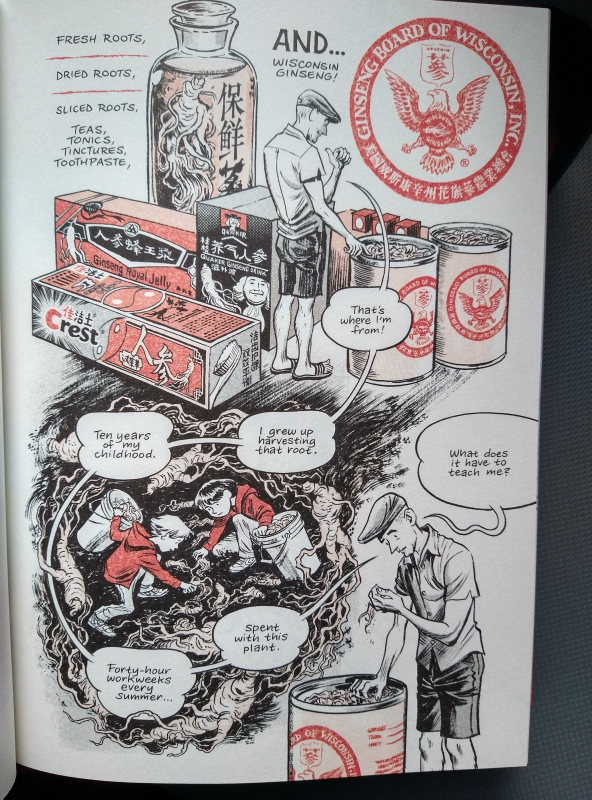
This chunky book has an appealing earth-tones palette and shifts smoothly between locations and styles, memories and research. When interviewing growers and Chinese medicine practitioners, the depictions are almost photorealistic, but there are also superhero pastiche panels and a cute ginseng mascot who pops up throughout the book. Like Spent, this pulls in class and economic issues in a lighthearted way and also explores its own composition process.
The story of ginseng is often sobering, involving the exploitation of immigrants (in the Notes, Thompson regrets that he was unable to speak with any of the Mexican migrant workers on whom the American ginseng harvest now depends), soil degradation, and pesticide pollution. The roots of the title are both literal and symbolic of the family story that unfolds in parallel. Both strands are captivating, but especially the autobiographical material: Thompson’s relationship with Phil, his new understanding but ongoing frustration with his parents, and the way all three siblings exhibit the damage of their upbringing – Phil’s marriage is crumbling; their sister Sarah, who has moved 26 times as an adult, wonders what she’s running from. A conversation with a Chinese herbal pharmacist gets to the heart of the matter: “I learned home is not WHERE I am. Home is HOW I am.”
Both expansive and intimate, this is a surprising gem from one of the best long-form graphic storytellers out there.
With thanks to Faber for the free copy for review. Published in the USA by Pantheon (Penguin).
10 Favorite Nonfiction Novellas from My Shelves
What do I mean by a nonfiction novella? I’m not claiming a new genre like Truman Capote did for the nonfiction novel (so unless they’re talking about In Cold Blood or something very similar, yes, I can and do judge people who refer to a memoir as a “nonfiction novel”!); I’m referring literally to any works of nonfiction shorter than 200 pages. Many of my selections even come well under 100 pages.
I’m kicking off this nonfiction-focused week of Novellas in November with a rundown of 10 of my favorite short nonfiction works. Maybe you’ll find inspiration by seeing the wide range of subjects covered here: bereavement, social and racial justice, hospitality, cancer, nature, politics, poverty, food and mountaineering. I’d reviewed all but one of them on the blog, half of them as part of Novellas in November in various years.
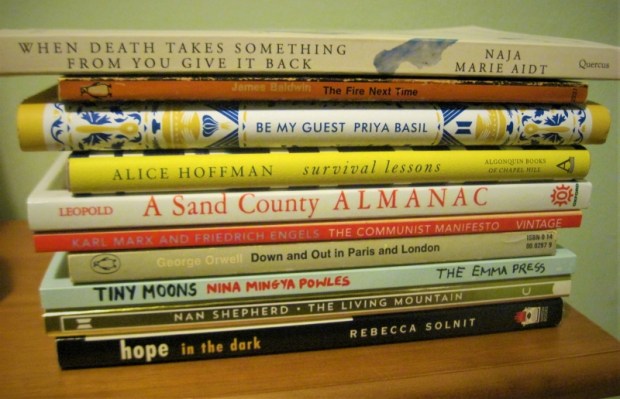
 When Death Takes Something from You Give It Back: Carl’s Book by Naja Marie Aidt [137 pages]: In March 2015 Aidt got word that her son Carl Emil was dead. The 25-year-old jumped out of his fifth-floor Copenhagen window after taking some mushrooms. The text is a collage of fragments: memories, dreams, dictionary definitions, journal entries, and quotations. The playful disregard for chronology and the variety of fonts, typefaces and sizes are a way of circumventing the feeling that grief has made words lose their meaning forever.
 The Fire Next Time by James Baldwin [89 pages]: A hard-hitting book composed of two essays: “My Dungeon Shook,” is a letter addressed to his nephew and namesake on the 100th anniversary of emancipation; and “Down at the Cross: Letter from a Region in My Mind,” which first appeared in the New Yorker and tells of a crisis of faith that hit Baldwin when he was a teenager and started to question to what extent Christianity of all stripes was upholding white privilege. This feels completely relevant, and eminently quotable, nearly 60 years later.
 Be My Guest: Reflections on Food, Community and the Meaning of Generosity by Priya Basil [117 pages]: A thought-provoking essay that reaches into many different topics. Part of an Indian family that has lived in Kenya and England, Basil is used to culinary abundance. However, living in Berlin increased her awareness of the suffering of the Other – hundreds of thousands of refugees have entered the EU to be met with hostility. Yet the Sikh tradition she grew up in teaches kindness to strangers. She asks how we can all cultivate a spirit of generosity.
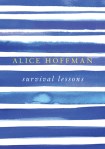 Survival Lessons by Alice Hoffman [83 pages]: Hoffman wrote this 15 years after her own experience of breast cancer to encourage anyone going through a crisis. Each chapter title begins with the word “Choose” – a reminder that, even when you can’t choose your circumstances, you can choose your response. This has been beautifully put together with blue-tinted watercolor-effect photographs and an overall yellow and blue theme (along with deckle edge pages – a personal favorite book trait). It’s a sweet little memoir with a self-help note.
 A Sand County Almanac by Aldo Leopold [92 pages]: Few know how much of our current philosophy of wilderness and the human impact on the world is indebted to Aldo Leopold. This was published in 1949, but so much rings true today: how we only appreciate wildlife if we can put an economic value on it, the troubles we get into when we eradicate predators and let prey animals run rampant, and the danger of being disconnected from the land that supplies our very life. And all this he delivers in stunning, incisive prose.
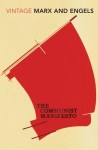 The Communist Manifesto by Karl Marx and Friedrich Engels [70 pages]: Maybe you, like me, had always assumed this was an impenetrable tome of hundreds of pages? But, as I discovered when I read it on the train to Manchester some years ago, it’s very compact. That’s not to say it’s an easy read; I’ve never been politically or economically minded, so I struggled to follow the argument at times. Mostly what I appreciated was the language. Like The Origin of Species, it has many familiar lines and wonderful metaphors.
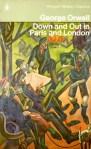 Down and Out in Paris and London by George Orwell [189 pages]: Orwell’s first book, published when he was 30, is an excellent first-hand account of the working and living conditions of the poor in two world cities. He works as a dishwasher and waiter in Paris hotel restaurants for up to 80 hours a week and has to pawn his clothes to scrape together enough money to ward off starvation. Even as he’s conveying the harsh reality of exhaustion and indignity, Orwell takes a Dickensian delight in people and their eccentricities.
 Tiny Moons: A Year of Eating in Shanghai by Nina Mingya Powles [85 pages]: This lovely pamphlet of food-themed essays arose from a blog Powles kept while in Shanghai on a one-year scholarship to learn Mandarin. From one winter to another, she explores the city’s culinary offerings and muses on the ways in which food is bound up with her memories of people and places. This is about how food can help you be at home. I loved how she used the senses – not just taste, but also smell and sight – to recreate important places in her life.
 The Living Mountain by Nan Shepherd [108 pages]: This is something of a lost nature classic. Composed during the later years of World War II but only published in 1977, it’s Shepherd’s tribute to her beloved Cairngorms, a mountain region of Scotland. But it’s not a travel or nature book in the way you might usually think of those genres. It’s a subtle, meditative, even mystical look at the forces of nature, which are majestic but also menacing. Shepherd dwells on the senses, the mountain flora and fauna, and the special quality of time and existence (what we’d today call mindfulness) achieved in a place of natural splendor and solitude.
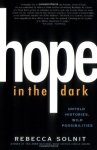 Hope in the Dark: Untold Histories, Wild Possibilities by Rebecca Solnit [143 pages]: Solnit believes in the power of purposeful individuals working towards social justice, even in the face of dispiriting evidence (e.g. the largest protests the world had seen didn’t stop the Iraq War). Instead of perfectionism, she advises flexibility and resilience; things could be even worse had we not acted. Her strong and stirring writing is a reminder that, though injustice is always with us, so is everyday heroism.
Keep in touch via Twitter (@bookishbeck / @cathy746books) and Instagram (@bookishbeck / @cathy_746books). We’ll add any of your review links in to our master posts. Feel free to use the terrific feature image Cathy made and don’t forget the hashtag #NovNov.

Any suitably short nonfiction on your shelves?
Reviews Roundup, August–September
One of my goals with this blog is to have one convenient place where I can gather together all my writing that has appeared in disparate online locations. To that end, once a month I’ll provide links to all the book reviews I’ve published elsewhere, with a rating (below each description) and a short taster so you can decide whether to click to read more. A couple of exceptions: I won’t point out my Kirkus Indie or BlueInk reviews since I don’t get a byline.
The Bookbag
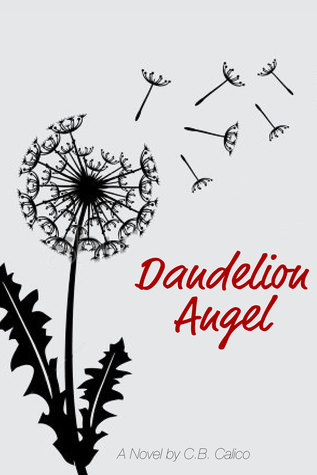 Dandelion Angel by C.B. Calico (& interview): This was inspired by a non-fiction work, Understanding the Borderline Mother by Christine Ann Lawson. The four mother/daughter relationships in this Germany-set novel – all marked to some extent by dysfunction, physical and/or verbal abuse, and borderline personality disorder – are based on Lawson’s metaphorical classifications: the hermit, the queen, the waif, and the witch. Looping back through her four storylines in three complete cycles, Calico shows how mental illness is rooted in childhood experiences and can go on to affect a whole family.

The Last Pilot by Benjamin Johncock: Cinematic descriptions of the California desert setting plus excellent characters and dialogue enliven this debut novel about a fictional test pilot and his family troubles during America’s Space Race. Johncock is British, but you can tell he’s taken inspiration from stories about the dawn of the astronaut age. If I allowed myself small points of criticism, I would say that it’s a challenge to accept the passage of time in the final 50 pages, and that a keen interest in astronauts is probably a boon to keep readers going through the test flight portions, which to me were less compelling than the domestic drama of Jim, Grace and Florence.
 Home Is Burning by Dan Marshall: At age 25, Dan Marshall went home to Salt Lake City to care for a father with ALS and a mother with leukemia. He and his four hapless siblings (a Sedaris-like clan) approached caregiving with sarcasm and dirty humor. Gleefully foul-mouthed, his memoir lacks introspective depth. He hardly ventures deeper than initial descriptions like “My gay brother, Greg” and “My adopted Native American sister, Michelle.” And even when his sentiments about his father are sincere, they are conveyed via what sound like clichés: “I wanted my poor dad to get better, not worse.” But to my surprise, Marshall made me cry in the end.

Of Orcas and Men by David Neiwert: Inspired by personal sightings near his home in Seattle, Neiwert set out to learn everything he could about orcas. The result is a thorough study of whales’ behavior and interactions with humanity from native mythology through modern-day aquarium shows. Some specialist interest would probably be helpful to those attempting this book, although there are plenty of black-and-white photographs to keep even casual readers interested. “Recovering our humanity may be the real gift of the orcas, what they can teach us. It’s our choice whether to listen.”

BookBrowse
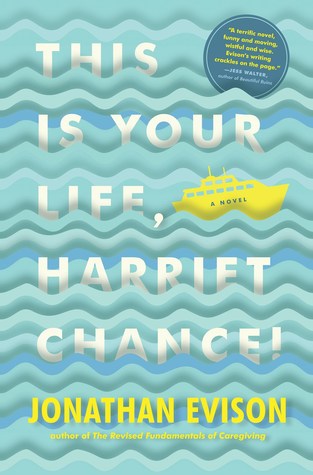 This Is Your Life, Harriet Chance! by Jonathan Evison [a subscription service, but an excerpt is available for free]: A widow in her seventies relives the ups and downs of her life while on an Alaskan cruise to scatter her husband’s ashes. Chapters alternate between a third-person account of the cruise and a second-person survey of Harriet’s past, delivered in the format of TV’s This Is Your Life. The narration is fresh and effective because the gradual revelations undermine Harriet’s elderly persona in such surprising ways. She is an out-of-the-ordinary but believable protagonist who, like all of us, has a mixture of victories and disappointments behind her. This is a charming novel about learning to reckon with the past.
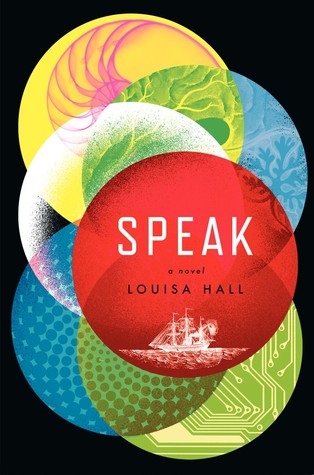 Speak by Louisa Hall [subscription service, but the full text of my review will be available for free during the week starting September 25th as part of Editor’s Choice]: Hall interweaves disparate time periods and voices to track the development of artificial intelligence. The fact that all six narratives are in different documentary formats – memoirs, letters, the transcript of a dialogue, a diary, and so on – means they are easy to distinguish. One might argue that two of them (Alan Turing’s letters and Mary’s shipboard diary) are unnecessary, and yet these are by far the most enjoyable. They prove Hall has an aptitude for historical fiction, a genre she might choose to pursue in the future. A remarkable book interrogating how the languages we converse in and the stories we tell make us human.
BookTrib
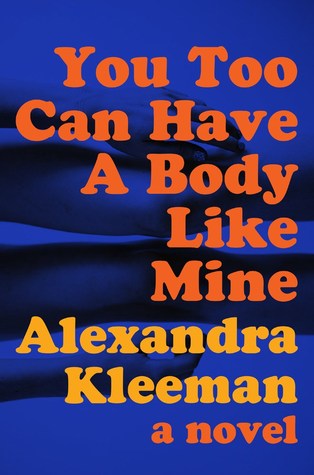 You Too Can Have a Body Like Mine by Alexandra Kleeman: Think of Alexandra Kleeman as an heir to Dave Eggers and Douglas Coupland, with a hefty dollop of Margaret Atwood thrown in. Her first novel is a full-on postmodern satire bursting with biting commentary on consumerism and conformity. Television and shopping are the twin symbolic pillars of a book about the commodification of the body. In a culture of self-alienation where we buy things we don’t need, have no idea where food comes from and desperately keep up the façade of normalcy, Kleeman’s is a fresh voice advocating the true sanity of individuality. Don’t miss her incredible debut.

Foreword Reviews
Conflict Communication by Rory Miller: Based on “ConCom,” the police verbal de-escalation program Miller developed with Marc MacYoung, this book aims to introduce readers to more conscious methods of verbal communication that will sidestep instinctive reactions and promote peaceful solutions. The advice is practical and intuitive, yet picks up on tiny details that most people would not notice. Concise, helpful, and well-organized, this is strongly recommended for readers interested in the psychology of violence and improving communication skills.
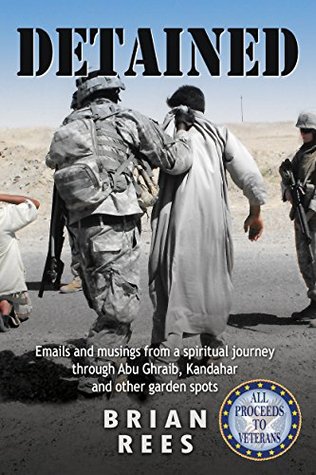 Detained by Brian Rees: Rees intersperses witty e-mail updates from his tours of Iraq and Afghanistan with clued-in commentary about war tactics, terrorism, Islam, and the benefits of transcendental meditation (TM) for soldiers with PTSD. The mixture of formats and topics generally works well, though the spiritual material deserves its own book. There’s no denying Rees’s expertise, and his fluid writing keeps the pages turning. This could make a fascinating companion volume for fans of recent war fiction such as The Yellow Birds, Redeployment, and War of the Encyclopaedists.
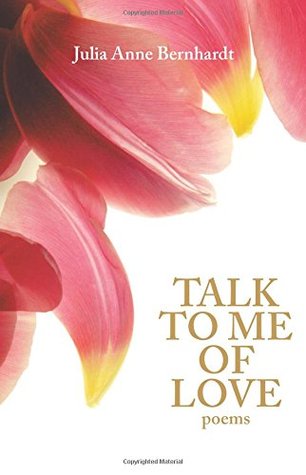 Talk to Me of Love by Julia Anne Bernhardt: The poems in Bernhardt’s first collection range from erotic to spiritual as they investigate love in all its forms. Repetition, rhyme, and mantras produce hypnotic sonic effects and support the central message of the epigraph: “God is in the detail.” The everyday and the eternal mix here. This well-structured collection celebrates different types of love through meditative verse. The themes’ strength is enough to recommend it to readers of Jo Shapcott and Julia Copus.
The Hidden Treasure of Dutch Buffalo Creek by Jackson Badgenoone: Otherworldly ghost writers (the “Neverborn”) compose biographies for ordinary people in this playfully metafictional novel. James is a strong central character whose memories from the 1950s through the present give a sense of history’s sweep, while vivid descriptive language enlivens the settings. Although well written, the book as a whole is an unusual amalgam of spiritualism, historical nostalgia, and technology. James’s story might have been better told as a simple coming-of-age novel with flashbacks.
Nudge
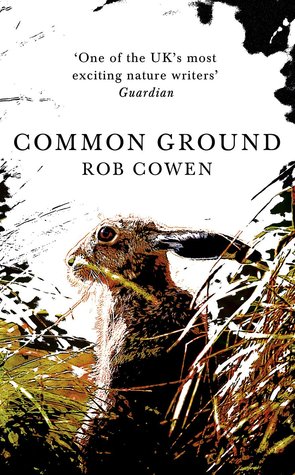 Common Ground by Rob Cowen: An unassuming patch of edge-land outside Harrogate is Cowen’s nature paradise, providing him with wildlife encounters and imaginative scenarios. Essentially, what Cowen does is give profiles of the edge-land’s inhabitants: animal and human, himself included. For instance, he creates an account of the life and death of a fox; elsewhere, he crafts a first-person narrative by a deer being hunted in medieval times. These fictions emulating Watership Down or Tarka the Otter, though well written, are out of place. When the book avoids melodramatic anthropomorphizing, it is very beautiful indeed.
We Love This Book
 Where My Heart Used to Beat by Sebastian Faulks: In Faulks’s thirteenth novel, his trademark themes of war, love and memory coalesce through the story of a middle-aged psychiatrist discovering the truth about his father’s death. Reminiscent of Birdsong as well as John Fowles’s The Magus and Ernest Hemingway’s A Farewell to Arms, this does not have the power of Faulks’s previous work but is a capable study of how war stories and love stories translate into personal history. [A few extra thoughts at Goodreads.]

I also post reviews of most of my casual reading and skimming on Goodreads.
 How to Write a Novel by Melanie Sumner: Our would-be novelist is Aris (short for Aristotle) Thibodeau, 12.5 years old and as precocious as Flavia de Luce. Diane is her single mother, and Max her downright weird younger brother. Using Write a Novel in 30 Days!, Aris is turning her family’s life story into fiction. In some ways they are very out of place here in Kanuga, Georgia. The child’s wry look at family dysfunction reminded me of Sue Townsend’s The Secret Diary of Adrian Mole, Aged 13 ¾. I would probably read something else from Sumner, so long as it wasn’t quite as silly and YA geared as this.
The Art of Memoir by Mary Karr: I would recommend this to anyone who reads and/or secretly wants to write memoirs; for the latter group, there is a wealth of practical advice here, on topics such as choosing the right carnal details (not sexual – or not only sexual – but physicality generally), correcting your facts and misconceptions, figuring out a structure, and settling on your voice. Along the way Karr discusses a number of favorite memoirs in detail, sometimes even line by line: Wild by Cheryl Strayed, Stop-Time by Pat Conroy, A Childhood by Harry Crews, Maya Angelou’s books, Speak, Memory by Nabokov, and so on.

Emblems of the Passing World: Poems after Photographs by August Sander by Adam Kirsch: A charming mix of historical photographs (1910s–1950s Germany) and poems. Kirsch uses his poetry to bring these one-dimensional figures to life, imagining the stories behind their generic titles (“Office Worker” or “Farming Family”) and sometimes slyly questioning the political and status connotations of such designations. One of my favorites was “Student of Philosophy.” This book could draw people whose interests usually run more to nonfiction – especially social history – into giving poetry a try. Releases November 17th.
 Browsings by Michael Dirda: Dirda wrote this pleasant set of bibliophilic essays for the American Scholar website in 2012–13. He’s the American equivalent of the UK’s John Sutherland: an extremely well-read doyen of the classics with a special love for Victorian and Edwardian genre fiction, often as revived by small presses and specialist societies. At times Dirda’s interests can be a bit obscure for the average reader, and some of the essays feel redundant. Still, it’s easy to relate to his addictive book purchasing and hoarding.
The Communist Manifesto by Karl Marx and Friedrich Engels: I read this on the train to Manchester, appropriate reading when approaching one of the UK’s biggest centers of Victorian industry and the place where Marx and Engels met to discuss ideas in the mid-1840s. Like Darwin’s Origin of Species, another seminal Victorian text, this has so many familiar lines and wonderful metaphors that have entered into common discourse that I simply assumed it was composed in English. My eyes glaze over at politics or economics, so I valued this more for its language than for its ideas. Part II, “Proletarians and Communists,” is the most focused part if you want to sample it.
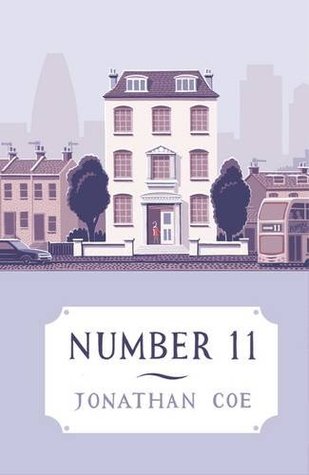 Number 11 by Jonathan Coe: This is a funny and mildly disturbing state-of-England and coming-of-age novel. I’d only read one previous book by Coe, Expo 58; this is a better example of his usual pattern: multiple, loosely linked storylines. Here the theme is the absurdity of modern culture, encompassing many aspects: unjust wars, the excesses of the uber-rich, the obsession with celebrity, and suspicion and exclusion of those who are different from us. The number 11 keeps popping up, too. My favorite parts were a Survivor-type reality television show and a laughably over-the-top prize ceremony banquet. Releases November 11th.
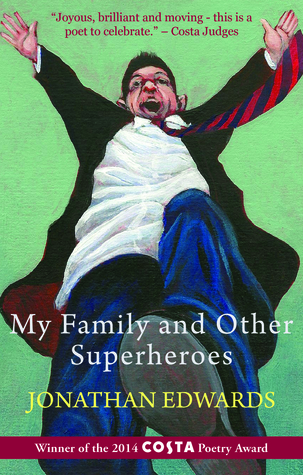 My Family and Other Superheroes by Jonathan Edwards: Edwards displays his proud Welsh heritage with poems reflecting on his family tree and the country’s landscape. One of my favorites was “View of Valleys Village from a Hill,” in which the narrator, with a God’s-eye view of his family, envisions messing around with them. The witty “In John F. Kennedy International Airport” imagines that Wales has been abolished and recreated in miniature in a small Kansas museum (a bit like Julian Barnes’s England, England).
The Whole & Rain-domed Universe by Colette Bryce: Many of these poems are about the author’s Irish family inheritance, both literal and figurative, as in “Heritance”: “From her? Resilience. Generosity. / A teacher’s gravitas. / Irish stew. A sense / of the ridiculous. High ceilings.” I loved the first line of “Signature” – “When I finally gave up and became my mother.” It’s particularly nice how enjambment often makes the thought go just that one line beyond what you expect. I’d read more from Bryce.
Literary Tourism in Manchester
Over the August bank holiday weekend, my husband and I went to Manchester for the first time. Big cities aren’t our usual vacation destinations of choice, but we were going for the Sufjan Stevens gig at the O2 Apollo on the 31st and wanted to do the city justice while we were there, so stayed two nights at a chain hotel and worked out everything we wanted to see and do there, including two literary pilgrimages for me: Elizabeth Gaskell’s House and Chetham’s Library, where Karl Marx and Friedrich Engels met and discussed ideas in the summer of 1845. Armed only with a two-page map sliced out of an eleven-year-old Rough Guide, we felt perhaps a little ill-equipped, but managed to have a nice time nonetheless.
In preparation, I read The Communist Manifesto on the train ride north. It’s only 50 pages, and even with an introduction and multiple prefaces my Vintage Classics copy only comes to 70-some pages. That’s not to say it’s an easy read. I’ve never been politically or economically minded, so I struggled to follow the thread of the argument at times. Mostly what I appreciated was the language. In fact, it had never occurred to me that this was first issued in Marx’s native German; like Darwin’s Origin of Species, another seminal Victorian text, it has so many familiar lines and wonderful metaphors that have entered into common discourse that I simply assumed it was composed in English.

After leaving our bags at the hotel on Sunday afternoon, we wandered over to the Gaskell House. It’s only open a few days a week, so we were lucky to be around during its opening hours. All of the house’s contents were sold at auction early in the twentieth century, so none of the furnishings are original, but the current contents have been painstakingly chosen to suggest what the house would have looked like at the time Gaskell and her family – a Unitarian minister husband and their four daughters – lived there. I especially enjoyed seeing William’s study and hearing how Charlotte Brontë hid behind the curtains in the drawing room so she wouldn’t have to socialize with the Gaskells’ visitors. The staff are knowledgeable and unfussy; unlike in your average National Trust house, they let you sit on the furniture and touch the objects. The gardens are also beautifully landscaped.


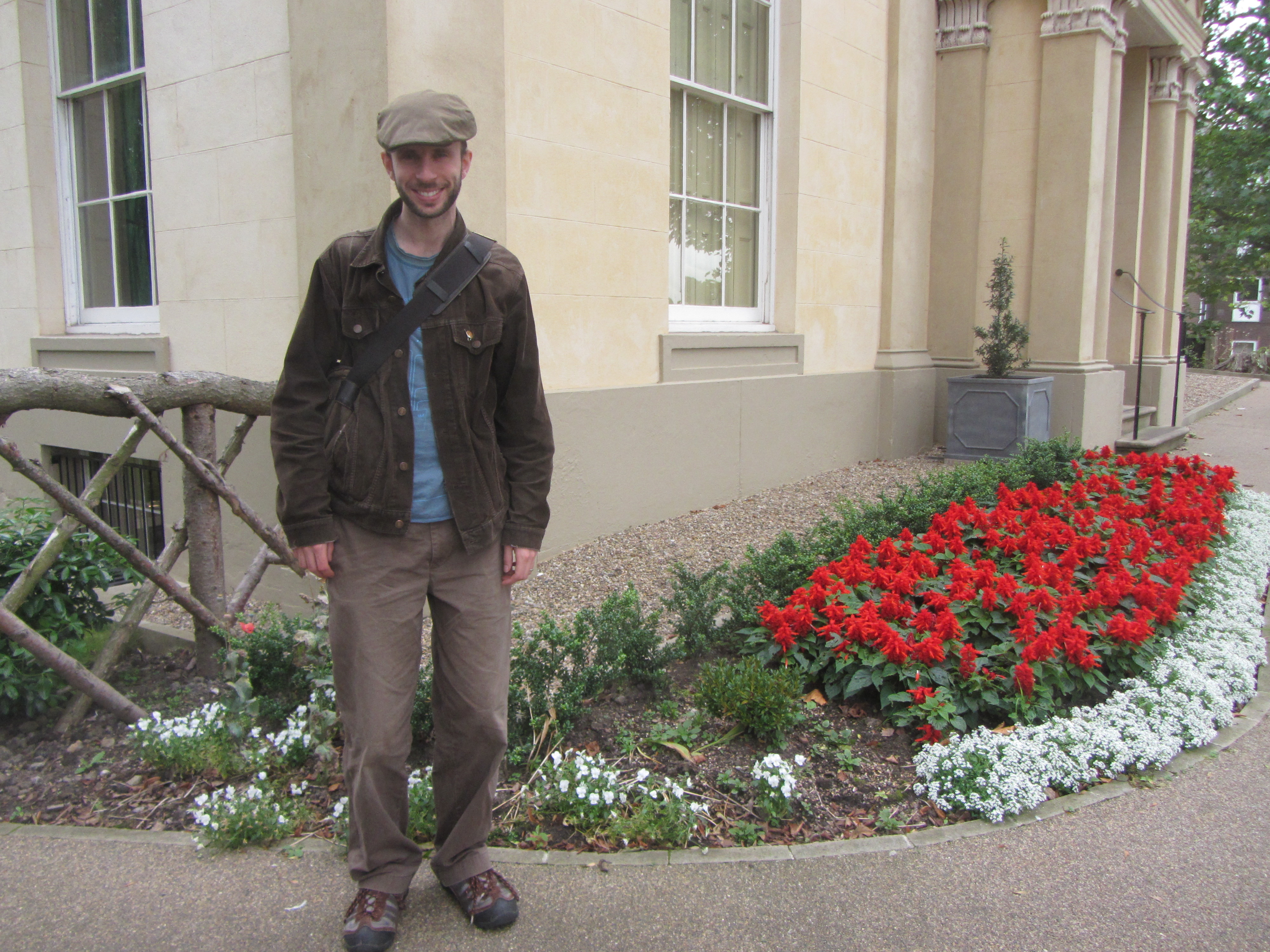
Talk about a contrast, though: look across the street and you see council housing and rubbish piled up on the pavement. In Gaskell’s time this was probably a genteel suburb, but now it’s an easy walk from the city center and in a considerably down-at-heel area. Indeed, we were taken aback by how grimy parts of Manchester were, and by how many homeless we encountered.

I’ve read four of Gaskell’s books: Mary Barton, North and South, Cranford and The Life of Charlotte Brontë. She’s not one of my favorite Victorian novelists, but I enjoyed each of those and intend to – someday – read Sylvia’s Lovers and Wives and Daughters, which was a few pages from completion when Gaskell died of a sudden heart attack in their second home in Hampshire, aged 55, in 1865.
Afterwards we stopped into the city’s Art Gallery and then headed to Mr Thomas’s Chop House for roast lamb and corned beef hash, then on to Sugar Junction to meet a blogger friend, the fabulous Lucy (aka Literary Relish), who I’d been corresponding with online for about two years but never met in real life. She graciously treated us to drinks and dessert at this cute café (one of the city’s many hip eateries) where she often hosts the Manchester Book Club, and we chatted about books and travel spots for a pleasant hour and a half.
On Monday we explored the Castlefield area with its canals and Roman ruins and went round both the Museum of Science and Industry and the People’s Museum, which together give a powerful sense of the city’s industrial and revolutionary past. We also toured the cathedral, took a peek at a Special Collections exhibit on the Gothic plus the main reading room at John Rylands Library, and browsed the huge selection at the main Waterstones branch. (On a future visit we are reliably informed that we must go find Sharston Books, a warehouse-scale secondhand shop out of town.) After a necessary pit stop for caffeine at The Foundation Coffee House and the best pizza we’ve ever had in the UK at Slice (including a Nutella and banana calzone for pudding), we headed over to the gig, which was terrific but not the purpose of this blog post.
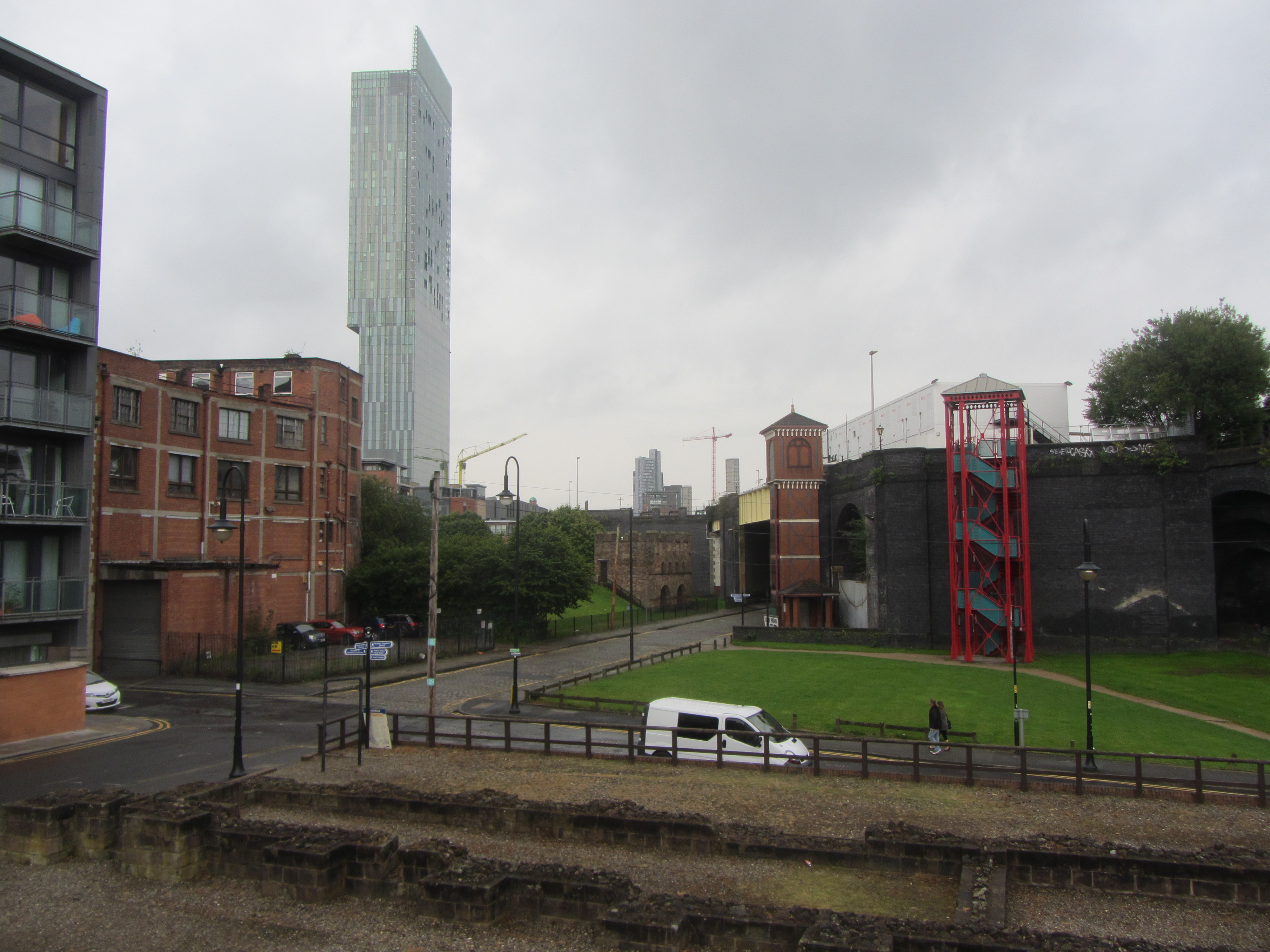
Contrast between old and new Manchester: the hideous Beetham Tower on the left and Roman ruins in the foreground.
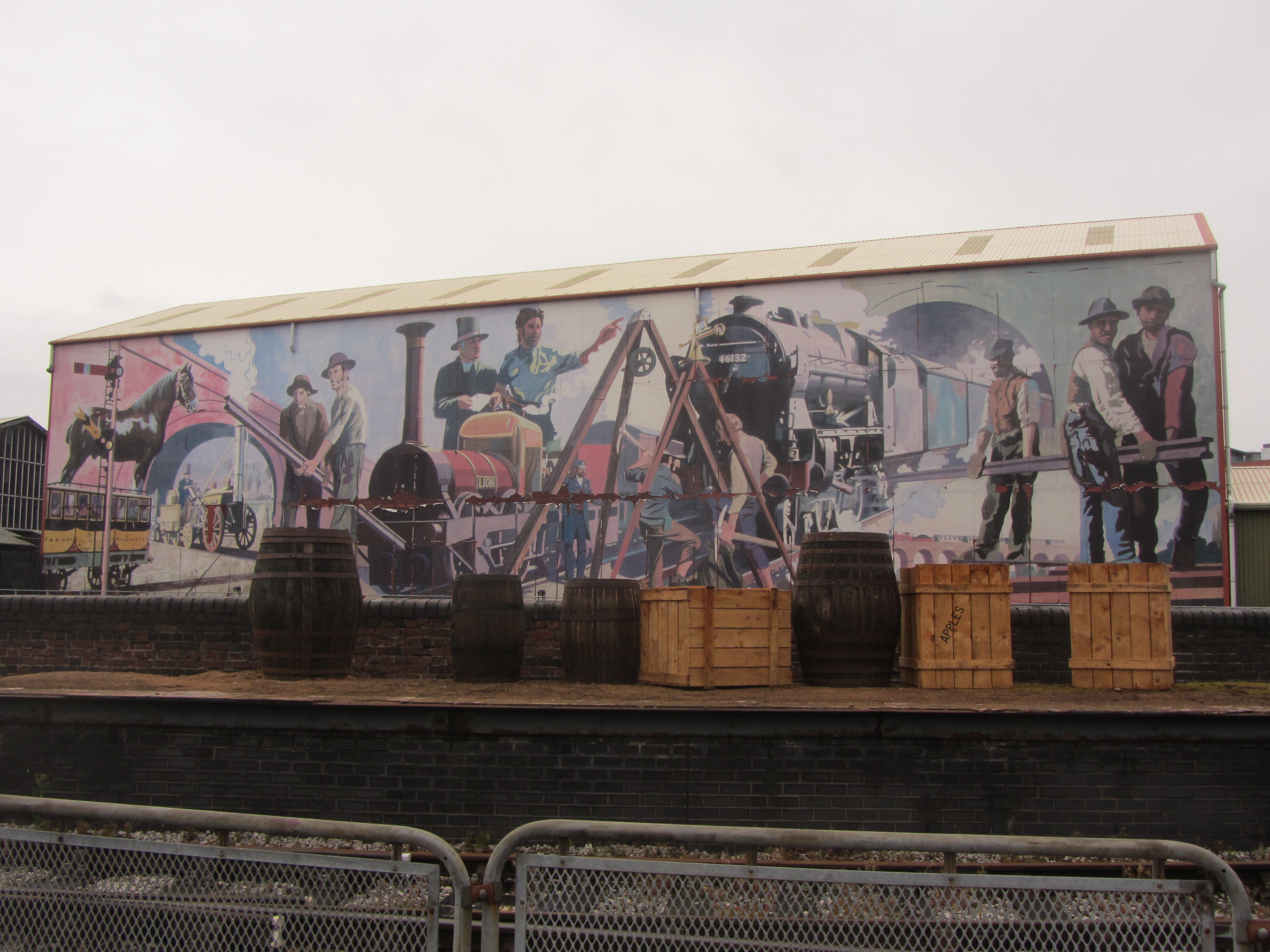
A mural at the Museum of Science and Industry.

Our trip only spanned a Sunday and a bank holiday, so we missed seeing the inside of the hugely impressive Central Library and the 19th-century Portico Library. On Tuesday morning, though, we had just enough time before our train back to stop into Chetham’s Library. It’s a beautiful old library with rank after rank of leather-bound books sheltering amidst dark wood and mullioned windows. I love being in these kinds of places. They smell divine, and you can imagine holing up in a corner and reading all day, with the atmosphere beaming all kinds of lofty thoughts into your brain. We had the place to ourselves on this sunny morning and sat for a while in the bright alcove where Marx and Engels studied.
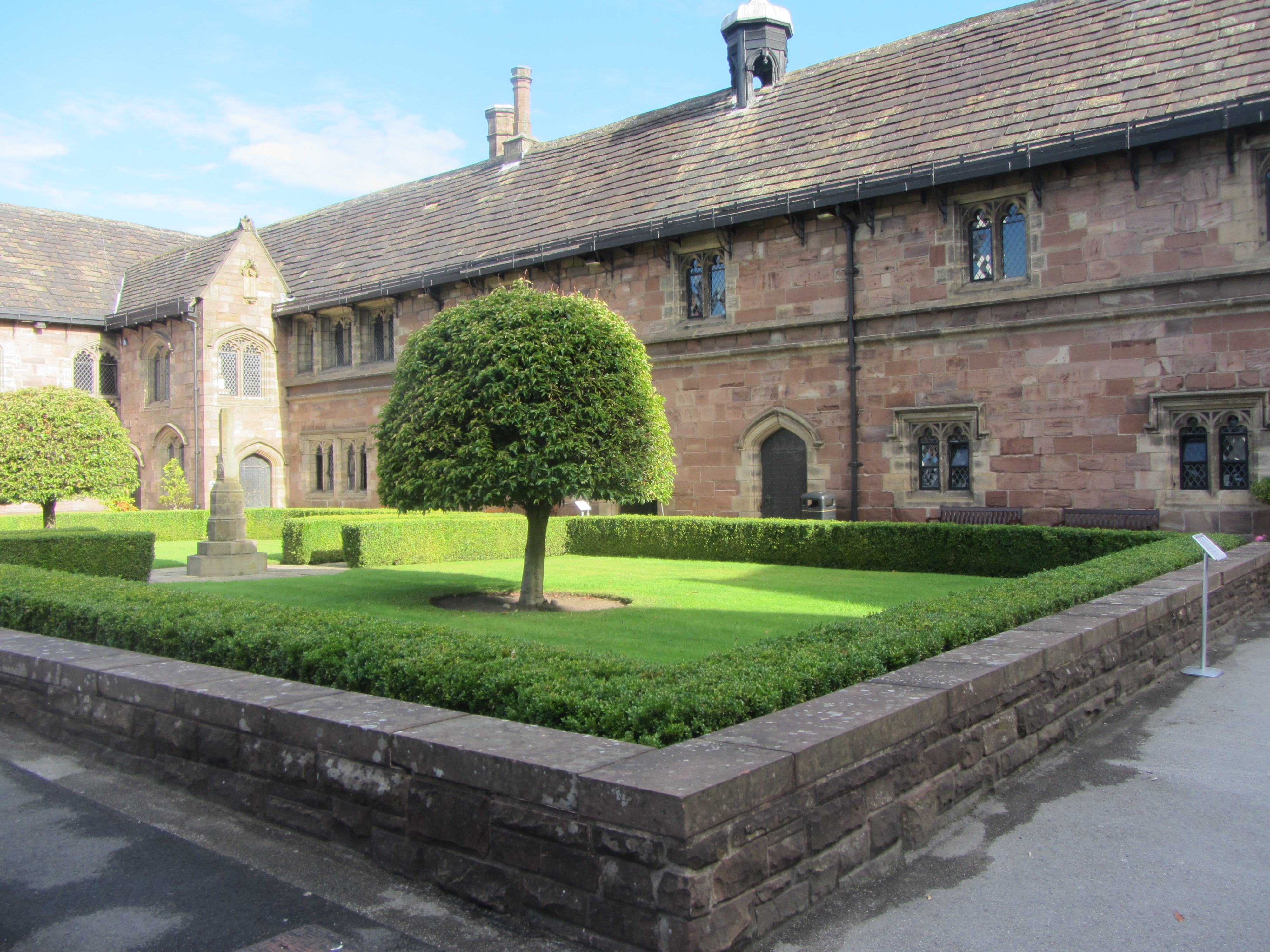
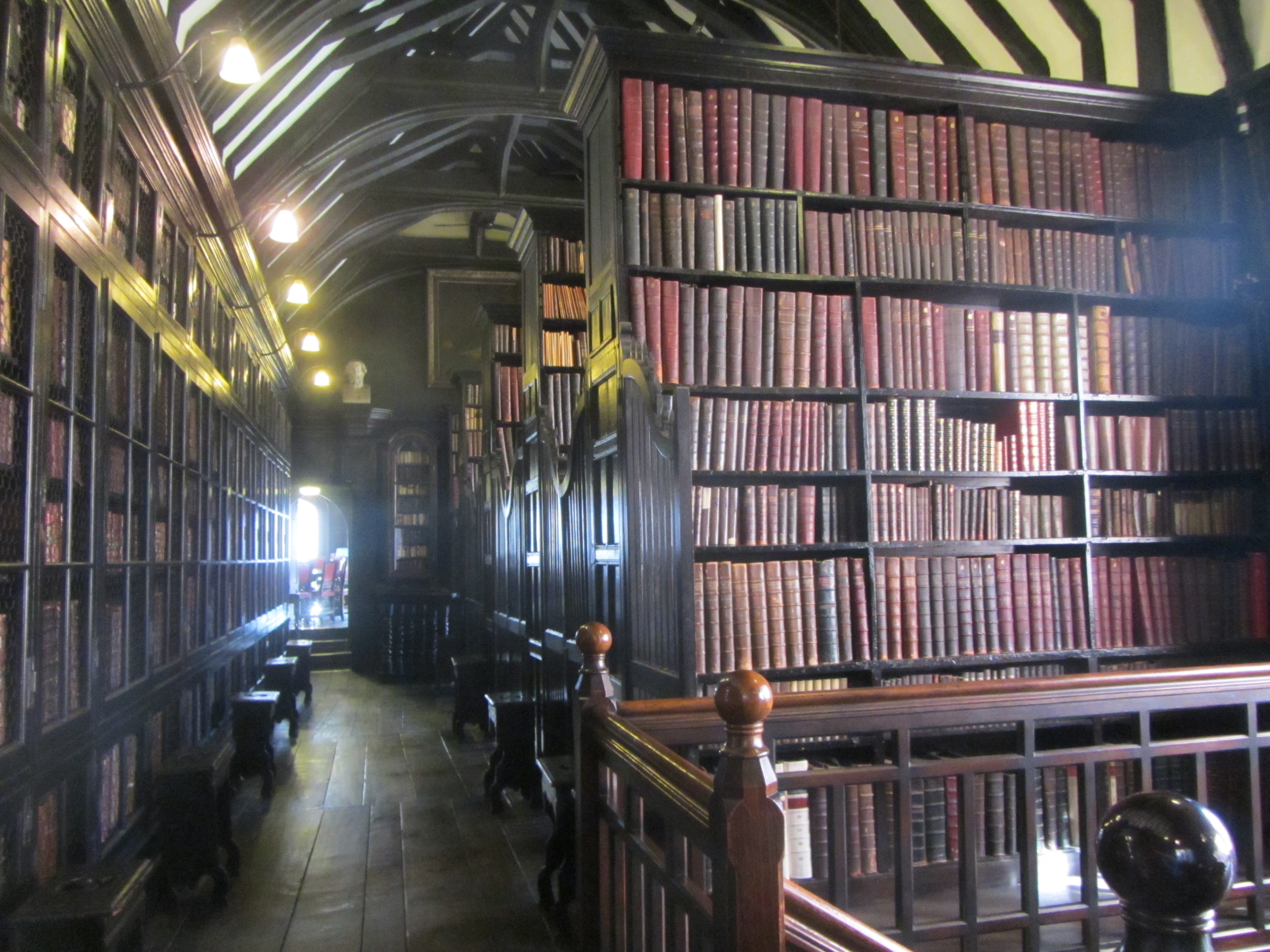

The Marx/Engels alcove
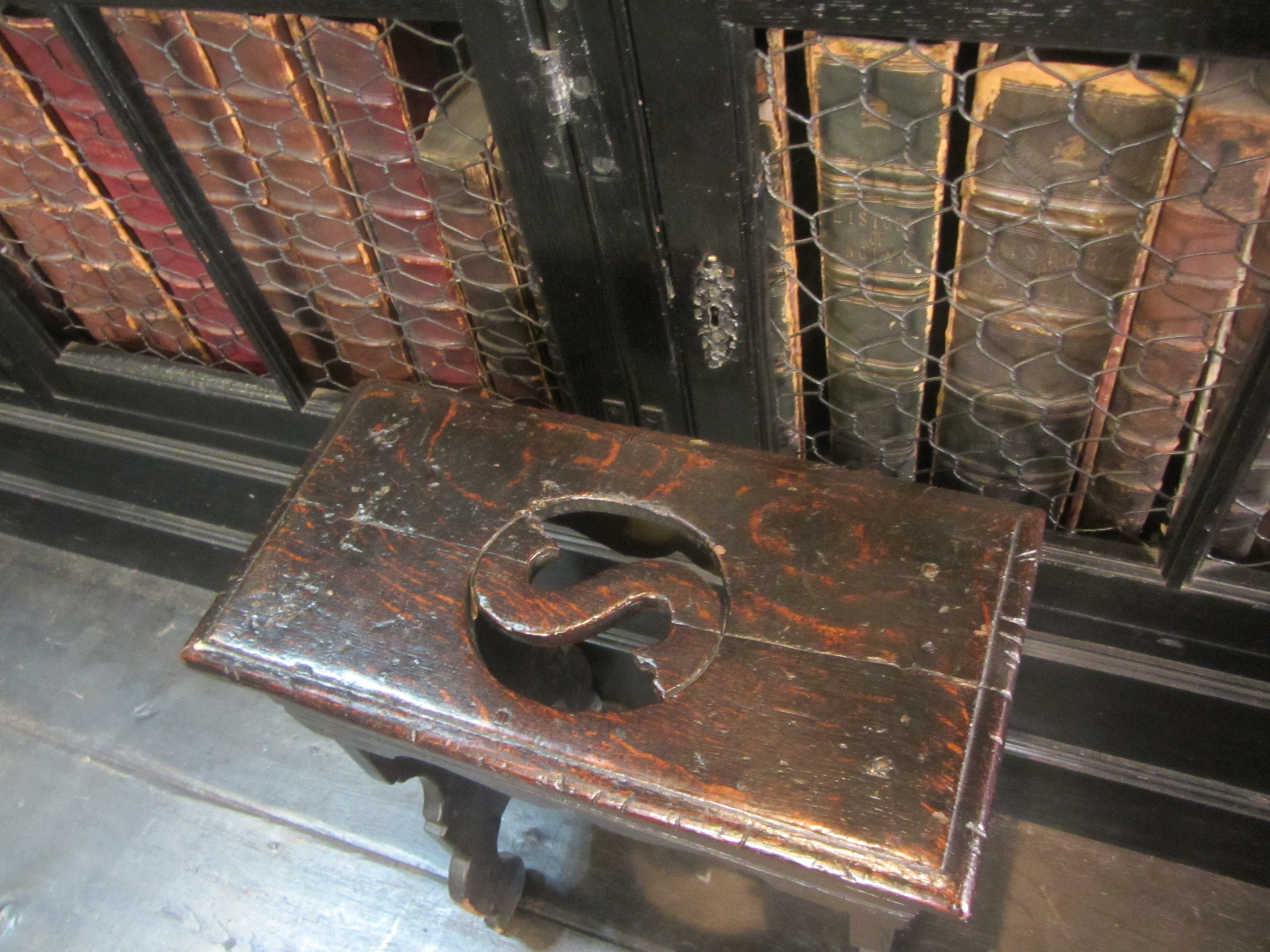
Apart from The Communist Manifesto, my reading on this trip was largely unrelated: My Salinger Year by Joanna Rakoff, a delightful literary memoir (review coming later this month); Number 11 by Jonathan Coe, a funny and mildly disturbing state-of-England and coming-of-age novel (releases November 11th); and The Mountain Can Wait by Sarah Leipciger, an atmospheric family novel set in the forests of Canada.
What have been some of your recent literary destinations? Do you like to read books related to the place you’re going, or do you choose your holiday reading at random?
 Bookish Beck = Rebecca Foster. American transplant to England. Freelance proofreader and book reviewer.
 Bookish Beck