Some 2022 Reading Goals
First of all, I need to give some proper attention to the books on my set-aside shelf (nearly 40 of them), preferably clearing this in January – while also catching up on review copies from last year and continuing with the January releases.

Thereafter, I’d like to concentrate on backlist books for the year. This may seem ironic given that I review new ones on the blog and for various other outlets, and that I’m going to be featuring my 20 most anticipated titles of 2022 in a post tomorrow, but I have a few reasons for wanting to focus on older material.
One is that backlist reading consistently produces new favourites. Another is that every time I shelve in the library’s back room rolling stacks, I see novels that I’ve always meant to read, or that look fantastic, and think, “I really should borrow more from in here” … then forget all about them and place holds on (sometimes disappointing) new books instead.
A final reason is that, as I pack up my library in preparation for moving and get a good look at the ~500 unread books all over again, I hope and expect that I will be inspired to read them – and also to revisit some long-neglected favourites. (Of course, I may also cull some before the move, which would be fine.) The plan is to eventually replace our fleet of white Billy bookcases with built-in shelving either side of the decorative fireplaces in a few rooms of the new house.


As always, I’d like to get to more classics, doorstoppers and literature in translation (I own hardly any translated titles, so most of this will have to be from the library). I’ll participate in all the usual annual blogger challenges plus any new ones I can fit in, including Annabel’s #NordicFINDS – I’m currently reading Sophie’s World by Jostein Gaarder to review later this month.
I’m sure to follow a similar set of literary prizes as last year, including the Young Writer of the Year Award, the Barbellion Prize, the Rathbones Folio Prize, the Wainwright Prize, and (to a lesser extent) the Dylan Thomas Prize, the Women’s Prize and the Booker Prize. And, of course, I’ll be carefully monitoring the later stages of the McKitterick Prize judging after sending off my own longlist for the unpublished manuscripts. These prize lists plus various review copies will ensure I have a regular influx of recent releases to counterbalance the backlist reads.
Brand new or backlist for you in 2022?
A Look Back at 2021’s Happenings, Including Recent USA Trip
I’m old-fashioned and still use a desk calendar to keep track of appointments and deadlines. I also add in notes after the fact to remember births, deaths, elections, and other nationally and internationally important events. A look back through my 2021 “The Reading Woman” calendar reminded me that last January held a bit of snow, a third UK lockdown, an attempted coup at the U.S. capitol, and the inauguration of Joe Biden.
Activities continued online for much of the year:
- 15 music gigs (most of them by The Bookshop Band)
- 11 literary events, including book launches and prize announcements
- 9 book club meetings
- 3 literary festivals
- 2 escape rooms
- 1 progressive dinner
We were lucky enough to manage a short break in Somerset and a wonderful week in Northumberland. In August my mother and stepfather came to stay with us for a week and we showed off our area to them on daytrips.
As we entered the autumn, a few more things returned to in-person:
- 5 music gigs
- 2 book club meetings (not counting a few outdoor socials earlier in the year)
- 1 book launch
- 1 conference
I was also fortunate to get back to the States twice this year, once in May–June for my mother’s wedding and again in December for Christmas.
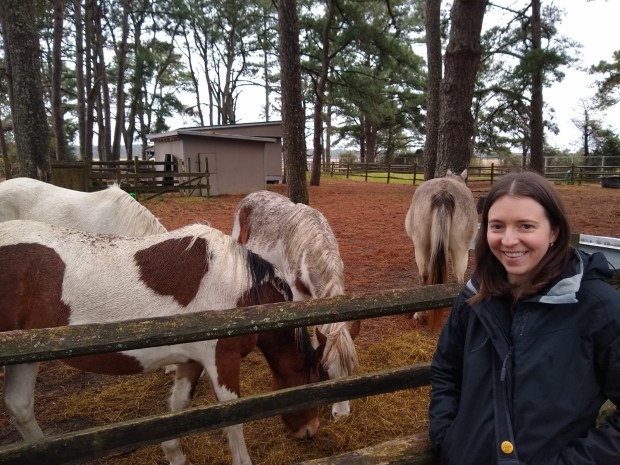
 On this most recent trip I had some fun “life meeting books” moments (the photos of me are by Chris Foster):
- An overnight stay on Chincoteague Island, famous for its semi-wild ponies, prompted me to reread a childhood favorite, Misty of Chincoteague by Marguerite Henry.
 Driving from my sister’s house to my mother’s new place involves some time on Route 30, aka the Lincoln Highway, through Pennsylvania. Her town even has a tourist attraction called Lincoln Highway Experience that we may check out on a future trip. (The other claims to fame there: it was home to golfer Arnold Palmer and Mister Rogers, and the birthplace of the banana split.)

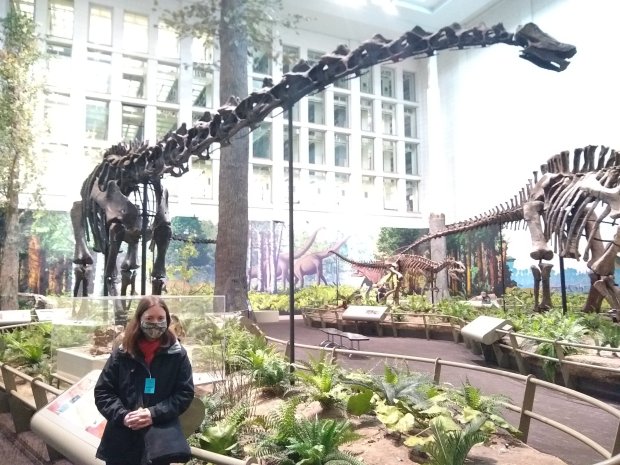
- At the Carnegie Museum of Natural History in Pittsburgh, we met the original “Dippy” the diplodocus, a book about whom I reviewed for Foreword in 2020.
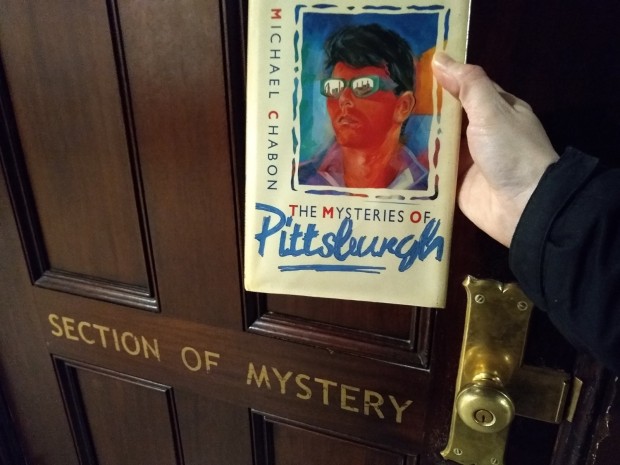
- I also took along a copy of The Mysteries of Pittsburgh by Michael Chabon and snapped a photo of it in an appropriately mysterious corner of the museum. Unfortunately, I didn’t get past the first few chapters as this debut novel felt dated and verging on racist.
No matter, though, as I donated it at a Little Free Library.
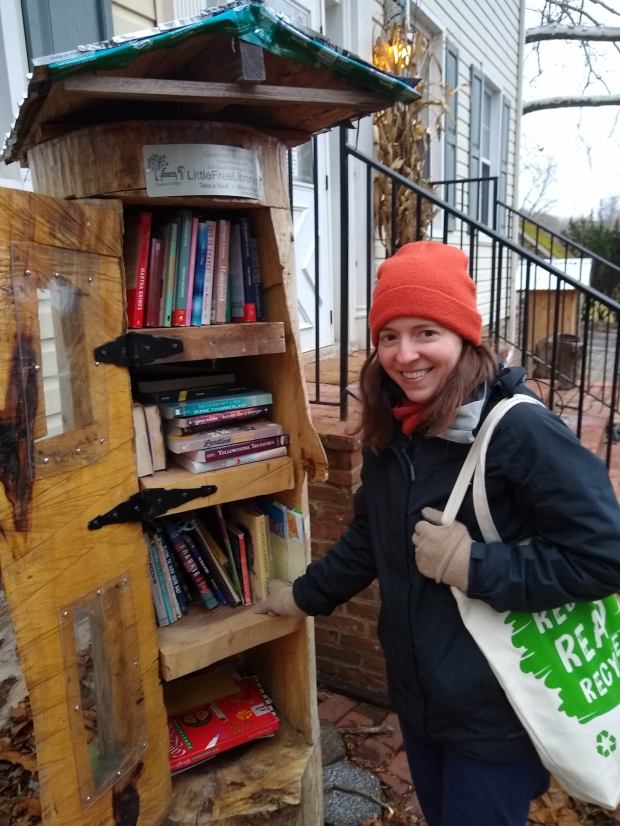
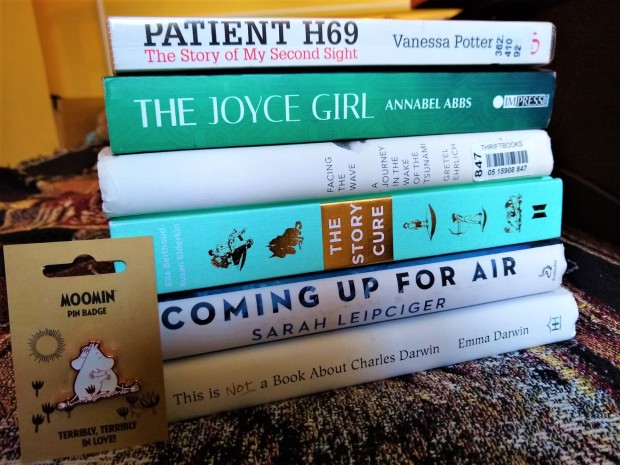
 We sought out a few LFLs on our trip, including that one in a log at Cromwell Valley Park in Maryland, where I picked up a Margot Livesey novel and a couple of travel books. My only other acquisition of the trip was a new paperback of Beneficence by Meredith Hall (author of one of the first books to turn me on to memoirs) from Curious Iguana in Frederick, Maryland, my college town. No secondhand book shopping opportunities this time, alas; just lots of driving in our rental car to visit disparate friends and relatives. However, this was my early Christmas book haul from my husband before we set off:
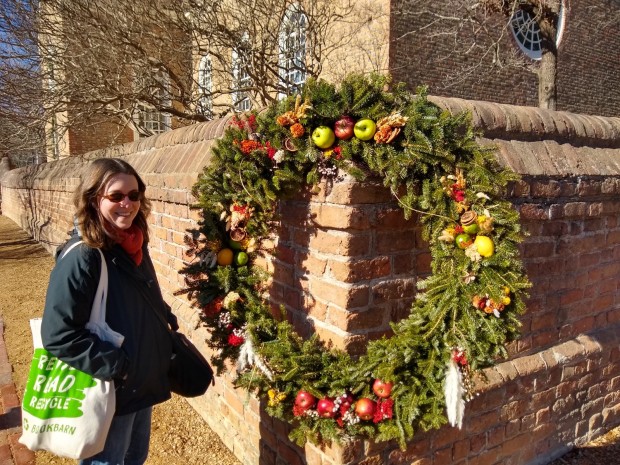
Another fun stop during our trip was at Colonial Williamsburg in Virginia, where we admired wreaths made of mostly natural ingredients like fruit.
The big news from my household this winter is that we have bought our first home, right around the corner from where we rent now, and hope to move in within the next couple of months. Our aim is to do all the bare-minimum renovations in 2022, in time to put up a tree in the living room bay window and a homemade wreath on the door for next Christmas!
Despite these glimpses of travels and merriment, Covid still feels all too real. I appreciated these reminders I saw recently, one in Bath and the other at the museum in Pittsburgh (Covid Manifesto by Cauleen Smith, which originated on Instagram).


“We all deserve better than ‘back to normal’.”
A Look Back at My 2021 Reading: Statistics and Superlatives
I hope everyone passed a lovely holiday week. We had house guests for a few days over New Year’s, so I haven’t had a chance to work up my statistics until now. Marcie sent me a spreadsheet template to keep track of my reading, and my tech whiz husband helped analyze the data. I look forward to catching up on everyone else’s best-of and stats posts, too.
How I did with my 2021 goals
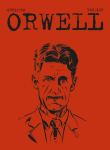 My simple reading goals for 2021 were to read more biographies, classics, doorstoppers and travel books – genres that tend to sit on my shelves unread. I read one biography in graphic novel form (Orwell by Pierre Christin), but otherwise didn’t manage any. I only read three doorstoppers the whole year, but 29 classics – defining them is always a nebulous matter, but I’m going with books from before 1980 – a number I’m happy with.
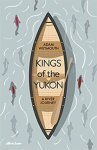 Surprisingly, I did the best with travel books, perhaps because I’ve started thinking about travel writing more broadly and not just as a white man going to the other side of the world and seeing exotic things, since I don’t often enjoy such narratives. Granted, I did read a few like that, and they were exceptional (The Glitter in the Green by Jon Dunn, The Shadow of the Sun by Ryszard Kapuściński and Kings of the Yukon by Adam Weymouth), but if I include essays, memoirs and poetry with significant place-based and migration themes, I was at 26.
The numbers
Exactly the same total as last year (2019 had my maximum-ever of 343). From those three years’ evidence, I’d say I’ve found my natural limit. Next year I will aim for 340 again.
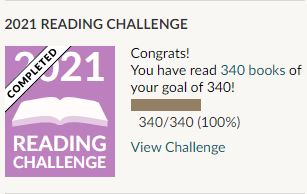
(This is what my lifestyle allows; yours is likely very different. I have bookish friends who read 80 books a year, 120, 150, 180, 200, and so on. My very busy university lecturer/town councillor husband felt bad for ‘only’ reading 65 books this past year, but keep in mind that the average person reads just 12 per year. My message to you, no matter your numbers, is YOU READ LOADS!)
Fiction: 49.7% (6.5% graphic novels; 5.3% short stories)
Nonfiction: 35%
Poetry: 15.3%
(Fiction and nonfiction are usually just about equal for me; I’m surprised that fiction pulled well ahead this year. I also read a bit more poetry this year than last.)
Female author: 66.47%
Male author: 30%
Nonbinary author: 0.88% (Meg-John Barker, Alice Hattrick and Olivia Laing)
Multiple genders (in anthologies): 2.65%
(I’ve been reading more and more by women each year, but this is the first time that female + nonbinary authors have outnumbered men by more than 2:1. I mostly attribute this to my interest in women’s stories. There were also three trans authors on my list.)
BIPOC author: 18.5%
(The first time I have specifically tracked this figure. Not too bad, but I’d prefer 25% or higher.)
Work in translation: 5%
(A decline from last year’s 7.2%. Must try harder!)
E-books: 13.2%
Print books: 86.8%
(Slightly higher than last year because of my new reviewing gig for Shelf Awareness, for which I read almost exclusively e-books.)
2021 releases: 41.8% (add in the 2020 releases and it’s 54.4%)
Pre-release books: 20%
Rereads: 12 (3.5%)
Where my books came from for the whole year:
- Free print or e-copy from publisher: 31.8%
- Public library: 24.7%
- Secondhand purchase: 16.8%
- Free (The Book Thing of Baltimore, the free mall bookshop, a giveaway, Little Free Libraries, etc.): 9.4%
- Downloaded from NetGalley or Edelweiss: 5.9%
- New purchase (sometimes at a bargain price): 5.6%
- University library: 3.8%
- Gifts: 2%
(Decreased from last year: review copies, NetGalley/Edelweiss, gifts; increased from last year: library borrowing, new and secondhand purchases, free books.)
Additional statistics courtesy of Goodreads:
73,520 pages read
Average book length: 216 pages (thank you, novellas and poetry!)
Average rating for 2021: 3.7
Extra Superlatives
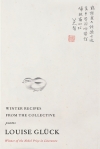
First book completed:
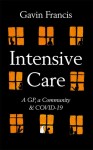
Last book completed (also the shortest, at 46 pages)
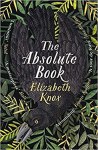
Longest book, at 628 pages:
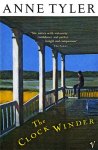
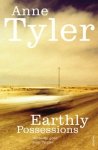
Authors I read the most by: Anne Tyler (5), thanks to Liz’s readalong project; Jim Davis and Alice Oseman cartoons (4 volumes each); Jim Crumley nature books and Emily Rapp Black memoirs (3 each)
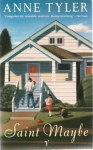

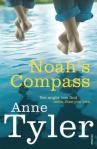
Publishers I read the most from: Carcanet (18), then Picador (17), then Bloomsbury and Faber (14 each); in overall first place was undoubtedly Penguin and its many imprints.
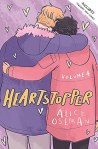
My top discovery of the year: the Heartstopper teen graphic novel series.

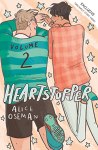
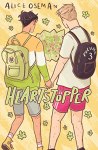
My proudest bookish achievement: being asked to be a judge for the McKitterick Prize.
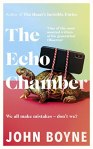
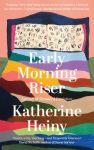
The books that made me laugh the most: The Echo Chamber by John Boyne and Early Morning Riser by Katherine Heiny.
Best book club selections: The Light Years by Elizabeth Jane Howard, Woman on the Edge of Time by Marge Piercy, The Year of Living Danishly by Helen Russell.
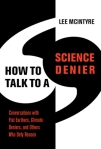
Most genuinely helpful book: How to Talk to a Science Denier by Lee McIntyre.
Best last lines encountered: “So where are we gonna go? / I don’t know. Let’s just drive and find out.” (from Heartstopper, Volume 4 by Alice Oseman).
Best 2021 book title: Mrs Death Misses Death.

Shortest book title encountered: In (Will McPhail), followed by Lot (Bryan Washington).
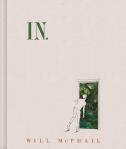
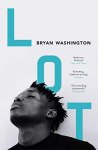
Biggest disappointments: Some of my lowest ratings went to Indelicacy by Amina Cain, Klara and the Sun by Kazuo Ishiguro, and Ness by Robert Macfarlane.
A 2021 book that everyone loved but me: The Lincoln Highway by Amor Towles.
Themes that kept turning up in my reading: Covid-19, colours (thanks to my summer reading challenge), disability (thanks to shadowing the Barbellion Prize), the mental and physical health benefits of time in nature; perennial topics like friendship, parenting and sisterhood.
Book Serendipity, November to December 2021
I call it Book Serendipity when two or more books that I read at the same time or in quick succession have something pretty bizarre in common. Because I have so many books on the go at once (usually 20–30), I suppose I’m more prone to such incidents. I’ve realized that, of course, synchronicity is really the more apt word, but this branding has stuck. This used to be a quarterly feature, but to keep the lists from getting too unwieldy I’ve shifted to bimonthly.
The following are in roughly chronological order.
- The received wisdom that, in a medical school interview, when asked why you want to become a doctor, you should NOT say “because I want to help people” turns up in The Cure for Good Intentions by Sophie Harrison and Head First by Alastair Santhouse.
- The fact that long-time couples don’t use each other’s first names anymore is mentioned in The Mystery of Henri Pick by David Foenkinos and The Cemetery in Barnes by Gabriel Josipovici.

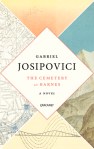
- A rare and thus precious letter from a father in Generations by Lucille Clifton and The Mystery of Henri Pick by David Foenkinos.
- The fact that woodpeckers will eat songbird chicks was mentioned in Orchard by Benedict Macdonald and Nicholas Gates and Light Rains Sometimes Fall by Lev Parikian.
- Reading two books with covers featuring a partial head-on face at the same time: Taste by Stanley Tucci and Behind the Mask by Kate Walter.
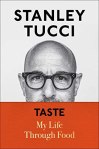
- The fact that some of a baby’s cells remain within the mother even after she’s given birth is mentioned in The End We Start From by Megan Hunter and Frida Kahlo and My Left Leg by Emily Rapp Black.
- The author’s body is described as a conundrum in Conundrum by Jan Morris and Frida Kahlo and My Left Leg by Emily Rapp Black.

- The potoo (a bird like a nightjar) is the subject of an essay in World of Wonders by Aimee Nezhukumatathil and a poem in The Store-House of Wonder and Astonishment by Sherry Rind (coming out in January 2022).
- Reading a second memoir this year by an English woman whose partner works for Lego in Denmark: first was A Still Life by Josie George, then The Year of Living Danishly by Helen Russell.


- A mention of the disorienting experience of going into a cinema while it’s still light and then coming out to find it dark in Sorrow and Bliss by Meg Mason and then in the 2022 novel Our Wives Under the Sea by Julia Armfield.
- A detailed account of making a Christmas cake appears in Small Things Like These by Claire Keegan, read late in the year, and the Santa Rosa trilogy by Wendy McGrath, read early in the year.

- After Deborah Levy’s The Cost of Living in November, I read a proof copy of a February 2022 essay collection called Cost of Living, by Emily Maloney, in December.
- Surviving Home by Katerina Canyon has a poem entitled “No More Poems about My Father” while The Kids by Hannah Lowe has a poem (“The River”) that opens with the line “Not another poem about my father”.
What’s the weirdest reading coincidence you’ve had lately?
Love Your Library, December 2021
I hope everyone had a lovely Christmas! It’s the third month of the new Love Your Library feature. I’d like to start out by thanking Margaret and Rosemary for their recent posts. Margaret’s compares libraries then and now through her experiences as a teenage library assistant in the late 1960s versus as a volunteer these days. Rosemary’s is about rediscovering the joy of browsing her local library.
It’s been a quieter library month for me: I could only go in for volunteering a few times before I flew to the USA for Christmas, and I was focusing more on returning books than on borrowing them, though I do have this small stack awaiting me when I get back. Two from the Costa poetry shortlist (I’ve already read 1.5 of them, actually), a collection of short stories I’ve had recommended several times now, and a novella to reread for January’s book club.

Since last month, these are the library books I’ve read (three poetry books and a doctor’s memoir):
A Blood Condition by Kayo Chingonyi 
The Cure for Good Intentions by Sophie Harrison 
Conundrum by Jan Morris (a reread) 
The State of the Prisons by Sinéad Morrissey
The Moon Is Always Female by Marge Piercy
&
The Year of Living Danishly by Helen Russell
 A book club read. Russell moved to rural Denmark when her husband got a job at the Lego headquarters and used her first year there as an excuse to investigate the Danish way of life and try to determine why everyone seemed so happy. My book club enjoyed the blend of information and experience and found this as light and entertaining as a novel. Although there must have been a lot of research and networking involved, Russell makes her discoveries seem effortless. A few of us felt the book was too long, or incorporated too many statistics, but there was a lot to admire about Denmark (the social safety net, the education system, childcare, clubs for adults across classes, etc.). And it made us laugh!

Do share a link to your own post in the comments, and feel free to use the above image. I’ve co-opted a hashtag that is already popular on Twitter and Instagram: #LoveYourLibrary.
Here’s a reminder of my ideas of what you might choose to post (this list will stay up on the project page):
- Photos or a list of your latest library book haul
- An account of a visit to a new-to-you library
- Full-length or mini reviews of some recent library reads
- A description of a particular feature of your local library
- A screenshot of the state of play of your online account
- An opinion piece about library policies (e.g. Covid procedures or fines amnesties)
- A write-up of a library event you attended, such as an author reading or book club.
If it’s related to libraries, I want to hear about it!
My Most Memorable Backlist Reads of 2021
Like many bloggers, I’m irresistibly drawn to the new books released each year. However, I consistently find that many of my most memorable reads were published years or decades ago. These 19 selections, in alphabetical order within genre, together with my Best of 2021 posts (fiction and nonfiction), make up the top 15% of my reading for the year. Three of the below were rereads.

(The three books not pictured were read electronically or from the library.)
Fiction
 America Is Not the Heart by Elaine Castillo: Set in the early 1990s in the Filipino immigrant neighbourhoods of the Bay Area in California, this is a complex, confident debut novel that throws you into an unfamiliar culture at the deep end. The characters shine and the dialogue feels utterly authentic in this fresh immigration story.
 Snow Falling on Cedars by David Guterson: The mystery element held me completely gripped – readers are just as in the dark as jurors until close to the end – but this is mostly a powerful picture of the lasting effects of racism. I was instantly immersed, whether in a warm courtroom with a snowstorm swirling outside or on a troop ship entering the Pacific Theater.
 Nothing but Blue Sky by Kathleen MacMahon: David is back on Spain’s Costa Brava, where he and his wife Mary Rose holidayed every summer for 20 years. This is a quiet novel about what goes unsaid in any marriage, and a deeply touching look at loss and what comes next. Grief, memory, fate: some of my favourite themes, elegantly treated.
 A Feather on the Breath of God by Sigrid Nunez: From the little I know of Nunez, this seems close to autofiction, especially in terms of her parents. Identifying the self by the key relationships and obsessions of a life makes sense, and this speaks to the universals of how we cope with a troublesome past. It cemented her as one of my favourite authors.
 Woman on the Edge of Time by Marge Piercy: An unusual and fascinating novel with hints of science fiction, but still grounded in the real world, this contrasts utopian and dystopian scenes experienced by a Latina woman who’s been confined to a mental hospital. It’s an intense cultural commentary from a writer ahead of her time on gender roles and the environment.
 My Dark Vanessa by Kate Elizabeth Russell: Obsessed with Lolita since she was a teenager, Russell decided to tell the teenage girl’s side of the story. She uses a dual timeline to great effect, creating an utterly immersive novel – as good a first-person narrative as anything Curtis Sittenfeld has ever written, and the ultimate #MeToo story.
 Saint Maybe by Anne Tyler: Ian Bedloe joins the puritanical Church of the Second Chance and drops out of college to help his parents raise his late brother’s three children. Anyone will be able to find themselves and their family in this story of the life chosen versus the life fallen into, and the difficult necessity of moving past regrets in the search for meaning.
 The Amateur Marriage by Anne Tyler: Unique in her oeuvre for how it bridges historical fiction and her more typical contemporary commentary. The Antons muddle their way through a volatile marriage for decades without figuring out how to change anything for the better. There is deep compassion for their foibles and how they affect the next generation.
 Lot by Bryan Washington: The musical equivalent might be a mixtape blasted from an open-top Corvette while touring the streets of Houston, Texas. Drug dealers, careworn immigrants, and prostitutes: Even the toughest guys have tender hearts in these 13 stories. Washington’s prose is earthy and slang-filled. The matter-of-fact phrasing made me laugh.
 Ethan Frome by Edith Wharton: I was so impressed by this condensed tragedy and the ambiance of a harsh New England winter. It struck me even more on a reread as a flawless parable of a man imprisoned by circumstance and punished for wanting more. A perfect example of how literature can encapsulate the human condition.
Poetry
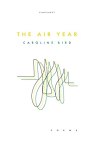 The Air Year by Caroline Bird: I read this with a big smile on my face, delighting in the clever and playful poems. The impermanence of relationships is a recurring theme. Dreams and miscommunication are also common elements, and lists grow increasingly absurd. I particularly liked where structure creates meaning, e.g. the mise en abyme of “Dive Bar.”
Nonfiction
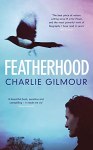 Featherhood by Charlie Gilmour: As an aimless twentysomething, Gilmour tried to rekindle a relationship with his unreliable poet father. Meanwhile, he was raising Benzene, a magpie that fell out of its nest. He makes elegant use of connections and metaphors; he’s so good at scenes, dialogue, and emotion – a truly natural writer.
 Spring in Washington by Louis J. Halle: From first migrant in February to last in June, the author traced the D.C. spring of 1945 mostly through the birds that he saw. More so than the specific observations of familiar places, though, I valued the philosophical outlook. For me this was an ideal combination of thoughtful prose and vicarious travel.
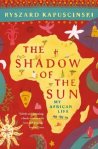 The Shadow of the Sun by Ryszard Kapuściński: This collection of essays spans decades and lots of African countries, yet feels like a cohesive narrative. Kapuściński saw many places right on the cusp of independence or in the midst of coup d’états. I appreciated how he never resorts to stereotypes or flattens differences. One of the few best travel books I’ve read.
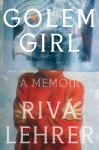 Golem Girl by Riva Lehrer: Lehrer has endured dozens of surgeries for spina bifida. Her touching family memoir is delivered in short, essay-like chapters, most named after books or films. It is also a primer in Disability theory and a miniature art gallery, filled with reproductions of her paintings. This inaugural Barbellion Prize winner is not to be missed.
 The Cost of Living by Deborah Levy: This sparse volume, the middle in an autobiographical trilogy, has Levy searching for the intellectual and physical freedom needed to reinvent her life after divorce. It is made up of conversations and memories; travels and quotations that have stuck with her. Each moment is perfectly chosen to reveal the self.
 Conundrum by Jan Morris: Morris was a trans pioneer; this transformed my understanding of gender when I first read it in 2006. Born James, Morris knew by age four that she was really a girl. A journalism career, marriage, five children, and two decades of hormone therapy preceded sex reassignment surgery. She paints hers as a spiritual quest toward her true identity.
 You’re Not Listening: What You’re Missing and Why It Matters by Kate Murphy: We all fail to listen properly sometimes, for various reasons. A New York Times journalist, Murphy does a lot of listening to her interview subjects. She also talks with representatives of so-called listening careers. This is a short, interesting, and genuinely helpful self-help book.
 Writing in the Dust: After September 11 by Rowan Williams: Williams, then Archbishop of Wales, was in New York City on 9/11, just a few blocks from the World Trade Center. In the months that followed he pondered suffering, peacemaking, and the ways of God. He cautions against labelling the Other as Evil and responding with retribution. A superb book-length essay.
And if I really had to limit myself to just two favourites – my very best fiction and nonfiction reads of the year – they would be Snow Falling on Cedars and The Cost of Living.

What were your best backlist reads this year?
Merry Christmas!
(I’ll be back on the 27th with Love Your Library, then I have various year-end superlatives and statistics posts going through the 31st.)
Best Books of 2021: Nonfiction
Below I’ve chosen my top 15 nonfiction releases of 2021. This list plus yesterday’s post on fiction and poetry together represent about the top 10% of my year’s reading. In previous years I’ve assigned rankings within best-of lists, but this time I didn’t feel compelled to do so.
 The Circling Sky by Neil Ansell: Hoping to reclaim an ancestral connection, Ansell visited the New Forest some 30 times between January 2019 and January 2020, observing the unfolding seasons and the many uncommon and endemic species its miles house. He weaves together his personal story, the shocking history of forced Gypsy relocation into forest compounds starting in the 1920s, and the unfairness of land ownership in Britain. The New Forest is a model of both wildlife-friendly land management and freedom of human access.
 On Gallows Down: Place, Protest and Belonging by Nicola Chester: So many layers of history mingle here: from the English Civil War onward, Newbury has been a locus of resistance for centuries. A hymn-like memoir of place as much as of one person’s life, this posits that quiet moments of connection with nature and the rights of ordinary people are worth fighting for. I particularly loved a chapter about how she grounds herself via the literature of the area. She continues a hopeful activist, her lyrical writing a means of defiance.
 The Glitter in the Green: In Search of Hummingbirds by Jon Dunn: A wildlife writer and photographer, Dunn travels the length of the Americas, from Alaska to Tierra del Fuego, to see as many hummingbirds as he can. He provides a thorough survey of the history, science and cultural relevance of this most jewel-like of bird families. He is equally good at describing birds and their habitats and at constructing a charming travelogue out of his sometimes fraught journeys. Passionate and adventurous.
 The Inevitable by Katie Engelhart: Engelhart spends time with doctors and patients who are caught up in the assisted dying argument, chiefly in Western Europe and the United States. Each case is given its own long chapter, like an extended magazine profile. The stories are wrenching, but compassionately told. The author explores the nuances of each situation, crafting expert portraits of suffering people and the medical professionals who seek to help them, and adding much in the way of valuable context. A voice of reason and empathy.
 Islands of Abandonment by Cal Flyn: Flyn travels to neglected and derelict places, looking for the traces of human impact and noting how landscapes restore themselves – how life goes on without us. Places like a wasteland where there was once mining, nuclear exclusion zones, the depopulated city of Detroit, and areas that have been altered by natural disasters and conflict. The writing is literary and evocative, at times reminiscent of Peter Matthiessen’s. It’s a nature/travel book with a difference, and the poetic eye helps you to see things anew.
 The Screaming Sky by Charles Foster: A Renaissance man as well versed in law and theology as he is in natural history, Foster is obsessed with swifts and ashamed of his own species: for looking down at their feet when they could be watching the skies; for the “pathological tidiness” that leaves birds and other creatures no place to live. He delivers heaps of information on the birds but refuses to stick to a just-the-facts approach. The book quotes frequently from poetry and the prose is full of sharp turns of phrase and whimsy.
Intensive Care by Gavin Francis: Francis, an Edinburgh physician, reflects on “the most intense months I have known in my twenty-year career.” He journeys back through 2020, from the January day when he received a bulletin about a “novel Wuhan coronavirus” to November, when he learned of promising vaccine trials but also a rumored third wave and winter lockdown. An absorbing first-hand account of a medical crisis, it compassionately bridges the gap between experts and laymen. The best Covid chronicle so far.
 A Still Life by Josie George: Over a year of lockdowns, many of us became accustomed to spending most of the time at home. But for Josie George, social isolation is nothing new. Chronic illness long ago reduced her territory to her home and garden. The magic of A Still Life is in how she finds joy and purpose despite extreme limitations. Opening on New Year’s Day and travelling from one winter to the next, the book is a window onto George’s quiet existence as well as the turning of the seasons. (Reviewed for the TLS.)
 The Anthropocene Reviewed: Essays on a human-centered planet by John Green: In essays of about 5–10 pages, Green takes a phenomenon experienced in the modern age, whether miraculous (sunsets, the Lascaux cave paintings, favourite films or songs), regrettable (Staph infections, CNN, our obsession with grass lawns), or just plain weird, and riffs on it, exploring its backstory, cultural manifestations and personal resonance. I found a lot that rang true and a lot that made me laugh, and admired the openness on mental health.
 The Book of Difficult Fruit: Arguments for the Tart, Tender, and Unruly by Kate Lebo: I have a soft spot for uncategorizable nonfiction. My expectation was for a food memoir, but while the essays incorporate shards of autobiography and, yes, recipes, they also dive into everything from botany and cultural history to medicinal uses. Occasionally the ‘recipes’ are for non-food items. Health is a recurring element that intersects with eating habits. The A-to-Z format required some creativity and occasions great trivia but also poignant stories.
 A Braided Heart: Essays on Writing and Form by Brenda Miller: Miller, a professor of creati.ve writing, delivers a master class on the composition and appreciation of autobiographical essays. In 18 concise pieces, she tracks her development as a writer and discusses the “lyric essay”—a form as old as Seneca that prioritizes imagery over narrative. These innovative and introspective essays, ideal for fans of Anne Fadiman, showcase the interplay of structure and content. (Reviewed for Shelf Awareness.)
 Flesh & Blood: Reflections on Infertility, Family, and Creating a Bountiful Life: A Memoir by N. West Moss: In her 50s, Moss needed an exploratory D&C, a cruel flashback to failed pregnancies of her 40s. Soon she faced a total hysterectomy. Here she tenderly traces the before and after of surgery and how she came to terms with childlessness. While she doesn’t shy away from medical details, Moss delves more into emotional effects. The few-page chapters are warm slices of life. She leavens her losses with a sense of humour. (Reviewed for Shelf Awareness.)
 These Precious Days: Essays by Ann Patchett: This second collection of thoughtful, sincere autobiographical essays has a melancholy bent – the preoccupation with death and drive to simplify life seem appropriate for Covid times – but also looks back at her young adulthood and key relationships. The long title piece, first published in Harper’s, is about her stranger-than-fiction friendship with Tom Hanks’s assistant; “There Are No Children Here” says everything I’d ever like to say or hear about childlessness. (Full review to come.)
 Sanctuary by Emily Rapp Black: A continuation of The Still Point of the Turning World, about the author’s son Ronan, who died of Tay-Sachs disease at age three. In the months surrounding his death, she split from her husband and raced into another relationship that led to her daughter, Charlie. Rapp Black questions the sorts of words she got branded with: “brave,” “resilient.” Sanctuary is full of allusions and flashbacks, threading life’s disparate parts into a chaotic tapestry. It’s measured and wrought, taming fire into light and warmth.
 Forecast: A Diary of the Lost Seasons by Joe Shute: Shute probes how the seasons are bound up with memories, conceding the danger of giving in to nostalgia for a gloried past that may never have existed. He provides hard evidence in the form of long-term observations such as temperature data and photo archives. The book deftly recreates its many scenes and conversations, and inserts statistics naturally. It also delicately weaves in a storyline about infertility. Wide-ranging and so relevant.

The three books not pictured were read electronically.
Best Books of 2021: Fiction and Poetry
I’ve chosen my 15 fiction and 15 nonfiction favourites (coming up tomorrow) from 2021, along with a few poetry selections at the end of this post. Two of my picks are graphic novels!
 Under the Blue by Oana Aristide: Fans of Station Eleven, this one’s for you: the best dystopian novel I’ve read since Mandel’s. Aristide started writing in 2017, and unknowingly predicted a much worse pandemic than Covid-19. In July 2020, Harry and sisters Ash and Jessie are among mere thousands of survivors worldwide. Their plan is to flee England for Uganda, out of range of Europe’s at-risk nuclear reactors. An epic road trip ensues. A propulsive cautionary tale that also reminded me of work by Louisa Hall and Maja Lunde.
 The Push by Ashley Audrain: Blythe Connor, living alone with her memories, ponders what went wrong with her seemingly perfect family: a handsome architect husband, Fox, and their daughter Violet and baby son Sam. How much of what happened was because of Violet’s nature, and how much was Blythe’s fault for failing to be the mother the girl needed? The fact that her experience with Sam was completely different makes her feel ambivalent about motherhood. A cracking psychological thriller with an unreliable narrator.
 Site Fidelity by Claire Boyles: A love for their Colorado homeland inspires women’s environmental activism in a linked short story collection. Hope and perseverance are watchwords for Boyles’s characters, many of whom are single mothers or unmarried women. Nearly half of the stories center on a trio of feisty sisters. This reminded me most of Love Medicine by Louise Erdrich, as well as Barbara Kingsolver’s early fiction set in the Southwest. It got me eagerly awaiting whatever Boyles writes next.
 A Lie Someone Told You About Yourself by Peter Ho Davies: Davies’ minimalist approach – short sections skating over the months and years, wryly pulling out representative moment – crystallizes fatherhood, illuminating its daily heartaches and joys. The tone is just right in this novella, showing both sides of parenthood and voicing things you aren’t allowed to think, or at least not to admit to, starting with abortion, which would-be fathers aren’t expected to have strong feelings about. I loved the rumination on the role that chance plays in a life.
 The Living Sea of Waking Dreams by Richard Flanagan: Extinction, personal and global, is at the heart of this timely and enchanting story. It starts off as a family drama. Francie, the 86-year-old matriarch, is in a Tasmanian hospital after a brain bleed. Her three middle-aged children can’t bear to let her go. In an Australia blighted by bushfires, species loss mirrors Francie’s physical and mental crumbling. Smartphone addiction threatens meaningful connection. And then characters start to literally disappear, part by part…
Mrs Death Misses Death by Salena Godden: Grief Is the Thing with Feathers meets Girl, Woman, Other would be my marketing shorthand for this one. Poet Salena Godden’s debut novel is a fresh and fizzing work, passionate about exposing injustice but also about celebrating simple joys, and in the end it’s wholly life-affirming despite a narrative stuffed full of deaths real and imagined. The novel balances the cosmic and the personal through Wolf’s family story. Unusual, musical, and a real pleasure to read.
 Early Morning Riser by Katherine Heiny: This tickled my funny bone. A cross between Kitchens of the Great Midwest and Olive Kitteridge, it’s built of five extended episodes, crossing nearly two decades in the lives of Jane and Duncan and lovingly portraying the hangers-on who compose their unusual family constellation in Boyne City, Michigan. All the characters are incorrigible but wonderful. Bad things happen, but there’s a core of love as Heiny explores marriage and parenting. A good-natured book that feels wise and bittersweet.
 No One Is Talking About This by Patricia Lockwood: This starts as a flippant skewering of modern life. A woman who became a social media star by tweeting quips like “Can a dog be twins?” reflects on life on “the portal” and under “the dictator.” Midway through the book, she gets a wake-up call when her mother summons her back to the Midwest for a family emergency. It’s the about-face that makes this novel, forcing readers to question the value of a digital existence based on glib pretence. Funny, but with an ache behind it.
 When the Stars Go Dark by Paula McLain: I almost never pick up a thriller, but my love for McLain’s earlier fiction attracted me and I ended up loving this. Really, I can’t imagine a better take on the genre. Anna Hart is a detective who, fleeing tragedies from her past, throws herself into the linked mystery of three missing girls in California. The book is rich in atmosphere: McLain’s love of the coast and forests is clear, and the fact that the book is set in 1993 means that Anna has to rely on old-fashioned policework rather than technology.
 In by Will McPhail: Alternately laugh-out-loud funny and gentle. This debut graphic novel is a spot-on picture of modern life in a generic city. Nick never knows the right thing to say. The bachelor artist’s well-intentioned thoughts remain unvoiced; all he can manage is small talk. That starts to change when he meets Wren, a Black doctor who sees past his pretence. If only he can find the magic words that elicit honesty, he might make real connections with other human beings. A good old-fashioned story, with a wide emotional range.
 Heartstopper, Volume 4 by Alice Oseman: This super-cute series was my summer crush. I liked this best of the first four. I admired how Oseman works in serious issues teens might face but has still created something so full of queer joy. While Charlie has been figuring out when to tell Nick he loves him, Nick has been working out how to confront Charlie about his anorexia. They learn that love doesn’t solve everything, but that a friend or boyfriend can be there to listen. Oseman really brings out the supporting cast in this volume, too.
 Detransition, Baby by Torrey Peters: A sparkling, sexy comedy with a tender heart beneath the zingers. Peters has set herself up as the Jane Austen of the trans community, tracing the ins and outs of relationships with verve and nuance. For me this was a valuable book simply for normalizing trans sexuality. The themes are universal, after all: figuring out who you are and what the shape of your life will be. I admire when authors don’t pander to readers by making things easy for those who are unfamiliar with a culture. Great lines abound.
 Brood by Jackie Polzin: Polzin’s debut is a quietly touching story of a woman in the Midwest raising chickens and coming to terms with the shape of her life. The unnamed narrator is Everywoman and no one at the same time. At one point she reveals, with no fanfare, that she miscarried four months into pregnancy in the bathroom of one of the houses she cleans. There is a bittersweet tone to this short work. It’s a low-key, genuine portrait of life in the in-between stages and how it can be affected by fate or by other people’s decisions.
 Bewilderment by Richard Powers: As environmentally aware as The Overstory, but with a more intimate scope, focusing on a father and son who journey together in memory and imagination as well as in real life. Neurodivergent Robin is a scientific marvel and an environmental activist. Theo studies other planets that rival an ailing Earth, and another state allows Robin to reconnect with his late mother. When I came to the end, I felt despondent and overwhelmed. But as time has passed, the book’s feral beauty has stuck with me.

In the Company of Men: The Ebola Tales by Véronique Tadjo: This creative and compassionate work takes on various personae to plot the course of the Ebola outbreak in West Africa in 2014–16. The suffering is immense, and there are ironic situations that only compound the tragedy. Tadjo flows freely between all the first-person voices, even including non-human narrators such as baobab trees and a fruit bat. Local legends and songs, along with a few of her own poems, also enter into the text.
If I had to pick my novel of the year, it would be The Living Sea of Waking Dreams.

Books not pictured were from the library or read electronically.
Poetry
 Pilgrim Bell by Kaveh Akbar: An Iranian American poet imparts the experience of being torn between cultures and languages, as well as between religion and doubt, in this gorgeous collection of confessional verse. Food, plants, animals, and the body supply the book’s imagery. Wordplay and startling juxtapositions lend lightness to a wistful, intimate collection that seeks belonging and belief. (Reviewed for Shelf Awareness.)
 Field Requiem by Sheri Benning: Benning employs religious language to structure her solemn meditations on the degraded landscape of Saskatchewan, a place where old ways have been replaced by impersonal, industrial-scale farming. You can hear the rhythms of psalms and the echoes of the requiem mass. Alliteration pops out from lists of crops and the prairie species their cultivation has pushed to the edge of extinction. This is deeply place based writing. With its ecological conscience and liturgical sound, it’s just my kind of poetry.
 Eat or We Both Starve by Victoria Kennefick: In this audacious debut collection, the body is presented as a battleground: for the brain cancer that takes the poet’s father; for disordered eating that entwines with mummy issues; for the restructuring of pregnancy. Families break apart and fuse into new formations. Cannibalism and famine metaphors dredge up emotional states and religious doctrines. There’s a pleasingly morbid cast to the book, but it also has its lighter moments. Rich with imagery and alliteration, this is also just my kind of poetry.
What are some of the best books you’ve read so far this year?
What 2021 releases do I need to catch up on right away?
The Ones that Got Away: 2021’s DNFs, Most Anticipated Reads & More
I’ve not been great about keeping track of my abandoned books this year, nor have I been consistent about writing justifications. I’m particularly wary about casting aspersions on books that I know others have loved (such as the latest novels by Jonathan Franzen, Lauren Groff and Elizabeth Strout). I don’t like to belabour the matter, but every time I list my DNFs I do find that the posts are absurdly popular, so if this is the permission you need to drop that book you’ve been struggling with for months, take it! If for any reason a book isn’t connecting with you, move onto something else; you can always try it again another time.
For most I’ve given the usual (horribly reductive and unfair) two-word summaries, with longer reactions then given to the DNFs that were on my “most anticipated” list. In rough chronological order:
The Dickens Boy by Thomas Keneally: Too dull.
A Fire in My Head: Poems for the Dawn by Ben Okri: Too unsubtle.
Nobody Told Me: Poetry and Parenthood by Hollie McNish: Too long.
A Burning by Megha Majumdar: Too amateurish.
A Crooked Tree by Una Mannion: Too 1980s.
The Lamplighters by Emma Stonex: Too suspense-less.
The Art of Falling by Danielle McLaughlin: Too slow.
Escape Routes by Naomi Ishiguro: Too undistinctive.
You Exist Too Much by Zaina Arafat: Too Creative-Writing-MA-alum.
The Last Migration by Charlotte McConaghy: Too overwrought.
Of Women and Salt by Gabriela Garcia: Too dispersed.
Bewilderness by Karen Tucker: Too Marlena-wannabe.
Drowning Ruth by Christina Schwarz: Too early-2000s-Oprah’s-book-club.
Will This House Last Forever? by Xanthi Barker: Too Featherhood-lite.
The Union of Synchronised Swimmers by Cristina Sandu: Too vague.
The Cape Doctor by E. J. Levy: Too plodding.
Fathoms by Rebecca Giggs: Too dense.
Crossroads by Jonathan Franzen: Too wordy.
Fox and I: An Uncommon Friendship by Catherine Raven: Too lyrical.
Oh William! by Elizabeth Strout: Too scatter-brained.
Dark Tourist: Essays by Hasanthika Sirisena: Too unfocused.
Darwin’s Dragons by Lindsay Galvin: Too non-Darwin.
Something Out of Place: Women and Disgust by Eimear McBride: Too researched.
The Art of Reassembly by Peg Conway: Too homespun.
Coming Clean: A true story of love, addiction and recovery by Liz Fraser: Too soon.
Beautiful Country: A Memoir by Qian Julie Wang: Too child-POV.
Deadheading and Other Stories by Beth Gilstrap: Too drifting-to-nowhere.
Malibu Rising by Taylor Jenkins Reid: Too soapy.
Philomath: Poems by Devon Walker-Figueroa: Too weird.
Taste: My Life through Food by Stanley Tucci: Too celebrity-rather-than-author.
Somewhere between 30 and 40 DNFs is not too bad for me, representing around 10% of the books I started this year, rather than my standard 15%.
In January, I highlighted the 20 releases that I was most looking forward to reading in 2021. Here’s how I did:
Read and loved: 7 (4 will be on my Best-of lists for the year)
Read and found disappointing (i.e., rated 3.5 stars or below): 4
Still have a review copy to read: 1
Haven’t managed to find yet: 3
DNFs: 5 (oh so poor! – is my “most anticipated” designation actually a kiss of death?)
These were:
Libertie by Kaitlyn Greenidge – I was a big fan of Greenidge’s debut novel, We Love You, Charlie Freeman, but this Reconstruction-era story of an African American doctor and her daughter/protégée bored me stiff. After two attempts I could barely get past page 30.
Matrix by Lauren Groff – It’s as if Groff set herself the challenge of applying the most modern style possible (present tense, no speech marks, pared-back prose, sexual frankness) to a medieval setting. The result is readable, which is more than I can say for most of what’s set in that time period, but I waited 75 pages for something to happen. All we’d had thus far was people commenting on how unsuitable ungainly six-foot Marie is to be an abbess and lots of detail about the privations of life at that time unless you have money as a cushion.
Hot Stew by Fiona Mozley – I read the first 110 pages and felt a bit puzzled by Mozley’s change in direction: This is the sort of state-of-the-nation (via London) novel that male authors were writing a decade ago, in the Dickensian mode of broad characterization and coincidental connection. The omniscient, present-tense narration does too much skating over the surface and not enough digging into characters’ individuality and motivation.
An Ordinary Wonder by Buki Papillon – I read 25 pages or so. Adebayo/Adichie vibes but not the writing chops or the interesting story. Too bad, as I was interested in another intersex narrative to compare with Middlesex et al.
Great Circle by Maggie Shipstead – I tried this twice and found it bloated and slow; such a disappointment. Perhaps I’ll find the right moment in the future. In the meantime, I look forward to reading Shipstead’s first short story collection next year instead. Here’s hoping that her short-form storytelling will work out better for me!
Not a great showing, then, but I can’t seem to resist getting my hopes up each year. (My Most Anticipated Books of 2022 post will be coming up early in January!)
I regret running out of time in 2021 to finish The Final Revival of Opal and Nev by Dawnie Walton or read my review copy of Build Your House Around My Body by Violet Kupersmith. The other 2021 releases I’m most keen to get hold of are Radiant Fugitives by Nawaaz Ahmed, The Secret to Superhuman Strength by Alison Bechdel, Seeing Ghosts by Kat Chow, The War for Gloria by Atticus Lish, What Doesn’t Kill You by Tessa Miller, On Freedom by Maggie Nelson, Names of the Women by Jeet Thayil and O Beautiful by Jung Yun.
What are some of the ‘ones that got away’ from you this year?
Seasons’ Greetings: Winter (Part I) & Christmas Reading
My first few wintry reads for the season included a modern children’s classic, a wonderful poetry collection, and a so-so Advent-set novella. For my pre-Christmas reads, I have a couple of story-length classics and two recent novellas.
Winter Story by Jill Barklem (1980)
 My favourite of the series so far (just Spring still to go) for how nostalgic it is for winter traditions.
“Tobogganing tomorrow,” said Wilfred.
“Snow pancakes for tea,” said Clover.
“We’ll make a snow mouse,” said Catkin.
The mice host a Snow Ball at the Ice Hall, with outfits and dances out of Austen and victuals out of Dickens. As always, the tree-trunk interiors are lit up like doll’s house tableaux with cosy rooms and well-stocked larders. Nothing much happens in this one, but that was fine with me: no need for a conflict and its resolution when you’ve got such a lovely, lucky life. (Public library)
The Winter Orchards by Nina Bogin (2001)
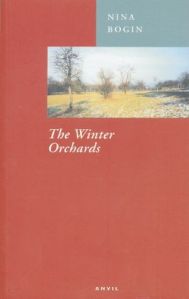 After enjoying Thousandfold in 2019, I was keen to catch up on Bogin’s previous poetry. Themes I’d noted in her latest work, nature and family, are key here, too. There is an overall wistful tone to the book, as in the passages below:
I didn’t like lungwort at first,
its spotted leaves, its furred
flowers, and I didn’t like its name.
But now I want to gather lungwort again,
now that I can’t return
to the brook meadow I picked it in (from “Lungwort”)
I’ll love the fallow and forgotten fields
because I have no choice, and woods
whose paths have been erased. (from “Landscape”)
The losses responded to are sometimes personal – saying Kaddish for her father – and sometimes more broadly representative, as when she writes about a dead bird found on the road or conflicts like the Gulf War and former Yugoslavia. Alongside beautiful nature poetry featuring birds and plants are vignettes from travels in France, Sweden, and upstate New York. (New purchase)
An Advent Calendar by Shena Mackay (1978)
 I smugly started this on the first day of Advent, and initially enjoyed Mackay’s macabre habit of taking elements of the Nativity scene or a traditional Christmas and giving them a seedy North London twist. So we open on a butcher’s shop and a young man wearing “bloody swabbing cloths” rather than swaddling clothes, having lost a finger to the meat mincer (and later we see “a misty Christmas postman with his billowy sack come out of the abattoir’s gates”). In this way, John Wood becomes an unwitting cannibal after taking a parcel home from the butcher’s that day, and can’t forget about it as he moves his temporarily homeless family into his old uncle’s house and continues halfheartedly in his job as a cleaner. His wife has an affair; so does a teenage girl at the school where his sister works. No one is happy and everything is sordid. “Scouring powder snowed” and the animal at this perverse manger scene is the uncle’s neglected goat. This novella is soon read, but soon forgotten. (Secondhand purchase)
And so to Christmas…
“The Christmas Dinner” by Washington Irving (1820)
 An evocative portrait of an English Christmas meal, hosted by a squire in the great hall of his manor, originally published in Irving’s The Sketch Book of Geoffrey Crayon, Gent. A boar’s head, a mummers’ play, the Lord of Misrule: you couldn’t get much more traditional. “Master Simon covered himself with glory by the stateliness with which, as Ancient Christmas, he walked a minuet with the peerless, though giggling, Dame Mince Pie.” Irving’s narrator knows this little tale isn’t profound or intellectually satisfying, but hopes it will raise a smile. He also has a sense that he is recording something that might soon pass away:
I felt also an interest in the scene, from the consideration that these fleeting customs were posting fast into oblivion. … There was a quaintness, too, mingled with all this revelry, that gave it a peculiar zest; it was suited to the time and place; and as the old Manor House almost reeled with mirth and wassail, it seemed echoing back the joviality of long-departed years.
A pleasant one-sitting read; so much better than a Christmas card! 
This Renard Press pamphlet is in support of Three Peas, a charity providing food and medical care to refugees in Europe. Thanks to Annabel for my gifted copy!
Small Things Like These by Claire Keegan (2021)
Always, Christmas brought out the best and the worst in people.
 This was our second most popular read during last month’s Novellas in November challenge. I’d read a lot about it in fellow bloggers’ posts and newspaper reviews so knew to expect a meticulously chiselled and heartwarming story about a coal merchant in 1980s Ireland who comes to value his quiet family life all the more when he sees how difficult existence is for the teen mothers sent to work in the local convent’s laundry service. Born out of wedlock himself nearly 40 years ago, he is grateful that his mother received kindness and wishes he could do more to help the desperate girls he meets when he makes deliveries to the convent.
I found this a fairly predictable narrative, and the nuns are cartoonishly villainous. So I wasn’t as enthusiastic as many others have been, but still enjoyed having this as one of my reads on my travel day to the USA. I was familiar with the Magdalene Laundries from the movie The Magdalene Sisters and found this a touching reminder to be grateful for what you have while helping those less fortunate. A perfect message for Christmas. (NetGalley) 
Miss Marley by Vanessa Lafaye (2018)
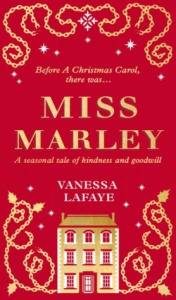 Lafaye was a local-ish author to me, an American expat living in Marlborough. When she died of breast cancer in 2018, she left this A Christmas Carol prequel unfinished, and fellow historical novelist Rebecca Mascull completed it for her. Clara and Jacob Marley come from money but end up on the streets, stealing from the rich to get by. Jacob sets himself up as a moneylender to the poor and then, after serving an apprenticeship alongside Ebenezer Scrooge, goes into business with him. They are a bad influence on each other, reinforcing each other’s greed and hard hearts. Jacob is determined never to be poor again. Because he’s forgotten what it’s like, he has no compassion when Clara falls in love with a luckless Scottish tea merchant. Like Scrooge, Jacob is offered one final chance to mend his ways. This was easy and pleasant reading, but I did wonder if there was a point to reading this when one could just reread Dickens’s original. (Secondhand purchase)
A Child’s Christmas in Wales by Dylan Thomas (1952)
(Illus. Edward Ardizzone, 1978)
 It’s a wonder I’d never managed to read this short story before. I was prepared for something slightly twee; instead, it is sprightly and imaginative, full of unexpected images and wordplay. In the Wales of his childhood, there were wolves and bears and hippos. Young boys could get up to all sorts of mischief, but knew that a warm house packed with relatives and a cosy bed awaited at the end of a momentous day. Reflective and magical in equal measure; a lovely wee volume that I am sure to reread year after year. (Little Free Library)
A favourite passage:
Our snow was not only shaken from whitewash buckets down the sky, it came shawling out of the ground and swam and drifted out of the arms and hands and bodies of the trees; snow grew overnight on the roofs of the houses like a pure and grandfather moss, minutely white-ivied the walls and settled on the postman, opening the gate, like a dumb, numb thunderstorm of white, torn Christmas cards.
If there’s been one adjective linking most of these books, it’s been “nostalgic.” There’s something about winter in general, and the holiday season in particular, that lends itself to thinking back to the past and trying to preserve traditions, isn’t there?
 Bookish Beck = Rebecca Foster. American transplant to England. Freelance proofreader and book reviewer.
 Bookish Beck