20 Books of Summer, #9–11: Asimov, St. Aubyn, Weiss
My summer reading has been picking up and I have a firm plan – I think – for the rest of the foodie books that will make up my final 20. I’m reading two more at the moment: a classic with an incidental food-themed title and a work of American history via foodstuffs. Today I have a defense of drinking wine for pleasure; a novel about inheritance and selfhood, especially for mothers; and a terrific foodoir set in Berlin, New York City and rural Italy.
How to Love Wine: A Memoir and Manifesto by Eric Asimov (2012)
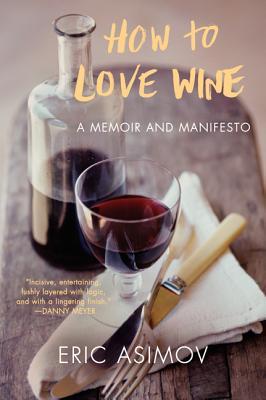 (20 Books of Summer, #9) Asimov may be the chief wine critic for the New York Times, but he’s keen to emphasize that he’s no wine snob. After decades of drinking it, he knows what he appreciates and prefers small-batch to mass market wine, but he’d rather that people find what they enjoy rather than chase after the expensive bottles they feel they should like. He finds tasting notes and scores meaningless and is more interested in getting people into wine simply for the love of it – not as a status symbol or a way of showing off arcane knowledge.
Like Anthony Bourdain (see my review of Kitchen Confidential), Asimov was drawn into foodie culture by one memorable meal in France. He’d had a childhood sweet tooth and was a teen beer drinker, but when he got to grad school in Austin, Texas an $8 bottle of wine from a local Whole Foods was an additional awakening. Following in his father’s footsteps in journalism and moving from Texas to Chicago back home to New York City for newspaper editing jobs, he had occasional epiphanies when he bought a nice bottle of wine for his parents’ anniversary and took a single wine appreciation course. But his route into writing about wine was sideways, through a long-running NYT column about local restaurants.
I might have liked a bit more of the ‘memoir’ than the ‘manifesto’ of the subtitle: Asimov makes the same argument about accessibility over and over, yet even his approachable wine attitude was a little over my head. I can’t see myself going to a tasting of 20–25 wines at a time, or ordering a case of 12 wines to sample at home. Not only can I not tell Burgundy from Bordeaux (his favorites), I can’t remember if I’ve ever tried them. I’m more of a Sauvignon Blanc or Chianti gal. Maybe the Wine for Dummies volume I recently picked up from a Little Free Library is more my speed.
Source: Free from a neighbor
My rating: 
Mother’s Milk by Edward St Aubyn (2006)
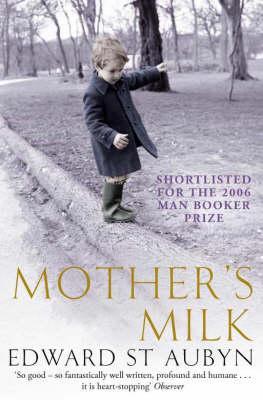 (20 Books of Summer, #10; A buddy read with Annabel, who has also reviewed the first three books here and here as part of her 20 Books of Summer.) I’ve had mixed luck with the Patrick Melrose books thus far: Book 1, Never Mind, about Patrick’s upbringing among the badly-behaving rich in France and his sexual abuse by his father, was too acerbic for me, and I didn’t make it through Book 3, Some Hope. But Book 2, Bad News, in which Patrick has become a drug addict and learns of his father’s death, hit the sweet spot for black comedy.
Mother’s Milk showcases two of St. Aubyn’s great skills: switching effortlessly between third-person perspectives, and revealing the psychology of his characters. It opens with a section from the POV of Patrick’s five-year-old son, Robert, a perfect link back to the child’s-eye view of Book 1 and a very funny introduction to this next generation of precocious mimics. The perspective is shared between Robert, Patrick, his wife Mary, and their younger son Thomas across four long chapters set in the Augusts of 2000–2003.
Patrick isn’t addicted to heroin anymore, but he still relies on alcohol and prescription drugs, struggles with insomnia and is having an affair. Even if he isn’t abusive or neglectful like his own parents, he worries he’ll still be a destructive influence on his sons. Family inheritance – literal and figurative – is a major theme, with Patrick disgruntled with his very ill mother, Eleanor, for being conned into leaving the home in France to a New Age organization as a retreat center. “What I really loathe is the poison dripping from generation to generation,” Patrick says – “the family’s tropical atmosphere of unresolved dependency.” He mentally contrasts Eleanor and Mary, the former so poor a mother and the latter so devoted to her maternal role that he feels there’s no love left for himself from either.
I felt a bit trapped during unpleasant sections about Patrick’s lust, but admired the later focus on the two mothers and their loss of sense of self, Eleanor because of her dementia and Mary because she has been subsumed in caring for Thomas. I didn’t quite see how all the elements were meant to fit together, particularly the disillusioning trip to New York City, but the sharp writing and observations were enough to keep me going through this Booker-shortlisted novella. I’ll have to get Book 5 out from the library to see how St. Aubyn tied everything up.
Source: Free bookshop
My rating: 
My Berlin Kitchen: Adventures in Love and Life by Luisa Weiss (2012)
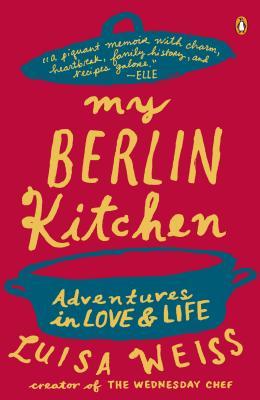 (20 Books of Summer, #11) Blog-to-book adaptations can be hit or miss; luckily, this one joins Julie Powell’s Julie and Julia and Molly Wizenberg’s A Homemade Life in the winners column. Raised in Berlin and Boston by her American father and Italian mother, Weiss felt split between her several cultures and languages. While she was working as a cookbook editor in New York City, she started a blog, The Wednesday Chef, as a way of working through the zillions of recipes she’d clipped from here and there, and of reconnecting with her European heritage: “when I came down with a rare and chronic illness known as perpetual homesickness, I knew the kitchen would be my remedy.”
After a bad breakup (for which she prescribes fresh Greek salad, ideally eaten outside), she returned to Berlin and unexpectedly found herself back in a relationship with Max, whom she’d met in Paris nearly a decade ago but drifted away from. She realized they were meant to be together when he agreed that potato salad should be dressed with oil and vinegar rather than mayonnaise. After a tough year for Weiss as she readjusts to Berlin’s bitter winters and lack of bitter greens, the book ends with the lovely scene of their rustic Italian wedding.
Weiss writes with warmth and candor and gets the food–life balance just right. I found a lot to relate to here (“I couldn’t ever allow myself to think about how annoying airports were, how expensive it was to go back and forth between Europe and the United States … I had to get on an airplane to see the people I love”) and – a crucial criterion for a foodie book – could actually imagine making most of these recipes, everything from plum preserves and a Swiss chard and Gruyère bake to a towering gooseberry meringue cream cake.
Other readalikes: From Scratch: A Memoir of Love, Sicily, and Finding Home by Tembi Locke, My Salinger Year by Joanna Rakoff, and Only in Naples: Lessons in Food and Famiglia from My Italian Mother-in-Law by Katherine Wilson
Source: A birthday gift from my wish list last year
My rating: 
No Place to Lay One’s Head by Françoise Frenkel (1945)
Fittingly, I finished reading this on Sunday, which was International Holocaust Remembrance Day. Even after seven decades, we’re still unearthing new Holocaust narratives, such as this one: rediscovered in a flea market in 2010, it was republished in French in 2015 and first became available in English translation in 2017.
 Born Frymeta Idesa Frenkel in Poland, the author (1889–1975) was a Jew who opened the first French-language bookstore in Berlin in 1921. After Kristallnacht and the seizure of her stock and furniture, she left for France and a succession of makeshift situations, mostly in Avignon and Nice. She lived in a hotel, a chateau, and the spare room of a sewing machinist whose four cats generously shared their fleas. All along, the Mariuses, a pair of hairdressers, were like guardian angels she could go back to between emergency placements.
This memoir showcases the familiar continuum of uneasiness blooming into downright horror as people realized what was going on in Europe. To start with one could downplay the inconveniences of having belongings confiscated and work permits denied, of squeezing onto packed trains and being turned back at closed borders. Only gradually, as rumors spread of what was happening to deported Jews, did Frenkel understand how much danger she was in.
The second half of the book is more exciting than the first, especially after Frenkel is arrested at the Swiss border. (Even though you know she makes it out alive.) Her pen portraits of her fellow detainees show real empathy as well as writing talent. Strangely, Frenkel never mentions her husband, who went into exile in France in 1933 and died in Auschwitz in 1942. I would also have liked to hear more about her 17 years of normal bookselling life before everything kicked off. Still, this is a valuable glimpse into the events of the time, and a comparable read to Władysław Szpilman’s The Pianist.
My rating: 
No Place to Lay One’s Head (translated from the French by Stephanie Smee) is issued in paperback today, January 31st, by Pushkin Press. This edition includes a preface by Patrick Modiano and a dossier of documents and photos relating to Frenkel’s life. My thanks to the publisher for the free copy for review.
Frieda by Annabel Abbs: A Sideways Look at D.H. Lawrence
Possibly never before nor since has a great writer been so intensely and so permanently influenced by one woman as Lawrence was by Frieda von Richtofen.
~biographer Robert Lucas
I have a weakness for “famous wives” books, which have become increasingly popular over the past decade. (I have a whole shelf for them on Goodreads.) Frieda particularly appealed to me because of the reading I’ve done around the life of D.H. Lawrence. In my sophomore year of college I took a course on Yeats & Lawrence and found Lawrence fascinating almost in spite of myself. I remember bursting out in one early seminar on Sons and Lovers, “but he sexualizes everything!” The more I read, though, the more I admired his grasping for the fullness of life, which at least starts with the body.
After my study abroad year I did independent travel in Dorset and around Nottingham to explore the sense of place in Thomas Hardy and Lawrence’s works, and when I applied for graduate school scholarships I was undecided whether to focus on the Victorians or Lawrence and the Moderns (I eventually settled on the former). I also adapted a paper I’d written about D.H. Lawrence’s new moral framework for sexuality in Lady Chatterley’s Lover and presented it at the D.H. Lawrence Society of North America’s 2005 conference in Santa Fe, New Mexico. The conference included a wonderful trip out to Lawrence’s ranch at Taos.

All this explains why I was so keen to see how Annabel Abbs would depict Frieda, who came from disgraced German aristocracy and left her first husband, Ernest Weekley, a linguistics professor at Nottingham, and their three children to be with Lawrence. If you rely only on the words of Lawrence himself, you’d think Frieda was lucky to shed her dull family life and embark on an exciting set of bohemian travels with him as he built his name as a writer.
 Abbs adds nuance to that picture by revealing just how much Frieda was giving up, and the sorrow she left behind her. Much of the book is in third person limited from Frieda’s point of view, but there are also occasional chapters from the perspectives of Ernest and the children, mostly their son Monty, as they work through their confusion over Frieda’s actions and try to picture the future without her. I loved the way that these chapters employ dramatic irony, especially to create a believable child mindset. “I have realised there is something inside me struggling to come out,” Frieda says to Monty. “I call it the what-I-could-be.” Poor Monty, just seven years old when the book opens in 1907, thinks his mother must be talking literally about a baby on the way. When her inchoate longings finally center on Lawrence, Ernest’s working-class former student, in 1912, Monty describes the young man as a “hungry fox.”
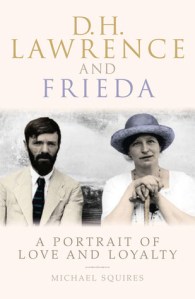 Frieda’s relationship with Lawrence, whom she called “Lorenzo,” lasted nearly two decades but was undeniably volatile. Abbs refuses to romanticize it: the early days of frolicking naked in meadows and weaving flowers through each other’s pubic hair soon cede to incidents of jealousy and disturbing cruelty. Lawrence pressed her into remarrying though she was happier living outside of convention. We can sympathize with the passion and deep communion she found with Lawrence –
“She was conscious, in that moment, that their minds had met and crossed and understood. That this miner’s son – so strange and unknown, so young – was more like her than anyone she’d ever met.”
“She felt as if she had been split open, as if Mr Lawrence had peered deep inside her, seen things she had hidden from the rest of the world. It was a marvellous feeling, she decided, to be explored and understood.”
– but also with the later suspicion that she’s given up so much – social acceptability and years of life with her children – and perhaps in some ways it hasn’t been worth it. “He could be so infuriating! So exhausting! But his vitality, the sharp light in which he saw everything, his wild poetic fury, they made her feel as if she could breathe again.”
Frieda is particularly reminiscent of Loving Frank, Nancy Horan’s novel about Mamah Borthwick Cheney’s affair with architect Frank Lloyd Wright: she left her children in pursuit of love and independence and spent time traveling, including in Germany, where she absorbed notions of free love and women’s rights – just as Frieda did. I was also reminded of Free Woman, Lara Feigel’s book on Doris Lessing, who gave up her children to pursue her writing. In Lessing’s case there was not the same wrenching regret. Still, all three books offer a valuable look at the choices women make when love, duty and vocation don’t align.

The Australian cover.
My knowledge of Lawrence’s writings and biography enhanced my enjoyment of this novel. I’ve appreciated for the first time just how much Frieda inspired the female protagonists in Lawrence’s major works. In a comprehensive Historical note and Author’s note, Abbs lists her sources and explains the small tweaks she made to the historical record to fit the story line. However, you don’t need any prior knowledge to fall in love with Frieda’s vivacity. Her determination to live according to her own rules makes her a captivating character.
My rating:
Frieda was published by Two Roads on November 15th. With thanks to the publisher for the proof copy for review.
A Spate of Swimming Memoirs
In the first four months of this year, I got my hands on no fewer than four swimming memoirs. For the upcoming July/August issue of Foreword Reviews magazine I’ve reviewed Floating: A Life Regained by Joe Minihane, in which the author recreates the late nature writer Roger Deakin’s wild swimming journeys from Waterlog (1999) in an attempt to overcome anxiety; I have Leap In by Alexandra Heminsley on my Kindle; and I read roughly the first 60 pages of a library copy of Al Álvarez’s 2013 Pondlife: A Swimmer’s Journal.
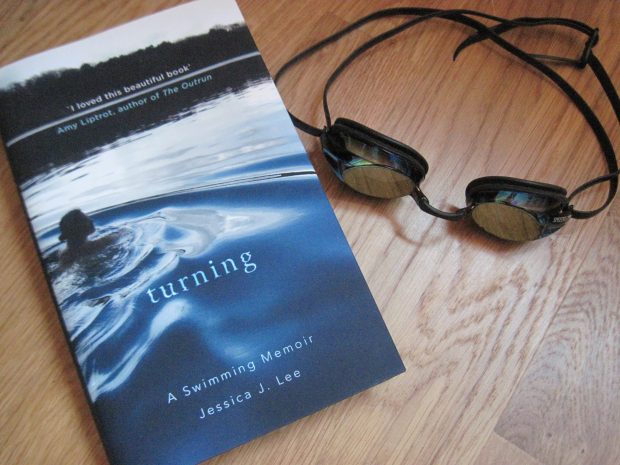
For now, I’m featuring Turning by Jessica J. Lee, which has strong similarities to these other memoirs – especially Minihane’s – but is its own beautifully reflective personal story. The book arose from Lee’s resolution, when she was 28 and in Berlin on a research placement for her dissertation in environmental history, to swim in 52 local lakes – a year’s worth – no matter the weather. At the time she blogged about her “52 Lakes Project” for Slow Travel Berlin, and kept friends and family up to date through social media as well. Her focus would be on the former East German region of Brandenburg, which has Berlin at its center and was first popularized by Theodor Fontane’s 1862 travel book.
Lee traveled to the lakes under her own steam, using trains and her bicycle; occasionally she took friends with her, but most often she was alone, which became a chance to cultivate solitude – not the same as loneliness. The challenge entailed all kinds of practical difficulties like bike trouble, getting lost, and a dead phone battery, but gradually it became routine and held less fear for her. On summer days she could manage multiple lakes in a day, and even small encounters with Germans gave her a newfound sense of belonging.
Within chapters, the memoir gracefully alternates pieces of the author’s past with her lake travels. With a father from Wales and a mother from Taiwan, Lee grew up in Ontario and spent summers in Florida. She remembers taking YMCA swimming lessons alongside her mother, and swimming in Canadian lakes. Back then the water usually intimidated her, but over the years her feelings have changed:
Water feels different in each place. The water I grew up with was hard, cutting, and when I go back to visit it now, I feel it in my ears when I dive in. something different, more like rock. The lake a whetted blade. The water in Berlin has a softness to it. Maybe it’s the sand, buffing the edges off the water like splinters from a beam. It slips over you like a blanket. There’s a safety in this feeling. In the lakes here, there is a feeling of enclosure and security that Canada can’t replicate. And it shouldn’t – the pelagic vastness there is entirely its own, and I’ve learned to love that too.
Swimming fulfills many functions for Lee. It served variously as necessary discipline after going mildly off the rails in young adulthood (drinking, smoking pot and having an abortion during college; a short-lived marriage in her early twenties); as a way of bouncing back from depression when her planned life in London didn’t pan out and a budding relationship failed; and as a way of being in touch with the turning seasons and coming to know the German landscape intimately. Symbolically, of course, it’s also a baptism into a new life.
Yet I had to wonder if there was also something masochistic about this pursuit, especially in the winter months. On the back cover there’s a photograph of Lee using a hammer to chip out a path through the ice so she can do her minimum of 45 strokes. (No wetsuit!) As spring came, ironically, the water felt almost too warm to her. She had learned to master the timing of a winter swim: “Between pain and numbness there’s a brightness, a crisp, heightened sensation in the cold: that’s the place to swim through. When it ends, when numbness arrives, it’s time to get out.”
The end of Lee’s year-long project is bittersweet, but she’s consoled by the fact that she didn’t have to leave her ordinary life in order to complete it. It was a companion alongside the frantic last-minute work on her dissertation and it never got in the way of her relationships; on the contrary, it strengthened certain friendships. And with Berlin looking like her home for the foreseeable future, she’s committed to seeking out more lakes, too.
There are a lot of year quest books out there, but this one never feels formulaic because there’s such a fluid intermingling of past and present. As memoirs go, it is somewhat like Amy Liptrot’s The Outrun – but much better. It’s also comparable to Angela Palm’s Riverine, with a watery metaphor at the heart to reflect the author’s conception of life as a meandering route. Unlike the other swimming memoirs I’ve sampled, I can recommend this one to a general reader with no particular interest in wild swimming or any other sport. It’s for you if you enjoy reading about the ebb and flow of women’s lives.
In the stillness of the lakes, the border between nature and culture is thinned. Swimming takes place at this border, as if constantly searching for home. Water is a place in which I don’t belong, but where I find myself nonetheless. Out of my culture, out of my depth.
There is more space inside than I can imagine, more hope and possibility than I’d known. Feeling as clear as the day, as deep as the lake.
Turning: A Swimming Memoir was published in the UK by Virago on May 4th. My thanks to the publisher for sending a free copy for review.
My rating:
European Traveling and Reading
We’ve been back from our European trip for over a week already, but I haven’t been up to writing until now. Partially this is because I’ve had a mild stomach bug that has left me feeling yucky and like I don’t want to spend any more time at a computer than is absolutely necessary for my work; partially it’s because I’ve just been a bit blue. Granted, it’s nice to be back where all the signs and announcements are in English and I don’t have to worry about making myself understood. Still, gloom over Brexit has combined with the usual letdown of coming back from an amazing vacation and resuming normal life to make this a ho-hum sort of week. Nonetheless, I want to get back into the rhythm of blogging and give a quick rundown of the books I read while I was away.
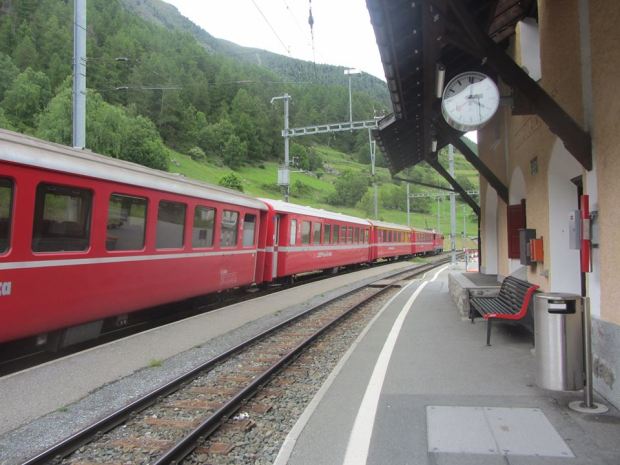
Tiny Lavin station, our base in southeastern Switzerland.
But first, some of the highlights of the trip:
- the grand architecture of the center of Brussels; live jazz emanating from a side street café
- cycling to the zoo in Freiburg with our friends and their kids
- ascending into the mountains by cable car and then on foot to circle Switzerland’s Lake Oeschinensee
- traipsing through meadows of Alpine flowers
- exploring the Engadine Valley of southeast Switzerland, an off-the-beaten track, Romansh-speaking area where the stone buildings are covered in engravings, paintings and sayings
- our one big splurge of the trip (Switzerland is ridiculously expensive; we had to live off of supermarket food): a Swiss dessert buffet followed by a horse carriage ride
- spotting ibex and chamois at Oeschinensee and marmots in the Swiss National Park
- miming “The Hills Are Alive” in fields near our accommodation in Austria (very close to where scenes from The Sound of Music were filmed)
- the sun coming out for our afternoon in Salzburg
- daily coffee and cake in Austrian coffeehouses
- riding the underground and trams of Vienna’s public transport network
- finding famous musicians’ graves in Vienna’s Zentralfriedhof cemetery
- discovering tasty vegan food at a hole-in-the-wall Chinese restaurant in Vienna that makes its own noodles
- going to Slovakia for the afternoon on a whim (its capital, Bratislava, is only 1 hour from Vienna by train – why not?!)
We went to such a variety of places and had so many different experiences. Weather and language were hugely variable, too: it rained nine days in a row; some mornings in Switzerland I wore my winter coat and hat; in Bratislava it was 95 °F. Even in the ostensibly German-speaking countries of the trip, we found that greetings and farewells changed everywhere we went (doubly true in the Romansh-speaking Engadine). Most of the time we had no idea what shopkeepers were saying to us. Just smile and nod. It was more difficult at the farm where we stayed in Austria. Thanks to Google Translate, we had no idea that the owner spoke no English; her e-mails were all in unusual but serviceable English. We speak virtually no German, so fellow farm guests, including a Dutch couple, had to translate between us. (The rest of Europe puts us to shame with their knowledge of languages!)
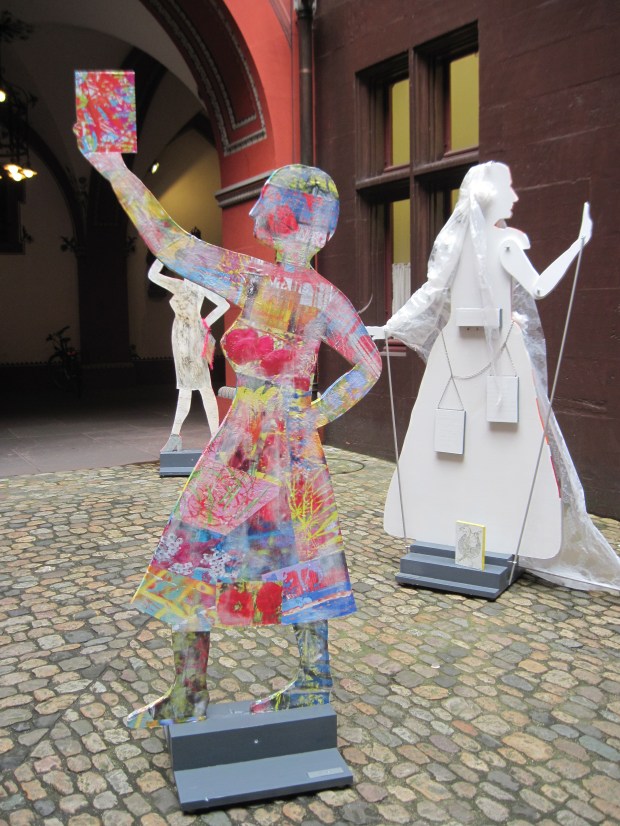
A reading-themed art installation at the Rathaus in Basel, Switzerland.
Train travel was, for the most part, easy and stress-free. Especially enjoyable were the small lines through the Engadine, which include the highest regular-service station in Europe (Ospizia Bernina, where we found fresh snowfall). The little town where we stayed in an Airbnb cabin, Lavin, was a request stop on the line, meaning you always had to press a button to get the train to stop and then walk across the tracks (!) to board. Contrary to expectations, we found that nearly all of our European trains were running late. However, they were noticeably more comfortable than British trains, especially the German ones. Thanks to train rides of an hour or more on most days, I ended up getting a ton of reading done.
 On the journey out I finished The Accidental Tourist by Anne Tyler. This is the first “classic” Tyler I’ve read, after her three most recent novels, and although I kept being plagued by odd feelings of ‘reverse déjà vu’, I really enjoyed it. This story of staid, reluctant traveler Macon Leary and how his life is turned upside down by a flighty dog trainer is all about the patterns of behavior we get stuck in. Tyler suggests that occasionally journeying into someone else’s unpredictable life might change ours for the good.
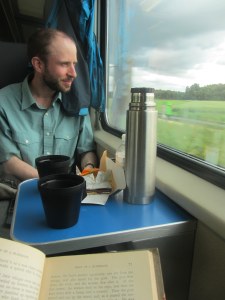 Diary of a Pilgrimage by Jerome K. Jerome was just what I expected: a very silly book about the travails of international travel. It’s much more about the luckless journey and the endurance of national stereotypes than it is about the Passion Play the travelers see once they get to Germany. It was amusing to see the ways in which some things have hardly changed in 125 years.
 A Whole Life by Robert Seethaler, a novella set in the Austrian Alps, is the story of Andreas Egger – at various times a farmer, a prisoner of war, and a tourist guide. Various things happen to him, most of them bad. I have trouble pinpointing why Stoner is a masterpiece whereas this is just kind of boring. There’s a great avalanche scene, though.
 The Book that Matters Most by Ann Hood releases on August 9th. A new book club helps Ava cope with her divorce, her daughter Maggie’s rebelliousness, and tragic events from her past. Each month one club member picks the book that has mattered most to them in life. I thought the choices were all pretty clichéd and Ava was unrealistically passive. Although what happens to her in Paris is rather melodramatic, I most enjoyed Maggie’s sections.
 Me and Kaminski was my second novel from Daniel Kehlmann. Know-nothing art critic Sebastian Zöllner interviews reclusive artist Manuel Kaminski and then accompanies the older man on a road trip to find his lost sweetheart. Zöllner is an amusingly odious narrator, but I found the plot a bit thin. This is a rare case where I would argue the book needs to be 100 pages longer.
 About midway through the trip I finished another I’d started earlier in the month, This Is Where You Belong by Melody Warnick. The average American moves 11.7 times in their life. I’m long past that already. The book collects an interesting set of ideas about how to feel at home wherever you are: things like learning the place on foot, shopping and eating locally, and getting to know your neighbors. I am bad about integrating into a new community every time we move, so I picked up some good tips. Warnick uses examples from all over (though mostly U.S. locations), but also makes it specific to her home of Blacksburg, Virginia.
 “A cabinet of fantasies, a source of knowledge, a collection of lore from past and present, a place to dream… A bookshop can be so many things.” In A Very Special Year by Thomas Montasser, Valerie takes over Ringelnatz & Co. bookshop when the owner, her Aunt Charlotte, disappears. She has the entrepreneurial skills to run a business and gradually develops a love of books, too. The title book is a magical tome with blank pages that reveal the reader’s destination when the time is right. Twee but enjoyable; a quick read.
 Eleven Hours by Pamela Erens is a taut thriller set during one woman’s experience of childbirth in New York City in 2004. Flashbacks to how the patient and her Caribbean nurse got where they are now add emotional depth. Another very quick read.
 Burning Secret by Stefan Zweig is a psychologically astute novella in which a 12-year-old tries to interpret what’s happening between his mother and a fellow hotel guest, a baron he looks up to. For this naïve boy, many things come as a shock, including the threat of sex and the possibility of deception. This reminded me most of Thomas Mann’s Death in Venice. (On a hill above Salzburg we discovered a strange disembodied bust of Stefan Zweig, along with a plaque and a road sign.)


 Playing Dead by Elizabeth Greenwood (releases August 9th) was great fun. Thinking of the six-figure education debt weighing on her shoulders, she surveys various cases of people who faked their own death or simply tried to disappear. Death fraud/“pseudocide” is not as easy to get away with as you might think. Fake drownings are especially suspect. I found most ironic the case of a man who lived successfully for 20 years under an assumed name but was caught when police stopped him for having a license plate light out. I particularly liked the chapter in which Greenwood travels to the Philippines, a great place to fake your death, and comes back with a copy of her own death certificate.
 Miss Jane by Brad Watson (releases July 12th) is a historical novel loosely based on the story of the author’s great-aunt. Born in Mississippi in 1915, she had malformed genitals, which led to lifelong incontinence. Jane is a wonderfully plucky protagonist, and her friendship with her doctor, Ed Thompson, is particularly touching. “You would not think someone so afflicted would or could be cheerful, not prone to melancholy or the miseries.” This reminded me most of What Is Visible by Kimberly Elkins, an excellent novel about living a full life and finding romance in spite of disability.
I also left two novels unfinished (that’ll be for another post) and made progress in two other nonfiction titles. All in all, a great set of reading!


I’m supposed to be making my way through just the books we already own for the rest of the summer, but when I got back of course I couldn’t resist volunteering for a few new books available through Nudge and The Bookbag. Apart from a few blog reviews I’m bound to, my summer plan will be to give the occasional quick roundup of what I’ve read of late.
What have you been reading recently?
Reviews Roundup, October–November
One of my goals with this blog is to have one convenient place where I can gather together all my writing that has appeared in disparate online locations. To that end, once a month I provide links to all book reviews I’ve published elsewhere, with a rating (below each description) and a taster so you can decide whether to read more. A few exceptions: I won’t point out my Kirkus Indie, BlueInk or Publishers Weekly reviews since I don’t get a byline.
This month you may recognize a few books I already previewed in my posts on books as beautiful objects and library books read in October.
The Bookbag
Charlotte Brontë’s Secret Love by Jolien Janzing: Charlotte and Emily Brontë’s time in Belgium – specifically, Charlotte’s passion for her teacher, Constantin Heger – is the basis for this historical novel. The authoritative yet inviting narration is a highlight, but some readers may be uncomfortable with the erotic portrayal; it doesn’t seem to fit the historical record, which suggests an unrequited love affair. My other issue with the book is a couple of subplots that only seem to have minor significance.

In Fidelity by Jack Wilson: In this 1970s-set novel, the central couple’s relationship is tested by illness and extramarital sexual experiences. Moving from New England to Nigeria and back, the story asks what loyalty really requires when a once-strong connection has faded over time. Strongly reminiscent of John Updike in Part One, this is the male view of adultery. Something about the self-justifying tone stuck in my craw. A more balanced book would give the wife’s perspective, too, as Carol Shields did in Happenstance, or like Lauren Groff recently did to great success in Fates and Furies.

BookBrowse
 The Tsar of Love and Techno by Anthony Marra [subscription service]: This collection of tightly linked short stories, an intimate look at Russia and Chechnya in wartime and afterwards, reveals how politics, family, and art intertwine. Ranging from 1937 to 2013, the pieces show how fear and propaganda linger in the post-Stalinist era. In art as much as in politics, it can be difficult to distinguish airbrushed history from bitter reality. Just as he did in his excellent debut novel, A Constellation of Vital Phenomena, Marra renders unspeakable tragedies bearable because of his warm and witty writing. All his characters’ voices are well-realized and inviting, and he comes up with terrific one-liners.

BookTrib
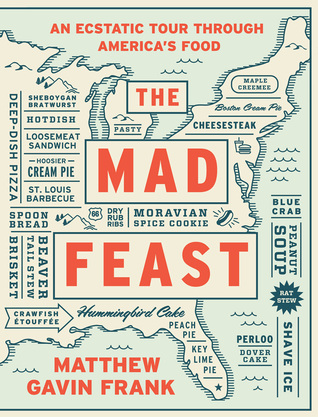 Mad Feast by Matthew Gavin Frank: This is the cookbook David Foster Wallace might have written. In an off-the-wall blend of memoir, travel, history and fiction, Frank proceeds region by region, choosing for each American state one beloved dish and interrogating its origins as well as its metaphors and associations. It’s a mixed bag of familiar foods and ones that only locals are likely to know about. Each chapter ends with a recipe for the signature plate, whether from a Lutheran church or a posh restaurant. Frank’s digressive, anecdotal approach takes some getting used to. If you appreciate the style of writers like Geoff Dyer, Maggie Nelson and Will Self, this should be your next food-themed read.
For Books’ Sake
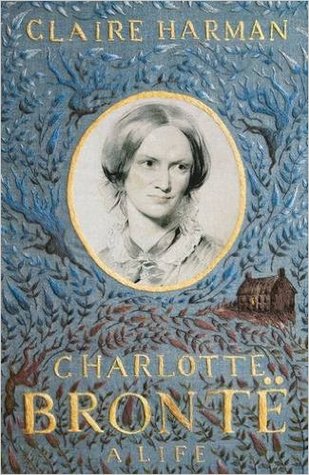 Charlotte Brontë: A Life by Claire Harman: With her bicentennial approaching in April 2016, it’s the perfect time to revisit Charlotte Brontë’s timeless stories. One of the things Harman’s biography does best is trace how the Brontës’ childhood experiences found later expression in fiction. A chapter on the publication of Jane Eyre is a highlight. Diehard fans might not encounter lots of new material, but Harman does make a revelation concerning Charlotte’s cause of death – not TB, as previously believed, but hyperemesis gravidarum (extreme morning sickness). This will help you appreciate afresh a “poet of suffering” whose novels were “all the more subversive because of [their] surface conventionality.”

Cockfosters by Helen Simpson: Simpson’s sixth story collection is full of wry, incisive reflections on aging, loss, regrets, gender roles, and a changing relationship to sex. Most of Simpson’s characters are in their late forties, a liminal time when they’re caught between older parents and still-needy children. Many pieces are dialogue-driven, like scenes in plays. In “Kentish Town,” book club members meet to discuss Dickens’s The Chimes. Simpson weaves in discussion of the plot with commentary on the state of the nation as the ladies set the world to rights and make New Year’s resolutions. It’s a perfect story to read in the run-up to Christmas. The overall stand-out is “Erewhon,” named for Samuel Butler’s 1872 satirical utopian novel. It quickly becomes clear that gender roles are reversed in its fictional world.
Foreword Reviews
 Addiction Is Addiction by Raju Hajela, Paige Abbott and Sue Newton: This comprehensive, well-organized guide discusses the features of addictive thinking and feeling, suggests holistic recovery methods, and offers useful definitions, diagrams, and case studies. The authors are affiliated with Health Upwardly Mobile Inc., Calgary, Alberta. Tracing the history of addiction back to the eighteenth century, when it was first known as “alcoholic disease syndrome,” they present an expert view of the disease’s symptoms and outlook. Strongly recommended to those who have participated in groups like Alcoholics Anonymous or Narcotics Anonymous.
Kirkus
Indie Spotlight: Books about Religion: Self-publishing allows writers to tell their full stories. An article based on interviews with four indie religion authors and mini-reviews of their books.
Nudge
Notes on Suicide by Simon Critchley: Critchley is a philosophy professor at New York’s New School for Social Research. Although he reassures readers with his first line that “This book is not a suicide note,” he also hints that its writing was inspired by personal trouble: “my life has dissolved over the past year or so, like sugar in hot tea.” Not suicidal himself, then, but sympathetic to those who are driven to self-murder. This concise essay illuminates arguments surrounding suicide, with points of reference ranging from Greek philosophers to Robin Williams. Overall, though, it feels cursory and inconclusive.
 The Gratitude Diaries by Janice Kaplan: We can all do with a little encouragement to appreciate what we already have. In so many areas of life – finances, career, relationship, even the weather – we’re all too often hoping for more or better than what we are currently experiencing. Here Kaplan undertakes a year-long experiment to see if gratitude can improve every aspect of her life. She draws her information from interviews with researchers and celebrities, quotes from philosophers, and anecdotes from her own and friends’ lives. It’s easy, pleasant reading I’d recommend to fans of Gretchen Rubin.
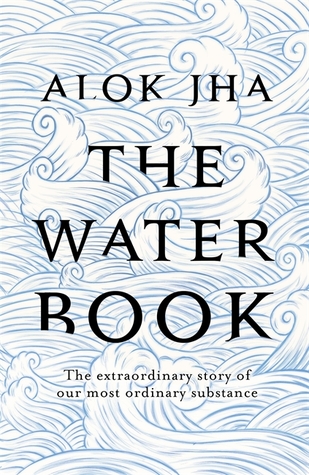 The Water Book by Alok Jha: An interdisciplinary look at water’s remarkable properties and necessity for life on earth. For the most part, Jha pitches his work at an appropriate level. However, if it’s been a while since you studied chemistry at school, you may struggle. Part IV, on the search for water in space, is too in-depth for popular science and tediously long. In December 2013 Jha was part of a month-long Antarctic expedition. He uses the trip as an effective framing device, but I would have liked more memoiristic passages. All in all, I was hoping for less hard science and more reflection on water’s importance to human culture.
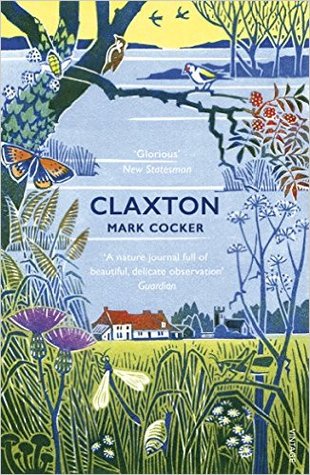 Claxton: Field Notes from a Small Planet by Mark Cocker: Mark Cocker is the Guardian’s country diarist for Norfolk. The short pieces in this book are reprints of his columns, some expanded or revised. I would advise keeping this as a bedside or coffee table book from which you read no more than one or two entries a week, so that you always stay in chronological sync. You’ll appreciate the book most if you experience nature along with Cocker, rather than reading from front cover to back in a few sittings. The problem with the latter approach is that there is inevitable repetition of topics across years. All told, after spending a vicarious year in Claxton, you’ll agree: “How miraculous that we are all here, now, in this one small place.”
 A Mile Down by David Vann: Vann, better known for fiction, tells the real-life story of his ill-fated journeys at sea. He hired a Turkish crew to build him a boat of his own, and before long shoddy workmanship, language difficulties, bureaucracy, and debts started to make it all seem like a very bad idea. Was he cursed? Would he follow his father into suicide? The day-to-day details of boat-building and sailing can be tedious, and there’s an angry tone that’s unpleasant; Vann seems to think everybody else was incompetent or a crook. However, he does an incredible job of narrating two climactic storms he sailed through.
Wasafiri
The Triumph of the Snake Goddess by Kaiser Haq: Beginning with the creation of the world and telling climactic tales of the snake goddess Manasa’s interactions with humans, Haq crafts a uniquely playful set of sacred stories that bear striking similarities to those from other religious traditions. Like Greek myths, the Manasa stories are full of shape-shifting and mistaken identity; rape and incest; jealousy and revenge; and over-the-top exploits of warring gods. She even wears snakes in her hair, like Medusa. Many parallels can also be drawn with the Hebrew and Christian scriptures. Haq’s rendering of the creation account, in particular, resembles the language of Genesis. This book will appeal to students of comparative religion, but can be read with equal enjoyment by laymen in search of engaging storytelling.
I also post reviews of most of my casual reading and skimming on Goodreads.
Mrs. Stevens Hears the Mermaids Singing by May Sarton: Although I’m a huge fan of Sarton’s memoirs, this was my first taste of her fiction. I was underwhelmed: it’s slight and strangely unfeminist. Part of the problem may be that I know so much about Sarton that I couldn’t help but see all the autobiographical detail here. Most of the novel’s action takes place in one day, as Mrs. Stevens awaits the arrival of two interviewers and reflects on past love affairs (some with women) and the meaning of the Muse. For me, Sarton’s journals are a better source of deep thoughts on the writer’s vocation, the value of solitude and the memory of love. This was seen as Sarton’s coming-out book, although it’s not at all sexually explicit.
 Running on the March Wind by Lenore Keeshig: Keeshig is a First Nations Canadian; these poems are full of images of Nanabush the Trickster, language from legal Indian acts, and sly subversion of stereotypes – cowboys and Indians, the only good Indian is a dead Indian (in “Making New”), the white man’s burden, and so on. In places I found these more repetitive and polemical than musical, though I did especially like the series of poems on trees.
The Cartographer Tries to Map a Way to Zion by Kei Miller: Kei Miller is a Jamaican writer who uses island patois and slang, and Rastafarian images and language, alongside standard English. Here he sets up (especially with the long, multi-part title poem) a playful contrast between the cartographer, emblem of civilization and unbiased science, and the rastaman, who takes an altogether more laidback approach to mapping his homeland. This was the perfect poetry collection to be reading in tandem with A Brief History of Seven Killings (see below).
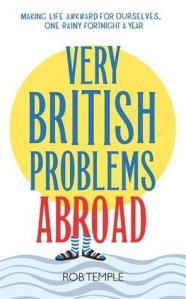 Very British Problems Abroad by Rob Temple: This is possibly ever so slightly funnier than the original (Very British Problems). A lot of it rings true. Once again the fact that the book originated as tweets means you can’t read too much of it at a time or the one-liners grow tiresome. A couple of my favorites were: “The feeling of dread as you approach the campsite and only then remembering that last year you said you’d never, ever do this again” and “Noticing an avalanche heading your way and hoping your umbrella’s up to the job.”
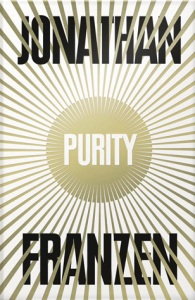 Purity by Jonathan Franzen: By starting and ending with Purity ‘Pip’ Tyler, Franzen emphasizes his debt to Dickens: shades of both Bleak House and Great Expectations are there in the discovery of true parentage and unexpected riches. This is strong on the level of character and theme. Secrecy, isolation and compassion are recurring topics. East Germany, Bolivia and Oakland, California: Franzen doesn’t quite pull all his settings and storylines together, but this is close. With a more dynamic opening section, it might have been 5 stars.
 A Brief History of Seven Killings by Marlon James: This is an edgy, worthwhile Booker pick, but not for the faint-hearted. For the most part, James alternates patois and standard speech, but nearly every section is packed with local slang and expletives. Whether in monologue or dialogue, the many voices form a captivating chorus. The novel is in five parts, each named after a popular song or album of the time. James’s scope, especially as he follows Josey Wales to the Bronx, is too wide. All the narrative switches, once so dynamic, grow tiresome. At 350 pages this would have been a 5-star read. Nevertheless, I’ll be watching the HBO miniseries. (Full review to appear in December 2015 issue of Third Way magazine.)
 Kitchens of the Great Midwest by J. Ryan Stradal: One of my favorite debuts of 2015. Stradal has revealed that his grandmother’s Lutheran church cookbook was the inspiration for this culinary-themed novel that takes place over the course of 30 years. His unique structure takes what are essentially short stories from different perspectives and time periods and links them loosely through Eva Thorvald. Eva’s pop-up supper club gains fame thanks to her innovative adaptations of traditional Midwestern foods like venison or Scandinavian lutefisk; it charges $5,000 a head. I loved almost all of Stradal’s ordinary, flawed characters. If you want a peek at how average Americans live (apart from the $5,000 meals), you’ll find it here.
 The Japanese Lover by Isabel Allende: Allende is a wonderful storyteller. This isn’t up to the level of her South American novels (e.g. The House of the Spirits), and in elaborating both Alma’s and Irina’s stories there’s a bit too much telling rather than showing, but I thoroughly enjoyed the book all the same – I devoured it in just a few days. Allende is sensitive to both the process of aging and the various strategies for dealing with traumatic events from the past.
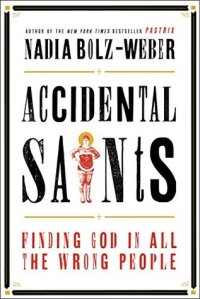 Accidental Saints: Finding God in All the Wrong People by Nadia Bolz-Weber: I knew of Nadia Bolz-Weber through Greenbelt Festival. She’s a foul-mouthed, tattooed, fairly orthodox Lutheran pastor. This brief, enjoyable memoir is about how she keeps believing despite her own past issues and the many messed-up and outwardly unlovable people who show up at her church, House for All Sinners and Saints in Denver. In my favorite section, she zeroes in on one Holy Week and shows the whole range of emotions and trauma that religion can address. The Ash Wednesday chapter is the overall highlight.
 The Road to Little Dribbling: Adventures of an American in Britain by Bill Bryson: Bryson’s funniest book for many years. It meant a lot to me since I am also an American expat in England. Two points of criticism, though: although he moves roughly from southeast to northwest in the country, the stops he makes are pretty arbitrary, and his subjects of mockery are often what you’d call easy targets. Do we really need Bryson’s lead to scorn litterbugs and reality television celebrities? Still, I released many an audible snort of laughter while reading.
 Shaler’s Fish by Helen Macdonald: I was a huge fan of Macdonald’s memoir, H is for Hawk, so was excited to read her poetry collection, originally published in 2001 but to be reissued by Atlantic Monthly Press. Unfortunately, despite the occasional bird and nature imagery (e.g. in “Monhegan”), I found these poems largely inaccessible. Perhaps it was the sprinkling of archaic vocabulary and spellings, or the general lack of punctuation apart from annoying slashes and ampersands.

Portrait of an Addict as a Young Man: A Memoir by Bill Clegg: One of the finest memoirs I’ve come across (and I read a heck of a lot of them). Through this book I followed literary agent Bill Clegg on dozens of taxi rides between generic hotel rooms and bar toilets and New York City offices and apartments; together we smoked innumerable crack pipes and guzzled dozens of bottles of vodka while letting partners and family members down and spiraling further down into paranoia and squalor. Every structural and stylistic decision works: the present tense, short paragraphs, speech set out in italics, occasional flashback chapters distanced through third-person narration. Clegg achieves a perfect balance between his feelings at the time – being out of control and utterly enslaved to his next hit – and the hindsight that allows him to see what a pathetic figure he was becoming.
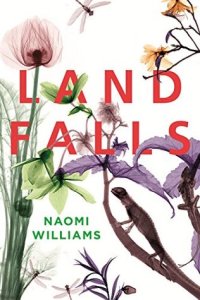 Landfalls by Naomi J. Williams: An enjoyable novel of eighteenth-century maritime adventure, based on a true story and reminiscent of Matthew Kneale’s English Passengers and Peter Carey’s Parrot and Olivier in America. Williams moves between the perspectives of various crew members and outsiders, sometimes employing first person and sometimes third. Key chapters are set in South America, California, Alaska, Macao, and the Solomon Islands. I especially enjoyed a chapter from the point-of-view of a native Alaskan girl – one of the few times the novel focuses on female experience.
 Dept. of Speculation by Jenny Offill: Not as innovative or profound as I was expecting given the rapturous reviews from so many quarters. It’s an attempt to tell an old, old story in a new way: wife finds out her husband is cheating. Offill’s style is fragmentary and aphoristic. Some of the facts and sayings are interesting, but most just sit there on the page and don’t add to the story. What I did find worthwhile was tracing the several tense and pronoun changes: from first-person, past tense into present tense, then to third-person and back to first-person for the final page.
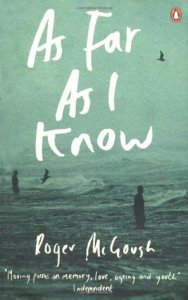 As Far As I Know by Roger McGough: A bit silly for my tastes; lots of puns and other plays on words. In style they feel like children’s poems, but with vocabulary and themes more suited to adults. I did like “Indefinite Definitions,” especially BRUPT: “A brupt is a person, curt and impolite / Brusque and impatient / Who thinks he’s always right.” The whole series is like that: words with the indefinite article cut off and an explanation playing on the original word’s connotations. From the “And So to Bed” concluding cycle, I loved Camp bed: “A la Recherche du Temps Perdu / on the bedside table / Gardenia on the pillow / Silk pyjamas neatly folded.”
 The Penguin Lessons: What I Learned from a Remarkable Bird by Tom Michell: Marley & Me with a penguin. Well, sort of. A sweet if slight story about the author keeping a Magellanic penguin as a pet while teaching in an Argentina boarding school in the 1970s. On a vacation to Uruguay the twentysomething rescued a penguin from an oil spill and named him Juan Salvado. The uproarious process of cleaning the oil-sodden bird, achieved with a bidet, string bag, and plenty of dish soap, was my favorite passage. However, I’m hesitant about anthropomorphizing, and the language can be stiff – I would have dated this to the 1950s by the speech. Also, there’s precious little evidence of Argentina’s political upheaval.
Today’s Secondhand Book Haul
Today, as an early birthday outing for me, we headed to Henley-on-Thames by train, getting off one stop early at Shiplake to walk a couple of miles along the river.
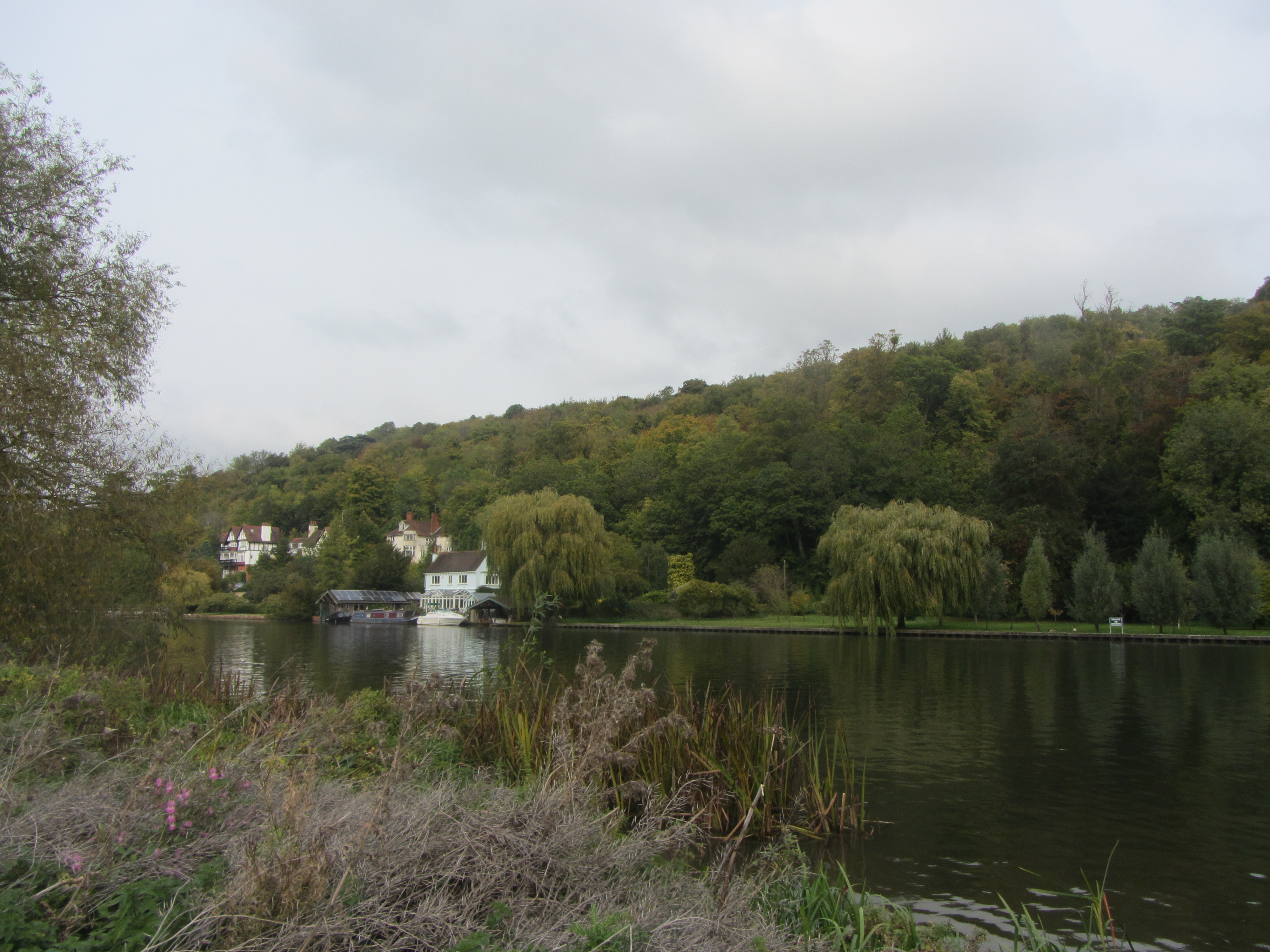
Courtesy of Chris Foster
Henley has one of our favorite local secondhand bookstores. It’s only our second time there, but we instantly became devotees thanks to their £1 section, which includes all paperbacks.

Courtesy of Chris Foster
Today’s haul (total spend = £10):
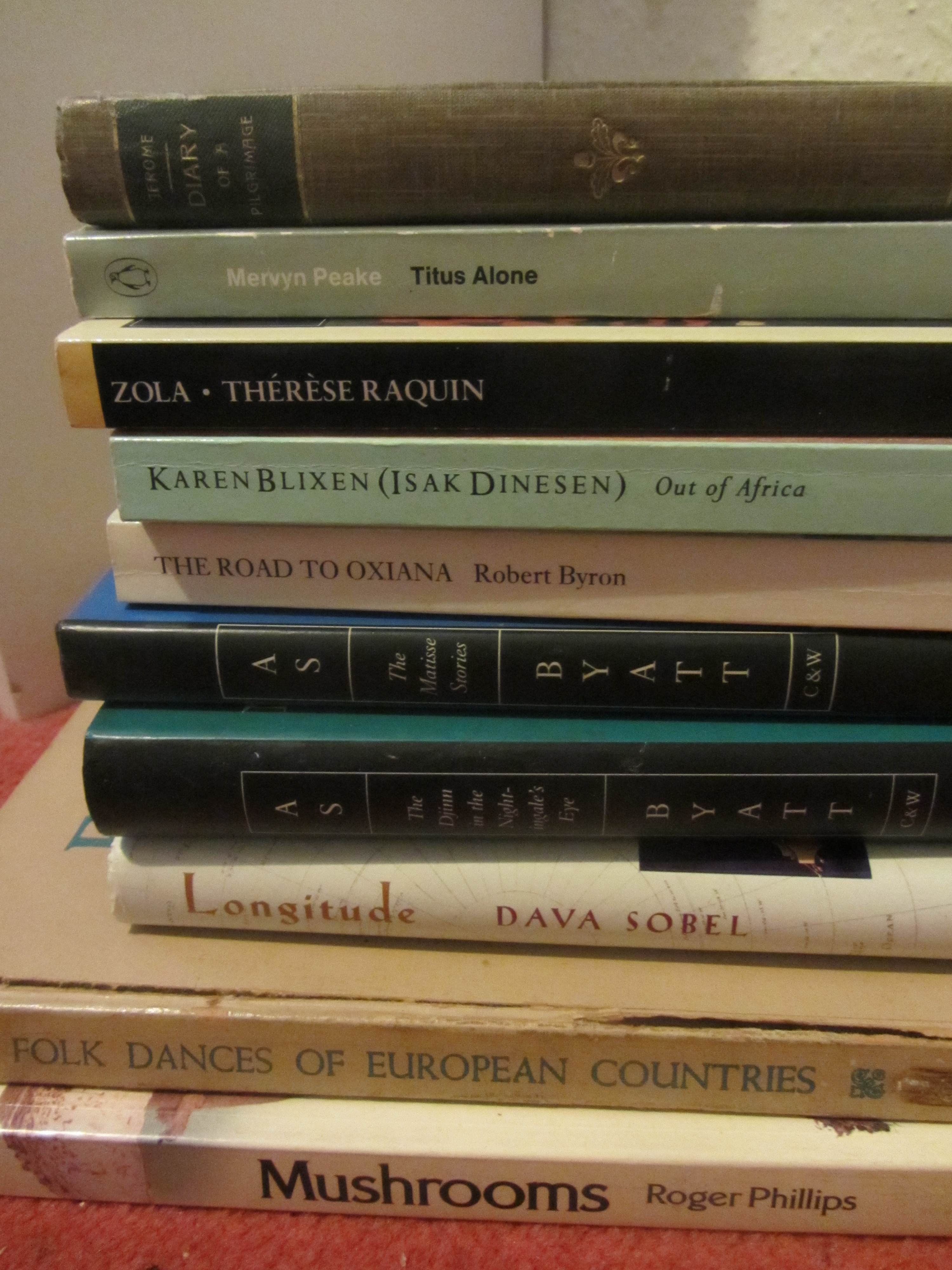
I’m especially pleased with the £1 copy of Diary of a Pilgrimage by Jerome K. Jerome, a novel about a journey by train and boat from England to Germany to see the Oberammergau Passion Play. We have plans to travel around Europe by train next year, so this will be a fun one to slip in a handbag for the Germany leg.
Tonight I’m headed to the theatre for the second time in a week – I shall report back about both trips on Monday.
Reviews Roundup, August–September
One of my goals with this blog is to have one convenient place where I can gather together all my writing that has appeared in disparate online locations. To that end, once a month I’ll provide links to all the book reviews I’ve published elsewhere, with a rating (below each description) and a short taster so you can decide whether to click to read more. A couple of exceptions: I won’t point out my Kirkus Indie or BlueInk reviews since I don’t get a byline.
The Bookbag
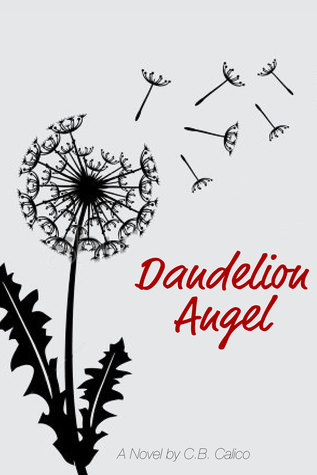 Dandelion Angel by C.B. Calico (& interview): This was inspired by a non-fiction work, Understanding the Borderline Mother by Christine Ann Lawson. The four mother/daughter relationships in this Germany-set novel – all marked to some extent by dysfunction, physical and/or verbal abuse, and borderline personality disorder – are based on Lawson’s metaphorical classifications: the hermit, the queen, the waif, and the witch. Looping back through her four storylines in three complete cycles, Calico shows how mental illness is rooted in childhood experiences and can go on to affect a whole family.

The Last Pilot by Benjamin Johncock: Cinematic descriptions of the California desert setting plus excellent characters and dialogue enliven this debut novel about a fictional test pilot and his family troubles during America’s Space Race. Johncock is British, but you can tell he’s taken inspiration from stories about the dawn of the astronaut age. If I allowed myself small points of criticism, I would say that it’s a challenge to accept the passage of time in the final 50 pages, and that a keen interest in astronauts is probably a boon to keep readers going through the test flight portions, which to me were less compelling than the domestic drama of Jim, Grace and Florence.
 Home Is Burning by Dan Marshall: At age 25, Dan Marshall went home to Salt Lake City to care for a father with ALS and a mother with leukemia. He and his four hapless siblings (a Sedaris-like clan) approached caregiving with sarcasm and dirty humor. Gleefully foul-mouthed, his memoir lacks introspective depth. He hardly ventures deeper than initial descriptions like “My gay brother, Greg” and “My adopted Native American sister, Michelle.” And even when his sentiments about his father are sincere, they are conveyed via what sound like clichés: “I wanted my poor dad to get better, not worse.” But to my surprise, Marshall made me cry in the end.

Of Orcas and Men by David Neiwert: Inspired by personal sightings near his home in Seattle, Neiwert set out to learn everything he could about orcas. The result is a thorough study of whales’ behavior and interactions with humanity from native mythology through modern-day aquarium shows. Some specialist interest would probably be helpful to those attempting this book, although there are plenty of black-and-white photographs to keep even casual readers interested. “Recovering our humanity may be the real gift of the orcas, what they can teach us. It’s our choice whether to listen.”

BookBrowse
 This Is Your Life, Harriet Chance! by Jonathan Evison [a subscription service, but an excerpt is available for free]: A widow in her seventies relives the ups and downs of her life while on an Alaskan cruise to scatter her husband’s ashes. Chapters alternate between a third-person account of the cruise and a second-person survey of Harriet’s past, delivered in the format of TV’s This Is Your Life. The narration is fresh and effective because the gradual revelations undermine Harriet’s elderly persona in such surprising ways. She is an out-of-the-ordinary but believable protagonist who, like all of us, has a mixture of victories and disappointments behind her. This is a charming novel about learning to reckon with the past.
 Speak by Louisa Hall [subscription service, but the full text of my review will be available for free during the week starting September 25th as part of Editor’s Choice]: Hall interweaves disparate time periods and voices to track the development of artificial intelligence. The fact that all six narratives are in different documentary formats – memoirs, letters, the transcript of a dialogue, a diary, and so on – means they are easy to distinguish. One might argue that two of them (Alan Turing’s letters and Mary’s shipboard diary) are unnecessary, and yet these are by far the most enjoyable. They prove Hall has an aptitude for historical fiction, a genre she might choose to pursue in the future. A remarkable book interrogating how the languages we converse in and the stories we tell make us human.
BookTrib
 You Too Can Have a Body Like Mine by Alexandra Kleeman: Think of Alexandra Kleeman as an heir to Dave Eggers and Douglas Coupland, with a hefty dollop of Margaret Atwood thrown in. Her first novel is a full-on postmodern satire bursting with biting commentary on consumerism and conformity. Television and shopping are the twin symbolic pillars of a book about the commodification of the body. In a culture of self-alienation where we buy things we don’t need, have no idea where food comes from and desperately keep up the façade of normalcy, Kleeman’s is a fresh voice advocating the true sanity of individuality. Don’t miss her incredible debut.

Foreword Reviews
Conflict Communication by Rory Miller: Based on “ConCom,” the police verbal de-escalation program Miller developed with Marc MacYoung, this book aims to introduce readers to more conscious methods of verbal communication that will sidestep instinctive reactions and promote peaceful solutions. The advice is practical and intuitive, yet picks up on tiny details that most people would not notice. Concise, helpful, and well-organized, this is strongly recommended for readers interested in the psychology of violence and improving communication skills.
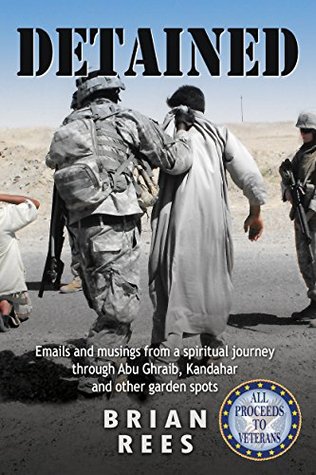 Detained by Brian Rees: Rees intersperses witty e-mail updates from his tours of Iraq and Afghanistan with clued-in commentary about war tactics, terrorism, Islam, and the benefits of transcendental meditation (TM) for soldiers with PTSD. The mixture of formats and topics generally works well, though the spiritual material deserves its own book. There’s no denying Rees’s expertise, and his fluid writing keeps the pages turning. This could make a fascinating companion volume for fans of recent war fiction such as The Yellow Birds, Redeployment, and War of the Encyclopaedists.
 Talk to Me of Love by Julia Anne Bernhardt: The poems in Bernhardt’s first collection range from erotic to spiritual as they investigate love in all its forms. Repetition, rhyme, and mantras produce hypnotic sonic effects and support the central message of the epigraph: “God is in the detail.” The everyday and the eternal mix here. This well-structured collection celebrates different types of love through meditative verse. The themes’ strength is enough to recommend it to readers of Jo Shapcott and Julia Copus.
The Hidden Treasure of Dutch Buffalo Creek by Jackson Badgenoone: Otherworldly ghost writers (the “Neverborn”) compose biographies for ordinary people in this playfully metafictional novel. James is a strong central character whose memories from the 1950s through the present give a sense of history’s sweep, while vivid descriptive language enlivens the settings. Although well written, the book as a whole is an unusual amalgam of spiritualism, historical nostalgia, and technology. James’s story might have been better told as a simple coming-of-age novel with flashbacks.
Nudge
 Common Ground by Rob Cowen: An unassuming patch of edge-land outside Harrogate is Cowen’s nature paradise, providing him with wildlife encounters and imaginative scenarios. Essentially, what Cowen does is give profiles of the edge-land’s inhabitants: animal and human, himself included. For instance, he creates an account of the life and death of a fox; elsewhere, he crafts a first-person narrative by a deer being hunted in medieval times. These fictions emulating Watership Down or Tarka the Otter, though well written, are out of place. When the book avoids melodramatic anthropomorphizing, it is very beautiful indeed.
We Love This Book
 Where My Heart Used to Beat by Sebastian Faulks: In Faulks’s thirteenth novel, his trademark themes of war, love and memory coalesce through the story of a middle-aged psychiatrist discovering the truth about his father’s death. Reminiscent of Birdsong as well as John Fowles’s The Magus and Ernest Hemingway’s A Farewell to Arms, this does not have the power of Faulks’s previous work but is a capable study of how war stories and love stories translate into personal history. [A few extra thoughts at Goodreads.]

I also post reviews of most of my casual reading and skimming on Goodreads.
 How to Write a Novel by Melanie Sumner: Our would-be novelist is Aris (short for Aristotle) Thibodeau, 12.5 years old and as precocious as Flavia de Luce. Diane is her single mother, and Max her downright weird younger brother. Using Write a Novel in 30 Days!, Aris is turning her family’s life story into fiction. In some ways they are very out of place here in Kanuga, Georgia. The child’s wry look at family dysfunction reminded me of Sue Townsend’s The Secret Diary of Adrian Mole, Aged 13 ¾. I would probably read something else from Sumner, so long as it wasn’t quite as silly and YA geared as this.
The Art of Memoir by Mary Karr: I would recommend this to anyone who reads and/or secretly wants to write memoirs; for the latter group, there is a wealth of practical advice here, on topics such as choosing the right carnal details (not sexual – or not only sexual – but physicality generally), correcting your facts and misconceptions, figuring out a structure, and settling on your voice. Along the way Karr discusses a number of favorite memoirs in detail, sometimes even line by line: Wild by Cheryl Strayed, Stop-Time by Pat Conroy, A Childhood by Harry Crews, Maya Angelou’s books, Speak, Memory by Nabokov, and so on.

Emblems of the Passing World: Poems after Photographs by August Sander by Adam Kirsch: A charming mix of historical photographs (1910s–1950s Germany) and poems. Kirsch uses his poetry to bring these one-dimensional figures to life, imagining the stories behind their generic titles (“Office Worker” or “Farming Family”) and sometimes slyly questioning the political and status connotations of such designations. One of my favorites was “Student of Philosophy.” This book could draw people whose interests usually run more to nonfiction – especially social history – into giving poetry a try. Releases November 17th.
 Browsings by Michael Dirda: Dirda wrote this pleasant set of bibliophilic essays for the American Scholar website in 2012–13. He’s the American equivalent of the UK’s John Sutherland: an extremely well-read doyen of the classics with a special love for Victorian and Edwardian genre fiction, often as revived by small presses and specialist societies. At times Dirda’s interests can be a bit obscure for the average reader, and some of the essays feel redundant. Still, it’s easy to relate to his addictive book purchasing and hoarding.
The Communist Manifesto by Karl Marx and Friedrich Engels: I read this on the train to Manchester, appropriate reading when approaching one of the UK’s biggest centers of Victorian industry and the place where Marx and Engels met to discuss ideas in the mid-1840s. Like Darwin’s Origin of Species, another seminal Victorian text, this has so many familiar lines and wonderful metaphors that have entered into common discourse that I simply assumed it was composed in English. My eyes glaze over at politics or economics, so I valued this more for its language than for its ideas. Part II, “Proletarians and Communists,” is the most focused part if you want to sample it.
 Number 11 by Jonathan Coe: This is a funny and mildly disturbing state-of-England and coming-of-age novel. I’d only read one previous book by Coe, Expo 58; this is a better example of his usual pattern: multiple, loosely linked storylines. Here the theme is the absurdity of modern culture, encompassing many aspects: unjust wars, the excesses of the uber-rich, the obsession with celebrity, and suspicion and exclusion of those who are different from us. The number 11 keeps popping up, too. My favorite parts were a Survivor-type reality television show and a laughably over-the-top prize ceremony banquet. Releases November 11th.
 My Family and Other Superheroes by Jonathan Edwards: Edwards displays his proud Welsh heritage with poems reflecting on his family tree and the country’s landscape. One of my favorites was “View of Valleys Village from a Hill,” in which the narrator, with a God’s-eye view of his family, envisions messing around with them. The witty “In John F. Kennedy International Airport” imagines that Wales has been abolished and recreated in miniature in a small Kansas museum (a bit like Julian Barnes’s England, England).
The Whole & Rain-domed Universe by Colette Bryce: Many of these poems are about the author’s Irish family inheritance, both literal and figurative, as in “Heritance”: “From her? Resilience. Generosity. / A teacher’s gravitas. / Irish stew. A sense / of the ridiculous. High ceilings.” I loved the first line of “Signature” – “When I finally gave up and became my mother.” It’s particularly nice how enjambment often makes the thought go just that one line beyond what you expect. I’d read more from Bryce.
 Bookish Beck = Rebecca Foster. American transplant to England. Freelance proofreader and book reviewer.
 Bookish Beck