Holiday Book Haul and Final 2019 Statistics
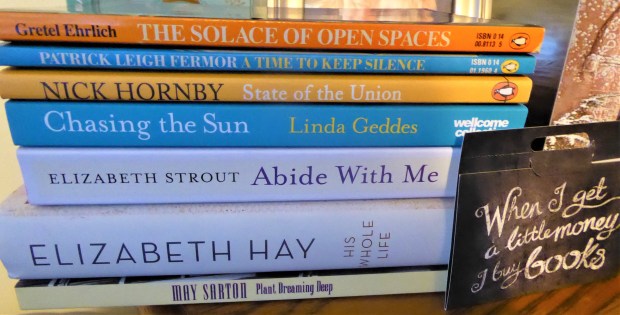
This is the stack I got for Christmas – along with a £30 Waterstones voucher to buy more books! I haven’t spent it yet, but I’m contemplating some combination of Be My Guest by Priya Basil, Disappearing Earth by Julia Phillips, The Glovemaker by Ann Weisgarber, a pre-order of the paperback of Benjamin Myers’s The Offing, and a cheap 2020 calendar.
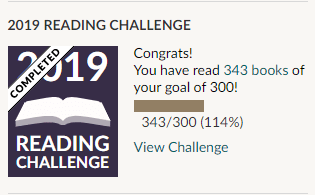
2019 was my most prolific reading year yet! (I’m sure I said the same thing the last two years.) People sometimes joke, “why not aim for a book a day?” but that’s not how I do things. Instead of reading one book from start to finish and then beginning another, I almost always have 10 to 20 books on the go at a time. I tend to start and finish books in batches – I’m addicted to starting new books, but also to finishing them.
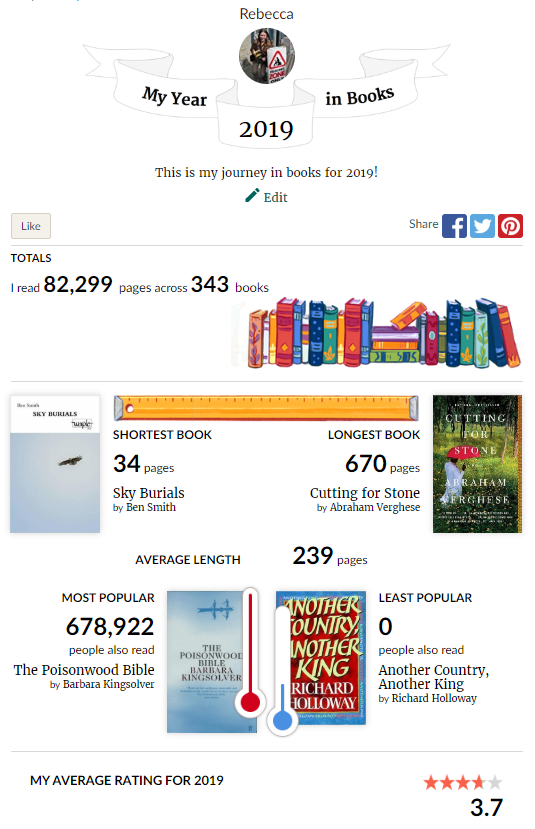
Some interesting additional statistics courtesy of Goodreads:
How did 2019 turn out for you reading-wise?
My Best Backlist Reads of 2019
Like many book bloggers, I’m irresistibly drawn to the shiny new books released each year. However, I consistently find that many of my most memorable reads were published years or even decades ago.
These selections, in alphabetical order by author name, account for the rest of my 5-star ratings of the year, plus a handful of 4.5 and high 4 ones.
Fiction
 Faces in the Water by Janet Frame: The best inside picture of mental illness I’ve read. Istina Mavet, in and out of New Zealand mental hospitals between ages 20 and 28, undergoes regular shock treatments. Occasional use of unpunctuated, stream-of-consciousness prose is an effective way of conveying the protagonist’s terror. Simply stunning writing.
 The Monsters of Templeton by Lauren Groff: Groff wrote this in homage to Cooperstown, New York, where she grew up. We hear from leading lights in the town’s history and Willie’s family tree through a convincing series of first-person narratives, letters and other documents. A charming way to celebrate where you come from with all its magic and mundanity.
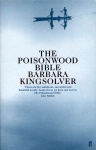 The Poisonwood Bible by Barbara Kingsolver: What an amazing novel about the ways that right and wrong, truth and pain get muddied together. Some characters are able to acknowledge their mistakes and move on, while others never can. Christianity and colonialism have a lot to answer for. A masterpiece.
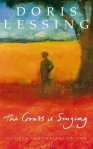 The Grass Is Singing by Doris Lessing: Begins with the words “MURDER MYSTERY”: a newspaper headline announcing that Mary, wife of Rhodesian farmer Dick Turner, has been found murdered by their houseboy. The breakdown of a marriage and the failure of a farm form a dual tragedy that Lessing explores in searing psychological detail.
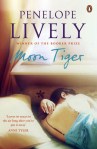 Moon Tiger by Penelope Lively: Seventy-six-year-old Claudia Hampton, on her deathbed in a nursing home, determines to write a history of the world as she’s known it. More impressive than the plot surprises is how Lively packs the whole sweep of a life into just 200 pages, all with such rich, wry commentary on how what we remember constructs our reality.
 The Friend by Sigrid Nunez: The narrator is a writer and academic who has stepped up to care for her late friend’s aging Great Dane, Apollo. It feels like Nunez has encapsulated everything she’s ever known or thought about, all in just over 200 pages, and alongside a heartwarming little plot. (Animal lovers need not fear.)
 There There by Tommy Orange: Orange’s dozen main characters are urban Native Americans converging on the annual Oakland Powwow. Their lives have been difficult, to say the least. The novel cycles through most of the characters multiple times, so gradually we work out the links between everyone. Hugely impressive.
 In the Driver’s Seat by Helen Simpson: The best story collection I read this year. Themes include motherhood, death versus new beginnings, and how to be optimistic in a world in turmoil. Gentle humor and magic tempers the sadness. I especially liked “The Green Room,” a Christmas Carol riff, and “Constitutional,” set on a woman’s one-hour lunch break walk.
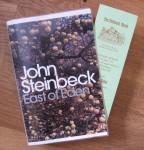 East of Eden by John Steinbeck: Look no further for the Great American Novel. Spanning from the Civil War to World War I and crossing the country from New England to California, this is just as wide-ranging in its subject matter, with an overarching theme of good and evil as it plays out in families and in individual souls.
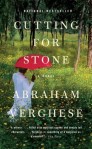 Cutting for Stone by Abraham Verghese: The saga of conjoined twins born of a union between an Indian nun and an English surgeon in 1954. Ethiopia’s postcolonial history is a colorful background. I thrilled to the accounts of medical procedures. I can’t get enough of sprawling Dickensian stories full of coincidences, minor characters, and humor and tragedy.
 Extinctions by Josephine Wilson: The curmudgeonly antihero is widower Frederick Lothian, at age 69 a reluctant resident of St Sylvan’s Estate retirement village. It’s the middle of a blistering Australian summer and he has plenty of time to drift back over his life. He’s a retired engineering expert, but he’s been much less successful in his personal life.
Poetry
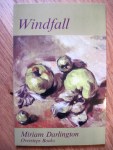 Windfall by Miriam Darlington: I’d had no idea that Darlington had written poetry before she turned to nature writing. The verse is rooted in the everyday. Multiple poems link food and erotic pleasure; others make nature the source of exaltation. Lots of allusions and delicious alliteration. Pick this up if you’re still mourning Mary Oliver.
 Girls Are Coming Out of the Woods by Tishani Doshi: The third collection by the Welsh–Gujarati poet and dancer is vibrant and boldly feminist. The tone is simultaneously playful and visionary, toying with readers’ expectations. Several of the most arresting poems respond to the #MeToo movement. She also excels at crafting breath-taking few-word phrases.
 Where the Road Runs Out by Gaia Holmes: A major thread of the book is caring for her father at home and in the hospital as he was dying on the Orkney Islands – a time of both wonder and horror. Other themes include pre-smartphone life and a marriage falling apart. There are no rhymes, just alliteration and plays on words, with a lot of seaside imagery.
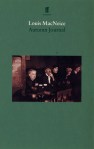 Autumn Journal by Louis MacNeice: MacNeice wrote this long verse narrative between August 1938 and the turn of the following year. Everyday life for the common worker muffles political rumblings that suggest all is not right in the world. He reflects on his disconnection from Ireland; on fear, apathy and the longing for purpose. Still utterly relevant.
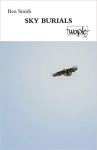 Sky Burials by Ben Smith: I discovered Smith through the 2018 New Networks for Nature conference. He was part of a panel discussion on the role poetry might play in environmental activism. This collection shares that environmentalist focus. Many of the poems are about birds. There’s a sense of history but also of the future.
Nonfiction
 Crow Planet: Essential Wisdom from the Urban Wilderness by Lyanda Lynn Haupt: During a bout of depression, Haupt decided to start paying more attention to the natural world right outside her suburban Seattle window. Crows were a natural place to start. A charming record of bird behavior and one woman’s reawakening, but also a bold statement of human responsibility to the environment.
 All Things Consoled: A Daughter’s Memoir by Elizabeth Hay: Hay’s parents, Gordon and Jean, stumbled into their early nineties in an Ottawa retirement home. There are many harsh moments in this memoir, but almost as many wry ones, with Hay picking just the right anecdotes to illustrate her parents’ behavior and the shifting family dynamic.
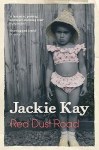 Red Dust Road by Jackie Kay: Jackie Kay was born out of the brief relationship between a Nigerian student and a Scottish nurse in Aberdeen in the early 1960s. This memoir of her search for her birth parents is a sensitive treatment of belonging and (racial) identity. Kay writes with warmth and a quiet wit. The nonlinear structure is like a family photo album.
 Drinking: A Love Story by Caroline Knapp: An excellent addiction memoir that stands out for its smooth and candid writing. For nearly 20 years, Knapp was a high-functioning alcoholic who maintained jobs in Boston-area journalism. The rehab part is often least exciting, but I appreciated how Knapp characterized it as the tortured end of a love affair.
 The Trauma Cleaner: One Woman’s Extraordinary Life in Death, Decay and Disaster by Sarah Krasnostein: I guarantee you’ve never read a biography quite like this one. It’s part journalistic exposé and part “love letter”; it’s part true crime and part ordinary life story. It considers gender, mental health, addiction, trauma and death. Simply a terrific read.
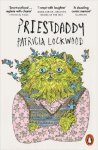 Priestdaddy by Patricia Lockwood: A memoir of growing up in a highly conservative religious setting, but not Evangelical Christianity as you or I have known it. Her father, a married Catholic priest, is an unforgettable character. This is a poet’s mind sparking at high voltage and taking an ironically innocent delight in dirty and iconoclastic talk.
 The Snow Leopard by Peter Matthiessen: For two months in 1973, Matthiessen joined a zoologist on a journey from the Nepalese Himalayas to the Tibetan Plateau in hopes of spotting the elusive snow leopard. Recently widowed, Matthiessen put his Buddhist training to work as he pondered impermanence and acceptance. The writing is remarkable.

This Sunrise of Wonder: Letters for the Journey by Michael Mayne: Mayne’s thesis is that experiencing wonder is what makes us human. He believes poets, musicians and painters, in particular, reawaken us to awe by encouraging us to pay close attention. Especially with the frequent quotations and epigraphs, this is like a rich compendium of wisdom from the ages.
 Body of Work: Meditations on Mortality from the Human Anatomy Lab by Christine Montross: When she was training to become a doctor, Montross was assigned an older female cadaver, Eve, who taught her everything she knows about the human body. Montross is also a poet, as evident in this lyrical, compassionate exploration of working with the dead.
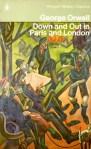 Down and Out in Paris and London by George Orwell: An excellent first-hand account of the working and living conditions of the poor in two world cities. Orwell works as a dishwasher and waiter in Paris hotel restaurants for up to 80 hours a week. The matter-of-fact words about poverty and hunger are incisive, while the pen portraits are glistening.
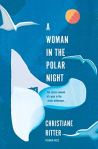 A Woman in the Polar Night by Christiane Ritter: In 1934, Ritter, an Austrian painter, joined her husband Hermann for a year in Spitsbergen. I was fascinated by the details of Ritter’s daily tasks, but also by how her perspective on the landscape changed. No longer a bleak wilderness, it became a tableau of grandeur. A travel classic worth rediscovering.
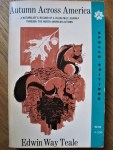 Autumn Across America by Edwin Way Teale: In the late 1940s Teale and his wife set out on a 20,000-mile road trip from Cape Cod on the Atlantic coast to Point Reyes on the Pacific to track the autumn. Teale was an early conservationist. His descriptions of nature are gorgeous, and the scientific explanations are at just the right level for the average reader.
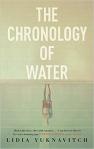 The Chronology of Water by Lidia Yuknavitch: This blew me away. Reading this nonlinear memoir of trauma and addiction, you’re amazed the author is still alive, let alone a thriving writer. The writing is truly dazzling, veering between lyrical stream-of-consciousness and in-your-face informality. The watery metaphors are only part of what make it unforgettable.

(Books not pictured were read from the library or on Kindle.)
And if I really had to limit myself to just two favorites – my very best fiction and nonfiction reads of the year – they would be Moon Tiger by Penelope Lively and Priestdaddy by Patricia Lockwood.
What were your best backlist reads this year?
Other 2019 Superlatives and Some Statistics
My best discoveries of the year: The poetry of Tishani Doshi; Penelope Lively and Elizabeth Strout (whom I’d read before but not fully appreciated until this year); also, the classic nature writing of Edwin Way Teale.


The authors I read the most by this year: Margaret Atwood and Janet Frame (each: 2 whole books plus parts of 2 more), followed by Doris Lessing (2 whole books plus part of 1 more), followed by Miriam Darlington, Paul Gallico, Penelope Lively, Rachel Mann and Ben Smith (each: 2 books).
Debut authors whose next work I’m most looking forward to: John Englehardt, Elizabeth Macneal, Stephen Rutt, Gail Simmons and Lara Williams.
My proudest reading achievement: A 613-page novel in verse (Mary Ann Sate, Imbecile by Alice Jolly) + 2 more books of over 600 pages (East of Eden by John Steinbeck and Cutting for Stone by Abraham Verghese).


Best book club selection: Red Dust Road by Jackie Kay was our first nonfiction book and received our highest score ever.
Some best first lines encountered this year:
- “What can you say about a twenty-five-year old girl who died?” (Love Story by Erich Segal)
- “The women of this family leaned towards extremes” (Away by Jane Urquhart)
- “The day I returned to Templeton steeped in disgrace, the fifty-foot corpse of a monster surfaced in Lake Glimmerglass.” (from The Monsters of Templeton by Lauren Groff)
The downright strangest book I read this year: Lanny by Max Porter
The 2019 books everybody else loved (or so it seems), but I didn’t: Fleishman Is in Trouble by Taffy Brodesser-Akner, The Topeka School by Ben Lerner, Underland by Robert Macfarlane, The Boy, The Mole, The Fox and The Horse by Charlie Mackesy, Three Women by Lisa Taddeo and The Nickel Boys by Colson Whitehead
 The year’s major disappointments: Cape May by Chip Cheek, We Are the Weather: Saving the Planet Begins at Breakfast by Jonathan Safran Foer, Letters to the Earth: Writing to a Planet in Crisis, ed. Anna Hope et al., Bowlaway by Elizabeth McCracken, Rough Magic: Riding the World’s Loneliest Horse Race by Lara Prior-Palmer, The Lager Queen of Minnesota by J. Ryan Stradal, The Knife’s Edge by Stephen Westaby and Frankissstein by Jeanette Winterson
The worst book I read this year: Jonathan Livingston Seagull by Richard Bach
Some statistics on my 2019 reading:
Fiction: 45.4%
Nonfiction: 43.4%
Poetry: 11.2%
(As usual, fiction and nonfiction are neck and neck. I read a bit more poetry this year than last.)
Male author: 39.4%
Female author: 58.9%
Nonbinary author (the first time this category has been applicable for me): 0.85%
Multiple genders (anthologies): 0.85%
(I’ve said this the past three years: I find it interesting that female authors significantly outweigh male authors in my reading; I have never consciously set out to read more books by women.)
E-books: 10.3%
Print books: 89.7%
(My e-book reading has been declining year on year, partially because I’ve cut back on the reviewing gigs that involve only reading e-books and partially because I’ve done less traveling; also, increasingly, I find that I just prefer to sit down with a big stack of print books.)
Work in translation: 7.2%
(Lower than I’d like, but better than last year’s 4.8%.)
Where my books came from for the whole year:
- Free print or e-copy from publisher: 36.8%
- Public library: 21.3%
- Secondhand purchase: 13.8%
- Free (giveaways, The Book Thing of Baltimore, the free mall bookshop, etc.): 9.2%
- Downloaded from NetGalley, Edelweiss or Project Gutenberg: 7.8%
- Gifts: 4.3%
- University library: 2.9%
- New purchase (usually at a bargain price): 2.9%
- Church theological library: 0.8%
- Borrowed: 0.2%
(Review copies accounted for over a third of my reading; I’m going to scale way back on this next year. My library reading was similar to last year’s; my e-book reading decreased in general; I read more books that I either bought new or got for free.)
Number of unread print books in the house: 440
(Last thing I knew the figure was more like 300, so this is rather alarming. I blame the free mall bookshop, where I volunteer every Friday. Most weeks I end up bringing home at least a few books, but it’s often a whole stack. Surely you understand. Free books! No strings attached!)
The Best Books of 2019: Some Runners-Up
I sometimes like to call this post “The Best Books You’ve Probably Never Heard Of (Unless You Heard about Them from Me)”. However, these picks vary quite a bit in terms of how hyped or obscure they are; the ones marked with an asterisk are the ones I consider my hidden gems of the year. Between this post and my Fiction/Poetry and Nonfiction best-of lists, I’ve now highlighted about the top 13% of my year’s reading.
Fiction:
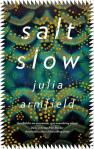 Salt Slow by Julia Armfield: Nine short stories steeped in myth and magic. The body is a site of transformation, or a source of grotesque relics. Armfield’s prose is punchy, with invented verbs and condensed descriptions that just plain work. She was the Young Writer of the Year Award shadow panel winner. I’ll be following her career with interest.
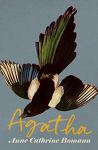 *Agatha by Anne Cathrine Bomann: In late-1940s Paris, a psychiatrist counts down the days and appointments until his retirement. A few experiences awaken him from his apathy, including meeting Agatha, a new German patient with a history of self-harm. This debut novel is a touching, subtle and gently funny story of rediscovering one’s purpose late in life.
 A Single Thread by Tracy Chevalier: Chevalier is an American expat like me, but she’s lived in England long enough to make this very English novel convincing and full of charm. Violet Speedwell, 38, is an appealing heroine who has to fight for a life of her own in the 1930s. Who knew the hobbies of embroidering kneelers and ringing church bells could be so fascinating?
 Akin by Emma Donoghue: An 80-year-old ends up taking his sullen pre-teen great-nephew with him on a long-awaited trip back to his birthplace of Nice, France. The odd-couple dynamic works perfectly and makes for many amusing culture/generation clashes. Donoghue nails it: sharp, true-to-life and never sappy, with spot-on dialogue and vivid scenes.
 Things in Jars by Jess Kidd: In 1863 Bridie Devine, female detective extraordinaire, is tasked with finding the six-year-old daughter of a baronet. Kidd paints a convincingly stark picture of Dickensian London, focusing on an underworld of criminals and circus freaks. The prose is spry and amusing, particularly in her compact descriptions of people.
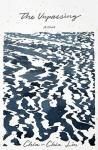 *The Unpassing by Chia-Chia Lin: Bleak yet beautiful in the vein of David Vann’s work: the story of a Taiwanese immigrant family in Alaska and the bad luck and poor choices that nearly destroy them. This debut novel is full of atmosphere and the lowering forces of weather and fate.
 The Doll Factory by Elizabeth Macneal: Set in the early 1850s and focusing on the Great Exhibition and Pre-Raphaelite Brotherhood, this reveals the everyday world of poor Londoners. It’s a sumptuous and believable fictional world, with touches of gritty realism. A terrific debut full of panache and promise.
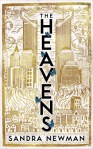 *The Heavens by Sandra Newman: Not a genre I would normally be drawn to (time travel), yet I found it entrancing. In her dreams Kate becomes Shakespeare’s “Dark Lady” and sees visions of a future burned city. The more she exclaims over changes in her modern-day life, the more people question her mental health. Impressive for how much it packs into 250 pages; something like a cross between Jonathan Franzen and Samantha Harvey.
 *In Love with George Eliot by Kathy O’Shaughnessy: Many characters, fictional and historical, are in love with George Eliot over the course of this debut novel. We get intriguing vignettes from Eliot’s life with her two great loves, and insight into her scandalous position in Victorian society. O’Shaughnessy mimics Victorian prose ably.
 Daisy Jones and The Six by Taylor Jenkins Reid: This story of the rise and fall of a Fleetwood Mac-esque band is full of verve and heart. It’s so clever how Reid delivers it all as an oral history of pieced-together interview fragments. Pure California sex, drugs, and rock ’n roll, yet there’s nothing clichéd about it.
Graphic Novels:
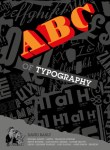 *ABC of Typography by David Rault: From cuneiform to Comic Sans, this history of typography is delightful. Graphic designer David Rault wrote the whole thing, but each chapter has a different illustrator, so the book is like a taster course in comics styles. It is fascinating to explore the technical characteristics and aesthetic associations of various fonts.
 *The Lady Doctor by Ian Williams: Dr. Lois Pritchard works at a medical practice in small-town Wales and treats embarrassing ailments at a local genitourinary medicine clinic. The tone is wonderfully balanced: there are plenty of hilarious, somewhat raunchy scenes, but also a lot of heartfelt moments. The drawing style recalls Alison Bechdel’s.
Poetry:
 *Thousandfold by Nina Bogin: This is a lovely collection whose poems devote equal time to interactions with nature and encounters with friends and family. Birds are a frequent presence. Elsewhere Bogin greets a new granddaughter and gives thanks for the comforting presence of her cat. Gentle rhymes and half-rhymes lend a playful or incantatory nature.
Nonfiction:
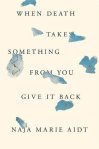 *When Death Takes Something from You Give It Back by Naja Marie Aidt: Aidt’s son Carl Emil died in 2015, having jumped out of his fifth-floor Copenhagen window during a mushroom-induced psychosis. The text is a collage of fragments. A playful disregard for chronology and a variety of fonts, typefaces and sizes are ways of circumventing the feeling that grief has made words lose their meaning forever.
 *Homesick: Why I Live in a Shed by Catrina Davies: Penniless during an ongoing housing crisis, Davies moved into the shed near Land’s End that had served as her father’s architecture office until he went bankrupt. Like Raynor Winn’s The Salt Path, this intimate, engaging memoir serves as a sobering reminder that homelessness is not so remote.
 *Hard Pushed: A Midwife’s Story by Leah Hazard: An empathetic picture of patients’ plights and medical professionals’ burnout. Visceral details of sights, smells and feelings put you right there in the delivery room. This is a heartfelt read as well as a vivid and pacey one, and it’s alternately funny and sobering.
 *Deep Creek: Finding Hope in the High Country by Pam Houston: Autobiographical essays full of the love of place, chiefly her Colorado ranch – a haven in a nomadic career, and a stand-in for the loving family home she never had. It’s about making your own way, and loving the world even – or especially – when it’s threatened with destruction. Highly recommended to readers of The Chronology of Water by Lidia Yuknavitch.
 *Dancing with Bees: A Journey back to Nature by Brigit Strawbridge Howard: Bees were the author’s gateway into a general appreciation of nature, something she lost for a time in midlife because of the rat race and family complications. She clearly delights in discovery and is devoted to lifelong learning. It’s a book characterized by curiosity and warmth. I ordered signed copies of this and the Simmons (below) directly from the authors via Twitter.
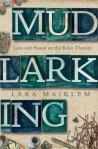 *Mudlarking: Lost and Found on the River Thames by Lara Maiklem: Maiklem is a London mudlark, scavenging for what washes up on the shores of the Thames, including clay pipes, coins, armaments, pottery, and much more. A fascinating way of bringing history to life and imagining what everyday existence was like for Londoners across the centuries.
 Unfollow: A Journey from Hatred to Hope, Leaving the Westboro Baptist Church by Megan Phelps-Roper: Phelps-Roper grew up in a church founded by her grandfather and made up mostly of her extended family. Its anti-homosexuality message and picketing of military funerals became trademarks. This is an absorbing account of doubt and making a new life outside the only framework you’ve ever known.
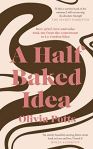 *A Half Baked Idea: How Grief, Love and Cake Took Me from the Courtroom to Le Cordon Bleu by Olivia Potts: Bereavement memoir + foodie memoir = a perfect book for me. Potts left one very interesting career for another. Losing her mother when she was 25 and meeting her future husband, Sam, who put time and care into cooking, were the immediate spurs to trade in her wig and gown for a chef’s apron.
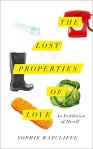 *The Lost Properties of Love by Sophie Ratcliffe: Not your average memoir. It’s based around train journeys – real and fictional, remembered and imagined; appropriate symbols for many of the book’s dichotomies: scheduling versus unpredictability, having or lacking a direction in life, monotony versus momentous events, and fleeting versus lasting connections.
 Inheritance: A Memoir of Genealogy, Paternity, and Love by Dani Shapiro: On a whim, in her fifties, Shapiro sent off a DNA test kit and learned she was only half Jewish. Within 36 hours she found her biological father, who’d donated sperm as a medical student. It’s a moving account of her emotional state as she pondered her identity and what her sense of family would be in the future.
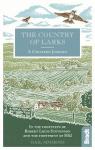 *The Country of Larks: A Chiltern Journey by Gail Simmons: Reprising a trek Robert Louis Stevenson took nearly 150 years before, revisiting sites from a childhood in the Chilterns, and seeing the countryside that will be blighted by a planned high-speed railway line. Although the book has an elegiac air, Simmons avoids dwelling in melancholy, and her writing is a beautiful tribute to farmland that was once saturated with the song of larks.

(Books not pictured were read from the library or on Kindle.)
Coming tomorrow: Other superlatives and some statistics.
Best of 2019: Nonfiction
For me, 2019 has been a more memorable year for nonfiction than for fiction. Like I did last year, I’ve happened to choose 12 favorite nonfiction books – though after some thematic grouping this has ended up as a top 10 list. Bodies, archaeology, and the environmental crisis are recurring topics, reflecting my own interests but also, I think, something of the zeitgeist.
Let the countdown begin!
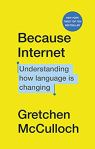 Because Internet: Understanding how language is changing by Gretchen McCulloch: Surprisingly fascinating stuff, even for a late adopter of technology. The Internet popularized informal writing and quickly incorporates changes in slang and cultural references. The book addresses things you may never have considered, like how we convey tone of voice through what we type and how emoji function as the gestures of the written word. Bursting with geeky enthusiasm.
-
 Surfacing by Kathleen Jamie: A fusion of autobiography with nature and travel writing – two genres that are too often dominated by men. Jamie has a particular interest in birds, islands, archaeology and the oddities of the human body, all subjects that intrigue me. There is beautiful nature writing to be found in this volume, as you might expect, but also relatable words on the human condition.
-
 Mother Ship by Francesca Segal: A visceral diary of the first eight weeks in the lives of the author’s daughters, who were born by Caesarean section at 29 weeks in October 2015 and spent the next two months in the NICU. Segal describes with tender precision the feeling of being torn between writing and motherhood, and crafts twinkly pen portraits of others she encountered in the NICU, including the staff but especially her fellow preemie mums.
-
 Surrender: Mid-Life in the American West by Joanna Pocock: Prompted by two years spent in Missoula, Montana and the disorientation felt upon a return to London, this memoir-in-essays varies in scale from the big skies of the American West to the smallness of one human life and the experience of loss and change. This is an elegantly introspective work that should engage anyone interested in women’s life writing and the environmental crisis.
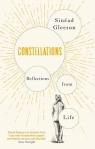
- (A tie) Constellations by Sinéad Gleeson / The Undying by Anne Boyer / Notes Made while Falling by Jenn Ashworth: Trenchant autobiographical essays about female pain. All three feel timely and inventive in how they bring together disparate topics to explore the possibilities and limitations of women’s bodies. A huge theme in life writing in the last couple of years and a great step toward trauma and chronic pain being taken seriously. (See also Notes to Self by Emilie Pine and the forthcoming Pain Studies by Lisa Olstein.)


-
 Time Song: Searching for Doggerland by Julia Blackburn: Deep time is another key topic this year. Blackburn follows her curiosity wherever it leads as she does research into millions of years of history, including the much shorter story of human occupation. The writing is splendid, and the dashes of autobiographical information are just right, making her timely/timeless story personal. This would have been my Wainwright Prize winner.
-
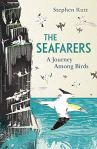 The Seafarers: A Journey among Birds by Stephen Rutt: The young naturalist travelled the length and breadth of the British Isles – from Skomer to Shetland – courting encounters with seabirds. Discussion of the environmental threats that hit these species hardest, such as plastic pollution, makes for a timely tie-in to wider issues. The prose is elegantly evocative, and especially enjoyable because I’ve been to a lot of the island locations.
-
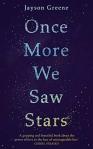 Once More We Saw Stars by Jayson Greene: In 2015 the author’s two-year-old daughter, Greta, was fatally struck in the head by a brick that crumbled off an eighth-story Manhattan windowsill. Music journalist Greene explores all the ramifications of grief. I’ve read many a bereavement memoir and can’t remember a more searing account of the emotions and thoughts experienced moment to moment. The whole book has an aw(e)ful clarity to it.
-
 The Body: A Guide for Occupants by Bill Bryson: Bryson is back on form indulging his layman’s curiosity. Without ever being superficial or patronizing, he gives a comprehensive introduction to every organ and body system. He delights in our physical oddities, and his sense of wonder is contagious. Shelve this next to Being Mortal by Atul Gawande in a collection of books everyone should read – even if you don’t normally choose nonfiction.
-
 Irreplaceable: The Fight to Save Our Wild Places by Julian Hoffman: Species and habitat loss are hard to comprehend even when we know the facts. This exquisitely written book is about taking stock, taking responsibility, and going beyond the numbers to tell the stories of front-line conservation work. Irreplaceable is an elegy of sorts, but, more importantly, it’s a call to arms. It places environmentalism in the hands of laypeople and offers hope that in working together in the spirit of defiance we can achieve great things. So, if you read one 2019 release, make it this one.
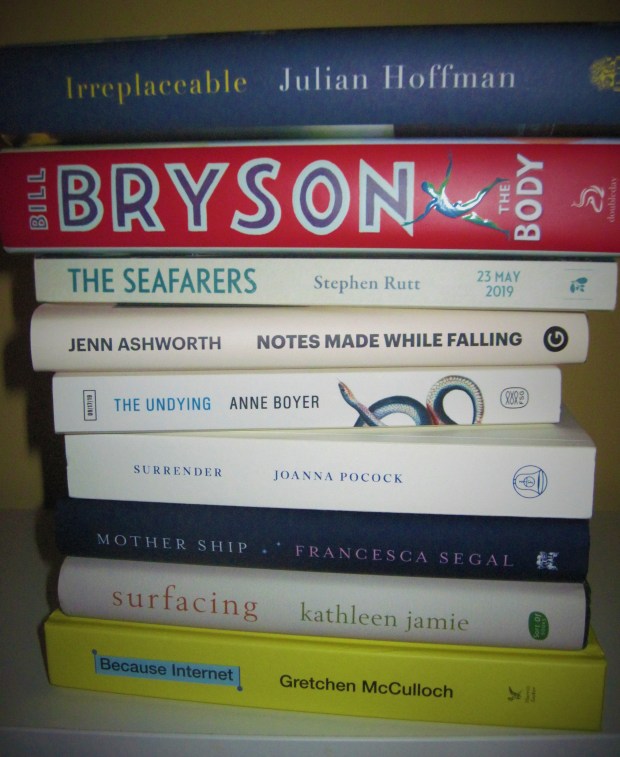
(Books not pictured were read from the library or on Kindle.)
What were some of your top nonfiction reads of the year?
Upcoming posts:
28th: Runners-up
29th: Other superlatives and some statistics
30th: Best backlist reads
31st: The final figures on my 2019 reading
Best of 2019: Fiction and Poetry
I’ve managed to whittle my favorite releases of 2019 down to 20 in total: 12 nonfiction (that’s for tomorrow), 5 fiction and 3 poetry. It felt like a particular achievement to limit myself to five top novels, though plenty more turn up on my runners-up list, due Saturday.
Let the countdown begin!
Fiction
-
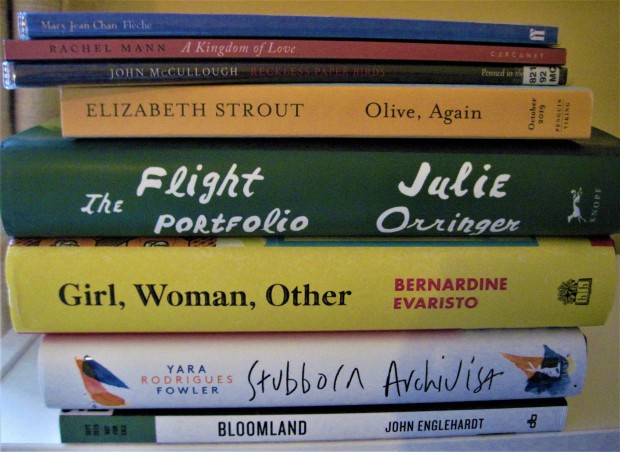
 Bloomland by John Englehardt: Subtle and finely crafted literary fiction about a mass shooting at a fictional Arkansas university. The second-person narration draws the reader into the action, inviting ‘you’ to extend sympathy to three very different characters: Rose, a student who becomes romantically involved with one of the injured; Eddie, a professor whose wife dies in the massacre; and Eli, the shooter. Englehardt writes a gorgeous sentence, too.
-
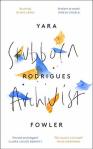 Stubborn Archivist by Yara Rodrigues Fowler: Autofiction in fragments, like a pure stream of memory and experience. Navigating between two cultures and languages, being young and adrift, and sometimes seeing her mother in herself: there’s a lot to sympathize with in the Brazilian–English main character. What a hip, fresh approach to fiction. I’d hoped to see Fowler on the Women’s Prize longlist and winning the Young Writer of the Year Award.
-
 Girl, Woman, Other by Bernardine Evaristo: A terrific linked short story collection about 12 black women in twentieth-century and contemporary Britain balancing external and internal expectations and different interpretations of feminism to build lives of their own. It’s a warm, funny book, never strident in its aims yet unabashedly obvious about them. It’s timely and elegantly constructed – and, it goes without saying, a worthy Booker Prize winner.
-
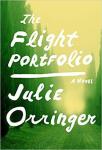 The Flight Portfolio by Julie Orringer: Every day the Emergency Rescue Committee in Marseille interviews 60 refugees and chooses 10 to recommend to the command center in New York City. Varian Fry and his staff arrange bribes, fake passports, and exit visas to get celebrated Jewish artists and writers out of the country via the Pyrenees or various sea routes. The story of an accidental hero torn between impossible choices is utterly compelling. This is richly detailed historical fiction at its best.
-
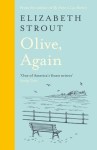
 Olive, Again by Elizabeth Strout: Crosby, Maine feels like a microcosm of modern society, with Olive as our Everywoman guide. She hasn’t lost her faculties or her spirit, but the approach of death lends added poignancy to her story. Strout is a master of psychological acuity and mixing hope with the darkness. Those who are wary of sequels need not fear: Olive, Again is even better than Olive Kitteridge. (I revisited the book for BookBrowse, whose subscribers likewise voted it the 2019 Best Fiction Award Winner.)
Poetry
-
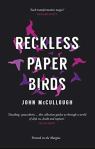 Reckless Paper Birds by John McCullough: From the Costa Awards shortlist. I was struck by the hard-hitting, never-obvious verbs, and the repeating imagery. Flashes of nature burst into a footloose life in Brighton. The poems are by turns randy, neurotic, playful and nostalgic. In “Flock of Paper Birds,” one of my favorites, the poet tries to reconcile the faith he grew up in with his unabashed sexuality.
-
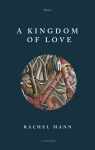 A Kingdom of Love by Rachel Mann: The Anglican priest’s poetry is full of snippets of scripture and liturgy (both English and Latin), and the cadence is often psalm-like. This is beautiful, incantatory free verse that sparkles with alliteration and allusions that those of a religious background will be sure to recognize. It’s sensual as well as headily intellectual. Doubt, prayer and love fuel many of my favorite lines.
-
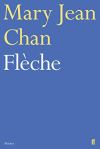 Flèche by Mary Jean Chan: Exquisite poems of love and longing, with the speaker’s loyalties always split between head and heart, flesh and spirit. Over it all presides the figure of a mother – not just Chan’s mother, who had difficulty accepting that her daughter was a lesbian, but also the relationship to the mother tongue (Chinese) and the mother country (Hong Kong). Fencing terms are used for structure. I was impressed by how clearly Chan sees how others perceive her, and by how generously she imagines herself into her mother’s experience. I’ve read 3.5 of the 4 nominees now and this is my pick to win the Costa Award.
What were some of your top fiction (or poetry) reads of the year?
Tomorrow I’ll be naming my favorite nonfiction of 2019.
A Report on My Most Anticipated Reads & The Ones that Got Away
Between my lists in January and June, I highlighted 45 of the 2019 releases I was most looking forward to reading. Here’s how I did:
Read: 28 [Disappointments (rated
or
): 12]
Currently reading: 1
Abandoned partway through: 5
Lost interest in reading: 1
Haven’t managed to find yet: 9
Languishing on my Kindle; I still have vague intentions to read: 1
To my dismay, it appears I’m not very good at predicting which books I’ll love; I would have gladly given 43% of the ones I read a miss, and couldn’t finish another 11%. Too often, the blurb is tempting or I loved the author’s previous book(s), yet the book doesn’t live up to my expectations. And I still have 376 books published in 2019 on my TBR, which is well over a year’s reading. For the list to keep growing at that annual rate is simply unsustainable.
Thus, I’m gradually working out a 2020 strategy that involves many fewer review copies. For strings-free access to new releases I’m keen to read, I’ll go via my local library. I can still choose to review new and pre-release fiction for BookBrowse, and nonfiction for Kirkus and the TLS. If I’m desperate to read an intriguing-sounding new book and can’t find it elsewhere, there’s always NetGalley or Edelweiss, too. I predict my FOMO will rage, but I’m trying to do myself a favor by waiting most of the year to find out which are truly the most worthwhile books rather than prematurely grabbing at everything that might be interesting.
I regret not having time to finish two 2019 novels I’m currently reading that are so promising they likely would have made at least my runners-up list had I finished them in time. I’m only a couple of chapters into The Confessions of Frannie Langton by Sara Collins (on the Costa Awards debut shortlist), a Gothic pastiche about a Jamaican maidservant on trial for killing her master and mistress (doubly intended) in Georgian London, but enjoying it very much. I’m halfway through The Dearly Beloved by Cara Wall, a quiet character study of co-pastors and their wives and how they came to faith (or not); it is lovely and simply cannot be rushed.
The additional 2019 releases I most wished I’d found time for before the end of this year are:
All This Could Be Yours by Jami Attenberg
Your House Will Pay by Steph Cha
Dominicana by Angie Cruz
&
In the Dream House by Carmen Maria Machado: I’ve heard that this is an amazing memoir of a same-sex abusive relationship, written in an experimental style. It was personally recommended to me by Yara Rodrigues Fowler at the Young Writer of the Year Award ceremony, and also made Carolyn Oliver’s list of nonfiction recommendations.
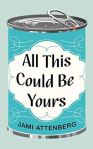
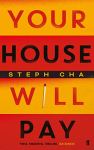
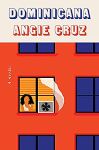

Luckily, I have another chance at these four since they’re all coming out in the UK in January; I have one as a print proof (Cruz) and the others as NetGalley downloads. I also plan to skim Invisible Women: Exposing Data Bias in a World Designed for Men by Caroline Criado Perez, a very important new release, before it’s due back at the library.
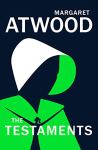 The biggest release of 2019 is another that will have to wait until 2020: I know I made a lot of noise about boycotting The Testaments, but I’ve gradually come round to the idea of reading it, and was offered a free hardback to read as a part of an online book club starting on the 13th, so I’m currently rereading Handmaid’s to be ready to start the sequel in the new year.
Here’s the books I’m packing for the roughly 48 hours we’ll spend at my in-laws’ over Christmas. (Excessive, I know, but I’m a dabbler, and like to keep my options open!) A mixture of current reads, including a fair bit of suspense and cozy holiday stuff, with two lengthy autobiographies, an enormous Victorian pastiche, and an atmospheric nature/travel book waiting in the wings. I find that the holidays can be a good time to start some big ol’ books I’ve meant to read for ages.

Left stack: to start and read gradually over the next couple of months; right stack: from the currently reading pile.
I’ll be back on the 26th to start the countdown of my favorite books of the year, starting with fiction.
Merry Christmas!
Nonfiction Recommendations from Carolyn Oliver
I ‘met’ poet Carolyn Oliver through her much-missed blog, Rosemary & Reading Glasses. (She’s on Twitter as @CarolynROliver and Instagram as @carolynroliver.) Back in 2017 I asked for her top fiction picks; this year she’s contributed another guest blog listing the best nonfiction she’s read this year. It’s a fascinating selection of memoirs, essays, science and nature, and current events. I scurried to add the ones I hadn’t already heard of to my TBR. Which ones tempt you?
My favorite nonfiction reads from this year (though many are backlist):
 The Butchering Art, Lindsey Fitzharris: Fascinating medical history of Lister’s antiseptic breakthrough.
 Braiding Sweetgrass, Robin Wall Kimmerer: Reflective ecology from the perspective of a Native botanist. Probably my favorite essay collection of the decade.
 The Book of Delights, Ross Gay: Just as the title says. Mini-essays on myriad topics. When you’ve finished, pick up his Catalog of Unabashed Gratitude (poems).
 Atlas of Poetic Botany, Francis Halle: Bite-sized excursions into the worlds of unusual flora, with drawings. Meant for adults, I think, but a huge hit with my eight-year-old.
 Stamped from the Beginning: The Definitive History of Racist Ideas in America, Ibram X. Kendi: Just as the title says. Incisive, eye-opening, necessary.
 The Art Detective, Philip Mould: A romp through the art world with an enthusiastic, knowledgeable guide (Mould is the co-host of the BBC’s Fake or Fortune).
 How We Fight for Our Lives, Saeed Jones: The bildungsroman America needs. Beautiful writing.
 In the Dream House, Carmen Maria Machado: The most formally inventive memoir I’ve ever read. Brilliant and necessary.
 Coventry, Rachel Cusk: I was entranced by Cusk’s voice, even when I didn’t share her conclusions; reading this collection (with the exception of the book reviews added at the end), I felt I was witnessing the writer’s mind in the act of thinking.
Library Checkout: December 2019
One final chance to get through the rest of the 2019 releases I was most interested in reading. At the last minute, a bunch of my reservations on Costa Awards shortlisted books (one from the Novel category, one from the First Novel category, one from the Biography category, and the entire poetry shortlist) arrived. I’m pushing myself to get through at least the poetry.
I give links to reviews of any books I haven’t already featured, as well as ratings. What have you been reading from your local libraries? Use this image and leave a link to your blog in the comments if you’ve taken part.

READ
- The Easternmost House: A Year of Life on the Edge of England by Juliet Blaxland
- Ring the Hill by Tom Cox
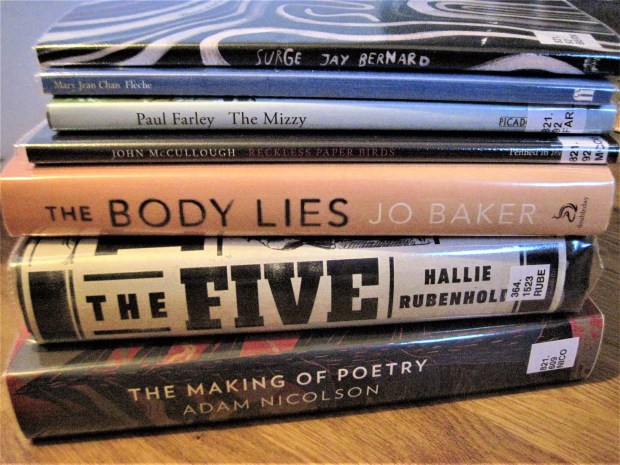
- The Mizzy by Paul Farley [poetry]
- The Snow Goose by Paul Gallico
- The Heavens by Sandra Newman

- My Name Is Why: A Memoir by Lemn Sissay
SKIMMED
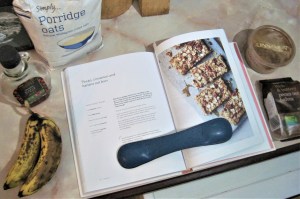
- Five Ingredient Vegan: 100 Simple, Fast, Modern Recipes by Katy Beskow – I made the banana pecan bars, above, for a quick snack.
- Afloat: A Memoir by Danie Couchman
- The School of Life: An Emotional Education by Alain de Botton
- Happy Ever After: Escaping the Myth of the Perfect Life by Paul Dolan
- Diary of a Lone Twin by David Loftus
- The Making of Poetry: Coleridge, the Wordsworths and Their Year of Marvels by Adam Nicolson
- The Five: The Untold Lives of the Women Killed by Jack the Ripper by Hallie Rubenhold
- The Christmas Chronicles by Nigel Slater
CURRENTLY READING
- The Body Lies by Jo Baker
- Surge by Jay Bernard [poetry]
- Flèche by Mary Jean Chan [poetry]
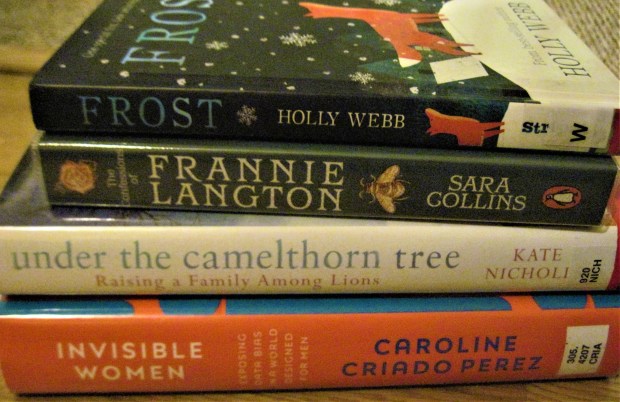
- The Confessions of Frannie Langton by Sara Collins
- Reckless Paper Birds by John McCullough [poetry]
- Under the Camelthorn Tree: Raising a Family among Lions by Kate Nicholls
- Mr Dickens and His Carol by Samantha Silva
- A Good Enough Mother by Bev Thomas
CURRENTLY SKIMMING
- Invisible Women: Exposing Data Bias in a World Designed for Men by Caroline Criado Perez
CHECKED OUT, TO BE READ
- The Botanist’s Daughter by Kayte Nunn
- Frost by Holly Webb
- Everything, Everything by Nicola Yoon [for February book club]
PLUS an exciting new batch of university library books! (I keep hoping no one notices the odd selection of books my husband borrows in addition to his standard bird biology stuff…)
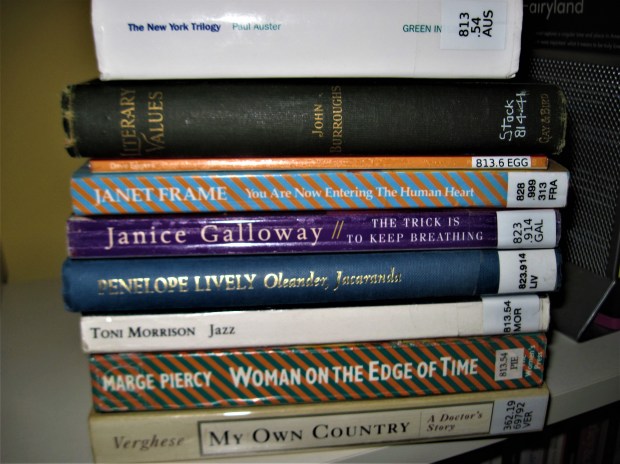
- The New York Trilogy by Paul Auster
- Literary Values by John Burroughs
- Short Short Stories by Dave Eggers
- You Are Now Entering the Human Heart: Stories by Janet Frame
- The Trick Is to Keep Breathing by Janice Galloway
- Oleander, Jacaranda: A Childhood Perceived by Penelope Lively
- Jazz by Toni Morrison
- Woman on the Edge of Time by Marge Piercy
- My Own Country: A Doctor’s Story by Abraham Verghese
ON HOLD, TO BE PICKED UP
- Winter Garden by Kristin Hannah
- Confession with Blue Horses by Sophie Hardach
- The Ice by Laline Paull
IN THE RESERVATION QUEUE
- The Handmaid’s Tale [graphic novel] by Margaret Atwood; illustrated by Renée Nault
- Whatever Happened to Margo? by Margaret Durrell
- This Is How It Always Is by Laurie Frankel
- The Night Brother by Rosie Garland
- When All Is Said by Anne Griffin
- Speak No Evil by Uzodinma Iweala
- The Boy, the Mole, the Fox and the Horse by Charlie Mackesy
- The Giver of Stars by Jojo Moyes
- The Imitation Game: Alan Turing Decoded by Jim Ottaviani [graphic novel]
- Feel Free: Essays by Zadie Smith
- Blood Orange by Harriet Tyce
RETURNED UNFINISHED
- The Glass Woman by Caroline Lea
- The Starless Sea by Erin Morgenstern
RETURNED UNREAD
- Ducks, Newburyport, Lucy Ellmann – 1000+ pages. It just wasn’t going to happen. Not even a skim.
- Early Riser by Jasper Fforde – The blurb appealed to me, but I quickly remembered that I don’t actually like Fforde’s writing (I read The Eyre Affair many a year ago).
What appeals from my stacks?
Reading Fail: The Remainder of the 2019 DNFs
Yipes, 97 DNFs this year – that’s roughly 22% of the books I started. Higher than my usual 15% average, suggesting that I’ve had trouble getting on with books that appealed for their subject matter or hype but didn’t live up to my expectations. (In the latter category, I’m thinking of It books of the year like The Man Who Saw Everything, The Starless Sea, Three Women, Trick Mirror and On Earth We Are Briefly Gorgeous.)
Following on from June’s post on the books I’d abandoned so far in 2019, here’s a list of the other DNFs I haven’t already written about, perhaps in a monthly Library Checkout post. No cover images, tags, links or full reviews here; just a text dump. Titles are in chronological order; the number of pages or percentage I read is generally given in brackets at the end.
Note: I encourage readers to give up on books they are not enjoying – at any time, but as early on as possible. You owe it to yourself to devote your limited, precious time to the books you’ll love and find worthwhile.
Stroke: A 5% Chance of Survival by Ricky Monahan Brown: Brown, a Scot in New York City, suffered a hemorrhagic stroke at age 38. I’m pretty oversaturated with medical memoirs; despite the breezy style and accessible details, this one doesn’t stand out. (104 pp.)
How to Catch a Mole: And Find Yourself in Nature by Marc Hamer: Hamer is a gardener and former molecatcher. This is a gentle natural history of the mole, as well as a meditation on our connections with a nature and a memoir of a life lived largely outdoors. But is it about atonement or not? (103 pp.)
The Great Railway Bazaar by Paul Theroux: I read up to when Theroux arrives in northern Italy. He mostly describes his fellow passengers, as well as the details of meals and sleeping arrangements on trains. The writing struck me as old-fashioned. (32 pp.)
What Dementia Teaches Us about Love by Nicci Gerard: I’ve read a lot of books about dementia, both clinical and anecdotal, and this doesn’t add anything new. (11%)
The Music Room by William Fiennes: Time to accept that I just don’t get on with Fiennes’s writing, even when the subjects seem tailor-made for me. (10 pp.)
Tisala by Richard Seward Newton: I guess I read a blurb and thought this was unmissable, but I should have tried to read a sample or some more reviews of it. I couldn’t imagine reading another 560+ pages. (6 pp.)
The Days of Abandonment by Elena Ferrante: Alas, I do not appreciate Elena Ferrante’s work; this is a third try. I enjoyed the narrator’s voice well enough, and loved the scene in which her errant husband finds broken glass in his dinner, but had no interest in how this seemingly predictable story of the end of a marriage might play out. (25 pp.)
Breaking and Mending: A Junior Doctor’s Stories of Compassion and Burnout by Joanna Cannon: I’ve read so many doctors’ memoirs now, and this one doesn’t really cut the mustard: the writing is undistinguished and the tone as sentimental as I’ve come to expect from her fiction. (30 pp.)
Dunedin by Shena Mackay: After loving The Orchard on Fire, I thought I’d try another Mackay novel, and I was intrigued by the dual timeline of 1909 New Zealand and 1989 London. I kept thinking we were going to get links back to the historical chapter; I got bored of waiting. (189 pp.)
Skyfaring: A Journey with a Pilot by Mark Vanhoenacker: I thought it would be fascinating to read about flying from the perspective of a British Airways pilot. But this is more of an academic and philosophical study of flight and the modern condition of dislocation than a memoir of what it’s like to train to fly planes. (28 pp.)
Night Boat to Tangier by Kevin Barry: At first these ageing Irish gangsters seem like harmless drunks, but gradually you come to realize just how dangerous they are. I loved the voices and if this was a short story it would have gotten a top rating, but I found I had no interest in the backstory of how these men got involved in heroin smuggling. (76 pp.)
The Country Ahead of Us, the Country Behind by David Guterson: I read “Angels in the Snow” (last Christmas) and “Wood Grouse on a High Promontory Overlooking Canada.” Both were fine but not memorable; a glance at the rest suggests they’ll all be about baseball and hunting. If I want to read stories about dudes hunting I’ll turn to Hemingway or David Vann.
The Man Who Saw Everything by Deborah Levy: There’s a lot of repetition and random details that seem deliberately placed to be clues. I’m sure there’s a clever story in here somewhere, but apart from a few intriguing anachronisms, there is not a lot of plot or character to latch onto. (35 pp.)
Inland by Téa Obreht: I made two attempts to get into this Western, but found it excruciatingly slow and couldn’t warm to any of the characters or convince myself of the accuracy of the period speech. This was disappointing as it was one of my most anticipated titles of the second half of the year and I loved The Tiger’s Wife. (37 pp.)
Our Place: Can We Save Britain’s Wildlife before It Is Too Late?, by Mark Cocker: I simply didn’t need this level of detail on the history of nature conservation in Britain. The personal writing about his patch of Norfolk engaged me a bit more. (60 pp.)
Better Off Bald: A Life in 147 Days by Andrea Wilson Woods: When Woods’s 13-years-younger sister Adrienne was diagnosed with liver cancer, it hit her hard. This didn’t pull me in, despite strong recreated dialogue and an extraordinary memory for events. I think it’s a combination of it being far too long and detailed, and feeling dated. (12%)
The Grassling: A Geological Memoir by Elizabeth-Jane Burnett: Burnett’s roots are in Ide, Devon and in Kenya. She has previously published poetry and is going for extreme lyricism in her nature writing, which at times makes it feel overwritten, especially in the prologue. (55 pp.)
The Man in the Red Coat by Julian Barnes: I completely misjudged this: I thought it would be historical fiction, but it’s actually narrative nonfiction about an obscure historical figure. I found it dull and impenetrable. A shame, as Barnes is a favorite author of mine. (9 pp.)
Loop by Brenda Lozano: The narrator, waiting for her boyfriend to come back from Spain, is explicitly likened to Penelope. She lets her mind wander at random, which leads to unrelated paragraphs about dwarves, David Bowie songs, her choice of notebooks, tiny things that happened to her, and so on. Not enough narrative to keep me interested. (35 pp.)
The Dream Life of Balso Snell by Nathanael West: I’m not sure I even made it past the second page. It’s even more bizarre and crass than I’m used to from him.
Whiskey When We’re Dry by John Larison: Larison has done a good job of approximating the voice of an unlettered young woman in the 1880s, but I found this quite slow and feel like I’ve read too many Westerns in the last few years. (50 pp.)
Dust Falls on Eugene Schlumburger / Toddler on the Run by Shena Mackay: Argh, another Mackay DNF! She wrote these two novellas when she was SEVENTEEN. I only managed a few pages of Dust, but got 40 pages into Toddler. It has an amusing premise but was only okay.
The Voyage Out by Virginia Woolf: I couldn’t even tell you the basics of what happened. Some posh English people on a boat to South America? I could see that there were keen psychological insights, but no plot to speak of. (Did you know Mrs Dalloway is a character?!) Perhaps I’ll try this again someday, but it will require a concerted effort. (110 pp.)
Shelf Life by Livia Franchini: Reminiscent of Eleanor Oliphant: readable but blah. (40%)
The Complete Stories of Saki by Hector Hugh Munro: This was a follow-up bibliotherapy prescription for reading aloud. My husband and I read “Tobermory,” “Sredni Vashtar,” “The Easter Egg,” “Laura,” and “Tea.” The stories are very short and quite witty, but the language so advanced/old-fashioned that I found them rather like tongue-twisters.
The Starless Sea by Erin Morgenstern: Like most of the rest of the world, I was enraptured with The Night Circus. This, however, felt like a knockoff of A Discovery of Witches and The Thirteenth Tale, with added geek and queer stylings. Passages from the book within a book failed to draw me in. (44 pp.)
The Glass Woman by Caroline Lea: I don’t know if it’s the time period and setting (17th-century Iceland), or the writing style, but I couldn’t get through Sally Magnusson’s The Sealwoman’s Gift either. The challenging names add to a feeling of foreignness that’s more bewildering than entrancing. (8 pp.)
Ghostwalk by Rebecca Stott: The idea of a ghostwriter being almost literally haunted by her subject is appealing, and I did find the writing atmospheric. However, the Isaac Newton and animal rights activism plots didn’t capture my attention. (126 pp.)
Three Flames by Alan Lightman: I’d enjoyed several Lightman books before, fiction and non-, but despite his nonprofit work with women in Southeast Asia, he doesn’t seem like the person to write this novel about women’s lives in post-Khmer Rouge Cambodia. (50 pp.)
Bowlaway by Elizabeth McCracken: Quirk for quirk’s sake. Characters are found alive in a cemetery, killed by a flow of molasses, or expire by spontaneous combustion. What is supposed to unite this 19th-century community – a bowling alley – never comes to life. Another disappointment from my most anticipated titles of the year list. (153 pp.)
Trick Mirror by Jia Tolentino: I read part of “Ecstasy,” her essay on belonging to a Texas megachurch in her high school years. The other topics, and the writing in general, didn’t interest me enough.
Idiot Wind by Peter Kaldheim: I requested this purely on the basis of an enthusiastic NPR review from an acquaintance. While there’s a lot of energy to this memoir of the author’s time as a New York City drug dealer/addict taking off on a cross-country road trip in the late 1980s, I should have known it wouldn’t be for me. (14 pp.)
 Bookish Beck = Rebecca Foster. American transplant to England. Freelance proofreader and book reviewer.
