Welcome to the Fold, Little Book: How I Tend to My Secondhand Purchases
I’ll always remember a moment in fifth grade when I returned a book I’d borrowed to a classmate at the lunch table. It was one of those Griffin and Sabine-type books with lots of paper flaps and pull-out envelopes, and as she looked it over she marveled, “Rebecca always returns my books in better condition than when I lent them to her.” I still pride myself on how I care for physical books. I don’t write in them (except to correct errors), dog-ear pages, or break the spines if I can possibly help it, and I’ve been known to unfold pages and/or reshelve books correctly while browsing in a library or secondhand bookshop.
During the 5+ years I was a library assistant in London, my all-time favorite task was repairing books. Eventually I ended up as the repairs coordinator for our site, doing most of the day-to-day repairs and running training sessions for new hires. Repairing books felt a lot like arts and crafts and thus was fundamentally different from any of our other work, which generally involved computers, customers, or heavy lifting. And it was hardly costly: apart from special book-friendly glue and tape, the only supplies were paintbrushes, rubber bands and scrap paper. The most high-tech we got was photocopying missing pages from another copy of a book and cutting them to size so they could be inserted to fill the gap.
I later did a summer placement in the Special Collections division, where we never repaired the rare books ourselves. Those were all seen to by off-site specialists – for a pretty penny, so we only sent a few at a time as the budget allowed. I wouldn’t attempt to fix an ailing antiquarian hardback myself (though a friend once got me a copy of The Care and Feeding of Books Old and New: A Simple Repair Manual for Book Lovers to thank me for being a bridesmaid in her wedding – it’s currently in a box in America), but I often do minor cleaning and sprucing up on the secondhand books I purchase.
Here’s my makeshift toolkit:

(Step one, though – which just requires fingers – is unfolding any dog-eared or otherwise crinkled pages.)
An eraser: I erase stray marks and (sometimes) previous prices from inside the front cover.
Goo Gone: Do you know about this amazing American cleaning product?! It completely removes the remnants of price labels and anything else persistently sticky, and smells pleasantly of orange oil.
Paper towels: A damp paper towel is all that’s necessary for removing coffee rings and other dubious substances from a book’s cover.
Clear tape: I don’t own the library-approved brand (Scotch Book Tape), but for patching small tears on paperback covers or holding the spines of hardback cookbooks together, this Poundland purchase does the job.
Translucent mending tape (acid-free filmoplast) for using inside books: I found out about this through my library repair work. It’s sticky on one side and either glossy or matte on the other; you can see the printed words through it. I use this for repairing torn pages and reaffixing detached paperback covers. It’s made by Neschen and Gresswell, and can be purchased on Amazon.
Heavy books: I get out a weighty stack for flattening a book that has curly, water-damaged pages or a creased cover.
Things that can’t be fixed – or at least I have no idea how to fix them: A persistent cigarette or mold smell; booklice; foxing (the brown specks that form along a text block); greasy fingerprint stains on a text block or matte cover.
Are you happy to take your secondhand books as they come, or do you also try to rehabilitate them in some way? I don’t mind minor signs that a book has been pre-owned and loved, such as a previous owner’s name written inside the cover, a very few underlines or marginalia in pencil, or a left-behind bookmark or other memento, but I do prefer not to see the remnants of what they were snacking on as they read…
My Most Anticipated 2018 Releases, Part I
Here are 30 books that are on my radar for the months of January through June. This is by no means a full inventory of what’s coming out (or even of what I have available through NetGalley and Edelweiss); instead, think of it as a preview of the books I actually intend to read. This time my list seems strangely skewed towards plants (the covers too), with a couple of bird- and medical-themed reads in there too. Also: two feminist group biographies, plenty of historical fiction, some short stories, a bit of true crime, and a fair few memoirs. I hope you’ll find a book or two here to tempt you.
(The descriptions below are generally adapted from the publisher blurbs on Goodreads, NetGalley or Edelweiss. Some of these I already have access to in print or galley form; others I’m still on the look-out for. The list is in chronological order by first publication date; if multiple books release on the same day they are in alphabetical order by author surname.)
January
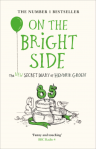 On the Bright Side: The New Secret Diary of Hendrik Groen [Jan. 11, Michael Joseph (Penguin UK)]: I loved the first Hendrik Groen novel back in 2016 (reviewed here); this promises more of the same witty, bittersweet stories about elderly Dutch eccentrics. “Chaos will ensue as 85-year-old Hendrik Groen is determined to grow old with dignity … He dreams of escaping the confines of his care home and practising hairpin turns on his mobility scooter.” (NetGalley download)
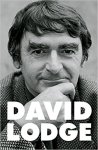 Writer’s Luck: A Memoir: 1976–1991 by David Lodge [Jan. 11, Harvill Secker]: I reviewed the first volume of Lodge’s memoirs, Quite a Good Time to Be Born, for Nudge back in 2015, so I’m eager to continue his life story in this second installment. “Readers of Lodge’s novels will be fascinated by the insights this book gives—not only into his professional career but also more personal experience. The main focus, however, is on writing as a vocation.”
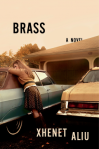 Brass: A Novel by Xhenet Aliu (for BookBrowse review) [Jan. 23, Random House]: “A waitress at the Betsy Ross Diner, Elsie hopes her nickel-and-dime tips will add up to a new life. Then she meets Bashkim, … who left Albania to chase his dreams. … Told in equally gripping parallel narratives with biting wit and grace, Brass announces a fearless new voice with a timely, tender, and quintessentially American story.” (NetGalley download)
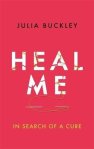 Heal Me: In Search of a Cure by Julia Buckley [Jan. 25, Weidenfeld & Nicolson]: The “search for a cure [for chronic pain] takes her on a global quest, exploring the boundaries between science, psychology and faith with practitioners on the fringes of conventional, traditional and alternative medicine. Rais[es] vital questions about the modern medical system … and the struggle to retain a sense of self.” (print review copy)
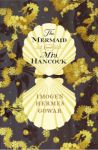 The Mermaid and Mrs. Hancock by Imogen Hermes Gowar [Jan. 25, Harvill Secker]: “A spellbinding story of curiosity, love and obsession from an astonishing new talent. One September evening in 1785, the merchant Jonah Hancock hears urgent knocking on his front door. One of his captains is waiting eagerly on the step. He has sold Jonah’s ship for what appears to be a mermaid.” Comes recommended by Elle. (NetGalley download)
February
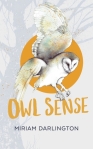 Owl Sense by Miriam Darlington [Feb. 6, Guardian Faber]: Darlington’s previous nature book, Otter Country, was stunning. Here, “Darlington sets out to tell a new story. Her fieldwork begins with wild encounters in the British Isles and takes her to the frosted borders of the Arctic. In her watching and deep listening to the natural world, she cleaves myth from reality and will change the way you think of this magnificent creature.”
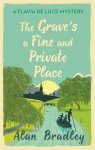 The Grave’s a Fine and Private Place by Alan Bradley [Feb. 8, Orion]: I’ve read all eight Flavia de Luce novels so far, which is worth remarking on because I don’t otherwise read mysteries and I usually find child narrators annoying. There’s just something delicious about this series set in 1950s England. This one will be particularly interesting because a life-changing blow came at the end of the previous book.
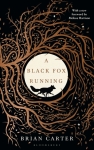 A Black Fox Running by Brian Carter [Feb. 8, Bloomsbury UK]: “A beautiful lost classic of nature writing” from 1981 that “sits alongside Tarka the Otter, Watership Down,” et al. “This is the story of Wulfgar, the dark-furred fox of Dartmoor, and of his nemesis, Scoble the trapper, in the seasons leading up to the pitiless winter of 1947. As breathtaking in its descriptions of the natural world as it is perceptive in its portrayal of damaged humanity.” Championed by Melissa Harrison.
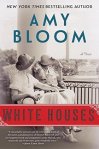 White Houses by Amy Bloom [Feb. 13, Random House]: The story of Lorena Hickock’s friendship/affair with Eleanor Roosevelt. “From Washington, D.C. to Hyde Park, from a little white house on Long Island to an apartment on Manhattan’s Washington Square, Amy Bloom’s new novel moves elegantly through fascinating places and times, written in compelling prose and with emotional depth, wit, and acuity.” (Edelweiss download)
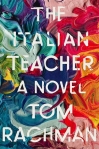 The Italian Teacher by Tom Rachman [Feb. 20, Riverrun/Viking]: I’m a huge fan of Rachman’s, especially his previous novel, The Rise & Fall of Great Powers. “1955: The artists are gathering together for a photograph. In one of Rome’s historic villas, a party is bright with near-genius, shaded by the socialite patrons of their art. … Rachman displays a nuanced understanding of twentieth-century art and its demons, vultures and chimeras.” (Edelweiss download)
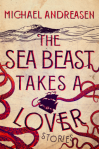 The Sea Beast Takes a Lover: Stories by Michael Andreasen [Feb. 27, Dutton (Penguin Group)]: “Romping through the fantastic with big-hearted ease, these stories cut to the core of what it means to navigate family, faith, and longing, whether in the form of a lovesick kraken slowly dragging a ship of sailors into the sea [or] a small town euthanizing its grandfathers in a time-honored ritual.” (NetGalley download)
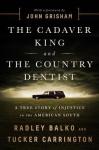 The Cadaver King and the Country Dentist: A True Story of Injustice in the American South by Radley Balko and Tucker Carrington [Feb. 27, PublicAffairs]: “After two three-year-old girls were raped and murdered in rural Mississippi, law enforcement pursued and convicted two innocent men, [who] spent a combined thirty years in prison before finally being exonerated in 2008. Meanwhile, the real killer remained free.”
March
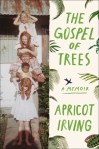 The Gospel of Trees: A Memoir by Apricot Irving [March 6, Simon & Schuster]: “Apricot Irving grew up as a missionary’s daughter in Haiti—a country easy to sensationalize but difficult to understand. Her father was an agronomist, a man who hiked alone into the hills … to preach the gospel of trees in a deforested but resilient country. Her mother and sisters, meanwhile, spent most of their days in the confines of the hospital compound they called home. As a child, this felt like paradise; as a teenager, the same setting felt like a prison.”
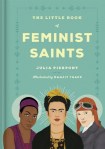 The Little Book of Feminist Saints by Julia Pierpont (illus. by Manjitt Thapp) [March 6, Random House]: This project reminds me a lot of A Glorious Freedom with its focus on women’s achievements and the full-color portraits of the subjects. I’ve just opened the file and the first two pieces give you a sense of the range that will be covered: Artemisia Gentileschi and Michelle Obama! (Edelweiss download)
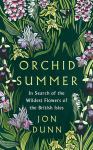 Orchid Summer: In Search of the Wildest Flowers of the British Isles by Jon Dunn [March 8, Bloomsbury UK]: Dunn’s were my favorite contributions to the Wildlife Trusts’ Seasons anthologies (e.g. Winter). I’ve also enjoyed following his botanical travels on Twitter. “From the chalk downs of the south coast of England to the heathery moorland of the Shetland Isles, and from the holy island of Lindisfarne in the east to the Atlantic frontier of western Ireland, Orchid Summer is a journey into Britain and Ireland’s most beautiful corners.”
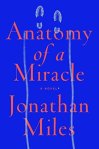 Anatomy of a Miracle by Jonathan Miles [March 13, Hogarth]: Miles’s previous novel, Want Not, is one of the books I most wish I’d written. “Rendered paraplegic after a traumatic event, Cameron Harris has been living his new existence alongside his sister, Tanya, in their battered Biloxi, Mississippi neighborhood where only half the houses made it through Katrina. … [A] stunning exploration of faith, science, mystery, and the meaning of life.”
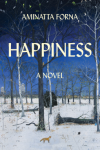 Happiness by Aminatta Forna [March 16, Grove Atlantic]: “London. A fox makes its way across Waterloo Bridge. The distraction causes two pedestrians to collide—Jean, an American studying the habits of urban foxes, and Attila, a Ghanaian psychiatrist there to deliver a keynote speech. … Forna’s unerring powers of observation show how in the midst of the rush of a great city lie numerous moments of connection.” (NetGalley download)
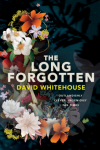 The Long Forgotten by David Whitehouse [March 22, Pan Macmillan/Picador]: “When the black box flight recorder of a plane that went missing 30 years ago is found at the bottom of the sea, a young man named Dove begins to remember a past that isn’t his. The memories belong to a rare flower hunter in 1980s New York, whose search led him around the world and ended in tragedy.” (NetGalley download)
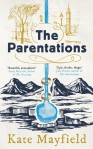 The Parentations by Kate Mayfield (to review for Shiny New Books?) [March 29, Oneworld]: From editor Jenny Parrott: “a stunning speculative historical novel … The story spans 200 years across Iceland and London, as a strange boy who can never die is surrounded by a motley collection of individuals, each with vested interests in his welfare. … [S]ome of the most extraordinary literary prose I’ve read during a thirty-year career.”
April
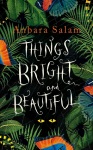 Things Bright and Beautiful by Anbara Salam [April 5, Fig Tree]: “1954, the South Pacific islands. When Beatriz Hanlon agreed to accompany her missionary husband Max to a remote island, she knew there would be challenges. But it isn’t just the heat and the damp and the dirt. There are more insects than she could ever have imagined, and the islanders are strangely hostile. [Then] an unexpected … guest arrives, and the couple’s claustrophobic existence is stretched to breaking point.” Sounds like Euphoria by Lily King. (NetGalley download)
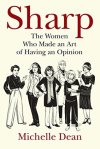 Sharp: The Women Who Made an Art of Having an Opinion by Michelle Dean [April 10, Grove Press]: “Dorothy Parker, Rebecca West, Hannah Arendt, Mary McCarthy, Susan Sontag, Pauline Kael, Joan Didion, Nora Ephron, Renata Adler, and Janet Malcolm—these brilliant women’s lives intertwine as they cut through the cultural and intellectual history of America in the twentieth century, arguing as fervently with each other as they did with the sexist attitudes of the men who often undervalued their work as critics and essayists.”
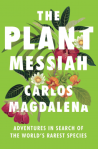 The Plant Messiah: Adventures in Search of the World’s Rarest Species by Carlos Magdalena [April 10, Doubleday]: “Carlos Magdalena is not your average horticulturist. He’s a man on a mission to save the world’s most endangered plants. … [He] takes readers from the Amazon to the jungles of Mauritius. … Back in the lab, we watch as he develops groundbreaking, left-field techniques for rescuing species from extinction, encouraging them to propagate and thrive once again.” (NetGalley download)
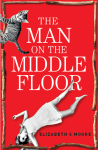 The Man on the Middle Floor by Elizabeth S. Moore (for blog tour) [April 12, RedDoor Publishing]: “Despite living in the same three-flat house in the suburbs of London, the residents are strangers to one another. … They have lived their lives separately, until now, when an unsolved murder and the man on the middle floor connect them. … It questions whether society is meeting the needs of the fast growing autistic section of society.” (print ARC)
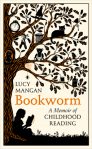 Bookworm: A Memoir of Childhood Reading by Lucy Mangan [April 24, Random House UK]: “This is a love letter to the joys of childhood reading, full of enthusiasm and wit, telling the colorful story of our best-loved children’s books, the extraordinary people who created them, and the thousand subtle ways they shape our lives.” (NetGalley download)
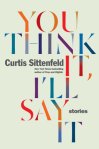 You Think It, I’ll Say It: Stories by Curtis Sittenfeld [April 24, Random House]: I would read anything Curtis Sittenfeld wrote; American Wife is still one of my absolute favorites. “The theme that unites these stories … is how even the cleverest people tend to misread others, and how much we all deceive ourselves. Sharp and tender, funny and wise, this collection shows [her] knack for creating real, believable characters that spring off the page.”
May
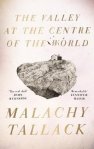 The Valley at the Centre of the World by Malachy Tallack [May 3, Canongate]: I’ve reviewed and enjoyed both of Tallack’s previous nonfiction works, including The Un-Discovered Islands. “Set against the rugged west coast of Shetland, in a community faced with extinction, [this] is a novel about love and grief, family and inheritance, rapid change and an age-old way of life. … [T]hese islanders must decide: what is left of us when the day’s work is done, the children grown, and all our choices have been made?”
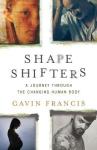 Shapeshifters: A Journey through the Changing Human Body by Gavin Francis [May 8, Basic Books]: “Francis considers the inevitable changes all of our bodies undergo—such as birth, puberty, and death, but also … those that only some of our bodies will: like getting a tattoo, experiencing psychosis, suffering anorexia, being pregnant, or undergoing a gender transition. … [E]ach event becomes an opportunity to explore the meaning of identity.”
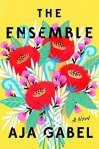 The Ensemble by Aja Gabel [May 15, Riverhead]: An “addictive debut novel about four young friends navigating the cutthroat world of music and their complex relationships with each other, as ambition, passion, and love intertwine over the course of their lives.”
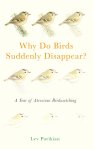 Why Do Birds Suddenly Disappear? by Lev Parikian (for blog tour) [May 17, Unbound]: “A lapsed and hopeless birdwatcher’s attempt to see 200 birds in a year. But it’s not just about birds. It’s about family, music, nostalgia; hearing the stories of strangers; the nature of obsession and obsession with nature.”
June
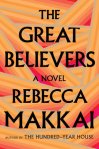 The Great Believers by Rebecca Makkai [June 19, Viking]: I loved both of Makkai’s previous novels and have her short story collection on my Kindle. “Fiona is in Paris tracking down her estranged daughter, who disappeared into a cult. While staying with an old friend, a famous photographer …, she finds herself finally grappling with the devastating ways the AIDS crisis affected her life and her relationship with her daughter.” (Edelweiss download)
Other lists of enticing 2018 releases that might give you some ideas:
Guardian (UK, nonfiction)
Halfman, Halfbook (UK, mostly science/nature and history)
Parchment Girl (mostly nonfiction)
Stylist (UK)
Which 2018 books are you most looking forward to? Do any of my choices interest you?
Final 2017 Statistics and 2018 Goals
It’s possible that I might finish another book tomorrow, but as we now have house guests here through the 2nd, it’s probably for the best if I consider the reading year done. I even surpassed 2016’s reading total, making this my most prolific year ever:
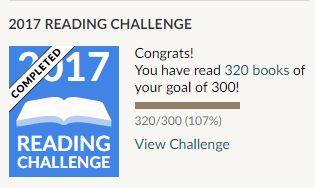
The breakdown:
Fiction: 49.3%
Nonfiction: 40.7%
Poetry: 10%
(Very similar to last year.)
Male author: 38.4%
Female author: 61.6%
(Roughly the same thing happened last year, which I find interesting because I have never consciously set out to read more books by women.)
E-books: 25.2%
Print books: 74.8%
(This really surprised me. Last year I was at one-third e-books / two-thirds print books, but this year the print books have dominated even more. I think this might be because I’m more likely to read lots of books on Kindle when traveling and we’ve done less travel overall; I’ve also scaled back on some of the reviewing gigs that only send me e-books.)
Works in translation: 8%
(I thought I’d done better than last year, but I actually read a bit less in translation. Sigh.)
Where my books came from for the whole year:
- Free print or e-copy from publisher: 28%
- Downloaded from NetGalley or Edelweiss: 22.2%
- Secondhand purchase: 18.5%
- Public library: 16.7%
- Free from giveaways (or Book Thing of Baltimore): 6.5%
- Gifts: 6.2%
- University library: 1.9%
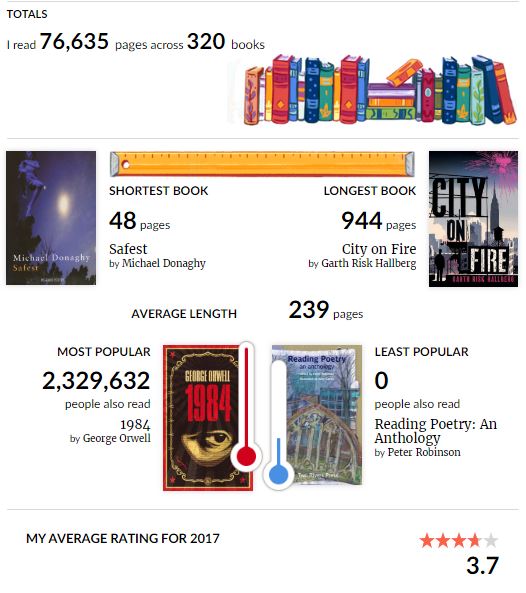
Some interesting additional statistics courtesy of Goodreads:
2018 Goals
Looking back at the reading goals I set for 2017, I’m pleased to see that I did indeed get involved with blog tours and prize shadow panels: I participated in eight blog tours and two shadow panels (the Wellcome Book Prize and the Sunday Times Young Writer of the Year Award – highlights of my bookish year; I’ll probably do the Wellcome again next year). I was pretty consistent about featuring at least one classic and a doorstopper per month. I doubt I’ll keep those challenges up on a monthly basis in 2018, but I might do them occasionally.
Specifically, in the next year I’d like to focus on:
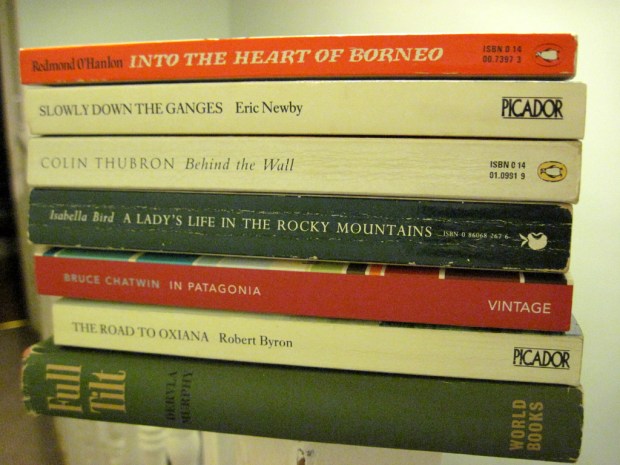
- Travel classics
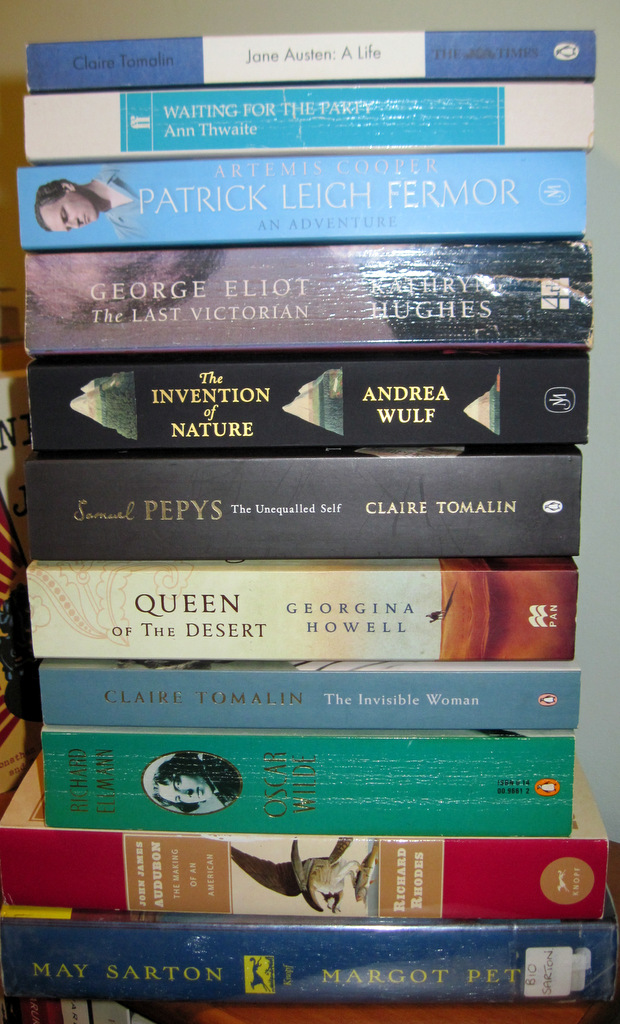
- Biographies, some of which will happen to top out at 500 pages or more.
- Literature in translation (I’d like to increase the past year’s percentage.)
- The books I own – I went around and counted 327 unread books in the house, which is more than a year’s reading. (This is opposed to 221 at this time last year; I blame a trip to Hay-on-Wye, multiple visits to Book Cycle in Exeter, free books acquired from the swap shop, and a 3-for-95 pence deal one of our local charity shops used to have.) In addition, I have nearly 350 books on my Kindle: again, over a year’s reading. To keep chipping away at the books I already own, I need to scale back on purchases and on requests from publishers (print or e-) and try to make the books from my own shelves account for at least a quarter – better, a third – of my reading in 2018.
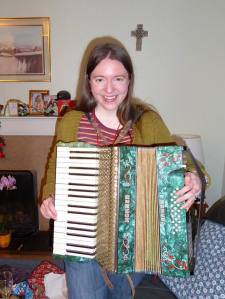 Unrelated to books … I got a vintage accordion for Christmas and need to learn a) how to read music and b) how to play an accordion. It should be a fun project!
I’ll be back at some point next week – once I’ve had time to wade through all the upcoming 2018 releases I’ve heard about via Goodreads, NetGalley, Edelweiss, Publishers Weekly, Library Journal, Twitter, Instagram, other bloggers, etc. – to preview the 25–30 coming out in the first half of the year that I’m most excited about.
Happy New Year, everyone! Thanks for your support of my blog through another year.
How did 2017 turn out for you reading-wise? What are some of your goals for 2018?
Some Early Recommendations for 2018
I took some time out this December to start reading the 2018 releases I was most looking forward to. In early January I’ll preview another 25 or 30 titles I’m interested in, but for now here are eight books coming out in the first half of next year that I can heartily recommend, with ~130-word mini reviews to give you a taste of them. (These are in alphabetical order by author, with the publication details noted beneath the title.)
Because We Are Bad: OCD and a Girl Lost in Thought by Lily Bailey
[Coming on March 15th from Canbury Press (UK) and on April 3rd from Harper Collins US]
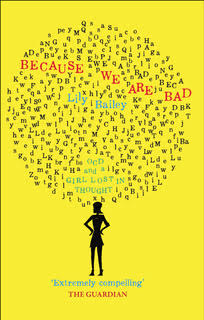 “For as long as I could remember, I wasn’t me, I was we.” Lily Bailey had a sort of imaginary friend while she was growing up, but instead of a comforting presence it was a critical voice pushing her to be ultra-conscious of how her behavior appeared to others. This went on for years until she was finally diagnosed with severe Obsessive Compulsive Disorder. Despite Prozac and CBT, she later landed in a psychiatric unit. She captures this inpatient stay with great verve, recalling the chorus of other patients’ voices and different nurses’ strategies. This memoir tracks Bailey’s life up until age 20, but her recreation of childhood and the first-person plural sections are the strongest. I’d recommend this to readers interested in learning more about OCD and mental health issues in general. (Full blog review scheduled for March 15th.)
The Immortalists by Chloe Benjamin
[Coming on January 9th from Tinder Press (UK) / G.P. Putnam’s (USA)]
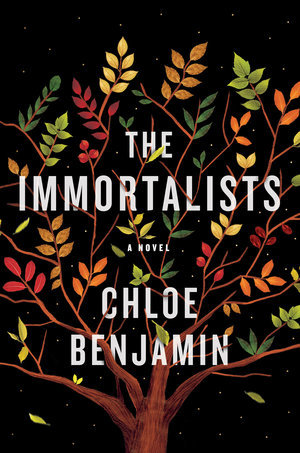 Summer 1969: four young siblings escape a sweltering New York City morning by visiting a fortune teller who can tell you the day you’ll die. In the decades that follow, they have to decide what to do with this advance knowledge: will it spur them to live courageous lives, or drive them to desperation? This compelling family story lives up to the hype. I can imagine how much fun Benjamin had researching and writing it as she’s able to explore four distinct worlds: Daniel, a military doctor, examines Iraq War recruits; Klara becomes a magician in Las Vegas; Varya researches aging via primate studies; and Simon is a dancer in San Francisco. The settings, time periods, and career paths are so diverse that you get four novels’ worth of interesting background. (See my full review at The Bookbag.)
Everything Happens for a Reason: And Other Lies I’ve Loved by Kate Bowler
[Coming on February 6th from Random House (USA)]
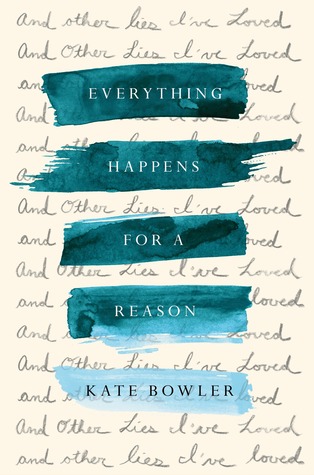 This was the 2018 title I was most looking forward to reading. It combines two of my niche interests: medical (especially cancer) memoirs, and the prosperity gospel, which I grew up with in the church my parents attend in America. An assistant professor at Duke Divinity School, Bowler was fascinated by the idea that you can claim God’s blessings, financial and otherwise, as a reward for righteous behavior and generosity to the church. But if she’d been tempted to set store by this notion, that certainty was permanently fractured when she was diagnosed with stage IV colon cancer in her mid-thirties. Bowler writes tenderly about suffering and surrender, about living in the moment with her husband and son while being uncertain of the future. Her writing reminds me of Anne Lamott’s and Nina Riggs’s.
The Reading Cure: How Books Restored My Appetite by Laura Freeman
[Coming on February 22nd from Weidenfeld & Nicolson (UK)]
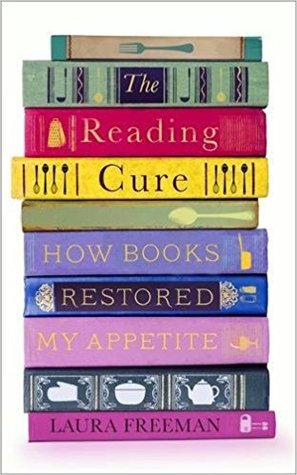 A memoir with food, medical and literary themes and a bibliotherapy-affirming title – this debut ticks lots of boxes for me. As a teenager, Freeman suffered from anorexia. This is not an anorexia memoir, though; instead, it’s about the lifelong joy of reading and how books have helped her haltingly recover the joy of eating. Her voracious reading took in the whole of Charles Dickens’s oeuvre, war writers like Siegfried Sassoon and Robert Graves (boiled eggs and cocoa); travel writers Laurie Lee and Patrick Leigh Fermor and their enthusiastic acceptance of whatever food came their way on treks; and rediscovered children’s classics from The Secret Garden through to the Harry Potter series. This is about comfort reading as much as it is about rediscovering comfort eating, and it delicately balances optimism with reality. (Full blog review scheduled for February 1st.)
Everything Here Is Beautiful by Mira T. Lee
[Coming on January 16th from Pamela Dorman Books (USA)]
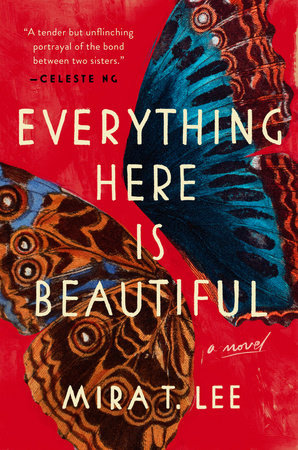 Lucia Bok has been many people: a globe-trotting Chinese-American journalist, a shopkeeper’s wife in New York City, an illegal immigrant’s girlfriend, and a mother making the best of primitive conditions in Ecuador. Her schizophrenia means she throws herself wholeheartedly into each role but, as her mind turns against her, eventually finds herself unable to cope. We hear from Lucia herself as well as her older sister, ex-husband and boyfriend – in both first-person and third-person passages – over the course of 25 years to get an intimate picture of how mental illness strains families and how blame gets parceled out. Lucia’s first-person narration was most effective for me: “I take only one kind of medication now. They adjust the dosage. Sometimes I still slosh around, dense and slushy like a watermelon; other times I’m flat, defizzed.”
Junk by Tommy Pico
[Coming on May 8th from Tin House Books (USA)]
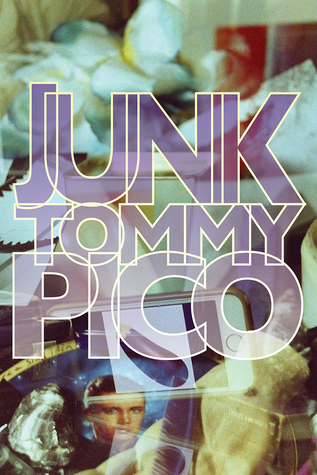 Junk food, junk shops, junk mail; junk as in random stuff; junk as in genitals. These are the major elements of Pico’s run-on, stream-of-consciousness poem, the third in his Teebs trilogy (after IRL and Nature Poem). The overarching theme is being a homosexual Native American in Brooklyn. You might think of Pico as a latter-day Ginsberg. His text-speak and sexual explicitness might ordinarily be off-putting for me, but there’s something about Pico’s voice that I really like. He vacillates between flippant and heartfelt in a way that seems to capture something about the modern condition.
Sample lines:
“the lights go low across the / multiplex Temple of // canoodling and Junk food”
“Haven’t figured out how to be NDN and not have / suspicion coursing thru me like cortisol”
Indecent by Corinne Sullivan
[Coming on March 6th from St. Martin’s Press (USA)]
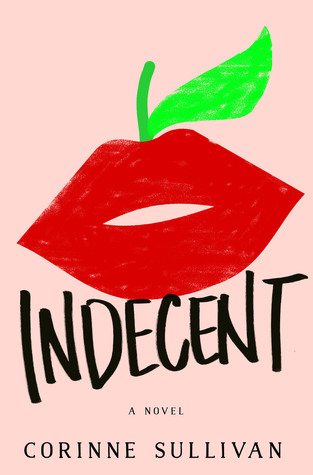 Expect a cross between Prep (Curtis Sittenfeld) and Notes on a Scandal (Zoe Heller). Imogene Abney, 22, is an apprentice teacher at Vandenberg School for Boys in New York State. She’s young and pretty enough to be met with innuendo and disrespect from her high school charges; she’s insecure enough about her acne to feel rejected by other apprentices. But Adam Kipling, who goes by “Kip,” seems different from any of the other people she’s thrown together with at Vandenberg. A fourth-year student, he’s only five years younger than she is, and he really seems to appreciate her for who she is. Their relationship proceeds apace, but nothing stays a secret for long around here. Being in Imogene’s head can feel a little claustrophobic because of her obsessions, but this is a racy, pacey read.
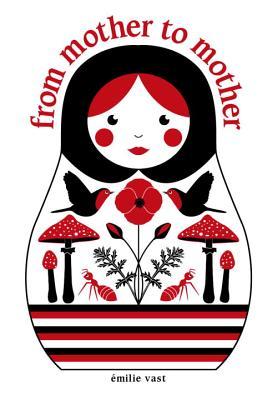
From Mother to Mother by Émilie Vast
 [Coming on March 20th from Charlesbridge Publishing (USA)]
This sweet, simple picture book for very young children (it will actually be a board book, though I read it as an e-book) was originally published in French. Based on Russian nesting dolls, it introduces the idea of ancestry, specifically multiple generations of women. I imagine a mother with a child sitting on her knee. Holding this book in one hand and a photo album in the other, she points to all the family members who have passed down life and love. Each two-page spread has a different color motif and incorporates flora and fauna on the design of the doll.
 I’m also currently partway through, and enjoying, Educated by Tara Westover [Coming on February 20th from Random House (USA) and February 22nd from Hutchinson (UK)], a striking memoir about being raised off grid in Idaho as the youngest of seven children of religious/survivalist parents – and never going to a proper school.
Coming tomorrow (my last post of the year): Some year-end statistics and 2018 reading goals.
2017’s Runners-Up and Other Superlatives
The choices below are in alphabetical order by author, with any previously published reviews linked in (many of these books have already appeared on the blog in some way over the course of the year). You know the drill by now: to keep it simple for myself as well as for all of you who are figuring out whether you’re interested in these books or not, I’m limiting myself to two sentences per title. The first is a potted summary; the second tells you why you should read it. Across these three best-of posts (see also my Top Nonfiction and Best Fiction posts), I’ve spotlighted roughly the top 15% of my year’s reading.
Runners-Up:
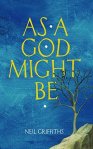 As a God Might Be by Neil Griffiths: The themes and central characters were strong enough to keep me powering through this 600-page novel of ideas about encounters with God and the nature of evil. This turned out to be just my sort of book: big and brazen, a deep well of thought that will only give up its deeper meanings upon discussion and repeat readings.
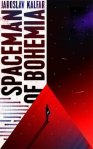 Spaceman of Bohemia by Jaroslav Kalfař: The story of Jakub Procházka, a Czech astronaut who leaves his wife behind to undertake a noble research mission but soon realizes he can never escape his family history or the hazards of his own mind. A terrific blend of the past and the futuristic, Earth and space.
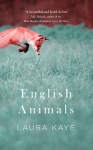 English Animals by Laura Kaye: A young Slovakian becomes a housekeeper for a volatile English couple and discovers a talent for taxidermy. A fresh take on themes of art, sex, violence and belonging, this is one of the more striking debut novels I’ve encountered in recent years.
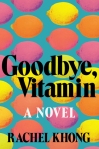 Goodbye, Vitamin by Rachel Khong: Reeling from a broken engagement, Ruth Young returns to her childhood home in California for a year to help look after her father, who has Alzheimer’s. This is a delightfully quirky little book, but you may well read it with a lump in your throat, too.
 Midwinter Break by Bernard MacLaverty: In MacLaverty’s quietly beautiful fifth novel, a retired couple faces up to past trauma and present incompatibility during a short vacation in Amsterdam. My overall response was one of admiration for what this couple has survived and sympathy for their current situation – with hope that they’ll make it through this, too. (Reviewed for BookBrowse.)
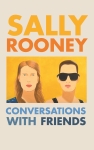 Conversations with Friends by Sally Rooney: An Irish college student navigates friendships and an affair with a married man. This is much more about universals than it is about particulars: realizing you’re stuck with yourself, exploring your sexuality and discovering sex is its own kind of conversation, and deciding whether ‘niceness’ is really the same as morality; a book I was surprised to love, but love it I did.
 Lincoln in the Bardo by George Saunders: The residents of Georgetown cemetery limbo don’t know they’re dead – or at least won’t accept it. An entertaining and truly original treatment of life’s transience; I know it’s on every other best-of-year list out there, but it really is a must-read.
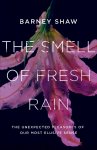 The Smell of Fresh Rain by Barney Shaw: Shaw travels through space, time and literature as he asks why we don’t have the vocabulary to talk about the smells we encounter every day. If you’re interested in exploring connections between smell and memory, discovering what makes the human sense of smell unique, and learning some wine-tasting-style tips for describing odors, this is a perfect introduction.
 A Life of My Own by Claire Tomalin: Tomalin is best known as a biographer of literary figures including Mary Wollstonecraft, Samuel Pepys and Charles Dickens, but her memoir is especially revealing about the social and cultural history of the earlier decades her life covers. A dignified but slightly aloof book – well worth reading for anyone interested in spending time in London’s world of letters in the second half of the twentieth century.
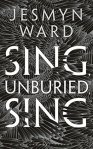 Sing, Unburied, Sing by Jesmyn Ward: The story of a mixed-race family haunted – both literally and figuratively – by the effects of racism, drug abuse and incarceration in Bois Sauvage, a fictional Mississippi town. Beautiful language; perfect for fans of Toni Morrison and Cynthia Bond.
I’ve really struggled with short stories this year, but here are four collections I can wholeheartedly recommend:
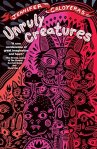 What It Means when a Man Falls from the Sky by Lesley Nneka Arimah (Reviewed for Shiny New Books.)
- Unruly Creatures: Stories by Jennifer Caloyeras
- Bad Dreams and Other Stories by Tessa Hadley
- The Great Profundo and Other Stories by Bernard MacLaverty (1987)
The Best 2017 Books You Probably Never Heard of (Unless You Heard about Them from Me!):
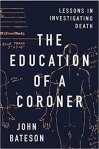 The Education of a Coroner by John Bateson: The coroner’s career is eventful no matter what, but Marin County, California has its fair share of special interest, what with Golden Gate Bridge suicides, misdeeds at San Quentin Prison, and various cases involving celebrities (e.g. Harvey Milk, Jerry Garcia and Tupac) in addition to your everyday sordid homicides. Ken Holmes was a death investigator and coroner in Marin County for 36 years; Bateson successfully recreates Holmes’ cases with plenty of (sometimes gory) details.
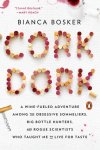 Cork Dork by Bianca Bosker: Tasting notes: gleeful, ebullient, learned, self-deprecating; suggested pairings: Sweetbitter by Stephanie Danler; Top Chef, The Great British Bake Off. A delightful blend of science, memoir and encounters with people who are deadly serious about wine.
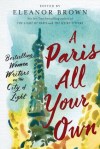 A Paris All Your Own: Bestselling Women Writers on the City of Light, edited by Eleanor Brown: A highly enjoyable set of 18 autobiographical essays that celebrate what’s wonderful about the place but also acknowledge disillusionment; highlights are from Maggie Shipstead, Paula McLain, Therese Anne Fowler, Jennifer Coburn, Julie Powell and Michelle Gable. If you have a special love for Paris, have always wanted to visit, or just enjoy armchair traveling, this collection won’t disappoint you.
 Ashland & Vine by John Burnside: Essentially, it’s about the American story, individual American stories, and how these are constructed out of the chaos and violence of the past – all filtered through a random friendship that forms between a film student and an older woman in the Midwest. This captivated me from the first page.
 Tragic Shores: A Memoir of Dark Travel, Thomas H. Cook: In 28 non-chronological chapters, Cook documents journeys he’s made to places associated with war, massacres, doomed lovers, suicides and other evidence of human suffering. This is by no means your average travel book and it won’t suit those who seek high adventure and/or tropical escapism; instead, it’s a meditative and often melancholy picture of humanity at its best and worst. (Reviewed for Nudge.)
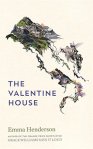 The Valentine House by Emma Henderson: This is a highly enjoyable family saga set mostly between 1914 and 1976 at an English clan’s summer chalet in the French Alps near Geneva, with events seen from the perspective of a local servant girl. You can really imagine yourself into all the mountain scenes and the book moves quickly –a great one to take on vacation.

The year’s runners-up and superlatives that I happen to have around in print.
Various Superlatives, Good and Bad:
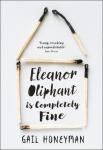 The 2017 Book Everybody Else Loved but I Didn’t: Eleanor Oliphant Is Completely Fine by Gail Honeyman. (See my Goodreads review for why.)
The Year’s Biggest Disappointments: All Grown Up by Jami Attenberg, Future Home of the Living God by Louise Erdrich, Between Them by Richard Ford and George and Lizzie by Nancy Pearl.
The Worst Book I Read This Year: Books by Charlie Hill (ironic, that). My only one-star review of the year.
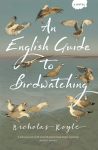 The Downright Strangest Book I Read This Year: An English Guide to Birdwatching by Nicholas Royle.
My Best Discoveries of the Year: Beryl Bainbridge, Saul Bellow, Bernard MacLaverty and Haruki Murakami. I’ve read two books by each of these authors this year and look forward to trying more from them.
The Debut Authors Whose Next Work I’m Most Looking Forward to: Lesley Nneka Arimah, Laura Kaye, Carmen Marcus, Julianne Pachico and Sally Rooney.
 The Best First Line of the Year: “History has failed us, but no matter.” (Pachinko, Min Jin Lee)
The Best Last Line of the Year: “If she was an instance of the goodness in this world then passing through by her side was miracle enough.” (Midwinter Break, Bernard MacLaverty)
Coming tomorrow: Some early recommendations for 2018.
Best Fiction of 2017, Plus Some Other Favorite Reads
Below I’ve chosen my top nine fiction releases from 2017 (seven by women!), followed by the backlist titles I loved the most this year. Many of these books have already featured on my blog in some way over the course of the year. To keep it simple for myself as well as for all of you who are figuring out whether you’re interested in these books or not, as with my nonfiction selections I’m mostly limiting myself to two sentences per title: the first is a potted summary; the second tells you why you should read it. I also link to any full reviews.
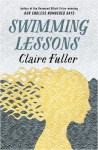 Swimming Lessons by Claire Fuller: This atmospheric novel reminiscent of Iris Murdoch is no happy family story; it’s full of betrayals and sadness, of failures to connect and communicate, yet it’s beautifully written, with all its scenes and dialogue just right. I recently caught up on Fuller’s acclaimed 2015 debut, Our Endless Numbered Days, and collectively I’m so impressed with her work, specifically the elegant way she alternates between time periods to gradually reveal the extent of family secrets and the faultiness of memory.
 The Lucky Ones by Julianne Pachico: You may remember that our shadow panel chose this as our winner for the Sunday Times Young Writer of the Year award: we were blown away by this linked short story collection set in a drug-fueled Colombia in which violence and its aftermath are never far away. For the originality of the setup and the sheer excellence of the writing, this can’t be topped.
 The Velveteen Daughter by Laurel Davis Huber: The name Margery Williams Bianco might not seem familiar, but chances are you remember her classic children’s book, The Velveteen Rabbit. This is about Margery and her daughter, Pamela Bianco, a painter and child prodigy troubled by mental illness, and the themes of creativity, mental health and motherhood are nestled in a highly visual debut novel full of cameos by everyone from Pablo Picasso to Eugene O’Neill.
 The Animators by Kayla Rae Whitaker: The cartooning world and the Kentucky–New York City dichotomy together feel like a brand new setting for a literary tragicomedy. Though it seems lighthearted, there’s a lot of meat to this story of the long friendship between two female animators as Whitaker contrasts the women’s public and private personas and imagines their professional legacy.
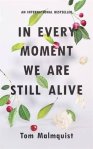 In Every Moment We Are Still Alive by Tom Malmquist: While it’s being marketed as a novel, this reads more like a stylized memoir: Similar to Karl Ove Knausgaard’s books, it features the author as the central character and narrator, and the story of grief it tells is a highly personal one. Malmquist does an extraordinary job of depicting his protagonist’s bewilderment at the sudden loss of his partner and his new life as a single father.
 How to Be Human by Paula Cocozza: As much as this is about a summer of enchantment and literal brushes with urban wildlife, it’s also about a woman’s life: loneliness, the patterns we get stuck in, and those unlooked-for experiences that might just liberate us. There’s something gently magical about the way the perspective occasionally shifts to give a fox’s backstory and impressions as a neologism-rich stream.
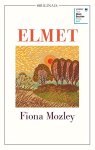 Elmet by Fiona Mozley: The dark horse on this past year’s Man Booker Prize longlist, this is a twisted fable about the clash of the land-owning and serf classes in contemporary England. It’s a gorgeous, timeless tale balanced between lush nature writing and Hardyesque pessimism.
-
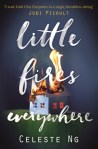 Little Fires Everywhere by Celeste Ng: A multi-layered story about many facets of motherhood: adoption, surrogacy, pregnancy, abortion; estrangement, irritation, longing and pride. Each and every character earns our sympathy here – a real triumph of characterization, housed in a tightly plotted and beautifully written novel you’ll race through.
And my fiction book of the year was:
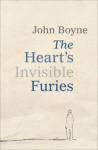 The Heart’s Invisible Furies by John Boyne: A wonderful seam of humor tempers the awfulness of much of what befalls Cyril Avery – born in Dublin in 1945 – for whom homosexuality seems a terrible curse. It’s an alternately heartbreaking and heartening portrait of a life lived in defiance of intolerance and tragedy.
My poetry read of the year was:
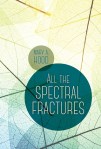 All the Spectral Fractures: New and Selected Poems, Mary A. Hood: There is so much substance and variety to this poetry collection spanning the whole of Hood’s career. A professor emerita of microbiology at the University of West Florida and a former poet laureate of Pensacola, Florida, she takes inspiration from the ordinary folk of the state, the world of academic scientists, flora and fauna, and the minutiae of everyday life.
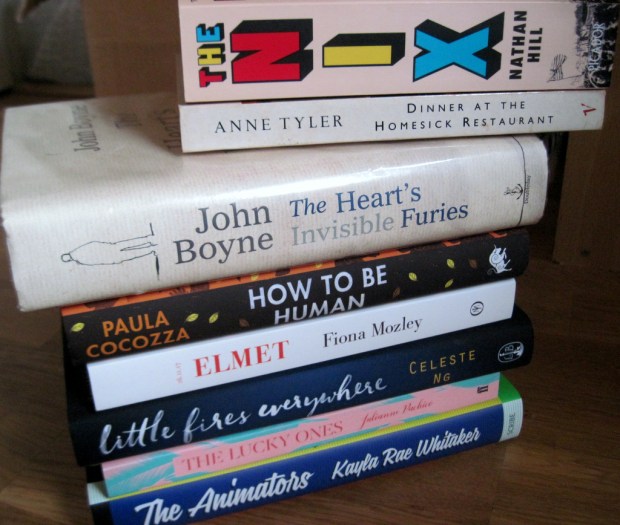
The year’s best books that I happen to have around in print.
And here’s a quick run-through of the seven best backlist titles I read this year:
-
 To Say Nothing of the Dog by Connie Willis: Time travel would normally be a turnoff for me, but Willis manages it perfectly in this uproarious blend of science fiction and pitch-perfect Victorian pastiche (boating, séances and sentimentality, oh my!).
-
 Homegoing by Yaa Gyasi: Brings together so many facets of the African and African-American experience; full of clear-eyed observations about the ongoing role race plays in American life.
-
 Days Without End by Sebastian Barry: Contains the most matter-of-fact consideration of same-sex relationships I’ve ever encountered in historical fiction. Heart-breaking, life-affirming, laugh-out-loud: those may be clichés, but it’s all these things and more.
-
 The Wind-Up Bird Chronicle by Haruki Murakami: Mesmerizing and bizarre, but in the best possible way: it questions our comfort in the everyday by contorting familiar elements like dreams do. I’m a definite Murakami convert.
-
 The Nix by Nathan Hill: A rich story about family curses and failure, and how to make amends for a life full of mistakes. Hill is a funny and inventive writer.
-
 Signs for Lost Children by Sarah Moss: Simply superb in the way it juxtaposes England and Japan in the 1880s and comments on mental illness, the place of women, and the difficulty of navigating a marriage whether the partners are thousands of miles apart or in the same room.
My overall most memorable fiction read of the year, to my great surprise, was:
-
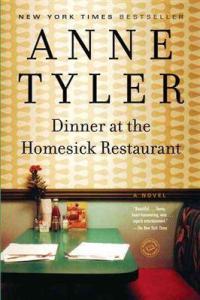 Dinner at the Homesick Restaurant by Anne Tyler: I’ve been lukewarm on Anne Tyler’s novels before – this is my sixth from her – but this instantly leapt onto my list of absolute favorite books. Its chapters are like perfectly crafted short stories focusing on different members of the Tull family. These vignettes masterfully convey the common joys and tragedies of a fractured family’s life. After Beck Tull leaves with little warning, Pearl must raise Cody, Ezra and Jenny on her own and struggle to keep her anger in check. Cody is a vicious prankster who always has to get the better of good-natured Ezra; Jenny longs for love but keeps making bad choices. Despite their flaws, I adored these characters and yearned for them to sit down, even just the once, to an uninterrupted family dinner of comfort food.
What were some of your top fiction reads of the year?
Tomorrow I’ll be naming some runners-up and listing a few other superlatives.
December’s Doorstopper: The Heart’s Invisible Furies by John Boyne
The more I examined the architecture of my life, the more I realized how fraudulent were its foundations.
This is a book that wasn’t even on my radar until fairly late on in the year, when I noticed just how many of my Goodreads friends had read it and rated it – almost without fail – 5 stars. I knew John Boyne’s name only through the movie version of his Holocaust-set novel for younger readers, The Boy in the Striped Pajamas, and didn’t think I’d be interested in his work. But the fact that The Heart’s Invisible Furies was written in homage to John Irving (Boyne’s dedicatee) piqued my interest, and I’m so glad I gave it a try. It distills all the best of Irving’s tendencies while eschewing some of his more off-putting ones. Of the Irving novels I’ve read, this is most like The World According to Garp and In One Person, with which it shares, respectively, a strong mother–son relationship and a fairly explicit sexual theme.
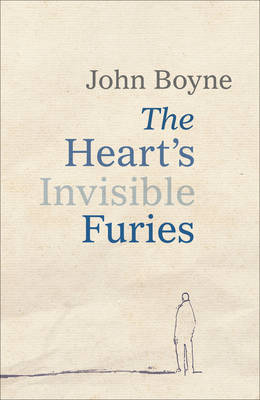 A wonderful seam of humor tempers the awfulness of much of what befalls Cyril Avery, starting with his indifferent adoptive parents, Charles and Maude. Charles is a wealthy banker and incorrigible philanderer occasionally imprisoned for tax evasion, while Maude is a chain-smoking author whose novels, to her great disgust, are earning her a taste of celebrity. Both are cold and preoccupied, always quick to remind Cyril that since he’s adopted he’s “not a real Avery”. The first bright spot in Cyril’s life comes when, at age seven, he meets Julian Woodbead, the son of his father’s lawyer. They become lifelong friends, though Cyril’s feelings are complicated by an unrequited crush. Julian is as ardent a heterosexual as Cyril is a homosexual, and sex drives them apart in unexpected and ironic ways in the years to come.
For Cyril, born in Dublin in 1945, homosexuality seems a terrible curse. It was illegal in Ireland until 1993, so assignations had to be kept top-secret to avoid police persecution and general prejudice. Only when he leaves for Amsterdam and the USA is Cyril able to live the life he wants. The structure of the novel works very well: Boyne checks in on Cyril every seven years, starting with the year of his birth and ending in the year of his death. In every chapter we quickly adjust to a new time period, deftly and subtly marked out by a few details, and catch up on Cyril’s life. Sometimes we don’t see the most climactic moments; instead, we see what happened just before and then Cyril remembers the aftermath for us years later. It’s an effective tour through much of the twentieth century and beyond, punctuated by the AIDS crisis and focusing on the status of homosexuals in Ireland – in 2015 same-sex marriage was legalized, which would have seemed unimaginable a few short decades before.
Boyne also sustains a dramatic irony that kept me reading eagerly: the book opens with the story Cyril’s birth mother told him of her predicament in 1945, and in later chapters Cyril keeps running into this wonderfully indomitable woman in Dublin – but neither of them realizes how intimately they’re connected. Thanks to the first chapter we know they eventually meet and all will be revealed, but exactly when and how is a delicious mystery.
Along with Irving, Dickens must have been a major influence on Boyne. I spotted traces of David Copperfield and Great Expectations in minor characters’ quirks as well as in Cyril’s orphan status, excessive admiration of a romantic interest, and frequent maddening failures to do the right thing. But there are several other recent novels – all doorstoppers – that are remarkably similar in their central themes and questions. In Donna Tartt’s The Goldfinch, Hanya Yanagihara’s A Little Life and Nathan Hill’s The Nix we also have absent or estranged mothers; friends, lovers and adoptive family who help cut through a life of sadness and pain; and the struggle against a fate that seems to force one to live a lie. Given a span of 500 pages or more, it’s easy to become thoroughly engrossed in the life of a flawed character.
The Heart’s Invisible Furies – a phrase Hannah Arendt used to describe the way W.H. Auden wore his experiences on his face – is an alternately heartbreaking and heartening portrait of a life lived in defiance of intolerance and tragedy. A very Irish sense of humor runs all through the dialogue and especially Maude’s stubborn objection to fame. I loved Boyne’s little in-jokes about the writer’s life (“It’s a hideous profession. Entered into by narcissists who think their pathetic little imaginations will be of interest to people they’ve never met”) and thanks to my recent travels I was able to picture a lot of the Dublin and Amsterdam settings. Although it’s been well reviewed on both sides of the Atlantic, I’m baffled that this novel doesn’t have the high profile it deserves. I am especially grateful to Sarah of Sarah’s Book Shelves for naming this her book of the year: knowing her discriminating tastes, I could tell I’d be in for something special. Look out for it on my Best Fiction of 2017 list tomorrow.
My rating:
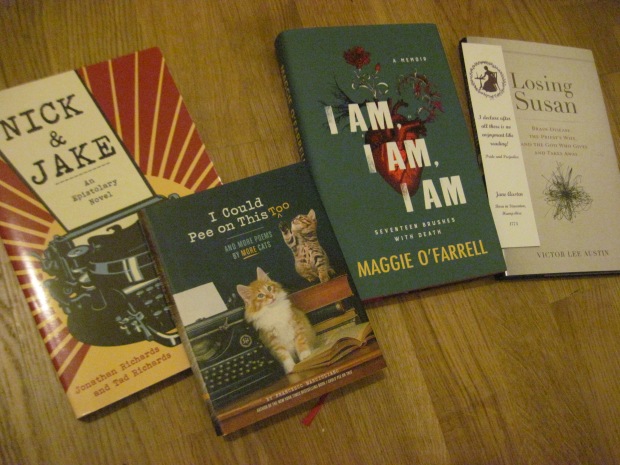
I got just four books for Christmas this year, but they’re all ones I’m very excited to read. I looked back at last year’s Christmas book haul photo and am impressed that I’ve actually read seven out of eight of them now – and the eighth is a cocktail cookbook one wouldn’t read all the way through anyway. All too often I let books sit around for years unread, but I will try to keep up this trend of reading books fairly soon after they enter my collection.
Library Checkout: December 2017
Posting early this month so that I’m not a nuisance on Christmas Day…
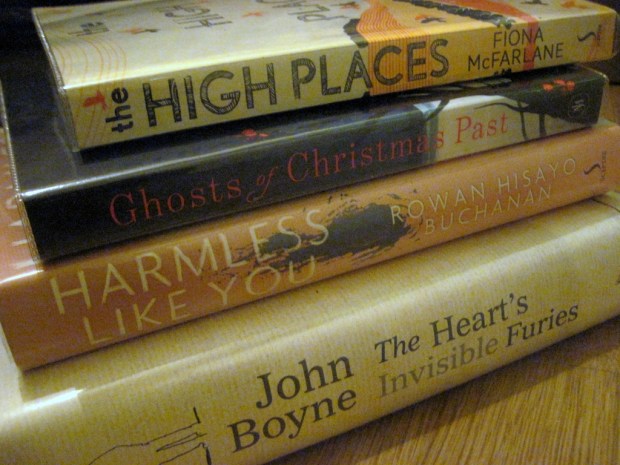
Most of the usual suspects from last month are still hanging around waiting to be read, though I also got (small!) fresh stacks out from both the public library and the university library.
LIBRARY BOOKS READ
- Our Endless Numbered Days by Claire Fuller
CURRENTLY READING
- Herzog by Saul Bellow
- The Heart’s Invisible Furies by John Boyne
- The Man Who Mistook His Wife for a Hat by Oliver Sacks
- Spirals in Time: The Secret Life and Curious Afterlife of Seashells by Helen Scales
CHECKED OUT, TO BE READ
Public library

University library
Still out from the university library:
- This Cold Heaven: Seven Seasons in Greenland by Gretel Ehrlich
- To the Is-land: An Autobiography by Janet Frame
- Vita Nova [poetry] by Louise Glück
- The Cabaret of Plants: Botany and the Imagination by Richard Mabey
- There Is an Anger that Moves [poetry] by Kei Miller
- And When Did You Last See Your Father? by Blake Morrison
- The Catcher in the Rye by J.D. Salinger
- The Magnificent Spinster by May Sarton
RETURNED UNFINISHED
- The Cat Who Stayed for Christmas by Cleveland Amory
- Howl, Kaddish and Other Poems by Allen Ginsberg
RETURNED UNREAD
- Fresh Complaint: Stories by Jeffrey Eugenides – I’ve read all of his novels, so felt that I should at least try his short stories, but a glance at the table of contents made my heart sink. All of the stories are at least 20 pages long, and one is titled “The Oracular Vulva” (?!). I still have this on my Kindle, so perhaps I’ll try it another time.
What have you been reading from your local libraries? Does anything appeal from my stacks?
Merry Christmas to all!
My Top 10 Nonfiction Reads of 2017
Below I’ve chosen my seven favorite nonfiction books published in 2017, followed by three older titles that I only recently discovered. Many of these books have already featured on the blog in some way over the course of the year. To keep it simple for myself as well as for all of you who are figuring out whether you’re interested in these books or not, I’m mostly limiting myself to two sentences per title: the first is a potted summary; the second tells you why you should read it. I also link to any full reviews.
-
 Landslide: True Stories by Minna Zallman Proctor: This gorgeous set of autobiographical essays circles through some of the overarching themes of the author’s life: losing her mother, a composer; the importance Italy had for both of them; a love for the work of Muriel Spark; their loose connection to Judaism; and the relentless and arbitrary nature of time. Proctor provides a fine example of how to write a non-linear memoir that gets to the essence of what matters in life.
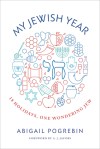 My Jewish Year by Abigail Pogrebin: From September 2014 to September 2015, Pogrebin celebrated all the holidays in the Jewish calendar, drawing thematic connections and looking for the resonance of religious rituals might have in her daily life. This bighearted, open-minded book strikes me as a perfect model for how any person of faith should engage with their tradition: not just offering lip service and grudgingly showing up to a few services a year, but knowing what you believe and practice, and why.
-

The U.S. cover
In Pursuit of Memory: The Fight against Alzheimer’s by Joseph Jebelli: With the world’s population aging, it is expected that by 2050 Alzheimer’s will be the second leading cause of death after heart disease. Research neurologist Joseph Jebelli gives a thorough survey of the history of Alzheimer’s and the development of our efforts to treat and even prevent it, but balances his research with a personal medical story any reader can relate to – his beloved grandfather, Abbas, succumbed to Alzheimer’s back in Iran in 2012. (See my full review for BookBrowse.)
 My Life with Bob by Pamela Paul: Whether she was hoarding castoffs from her bookstore job, obsessing about ticking off everything in the Norton Anthology, despairing that she’d run out of reading material in a remote yurt in China, or fretting that her new husband took a fundamentally different approach to the works of Thomas Mann, Paul (the editor of the New York Times Book Review) always looks beyond the books themselves to ask what they say about her. It’s just the sort of bibliomemoir I wish I had written.
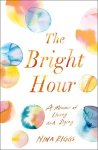 The Bright Hour by Nina Riggs: Beautiful prose enhances this literary and philosophical approach to terminal cancer. Riggs was a great-great-great-granddaughter of Ralph Waldo Emerson and quotes from her ancestor’s essays as well as from Michel de Montaigne’s philosophy to put things into perspective; she’s an expert at capturing the moments that make life alternately euphoric and unbearable – and sometimes both at once.
 Fragile Lives by Stephen Westaby: This is a vivid, compassionate set of stories culled from the author’s long career in heart surgery with the Grim Reaper looking on. I am not a little envious of all that Westaby has achieved: not just saving the occasional life despite his high-mortality field – as if that weren’t enough – but also pioneering various artificial heart solutions and a tracheal bypass tube that’s named after him.
And my nonfiction book of the year was:
1. The Shadow in the Garden: A Biographer’s Tale by James Atlas: I read this in August, planning to contrast it with Claire Tomalin’s A Life of My Own, another biographer’s memoir, for the LARB. It would have been a brilliant article, believe me. But they didn’t bite, and by the time I approached the TLS they’d already arranged coverage of the books. Alas! Such is the life of a freelancer. Since then I’ve struggled to know what to say about Atlas’s book that would explain why I loved it so much that my paperback proof is riddled with Post-It flags. (It’s going to take more than a couple of sentences…)
Much more so than Tomalin, Atlas gave me a real sense of what it’s like to immerse yourself in another person’s life. He made it up as he went along: he was only 25 when he got the contract to write a biography of the poet Delmore Schwartz, who died a penniless alcoholic at age 52. Writing about the deceased was a whole different matter to engaging with a living figure, as Atlas did when he wrote his biography of Saul Bellow in the 1990s.
 Atlas perceptively explores the connections between Schwartz and Bellow (Schwartz was the model for the protagonist of Bellow’s 1975 Pulitzer winner, Humboldt’s Gift) and between Bellow and himself (a Chicago upbringing with Russian Jewish immigrant ancestors), but also sets his work in the context of centuries of biographical achievement – from Boswell’s The Life of Samuel Johnson through master biographers like Richard Holmes, Leon Edel and Richard Ellmann (Atlas’s supervisor during his fellowship at Oxford) to recent controversial biographies of Robert Frost and Vladimir Nabokov.
This book deals with the nitty-gritty of archival research and how technology has changed it; Atlas also talks story-telling strategies and the challenge of impartiality, and ponders how we look for the patterns in a life that might explain what, besides genius, accounts for a writer’s skill. Even the footnotes are illuminating, and from the notes I learned about a whole raft of biographies and books on the biographer’s trade that I’d like to read. After I finished reading it I spent a few days dreamily wondering if I might write a biography some day. For anyone remotely interested in life writing, pick this up with my highest recommendation.
I’ll make it up to an even 10 with a few backlist titles I also loved:
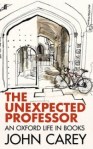 The Unexpected Professor: An Oxford Life in Books by John Carey (2014): Carey gives a thorough picture of events from his personal and professional life, but the focus is always on his literary education: the books that have meant the most to him and the way his taste and academic specialties have developed over the years. Ultimately what this book conveys is the joy of being a lifelong reader.
 A Sand County Almanac and Sketches Here and There by Aldo Leopold (1949): So many of Leopold’s musings ring true today: how we only appreciate wildlife if we can put an economic value on it, the troubles we get into when we eradicate predators and let prey animals run rampant, and the danger of being disconnected from the land that supplies our very life. And all this he delivers in stunning, incisive prose.
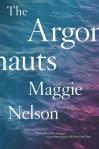 The Argonauts by Maggie Nelson (2015): An exquisite interrogation of gender identity and an invaluable reminder that the supposed complications of making a queer family just boil down to your basic human experiences of birth, love and death. I preferred those passages where Nelson allows herself to string her fragments into more extended autobiographical meditations, like the brilliant final 20 pages interspersing her memories of giving birth to her son Iggy with an account of the deathbed vigil her partner (artist Harry Dodge) held for his mother; it had me breathless and in tears, on a plane of all places.
What were some of your top nonfiction reads of the year?
Tomorrow I’ll be posting my Library Checkout a few days early.
Next week’s planned posts:
26th: Doorstopper of the Month
27th: Top fiction of the year list
28th: Runners-up and other superlatives
29th: Early 2018 recommendations
30th: Final statistics on my 2017 reading
 Bookish Beck = Rebecca Foster. American transplant to England. Freelance proofreader and book reviewer.
