Love Your Library, January 2025
Thanks so much to Elle, Laura, and Skai for joining in this month!
READ
All children’s books this time!
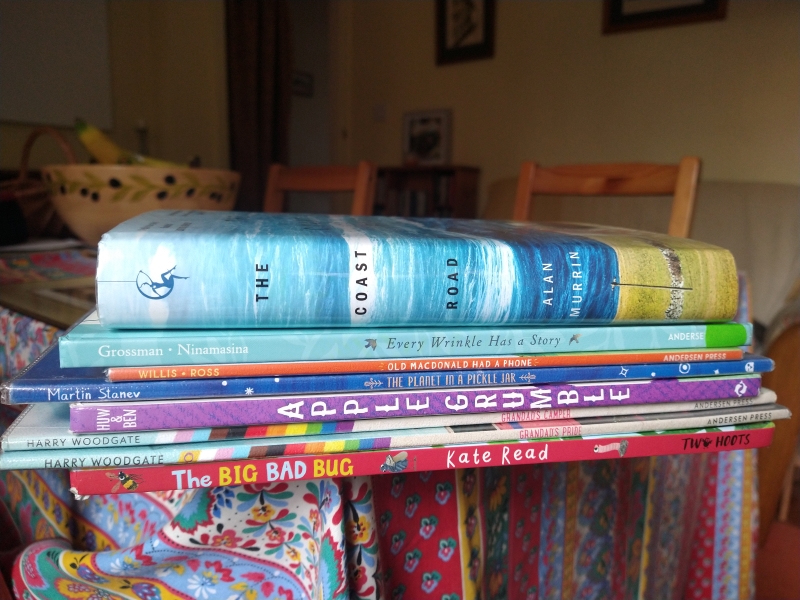
- Every Wrinkle Has a Story by David Grossman – A sweet story about how experiences make us who we are, so ageing is a good thing.

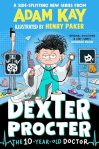 Dexter Procter: The 10-Year-Old Doctor by Adam Kay – A fun if overlong book that will appeal to readers of Roald Dahl and David Walliams. It has bullying, a mystery and gross-out humour as well as some age-appropriate medical content.
 - Apple Grumble by Huw Lewis-Jones – There’s a grumpy apple. And that’s it.

 Constance in Peril by Ben Manley – So cute! Edward finds his favourite doll, Constance Hardpenny, in a bin. She’s dressed like a Victorian spinster and each day for a week she suffers a new near-calamity (her blank doll eyes somehow still conveying her alarm), only to be saved by Edward’s big sister.
- The Big Bad Bug by Kate Read – Nice to see invertebrates featured. The message is about selfishness.

- Books Aren’t for Eating by Carlie Sorosiak – Starring a goat bookseller who learned to read books, not eat them, and passes on his enthusiasm to others. Other than the sudden ending, this was great.


- The Planet in a Pickle Jar by Martin Stanev – Intricate drawings and a touch of folklore (the author is Bulgarian) in this story of a grandmother who preserves the natural world and wants her grandchildren to continue her good work.

- Old Macdonald Had a Phone by Jeanne Willis – Updates the song for the tech age with a lesson that smartphones are useful tools but we mustn’t get addicted.
- Grandad’s Camper & Grandad’s Pride by Harry Woodgate – A little girl learns about her grandfather’s activist past with his partner and initiates a Pride parade in their little town. /

CURRENTLY READING
- Myself & Other Animals by Gerald Durrell
- The Black Bird Oracle by Deborah Harkness
- The God of the Woods by Liz Moore
- Poetry Unbound: 50 Poems to Open Your World by Pádraig Ó Tuama
(+ the set-aside ones I mentioned last time)
CHECKED OUT, TO BE READ
(Everything from last time +)
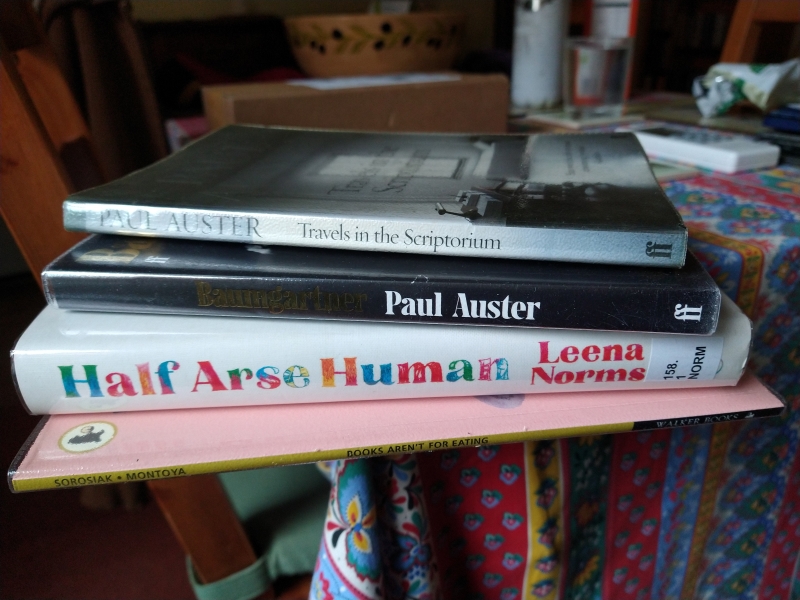
- Travels in the Scriptorium & Baumgartner by Paul Auster
- The Coast Road by Alan Murrin
- Half Arse Human by Leena Norms
IN THE RESERVATION QUEUE
(Everything from last time +)
- Confessions by Catherine Airey
- Deep Cuts by Holly Brickley
- Bellies by Nicola Dinan
- I Am Not a Tourist by Daisy J. Hung
- Bookish: How Reading Shapes Our Lives by Lucy Mangan
- When the Stammer Came to Stay by Maggie O’Farrell
ON HOLD, TO BE PICKED UP
- Maurice and Maralyn: An Extraordinary True Story of Shipwreck, Survival and Love by Sophie Elmhirst
- Black Woods, Blue Sky by Eowyn Ivey
- The Forgotten Sense: The Nose and the Perception of Smell by Jonas Olofsson
- Long Island by Colm Tóibín (for March book club)
RETURNED UNREAD
- The Mischief Makers by Elisabeth Gifford – I’ve enjoyed one of her books before, and a different biographical novel about Daphne du Maurier, but this seemed very bland at first glance.
What have you been reading or reviewing from the library recently?

Share a link to your own post in the comments. Feel free to use the above image. The hashtag is #LoveYourLibrary.
Some 2022 Reading Superlatives
Longest book read this year: To Paradise by Hanya Yanagihara (720 pages)

Shortest book read this year: Everything’s Changing by Chelsea Stickle (37 pages)

Authors I read the most by this year: Nicola Colton (4), Jakob Wegelius (3), Tove Jansson and Sarah Ruhl (2)
Publishers I read the most from: (Besides the ubiquitous Penguin and its many imprints) Canongate, Carcanet and Picador – which is part of the Pan Macmillan group.
An author I ‘discovered’ and now want to read everything by: Matthew Vollmer
My overall top discovery of the year: The Murderer’s Ape by Jakob Wegelius

My proudest non-bookish achievement: Giving a eulogy at my mom’s funeral (and even getting some laughs).
The books that made me laugh the most: Revenge of the Librarians by Tom Gauld, Undoctored by Adam Kay, Forget Me Not by Sophie Pavelle, Blurb Your Enthusiasm by Louise Willder
The books that made me cry the most: Foster by Claire Keegan, The Hero of This Book by Elizabeth McCracken


Most useful fact gleaned from a book: To convert a Celsius temperature to Fahrenheit, double it and add 30. It’s a rough estimate, but it generally works! I learned this from, of all places, The Hero of This Book by Elizabeth McCracken.
Best book club selections: The Boys in the Boat by Daniel James Brown, Falling Angels by Tracy Chevalier, Small Things Like These by Claire Keegan


Best first line encountered this year: “First, I got myself born.” (Demon Copperhead, Barbara Kingsolver)
Best last lines encountered this year:
- “Darling, that’s what life’s for – to take risks.” (Up at the Villa, W. Somerset Maugham)
- “The defiant soul of the city doesn’t die. It stays alive, right below the surface, pressing up against the boot heels, crouched like the life inside an egg, the force that drives the flower, forever reaching for its next breath.” (Feral City, Jeremiah Moss)
 “Until the future, whatever it was going to be.” (This Time Tomorrow, Emma Straub)
A book that put a song in my head every time I picked it up: Heaven Is a Place on Earth by Adrian Shirk

Shortest book title encountered: O (a poetry collection by Zeina Hashem Beck), followed by XO (a memoir by Sara Rauch)
Best 2022 book title: I Want to Die But I Want to Eat Tteokbokki by Baek Se-hee (No, I haven’t read it and I’m unlikely to, not having had great luck with recent translations of work by Japanese and Korean women.)
Favourite title and cover combo of the year: Briefly, A Delicious Life by Nell Stevens

Most fun cover serendipity: Two books I read in 2022 featured Matisse cut-outs.


Biggest disappointment: The Book of Form and Emptiness by Ruth Ozeki ( for me)
Two 2022 books that everyone was in raptures about but me: Trust by Hernan Diaz and Demon Copperhead by Barbara Kingsolver (both for me)


A 2022 book that everyone was reading but I decided not to: The Marriage Portrait by Maggie O’Farrell – since I thought Hamnet her weakest work, I’m not eager to try more historical fiction by her.
A 2022 book I can’t read: (No matter how good the reviews might be, because of the title) I’m Glad My Mom Died by Jennette McCurdy
The worst books I read this year: The Reactor by Nick Blackburn, Treacle Walker by Alan Garner, Anthropology by Dan Rhodes, Bonsai by Alejandro Zambra (1-star ratings are extremely rare from me; these were this year’s four)
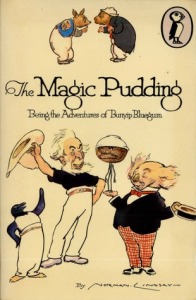
The downright strangest book I read this year: The Magic Pudding by Norman Lindsay
Book Serendipity, Mid-August to Mid-October 2022
It’s my birthday today and we’re off to Kelmscott Manor, where William Morris once lived, so I’ll start with a Morris-related anecdote even if it’s not a proper book coincidence. One of his most famous designs, the Strawberry Thief, is mentioned in Tomorrow, and Tomorrow, and Tomorrow by Gabrielle Zevin, and I happen to be using a William Morris wall calendar this year. I will plan to report back tomorrow on our visit plus any book hauls that occur.
I call it “Book Serendipity” when two or more books that I read at the same time or in quick succession have something in common – the more bizarre, the better. This is a regular feature of mine every few months. Because I usually have 20–30 books on the go at once, I suppose I’m more prone to such incidents. The following are in roughly chronological order.
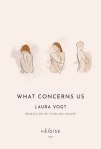
 There’s a character named Verena in What Concerns Us by Laura Vogt and Summer by Edith Wharton. Add on another called Verona from Stories from the Tenants Downstairs by Sidik Fofana.
- Two novels with a female protagonist who’s given up a singing career: Brief Lives by Anita Brookner and What Concerns Us by Laura Vogt.
- Two books featuring Black characters, written in African American Vernacular English, and with elements of drug use and jail time plus rent rises driving people out of their apartments and/or to crime (I’ve basically never felt so white): Stories from the Tenants Downstairs by Sidik Fofana and Nightcrawling by Leila Mottley.
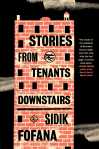

- Two books on my stack with the protagonist an African American woman from Oakland, California: Red Island House by Andrea Lee and Nightcrawling by Leila Mottley
- A middle-aged woman’s hair is described as colourless and an officious hotel staff member won’t give the protagonist a cup of coffee/glass of wine in Brief Lives by Anita Brookner and Oh William! by Elizabeth Strout.
- There’s a central Switzerland setting in Mountain Song by Lucy Fuggle and What Concerns Us by Laura Vogt.
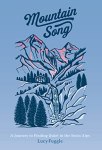
- On the same day, I encountered two references to Mary Oliver’s famous poem “The Summer Day” (“what is it you plan to do / with your one wild and precious life?”): in Mountain Song by Lucy Fuggle and This Beauty by Nick Riggle. (Fuggle and Riggle – that makes me laugh!)
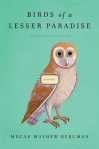
- In the same evening I found mentions of copperhead snakes in Demon Copperhead by Barbara Kingsolver (no surprise there), but also on the very first page of Birds of a Lesser Paradise by Megan Mayhew-Bergman.
- Crop circles are important to What Remains? by Rupert Callender and The Perfect Golden Circle by Benjamin Myers.
- I was reading two books with provocative peaches on the cover at the same time: The Secret Lives of Church Ladies by Deesha Philyaw and Butts: A Backstory by Heather Radke.
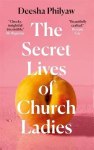
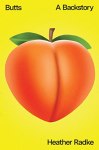
- A main character is pregnant but refuses medical attention in The Language of Flowers by Vanessa Diffenbaugh and What Concerns Us by Laura Vogt.
- An Australian setting and the slang “Carn” or “C’arn” for “come on” in Cloudstreet by Tim Winton and one story (“Halflead Bay”) from The Boat by Nam Le.
- Grape nuts cereal is mentioned in Leap Year by Helen Russell and This Time Tomorrow by Emma Straub.
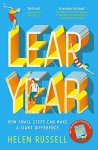
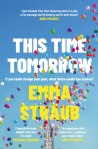
- A character wagers their hair in a short story from Bratwurst Haven by Rachel King and one from Anthropology by Dan Rhodes.
- Just after I started reading a Jackie Kay poetry collection (Other Lovers), I turned to The Horizontal Oak by Polly Pullar and found a puff from Kay on the front cover. And then one from Jim Crumley, whose The Nature of Spring I was also reading, on the back cover! (All Scottish authors, you see.)
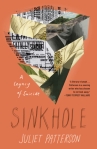
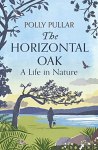
- Reading two memoirs that include a father’s suicide – Sinkhole by Juliet Patterson and The Horizontal Oak by Polly Pullar – at the same time.
- Middle school students reading Of Mice and Men in Ms. Hempel Chronicles by Sarah Shun-lien Bynum and Stories from the Tenants Downstairs by Sidik Fofana.
- A second novel in two months in which Los Angeles’s K-Town (Korean neighbourhood) is an important location: after Which Side Are You On by Ryan Lee Wong, Tomorrow, and Tomorrow, and Tomorrow by Gabrielle Zevin.
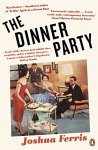
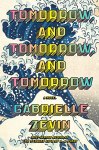
- The main character inherits his roommate’s coat in one story of The Dinner Party by Joshua Ferris, and Tomorrow, and Tomorrow, and Tomorrow by Gabrielle Zevin.
- The Groucho Marx quote “Whatever it is, I’m against it” turns up in What Remains? by Rupert Callender and Blurb Your Enthusiasm by Louise Willder (where it’s adapted to “we’re” as the motto of 3:AM Magazine).
 In Remainders of the Day by Shaun Bythell, Polly Pullar is mentioned as one of the writers at that year’s Wigtown Book Festival; I was reading her The Horizontal Oak at the same time.
- Marilyn Monroe’s death is mentioned in Sinkhole by Juliet Patterson and Tomorrow, and Tomorrow, and Tomorrow by Gabrielle Zevin.
- The types of standard plots that there are, and the fact that children’s books get the parents out of the way as soon as possible, are mentioned in And Finally by Henry Marsh and Blurb Your Enthusiasm by Louise Willder.
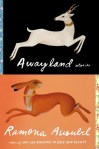
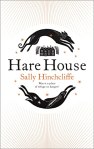
- Two books in quick succession with a leaping hare (and another leaping mammal, deer vs. dog) on the cover: Awayland by Ramona Ausubel, followed by Hare House by Sally Hinchcliffe.
- Three fingers held up to test someone’s mental state after a head injury in The House Is on Fire by Rachel Beanland and The Fear Index by Robert Harris.
- A scene where a teenage girl has to help with a breech livestock delivery (goat vs. sheep) in Belzhar by Meg Wolitzer and The Truants by Kate Weinberg.
- Two memoirs by a doctor/comedian that open with a scene commenting on the genitals of a cadaver being studied in medical school: Catch Your Breath by Ed Patrick wasn’t funny in the least, so I ditched it within the first 10 pages or so, whereas Undoctored by Adam Kay has been great so far.
What’s the weirdest reading coincidence you’ve had lately?
Random 2020 Superlatives and Statistics
My top ‘discoveries’ of the year: Chimamanda Ngozi Adichie (4 books), Octavia E. Butler, Tim Dee (3 books each, read or in progress), and Louise Erdrich (2 books, one in progress).


Also the publisher Little Toller Books: I read four of their releases this year and they were fantastic.
The authors I read the most by this year: Carol Shields tops the list at 6 books (3 of these were rereads) thanks to my buddy reads with Buried in Print, followed by Paul Auster with 5 due to Annabel’s reading week in February, then Chimamanda Ngozi Adichie with 4, and finally Anne Lamott with 3 comfort rereads.


Debut authors whose next work I’m most looking forward to: Naoise Dolan, Bess Kalb, Dara McAnulty, Mary South, Brandon Taylor, and Madeleine Watts
My proudest reading achievement: 16 rereads, which must be a record for me. Also, I always say I’m not really a short story person … and yet somehow I’ve read 19 collections of them this year (and one stand-alone story, plus another collection currently on the go)!
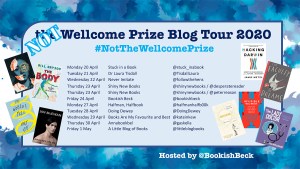
My proudest (non-reading) bookish achievement: Conceiving of and coordinating the Not the Wellcome Prize blog tour.
Five favorite blog posts of the year: Love, Etc. – Some Thematic Reading for Valentine’s Day; Polio and the Plague: Epidemics in Fiction; Thinking about the Future with David Farrier & Roman Krznaric (Hay Festival); Three Out-of-the-Ordinary Memoirs: Kalb, Machado, McGuinness; Asking What If? with Rodham by Curtis Sittenfeld (I had a lot of fun putting the current post together, too!)
The bookish experience that most defined my year: Watching the Bookshop Band’s live shows from their living room. Between their Friday night lockdown performances and one-offs for festivals and book launches, I think I saw them play 33 times in 2020!

Biggest book read this year: Going by dimensions rather than number of pages, it was the oversize hardback The Lost Words by Robert Macfarlane and Jackie Morris.
vs.
Smallest book read this year: Pocket-sized and only about 60 pages: No One Is Too Small to Make a Difference by Greta Thunberg.

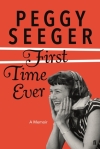 Oldest author read this year: Peggy Seeger was 82 when her memoir First Time Ever was published. I haven’t double-checked the age of every single author, but I think second place at 77 is a tie between debut novelist Arlene Heyman for Artifact and Sue Miller for Monogamy. (I don’t know how old Michael McCarthy, Jeremy Mynott and Peter Marren, the joint authors of The Consolation of Nature, are; Mynott may actually be the oldest overall, and their combined age is likely over 200.)
vs.
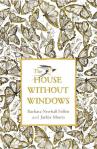 Youngest author read this year: You might assume it was 16-year-old Dara McAnulty with Diary of a Young Naturalist, which won the Wainwright Prize (as well as the An Post Irish Book Award for Newcomer of the Year, the Books Are My Bag Reader Award for Non-Fiction, and the Hay Festival Book of the Year!) … or Thunberg, above, who was 16 when her book came out. They were indeed tied for youngest until, earlier in December, I started reading The House without Windows (1927) by Barbara Newhall Follett, a bizarre fantasy novel published when the child prodigy was 12.
Most As on a book cover: Americanah by Chimamanda Ngozi Adichie
vs.
Most Zs on a book cover: The Hiding Place by Trezza Azzopardi. I haven’t read it yet, but a neighbor passed on a copy she was getting rid of. It was nominated for both the Booker Prize and the Orange Prize.

 The book that made me laugh the most: Kay’s Anatomy by Adam Kay
Books that made me cry: Writers and Lovers by Lily King, Monogamy by Sue Miller, First Time Ever by Peggy Seeger, and Catalogue Baby: A Memoir of (In)fertility by Myriam Steinberg (coming out in March 2021)
 The book that put a song in my head every single time I looked at it, much less read it: I Am an Island by Tamsin Calidas (i.e., “I Am a Rock” by Simon and Garfunkel, which, as my husband pointed out, has very appropriate lyrics for 2020: “In a deep and dark December / I am alone / Gazing from my window to the streets below … Hiding in my room / Safe within my womb / I touch no one and no one touches me.”)
Best book club selections: Notes from an Exhibition by Patrick Gale and The Wife by Meg Wolitzer tied for our highest score ever and gave us lots to talk about.

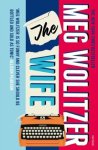
 Most unexpectedly apt lines encountered in a book: “People came to church wearing masks, if they came at all. They’d sit as far from each other as they could.” (Gilead by Marilynne Robinson. Describing not COVID-19 times but the Spanish flu.)
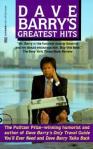 Most ironic lines encountered in a book: “September 12—In the ongoing hearings, Senator Joseph Biden pledges to consider the Bork nomination ‘with total objectivity,’ adding, ‘You have that on my honor not only as a senator, but also as the Prince of Wales.’ … October 1—Senator Joseph Biden is forced to withdraw from the Democratic presidential race when it is learned that he is in fact an elderly Norwegian woman.” (from the 1987 roundup in Dave Barry’s Greatest Hits – Biden has been on the U.S. political scene, and mocked, for 3.5+ decades!)
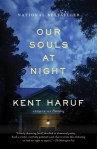 Best first line encountered this year: “And then there was the day when Addie Moore made a call on Louis Waters.” (Our Souls at Night by Kent Haruf)
Best last lines encountered this year:
- “my childhood falls silently to the bottom of my memory, that library of the soul from which I will draw knowledge and experience for the rest of my life.” (Childhood by Tove Ditlevsen)
- “What I want to say is: I misremember all this so vividly it’s as if it only happened yesterday.” (Other People’s Countries: A Journey into Memory by Patrick McGuinness)
- “these friends would forever be her stitches, her scaffold, her ballast, her home.” (The Dearly Beloved by Cara Wall)
My favorite title and cover combo of the year: A Registry of My Passage Upon the Earth by Daniel Mason
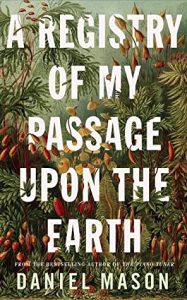
The book I wish had gotten a better title and cover: Tennis Lessons by Susannah Dickey – I did enjoy this second-person novel about a young woman who is her own worst enemy, to the tune of 3.5 stars, but the title says nothing about it and the cover would have been a turnoff had I not won a signed copy from Mslexia.

The most unfortunate typos I found in published works: In English Pastoral by James Rebanks, “sewn” where he meant “sown” (so ironic in a book about farming!) versus, in Mr Wilder & Me by Jonathan Coe, “sown” in place of “sewn.” Also “impassible” where it should read “impassable” in Apeirogon by Colum McCann. This is what proofreaders like myself are for. We will save you from embarrassing homophone slips, dangling modifiers, and more!
The 2020 books that everybody else loved, but I didn’t: The Mirror and the Light by Hilary Mantel, Hamnet by Maggie O’Farrell, and Shuggie Bain by Douglas Stuart


The year’s biggest disappointments: I don’t like to call anything “worst” (after all, I didn’t read anything nearly as awful as last year’s Jonathan Livingston Seagull), but my lowest ratings went to A Traveller at the Gates of Wisdom by John Boyne and At Hawthorn Time by Melissa Harrison, and I was disappointed that When the Lights Go Out by Carys Bray was misleadingly marketed.
 The downright strangest books I read this year: Enter the Aardvark by Jessica Anthony, A Traveller at the Gates of Wisdom by John Boyne, The House Without Windows by Barbara Newhall Follett, and The Child in Time by Ian McEwan
The people and themes that kept turning up in my reading: Rachel Carson and Henry David Thoreau; curlews and plagues; how we define and relate to history; childhood memoirs (seven of them).

Some of my 2020 curlew reading. (Two more books with curlews on the cover were borrowed from the library.)
Some statistics on my 2020 reading:
Fiction: 57.2%
Nonfiction: 36.8%
Poetry: 6%
(Fiction reigned supreme this year! Last year my F:NF ratio was roughly 1:1. Poetry was down by ~5% this year compared to 2019.)
Male author: 34.1%
Female author: 63.8%
Nonbinary author: 0.3% (= 1 author, Jay Bernard)
Multiple genders (anthologies): 1.8%
(Women dominated by an extra ~5% this year over 2019. I’ve said this for four years now: I find it intriguing that female authors significantly outweigh male authors in my reading because I have never consciously set out to read more books by women; it must be a matter of being interested in the kinds of stories women tell and how they capture their experiences in nonfiction.)
E-books: 10.6%
Print books: 89.4%
(Almost exactly the same as last year. My e-book reading has been declining, partially because I’ve cut back on the reviewing gigs that involve only reading e-books and partially because I’ve done less traveling. Increasingly, I prefer to sit down with a big stack of print books.)
Books by BIPOC: 14.7%
Literature in translation: 6.6%
(Down from last year’s 7.2%; how did this happen?! This will be something to address in 2021.)
Where my books came from for the whole year:
- Free print or e-copy from publisher: 25.6%
- Public library: 25.6%
- Free (giveaways, The Book Thing of Baltimore, the free mall bookshop, etc.): 14.9%
- Secondhand purchase: 11.6%
- Downloaded from NetGalley, Edelweiss or Project Gutenberg: 6.7%
- New purchase (sometimes at a bargain price): 6.3%
- Gifts: 5.5%
- University library: 3.8%
I promised to scale back on review copies this year, and I did: last year they accounted for nearly 37% of my reading. My library reading was higher than last year’s, despite the challenges of lockdowns; my e-book reading decreased in general. I bought more than twice as many new books as usual this year, and read lots that I either bought secondhand or got for free.
Number of unread print books in the house: 435
At the end of last year this figure was at 440 after lots of stock-ups from the free mall bookshop, which has since closed. So even though it might look like I have only read five books of my own, I have in fact read loads from my shelves this year … but also acquired many more books, both new and secondhand.
In any case, the overall movement has been downward, so I’m calling it a win!
Best of 2020: Nonfiction
Complementing yesterday’s list of my top fiction and poetry reads of 2020, I have chosen my six favorite nonfiction works of the year. Last year’s major themes were bodies, archaeology, and the environmental crisis; this year’s are adjacent: anatomy, nature, deep time, death, and questions of inheritance, both within families and more broadly. What will we leave behind? As usual, these topics reflect my own interests but also, I think, something of the zeitgeist.
Let the countdown begin!
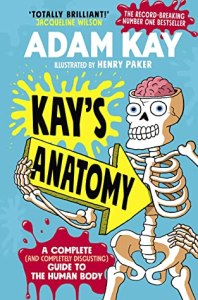 Kay’s Anatomy: A Complete (and Completely Disgusting) Guide to the Human Body by Adam Kay: Think of this as a juvenile, graphic novel version of Bill Bryson’s The Body; that’s exactly how thorough, accessible, and entertaining it is. Kay ditches his usual raunchiness and plumps for innocuous forms of humor: puns, dad jokes, toilet humor, running gags and so on. But where it counts – delivering vital information about not smoking, mental health, puberty, and facing the death of someone you love – Kay is completely serious, and always lets young readers know when it’s essential to tell an adult or ask a doctor. Henry Paker’s silly, grotesque illustrations are the perfect accompaniment.
-
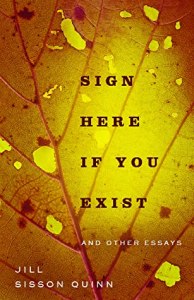 Sign Here If You Exist and Other Essays by Jill Sisson Quinn: The naturalist’s second essay collection considers themes of connection and change. Quinn regrets the afterlife prospect she lost along with her childhood Christian faith, while adopting a baby leads her to question notions of belonging and inheritance. Whether she’s studying wasps and reptiles or musing on family and faith, she knits her subjects together with meticulous attention. Putting self and nature under the microscope, she illuminates both. (Reviewed for Foreword.)
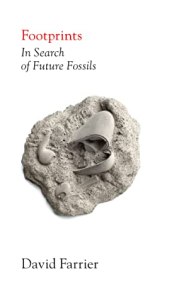 Footprints: In Search of Future Fossils by David Farrier: Blending human and planetary history, environmental realism and literary echoes, Farrier, a lecturer in English literature, tells the story of the human impact on the Earth. Each chapter is an intricate blend of fact, experience, and story. We’ll leave behind massive road networks, remnants of coastal megacities, plastics, carbon and methane in the permafrost, the fossilized Great Barrier Reef, nuclear waste, and jellyfish-dominated oceans. An invaluable window onto the deep future.
-
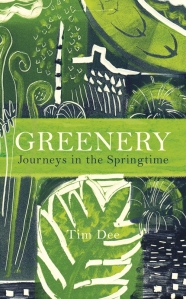 Greenery: Journeys in Springtime by Tim Dee: From the Cape of Good Hope to the Arctic Circle, Dee tracks the spring as it travels north. From first glimpse to last gasp, moving between his homes in two hemispheres, he makes the season last nearly half the year. His main harbingers are migrating birds, starting with swallows. The book is steeped in allusions and profound thinking about deep time and what it means to be alive in an era when nature’s rhythms are becoming distorted. A fresh, masterful model of how to write about nature.
-
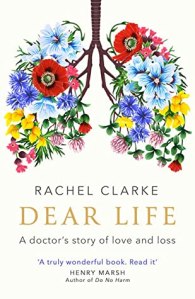 Dear Life: A Doctor’s Story of Love and Loss by Rachel Clarke: I’ve read so many doctors’ memoirs and books about death that it takes a truly special one to stand out. Clarke specializes in palliative medicine and alternates her patients’ stories with her own in a natural way. A major theme is her relationship with her doctor father and his lessons of empathy and dedication. She wrote in the wake of his death from cancer – an experience that forced her to practice what she preaches as a hospice doctor: focus on quality of life rather than number of days. This passionate and practical book encourages readers to be sure they and their relatives have formalized their wishes for end-of-life care and what will happen after their death.
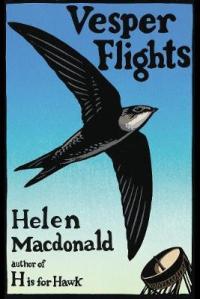 Vesper Flights by Helen Macdonald: Any doubt that Macdonald could write a worthy follow-up to H Is for Hawk evaporates instantly. Though these essays were written for various periodicals and anthologies and range in topic from mushroom-hunting to deer–vehicle collisions and in scope from deeply researched travel pieces to one-page reminiscences, they form a coherent whole. Equally reliant on argument and epiphany, the book has more to say about human–animal interactions in one of its essays than some whole volumes manage. As you might expect, birds are a recurring theme. Her final lines are always breath-taking. I’d rather read her writing on any subject than almost any other author’s.
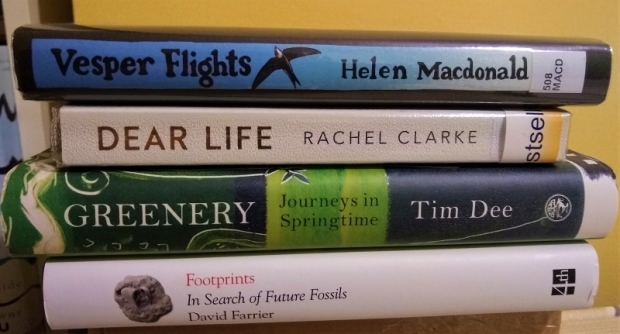
(Books not pictured were read digitally, or have already gone back to the library.)
What were some of your top nonfiction reads of the year?
Upcoming posts:
28th: Library Checkout
29th: Runners-up from 2020 (all genres)
30th: Best backlist reads
31st: Random superlatives and some statistics
Announcing the NOT the Wellcome Prize and Blog Tour
Soon after I heard that the Wellcome Book Prize would be on hiatus this year, I had the idea to host a “Not the Wellcome Prize” blog tour to showcase some of the best health-themed literature published in 2019. I was finalizing the participants and schedule just before as well as during the coronavirus crisis, which has reinforced the importance of celebrating books that disseminate crucial information about medicine and/or tell stories about how health affects our daily lives. I got the go-ahead for this unofficial tour from the Wellcome Trust’s Simon Chaplin (Director of Culture & Society) and Jeremy Farrar (overall Director).
Starting on Monday and running for the next two weeks (weekdays only), the tour will be featuring 19 books across 10 blogs. One of the unique things about the Wellcome Prize is that both fiction and nonfiction are eligible, so we’ve tried to represent a real variety here: on the longlist we have everything from autobiographical essays to science fiction, including a graphic novel and a couple of works in translation.

Based on the blog tour reviews and the Prize’s aims*, the shadow panel (Annabel of Annabookbel, Clare of A Little Blog of Books, Laura of Dr. Laura Tisdall, Paul of Halfman, Halfbook and I) will choose a shortlist of six titles, to be announced on the 4th of May. We will then vote to choose a winner, with the results of a Twitter poll serving as one additional vote (be sure to have your say!). The overall winner of the Not the Wellcome Prize will be announced on the 11th of May.
I hope you’ll follow along with the reviews and voting. I would like to express my deep thanks to all the blog tour participants, especially the shadow panel for helping with ideas and planning – plus Annabel designed the graphics.
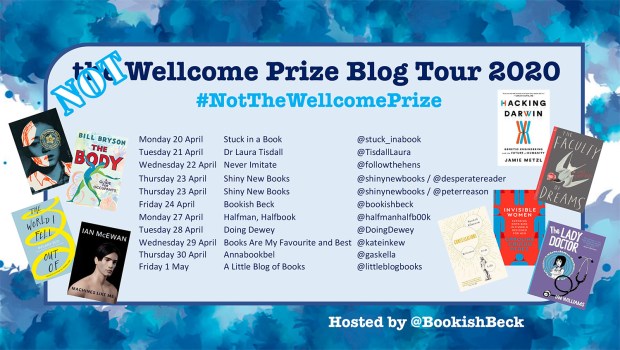
*Here is how the website describes the Prize’s purpose: “At some point, medicine touches all our lives. Books that find stories in those brushes with medicine are ones that add new meaning to what it means to be human. The subjects these books grapple with might include birth and beginnings, illness and loss, pain, memory, and identity. In keeping with its vision and goals, the Wellcome Book Prize aims to excite public interest and encourage debate around these topics.”
Below I’ve appended our preliminary list of eligible books that were considered but didn’t quite make the cut to be featured on the tour, noting major themes and positive blog review coverage I’ve come across. (The official Prize excludes poetry entries, but we were more flexible.)
Nonfiction:
- When Death Takes Something from You Give It Back by Naja Marie Aidt (memoir of child’s sudden death)
- The Man in the Red Coat by Julian Barnes (biography of 19th-century gynecologist)
- Let Me Not Be Mad by A.K. Benjamin (neuropsychologist’s memoir)
- The Story of Sex: From Apes to Robots by Philippe Brenot (medical history/graphic novel, in translation)
- The Prison Doctor by Amanda Brown (doctor’s memoir)
- The Undying by Anne Boyer (essays – cancer)
- Breaking & Mending by Joanna Cannon (doctor’s memoir)
- How to Treat People by Molly Case (nurse’s memoir)
- Will My Cat Eat My Eyeballs? by Caitlin Doughty (popular science – death)
- Happening by Annie Ernaux (memoir, in translation – abortion)
- I Remain in Darkness by Annie Ernaux (memoir, in translation – mother’s dementia)
- Out of Our Minds by Felipe Fernández-Armesto (popular science – evolutionary biology)
- The Heartland by Nathan Filer (medical history/memoir – schizophrenia)
- Childless Voices by Lorna Gibb (cultural history – infertility, etc.)
- Maybe You Should Talk to Someone by Lori Gottlieb (memoir/self-help – therapy)
Books Are My Favourite and Best review
- Once More We Saw Stars by Jayson Greene (memoir – child’s sudden death)
- A Short History of Falling by Joe Hammond (memoir – disability, dying)
- All Things Consoled by Elizabeth Hay (memoir – geriatrics, dementia)
- Hard Pushed by Leah Hazard (midwife’s memoir)
- Life Lessons from a Brain Surgeon by Rahul Jandial (memoir/self-help)
- Twas the Nightshift before Christmas by Adam Kay (doctor’s memoir)
- Why Can’t We Sleep? by Darian Leader (popular science – insomnia)
- Incandescent: We Need to Talk about Light by Anna Levin (light’s effects on health and body rhythms)
- A Puff of Smoke by Sarah Lippett (memoir – growing up with rare disease)
- Hormonal by Eleanor Morgan (popular science – women’s health)
- Critical by Matt Morgan (ICU doctor’s memoir)
- A Short History of Medicine by Steve Parker (medical history, illustrated)
- Notes to Self by Emilie Pine (essays – infertility, rape, etc.)
- That Good Night by Sunita Puri (doctor’s memoir – palliative care)
- An Elegant Defense: The Extraordinary New Science of the Immune System: A Tale in Four Lives by Matt Richtel (popular science)
- The Gendered Brain by Gina Ripon (popular science – neuroscience, gender)
- The Five by Hallie Rubenhold (alcoholism, sex work)
- When I Had a Little Sister by Catherine Simpson (memoir – mental health, suicide)
- Flash Count Diary: Menopause and the Vindication of Natural Life by Darcey Steinke (memoir, female anatomy)
- Skeleton Keys: The Secret Life of Bone by Brian Switek (popular science – anatomy)
- Out of the Woods by Luke Turner (memoir – masculinity, bisexuality)
- The Making of You by Katharina Vestre (popular science, in translation – embryology)
- Transcendence: How Humans Evolved through Fire, Language, Beauty, and Time by Gaia Vince (popular science – human evolution)
- The Knife’s Edge by Stephen Westaby (surgeon’s memoir)
Fiction:
- Starling Days by Rowan Hisayo Buchanan (literary fiction – mental illness, bisexuality)
- Recursion by Blake Crouch (science fiction – memory)
- Expectation by Anna Hope (women’s fiction – infertility, cancer)
- Stillicide by Cynan Jones (speculative fiction – water crisis)
- Things in Jars by Jess Kidd (historical fiction – Victorian medicine)
- Patience by Toby Litt (disability)
- The Migration by Helen Marshall (speculative fiction – immune disorder)
- The Warlow Experiment by Alix Nathan (historical fiction – medical experimentation)
- Night Theatre by Vikram Paralkar (magic realism – surgeon to the dead)
- The Art of Dying by Ambrose Parry (historical mystery – Victorian medicine)
- The Dutch House by Ann Patchett (doctor narrator, diabetes)
- Body Tourists by Jane Rogers (science fiction – body rental technology)
- Children of Ruin by Adrian Tchaikovsky (science fiction – evolutionary biology)
- Oligarchy by Scarlett Thomas (eating disorders)
- Wanderers by Chuck Wendig (science fiction – sleepwalking disorder)
Poetry:
- O Positive by Joe Dunthorne (death, therapy)
- The Carrying by Ada Limon (ageing parents, infertility)
Pandemic Reading Strategies & Recommendations, Serious or Tongue-in-Cheek
If you’ve been spending time blog-hopping or on Twitter over the last few weeks, you will have seen countless riffs on this topic. Everyone’s pondering what’s best to read in these times. All we can get our hands on about plagues (Boccaccio, Camus, Defoe)? Allegories of similarly challenging worldwide disasters (WWII, 9/11)? Childhood favorites? Comfort reads? Funny books? Light, undemanding stuff? Rereads?
My general answer would be: as always, read whatever you want or can – anything that captures your attention is worthwhile. We’re under so much stress that our reading should be entirely unpressured. But to be a little more specific, I’ve gathered reading recommendations on a variety of topics, drawing on lists that others have made and linking to my own blog reviews where applicable.
(Some of these ideas are less serious than others.)
If you are brave enough to learn about zoonotic diseases:
 Spillover: Animal Infections and the Next Human Pandemic by David Quammen: This is top-notch scientific journalism: pacey, well-structured, and gripping. The best chapters are on Ebola and SARS; the SARS chapter, in particular, reads like a film screenplay, if this were a far superior version of Contagion. It’s a sobering subject, with some quite alarming anecdotes and statistics, but this is not scare-mongering for the sake of it; Quammen is frank about the fact that we’re still all more likely to get heart disease or be in a fatal car crash.
If you can’t look away from pandemic stories, historical or imagined:


I already had Philip Roth’s Nemesis (set in 1940s New Jersey amid a polio epidemic) out from the library because it was on the Wellcome Book Prize shortlist in 2011. I was also inspired to take Year of Wonders by Geraldine Brooks (set in the 1660s and featuring an English village that quarantined itself during the Plague) off the shelf. I’m nearing the end of these two and should have my reviews up next week.
You will see no one book referenced more than Station Eleven by Emily St. John Mandel. It’s a wholly believable dystopian novel in which 99% of the population has been wiped out by a pandemic. The remnant bands together not just to survive but to create and preserve art. “What was lost in the collapse: almost everything, almost everyone, but there is still such beauty.” (My full BookBrowse review from December 2014.)
See also this Publishers Weekly list of “13 Essential Pandemic Novels.”
If you’re feeling cooped up…
 Infinite Home by Kathleen Alcott: “Edith is a widowed landlady who rents apartments in her Brooklyn brownstone to an unlikely collection of humans, all deeply in need of shelter.” (I haven’t read it, but I do have a copy; now would seem like the time to read it!)
…yet want to appreciate the home you’re stuck in:


Years ago I read and loved At Home: A Short History of Private Life by Bill Bryson and Happier at Home by Gretchen Rubin. I can’t tell you anything more than that because it was before the days when I reviewed everything I read, but these are both reliable authors.
 I love the sound of A Journey Around My Room by Xavier de Maistre: “Finding himself locked in his room for six weeks, a young officer journeys around his room in his imagination, using the various objects it contains as inspiration for a delightful parody of contemporary travel writing and an exercise in Sternean picaresque.”
I’m also drawn to Home: The Story of Everyone Who Ever Lived in Our House by Julie Myerson, who combed archives for traces of all the former residents of her 1870s terraced house in Clapham.
If you’re struggling with being on your own:


The Lonely City by Olivia Laing: This remarkable book on outsider artists interweaves biography, art criticism and memoir. Laing is a tour guide into the peculiar, lonely crowdedness you find in a world city.
How to Be Alone by Sara Maitland: Maitland argues that although being alone is easy to achieve, there is an art to doing it properly, and solitude and loneliness are by no means the same thing. Profiling everyone from the Desert Fathers of early Christianity to the Romantic poets, she enumerates all the benefits that solitude confers.
Journal of a Solitude by May Sarton: A one-year account of her writing life in New Hampshire, this is Sarton’s best. The book dwells on the seasonal patterns of the natural world (shovelling snow, gardening, caring for animals) but also the rhythms of the soul – rising in hope but also falling into occasional, inevitable despair.
See also this Penguin UK list of books to read in self-isolation.
If you’ve been passing the time by baking…
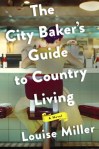 The City Baker’s Guide to Country Living by Louise Miller: As chief baker at the Sugar Maple Inn in Guthrie, Vermon, Olivia Rawlings settles into a daily routine of baking muffins, bread and cakes. This is a warm, cozy debut novel full of well-drawn secondary characters and romantic possibilities. There’s nothing clichéd about it, though. Livvy is a sassy narrator, and I loved how Miller documents the rhythms of the small-town country year, including tapping the maple trees in the early spring and a pie baking contest at the summer county fair.
 Sourdough by Robin Sloan: Lois Clary, a Bay Area robot programmer, becomes obsessed with baking. “I needed a more interesting life. I could start by learning something. I could start with the starter.” She attempts to link her job and her hobby by teaching a robot arm to knead the bread she makes for a farmer’s market. Madcap adventures ensue. It’s a funny and original novel and it makes you think, too – particularly about the extent to which we should allow technology to take over our food production.
…but can’t find yeast or eggs in the shop:
Yeast: A Problem by Charles Kingsley (1851). Nope, I haven’t read it, but our friend has a copy in his Everyman’s Library collection and the title makes us laugh every time we see it.
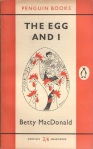 The Egg & I by Betty Macdonald: MacDonald and her husband started a rural Washington State chicken farm in the 1940s. Her account of her failure to become the perfect farm wife is hilarious. The voice reminded me of Doreen Tovey’s: mild exasperation at the drama caused by household animals, neighbors, and inanimate objects. “I really tried to like chickens. But I couldn’t get close to the hen either physically or spiritually, and by the end of the second spring I hated everything about the chicken but the egg.” Perfect pre-Easter reading.
And here are a few lists I put together for Hungerford Bookshop:
If you need a laugh:
Fiction:
Lucky Jim by Kingsley Amis
The Darling Buds of May (and sequels) by H.E. Bates
Ella Minnow Pea by Mark Dunn
Heartburn by Nora Ephron
 Cold Comfort Farm by Stella Gibbons
Anything by Nick Hornby
Three Men in a Boat by Jerome K. Jerome
Anything by David Lodge
Dear Committee Members by Julie Schumacher
The Rosie Project (and sequels) by Graeme Simsion
To Say Nothing of the Dog by Connie Willis
Nonfiction:
 Anything by Bill Bryson
21st-Century Yokel by Tom Cox
Anything by Gerald Durrell
Anything by Nora Ephron (essays)
This Is Going to Hurt by Adam Kay
Priestdaddy by Patricia Lockwood
Dear Lupin by Roger Mortimer
Anything by David Sedaris
Little Failure by Gary Shteyngart
If you want to disappear into a long book:


The Heart’s Invisible Furies by John Boyne
Jonathan Strange & Mr Norrell by Susanna Clarke
David Copperfield by Charles Dickens
Middlesex by Jeffrey Eugenides
The Crimson Petal and the White by Michel Faber
The Signature of All Things by Elizabeth Gilbert
The Nix by Nathan Hill
We, the Drowned by Carsten Jensen
Mary Ann Sate, Imbecile by Alice Jolly
The Poisonwood Bible by Barbara Kingsolver
The Wind-Up Bird Chronicle by Haruki Murakami
The Sparrow by Mary Doria Russell
American Wife by Curtis Sittenfeld
East of Eden by John Steinbeck
The Goldfinch by Donna Tartt
Cutting for Stone by Abraham Verghese
The Paying Guests by Sarah Waters
If you’re looking for some hope:
 Almost Everything: Notes on Hope by Anne Lamott
Hope in the Dark by Rebecca Solnit
Hope Dies Last: Making a Difference in an Indifferent World by Studs Terkel
I’ve been doing a combination of the above strategies, reading about historical plagues in fiction and nonfiction but also doing some rereading and consuming lighter genre stuff like mysteries. I continue to dip into new releases, and I enjoy the ongoing challenge of my reading projects. Right now, I’m working through a few current Women’s Prize longlistees, as well as some past Wellcome Book Prize nominees and Women’s Prize winners, and I’m about to start a third #1920Club title. Plus I’m already thinking about my 20 Books of Summer (I’m considering an all-foodie theme).
Further reading:
- Book Riot pinpoints seven categories of books to read during a pandemic.
- Clare surveys the post-pandemic literary landscape.
- Elle logs her pandemic reading and viewing.
- Laura discusses pandemic reading strategies and distraction reading.
- Literary Hub looks at parallel situations, including post-9/11 reads, to make predictions, and asks what your “go-to quarantine read” says about you. (I’ve read Kindred most recently, but I wouldn’t say that describes me.)
- Simon thinks about what we can and should read.
- Susan highlights some comfort reads.
What are your current reading strategies?
October Recommendations: Ashworth, Donoghue, Kay & McWatt
Intricate essays about writing in the wake of trauma, a feel-good novel about an odd couple on a trip to France, hilarious festive outtakes from a career in medicine, and a race-themed family memoir: I have four very different books to recommend to you this month. All:
Notes Made while Falling by Jenn Ashworth
(Coming from Goldsmiths Press [UK] on the 15th; already out from MIT Press [USA])
Like Anne Boyer’s The Undying and Sinéad Gleeson’s Constellations, this is an incisive memoir-in-essays about the effects of trauma on a woman’s body. Specifically, Ashworth’s story starts with her son’s birth in 2010, a disaster she keeps returning to over the course of seven sinuous personal essays. A routine C-section was followed by haemorrhaging, blood transfusions and anaphylaxis. The effects lasted for years afterwards: haunted by the sound of her blood dripping and the feeling that her organs could fall out of her abdomen at any time, she suffered from vomiting, insomnia and alcoholism, drinking late into the night as she watched gruesome true crime films.
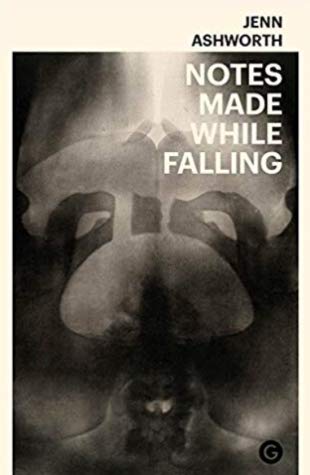 Ashworth toggles between experience, memory, and the transformation of experience into a written record. She admits she has lost faith in fiction, either reading or writing it (she is a lecturer at Lancaster University and the author of four novels). Her Mormon upbringing in Preston is a major part of her backstory, and along with her childhood indoctrination she remembers brief stays in a children’s home and in the hospital with chicken pox.
The essays experiment with structure and content. For instance, “Ground Zero” counts down from #8, with incomplete final lines in each section, then back up to #8, with each piece from the second set picking up where the first left off. Slashes and cross-outs represent rethinking or alternate interpretations. “Off Topic: On Derailment” encompasses so many topics, from excommunication to Agatha Christie to rollercoasters to Charles Dickens, that you have to read it to believe she can make it all fit together (elsewhere she muses on Chernobyl, magic tricks and hating King Lear).
“How to Begin: The Cut” started as a talk given at Greenbelt 2013, when I was in the audience. I especially loved “A Lecture on Influence,” a coy self-examination through creative writing lessons, and “How to Fall without Landing: Celestial City,” a meditation on the precariousness of the human condition. Her frame of literary reference is wide and surprising. This also reminded me of Sight by Jessie Greengrass, The Empathy Exams by Leslie Jamison, I Am, I Am, I Am by Maggie O’Farrell, and In the Days of Rain by Rebecca Stott; I would recommend it to readers of any of the above.
Some favorite lines:
“My God-hurt head has a hole in it or needs one; to let the world in, or out – I can’t ever decide.”
“how to write about everything? How to take in the things that don’t belong to you without being poisoned by them? How to make use of the things that live inside, those seedlings you never asked for? How to breathe in? How to breathe out? How to keep on doing that?”
“Some days it feels like writing truthfully about her own life is the most subversive thing a woman can do.”
My thanks to the publisher for the free copy for review.
Akin by Emma Donoghue
(Coming from Picador [UK] on the 3rd; already out from Little, Brown and Co. [USA])
I’ve read Donoghue’s six most recent works of fiction. Her books are all so different from each other in setting – a one-room prison in contemporary America, bawdy 1870s San Francisco, rural Ireland in the 1850s – that it’s hard to pin her down to one time period or roster of topics. She never writes the same book twice, and that’s got to be a good thing.
 Akin gets off to a slightly slow start but soon had me hooked. Noah Selvaggio, a childless widower and retired chemist in New York City, is looking forward to an imminent trip to Nice, where he was born, to celebrate his 80th birthday. He never guessed that he’d have company on his trip, much less a surly 11-year-old. This is Michael Young, his nephew Victor’s son. Victor died of a drug overdose a year and a half ago; the boy’s mother is in prison; his maternal grandmother has just died. There’s no one else to look after Michael, so with a rush passport he’s added to the itinerary.
In some ways Michael reminded me of my nephews, ages 11 and 14: the monosyllabic replies, the addiction to devices and online gaming, the finicky eating, and the occasional flashes of childlike exuberance. Having never raised a child, Noah has no idea how strict to be with his great-nephew about screen time, unhealthy food and bad language. He has to learn to pick his battles, or every moment of this long-awaited homecoming trip would be a misery. And he soon realizes that Michael’s broken home and troubled area of NYC make him simultaneously tougher and more vulnerable than your average kid.
The odd-couple dynamic works perfectly here and makes for many amusing culture clashes, not so much France vs. the USA as between these Americans of different generations. The dialogue, especially, made me laugh. Donoghue nails it:
[Noah:] “The genre, the style. Is rap the right word for it? Or hip-hop?”
[Michael:] “Don’t even try.” Michael turned his music back on.
(At the cathedral)
[Michael:] “This is some seriously frilly shit.”
[Noah:] “It’s called Baroque style.”
[Michael:] “I call it fugly.”
But there’s another dimension to the novel that keeps it from being pleasant but forgettable. Noah’s grandfather was a famous (fictional) photographer, Père Sonne, and he has recently found a peculiar set of photographs left behind by his late mother, Margot. One is of the hotel where they’re staying in Nice, known to be a holding tank for Jews before they were sent off to concentration camps. The more Noah looks into it, the more he is convinced that his mother was involved in some way – but which side was she on?
This is feel-good fiction in the best possible sense: sharp, true-to-life and never sappy. With its spot-on dialogue and vivid scenes, I can easily see it being made into a movie, too. It’s one of my favorite novels of the year so far.
My thanks to the publisher for the proof copy for review.
Twas the Nightshift before Christmas by Adam Kay
(Coming from Picador on the 17th)
 If you’ve read This Is Going to Hurt, the UK’s bestselling nonfiction title of 2018, you’ll know just what to expect from the comedian’s holiday-themed follow-up. It’s raunchy, morbid and laugh-out-loud funny. In the seven years that Kay was a medical doctor, he had to work on Christmas Day six times. He takes us through the holiday seasons of 2004 to 2009, from the sickeningly festive run-up to the letdown of Christmas day and its aftermath. With his Rudolph tie on and his Scrooge spirit intact, he attends to genital oddities, childbirth crises and infertility clients, and feebly tries to keep up his relationships with his family and his partner despite them having about given up on him after so many holiday absences.
This will be a stocking-stuffer for many this year, and I can see myself returning to it year after year and flicking through for a laugh. However, there’s one story here that Kay regrets omitting from This Is Going to Hurt as being too upsetting, and he also ends on a serious note, urging readers to spare a thought for those who give up their holidays to keep our hospitals staffed.
A favorite passage:
“A lot of the reward for this job comes in the form of a warm glow. It doesn’t make you look any less tired, you can’t pay the rent with it, and it’s worth a lot less than the social life you’ve traded it for, but this comforting aura of goodness and purpose definitely throws light into some dark corners and helps you withstand a lot of the shit.”
My thanks to the publisher for the proof copy for review.
Shame on Me: An Anatomy of Race and Belonging by Tessa McWatt
(Coming from Scribe UK on the 10th)
 “What are you?” This question has followed McWatt since she was eight years old. When her third-grade teacher asked the class if they knew what “Negro” meant, one boy pointed to her. “Oh, no, not Tessa,” the teacher replied, following up with a question: “What are you, Tessa?” But it has always been hard to put her mixed-race background into one word. Her family moved from Guyana to Canada and she has since settled in England, where she is a professor of creative writing; her ancestry is somewhat uncertain but may include Chinese, Indian, indigenous South American, Portuguese, French/Jewish, African, and Scottish.
The book opens with the startling scene of her grandmother, a young Chinese woman brought over to work the sugarcane fields of British Guiana, being raped by her own uncle. “To strangers, even friends—on some days also to myself—I am images of violence and oppression. I am the language of shame and destitution, of slavery and indenture, of rape and murder. I am images of power and privilege, of denial and shades of skin, shapes of faces,” McWatt writes.
Her investigation of the meaning of race takes the form of an academic paper, Hypothesis–Experiment–Analysis–Findings, and within the long third section she goes part by part through the bodily features that have most often been used as markers of racial identity, including the nose, eyes, hair and buttocks. She dives into family history but also into wider historical movements, literature and science to understand her hybrid self. It’s an inventive and sensitive work reminiscent of The Color of Water by James McBride. I would recommend it to anyone who enjoys reading (or feels they should try) interrogations of race.
A favorite line:
“as I try to square my politics with my privilege, it seems that my only true inheritance is that I am always running somewhere else.”
I won a signed proof copy in a Twitter giveaway.
Have you read any October releases that you would recommend? Do any of these tempt you?
Hard Pushed: A Midwife’s Story by Leah Hazard
“For fans of Adam Kay’s This Is Going to Hurt and Christie Watson’s The Language of Kindness,” the blurb on my press release for Leah Hazard’s memoir opens. The publisher’s comparisons couldn’t be more perfect: Hard Pushed has the gynecological detail and edgy sense of humor of Kay’s book (“Another night, another vagina” is its first line, and the author has been known to introduce herself with “Midwife Hazard, at your cervix!”), and matches Watson’s with its empathetic picture of patients’ plights and medical professionals’ burnout.
Hazard alternates between anonymized case studies of patients she has treated and general thoughts on her chosen career (e.g. “Notes on Triage” and “Notes on Being from Somewhere Else”). Although all of the patients in her book are fictional composites, their circumstances are rendered so vividly that you quickly forget these particular characters never existed. Visceral details of sights, smells and feelings put you right there in the delivery room with Eleanor, one-half of a lesbian couple welcoming a child thanks to the now-everyday wonder of IVF; Hawa, a Somali woman whose pregnancy is complicated by the genital mutilation she underwent as a child; and Pei Hsuan, a Chinese teenager who was trafficked into sex work in Britain.
Sometimes we don’t learn the endings to these stories. Will 15-year-old Crystal have a healthy baby after she starts leaking fluid at 23 weeks? What will happen next for Pei Hsuan after her case is passed on to refugee services? Hazard deliberately leaves things uncertain to reflect the partial knowledge a hospital midwife often has of her patients: they’re taken off to surgery or discharged, and when they eventually come back to deliver someone else may be on duty. All she can do is to help each woman the best she can in the moment.
 A number of these cases allow the author to comment on the range of modern opinions about pregnancy and childrearing, including some controversies. A pushy new grandmother tries to pressure her daughter into breastfeeding; a woman struggles with her mental health while on maternity leave; a rape victim is too far along to have a termination. At the other end of the spectrum, we meet a hippie couple in a birthing pool who prefer to speak of “surges” rather than contractions. Hazard rightly contends that it’s not her place to cast judgment on any of her patients’ decisions; her job is simply to deal with the situation at hand.
I especially liked reading about the habits that keep the author going through long overnight shifts, such as breaking the time up into 15-minute increments, each with its own assigned task. The excerpts from her official notes – in italics and full of shorthand and jargon – are a neat window into the science and reality of a midwife’s work, with a glossary at the end of the book ensuring that nothing is too technical for laypeople.
Hazard, an American, lives in Scotland and has a Glaswegian husband and two daughters. Her experience of being an NHS midwife has not always been ideal; there were even moments when she was ready to quit. Like Kay and Watson, she has found that the medical field can be unforgiving what with low pay, little recognition and hardly any time to wolf down your dinner during a break, let alone reflect on the life-and-death situations you’ve been a part of. Yet its rewards outweigh the downsides.
Hard Pushed has none of the sentimentality of Call the Midwife – a relief since I’m not one to gush over babies. Still, it’s a heartfelt read as well as a vivid and pacey one, and it’s alternately funny and sobering. If you like books that follow doctors and nurses down hospital hallways, you’ll love it. This was one of my most anticipated books of the first half of the year, and it lived up to my expectations. It’s also one of my top contenders for the 2020 Wellcome Book Prize so far.
A few favorite passages:
“So many things in midwifery are ‘wee’ [in Scotland, at least!] – a wee cut, a wee tear, a wee bleed, the latter used to describe anything from a trickle to a torrent. Euphemisms are one of our many small mercies: we learn early on to downplay and dissemble. The brutality of birth is often self-evident; there is little need to elaborate.”
“Whenever I dress a wound in this way, I remember that this is an act of loving validation; every wound tells a story, and every dressing is an acknowledgement of that story – the midwife’s way of saying, I hear you, and I believe you.”
“midwives do so much more than catch babies. We devise and implement plans of care; we connect, console, empathise and cheerlead; we prescribe; we do minor surgery. … We may never have met you until the day we ride into battle for you and your baby; … you may not even recognise the cavalry that’s been at your back until the drapes are down and the blood has dried beneath your feet.”
My rating:
Hard Pushed was published in the UK on May 2nd (just a few days before International Midwives’ Day) by Hutchinson. My thanks to the publisher for the free proof copy for review.
My 2018 Wellcome Book Prize Wish List
Tomorrow the longlist for the 2018 Wellcome Book Prize will be announced. This year’s judging panel is chaired by Edmund de Waal, author of The Hare with Amber Eyes. I hope to once again shadow the shortlist along with a few fellow book bloggers. I don’t feel like I’ve read all that many books that are eligible (i.e., released in the UK in 2017, and on a medical theme), but here are some that I would love to see make the list. I link to all those I’ve already featured here, and give review extracts for the books I haven’t already mentioned.

 I Found My Tribe by Ruth Fitzmaurice
- In Pursuit of Memory: The Fight against Alzheimer’s by Joseph Jebelli
- Goodbye, Vitamin by Rachel Khong
- In Every Moment We Are Still Alive by Tom Malmquist
- Admissions: A Life in Brain Surgery by Henry Marsh
 I Am, I Am, I Am: Seventeen Brushes with Death by Maggie O’Farrell: O’Farrell captures fragments of her life through essays on life-threatening illnesses and other narrow escapes she’s experienced. The pieces aren’t in chronological order and aren’t intended to be comprehensive. Instead, they crystallize the fear and pain of particular moments in time, and are rendered with the detail you’d expect from her novels. She’s been mugged at machete point, nearly drowned several times, had a risky first labor, and was almost the victim of a serial killer. (My life feels awfully uneventful by comparison!) But the best section of the book is its final quarter: an essay about her childhood encephalitis and its lasting effects, followed by another about her daughter’s extreme allergies.
- The Smell of Fresh Rain: A Journey into the Sense of Smell by Barney Shaw
- Fragile Lives: A Heart Surgeon’s Stories of Life and Death on the Operating Table by Stephen Westaby
It’s also possible that we could see these make the longlist:
 History of Wolves by Emily Fridlund: Fridlund’s Minnesota-set debut novel is haunted by a dead child. From the second page readers know four-year-old Paul is dead; a trial is also mentioned early on, but not until halfway does Madeline Furston divulge how her charge died. This becomes a familiar narrative pattern: careful withholding followed by tossed-off revelations that muddy the question of complicity. The novel’s simplicity is deceptive; it’s not merely a slow-building coming-of-age story with Paul’s untimely death at its climax. For after a first part entitled “Science”, there’s still half the book to go – a second section of equal length, somewhat ironically labeled “Health”. (Reviewed for the TLS.)
- Hair Everywhere by Tea Tulić
 Modern Death: How Medicine Changed the End of Life by Haider Warraich: A learned but engaging book that intersperses science, history, medicine and personal stories. The first half is about death as a medical reality, while the second focuses on social aspects of death: religious beliefs, the burden on families and other caregivers, the debate over euthanasia and physician-assisted suicide, and the pros and cons of using social media to share one’s journey towards death. (See my full Nudge review.)
Of 2017’s medical titles that I haven’t read, I would have especially liked to have gotten to:
- Sound: A Story of Hearing Lost and Found by Bella Bathurst
 This Is Going to Hurt: Secret Diaries of a Junior Doctor by Adam Kay
- With the End in Mind: Dying, Death, and Wisdom in an Age of Denial by Kathryn Mannix [I have this one on my Kindle from NetGalley]
- Into the Grey Zone: A Neuroscientist Explores the Border between Life and Death by Adrian Owen
- Patient H69: The Story of My Second Sight by Vanessa Potter
We are also likely to see a repeat appearance from the winner of the 2017 Royal Society Science Book Prize, Testosterone Rex: Myths of Sex, Science, and Society by Cordelia Fine.
Other relevant books I read last year that have not (yet?) been released in the UK:
 The Education of a Coroner: Lessons in Investigating Death by John Bateson
- The Family Gene: A Mission to Turn My Deadly Inheritance into a Hopeful Future by Joselin Linder
- Last Things: A Graphic Memoir of Loss and Love by Marissa Moss
- Love and Laughter in the Time of Chemotherapy by Manjusha Pawagi
 No Apparent Distress: A Doctor’s Coming-of-Age on the Front Lines of American Medicine by Rachel Pearson: Pearson describes her Texas upbringing and the many different hands-on stages involved in her training: a prison hospital, gynecology, general surgery, rural family medicine, neurology, dermatology. Each comes with memorable stories, but it’s her experience at St. Vincent’s Student-Run Free Clinic on Galveston Island that stands out most. Pearson speaks out boldly about the divide between rich and poor Americans (often mirrored by the racial gap) in terms of what medical care they can get. A clear-eyed insider’s glimpse into American health care.
- The Bright Hour: A Memoir of Living and Dying by Nina Riggs
 The Tincture of Time: A Memoir of (Medical) Uncertainty by Elizabeth L. Silver: At the age of six weeks, Silver’s daughter suffered a massive brain bleed for no reason that doctors could ever determine. Thanks to the brain’s plasticity, especially in infants, the bleed was reabsorbed and Abby has developed normally, although the worry never goes away. Alongside the narrative of Abby’s baffling medical crisis, Silver tells of other health experiences in her family. An interesting exploration of the things we can’t control and how we get beyond notions of guilt and blame to accept that time may be the only healer.
 Bookish Beck = Rebecca Foster. American transplant to England. Freelance proofreader and book reviewer.
 Bookish Beck