Seascraper by Benjamin Wood (#NovNov25 Buddy Read)
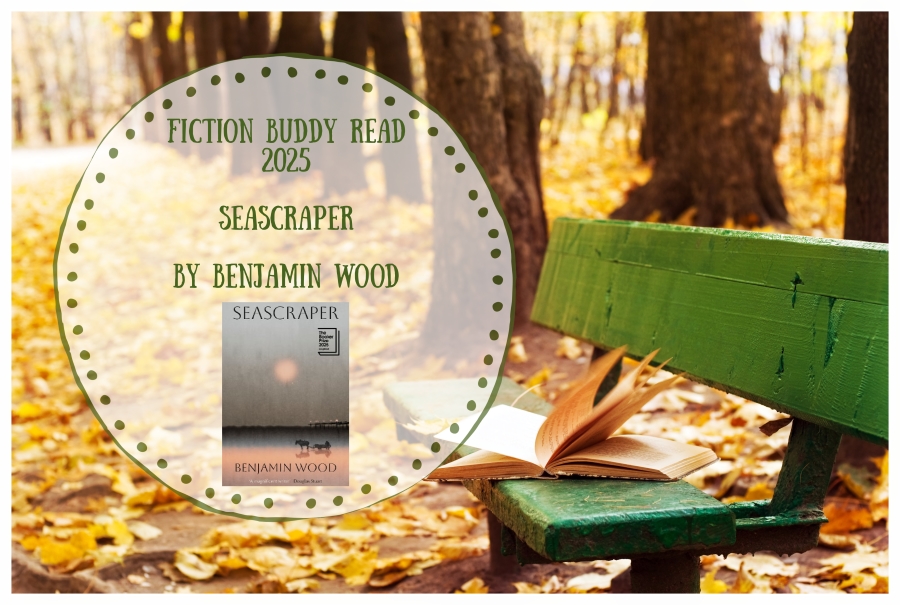
Seascraper is set in what appears to be the early 1960s yet could easily be a century earlier because of the protagonist’s low-tech career. Thomas Flett lives with his mother in fictional Longferry in northwest England and carries on his grandfather’s tradition of fishing with a horse and cart. Each day he trawls the seabed for shrimp – sometimes twice a day when the tide allows – and sells his catch to local restaurants. At around 20 years old, Thomas still lives with his mother, who is disabled by obesity and chronic pain. He’s the sole breadwinner in the household and there’s an unusual dynamic between them in that his mother isn’t all that many years older, having fallen pregnant by a teacher while she was still in school.
Their life is just a mindless trudge of work with cosy patterns of behaviour in between … He wants to wake up every morning with a better purpose.
It’s a humdrum, hardscrabble existence, and Thomas longs for a bigger and more creative life, which he hopes he might achieve through his folk music hobby – or a chance encounter with an American filmmaker. Edgar Acheson is working on a big-screen adaptation of a novel; to save money, it will be filmed here in Merseyside rather than in coastal Maine where it’s set. One day he turns up at the house asking Thomas to be his guide to the sands. Thomas reluctantly agrees to take Edgar out one evening, even though it will mean missing out on an open mic night. They nearly get lost in the fog and the cart starts to sink into quicksand. What follows is mysterious, almost like a hallucination sequence. When Thomas makes it back home safely, he writes an autobiographical song, “Seascraper” (you can listen to a recording on Wood’s website).
After this one pivotal and surprising day, Thomas’s fortunes might just change. This atmospheric novella contrasts subsistence living with creative fulfillment. There is the bitterness of crushed dreams but also a glimmer of hope. Its The Old Man and the Sea-type setup emphasizes questions of solitude, obsession and masculinity. Thomas wishes he had a father in his life; Edgar, even in so short a time frame, acts as a sort of father figure for him. And Edgar is a father himself – he shows Thomas a photo of his daughter. We are invited to ponder what makes a good father and what the absence of one means at different stages in life. Mental and physical health are also crucial considerations for the characters.

That Wood packs all of this into a compact circadian narrative is impressive. My admiration never crossed into warmth, however. I’ve read four of Wood’s five novels and still love his debut, The Bellwether Revivals, most, followed by his second, The Ecliptic. I’ve also read The Young Accomplice, which I didn’t care for as much, so I’m only missing out on A Station on the Path to Somewhere Better now. Wood’s plot and character work is always at a high standard, but his books are so different from each other that I have no clear sense of him as a novelist. Still, I’m pleased that the Booker longlisting has introduced him to many new readers.
Also reviewed by:
Annabel (AnnaBookBel)
Anne (My Head Is Full of Books)
Brona (This Reading Life)
Cathy (746 Books)
Davida (The Chocolate Lady’s Book Review Blog)
Eric (Lonesome Reader)
Jane (Just Reading a Book)
Helen (She Reads Novels)
Kate (Books Are My Favourite and Best)
Kay (What? Me Read?)
Nancy (The Literate Quilter)
Rachel (Yarra Book Club)
Susan (A life in books)
Check out this written interview with Wood (and this video one with Eric of Lonesome Reader) as well as a Q&A on the Booker Prize website in which Wood talks about the unusual situation in which he wrote the book.
(Public library)
[163 pages]

November Releases Including #NovNov24: Bennett, Pimlott, Rishøi, Shattuck
Two belated novellas: one a morbid farce set at an old folks’ home; the other a sweet Norwegian tale that offers sisterhood and magic as ways to survive a rough upbringing. Plus a lovely poetry pamphlet about the early days of widowhood and a linked short story collection spanning several centuries of art and relationships in New England.
Killing Time by Alan Bennett
I’d only previously read The Uncommon Reader by Alan Bennett; I perpetually have him confused with Arnold Bennett, by whom I know more. It could be debated whether this is a novella by word count, but even if more of a short story, for me it counts for #NovNov24 because it’s in a stand-alone volume, as publishing partner Faber produced for Claire Keegan’s So Late in the Day last year.
I polished this off in one sitting. Bennett’s black comedy is set at a posh home for the elderly, the Edwardian mansion Hill Topp House. (Residents know to be on their best behaviour lest they be demoted to an inferior neighbouring facility, Low Moor.) When a prospective client calls, Mrs McBryde enthusiastically lists the assets:
We have a choir and on special occasions a glass of dry sherry. It’s less of a home and more of a club and very much a community. We go on frequent trips out. Only last week we went to a local farm where they have a flamingo. … We don’t vegetate at Hill Topp. And the cuisine is not unadventurous. It’s not long since we had a Norwegian evening.
 The dialogue is sparkling, just like you’d expect from a playwright. As in the Hendrik Groen books and Elizabeth Taylor’s Mrs Palfrey at the Claremont, the situation invites cliques and infantilizing. The occasional death provides a bit more excitement than jigsaws and knitting. Ageing bodies may be pitiable (the incontinence!), but sex remains a powerful impulse.
Here is where readers might start to feel disconnected from Bennett’s dated humour. The window cleaner turned gigolo is somewhat amusing; the repeated gag of a flasher, not so much. “Has she seen the sights yet?” two ladies ask. And a jesting conversation about clerical sexual abuse scandals seems particularly ill considered given recent news.
The story is most interesting and fresh once Covid comes onto the scene. Some perish early on; the survivors, ungoverned, do their best. I loved the detail of a resident turning a velvet dress into 60 masks. Two objects, one of them depicted on the cover (it’s not a grenade as I thought at first!), come to have particular importance. I liked this but thought by favouring broad humour it sacrificed characterization or compassion. You’ll enjoy it if you’re fond of wicked comedy by the likes of Alan Ayckbourn. [112 pages]
With thanks to Profile Books for the free copy for review.
After the Rites and Sandwiches: Poems by Kathy Pimlott
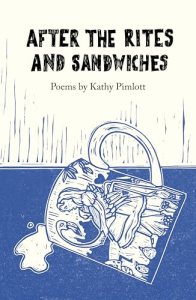 The 18 poems in this pamphlet (in America it would be called a chapbook) orbit the sudden death of Pimlott’s husband a few years ago. By the time she found Robert at the bottom of the stairs, there was nothing paramedics could do. What next? The callousness of bureaucracy: “Your demise constitutes a quarter off council tax; / the removal of a vote you seldom cast and then / only to be contrary; write-off of a modest overdraft; / the bill for an overpaid pension” (from “Death Admin I”). Attempts at healthy routines: “I’ve written my menu for the week. Today’s chowder. / I manage ten pieces of the 1000-piece jigsaw’s scenes / from Jane Austen. Tomorrow I’ll visit friends and say // it’s alright, it’s alright, seventy, eighty percent / alright” (from “How to be a widow”). Pimlott casts an eye over the possessions he left behind, remembering him in gardens and on Sunday walks of the sort they took together. Grief narratives can err towards bitter or mawkish, but this one never does. Everyday detail, enjambment and sprightly vocabulary lend the wry poems a matter-of-fact grace. I plan to pass on my copy to a new book club member who was widowed unexpectedly in May – no doubt she’ll recognise the practical challenges and emotional reality depicted.
With thanks to The Emma Press for the free copy for review.
Brightly Shining by Ingvild Rishøi (2021; 2024)
[Translated from the Norwegian by Caroline Waight]
 Ten-year-old Ronja and her teenage sister Melissa have to stick together – their single father may be jolly and imaginative, but more often than not he’s drunk and unemployed. They can’t rely on him to keep food in their Tøyen flat; they subsist on cereal. When Ronja hears about a Christmas tree seller vacancy, she hopes things might turn around. Their father lands the job but, after his crew at a local pub pull him back into bad habits, Melissa has to take over his hours. Ronja hangs out at the Christmas tree stand after school, even joining in enthusiastically with publicity. The supervisor, Tommy, doesn’t mind her being around, but it’s clear that Eriksen, the big boss, is uncomfortable with even a suggestion of child labour.
It’s touching to see Melissa take on a caring role and to meet the few indisputably good people who help the sisters, such as their elderly neighbour, Aronsen. Ronja’s innocent narration emphasizes her disbelief at their father’s repeated failings and also sets the story up for a late swerve into what seems like magic realism. I’m genuinely not sure what’s supposed to happen at the end, but the sisters find themselves alone in a wintry storm and the language of miracles is used. Rishøi’s debut will surely be compared to Small Things Like These and other classic holiday novellas. I found it a little obvious and saccharine, but if you find the right mood and moment it might just tug at your heart in the run-up to Christmas. [182 pages]
With thanks to Grove Press UK for the free copy for review.
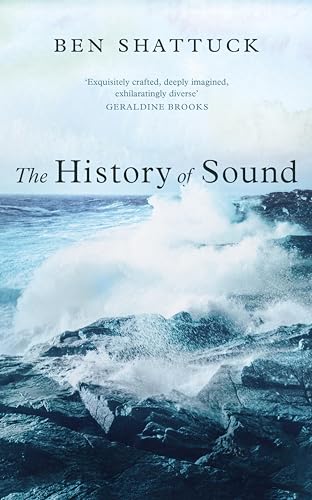
The History of Sound by Ben Shattuck
“history is personal, even when it isn’t”
The dozen stories of Shattuck’s fiction debut form a “hook-and-chain” structure of five couplets, bookended by a first and last story that are related to each other. The links are satisfyingly overt: A pair might take place in the same house in different centuries, or the second will fill in the history of the characters from the first. In “Edwin Chase of Nantucket,” the eponymous figure recognizes his bereaved mother’s loneliness and does her a kindness. “Silver Clip,” which follows, is separated by 200 years, but its accounts of a young painter living in his ancestral island home reprises the motifs of grief, compassion and memory. “Graft,” about a woman spurned in the 1880s, and “Tundra Swan,” in which a man concocts a swindle to pay for his son’s rehab in the present day, are connected by a Cape Cod orchard. Artefacts and documents also play important roles: a journal accounts for a mysterious mass death, a radio transcript and a photograph explain a well-meaning con, and an excerpt from a history textbook follows up on the story of the religious cult in “The Children of New Eden.”
 My favourite individual story was “August in the Forest,” about a poet whose artist’s fellowship isn’t all it cracked up to be – the primitive cabin being no match for a New Hampshire winter. His relationships with a hospital doctor, Chloe, and his childhood best friend, Elizabeth, seem entirely separate until Elizabeth returns from Laos and both women descend on him at the cabin. Their dialogues are funny and brilliantly awkward (“Sorry not all of us are quietly chiseling toward the beating heart of the human experience, August. One iamb at a time”) and it’s fascinating to watch how, years later, August turns life into prose. But the crowning achievement is the opening title story and its counterpart, “Origin Stories,” about folk music recordings made by two university friends during the First World War – and the afterlife of both the songs and the men.
From the start I was reminded strongly of North Woods by Daniel Mason, and particular sequences recall Shoot the Horses First by Leah Angstman and An Account of the Decline of the Great Auk, According to One Who Saw It by Jessie Greengrass. It’s a slight shame for Shattuck that what he was doing here didn’t seem as original to me because of my familiarity with these predecessors. Yet, to my surprise, I found that The History of Sound was more consistent than any of those. With the exception of a few phrases from “Graft” (“living room,” “had sex” and “boring” don’t strike me as 1880s lingo), all of the stories are historically convincing, and the very human themes of lust, parenthood, sorrow and frustrated ambition resonate across centuries and state lines. Really beautiful. (See Susan’s review too.)
[Some you-couldn’t-make-it-up trivia about Shattuck: he’s married to Jenny Slate (author of Little Weirds et al., as well as an actress known to me as Mona Lisa from Parks and Recreation); and he runs the oldest general store in America, built in 1793.]
With thanks to Swift Press for the free copy for review.
Which of these November releases catches your eye? What others can you recommend?
Six Degrees of Separation: Romantic Comedy to Wild Fell
This is a fun meme I take part in every few months.
For August we begin with Romantic Comedy by Curtis Sittenfeld, one of my top 2023 releases so far. (See Kate’s opening post.)
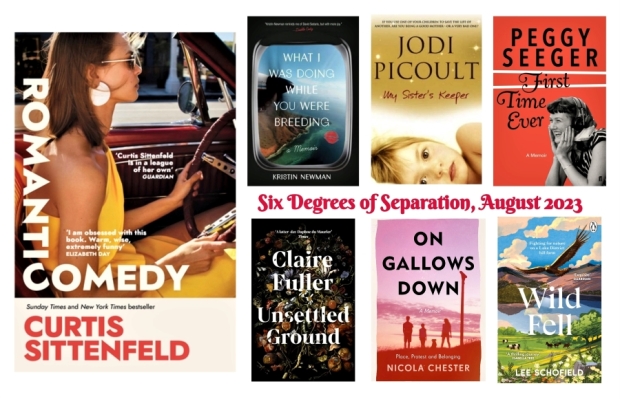
 #1 Sittenfeld’s protagonist, Sally Milz, writes TV comedy, as does Kristin Newman (That ’70s Show, How I Met Your Mother, etc.), author of What I Was Doing While You Were Breeding, a lighthearted record of her travels and romantic conquests. (She even has a passage that reminds me of Sally’s Danny Horst Rule: “I looked like a thirty-year-old writer. Not like a twenty-year-old model or actress or epically legged songstress, which is a category into which an alarmingly high percentage of Angelenas fall. And, because the city is so lousy with these leggy aliens, regular- to below-average-looking guys with reasonable employment levels can actually get one, another maddening aspect of being a woman in this city.”)
 #2 I didn’t realize when I picked it up in a charity shop that my copy smelled strongly of cigarette smoke. I aired it in kitty litter, then by scented candles, and it still reeks. I reckon I can tolerate the smell long enough to finish it and put it in the Little Free Library, which gets good ventilation. A novel I acquired from the free bookshop we used to have in the mall in town was the only book I can remember having to get rid of before reading because it just smelled too bad (also of cigarettes in that case): My Sister’s Keeper by Jodi Picoult.
 #3 So I didn’t read that, but I have read another Picoult novel, Sing You Home. The author is known for picking a central issue to address in each work, and in that one it was sexuality. Zoe, a music therapist, is married to Max but leaves him for Vanessa – and then decides to sue him for the use of the embryos they created together via IVF. It was the first book I’d read with that dynamic (a previously straight woman enters into a lesbian partnership), but by no means the last. Later came Untamed by Glennon Doyle, Hidden Nature by Alys Fowler, The Fixed Stars by Molly Wizenberg … and one you maybe weren’t expecting: the fantastic memoir First Time Ever by Peggy Seeger. The authors vary in how they account for it. They were gay all along but didn’t realize it? Their orientation changed? Or they just happened to fall in love with someone of the same gender? Seeger doesn’t explain at all, simply records how head-over-heels she was for Ewan MacColl … and then for Irene Pyper Scott.
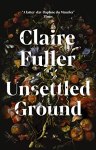 #4 Peggy Seeger is one of my heroes these days. I first got into her music through the lockdown livestreams put together by Folk on Foot and have since seen her live and acquired several of her albums, including a Smithsonian Folkways collection of her best-loved folk standards. One of these is, of course, “I’m Gonna Be an Engineer,” which was one of the inspirations for Claire Fuller’s Unsettled Ground.
 #5 Unsettled Ground, an unusual story of rural poverty and illiteracy, is set in a fictional village modelled on Inkpen, where Nicola Chester lives. Her memoir On Gallows Down, which held particular local interest for me, was shortlisted for the Wainwright Prize last year.
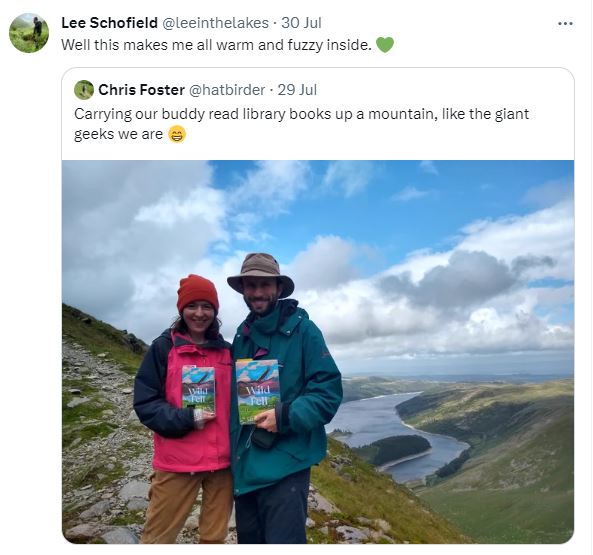
 #6 Also shortlisted that year was Wild Fell by Lee Schofield, about his work at RSPB Haweswater. Like Chester, he’s been mired in the struggle to balance sustainable farming with conservation at a beloved place. And like a fellow Lakeland farmer (and previous Wainwright Prize winner for English Pastoral), James Rebanks, he’s trying to be respectful of tradition while also restoring valuable habitats. My husband and I each took a library copy of Wild Fell along to Cumbria last week (about which more anon) and packed it in a backpack for an on-location photo during our wild walk at the very atmospheric Haweswater.
Where will your chain take you? Join us for #6Degrees of Separation! (Hosted on the first Saturday of each month by Kate W. of Books Are My Favourite and Best.) Next month’s starting book is Wifedom by Anna Funder.
Have you read any of my selections? Tempted by any you didn’t know before?
Finishing 20 Books of Summer: The Anthropocene Reviewed by John Green
The final choice for my colour-themed 20 Books of Summer, a terrific essay collection about the best and worst of the modern human experience, also happened to be the only one where the colour was part of the author’s name rather than the book’s title. I also have a bonus rainbow-covered read and a look back at the highlights of my summer reading.
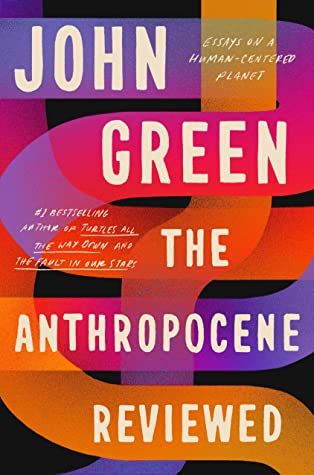
The Anthropocene Reviewed: Essays on a Human-Centered Planet by John Green (2021)
(20 Books of Summer, #20) How Have You Enjoyed the Anthropocene So Far? That’s the literal translation of the book’s German title, but also a tidy summary of its approach. John Green is not only a YA author but also a new media star – he and his brother Hank are popular vlogging co-hosts, and this book arose from a podcast of the same name. Some of the essays first appeared on his various video projects, too. In about 5–10 pages, he takes a phenomenon experienced in the modern age, whether miraculous (sunsets, the Lascaux cave paintings, favourite films or songs), regrettable (Staph infections, CNN, our obsession with grass lawns), or just plain weird, and riffs on it, exploring its backstory, cultural manifestations and personal resonance.
Indeed, the essays reveal a lot about Green himself. I didn’t know of his struggles with anxiety and depression. “Harvey,” one of the standout essays, is about a breakdown he had in his early twenties when living in Chicago and working for Booklist magazine. His boss told him to take as much time as he needed, and urged him to watch Harvey, the Jimmy Stewart film about a man with an imaginary friend that happens to be a six-foot rabbit. It was the perfect prescription. In “Auld Lang Syne,” Green toggles between the history of the song and a friendship from his own old times, with an author and mentor who has since died. “Googling Strangers” prides itself on a very 21st-century skill by which he discovers that a critically injured boy from his time as a student chaplain at a children’s hospital lived to adulthood.
Green is well aware of the state of things: “Humans are already an ecological catastrophe … for many forms of life, humanity is the apocalypse.” He plays up the contradictions in everyday objects: air-conditioning is an environmental disaster, yet makes everyday life tolerable in vast swathes of the USA; Canada geese are still, to many, a symbol of wildness, but are almost frighteningly ubiquitous – one of the winners in the species roulette we’ve initiated. And although he’s clued in, he knows that in many respects he’s still living as if the world isn’t falling apart. “In the daily grind of a human life, there’s a lawn to mow, soccer practices to drive to, a mortgage to pay. And so I go on living the way I feel like people always have.” A sentiment that rings true for many of us: despite the background dread about where everything is headed, we just have to get on with our day-to-day obligations, right?
Although he’s from Indianapolis, a not particularly well regarded city of the Midwest, Green is far from the conservative, insular stereotype of that region. There are pockets of liberal, hipster culture all across the Midwest, in fact, and while he does joke about Indy in the vein of “well, you’ve gotta live somewhere,” it’s clear that he’s come to love the place – enough to set climactic scenes from two of his novels there. However, he’s also cosmopolitan enough – he’s a Liverpool FC fan, and one essay is set on a trip to Iceland – to be able to see America’s faults (which, to an extent, are shared by many Western countries) of greed and militarism and gluttony and more.
In any book like this, one might quibble with the particular items selected. I mostly skipped over the handful of pieces on sports and video games, for instance. But even when the phenomena were completely unknown to me, I was still tickled by Green’s take. For example, here he is rhapsodizing on Diet Dr Pepper: “Look at what humans can do! They can make ice-cold, sugary-sweet, zero-calorie soda that tastes like everything and also like nothing.” He veers between the funny and the heartfelt: “I want to be earnest, even if it’s embarrassing.”
Each essay closes with a star rating. What value does a numerical assessment have when he’s making such apples-and-oranges comparisons (a sporting performance vs. sycamore trees vs. hot dog eating contests)? Not all that much. (Of course, some might make that very argument about rating books, but I persist!) At first I thought the setup was a silly gimmick, but since reviewing anything and everything on Amazon/TripAdvisor/wherever is as much a characteristic of our era as everything he’s writing about, why not? Calamities get 1–1.5 stars, things that seemed good but have turned out to be mixed blessings might get 2–3 stars, and whatever he unabashedly loves gets 4.5–5 stars.
As Green astutely remarks, “when people write reviews, they are really writing a kind of memoir—here’s what my experience was.” So, because I found a lot that resonated with me and a lot that made me laugh, and admired his openness on mental health à la Matt Haig, but also found the choices random such that a few essays didn’t interest me and the whole doesn’t necessarily build a cohesive argument, I give The Anthropocene Reviewed four stars. I’d only ever read The Fault in Our Stars, one of the first YA books I loved, so this was a good reminder to try more of Green’s fiction soon.
(Public library) 
Initially, I thought I might struggle to find 20 appealing colour-associated books, so I gave myself latitude to include books with different coloured covers. As it happens, I didn’t have to resort to choosing by cover, but I’ve thrown in this rainbow cover as an extra.
Songs in Ursa Major by Emma Brodie (2021)
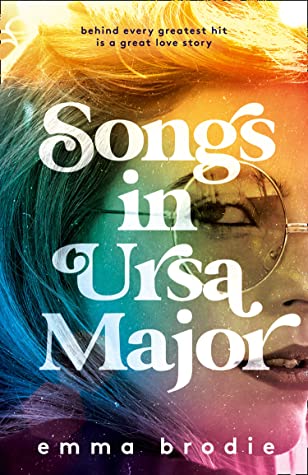 A Daisy Jones and the Six wannabe for sure, and a fun enough summer read even though the writing doesn’t nearly live up to Reid’s. Set largely between 1969 and 1971, the novel stars Jane Quinn, who lives on New England’s Bayleen Island with her aunt, grandmother and cousin – her aspiring singer mother having disappeared when Jane was nine. Nursing and bartending keep Jane going while she tries to make her name with her band, the Breakers. Aunt Grace, also a nurse, cares for local folk rocker Jesse Reid during his convalescence from a motorcycle accident. He then invites the Breakers to open for him on his tour and he and Jane embark on a turbulent affair. After Jane splits from both Jesse and the Breakers, she shrugs off her sexist producer and pours her soul into landmark album Songs in Ursa Major. (I got the Sufjan Stevens song “Ursa Major” in my head nearly every time I picked this up.)
There are some soap opera twists and turns to the plot, and I would say the novel is at least 100 pages too long, with an unnecessary interlude on a Greek island. Everyone loves a good sex, drugs and rock ’n roll tale, but here the sex scenes were kind of cringey, and the lyrics and descriptions of musical styles seemed laboured. Also, I thought from the beginning that the novel could use the intimacy of a first-person narrator, but late on realized it had to be in the third person to conceal a secret of Jane’s – which ended up feeling like a trick. There are also a few potential anachronisms (e.g. I found myself googling “how much did a pitcher of beer cost in 1969?”) that took me out of the period. Brodie is a debut novelist who has worked in book publishing in the USA for a decade. Her Instagram has a photo of her reading Daisy Jones and the Six in March 2019! That and the shout-out to Mandy Moore, of all the musical inspirations, in her acknowledgments, had me seriously doubting her bona fides to write this story. Maybe take it as a beach read if you aren’t too picky.
(Twitter giveaway win) 

Looking back, my favourite read from this project was Nothing but Blue Sky by Kathleen MacMahon, closely followed by the novels Under the Blue by Oana Aristide and Ruby by Ann Hood, the essay collection The Anthropocene Reviewed by John Green (above), the travel book The Glitter in the Green by Jon Dunn, and the memoirs Darkness Visible by William Styron and Direct Red by Gabriel Weston. A varied and mostly great selection, all told! I read six books from the library and the rest from my shelves. Maybe next year I’ll not pick a theme but allow myself completely free choice – so long as they’re all books I own.
What was the highlight of your summer reading?
Recommended March Releases: Broder, Fuller, Lamott, Polzin
Three novels that range in tone from carnal allegorical excess to quiet, bittersweet reflection via low-key menace; and essays about keeping the faith in the most turbulent of times.
Milk Fed by Melissa Broder
Rachel’s body and mommy issues are major and intertwined: she takes calorie counting and exercise to an extreme, and her therapist has suggested that she take a 90-day break from contact with her overbearing mother. Her workdays at a Hollywood talent management agency are punctuated by carefully regimented meals, one of them a 16-ounce serving of fat-free frozen yogurt from a shop run by Orthodox Jews. One day it’s not the usual teenage boy behind the counter, but his overweight older sister, Miriam. Miriam makes Rachel elaborate sundaes instead of her usual abstemious cups and Rachel lets herself eat them even though it throws her whole diet off. She realizes she’s attracted to Miriam, who comes to fill the bisexual Rachel’s fantasies, and they strike up a tentative relationship over Chinese food and classic film dates as well as Shabbat dinners at Miriam’s family home.

If you’re familiar with The Pisces, Broder’s Women’s Prize-longlisted debut, you should recognize the pattern here: a deep exploration of wish fulfilment and psychological roles, wrapped up in a sarcastic and sexually explicit narrative. Fat becomes not something to fear but a source of comfort; desire for food and for the female body go hand in hand. Rachel says, “It felt like a miracle to be able to eat what I desired, not more or less than that. It was shocking, as though my body somehow knew what to do and what not to do—if only I let it.”
With the help of her therapist, a rabbi that appears in her dreams, and the recurring metaphor of the golem, Rachel starts to grasp the necessity of mothering herself and becoming the shaper of her own life. I was uneasy that Miriam, like Theo in The Pisces, might come to feel more instrumental than real, but overall this was an enjoyable novel that brings together its disparate subjects convincingly. (But is it hot or smutty? You tell me.)
With thanks to Bloomsbury for the proof copy for review.
Unsettled Ground by Claire Fuller
At a glance, the cover for Fuller’s fourth novel seems to host a riot of luscious flowers and fruit, but look closer and you’ll see the daisies are withering and the grapes rotting; there’s a worm exiting the apple and flies are overseeing the decomposition. Just as the image slowly reveals signs of decay, Fuller’s novel gradually unveils the drawbacks of its secluded village setting. Jeanie and Julius Seeder, 51-year-old twins, lived with their mother, Dot, until she was felled by a stroke. They’d always been content with a circumscribed, self-sufficient existence, but now their whole way of life is called into question. Their mother’s rent-free arrangement with the landowners, the Rawsons, falls through, and the cash they keep in a biscuit tin in the cottage comes nowhere close to covering her debts, let alone a funeral.

During the Zoom book launch event, Fuller confessed that she’s “incapable of writing a happy novel,” so consider that your warning of how bleak things will get for her protagonists – though by the end there are pinpricks of returning hope. Before then, though, readers navigate an unrelenting spiral of rural poverty and bad luck, exacerbated by illiteracy and the greed and unkindness of others. One of Fuller’s strengths is creating atmosphere, and there are many images and details here that build the picture of isolation and pathos, such as a piano marooned halfway to a derelict caravan along a forest track and Jeanie having to count pennies so carefully that she must choose between toilet paper and dish soap at the shop.
Unsettled Ground is set in a fictional North Wessex Downs village not far from where I live. I loved spotting references to local places and to folk music – Jeanie and Julius might not have book smarts or successful careers, but they inherited Dot’s love of music and when they pick up a fiddle and guitar they tune in to the ancient magic of storytelling. Much of the novel is from Jeanie’s perspective and she makes for an out-of-the-ordinary yet relatable POV character. I found the novel heavy on exposition, which somewhat slowed my progress through it, but it’s comparable to Fuller’s other work in that it focuses on family secrets, unusual states of mind, and threatening situations. She’s rapidly become one of my favourite contemporary novelists, and I’d recommend this to you if you’ve liked her other work or Fiona Mozley’s Elmet.
With thanks to Penguin Fig Tree for the proof copy for review.
Dusk, Night, Dawn: On Revival and Courage by Anne Lamott
These are Lamott’s best new essays (if you don’t count Small Victories, which reprinted some of her greatest hits) in nearly a decade. The book is a fitting follow-up to 2018’s Almost Everything in that it tackles the same central theme: how to have hope in God and in other people even when the news – Trump, Covid, and climate breakdown – only heralds the worst.
One key thing that has changed in Lamott’s life since her last book is getting married for the first time, in her mid-sixties, to a Buddhist. “How’s married life?” people can’t seem to resist asking her. In thinking of marriage she writes about love and friendship, constancy and forgiveness, none of which comes easy. Her neurotic nature flares up every now and again, but Neal helps to talk her down. Fragments of her early family life come back as she considers all her parents were up against and concludes that they did their best (“How paltry and blocked our family love was, how narrow the bandwidth of my parents’ spiritual lives”).

Opportunities for maintaining quiet faith in spite of the circumstances arise all the time for her, whether it’s a variety show that feels like it will never end, a four-day power cut in California, the kitten inexplicably going missing, or young people taking to the streets to protest about the climate crisis they’re inheriting. A short postscript entitled “Covid College” gives thanks for “the blessings of COVID: we became more reflective, more contemplative.”
The prose and anecdotes feel fresher here than in several of the author’s other recent books. I highlighted quote after quote on my Kindle. Some of these essays will be well worth rereading and deserve to become classics in the Lamott canon, especially “Soul Lather,” “Snail Hymn,” “Light Breezes,” and “One Winged Love.”
I read an advanced digital review copy via NetGalley. Available from Riverhead in the USA and SPCK in the UK.
Brood by Jackie Polzin

Polzin’s debut novel is a quietly touching story of a woman in the Midwest raising chickens and coming to terms with the shape of her life. The unnamed narrator is Everywoman and no one at the same time. As in recent autofiction by Rachel Cusk and Sigrid Nunez, readers find observations of other people (and animals), a record of their behaviour and words; facts about the narrator herself are few and far between, though it is possible to gradually piece together a backstory for her. At one point she reveals, with no fanfare, that she miscarried four months into pregnancy in the bathroom of one of the houses she cleans. There is a bittersweet tone to this short work. It’s a low-key, genuine portrait of life in the in-between stages and how it can be affected by fate or by other people’s decisions.
See my full review at BookBrowse. I was also lucky enough to do an interview with the author.
I read an advanced digital review copy via Edelweiss. Available from Doubleday in the USA. To be released in the UK by Picador tomorrow, April 1st.
What recent releases can you recommend?
Recent Literary Awards & Online Events: Folio Prize and Claire Fuller
Literary prize season is in full swing! The Women’s Prize longlist, revealed on the 10th, contained its usual mixture of the predictable and the unexpected. I correctly predicted six of the nominees, and happened to have already read seven of them, including Claire Fuller’s Unsettled Ground (more on this below). I’m currently reading another from the longlist, Luster by Raven Leilani, and I have four on order from the library. There are only four that I don’t plan to read, so I’ll be in a fairly good place to predict the shortlist (due out on April 28th). Laura and Rachel wrote detailed reaction posts on which there has been much chat.
Rathbones Folio Prize
This year I read almost the entire Rathbones Folio Prize shortlist because I was lucky enough to be sent the whole list to feature on my blog. The winner, which the Rathbones CEO said would stand as the “best work of literature for the year” out of 80 nominees, was announced on Wednesday in a very nicely put together half-hour online ceremony hosted by Razia Iqbal from the British Library. The Folio scheme also supports writers at all stages of their careers via a mentorship scheme.
It was fun to listen in as the three judges discussed their experience. “Now nonfiction to me seems like rock ‘n’ roll,” Roger Robinson said, “far more innovative than fiction and poetry.” (Though Sinéad Gleeson and Jon McGregor then stood up for the poetry and fiction, respectively.) But I think that was my first clue that the night was going to go as I’d hoped. McGregor spoke of the delight of getting “to read above the categories, looking for freshness, for excitement.” Gleeson said that in the end they had to choose “the book that moved us, that enthralled us.”
All eight authors had recorded short interview clips about their experience of lockdown and how they experiment with genre and form, and seven (all but Doireann Ní Ghríofa) were on screen for the live announcement. The winner of the £30,000 prize, author of an “exceptional, important” book and teller of “a story that had to be told,” was Carmen Maria Machado for In the Dream House. I was delighted with this result: it was my first choice and is one of the most remarkable memoirs I’ve read. I remember reading it on my Kindle on the way to and from Hungerford for a bookshop event in early March 2020 – my last live event and last train ride in over a year and counting, which only made the reading experience more memorable.

I like what McGregor had to say about the book in the media release: “In the Dream House has changed me – expanded me – as a reader and a person, and I’m not sure how much more we can ask of the books that we choose to celebrate.”
There are now only two previous Folio winners that I haven’t read, the memoir The Return by Hisham Matar and the novel Lost Children Archive by Valeria Luiselli, so I’d like to get those two out from the library soon and complete the set.
Other literary prizes
 The following day, the Dylan Thomas Prize shortlist was announced. Still in the running are two novels I’ve read and enjoyed, Pew by Catherine Lacey and My Dark Vanessa by Kate Elizabeth Russell, and one I’m currently reading (Luster). Of the rest, I’m particularly keen on Kingdomtide by Rye Curtis, and I would also like to read Alligator and Other Stories by Dima Alzayat. I’d love to see Russell win the whole thing. The announcement will be on May 13th. I hope to participate in a shortlist blog tour leading up to it.
I also tuned into the Edward Stanford Travel Writing Awards ceremony (on YouTube), which was unfortunately marred by sound issues. This year’s three awards went to women: Dervla Murphy (Edward Stanford Outstanding Contribution to Travel Writing), Anita King (Bradt Travel Guides New Travel Writer of the Year; you can read her personal piece on Syria here), and Taran N. Khan for Shadow City: A Woman Walks Kabul (Stanford Dolman Travel Book of the Year in association with the Authors’ Club).
Other prize races currently in progress that are worth keeping an eye on:
- The Jhalak Prize for writers of colour in Britain (I’ve read four from the longlist and would be interested in several others if I could get hold of them)
- The Republic of Consciousness Prize for work from small presses (I’ve read two; Doireann Ní Ghríofa gets another chance – fingers crossed for her)
- The Walter Scott Prize for historical fiction (next up for me: The Dictionary of Lost Words by Pip Williams, to review for BookBrowse)
Claire Fuller
Yesterday evening, I attended the digital book launch for Claire Fuller’s Unsettled Ground (my review will be coming soon). I’ve read all four of her novels and count her among my favorite contemporary writers. I spotted Eric Anderson and Ella Berthoud among the 200+ attendees, and Claire’s agent quoted from Susan’s review – “A new novel from Fuller is always something to celebrate”! Claire read a passage from the start of the novel that introduces the characters just as Dot starts to feel unwell. Uniquely for online events I’ve attended, we got a tour of the author’s writing room, with Alan the (female) cat asleep on the daybed behind her, and her librarian husband Tim helped keep an eye on the chat.
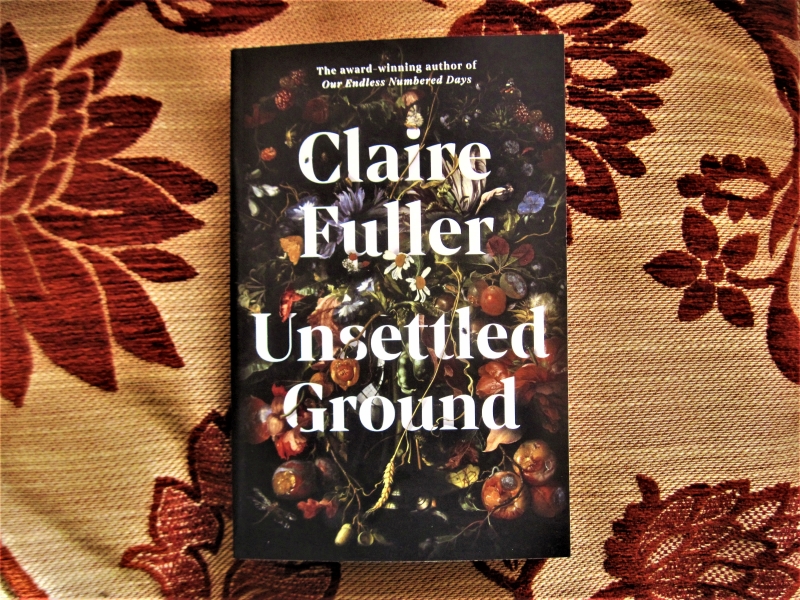
After each novel, as a treat to self, she buys a piece of art. This time, she commissioned a ceramic plate from Sophie Wilson with lines and images from the book painted on it. Live music was provided by her son Henry Ayling, who played acoustic guitar and sang “We Roamed through the Garden,” which, along with traditional folk song “Polly Vaughn,” are quoted in the novel and were Claire’s earworms for two years. There was also a competition to win a chocolate Easter egg, given to whoever came closest to guessing the length of the new novel in words. (It was somewhere around 89,000.)
Good news – she’s over halfway through Book 5!
A Reading Malady, a Book Haul, a Book Launch, and a TBR Challenge
A bit of a miscellany today, as a placeholder until I finally have some more reviews to share.
Stuck in the Middle
 I’ve been reading up a storm in 2021, of course, but I’m having an unusual problem: I can’t seem to finish anything. Okay, I’ve finished three books so far – Intensive Care, my first read and only proper review so far of the year; In These Days of Prohibition by Caroline Bird, a surprising and funny poetry collection about mental illness and the crutches people turn to, including drugs and sex; and one more poetry book, a recent release I’ll round up later in the month – but compare that to January 2020, when I’d finished 11 books within the first 11 days. Half a month gone and I’m way behind on my Goodreads challenge already.
Most of you know that I take multi-reading to an extreme: I currently have nearly 30 books on the go, plus piles of set-aside and occasional-reading titles that I try to reintroduce a few at a time. All in all, that’s nearly 60 books I’m partway through, whether by a mere 10 pages or over 200. These stacks represent thousands of pages read, but no finished books. By the end of this month, I will at least have finished and reviewed the five more January releases, but it’s still an awfully slow start to the year for me. Maybe I’ve spread myself too thin.
Current Stars
I often stretch the definition of “currently reading” in that most days I don’t sit with every book on my stack; instead, I end up spending time with a changing subset of 10‒15. Some books I have barely touched since Christmas. But there are others that consistently hold my attention and that I look forward to reading 20 or more pages in each day. Here are some of the highlights on the pile:
 Spinster by Kate Bolick: Written as she was approaching 40, this is a cross between a memoir, a social history of unmarried women (mostly in the USA), and a group biography of five real-life heroines who convinced her it was alright to not want marriage and motherhood. First was Maeve Brennan; now I’m reading about Neith Boyce. The writing is top-notch.
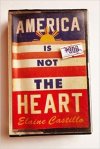 America Is Not the Heart by Elaine Castillo: Set in the 1990s in the Philippines and in the Filipino immigrant neighborhoods of California, this novel throws you into an unfamiliar culture and history right at the deep end. The characters shine and the story is complex and confident – I’m reminded especially of Chimamanda Ngozi Adichie’s work.
 Some Body to Love by Alexandra Heminsley: Finally pregnant after a grueling IVF process, Heminsley thought her family was perfect. But then her husband began transitioning. This is not just a memoir of queer family-making, but, as the title hints, a story of getting back in touch with her body after an assault and Instagram’s obsession with exercise perfection.
 The Light Years by Elizabeth Jane Howard: We’re reading the first volume of The Cazalet Chronicles for a supplementary book club meeting. I can hardly believe it was published in 1990; it’s such a detailed, convincing picture of 1937‒8 for a large, wealthy family in London and Sussex as war approaches. It’s so Downton Abbey; I love it and will continue the series.
 Outlawed by Anna North: After Reese Witherspoon chose it for her book club, there’s no chance you haven’t heard about this one. I requested it because I’m a huge fan of North’s previous novel, The Life and Death of Sophie Stark, but I’m also enjoying this alternative history/speculative take on the Western. It’s very Handmaid’s, with a fun medical slant.
 Love After Love by Ingrid Persaud: It was already on my TBR after the Faber Live Fiction Showcase in November, but my interest was redoubled by this recently winning the Costa First Novel Award. Set in Trinidad, it’s narrated, delightfully, in turn by Betty, a young widow; Solo, her teenage son; and Mr. Chetan, their lodger. Perfect for fans of Mr Loverman.
Acquiring More
Last week I ordered 21 books in one day. (In my defense, only 18 of them were for me.) It started like this: “Ah, must find a clearance 2021 calendar. Waterstones had a good selection last year…” And indeed, I found the perfect calendar, for half price. But then I continued browsing the online sale items and before I knew it there were also seven books in my basket. While I was at it, I went onto Awesomebooks.com and put together an order of secondhand books by authors I’ve been wanting to try or read more by. Add to that a couple more review books coming through the door and a couple of giveaways from neighbors (the Nicolson in the first photo, and Stoner for me to reread) and it’s been a big week for book acquisitions.


Attending a Book Launch
My fifth book launch since March 2020; my first to take place on Instagram. Hosted by Damian Barr, who runs a literary salon, it was for one I’ve already mentioned, Some Body to Love by Alexandra Heminsley, which came out on the 14th. (Barr and his husband are the book’s dedicatees.) “I am not ashamed of what happened,” she said about how her family has changed, adding that writing about such recent events has been a way of solidifying how she felt about them. Her ex has not read the book but wrote to Chatto & Windus saying she completely trusted Heminsley and consented to the publication. Some of her offers were for a more mass-market memoir about the marriage, whereas the book ended up being more diffuse, including other medical experiences and challenges to self-belief. It was amusing to hear that after the BLM movement her manuscript went through a “Karen edit” to make sure she hadn’t taken her privilege for granted.
A New TBR Challenge
“Hands. Face. Space.” is a current UK public health campaign slogan. It inspired me to trawl through my TBR shelves for appropriate covers and titles. I don’t know if I’m actually serious about reading these particular books I selected (I could have chosen any of dozens for the Face covers), but it was fun to put together the photo shoot. I had two replies from people on Twitter who came up with their own trio of titles.


And to cap off this miscellany, something non-book-related…
Top 5 albums from 2020
I originally wrote this little note for Facebook.
 Banana Skin Shoes, Badly Drawn Boy – His best since his annus mirabilis of 2002. Funky pop gems we’ve been caught dancing to by people walking past the living room window … oops! A track to try: “Is This a Dream?” (psychedelic music video)!
 Where the World Is Thin, Kris Drever – You may know him from Lau. Top musicianship and the most distinctive voice in folk. Nine folk-pop winners, including a lockdown anthem. A track to try: “I’ll Always Leave the Light On.”
 Henry Martin, Edgelarks – Mention traditional folk and I’ll usually run a mile. But the musical skill and new arrangements, along with Hannah Martin’s rich alto, hit the spot. A track to try: “Bird in a Cage.”
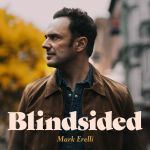 Blindsided, Mark Erelli – We saw him perform the whole of his new folk-Americana album live in lockdown. Love the Motown and Elvis influences; his voice is at a peak. A track to try: “Rose-Colored Rearview.”
 American Foursquare, Denison Witmer – A gorgeous ode to family life in small-town Pennsylvania from a singer-songwriter whose career we’ve been following for upwards of 15 years. A track to try: “Birds of Virginia.”
How is your 2021 reading going?
My Best Backlist Reads of 2020
Like many book bloggers, I’m irresistibly drawn to the shiny new books released each year. However, I consistently find that many of my most memorable reads were published years or even decades ago. These 29 selections, in alphabetical order by author name, account for the rest of my 4.5- and 5-star ratings of the year. Five rereads made it onto my list.
Fiction
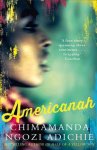 Americanah by Chimamanda Ngozi Adichie: Through Ifemelu’s years of studying, working, and blogging her way around the Eastern seaboard of the United States, Adichie explores the ways in which the experience of an African abroad differs from that of African Americans. On a sentence level as well as at a macro plot level, this was utterly rewarding.
 Year of Wonders by Geraldine Brooks: In 1665, with the Derbyshire village of Eyam in the grip of the Plague, the drastic decision is made to quarantine it. Frustration with the pastor’s ineffectuality attracts people to religious extremism. Anna’s intimate first-person narration and the historical recreation are faultless, and there are so many passages that feel apt.
 Shotgun Lovesongs by Nickolas Butler: Four childhood friends from Little Wing, Wisconsin. Which bonds will last, and which will be strained to the breaking point? This is a book full of nostalgia and small-town atmosphere. All the characters wonder whether they’ve made the right decisions or gotten stuck. A lot of bittersweet moments, but also comic ones.
 Kindred by Octavia E. Butler: A perfect time-travel novel for readers who quail at science fiction. Dana, an African American writer in Los Angeles, is dropped into early-nineteenth-century Maryland. This was such an absorbing read, with first-person narration that makes you feel you’re right there alongside Dana on her perilous travels.
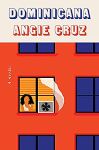 Dominicana by Angie Cruz: Ana Canción is just 15 when she arrives in New York from the Dominican Republic on the first day of 1965 to start her new life as the wife of Juan Ruiz. An arranged marriage and arriving in a country not knowing a word of the language: this is a valuable immigration story that stands out for its plucky and confiding narrator.
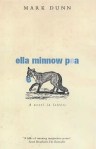 Ella Minnow Pea by Mark Dunn: A book of letters in multiple sense. Laugh-out-loud silliness plus a sly message about science and reason over superstition = a rare combination that made this an enduring favorite. On my reread I was more struck by the political satire: freedom of speech is endangered in a repressive society slavishly devoted to a sacred text.
 Love Medicine by Louise Erdrich: Interlocking stories that span half a century in the lives of a couple of Chippewa families that sprawl out from a North Dakota reservation. Looking for love, looking for work. Getting lucky, getting even. Their problems are the stuff of human nature and contemporary life. I adored the descriptions of characters and of nature.
 Notes from an Exhibition by Patrick Gale: Nonlinear chapters give snapshots of the life of a bipolar artist and her interactions with her husband and children. Their Quakerism sets up a calm and compassionate atmosphere, but also allows family secrets to proliferate. The novel questions patterns of inheritance and the possibility of happiness.
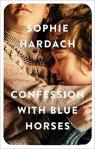 Confession with Blue Horses by Sophie Hardach: When Ella’s parents, East German art historians who came under Stasi surveillance, were caught trying to defect, their children were taken away from them. Decades later, Ella is determined to find her missing brother and learn what really happened to her mother. Eye-opening and emotionally involving.
 The Go-Between by L.P. Hartley: Twelve-year-old Leo Colston is invited to spend July at his school friend’s home, Brandham Hall. You know from the famous first line on that this juxtaposes past and present. It’s masterfully done: the class divide, the picture of childhood tipping over into the teenage years, the oppressive atmosphere, the comical touches.
 Our Souls at Night by Kent Haruf: Addie is a widow; Louis is a widower. They’re both lonely and prone to fretting about what they could have done better. Would he like to come over to her house at night to talk and sleep? Matter-of-fact prose, delivered without speech marks, belies a deep undercurrent of emotion. Understated, bittersweet, realistic. Perfect.
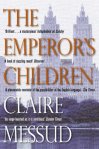 The Emperor’s Children by Claire Messud: A 9/11 novel. The trio of protagonists, all would-be journalists aged 30, have never really had to grow up; now it’s time to get out from under the shadow of a previous generation and reassess what is admirable and who is expendable. This was thoroughly engrossing. Great American Novel territory, for sure.
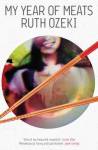 My Year of Meats by Ruth Ozeki: A Japanese-American filmmaker is tasked with finding all-American families and capturing their daily lives – and best meat recipes. There is a clear message here about cheapness and commodification, but Ozeki filters it through the wrenching stories of two women with fertility problems. Bold if at times discomforting.
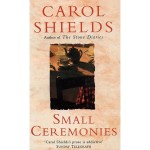 Small Ceremonies by Carol Shields: An impeccable novella, it brings its many elements to a satisfying conclusion and previews the author’s enduring themes. Something of a sly academic comedy à la David Lodge, it’s laced with Shields’s quiet wisdom on marriage, parenting, the writer’s vocation, and the difficulty of ever fully understanding another life.
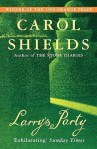 Larry’s Party by Carol Shields: The sweep of Larry’s life, from youth to middle age, is presented chronologically through chapters that are more like linked short stories: they focus on themes (family, friends, career, sex, clothing, health) and loop back to events to add more detail and new insight. I found so much to relate to in Larry’s story; Larry is really all of us.
 Abide with Me by Elizabeth Strout: Tyler Caskey is a widowed pastor whose five-year-old daughter has gone mute and started acting up. As usual, Strout’s characters are painfully real, flawed people, often struggling with damaging obsessions. She tenderly probes the dark places of the community and its minister’s doubts, but finds the light shining through.
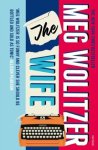 The Wife by Meg Wolitzer: On the way to Finland, where her genius writer husband will accept the prestigious Helsinki Prize, Joan finally decides to leave him. Alternating between the trip and earlier in their marriage, this is deceptively thoughtful with a juicy twist. Joan’s narration is witty and the point about the greater value attributed to men’s work is still valid.
Nonfiction
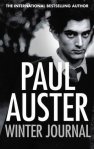 Winter Journal by Paul Auster: Approaching age 64, the winter of his life, Auster decided to assemble his most visceral memories: scars, accidents and near-misses, what his hands felt and his eyes observed. The use of the second person draws readers in. I particularly enjoyed the tour through the 21 places he’s lived. One of the most remarkable memoirs I’ve ever read.
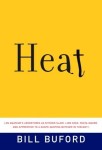 Heat by Bill Buford: Buford was an unpaid intern at Mario Batali’s famous New York City restaurant, Babbo. In between behind-the-scenes looks at frantic sessions of food prep, Buford traces Batali’s culinary pedigree through Italy and London. Exactly what I want from food writing: interesting trivia, quick pace, humor, and mouthwatering descriptions.
 Sixpence House: Lost in a Town of Books by Paul Collins: Collins moved to Hay-on-Wye with his wife and toddler son, hoping to make a life there. As he edited the manuscript of his first book, he started working for Richard Booth, the eccentric bookseller who crowned himself King of Hay. Warm, funny, and nostalgic. An enduring favorite of mine.
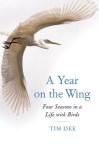 A Year on the Wing by Tim Dee: From a life spent watching birds, Dee weaves a mesh of memories and recent experiences, meditations and allusions. He moves from one June to the next and from Shetland to Zambia. The most powerful chapter is about watching peregrines at Bristol’s famous bridge – where he also, as a teen, saw a man commit suicide.
 The Frayed Atlantic Edge by David Gange: While kayaking down the western coast of the British Isles and Ireland, Gange delves into the folklore, geology, history, local language and wildlife of each region and island group – from the extreme north of Scotland at Muckle Flugga to the southwest tip of Cornwall. An intricate interdisciplinary approach.
 Traveling Mercies: Some Thoughts on Faith by Anne Lamott: There is a lot of bereavement and other dark stuff here, yet an overall lightness of spirit prevails. A college dropout and addict, Lamott didn’t walk into a church and get clean until her early thirties. Each essay is perfectly constructed, countering everyday angst with a fumbling faith.
 In the Dream House by Carmen Maria Machado: This has my deepest admiration for how it prioritizes voice, theme and scene, gleefully does away with chronology and (not directly relevant) backstory, and engages with history, critical theory and the tropes of folk tales to interrogate her experience of same-sex domestic violence. (Second-person narration again!)
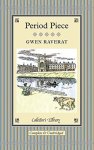 Period Piece by Gwen Raverat: Raverat was a granddaughter of Charles Darwin. This is a portrait of what it was like to grow up in a particular time and place (Cambridge from the 1880s to about 1909). Not just an invaluable record of domestic history, it is a funny and impressively thorough memoir that serves as a model for how to capture childhood.
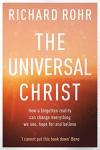 The Universal Christ by Richard Rohr: I’d read two of the Franciscan priest’s previous books but was really blown away by the wisdom in this one. The argument in a nutshell is that Western individualism has perverted the good news of Jesus, which is renewal for everything and everyone. A real gamechanger. My copy is littered with Post-it flags.
 First Time Ever: A Memoir by Peggy Seeger: The octogenarian folk singer and activist has packed in enough adventure and experience for multiple lifetimes, and in some respects has literally lived two: one in America and one in England; one with Ewan MacColl and one with a female partner. Her writing is punchy and impressionistic. She’s my new hero.
 A Three Dog Life by Abigail Thomas: A memoir in essays about her husband’s TBI and what kept her going. Unassuming and heart on sleeve, Thomas wrote one of the most beautiful books out there about loss and memory. It is one of the first memoirs I remember reading; it made a big impression the first time, but I loved it even more on a reread.
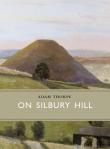 On Silbury Hill by Adam Thorpe: Explores the fragmentary history of the manmade Neolithic mound and various attempts to excavate it, but ultimately concludes we will never understand how and why it was made. A flawless integration of personal and wider history, as well as a profound engagement with questions of human striving and hubris.

(Books not pictured were read digitally, or have already gone back to the library.)
And if I really had to limit myself to just two favorites – my very best fiction and nonfiction reads of the year – they would be Our Souls at Night by Kent Haruf and Winter Journal by Paul Auster.
What were your best backlist reads this year?
Library Checkout and Other Late May Happenings
The libraries I use have extended their closure until at least the end of July, and my stockpile is dwindling. Will I have cleared the decks before we get too far into the summer? Stay tuned to find out…
Meanwhile, we took advantage of the fine weather by having a jaunt to the Sandleford Warren site where Watership Down opens. This circular countryside walk of nearly 8 miles, via Greenham Common and back, took me further from home yesterday than I’ve been in about 10 weeks. We didn’t see any rabbits, but we did see this gorgeous hare.


My husband keeps baking – what a shame! We were meant to be spending a few days in France with my mother last week, so we had some Breton treats anyway (savory crêpes and Far Breton, a custard and prune tart), and yesterday while I was napping he for no reason produced a blackberry frangipane tart.

 The Hay Festival went digital this year, so I’ve been able to ‘attend’ for the first time ever. On Friday I had my first of three events: Steve Silberman interviewing Dara McAnulty about his Diary of a Young Naturalist, which I’ll be reviewing for Shiny New Books. He’s autistic, and an inspiring 16-year-old Greta Thunberg type. Next week I’ll see John Troyer on Thursday and Roman Krznaric on Saturday. All the talks are FREE, so see if anything catches your eye on the schedule link above.
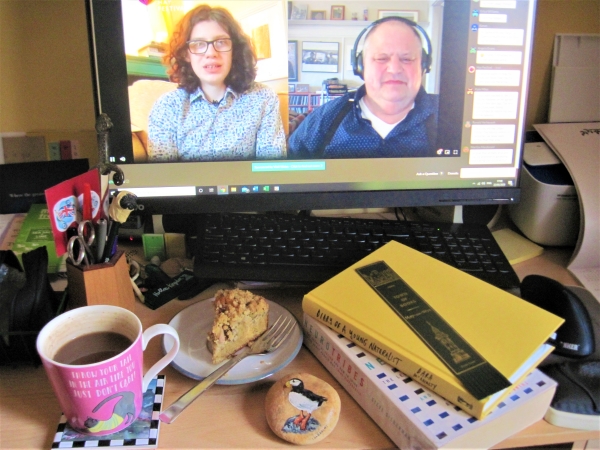
In general, I’ve been spoiled with live events recently. Each week we watch the Bookshop Band’s Friday night lockdown concert on Facebook (there have actually been seven now); they’ve played a lot of old favorites as well as newer material that hasn’t been recorded or that I’ve never heard before. We’ve also been to a few live gigs from Edgelarks and Megson – helpfully, these three folk acts are all couples, so they can still perform together.

Today we’ll be watching the second installment of the Folk on Foot Front Room Festival (also through Facebook). We had a great time watching most of the first one on Easter Monday, and an encore has quickly been arranged. Last month’s show was a real who’s-who of British folk music. There are a few more acts we’re keen to see today. Again, it’s free, though they welcome donations to be split among the artists and charity. It runs 2‒10 p.m. (BST) today, which is 9 a.m. to 5 p.m. if you’re on the east coast of North America, so you have time to join in if you are stuck at home for the holiday.

Back to the library books…

What have you been reading from your local libraries? Feel free to use the image above and leave a link to your blog in the comments if you’ve taken part, and/or tag me on Twitter (@bookishbeck / #TheLibraryCheckout).
READ
- Parable of the Sower by Octavia E. Butler

- Love Medicine by Louise Erdrich

- Oleander, Jacaranda by Penelope Lively
- Bodies in Motion and at Rest by Thomas Lynch

- Fugitive Pieces by Anne Michaels

SKIMMED
- Man’s Search for Meaning by Viktor Frankl
 CURRENTLY READING
- Reading with Patrick: A teacher, a student and the life-changing power of books by Michelle Kuo [set aside temporarily]
- Meet the Austins by Madeleine L’Engle [set aside temporarily]
- Property by Valerie Martin
CURRENTLY SKIMMING
- My Own Country by Abraham Verghese
CHECKED OUT, TO BE READ
 The Song of the Lark by Willa Cather
- Owls Do Cry by Janet Frame
- The Trick Is to Keep Breathing by Janice Galloway
- When I Lived in Modern Times by Linda Grant
- Becoming a Man by Paul Monette
- Woman on the Edge of Time by Marge Piercy
- Golden Boy by Abigail Tarttelin
ON HOLD, TO BE PICKED UP
- The Girl with the Louding Voice by Abi Daré
IN THE RESERVATION QUEUE
 Queenie by Candice Carty-Williams
- Can You Hear Me? A Paramedic’s Encounters with Life and Death by Jake Jones
- The Most Fun We Ever Had by Claire Lombardo
- Guest House for Young Widows: Among the Women of ISIS by Azadeh Moaveni
- The Accidental Countryside by Stephen Moss
- Redhead by the Side of the Road by Anne Tyler
Have you run out of library books yet?
How have you been passing these May days?
New Networks for Nature 2019
This past weekend was my fifth time attending Nature Matters, the annual New Networks for Nature conference. I’ve written about it on the blog a few times before: last year’s 10th anniversary meeting in Stamford, plus once when there was a particular focus on nature poetry and another time when it was held in Cambridge. This year the theme was “Time for Nature” and the conference was held at the very posh St Peter’s School in York, which dates back to 627 and resembles an Oxford college. We have close friends in York, but our timing was off in that they were in Italy this week. However, they sent us a key to their house and let us stay there while they were away, which saved us having to book an Airbnb or guest house.
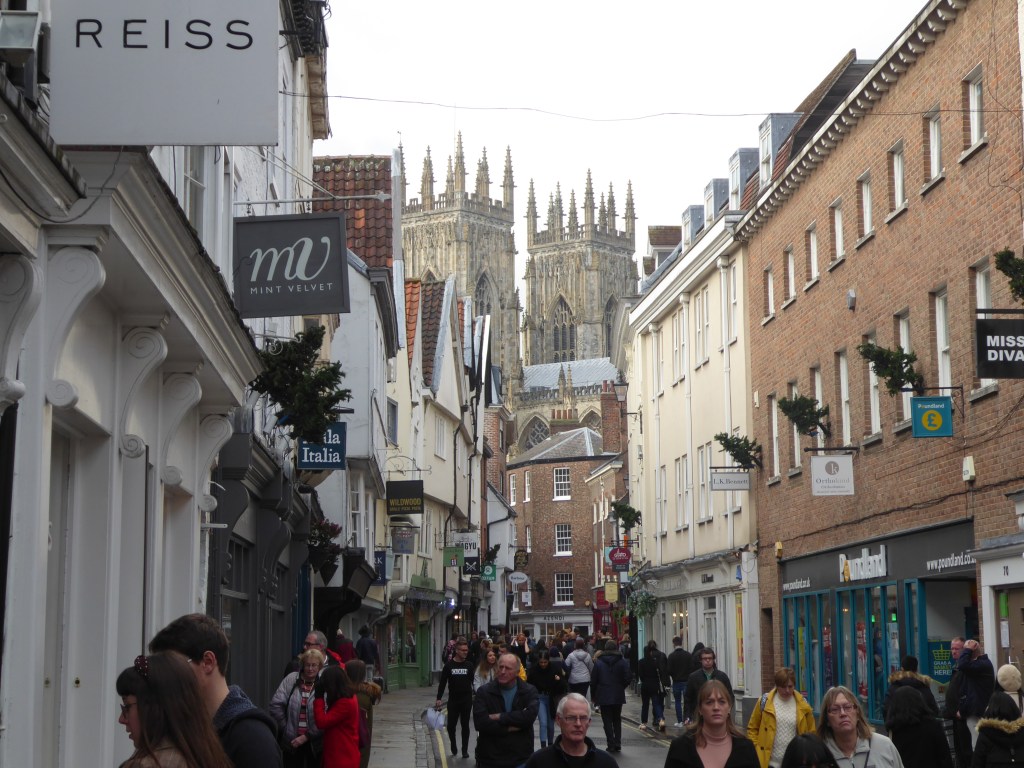
York street scene. Photo by Chris Foster.
What makes Nature Matters so special is its interdisciplinary nature: visual artists, poets, musicians, writers, activists, academics and conservationists alike attend and speak. So although the event might seem geared more towards my ecologist husband, there’s always plenty to interest me, too. In particular, I enjoyed the panel discussions on nature in children’s books and new directions for nature writing. This year the organizers were determined to make the speakers’ roster more diverse, so some panels were three-quarters or wholly female, and four people of color appeared on the stage. (That might not seem like a great record, but in a field so dominated by white males it’s at least a start.)
 The Friday was a particularly brilliant day, the best day of sessions I can remember in any year. After a presentation by wildlife photographer and painter Robert Fuller, the first session was “Nature in Deep Time,” featuring three archaeologists from northern universities who talked about cave art, woodcraft, and evidence of rapid climate change. “Taking a long view, we get a very different perspective,” Professor Terry O’Connor of the University of York observed. The topic felt timely and tied in with a number of books that have come out this year, including Time Song by Julia Blackburn, Surfacing by Kathleen Jamie and Underland by Robert Macfarlane.
Next up was “Now or Never – Fighting for Nature,” featuring three female activists: Ruth Peacey, a filmmaker for BBC Wildlife whose subjects have included bird persecution in the Mediterranean; Sally Goldsmith, a campaigner who deployed poems and songs against the mass street tree-cutting campaign in Sheffield and helped save some 10,000 trees; and Hatti Owens, an environmental lawyer with ClientEarth who has partnered with Extinction Rebellion. The panel chair and one of this year’s organizers, writer Amy-Jane Beer, noted that activism is no longer radical, but an obligation.
Either side of lunch, Dr. Sara Goodacre of the University of Nottingham SpiderLab demonstrated how money spiders walk on water and “sail” using two raised legs to cope with wind; and Dr. Geoff Oxford of the University of York told the successful conservation story of the tansy beetle, which has recently been celebrated with a crowdfunded wall mural on the corner of York’s Queen Street and the Tansy Beetle Bar at the Rattle Owl restaurant on Micklegate. After the day’s proceedings, we joined a general movement over to see the mural and toast the bar’s grand opening.

Tansy beetle mural. Photo by Chris Foster.
The children’s books session featured Anneliese Emmans Dean, who gave very entertaining performances of her poems on insects and birds; Gill Lewis, who writes middle grade novels that introduce children to environmental issues; and Yuval Zommer, who writes and illustrates nonfiction guides with titles like The Big Book of Bugs and The Big Book of Blooms. Panel chair Ben Hoare, another of this year’s organizers and a former editor of BBC Wildlife magazine, concluded that children’s books should be joyous and not preachy.
There was still more to come on this jam-packed Friday! “The Funny Thing about Nature…” was essentially three stand-up comedy routines by Simon Watt, creator of the Ugly Animal Appreciation Society; Helen Pilcher, who has written a speculative book about the science of de-extinction; and Hugh Warwick, an author and hedgehog enthusiast. The language got a little crass in this session, but all three speakers were genuinely funny. As Watt put it, “Sincerity should not be our only weapon” in the fight for nature; he’s trying to reach the people who aren’t “already on our side.”
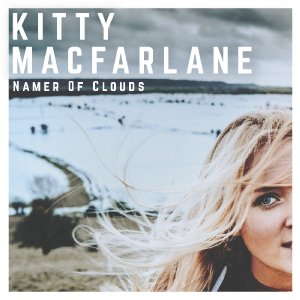 After free gin and tonics provided by local producers SloeMotion, we had the absolute treat of a performance by Kitty Macfarlane, whose folk songs are inspired by the natural world. The title track of her 2018 album Namer of Clouds is about Luke Howard, who created the naming system for clouds (cumulus, stratus, and so on) in 1802. Other songs are about eels, a starling murmuration and the Sardinian tradition of weaving sea silk. She often incorporates field recordings of birdsong, and writes about her native Somerset Levels. Her voice is gorgeously clear, reminding me of Emily Smith’s. We bought her album and EP at once.
Saturday was a slightly less memorable day, with sessions on insects and the uplands, an interview with clean rivers campaigner (and former pop star) Feargal Sharkey, and the short film Raising the Hare by Bevis Bowden. Most engaging for me was a four-person discussion on new directions for nature writing, chaired by author and academic Richard Kerridge. Katharine Norbury is editing the Women on Nature anthology, which I have supported via Unbound; it’s due out next year. She went all the way back to Julian of Norwich and has included novelists, poets, gardeners and farmers – lots of women who wouldn’t have called themselves ‘nature writers’.

L to R: Kerridge, Norbury, Sethi, McKenzie and Smyth. Photo by Chris Foster.
Anita Sethi, a journalist from Manchester, speaks out about inequality of access to nature due to race, gender and class. She read part of her essay “On Class and the Countryside” from the Common People anthology edited by Kit de Waal. Zakiya McKenzie, a London-born Jamaican, was a Forest England writer in residence and founded the Green & Black project to give underprivileged children trips to the countryside. Richard Smyth, the author of A Sweet, Wild Note, spoke of the need for robust nature writing – and criticism. He stressed that it’s not good enough for nature writing to be “charming” or “lyrical”; it’s too important to be merely pleasant. I would have liked to hear him explore this more and for it to turn into more of a debate, but the discussion drifted into praise for experimental and speculative forms.

Peregrine on York Minster. Photo by Chris Foster.

Finishing off a Bettys lunch with cake and a mocha. Photo by Chris Foster.
There’s something for everyone at this conference; some of the elements that I didn’t get on with or found pretentious were others’ highlights, so it’s all a matter of taste. Spending time in York, one of my favorite cities, was an added bonus. We managed to fit in a trip to the National Railway Museum and lunch at Bettys on the Sunday before our train back.
Next year’s conference will be at the University of East Anglia in Norwich, 10–12 July. I’ve never been to Norwich so look forward to visiting it and attending the full conference once again. It’s always a fascinating, inspiring weekend with a wide range of speakers and ideas.
 Bookish Beck = Rebecca Foster. American transplant to England. Freelance proofreader and book reviewer.
 Bookish Beck