#ReadIndies Nonfiction Catch-Up: Ansell, Farrier, Febos, Hoffman, Orlean and Stacey
These are all 2025 releases; for some, it’s approaching a year since I was sent a review copy or read the book. Silly me. At last, I’ve caught up. Reading Indies month, hosted by Kaggsy in memory of her late co-host Lizzy Siddal, is the perfect time to feature books from five independent publishers. I have four works that might broadly be classed as nature writing – though their topics range from birdsong and technology to living in Greece and rewilding a plot in northern Spain – and explorations of celibacy and the writer’s profession.
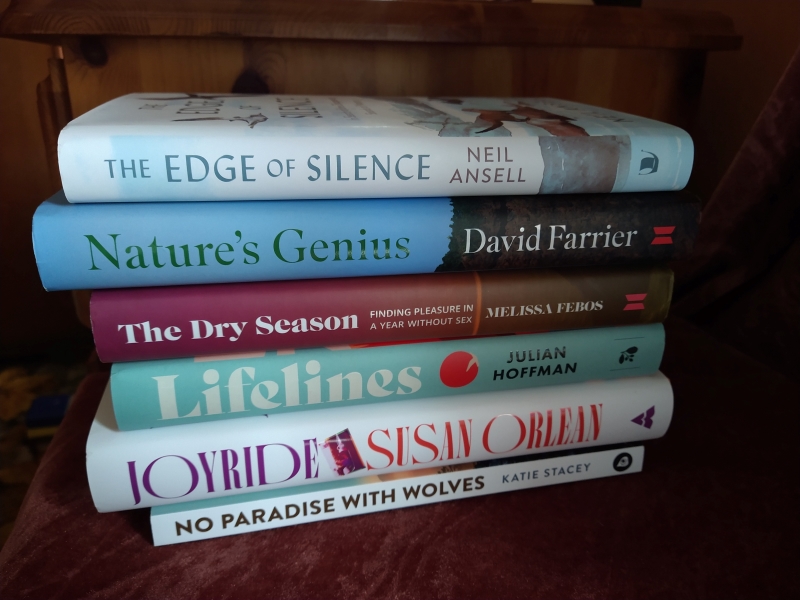
The Edge of Silence: In Search of the Disappearing Sounds of Nature by Neil Ansell
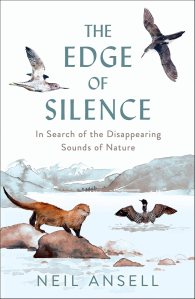 Ansell draws parallels between his advancing hearing loss and the biodiversity crisis. He puts together a wish list of species – mostly seabirds (divers, grebes), but also inland birds (nightjars) and a couple of non-avian representatives (otters) – that he wants to hear and sets off on public transport adventures to find them. “I must find beauty where I can, and while I still can,” he vows. From his home on the western coast of Scotland near the Highlands, this involves trains or buses that never align with the ferry timetables. Furthest afield for him are two nature reserves in northern England where his mission is to hear bitterns “booming” and natterjack toads croaking at night. There are also mountain excursions to locate ptarmigan, greenshank, and black grouse. His island quarry includes Manx shearwaters (Rum), corncrakes (Coll), puffins (Sanday), and storm petrels (Shetland).
Camping in a tent means cold nights, interrupted sleep, and clouds of midges, but it’s all worth it to have unrepeatable wildlife experiences. He has a very high hit rate for (seeing and) hearing what he intends to, even when they’re just on the verge of what he can decipher with his hearing aids. On the rare occasions when he misses out, he consoles himself with earlier encounters. “I shall settle for the memory, for it feels unimprovable, like a spell that I do not want to break.” I’ve read all of Ansell’s nature memoirs and consider him one of the UK’s top writers on the natural world. His accounts of his low-carbon travels are entertaining, and the tug-of-war between resisting and coming to terms with his disability is heartening. “I have spent this year in defiance of a relentless, unstoppable countdown,” he reflects. What makes this book more universal than niche is the deadline: we and all of these creatures face extinction. Whether it’s sooner or later depends on how we act to address the environmental polycrisis.
With thanks to Birlinn for the free copy for review.
Nature’s Genius: Evolution’s Lessons for a Changing Planet by David Farrier
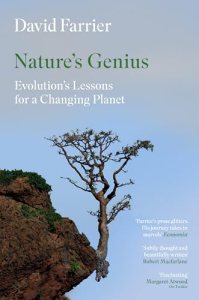 Farrier’s Footprints, which tells the story of the human impact on the Earth, was one of my favourite books of 2020. This contains a similar blend of history, science, and literary points of reference (Farrier is a professor of literature and the environment at the University of Edinburgh), with past changes offering a template for how the future might look different. “We are forcing nature to reimagine itself, and to avert calamity we need to do the same,” he writes. Cliff swallows have evolved blunter wings to better evade cars; captive breeding led foxes to develop the domesticated traits of pet dogs.
It’s not just other species that experience current evolution. Thanks to food abundance and a sedentary lifestyle, humans show a “consumer phenotype,” which superseded the Palaeolithic (95% of human history) and tends toward earlier puberty, autoimmune diseases, and obesity. Farrier also looks at notions of intelligence, language, and time in nature. Sustainable cities will have to cleverly reuse materials. For instance, The Waste House in Brighton is 90% rubbish. (This I have to see!)
There are many interesting nuggets here, and statements that are difficult to argue with, but I struggled to find an overall thread. Cool to see my husband’s old housemate mentioned, though. (Duncan Geere, for collaborating on a hybrid science–art project turning climate data into techno music.)
With thanks to Canongate for the free copy for review.
The Dry Season: Finding Pleasure in a Year without Sex by Melissa Febos
Febos considers but rejects the term “sex addiction” for the years in which she had compulsive casual sex (with “the Last Man,” yes, but mostly with women). Since her early teen years, she’d never not been tied to someone. Brief liaisons alternated with long-term relationships: three years with “the Best Ex”; two years that were so emotionally tumultuous that she refers to the woman as “the Maelstrom.” It was the implosion of the latter affair that led to Febos deciding to experiment with celibacy, first for three months, then for a whole year. “I felt feral and sad and couldn’t explain it, but I knew that something had to change.”
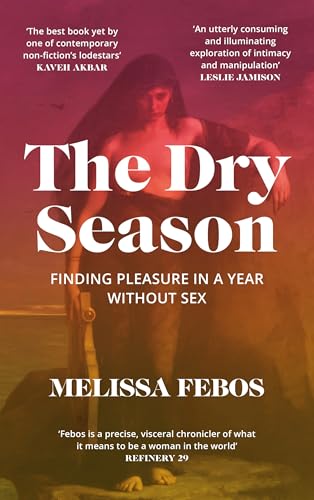 The quest involved some research into celibate movements in history, but was largely an internal investigation of her past and psyche. Febos found that she was less attuned to the male gaze. Having worn high heels almost daily for 20 years, she discovered she’s more of a trainers person. Although she was still tempted to flirt with attractive women, e.g. on an airplane, she consciously resisted the impulse to spin random meetings into one-night stands. (A therapist had stopped her short with the blunt observation, “you use people.”) With a new focus on the life of the mind, she insists, “My life was empty of lovers and more full than it had ever been.” (This reminded me of Audre Lorde’s writing on the erotic.) As Silvana Panciera, an Italian scholar on the beguines (a secular nun-like sisterhood), told her: “When you don’t belong to anyone, you belong to everyone. You feel able to love without limits.”
Intriguing that this is all a retrospective, reflecting on her thirties; Febos is now in her mid-forties and married to a woman (poet Donika Kelly). Clearly she felt that it was an important enough year – with landmark epiphanies that changed her and have the potential to help others – to form the basis for a book. For me, she didn’t have much new to offer about celibacy, though it was interesting to read about the topic from an areligious perspective. But I admire the depth of her self-knowledge, and particularly her ability to recreate her mindset at different times. This is another one, like her Girlhood, to keep on the shelf as a model.
With thanks to Canongate for the free copy for review.
Lifelines: Searching for Home in the Mountains of Greece by Julian Hoffman
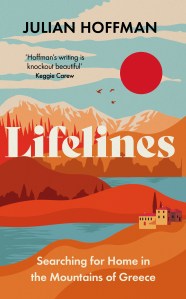 Hoffman’s Irreplaceable was my nonfiction book of 2019. Whereas that was a work with a global environmentalist perspective, Lifelines is more personal in scope. It tracks the author’s unexpected route from Canada via the UK to Prespa, a remote area of northern Greece that’s at the crossroads with Albania and North Macedonia. He and his wife, Julia, encountered Prespa in a book and, longing for respite from the breakneck pace of life in London, moved there in 2000. “Like the rivers that spill into these shared lakes, lifelines rarely flow straight. Instead, they contain bends, meanders and loops; they hold, at times, turns of extraordinary surprise.” Birdwatching, which Hoffman suggests is as “a way of cultivating attention,” had been their gateway into a love for nature developed over the next quarter-century and more, and in Greece they delighted in seeing great white and Dalmatian pelicans (which feature on the splendid U.S. cover. It would be lovely to have an illustrated edition of this.)
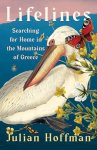 One strand of this warm and fluent memoir is about making a home in Greece: buying and renovating a semi-derelict property, experiencing xenophobia and hospitality from different quarters, and finding a sense of belonging. They’re happy to share their home with nesting wrens, who recur across the book and connect to the tagline of “a story of shelter shared.” In probing the history of his adopted country, Hoffman comes to realise the false, arbitrary nature of borders – wildlife such as brown bears and wolves pay these no heed. Everything is connected and questions of justice are always intersectional. The Covid pandemic and avian influenza (which devastated the region’s pelicans) are setbacks that Hoffman addresses honestly. But the lingering message is a valuable one of bridging divisions and learning how to live in harmony with other people – and with other species.
With thanks to Elliott & Thompson for the free copy for review.
Joyride by Susan Orlean
As a long-time staff writer for The New Yorker, Orlean has had the good fortune to be able to follow her curiosity wherever it leads, chasing the subjects that interest her and drawing readers in with her infectious enthusiasm. She grew up in suburban Ohio, attended college in Michigan, and lived in Portland, Oregon and Boston before moving to New York City. Her trajectory was from local and alternative papers to the most enviable of national magazines: Esquire, Rolling Stone and Vogue. Orlean gives behind-the-scenes information on lots of her early stories, some of which are reprinted in an appendix. “If you’re truly open, it’s easy to fall in love with your subject,” she writes; maintaining objectivity could be difficult, as when she profiled an Indian spiritual leader with a cult following; and fended off an interviewee’s attachment when she went on the road with a Black gospel choir.
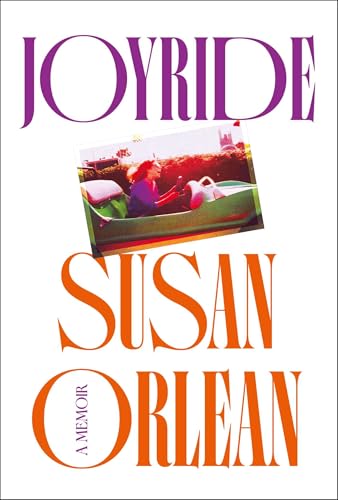 Her personal life takes a backseat to her career, though she is frank about the breakdown of her first marriage, her second chance at love and late motherhood, and a surprise bout with lung cancer. The chronological approach proceeds book by book, delving into her inspirations, research process and publication journeys. Her first book was about Saturday night as experienced across America. It was a more innocent time, when subjects were more trusting. Orlean and her second husband had farms in the Hudson Valley of New York and in greater Los Angeles, and she ended up writing a lot about animals, with books on Rin Tin Tin and one collecting her animal pieces. There was also, of course, The Library Book, about the wild history of the main Los Angeles public library. But it’s her The Orchid Thief – and the movie (not) based on it, Adaptation – that’s among my favourites, so the long section on that was the biggest thrill for me. There are also black-and-white images scattered through.
It was slightly unfortunate that I read this at the same time as Book of Lives – who could compete with Margaret Atwood? – but it is, yes, a joy to read about Orlean’s writing life. She’s full of enthusiasm and good sense, depicting the vocation as part toil and part magic:
“I find superhuman self-confidence when I’m working on a story. The bashfulness and vulnerability that I might otherwise experience in a new setting melt away, and my desire to connect, to observe, to understand, powers me through.”
“I like to do a gut check any time I dismiss or deplore something I don’t know anything about. That feels like reason enough to learn about it.”
“anything at all is worth writing about if you care about it and it makes you curious and makes you want to holler about it to other people”
With thanks to Atlantic Books for the free copy for review.
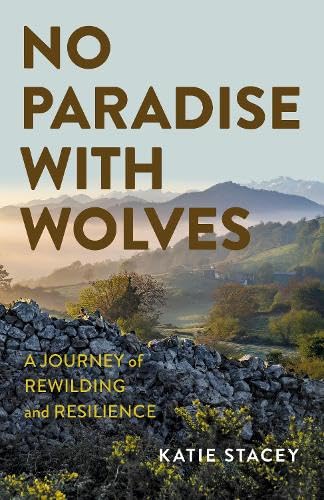
No Paradise with Wolves: A Journey of Rewilding and Resilience by Katie Stacey
I had the good fortune to visit Wild Finca, Luke Massey and Katie Stacey’s rewilding site in Asturias, while on holiday in northern Spain in May 2022, and was intrigued to learn more about their strategy and experiences. This detailed account of the first four years begins with their search for a property in 2018 and traces the steps of their “agriwilding” of a derelict farm: creating a vegetable garden and tending to fruit trees, but also digging ponds, training up hedgerows, and setting up rotational grazing. Their every decision went against the grain. Others focussed on one crop or type of livestock while they encouraged unruly variety, keeping chickens, ducks, goats, horses and sheep. Their neighbours removed brush in the name of tidiness; they left the bramble and gorse to welcome in migrant birds. New species turned up all the time, from butterflies and newts to owls and a golden fox.
Luke is a wildlife guide and photographer. He and Katie are conservation storytellers, trying to get people to think differently about land management. The title is a Spanish farmers’ and hunters’ slogan about the Iberian wolf. Fear of wolves runs deep in the region. Initially, filming wolves was one of the couple’s major goals, but they had to step back because staking out the animals’ haunts felt risky; better to let them alone and not attract the wrong attention. (Wolf hunting was banned across Spain in 2021.) There’s a parallel to be found here between seeing wolves as a threat and the mild xenophobia the couple experienced. Other challenges included incompetent house-sitters, off-lead dogs killing livestock, the pandemic, wildfires, and hunters passing through weekly (as in France – as we discovered at Le Moulin de Pensol in 2024 – hunters have the right to traverse private land in Spain).
Luke and Katie hope to model new ways of living harmoniously with nature – even bears and wolves, which haven’t made it to their land yet, but might in the future – for the region’s traditional farmers. They’re approaching self-sufficiency – for fruit and vegetables, anyway – and raising their sons, Roan and Albus, to love the wild. We had a great day at Wild Finca: a long tour and badger-watching vigil (no luck that time) led by Luke; nettle lemonade and sponge cake with strawberries served by Katie and the boys. I was clear how much hard work has gone into the land and the low-impact buildings on it. With the exception of some Workaway volunteers, they’ve done it all themselves.
Katie Stacey’s storytelling is effortless and conversational, making this impassioned memoir a pleasure to read. It chimed perfectly with Hoffman’s writing (above) about the fear of bears and wolves, and reparation policies for farmers, in Europe. I’d love to see the book get a bigger-budget release complete with illustrations, a less misleading title, the thorough line editing it deserves, and more developmental work to enhance the literary technique – as in the beautiful final chapter, a present-tense recreation of a typical walk along The Loop. All this would help to get the message the wider reach that authors like Isabella Tree have found. “I want to be remembered for the wild spaces I leave behind,” Katie writes in the book’s final pages. “I want to be remembered as someone who inspired people to seek a deeper connection to nature.” You can’t help but be impressed by how much of a difference two people seeking to live differently have achieved in just a handful of years. We can all rewild the spaces available to us (see also Kate Bradbury’s One Garden against the World), too.
With thanks to Earth Books (Collective Ink) for the free copy for review.
Which of these do you fancy reading?
Book Serendipity, Mid-June through August
I call it “Book Serendipity” when two or more books that I read at the same time or in quick succession have something in common – the more bizarre, the better. This is a regular feature of mine every couple of months. Because I usually have 20–30 books on the go at once, I suppose I’m more prone to such incidents. People frequently ask how I remember all of these coincidences. The answer is: I jot them down on scraps of paper or input them immediately into a file on my PC desktop; otherwise, they would flit away!
The following are in roughly chronological order.
- A description of the Y-shaped autopsy scar on a corpse in Pet Sematary by Stephen King and A Truce that Is Not Peace by Miriam Toews.
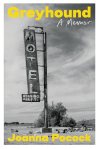
- Charlie Chaplin’s real-life persona/behaviour is mentioned in The Quiet Ear by Raymond Antrobus and Greyhound by Joanna Pocock.
- The manipulative/performative nature of worship leading is discussed in Don’t Forget We’re Here Forever by Lamorna Ash and Jarred Johnson’s essay in the anthology Queer Communion: Religion in Appalachia. I read one scene right after the other!
- A discussion of the religious impulse to celibacy in Don’t Forget We’re Here Forever by Lamorna Ash and The Dry Season by Melissa Febos.
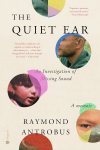
- Hanif Kureishi has a dog named Cairo in Shattered; Amelia Thomas has a son by the same name in What Sheep Think About the Weather.
- A pilgrimage to Virginia Woolf’s home in The Dry Season by Melissa Febos and Writing Creativity and Soul by Sue Monk Kidd.
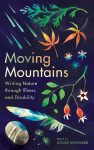
- Water – Air – Earth divisions in the Nature Matters (ed. Mona Arshi and Karen McCarthy Woolf) and Moving Mountains (ed. Louise Kenward) anthologies.
 The fact that humans have two ears and one mouth and so should listen more than they talk is mentioned in What Sheep Think about the Weather by Amelia Thomas and The Covenant of Water by Abraham Verghese.
- Inappropriate sexual comments made to female bar staff in The Most by Jessica Anthony and Isobel Anderson’s essay in the Moving Mountains (ed. Louise Kenward) anthology.
- Charlie Parker is mentioned in The Most by Jessica Anthony and The Quiet Ear by Raymond Antrobus.
- The metaphor of an ark for all the elements that connect one to a language and culture was used in Chopping Onions on My Heart by Samantha Ellis, which I read earlier in the year, and then again in The Quiet Ear by Raymond Antrobus.
- A scene of first meeting their African American wife (one of the partners being a poet) and burning a list of false beliefs in The Dry Season by Melissa Febos and The Quiet Ear by Raymond Antrobus.
- The Kafka quote “a book must be the axe for the frozen sea inside us” appears in Shattered by Hanif Kureishi and Writing Creativity and Soul by Sue Monk Kidd. They also both quote Dorothea Brande on writing.
- The simmer dim (long summer light) in Shetland is mentioned in Storm Pegs by Jen Hadfield and Sally Huband’s piece in the Moving Mountains (ed. Louise Kenward) anthology (not surprising as they both live in Shetland!).
- A restaurant applauds a proposal or the news of an engagement in The Homemade God by Rachel Joyce and Likeness by Samsun Knight.
- Noticing that someone ‘isn’t there’ (i.e., their attention is elsewhere) in Woodworking by Emily St. James and Palaver by Bryan Washington.
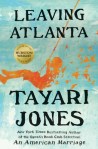
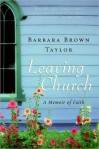
- I was reading Leaving Atlanta by Tayari Jones and Leaving Church by Barbara Brown Taylor – which involves her literally leaving Atlanta to be the pastor of a country church – at the same time. (I was also reading Leave the World Behind by Rumaan Alam.)
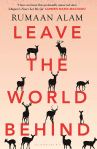
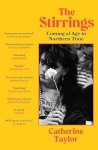
- A mention of an adolescent girl wearing a two-piece swimsuit for the first time in Leave the World Behind by Rumaan Alam, The Summer I Turned Pretty by Jenny Han, and The Stirrings by Catherine Taylor.
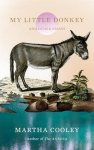
- A discussion of John Keats’s concept of negative capability in My Little Donkey by Martha Cooley and What Sheep Think About the Weather by Amelia Thomas.
- A mention of JonBenét Ramsey in Leave the World Behind by Rumaan Alam and the new introduction to Leaving Atlanta by Tayari Jones.
- A character drowns in a ditch full of water in Leaving Atlanta by Tayari Jones and The Covenant of Water by Abraham Verghese.
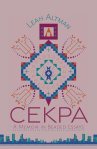 A girl dares to question her grandmother for talking down the girl’s mother (i.e., the grandmother’s daughter-in-law) in Cekpa by Leah Altman and Leaving Atlanta by Tayari Jones.
- A woman who’s dying of stomach cancer in The Covenant of Water by Abraham Verghese and Book of Exemplary Women by Diana Xin.
- A woman’s genitals are referred to as the “mons” in Leave the World Behind by Rumaan Alam and The Covenant of Water by Abraham Verghese.
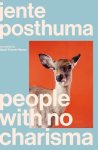
- A girl doesn’t like her mother asking her to share her writing with grown-ups in People with No Charisma by Jente Posthuma and one story of Book of Exemplary Women by Diana Xin.
- A girl is not allowed to walk home alone from school because of a serial killer at work in the area, and is unprepared for her period so lines her underwear with toilet paper instead in Leaving Atlanta by Tayari Jones and The Stirrings by Catherine Taylor.
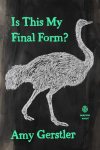 When I interviewed Amy Gerstler about her poetry collection Is This My Final Form?, she quoted a Walt Whitman passage about animals. I found the same passage in What Sheep Think About the Weather by Amelia Thomas.
- A character named Stefan in The Dime Museum by Joyce Hinnefeld and Palaver by Bryan Washington.
- A father who is a bad painter in The Dime Museum by Joyce Hinnefeld and The Homemade God by Rachel Joyce.
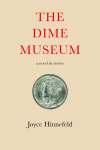
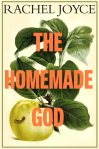
- The goddess Minerva is mentioned in The Dime Museum by Joyce Hinnefeld and The Stirrings by Catherine Taylor.
- A woman finds lots of shed hair on her pillow in In Late Summer by Magdalena Blažević and The Dig by John Preston.
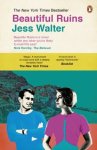 An Italian man who only uses the present tense when speaking in English in The Homemade God by Rachel Joyce and Beautiful Ruins by Jess Walter.
- The narrator ponders whether she would make a good corpse in People with No Charisma by Jente Posthuma and Terminal Surreal by Martha Silano. The former concludes that she would, while the latter struggles to lie still during savasana (“Corpse Pose”) in yoga – ironic because she has terminal ALS.
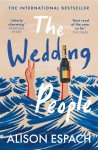
- Harry the cat in The Wedding People by Alison Espach; Henry the cat in Calls May Be Recorded by Katharina Volckmer.
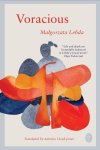
- The protagonist has a blood test after rapid weight gain and tiredness indicate thyroid problems in Voracious by Małgorzata Lebda and The Stirrings by Catherine Taylor.
- It’s said of an island that nobody dies there in Somebody Is Walking on Your Grave by Mariana Enríquez and Beautiful Ruins by Jess Walter.
- A woman whose mother died when she was young and whose father was so depressed as a result that he was emotionally detached from her in The Wedding People by Alison Espach and People with No Charisma by Jente Posthuma.
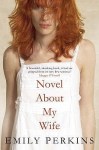 A scene of a woman attending her homosexual husband’s funeral in The Homemade God by Rachel Joyce and Novel About My Wife by Emily Perkins.
- There’s a ghost in the cellar in In Late Summer by Magdalena Blažević, The Covenant of Water by Abraham Verghese and Book of Exemplary Women by Diana Xin.
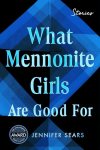
- Mention of harps / a harpist in The Wedding People by Alison Espach, The Homemade God by Rachel Joyce, and What Mennonite Girls Are Good For by Jennifer Sears.
- “You use people” is an accusation spoken aloud in The Dry Season by Melissa Febos and Beautiful Ruins by Jess Walter.
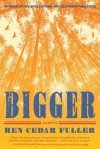
- Let’s not beat around the bush: “I want to f*ck you” is spoken aloud in The Wedding People by Alison Espach and Novel About My Wife by Emily Perkins; “Want to/Wanna f*ck?” is also in The Wedding People by Alison Espach and in Bigger by Ren Cedar Fuller.
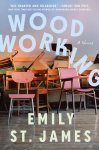 A young woman notes that her left breast is larger in Voracious by Małgorzata Lebda and Woodworking by Emily St. James. (And a girl fondles her left breast in one story of Book of Exemplary Women by Diana Xin.)
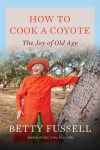
- A shawl is given as a parting gift in How to Cook a Coyote by Betty Fussell and one story of What Mennonite Girls Are Good For by Jennifer Sears.
- The author has Long Covid in Alec Finlay’s essay in the Moving Mountains anthology, and Pluck by Adam Hughes.
- An old woman applies suncream in Kate Davis’s essay in the Moving Mountains anthology, and How to Cook a Coyote by Betty Fussell.
- There’s a leper colony in What Mennonite Girls Are Good For by Jennifer Sears and The Covenant of Water by Abraham Verghese.
- There’s a missionary kid in South America in Bigger by Ren Cedar Fuller and What Mennonite Girls Are Good For by Jennifer Sears.
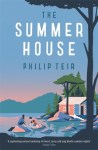 A man doesn’t tell his wife that he’s lost his job in Novel About My Wife by Emily Perkins and The Summer House by Philip Teir.
- A teen brother and sister wander the woods while on vacation with their parents in Leave the World Behind by Rumaan Alam and The Summer House by Philip Teir.
- Using a famous fake name as an alias for checking into a hotel in one story of Single, Carefree, Mellow by Katherine Heiny and Seascraper by Benjamin Wood.
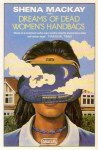
- A woman punches someone in the chest in the title story of Dreams of Dead Women’s Handbags by Shena Mackay and Novel About My Wife by Emily Perkins.
What’s the weirdest reading coincidence you’ve had lately?
Book Serendipity, Mid-April to Mid-June
I call it “Book Serendipity” when two or more books that I read at the same time or in quick succession have something in common – the more bizarre, the better. This is a regular feature of mine every couple of months. Because I usually have 20–30 books on the go at once, I suppose I’m more prone to such incidents. People frequently ask how I remember all of these coincidences. The answer is: I jot them down on scraps of paper or input them immediately into a file on my PC desktop; otherwise, they would flit away!
The following are in roughly chronological order.
- Raising a wild animal but (mostly) calling it by its species rather than by a pet name (so “Pigeon” and “the leveret/hare”) in We Should All Be Birds by Brian Buckbee and Raising Hare by Chloe Dalton.
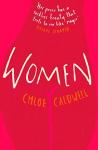
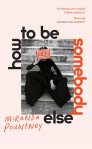
- Eating hash cookies in New York City in Women by Chloe Caldwell and How to Be Somebody Else by Miranda Pountney.
- A woman worries she’s left underclothes strewn about a room she’s about to show someone in one story of Single, Carefree, Mellow by Katherine Heiny and Days of Light by Megan Hunter.
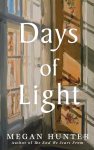 The dialogue is italicized in Women by Chloe Caldwell and Days of Light by Megan Hunter.
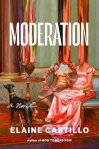
- The ‘you know it when you see it’ definition (originally for pornography) is cited in Moderation by Elaine Castillo and Bookish by Lucy Mangan.
- Women (including the protagonist) weightlifting in a gym in Moderation by Elaine Castillo and All Fours by Miranda July.
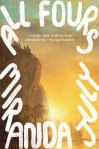
- Miranda July, whose All Fours I was also reading at the time, was mentioned in Chinese Parents Don’t Say I Love You by Candice Chung.
- A sibling story and a mystical light: late last year into early 2025 I read The Snow Queen by Michael Cunningham, and then I recognized this type of moment in Days of Light by Megan Hunter.
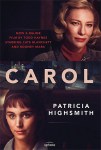
- A lesbian couple with a furniture store in Carol [The Price of Salt] by Patricia Highsmith and one story of Are You Happy? by Lori Ostlund.

- Not being able to see the stars in Las Vegas because of light pollution was mentioned in The Wild Dark by Craig Childs, then in Moderation by Elaine Castillo.
- A gynaecology appointment scene in All Fours by Miranda July and How to Be Somebody Else by Miranda Pountney.
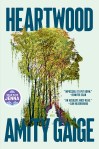
- An awkwardly tall woman in Heartwood by Amity Gaige, How to Be Somebody Else by Miranda Pountney, and Stoner by John Williams.
- The 9/11 memorial lights’ disastrous effect on birds is mentioned in The Wild Dark by Craig Childs and How to Be Somebody Else by Miranda Pountney.
- A car accident precipitated by an encounter with wildlife is key to the denouement in the novellas Women by Chloe Caldwell and Wild Boar by Hannah Lutz.
- The plot is set in motion by the death of an older brother by drowning, and pork chops are served to an unexpected dinner guest, in Bug Hollow by Michelle Huneven and Days of Light by Megan Hunter, both of which I was reading for Shelf Awareness review.
- Kids running around basically feral in a 1970s summer, and driving a box of human ashes around in Case Histories by Kate Atkinson and Bug Hollow by Michelle Huneven.
- A character becomes a nun in Case Histories by Kate Atkinson and Days of Light by Megan Hunter.
- Wrens nesting just outside one’s front door in Lifelines by Julian Hoffman and Little Mercy by Robin Walter.

- ‘The female Woody Allen’ is the name given to a character in Women by Chloe Caldwell and then a description (in a blurb) of French author Nolwenn Le Blevennec.
- A children’s birthday party scene in Single, Carefree, Mellow by Katherine Heiny and Friends and Lovers by Nolwenn Le Blevennec. A children’s party is also mentioned in Case Histories by Kate Atkinson and A Family Matter by Claire Lynch.
- A man who changes his child’s nappies, unlike his father – evidence of different notions of masculinity in different generations, in Case Histories by Kate Atkinson, What My Father and I Don’t Talk About, edited by Michele Filgate, and one piece in Beyond Touch Sites, edited by Wendy McGrath.
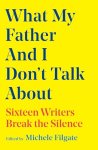
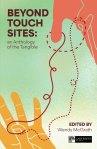
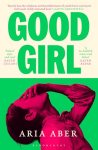
- What’s in a name? Repeated names I came across included Pansy (Case Histories by Kate Atkinson and Days of Light by Megan Hunter), Olivia (Case Histories by Kate Atkinson and A Family Matter by Claire Lynch), Jackson (Case Histories by Kate Atkinson and So Far Gone by Jess Walter), and Elias (Good Girl by Aria Aber and Dream State by Eric Puchner).
- The old wives’ tale that you should run in zigzags to avoid an alligator appeared in Alligator Tears by Edgar Gomez and then in The Girls Who Grow Big by Leila Mottley, both initially set in Florida.
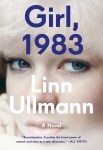
- A teenage girl is groped in a nightclub in Good Girl by Aria Aber and Girl, 1983 by Linn Ullmann.
- Discussion of the extinction of human and animal cultures and languages in both Nature’s Genius by David Farrier and Lifelines by Julian Hoffman, two May 2025 releases I was reading at the same time.
- In Body: My Life in Parts by Nina B. Lichtenstein, she mentions Linn Ullmann – who lived on her street in Oslo and went to the same school (not favourably – the latter ‘stole’ her best friend!); at the same time, I was reading Linn Ullmann’s Girl, 1983! And then, in both books, the narrator recalls getting a severe sunburn.
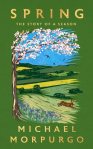 On the same day, I read about otter sightings in Lifelines by Julian Hoffman and Spring by Michael Morpurgo. The next day, I read about nesting swallows in both books.
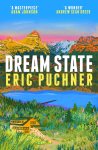
- The Salish people (Indigenous to North America) are mentioned in Lifelines by Julian Hoffman, Dream State by Eric Puchner (where Salish, the town in Montana, is also a setting), and So Far Gone by Jess Walter.
- Driving into a compound of extremists, and then the car being driven away by someone who’s not the owner, in Dream State by Eric Puchner and So Far Gone by Jess Walter.
- A woman worries about her (neurodivergent) husband saying weird things at a party in The Honesty Box by Lucy Brazier and Normally Weird and Weirdly Normal by Robin Ince.
- Shooting raccoons in Ginseng Roots by Craig Thompson and So Far Gone by Jess Walter. (Raccoons also feature in Dream State by Eric Puchner.)
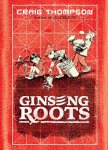
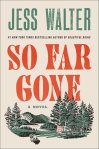
- A graphic novelist has Hollywood types adding (or at least threatening to add) wholly unsuitable supernatural elements to their plots in Spent by Alison Bechdel and Ginseng Roots by Craig Thompson.
- A novel in which a character named Dawn has to give up her daughter in the early 1980s, one right after the other: A Family Matter by Claire Lynch, followed by Love Forms by Claire Adam.
- A girl barricades her bedroom door for fear of her older brother in Love Forms by Claire Adam and Sleep by Honor Jones.
- A scene of an only child learning that her mother had a hysterectomy and so couldn’t have any more children in Dream Count by Chimamanda Ngozi Adichie and Other People’s Mothers by Julie Marie Wade.
- An African hotel cleaner features in Dream Count by Chimamanda Ngozi Adichie and The Hotel by Daisy Johnson.

- Annie Dillard’s essay “Living Like Weasels” is mentioned in Nature’s Genius by David Farrier and The Dry Season by Melissa Febos.
- A woman assembles an inventory of her former lovers in Dream Count by Chimamanda Ngozi Adichie and The Dry Season by Melissa Febos.
What’s the weirdest reading coincidence you’ve had lately?
20 Books of Summer, 17–18: Suzanne Berne and Melissa Febos
Nearly there! I’ll have two more books to review for this challenge as part of roundups tomorrow and Saturday. Today I have a lesser-known novel by a Women’s Prize winner and a set of personal essays about body image and growing up female.
A Perfect Arrangement by Suzanne Berne (2001)
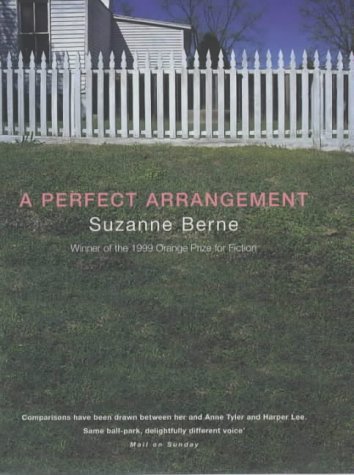 Berne won the Orange (Women’s) Prize for A Crime in the Neighbourhood in 1999. This is another slice of mild suburban suspense. The Boston-area Cook-Goldman household faces increasingly disruptive problems. Architect dad Howard is vilified for a new housing estate he’s planning, plus an affair that he had with a colleague a few years ago comes back to haunt him. Hotshot lawyer Mirella can’t get the work–life balance right, especially when she finds out she’s unexpectedly pregnant with twins at age 41. They hire a new nanny to wrangle their two under-fives, headstrong Pearl and developmentally delayed Jacob. If Randi Gill seems too good to be true, that’s because she’s a pathological liar. But hey, she’s great with kids.
It’s clear some Bad Stuff is going to happen to this family; the only questions are how bad and precisely what. Now, this is pretty much exactly what I want from my “summer reading”: super-readable plot- and character-driven fiction whose stakes are low (e.g., midlife malaise instead of war or genocide or whatever) and that veers more popular than literary and so can be devoured in large chunks. I really should have built more of that into my 20 Books plan! I read this much faster than I normally get through a book, but that meant the foreshadowing felt too prominent and I noticed some repetition, e.g., four or five references to purple loosestrife, which is a bit much even for those of us who like our wildflowers. It seemed a bit odd that the action was set back in the Clinton presidency; the references to the Lewinsky affair and Hillary’s “baking cookies” remark seemed to come out of nowhere. And seriously, why does the dog always have to suffer the consequences of humans’ stupid mistakes?!
This reminded me most of Friends and Strangers by J. Courtney Sullivan and a bit of Breathing Lessons by Anne Tyler, while one late plot turn took me right back to The Senator’s Wife by Sue Miller. While the Goodreads average rating of 2.93 seems pretty harsh, I can also see why fans of A Crime would have been disappointed. I probably won’t seek out any more of Berne’s fiction. (Secondhand – Community Furniture Project, Newbury) 
Girlhood by Melissa Febos (2021)
I was deeply impressed by Febos’s Body Work (2022), a practical guide to crafting autobiographical narratives as a way of reckoning with the effects of trauma. Ironically, I engaged rather less with her own personal essays. One issue for me was that her highly sexualized experiences are a world away from mine. I don’t have her sense of always having had to perform for the male gaze, though maybe I’m fooling myself. Another was that it’s over 300 pages and only contains seven essays, so there were several pieces that felt endless. This was especially true of “The Mirror Test” (62 pp.) which is about double standards for girls as they played out in her simultaneous lack of confidence and slutty reputation, but randomly references The House of Mirth quite a lot; and “Thank You for Taking Care of Yourself” (74 pp.), which ponders why Febos has such trouble relaxing at a cuddle party and whether she killed off her ability to give physical consent through her years as a dominatrix.
 “Wild America,” about her first lesbian experience and the way she came to love a perceived defect (freakishly large hands; they look perfectly normal to me in her author photo), and “Intrusions,” about her and other women’s experience with stalkers, worked a bit better. But my two favourites incorporated travel, a specific relationship, and a past versus present structure. “Thesmophoria” opens with her arriving in Rome for a mother–daughter vacation only to realize she told her mother the wrong month. Feeling guilty over the error, she remembers other instances when she valued her mother’s forgiveness, including when she would leave family celebrations to buy drugs. The allusions to Greek myth were neither here nor there for me, but the words about her mother’s unconditional love made me cry.
I also really liked “Les Calanques,” which again draws on her history of heroin addiction, comparing a strung-out college trip to Paris when she scored with a sweet gay boy named Ahmed with the self-disciplined routines and care for her body she’d learned by the time she returns to France for a writing retreat. This felt like a good model for how to write about one’s past self. “I spend so much time with that younger self, her savage despair and fleeting reliefs, that I start to feel as though she is here with me.” The prologue, “Scarification,” is a numbered list of how she got her scars, something Paul Auster also gives in Winter Journal. As if to insist that we can only ever experience life through our bodies.
Although I’d hoped to connect to this more, and ultimately felt it wasn’t really meant for me (and maybe I’m a deficient feminist), I did admire the range of strategies and themes so will keep it on the shelf as a model for approaching the art of the personal essay. I think I would probably prefer a memoir from Febos, but don’t need to read more about her sex work (Whip Smart), so might look into Abandon Me. If bisexuality and questions of consent are of interest, you might also like Another Word for Love by Carvell Wallace, which I reviewed for BookBrowse. (Gift (secondhand) from my Christmas wish list last year) 
Book Serendipity, June to Mid-August 2024
I call it “Book Serendipity” when two or more books that I read at the same time or in quick succession have something in common – the more bizarre, the better. This is a regular feature of mine every couple of months. Because I usually have 20–30 books on the go at once, I suppose I’m more prone to such incidents. People frequently ask how I remember all of these coincidences. The answer is: I jot them on scraps of paper or input them immediately into a file on my PC desktop; otherwise, they would flit away!
The following are in roughly chronological order.
- A self-induced abortion scene in Recipe for a Perfect Wife by Karma Brown and Sleeping with Cats by Marge Piercy.
- A woman who cleans buildings after hours, and a character named Tova who lives in the Seattle area in A Reason to See You Again by Jami Attenberg and Remarkably Bright Creatures by Shelby Van Pelt.
- Flirting with a surf shop employee in Sandwich by Catherine Newman and Remarkably Bright Creatures by Shelby Van Pelt.
- Living in Paris and keeping ticket stubs from all films seen in Paris Trance by Geoff Dyer and The Invention of Hugo Cabret by Brian Selznick.
- A schefflera (umbrella tree) is mentioned in Cheri by Jo Ann Beard and Company by Shannon Sanders.

- The Plague by Albert Camus is mentioned in Knife by Salman Rushdie and Stowaway by Joe Shute.
- Making egg salad sandwiches is mentioned in Cheri by Jo Ann Beard and Sandwich by Catherine Newman.
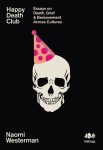
- Pet rats in Stowaway by Joe Shute and Happy Death Club by Naomi Westerman. Rats are also mentioned in Mammoth by Eva Baltasar, The Tale of Despereaux by Kate DiCamillo, and The Colour by Rose Tremain.
- Eels feature in Our Narrow Hiding Places by Kristopher Jansma, Late Light by Michael Malay, and The Colour by Rose Tremain.
- Atlantic City, New Jersey is a location in Florence Adler Swims Forever by Rachel Beanland and Company by Shannon Sanders.
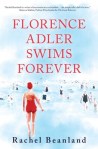 The father is a baker in Florence Adler Swims Forever by Rachel Beanland and Our Narrow Hiding Places by Kristopher Jansma.
- A New Zealand setting (but very different time periods) in Greta & Valdin by Rebecca K Reilly and The Colour by Rose Tremain.
- A mention of Melanie Griffith’s role in Working Girl in I’m Mostly Here to Enjoy Myself by Glynnis MacNicol and Happy Death Club by Naomi Westerman.
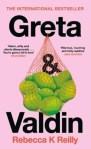 Ermentrude/Ermyntrude as an imagined alternate name in Greta & Valdin by Rebecca K Reilly and a pet’s name in Stowaway by Joe Shute.
- A poet with a collection that was published on 6 August mentions a constant ringing in the ears: Joshua Jennifer Espinoza (I Don’t Want to Be Understood) and Keith Taylor (What Can the Matter Be?).
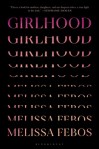
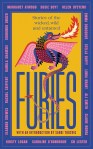
- A discussion of the original meaning of “slut” (a slovenly housekeeper) vs. its current sexualized meaning in Girlhood by Melissa Febos and Sandi Toksvig’s introduction to the story anthology Furies.
- An odalisque (a concubine in a harem, often depicted in art) is mentioned in I’m Mostly Here to Enjoy Myself by Glynnis MacNicol and The Shark Nursery by Mary O’Malley.
- Reading my second historical novel of the year in which there’s a disintegrating beached whale in the background of the story: first was Whale Fall by Elizabeth O’Connor, then Come to the Window by Howard Norman.
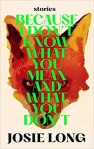 A short story in which a woman gets a job in online trolling in Because I Don’t Know What You Mean and What You Don’t by Josie Long and in the Virago Furies anthology (Helen Oyeyemi’s story).
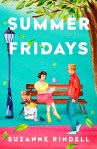
- Her partner, a lawyer, is working long hours and often missing dinner, leading the protagonist to assume that he’s having an affair with a female colleague, in Recipe for a Perfect Wife by Karma Brown and Summer Fridays by Suzanne Rindell.
- A fierce boss named Jo(h)anna in Summer Fridays by Suzanne Rindell and Test Kitchen by Neil D.A. Stewart.
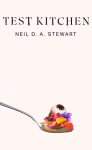
- An OTT rendering of a Scottish accent in Greta & Valdin by Rebecca K Reilly and Test Kitchen by Neil D.A. Stewart.
- A Padstow setting and a mention of Puffin Island (Cornwall) in The Cove by Beth Lynch and England as You Like It by Susan Allen Toth.
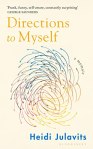
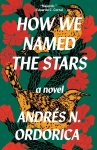
- A mention of the Big and Little Dipper (U.S. names for constellations) in Directions to Myself by Heidi Julavits and How We Named the Stars by Andrés N. Ordorica.
- A mention of Binghamton, New York and its university in We Are Animals by Jennifer Case and We Would Never by Tova Mirvis.
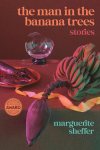
- A character accidentally drinks a soapy liquid in We Would Never by Tova Mirvis and one story of The Man in the Banana Trees by Marguerite Sheffer.
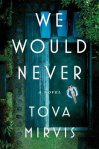 The mother (of the bride or groom) takes over the wedding planning in We Would Never by Tova Mirvis and Summer Fridays by Suzanne Rindell.
- The ex-husband’s name is Jonah in The Mourner’s Bestiary by Eiren Caffall and We Would Never by Tova Mirvis.
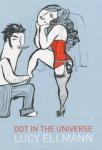
- The husband’s name is John in Dot in the Universe by Lucy Ellmann and Liars by Sarah Manguso.
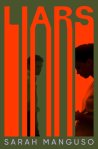
- An affair is discovered through restaurant receipts in Summer Fridays by Suzanne Rindell and Test Kitchen by Neil D.A. Stewart.
- A mention of eating fermented shark in The Museum of Whales You Will Never See by A. Kendra Greene and Test Kitchen by Neil D.A. Stewart.
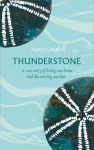
- A mention of using one’s own urine as a remedy in Thunderstone by Nancy Campbell and Terminal Maladies by Okwudili Nebeolisa.

- The main character tries to get pregnant by a man even though one of the partners is gay in Mammoth by Eva Baltasar and Until the Real Thing Comes Along by Elizabeth Berg.
- Motherhood is for women what war is for men: this analogy is presented in We Are Animals by Jennifer Case, Parade by Rachel Cusk, and Want, the Lake by Jenny Factor.
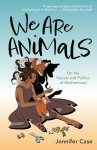 Childcare is presented as a lifesaver for new mothers in We Are Animals by Jennifer Case and Liars by Sarah Manguso.
- A woman bakes bread for the first time in Mammoth by Eva Baltasar and A Year of Biblical Womanhood by Rachel Held Evans.
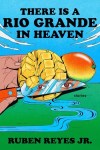
- A gay couple adopts a Latino boy in Greta & Valdin by Rebecca K Reilly and one story of There Is a Rio Grande in Heaven by Ruben Reyes, Jr.
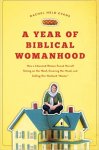 A husband who works on film projects in A Year of Biblical Womanhood by Rachel Held Evans and Liars by Sarah Manguso.
- A man is haunted by things his father said to him years ago in Parade by Rachel Cusk and one story in There Is a Rio Grande in Heaven by Ruben Reyes, Jr.
- Two short story collections in a row in which a character is a puppet (thank you, magic realism!): The Man in the Banana Trees by Marguerite Sheffer, followed by There Is a Rio Grande in Heaven by Ruben Reyes, Jr.
- A farm is described as having woodworm in Mammoth by Eva Baltasar and Parade by Rachel Cusk.
- Sebastian as a proposed or actual name for a baby in Signs, Music by Raymond Antrobus and Birdeye by Judith Heneghan.
What’s the weirdest reading coincidence you’ve had lately?
Three on a Theme: “Rainbow” Books for Pride Month
Two of these are short story collections (and one almost is); two are specifically queer in outlook; all attracted me for their colorful covers, and all were borrowed from the library. #LoveYourLibrary

Rainbow Rainbow: Stories by Lydia Conklin (2022)
The 10 stories in this confident debut collection are unabashedly queer, and half involve the trans experience, whether ideation or reality. Conklin is nonbinary, so it’s tempting to read several stories as autobiographical: female characters long to get top surgery and transition to male or nonbinary, but worry it will change how they are perceived or desired. “Pink Knives” and “Boy Jump,” especially, have the flavor of autofiction, with protagonists traveling in Poland and feeling attraction to people of various genders. (The former has a pandemic setting, which I’ve noticed has at this point started to feel dated.) My overall favorite was “Sunny Talks,” in which middle-aged Lillia accompanies her trans teenage nephew to a conference for celebrity YouTubers but can’t bring herself to announce her own intended transition. Though life hasn’t been easy for Sunny, he has support she lacked growing up.
 Asher and Ivan, two characters of nebulous sexuality and future gender, are the core of “Cheerful Until Next Time” (check out the acronym), which has the fantastic opening line “The queer feminist book club came to an end.” “Laramie Time” stars a lesbian couple debating whether to have a baby (in the comic Leigh draws, a turtle wishes “reproduction was automatic or mandatory, so no decision was necessary”). “A Fearless Moral Inventory” features a pansexual who is a recovering sex addict. Adolescent girls are the focus in “The Black Winter of New England” and “Ooh, the Suburbs,” where they experiment with making lesbian leanings public and seeking older role models. “Pioneer,” probably my second favorite, has Coco pushing against gender constraints at a school Oregon Trail reenactment. Refusing to be a matriarch and not allowed to play a boy, she rebels by dressing up as an ox instead. The tone is often bleak or yearning, so “Counselor of My Heart” stands out as comic even though it opens with the death of a dog; Molly’s haplessness somehow feels excusable.
Six of the stories are in the third person and four in first person. I’d be interested to try Conklin’s longer-form work, and think first-person narration would particularly suit her. I didn’t really sense that this was a book meant for me, but that’s okay; a lot of readers will feel seen and represented. Pair this with, or have it on hand as a follow-up to, work by Allison Blevins, Melissa Febos and, most of all, Eley Williams. 
Under the Rainbow by Celia Laskey (2020)
In Laskey’s debut, which has been marketed as a novel but reads more like linked short stories, a favorite format of mine, researchers have identified Big Burr, Kansas as the most homophobic town in America. A task force from Acceptance Across America descends on the rural backwater for a targeted two-year program promoting education and friendship. Each chapter is a first-person, present-tense confession from a local or a queer visitor, whose stories interlock and push the chronology forward. For every positive step – a gender-neutral bathroom in the high school, a closeted individual who summons up the courage to come out – there is a regressive one, such as a AAA billboard being set on fire or a house being egged.
 Laskey inhabits all 11 personae with equal skill and compassion. Avery, the task force leader’s daughter, resents having to leave L.A. and plots an escape with her new friend Zach, a persecuted gay teen. Christine, a Christian homemaker, is outraged about the liberal agenda, whereas her bereaved neighbor, Linda, finds purpose and understanding in volunteering at the AAA office. Food hygiene inspector Henry is thrown when his wife leaves him for a woman, and meat-packing maven Lizzie agonizes over the question of motherhood. Task force members David, Tegan and Harley all have their reasons for agreeing to the project, but some characters have to sacrifice more than others.
Little references in later chapters catch you up on what’s happened with the others. I only questioned the need for Elsie as a POV character, and the exclusion of Jamal (presumably Laskey thought it unwise to write from the perspective of a Black man, but he’s a glaring omission). A final chapter, returning to one of the protagonists and set 10 years later, presents a town that’s changed enough to host its first gay wedding and first LGBTQ-owned business.
The novel is realistically sad, but not overly so, and was compellingly readable and heartwarming in a way that reminded me of how I felt about Shotgun Lovesongs. You might not want to live there, but I guarantee you’ll develop a certain fondness for Big Burr. 
Scattered Showers: Stories by Rainbow Rowell; illus. Jim Tierney (2022)
I spotted this collection while shelving in the YA section of the library one day and admired the sky blue naked hardback for its red sprayed edges, chunky rainbow endpapers, distinctive font, and teal and magenta interior color scheme. I’d read one Rowell book before, the graphic novel Pumpkinheads. This is probably a better match for her dedicated fans in that three of the stories are spin-offs from her fiction and a few of the rest are one-offs (Amazon Original Stories, a World Book Day publication, a contribution to an anthology), such that I felt a little like I was reading leftovers. A B-sides volume, if you will.
 Four of the nine are holiday-themed, so this could make a good Twixtmas read if you like seasonality; eight are in the third person and just one has alternating first person narrators. All are what could be broadly dubbed romances, with most involving meet-cutes or moments when long-time friends realize their feelings go deeper (“Midnights” and “The Snow Ball”). Only one of the pairings is queer, however: Baz and Simon (who are a vampire and … a dragon-man, I think? and the subjects of a trilogy) in the Harry Potter-meets Twilight-meets Heartstopper “Snow for Christmas.” The rest are pretty straightforward boy-girl stories.
I liked “Kindred Spirits,” in which Elena joins a small group (“three cold nerds”) of hardcore Star Wars fans waiting in line for the first sequel and notices Gabe, a classmate, as if for the first time; “Winter Songs for Summer,” in which a sensitive jock proves he knows his upstairs dorm mate better than anyone through the breakup-recovery tracks he puts on a mix CD for her; and “If the Fates Allow,” about Nebraska neighbors who bond over Jell-O salad during a couple of pandemic Christmases.
I wasn’t as enamored by the couple of fantasy stories, “The Prince and the Troll,” a fairy tale twisted into a vague environmental dystopian parable (“This isn’t easy. This is just another kind of hard. That’s all that’s left now, for any of us”), and “In Waiting,” about the evolving characters incubating in a writer’s head. “Mixed Messages” was refreshing for having middle-aged characters, two friends texting back and forth to try to work out whether the one missed a period because she’s pregnant or in perimenopause, but I doubt I’d be tempted to seek out the book these characters originated in (Attachments), or any of Rowell’s others. 
There was a clear winner here: Under the Rainbow!
Extra goodies:
Celebrate Pride Month! The Bookshop.org team has curated this list of books by LGBTQIA+ authors for you to enjoy. Please enjoy 20% OFF all titles. [affiliate link]
A song Sufjan Stevens wrote for Pride Month 2019.
The Best Books from the First Half of 2022
Yes, it’s that time of year already! At first I thought I wouldn’t have enough 2022-released standouts to fill a post, but the more I looked through my list the more I realized that, actually, it has been a pretty good reading year. It remains to be seen, of course, how many of these will make it onto my overall best-of year list, but for now, these are my highlights. I made it up to an even 20 by including one that doesn’t release until July. Fiction is winning thus far! I give review excerpts below and link to the full text here or elsewhere.
Fiction
 Our Wives under the Sea by Julia Armfield: Miri is relieved to have her wife back when Leah returns from an extended deep-sea expedition. Something went wrong with the craft when it was too late to evacuate, though. Chapters alternate between Miri describing their new abnormal and Leah recalling the voyage. As Miri tries to tackle life admin for both of them, she feels increasingly alone. This is a sensitive study of love, grief and dependency. Armfield gives an increasingly eerie story line a solid emotional foundation.
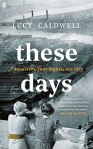 These Days by Lucy Caldwell: A beautiful novel set in Belfast in April 1941. We see the Second World War mostly through the eyes of the Bell family – especially daughters Audrey, engaged to be married to a young doctor, and Emma, in love with a fellow female first aider. The evocation of a time of crisis is excellent. The lack of speech marks, fluid shifting between perspectives, and alternation between past and present tense keep the story from seeming too familiar or generic. All of the female characters have hidden depths.
 Groundskeeping by Lee Cole: In Cole’s debut novel, two aspiring writers meet on a Kentucky college campus and form a romantic connection despite very different backgrounds. There are stereotypes to be overcome as Owen introduces Alma to Kentucky culture and slang. Trump’s election divides families and colleagues. The gentle satire on the pretensions of writing programs is another enjoyable element. Three-dimensional characters, vivid scenes ripe for the Netflix treatment, timely themes and touching relationships: alright!
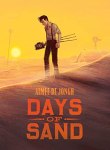 Days of Sand by Aimée de Jongh: This Great Depression-era story was inspired by the work of photographers such as Dorothea Lange. John Clark is following in his father’s footsteps as a photographer, leaving NYC for the Oklahoma panhandle. Locals are suspicious of John as an outsider, especially when they learn he is working to a checklist. Whether a cityscape or the midst of a dust storm, de Jongh’s scenes are stark and evocative. It’s rare for me to find the story and images equally powerful in a graphic novel, but that’s definitely the case here.
 Dance Move by Wendy Erskine: The 11 stories in Erskine’s second collection do just what short fiction needs to: dramatize an encounter, or a moment, that changes life forever. Her characters are ordinary, moving through the dead-end work and family friction that constitute daily existence, until something happens, or rises up in the memory, that disrupts the tedium. Erskine being from Belfast, evidence of the Troubles is never far away. Her writing is blunt and edgy, with no speech marks plus flat dialogue and slang.
 Antipodes by Holly Goddard Jones: Riveting stories of contemporary life in the American South and Midwest. Some have pandemic settings; others are gently magical. All are true to the anxieties of modern careers, marriage and parenthood. Endings elicit a gasp, particularly the audacious inconclusiveness of “Exhaust,” a tense tale of a quarreling couple driving through a blizzard. Worry over environmental crises fuels “Ark,” about a pyramid scheme for doomsday preppers. Nickolas Butler and Lorrie Moore fans will find much to admire.
 Sea of Tranquility by Emily St. John Mandel: This dazzlingly intricate novel blends historical fiction, up-to-the-minute commentary and science-fiction predictions. In 2401, the Time Institute hires Gaspery-Jacques Roberts to investigate a recurring blip in time. Fans of The Glass Hotel will recognize some characters, and those familiar with Station Eleven will find similarities in a pandemic plot that resonates with the Covid-19 experience. How does Mandel do it? One compulsively readable hit after another.
 Very Cold People by Sarah Manguso: The aphoristic style of some of Manguso’s previous books continues here as discrete paragraphs and brief vignettes build to a gloomy portrait of Ruthie’s archetypical affection-starved childhood in the fictional Massachusetts town of Waitsfield in the 1980s and 90s. The depiction of Ruthie’s narcissistic mother is especially acute. So much resonated with me. This is the stuff of girlhood – if not universally, then certainly for the (largely pre-tech) American 1990s as I experienced them.
 How High We Go in the Dark by Sequoia Nagamatsu: Just the right blend of literary fiction and science fiction. Opening in 2031 and stretching another 70 years into the future, this linked short story collection imagines how a pandemic reshapes the world and how communication and connection might continue after death. All but one story are in the first person, so they feel like personal testimonies. The whole is greater than the sum of the parts. The focus on illness and bereavement, but also on the love that survives, made this a winner.
 The Swimmers by Julie Otsuka: Otsuka’s third novel of the Japanese American experience again employs the first-person plural, as well as the second person – rarer perspectives that provide stylistic novelty. The first two chapters are set at a pool that, for the title swimmers, serves as a locus of escape and safety. On the first page we’re introduced to Alice, whose struggle with dementia becomes central. I admired Otsuka’s techniques for moving readers through the minds of the characters, alternating range with profundity and irony with sadness.
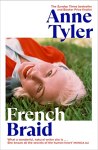 French Braid by Anne Tyler: My 17th from Tyler, and easily her best new work in 18 years. It joins my other favourites such as Dinner at the Homesick Restaurant which reveal a dysfunctional family’s quirks through a close look, in turn, at the various members. Mercy is a painter and essentially moves into her studio, but without announcing it, and her husband Robin spends the next 25+ years pretending they still share a home. Other surprises from Tyler this time: a mild sex scene and a gay character. A return to form. Brava!
Nonfiction
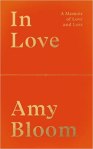 In Love by Amy Bloom: Bloom’s husband, Brian Ameche, was diagnosed with early-onset Alzheimer’s in his mid-60s, having exhibited mild cognitive impairment for several years. Brian quickly resolved to make a dignified exit while he still, mostly, had his faculties. This achieves the perfect tone, mixing black humour with teeth-gritted practicality as Bloom chronicles their relationship, the final preparations, his assisted suicide at Dignitas in Switzerland, and the aftermath. An essential, compelling read.
 Everything Is True by Roopa Farooki: Second-person, present-tense narration drops readers right into the life of a junior doctor. In February 2020, Farooki’s sister Kiron died of breast cancer. During the first 40 days of the initial UK lockdown, she continues to talk to Kiron. Grief opens the door for magic realism. There is also wry humour, wordplay, slang and cursing. A hybrid work that reads as fluidly as a novel while dramatizing real events, this is sure to appeal to people who wouldn’t normally pick up a bereavement or medical memoir.
 Body Work by Melissa Febos: A boldly feminist essay collection that explores how autobiographical writing can help one face regrets and trauma and extract meaning from the “pliable material” of memory. “In Praise of Navel Gazing” affirms the importance of women airing their stories of abuse and thereby challenging the power structures that aim to keep victims silent. “A Big Shitty Party” warns of the dangers of writing about real people. “The Return” employs religious language for the transformation writing can achieve.
 All Down Darkness Wide by Seán Hewitt: This poetic memoir about love and loss in the shadow of mental illness blends biography, queer history and raw personal experience. The book opens, unforgettably, in a Liverpool graveyard where Hewitt has assignations with anonymous men. His secret self, suppressed during teenage years in the closet, flies out to meet other ghosts: of his college boyfriend; of men lost to AIDS during his 1990s childhood; of English poet George Manley Hopkins; and of a former partner who was suicidal. (Coming out on July 12th from Penguin/Vintage (USA) and July 14th from Jonathan Cape (UK). My full review is forthcoming for Shelf Awareness.)
Poetry
 Thorpeness by Alison Brackenbury: This tenth collection features abundant imagery of animals and the seasons. Alliteration is prominent, but there is also a handful of rhymes. Family history and the perhaps-idyllic rural underpin the verse set in Lincolnshire and Gloucestershire as Brackenbury searches for ancestral graves and delivers elegies. I especially loved “Aunt Margaret’s Pudding,” a multipart poem about her grandmother’s life. There are also playful meetings between historical figures.
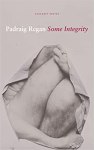 Some Integrity by Padraig Regan: The sensual poems in this debut collection are driven by curiosity, hunger and queer desire. Flora and foods are described as teasing mystery, with cheeky detail. An unusual devotion to ampersands; an erotic response to statuary; alternating between bold sexuality and masochism to the point of not even wanting to exist; a central essay on the Orlando nightclub shooting and videogames – the book kept surprising me. I loved the fertile imagery, and appreciated Regan’s exploration of a nonbinary identity.
 Love Poems in Quarantine by Sarah Ruhl: Having read Ruhl’s memoir Smile, I recognized the contours of her life and the members of her family. Cooking and laundry recur: everyday duties mark time as she tries to write and supervises virtual learning for three children. “Let this all be poetry,” she incants. Part 2 contains poems written after George Floyd’s murder, the structure mimicking the abrupt change in focus for a nation. Part 3’s haiku and tanka culminate in a series on the seasons. A welcome addition to the body of Covid-19 literature.
 Rise and Float by Brian Tierney: Although it tackles heavy subjects like grief and mental health, the collection’s candor and stunning images transform the melancholy into the sublime. Much of the verse is in the first person, building an intimate portrait of the poet and his relationships. A family history of mental illness and electroshock treatment occasions a visit to a derelict psychiatric hospital. Recurring metaphors of holes dramatize a struggle against the void. Tierney’s close attention lends beauty to bleak scenes.
 Vinegar Hill by Colm Tóibín: I didn’t realize when I started that this was Tóibín’s debut collection; so confident is his verse, I assumed he’d been publishing poetry for decades. There’s a wide range of tone, structures and topics. Bereavements and chemotherapy are part of a relatable current events background. Irish-Catholic nostalgia animates a witty sequence from “The Nun” to “Vatican II.” Come along on armchair travels. Poems are based around anecdotes or painterly observations. The line breaks are unfailingly fascinating.
What are some of the best books you’ve read so far this year?
What 2022 releases do I need to catch up on right away?
Book Serendipity, January to February 2022
This is a bimonthly feature of mine. I call it Book Serendipity when two or more books that I read at the same time or in quick succession have something in common – the more bizarre, the better. Because I usually 20–30 books on the go at once, I suppose I’m more prone to such incidents. (I’ve realized that, of course, synchronicity is really the more apt word, but this branding has stuck.) I always like hearing about your bookish coincidences, too!
The following are in roughly chronological order.
- The author takes Valium to cope with fear of flying in two memoirs I read at the same time, I Came All This Way to Meet You by Jami Attenberg and This Boy We Made by Taylor Harris.


- The fact that the Spanish brought wild horses to the USA is mentioned in the story “The Team” by Tommy Orange (in The Decameron Project) and the poetry collection Rise and Float by Brian Tierney – this also links back to a book I reread in late 2021, Misty of Chincoteague by Marguerite Henry.
- There are roaches in a New York City apartment in I Came All This Way to Meet You by Jami Attenberg and the story “Other People’s Lives” in Loss of Memory Is Only Temporary by Johanna Kaplan.
- The same Dostoevsky passage from The Brothers Karamazov, about loving everything (“Love all the earth, every ray of God’s light, every grain of sand or blade of grass, every living thing. If you love the earth enough, you will know the divine mystery” and so on), is quoted in Faith after Doubt by Brian McLaren and Reflections from the North Country by Sigurd Olson.

- A description of nicotine-stained yellow fingers in What I Wish People Knew About Dementia by Wendy Mitchell, The Cure for Sleep by Tanya Shadrick, and Free by Lea Ypi.
- Joni Mitchell’s music is mentioned in The Reactor by Nick Blackburn and The Cure for Sleep by Tanya Shadrick, two memoirs I was reading at the same time.
- From one summer camp story to another … I happened to follow up The Interestings by Meg Wolitzer with Honor Girl by Maggie Thrash.
- Audre Lorde’s definition of the erotic is quoted in Body Work by Melissa Febos and Heaven Is a Place on Earth by Adrian Shirk, both of which are March 15, 2022 nonfiction releases I’ve reviewed for Shelf Awareness.


- The 2017 white supremacist terrorist attack in Charlottesville, Virginia is mentioned in This Boy We Made by Taylor Harris (who lives there), Faith after Doubt by Brian McLaren (who was part of the clergy counterprotest group that day), and Heaven Is a Place on Earth by Adrian Shirk (she went there for a literary event a few months later).
- The Salvador Dalí painting The Persistence of Memory (that’s the one with the melting clock) is described in The Reactor by Nick Blackburn and This Boy We Made by Taylor Harris.
- On the same day, I came across the fact that Mary Shelley was pregnant while she wrote Frankenstein in two books: Linea Nigra by Jazmina Barrera and Smile by Sarah Ruhl.

- The fact that cysts in female organs can contain teeth comes up in Heaven Is a Place on Earth by Adrian Shirk and I Love You but I’ve Chosen Darkness by Claire Vaye Watkins.
- Reading two novels by Japanese-American authors who grew up in Hawaii at the same time: How High We Go in the Dark by Sequoia Nagamatsu and To Paradise by Hanya Yanagihara.

- Twins are everywhere! Including, just in a recent reading pile, in Hands by Lauren Brown (she’s a twin, so fair enough), Birth Notes by Jessica Cornwell, The Snow Collectors by Tina May Hall, Smile by Sarah Ruhl (this and the Cornwell are memoirs about birthing twins, so also fair enough), Ordinary Love by Jane Smiley, and The Priory by Dorothy Whipple. For as uncommon as they are in real life, they turn up way too often in fiction.
- Bell’s palsy AND giving birth to twins are elements in Birth Notes by Jessica Cornwell and Smile by Sarah Ruhl.
- There’s a no-nonsense maternity nurse in Birth Notes by Jessica Cornwell and The Priory by Dorothy Whipple.


- U.S. West Coast wolves (a particular one in each case, known by a tracking number) are the subject of a poem in Postcolonial Love Poem by Natalie Diaz and The Necessity of Wildfire by Caitlin Scarano.
- Herons appear and/or have metaphorical/symbolic meaning in Thorpeness by Alison Brackenbury, What Willow Says by Lynn Buckle, Maggie Blue and the Dark World by Anna Goodall, and The Priory by Dorothy Whipple.

- There’s a character named Edwin in Booth by Karen Joy Fowler and Sea of Tranquility by Emily St. John Mandel.

- The use of “hoard” where it should be “horde” in Maggie Blue and the Dark World by Anna Goodall and Acts of Desperation by Megan Nolan – both errors were encountered in the same evening.
- I read about Lindisfarne in Jini Reddy’s essay in Women on Nature (ed. Katharine Norbury) and The Interior Silence by Sarah Sands in the same evening.
- “Flitting” as a synonym for moving house in Thorpeness by Alison Brackenbury and Nature Cure by Richard Mabey.

- A brother named Paul in Tides by Sara Freeman and Sea of Tranquility by Emily St. John Mandel.
- A woman knows her lover is on the phone with his ex by his tone of voice in Tides by Sara Freeman and Acts of Desperation by Megan Nolan.
- In two novels I’ve read so far this year – but I won’t say which ones as it’s a spoiler – the big reveal, towards the very end, is that a woman was caught breastfeeding someone who was not her baby and it caused a relationship-destroying rupture.
- Reading a second memoir this year where the chapters are titled after pop songs: Dear Queer Self by Jonathan Alexander (for a Foreword review) and now This Will Only Hurt a Little by Busy Philipps.


- A second short novel entitled The Swimmers this year: the first was Julie Otsuka’s, recently reviewed for Shiny New Books; a proof copy is on the way to me of Chloe Lane’s, coming out from Gallic Books in May.
- Reading a second memoir this year whose author grew up in the Chicago suburbs of Illinois (Arlington Heights/Buffalo Grove vs. Oak Park): I Came All This Way to Meet You by Jami Attenberg and This Will Only Hurt a Little by Busy Philipps.
- The linea nigra (a stripe of dark hair down a pregnant woman’s belly) provides the title for Linea Nigra by Jazmina Barrera and is also mentioned in Birth Notes by Jessica Cornwell.
 The famous feminist text Our Bodies, Ourselves is mentioned in Birth Notes by Jessica Cornwell and I Love You but I’ve Chosen Darkness by Claire Vaye Watkins.
- Childbirth brings back traumatic memories of rape in Birth Notes by Jessica Cornwell and This Will Only Hurt a Little by Busy Philipps.
 Bookish Beck = Rebecca Foster. American transplant to England. Freelance proofreader and book reviewer.
 Bookish Beck