Book Serendipity, August to October 2024
I call it “Book Serendipity” when two or more books that I read at the same time or in quick succession have something in common – the more bizarre, the better. This is a regular feature of mine every couple of months. Because I usually have 20–30 books on the go at once, I suppose I’m more prone to such incidents. People frequently ask how I remember all of these coincidences. The answer is: I jot them down on scraps of paper or input them immediately into a file on my PC desktop; otherwise, they flit away!
The following are in roughly chronological order.
- The William Carlos Williams line “no ideas but in things” is quoted in Home Is Where We Start by Susanna Crossman and echoed with a slight adaptation in Want, the Lake by Jenny Factor.
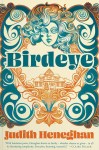
- A woman impulsively stops into a tattoo parlour in We Are Animals by Jennifer Case and Birdeye by Judith Heneghan.
- Cleaning up a partner’s bristles from the sink in 300 Arguments by Sarah Manguso and The Echoes by Evie Wyld.

- Sarah Manguso, by whom I was reading two books for a Bookmarks article, was quoted in Some of Us Just Fall by Polly Atkin.
- Someone is annoyed at their spouse making a mess cooking lemon preserves in How We Know Our Time Travelers by Anita Felicelli and Liars by Sarah Manguso, both of which are set in California.
- Rumpelstiltskin is referenced in one short story of a speculative collection: How We Know Our Time Travelers by Anita Felicelli and The Man in the Banana Trees by Marguerite Sheffer.
- A father who is hard of hearing, and an Australian woman looking for traces of her grandmother’s life in England in The House with All the Lights On by Jessica Kirkness and The Echoes by Evie Wyld.
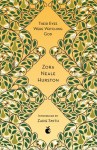
- A character named Janie or Janey in Their Eyes Were Watching God by Zora Neale Hurston and The Echoes by Evie Wyld. The Pre-Raphaelite model Janey is also mentioned in The Garden Against Time by Olivia Laing.
 Contrasting one’s childhood love of the Little House on the Prairie books with reading them as an adult and being aware of the racial and colonial implications in Home Is Where We Start by Susanna Crossman and My Good Bright Wolf by Sarah Moss.
- A mention of Little Women in A Perfect Arrangement by Suzanne Berne and My Good Bright Wolf by Sarah Moss.
- A character grew up in a home hair-dressing business in A Perfect Arrangement by Suzanne Berne and Home Is Where We Start by Susanna Crossman.
- The discovery of an old pram in an outbuilding in Instructions for a Heatwave by Maggie O’Farrell and Mina’s Matchbox by Yōko Ogawa.
- An Irish woman named Aoife in My Good Bright Wolf by Sarah Moss and Instructions for a Heatwave by Maggie O’Farrell.
- Cooking then throwing out entire meals in My Good Bright Wolf by Sarah Moss and The Echoes by Evie Wyld. (Also throwing out a fresh meal in Birdeye by Judith Heneghan. Such scenes distress me!)
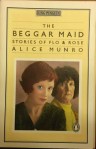 A new lover named Simon in one story of The Beggar Maid by Alice Munro and The Echoes by Evie Wyld.
- A character writes a recommendation letter for someone who then treats them vindictively, because they assumed the letter was negative when it wasn’t, in A Perfect Arrangement by Suzanne Berne and one story of The Beggar Maid by Alice Munro.
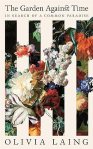
- After her parents’ divorce, the author never had a designated bedroom in her father’s house in Home Is Where We Start by Susanna Crossman and The Garden Against Time by Olivia Laing.
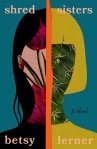 Reading The Bell Jar as a teenager in Shred Sisters by Betsy Lerner and My Good Bright Wolf by Sarah Moss.
- A contentious Town Hall meeting features in A Perfect Arrangement by Suzanne Berne and Birdeye by Judith Heneghan.
- The wife is pregnant with twins in A Perfect Arrangement by Suzanne Berne and The Year of Living Biblically by A.J. Jacobs. (There are also twins in Birdeye by Judith Heneghan. In general, I find that they occur far more often in fiction than in real life!)
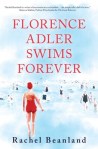
- 1930s Florida as a setting in Florence Adler Swims Forever by Rachel Beanland and Their Eyes Were Watching God by Zora Neale Hurston.
- Dorothy Wordsworth and her journals are discussed in Some of Us Just Fall by Polly Atkin and My Good Bright Wolf by Sarah Moss.
- Wordsworth’s daffodils are mentioned in Signs, Music by Raymond Antrobus and My Good Bright Wolf by Sarah Moss.
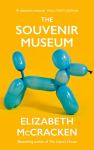
- “F*ck off” is delivered in an exaggerated English accent in Birdeye by Judith Heneghan and The Souvenir Museum by Elizabeth McCracken.
- The main character runs a country store in Their Eyes Were Watching God by Zora Neale Hurston and The Beggar Maid by Alice Munro.
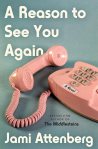 Reading a second novel this year in which the younger sister of a pair wants to go into STEM and joins the Mathletes in high school: first was A Reason to See You Again by Jami Attenberg; later was Shred Sisters by Betsy Lerner.
- An older sister who has great trouble attending normal school and so is placed elsewhere (including a mental institution) for a total of two years in Learning to Think by Tracy King and Shred Sisters by Betsy Lerner.
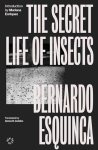
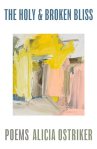
- The idea of trees taking revenge on people for environmental destruction in one story of The Secret Life of Insects by Bernardo Esquinca and one poem of The Holy & Broken Bliss by Alicia Ostriker.
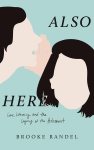
- An illiterate character in Instructions for a Heatwave by Maggie O’Farrell and Also Here by Brooke Randel.
-
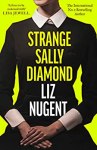 Controversy over throwing a dead body into the trash in Birdeye by Judith Heneghan and Strange Sally Diamond by Liz Nugent.
- A publishing assistant who wears a miniskirt and Doc Martens in Shred Sisters by Betsy Lerner and Summer Fridays by Suzanne Rindell.
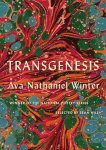
- Ancestors’ experience in Auschwitz in Also Here by Brooke Randel and Transgenesis by Ava Winter.
- The protagonist finds it comforting when her boyfriend lies down with his full weight on her in Shred Sisters by Betsy Lerner and The Echoes by Evie Wyld.
- A woman badgers her ex-husband about when his affair with his high school/college sweetheart started (before or after the divorce) in Shred Sisters by Betsy Lerner and Liars by Sarah Manguso.
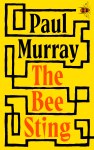 I encountered an Irish matriarch who married the ‘wrong’ brother, not Frank, in The Bee Sting by Paul Murray earlier in the year, and then in Instructions for a Heatwave by Maggie O’Farrell.
- A boy is playing in the family car on the driveway when it rolls backwards and kills someone in A Perfect Arrangement by Suzanne Berne and Tell Me Everything by Elizabeth Strout.
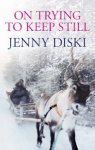
- Quantoxhead, Somerset is mentioned in On Trying to Keep Still by Jenny Diski and A House Unlocked by Penelope Lively.
- Tapeworms are mentioned in On Trying to Keep Still by Jenny Diski and one story of The Best Short Stories 2023: The O. Henry Prize Winners, ed. Lauren Groff.
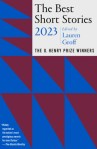
- A description of horrific teeth in one story of The Best Short Stories 2023: The O. Henry Prize Winners, ed. Lauren Groff, and one story of The Long Swim by Terese Svoboda.
- A character researches potato blight, and another keeps his smoking a secret from his wife, in one story of The Best Short Stories 2023: The O. Henry Prize Winners, ed. Lauren Groff, and Tell Me Everything by Elizabeth Strout.
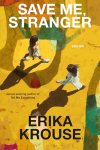 A piano gets mauled out of anger in one story of Save Me, Stranger by Erika Krouse and Strange Sally Diamond by Liz Nugent.
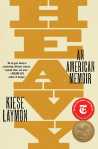
- Men experiencing eating disorders in Heavy by Kiese Laymon and Heartstopper Volumes 3 and 4 by Alice Oseman.
- Black people deliberately changing their vocabulary and speech register when talking to white people in James by Percival Everett and Heavy by Kiese Laymon.
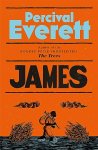
- My second book of the year in which a woman from centuries ago who magically appears in the present requests to go night clubbing: first The Ministry of Time by Kaliane Bradley, then Isabella & Blodwen by Rachael Smith.
- Characters named Sadie in James by Percival Everett, The Souvenir Museum by Elizabeth McCracken, and Still Life at Eighty by Abigail Thomas.
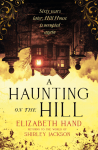
- Creepy hares in horror: A Haunting on the Hill by Elizabeth Hand and What Moves the Dead by T. Kingfisher. There were weird rabbits in I’m the King of the Castle by Susan Hill, too.
- I read two scenes of a calf being born, one right after the other: in Dangerous Enough by Becky Varley-Winter, then I’m the King of the Castle by Susan Hill.
- I read about an animal scratch leading to infection leading to death in a future with no pharmaceuticals in Station Eleven by Emily St. John Mandel in the morning and then in the afternoon heard Eve Smith mention the same thing happening due to antibiotic resistance in her novel The Waiting Rooms. Forget about R.I.P.; this is the stuff that scares me…
What’s the weirdest reading coincidence you’ve had lately?
Six Degrees of Separation: From Beach Read to Mandy
I’m getting back into my favourite regular meme after a couple of months off. This time we begin with Beach Read by Emily Henry – though it’s midwinter here in the UK, it’s beach season for Kate in Australia! (See her opening post.)

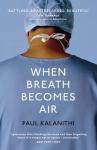 #1 I’m no beach bunny; we prefer to explore rocky seabird coasts. The last time I remember sitting under an umbrella on a sandy beach, my choice of reading material was When Breath Becomes Air by Paul Kalanithi (reread when it was on the Wellcome Book Prize shortlist).
 #2 Kalanithi was a neurosurgery resident who was unexpectedly diagnosed with terminal lung cancer at age 36. My latest cancer-themed read was the excellent autobiographical novel Body Kintsugi by Senka Marić.
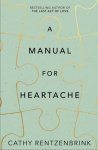 #3 I first learned about the Japanese practice of kintsugi – filling cracks, such as in pottery, with liquid gold to accentuate rather than hide the imperfections – from A Manual for Heartache by Cathy Rentzenbrink (you can see it in the cover design), a slim and reassuring self-help book that’s shelved under YA at my library.
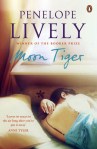 #4 Cathy Rentzenbrink blurbs nearly every new release out there, but rather than a recommendation for a shiny book I got from her I have in mind that she’s a fellow evangelist for a favourite older novel of mine, Moon Tiger by Penelope Lively.
 #5 Thinking of other Penelopes I’ve read, I learned about an appealing upcoming reissue, The Home by Penelope Mortimer (1971), thanks to British Library Women Writers series consultant and classics champion Simon Thomas of Stuck in a Book (his review is here). It sounds like a sort-of sequel to The Pumpkin Eater, which I loved.
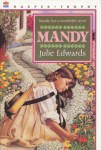 #6 I looked through a Goodreads list of other 1971 releases to inspire this final link. A number of them are on my TBR, but there are only a few that I’ve read. One of those is a children’s book I had completely forgotten about until now, though I owned a copy way back when: Mandy by Julie Andrews Edwards, about an orphan who finds an abandoned cottage in the woods and makes it her own. YES, it’s by that Julie Andrews, and it sounds like a perfect follow-up for anyone who’s read The Secret Garden.
Where will your chain take you? Join us for #6Degrees of Separation! (Hosted on the first Saturday of each month by Kate W. of Books Are My Favourite and Best.) Next month’s starting book is Trust by Hernan Diaz.
Have you read any of my selections? Tempted by any you didn’t know before?
What to Read during a Heat Wave
The short answer is whatever you want. A longer answer: you could get stuck into heat-themed and summer-set books; escape by reading about a holiday destination, whether you can get there or not; will yourself cool by reading about icy places; and/or sink into a stack of lighter reading material.
I’ll be employing some or all of these strategies as the mercury climbs. I keep thinking I’ll just give up on work one of these days – my new study has a big window that traps the midday sun, but it remains bearable as long as I use blackout curtains and a desk fan – and read on a couch all afternoon. That hasn’t happened yet, but on Tuesday peak temperatures (of 36 °C) are expected here in the UK, so I may well carry out my threat.
Here’s what I’m reading now in each of those categories, along with some earlier reads I can recommend (with excerpts from my reviews and a link to the full text):
Embrace the Heat
My current reads:
Contemporary
 Golden Boys by Phil Stamper: Four gay high school students in small-town Ohio look forward to a summer of separate travels for jobs and internships and hope their friendships will stay the course. With alternating first-person passages and conversation threads, this YA novel is proving to be a sweet, fun page turner and the perfect follow-up to the Heartstopper series (my summer crush from last year).
Classic
 Summer by Edith Wharton: An adopted young woman (and half-hearted librarian) named Charity Royall gets a shot at romance when a stranger arrives in her New England town. I’m only 30 pages in so far, but this promises to be a great read – but please not as tragic as Ethan Frome? (Apparently, Wharton called it a favourite among her works, and referred to it as “the Hot Ethan,” which I’m going to guess she meant thermally.)
My top recommendations:
Contemporary
 Heatstroke by Hazel Barkworth: From the first word (“Languid”) on, this drips with hot summer atmosphere, with connotations of discomfort and sweaty sexuality. Rachel is a teacher of adolescents as well as the mother of a 15-year-old, Mia. When Lily, a pupil who also happens to be one of Mia’s best friends, goes missing, Rachel is put in a tough spot…
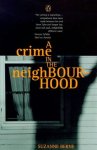 A Crime in the Neighbourhood by Suzanne Berne: Marsha remembers the summer of 1972, when her father left her mother for Aunt Ada and news came of a young boy’s sexual assault and murder in the woods behind a mall. “If you hadn’t known what had happened in our neighborhood, the street would have looked like any other suburban street in America.”
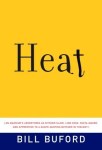 Heat by Bill Buford: You know what they say: if you can’t stand the heat, get out of the kitchen (eat some cold salads instead!). Buford traces TV chef Mario Batali’s culinary pedigree through Italy and London, and later spends stretches of several months in Italy as an apprentice to a pasta-maker and a Tuscan butcher. Exactly what I want from food writing.
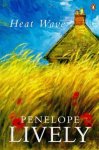 Heat Wave by Penelope Lively: Pauline, a freelance copyeditor in her fifties, has escaped from London to spend a hot summer at World’s End, the Midlands holiday cottage complex she shares with her daughter and her family. The increasing atmospheric threats (drought or storms; combine harvesters coming ever nearer) match the tensions in the household.
 Instructions for a Heatwave by Maggie O’Farrell: Another spot-on tale of family and romantic relationships. The language is unfailingly elegant. It opens with the heat as the most notable character: “It inhabits the house like a guest who has outstayed his welcome: it lies along corridors, it circles around curtains, it lolls heavily on sofas and chairs.”
- This is set during the UK heatwave of 1976, which lives on in collective memory and legend in this country even though its temperature record has been topped (but not the length of the streak). I’ve since tried two other novels set during the summer of ’76 but neither took (maybe you’ll get on better with them?): Water Shall Refuse Them by Lucie McKnight Hardy and In the Place of Fallen Leaves by Tim Pears.
 Or try the American summer of 1975 instead, with Mary Jane by Jessica Anya Blau, a juicy coming-of-age novel set in Baltimore.
Classic
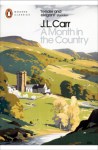 A Month in the Country by J. L. Carr: Tom Birkin, a First World War veteran whose wife has left him, arrives in Oxgodby to uncover the local church’s wall painting of the Judgment Day. “There was so much time that marvelous summer.” There is something achingly gorgeous about this Hardyesque tragicomic romance, as evanescent as ideal summer days.
 The Go-Between by L. P. Hartley: Twelve-year-old Leo Colston is invited to spend the several July weeks leading up to his birthday at his school friend Marcus Maudsley’s home, Brandham Hall. The heat becomes a character in its own right, gloweringly presiding over the emotional tension caused by secrets, spells and betrayals.
 In a Summer Season by Elizabeth Taylor: The title is not only literal, when much of the action takes place, but a metaphor for the fleeting nature of happiness (as well as life itself). Kate remembers pleasant days spent with her best friend and their young children: “It was a long summer’s afternoon and it stood for all the others now. … Their friendship was as light and warming as the summer’s air.”
Escape on Holiday
I try to read on location whenever possible, but if it’s a staycation for you this year, you can still transport yourself somewhere exciting or tropical through fiction.
My current read:
 Mustique Island by Sarah McCoy: “A sun-splashed romp with a rich divorcée and her two wayward daughters in 1970s Mustique, the world’s most exclusive private island [in the Caribbean], where Princess Margaret and Mick Jagger were regulars and scandals stayed hidden from the press.”
My top recommendations:
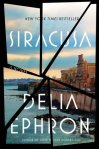 Siracusa by Delia Ephron: A snappy literary thriller about two American couples who holiday together on the Sicilian island of Siracusa. Shifting between the perspectives of the four main characters, it looks back to ask what went disastrously wrong on that trip. A delicious story ripe for a cinematic adaptation.
 Nothing but Blue Sky by Kathleen MacMahon: Set in Aiguaclara, a hidden gem on Spain’s Costa Brava where David and Mary Rose holidayed every summer for 20 years. Most of the book remembers their life together and their previous vacations here. Grief, memory, fate: some of my favourite themes, elegantly treated.
 A Theatre for Dreamers by Polly Samson: Set on the Greek island of Hydra in 1960, this zeroes in on several authors, including a young poet from Canada named Leonard Cohen. We see all of the real-life characters from the perspective of a starry-eyed 17-year-old narrator. You can feel the Mediterranean heat soaking up through your sandals.
 The Vacationers by Emma Straub: Perfect summer reading; perfect vacation reading. Straub writes great dysfunctional family novels featuring characters so flawed and real you can’t help but love and laugh at them. Here, Franny and Jim Post borrow a friend’s home in Mallorca for two weeks, hoping sun and relaxation will temper the memory of Jim’s affair.
Read Yourself Cool
Will reading about snow and ice actually make you feel any cooler? It can’t hurt.
My current reads:
I had a vague Antarctica reading theme going for a while, but have yet to get back into two set-aside reads, Empire Antarctica by Gavin Francis and Lean Fall Stand by Jon McGregor (or pick up Snow Widows by Katherine MacInnes and South Pole Station by Ashley Shelby). Maybe next week!
My top recommendations:
 Among the Summer Snows by Christopher Nicholson: After the death from cancer of his wife Kitty, a botanical illustrator, Nicholson set off for Scotland’s Cairngorms and Ben Nevis in search of patches of snow that persist into summer. “Summer snow is a miracle, a piece of out-of-season magic: to see it is one thing, to make physical contact with it is another.”
 The Still Point by Amy Sackville: A sweltering summer versus an encasing of ice; an ordinary day versus decades of futile waiting. Sackville explores these contradictions only to deflate them, collapsing time such that a polar explorer’s wife and her great-great-niece can inhabit the same literal and emotional space despite being separated by more than a century.
Keep it Light
I’m more likely to read genre fiction (crime, especially) during the summer, it seems. I recently read The Daughter of Time by Josephine Tey for book club, for instance – but it was so permeated in Plantagenet history that it wasn’t your standard detective drama at all.
I also like to pick up lighter reads that edge towards women’s fiction. I’ve been starting my days with passages from these two, though it might make more sense to read them later in the day as a reward for getting through parts of weightier books.
My current reads:
 Bridget Jones: Mad About the Boy by Helen Fielding: I’d never read this second sequel from 2013, so we’re doing it for our August book club – after some darker reads, people requested something light! Bridget is now a single mother in her early 50s, but some things never change, like constant yo-yo dieting and obsessive chronicling of the stats of her life.
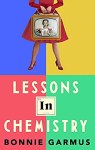 Lessons in Chemistry by Bonnie Garmus: This year’s It book. I’m nearly halfway through and enjoying it, if not as rapturously as so many. Katherine Heiny meets John Irving is the vibe I’m getting. Elizabeth Zott is a scientist through and through, applying a chemist’s mindset to her every venture, including cooking, rowing and single motherhood in the 1950s.
My top recommendations:
 Sunburn by Laura Lippman: While on a beach vacation in 1995, a woman walks away from her husband and daughter and into a new life as an unattached waitress. I liked that I recognized many Maryland/Delaware settings. Quick and enjoyable. (I’ve never been hotter than during the July week we spent in Milan in 2019. This is one of the books I read on that trip.)
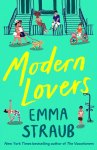 Modern Lovers by Emma Straub: Short chapters flip between all the major characters’ perspectives, showing that she completely gets each one of them. The novel is about reassessing as one approaches adulthood or midlife, about reviving old dreams and shoring up flagging relationships. Nippy and funny and smart and sexy. So many lines ring true. (Yes, a second entry from Straub: she writes such accessible and addictive literary fiction.)
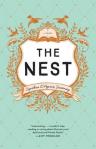 The Nest by Cynthia D’Aprix Sweeney: The four dysfunctional Plumb siblings must readjust their expectations when the truth comes out. This also affects their trust fund, “the nest.” A nest is, of course, also a home, so for as much as this seems to be about money, it is really more about family and how we reclaim our notion of home after a major upheaval.
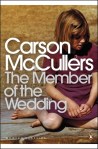 This article on the Penguin website has a few more ideas, including To Kill a Mockingbird (you think we’ve got it bad? Try a summer in the American South!), Atonement, and poetry. I took up one of Alice Vincent’s recommendations right away: since I’m reading My Autobiography of Carson McCullers by Jenn Shapland, it made sense to get a copy of McCullers’s The Member of the Wedding out from the public library. Already on the first page you’re steeped in a sweltering Georgia summer (like McCullers, my dad is from Columbus):
It happened that green and crazy summer when Frankie was twelve years old. … The sidewalks of the town were grey in the early morning and at night, but the noon sun put a glaze on them, so that the cement burned and glittered like glass. The sidewalks finally became too hot for Frankie’s feet. … The world seemed to die each afternoon and nothing moved any longer. At last the summer was like a green sick dream, or like a silent crazy jungle under glass.
What are your current reading strategies?
Have you ever spent all day reading, just because you could?
Swedish Death Cleaning (#NordicFINDS and #ReadIndies) & Three Rereads
An unexpected opportunity to contribute another post for Nordic FINDS this week (after my skim of Sophie’s World): yesterday we went into London – for just the second time since the pandemic started – and I took along a couple of novella-length books, one of them this Swedish nonfiction work that I picked up from a charity shop the other week. As it was released by Canongate in 2017, it also fits into Karen and Lizzy’s Read Indies challenge.
Our previous London trip was to see Bell X1 play at Union Chapel back in December. Yesterday was also for a gig, this time The Lost Words: Spell Songs playing Cadogan Hall. I’d been dubious about this ensemble project based on Robert Macfarlane and Jackie Morris’s The Lost Words and The Lost Spells but ended up loving both books as well as the two albums of folk/world music based on them, and it was a brilliant evening of music.
Anyway, on to the books. I also reread a novella in advance of book club, so afterwards I’ll take a quick look at the rereading I’ve done so far this year.
Döstädning: The Gentle Art of Swedish Death Cleaning by Margareta Magnusson
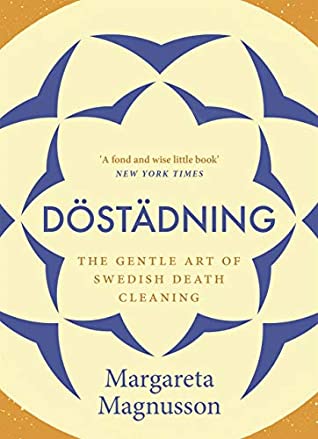 This is not about trauma cleaning, but downsizing and culling possessions so that the burden doesn’t fall to your children or other relatives after your death. Magnusson, who is in her 80s, has experience with death cleaning: first after her mother’s death, then after her mother-in-law’s, and finally after her husband’s, when she decided to move from the family home to a small flat. I enjoyed the little glimpses into her life as a mother of five and an artist. The family moved around a lot for her husband’s work, living in the USA and Singapore. She makes more of an allowance for possessions that hold sentimental value (especially photos and letters), being more concerned about the accumulation of STUFF.
As for general strategies, she suggests starting the process c. age 65 and beginning with the big things, from furniture on down, so that you make visible progress right away. “I’ve discovered that it is rewarding to spend time with these objects one last time and then dispose of them.” She goes category by category through her possessions. Clothing and cookbooks are pretty easy to shed: get rid of whatever doesn’t fit or suit you anymore, and only keep a couple of much-used cookbooks; you can find most any recipe on the Internet these days, after all. Leave the emotional material for last or you’ll get bogged down, she advises – you can take your time and enjoy reminiscing as you look through mementoes later on. She even considers what to do about old pets.
To let things, people and pets go when there is no better alternative is a lesson that has been very difficult for me to learn, and it is a lesson that life, as it goes further along, is teaching me more and more often.
Magnusson writes that she does not intend this to be a sad book, and it’s mostly very practical and unsentimental, even funny at times: on disposing of secret stuff, “save your favourite dildo but throw away the other fifteen!”; a little section on the perils of “man caves” and her memories of her clumsy cat Klumpeduns. I also laughed at the concept of a fulskåp (“a cabinet for the ugly”) for unwanted gifts that must eventually be rehomed or disposed of.
One problem that I have with decluttering books in general is that there isn’t enough of an anti-consumerist and green message. One, don’t accumulate the stuff in the first place (and reuse and buy secondhand wherever possible); two, possessions should almost never be thrown away, and only as an absolute last resort after doing everything possible to repair, refurbish, rehome or recycle them.
This was an enjoyable little book that I’ll pass on to someone else who might find it useful (so long as it’s not considered too on the nose as a book recommendation!), but it didn’t necessarily add anything for me beyond what I’d encountered in Outer Order, Inner Calm by Gretchen Rubin and Year of No Clutter by Eve O. Schaub. (Secondhand purchase) 
[I’m a little confused as to whether this is in translation or not. It first appeared in Swedish, but as no translator is listed anywhere in the copyright info, I assume that Magnusson translated it herself. Apart from some wrong number/amount and during/over choices, it reads like a native speaker’s work.]
2022’s Rereading
I’ve reread three books so far this year, which for me is pretty good going. It helped that all three were novella length, and I had book club as an excuse to return to the two novels.
 The Sense of an Ending by Julian Barnes was the other book I popped in the back of my purse for yesterday’s London outing. Barnes is one of my favourite authors – I’ve read 21 books by him now! – but I remember not being very taken with this Booker winner when I read it just over 10 years ago. (I prefer to think of his win as being for his whole body of work as he’s written vastly more original and interesting books, like Flaubert’s Parrot.) It’s the story of an older man looking back on his youth, and his friend’s suicide, in the light of what he learns after a somewhat mysterious bequest. The themes of history, memory and regret certainly mean more to me now in my late 30s than they did in my late 20s, but I still find this work a little lightweight; sordid, too. (Free from mall bookshop)
Readalikes: Any Human Heart by William Boyd, Moon Tiger by Penelope Lively, The Child in Time by Ian McEwan
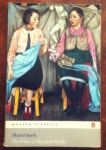 The Prime of Miss Jean Brodie by Muriel Spark was January’s book club selection. I had remembered no details apart from the title character being a teacher. It’s a between-the-wars story set in Edinburgh. Miss Brodie’s pet students are girls with attributes that remind her of aspects of herself. Our group was appalled at what we today would consider inappropriate grooming, and at Miss Brodie’s admiration for Hitler and Mussolini. Educational theory was interesting to think about, however. Spark’s work is a little astringent for me, and I also found this one annoyingly repetitive on the sentence level. (Public library)
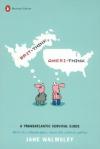 Brit-Think, Ameri-Think: A Transatlantic Survival Guide by Jane Walmsley: This is the revised edition from 2003, so I must have bought it as preparatory reading for my study abroad year in England. This may even be the third time I’ve read it. Walmsley, an American in the UK, compares Yanks and Brits on topics like business, love and sex, parenting, food, television, etc. I found my favourite lines again (in a panel entitled “Eating in Britain: Things that Confuse American Tourists”): “Why do Brits like snacks that combine two starches? (a) If you’ve got spaghetti, do you really need the toast? (b) What’s a ‘chip-butty’? Is it fatal?” The explanation of the divergent sense of humour is still spot on, and I like the Gray Jolliffe cartoons. Unfortunately, a lot of the rest feels dated – she’d updated it to 2003’s pop culture references, but these haven’t aged well. (New purchase?)
Any Nordic reads, or rereads, for you lately?
Sixth Blog Anniversary (& International Women’s Day)
Bookish Beck launched six years ago today. This is the 874th post, which means I’m producing 2.8 posts per week – a pleasing average.


My six most popular posts of all time, with the number of views, are:


Some new interest there in super-short novellas and in a Barbara Kingsolver event. Me daring to admit I don’t love Elena Ferrante has been quite a draw. My The Diary of a Bookseller review was in my most popular lists last year and the year before as well. The First Bad Man was one of the first reviews I ever published here and has always been among my top posts, for some reason. The Clock Dance review was in the top four at the time of my fourth anniversary, took a break last year, and is now back in the rankings.
It’s also International Women’s Day today. Six of my favorite books by women that I’ve read in the last few years are:
Fiction
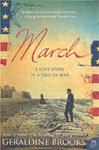 March by Geraldine Brooks
The Poisonwood Bible by Barbara Kingsolver*
Moon Tiger by Penelope Lively
Nonfiction
 Traveling Mercies by Anne Lamott*
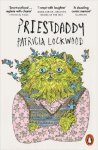
Priestdaddy by Patricia Lockwood
A Three Dog Life by Abigail Thomas*
*These were rereads and I loved them even more the second time around.
Thanks to all who support my blog by commenting, retweeting, and so on. You’re stars!
Recent Reviews for Shiny New Books: Poetry, Fiction and Nature Writing
First up was a rundown of my five favorite poetry releases of the year, starting with…
Dearly by Margaret Atwood
 Dearly is a treasure trove, twice the length of the average poetry collection and rich with themes of memory, women’s rights, environmental crisis, and bereavement. It is reflective and playful, melancholy and hopeful. I can highly recommend it, even to non-poetry readers, because it is led by its themes; although there are layers to explore, these poems are generally about what they say they’re about, and more material than abstract. Alliteration, repetition, internal and slant rhymes, and neologisms will delight language lovers and make the book one to experience aloud as well as on paper. Atwood’s imagery ranges from the Dutch masters to The Wizard of Oz. Her frame of reference is as wide as the array of fields she’s written in over the course of over half a century.
I’ll let you read the whole article to discover my four runners-up. (They’ll also be appearing in my fiction & poetry best-of post next week.)
Next was one of my most anticipated reads of the second half of 2020. (I was drawn to it by Susan’s review.)
Artifact by Arlene Heyman
 Lottie’s story is a case study of the feminist project to reconcile motherhood and career (in this case, scientific research). In the generic more than the scientific meaning of the word, the novel is indeed about artifacts – as in works by Doris Lessing, Penelope Lively and Carol Shields, the goal is to unearth the traces of a woman’s life. The long chapters are almost like discrete short stories. Heyman follows Lottie through years of schooling and menial jobs, through a broken marriage and a period of single parenthood, and into a new relationship. There were aspects of the writing that didn’t work for me and I found the book as a whole more intellectually noteworthy than engaging as a story. A piercing – if not notably subtle – story of women’s choices and limitations in the latter half of the twentieth century. I’d recommend it to fans of Forty Rooms and The Female Persuasion.
Finally, I contributed a dual review of two works of nature writing that would make perfect last-minute Christmas gifts for outdoorsy types and/or would be perfect bedside books for reading along with the English seasons into a new year.
The Stubborn Light of Things by Melissa Harrison
 This collects five and a half years’ worth of Harrison’s monthly Nature Notebook columns for The Times. The book falls into two rough halves, “City” and “Country”: initially based in South London, Harrison moved to the Suffolk countryside in late 2017. In the grand tradition of Gilbert White, she records when she sees her firsts of a year. Often, she need look no further than her own home and garden. I appreciated how hands-on and practical she is: She’s always picking up dead animals to clean up and display the skeletons, and she never misses an opportunity to tell readers about ways they can create habitat for wildlife (e.g. bat and bird nest boxes that can be incorporated into buildings) and get involved in citizen science projects like moth recording.
The book’s final two entries were set during the UK’s first COVID-19 lockdown in spring 2020 – a notably fine season. This inspired me to review it alongside…
The Consolation of Nature by Michael McCarthy, Jeremy Mynott and Peter Marren
 A tripartite diary of the coronavirus spring kept by three veteran nature writers based in southern England (all of them familiar to me through their involvement with New Networks for Nature and its annual Nature Matters conferences). The entries, of a similar length to Harrison’s, are grouped into chronological chapters from 21 March to 31 May. While the authors focus in these 10 weeks on their wildlife sightings – red kites, kestrels, bluebells, fungal fairy rings and much more – they also log government advice and death tolls. They achieve an ideal balance between current events and the timelessness of nature, enjoyed all the more in 2020’s unprecedented spring because of a dearth of traffic noise.
The Stone Diaries by Carol Shields (Blog Tour Review)
Is it possible to capture the complete course of a life, whether looking from the outside or telling it from the inside? What is set in stone and what is fleeting? These are questions Carol Shields addresses in her 1995 Pulitzer Prize winner, which plays with perspective and forms of storytelling as it conveys the extra/ordinary life of Daisy Stone Goodwill Flett. What with the family tree and section of black-and-white photographs, you might expect this to be a family saga; with the chronological chapters proceeding from “Birth” in 1905 to “Death” in the 1990s, you might expect an objective faux-biography. But The Stone Diaries is neither.
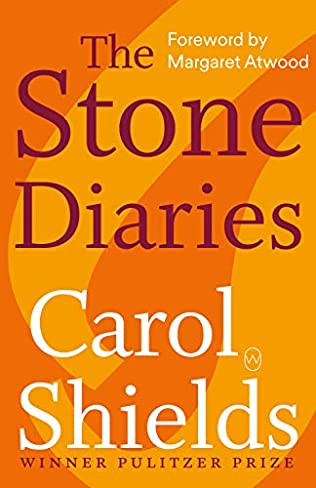 The facts are these. Daisy’s mother, Mercy, dies giving birth to her in rural Manitoba. Raised by a neighbor, Daisy later moves to Indiana with her stonecutter father, Cuyler. After a disastrously short first marriage, Daisy returns to Canada to marry Barker Flett. Their three children and Ottawa garden become her life. She temporarily finds purpose in her empty-nest years by writing a “Mrs. Green Thumb” column for a local newspaper, but her retirement in Florida is plagued by illness and the feeling that she has missed out on what matters most.
What makes this surprising life story so remarkable is its unpicking of (auto)biographical authenticity: Shields switches between the first and third person, between Daisy’s point of view and a feigned omniscience. Some sections foreground others’ opinions: Chapter 6 is composed entirely of letters Daisy receives, while Chapter 7 collects short first-person narratives from her children and friends as they speculate on why she has fallen into a depression.
As in Shields’s Happenstance and Larry’s Party, which I’ve also reread this year, I was struck by the role that chance plays in any life:
History indeed! As though this paltry slice of time deserves such a name. Accident, not history, has called us together, and what an assembly we make. What confusion, what a clamor of inadequacy and portent.
Talk of bias, gaps and unreliability undermines the narrative:
Well, a childhood is what anyone wants to remember of it. It leaves behind no fossils, except perhaps in fiction. Which is why you want to take Daisy’s representation of events with a grain of salt, a bushel of salt.
Daisy herself almost disappears from the parts of the book where she is voiceless, consumed by her roles – by the end she is universally known as “Grandma Flett.” This meant that other characters stood out as more memorable to me: Cuyler for his obsessive building of stone monuments and streams of words, Barker for his love of plants and long-deferred sexual fulfillment, Daisy’s friend Fraidy Hoyt for her careful chronicling of fast living, and Magnus, Barker’s father, who lives long past his 100th birthday after his return to the Orkney Islands.
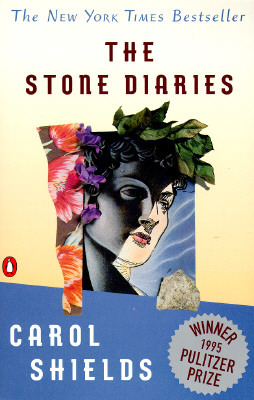 As in Moon Tiger, one of my absolute favorites, the author explores how events and memories turn into artifacts. The meta approach also, I suspect, tips the hat to other works of Canadian literature: in her introduction, Margaret Atwood mentions that the poet whose story inspired Shields’s Mary Swann had a collection entitled A Stone Diary, and surely the title’s similarity to Margaret Laurence’s The Stone Angel (1964) can’t be pure coincidence.
Experiencing the novel again after 14 years, I was impressed by the experimentation but ultimately somewhat detached from the story. It was admiration rather than love; I enjoyed earlier chapters more than the last few. But isn’t that just like life, to keep going past the point where it’s fun? And isn’t that the point, that the meaning you long for may not be there at all?
Marcie (Buried in Print) and I have reread – or, in my case for half of them, read for the first time – six Shields novels together in 2020. I hope I’ll find time to respond to the rest of them in the next few weeks. It has been so rewarding to observe how her themes recur and interlock. How heartening to see that, 17 years after her death, Shields is still being read and remembered, through the World Editions reissues (three more are coming in 2021) and through the Carol Shields Prize for Fiction, a new $100,000 annual award for North American women’s writing.
The Stone Diaries was reissued in the UK by World Editions on December 3rd. My thanks to the publisher for the free copy for review.
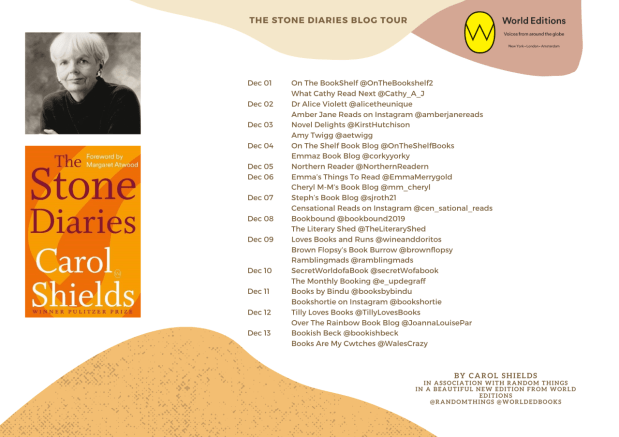
I was delighted to be invited to help close out the blog tour for The Stone Diaries. See below for details of where other reviews have appeared.
My Year in Nonfiction (Thus Far)
If your household is anything like mine, stressful days and nights of lost sleep are ceding to relief after the U.S. election result was finally announced. We celebrated with whoopie pies (a Pennsylvania specialty) and Prosecco.


And look: I happened to pass 270 yesterday as well!
I’d taken part in the Six Degrees of Separation meme every month since February, but this time I had no inspiration. I was going to start with these two apple covers…
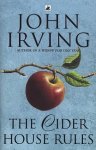
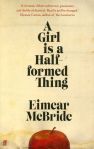
…but that’s as far as I got. Never mind! I’ll be back next month, when we all start with the YA classic Are You There God? It’s Me, Margaret by Judy Blume.
Instead, I’m catching up with this past week’s Nonfiction November prompt: Your Year in Nonfiction. It was hosted by Leann of Shelf Aware.

 What topics have been prominent in your year’s nonfiction reading?
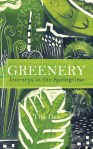
I’ve read a lot of nature and popular science, probably more than in an average year. Greenery by Tim Dee has been an overall highlight. I managed to read 12 books from the Wainwright Prize longlists, and I’m currently reading four books of nature-themed essays or journals. Thoughtful as well as consoling.

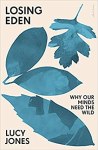
The popular science material has focused on environmentalism and current events, which has inevitably involved politics and long-term planning (Annabel called this category “The State We’re In”): e.g. Losing Eden, Footprints, The Good Ancestor, and Notes from an Apocalypse.


Thanks to the food and drink theme I set for my 20 Books of Summer, I read a number of foodie memoirs. The best one was Heat by Bill Buford, but I also really enjoyed Kitchen Confidential by Anthony Bourdain and My Berlin Kitchen by Luisa Weiss.
 Since the Wellcome Book Prize didn’t run this year, I’ve read fewer health-related books, although I did specially read Not the Wellcome Prize shortlistee The Remarkable Life of the Skin by Monty Lyman, and Dear Life by Rachel Clarke, a palliative care doctor, has been one of my overall best nonfiction reads of the year.
Not very well represented in my nonfiction reading this year were biographies and travel books. I can struggle with the depth and dryness of some books from these genres, but I’d like to find some readable options to get stuck into next year.
What are your favorite nonfiction books you’ve read so far?
I’m a huge memoir junkie. Some of the most memorable ones this year have been Winter Journal by Paul Auster, Traveling Mercies by Anne Lamott (a reread), and A Three Dog Life by Abigail Thomas (another reread).


An incidental theme in the life writing I’ve read in 2020 is childhood (Childhood by Tove Ditlevsen, Cider with Rosie by Laurie Lee, Oleander, Jacaranda by Penelope Lively, Period Piece by Gwen Raverat); I hope to continue reading around this topic next year.
What books have you recommended the most to others?
I’ve mentioned the Clarke (above) in any discussions of books about illness and death.
I recommended the memoir Are You Somebody? by Nuala O’Faolain more than once following Reading Ireland Month.
Entangled Life, Merlin Sheldrake’s enthusiastic book about fungi, is one I can imagine suggesting to readers who don’t often pick up nonfiction.
And Signs of Life by Dr. Stephen Fabes has generated a fair bit of interest among my Goodreads friends.


Besides Annabel, Kate and Liz also wrote about their 2020 nonfiction reading habits.
How has your nonfiction reading been going this year?
Summery Classics by J. L. Carr and L. P. Hartley
“Do you remember what that summer was like? – how much more beautiful than any since?”
These two slightly under-the-radar classics made for perfect heatwave reading over the past couple of weeks: very English and very much of the historical periods that they evoke, they are nostalgic works remembering one summer when everything changed – or could have.
A Month in the Country by J. L. Carr (1980)
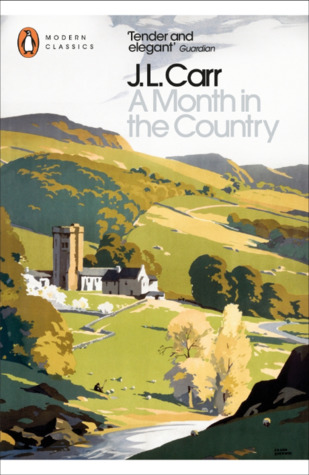 Summer 1920, North Yorkshire. Tom Birkin, a First World War veteran whose wife has left him, arrives in Oxgodby to uncover the local church’s wall painting of the Judgment Day, assumed to be the work of a medieval monk and long since whitewashed over. With nothing waiting for him back in London and no plans beyond this commission, he gives himself over to the daily rhythms of working, eating and sleeping – “There was so much time that marvelous summer.” This simple life is punctuated by occasional incidents like a Sunday school hayride and picnic, and filling in as a lay preacher at a nearby chapel. Also embarked on a quest into the past is Charles Moon, who is searching for the grave of their patroness’ ancestor in the churchyard. Moon, too, has a war history he’d rather forget.
Though it barely exceeds 100 pages, this novella is full of surprises – about Moon, about the presumed identity and fate of the centuries-dead figures he and Birkin come to be obsessed with, and about the emotional connection that builds between Birkin and Reverend Keach’s wife, Alice. “It is now or never; we must snatch at happiness as it flies,” Birkin declares, but did he take his own advice? There is something achingly gorgeous about this not-quite-love story, as evanescent as ideal summer days. Carr writes in a foreword that he intended to write “a rural idyll along the lines of Thomas Hardy’s Under the Greenwood Tree.” He indeed created something Hardyesque with this tragicomic rustic romance; I was also reminded of another very English classic I reviewed earlier in the year: Cider with Rosie by Laurie Lee.
Source: Free bookshop
My rating: 
A contemporary readalike: The Offing by Benjamin Myers
The Go-Between by L. P. Hartley (1953)
Summer 1900, Norfolk. Twelve-year-old Leo Colston is invited to spend the several July weeks leading up to his birthday at his school friend Marcus Maudsley’s home, Brandham Hall. Although the fatherless boy is keenly aware of the class difference between their families, in a year of learning to evade bullies he’s developed some confidence in his skills and pluck, fancying himself an amateur magician and gifted singer. Being useful makes him feel less like a charity case, so he eagerly agrees to act as “postman” for Marcus’s older sister, Marian, who exchanges frequent letters with their tenant farmer, Ted Burgess. Marian, engaged to Hugh, a viscount and injured Boer War veteran, insists the correspondence is purely business-related, but Leo suspects he’s abetting trysts the family would disapprove of.
 Leo is right on the cusp of adolescence, a moment of transition that mirrors the crossing into a new century. As he glories in the summer’s mounting heat, “a liberating power with its own laws,” and mentally goads the weather into hitting ever greater extremes, he pushes against the limits of his innocence, begging Ted to tell him about “spooning” (that is, the facts of life). The heat becomes a character in its own right, gloweringly presiding over the emotional tension caused by secrets, spells and betrayals. And yet this is also a very funny novel: I loved Leo’s Franglais conversations with Marcus, and the confusion over mispronouncing “Hugh” as “you.” In places the tone even reminded me of Cold Comfort Farm.
Like A Month in the Country, this autobiographical story is an old man’s reminiscences, going back half a century in memory – but here Leo gets the chance to go back in person as well, seeing what has become of Brandham Hall and meeting one of the major players from that summer drama that branded him for life. I thought this masterfully done in every way: the class divide, the picture of childhood tipping over into the teenage years, the oppressive atmosphere, the comical touches. You know from the famous first line onwards (“The past is a foreign country: they do things differently there”) that this will juxtapose past and present – which, of course, has now become past and further past – in a powerful way, similar to Moon Tiger, my favorite fiction read of last year. I’ll be exploring more of Hartley’s work.
(Note: Although I am a firm advocate of DNFing if a book is not working for you, I would also like to put in a good word for trying a book again another time. Ironically, this had been a DNF for me last summer: I found the prologue, with all its talk of the zodiac, utterly dull. I had the same problem with Cold Comfort Farm, literally trying about three times to get through the prologue and failing. So, for both, I eventually let myself skip the prologue, read the whole novel, and then go back to the prologue. Worked a treat.)
Source: Ex-library copy bought from Lambeth Library when I worked in London
My rating:
A contemporary readalike: Atonement by Ian McEwan
Book Serendipity, April‒Early July
I call it serendipitous when two or more books that I read at the same time or in quick succession have something pretty bizarre in common. Because I have so many books on the go at once (usually around 20), I suppose I’m more prone to such incidents than some. I also list these occasional reading coincidences on Twitter. The following are in rough chronological order. (January to March appeared in this post.)
- Characters named Sonny in Pew by Catherine Lacey, My Father’s Wake by Kevin Toolis, and Sacred Country by Rose Tremain.
- A double dose via Greenery via Tim Dee – while reading it I was also reading Other People’s Countries by Patrick McGuinness, whom he visits in Belgium; and A Cold Spring by Elizabeth Bishop, referenced in a footnote.


- A red thread is worn as a bracelet for its emotional or spiritual significance in The Book of Longings by Sue Monk Kidd and Plan B by Anne Lamott.
- The Library of Alexandria features in Footprints by David Farrier and The Book of Longings by Sue Monk Kidd.
- The Artist’s Way is mentioned in At Hawthorn Time by Melissa Harrison and Traveling Mercies by Anne Lamott.
- Characters sleep in a church in Pew by Catherine Lacey and Abide With Me by Elizabeth Strout. (And both novels have characters named Hilda.)


- Coins being flung away among some trees in In the Springtime of the Year by Susan Hill and The Book of Longings by Sue Monk Kidd (literally the biblical 30 pieces of silver in the Kidd, which is then used as a metaphor in the Hill).
- Rabbit-breeding projects in When the Lights Go Out by Carys Bray and Parable of the Sower by Octavia E. Butler.


- Mentions of the Great Barrier Reef in When the Lights Go Out by Carys Bray and Footprints by David Farrier.
- The same very specific fact – that Seamus Heaney’s last words, in a text to his wife, were “Noli timere” – was mentioned in Curlew Moon by Mary Colwell and Greenery by Tim Dee.
- Klondike ice cream bars appeared in both Small Victories by Anne Lamott and The Fixed Stars by Molly Wizenberg.

- The metaphor of a rising flood only the parent or the child will survive is used in both Exit West by Mohsin Hamid and What We Carry by Maya Lang.
- The necessity of turning right to save oneself in a concentration camp setting is mentioned in both Man’s Search for Meaning by Viktor Frankl and Fugitive Pieces by Anne Michaels.
- An English child is raised in North Africa in Oleander, Jacaranda by Penelope Lively and The Child in Time by Ian McEwan.
- The Bristol Stool Chart appeared in both Gulp by Mary Roach and The Bad Doctor by Ian Williams.


- A Greek island setting in both Exit West by Mohsin Hamid and Fugitive Pieces by Anne Michaels (plus, earlier, in A Theatre for Dreamers by Polly Samson).
- Both Writers & Lovers by Lily King and Mother: A Memoir by Nicholas Royle mention Talking Heads within the first 20 pages.
- A trip to North Berwick in the early pages of Mother: A Memoir by Nicholas Royle, and hunting for cowrie shells on the beach – so familiar from Evie Wyld’s The Bass Rock, read the previous month. (Later, more collecting of cowrie shells in Oleander, Jacaranda by Penelope Lively.)
- Children’s authors are main characters in The Crow Road by Iain Banks and The Child in Time by Ian McEwan.

- A character is killed by a lightning strike in The Crow Road by Iain Banks and Writers & Lovers by Lily King.
- Characters named Ash in The Crow Road by Iain Banks and The Fixed Stars by Molly Wizenberg.
 A brother steals the main character’s object of affection in The Crow Road by Iain Banks and Sacred Country by Rose Tremain.
- A minor character in Parable of the Sower by Octavia E. Butler is called Richard Rohr … meanwhile, I was reading a book by Richard Rohr, The Universal Christ.
- A maternity ward setting in The Pull of the Stars by Emma Donoghue and The Bell in the Lake by Lars Mytting.
- A love triangle is a central element in Writers & Lovers by Lily King and The Bell in the Lake by Lars Mytting.


- Reading a book by a Galloway (The Trick Is to Keep Breathing by Janice Galloway) and a book about Galloway (Native: Life in a Vanishing Landscape by Patrick Laurie) simultaneously.
- Attending college in L.A. in The Vanishing Half by Brit Bennett and Dreams from My Father by Barack Obama.
- Two books that reference the same Darwin quote: Into the Tangled Bank by Lev Parikian, and “The Entangled Bank” is the title of the final poem in Red Gloves by Rebecca Watts.


- Characters with the surname Savage in The Box Garden by Carol Shields and Islands of Mercy by Rose Tremain.
- A character is taught how to eat oysters in The Vanishing Half by Brit Bennett and Kitchen Confidential by Anthony Bourdain.
- A Louisiana setting in The Vanishing Half by Brit Bennett and Property by Valerie Martin.
- Characters named Stella in The Vanishing Half by Brit Bennett and The Group by Lara Feigel.


- The last line of the book has a character saying “Come in” in Americanah by Chimamanda Ngozi Adichie and Ankomst by Gøhril Gabrielsen.
- Currently reading four books with mixed-race narrators: (Black/white) The Girl Who Fell from the Sky by Heidi Durrow, Dreams from My Father by Barack Obama, Memorial Drive by Natasha Trethewey; and (Japanese/white) My Year of Meats by Ruth Ozeki.
- Currently reading two novels in which a pair of orphaned sisters are taken in by relatives (Deerbrook by Harriet Martineau and Rise and Shine by Anna Quindlen). Plus two more novels with orphan characters: The Girl Who Fell from the Sky and My Year of Meats.
-
- In two of these four (not telling which, though you can safely assume it’s not the Victorian novel!), they are orphans because both parents were killed in a car accident. I feel like this is a fictional setup that I encounter all the time (cf. All the Beautiful Girls, The Monsters of Templeton, Saint Maybe) that can’t be that common in real life?
-


- Vassar as an alma mater in Kitchen Confidential by Anthony Bourdain and The Group by Mary McCarthy.
- Punahou School (Honolulu, Hawaii) is the author’s alma mater in The Noonday Demon by Kathleen Norris and Dreams from My Father by Barack Obama.
 Bookish Beck = Rebecca Foster. American transplant to England. Freelance proofreader and book reviewer.
 Bookish Beck