#NovNov25 and Other November Reading Plans
Not much more than two weeks now before Novellas in November (#NovNov25) begins! Cathy and I are getting geared up and making plans for what we’re going to read. I have a handful of novellas out from the library, but mostly I gathered potential reads from my own shelves. I’m hoping to coincide with several of November’s other challenges, too.

Although we’re not using the below as themes this year, I’ve grouped my options into categories:
Short Classics (pre-1980)
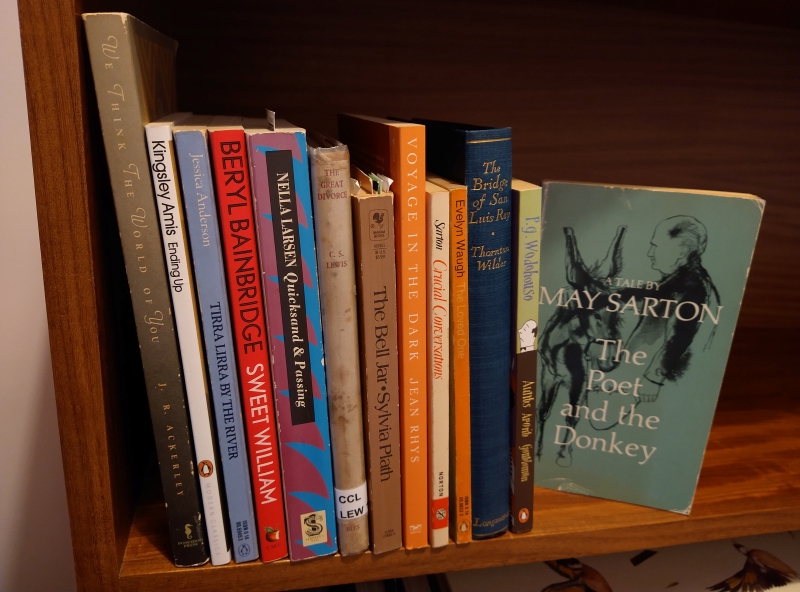
Just Quicksand to read from the Larsen volume; the Wilder would be a reread.
Contemporary Novellas
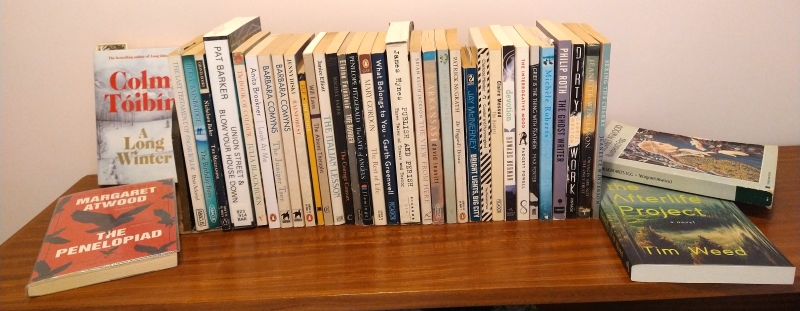
(Just Blow Your House Down; and the last two of the three novellas in the Hynes.)
Also, on my e-readers: Sea, Poison by Caren Beilin, Likeness by Samsun Knight, Eradication: A Fable by Jonathan Miles (a 2026 release, to review early for Shelf Awareness)
 *Margaret Atwood Reading Month is hosted by Marcie of Buried in Print. I’ve just read The Penelopiad for book club, so I’ll start off with a review of that. I might also reread Bluebeard’s Egg, and I’ll be eagerly awaiting her memoir from the library.
[*Science Fiction Month: Beautyland by Marie-Helene Bertino, Archive of Unknown Universes by Ruben Reyes Jr., and The Afterlife Project (all catch-up review books) are options, plus I recently started reading The Martian by Andy Weir.]
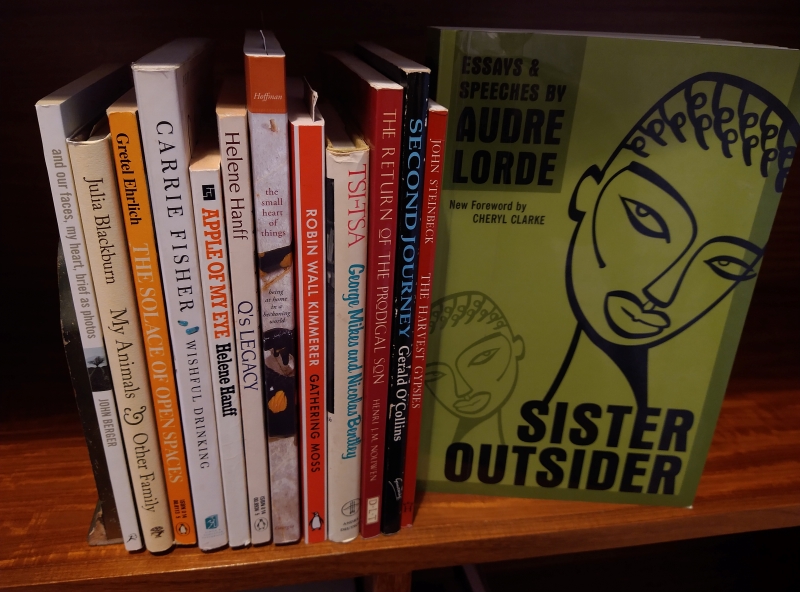
Short Nonfiction
Including our buddy read, Sister Outsider by Audre Lorde. (A shame about that cover!)
Also, on my e-readers: The Serviceberry by Robin Wall Kimmerer, No Straight Road Takes You There by Rebecca Solnit, Because We Must by Tracy Youngblom. And, even though it doesn’t come out until February, I started reading The Irish Goodbye: Micro-Memoirs by Beth Ann Fennelly via Edelweiss.
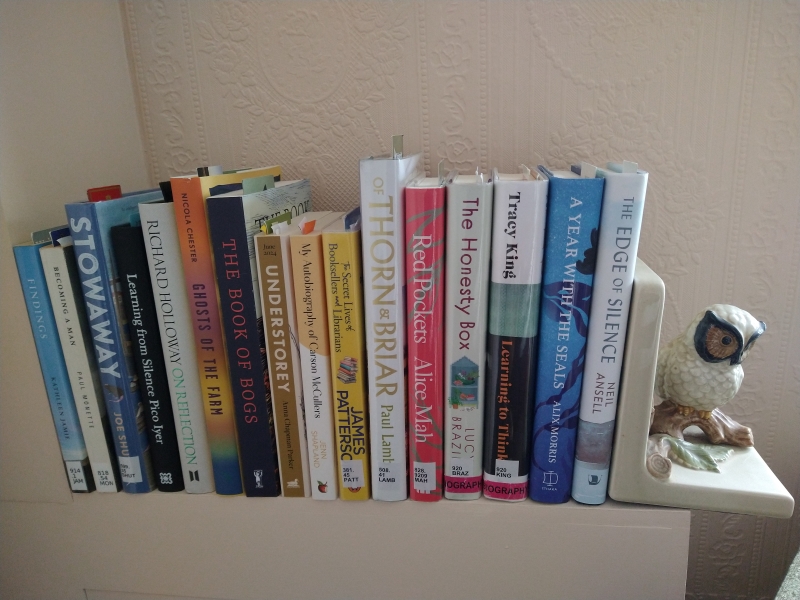
For Nonfiction November, I also have plenty of longer nonfiction on the go, a mixture of review books to catch up on and books from the library:
I also have one nonfiction November release, Joyride by Susan Orlean, to review.
Novellas in Translation
At left are all the novella-length options, with four German books on top.
The Chevillard and Modiano are review copies to catch up on.

Also on the stack, from the library: Super-Frog Saves Tokyo by Haruki Murakami
On my e-readers: The Old Fire by Elisa Shua Dusapin, The Old Man by the Sea by Domenico Starnone, Our Precious Wars by Perrine Tripier
 *German Literature Month: Our recent trip to Berlin and Lübeck whetted my appetite to read more German/German-language fiction. I’ll try to coincide with the Thomas Mann week as I was already planning to reread Death in Venice. I have some longer German books on the right-hand side as well. I started Kairos but found it hard going so might switch to audiobook. I also have Demian by Hermann Hesse on my Nook, downloaded from Project Gutenberg.
Spy any favourites or a particularly appealing title in my piles?
The link-up is now open for you to share your planning post!
Any novellas lined up to read next month?
Novellas in November 2025 Link-Up (#NovNov25)
Novellas in November 2025 was a roaring success: In total, we had 50 bloggers contributing 216 posts covering at least 207 books! The buddy read(s) had 14 participants. It was our best year yet – thank you.
*For the curious, our most reviewed book was The Wax Child by Olga Ravn (4 reviews), followed by The Most by Jessica Anthony (3). Authors covered three times: Franz Kafka and Christian Kracht. Authors with work(s) reviewed twice: Margaret Atwood, Nora Ephron, Hermann Hesse, Claire Keegan, Irmgard Keun, Thomas Mann, Patrick Modiano, Edna O’Brien, Clare O’Dea, Max Porter, Brigitte Reimann, Ivana Sajko, Georges Simenon, Colm Tóibín and Stefan Zweig.*
Check out all the posts here:
#ShortStorySeptember: Stories by Katherine Heiny, Shena Mackay and Ian McEwan
Every September I enjoy focusing on short stories, which I seem to read at a rate of only one or two collections per month in the rest of a year. This year, Lisa of ANZ Lit Lovers is hosting Short Story September as a blogger challenge for the first time. She’s encouraging people to choose individual short stories they would recommend, so I’ll be centring all of my reviews around one particular story but also giving my reaction to the collections as a whole.
“Dark Matter”
from
Single, Carefree, Mellow by Katherine Heiny (2015)
“One week in late February, Rhodes and Gildas-Joseph told Maya the same come fact, that there was a movement to reinstate Plato’s status as a planet.”
Maya is engaged to Rhodes but also sleeping with Gildas-Joseph, the director of the university library where she works. She’s one of Heiny’s typical whip-smart, exasperated protagonists, irresistibly drawn to a man or two even though they seem like priggish or ridiculous bores (witness the “come fact” above – neither can stop himself from mansplaining after sex). Having an affair means always having to keep your wits about you. Maya bumps into her boss with his wife, Adèle, at a colleague’s cocktail party and in line for the movies, and one day her fiancé’s teenage sister, Magellan (seriously, what is up with these names?!), turns up at the coffee shop where she is supposed to be meeting Gildas-Joseph. Quick, act natural. By the end, Maya knows that she must decide between the two men.
 This is the middle of a trio of stories about Maya. They’re not in a row and I read the book over quite a number of months, so I was in danger of forgetting that we’d met this set of characters before. In the first, the title story, Maya has been with Rhodes for five years but is thinking of leaving him – and not just because she’s crushing on her boss. A health crisis with her dog leads her to rethink. In “Grendel’s Mother,” Maya is pregnant and hoping that she and her partner are on the same page.
This triptych of linked stories is evidence that Heiny was working her way towards a novel, and I certainly prefer Standard Deviation and Early Morning Riser. However, I really liked Heiny’s 2023 story collection, Games and Rituals, which has much more variety.
I like the second person as much as anyone but three instances of “You” narration is too much. The best of these was “The Rhett Butlers,” about a teenager whose history teacher uses famous character names as aliases when checking them into motels for trysts. The cover image is from this story: “The part of your life that contains him is too sealed off, like the last slice of cake under one of those glass domes.”
Although all of these stories are entertaining and have some of the insouciance and bittersweetness of Nora Ephron’s Heartburn, they are so overwhelmingly about adultery (the main theme of at least 8 of 11) that they feel one-note.
why have an affair if not to say bad things about your spouse?
She thought that was the essence of motherhood: acting like you knew what you were talking about when you didn’t. That, and looking at people’s rashes. It was probably why people had affairs.
I would recommend any of Heiny’s other books over this one, but I wanted to read everything she’s published and I wouldn’t say my time spent on this was a waste. (Secondhand – Awesomebooks.com) 
“All the Pubs in Soho”
from
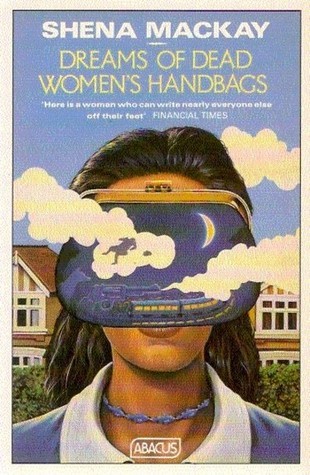
Dreams of Dead Women’s Handbags by Shena Mackay (1987)
“It was his father’s vituperation about ‘those bloody pansies at Old Hollow’ that had brought Joe to the cottage on this empty summer holiday afternoon.”
It’s 1956 in Kent and Joe is only eight years old, so it’s not too surprising that, ignorant of the slang, he shows up at Arthur and Guido’s expecting to find flowers dripping red. Their place becomes his haven from a home full of crying, excreting younger siblings and a conventional father who intends to send him to a private girls’ school in the autumn. That’s right, “Joe” is Josephine, who likes to wear boys’ clothes and insists on a male name. Mackay struck me as ahead of her time (rather like Rose Tremain with Sacred Country) in honouring Joe’s chosen pronouns and letting him imagine an adult future in which he’d keep company with Arthur and Guido’s bohemian, artistic set – the former is a poet, the latter a painter – and they’d take him round ‘all the pubs in Soho.’ But in a sheltered small town where everyone has a slur ready for the men, it is not to be. Things don’t end well, but thankfully not as badly as I was hoping, and Joe has plucked up the courage to resist his father. There’s all the emotional depth and character development of a novella in this 26-page story.
 I’ve had a mixed experience with Mackay, but the one novel of hers I got on well with, The Orchard on Fire, also dwells on the shattered innocence of childhood. By contrast, most of the stories in this collection are grimy ones about lonely older people – especially elderly women – reminding me of Barbara Comyns or Barbara Pym at her darkest. “Where the Carpet Ends,” about the long-term residents of a shabby hotel, recalls The Lonely Passion of Judith Hearne. In “Violets and Strawberries in the Snow,” a man in a mental institution awaits a holiday visit from his daughters. “What do we do now?” he asks a fellow inmate. “We could hang ourselves in the tinsel” is the reply. It’s very black comedy indeed. The same is true of a Halloween-set story that I’ll revisit next month.
The cover is so bad it’s good, amirite? In the title story, Susan Vigo is on her way by train to give a speech at a writers’ workshop and running through possible plots for her mystery novel in progress. “Slaves to the Mushroom” is another great one that takes place on a mushroom farm. Mackay’s settings are often surprising, her vocabulary precise, and her portraits of young people as cutting as those of the aged are pitiful. This would serve as a great introduction to her style. (Secondhand – Slightly Foxed Books, Berwick) 
“The Grown-up”
from
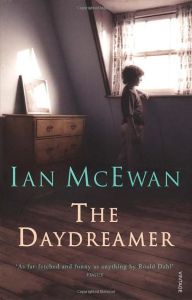
The Daydreamer by Ian McEwan (1994)
“The following morning Peter Fortune woke from troubled dreams to find himself transformed into a giant person, an adult.”
A much better Kafka homage, this, than that forgettable novella The Cockroach that McEwan published in 2019. Every story of this linked collection features Peter, a 10-year-old with a very active imagination. Three of the stories are straightforward body-swap narratives (with his sister’s mangled doll, his cat, or his baby cousin), whereas in this one he’s not trading with anyone else but still experiencing what it’s like to be someone else. In this case, a young man falling in love for the first time. Just the previous day, at the family’s holiday cottage in Cornwall, he’d been bemoaning how boring adults are: all they want to do is sit on the beach and chat or read, when there’s so much world out there to explore and turn into a personal playground. He never wants to be one of them. Now he realizes there are different ways to enjoy life; “he stopped and turned to look at the grown-ups one more time. … He felt differently about them now. There were things they knew and liked which for him were only just appearing, like shapes in a mist. There were adventures ahead of him after all.”
 Of course, I also loved “The Cat,” which Eleanor mentioned when she read my review of Matt Haig’s To Be a Cat. At the time, I’d not heard of this and couldn’t believe McEwan had written something suitable for kids! These stories were ones he read aloud to his children as he composed them. There is a hint of gruesomeness in “The Dolls,” but most are just playful. “Vanishing Cream” is a cautionary tale about wanting your family to go away. In “The Bully,” Peter turns a bully into a tentative friend. “The Baby” sees him changing his mind about an annoying relative, while “The Burglar” has him imagining himself a hero who stops the spate of neighbourhood break-ins. Events are explained away as literal dreams, daydreams or a bit of magic. This was an offbeat gem. Try it for a very different taste of McEwan! (Secondhand – Community Furniture Project, Newbury)
Get Ready for Novellas in November!
Novellas: “all killer, no filler”
~Joe Hill
Hard to believe, but it’s nearly that time again. Autumn is drawing in. For the SIXTH year in a row, Cathy of 746 Books and I are co-hosting Novellas in November as a month-long blogging and social media challenge celebrating the art of the short book. A novella technically contains 20,000 to 40,000 words, but to keep things simple we will define it as any work of under 200 pages.
This year we have two buddy reads, a 2025 fiction release and an older work of nonfiction:
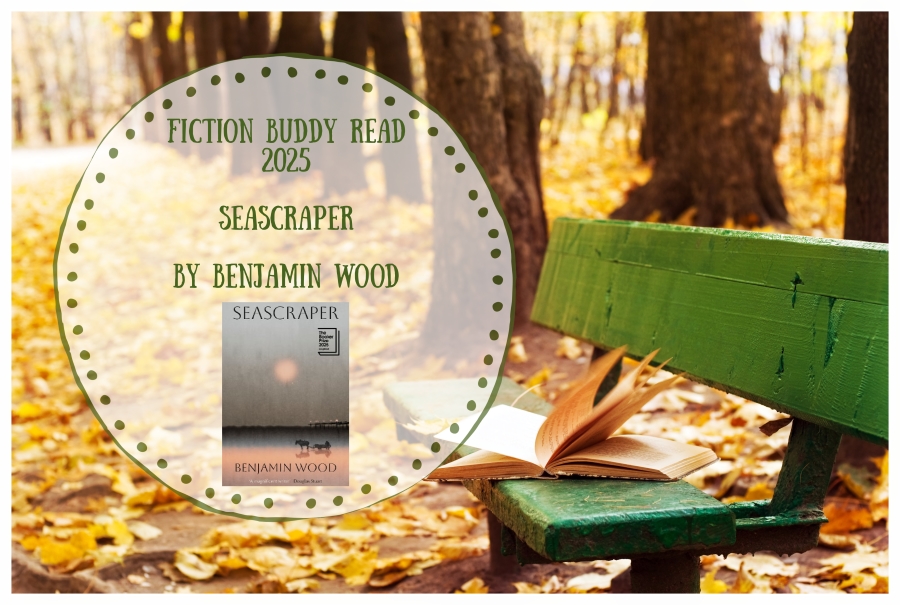
Seascraper by Benjamin Wood is set in the early 1960s and features a young man who lives with his mother in northwest England and carries on the family tradition of fishing for shrimp. He longs for a bigger and more creative life, which he hopes he might achieve through his folk music hobby – or his chance encounter with an American filmmaker. On one pivotal day, his fortunes might just change. Check out this interview with Wood to whet your appetite. Last year our buddy read, Orbital, won the Booker Prize, auguring good things for novellas in the public sphere. Seascraper is on the longlist! In this Q&A on the Booker Prize website, Wood talks about the unusual situation in which he wrote it. (160 pages)

Sister Outsider by Audre Lorde is a 1984 collection of short pieces by the late Black lesbian feminist. I’ve only read Lorde’s The Cancer Journals, so I’m looking forward to this. From the Penguin website: “The revolutionary writings of Audre Lorde gave voice to those ‘outside the circle of this society’s definition of acceptable women’. Uncompromising, angry and yet full of hope, this collection of her essential prose – essays, speeches, letters, interviews – explores race, sexuality, poetry, friendship, the erotic and the need for female solidarity, and includes her landmark piece ‘The Master’s Tools Will Never Dismantle the Master’s House’.” A great opportunity to tie into Nonfiction November. (190 pages)
Please join us in reading one or both books any time between now and the end of November!
You might like to start off the month with a My Year in Novellas retrospective looking at any novellas you have read since last year’s NovNov, and then finish with a New to My TBR list based on what short books others have tempted you with.
It’s always a busy month in the blogging world with Nonfiction November, German Literature Month, Margaret Atwood Reading Month and SciFi Month. Why not search your shelves and/or local library for novellas that could count towards multiple challenges?
From early October a link-up post will be pinned to my site so you can add your planning posts or reviews. Keep in touch via Bluesky (@bookishbeck.bsky.social / @cathybrown746.bsky.social) and Instagram (@bookishbeck / @cathy_746books) and feel free to use the terrific feature images Cathy has made plus our new hashtag, #NovNov25.
20 Books of Summer 2025 Plans
It’s my eighth year participating in the 20 Books of Summer challenge, this year co-hosted by Annabel and Emma after Cathy stepped down. #20BooksofSummer2025 starts on 1 June and runs through 31 August. In some previous years I have chosen a theme, even something as simple as “books by women.” Last year I combined two criteria and managed to get through 20 hardback books I owned by women. The problem with setting even simple boundaries like that is that I seem to almost immediately lose interest. Even more dangerous to pick 20 specific books, lest I go off them right away. Nonetheless, that’s what I’ve done. Expect substitutions galore, however; most years I read only half (or less) of what I’ve earmarked.

My only firm rule is that all 20 books must be from my own shelves. Ideally, they wouldn’t overlap with my usual reviewing commitments, book club reads, or other themed challenges (e.g., June: Reading the Meow, Father’s Day, Scotland holiday; August: Women in Translation), though it would be no problem if they did. I’m the only one enforcing this!
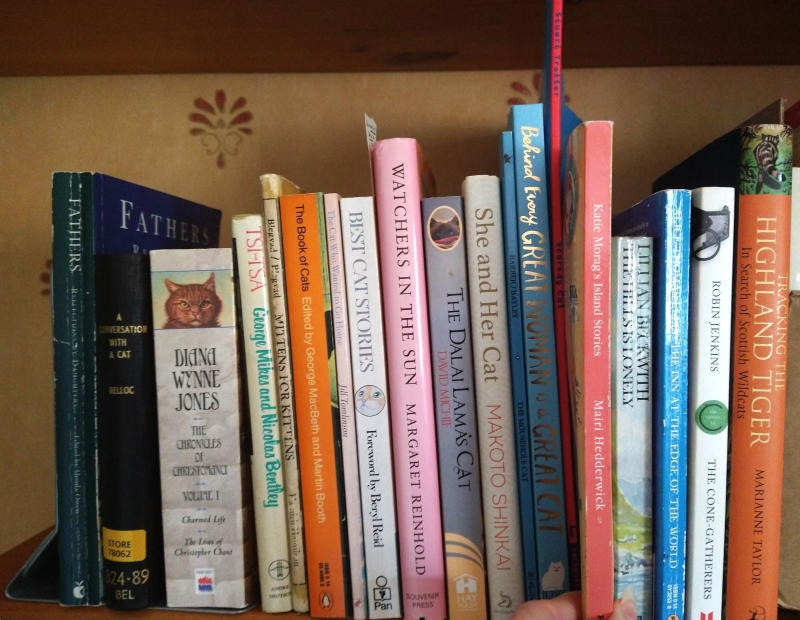
Other themed June reading options.
I like to work towards multiple goals, so I’ve chosen five books each in four categories.
Books I acquired new this year:
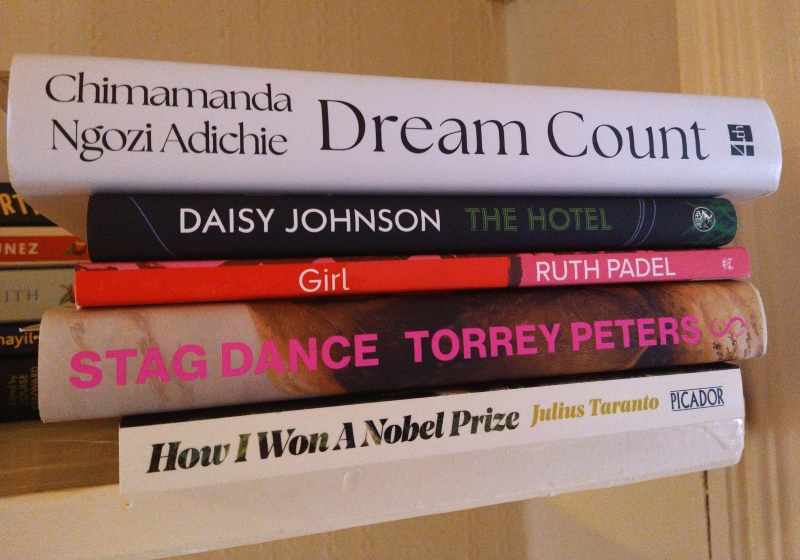
Dream Count by Chimamanda Ngozi Adichie (Hungerford Bookshop) – I pre-ordered this, a super-rarity for me, and read the first 20-some pages before petering out. I think it’s fair to say it won’t be a favourite of hers for me, but I’d still like to read it in its publication year.
The Hotel by Daisy Johnson (Hungerford Bookshop with Christmas gift token) – Creepy short stories by an author whose long-form fiction I’ve really enjoyed. Also counts toward my low-key goal of reducing the list of authors by whom I own two or more unread books.
Girl by Ruth Padel (Hungerford Bookshop with Christmas gift token) – A poetry collection about girlhood through history and in myth. A repeat appearance on my summer reading list; I reviewed her Emerald in 2021. Good to add it in for variety, and a quick win length-wise.
Stag Dance by Torrey Peters (Bookshop.org) – I bought this to show solidarity with trans women after a short-sighted legal ruling here in the UK. Detransition, Baby was awesome but I haven’t managed to get into this yet. It contains three long short stories plus a novella.
How I Won a Nobel Prize by Julius Taranto (Hungerford Bookshop with Christmas gift token) – I believe it was Susan’s review that put this on my radar, though the title and the fact that it’s an academic satire would have been enough to get it onto my TBR.
Catch-up review copies:
A couple of these date back to 2023…
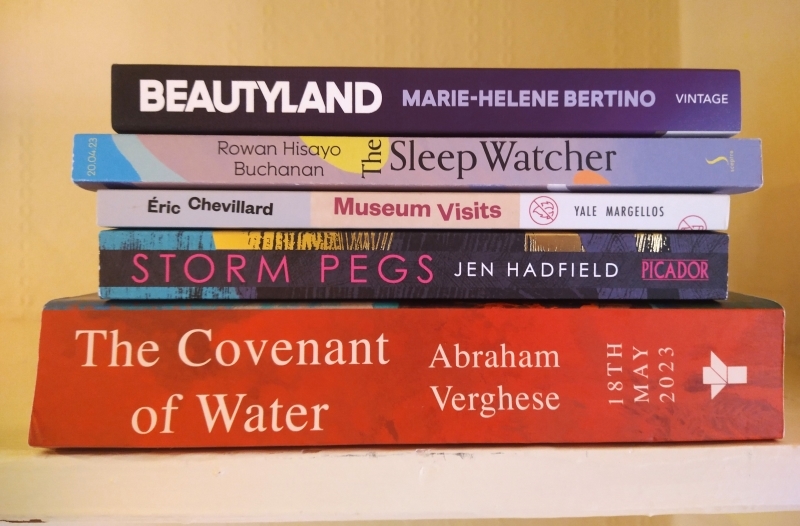
Beautyland by Marie-Helene Bertino – “At the moment when Voyager 1 is launched into space … , a baby of unusual perception is born to a single mother in Philadelphia. Adina Giorno … recognizes that she is different: She possesses knowledge of a faraway planet. The arrival of a fax machine enables her to contact her extraterrestrial relatives.” Quirky; well received by blog and Goodreads friends.
The Sleep Watcher by Rowan Hisayo Buchanan – I’ve read her other two novels but for some reason didn’t pick this up when it was first sent to me. “When she is sixteen, Kit suffers a summer of sleeplessness that isn’t quite what it seems; her body lies in bed while she wanders through her family home, the streets of her run-down seaside town and into the houses of friends and strangers.” Bonus points for being set during summer.
Museum Visits by Éric Chevillard – My one selection in translation. This hybrid collection of short pieces might be deemed essays or stories. “This ensemble of comic miniatures compiles reflections on chairs, stairs, stones, goldfish, objects found, strangers observed, scenarios imagined, reasonable premises taken to absurd conclusions, and vice versa.”
Storm Pegs by Jen Hadfield – New in paperback. I knew I had to read a Shetland-set memoir, and had enjoyed Hadfield’s piece in the Antlers of Water anthology. “In prose as rich and magical as Shetland itself, Hadfield transports us to the islands as a local; introducing us to the remote and beautiful archipelago where she has made her home”.
The Covenant of Water by Abraham Verghese – Cutting for Stone is brilliant but I was daunted by the even greater heft of this follow-up. I hope I’ll find just the right time to sink into it. “Spanning the years 1900 to 1977,” set “on India’s Malabar Coast, and follows three generations of a family that suffers a peculiar affliction: in every generation, at least one person dies by drowning—and in Kerala, water is everywhere.”
Summer-themed books / four in a row on the Bingo card:
I’d be aiming to complete the second row with this quartet:
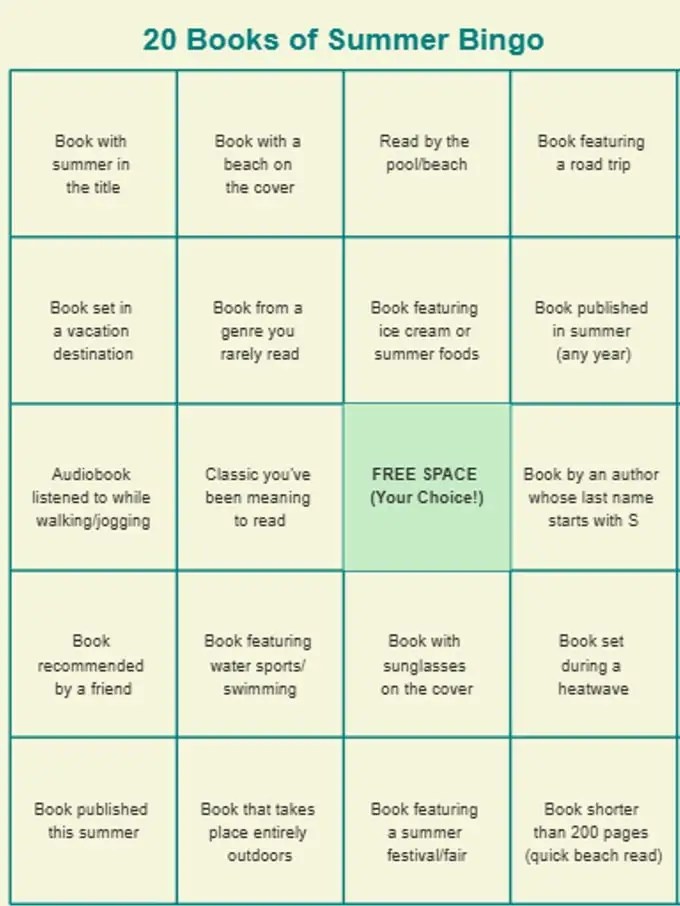
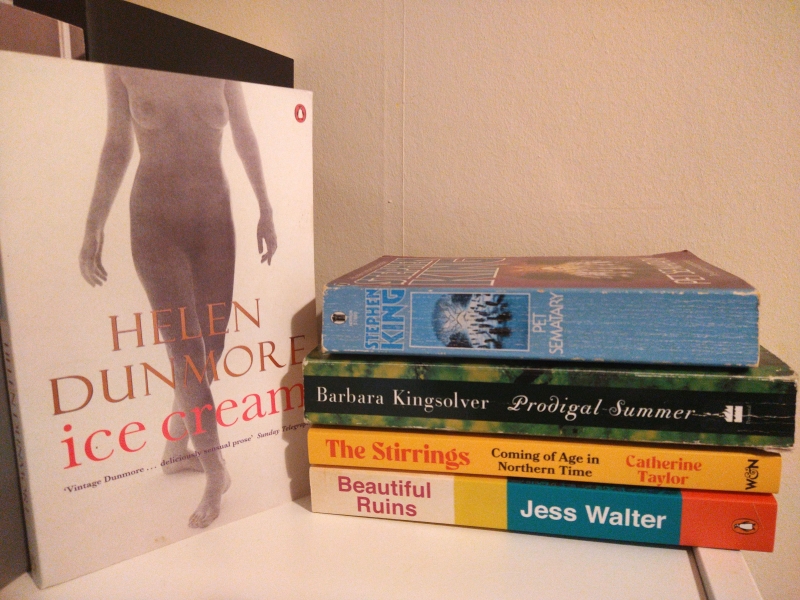
(Book set in a vacation destination)
Beautiful Ruins by Jess Walter (40th birthday gift from my husband, purchased from Hungerford Bookshop) – “the story of an almost-love affair that begins on the Italian coast in 1962 and resurfaces fifty years later in Hollywood. From the lavish set of Cleopatra to the shabby revelry of the Edinburgh Fringe Festival to the backlots of contemporary Hollywood, this is a dazzling, yet deeply human roller coaster of a novel.”
(Book from a genre you rarely read)
Pet Sematary by Stephen King (Little Free Library) – I’ve only ever read King’s book on writing, which of course is not representative of his oeuvre. Sounds like this could be a good introduction to his horror work. Rural Maine + dead animals in the woods + grief theme. A chunky but lightweight paperback; I fancy it for my solo train ride home from Edinburgh.
(Book featuring ice cream or summer foods)
Ice Cream by Helen Dunmore (Community Furniture Project) – A short story collection, facing out because the spine is faded to illegibility rather than to show off the naked lady. I’ve enjoyed Dunmore’s stories before (Love of Fat Men). The plots are described as “ranging from … the death of a lighthouse keeper’s wife to the birth of babies from the Superstock catalogue.”
(Book published in summer)
The Stirrings by Catherine Taylor (Bookshop.org with Christmas gift token) – This was originally published in August 2023, and it’s also set mostly during two pivotal summers: “the scorching summer of 1976 – the last Catherine Taylor would spend with both her parents in their home in Sheffield” and “1989’s ‘Second Summer of Love’, a time of sexual awakening for Catherine, and the unforeseen consequences that followed it.”
Plus my one reread of the challenge:
Prodigal Summer by Barbara Kingsolver (Little Free Library) – “From her outpost in an isolated mountain cabin, Deanna Wolfe, a reclusive wildlife biologist, watches a den of coyotes that have recently migrated into the region. She is caught off-guard by a young hunter who invades her most private spaces and confounds her self-assured, solitary life.”
I have a number of other potential summery reads, too.
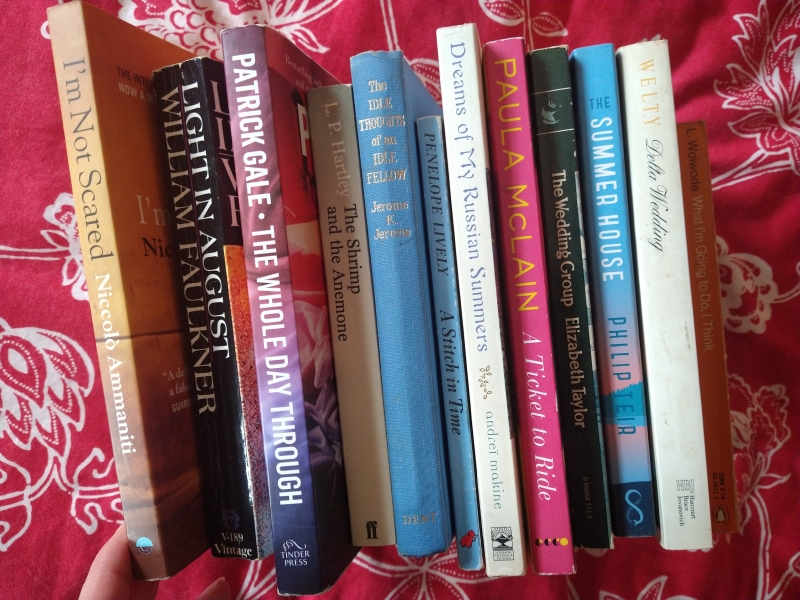
“Just because” books
At the start of the year, I pulled out two huge piles of books I had no particular excuse to read yet was keen to get to. My plan was to pick up one per week or so. Of course, I’ve not so much as opened one yet. Three of these are from that stack, with two more from my BIPOC shelf.
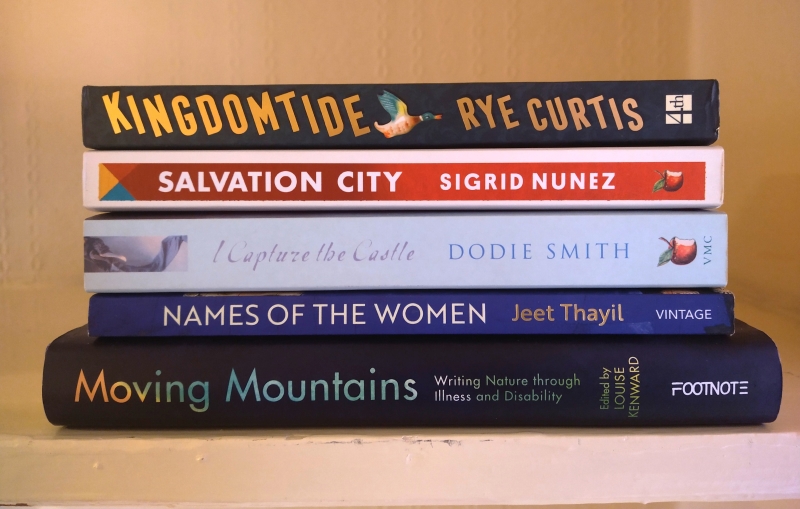
Kingdomtide by Rye Curtis (passed on by Laura T. – thank you!) – I’ve meant to read this for ages, plus it sounds like a good readalike for Heartwood. “The sole survivor of a plane crash, seventy-two-year-old Cloris Waldrip finds herself lost and alone in the unforgiving wilderness of Montana’s rugged Bitterroot Range … Intertwined with her story is Debra Lewis, a park ranger struggling with addiction, a recent divorce, and a new mission: to find and rescue Cloris.”
Salvation City by Sigrid Nunez (new from Amazon some years back) – I love Nunez and aim to read all of her books. This sounds very different from the four I know! “His family’s sole survivor after a flu pandemic …, Cole Vining is lucky to have found refuge with the evangelical Pastor Wyatt and his wife in a small town in southern Indiana. As the world outside has grown increasingly anarchic, Salvation City has been spared much of the devastation, and its residents have renewed their preparations for the Rapture.”
I Capture the Castle by Dodie Smith (charity shop, possibly a decade ago?) – One I’ve always meant to read. My token classic for this challenge, though there are plenty more to choose from on the bookcase in the lounge, e.g. an Austen for Brona’s #ReadAusten25 challenge. “Through six turbulent months of 1934, 17-year-old Cassandra Mortmain keeps a journal, filling three notebooks with sharply funny yet poignant entries about her home, a ruined Suffolk castle, and her eccentric and penniless family.”
Names of the Women by Jeet Thayil (gift from my wish list several years ago) – A novella on the stack will be welcome; this is “about the women whose roles were suppressed, reduced or erased in the Gospels. … Together, the voices of the women dare us to reimagine the story of the New Testament in a way it has never before been told.”
Moving Mountains, ed. Louise Kenward (gift from my wish list last year) – “A first-of-its-kind anthology of nature writing by authors living with chronic illness and physical disability. Through 25 pieces, the writers … offer a vision of nature that encompasses the close up, the microscopic, and the vast.” It will be nice to have a book of short nature pieces on the go.
The above list is more fiction-heavy than usual for me, with a number of chunksters – but also four short fiction collections and a poetry collection to balance out the length. Inspired by Eleanor, I decided to ensure at least 25% were by authors of colour.
If I need to draw on back-ups, I have many more between my “just because” stack, my Women’s Prize nominees shelf, and the rest of my BIPOC authors area.


This happens to be my 1,500th blog post!!
What do you make of my lists? See any options that I should prioritize instead?
10th Blogging Anniversary! & Thoughts on the Women’s Prize and Carol Shields Prize Longlists
I can hardly believe I’ve been blogging for a decade. It seems like no time ago that I started this site on a whim early in my freelance career, soon after my main online publication folded and my brother-in-law died. This is now my 1,486th blog post (so close to that 1,500 milestone!), which means I average 12 posts a month. Between reviews, challenges, memes, book lists, and prize reactions, I maintain a very active blog. I’ve long since stopped caring about numbers of views and likes; I’ll never be a top influencer but I offer quality, thoughtful content for those who are similarly serious about books. The blog has also become a place where I can write about personal things in response to losses and other life changes.

I’m pleased that my blog anniversary happens to coincide with International Women’s Day, around when the Women’s Prize and Carol Shields Prize longlists are announced. I don’t plan to shadow either prize in a concerted way, partly because I’m too busy with reading debut novels in my role as a McKitterick Prize judge, but there are some books that appeal.
Women’s Prize Longlist
Read
- The Ministry of Time by Kaliane Bradley

- Tell Me Everything by Elizabeth Strout
- The Safekeep by Yael van der Wouden

Reading
 Dream Count by Chimamanda Ngozi Adichie
- All Fours by Miranda July
Already Wanted to Read
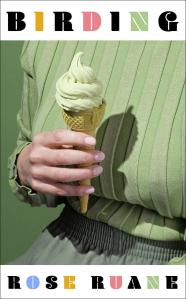
- Birding by Rose Ruane – For the cover if nothing else (it made my Cover Love post last year)
- The Artist by Lucy Steeds – Susan of A life in books rates it highly: see her review.
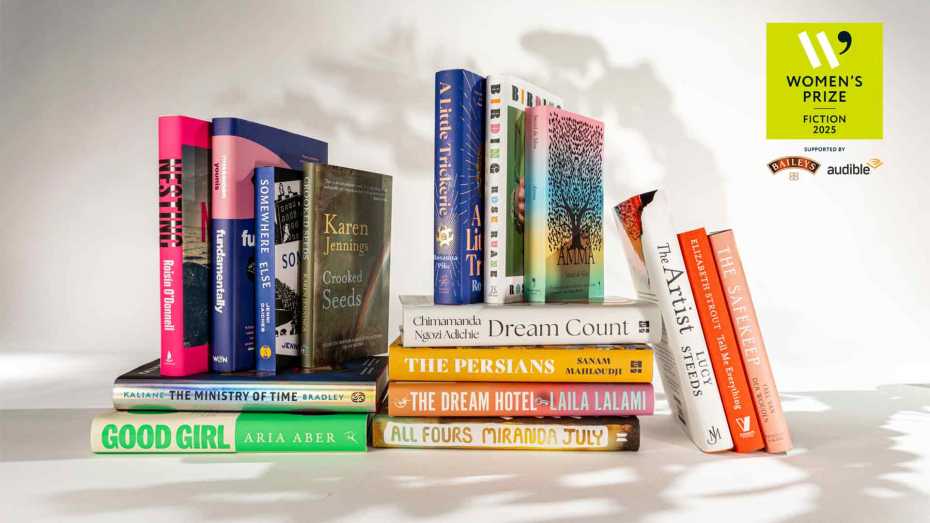
Unsure
- A Little Trickerie by Rosanna Pike – The premise is reasonably appealing (an orphan who pretends to be an angel) but I am very much not keen on medieval settings. I’ll wait and see if it’s shortlisted.
Decided Against
- Crooked Seeds by Karen Jennings – I read the Booker-longlisted An Island and it was fine but I don’t need to try anything else by her.
- Nesting by Roisín O’Donnell – 400 pages on an Irish domestic violence situation sounds like A Lot. Reviews have been very favourable, saying it’s as pacey as a thriller. Again, I’ll wait to see if it’s shortlisted.
Not Interested (for now)
- Good Girl by Aria Aber
- Somewhere Else by Jenni Daiches
- Amma by Saraid de Silva (but well done to Weatherglass Books!)
- The Dream Hotel by Laila Lalami
- The Persians by Sanam Mahloudji
- Fundamentally by Nussaibah Younis
The blurbs for these don’t attract me, but I’d be willing to change my mind if I see an enthusiastic review or two.
[Shortlist: 2 April; winner: 12 June]
Stab-in-the-dark shortlist predictions: Good Girl, Dream Count, The Dream Hotel, Nesting, The Artist, Tell Me Everything
Carol Shields Prize Longlist
Read
- Liars by Sarah Manguso
DNF
- Cicada Summer by Erica McKeen – I read the first 15% last summer. In 2020, Husha has recently lost her mother and is locked down with her grandfather at his Ontario lake house. I recall that the prose was vague and somewhat obnoxiously poetic.
Reading
- All Fours by Miranda July – The only overlap with the WP. I don’t think that, as happened last year, the repeated title will be the winner. It’s too offbeat and divisive.
Want to Read
- The Hearing Test by Eliza Barry Callahan – Novella-length autofiction about adapting to disability.
- Curiosities by Anne Fleming – A historian becomes obsessed with the story told by five 17th-century manuscripts. Sounds like a queer Possession with a dash of North Woods.
- Pale Shadows by Dominique Fortier, translated by Rhonda Mullins – A Québécois author takes on the legacy of Emily Dickinson via the three women who first brought her poetry into print.
- Obligations to the Wounded by Mubanga Kalimamukwento – Linked short stories about Zambians and Zambian émigrés.
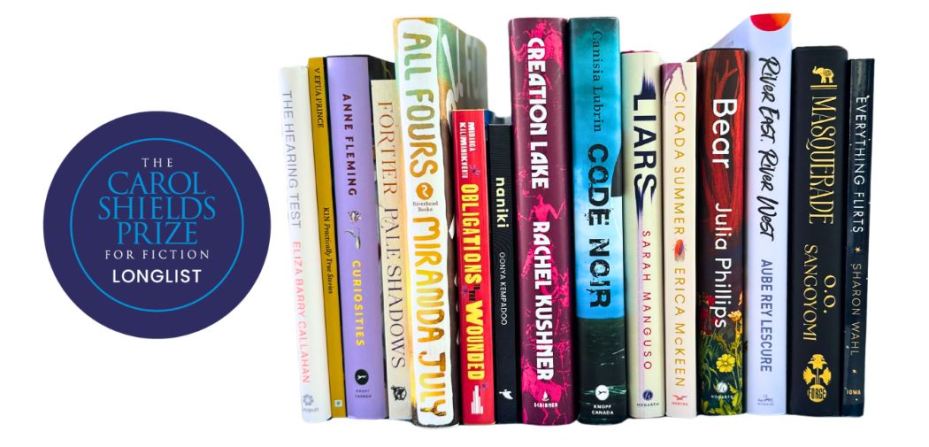
Unsure
- Bear by Julia Phillips – After reading Bear by Marian Engel, I don’t think I need any more bear legend-inspired romances in my life. (I already discounted Eowyn Ivey’s latest.)
- Kin: Practically True Stories by V Efua Prince – I’ve had good luck with other books from Wayne State University Press’ Made in Michigan series but can’t quite work out what this would be like.
- Everything Flirts: Philosophical Romances by Sharon Wahl – Could be intriguing; could be pretentious. At least it’s only novella length. All I can do is try an excerpt.
Not Interested (for now)
- Naniki by Oonya Kempadoo – Someone on Goodreads described this as being like spoken word at a sci-fi convention.
- Creation Lake by Rachel Kushner – I wasn’t keen when it was shortlisted for the Booker, and I haven’t changed my mind.
- River East, River West by Aube Rey Lescure – Ditto but from last year’s WP list.
- Code Noir by Canisia Lubrin – Normally I like linked short stories but a 400+ page count and the heavy subject matter of slavery regulations sound overwhelming.
- Masquerade by O.O. Sangoyomi – I struggle with fantasy at the best of times.
[Shortlist: 3 April; winner: 1 May]
Last year Laura T. and I covered most of the longlist between us and really enjoyed the project. (Marcie of Buried in Print also reviewed a lot of the longlist later in the year.) This year we’ll reassess at the shortlist stage and maybe request a few review copies from the publicist. See Laura’s prize longlist reactions here.
Stab-in-the-dark shortlist predictions: Curiosities, Obligations to the Wounded, Creation Lake, Code Noir, Masquerade
What have you read, or might you read, from these longlists?
There Should Be a Cat There
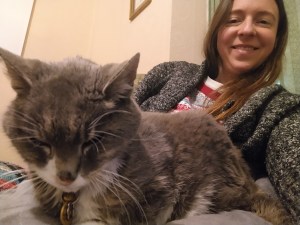
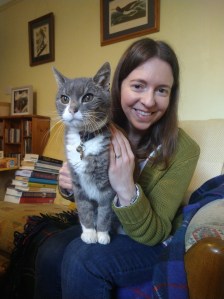
My world was knocked askew earlier this week. Since then I’ve been wandering around the house remarking on the sensation that something is missing. I turned around in my chair at the breakfast table one morning to gaze at the sofa corner behind me and said to my husband C, “There should be a cat there.” Alfie was a constant presence in our lives for 10 years and 8 months; my husband’s first pet ever, and my first as an independent adult. Wherever we went for a decade-plus, he was there when we got home (probably grumbling that his bowl was empty). We adopted him 10 months into my freelance career and he was a faithful work-from-home buddy. He has been with us our whole time in Newbury; I associate him inextricably with home and work life. Even if he spent most of a day sleeping or doing his own thing, just the knowledge that there was another creature in the house was all the company I needed. He was an expert at getting in the way, and just a matter of days ago I was still admonishing “Watch out for the cat” and hearing C trip over his food bowl and litter tray.


Both of our phones’ photo libraries are full of ridiculous and repetitive pictures of the cat asleep. Now I’ve been going around taking photographs of absences. Everything in our house was tailored to an older cat’s needs. His food and water bowls were raised on a fleet of Tupperware to make standing postures more comfortable for him. He used steps all through his mobility-challenged last years. We inherited a proper set of pet steps from a neighbour, but elsewhere rigged up makeshift ones from boxes, document files, crates and stools. In the final weeks, when his claws either slipped or got stuck on everything, I covered the steps in towels so he had something to grip onto and put a strip of carpet in front of his kitchen bowls.


I’ve taken away the food stations, dumped and washed the three litter trays, and laundered the blankets he used the most. It’s the steps I can’t bring myself to take away. I think it’s because I look at them and feel so proud of how he adapted to his limitations. He was by no means the sharpest crayon in the box – he regularly forgot how to use his cat flap to go outside and would ineffectually scrape at it or cry at the back door to come back in – but in the lounge he worked out how to climb the steps plus a pouffe to get to any of the seats. If he got to the top step and looked perplexed, I’d tap out a route for him and he’d follow it. While I would often accuse him of stealing my seat, I knew better. All of the seats were his.


Tuesday was the day. The next day’s sun and birdsong made it feel more like mid-autumn or early spring. The handyman came back to lay floor tiles in the bathroom. I iced my swollen eyes, went for a long walk by the canal, and then faced a day of bustle and noise. It was fine.
Since then it has been worse. Drizzle has set in, C has been away at work or networking events, and the house is too quiet. I half expect to hear, any moment, the pock-pock of the cat climbing the carpeted stairs one by one, claws catching threads on each; his final triumphant heave to the landing accompanied by a huff of effort. I’ll wheel around in my office chair to lock eyes and call, “Hi, buddy! Where you gonna go? Whatcha gonna do?” When I’m downstairs, I expect the opposite: the thump of him getting down from the bed and the steady plop of him gingerly lowering himself one stair at a time and landing at the bottom with a muffled jingle of his collar bell. I’ve found myself doing peculiar things: sniffing an empty Felix beef soup pouch (had I known it was his last meal, I’d have given him his favourite, lamb, instead) and sifting through the kitchen bin and lounge fluff for an empty claw casing to keep. No luck, alas.
I’m comfortable with the terms “cat lady” and “fur baby” despite the stereotypes surrounding them. I don’t apologize about the shape my life has taken. The combination of the unconditional love and weight of responsibility that I felt and the intimate physical care that I performed for him – especially in the few months between his seizures in late October and the day we knew a goodbye had been forced on us – is absolutely akin to what parents feel for their children or what it’s like to undertake the care of an elderly relative.


For 116 days I was a full-time kitty hospice nurse – just like my sister is a hospice nurse for humans in Frederick County, Maryland. Every day curved around his needs. My first tasks on getting up were to check his litter trays, top up kibble and water upstairs and down, add a blood pressure pill to the dry food, and set out a wet food breakfast. Twice a day, around 11, I’d prepare the other medications. The easiest way to get anti-seizure and steroid pills down him was to crush them in a ramekin and mix the powder with a yoghurt-like cat junk food and a dash of water. Then it was time to ambush him with Lick-e-Lix. I’d find him asleep in his basket or on a couch and gently wake him. Like a recalcitrant infant in a highchair, he’d turn his face this way and that, mouth firmly closed. Increasingly, I had to coax him by smearing a bit onto his nose or chin. I’d persist until he deigned to lick the spoon clean.
Early in January, a kind neighbour who could correctly be called a cat-a-holic came to check on Alfie one evening and morning so we could visit our friends in Exeter for an overnight. She brought with her a magical substance she called “cat putty” and, for a while, it was a game changer for pill-giving. Our next-door neighbour and the cat-sitter found it a cinch to get him to eat pills wrapped in putty when they looked in on him once each in early February so we could visit another set of friends in Bristol for a partial weekend. Still I kept going with the Lick-e-Lix. There was something so sweet about spoon-feeding him, regardless of the smelly goo that got all over his face and sometimes dripped on the couch.


The day of the seizures had been a dress rehearsal. We were forced to face his mortality in a more than theoretical way. Once his system adjusted to the phenobarbital, though, we all quickly found a new normal. For those 116 days he plodded along – if not quite as before, not in a significantly diminished way either. They were good days; we are grateful. But they could never be enough. We were greedy. We wanted more. I talked with the vet about the flexibility of medication timings so we could book holidays for the summer. We dreamed up a 17th birthday party for 9 May. I could have kept up this routine indefinitely. Alfie couldn’t.
In my review of Seven Cats I Have Loved by Anat Levit, I complained that too much space was given to each pet’s physical decline. “On the threshold of my cats’ demise, it prescribed the kind of suffering that seemed to have erased the sweetness of all their previous years at once,” she writes. We’re lucky that wasn’t the case. Alfie had quality of life right up until the day or two before the end. I want to remember every phase of his life, not just this final one of more docility and quietness than we’d ever have believed years ago. I would prefer not to focus on the suffering, yet I need to acknowledge that it happened and that it mattered.


I’ve always been interested in medical matters and, detective-like, have been running the sequence of events back through my mind. We never subjected him to expensive imaging or invasive procedures, so we can’t know what precisely was going on, but the vets had some educated guesses: that his weight loss was caused by lymphoma and his seizures by a brain tumour. This was in addition to early-stage kidney disease, high blood pressure and arthritis. So there were serious medical issues there. A cancer was always going to get him, but I’ve still been second-guessing how his last weeks went and whether there was more that I could have done. When did X first happen? When did we first notice Y? Why didn’t I start Z sooner? I can’t quite bear to think of it, but there were probably signs of pain that we didn’t recognize out of ignorance, assuming they were just old cat behaviours or him being weird. Towards the end, there must have been pain that went unmanaged. I will have to forgive myself.
Ultimately, I think we made the best decisions possible with the knowledge we had, as well as the guidance of vets who saw him three times in his last six days. Everything was shutting down and he had had enough. Still, guilt is clearly chasing me. I had a symbolic dream the following night set at one of my childhood homes. The back door opened onto a stairwell with a drain and concrete steps leading up to the backyard. When it rained an exceptional amount, the stairwell filled and the basement sometimes flooded. In the dream, the steps were so wide that Max – the Shetland sheepdog we had when I was ages 7 to 19, and the only other creature at whose death I have been present – and Alfie were side by side on the middle one, while Chewy, my sister’s mutt who lived with us and Max for a time, sat above them. As the water rose right up to their bellies, they remained calm and looked at me. But instead of rushing to help them, I thought that I had to go grab my phone to take pictures.


I had it after my mother’s 2022 death, too: a build-up of futile what-ifs, even though, likewise, a stroke was always going to get her. There was also an urgency to archive everything about her: every quirk, every maddening habit, every key incident. It’s different in that I treasure her own words in letters, cards, e-mails, and her 150 journals; it’s the same in that hundreds of photos can never bring back a presence. I don’t want to forget anything.
It was only Monday evening that Alfie napped on the bed while I took a Zoom call in the chair across from him. Monday night that he slurped up a little dish of gravy and spent hours on C’s lap. Tuesday morning (when he’d stopped eating and drinking) that I, in desperation, shoved an anti-seizure pill down his throat. Weak as he was, he fought me off as stubbornly as ever; I have the network of scratches on the knuckles of my left hand to prove it.
While the cuts are still fresh, while they still sting, I want to get the whole story down. I won’t think about how indulgent it is to post something this long. I won’t tell myself no one could possibly care. I’m writing mostly for myself, after all. As I narrate what happened, I seek to make sense. When I do write more personal material, I cherish the details years down the line. Have you loved another being with your whole heart and had them leave? However the circumstances differ, then, you know my pain. He was my most precious thing.


I’m in the middle of dozens of books, but my heart isn’t in any of my reading. Apart from those with deadlines for paid reviews and library due dates, I will only resume reading when I feel ready. If I miss pub. dates and challenges, so be it. I’m not sure yet whether I’ll be drawn to cat books later this year (“Reading the Meow” has run the past two Junes) or whether it will hurt too much. A couple of years ago I decided that A Cat in the Window by Derek Tangye was the perfect chronicle of life with a cat. Maybe I’ll pick it up to reread and imitate.
I know from my mom’s death that, after some time and cycles of depression and anger have passed, I will be able to take joy in everyday life again. Good memories will overtake those of the last day, and lingering regrets. Meanwhile, I’ll try to be gentle with myself and not run away from the loneliness and emptiness but sit with them. I don’t feel like much of a cat lady without a cat, but I won’t let a petty identity crisis rush me into anything. We may well adopt another cat or two in the future, but not right away. No one can ever replace Alfie anyway.
Some fun stuff:
- Alfie’s nicknames spreadsheet, introduced here, has been updated and categorized. There are 250+! (Some only applied to his heavy years and others to his old age.)
- He also had four theme tunes based on snippets from “Asleep on a Sunbeam” by Belle and Sebastian, “Don’t Bother Me” & “Old Enough” (“whatcha gonna do now?”) by the Raconteurs, and “I Just Don’t Know What to Do with Myself” by the White Stripes. (Jack White has the best hooks.) The last two captured his Foster-like indecision.
- I made a bloopers album of some of the more ridiculous photos of him.
- I’ve reviewed loads of cat books over the years. He made it into this post and this one.
My Life in Book Titles from 2024
As usual for January, I’m in the middle of lots of books but hardly finishing anything, so consider this a placeholder until my Love Your Library and January releases posts later in the month. It’s a fun meme that goes around every year; I first spotted it on Annabel’s blog and Susan also took part. I’ve never had a go before but when I looked at the prompts I realized some books I read in 2024 have titles that work awfully well. Links are to my reviews.
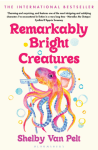 In high school I was [one of the] Remarkably Bright Creatures (Shelby Van Pelt)
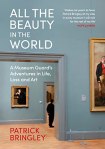
- People might be surprised by All the Beauty in the World (Patrick Bringley)
- I will never be A Spy in the House of Love (Anaïs Nin)
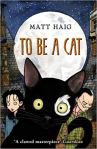 My fantasy job is To Be a Cat (Matt Haig)
- At the end of a long day, I need [a] Cocktail (Lisa Alward)

- I hate being [an] Exhibit (R.O. Kwon)
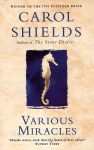
- Wish I had Various Miracles (Carol Shields)
- My family reunions are The Grief Cure (Cory Delistraty)
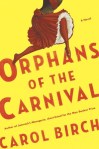 At a party you’d find me with Orphans of the Carnival (Carol Birch)
- I’ve never been to Jungle House (Julianne Pachico)
 A happy day includes The Old Haunts (Allan Radcliffe)
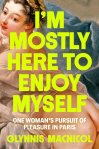
- Motto I live by: I’m Mostly Here to Enjoy Myself (Glynnis MacNicol)
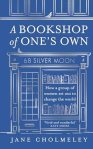 On my bucket list is A Bookshop of One’s Own (Jane Cholmeley)
- In my next life, I want to have A House Full of Daughters (Juliet Nicolson)
Some 2024 Reading Superlatives
Longest book read this year: The Bee Sting by Paul Murray

Shortest books read this year: The Wood at Midwinter by Susanna Clarke – a standalone short story (unfortunately, it was kinda crap); After the Rites and Sandwiches by Kathy Pimlott – a poetry pamphlet
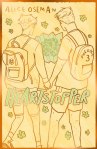 Authors I read the most by this year: Alice Oseman (5 rereads), Carol Shields (3 rereads); Margaret Atwood, Rachel Cusk, Pam Houston, T. Kingfisher, Sarah Manguso, Maggie O’Farrell, and Susan Allen Toth (2 each)
Publishers I read the most from: (Besides the ubiquitous Penguin Random House and its myriad imprints,) Carcanet (15), Bloomsbury & Faber (12 each), Alice James Books & Picador/Pan Macmillan (9 each)
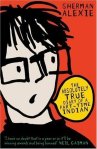
My top author ‘discoveries’ of the year: Sherman Alexie and Bernardine Bishop

Proudest bookish achievements: Reading almost the entire Carol Shields Prize longlist; seeing The Bookshop Band on their huge Emerge, Return tour and not just getting my photo with them but having it published on both the Foreword Reviews and Shelf Awareness websites

Most pinching-myself bookish moment: Getting a chance to judge published debut novels for the McKitterick Prize
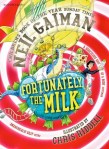
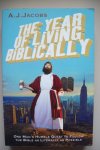
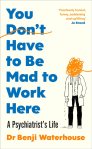
Books that made me laugh: Lots, but particularly Fortunately, the Milk… by Neil Gaiman, The Year of Living Biblically by A.J. Jacobs, and You Don’t Have to Be Mad to Work Here by Benji Waterhouse
Books that made me cry: On Chesil Beach by Ian McEwan, My Good Bright Wolf by Sarah Moss
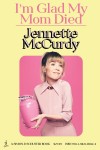 Two books that hit the laughing-and-crying-at-the-same-time sweet spot: The Absolutely True Diary of a Part-Time Indian by Sherman Alexie and I’m Glad My Mom Died by Jennette McCurdy
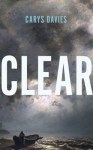
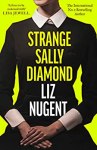
Best book club selections: Clear by Carys Davies, Howards End by E.M. Forster, Strange Sally Diamond by Liz Nugent

Best first lines encountered this year:
- From Cocktail by Lisa Alward: “The problem with parties, my mother says, is people don’t drink enough.”
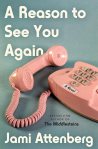
- From A Reason to See You Again by Jami Attenberg: “Oh, the games families play with each other.”
- From The Snow Queen by Michael Cunningham: “A celestial light appeared to Barrett Meeks in the sky over Central Park, four days after Barrett had been mauled, once again, by love.”
Best last lines encountered this year:
 From The Ministry of Time by Kaliane Bradley: “Forgiveness and hope are miracles. They let you change your life. They are time-travel.”
- From Mammoth by Eva Baltasar: “May I know to be alert when, at the stroke of midnight, life sends me its cavalry.”
- From Private Rites by Julia Armfield: “For now, they stay where they are and listen to the unwonted quiet, the hush in place of rainfall unfamiliar, the silence like a final snuffing out.”
- From Come to the Window by Howard Norman: “Wherever you sit, so sit all the insistences of fate. Still, the moment held promise of a full life.”
- From Intermezzo by Sally Rooney: “It doesn’t always work, but I do my best. See what happens. Go on in any case living.”
- From Barrowbeck by Andrew Michael Hurley: “And she thought of those Victorian paintings of deathbed scenes: the soul rising vaporously out of a spent and supine body and into a starry beam of light; all tears wiped away, all the frailty and grossness of a human life transfigured and forgiven at last.”
- From Small Rain by Garth Greenwell: “Pure life.”

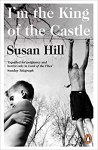
Books that put a song in my head every time I picked them up: I’m the King of the Castle by Susan Hill (“Crash” by Dave Matthews Band); Y2K by Colette Shade (“All Star” by Smashmouth)
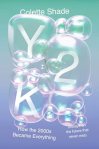
Shortest book titles encountered: Feh (Shalom Auslander) and Y2K (Colette Shade), followed by Keep (Jenny Haysom)
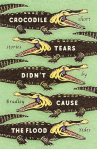 Best 2024 book titles: And I Will Make of You a Vowel Sound, I Can Outdance Jesus, Zombie Vomit Mad Libs, Crocodile Tears Didn’t Cause the Flood, This Is Why We Can’t Have Nice Things
Best book titles from other years: Recipe for a Perfect Wife, Tripping over Clouds, Waltzing the Cat, Dressing Up for the Carnival, The Met Office Advises Caution
Favourite title and cover combo of the year: I’m Mostly Here to Enjoy Myself by Glynnis MacNicol

Best punning title (and nominative determinism): Knead to Know: A History of Baking by Dr Neil Buttery
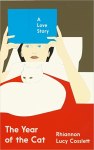 Biggest disappointments: The Glassmaker by Tracy Chevalier (I didn’t get past the first chapter because of all the info dumping from her research); The Year of the Cat by Rhiannon Lucy Cosslett; milk and honey by Rupi Kaur (that … ain’t poetry); 2 from the Observer’s 10 best new novelists feature (here and here)
A couple of 2024 books that everyone was reading but I decided not to: Creation Lake by Rachel Kushner, You Are Here by David Nicholls
 The worst books I read this year: Mammoth by Eva Baltasar, A Spy in the House of Love by Anaïs Nin
The downright strangest books I read this year: Zombie Vomit Mad Libs, followed by The Peculiar Life of a Lonely Postman. All Fours by Miranda July (I am at 44% now) is pretty weird, too.
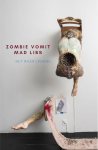

Cover Love 2024
As I did in 2019, 2020, 2021, 2022, and 2023, I’ve picked out some favourite book covers from the past year’s new releases, about half of which I’ve read. Abstract faces? Colour blocks? Partial female bodies? You never know what will dominate.
I’m sure to be drawn to flora and fauna on book covers, especially when they intertwine uniquely or adapt an artwork.
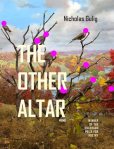
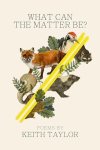


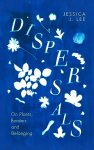
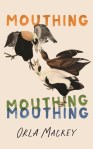
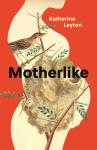


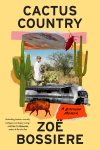
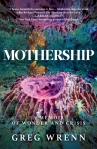

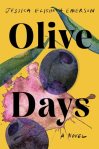

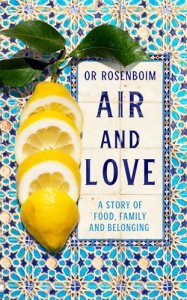
I also tend to like fruit on a cover. Here is one good example (gorgeous tiles)…
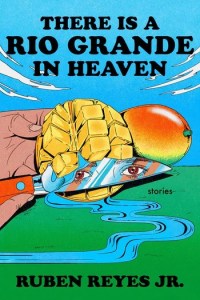
…followed by two awful ones (even though the books themselves, both speculative short story collections I read for paid reviews, were great!). Some will probably love these designs, but the first makes me think of late-1990s clip art and the other is like a crap still life.

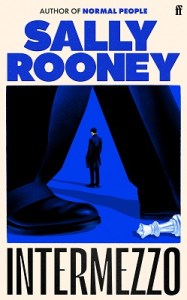
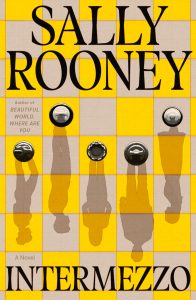
I almost always prefer the U.S. cover to the U.K. cover, and the latest Sally Rooney was no exception. Sorry, Faber, but the cover at left does not do the novel justice. Brilliant job, though, Farrar, Straus and Giroux: a perfect way of depicting the central characters and their dynamics via their shadows on a chess board, and having them upside down makes things that little bit off-kilter.
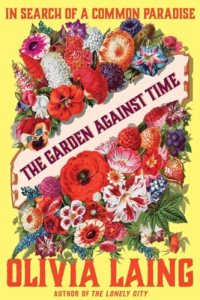
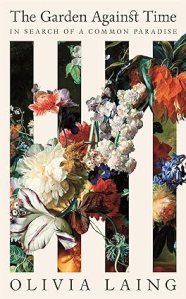
However, the opposite was the case with this Olivia Laing book: the colours and font seem too garish on the Norton edition at left, whereas the blooms slipping through the slats of a white bench on the Picador cover are more elegant and fitting for her style.
I also like a striking font. I loved the contrast between the historical cheekiness of the painting and the contemporary, sans serif, lime green lettering here.
The same goes for the below; I also like that the title goes vertically down the page – a rarer choice.

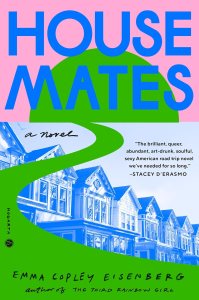
The rowhouses, the green swoop to simulate the road trip contained therein, the colours, the bold title going over two lines … I have my doubts as to whether this novel can live up to its fabulous packaging:
Similarly, everything about these two covers is fantastic … but the books were DNFs for me, alas:
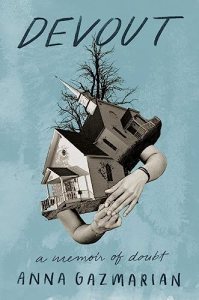

More themes, or odd ones out
Fractured or distorted faces:

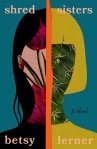

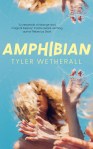
Torn, cut or folded paper:
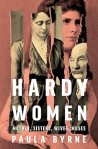
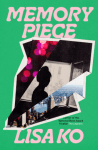
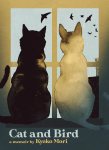
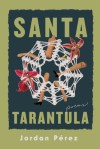
Overlapping words form a relevant shape:
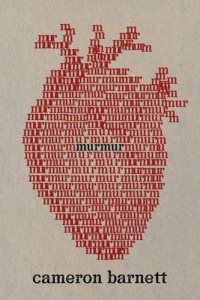
Pastel kitsch:
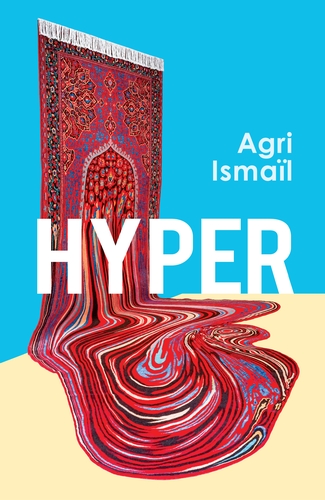
But my favourite cover of the year is for Hyper by Agri Ismaïl. The artwork, Doubts? (2020) by Faig Ahmed, is a handmade wool carpet. The cover and title honestly have nothing to do with the contents of the novel, but I love that symbolic melting into abstraction.
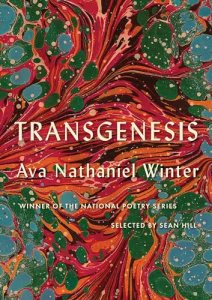
On which, see also my close second place. Painterly swirls almost mimic the view through a microscope, and what a classy font, too: Transgenesis by Ava Winter.
(See also Kate’s and Marina Sofia’s book cover posts.)
What cover trends have you noticed this year?
Which ones tend to grab your attention?
 Bookish Beck = Rebecca Foster. American transplant to England. Freelance proofreader and book reviewer.
