10th Blogging Anniversary! & Thoughts on the Women’s Prize and Carol Shields Prize Longlists
I can hardly believe I’ve been blogging for a decade. It seems like no time ago that I started this site on a whim early in my freelance career, soon after my main online publication folded and my brother-in-law died. This is now my 1,486th blog post (so close to that 1,500 milestone!), which means I average 12 posts a month. Between reviews, challenges, memes, book lists, and prize reactions, I maintain a very active blog. I’ve long since stopped caring about numbers of views and likes; I’ll never be a top influencer but I offer quality, thoughtful content for those who are similarly serious about books. The blog has also become a place where I can write about personal things in response to losses and other life changes.

I’m pleased that my blog anniversary happens to coincide with International Women’s Day, around when the Women’s Prize and Carol Shields Prize longlists are announced. I don’t plan to shadow either prize in a concerted way, partly because I’m too busy with reading debut novels in my role as a McKitterick Prize judge, but there are some books that appeal.
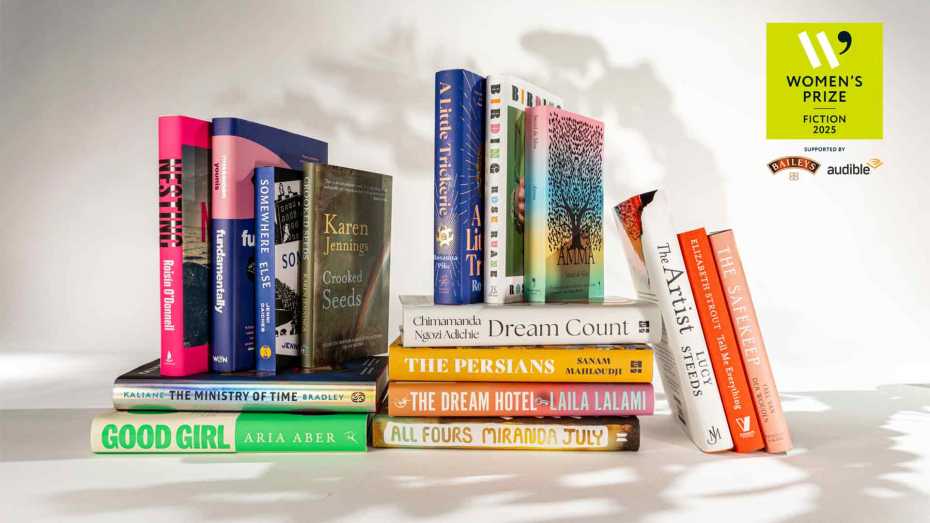
Women’s Prize Longlist
Read
- The Ministry of Time by Kaliane Bradley

- Tell Me Everything by Elizabeth Strout

- The Safekeep by Yael van der Wouden

Reading
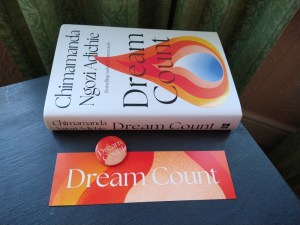 Dream Count by Chimamanda Ngozi Adichie
- All Fours by Miranda July
Already Wanted to Read
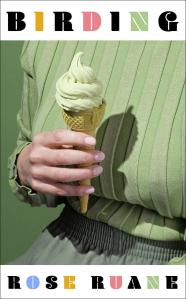
- Birding by Rose Ruane – For the cover if nothing else (it made my Cover Love post last year)
- The Artist by Lucy Steeds – Susan of A life in books rates it highly: see her review.
Unsure
- A Little Trickerie by Rosanna Pike – The premise is reasonably appealing (an orphan who pretends to be an angel) but I am very much not keen on medieval settings. I’ll wait and see if it’s shortlisted.
Decided Against
- Crooked Seeds by Karen Jennings – I read the Booker-longlisted An Island and it was fine but I don’t need to try anything else by her.
- Nesting by Roisín O’Donnell – 400 pages on an Irish domestic violence situation sounds like A Lot. Reviews have been very favourable, saying it’s as pacey as a thriller. Again, I’ll wait to see if it’s shortlisted.
Not Interested (for now)
- Good Girl by Aria Aber
- Somewhere Else by Jenni Daiches
- Amma by Saraid de Silva (but well done to Weatherglass Books!)
- The Dream Hotel by Laila Lalami
- The Persians by Sanam Mahloudji
- Fundamentally by Nussaibah Younis
The blurbs for these don’t attract me, but I’d be willing to change my mind if I see an enthusiastic review or two.
[Shortlist: 2 April; winner: 12 June]
Stab-in-the-dark shortlist predictions: Good Girl, Dream Count, The Dream Hotel, Nesting, The Artist, Tell Me Everything
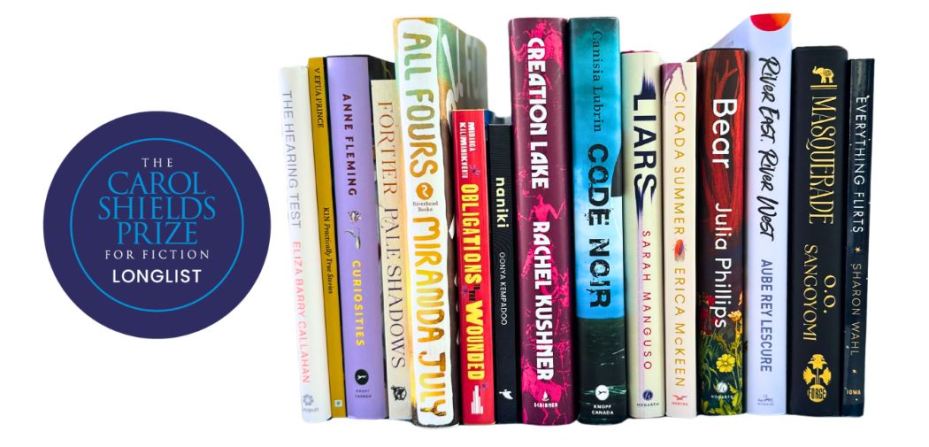
Carol Shields Prize Longlist
Read
- Liars by Sarah Manguso
DNF
- Cicada Summer by Erica McKeen – I read the first 15% last summer. In 2020, Husha has recently lost her mother and is locked down with her grandfather at his Ontario lake house. I recall that the prose was vague and somewhat obnoxiously poetic.
Reading
- All Fours by Miranda July – The only overlap with the WP. I don’t think that, as happened last year, the repeated title will be the winner. It’s too offbeat and divisive.
Want to Read
- The Hearing Test by Eliza Barry Callahan – Novella-length autofiction about adapting to disability.
- Curiosities by Anne Fleming – A historian becomes obsessed with the story told by five 17th-century manuscripts. Sounds like a queer Possession with a dash of North Woods.
- Pale Shadows by Dominique Fortier, translated by Rhonda Mullins – A Québécois author takes on the legacy of Emily Dickinson via the three women who first brought her poetry into print.
- Obligations to the Wounded by Mubanga Kalimamukwento – Linked short stories about Zambians and Zambian émigrés.
Unsure
- Bear by Julia Phillips – After reading Bear by Marian Engel, I don’t think I need any more bear legend-inspired romances in my life. (I already discounted Eowyn Ivey’s latest.)
- Kin: Practically True Stories by V Efua Prince – I’ve had good luck with other books from Wayne State University Press’ Made in Michigan series but can’t quite work out what this would be like.
- Everything Flirts: Philosophical Romances by Sharon Wahl – Could be intriguing; could be pretentious. At least it’s only novella length. All I can do is try an excerpt.
Not Interested (for now)
- Naniki by Oonya Kempadoo – Someone on Goodreads described this as being like spoken word at a sci-fi convention.
- Creation Lake by Rachel Kushner – I wasn’t keen when it was shortlisted for the Booker, and I haven’t changed my mind.
- River East, River West by Aube Rey Lescure – Ditto but from last year’s WP list.
- Code Noir by Canisia Lubrin – Normally I like linked short stories but a 400+ page count and the heavy subject matter of slavery regulations sound overwhelming.
- Masquerade by O.O. Sangoyomi – I struggle with fantasy at the best of times.
[Shortlist: 3 April; winner: 1 May]
Last year Laura T. and I covered most of the longlist between us and really enjoyed the project. (Marcie of Buried in Print also reviewed a lot of the longlist later in the year.) This year we’ll reassess at the shortlist stage and maybe request a few review copies from the publicist. See Laura’s prize longlist reactions here.
Stab-in-the-dark shortlist predictions: Curiosities, Obligations to the Wounded, Creation Lake, Code Noir, Masquerade
What have you read, or might you read, from these longlists?
There Should Be a Cat There
My world was knocked askew earlier this week. Since then I’ve been wandering around the house remarking on the sensation that something is missing. I turned around in my chair at the breakfast table one morning to gaze at the sofa corner behind me and said to my husband C, “There should be a cat there.” Alfie was a constant presence in our lives for 10 years and 8 months; my husband’s first pet ever, and my first as an independent adult. Wherever we went for a decade-plus, he was there when we got home (probably grumbling that his bowl was empty). We adopted him 10 months into my freelance career and he was a faithful work-from-home buddy. He has been with us our whole time in Newbury; I associate him inextricably with home and work life. Even if he spent most of a day sleeping or doing his own thing, just the knowledge that there was another creature in the house was all the company I needed. He was an expert at getting in the way, and just a matter of days ago I was still admonishing “Watch out for the cat” and hearing C trip over his food bowl and litter tray.


Both of our phones’ photo libraries are full of ridiculous and repetitive pictures of the cat asleep. Now I’ve been going around taking photographs of absences. Everything in our house was tailored to an older cat’s needs. His food and water bowls were raised on a fleet of Tupperware to make standing postures more comfortable for him. He used steps all through his mobility-challenged last years. We inherited a proper set of pet steps from a neighbour, but elsewhere rigged up makeshift ones from boxes, document files, crates and stools. In the final weeks, when his claws either slipped or got stuck on everything, I covered the steps in towels so he had something to grip onto and put a strip of carpet in front of his kitchen bowls.


I’ve taken away the food stations, dumped and washed the three litter trays, and laundered the blankets he used the most. It’s the steps I can’t bring myself to take away. I think it’s because I look at them and feel so proud of how he adapted to his limitations. He was by no means the sharpest crayon in the box – he regularly forgot how to use his cat flap to go outside and would ineffectually scrape at it or cry at the back door to come back in – but in the lounge he worked out how to climb the steps plus a pouffe to get to any of the seats. If he got to the top step and looked perplexed, I’d tap out a route for him and he’d follow it. While I would often accuse him of stealing my seat, I knew better. All of the seats were his.


Tuesday was the day. The next day’s sun and birdsong made it feel more like mid-autumn or early spring. The handyman came back to lay floor tiles in the bathroom. I iced my swollen eyes, went for a long walk by the canal, and then faced a day of bustle and noise. It was fine.
Since then it has been worse. Drizzle has set in, C has been away at work or networking events, and the house is too quiet. I half expect to hear, any moment, the pock-pock of the cat climbing the carpeted stairs one by one, claws catching threads on each; his final triumphant heave to the landing accompanied by a huff of effort. I’ll wheel around in my office chair to lock eyes and call, “Hi, buddy! Where you gonna go? Whatcha gonna do?” When I’m downstairs, I expect the opposite: the thump of him getting down from the bed and the steady plop of him gingerly lowering himself one stair at a time and landing at the bottom with a muffled jingle of his collar bell. I’ve found myself doing peculiar things: sniffing an empty Felix beef soup pouch (had I known it was his last meal, I’d have given him his favourite, lamb, instead) and sifting through the kitchen bin and lounge fluff for an empty claw casing to keep. No luck, alas.
I’m comfortable with the terms “cat lady” and “fur baby” despite the stereotypes surrounding them. I don’t apologize about the shape my life has taken. The combination of the unconditional love and weight of responsibility that I felt and the intimate physical care that I performed for him – especially in the few months between his seizures in late October and the day we knew a goodbye had been forced on us – is absolutely akin to what parents feel for their children or what it’s like to undertake the care of an elderly relative.


For 116 days I was a full-time kitty hospice nurse – just like my sister is a hospice nurse for humans in Frederick County, Maryland. Every day curved around his needs. My first tasks on getting up were to check his litter trays, top up kibble and water upstairs and down, add a blood pressure pill to the dry food, and set out a wet food breakfast. Twice a day, around 11, I’d prepare the other medications. The easiest way to get anti-seizure and steroid pills down him was to crush them in a ramekin and mix the powder with a yoghurt-like cat junk food and a dash of water. Then it was time to ambush him with Lick-e-Lix. I’d find him asleep in his basket or on a couch and gently wake him. Like a recalcitrant infant in a highchair, he’d turn his face this way and that, mouth firmly closed. Increasingly, I had to coax him by smearing a bit onto his nose or chin. I’d persist until he deigned to lick the spoon clean.
Early in January, a kind neighbour who could correctly be called a cat-a-holic came to check on Alfie one evening and morning so we could visit our friends in Exeter for an overnight. She brought with her a magical substance she called “cat putty” and, for a while, it was a game changer for pill-giving. Our next-door neighbour and the cat-sitter found it a cinch to get him to eat pills wrapped in putty when they looked in on him once each in early February so we could visit another set of friends in Bristol for a partial weekend. Still I kept going with the Lick-e-Lix. There was something so sweet about spoon-feeding him, regardless of the smelly goo that got all over his face and sometimes dripped on the couch.


The day of the seizures had been a dress rehearsal. We were forced to face his mortality in a more than theoretical way. Once his system adjusted to the phenobarbital, though, we all quickly found a new normal. For those 116 days he plodded along – if not quite as before, not in a significantly diminished way either. They were good days; we are grateful. But they could never be enough. We were greedy. We wanted more. I talked with the vet about the flexibility of medication timings so we could book holidays for the summer. We dreamed up a 17th birthday party for 9 May. I could have kept up this routine indefinitely. Alfie couldn’t.
In my review of Seven Cats I Have Loved by Anat Levit, I complained that too much space was given to each pet’s physical decline. “On the threshold of my cats’ demise, it prescribed the kind of suffering that seemed to have erased the sweetness of all their previous years at once,” she writes. We’re lucky that wasn’t the case. Alfie had quality of life right up until the day or two before the end. I want to remember every phase of his life, not just this final one of more docility and quietness than we’d ever have believed years ago. I would prefer not to focus on the suffering, yet I need to acknowledge that it happened and that it mattered.


I’ve always been interested in medical matters and, detective-like, have been running the sequence of events back through my mind. We never subjected him to expensive imaging or invasive procedures, so we can’t know what precisely was going on, but the vets had some educated guesses: that his weight loss was caused by lymphoma and his seizures by a brain tumour. This was in addition to early-stage kidney disease, high blood pressure and arthritis. So there were serious medical issues there. A cancer was always going to get him, but I’ve still been second-guessing how his last weeks went and whether there was more that I could have done. When did X first happen? When did we first notice Y? Why didn’t I start Z sooner? I can’t quite bear to think of it, but there were probably signs of pain that we didn’t recognize out of ignorance, assuming they were just old cat behaviours or him being weird. Towards the end, there must have been pain that went unmanaged. I will have to forgive myself.
Ultimately, I think we made the best decisions possible with the knowledge we had, as well as the guidance of vets who saw him three times in his last six days. Everything was shutting down and he had had enough. Still, guilt is clearly chasing me. I had a symbolic dream the following night set at one of my childhood homes. The back door opened onto a stairwell with a drain and concrete steps leading up to the backyard. When it rained an exceptional amount, the stairwell filled and the basement sometimes flooded. In the dream, the steps were so wide that Max – the Shetland sheepdog we had when I was ages 7 to 19, and the only other creature at whose death I have been present – and Alfie were side by side on the middle one, while Chewy, my sister’s mutt who lived with us and Max for a time, sat above them. As the water rose right up to their bellies, they remained calm and looked at me. But instead of rushing to help them, I thought that I had to go grab my phone to take pictures.


I had it after my mother’s 2022 death, too: a build-up of futile what-ifs, even though, likewise, a stroke was always going to get her. There was also an urgency to archive everything about her: every quirk, every maddening habit, every key incident. It’s different in that I treasure her own words in letters, cards, e-mails, and her 150 journals; it’s the same in that hundreds of photos can never bring back a presence. I don’t want to forget anything.
It was only Monday evening that Alfie napped on the bed while I took a Zoom call in the chair across from him. Monday night that he slurped up a little dish of gravy and spent hours on C’s lap. Tuesday morning (when he’d stopped eating and drinking) that I, in desperation, shoved an anti-seizure pill down his throat. Weak as he was, he fought me off as stubbornly as ever; I have the network of scratches on the knuckles of my left hand to prove it.
While the cuts are still fresh, while they still sting, I want to get the whole story down. I won’t think about how indulgent it is to post something this long. I won’t tell myself no one could possibly care. I’m writing mostly for myself, after all. As I narrate what happened, I seek to make sense. When I do write more personal material, I cherish the details years down the line. Have you loved another being with your whole heart and had them leave? However the circumstances differ, then, you know my pain. He was my most precious thing.


I’m in the middle of dozens of books, but my heart isn’t in any of my reading. Apart from those with deadlines for paid reviews and library due dates, I will only resume reading when I feel ready. If I miss pub. dates and challenges, so be it. I’m not sure yet whether I’ll be drawn to cat books later this year (“Reading the Meow” has run the past two Junes) or whether it will hurt too much. A couple of years ago I decided that A Cat in the Window by Derek Tangye was the perfect chronicle of life with a cat. Maybe I’ll pick it up to reread and imitate.
I know from my mom’s death that, after some time and cycles of depression and anger have passed, I will be able to take joy in everyday life again. Good memories will overtake those of the last day, and lingering regrets. Meanwhile, I’ll try to be gentle with myself and not run away from the loneliness and emptiness but sit with them. I don’t feel like much of a cat lady without a cat, but I won’t let a petty identity crisis rush me into anything. We may well adopt another cat or two in the future, but not right away. No one can ever replace Alfie anyway.
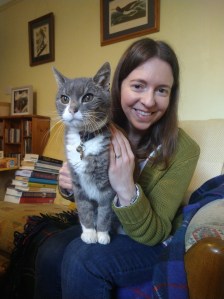
Some fun stuff:
- Alfie’s nicknames spreadsheet, introduced here, has been updated and categorized. There are 250+! (Some only applied to his heavy years and others to his old age.)
- He also had four theme tunes based on snippets from “Asleep on a Sunbeam” by Belle and Sebastian, “Don’t Bother Me” & “Old Enough” (“whatcha gonna do now?”) by the Raconteurs, and “I Just Don’t Know What to Do with Myself” by the White Stripes. (Jack White has the best hooks.) The last two captured his Foster-like indecision.
- I made a bloopers album of some of the more ridiculous photos of him.
- I’ve reviewed loads of cat books over the years. He made it into this post and this one.
My Life in Book Titles from 2024
As usual for January, I’m in the middle of lots of books but hardly finishing anything, so consider this a placeholder until my Love Your Library and January releases posts later in the month. It’s a fun meme that goes around every year; I first spotted it on Annabel’s blog and Susan also took part. I’ve never had a go before but when I looked at the prompts I realized some books I read in 2024 have titles that work awfully well. Links are to my reviews.
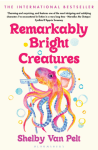 In high school I was [one of the] Remarkably Bright Creatures (Shelby Van Pelt)
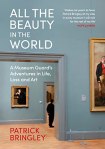
- People might be surprised by All the Beauty in the World (Patrick Bringley)
- I will never be A Spy in the House of Love (Anaïs Nin)
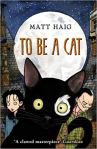 My fantasy job is To Be a Cat (Matt Haig)
- At the end of a long day, I need [a] Cocktail (Lisa Alward)

- I hate being [an] Exhibit (R.O. Kwon)
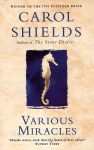
- Wish I had Various Miracles (Carol Shields)
- My family reunions are The Grief Cure (Cory Delistraty)
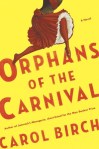 At a party you’d find me with Orphans of the Carnival (Carol Birch)
- I’ve never been to Jungle House (Julianne Pachico)
 A happy day includes The Old Haunts (Allan Radcliffe)
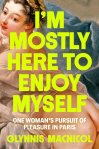
- Motto I live by: I’m Mostly Here to Enjoy Myself (Glynnis MacNicol)
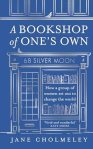 On my bucket list is A Bookshop of One’s Own (Jane Cholmeley)
- In my next life, I want to have A House Full of Daughters (Juliet Nicolson)
Some 2024 Reading Superlatives
Longest book read this year: The Bee Sting by Paul Murray

Shortest books read this year: The Wood at Midwinter by Susanna Clarke – a standalone short story (unfortunately, it was kinda crap); After the Rites and Sandwiches by Kathy Pimlott – a poetry pamphlet
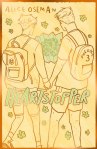 Authors I read the most by this year: Alice Oseman (5 rereads), Carol Shields (3 rereads); Margaret Atwood, Rachel Cusk, Pam Houston, T. Kingfisher, Sarah Manguso, Maggie O’Farrell, and Susan Allen Toth (2 each)
Publishers I read the most from: (Besides the ubiquitous Penguin Random House and its myriad imprints,) Carcanet (15), Bloomsbury & Faber (12 each), Alice James Books & Picador/Pan Macmillan (9 each)
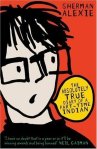
My top author ‘discoveries’ of the year: Sherman Alexie and Bernardine Bishop

Proudest bookish achievements: Reading almost the entire Carol Shields Prize longlist; seeing The Bookshop Band on their huge Emerge, Return tour and not just getting my photo with them but having it published on both the Foreword Reviews and Shelf Awareness websites

Most pinching-myself bookish moment: Getting a chance to judge published debut novels for the McKitterick Prize
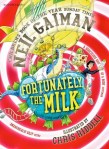
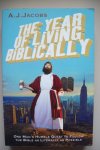
Books that made me laugh: Lots, but particularly Fortunately, the Milk… by Neil Gaiman, The Year of Living Biblically by A.J. Jacobs, and You Don’t Have to Be Mad to Work Here by Benji Waterhouse
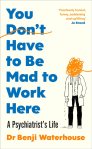
Books that made me cry: On Chesil Beach by Ian McEwan, My Good Bright Wolf by Sarah Moss
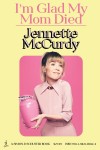 Two books that hit the laughing-and-crying-at-the-same-time sweet spot: The Absolutely True Diary of a Part-Time Indian by Sherman Alexie and I’m Glad My Mom Died by Jennette McCurdy
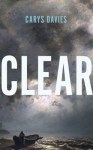
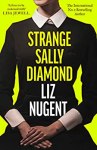
Best book club selections: Clear by Carys Davies, Howards End by E.M. Forster, Strange Sally Diamond by Liz Nugent

Best first lines encountered this year:
- From Cocktail by Lisa Alward: “The problem with parties, my mother says, is people don’t drink enough.”
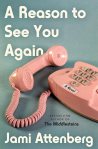
- From A Reason to See You Again by Jami Attenberg: “Oh, the games families play with each other.”
- From The Snow Queen by Michael Cunningham: “A celestial light appeared to Barrett Meeks in the sky over Central Park, four days after Barrett had been mauled, once again, by love.”
Best last lines encountered this year:
 From The Ministry of Time by Kaliane Bradley: “Forgiveness and hope are miracles. They let you change your life. They are time-travel.”
- From Mammoth by Eva Baltasar: “May I know to be alert when, at the stroke of midnight, life sends me its cavalry.”
- From Private Rites by Julia Armfield: “For now, they stay where they are and listen to the unwonted quiet, the hush in place of rainfall unfamiliar, the silence like a final snuffing out.”
- From Come to the Window by Howard Norman: “Wherever you sit, so sit all the insistences of fate. Still, the moment held promise of a full life.”
- From Intermezzo by Sally Rooney: “It doesn’t always work, but I do my best. See what happens. Go on in any case living.”
- From Barrowbeck by Andrew Michael Hurley: “And she thought of those Victorian paintings of deathbed scenes: the soul rising vaporously out of a spent and supine body and into a starry beam of light; all tears wiped away, all the frailty and grossness of a human life transfigured and forgiven at last.”
- From Small Rain by Garth Greenwell: “Pure life.”

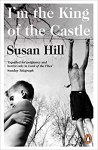
Books that put a song in my head every time I picked them up: I’m the King of the Castle by Susan Hill (“Crash” by Dave Matthews Band); Y2K by Colette Shade (“All Star” by Smashmouth)
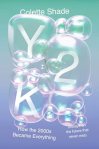
Shortest book titles encountered: Feh (Shalom Auslander) and Y2K (Colette Shade), followed by Keep (Jenny Haysom)
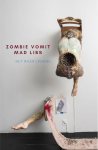
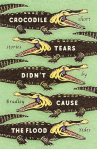 Best 2024 book titles: And I Will Make of You a Vowel Sound, I Can Outdance Jesus, Zombie Vomit Mad Libs, Crocodile Tears Didn’t Cause the Flood, This Is Why We Can’t Have Nice Things
Best book titles from other years: Recipe for a Perfect Wife, Tripping over Clouds, Waltzing the Cat, Dressing Up for the Carnival, The Met Office Advises Caution
Favourite title and cover combo of the year: I’m Mostly Here to Enjoy Myself by Glynnis MacNicol

Best punning title (and nominative determinism): Knead to Know: A History of Baking by Dr Neil Buttery
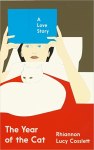 Biggest disappointments: The Glassmaker by Tracy Chevalier (I didn’t get past the first chapter because of all the info dumping from her research); The Year of the Cat by Rhiannon Lucy Cosslett; milk and honey by Rupi Kaur (that … ain’t poetry); 2 from the Observer’s 10 best new novelists feature (here and here)
A couple of 2024 books that everyone was reading but I decided not to: Creation Lake by Rachel Kushner, You Are Here by David Nicholls
 The worst books I read this year: Mammoth by Eva Baltasar, A Spy in the House of Love by Anaïs Nin
The downright strangest books I read this year: Zombie Vomit Mad Libs, followed by The Peculiar Life of a Lonely Postman. All Fours by Miranda July (I am at 44% now) is pretty weird, too.

Cover Love 2024
As I did in 2019, 2020, 2021, 2022, and 2023, I’ve picked out some favourite book covers from the past year’s new releases, about half of which I’ve read. Abstract faces? Colour blocks? Partial female bodies? You never know what will dominate.
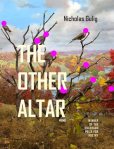
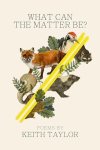
I’m sure to be drawn to flora and fauna on book covers, especially when they intertwine uniquely or adapt an artwork.


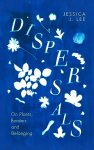
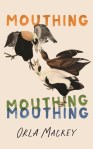
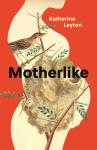


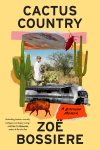


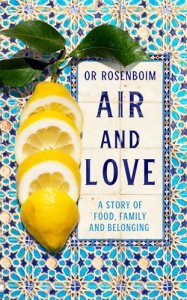
I also tend to like fruit on a cover. Here is one good example (gorgeous tiles)…
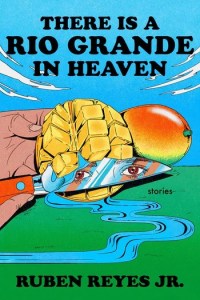
…followed by two awful ones (even though the books themselves, both speculative short story collections I read for paid reviews, were great!). Some will probably love these designs, but the first makes me think of late-1990s clip art and the other is like a crap still life.

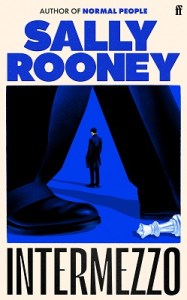
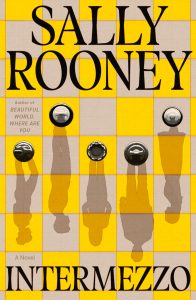
I almost always prefer the U.S. cover to the U.K. cover, and the latest Sally Rooney was no exception. Sorry, Faber, but the cover at left does not do the novel justice. Brilliant job, though, Farrar, Straus and Giroux: a perfect way of depicting the central characters and their dynamics via their shadows on a chess board, and having them upside down makes things that little bit off-kilter.
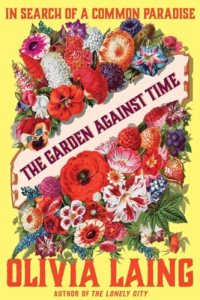
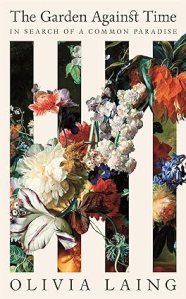
However, the opposite was the case with this Olivia Laing book: the colours and font seem too garish on the Norton edition at left, whereas the blooms slipping through the slats of a white bench on the Picador cover are more elegant and fitting for her style.
I also like a striking font. I loved the contrast between the historical cheekiness of the painting and the contemporary, sans serif, lime green lettering here.
The same goes for the below; I also like that the title goes vertically down the page – a rarer choice.

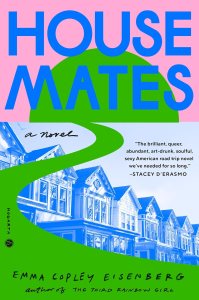
The rowhouses, the green swoop to simulate the road trip contained therein, the colours, the bold title going over two lines … I have my doubts as to whether this novel can live up to its fabulous packaging:
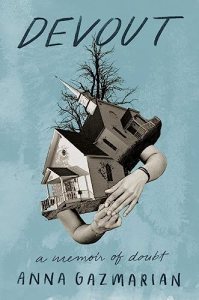
Similarly, everything about these two covers is fantastic … but the books were DNFs for me, alas:

More themes, or odd ones out
Fractured or distorted faces:

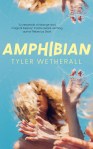
Torn, cut or folded paper:
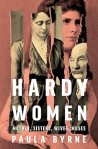
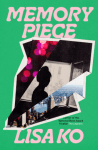
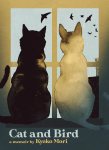
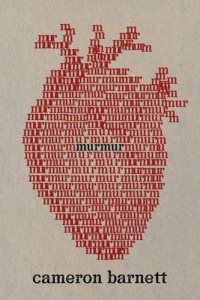
Overlapping words form a relevant shape:
Pastel kitsch:
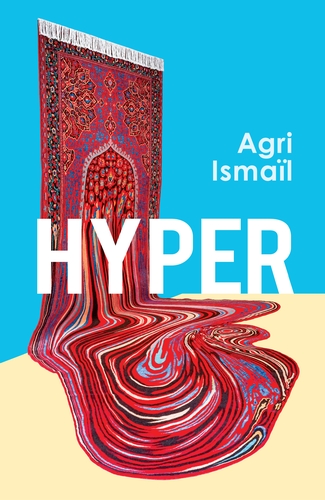
But my favourite cover of the year is for Hyper by Agri Ismaïl. The artwork, Doubts? (2020) by Faig Ahmed, is a handmade wool carpet. The cover and title honestly have nothing to do with the contents of the novel, but I love that symbolic melting into abstraction.
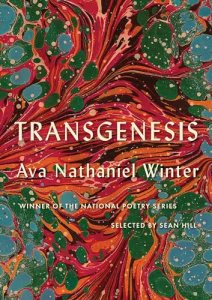
On which, see also my close second place. Painterly swirls almost mimic the view through a microscope, and what a classy font, too: Transgenesis by Ava Winter.
(See also Kate’s and Marina Sofia’s book cover posts.)
What cover trends have you noticed this year?
Which ones tend to grab your attention?
The End of the Year Book Tag
I’ve been feeling a little burnt out after Novellas in November, so when I spotted this on Laura’s blog I thought it might be just the thing to help me sort through my December reading plans while I wait to get my reviewing mojo back.
- Is there a book that you started that you still need to finish by the end of the year?
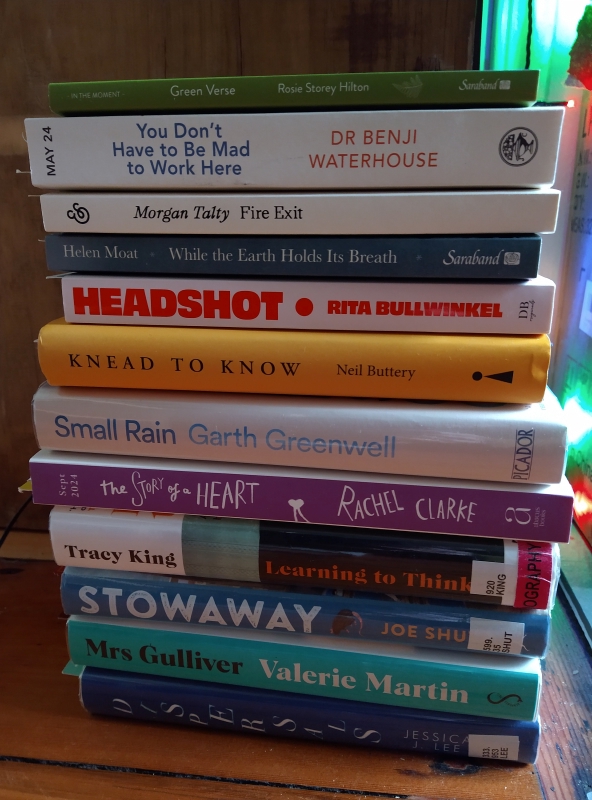
Yes … too many. Pictured are a dozen 2024 releases, a mixture of review copies and library books, that I still hope to get through. Some of them I’m a good way into; others I’ve barely started. (Not shown: All Fours by Miranda July, from NetGalley on my Kindle; and Nine Minds by Daniel Tammet, which I’ll be assessing for Foreword Reviews.)
- Do you have an autumnal book to transition to the end of the year?
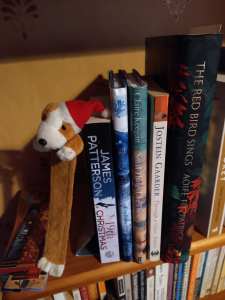
Autumn is the hardest season for me to assign reads to. I’m already in winter mode, so it’s more likely that I’ll pick up one or a few of these wintry or Christmassy books.
-
 Is there a release you are still waiting for?
Published last week and on my Kindle from Edelweiss: the poetry collection Constructing a Witch by Helen Ivory. Otherwise, it’s on to January and February releases for my paid reviewing gigs.
- Name three books you want to read by the end of the year.
From the stack above, I haven’t properly started Headshot by Rita Bullwinkel or opened Fire Exit by Morgan Talty, and I’m still hoping to read those two review copies in their entirety. I will also try to squeeze in at least one more McKitterick Prize novel entry.
But I also have up to five 2025 releases to read for paid reviews that would be due early in January.
Over the holidays, I fancy dipping into some lighter fiction, cosy and engaging creative nonfiction, and thought-provoking but readable science and theology stuff. Here are some options I pulled off of my bedside table shelves.
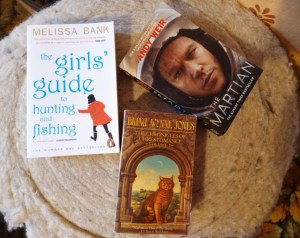
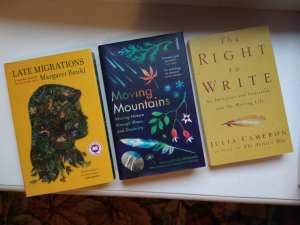
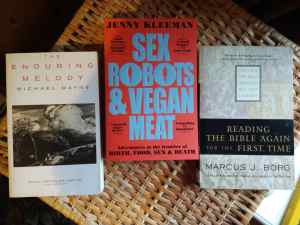
- Is there a book that could still shock you and become your favourite of the year?
Small Rain by Garth Greenwell and Dispersals by Jessica J. Lee are both very promising. I’m nearly 1/3 into the Greenwell (it’s my first time reading him) and I’m so impressed: this is patently autofiction about a medical crisis he had during the pandemic, but there is such clarity and granular detail that it feels absolutely true to the record yet soars above any memoir he might have written about the same events. He’s both back in the moment and understanding everything omnisciently. Greenwell has also written poetry, and I was reminded of the Wordsworth quote “Poetry is the spontaneous overflow of powerful feelings: it takes its origin from emotion recollected in tranquillity.”
I’ve only read the first chapter of the Lee so far, but I’m a real fan of her hybrid nature memoirs and I think the metaphorical links between her life and plants will really work.
- Have you already started making reading plans for 2025?
So far I’ve read something like 11 books with 2025 publication dates, most of them for paid reviews. I will feature some of those soon. I’ve also compiled a list of my 20 Most Anticipated releases of 2025 and will post that early in January.
Apart from that, I expect it will be the usual pairs of contradictory goals: reading ahead (2025 stuff) versus catching up (backlist and my preposterous set-aside shelf); failing to resist review copies and library holds versus trying to read more from my own shelves; reading to challenges and themes versus preserving the freedom to pick up books as the whim takes me.


Speaking of themes, I fancy doing a deep dive into the senses, especially the sense of smell, which particularly intrigues me. (I’ll make it a trio with The Forgotten Sense: The New Science of Smell—and the Extraordinary Power of the Nose by Jonas Olofsson, which will be published on 7 January and is on order for me at the library.)
Thanks for Joining in with Novellas in November! #NovNov24 Statistics
Co-host Cathy and I are delighted that so many of you participated in Novellas in November again this year and helped us to celebrate the art of the short book. We had 46 participants and 173 posts covering more than 150 books.

In total, 16 friends of #NovNov reviewed our buddy read, Orbital by Samantha Harvey, which won the Booker Prize partway through the month.

Other books with multiple reviews included John Boyne’s recent novella series, The Party by Tessa Hadley, various by Claire Keegan, Astraea by Kate Kruimink, and Baron Bagge by Alexander Lernet-Holenia.
The link-up will remain open through Saturday 7 December if you would like to add in any belated reviews (I will certainly be doing so).
See you next November – but keep reading novellas and sharing the love all through the year!
A New Chapter in My McKitterick Prize Judging
 For the past four years, I have been a judge for the McKitterick Prize, one of various awards administered by the Society of Authors (the UK trade union for writers). Since 1990, this Prize has been given to a debut novelist aged 40+. It’s unique in that it considers unpublished manuscripts as well as published novels – Tom McKitterick, who endowed the prize, was a former Political Quarterly editor and left an unpublished novel at his death. The overlapping Paul Torday Memorial Prize (for debut authors of 60+) closed last year, so this is one of just two prizes I know of for authors OVER a certain age, the other being the RSL Christopher Bland Prize, which is for fiction or nonfiction.
In 2021–24, my role was helping to whittle down the unpublished manuscripts, which then joined the traditionally published novels for judging. For 2025, I’m delighted to announce that I’m one of the judges assessing the published material (this includes self-published books). The opportunity came about by happenstance, really. I realized that I hadn’t heard from the SoA lately and assumed they didn’t need me this year, but e-mailed in case and learned that a judge had just had to bow out, leaving a space for me. It feels like a big step up as judging ‘proper books’ – by which I mean published, and in print format – for a literary prize is a longstanding ambition of mine.


My first shipment arrived on Thursday and I’ve already gotten stuck into my first two reads. I didn’t take a look at the list before the parcel was delivered so I could have the fun of unboxing surprises. Four of the submissions are ones I (secretly) predicted, and I recognized another six titles. The rest are new to me. I likely won’t be able to share more about the process or any of my reading until after the shortlist in May and/or the winner announcement in June at the annual SoA Awards ceremony. My hope is that I will find lots of gems so the task never turns tedious. Longlist choices are due in March, so I’m going to be busy over the next few months! I pulled out a notebook I won in a giveaway on Cathy’s blog to act as a repository for my notes and thoughts. I’m excited to see what themes emerge and encounter some debut novelists the world needs to hear about.


#NovNov24 Halfway Check-In & Small Things Like These Film Review
Somehow half of November has flown by. We hope you’ve been enjoying reading and reviewing short books this month. So far we have had 40 participants and 84 posts! Remember to add your posts to the link-up, or alert us via a comment here or on Bluesky (@cathybrown746.bsky.social / @bookishbeck.bsky.social), Instagram (@cathy_746books / @bookishbeck), or X (@cathy746books / @bookishbeck).
If you haven’t already, there’s no better time to pick up our buddy read, Orbital by Samantha Harvey, which won the Booker Prize on Tuesday evening. Chair of judges Edmund de Waal said it is “about a wounded world” and that the panel’s “unanimity about Orbital recognises its beauty and ambition.” I was surprised to learn that it is only the second-shortest Booker winner; Offshore by Penelope Fitzgerald is even shorter.
Another popular novella many of us have read is Small Things Like These by Claire Keegan (my latest review is here). I went to see the excellent film adaptation, with a few friends from book club, at our tiny local arthouse cinema on Wednesday afternoon. I’ve read the book twice now – I might just read it a third time before Christmas – and from memory the film is remarkably faithful to its storyline and scope. (The only significant change I think of is that Bill doesn’t visit Ned in the hospital, but there are still flashbacks to the role that Ned played in Bill’s early life.)
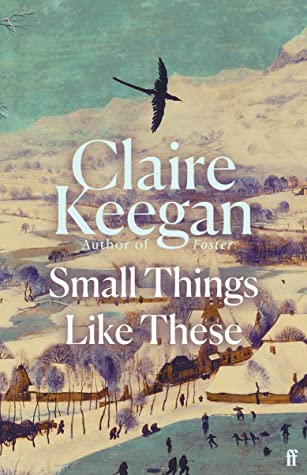 The casting and cinematography are exceptional. Cillian Murphy portrays Bill with just the right blend of stoicism, meekness, and angst. Emily Watson is chilling as Sister Mary, the Mother Superior of the convent, which is suitably creepy with dim brick hallways and clinical laundry rooms. The grimy cobbles and dull streetlamps of the town contrast with the warm light in the scenes of Bill’s remembered childhood at Mrs Wilson’s. Repeated shots – of Bill’s truck setting off across the bridge in the early morning, of him scrubbing coal dust from his hands with carbolic soap, of his eyes wide open in the middle of the night – are not recursive but a way of establishing the gruelling nature of his tasks and the unease that plagues him. A life of physical labour has aged him beyond 39 (cf. Murphy is 48) and he’s in pain from shouldering sacks of coal day in and day out.
Both book and film are set in 1985 but apart from the fashions and the kitschy Christmas decorations and window dressings you’d be excused for thinking it was the 1950s. Bill’s business deals in coal, peat and tinder; rural Ireland really was that economically depressed and technologically constrained. (Another Ireland-set film I saw last year, The Miracle Club, is visually very similar – it even features two of the same actors – although it takes place in 1967. It’s as if nothing changed for decades.)
 By its nature, the film has to be a little more overt about what Bill is feeling (and generally not saying, as he is such a quiet man): there are tears at Murphy’s eyes and anxious breathing to make Bill’s state of mind obvious. Yet the film retains much of the subtlety of Keegan’s novella. You have to listen carefully during the conversation between Bill and Sister Mary to understand she is attempting to blackmail him into silence about what goes on at the convent.
At the end of the film showing, you could have heard a pin drop. Everyone was stunned at the simple beauty of the final scene, and the statistics its story is based on. It’s truly astonishing that Magdalene Laundries were in operation until the late 1990s, with Church support. Rage and sorrow build in you at the very thought, but Bill’s quietly heroic act of resistance is an inspiration. What might we, ordinary people all, be called on to do for women, the poor, and the oppressed in the years to come? We have no excuse not to advocate for them.
(Arti of Ripple Effects has also reviewed the film here.)
So far this month I’ve read nine novellas and reviewed eight. One of these was a one-sitting read, and I have another pile of ones that I could potentially read of a morning or evening next week. I’m currently reading another 16 … it remains to be seen whether I will average one a day for the month!
Nonfiction November Book Pairings: Autistic Husbands & The Ocean
Liz is the host for this week’s Nonfiction November prompt. The idea is to choose a nonfiction book and pair it with a fiction title with which it has something in common.
I came up with these two based on my recent reading:
An Autistic Husband
The Rosie Effect by Graeme Simsion (also The Rosie Project and The Rosie Result)
&
Disconnected: Portrait of a Neurodiverse Marriage by Eleanor Vincent
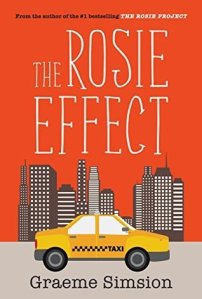 Graeme Simsion’s Don Tillman trilogy tells the odd-couple story of an autistic professor and how he falls in love with and marries a wholly unsuitable neurotypical woman. He turns this situation into romantic comedy. For Eleanor Vincent, it wasn’t so funny. She met her third husband, computer scientist Lars (a pseudonym), through Zydeco dancing when she was in her sixties. Though aware that he could be unemotional and act strangely, she found him chivalrous and sweet. They dated for a time but he hurt and confused her by asking for his apartment keys back. After a five-year period she calls their “Interregnum,” the two got back together and married. Despite their years of friendship, she was completely unprepared for what living with him would be like. “At the age of seventy-one, I had married a stranger,” she writes.
It didn’t help that Covid hit partway through their four-year marriage, nor that they each received a cancer diagnosis (cervical vs. prostate). But the problems were more with their everyday differences in responses and processing. During their courtship, she ignored some bizarre things he did around her family: he bit her nine-year-old granddaughter as a warning of what would happen if she kept antagonizing their cat, and he put a gift bag over his head while they were at the dinner table with her siblings. These are a couple of the most egregious instances, but there are examples throughout of how Lars did things she didn’t understand. Through support groups and marriage counselling, she realized how well Lars had masked his autism when they were dating – and that he wasn’t willing to do the work required to make their marriage succeed. The book ends with them estranged but a divorce imminent.
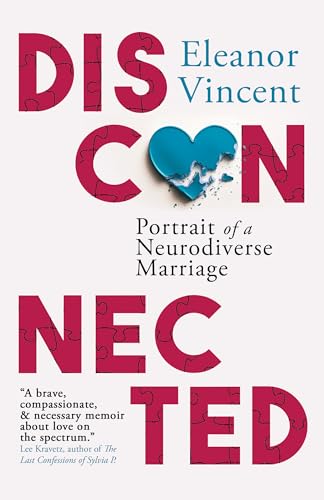 If this were purely carping about a husband’s weirdness, it might have been tedious or depressing. But Vincent doesn’t blame Lars, and she incorporates so much else in this short memoir, including a number of topics that are of particular interest to me. There’s her PTSD from a traumatic upbringing, her parents’ identity as closeted gay people, the complications around her father’s death, the tragedy of her older daughter’s death, as well as the more everyday matters of being a working single parent, finding an affordable property in California’s Bay Area, and blending households.
Vincent crafts engaging scenes with solid recreated dialogue, and I especially liked the few meta chapters revealing “What I Left Out” – a memoir is always a shaped narrative, while life is messy; this shows both. She is also honest about her own failings and occasional bad behavior. I probably could have done with a little less detail on their sex life, however.
This had more relevance to me than expected. While my sister and I were clearing our mother’s belongings from the home she shared with her second husband for the 16 months between their wedding and her death, our stepsisters mentioned to us that they suspected their father was autistic. It was, as my sister said, a “lightbulb” moment, explaining so much about our respective parents’ relationship, and our interactions with him as well. My stepfather (who died just 10 months after my mother) was a dear man, but also maddening at times. A retired math professor, he was logical and flat of affect. Sometimes his humor was off-kilter and he made snap, unsentimental decisions that we couldn’t fathom. Had they gotten longer together, no doubt many of the issues Vincent experienced would have arisen. (Read via BookSirens)
[173 pages]
The Ocean
Playground by Richard Powers
&
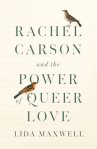
Rachel Carson and the Power of Queer Love by Lida Maxwell
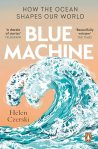
The Blue Machine by Helen Czerski
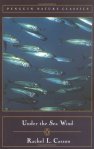
Under the Sea Wind by Rachel Carson
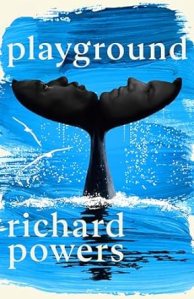 While I was less than enraptured with its artificial intelligence theme and narrative trickery, I loved the content about the splendour of the ocean in Richard Powers’s Booker Prize-longlisted Playground. Most of this comes via Evelyne Beaulieu, a charismatic French Canadian marine biologist (based in part on Sylvia Earle) who is on the first all-female submarine mission and is still diving in the South Pacific in her nineties. Powers explicitly references Rachel Carson’s The Sea Around Us. Between that and the revelation of Evelyne as a late-bloomer lesbian, I was reminded of Rachel Carson and the Power of Queer Love, a forthcoming novella-length academic study by Lida Maxwell that I have assessed for Foreword Reviews. Maxwell’s central argument is that Carson’s romantic love for a married woman, Dorothy Freeman, served as an awakening to wonder and connection and spurred her to write her greatest works.
After reading Playground, I decided to place a library hold on Blue Machine by Helen Czerski (winner of the Wainwright Writing on Conservation Prize this year), which Powers acknowledges as an inspiration that helped him to think bigger. I have also pulled my copy of Under the Sea Wind by Rachel Carson off the shelf as it’s high time I read more by her.
Previous book pairings posts: 2018 (Alzheimer’s, female friendship, drug addiction, Greenland and fine wine!) and 2023 (Hardy’s Wives, rituals and romcoms).
 Bookish Beck = Rebecca Foster. American transplant to England. Freelance proofreader and book reviewer.
 Bookish Beck