Summer Reading 2025: Anthony, Espach, Han & Teir
In the UK, summer doesn’t officially end until the 22nd, so even though I’ve been doing plenty of baking with apples and plums and we’ve had squashes delivered in our vegetable box, I’ve taken advantage of that extra time to finish a couple more summery books. This year I’m featuring four novels ranging in location from Rhode Island to Finland. I’ve got all the trappings of summer: a swimming pool, a wedding, a beach retreat, and a summer house.
The Most by Jessica Anthony (2024)
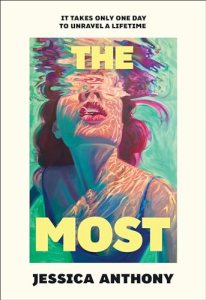 I can’t resist a circadian narrative. This novella takes place in Delaware on one day in early November 1957, but flashbacks and close third-person narration reveal everything we need to know about Virgil and Kathleen Beckett and their marriage. I’m including it in my summer reading because it’s set on an unseasonably warm Sunday and Kathleen decides to spend the entire day in their apartment complex’s pool. The mother of two drifts back in memory to her college tennis-playing days and her first great love, Billy Blasko, a Czech tennis coach who created a signature move called “The Most,” which means “bridge” in his language – the idea is to trap your opponent and then drop a bomb on them. Virgil, who after taking their two boys to church goes golfing with his insurance sales colleagues as is expected of him, loves jazz music and has just been sent the secret gift of a saxophone. Both spouses are harbouring secrets and, as Laika orbits the Earth overhead, they wonder if they can break free from the capsules they’ve built around their hearts and salvage their relationship. The storytelling is tight even as the book loops around the same events from the two perspectives. This was really well done, and a big step up from Enter the Aardvark. (Public library)
The Wedding People by Alison Espach (2024)
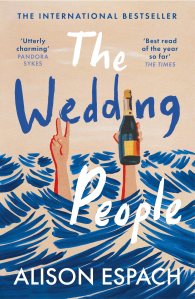 You’ve all heard about this one, right? It’s been a Read with Jenna selection and the holds are stacking up in my library system. No wonder it’s been hailed as a perfect summer read: it’s full of sparkling banter; heartwarming, very funny and quite sexy. And that despite a grim opening situation: Phoebe flies from St. Louis to Newport and checks into a luxury hotel, intending to kill herself. She’s an adjunct professor whose husband left her for their colleague after their IVF attempts failed, and she feels she’ll never finish writing her book, become a mother or find true love again. Little does she know that a Bridezilla type named Lila who’s spent $1 million of her inheritance on a week-long wedding extravaganza (culminating in a ceremony at The Breakers mansion) meant to book out the entire hotel. Phoebe somehow snagged the room with the best view. Lila isn’t about to let anyone ruin her wedding.
What follows is Cinderella-like yet takes into account the realities of bereavement, infidelity, infertility and blended families. Because of the one-week format, Phoebe’s depression is defused more quickly than is plausible, but I was relieved that Espach doesn’t plump for a full-blown happy ending. I did also find the novel unnecessarily crass in places, especially the gag about the car. Still, this has all the wit of Katherine Heiny and Curtis Sittenfeld. I’d recommend it if you enjoyed Dream State or Consider Yourself Kissed, and it’s especially reminiscent of Sorrow and Bliss for the mixture of humour and frank consideration of mental health. It’s as easy to relate to Phoebe’s feelings (“How much of her life had she spent in this moment, waiting for someone else to decide something conclusive about her?”; “It is so much easier to sit in things and wait for someone to save us”) as it is to laugh at the one-liners. “Garys are not wonderful. That’s just not what they are meant to be” particularly tickled me because I know a few Garys in real life. (Public library)
The Summer I Turned Pretty by Jenny Han (2008)
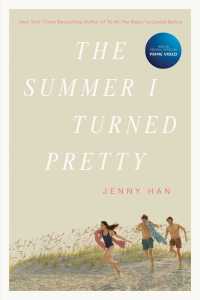 Every summer Belly and her mother and brother have joined her mother’s best friend Susannah and her sons Conrad and Jeremiah at their beach house. She’s had a crush on Conrad for what’s felt like forever, but she’s only ever been his surrogate little sister, fun for palling around with but never taken seriously. This summer is different, though: Belly is turning 16, it’s Conrad’s last summer before college, and his family seems to be falling apart. The novel kept being requested off me and I puzzled over how it could have eight reservations on it until I realized there’s an Amazon Prime Video adaptation now in its third and final season. I reckon the story will work better on screen because Belly’s narration was the main issue for me. She’s ever so shallow, so caught up in boys that she doesn’t realize Susannah is sick again. Her fixation on the brooding Conrad doesn’t make sense when she could have affable Jeremiah or sweet, geeky Cam, who met her through Latin club and liked her before she grew big boobs. He’s who she’s supposed to be with in this kind of story, right? I think this would appeal to younger, boy-crazy teens, but it just made me feel old and grumpy. (Public library)
The Summer House by Philip Teir (2017; 2018)
[Translated from Swedish by Tiina Nunnally]
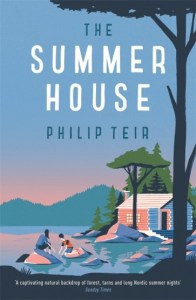 The characters are Finland-Swedish, like the author. Erik and Julia escape Helsinki with their children, Alice and Anton, to spend time at her father’s summer house. Erik has just lost his job in IT for a large department store, but hasn’t told Julia yet. Julia is working on a novel, but distracted by the fact that her childhood friend Marika, the not so secret inspiration for a character in her previous novel, is at another vacation home nearby with Chris, her Scottish partner. These two and their hangers-on have a sort of commune based around free love and extreme environmental realism: the climate crisis will not be solved (“accepting the grief instead of talking about hope all the time”) and the only thing to do is participate in de-civilisation. But like many a cult leader, Chris courts young female attention and isn’t the best role model. Both couples are strained to breaking point.
Meanwhile, Chris and Marika’s son, Leo, has been sneaking off with Alice; and Erik’s brother Anders shows up and starts seeing the widowed therapist neighbour. This was a reasonably likeable book about how we respond to crises personal and global, and how we react to our friends’ successes and problems – Erik is jealous of his college buddy’s superior performance in a tech company. But I thought it was a little aimless, especially in its subplots, and it suffered in comparison with Leave the World Behind, which has quite a similar setup but a more intriguing cosmic/dystopian direction. (Secondhand – Community Furniture Project, Newbury) 
Any final summer books for you this year?
Most Anticipated Books of the Second Half of 2025
My “Most Anticipated” designation sometimes seems like a kiss of death, but other times the books I choose for these lists live up to my expectations, or surpass them!
(Looking back at the 25 books I selected in January, I see that so far I have read and enjoyed 8, read but been disappointed by 4, not yet read – though they’re on my Kindle or accessible from the library – 9, and not managed to get hold of 4.)
This time around, I’ve chosen 15 books I happen to have heard about that will be released between July and December: 7 fiction and 8 nonfiction. (In release date order within genre. UK release information generally given first, if available. Note given on source if I have managed to get hold of it already.)
Fiction
 The Girls Who Grew Big by Leila Mottley [10 July, Fig Tree (Penguin) / June 24, Knopf]: I was impressed with the confident voice in Mottley’s debut, Nightcrawling. She’s just 22 years old so will only keep getting better. This is “about the joys and entanglements of a fierce group of teenage mothers in a small town on the Florida panhandle. … When [16-year-old Adela] tells her parents she’s pregnant, they send her from … Indiana to her grandmother’s in Padua Beach, Florida.” I’ve read one-third so far. (Digital review copy)
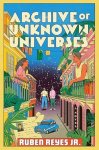 Archive of Unknown Universes by Ruben Reyes Jr. [21 Aug., Footnote Press (Bonnier) / July 1, Mariner Books]: There Is a Rio Grande in Heaven was a strong speculative short story collection and I’m looking forward to his debut novel, which involves alternative history elements. (Starred Kirkus review.) “Cambridge, 2018. Ana and Luis’s relationship is on the rocks, despite their many similarities, including … mothers who both fled El Salvador during the war. In her search for answers, and against her best judgement, Ana uses The Defractor, an experimental device that allows users to peek into alternate versions of their lives.”
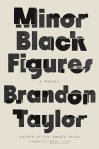 Minor Black Figures by Brandon Taylor [Oct. 7, Riverhead / 5 March 2026, Jonathan Cape (Penguin)]: I’ve read all of his works … but I’m so glad he’s moving past campus settings now. “A newcomer to New York, Wyeth is a Black painter who grew up in the South and is trying to find his place in the contemporary Manhattan art scene. … When he meets Keating, a white former seminarian who left the priesthood, Wyeth begins to reconsider how to observe the world, in the process facing questions about the conflicts between Black and white art, the white gaze on the Black body, and the compromises we make – in art and in life.” (Edelweiss download)
 Heart the Lover by Lily King [16 Oct., Canongate / Oct. 7, Grove Press]: I’ve read several of her books and after Writers & Lovers I’m a forever fan. “In the fall of her senior year of college, [Jordan] meets two star students from her 17th-Century Lit class, Sam and Yash. … she quickly discovers the pleasures of friendship, love and her own intellectual ambition. … when a surprise visit and unexpected news brings the past crashing into the present, Jordan returns to a world she left behind and is forced to confront the decisions and deceptions of her younger self.” (Edelweiss download)
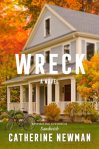 Wreck by Catherine Newman [28 Oct., Transworld / Harper]: This is a sequel to Sandwich, and in general sequels should not exist. However, I can make a rare exception. Set two years on, this finds “Rocky, still anxious, nostalgic, and funny, obsessed with a local accident that only tangentially affects them—and with a medical condition that, she hopes, won’t affect them at all.” In a recent Substack post, Newman compared it to Small Rain, my book of 2024, for the focus on a mystery medical condition. (Edelweiss download)
 Palaver by Bryan Washington [Nov. 4, Farrar, Straus, and Giroux / 1 Jan. 2026, Atlantic]: I’ve read all his work and I’m definitely a fan, though I wish that (like Taylor previously) he wouldn’t keep combining the same elements each time. I’ll be reviewing this early for Shelf Awareness; hooray that I don’t have to wait until 2026! “He’s entangled in a sexual relationship with a married man, and while he has built a chosen family in Japan, he is estranged from his family in Houston, particularly his mother … Then, in the weeks leading up to Christmas, ten years since they’ve last seen each other, the mother arrives uninvited on his doorstep. Separated only by the son’s cat, Taro, the two of them bristle against each other immediately.” (Edelweiss download)
 The Silver Book by Olivia Laing [6 Nov., Hamish Hamilton (Penguin) / 11 Nov., Farrar, Straus and Giroux]: I’ve read all but one of Laing’s books and consider her one of our most important contemporary thinkers. I was also pleasantly surprised by Crudo so will be reading this second novel, too. I’ll be reviewing it early for Shelf Awareness as well. “September 1974. Two men meet by chance in Venice. One is a young English artist, in panicked flight from London. The other is Danilo Donati, the magician of Italian cinema. … The Silver Book is at once a queer love story and a noirish thriller, set in the dream factory of cinema. (Edelweiss download)
Nonfiction
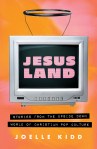 Jesusland: Stories from the Upside[-]Down World of Christian Pop Culture by Joelle Kidd [Aug. 12, ECW]: “Through nine incisive, honest, and emotional essays, Jesusland exposes the pop cultural machinations of evangelicalism, while giving voice to aughts-era Christian children and teens who are now adults looking back at their time measuring the length of their skirts … exploring the pop culture that both reflected and shaped an entire generation of young people.” Yep, that includes me! Looking forward to a mixture of Y2K and Jesus Freak. (NetGalley download)
 Somebody Is Walking on Your Grave: My Cemetery Journeys by Mariana Enríquez; translated from Spanish by Megan McDowell [25 Sept., Granta / Sept. 30, Hogarth]: I’ve enjoyed her creepy short stories, plus I love touring graveyards. “In 2013, when the body of a friend’s mother who was disappeared during Argentina’s military dictatorship was found in a common grave, she began to examine more deeply the complex meanings of cemeteries and where our bodies come to rest. In this vivid, cinematic book … Enriquez travels North and South America, Europe and Australia … [and] investigates each cemetery’s history, architecture, its dead (famous and not), its saints and ghosts, its caretakers and visitors.” (Edelweiss download, for Shelf Awareness review)
 Ghosts of the Farm: Two Women’s Journeys Through Time, Land and Community by Nicola Chester [30 Sept., Chelsea Green]: Nicola is our local nature writer and is so wise on class and countryside matters. On Gallows Down was her wonderful debut and, though I know very little about it, I’m looking forward to her second book. “This is the story of Miss White, a woman who lived in the author’s village 80 years ago, a pioneer who realised her ambition to become a farmer during the Second World War. … Moving between Nicola’s own attempts to work outdoors and Miss White’s desire to farm a generation earlier, Nicola explores the parallels between their lives – and the differences.”
 Death of an Ordinary Man by Sarah Perry [2 Oct., Vintage (Penguin)]: I’ve had a very mixed experience with Perry’s fiction, but a short bereavement memoir should be right up my street. “Sarah Perry’s father-in-law, David, died at home nine days after a cancer diagnosis and having previously been in the good health. The speed of his illness outstripped that of the NHS and social care, so the majority of nursing fell to Sarah and her husband. They witnessed what happens to the body and spirit, hour by hour, as it approaches death.”
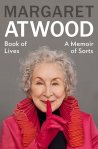 Book of Lives: A Memoir of Sorts by Margaret Atwood [4 Nov., Vintage (Penguin) / Doubleday]: It’s Atwood; ’nuff said, though I admit I’m daunted by the page count. “Raised by ruggedly independent, scientifically minded parents – entomologist father, dietician mother – Atwood spent most of each year in the wild forest of northern Quebec. … [She links] seminal moments to the books that have shaped our literary landscape. … In pages bursting with bohemian gatherings … and major political turning points, we meet poets, bears, Hollywood actors and larger-than-life characters straight from the pages of an Atwood novel.”
 Tigers Between Empires: The Improbable Return of Great Cats to the Forests of Russia and China by Jonathan C. Slaght [4 Nov., Allen Lane / Farrar, Straus and Giroux]: Slaght’s Owls of the Eastern Ice was one of the best books I read in 2022; he’s a top-notch nature and travel writer with an environmentalist’s conscience. After the fall of the Soviet Union, “scientists came together to found the Siberian Tiger Project[, which …] captured and released more than 114 tigers over three decades. … [C]haracters, both feline and human, come fully alive as we travel with them through the quiet and changing forests of Amur.” (NetGalley download)
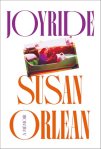 Joyride by Susan Orlean [6 Nov., Atlantic Books / Oct. 14, Avid Reader Press (Simon & Schuster)]: I’m a fan of Orlean’s genre-busting nonfiction, e.g. The Orchid Thief and The Library Book, and have always wanted to try more by her. “Joyride is her most personal book ever—a searching journey through finding her feet as a journalist, recovering from the excruciating collapse of her first marriage, falling head-over-heels in love again, becoming a mother while mourning the decline of her own mother, sojourning to Hollywood for films based on her work. … Joyride is also a time machine to a bygone era of journalism.”
 A Long Game: Notes on Writing Fiction by Elizabeth McCracken [Dec. 2, Ecco]: I’m not big on craft books, but will occasionally read one by an author I admire; McCracken won my heart with The Hero of This Book. “How does one face the blank page? Move a character around a room? Deal with time? Undertake revision? The good and bad news is that in fiction writing, there are no definitive answers. … McCracken … has been teaching for more than thirty-five years [… and] shares insights gleaned along the way, offering practical tips and incisive thoughts about her own work as an artist.” (Edelweiss download)
As a bonus, here are two advanced releases that I reviewed early:
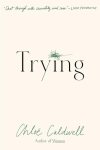 Trying: A Memoir by Chloe Caldwell [Aug. 5, Graywolf] (Reviewed for Foreword): Caldwell devoted much of her thirties to trying to get pregnant via intrauterine insemination. She developed rituals to ease the grueling routine: After every visit, she made a stop for luxury foodstuffs and beauty products. But then her marriage imploded. When she began dating women and her determination to become a mother persisted, a new conception strategy was needed. The book’s fragmentary style suits its aura of uncertainty about the future. Sparse pages host a few sentences or paragraphs, interspersed with wry lists.
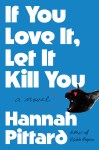 If You Love It, Let It Kill You by Hannah Pittard [July 15, Henry Holt] (Reviewed for Shelf Awareness): A quirky work of autofiction about an author/professor tested by her ex-husband’s success, her codependent family, and an encounter with a talking cat. Hana P. (or should that be Pittard?) relishes flouting the “rules” of creative writing. With her affectations and unreliability, she can be a frustrating narrator, but the metafictional angle renders her more wily than precious. The dialogue and scenes sparkle, and there are delightful characters This gleefully odd book is perfect for Miranda July and Patricia Lockwood fans.
I can also recommend:
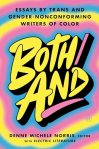
Both/And: Essays by Trans and Gender-Nonconforming Writers of Color, ed. Denne Michele Norris [Aug. 12, HarperOne / 25 Sept., HarperCollins] (Review to come for Shelf Awareness)
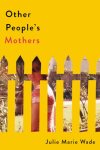
Other People’s Mothers by Julie Marie Wade [Sept. 2, Univ. of Florida Press] (Review pending for Foreword)
Which of these catch your eye? Any other books you’re looking forward to in this second half of the year?
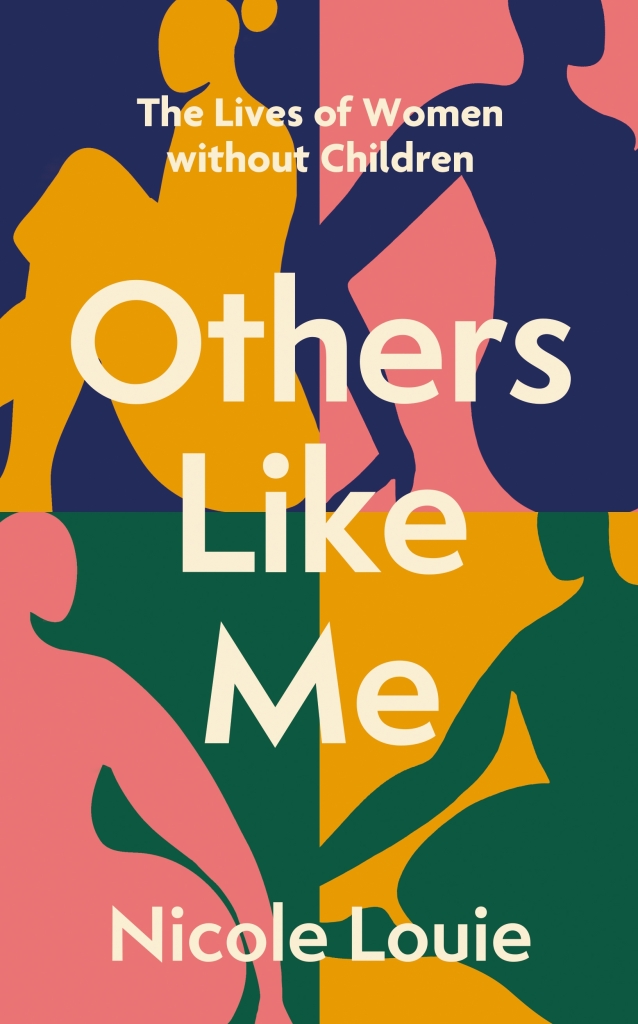
Others Like Me: The Lives of Women without Children by Nicole Louie
I’ve read quite a lot about matrescence and motherhood so far this year, and I value these women authors’ perspectives on their experiences. There is much that resonates with me as I look back to my relationships with my parents and observe how my sister, brother-in-law and friends are raising their children. Yet as I read of the joys and struggles of parenthood, I do sometimes think, what about the rest of us? That’s the question that drove Nicole Louie to write this impassioned book, which combines the strengths of an oral history, a group biography and a fragmented memoir. Like me, she was in search of role models, and found plenty of them – first on the library shelves and then in daily life by interviewing women she encountered through work or via social media.
The 14 Q&As, shaped into first-person narratives, are interspersed with Louie’s own story, creating a chorus of voices advocating for women’s freedom. The particulars of their situations vary widely. A Venezuelan graphic designer with MS doesn’t want to have a baby to try to fill a perceived lack. A blind Canadian writer hopes for children but knows it may be too complicated on her own. A Ghanaian asexual woman confronts her culture’s traditional expectations of woman. A British nurse in her sixties is philosophical about not having a long-term relationship at the right time, and focuses instead on the thousands of people she’s been able to care for.
The subjects come from Iceland, Peru, the Isle of Man; they are undecided, living with illness or disability, longing but unpartnered, or utterly convinced that motherhood is not for them. Their reasons are logical, psychological, personal and/or environmental, and so many of their conclusions rang true for me:
I just want to make the most of what’s here now instead of always having to long for something else I don’t already have.
I have this strong core intent to be useful to society. To channel as much energy into it as I would put into raising two children … You can’t experience everything available to you in life. So you make choices, and you decide which paths to take and which ones to leave behind without trying. And that’s okay. What’s important is to move forward with intent.
Louie herself has an interesting background: she’s Brazilian but has lived in Sweden, the UK and Ireland. Her work as a copywriter and translator has taken her behind the scenes in training AI. She first had to give serious thought to the question of becoming a mother in 2009, when it became an issue in her first marriage. But, really, she’d known for a long time that it didn’t appeal to her – at age six she was given a doll whose tummy opened to reveal a baby and quickly exchanged that toy for another. A late diagnosis of PCOS and a complicated relationship with her own mother only reinforced a clear conviction.
Other works that I’ve encountered on childlessness, such as Childless Voices by Lorna Gibb (2019) and No One Talks about This Stuff: Twenty-Two Stories of Almost Parenthood, ed. Kat Brown (2024), are heavily weighted towards infertility. Here the spotlight is much more on being childfree, although the blurb is inclusive, speaking of “women who are not mothers by choice, infertility, circumstance or ambivalence.” (I love the inclusion of that final word.)
“Motherhood as the epicentre of women’s lives was all I’d ever witnessed” via her mother and grandmother, Louie writes, so finding examples of women living differently was key for her. As readers, then, we have the honour of watching her life, her thinking and the book all take shape simultaneously in the narrative. A lovely point to mention is that Molly Peacock (The Analyst and A Friend Sails in on a Poem) mentored her throughout the composition process.
Intimate and empathetic, Others Like Me is also elegantly structured, with layers of stories that reflect diversity and the intersectionality of challenges. This auto/biographical collage of life without children will be reassuring for many, and a learning opportunity for others. I’m so glad it exists.
With thanks to Nicole Louie and Dialogue Books for the proof copy for review.
Buy Others Like Me from Bookshop.org in the UK [affiliate link]
Sandwich by Catherine Newman (Blog Tour)
Catherine Newman’s second novel for adults, Sandwich, takes place during a week on Cape Cod, a popular Massachusetts beach resort. Rachel, nicknamed “Rocky,” is a fiftysomething mother to two young adults, Jamie and Willa. She and her husband Nick have been renting the same cottage for their family’s summer vacations for 20 years. Although Rocky narrates most of the novel in the first person, in the Prologue she paints the scene for the reader in the third person: “They’ve been coming here for so many years that there’s a watercolor wash over all of it now … pleasant, pastel memories of taffy, clam strips, and beachcombing.”
 Also present are Maya, Jamie’s girlfriend; Rocky’s ageing parents; and Chicken the cat (can you imagine taking your cat on holiday?!). With such close quarters, it’s impossible to keep secrets. Over the week of merry eating and drinking, much swimming, and plenty of no-holds-barred conversations, some major drama emerges via both the oldies and the youngsters. And it’s not just present crises; the past is always with Rocky. Cape Cod has developed layers of emotional memories for her. She’s simultaneously nostalgic for her kids’ babyhood and delighted with the confident, intelligent grown-ups they’ve become. She’s grateful for the family she has, but also haunted by inherited trauma and pregnancy loss.
There couldn’t be more ideal reading for women in the so-called “sandwich generation” who have children growing towards independence as well as parents starting to struggle with infirmity. (The contemporary storyline of Barbara Kingsolver’s Unsheltered, which coincidentally is about a character named Willa, is comparable in that respect.) Newman is frank about Willa’s lesbianism and Rocky’s bisexuality, and she doesn’t hold back about the difficulties of menopause, either. Rocky is challenged to rethink her responsibilities as a daughter, wife and mother when she’s surrounded by equally strong-willed people who won’t do what she wants them to. The novel is so quirky, funny and relatable that it’s impossible not to sympathize with Rocky even if, like me, you’re in a very different life situation.

I like the U.S. cover so much more!
One observation I would make is that Rocky is virtually identical to Ash in Newman’s debut, We All Want Impossible Things, and to the author in real life (as I know from subscribing to her Substack). If you read even the most basic information about her, it’s clear that it’s all autofiction. That’s not an issue for me as I don’t think inventing is inherently superior to drawing from experience; some authors write what they know in a literal sense and that’s okay. So, for her fans, more of the same will be no problem at all. But it is a very particular voice: intense, scatty, purposely outrageous. Rocky is a protagonist who says things like, “How am I a feminist, an advocate for reproductive rights, Our Bodies, Ourselves, hear me roar, blah blah, and I am only just now learning about vaginal atrophy?” (A companion nonfiction read would be Nina Stibbe’s Went to London, Took the Dog.)
In outlook Newman reminds me a lot of Anne Lamott, who is equally forthright and whose books similarly juxtapose life’s joy and sorrows, especially in this late passage: “this may be the only reason we were put on this earth. To say to each other, I know how you feel.”
This is a sweet, fun, chatty book that’s about a summer break – and would be perfect to read on a summer break.
With thanks to Anne Cater of Random Things Tours and Doubleday for the free e-copy for review.
Buy Sandwich from Bookshop.org [affiliate link]
I was delighted to help close out the blog tour for Sandwich. See below for details of where the other reviews have appeared.

September Releases by Chloe Lane, Ben Lerner, Navied Mahdavian & More
September and October are bounteous months in the publishing world. I’ll have a bunch of books to plug in both, mostly because I’ve upped my reviewing quota for Shelf Awareness. There’s real variety here, from contemporary novellas and heavily autobiographical poetry to nature essays and a graphic memoir.
Arms & Legs by Chloe Lane
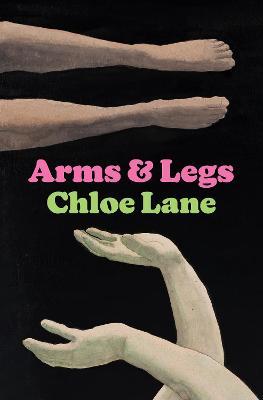 I reviewed Lane’s debut novel, The Swimmers, a black comedy about a family preparing for an assisted suicide, this time last year. It seems there’s an autobiographical setup to the author’s follow-up, which focuses on a couple from New Zealand now living in Florida with their young son. Narrator Georgie teaches writing at a local college and is having an affair with Jason, an Alabama-accented librarian she met through taking Finn to the Music & Movement class. She joins in a volunteer-led controlled burn in the forest, and curiosity quickly turns to horror when she discovers the decaying body of a missing student.
There’s a strong physicality to this short novel: fire, bodies and Florida’s dangerous fauna (“To choose to live in a place surrounded by these creatures, these threats, it made me feel like I was living a bold life”). Georgie has to decide whether setting fire to her marriage with Dan is what she really wants. A Barry Hannah short story she reads describes adultery as just a matter of arms and legs, a phrase that’s repeated several times.
Georgie is cynical and detached from her self-destructive choices, coming out with incisive one-liners (“My life isn’t a Muriel Spark novel, there’s no way to flash forward and find out if I make it out of the housefire alive” and “He rested the spade on his shoulder as if he were a Viking taking a drinks break in the middle of a battle”). Lane burrows into instinct and motivation, also giving a glimpse of the challenges of new motherhood. Apart from a wicked dinner party scene, though, the book as a whole was underwhelming: the body holds no mystery, and adultery is an old, old story.
With thanks to Gallic Books for the proof copy for review.
The Lights by Ben Lerner
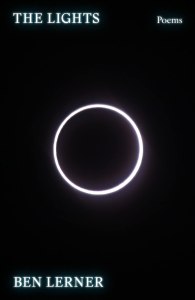 I’d read fiction and nonfiction from Lerner but had no idea of what to expect from his poetry. Almost every other poem is a prose piece, many of these being absurdist monologues that move via word association between topics seemingly chosen at random: psychoanalysis, birdsong, his brother’s colorblindness; proverbs, the Holocaust; art conservation, his partner’s upcoming C-section, an IRS Schedule C tax form, and so on.
The vocabulary and pronouncements can be a little pretentious. The conversational nature and randomness of the subjects contribute to the same autofiction feel you get from his novels. For instance, he probes parenting styles: his parents’ dilemma between understanding his fears and encouraging him in drama and sport; then his daughters’ playful adoption of his childhood nickname of Benner for him.
A few highlights: the enjambment in “Index of Themes”; the commentary on pandemic strictures and contrast between ancient poetry and modern technology in “The Stone.” I wouldn’t seek out more poetry by Lerner, but this was interesting to try. (Read via Edelweiss)
Sample lines:
“When you die in the patent office / there’s a pun on expiration”
“the goal is to be on both sides of the poem, / shuttling between the you and I. … Form / is always the answer to the riddle it poses”
“It’s raining now / it isn’t, or it’s raining in the near / future perfect when the poem is finished / or continuous, will have been completed”
This Country: Searching for Home in (Very) Rural America by Navied Mahdavian
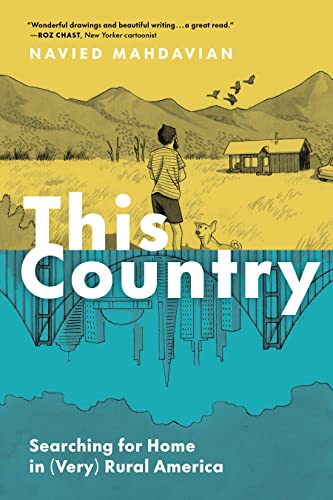 Mahdavian has also published comics in the New Yorker. His debut graphic novel is a memoir of the three years (2016–19) he and his wife lived in remote Idaho. Of Iranian heritage, the author had lived in Miami and then the Bay Area, so was pretty unprepared for living off-grid. His wife, Emelie (who is white), is a documentary filmmaker. They had a box house brought in on a trailer. After Trump’s surprise win, it was a challenging time to be a Brown man in the rural USA. “You’re not a Muslim, are you?” was the kind of question he got on their trips into town. Neighbors were outwardly friendly – bringing them firewood and elk kebabs, helping when their car wouldn’t start or they ran off the road in icy conditions, teaching them the local bald eagles’ habits – yet thought nothing of making racist and homophobic slurs.
I appreciated the self-deprecating depictions of learning DIY from YouTube videos and feeling like a wimp in comparison to his new friends who hunt and have gun collections – one funny spread has him imagining himself as a baby in a onesie sitting across from a manly neighbor. “I am shedding my city madness,” Mahdavian boasts as they plant an abundant garden and start learning about trees and birds. The references to Persian myth and melodrama are intriguing, though sometimes seem à propos of nothing, as do the asides on science and nature. I preferred when the focus was on the couple’s struggles with infertility and reopening the town movie theater – a flop because people only want John Wayne flicks.
This was enjoyable reading, but the simple black-and-white style is unlikely to draw in readers new to graphic storytelling, and I wondered if the overall premise – ‘we expected to find closed-minded racists and we did’ – was enough to hang a memoir on. (Read via Edelweiss)
Reviewed for Shelf Awareness:
(Links to full text)
The Wren, The Wren by Anne Enright
 Enright’s astute eighth novel traces the family legacies of talent and trauma through the generations descended from a famous Irish poet. Cycles of abandonment and abuse characterize the McDaraghs. Enright convincingly pinpoints the narcissism and codependency behind their love-hate relationships. (It was an honor to also interview Anne Enright. You can see our Q&A here.)
When My Ghost Sings by Tara Sidhoo Fraser
 This lyrical debut memoir is an experimental, literary recounting of the experience of undergoing a stroke and relearning daily skills while supporting a gender-transitioning partner. Fraser splits herself into two: the “I” moving through life, and “Ghost,” her memory repository. But “I can’t rely only on Ghost’s mental postcards,” Fraser thinks, and sets out to retrieve evidence of who she was and is.
The Vaster Wilds by Lauren Groff
 (Already featured in my Best of 2023 so far post.) Groff’s fifth novel combines visceral detail and magisterial sweep as it chronicles a runaway Jamestown servant’s struggle to endure the winter of 1610. Flashbacks to traumatic events seep into her mind as she copes with the harsh reality of life in the wilderness. The style is archaic and postmodern all at once. Evocative and affecting – and as brutal as anything Cormac McCarthy wrote. A potent, timely fable as much as a historical novel.
Zoo World: Essays by Mary Quade
 A collection of 15 thoughtful nature/travel essays that explore the interconnectedness of life and conservation strategies, and exemplify compassion for people and, particularly, animals. The book makes a round-trip journey, beginning at Quade’s Ohio farm and venturing further afield in the Americas and to Southeast Asia before returning home.
The Goodbye World Poem by Brian Turner
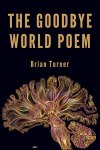 The lovely laments in Brian Turner’s fourth collection (a sequel to The Wild Delight of Wild Things) dwell in the aftermath of the loss of his wife and others, and cultivate compensatory appreciation for the natural world. Turner’s poetry is gilded with alliteration and maritime metaphors The long title piece, which closes the collection, repeats many phrases from earlier poems—a pleasing way of drawing the book’s themes together. (My review of the third volume in this loose trilogy is forthcoming.)
And a bonus review book, relevant for its title:
September and the Night by Maica Rafecas
[Translated from the Catalan by Megan Berkobien and María Cristina Hall]
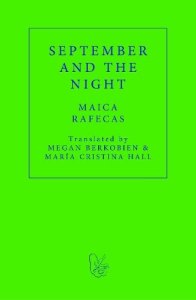 A new Logistics Centre is to cut through Anaïs’s family vineyards as part of a compulsory land purchase. While her father, Magí, and brother, Jan, are resigned to the loss, this single mother decides to resist, tying herself to a stone shed on the premises that will be right in the path of the bulldozers. This causes others to question her mental health, with social worker Elisa tasked with investigating the case. Key evidence of her irrational behaviour turns out to have perfectly good explanations.
Certain chapters alternate Jan’s and Anaïs’s perspectives, recreate her confusion in a psychiatric hospital, or have every sentence beginning with “There” or “And” – effective anaphora. Although I didn’t think Jan’s several romantic options added to the plot, this debut novella from a Spanish author was a pleasant surprise. It’s based on a true story, though takes place in fictional locations, and bears a gentle message of cultural preservation.
With thanks to Fum d’Estampa Press for the free copy for review.
20 Books of Summer, 18–20: Ayanna Lloyd Banwo, Sarah Hall, Meghan O’Rourke
Whew, it’s the final day of the challenge and I’ve managed to finish and write up a last batch of two novels and one nonfiction work: a magic realist tableau of love and death in Trinidad, a fateful romance set against the backdrop of the construction of an English dam in 1936, and a personal and cultural record of chronic illness and its treatment in contemporary America.
When We Were Birds by Ayanna Lloyd Banwo (2022)
 I was sent a copy as part of the McKitterick Prize shortlist. The setting of a cemetery, Fidelis in Port Angeles, Trinidad, had vaguely attracted me even before its nomination. Emmanuel Darwin has turned his back on his Rastafarian upbringing to cut off his dreadlocks and work as a gravedigger (any contact with the dead is anathema in the religion). Meanwhile, Yejide, who lives in the hills, is losing her mother, Petronella, and gaining a legacy she’s not sure she wants: the women of her family are caretakers of the souls of the dead, keeping them alive in exchange for protection. Like the corbeaux, dark counterparts of tropical parrots, they tread the border of life and death. As All Saints’ and All Souls’ Days draw closer, Darwin and Yejide together have to decide whether they will be swallowed by the graveyard or escape it. While this was atmospheric and had alluring elements, the speculative angle was not notably well realized and the particular form of patois – eschewing all possessives and most verb conjugations – drove me nuts. I skimmed this one. (Free from the Society of Authors)
Haweswater by Sarah Hall (2002)
I bought this in Cumbria one year and started reading it in Cumbria the next. Once I got home, however, there was little impetus to keep going. Were it not for the temporary local interest, I likely would not have finished this debut novel, which lurches between dry and melodramatic. As it is, I had to skim to the end. Had it been my first taste of Sarah Hall’s work, it might have put me off trying her again.
 The frame is historical: Haweswater was indeed dammed to provide water for the city of Manchester in 1936, flooding the village of Mardale. Hall focuses on the people of Mardale, specifically the Lightburn family, who have persisted with farming despite its particular challenges in this hilly landscape. When Jack Liggett comes out from the City on behalf of the waterworks, he meets with hostility, including from the Lightburns’ daughter, Janet, who negotiates for their tenancy to continue until the dam is actually built. Then, well, you know, Romeo and Juliet and pride and prejudice and all that, and they start an affair. Hall has always written forthrightly about sex, starting here.
There’s a climactic final 60 pages in which three major characters die, two in symbolic acts of suicide, but it was a little too much tragedy, too late, for me after the dull midsection. I was intrigued, however, that a plot point turns on golden eagles being in the valley, as Wild Fell, another of my Haweswater-set reads, opens with the presence of the ghost of England’s last golden eagle, who vanished in 2015. This related snippet shows how over-the-top Hall’s use of dialect is: “Golden eagles wud be mor’less gone, gone or illegal these days, like, notta funni bizniz t’be gittin’ mixed up in, eh? What kinda daft bugger d’yer take mi for?” It’s like Thomas Hardy rustics – hard to take seriously. (Anne-Marie Sanderson’s haunting song “Haweswater” is based on the novel.) (Secondhand – Clutterbooks, Sedbergh, 2022) 
The Invisible Kingdom: Reimagining Chronic Illness by Meghan O’Rourke (2022)
Well before I was a devoted follower of the Barbellion Prize for books on disability and chronic illness, I was interested in these topics. For much of her forties and fifties, my mother struggled with fibromyalgia, one of a suite of illnesses misunderstood or even dismissed by the medical profession (as O’Rourke puts it, with a tongue-in-cheek nod to Jane Austen: “it is a truth universally acknowledged among the chronically ill that a young woman in possession of vague symptoms like fatigue and pain will be in search of a doctor who believes she is actually sick”). I hope this National Book Award nominee goes some way toward convincing skeptics that these are real conditions to be addressed by listening to patients and treating them holistically.
 In 2012 the author became seriously ill and spent much of her thirties in a fog of pain, spending the equivalent of several days per month at doctors’ appointments and agreeing to ever more bizarre treatments in her desperation. Some of her issues were autoimmune and/or genetic: Hashimoto’s (thyroid), Ehlers-Danlos, POTS, endometriosis. She also dealt with infertility at the same time as she was trying to get well enough to contemplate having children. For her, the turning point was when she was diagnosed with Lyme disease and put on antibiotics. (Later she would travel to London to get fecal microbiota transplants to restore her microbiome.) Chronic Lyme is similar to long COVID, the true extent of which we’re only just beginning to understand; reading a list of the symptoms, I was tempted to remotely/retrospectively diagnose a few people I know with one or the other. It can be ever so slightly miserable reading about navigating all of these conditions, though nowhere near as miserable as it must have been for O’Rourke to live through them, of course.
I knew the author for her exquisite memoir of losing her mother to cancer, The Long Goodbye. Here the writing is more functional and journalistic, but I was still impressed by the attention she pays and the connections she draws; she’s also a poet, so she’s open to emotions and keen to capture them in words. In the face of the unexplained, she contends, chronically ill people are searching for meaning and narrative (restitution, chaos or quest, as Arthur Frank named the three options). She probes her own psyche: “had I become trapped in my identity as a sick person, someone afraid of living? If my mission in life had been reduced to being well at all costs, then the illness had won.” There’s a good balance of research, personal experience and general reflection in this one. (Passed along by Laura – thank you!) 
Related reads: Ill Feelings by Alice Hattrick, It’s All in Your Head by Suzanne O’Sullivan, Waiting for Superman by Tracie White
And that’s a wrap! My summer reading was a little scattered and not as thematic as initially planned, but I stuck to my pledge to read only print books that I owned, and then cleared half of them from my shelves through reselling or donating to the Little Free Library. I’ll definitely call that a win.
My favourite from the 20 was a novel, Search by Michelle Huneven, then Making the Beds for the Dead by Gillian Clarke (poetry), followed by two chef’s memoirs, A Cook’s Tour by Anthony Bourdain and Dirt by Bill Buford, and Dorthe Nors’ nature/travel essays. The one DNF and couple of skims are unfortunate, but these things happen.
Next year I fancy a completely open challenge – just, again, getting through books from my shelves. (Maybe all hardbacks?)
Recent Writing for BookBrowse, Foreword, Shelf Awareness, Shiny New Books, and the TLS
I’ve compiled excerpts from some reviews I’ve contributed to other websites and publications this year. I link to the full text where available. (When writing a paid review, I seek to be balanced but positive. Ratings reflect my personal response.)
BookBrowse
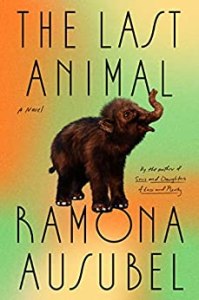 The Last Animal by Ramona Ausubel: In Ausubel’s offbeat third novel, a widowed scientist and her two daughters embark on a rogue plan to make history by resurrecting the woolly mammoth. There is a quirky combination of cosmic and domestic concerns here. A winsome sister duo is at the heart of the unusual and timely story, with priority given to the points of view of teenagers Eve and Vera, whose banter is a highlight. Ausubel has wisely chosen not to dwell on the scientific details of de-extinction, yet that means that this becomes more like speculative fiction or a fairy tale. Ironically, the fabulist-leaning novel is best when most realist, documenting struggles with bereavement, sexism and parenting teens.
 The Lost Wife by Susanna Moore: Moore’s hard-hitting novella is based in part on the memoir Six Weeks in the Sioux Tepees: A Narrative of Indian Captivity. In Moore’s version, Sarah, 25, leaves her baby behind when she flees an abusive husband, and once in Minnesota Territory marries John Brinton, who becomes a doctor on a Sioux reservation. By 1862, Sarah is friendly with the Native women. Although the Civil War is unfolding, the greater threat here is of revolt by the starving Indigenous residents. There is much of anthropological and historical interest, but Sarah’s flat storytelling, which may represent a pastiche of period style, means threatening or climactic scenes lose some of their potential gravity.
Foreword
 My Mother Says by Stine Pilgaard (trans. from the Danish by Hunter Simpson): After breaking up with her zookeeper girlfriend over their age gap and their conflicting takes on motherhood, the heroine moves back in with her father, a pastor who’s obsessed with Pink Floyd, and her stepmother. Her mother visits often, nagging her to finish her thesis. The line between her conversations and internal thoughts is thin. From her mansplaining doctor, she learns that the brain’s hippocampus is named for its seahorse shape. This inspires “Monologues of a Seahorse,” interludes of stream-of-consciousness association. Experimental and whimsical, this delivers deadpan narration of everyday woes.
 In Vitro: On Longing and Transformation by Isabel Zapata (trans. from the Spanish by Robin Myers): A Mexican poet probes the enduring mysteries of pregnancy and birth in a memoir in fragments that travels from fertility treatment through to the early weeks of pandemic-time motherhood. The clinical language of a gynecological history—late menstruation, polycystic ovary syndrome, eighteen years on the pill, and infertility—and the embryo transfer process contrasts with Zapata’s mystical thinking. The microessays integrate family stories, history, and artistic explorations. This resolute account of a personal metamorphosis alchemizes tender experiences into enchanting vignettes.
Shelf Awareness
Fiction
 Daughters of Nantucket by Julie Gerstenblatt: This engrossing debut novel explores the options for women in the mid-19th century while bringing a historical tragedy to life. Metaphorical conflagrations blaze in the background in the days leading up to the great Nantucket fire of 1846: each of three female protagonists (a whaling captain’s wife, a museum curator, and a pregnant Black entrepreneur) holds a burning secret and longs for a more expansive, authentic life. The action spans two tense weeks, one week before the fire through eight days after. The women’s lives collide in two climactic scenes. Gerstenblatt’s eye for detail results in sultry historical fiction for Sue Monk Kidd’s readers.
 Camp Zero by Michelle Min Sterling: Sterling’s brilliantly unsettling debut novel is set in mid-21st-century, post-oil North America. Prioritizing perspectives from two all-female communities, it contrasts the heights of opulence and technology with the basic instinct for survival. How the strands connect is a mystery sustained through much of the book. Characters go by multiple names and harbor ulterior motives; scenes echo each other as disparate subplots meet in unexpected ways. The background is all too plausible. Sterling also takes to its logical extreme the state of being constantly online. Compelling dystopian cli-fi with three-dimensional characters—perfect for fans of Station Eleven and To Paradise.
 Dear Chrysanthemums by Fiona Sze-Lorrain: In this elegant collection of 11 linked short stories by a poet and translator, China’s mid-20th-century political upheaval casts a long shadow. Music and food, not to mention love, bring meaning to those displaced in the aftermath of dissent. The stories—set in China, Singapore, Paris, and New York—span seven decades but always take place in a year ending in a six, a sacred number in Chinese divination. A highlight is “News from Saigon,” in which a prostitute meets Marguerite Duras in a Paris café. The connections are subtle, with the final story pulling together many strands. Ideal for readers of Madeleine Thien’s Do Not Say We Have Nothing.
Nonfiction
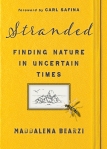 Stranded by Maddalena Bearzi: Bearzi developed a deep love for marine fauna during childhood summers in Sardinia and cofounded the Ocean Conservation Society in the 1990s. Temporarily confined to land by Covid-19 lockdowns, she adopts a different tactic for exploring animal behavior: “an urban safari in my backyard and neighborhood.” These nature essays exemplify evenhandedness, curiosity, and close observation. From wasps to night-blooming flowers, her interest is wide-ranging. Gardening is a relaxing pastime and a connection to her mother while they are separated. As a behavioral ecologist, she views even her dog as a subject of study. A passionate primer to appreciating everyday nature.
Poetry
 Lo by Melissa Crowe: This incandescent autobiographical collection travels from girlhood to marriage and motherhood in post-pandemic USA. Crowe delves into sexual abuse and growing up in rural poverty. Yet the collection is so carefully balanced in tone that it never feels bleak. The emotional range is enhanced by alliteration and botanical imagery.
 Dislocations by Karen Enns: The fourth collection by Canadian poet Enns skillfully evokes a rural upbringing and revels in the beauty of nature and music. One of its aphorisms could encapsulate the entire collection: “The ratio of love to grief / we understood as music.” Updating the pastoral tradition, the bittersweet verse also takes solace in the past.
Shiny New Books
A Fortunate Woman by Polly Morland & A Fortunate Man by John Berger: The similarities go much further than the title and subject matter: these two biographical works, both illustrated with black-and-white photographs, are set in the same English valley and the female subject of Morland’s is the next-but-one successor of the doctor who stars in Berger’s.
 Berger (1926–2017), an art critic and Booker Prize-winning novelist, spent six weeks shadowing the doctor, to whom he gives the pseudonym John Sassall, with Swiss documentary photographer Jean Mohr, his frequent collaborator. Sassall’s dedication was legendary: he attended every birth in this community, and nearly every death. Sassall’s middle-class origins set him apart from his patients. There’s something condescending about how Berger depicts the locals as simple peasants. Mohr’s photos include soft-focus close-ups on faces exhibiting a sequence of emotions, a technique that feels outdated in the age of video. Along with recording the day-to-day details of medical complaints and interventions, Berger waxes philosophical on topics such as infirmity and vocation. A Fortunate Man is a curious book, part intellectual enquiry and part hagiography.
 With its layers of local history and its braided biographical strands, A Fortunate Woman takes up many of the same heavy questions but feels more subtle and timely. It also soon delivers a jolting surprise: the doctor Berger called John Sassall was likely bipolar and, soon after the death of his beloved wife Betty, committed suicide in 1982. His story still haunts this community, where many of the older patients remember going to him for treatment. Like Berger, Morland keenly follows a range of cases. As the book progresses, we see this beautiful valley cycle through the seasons, with certain of Richard Baker’s landscape shots deliberately recreating Mohr’s scene setting. The timing of Morland’s book means that it morphs from a portrait of the quotidian for a doctor and a community to, two-thirds through, an incidental record of the challenges of medical practice during COVID-19.
 The Memory of Animals by Claire Fuller: Neffy has nothing to lose when she enrolls in a controversial vaccine trial in a familiar mid-pandemic landscape. The novel is presented as her journal. The bulk takes place in two weeks she spends on a locked unit with four fellow test subjects. In the meantime, she is introduced to an experimental technology for reliving memories. The characterisation of the four other cast members is somewhat thin, and the elements feel randomly assembled. The world-building and tech are unlikely to stand up to science fiction fans’ scrutiny, but this has just the right dose of the speculative for literary fiction readers. It also happens to fit into a recent vogue for octopus novels.
Times Literary Supplement
A late-twenties journalist sets out to survey the situation on the ground for ten British species being squeezed out by anthropogenic climate change: The mission is very similar, and both authors embody passionate dedication to conservation, but the difference in tone of these travel narratives makes them likely to appeal to separate audiences…
In Search of One Last Song by Patrick Galbraith & Forget Me Not by Sophie Pavelle:
 Galbraith’s is an elegiac tour through imperilled countryside and urban edgelands. Each chapter resembles an in-depth magazine article: a carefully crafted profile of a beloved bird species, with a focus on the specific threats it faces. Galbraith recognises the nuances of land use. However, shooting plays an outsized role. (Curious for his bio not to disclose that he is editor of the Shooting Times.) The title’s reference is to literal birdsong, but the book also celebrates birds’ cultural importance through their place in Britain’s folk music and poetry. He is clearly enamoured of countryside ways, but too often slips into laddishness, with no opportunity missed to mention him or another man having a “piss” outside. Readers could also be forgiven for concluding that “Ilka” (no surname, affiliation or job title), who briefs him on her research into kittiwake populations in Orkney, is the only female working in nature conservation in the entire country; with few exceptions, women only have bit parts: the farm wife making the tea, the receptionist on the phone line, and so on.
 Pavelle’s book is a tonic in more ways than one. Employed by Beaver Trust, she is enthusiastic and self-deprecating. Her nature quest has a broader scope, including insects like the marsh fritillary and marine species such as seagrass and the Atlantic salmon. Travelling between lockdowns in 2020–1, Pavelle took low-carbon transport wherever possible and bolsters her trip accounts with context, much of it gleaned from Zoom calls and e-mail correspondence with experts from museums and universities. Refreshingly, around half of these interviewees are women, and the animal subjects are never the obvious choices. Instead, she seeks out “underdog” species. The explanations are at a suitable level for laymen, true to her job as a science communicator. The snappy, casual prose (“the future of the bilberry bumblebee and its Aperol arse can be bright, but only if we get off our own”) could even endear her to teenage readers. As image goes, Pavelle’s cheerful naïveté holds more charm than Galbraith’s hardboiled masculinity.
 Taking Flight by Lev Parikian: Parikian’s accessible account of the animal kingdom’s development of flight exhibits a layman’s enthusiasm for an everyday wonder. He explicates the range of flying strategies and the structural adaptations that made them possible. The archaeopteryx section, chronicling the transition between dinosaurs and birds, is a highlight. Though the most science-heavy of the author’s six works, this, perhaps ironically, has fewer footnotes. His usual wit is on display: he describes the feral pigeon as “the Volkswagen Golf of birds” and penguins as “piebald blubber tubes”. This makes it a pleasure to tag along on a journey through evolutionary time, one sure to engage even history- and science-phobes.
Do any of these catch your eye?
Nature Book Catch-Up: Sally Huband, Richard Smyth & Anna Vaught
I’m catching up with a few nature- and travel-based 2023 releases that were sent to me for review. I’ve grouped them together because these British authors share some of the same interests and concerns. They celebrate beloved places that become ours through the time we spend in them and the attention we grant; they mourn the loss of biodiversity from rockpools and gardens and seabird cliffs. What kind of diminished world they’re raising their children into is a major worry for all three, and for Huband and Vaught the unease is exacerbated by chronic illness. Wild creatures, and the fellow authors who have hymned them, ease the hurt.
Sea Bean: A beachcomber’s search for a magical charm by Sally Huband
After more than a decade in her adopted home of Shetland, Sally Huband is still a newcomer. A tricky path to motherhood and ensuing chronic illness (the autoimmune disease palindromic rheumatism) limited her mobility and career. Beachcombing is at once her way of belonging to a specific place and feeling part of the wider world – what washes up on a Shetland beach might come from as far away as Atlantic Canada or the Caribbean. Sea glass, lobster pot tags, messages in bottles, driftwood … and a whole lot of plastic, of course. Early on, Huband sets her sights on a sea bean – also known as a drift-seed, from the tropics – which in centuries past was a talisman for ensuring safe childbirth. Possession of one was enough to condemn a 17th-century local woman to death for witchcraft, she learned.
 Stories of motherhood, the quest to find effective treatment in a patriarchal medical system, volunteer citizen science projects (monitoring numbers of dead seabirds, returning beached cetaceans to the water, dissecting fulmar stomachs to assess their plastic content), and studying Shetland’s history and customs mingle in a fascinating way. Huband travels around the archipelago and further afield, finding a vibrant beachcombing culture on the Dutch island of Texel. As in Moby-Duck by Donovan Hohn, one of my all-time favourite nonfiction books, there is delight at the randomness of what the ocean delivers.
I requested this book because Huband’s was my favourite essay in the Antlers of Water anthology. In it, she deplored the fact that women were still not allowed to participate in the Up Helly Aa fire festival in Lerwick. Good news: that is no longer the case, thanks to campaigning by Huband and others. In a late chapter, she also reports that blackface was recently banned from the festivals, and a Black Lives Matter demonstration drew 2000 people. Change does come, but slowly to a traditional island community. And sometimes it is not the right sort of change, as with an enormous wind farm, resisted vigorously by residents, that will primarily enrich a multinational company instead of serving the local people.
In many ways, this is a book about coming to terms with loss, and Huband presents the facts with sombre determination. Passages about the threats to birds and marine life had me near tears. But she writes with such poetic tenderness that the evocative specifics of island life point towards what’s true for all of us making the best of our constraints. I was lucky enough to visit several islands of Shetland in 2006; whether you have or not, this is a radiant memoir I would recommend to readers of Kathleen Jamie, Jean Sprackland and Malachy Tallack.
Some favourite lines:
No island can ever live up to the heightened expectations that we always seem to place on them; life catches up with us, sooner or later.
With each loss, emotional pain accretes for those who have paid attention.
If hope is a hierarchy of wishes then I am happy enough, each time that I beachcomb, to find fragments of the bark of paper birch
I’ve come to think of the ocean as an archive of sorts.
With thanks to Hutchinson Heinemann for the proof copy for review.
The Jay, the Beech and the Limpetshell: Finding Wild Things with My Kids by Richard Smyth
all around us
the stuff of spells. Our parents
let us go to scamper deeper,
leap from stumps lush with moss.
Everything aloof about me
fell into the soil once charged
with younger siblings
and freedoms of a wood.
…
I give you a damp valley floor,
this feather for your pocket.
~an extract from “Arger Fen,” from Latch by Rebecca Goss
I know Richard Smyth for his writing on birds (I’ve reviewed both A Sweet, Wild Note and An Indifference of Birds) and his somewhat controversial commentary on modern nature writing. This represents a change in direction for him toward more personal reflection, and with its focus on the phenomena of childhood and parenthood it recalls Wild Child by Patrick Barkham and The Nature Seed by Lucy Jones and Kenneth Greenway. But, as I knew to expect from previous works, he has such talent for reeling in the tangential and extrapolating from the concrete to the abstract that this lively read ends up being about everything: what it is to be human on this fading planet.
 And this despite the fact that four of five chapter headings suggest pandemic-specific encounters with nature. Lockdown walks with his two children, and the totems they found in different habitats – also including a chaffinch nest and an owl pellet – are indeed jumping-off points, punctuating a wide-ranging account of life with nature. Smyth surveys the gateway experiences, whether books or television shows or a school tree-planting programme or collecting, that get young people interested; and talks about the people who beckon us into greater communion – sometimes authors and celebrities; other times friends and family. He also engages with questions of how to live in awareness of climate crisis. He acknowledges that he should be vegetarian, but isn’t; who does not harbour such everyday hypocrisies?
It’s still, unfortunately, rare for men to write about parenthood (and especially pregnancy loss – I only think of Native by Patrick Laurie and William Henry Searle’s books), so it’s great to see that represented, and it’s a charming idea that we create “downfamily” because the “upfamily” doesn’t last forever. Although there’s nostalgia for his childhood here, and anxiety about his kids’ chances of seeing wildlife in abundance, Smyth doesn’t get mired in the past or in existential dread. He has a humanist belief that people are essentially good and can do positive things like build offshore wind farms, and in the meantime he will take Genevieve and Daniel into the woods to play so they will develop a sense of wonder at all that lives on. Even for someone like me who doesn’t have children, this was a captivating, thought-provoking read: We’re all invested in the future of life on this planet.
With thanks to Icon Press for the free copy for review.
These Envoys of Beauty: A Memoir by Anna Vaught
Anna Vaught is a versatile author: I have a copy of her mental health-themed novel Saving Lucia, longlisted for the inaugural Barbellion Prize, on the shelf; she’s written a spooky set of stories, Famished (see Susan’s review); and I gave some early reader feedback on the opening pages of her forthcoming work of quirky historical fiction, The Zebra and Lord Jones. She’s also publishing a book on writing, and editing a collection of pieces submitted for the first Curae Prize for writers who are also carers. I was drawn to her first nonfiction release by reviews by fellow bloggers – it’s always good when a blog tour achieves its aim!
These dozen short essays are about how nature doesn’t necessarily heal, but is a most valued companion in a life marked by chronic illness and depression. The evocative title and epigraphs are from Ralph Waldo Emerson’s essay “Nature” (1836). The pieces loop through Vaught’s past and present, focussing on favourite places in Wiltshire, where she lives, and at the Pembrokeshire coast. It’s the second memoir about complex PTSD that I’ve read this year (see also What My Bones Know). Both at the time and now, when flashbacks of her parents’ verbal and physical abuse haunt her, lying down in a grassy field, exploring a sea cave or sucking on a gorse flower could be a salve. “Nature offered stability and satisfying detail; pattern, form and things that made sense.”
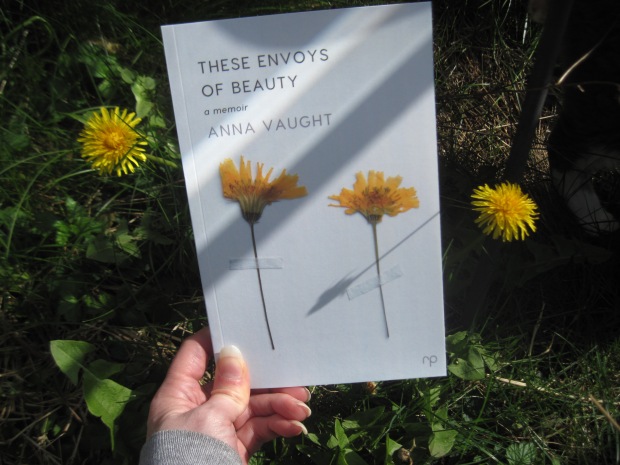
Vaught has a particular love for trees, flowers and moss – even just reciting their Latin names gives her a thrill, and she adds additional information about some species in footnotes. Although her childhood was painful, she retains gratitude for its wide-eyed wonder, and in the exuberance of her prose you can sense a willed childlike perspective (“But back to the list of clouds and writing about clouds!”). I found the frequent self-referential nature of the essays and direct reader address a little precious, but appreciated the thoughts about how nature holds us: “I have always felt a generosity around me, and that I was less lonely outside; at the very least, I could find something to comfort me”. She’s a bookish kindred spirit as well. I’ll be sure to try her work in other genres.
With thanks to Reflex Press for the free copy for review.
Sidle Creek by Jolene McIlwain (Blog Tour)
I’m a sucker for “dirty realism,” a term coined in the 1980s to encompass gritty stories of blue-collar Americana: Ron Rash, David Vann, Daniel Woodrell et al. (I wrote a whole article about it in 2013). It’s less common, certainly, to find women writing in this subgenre, and that feminine touch is part of what makes Sidle Creek unique. In this debut collection of 22 short stories, loosely linked by their location in the Appalachian hills in western Pennsylvania and a couple of recurring minor characters, Jolene McIlwain softens the harsh realities of addiction, poverty and violence with the tender bruises of infertility and lost love.
The title story, which opens the book, has a shifting first-person point-of-view, first telling us about and then putting us into the mind of Esme Andersen, who’s 20 in 1975. Various diagnoses have plagued her family, medical words that repeat as chants: hemorrhage, endometriosis. Superstitions around the creek cast it alternately as a potential site of harm or healing as her single father tries to help her deal with her severe periods. The cover image comes from “Shell,” in which Tiller Shanty reads signs in the markings on red-winged blackbird eggs. He learned his skill of divination from his Vietnamese wife, but conceals from her a portent about her future. It turns out there’s more than one way to lose a beloved.
Grief is a resonant theme in so many of the stories. “The Fractal Geometry of Grief” is a shining example. Hubert Ashe, a widowed mathematician, becomes obsessed with a doe and sets up trail cams and a feeding station to watch her. It’s not clear whether he believes the animal is a reincarnation of his wife or not, but it’s unwise to get so attached in a hunting area. In “Seeds,” a man finds a photograph of his dying wife as a girl and revisits the sadness of her life. “Steer,” one of the most affecting stories, has a middle-aged man hit by anxiety, unable to forget the death of one of their cattle back when he was 16. As horrific as the experience was, it made him receptive to both beauty and pain.
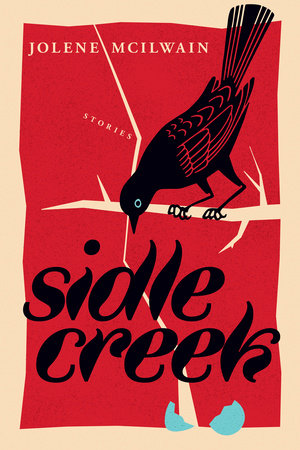
Animal suffering is indeed frequent – something that seems important to mention, as I know a lot of readers who avoid scenes of it whenever possible. In “Eminent Domain,” the electricity shed where teenagers used to go drinking is found to be full of slaughtered cats. It’s the prompt the protagonist needs to escape this dead-end town. “Loosed” is a masterpiece in the vein of Demon Copperhead (though much more violent) about a man who makes money on increasingly cruel sport: cock fighting, then dog fighting, then dirty fights between his own four sons. The flash forward that ends this one is devastating. I, too, am sensitive to reading about animal deaths, but the animal suffering only matches the human here. The nastiness of “The Less Said” makes that plain.
Pregnancy or infant loss is a recurring element. In just three pages, “Seed to Full” expresses a world of sorrow as a woodworker crafts a coffin for his infant son. Even where it is not a central subject, infertility is mentioned in a number of stories. In “You Four Are the One,” four adolescent neighbor girls help Cinta Johns out around the house, hoping with her that this fifth pregnancy will be the one that lasts. “The Steep Side,” a memorable closer that shifts between past and future, has a teen coming across a crashed van, a heavily pregnant woman, and an older woman claiming to be a nurse. What he sees haunts him into adulthood.
There’s an air of mystery to that one, and particularly in “Those Red Boots,” about the disappearance of a waitress who worked at a Hooters-style joint where all the comely staff wear the same uniforms and perform titillating dances. My preference was for longer stories like this where you get greater depth of characterization and more scenes and dialogue. I might have considered cutting a handful of the flash-length stories. However, even in these micro-fictions, there are still interesting setups. My favorite among them was “The Fourth,” in which Independence Day fireworks are triggering for shell-shocked Uncle Ron.
At times harrowing, always clear-eyed, these stories are true to life and compassionate about human foibles and animal pain. I would highly recommend them to readers of Kent Haruf and Jayne Anne Phillips. McIlwain has such an established voice that this hardly seems like a first book. I can’t wait to read whatever she writes next.
With thanks to Melville House for the proof copy for review.
Buy Sidle Creek from Bookshop.org [affiliate link]
I was delighted to be invited to participate in the blog tour for Sidle Creek. See below for details of where other reviews have appeared or will be appearing soon.
Spring Reads, Part II: Swifts, a Cuckoo, and a British Road Trip
Despite ongoing worries about biodiversity loss after last year’s drought, I had the most idyllic late spring evening yesterday. On the way home from an evening with Alice Winn hosted by Hungerford Bookshop (more on which anon), I sat at the station awaiting my train. It was 8:30 p.m. and still fully light, warm enough to be comfortable in a jacket, and a cuckoo serenaded me as I watched swifts wheeling by overhead.
For my second instalment of spring-themed reading (see Part I here), I have books about those very birds, one a nonfiction study of a species that is a welcome sign of late spring and summer in Europe, and a novel that takes up the metaphors associated with another notable species; plus a narrative of a circuitous route driven through a British spring.
Swifts and Us by Sarah Gibson (2020)
We first noticed the swifts had returned to Newbury on 29 April. Best of all, we think ‘our’ birds that nested in the space between the roof and rear gutter last year (see footage here) are back. We’ve also installed one swift and two house martin boxes along the wall from the corner, just in case. Swifts are truly amazing for the distances they travel and the almost fully aerial life they lead. They only touch down to breed and otherwise do everything else – eat, sleep, mate – on the wing. I skimmed this book over the course of two springs and learned that the screaming parties you may, if you are lucky, see tearing down your street are likely to be made up of one- or two-year-old birds. Those tending to nestlings will be quieter. (They’ll be ruthless about displacing house sparrows who try to steal their space, so we hope the questing sparrows we saw at the gutter a few weeks before didn’t get as far as nest-building.)
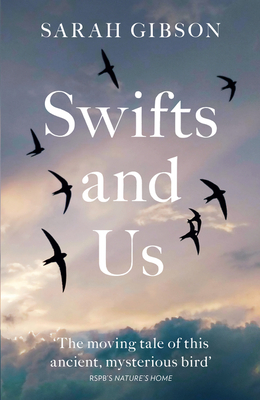 Beaks agape, swifts catch thousands of insects a day and keep them in a bolus in their throat to regurgitate for chicks. The sharp decline in insect numbers is a major concern, as well as the intensification of agriculture, climate change, and new houses or renovations that block up holes birds traditionally nest in. There are multiple species of swift – in southern Spain one can see five types – and in general they are considered to be of least conservation concern, but these matters are all relative in these days of climate crisis. Evolved to nest in cliffs and trees, they now live alongside humans except in rare places like Abernethy Forest near Inverness in Scotland, where they still nest in trees, in holes abandoned by woodpeckers.
Gibson surveys swifts’ distribution and evolution, key figures in how we came to understand them (Gilbert White et al.), and early landmark studies (e.g. David Lack’s in Oxford). She also takes us through a typical summer swift schedule, and interviews some people who rehabilitate and advocate for swifts. Other chapters see her travelling to Italy, Switzerland and Ireland, the furthest west that swifts breed. If you find a grounded swift, she learns from bitter experience, keep it in a box with air holes and give it water on a cotton bud, but don’t feed or throw it up in the air. To release, take it to an open space and hold it on your hand above your head. If it’s ready to fly, it will. The current push to help swifts is requiring that nest blocks or boxes be incorporated in every new home design. (I signed this petition.)
This is a great source of basic information, though some of the background may be more detailed than the average reader needs. If you’re only going to read one book about swifts, I would be more likely to recommend Charles Foster’s The Screaming Sky, a literary monograph, but do follow up with this one. And soon we’ll also have Mark Cocker’s book about swifts, One Midsummer’s Day, which I hope to get hold of. (Public library)
Favourite lines:
“It is their otherness that makes them so fascinating. They touch our lives briefly and then vanish; this is part of their magic.”
“The brevity of their summer stays enhances their hold on our hearts. The season is short, their bold, wild chases over the roofs and high-pitched screams a fleeting experience: they are a metaphor for life itself. We need to act now to ensure these birds will scythe across our skies forever; to keep them in our streets, to keep them in abundance and common. All of us can do something within the compass of our lives to help tilt the balance back in their favour. If the will to do it is there, it can be done.”
Cuckoo by Wendy Perriam (1991)
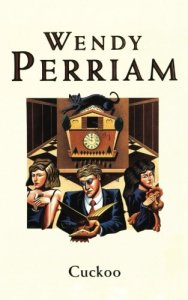 (We started hearing cuckoos locally last week!) My second by Perriam, after The Stillness The Dancing, and I’ve amassed quite a pile for afterwards. Frances Parry Jones, in her early thirties, is desperate for a baby but her husband, Charles, doesn’t seem fussed. He goes along with fertility treatment but remains aloof like the posh snob Perriam depicts him to be – the opening line is “Typical of Charles to decant his sperm sample into a Fortnum and Mason’s jar.” Their comfortable home in Richmond is cut off from the messy reality of life, as represented by Frances’s friend Viv and her brood.
Frances soon learns why Charles is unenthusiastic about having children: he already has one, a sullen teenager named Magda who lived with her mother in Hungary but has just arrived in London, “a greedy little cuckoo, commandeering the nest.” Though tempted to accept Magda as a replacement child, Frances just can’t manage it. However, they do find common ground through their japes with Ned, a free spirit Frances meets during her brief time as a taxi driver, and Frances starts to imagine how her life could be different. The portraits and sex scenes alike were a little grotesque here. I had to skim a lot to get through it. Here’s hoping for a better experience with the next one. (Secondhand copy passed on by Liz – thank you!)
Springtime in Britain by Edwin Way Teale (1970)
 I discovered Teale a few years ago through the exceptional Autumn Across America, the first volume of a quartet illuminating the nature of the four seasons in the USA; he won a Pulitzer for the final book. Here he applied the same pattern across the pond, taking an 11,000-mile road trip around Britain with his wife Nellie. It’s a delight to see the country through his eyes, particularly places I know well (Devon, the New Forest, Wiltshire/Berkshire) or have visited recently (Northumberland). They find the early spring alarmingly cold and wet, but before long are rewarded with swathes of daffodils and bluebells. Several stake-outs finally result in hearing a nightingale. For the most part, the bird life is completely new to them, but he remarks on what North American species the European birds remind him of. “We felt we would travel to Britain just to hear the song thrush and the blackbird,” he maintains.
Nellie develops pneumonia and has to convalesce in Kent, but otherwise personal matters hardly come into the narrative. Teale is well versed in English nature writing and often references classics by the likes of John Clare and Gilbert White that inspired destinations. (They spend an excessive number of days on their pilgrimage to White’s Selborne.) He also reports on perceived threats of the time, such as small animals getting stuck in littered milk bottles. While it was, inevitably, a little distressing to think of the abundance and diversity he was still experiencing in the late 1960s that has since been lost to development, I mostly found this a pleasant meander. Some things never change: the magic of prehistoric sites; the grossness of some cities (“we forgot the misadventure of Slough”). (Secondhand)
What signs of late spring are you seeing?
 Bookish Beck = Rebecca Foster. American transplant to England. Freelance proofreader and book reviewer.
 Bookish Beck