#ParisInJuly2026, I: Kiran Millwood Hargrave, Deborah Levy & Chris Newens
I wouldn’t want to be in Paris right now – continental Europe is far too hot in high summer and in recent years the UK has been following suit – but I am having such fun travelling there through books. I have a fantastic stack of Paris-set novels and memoirs on the go, perfect for sinking into on long afternoons and evenings while I hide from the second round of the heat wave in our relatively cool lounge. These first four selections were corkers! I mostly read them earlier: in May, or across several years, or started in January but only just finished. And what a treat they all were: an epic yet intimate queer romance, two auto/fiction hybrids about making a life as an unconventional woman, and a tour through Paris food, district by district.

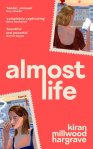
Almost Life by Kiran Millwood Hargrave (2026)
There has been homoerotic content in Hargrave’s previous fiction for adults, but this is a full-blown queer love story that, with its time span (1978 to 2013) and heft, feels momentous, like a future classic. Erica is an earnest 18-year-old tourist experiencing Paris before starting at UEA. She meets Laure, an older, cynical Sorbonne art history student, on the steps of the Sacré-Coeur: drawn to her not just because they’re reading the same book (A Lover’s Discourse by Roland Barthes) but also because Laure looks so perfectly Parisian there in a louche sprawl, smoking a cigarette. Laure is a confirmed lesbian, whereas Erica was previously straight. It’s coup de foudre for sure. Laure has been with many women, including married ones, but what she feels for Erica is different, and Erica leaving at the end of the summer is such a blow that her problem drinking gets out of control.
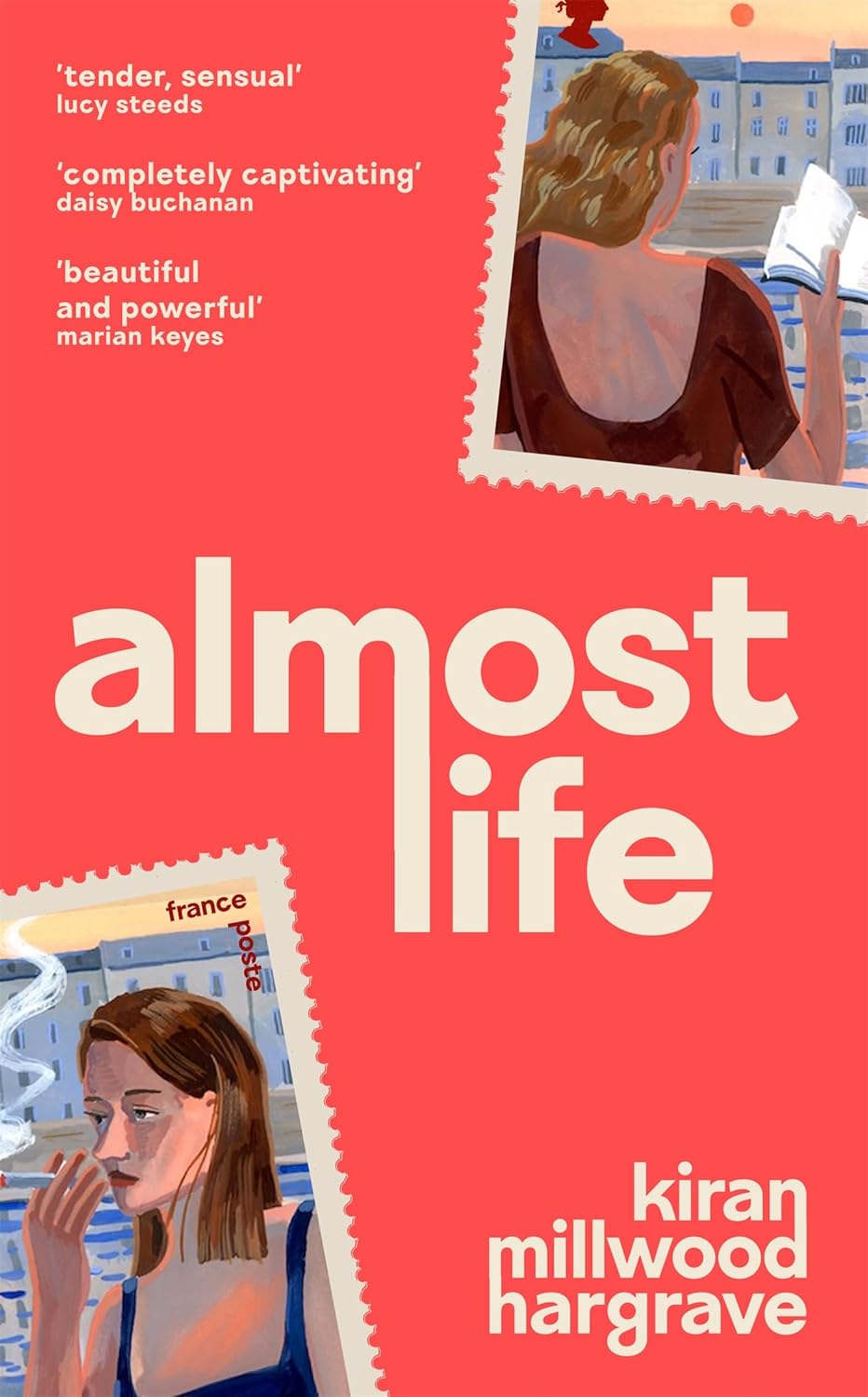
Comparisons with One Day by David Nicholls are inescapable what with the structure of jumping ahead by a few years with each section, although I’d argue that this is more similar to The Versions of Us by Laura Barnett and The Heart’s Invisible Furies by John Boyne. Hargrave’s close third-person narration alternates between her two protagonists and occasionally documents their interactions, though they keep missing their chance to be together. On two occasions Erica doesn’t write or visit when she should; twice they resume their love affair and could have gotten back together, but by then one or both has another partner. (Erica marries a Creative Writing MA classmate and they have two daughters.) The social context is important: they lose a dear friend to the AIDS crisis and Hargrave carefully bookends the action to show an advance in LGBTQ rights: early on, the characters are caught up in an attack on a gay bar in 1978; in the last pages, France legalizes same-sex marriage.
Thirty-five years is a long time in any relationship, but Erica and Laure’s is repeatedly strained by absence and perceived betrayals. They each, separately, go through a lot, including bereavements, addiction, mental health issues, and career disappointments. I thought the novel might have a speculative element, contrasting their potential life together with their divergent trajectories. In fact, only in one brief instance does Hargrave offer an alternative version of how things might have gone. Instead, the focus is on moments when fear or negligence stopped one of them from reaching out. I quibbled with a few seeming anachronisms and errors but overall found this delicious, touching, and even strangely close to home sometimes. Paris itself is a star, its museums, bars, and streets a perfect backdrop; Monet’s gardens and the Norfolk coast are appealing settings, too. This was a sweet, sexy, sobering read I can wholeheartedly recommend. (Public library) 
A linking passage:
“They went together to the Père-Lachaise and Erica pulled a button off her shirt to put on Gertrude Stein’s grave. Laure was amazed she knew Tender Buttons but not that Gertrude Stein had loved a woman. She did not want to be the lesbian prophet to this girl, but she could not help herself.”
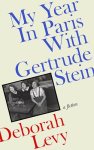
My Year in Paris with Gertrude Stein: A Fiction by Deborah Levy (2026)
“Gertrude Stein said that’s enough. (I know that that’s not enough now.)”
~from “Roseability” by Idlewild – enjoy the c. 2000 Scottish punk!
Here’s the good news: You don’t need to know anything – or particularly care – about Gertrude Stein to enjoy this. Even not having read any Stein, just having read about her, it was clear to me that the style is an homage in places (repetition, scant punctuation). But where Stein’s is famously cryptic, Levy’s prose is crystal-clear as usual. There’s a gauzy fictional storyline in which the narrator is wrestling with an inchoate essay about Gertrude Stein. (Rather like Geoff Dyer trying to write about D.H. Lawrence in Out of Sheer Rage.) She has two close friends: Eva is a graphic novelist with an international background, currently separated from a husband back in Seattle; Fanny is a polyamorous French lesbian who works in finance and, no matter the topic, tells it like it is. A mystery of sorts arises in the form of Eva’s lost cat, Bob. Fanny has heard about a cat found drowned in the canal and they later meet a Frenchman whose cat was stolen. (It’s unclear whether it’s all one and the same cat.)
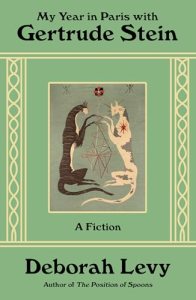
Cute American cover (though the British one is probably more apt).
The narrator alternates between this minor intrigue, biographical fragments about Stein, and her struggle to know how to capture her subject in words. Stein was brought up in a German Jewish household in Pennsylvania and failed her medical school exams at Johns Hopkins. In Paris she lived with Alice B. Toklas as she pleased, without apology: an artist’s muse, intellectual and author inspired by “early psychology and cubism.” Levy clearly admires Stein for pushing the boundaries of literature and of life, paving the way for so many. I wasn’t sure that the ‘story’, such as it is, matters here, or at least not as much as the biography and pastiche. Levy is very much in Ali Smith territory here. In any case, I found it playful, sophisticated and beguiling. There are so many plainly put but brilliant lines:
“Stein put her immense writing energies into making sure she was not understood. This is what interested me most about her writing. She did not believe it is worth having a conversation if everything is understandable.”
“Every century needs an artist to dismantle coherence as we have been taught it and make a space for something new to happen.”
I have a copy of The Autobiography of Alice B. Toklas that I’m going to attempt soon…
(Public library)
Real Estate by Deborah Levy (2021)
 I’m not sure why it took me so long to read the final volume of Levy’s so-called Living Autobiography. I started it in August 2022: perfect timing because that was the year we bought our first house. But I left it part-read on a shelf until April. It’s not my favourite of the trilogy – that’s The Cost of Living, which is perfect – but I appreciated it a lot more than Things I Don’t Want to Know, which felt forced. Levy paints her life as restless, nomadic; to an extent, she likes it that way. She flits between London and Paris, attends a literary festival in India and takes an extended holiday in Greece. At age 60, single and with adult daughters, she doesn’t have to answer to anyone. Yet she longs for a home of her own – a deep sense of fulfilment that perhaps can’t be bought along with a piece of property. Is it a paradox to desire grounding but also freedom? That’s the main question that Levy explores here, and you can see why Stein would become a model for her (Leonora Carrington is another in this book). “It seemed to me all over again that in every phase of living we do not have to conform to the way our life has been written for us, especially by those who are less imaginative than ourselves.” This is incredibly quotable, and really a perfect book for every woman of a certain age as we come to resemble our mothers and ponder how to go on constructing ourselves through words and relationships.
to think and feel and live and love more freely is the point of life
So then, now that I was a sixty-year-old female character, both unwritten and constantly rewriting the script, what did I value, own, discard and bequeath?
Levy has an enviable talent for simplicity and clarity, but simultaneous impact and meaning. I’d be lucky to ever write anything autobiographical that has half as much elegance and power as her work. (New purchase – Amazon?) 
Moveable Feasts: A Story of Paris in Twenty Meals by Chris Newens (2025)
Newens, an English journalist, grew up working in his family bakery and tea rooms, so knew of the hard labour and long, early hours that daily food preparation requires. He’d lived in Paris for a decade when he decided that his strategy for getting a broader understanding of his adopted city would be through its cuisine. Arrondissement by arrondissement, he explores culinary landmarks and famous dishes, choosing one recipe from each to recreate in his kitchen. Some of these are familiar French staples such as croissants, crêpes, macarons, a goat’s cheese salad and tartiflette. Others aren’t so much a recipe as a serving suggestion: fresh oysters, an omelette with no ingredients beyond 3 eggs, pre-packaged escargots. Tourist food can be good or terrible, depending on where you go.
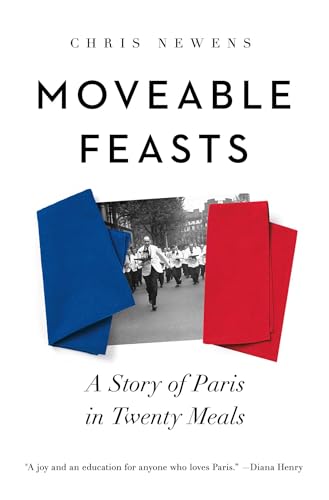 To get beyond clichés and give an accurate portrait of Paris, Newens realized, it’s essential to include ethnic dishes such as banh mi, couscous, falafel, kebabs (made of equal parts lamb belly and turkey thigh meat) and meen puyabaisse (a Tamil-fusion fish stew – A Waiter in Paris taught me that many of the city’s food service workers are from Sri Lanka) to reflect the many immigrant cultures that call Paris home. To mix things up, he sometimes strays from the usual format of meeting with restaurant staff and learning a dish from them. One chapter is an elegy for the family friend through whom he first discovered French food. In others he is surprised by the delicious/awful fare on offer at a Paris soup kitchen/sex club. Ultimately, he concludes that what sets the food in France apart, no matter the cuisine in question, is the quality of the produce, so his final trip is to Rungis, the largest produce market in the world, which supplies most of Paris’s food needs at some times of year. He then ties it all together by hosting a picnic where guests cook one of his 20 recipes to bring.
This is the best sort of armchair travelling, where you get to experience the deliciousness and excitement vicariously and can be relieved that you’ve avoided all the inconvenient or embarrassing realities of interviewing strangers. I also learned a fair bit about the different districts’ personalities and how tradition meets modernity in French food. Food is a daily chance at pleasure and I just love reading about it (even though I don’t cook). Newens won a Jane Grigson Trust Award for New Food and Drink Writers, and with his curiosity and sense of humour it’s easy to see why. (Read via Edelweiss)
Book Serendipity, March to May
I call it “Book Serendipity” when two or more books that I read at the same time or in quick succession have something in common – the more bizarre, the better. This is a regular feature of mine every couple of months. Because I usually have 20–30 books on the go at once, I suppose I’m more prone to such incidents. People frequently ask how I remember all of these coincidences. The answer is: I jot them down on scraps of paper or input them immediately into a file on my PC desktop; otherwise, they would flit away! Feel free to join in with your own.
The following are in roughly chronological order.
- A sister named Fiona in The Forgotten Waltz by Anne Enright and Leaving Home by Mark Haddon.
- A parent burns a dirty magazine in Mrs. Bridge by Evan S. Connell and The Blood Year Daughter by G.G. Silverman.
- Sabbath chains, Gaelic sermons, and psalm singing on the very pious Isle of Lewis in John of John by Douglas Stuart (set in the 1990s), then Findings by Kathleen Jamie (essay from the early 2000s). I doubt any of the above can still be found there, though we did note “Respect the Sabbath” signs on playground equipment on our 2022 trip.
- A single mother who won’t answer the phone because she’s afraid of who/what it might be in Blonde by Joyce Carol Oates and The First Day of Spring by Nancy Tucker.
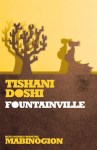
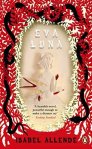
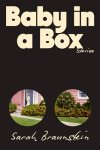
- An orphaned narrator named (Eva) Luna in Eva Luna by Isabel Allende and Fountainville by Tishani Doshi. Then I came across a dog named Luna in Transcription by Ben Lerner! And the main character in one story of Baby in a Box by Sarah Braunstein starts going by her nickname, Luna.
- There’s a Muriel Rukeyser poem in the anthology Night Feeds and Morning Songs (ed. Ana Sampson) and Rukeyser is a character in Sophie Ward’s Our Better Natures, which I was also reading at the time.
- Eating boiled ham in Ordinary Saints by Niamh Ni Mhaoileoin and I Capture the Castle by Dodie Smith (and boiled turkey in The First Day of Spring by Nancy Tucker).
 Checking a hotel room for bedbugs in Transcription by Ben Lerner and Half His Age by Jennette McCurdy.
- A young person writing in shorthand in I Capture the Castle by Dodie Smith and First Class Murder by Robin Stevens.
- A character named Emmie in Transcription by Ben Lerner and (no surprise here) Emmie Arbel: The Colour of Memory by Barbara Yelin.
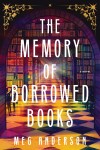
- Noting that roses are not suited to a particular climate in The Memory of Borrowed Books by Meg Anderson and Late Migrations by Margaret Renkl.

- A Welsh character named Owain in Fountainville by Tishani Doshi and Bog Child by Siobhan Dowd.
- The Secret Garden is discussed/mentioned in Reading My Mother Back by Timothy C. Baker and Mare by Emily Haworth-Booth, and mentioned in The Memory of Borrowed Books by Meg Anderson.
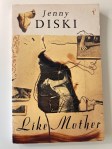
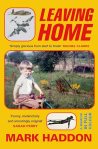
- The protagonist is emotionless at their mother’s deathbed in Like Mother by Jenny Diski and Leaving Home by Mark Haddon.
- (Apologies: this one is grim.) A young woman is sexually assaulted with a bottle in The Benefactors by Wendy Erskine and The Truth about Ruby Cooper by Liz Nugent (both Irish novelists).
- A husband is involved in a deliberate (suicidal) crash in Show Me Where It Hurts by Claire Gleeson and one story of I Am the Ghost Here by Kim Samek.
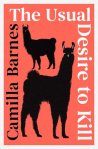
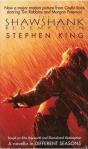
- Ali Baba’s cave is used as a metaphor in The Usual Desire to Kill by Camilla Barnes and Rita Hayworth and Shawshank Redemption by Stephen King.
- A brother- and sister-in-law have an affair in the two Portuguese novels I read on my Portugal holiday, The Migrant Painter of Birds by Lídia Jorge and The Piano Cemetery by José Luís Peixoto.
- A woman describes her discovery of orgasm in The Half Life by Rachel Beanland and The High Mountains of Portugal by Yann Martel.
- ‘There are two kinds of people…’ thinking in The Mighty Red by Louise Erdrich and one story of It Will Come Back to You by Sigrid Nunez.
- Money is hidden behind a boiler in The Mighty Red by Louise Erdrich and The Murderer’s Ape by Jakob Wegelius.
 The surname Callaway in The Half Life by Rachel Beanland and Calloway in The Watersmith by Yance Wyatt.
- Louise Erdrich, whose The Mighty Red I was reading at the time, is mentioned in The Madman’s Guide to Stamp Collecting by Robert Irwin.
- A minor character named Genevieve appears in Our Numbered Bones by Katya Balen and The Watersmith by Yance Wyatt.
- The Mighty Red by Louise Erdrich is the second novel I’ve read within eight months (after The Wedding People by Alison Espach) in which a reluctant bride is saddled with a groom named Gary.
- A mountain lion sighting in The Mighty Red by Louise Erdrich and Learning from Silence by Pico Iyer.
- A character has a love of Agatha Christie novels in The High Mountains of Portugal by Yann Martel and Buckeye by Patrick Ryan.
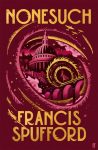
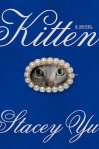
- A character with the nickname Kitten in Nonesuch by Francis Spufford (particularly funny because it’s for a thug) and Kitten by Stacey Yu.
- Reading two queer novels with an academic writing course setting at the same time: Almost Life by Kiran Millwood Hargrave and Kingfisher by Rozie Kelly.
- A remark about the rare beauty of black hair with blue eyes in Kingfisher by Rozie Kelly and My Year in Paris with Gertrude Stein by Deborah Levy.
- An STD is evidence of a husband’s infidelity in The Daffodil Days by Helen Bain and A Beautiful Loan by Mary Costello.
- Bottles being used to hold picnic meals / foraged blackberries (noted because these days it would be plastic pots for everything) in Zami by Audre Lorde (the 1940s) and The Daffodil Days by Helen Bain (the 1960s).
 Kismet is a character name in The Mighty Red by Louise Erdrich, so I was primed to notice the word being used in Almost Life by Kiran Millwood Hargrave (it’s a synonym for fate).
- A writer who faces the wall to work in The Daffodil Days by Helen Bain (Ted Hughes, that is) and The Autobiography of Alice B. Toklas by Gertrude Stein (referring to Alice B. Toklas!).
- A painting of an Arctic tern features in The Migrant Painter of Birds by Lídia Jorge (on the cover) and Kingfisher by Rozie Kelly.
- Hot milk is drunk in The Memory of Borrowed Books by Meg Anderson, Kingfisher by Rozie Kelly (with Ovaltine), Nonesuch by Francis Spufford, and Kitten by Stacey Yu.
- William James is mentioned in My Year in Paris with Gertrude Stein by Deborah Levy and Wise by Frank Tallis.
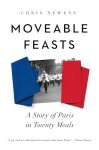 Algerian Muslim men appear in A Beautiful Loan by Mary Costello and Moveable Feasts by Chris Newens.
- A pet cat was found on the shore in The Memory of Borrowed Books by Meg Anderson and Kitten by Stacey Yu.
- Bringing cherries to an invalid in Almost Life by Kiran Millwood Hargrave and Kingfisher by Rozie Kelly.
- Sex with a woman who has a mastectomy scar in Kingfisher by Rozie Kelly and Zami by Audre Lorde.
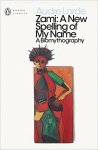
- A sighting of a kingfisher as auspicious in Kingfisher by Rozie Kelly and Transcription by Ben Lerner.
- The idea that former lovers leave a mark on people in Almost Life by Kiran Millwood Hargrave and Zami by Audre Lorde.
- Pet cat(s) do themselves a mischief by getting into paint supplies in Zami by Audre Lorde and Kitten by Stacey Yu.
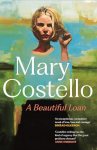
- A Sandymount, Dublin setting in A Beautiful Loan by Mary Costello and Hood by Emma Donoghue.
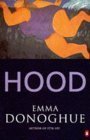
- An Irish family where the mother and one daughter move to the USA and the father and other daughter stay behind in Hood by Emma Donoghue and The Truth about Ruby Cooper by Liz Nugent (both Irish novelists).
- The concept of a “funeral cake” in The Mighty Red by Louise Erdrich and Kingfisher by Rozie Kelly.
- A character regrets wearing eye makeup on an emotional occasion in The Memory of Borrowed Books by Meg Anderson and Kingfisher by Rozie Kelly.
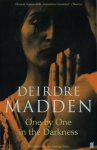 My second Irish novel of the year that takes place over one week: Hood by Emma Donoghue (after One by One in the Dark by Deirdre Madden).
- A cat of confusing gender: Grace is male in Hood by Emma Donoghue and Bob is always referred to as “it” in My Year in Paris with Gertrude Stein by Deborah Levy.
- The idea that it’s rare for a woman to a) be a good storyteller (in The Torrents of Spring by Ivan Turgenev) or b) tell a punchline with a straight face (in The Correspondent by Virginia Evans – at least the man gets called out on his sexist opinion in this case). I also noticed the use of the word “caprice” in both books (and also in Turgenev’s First Love) because it’s unusual and I like it.
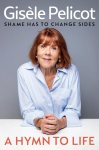
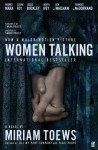
- Another grim, grim one: reading two books at the same time in which a woman is / women are drugged and raped while unconscious (A Hymn to Life by Gisèle Pelicot and Women Talking by Miriam Toews).
- I read two short stories in quick succession about a peasant porter who carries a broom: “A Real Durwan” by Jhumpa Lahiri (from Interpreter of Maladies) followed by “Mumu” by Ivan Turgenev.
- An older woman insists that she still is/has a little girl inside in The Correspondent by Virginia Evans and A Hymn to Life by Gisèle Pelicot.
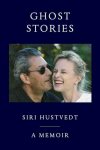 The number 7 has magical significance for the author in Ghost Stories by Siri Hustvedt and A Hymn to Life by Gisèle Pelicot.
- A couple meets when they see each other reading the same book in an outdoor location: A Lover’s Discourse by Roland Barthes in Almost Life by Kiran Millwood Hargrave; and The Great Gatsby in Sunset Park by Paul Auster.
- Alison Bechdel’s Dykes to Watch Out For is mentioned in Hood by Emma Donoghue; I was reading a Bechdel book, The Secret of Superhuman Strength, at the same time.
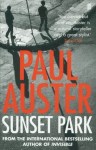
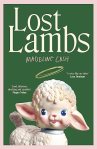
- Gnats are irksome in Sunset Park by Paul Auster and Lost Lambs by Madeline Cash.
What’s the weirdest reading coincidence you’ve had lately?
The Writer’s Table by Valerie Stivers (Blog Tour)
In 2017, Valerie Stivers started writing about food in classic fiction for The Paris Review. Her particular project for the “Eat Your Words” column would be cooking and baking her way through literature. It was a larger undertaking than she realized and became something of an obsession. A selection of the greatest hits made it into The Writer’s Table. Each few-page biographical profile opens with a recipe drawn from that author’s work or developed by Stivers. A surprising number of writers published cookbooks – or had one compiled after their death – including Maya Angelou, Jane Austen (of family friend and housekeeper Martha Lloyd’s recipes), Ernest Hemingway, Barbara Pym, George Sand and Alice B. Toklas.
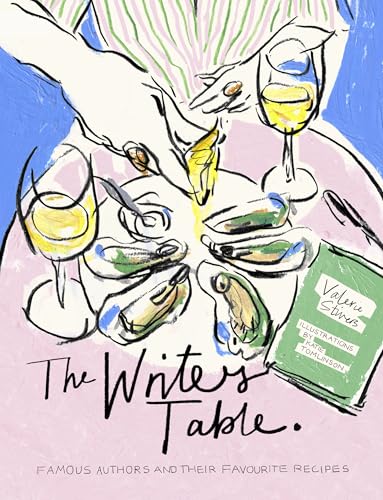 Though I’ve read a lot by and about D.H. Lawrence, I didn’t realise he did all the cooking in his household with Frieda, and was renowned for his bread. And who knew that Emily Dickinson was better known in her lifetime as a baker? Her coconut cake is beautifully simple, containing just six ingredients. Flannery O’Connor’s peppermint chiffon pie also sounds delicious. Some essays do not feature a recipe but a discussion of food in an author’s work, such as the unusual combinations of mostly tinned foods that Iris Murdoch’s characters eat. It turns out that that’s how she and her husband John Bayley ate, so she saw nothing odd about it. And Murakami’s 2005 New Yorker story “The Year of Spaghetti” is about a character whose fixation on one foodstuff reflects, Stivers notes, his “emotional … turmoil.”
The alphabetical arrangement of the pieces emphasizes the wide range of eras, regions, and genres. It’s a fun book for browsing, though I might have liked more depth on fewer authors. I especially liked the listicles on “Writers’ Favourite Cocktails” – E.B. White’s triple-strength gin martinis sound lethal! – and “Writers Who Didn’t Eat Proper Meals.” Proust subsisted on croissants and café au lait, while Highsmith ate nothing but bacon and eggs (hers being mostly a liquid diet). Katie Tomlinson’s colourful sketches are delightful. I enjoyed having this around to flick through and can recommend it as a gift for the literary foodie in your life.
With thanks to Anne Cater of Random Things Tours and Frances Lincoln (Quarto Books) for the free copy for review.
Buy The Writer’s Table from Bookshop.org [affiliate link]
I was pleased to be part of the blog tour for The Writer’s Table. See below for details of where other reviews have appeared or will appear soon.
 Bookish Beck = Rebecca Foster. American transplant to England. Freelance proofreader and book reviewer.
