Book Serendipity, August to September
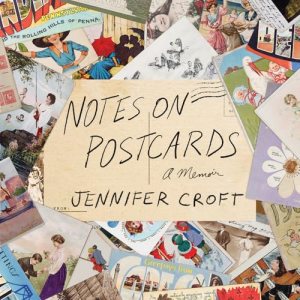
From Jennifer Croft’s superb Notes on Postcards (forthcoming in November):
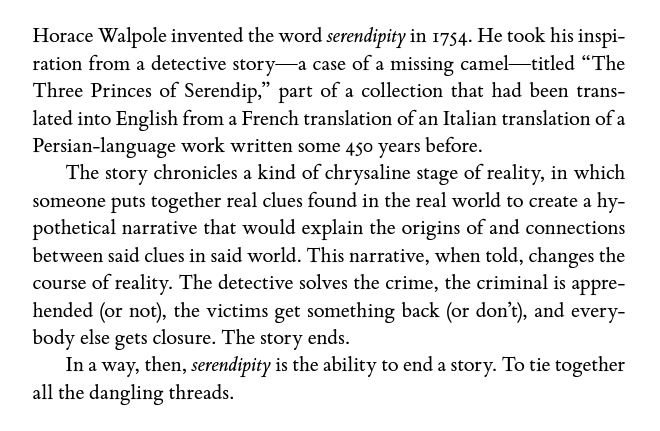
I’d heard that story of Horace Walpole and the etymology of “serendipity” before. Tying together dangling threads is a good description of what I try to do with these posts, which arise from my reading.
I call it “Book Serendipity” when two or more books that I have read at the same time or in quick succession have something in common – the more bizarre, the better. This is a regular feature of mine every couple of months. Because I usually have 20–30 books on the go at once, I suppose I’m more prone to such incidents. People frequently ask how I remember all of these coincidences. The answer is: I jot them down on scraps of paper or input them immediately into a file on my PC desktop; otherwise, they would flit away!
 The more accurate keyword would probably be “synchronicity,” which according to Carl Jung, who “believed in a universe of mysterious connections,” is “a meaningful coincidence in which an internal mental state somehow attracts a real-world parallel” (quotes from The Spirituality Gap by Ali Millar). An intriguing idea, that: somehow, by thinking about these ideas or details, I might be … luring repeat incidents to me?!
The following are in roughly chronological order.
What’s in a name?
- Girlfriends named Maddie (in Year of the Drought by Roland Buti) and Mattie (Tom’s in Pardon Our French by Alex Durand and Tom Carles); plus a granddaughter (in The Typing Lady and Other Fictions by Ruth Ozeki) and niece (in The Land and Its People by David Sedaris) named Maddy.
- A character named Hattie in Leaving the Yellow House by Saul Bellow and The Correspondent by Virginia Evans.
- A character named India in Leaving the Yellow House by Saul Bellow and Family Family by Laurie Frankel (our second The Marriage Plot/Literary Wives club read this year in which the protagonist was named India, after Mrs. Bridge by Evan S. Connell).
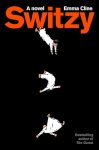
 A daughter named Rebecca in Switzy by Emma Cline and Family Family by Laurie Frankel (where she’s known as Bex); and sisters named Rebecca (known as Becks) in one story of The Rental Heart and Other Fairytales by Kirsty Logan and The Long Road to Holy Island by Austin Suggs. Those are both nicknames I’ve had, by the way. The one nickname I detest is Becky.
- A mother named Monica in The Summerhouse Trilogy by Alice Thomas Ellis and Apt Pupil by Stephen King.
- A Hilda in The Given World by Melissa Harrison and one story of Self-Help by Lorrie Moore.
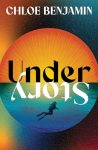
- A Clare in Under Story by Chloe Benjamin, The Leveret by Anna Goldreich and The Given World by Melissa Harrison.
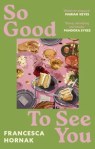
- A Sergio in Old Romantics by Maggie Armstrong and a Serge in So Good to See You by Francesca Hornak.
- A son named Silas in Under Story by Chloe Benjamin and So Good to See You by Francesca Hornak.
- Compensation for run-over chickens in Year of the Drought by Roland Buti and Don’t Let’s Go to the Dogs Tonight by Alexandra Fuller.
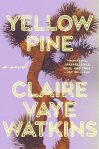
- “Enough is enough” is a slogan in The Land and Its People by David Sedaris (where it’s also an essay title) and Yellow Pine by Claire Vaye Watkins.
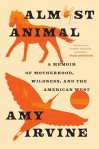
 Telluride, Colorado features as a setting in Almost Animal by Amy Irvine and in one essay of The Land and Its People by David Sedaris.
- A trip from Paris to see Chartres Cathedral in The Magician by W. Somerset Maugham and Shadow of a Man by May Sarton.
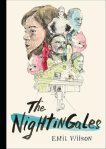
- Fleeting references to the Donner Party in Yellow Pine by Claire Vaye Watkins and The Nightingales by Emil Wilson.
- An essay about an Icelandic sheep ram, and the idea that one should ride geldings because they’re calmer and more reliable than mares, in Animals Taught Me Everything by Pam Houston and The Land and Its People by David Sedaris.
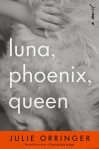
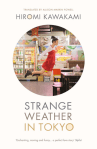
- The protagonist’s work performance declining due to dementia, and a tweed jacket, in Switzy by Emma Cline and Luna, Phoenix, Queen by Julie Orringer. (There’s also a tweed jacket mentioned in Strange Weather in Tokyo by Hiromi Kawakami.)
- German artist Käthe Kollwitz is mentioned in Seed Corn Must Not Be Ground (the title is from one of her works) by Pat Browne and The Book of Mating by Laksmi Pamuntjak.
- Child brides and incestuous rape are mentioned/feature in Almost Animal by Amy Irvine and The Book of Mating by Laksmi Pamuntjak, both of which I was reading early for Foreword Reviews.
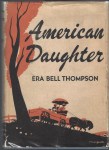
- The keeping of goats in Almost Animal by Amy Irvine and American Daughter by Era Bell Thompson, both of which I was reading early for Foreword Reviews.
- In August I unwittingly started rereading two books that I’d first read in April 2013 (is 13+ years the ideal interval?!): I Feel Bad about My Neck by Nora Ephron and Flush by Virginia Woolf.
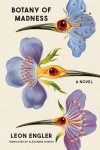
- Men by the name of Christmas: the narrator’s parents wanted to name him Noel (but the German state didn’t allow it?!) in Botany of Madness by Leon Engler; and a main character is named Joe Christmas in Light in August by William Faulkner.
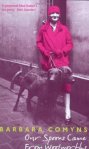
- To the narrator’s question of whether something awful has happened / they’ve done something wrong, a reply of “it very likely had but she hadn’t heard about it yet” in Our Spoons Came from Woolworths by Barbara Comyns and “Most likely. You know that better than I do” in Botany of Madness by Leon Engler.
- The idea that human–animal communication/connection is deeper than that between humans because it is beyond language plays a major role in three books I read around the same time: Animals Taught Me Everything by Pam Houston, Mitz by Sigrid Nunez, and Luna, Phoenix, Queen by Julie Orringer. (The Houston and Orringer both publish on 13 October and I was reviewing them early for Shelf Awareness.)
- The fact that children of alcoholics feel they have to make everything perfect to avoid conflict appears in Botany of Madness by Leon Engler and Animals Taught Me Everything by Pam Houston.
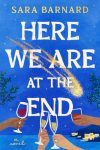 I encountered lines from the song “Closing Time” by Semisonic in Here We Are at the End by Sara Barnard (a specific reference to the pop song accompanied “Every new beginning comes from some other beginning’s end” – which I was amused to learn is actually a quote from Seneca!) and Family Family by Laurie Frankel (“You don’t have to go home. But you can’t stay here.” – not attributed, but I can’t but think she had the song in mind.)
- The stereotype of overachieving Asian Americans is mentioned or discussed in Family Family by Laurie Frankel, Miracle Creek by Angie Kim, and To Grieve Is to Carry Another Time by Matthew Salesses. There are Korean Americans in all three, and Korean children adopted into a white family in the Frankel and Salesses.
- A young woman is aghast at her mother getting rid of loved pet(s) in Nightjar by Emily Ruskovich and The Nightingales by Emil Wilson (both titled after birds!)
- A mention of the practice of buying single cigarettes from a city corner shop for 50 cents in Between Two Kingdoms by Suleika Jaouad and Miracle Creek by Angie Kim.
- Saving turtles from the road in Yellow Pine by Claire Vaye Watkins and then a mention of someone else doing so in To Grieve Is to Carry Another Time by Matthew Salesses.
 The lines “Leave as soon as you think to yourself, ‘This is a great party. I’m having a wonderful time’” from Nora Ephron’s I Feel Bad About My Neck are echoed in Emma Cline’s Switzy.
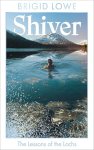
- A holy well is mentioned in The Given World by Melissa Harrison and Shiver by Brigid Lowe.
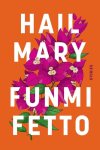
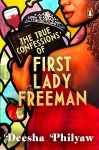
- A sexy pastor’s wife features in one story of Hail Mary by Funmi Fetto and The True Confessions of First Lady Freeman by Deesha Philyaw.
- A flawed pearl is mentioned in Apt Pupil by Stephen King and A Desert between Two Seas by A. Muia.
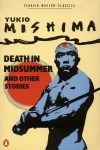
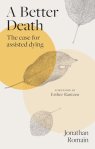
- A mention of hara-kiri (literal) in Death in Midsummer by Yukio Mishima and A Better Death by Jonathan Romain; and as a metaphor in What I Don’t Know about Animals by Jenny Diski.
- Camel cigarettes appear in Miracle Creek by Angie Kim and Apt Pupil by Stephen King.
- A woman remembers being nicknamed an “ice queen” in one story of Everest by Ashani Lewis and Plum by Hollie McNish.
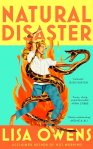
- A woman has to have a bowel movement in the labour ward in Old Romantics by Maggie Armstrong and Natural Disaster by Lisa Owens.
- The challenge of being a mother in the film industry is discussed in Family Family by Laurie Frankel and So Good to See You by Francesca Hornak.
 A three-year-old gets their own cereal breakfast in Old Romantics by Maggie Armstrong and So Good to See You by Francesca Hornak.
- A woman feels guilty of neglect due to her eight-year-old son’s death in a lake in Under Story by Cloe Benjamin and The Correspondent by Virginia Evans.
- A viral scandal where photographs/video footage are misconstrued to make a woman look bad in Hum by Helen Phillips and The True Confessions of First Lady Freeman by Deesha Philyaw.
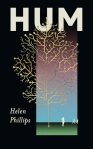
- A misunderstanding causes a mother to be investigated for child neglect in one story of Old Romantics by Maggie Armstrong and Hum by Helen Phillips.
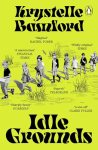 Shirley Temples (the non-alcoholic cocktail) are mentioned in Idle Grounds by Krystelle Bamford and The True Confessions of First Lady Freeman by Deesha Philyaw.
- A woman impulsively takes a dishwashing job in Under Story by Cloe Benjamin and Exit Party by Emily St. John Mandel.

- A scene of putting out sandbags in Rattlebone by Maxine Clair and The Long Road to Holy Island by Austin Suggs.
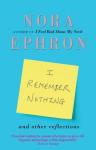 An unwanted mince pie in Idle Grounds by Krystelle Bamford and I Remember Nothing by Nora Ephron.
- A child in hospital with acute appendicitis in one story of Don’t Go to Sleep in the Dark by Celia Fremlin and Natural Disaster by Lisa Owens (and with suspected appendicitis in Shiver by Brigid Lowe).
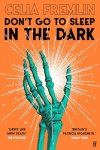
- The Tennyson poem “The Charge of the Light Brigade” is mentioned in Idle Grounds by Krystelle Bamford and Peck & Peck by Bonnie Garmus.
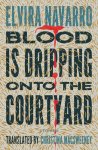
- Having to get off an elevator at the previous floor because it doesn’t go up to the destination in Exit Party by Emily St. John Mandel and Blood Is Dripping onto the Courtyard by Elvira Navarro.
- Realizing one’s bed is unmade in one story of Everest by Ashani Lewis and A Very British Midlife Crisis by Rob Temple.
- Confusion over the name of a possibly abused dog (with special powers!) adopted from a shelter in Peck & Peck by Bonnie Garmus and Luna, Phoenix, Queen by Julie Orringer.
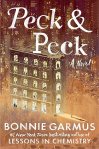
- I encountered the phrase “She’s not worth it” in both Peck & Peck by Bonnie Garmus and The True Confessions of First Lady Freeman by Deesha Philyaw within 10 minutes!
 Someone being pulled back into the womb in Under Story by Chloe Benjamin and Nightmares and Daydreams: A.C. 2020 by Mirko Ilić.
- An apple orchard as a setting in Under Story by Chloe Benjamin and one story of Apple and Palm by Patricia Henley.

- “Little Nemo in Slumberland” as an image and metaphor in Switzy by Emma Cline and Nightmares and Daydreams: A.C. 2020 by Mirko Ilić.
- A lost twin sibling – lost at birth in Peck & Peck by Bonnie Garmus and H Is for Hawk by Helen Macdonald; lost later on in one story of The Rental Heart and Other Fairytales by Kirsty Logan.


- A portal to another timeline, and characters who are doubles of each other, in Under Story by Chloe Benjamin and Exit Party by Emily St. John Mandel.
- A lesbian couple moves to a new house and the one woman feels isolated and sad because she’s recently had a miscarriage in the debut novels The New People by Andrea Uptmor (reviewed for BookBrowse) and then The Leveret by Anna Goldreich.

- Nagging a woman to use lotion on her hands as they’re the first place to show signs of ageing in Hum by Helen Phillips and one story of Moderate to Poor, Occasionally Good by Eley Williams.
A couple of visual ones:
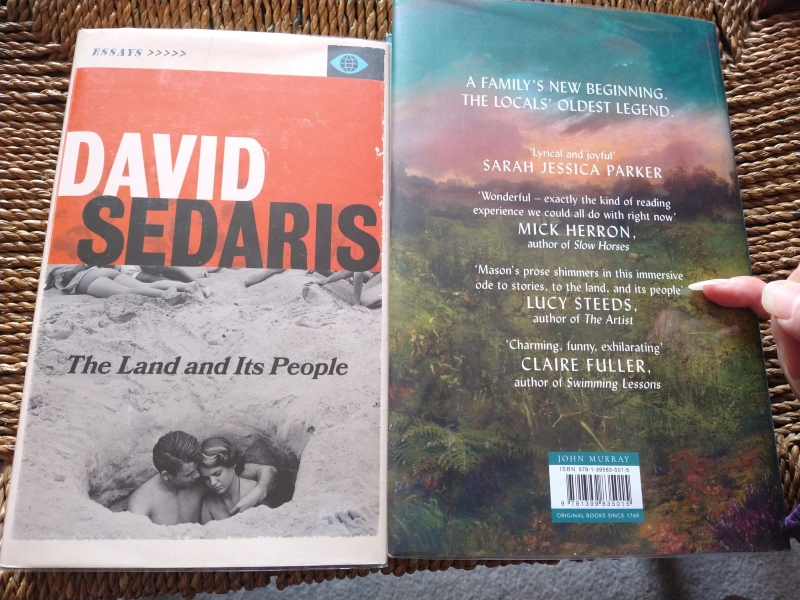
- I was reading The Land and Its People by David Sedaris at the same time as Country People by Daniel Mason, one of whose blurbs happens to borrow Sedaris’s title phrase.
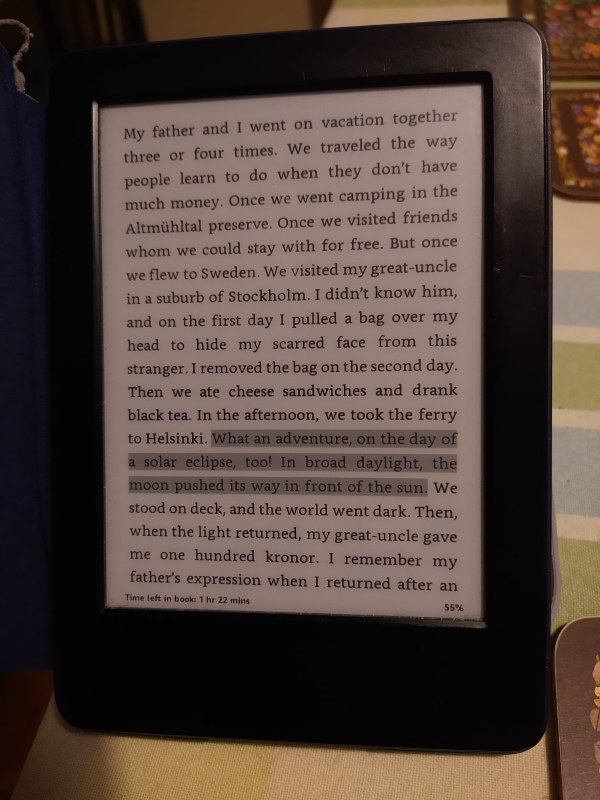
- I was reading Botany of Madness by Leon Engler and encountered this passage on the day of the solar eclipse in Europe (12 August):
What’s the weirdest reading coincidence you’ve had lately?
Love Your Library: September 2026
Thanks to Elle, Marcie and Skai for posting about their recent library use!
The Summer Reading Challenge ended on the 15th and my library has been quieting down again, thankfully. The number of reservations is still high, though – a good sign that people of all ages are continuing to use the library despite the return to school.
I was amused by this reverse-psychology display. I spotted a book I, too, hated (The Satsuma Complex), and another that I loved (Flesh) – though I can see what the reviewer means!


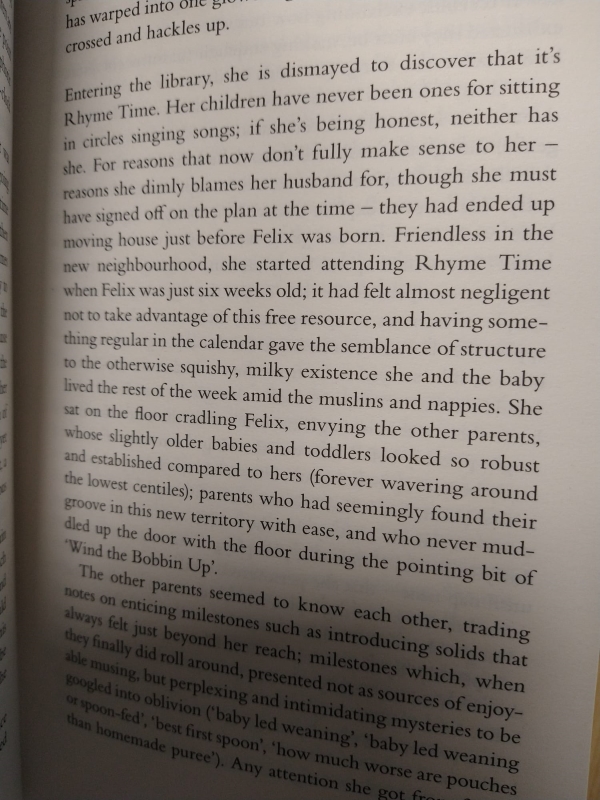
There’s a scene about Rhyme Time – which at my library starts just as I’m winding up my volunteering shift around 11 on a Tuesday morning – in Natural Disaster by Lisa Owens (see below):
My library use over the last month:
(links are to any book reviews not already featured on the blog)
READ
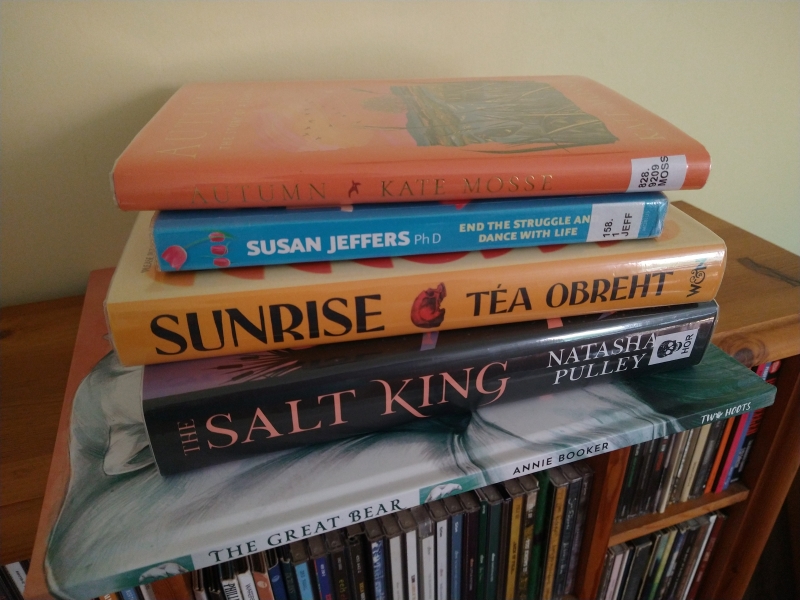
- The Great Bear by Annie Booker

- I Remember Nothing and Other Reflections by Nora Ephron (a reread)

- The End of Everything by M. John Harrison

- Natural Disaster by Lisa Owens
- Hum by Helen Phillips

- Crossing the Water by Sylvia Plath
CURRENTLY READING
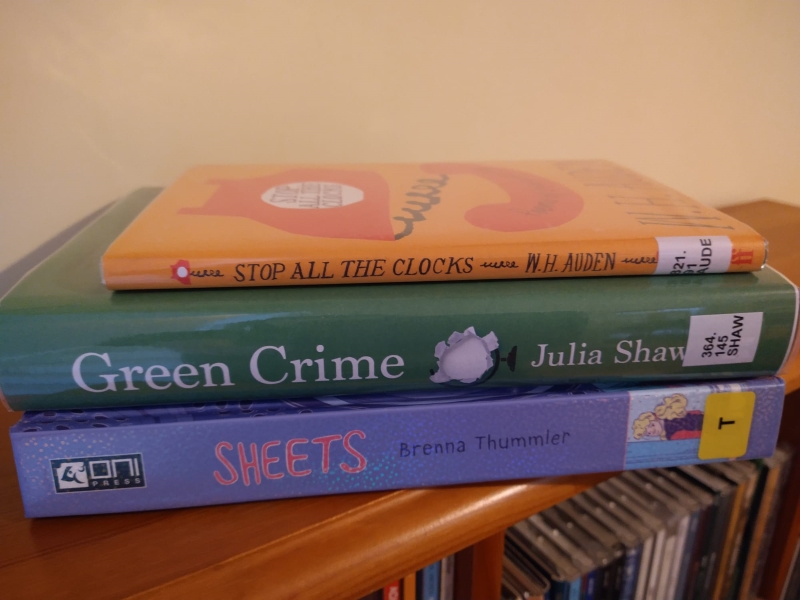
- Stop All the Clocks: Poems of Love and Loss by W.H. Auden
- The Most of Nora Ephron
- Hail Mary by Funmi Fetto
- Everest by Ashani Lewis
- Autumn by Kate Mosse
- Night, Neon and Other Stories of Suspense by Joyce Carol Oates
- The Original by Nell Stevens
- The Queen’s Gambit by Walter S. Tevis
- Sheets by Brenna Thummler
SKIMMED
- The Savage Landscape by Cal Flyn (Wainwright Prize winner)
CHECKED OUT, TO BE READ
- In Meadowlight by Sussie Anie
- The Leveret by Anna Goldreich
- Eat the Planet Well: How to Fix Our Toxic Food System – One Meal at a Time by Dave Goulson
- End the Struggle and Dance with Life: How to Build Yourself Up when the World Gets You Down by Susan Jeffers
- The Good Terrorist by Doris Lessing (from university library, for Classics book club)
- The Salt King by Natasha Pulley
- Green Crime by Julia Shaw
- When the Forest Breathes: Renewal and Resilience in the Natural World by Suzanne Simard
- Fiesta: A Journey through Festivity by Daniel Stables
ON HOLD, TO BE COLLECTED
- Every Last Fish by Rose George
- Neurodivergent, by Nature by Joe Harkness
IN THE RESERVATION QUEUE
- The Strangers by Naomi Alderman
- The Man Who Read Books by Rachid Benzine
- Dodge City by Patrick deWitt
- Honour & Other People’s Children by Helen Garner
- The Mushroom Tapes by Helen Garner et al.
- Hag: Forgotten Folktales Retold by Daisy Johnson et al.
- Black Bag by Luke Kennard
- Are You with Me Now? by Hanif Kureishi
- Solace in Winter by Mary Lawson
- Paradises Lost by Ursula Le Guin
- Suspicion by Seichō Matsumoto
- Confessions of a Mask by Yukio Mishima
- How to Be Hopeful by Caitlin Moran
- The Winter Guest by Sarah Moss
- The Witching Hour by Michelle Paver et al.
- May We Feed the King by Rebecca Perry
- Look What the Cat Dragged In by Jason Rekulak
- Dead and Alive by Zadie Smith
- A Very British Christmas by Rob Temple
- The Housekeeper by Rose Tremain
RETURNED UNFINISHED
- Through the Window by Julian Barnes – I only read the one short story for #ShortStorySeptember.
- Taking Pictures by Anne Enright – I read the first two stories but didn’t feel drawn to continue.
- The Given World by Melissa Harrison
- Sunrise by Téa Obreht – The first chapters didn’t draw me in.
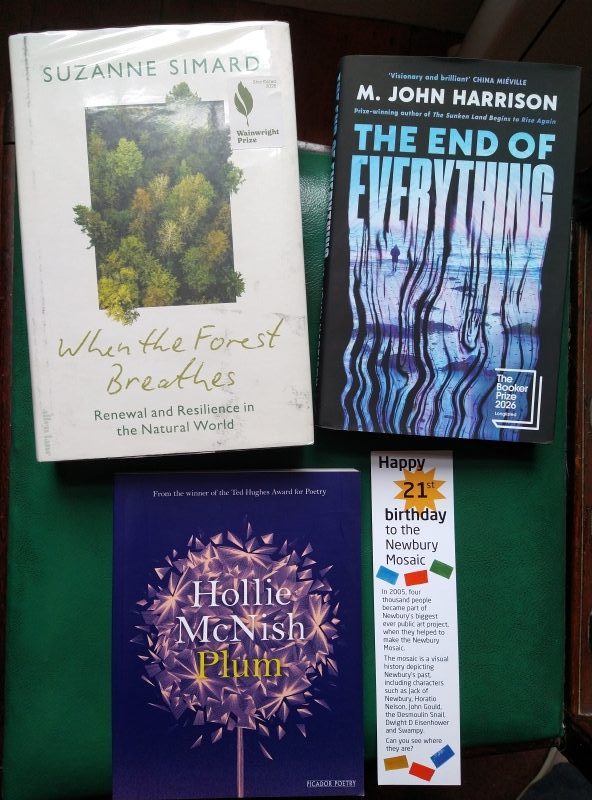
Two books borrowed; one bought from the sale shelves.
RETURNED UNREAD
- Ever Land by Amy Abdelnoor – Elle warned me not to waste my time.
- A Day in the Life of a Smiling Woman: The Collected Stories by Margaret Drabble – I ran out of time to try this one in September.
- Gentleman’s Relish by Patrick Gale – Ditto.
- From Far Around They Saw Us Burn by Alice Jolly – Ditto.
- The News from Dublin by Colm Tóibín – Requested off of me before I could get to it.
What have you been reading or reviewing from the library recently?

Share a link to your own post in the comments. Feel free to use the above image. The hashtag is #LoveYourLibrary.
Three Recommended July Releases
Here are three enjoyable reads due out next month that I was lucky enough to get a hold of early. These are all first books by women authors, with subjects ranging from twentieth-century artists to a parent’s dementia. I’ve pulled 200–250-word extracts from my full reviews and hope you’ll be tempted by one or more of these.
The Velveteen Daughter by Laurel Davis Huber
(Coming on July 11th from She Writes Press)
The name Margery Williams Bianco might not seem familiar, but chances are you remember her classic children’s book, The Velveteen Rabbit. This lovely debut novel is about Margery and her daughter, Pamela Bianco, a painter and child prodigy troubled by mental illness. The main thread of the novel is set on one day in 1944, and the first-person narration alternates between Margery and Pamela, who through memory and imagination drift back through vivid scenes from their lives in Turin, London, Wales, and New York City.
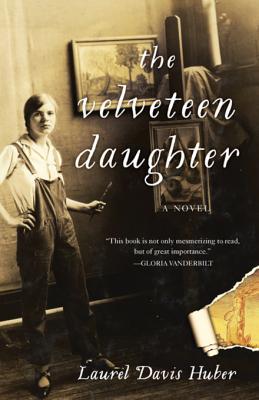 Themes of creativity, mental health and motherhood are nestled in this highly visual book full of cameos by everyone from Pablo Picasso to Eugene O’Neill. I love reading fictional biographies of writers and other creative types, and this one gives such an interesting window onto lesser-known twentieth-century figures. I especially appreciated Huber’s endnotes explaining what was fact (almost everything) and what was fiction here, and her discussion of the letters and archives she used.
As The Velveteen Rabbit teaches, we truly come to life when we are loved, and you can see how for Pamela it was a lifelong struggle to be loved for who she was. The artist’s tortured journey and the mother’s tender worry are equally strong. Had I finished it a few days earlier I would have included this in my write-up of the best books of 2017 so far. It would be a great choice for book clubs, too – a set of questions is even included at the end of the novel.
A favorite line (Pamela describes her mother): “Mam’s eyes are vast almond-shaped seas, liquid navy, flowing with an endless depth of understanding and compassion.”
Readalike: Z: A Novel of Zelda Fitzgerald by Therese Anne Fowler
My thanks to publicist Caitlin Hamilton Summie for granting me early access via NetGalley.
My rating: 
Goodbye, Vitamin by Rachel Khong
(Coming on July 11th from Henry Holt and Co. [USA]; already available from Scribner UK)
 Reeling from a broken engagement, Ruth Young returns to her childhood home in California for a year to help look after her father, who has Alzheimer’s. She tries feeding Howard every half-cracked dementia health cure (cruciferous vegetables are a biggie) and, with his teaching assistant, Theo, maintains the illusion that her father is still fit to teach by gathering graduate students for a non-credit History of California class that meets in empty classrooms and occasionally off-campus – wherever they can be away from the watchful eye of Dean Levin.
As these strategies fail and Howard’s behavior becomes ever more erratic, Ruth realizes the best thing she can do is be a recorder of daily memories, just as Howard was for her when she was a little girl: “Here I am, in lieu of you, collecting the moments” – “Today you…”
This is a delightfully quirky little book, in the same vein as Elizabeth McKenzie’s The Portable Veblen. I marked out a bunch of funny metaphors:
This morning’s [hangover] is a rodent: pesky but manageable.
It was grotesque, the way I kept trying to save that relationship. Like trying to tuck an elephant into pants.
The moon, tonight, looks like a cut zucchini coin.
But you may well read this with a lump in your throat, too. From one Christmas to the next, we see how much changes for this family – a reminder that even though the good times are still worth celebrating, they’re gone before you know it.
Readalike: Not Working by Lisa Owens
My rating: 
A Beautiful, Terrible Thing: A Memoir of Marriage and Betrayal by Jen Waite
(Coming on July 11th from Plume Books [USA] and Prentice Hall Press [UK])
 Jen Waite had been in New York City pursuing her dream of becoming an actress for two years when she started working at a restaurant for extra cash. It was here that she met Marco Medina, a handsome Argentinian bar manager, and they fell head-over-heels in love. All the clichés: a green card, a successful business venture, a baby on the way, an idyllic wedding on the beach in Maine. And then the whole thing fell apart. “Marco was always an illusion; the best magic trick I’ve ever seen,” Waite marvels.
She’s written her story up like a thriller, full of gradual revelations and the desire to get even. Chapters alternate between “Before,” when she still had what she thought was the perfect existence, and “After,” when she started to suspect that Marco had a secret life. I use the term “thriller” as a compliment: the dialogue is spot-on and this is a remarkably gripping book given that the title and blurb pretty much give the whole game away. More than that, it’s a fascinating psychological study of the personality of a sociopath and pathological liar. Surviving to tell her story and perhaps train to become a therapist for women who have been in her situation is Waite’s apt revenge.
Readalike: Gone Girl by Gillian Flynn
My rating:
 Bookish Beck = Rebecca Foster. American transplant to England. Freelance proofreader and book reviewer.

