Book Serendipity, August to September
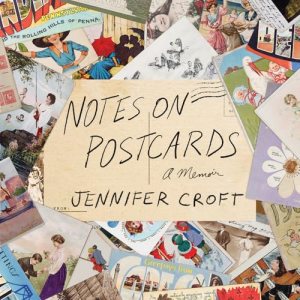
From Jennifer Croft’s superb Notes on Postcards (forthcoming in November):
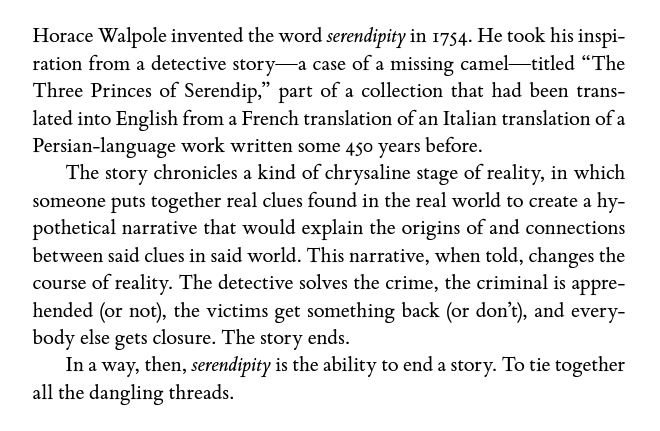
I’d heard that story of Horace Walpole and the etymology of “serendipity” before. Tying together dangling threads is a good description of what I try to do with these posts, which arise from my reading.
I call it “Book Serendipity” when two or more books that I have read at the same time or in quick succession have something in common – the more bizarre, the better. This is a regular feature of mine every couple of months. Because I usually have 20–30 books on the go at once, I suppose I’m more prone to such incidents. People frequently ask how I remember all of these coincidences. The answer is: I jot them down on scraps of paper or input them immediately into a file on my PC desktop; otherwise, they would flit away!
 The more accurate keyword would probably be “synchronicity,” which according to Carl Jung, who “believed in a universe of mysterious connections,” is “a meaningful coincidence in which an internal mental state somehow attracts a real-world parallel” (quotes from The Spirituality Gap by Ali Millar). An intriguing idea, that: somehow, by thinking about these ideas or details, I might be … luring repeat incidents to me?!
The following are in roughly chronological order.
What’s in a name?
- Girlfriends named Maddie (in Year of the Drought by Roland Buti) and Mattie (Tom’s in Pardon Our French by Alex Durand and Tom Carles); plus a granddaughter (in The Typing Lady and Other Fictions by Ruth Ozeki) and niece (in The Land and Its People by David Sedaris) named Maddy.
- A character named Hattie in Leaving the Yellow House by Saul Bellow and The Correspondent by Virginia Evans.
- A character named India in Leaving the Yellow House by Saul Bellow and Family Family by Laurie Frankel (our second The Marriage Plot/Literary Wives club read this year in which the protagonist was named India, after Mrs. Bridge by Evan S. Connell).
 A daughter named Rebecca in Switzy by Emma Cline and Family Family by Laurie Frankel (where she’s known as Bex); and sisters named Rebecca (known as Becks) in one story of The Rental Heart and Other Fairytales by Kirsty Logan and The Long Road to Holy Island by Austin Suggs. Those are both nicknames I’ve had, by the way. The one nickname I detest is Becky.
- A mother named Monica in The Summerhouse Trilogy by Alice Thomas Ellis and Apt Pupil by Stephen King.
- A Hilda in The Given World by Melissa Harrison and one story of Self-Help by Lorrie Moore.
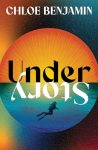
- A Clare in Under Story by Chloe Benjamin, The Leveret by Anna Goldreich and The Given World by Melissa Harrison.
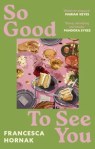
- A Sergio in Old Romantics by Maggie Armstrong and a Serge in So Good to See You by Francesca Hornak.
- A son named Silas in Under Story by Chloe Benjamin and So Good to See You by Francesca Hornak.
- Compensation for run-over chickens in Year of the Drought by Roland Buti and Don’t Let’s Go to the Dogs Tonight by Alexandra Fuller.
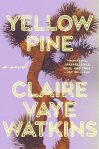
- “Enough is enough” is a slogan in The Land and Its People by David Sedaris (where it’s also an essay title) and Yellow Pine by Claire Vaye Watkins.
 Telluride, Colorado features as a setting in Almost Animal by Amy Irvine and in one essay of The Land and Its People by David Sedaris.
- A trip from Paris to see Chartres Cathedral in The Magician by W. Somerset Maugham and Shadow of a Man by May Sarton.
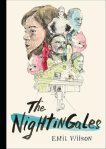
- Fleeting references to the Donner Party in Yellow Pine by Claire Vaye Watkins and The Nightingales by Emil Wilson.
- An essay about an Icelandic sheep ram, and the idea that one should ride geldings because they’re calmer and more reliable than mares, in Animals Taught Me Everything by Pam Houston and The Land and Its People by David Sedaris.
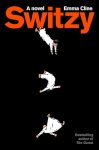
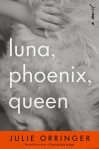
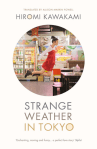
- The protagonist’s work performance declining due to dementia, and a tweed jacket, in Switzy by Emma Cline and Luna, Phoenix, Queen by Julie Orringer. (There’s also a tweed jacket mentioned in Strange Weather in Tokyo by Hiromi Kawakami.)
- German artist Käthe Kollwitz is mentioned in Seed Corn Must Not Be Ground (the title is from one of her works) by Pat Browne and The Book of Mating by Laksmi Pamuntjak.
- Child brides and incestuous rape are mentioned/feature in Almost Animal by Amy Irvine and The Book of Mating by Laksmi Pamuntjak, both of which I was reading early for Foreword Reviews.
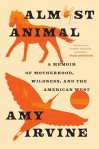
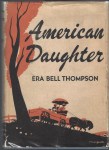
- The keeping of goats in Almost Animal by Amy Irvine and American Daughter by Era Bell Thompson, both of which I was reading early for Foreword Reviews.
- In August I unwittingly started rereading two books that I’d first read in April 2013 (is 13+ years the ideal interval?!): I Feel Bad about My Neck by Nora Ephron and Flush by Virginia Woolf.
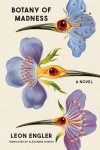
- Men by the name of Christmas: the narrator’s parents wanted to name him Noel (but the German state didn’t allow it?!) in Botany of Madness by Leon Engler; and a main character is named Joe Christmas in Light in August by William Faulkner.
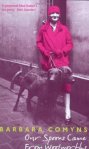
- To the narrator’s question of whether something awful has happened / they’ve done something wrong, a reply of “it very likely had but she hadn’t heard about it yet” in Our Spoons Came from Woolworths by Barbara Comyns and “Most likely. You know that better than I do” in Botany of Madness by Leon Engler.
- The idea that human–animal communication/connection is deeper than that between humans because it is beyond language plays a major role in three books I read around the same time: Animals Taught Me Everything by Pam Houston, Mitz by Sigrid Nunez, and Luna, Phoenix, Queen by Julie Orringer. (The Houston and Orringer both publish on 13 October and I was reviewing them early for Shelf Awareness.)
- The fact that children of alcoholics feel they have to make everything perfect to avoid conflict appears in Botany of Madness by Leon Engler and Animals Taught Me Everything by Pam Houston.
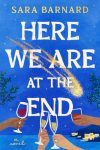 I encountered lines from the song “Closing Time” by Semisonic in Here We Are at the End by Sara Barnard (a specific reference to the pop song accompanied “Every new beginning comes from some other beginning’s end” – which I was amused to learn is actually a quote from Seneca!) and Family Family by Laurie Frankel (“You don’t have to go home. But you can’t stay here.” – not attributed, but I can’t but think she had the song in mind.)
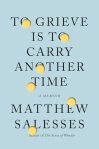
- The stereotype of overachieving Asian Americans is mentioned or discussed in Family Family by Laurie Frankel, Miracle Creek by Angie Kim, and To Grieve Is to Carry Another Time by Matthew Salesses. There are Korean Americans in all three, and Korean children adopted into a white family in the Frankel and Salesses.
- A young woman is aghast at her mother getting rid of loved pet(s) in Nightjar by Emily Ruskovich and The Nightingales by Emil Wilson (both titled after birds!)
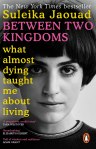
- A mention of the practice of buying single cigarettes from a city corner shop for 50 cents in Between Two Kingdoms by Suleika Jaouad and Miracle Creek by Angie Kim.
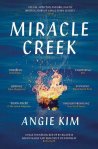
- Saving turtles from the road in Yellow Pine by Claire Vaye Watkins and then a mention of someone else doing so in To Grieve Is to Carry Another Time by Matthew Salesses.
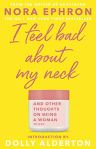 The lines “Leave as soon as you think to yourself, ‘This is a great party. I’m having a wonderful time’” from Nora Ephron’s I Feel Bad About My Neck are echoed in Emma Cline’s Switzy.
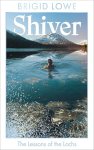
- A holy well is mentioned in The Given World by Melissa Harrison and Shiver by Brigid Lowe.
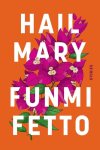
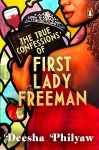
- A sexy pastor’s wife features in one story of Hail Mary by Funmi Fetto and The True Confessions of First Lady Freeman by Deesha Philyaw.
- A flawed pearl is mentioned in Apt Pupil by Stephen King and A Desert between Two Seas by A. Muia.
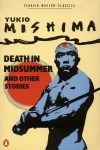
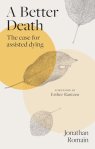
- A mention of hara-kiri (literal) in Death in Midsummer by Yukio Mishima and A Better Death by Jonathan Romain; and as a metaphor in What I Don’t Know about Animals by Jenny Diski.
- Camel cigarettes appear in Miracle Creek by Angie Kim and Apt Pupil by Stephen King.
- A woman remembers being nicknamed an “ice queen” in one story of Everest by Ashani Lewis and Plum by Hollie McNish.
- A woman has to have a bowel movement in the labour ward in Old Romantics by Maggie Armstrong and Natural Disaster by Lisa Owens.
- The challenge of being a mother in the film industry is discussed in Family Family by Laurie Frankel and So Good to See You by Francesca Hornak.
 A three-year-old gets their own cereal breakfast in Old Romantics by Maggie Armstrong and So Good to See You by Francesca Hornak.
- A woman feels guilty of neglect due to her eight-year-old son’s death in a lake in Under Story by Cloe Benjamin and The Correspondent by Virginia Evans.
- A viral scandal where photographs/video footage are misconstrued to make a woman look bad in Hum by Helen Phillips and The True Confessions of First Lady Freeman by Deesha Philyaw.
- A misunderstanding causes a mother to be investigated for child neglect in one story of Old Romantics by Maggie Armstrong and Hum by Helen Phillips.
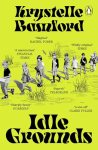 Shirley Temples (the non-alcoholic cocktail) are mentioned in Idle Grounds by Krystelle Bamford and The True Confessions of First Lady Freeman by Deesha Philyaw.
- A woman impulsively takes a dishwashing job in Under Story by Cloe Benjamin and Exit Party by Emily St. John Mandel.

- A scene of putting out sandbags in Rattlebone by Maxine Clair and The Long Road to Holy Island by Austin Suggs.
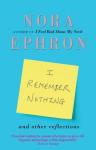 An unwanted mince pie in Idle Grounds by Krystelle Bamford and I Remember Nothing by Nora Ephron.
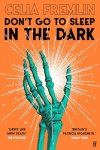
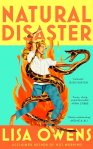
- A child in hospital with acute appendicitis in one story of Don’t Go to Sleep in the Dark by Celia Fremlin and Natural Disaster by Lisa Owens (and with suspected appendicitis in Shiver by Brigid Lowe).
- The Tennyson poem “The Charge of the Light Brigade” is mentioned in Idle Grounds by Krystelle Bamford and Peck & Peck by Bonnie Garmus.
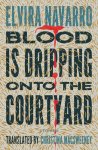
- Having to get off an elevator at the previous floor because it doesn’t go up to the destination in Exit Party by Emily St. John Mandel and Blood Is Dripping onto the Courtyard by Elvira Navarro.
- Realizing one’s bed is unmade in one story of Everest by Ashani Lewis and A Very British Midlife Crisis by Rob Temple.
- Confusion over the name of a possibly abused dog (with special powers!) adopted from a shelter in Peck & Peck by Bonnie Garmus and Luna, Phoenix, Queen by Julie Orringer.
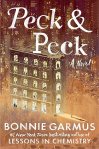
- I encountered the phrase “She’s not worth it” in both Peck & Peck by Bonnie Garmus and The True Confessions of First Lady Freeman by Deesha Philyaw within 10 minutes!
 Someone being pulled back into the womb in Under Story by Chloe Benjamin and Nightmares and Daydreams: A.C. 2020 by Mirko Ilić.
- An apple orchard as a setting in Under Story by Chloe Benjamin and one story of Apple and Palm by Patricia Henley.

- “Little Nemo in Slumberland” as an image and metaphor in Switzy by Emma Cline and Nightmares and Daydreams: A.C. 2020 by Mirko Ilić.
- A lost twin sibling – lost at birth in Peck & Peck by Bonnie Garmus and H Is for Hawk by Helen Macdonald; lost later on in one story of The Rental Heart and Other Fairytales by Kirsty Logan.


- A portal to another timeline, and characters who are doubles of each other, in Under Story by Chloe Benjamin and Exit Party by Emily St. John Mandel.
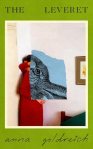
- A lesbian couple moves to a new house and the one woman feels isolated and sad because she’s recently had a miscarriage in the debut novels The New People by Andrea Uptmor (reviewed for BookBrowse) and then The Leveret by Anna Goldreich.

- Nagging a woman to use lotion on her hands as they’re the first place to show signs of ageing in Hum by Helen Phillips and one story of Moderate to Poor, Occasionally Good by Eley Williams.
A couple of visual ones:
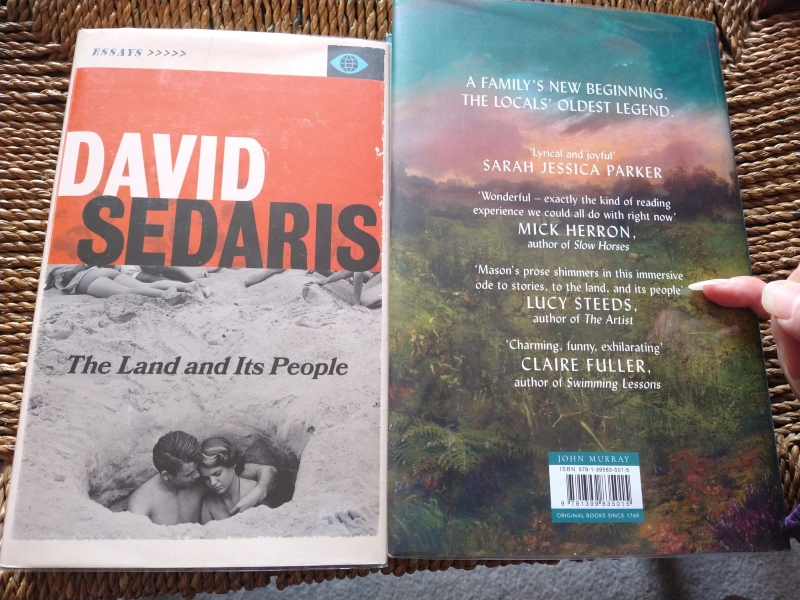
- I was reading The Land and Its People by David Sedaris at the same time as Country People by Daniel Mason, one of whose blurbs happens to borrow Sedaris’s title phrase.
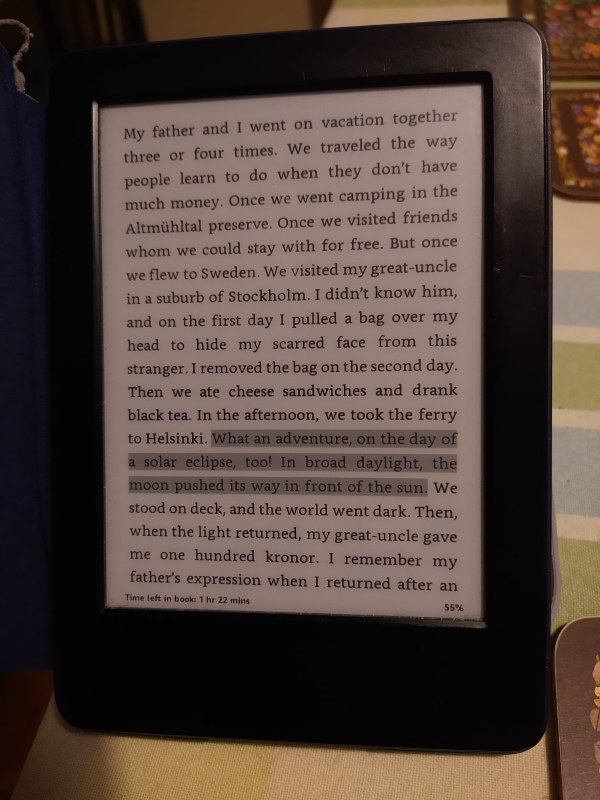
- I was reading Botany of Madness by Leon Engler and encountered this passage on the day of the solar eclipse in Europe (12 August):
What’s the weirdest reading coincidence you’ve had lately?
Mega #ShortStorySeptember Catch-Up! Fetto, P. Fitzgerald, Henley, Logan, L. Moore, E. Williams & 2 Partial Reads, 3 DNFs, 2 Single Stories
In total, I read 10 collections, as well as parts of five more, and nine individual stories for Short Story September. It would be absurd for me to be disappointed with those numbers (in comparison to last year’s 15 collections, I guess). Today is the last day of the link-up, so I’m calling it a day and giving brief responses to the rest of the books I read for the challenge. (My other reviews: six stories, Old Romantics by Maggie Armstrong, “Death in Midsummer” by Yukio Mishima, three R.I.P. collections.) The range of styles, settings, and subject matter in the below really showcase how much the short story can do, often in very few pages.
Hail Mary by Funmi Fetto (2025)
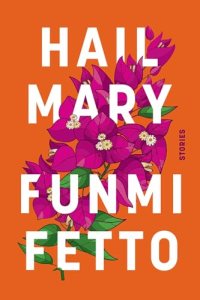 These nine stories explore religious and cultural limitations on Nigerian women’s lives at home and in London. The title story questions whether Riliwa’s efforts to assimilate have been worthwhile; “It amazed her how much England was lauded and celebrated back home. Her reality was cruel and cold.” In “Dodo Is Yoruba for Fried Plantain,” Morayo married into privilege in the Gloucestershire countryside, but long since discovered the relationship was a sham. On trips to London markets to buy authentic African ingredients, she wonders if reconnecting with her roots will redeem lost time. A longing for motherhood underpins several of the stories, even sometimes explaining willingness to ignore homosexual urges. I was most impressed by “House Girl,” in which the abused protagonist flees her inescapable situation in a full-on Anna Karenina finale. There is not a lot of cheer here, but ample Adichie-esque talent with character, details, and plot to keep one reading. (Public library)

The Means of Escape by Penelope Fitzgerald (2000)
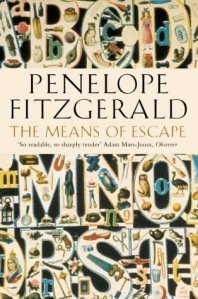 I already reviewed the single story “The Axe,” which is the odd one out – a mischievous ghost story. The rest are more typical of Fitzgerald: elegant slices of historical fiction, immediately establishing mastery of a place, time and set of circumstances, whether that be a convict on the loose in 1850s Australia (the title story), Impressionist-era English painters seeking models in Paris (“The Red-Haired Girl)”, or a poor boy who loses his precious medal in the 1660s (“Desideratus”). A couple of the stories appear to be contemporary and have a gently comic tone: the fussy conductor located on a tiny Scottish island in “Beehernz,” the overbearing stately-home guide in “Not Shown.” There’s a timeless, allegorical feel to “The Prescription” (one of two Greek/Turkish settings), in which doctors who once had a mentor–student relationships give rival diagnoses, and the title of “Our Lives Are Only Lent to Us” indicates philosophizing about the tragic losses in a small Central American town. I was dazzled by the breadth of Fitzgerald’s imagination and the confidence of her execution. (Secondhand – Community Furniture Project, Newbury)

Apple & Palm by Patricia Henley (2026)
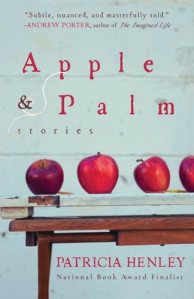 How had I never heard of Henley – an accomplished novelist, story writer, poet and playwright who was a National Book Award finalist for her debut? These eight linked short stories initially attracted me because they’re set in (fictional) Whistle Pig, Western Maryland, a region of my home state I know reasonably well, with Baltimore an occasional counterpart. Each spins its own web of connections and complications; together, they form a composite portrait of a community through its (ageing) women. Though Roxy’s 100th birthday has passed, she still shows her photographs and supports friends through a women’s art collective. Jill manages the family orchard and frets about her gambling-addicted father. After a disabling accident, Harper borrows Aunt Jill’s car for her gig as an artist’s model. Claire lashes out at her tenure refusal and her husband’s request for an open marriage. Sally leaves an IVF struggle behind for a vacation home in the Bahamas. A massage therapist hears a customer’s life story; sixtysomething friends diverge through varying experiences of illness and sex. I especially appreciated the matter-of-fact portrayal of a middle-aged asexual character. These fine stories reminded me of work by Stewart O’Nan and Ann Patchett.
Published by Cornerstone Press. With thanks to publicist Caitlin Hamilton Summie for the e-copy for review.
The Rental Heart and Other Fairytales by Kirsty Logan (2014)
 I’m not sure why I felt led to buy this Polari First Book Prize winner, as I’ve struggled with Logan’s fiction before (“The Gracekeeper” here was expanded into a novel). Of the 20 stories, many are flash length; I tended to prefer the slightly longer, queer takes on history and folklore. “Underskirts” is voiced by houseguests and servants, including the various maids the Lady of the manor seduces. It starts as a bit of fun when teenage girls experiment sexually with each other; then one goes to live with Baba Yaga in “Witch.” In “Coin-Operated Boys,” Elodie comes up with a novel solution to her lack of suitors. Many of the characters are young people reeling from loss or facing transition moments. A fair few stories are in titled or numbered fragments and have multiple narrators or a reverse chronology. You certainly couldn’t complain of them being samey. Still, many feel wispy, like there isn’t enough time to care about or understand the characters; to turn a skit into a full-length, satisfying drama. (New purchase from Salt Publishing)

Self-Help by Lorrie Moore (1985)
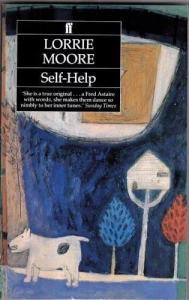 My fourth collection (after Bark, Birds of America and Like Life) by Moore, who is truly one of the great short story writers. In keeping with the title, four story names start with “How” and several are in the second person, to distance the main character and/or establish a tongue-in-cheek, advice-giving imperative. Women navigate marriage, infidelity, motherhood, and having ill or mentally compromised mothers of their own. I got Melissa Bank and Nora Ephron vibes from the first story, “How to Be an Other Woman.” Charlene’s quick wit makes her much more than just a mistress: “‘So, you’re a secretary.’ Squirm and quip: ‘More like a sedentary’.” “The Kid’s Guide to Divorce” adopts a child’s perspective with equal aplomb and is only four pages. In “Go Like This,” Liz schedules her escape from cancer for Bastille Day. The diary entries of “Amahl and the Night Visitors” wrestle with freedom vs. control in a couple’s relationship through their argument about whether or not to let the cat go outside. A woman persists in writing despite her professors and classmates objecting to her “outrageous and incompetent” sense of plot. There are such hilarious turns of phrase – “a strange flesh sundae of despair and exhilaration,” “full-haired as Easter basket grass” – throughout that I was taken aback by the dark turn in the final story, “To Fill,” where the narrator’s flippant wordplay masks her mental instability. A treat for Amy Bloom and Helen Simpson fans. (Secondhand – The Bookshop, Wigtown)
Moderate to Poor, Occasionally Good by Eley Williams (2024)
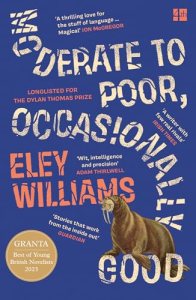 I could make a quip about how apt the title is for the contents, but that would feel mean. My sense with Williams’s second collection was that her practice was to think of an outlandish image or moment and go from there. What if a courtship withered because one partner accidentally sent footage of walrus sex? (“Scrimshaw,” which was a finalist for the BBC National Short Story Award in 2020.) What if someone hired a skywriter to scrawl “Will you marry me?” outside a restaurant window and it wasn’t received well? What if someone reading the radio shipping forecast (which lends the title phrase) used that segment to address their failing relationship? These 19 stories are inventive, yes, and often delight in wordplay and obscure vocabulary. That will be no surprise to anyone who’s read Attrib. and Other Stories or The Liar’s Dictionary. Too often, though, it feels like showing off skill but not committing emotionally, which means I didn’t believe in the lovelorn narrators and their peculiar predicaments. (“Too-quick chicanery of thought can cause a conversational form of the bends.” Quite.) The highlight was “Squared Circle,” about two pro wrestlers who convene every year on the anniversary of their famous showdown, even when one is seriously ill. (Gift from my wish list last year)
I’m still reading two excellent linked short story collections that I’m taking my time over:
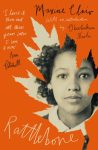 Rattlebone by Maxine Clair (1994): Vibrant and varied snapshots of a Black community in Kansas. I feel like Tayari Jones must have been influenced by it.
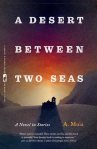 A Desert between Two Seas by A. Muia (2025): Exquisitely detailed historical stories about a Mexican priest, his houseboy’s enforced pearl-diving, and the wanderings that ensue.
A few DNFs:
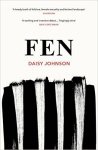 Fen by Daisy Johnson (2016): Adolescent girls discover sex – “Virginity was a half-starved dog you were looking after, wanted to give away as quickly as possible so you could forget it ever existed.” I read six stories but found the majority of them too similar, and provocative for the sake of it. Two good ones: “Starver” compares disordered eating with local eels that refuse to eat when the land is drained; in “Language,” a ghost struggles to communicate. (Gift from my wish list)
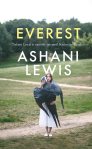 Everest by Ashani Lewis (2024): I read more than two-thirds of the book but can barely tell you anything about it. There’s some anxiety about social media, some coming-of-age discovery, some mean-girls friendship. Technically, the stories are accomplished, but they lack warmth. Two good ones: “Antarctica,” about an ill, older woman petitioning to go to the Scott Polar Research Institute; in “The Imitation Oyster,” fine dining is the basis of a liaison. (Public library)
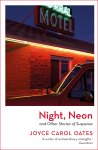 Night, Neon by Joyce Carol Oates (2021): I reviewed two stories on Oates’s birthday. My third Oates DNF; I don’t have high hopes of getting through a book by this lady. Despite the short form, she has such repetitive phrasing. Two good ones: in “Curious,” a writer makes generous anonymous donations to change a grocery clerk’s life; in “Parole Hearing, California Institution for Women, Chino, CA,” a Charles Manson follower appeals. Even in this nine-pager – short for Oates – the anaphora of “Because…” statements gets old. (Public library)
Single stories:
“The Quiet” by Carys Davies (2014)
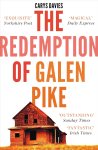 [from The Redemption of Galen Pike]
A good companion to West and Clear; all three share a vivid historical setting and a surprise ending that makes you want to stand up and cheer. Susan Boyce is a pioneer’s wife, isolated and battered. Her neighbour, Henry Fowler, keeps coming around, including when her husband is away, and at first there’s a hint of menace about his visits. But then they compare their scars. Brilliant. (New purchase from Salt Publishing)
“The Necklace” by Guy de Maupassant (1884)
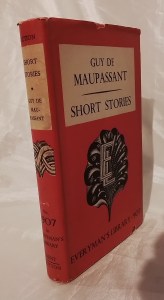 [translated from French by Marjorie Laurie; from the Everyman Short Stories volume]
Thanks to Emma of Words and Peace for recommending this one. It’s such an instant classic I a) can’t believe I’d never encountered it before and b) can’t imagine a time when it didn’t exist. A young woman with little money but grand pretensions marries.
She was eternally restive under the conviction that she had been born to enjoy every refinement and luxury. Depressed by her humble surroundings, the sordid walls of her dwelling, its worn furniture and shabby fabrics were a torment to her.
She had no pretty gowns, no jewels, nothing—and yet she cared for nothing else. She felt that it was for such things as these that she had been born.
Now, as Madame Loisel, she is keen to make a good impression at her first society outing, an At Home at the Education Office, but has nothing to wear. She begs her husband for money to buy a new dress, then borrows a diamond necklace from a friend. When the necklace gets lost in the hustle and bustle of the party, it has lasting consequences. “How small a thing can serve to save or ruin you!” This sobering morality tale is like Flaubert crossed with O. Henry. The lesson I drew from it was, just confess! I lost one of the earrings that I borrowed from a friend to wear to the Booker Prize ceremony, and everything was fine! (Little Free Library)
Whew, all caught up!
And the final statistics for Short Story September:
25 bloggers
80 posts
38 individual stories &
60 whole collections reviewed
(+ 1 bonus biography of a short story writer)
All the posts are here and here.

Thank you all again for joining in!
The 2025 McKitterick Prize Winner & SoA Awards Ceremony
Yesterday the Society of Authors’ awards were announced and the prizes handed out at a ceremony in London. As a McKitterick Prize judge, I was asked last month to give a 50-word blurb on the shortlist as a whole—
Each of these six novels has a fully realized style. So confident and inviting are they that it’s hard to believe they are debuts. With nuanced characters and authentic settings and dilemmas, they engage the mind and delight the emotions. I will be following these authors’ careers with keen interest.
—and on each individual shortlisted title:
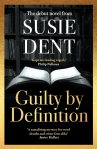 Etymology and Shakespeare studies are the keys to solving a cold case in Susie Dent’s clever, engrossing mystery, Guilty by Definition.
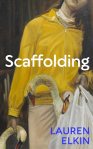 Psychoanalysis, motherhood, and violence against women are resounding themes in Lauren Elkin’s Scaffolding. As history repeats itself one sweltering Paris summer, the personal and political structures undergirding the protagonists’ parallel lives come into question. This fearless, sophisticated work ponders what to salvage from the past—and what to tear down.
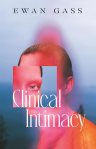 Clinical Intimacy’s mysterious antihero comes to life through interviews with his family, friends and clients. The brilliant oral history format builds a picture of isolation among vulnerable populations, only alleviated by care and touch—especially during Covid-19. Ewan Gass’s intricate story reminds us of the ultimate unknowability of other people.
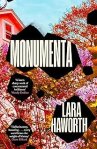
In Monumenta, Lara Haworth braids satire, magic realism, and metafiction into a compact and surprising meditation on how we seek to memorialise the tragedies of history.
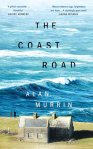
Set in small-town Ireland, The Coast Road is a subtle, compassionate novel in which the characters learn to write their own stories rather than bow to convention and fate. Alan Murrin is a must-read author for fans of Claire Keegan, Louise Kennedy, and Colm Tóibín.
 Only Here, Only Now is bursting with vitality. With her broken heart and fizzing brain, Cora Mowat vows to escape her grim Fife town. Tom Newlands’s evocation of the 1990s—and of his teenage narrator—is utterly convincing. Soaring above grief, poverty, and substance abuse, Cora’s voice is pure magic.
Our winner was Tom Newlands for Only Here, Only Now and our runner-up was Lauren Elkin for Scaffolding. (What an honour to have my blurb for the former used in the winners press release, the ceremony programme, and social media publicity.)


Newlands was also a runner-up for the ADCI Literary Prize “for a disabled or chronically ill writer, for an outstanding novel containing a disabled or chronically ill character or characters.” Here’s an excerpt from his statement for the press release:
To have my debut novel recognised in these two categories is particularly meaningful for me because they are linked by my experience. I didn’t start writing until the age of 40, in large part because growing up neurodivergent I didn’t feel my thought processes or methods of working were compatible with the production of a novel. There were no role models out there publishing stories like mine, and in the end, I wrote Only Here, Only Now because I couldn’t find the novel I wanted to read – a warm, vivid and funny story that examined poverty, disability and belonging, and that featured characters rarely found in British fiction.
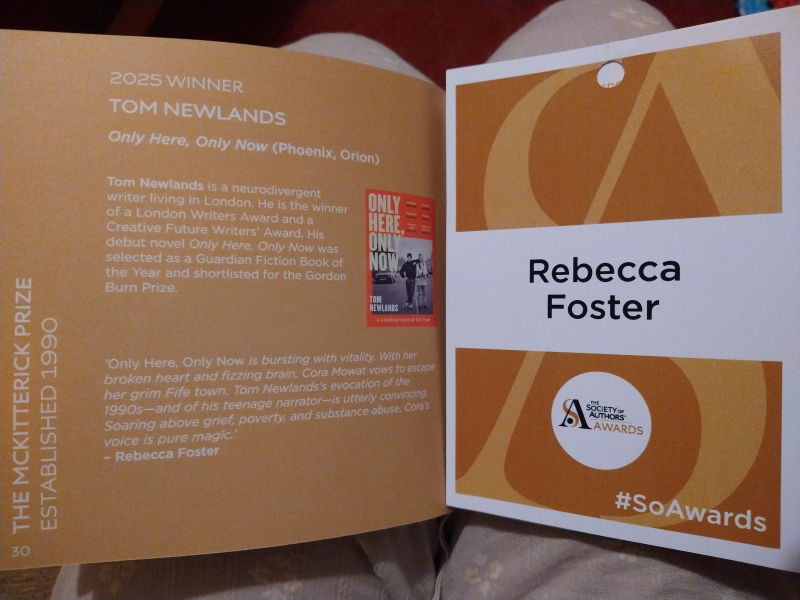
Looking back to early on in this prize journey (which started back in November) … here was some of my early reading:
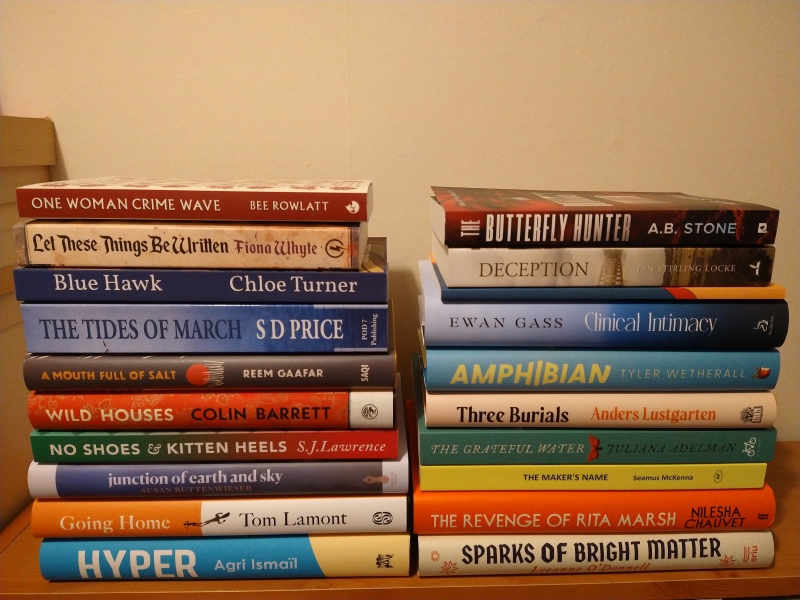
And our longlist:
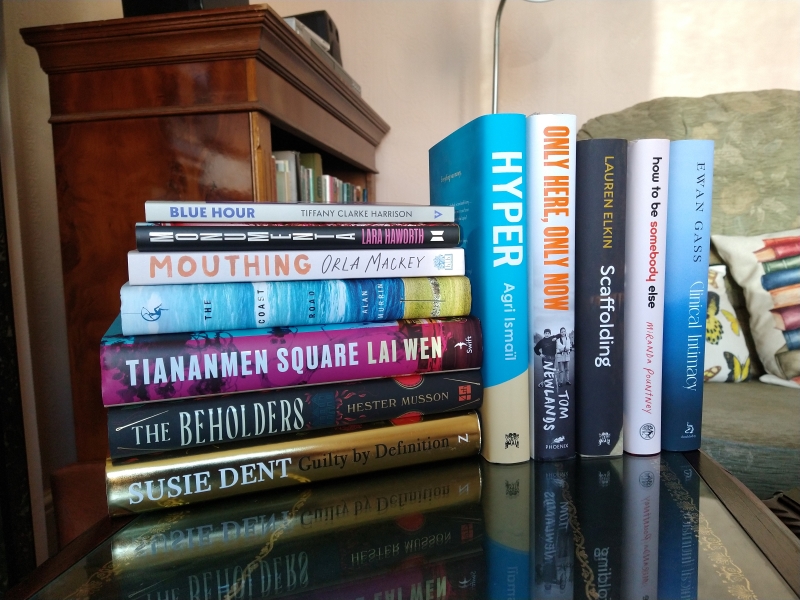
A couple of my favourite books from my reading that didn’t make the shortlist were:
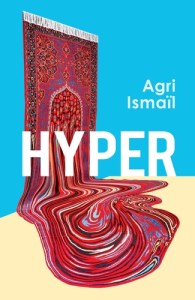 Hyper by Agri Ismaïl [I longlisted it – and then shortlisted it – but was outvoted]
Following a Kurdish family across several decades, this is a zeitgeist-y story that examines questions of national and personal autonomy. With its Dubai, Baghdad, London, and New York settings, it sets the second generation’s luxury, high finance, and fully online worlds against their parents’ bitter experience of exile after a failed independence movement. With its themes of dysfunction and failures and the long view of how we got here from there, it reminded me of Jonathan Franzen’s body of work.
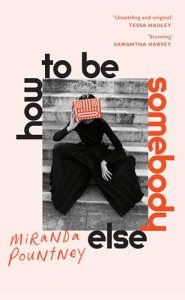 How to Be Somebody Else by Miranda Pountney [It had two votes to make the shortlist, but because it was so similar to Scaffolding in its basics (a thirtysomething woman in a big city, the question of motherhood, and pregnancy loss) we decided to cut it.]
This is the addictively readable story of Dylan, a late-thirties English woman who gives up her New York City advertising job and ponders authorship and motherhood while house-sitting an acquaintance’s apartment—and carrying on an affair with the married downstairs neighbour. As we see her interact with family and friends, we come to appreciate her not as some stereotypical ‘sad girl’ or ‘disaster woman’, but as an Everywoman seeking the time and space to become herself. It’s a sharp and witty novel for fans of Sally Rooney.
For the first time, I got to attend the SoA Awards ceremony in person yesterday. It was a hot day to be travelling in London, and after the oven of the Bakerloo line I was grateful to escape into the cool of Southwark Cathedral and its grounds. It was such a juxtaposition between the sleek City architecture and the ancient refuge of a church.
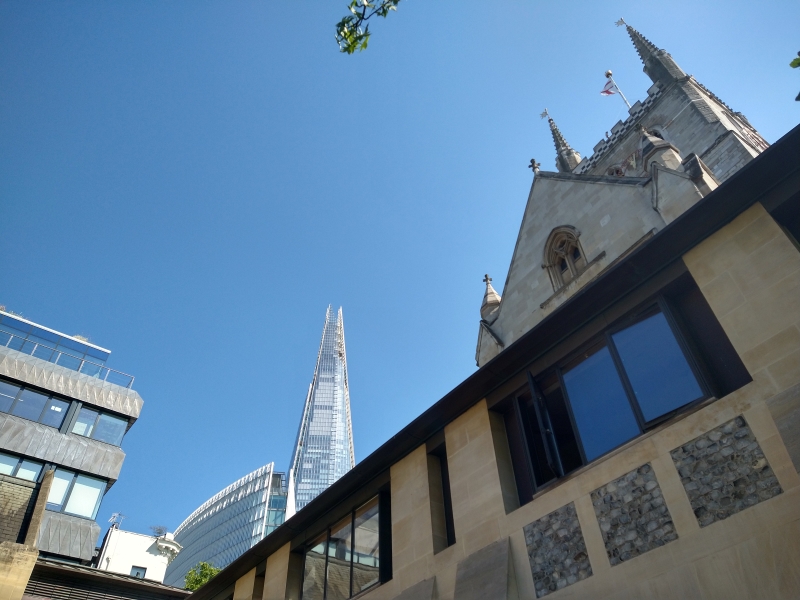
I worried that on such a warm and then busy day Hodge the cathedral cat wouldn’t show himself, but as I picked up my name badge he was asking to be let inside from the courtyard. He didn’t seem interested in strokes so I followed him at a respectful distance and let him settle in for a watchful rest.


Nominated authors and judges were treated to an exceptional afternoon tea, followed by the ceremony and drinks reception. It was lovely to meet my fellow judges Anietie Isong and Kathy O’Shaughnessy (author of the fantastic In Love with George Eliot, which won the SoA’s Paul Torday Memorial Prize) in the flesh as I’d only met them on Zoom before. We chatted a good bit with Lara Haworth, one of our shortlistees, and with Anne Booth, one of the Queen’s Knickers Award (children’s books) nominees, and also got to briefly meet Tom Newlands when he arrived for the ceremony. I always look out for literary ‘celebrities’ at such events and yesterday spotted Naomi Alderman, Caroline Bird, Joanne Harris and Alice Jolly.
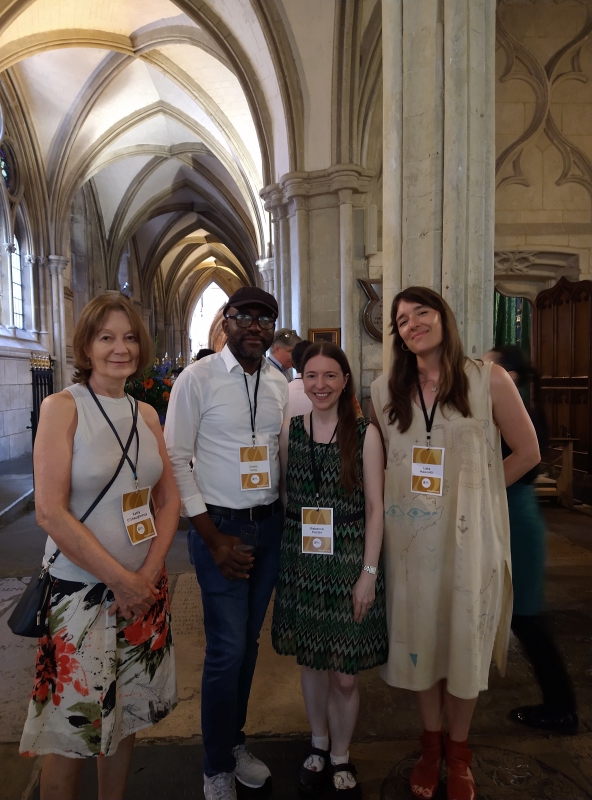


Dean Rev. Mark Oakley gave a welcome address via video, praising authors for bringing “resonance” rather than just “relevance.” He exhorted us, in the words of David Copperfield, to “read as if for life.” Joseph Coelho then gave a terrific keynote speech celebrating words written by humans (as opposed to an inaccurate AI-written bio of himself that he once encountered) and encouraging shortlistees, especially, to take time to bask in their achievement. Rejection is an ongoing, annual thing for him even at this stage of his career – he still remembers the £50 poetry gigs, changing in library toilets and school staff rooms; and the 12 years he spent trying to get published – even after he became the youngest-ever children’s laureate in 2022. “Wait for no one,” he challenged us: no one is going to give you permission or come save you, so go out there and do what you’re meant to do.
What an all-round fantastic experience this was! I’m so grateful to the Society of Authors for the opportunity.
Other notable winners announced yesterday included:
- Ashani Lewis (the only double winner): the Betty Trask Prize and Somerset Maugham award for Winter Animals
- Hisham Matar & Elif Shafak: the Gordon Bowker Volcano Prize (for a novel focusing on the experience of travel away from home), joint winners for My Friends and There Are Rivers in the Sky
 Bookish Beck = Rebecca Foster. American transplant to England. Freelance proofreader and book reviewer.

