Book Serendipity, June to July
Life can have odd confluences. Esme will not say serendipity: she loathes the word. But sometimes she thinks there must be something at work, some impulse, some collision of forces, some kinks in chronology.
~The Vanishing Act of Esme Lennox by Maggie O’Farrell
Unlike Esme Lennox, I love the word serendipity! You probably know by now that I call it “Book Serendipity” when two or more books that I read at the same time or in quick succession have something in common – the more bizarre, the better. This is a regular feature of mine every couple of months. Because I usually have 20–30 books on the go at once, I suppose I’m more prone to such incidents. People frequently ask how I remember all of these coincidences. The answer is: I jot them down on scraps of paper or input them immediately into a file on my PC desktop; otherwise, they would flit away!
Thanks to Kay for posting about her own book serendipity moments here!
The following are in roughly chronological order.
- A woman gets on a flight even though she’s technically too pregnant to do so in one poem of Family Lines (ed. Armitage and Bower) and Commencement by J. Courtney Sullivan.
- A mention of a Spanish cat in one poem of Family Lines (ed. Armitage and Bower) and Tsi-Tsa by George Mikes.
- Rum and coke is mentioned in I Sing to the Greenhearts by Maggie Harris and Our Father Who Art in the Tree by Judy Pascoe.
- A character named Gladys in Blonde by Joyce Carol Oates and Our Father Who Art in the Tree by Judy Pascoe.
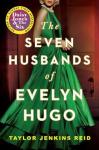
- A character named Celia in The Seven Husbands of Evelyn Hugo by Taylor Jenkins Reid and Commencement by J. Courtney Sullivan.
- A girl holds her breath until she faints in Lost Lambs by Madeline Cash and Our Father Who Art in the Tree by Judy Pascoe.
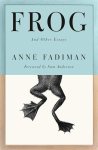 Samuel Taylor Coleridge’s performance as a father appears in one poem of Family Lines (ed. Armitage and Bower) and one essay of Frog by Anne Fadiman.
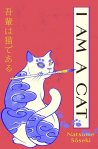
- A cat scratches a tatami mat in Letters of Note: Cats (ed. Shaun Usher) and I Am a Cat by Natsume Sōseki.
- A Freudian explanation of the collector’s obsessive impulse in The Madman’s Guide to Stamp Collecting by Robert Irwin and The Butterfly Season by Lea Korsgaard.
- A book/other arts coincidence, this: I first saw the actress Anya Taylor-Joy in The Menu, which I watched on my sister’s TV streaming system in the US, and then realized she’s pictured on the Netflix tie-in cover of a book I borrowed from the library, The Queen’s Gambit by Walter Tevis.
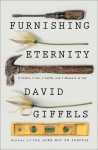
- Manhattans are drunk in Furnishing Eternity by David Giffels and The Seven Husbands of Evelyn Hugo by Taylor Jenkins Reid.
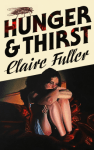
- A main character has a history of living in an orphanage in Blonde by Joyce Carol Oates, Buckeye by Patrick Ryan, and The Queen’s Gambit by Walter Tevis; and in children’s homes in Hunger and Thirst by Claire Fuller.
- An in-law named Fran(cesca) in The Vanishing Act of Esme Lennox by Maggie O’Farrell and The Things We Never Say by Elizabeth Strout.
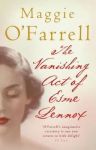
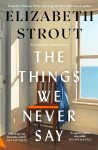
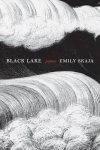
- A scene of visiting one’s grandmother in a dementia ward in The Vanishing Act of Esme Lennox by Maggie O’Farrell and Black Lake by Emily Skaja.
- Eating spoons of sugar straight from the jar/box in Depression Cooking by Sonali Menezes and The Things We Never Say by Elizabeth Strout.
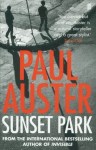
- Young people living in a squat in Sunset Park by Paul Auster and then Hunger and Thirst by Claire Fuller.
- A people-trafficking plot in Lost Lambs by Madeline Cash and The Singer’s Gun by Emily St. John Mandel.
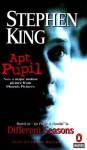
- Someone who doesn’t want to be recognized says “I don’t know what you’re talking about” / “I have no idea what you’re talking about” when someone identifies them in Apt Pupil by Stephen King and The Seven Husbands of Evelyn Hugo by Taylor Jenkins Reid.
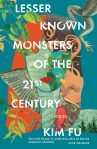
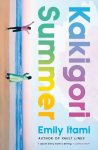
- A woman suffers from insomnia despite having done all the ‘right’ things, sleep hygiene-wise, in one story of Lesser-Known Monsters of the 21st Century by Kim Fu and Kakigori Summer by Emily Itami.
- A future blonde bombshell actress gets married off at age 15 in Blonde by Joyce Carol Oates and The Seven Husbands of Evelyn Hugo by Taylor Jenkins Reid.
- A homosexual encounter takes place in a public bathroom in What Belongs to You by Garth Greenwell and The Seven Husbands of Evelyn Hugo by Taylor Jenkins Reid. (Plus heterosexual ones in a private shower in Partita by Barbara Kingsolver.)
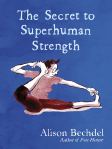
- A reference to Emerson’s “transparent eyeball” in The Secret to Superhuman Strength by Alison Bechdel and Black Lake by Emily Skaja.
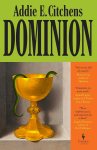
- A character named Manny in Dominion by Addie E. Citchens, Partita by Barbara Kingsolver, and one story of The Typing Lady by Ruth Ozeki.
- A female character named Mick(ie) in The Heart Is a Lonely Hunter by Carson McCullers and Partita by Barbara Kingsolver. (There’s also a male Mick in Few and Far Between by Jan Carson.)
- Shoplifting takes place in Receipts from the Bookshop by Katie Clapham, The Singer’s Gun by Emily St. John Mandel, The Heart Is a Lonely Hunter by Carson McCullers, one story of The Typing Lady by Ruth Ozeki, and The Things We Never Say by Elizabeth Strout.
- The medical necessity of ironing all one’s clothing, especially nappies/underwear, is mentioned in L’Appart by David Lebovitz (a Greek person told him that) and Don’t Let’s Go to the Dogs Tonight by Alexandra Fuller (de rigueur in 1970s Rhodesia).
 Remarking on how quiet/noisy a French dishwasher is in Paris to the Moon by Adam Gopnik/L’Appart by David Lebovitz and a mention of one’s good fortune in getting a store to accept a returned appliance.
- A mention of Ludwig Bemelmans’ Madeline in Receipts from the Bookshop by Katie Clapham and Brother, I’m Dying by Edwidge Danticat.
- Characters are robbed in a motel room in Dominion by Addie E. Citchens and The New People by Andrea Uptmor.

- Living in the space above a garage in one story of The Typing Lady by Ruth Ozeki and The New People by Andrea Uptmor.
- Scenes of a woman/girl reassembling a gun, and a gun amnesty, in one story of Lesser-Known Monsters of the 21st Century by Kim Fu and Don’t Let’s Go to the Dogs Tonight by Alexandra Fuller.
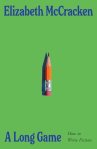
- The use of a typewriter in Brother, I’m Dying by Edwidge Danticat, Apt Pupil by Stephen King, A Long Game by Elizabeth McCracken, one story of Night, Neon by Joyce Carol Oates, and The Typing Lady by Ruth Ozeki.
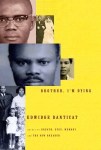
- Thousands of dollars being stored in/under a mattress in Brother, I’m Dying by Edwidge Danticat and The New People by Andrea Uptmor.
 The smell of vetiver: a cologne in Year of the Drought by Roland Buti and fabric softener in Brother, I’m Dying by Edwidge Danticat.
- I encountered sections on the sense of smell at about the same time in Life in Five Senses by Gretchen Rubin and Wearing God by Lauren Winner.
- A person bites someone else’s finger in Don’t Let’s Go to the Dogs Tonight by Alexandra Fuller, one story of The Typing Lady by Ruth Ozeki, and The New People by Andrea Uptmor. (And an ear in The Dud Avocado by Elaine Dundy.)
- Eating an omelette in a Paris café in The Dud Avocado by Elaine Dundy, Paris to the Moon by Adam Gopnik, and Moveable Feasts by Chris Newens. (I suppose these things will happen if I read multiple Paris-set books at once!)
- The fact that “Pas mal” (“not bad”) is high praise in French is explained in Pardon Our French by Alex Durand and Tom Carles and L’Appart by David Lebovitz.
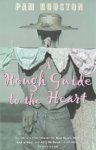 An insistence that the soles of a woman’s feet not be shown in A Rough Guide to the Heart by Pam Houston (etiquette in Bhutan) and Blonde by Joyce Carol Oates (when Norma Jeane Baker, aka Marilyn Monroe, is having early nude photos taken).
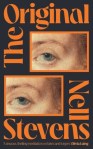
- A nude photo shoot takes place in The Singer’s Gun by Emily St. John Mandel and Blonde by Joyce Carol Oates. There are also nude portrait sittings in The Dud Avocado by Elaine Dundy and The Original by Nell Stevens.

- A man has glass embedded in his face in Few and Far Between by Jan Carson and The Singer’s Gun by Emily St. John Mandel.
- The idea that one will be cursed for touching a stranger’s grave appears in Don’t Let’s Go to the Dogs Tonight by Alexandra Fuller and Kakigori Summer by Emily Itami.
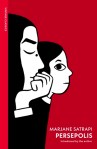
- I find myself rereading two childhood memoirs of wartime life at the same time: Don’t Let’s Go to the Dogs Tonight by Alexandra Fuller and Persepolis by Marjane Satrapi.
What’s the weirdest reading coincidence you’ve had lately?
#ReadingtheMeow2026, Part I: Chinese & Japanese Authors
I’m a couple of days late, but here we go. It’s my fourth time participating in the annual Reading the Meow challenge, hosted by Mallika of Literary Potpourri. Chinese and especially Japanese authors are famous for their literary love of cats. For my first post, I’m giving brief thoughts on a couple of Japanese novels – one of them a classic that may be responsible for the entire cat craze – and two examples of cute cat-themed manga.
I Am a Cat, Volume 1 by Natsume Sōseki (1905; 2025)
[Translated from Japanese by Nick Bradley]
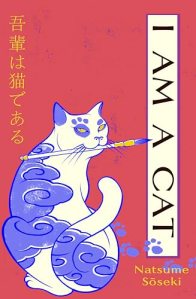 Translator Nick Bradley makes a strong case for this as the “beginning [of] the Japanese cat book trend,” and I wondered if it was one of the earliest examples of the animal narrator, too. The unnamed feline antihero values brains over beauty: “Even though I am just a cat, I often like to philosophize. … Now, ladies and gentlemen, I have an admission to make. As far as cats go, I am no oil painting.” He’s lazy and fatalistic, contented to live out his days with the dyspeptic schoolteacher who has taken him in off the street. I’ll have to take Bradley’s word for it that this popular serialized novel (of which this is the first of three volumes) is a satire in which the cat is “a mirror to Japanese Meiji society at the time the novel was written.” The voice is amusingly lofty and snobbish, but I was uninterested in the story and set it aside at 35%, unsure whether to return to it in future. (Read via Edelweiss)
She and Her Cat by Makoto Shinkai and Naruki Nagakawa (2021; 2022)
[Translated from Japanese by Ginny Tapley Takemori]
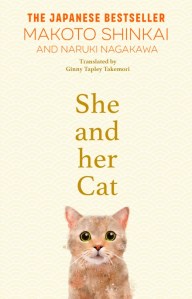 Shinkai is an anime filmmaker and I think this originated in his manga. I could spot the enduring influence of Sōseki in the setup of strays interacting with fellow cats and dogs. Most of these linked short stories involve young women grappling with turbulent careers and uncertain romantic relationships. When cats show up in their lives, they offer uncomplicated friendship and reliable tenderness. Narration, whether first- or third-person, alternates between owner and cat in each. I started reading this against my better judgement, as from The Guest Cat onwards I’ve found Japanese cat books bland and twee. It’s the combination of a flat style, my unfamiliarity with the context, and (magic) realism, which has worked for me with Murakami but hardly anyone else. This was a half-hearted skim. (Little Free Library)
Cat manga, though: that’s the ticket!
Chi’s Sweet France by Kanata Konami; illus. Catherine Bouvier (2025; 2026)
[Translated from Japanese by Akiko Indei and Pierre Fernande]
 I had read The Complete Chi’s Sweet Home, Part 4 and really not enjoyed it (see above), but because this is a series of shorts, and set in France, it was palatable. I thought about saving it for Paris in July but ended up reading it on my computer in one sitting last month. Chi’s family (a mom, a dad and a little boy) moves from Japan to Paris. She wants to go outside and join the French cats in prowling the rooftops, but the mother says it’s too dangerous. Only when they move out to the countryside from the Paris apartment can she go outside. I don’t love the simplistic drawing style – no noses, a triangle or trapezoid for the mouth – or the cutesy writing (e.g. “Chi’s territowy”). Still, reading this was a pleasant way to spend half an hour. (Read via Edelweiss)
Mobu’s Diary: Earning Your Paté by Kathy Lam (2022; 2026)
[Translated from Chinese by Cindy Ko and Kevin Wang]
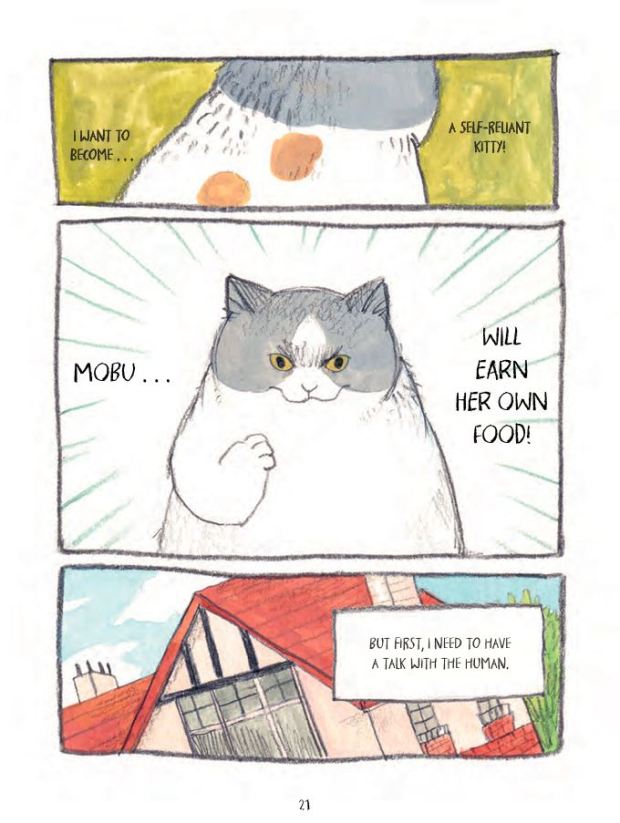
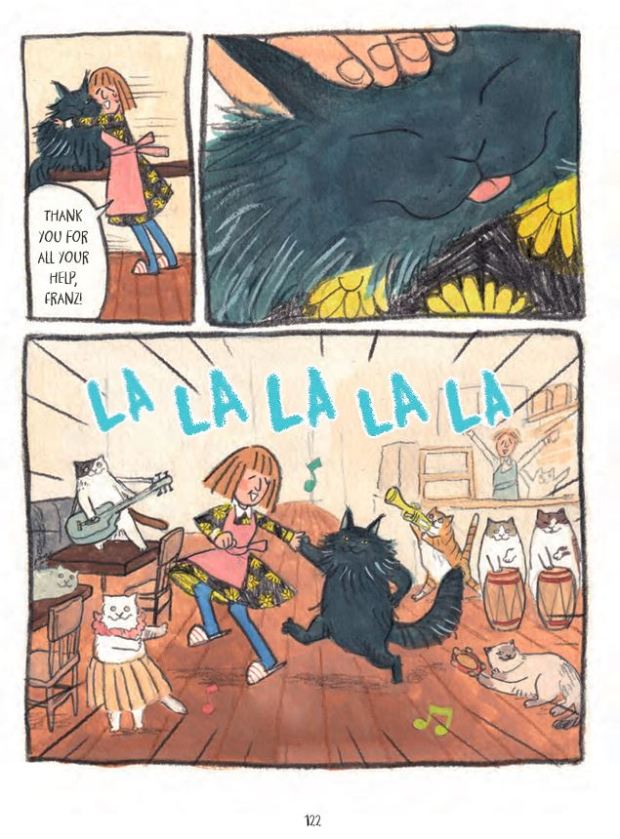
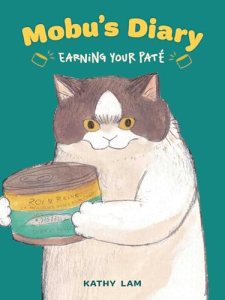 We have a winner! This comic was delightful through and through, and I hope more adventures are to come. Mobu is a three-year-old, slightly neurotic calico. This noble kitty decides she wants to earn her keep (imagine that!) and scans feline-suitable job listings: yoga teacher, massage therapist, pest exterminator, tuna sales rep… When she sees an opening at a cat café, she knows it’s right for her. The only issue is that she doesn’t really like being petted, so she mostly naps on higher shelves. All the same, just by being herself – playful, sleepy, cute and rotund – and observing human behaviour, she manages to be truly helpful. She comforts a distressed student who’s freaking out about a bad grade. She also notices and sometimes intervenes when ‘friends’ are really competing, a couple is fighting, and a boss is trying to take advantage of a worker. Her fellow cats are equally well drawn, and their antics could easily inspire a whole series. (Read via Edelweiss) Forthcoming from Andrews McMeel Publishing on 22 September.
Bonus:
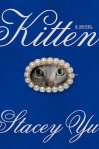 Kitten by Stacey Yu – Yu’s first novel is a peculiar, endearing fable about a young Chinese American woman who identifies with her boyfriend’s cat as she works to overcome codependency issues with him and her mother. On a beach vacation, James cooks for Katie and does all the driving. “I liked being with James because he made it easier for me to be alive,” she admits to herself. James’s family pet, Silver, is the first cat she has met. James found Silver on this beach a decade before, and the cat regularly swims in the ocean with her owners. Katie is “struck by the intensity of my affection for her”—somewhere between maternal instinct and envy of the cat’s comfort and security. Yu maintains the uncomfortable ambiguity of the central relationships as literal realities and psychological explanations coalesce. That Katie’s estranged mother’s nickname for her is “Kitten” connects the novel’s major elements.
Forthcoming from Sceptre (UK) on 30 July and Random House (USA) on August 4. (See my full review for Shelf Awareness.)
Coming up tomorrow: An anthology of cat-related letters and a couple of short memoirs about life with a beloved cat.
 Bookish Beck = Rebecca Foster. American transplant to England. Freelance proofreader and book reviewer.
