#ReadIndies Nonfiction Catch-Up: Ansell, Farrier, Febos, Hoffman, Orlean and Stacey
These are all 2025 releases; for some, it’s approaching a year since I was sent a review copy or read the book. Silly me. At last, I’ve caught up. Reading Indies month, hosted by Kaggsy in memory of her late co-host Lizzy Siddal, is the perfect time to feature books from five independent publishers. I have four works that might broadly be classed as nature writing – though their topics range from birdsong and technology to living in Greece and rewilding a plot in northern Spain – and explorations of celibacy and the writer’s profession.
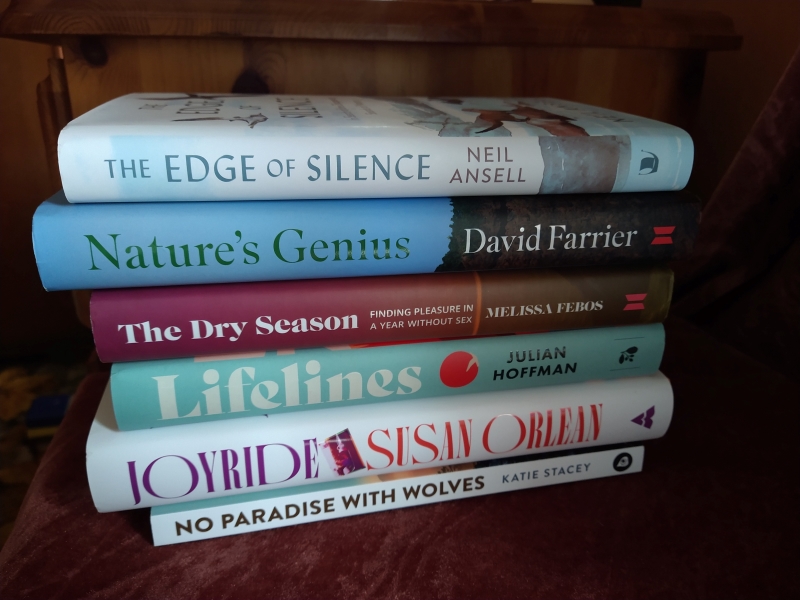
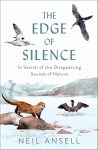
The Edge of Silence: In Search of the Disappearing Sounds of Nature by Neil Ansell
 Ansell draws parallels between his advancing hearing loss and the biodiversity crisis. He puts together a wish list of species – mostly seabirds (divers, grebes), but also inland birds (nightjars) and a couple of non-avian representatives (otters) – that he wants to hear and sets off on public transport adventures to find them. “I must find beauty where I can, and while I still can,” he vows. From his home on the western coast of Scotland near the Highlands, this involves trains or buses that never align with the ferry timetables. Furthest afield for him are two nature reserves in northern England where his mission is to hear bitterns “booming” and natterjack toads croaking at night. There are also mountain excursions to locate ptarmigan, greenshank, and black grouse. His island quarry includes Manx shearwaters (Rum), corncrakes (Coll), puffins (Sanday), and storm petrels (Shetland).
Camping in a tent means cold nights, interrupted sleep, and clouds of midges, but it’s all worth it to have unrepeatable wildlife experiences. He has a very high hit rate for (seeing and) hearing what he intends to, even when they’re just on the verge of what he can decipher with his hearing aids. On the rare occasions when he misses out, he consoles himself with earlier encounters. “I shall settle for the memory, for it feels unimprovable, like a spell that I do not want to break.” I’ve read all of Ansell’s nature memoirs and consider him one of the UK’s top writers on the natural world. His accounts of his low-carbon travels are entertaining, and the tug-of-war between resisting and coming to terms with his disability is heartening. “I have spent this year in defiance of a relentless, unstoppable countdown,” he reflects. What makes this book more universal than niche is the deadline: we and all of these creatures face extinction. Whether it’s sooner or later depends on how we act to address the environmental polycrisis.
With thanks to Birlinn for the free copy for review.
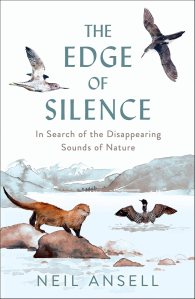
Nature’s Genius: Evolution’s Lessons for a Changing Planet by David Farrier
 Farrier’s Footprints, which tells the story of the human impact on the Earth, was one of my favourite books of 2020. This contains a similar blend of history, science, and literary points of reference (Farrier is a professor of literature and the environment at the University of Edinburgh), with past changes offering a template for how the future might look different. “We are forcing nature to reimagine itself, and to avert calamity we need to do the same,” he writes. Cliff swallows have evolved blunter wings to better evade cars; captive breeding led foxes to develop the domesticated traits of pet dogs.
It’s not just other species that experience current evolution. Thanks to food abundance and a sedentary lifestyle, humans show a “consumer phenotype,” which superseded the Palaeolithic (95% of human history) and tends toward earlier puberty, autoimmune diseases, and obesity. Farrier also looks at notions of intelligence, language, and time in nature. Sustainable cities will have to cleverly reuse materials. For instance, The Waste House in Brighton is 90% rubbish. (This I have to see!)
There are many interesting nuggets here, and statements that are difficult to argue with, but I struggled to find an overall thread. Cool to see my husband’s old housemate mentioned, though. (Duncan Geere, for collaborating on a hybrid science–art project turning climate data into techno music.)
With thanks to Canongate for the free copy for review.
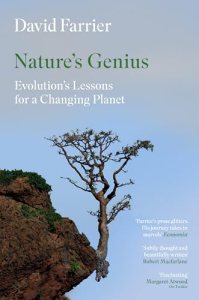
The Dry Season: Finding Pleasure in a Year without Sex by Melissa Febos
Febos considers but rejects the term “sex addiction” for the years in which she had compulsive casual sex (with “the Last Man,” yes, but mostly with women). Since her early teen years, she’d never not been tied to someone. Brief liaisons alternated with long-term relationships: three years with “the Best Ex”; two years that were so emotionally tumultuous that she refers to the woman as “the Maelstrom.” It was the implosion of the latter affair that led to Febos deciding to experiment with celibacy, first for three months, then for a whole year. “I felt feral and sad and couldn’t explain it, but I knew that something had to change.”
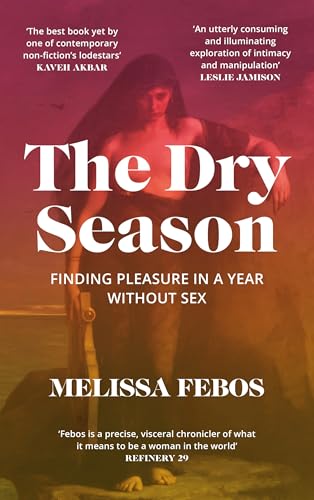 The quest involved some research into celibate movements in history, but was largely an internal investigation of her past and psyche. Febos found that she was less attuned to the male gaze. Having worn high heels almost daily for 20 years, she discovered she’s more of a trainers person. Although she was still tempted to flirt with attractive women, e.g. on an airplane, she consciously resisted the impulse to spin random meetings into one-night stands. (A therapist had stopped her short with the blunt observation, “you use people.”) With a new focus on the life of the mind, she insists, “My life was empty of lovers and more full than it had ever been.” (This reminded me of Audre Lorde’s writing on the erotic.) As Silvana Panciera, an Italian scholar on the beguines (a secular nun-like sisterhood), told her: “When you don’t belong to anyone, you belong to everyone. You feel able to love without limits.”
Intriguing that this is all a retrospective, reflecting on her thirties; Febos is now in her mid-forties and married to a woman (poet Donika Kelly). Clearly she felt that it was an important enough year – with landmark epiphanies that changed her and have the potential to help others – to form the basis for a book. For me, she didn’t have much new to offer about celibacy, though it was interesting to read about the topic from an areligious perspective. But I admire the depth of her self-knowledge, and particularly her ability to recreate her mindset at different times. This is another one, like her Girlhood, to keep on the shelf as a model.
With thanks to Canongate for the free copy for review.
Lifelines: Searching for Home in the Mountains of Greece by Julian Hoffman
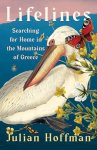
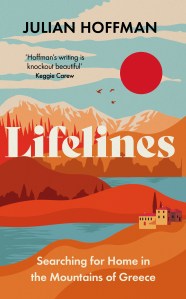 Hoffman’s Irreplaceable was my nonfiction book of 2019. Whereas that was a work with a global environmentalist perspective, Lifelines is more personal in scope. It tracks the author’s unexpected route from Canada via the UK to Prespa, a remote area of northern Greece that’s at the crossroads with Albania and North Macedonia. He and his wife, Julia, encountered Prespa in a book and, longing for respite from the breakneck pace of life in London, moved there in 2000. “Like the rivers that spill into these shared lakes, lifelines rarely flow straight. Instead, they contain bends, meanders and loops; they hold, at times, turns of extraordinary surprise.” Birdwatching, which Hoffman suggests is as “a way of cultivating attention,” had been their gateway into a love for nature developed over the next quarter-century and more, and in Greece they delighted in seeing great white and Dalmatian pelicans (which feature on the splendid U.S. cover. It would be lovely to have an illustrated edition of this.)
 One strand of this warm and fluent memoir is about making a home in Greece: buying and renovating a semi-derelict property, experiencing xenophobia and hospitality from different quarters, and finding a sense of belonging. They’re happy to share their home with nesting wrens, who recur across the book and connect to the tagline of “a story of shelter shared.” In probing the history of his adopted country, Hoffman comes to realise the false, arbitrary nature of borders – wildlife such as brown bears and wolves pay these no heed. Everything is connected and questions of justice are always intersectional. The Covid pandemic and avian influenza (which devastated the region’s pelicans) are setbacks that Hoffman addresses honestly. But the lingering message is a valuable one of bridging divisions and learning how to live in harmony with other people – and with other species.
With thanks to Elliott & Thompson for the free copy for review.
Joyride by Susan Orlean
As a long-time staff writer for The New Yorker, Orlean has had the good fortune to be able to follow her curiosity wherever it leads, chasing the subjects that interest her and drawing readers in with her infectious enthusiasm. She grew up in suburban Ohio, attended college in Michigan, and lived in Portland, Oregon and Boston before moving to New York City. Her trajectory was from local and alternative papers to the most enviable of national magazines: Esquire, Rolling Stone and Vogue. Orlean gives behind-the-scenes information on lots of her early stories, some of which are reprinted in an appendix. “If you’re truly open, it’s easy to fall in love with your subject,” she writes; maintaining objectivity could be difficult, as when she profiled an Indian spiritual leader with a cult following; and fended off an interviewee’s attachment when she went on the road with a Black gospel choir.
 Her personal life takes a backseat to her career, though she is frank about the breakdown of her first marriage, her second chance at love and late motherhood, and a surprise bout with lung cancer. The chronological approach proceeds book by book, delving into her inspirations, research process and publication journeys. Her first book was about Saturday night as experienced across America. It was a more innocent time, when subjects were more trusting. Orlean and her second husband had farms in the Hudson Valley of New York and in greater Los Angeles, and she ended up writing a lot about animals, with books on Rin Tin Tin and one collecting her animal pieces. There was also, of course, The Library Book, about the wild history of the main Los Angeles public library. But it’s her The Orchid Thief – and the movie (not) based on it, Adaptation – that’s among my favourites, so the long section on that was the biggest thrill for me. There are also black-and-white images scattered through.
It was slightly unfortunate that I read this at the same time as Book of Lives – who could compete with Margaret Atwood? – but it is, yes, a joy to read about Orlean’s writing life. She’s full of enthusiasm and good sense, depicting the vocation as part toil and part magic:
“I find superhuman self-confidence when I’m working on a story. The bashfulness and vulnerability that I might otherwise experience in a new setting melt away, and my desire to connect, to observe, to understand, powers me through.”
“I like to do a gut check any time I dismiss or deplore something I don’t know anything about. That feels like reason enough to learn about it.”
“anything at all is worth writing about if you care about it and it makes you curious and makes you want to holler about it to other people”
With thanks to Atlantic Books for the free copy for review.
No Paradise with Wolves: A Journey of Rewilding and Resilience by Katie Stacey
I had the good fortune to visit Wild Finca, Luke Massey and Katie Stacey’s rewilding site in Asturias, while on holiday in northern Spain in May 2022, and was intrigued to learn more about their strategy and experiences. This detailed account of the first four years begins with their search for a property in 2018 and traces the steps of their “agriwilding” of a derelict farm: creating a vegetable garden and tending to fruit trees, but also digging ponds, training up hedgerows, and setting up rotational grazing. Their every decision went against the grain. Others focussed on one crop or type of livestock while they encouraged unruly variety, keeping chickens, ducks, goats, horses and sheep. Their neighbours removed brush in the name of tidiness; they left the bramble and gorse to welcome in migrant birds. New species turned up all the time, from butterflies and newts to owls and a golden fox.
Luke is a wildlife guide and photographer. He and Katie are conservation storytellers, trying to get people to think differently about land management. The title is a Spanish farmers’ and hunters’ slogan about the Iberian wolf. Fear of wolves runs deep in the region. Initially, filming wolves was one of the couple’s major goals, but they had to step back because staking out the animals’ haunts felt risky; better to let them alone and not attract the wrong attention. (Wolf hunting was banned across Spain in 2021.) There’s a parallel to be found here between seeing wolves as a threat and the mild xenophobia the couple experienced. Other challenges included incompetent house-sitters, off-lead dogs killing livestock, the pandemic, wildfires, and hunters passing through weekly (as in France – as we discovered at Le Moulin de Pensol in 2024 – hunters have the right to traverse private land in Spain).
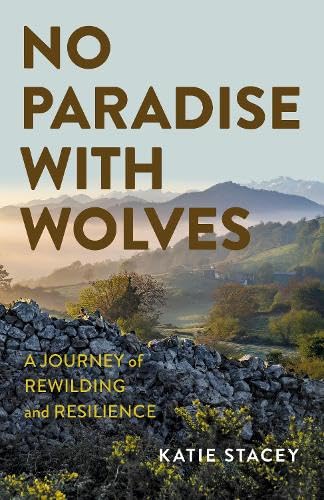
Luke and Katie hope to model new ways of living harmoniously with nature – even bears and wolves, which haven’t made it to their land yet, but might in the future – for the region’s traditional farmers. They’re approaching self-sufficiency – for fruit and vegetables, anyway – and raising their sons, Roan and Albus, to love the wild. We had a great day at Wild Finca: a long tour and badger-watching vigil (no luck that time) led by Luke; nettle lemonade and sponge cake with strawberries served by Katie and the boys. I was clear how much hard work has gone into the land and the low-impact buildings on it. With the exception of some Workaway volunteers, they’ve done it all themselves.
Katie Stacey’s storytelling is effortless and conversational, making this impassioned memoir a pleasure to read. It chimed perfectly with Hoffman’s writing (above) about the fear of bears and wolves, and reparation policies for farmers, in Europe. I’d love to see the book get a bigger-budget release complete with illustrations, a less misleading title, the thorough line editing it deserves, and more developmental work to enhance the literary technique – as in the beautiful final chapter, a present-tense recreation of a typical walk along The Loop. All this would help to get the message the wider reach that authors like Isabella Tree have found. “I want to be remembered for the wild spaces I leave behind,” Katie writes in the book’s final pages. “I want to be remembered as someone who inspired people to seek a deeper connection to nature.” You can’t help but be impressed by how much of a difference two people seeking to live differently have achieved in just a handful of years. We can all rewild the spaces available to us (see also Kate Bradbury’s One Garden against the World), too.
With thanks to Earth Books (Collective Ink) for the free copy for review.
Which of these do you fancy reading?
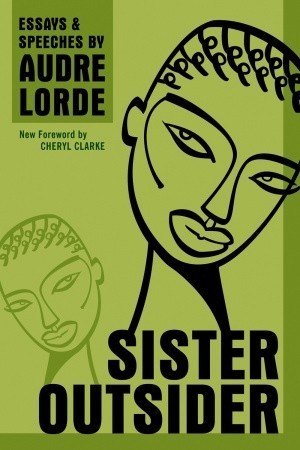
Sister Outsider by Audre Lorde (#NovNov25 Buddy Read, #NonfictionNovember)
This year we set two buddy reads for Novellas in November: one contemporary work of fiction (Seascraper) and one classic work of short nonfiction. Do let us know if you’ve been reading them and what you think!

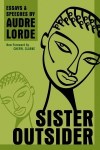
Sister Outsider is a 1984 collection of Audre Lorde’s essays and speeches. Many of these short pieces appeared in Black or radical feminist magazines or scholarly journals, while a few give the text of her conference presentations. Lorde must have been one of the first writers to spotlight intersectionality: she ponders the combined effect of her Black lesbian identity on how she is perceived and what power she has in society.
The title’s paradox draws attention to the push and pull of solidarity and ostracism. She calls white feminists out for not considering what women of colour endure (or for making her a token Black speaker); she decries misogyny in the Black community; and she and her white lover, Frances, seem to attract homophobia from all quarters. Especially while trying to raise her Black teenage son to avoid toxic masculinity, the author comes to realise the importance of “learning to address each other’s difference with respect.”
This is a point she returns to again and again, and it’s as important now as it was when she was writing in the 1970s. So many forms of hatred and discrimination come down to difference being seen as a threat – “I disagree with you, so I must destroy you” is how she caricatures that perspective.
 Even if you’ve never read a word that Lorde wrote, you probably know the phrase “The Master’s Tools Will Never Dismantle the Master’s House” – this talk title refers to having to circumvent the racist patriarchy to truly fight oppression. “Revolution is not a one-time event,” she writes in another essay. “It is becoming always vigilant for the smallest opportunity to make a genuine change in established, outgrown responses”.
My two favourite pieces here also feel like they have entered into the zeitgeist. “Poetry Is Not a Luxury” deems poetry a “necessity for our existence … the way we help give name to the nameless so it can be thought.” And “Uses of the Erotic: The Erotic as Power” is a thrilling redefinition of a holistic sensuality that means living at full tilt and tapping into creativity. “The sharing of joy, whether physical, emotional, psychic, or intellectual, forms a bridge between the sharers which can be the basis for understanding much of what is not shared”.
In some ways this is not an ideal way to be introduced to Lorde’s work, because many of the essays repeat the same themes and reasoning. I made my way through the book very slowly, one piece every day or few days. The speeches would almost certainly be more effective if heard aloud, as intended – and more provocative, too, as they must have undermined other speakers’ assumptions. I was also a bit taken aback by the opening and closing pieces being travelogues: “Notes from a Trip to Russia” is based on journal entries from 1976, while “Grenada Revisited: An Interim Report” about a 1983 trip to her mother’s birthplace. I saw more point to the latter, while the former felt somewhat out of place.
Nonetheless, Lorde’s thinking is essential and ahead of its time. I’d only previously read her short work The Cancer Journals. For years my book club has been toying with reading Zami, her memoir starting with growing up in 1930s Harlem, so I’ll hope to move that up the agenda for next year. Have you read any of her other books that you can recommend?(University library) [190 pages]
Other reviews of Sister Outsider:
Cathy (746 Books)
Marcie (Buried in Print) is making her way through the book one essay at a time. Here’s her latest post.
Book Serendipity, September through Mid-November
I call it “Book Serendipity” when two or more books that I read at the same time or in quick succession have something in common – the more bizarre, the better. This is a regular feature of mine every couple of months. Because I usually have 20–30 books on the go at once, I suppose I’m more prone to such incidents. People frequently ask how I remember all of these coincidences. The answer is: I jot them down on scraps of paper or input them immediately into a file on my PC desktop; otherwise, they would flit away.
Thanks to Emma and Kay for posting their own Book Serendipity moments! (Liz is always good about mentioning them as she goes along, in the text of her reviews.)
The following are in roughly chronological order.
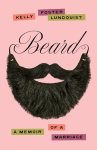
- An obsession with Judy Garland in My Judy Garland Life by Susie Boyt (no surprise there), which I read back in January, and then again in Beard: A Memoir of a Marriage by Kelly Foster Lundquist.
- Leaving a suicide note hinting at drowning oneself before disappearing in World War II Berlin; and pretending to be Jewish to gain better treatment in Aimée and Jaguar by Erica Fischer and The Lilac People by Milo Todd.
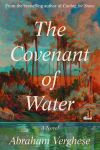
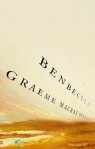
- Leaving one’s clothes on a bank to suggest drowning in The Covenant of Water by Abraham Verghese, read over the summer, and then Benbecula by Graeme Macrae Burnet.
- A man expecting his wife to ‘save’ him in Amanda by H.S. Cross and Beard: A Memoir of a Marriage by Kelly Foster Lundquist.
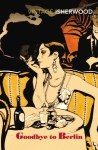 A man tells his story of being bullied as a child in Goodbye to Berlin by Christopher Isherwood and Beard by Kelly Foster Lundquist.
- References to Vincent Minnelli and Walt Whitman in a story from Touchy Subjects by Emma Donoghue and Beard by Kelly Foster Lundquist.
- The prospect of having one’s grandparents’ dining table in a tiny city apartment in Beard by Kelly Foster Lundquist and Wreck by Catherine Newman.
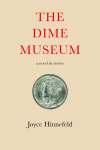
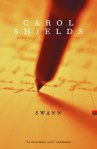
- Ezra Pound’s dodgy ideology was an element in The Dime Museum by Joyce Hinnefeld, which I reviewed over the summer, and recurs in Swann by Carol Shields.
- A character has heart palpitations in Andrew Miller’s story from The BBC National Short Story Award 2025 anthology and Endling by Maria Reva.
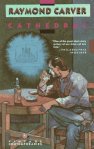
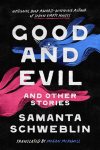
- A (semi-)nude man sees a worker outside the window and closes the curtains in one story of Cathedral by Raymond Carver and one from Good and Evil and Other Stories by Samanta Schweblin.
- The call of the cuckoo is mentioned in The Edge of Silence by Neil Ansell and Of All that Ends by Günter Grass.
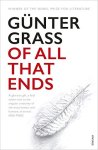 A couple in Italy who have a Fiat in Of All that Ends by Günter Grass and Caoilinn Hughes’s story from The BBC National Short Story Award 2025 anthology.
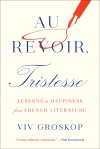
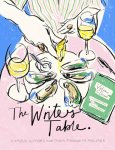
- Balzac’s excessive coffee consumption was mentioned in Au Revoir, Tristesse by Viv Groskop, one of my 20 Books of Summer, and then again in The Writer’s Table by Valerie Stivers.
- The main character is rescued from her suicide plan by a madcap idea in The Wedding People by Alison Espach and Endling by Maria Reva.
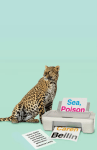
- The protagonist is taking methotrexate in Sea, Poison by Caren Beilin and Wreck by Catherine Newman.
- A man wears a top hat in Benbecula by Graeme Macrae Burnet and one story of Cathedral by Raymond Carver.
- A man named Angus is the murderer in Benbecula by Graeme Macrae Burnet and Swann by Carol Shields.
 The thing most noticed about a woman is a hair on her chin in the story “Pluck” in Touchy Subjects by Emma Donoghue and Swann by Carol Shields.
- The female main character makes a point of saying she doesn’t wear a bra in Sea, Poison by Caren Beilin and Find Him! by Elaine Kraf.
- A home hairdressing business in one story of Cathedral by Raymond Carver and Emil & the Detectives by Erich Kästner.
- Painting a bathroom fixture red: a bathtub in The Diary of a Nobody by George Grossmith, one of my 20 Books of Summer; and a toilet in Find Him! by Elaine Kraf.
- A teenager who loses a leg in a road accident in individual stories from A Wild Swan by Michael Cunningham and the Racket anthology (ed. Lisa Moore).
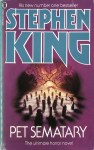
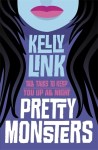
- Digging up the casket of a loved one in the wee hours features in Pet Sematary by Stephen King, one of my 20 Books of Summer; and one story of Pretty Monsters by Kelly Link.
- A character named Dani in the story “The St. Alwynn Girls at Sea” by Sheila Heti and The Silver Book by Olivia Laing; later, author Dani Netherclift (Vessel).
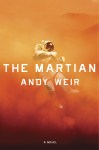 Obsessive cultivation of potatoes in Benbecula by Graeme Macrae Burnet and The Martian by Andy Weir.
- The story of Dante Gabriel Rossetti digging up the poems he buried with his love is recounted in Sharon Bala’s story in the Racket anthology (ed. Lisa Moore) and one of the stories in Pretty Monsters by Kelly Link.
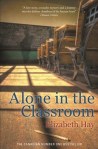
- Putting French word labels on objects in Alone in the Classroom by Elizabeth Hay and Find Him! by Elaine Kraf.
 A man with part of his finger missing in Find Him! by Elaine Kraf and Lessons from My Teachers by Sarah Ruhl.
- In Minor Black Figures by Brandon Taylor, I came across a mention of the Italian film director Pier Paolo Pasolini, who is a character in The Silver Book by Olivia Laing.
- A character who works in an Ohio hardware store in Flashlight by Susan Choi and Buckeye by Patrick Ryan (two one-word-titled doorstoppers I skimmed from the library). There’s also a family-owned hardware store in Alone in the Classroom by Elizabeth Hay.
- A drowned father – I feel like drownings in general happen much more often in fiction than they do in real life – in The Homecoming by Zoë Apostolides, Flashlight by Susan Choi, and Vessel by Dani Netherclift (as well as multiple drownings in The Covenant of Water by Abraham Verghese, one of my 20 Books of Summer).
- A memoir by a British man who’s hard of hearing but has resisted wearing hearing aids in the past: first The Quiet Ear by Raymond Antrobus over the summer, then The Edge of Silence by Neil Ansell.
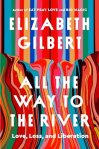 A loved one is given a six-month cancer prognosis but lives another (nearly) two years in All the Way to the River by Elizabeth Gilbert and Lessons from My Teachers by Sarah Ruhl.
- A man’s brain tumour is diagnosed by accident while he’s in hospital after an unrelated accident in Flashlight by Susan Choi and Saltwash by Andrew Michael Hurley.
- Famous lost poems in What We Can Know by Ian McEwan and Swann by Carol Shields.
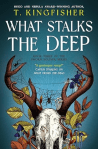
- A description of the anatomy of the ear and how sound vibrates against tiny bones in The Edge of Silence by Neil Ansell and What Stalks the Deep by T. Kingfisher.
- Notes on how to make decadent mashed potatoes in Beard by Kelly Foster Lundquist, Death of an Ordinary Man by Sarah Perry, and Lessons from My Teachers by Sarah Ruhl.
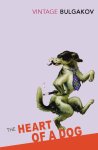
- Transplant surgery on a dog in Russia and trepanning appear in The Heart of a Dog by Mikhail Bulgakov and the poetry collection Common Disaster by M. Cynthia Cheung.
- Audre Lorde, whose Sister Outsider I was reading at the time, is mentioned in Lessons from My Teachers by Sarah Ruhl. Lorde’s line about the master’s tools never dismantling the master’s house is also paraphrased in Spent by Alison Bechdel.
- An adult appears as if fully formed in a man’s apartment but needs to be taught everything, including language and toilet training, in The Heart of a Dog by Mikhail Bulgakov and Find Him! by Elaine Kraf.
 Two sisters who each wrote a memoir about their upbringing in Spent by Alison Bechdel and Vessel by Dani Netherclift.
- The fact that ragwort is bad for horses if it gets mixed up into their feed was mentioned in Ghosts of the Farm by Nicola Chester and Understorey by Anna Chapman Parker.
- The Sylvia Plath line “the O-gape of complete despair” was mentioned in Vessel by Dani Netherclift, then I read it in its original place in Ariel later the same day.
- A mention of the Baba Yaga folk tale (an old woman who lives in the forest in a hut on chicken legs) in Common Disaster by M. Cynthia Cheung and Woman, Eating by Claire Kohda. [There was a copy of Sophie Anderson’s children’s book The House with Chicken Legs in the Little Free Library around that time, too.]
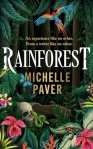
- Coming across a bird that seems to have simply dropped dead in Victorian Psycho by Virginia Feito, Vessel by Dani Netherclift, and Rainforest by Michelle Paver.
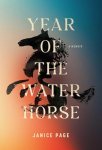
- Contemplating a mound of hair in Vessel by Dani Netherclift (at Auschwitz) and Year of the Water Horse by Janice Page (at a hairdresser’s).
- Family members are warned that they should not see the body of their loved one in Vessel by Dani Netherclift and Rainforest by Michelle Paver.
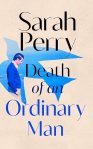
- A father(-in-law)’s swift death from oesophageal cancer in Year of the Water Horse by Janice Page and Death of an Ordinary Man by Sarah Perry.
- I saw John Keats’s concept of negative capability discussed first in My Little Donkey by Martha Cooley and then in Understorey by Anna Chapman Parker.
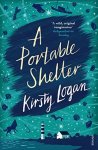
- I started two books with an Anne Sexton epigraph on the same day: A Portable Shelter by Kirsty Logan and Slags by Emma Jane Unsworth.
- Mentions of Martin Luther King, Jr.’s assassination in Q’s Legacy by Helene Hanff and Sister Outsider for Audre Lorde, both of which I was reading for Novellas in November.
- Mentions of specific incidents from Samuel Pepys’s diary in Q’s Legacy by Helene Hanff and Gin by Shonna Milliken Humphrey, both of which I was reading for Nonfiction November/Novellas in November.
- Starseed (aliens living on earth in human form) in Beautyland by Marie-Helene Bertino and The Conspiracists by Noelle Cook.
- Reading nonfiction by two long-time New Yorker writers at the same time: Life on a Little-Known Planet by Elizabeth Kolbert and Joyride by Susan Orlean.
- The breaking of a mirror seems like a bad omen in The Spare Room by Helen Garner and The Bell Jar by Sylvia Plath.
 The author’s husband (who has a name beginning with P) is having an affair with a lawyer in Catching Sight by Deni Elliott and Joyride by Susan Orlean.
- Mentions of Lewis Hyde’s book The Gift in Lessons from My Teachers by Sarah Ruhl and The Serviceberry by Robin Wall Kimmerer; I promptly ordered the Hyde secondhand!
- The protagonist fears being/is accused of trying to steal someone else’s cat in Minka and Curdy by Antonia White and Aunts Aren’t Gentlemen by P.G. Wodehouse, both of which I was reading for Novellas in November.
What’s the weirdest reading coincidence you’ve had lately?
Get Ready for Novellas in November!
Novellas: “all killer, no filler”
~Joe Hill

Hard to believe, but it’s nearly that time again. Autumn is drawing in. For the SIXTH year in a row, Cathy of 746 Books and I are co-hosting Novellas in November as a month-long blogging and social media challenge celebrating the art of the short book. A novella technically contains 20,000 to 40,000 words, but to keep things simple we will define it as any work of under 200 pages.
This year we have two buddy reads, a 2025 fiction release and an older work of nonfiction:
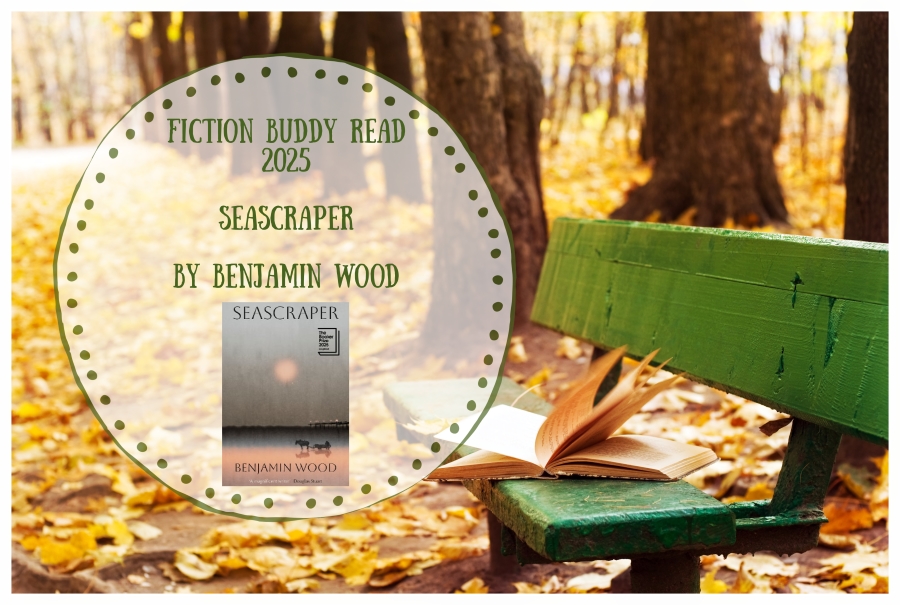
Seascraper by Benjamin Wood is set in the early 1960s and features a young man who lives with his mother in northwest England and carries on the family tradition of fishing for shrimp. He longs for a bigger and more creative life, which he hopes he might achieve through his folk music hobby – or his chance encounter with an American filmmaker. On one pivotal day, his fortunes might just change. Check out this interview with Wood to whet your appetite. Last year our buddy read, Orbital, won the Booker Prize, auguring good things for novellas in the public sphere. Seascraper is on the longlist! In this Q&A on the Booker Prize website, Wood talks about the unusual situation in which he wrote it. (160 pages)
Sister Outsider by Audre Lorde is a 1984 collection of short pieces by the late Black lesbian feminist. I’ve only read Lorde’s The Cancer Journals, so I’m looking forward to this. From the Penguin website: “The revolutionary writings of Audre Lorde gave voice to those ‘outside the circle of this society’s definition of acceptable women’. Uncompromising, angry and yet full of hope, this collection of her essential prose – essays, speeches, letters, interviews – explores race, sexuality, poetry, friendship, the erotic and the need for female solidarity, and includes her landmark piece ‘The Master’s Tools Will Never Dismantle the Master’s House’.” A great opportunity to tie into Nonfiction November. (190 pages)
Please join us in reading one or both books any time between now and the end of November!
You might like to start off the month with a My Year in Novellas retrospective looking at any novellas you have read since last year’s NovNov, and then finish with a New to My TBR list based on what short books others have tempted you with.
It’s always a busy month in the blogging world with Nonfiction November, German Literature Month, Margaret Atwood Reading Month and SciFi Month. Why not search your shelves and/or local library for novellas that could count towards multiple challenges?
From early October a link-up post will be pinned to my site so you can add your planning posts or reviews. Keep in touch via Bluesky (@bookishbeck.bsky.social / @cathybrown746.bsky.social) and Instagram (@bookishbeck / @cathy_746books) and feel free to use the terrific feature images Cathy has made plus our new hashtag, #NovNov25.
September Releases, Part I: Berzinska, Falomo, Fubini
September is always a big month for new releases. I reviewed a load for Shelf Awareness this month (excerpts and links in tomorrow’s post, along with one more full review) and I’m awaiting library holds of some other big-name titles.
As often seems to be the case, my main roundup features one book each from fiction, poetry and nonfiction. Today I have short reviews of a set of sweetly fantastical Latvian short stories for middle grade readers, a Nigerian American’s autobiography in verse, and a short book about how prioritizing flavour might be the key to fixing a broken globalized food system.
The Skeleton in the Cupboard by Lilija Berzinska (2018; 2024)
[Translated from the Latvian by Žanete Vēvere Pasqualini and Sara Smith]
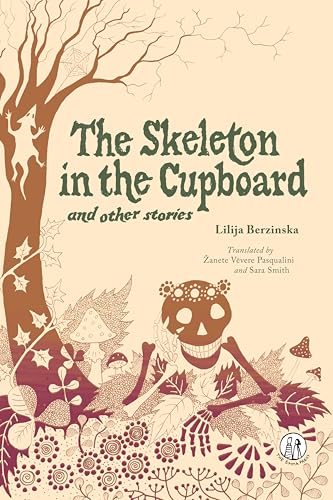 Something a bit different that still fit my September short stories focus: these nine linked fairytales feature sentient animals and fantastical creatures learning relatable life lessons. In the title story, Squishbod airs his closet once a year, which requires taking out the skeleton – a symbol of shameful secrets one holds close. Newfound friendship shades into obsession in “The Sea Wolf and the Hare” before the hare’s epiphany that love requires freedom. Characters wrestle with greed, fear and feelings of inadequacy or incompleteness. In “The End of the World,” which can be interpreted as a subtle climate fable, a thick fog induces panic. A puffin entertains thoughts of piracy. Spendthrift is compelled to have the latest in home décor while Mousekin frets over his lack of ambition. This is perfect for Moomins fans, who will embrace the blend of domesticity and adventure, melancholy and reassurance. I was also reminded of another European children’s novel-in-stories I’ve reviewed, Scary Fairy in Wicked Wood by Jana Bauer (translated from the Slovenian). The book is illustrated with whimsical drawings by the author, and a translators’ note explains how they assigned the creatures punning names. This is meant for children aged eight and up, but I loved it, too.
With thanks to The Emma Press for the free copy for review.
In September-released short stories, I also recently reviewed A New Day by Sue Mell.
Autobiomythography Of by Ayokunle Falomo
 The title is adapted from Audre Lorde’s term for Zami, “biomythography” (Kim Coleman Foote also borrowed it for Coleman Hill). This collection reminded me most of Jason Allen-Paisant’s multi-award-winning Self-Portrait as Othello. Both books pair an investigation of identity with musings on history and art, and six of Falomo’s poem titles begin with “Self-Portrait.” Another nine open with “Lugard & I,” referencing the early-1900s white high commissioner/governor/governor-general who effectively created Nigeria. Falomo contrasts his childhood understanding of his country with the more complicated postcolonial vision that has emerged in later decades.
Drawing on the Bible and mythology, the poet spins meditations on genealogy and describes himself as if from the outside, via others’ perceptions (“If Found,”) and erasure of official forms. “To You in Your Dark Lake Moving Darkly Now” is addressed to his child in utero, and a major theme is figuring out how to be a father differently from one’s own father (on which, see also Raymond Antrobus’s Signs, Music; I’ll link to my review tomorrow). The form varies a lot, from fragmented stanzas to paragraphs. I was impressed. A favourite passage (and a sample poem below):
The past will remain
what it is—a pastiche
of regrets and joys—
but lest I be accused of being
tethered to it, here is the snail-
sized horse I’ve named
Forgive. No, Forget.
Remind me.
I have forgotten who I was.
I have forgiven who I was supposed to be.
(from “Autobiography Of”)
With thanks to Alice James Books for the advanced e-copy for review.
In Search of the Perfect Peach: Why flavour holds the answer to fixing our food system by Franco Fubini
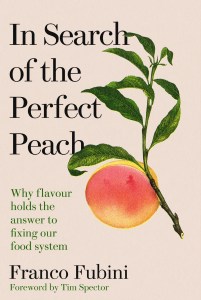 Fubini is the CEO of Natoora, which supplies produce to world-class restaurants. He is passionate about restoring seasonal patterns of eating; just because we can purchase strawberries year-round doesn’t mean we should. Supermarkets (which control 85% or more of food stock in the USA and UK) are to blame, Fubini explains, because after the Second World War they “tricked families with feelings of value and convenience, yet what they really wanted was for them to consume more of this unhealthy, flavour-engineered food [i.e. ultra-processed foods], which is cheap to produce and easy to transport because of its industrial nature.” He gives a few examples of fruits that have been selected for flavour rather than shelf life, such as the winter tomato varieties he popularized via River Café, green citrus, and the divine Greta white peach that set him off on this journey in 2011. This is a concise and readable introduction to modern food issues.
While it didn’t contain a lot that was new to me and I found the prose only serviceable, I’d still recommend it to anyone wanting a quick and thought-provoking read about where food comes from. Fubini’s is a wise voice we would do well to heed; I saw him quoted in the Guardian the other day on how to choose ripe fruit.
With thanks to Chelsea Green Publishing for the proof copy for review.
Carol Shields Prize Reading: Coleman Hill and Between Two Moons
Two last Carol Shields Prize nominees today: from the shortlist, a gorgeous tapestry of African-American family history; and, from the longlist, a likable debut novel about Muslim twin sisters navigating the febrile summer of their high school graduation in Brooklyn.
Coleman Hill by Kim Coleman Foote
Is this family memoir or autofiction? I’ve shelved it as both on Goodreads; it’s a blend, one for which Foote borrows the term that Audre Lorde coined for Zami, “biomythography.” Like Edwidge Danticat, Jesmyn Ward and Jacqueline Woodson, Foote draws on personal stories but also invokes overarching narratives of Black migration and struggle. The result is magisterial, a debut novel that feels like oral history and a family scrapbook rolled into one.
During the First World War, the Coleman family were part of a mass exodus from the segregated South to the industrialized North. They hoped for a better life in New Jersey than they’d had under slavery and sharecropping in Alabama and Florida, but in fact many of the author’s ancestors became mired in ill-paid service roles (cleaner, maid, refuse collector) and, ironically, ended up having fewer opportunities for advancement than relatives who stayed behind and enrolled in Black educational institutions in the South.
Like a linked short story collection, the book pulls together 15 vignettes stretching from 1916 to 1989 and told in different styles and voices, including AAVE – I’m reliably informed that the audiobook is wonderful for that reason. A prologue in the first-person plural introduces the women who would become family matriarchs: “We wanted to go to school but couldn’t. The walk was too long. We was needed at home to plant and harvest. And boys could get more outta schooling, folks said, so it was our brothers who went.”

Other sections alternate first and third person. I especially admired the use of the second person for passages from the perspective of Celia Coleman, who develops a dependence on Four Roses whisky after being widowed. An interlude gives two poems from the point-of-view of cotton – crop failure was partly responsible for the initial relocation. There are also black-and-white photographs heading each chapter, and a family tree at the start. When I first heard about this book through its longlisting, the idea of family history told by nine characters sounded overwhelming (and potentially worthy). But the voices are so distinct that there is never a danger of getting lost, and the scenes are so vivid that you cringe from the beatings and cheer when a woman stands up to her meddling mother-in-law. There are echoes and reversals across the generations, as alcoholism and domestic abuse recur.
The core story is about Celia’s nastiness and resistance to her son Jeb’s marriage to Bertha Grimes. Bertha, battered by Jebbie and Celia alike, escapes to a brothel where she works as a cleaner. Celia ends up raising their children, along with another set of grandchildren, earning the nickname “Gra’ Coleman” and a reputation for meanness. (One excellent stand-alone story about the younger generation is titled “How to Kill Gra’ Coleman and Live to Tell About It (c. 1950).”) The inherited trauma is clear, yet I never found the content as bleak here as in A Council of Dolls; Foote weaves in enough counterbalancing lightness and love. There are so many strong female characters – Jeb’s older sisters, Bertha’s younger ones; their daughters – and plenty of humour and spirit despite the sometimes distressing subject matter. The family home, and the objects hoarded there, also play a major role.
It’s difficult to suggest the scope, as large and various as any American family’s history. An author’s note at the end details Foote’s approach – somewhere between “channeling spirits” and fictionalizing – to a novel that was many years in the gestation. I’d particularly recommend Coleman Hill to fans of Ayana Mathis and Toni Morrison. For me, there’s no contest; this should win the Carol Shields Prize for Fiction. 
With thanks to publicist Nicole Magas and SJP Lit (Zando) for the free e-copy for review.
Longlisted:
Between Two Moons by Aisha Abdel Gawad
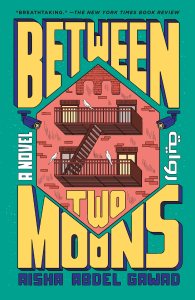 This debut novel is cleverly set within the month of Ramadan, a time of abstention. In this way, Gawad emphasizes the tension between faith and the temptations of alcohol and sex. Egyptian-American twin sisters Amira and Lina Emam are on the cusp, about to graduate from high school and go their separate ways. Lina wants to be a model and is dating a nightclub manager she hopes can make this a reality; Amira, ever the sensible one, is college-bound. But then she meets her first boyfriend, Faraj, and lets Lina drag her into a reckless partying lifestyle. “I was seized with that summertime desire of girls: to push my body to its limits.” Meanwhile, the girls’ older brother, Sami, just home from prison, is finding it a challenge to integrate back into the family and their Bay Ridge mosque, reeling from a raid on a Muslim-owned neighbourhood business and a senseless attack on the old imam.
I feared that a tired terrorism plot would surface and was relieved when this wasn’t the case, although there is a passionate message about the injustice of police surveillance of Muslim communities. I agree with Laura (see her review) that it does at times feel like an adult is producing YA fiction. It’s proficiently written and I enjoyed getting a glimpse into an unfamiliar world, but the novel never truly sparked into life for me. It also commits one of my pet peeves: inserting third-person segments to fill in events that the narrator could not have witnessed (while referring to the other characters as “the mother,” “the boy,” or “the other girl”). One to put on high school curricula but not on a prize list. 
With thanks to Laura for passing on her copy.
And a DNF:
 You Were Watching from the Sand by Juliana Lamy – I read the first 22% of this short fiction collection, which equated to a brief opener in the second person about a situation of abuse, followed by part of one endless-feeling story based around one apartment and bodega and featuring two young female family friends, one of whom accepts sexual favours in the supply closet from most male visitors. The voice and prose didn’t grab me, but of course I can’t say whether later stories would have been more to my taste. (Edelweiss)
Overall thoughts and prediction:
I’m grateful for the chance to have read most of the Carol Shields Prize longlist this year, thanks to the library, Edelweiss, and especially the publicist providing multiple books in digital format straight from the publishers. I’ve been introduced to a number of books and authors I might never have otherwise come across, and my reactions to what I expected to love or to dislike sometimes surprised me. It was also fun to do a few as buddy reads with Laura.
Here’s a recap of what I read, from favourite to least favourite:
Coleman Hill by Kim Coleman Foote – see above
Land of Milk and Honey by C Pam Zhang
Cocktail by Lisa Alward
I Have Some Questions for You by Rebecca Makkai (read last year)
Dances by Nicole Cuffy
Daughter by Claudia Dey
Chrysalis by Anuja Varghese
The Future by Catherine Leroux
Between Two Moons by Aisha Abdel Gawad – see above
Brotherless Night by V.V. Ganeshananthan (a skim)
A Council of Dolls by Mona Susan Power
You Were Watching from the Sand by Juliana Lamy (DNF) – see above
Birnam Wood by Eleanor Catton (skimmed last year)
Loot by Tania James (skim/DNF)
Thus, my ideal shortlist would have been the top five: Coleman Hill, Land of Milk and Honey, Cocktail, I Have Some Questions for You, and Dances.
It’s impossible to predict what the judges will pick from the actual shortlist. I never even attempted one of the finalists (A History of Burning by Janika Oza – Marcie’s comments made me confident it wouldn’t be for me) and only skimmed two others (Catton and Ganeshananthan). Sod’s law would suggest that one of those few will therefore win! I could see the case for any of the five, anyway. But I will have my fingers crossed for Coleman Hill.
The winner will be announced on Monday, 13 May.
Will you seek out something from the shortlist (or longlist)?
Book Serendipity, October to December 2023
I call it “Book Serendipity” when two or more books that I read at the same time or in quick succession have something in common – the more bizarre, the better. This is a regular feature of mine every couple of months. Because I usually have 20–30 books on the go at once, I suppose I’m more prone to such incidents. The following are in roughly chronological order.
- A woman turns into a spider in Edith Holler by Edward Carey and The Human Origins of Beatrice Porter and Other Essential Ghosts by Soraya Palmer.

- Expulsion from Eden scenes (one literal, after the Masaccio painting; another more figurative by association) in Conversation Among Stones by Willie Lin and North Woods by Daniel Mason.
- Reading my second 2023 release featuring a theatre fire (after The House Is on Fire by Rachel Beanland, which I actually read last year): Edith Holler by Edward Carey.
- The protagonist cuts their foot in The Rituals by Rebecca Roberts and The Last House on Needless Street by Catriona Ward.


- On the same evening, I started two novels where the protagonist’s parents both died in a car crash: The Witches by Roald Dahl and Family Meal by Bryan Washington. This is something I encounter ALL THE TIME in fiction (versus extremely rarely in life) and it’s one of my major pet peeves. I can excuse it more in the children’s book as the orphan trope allows for adventures, but for the most part it just seems lazy to me. The author has decided they don’t want to delve into a relationship with parents at all, so they cut it out in the quickest and easiest possible way.
- A presumed honour killing in Behind You Is the Sea by Susan Muaddi Darraj and The Hundred and Ninety-Nine Steps by Michel Faber.


- A Houston, Texas setting in The Only Way Through Is Out by Suzette Mullen and Family Meal by Bryan Washington.
- Daniel Clowes, whose graphic novel Monica I was also in the middle of at the time, was mentioned in Robin Ince’s Bibliomaniac.
- The author/speaker warns the squeamish reader to look away for a paragraph in Robin Ince’s Bibliomaniac (recounting details of a gross-out horror plot) and one chapter of Daniel Mason’s North Woods.


- A mentally ill man who lives at the end of a lane in Daniel Mason’s North Woods and The Last House on Needless Street by Catriona Ward.
- Reading Last House before the Mountain by Monika Helfer and The Last House on Needless Street by Catriona Ward at the same time.
- The Daedalus myth (via Aeschylus or Brueghel, or just in general) is mentioned in Last House before the Mountain by Monika Helfer, The Ghost Orchid by Michael Longley, and Absolutely and Forever by Rose Tremain.
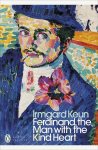
- A character goes to live with their aunt and uncle in Western Lane by Chetna Maroo and The House of Doors by Tan Twan Eng (both Booker-longlisted), but also The Woman in Black by Susan Hill, Train Dreams by Denis Johnson, and The Story Girl by L.M. Montgomery. I came across all five instances within a few days! Later I also encountered a brief mention of this in Ferdinand by Irmgard Keun. How can this situation be so uncommon in life but so common in fiction?!



- The outdated terms “Chinaman” and “coolie” appear frequently in Train Dreams by Denis Johnson and The House of Doors by Tan Twan Eng.
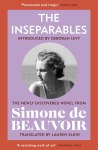
- A 15-year-old declares true love in The Inseparables by Simone de Beauvoir and Absolutely and Forever by Rose Tremain.
- A French character named Pascal in The Inseparables by Simone de Beauvoir and The Garrick Year by Margaret Drabble.

- A minor character called Mrs Biggs in Harriet Said… by Beryl Bainbridge and The House of Doors by Tan Twan Eng.
- The Chinese zither (guzheng) is mentioned in Dear Chrysanthemums by Fiona Sze-Lorrain, which I read earlier in the year, and The House of Doors by Tan Twan Eng.
- Oscar Wilde’s trial is mentioned in The House of Doors by Tan Twan Eng, as it was in The New Life by Tom Crewe, which I read earlier in the year – in both it was a cautionary case for older homosexual characters (based on real people: W. Somerset Maugham vs. John Addington Symonds) who were married to women but had a live-in male secretary generally known to be their lover. At the same time as I was reading The House of Doors, I was rereading Wilde’s De Profundis, which was written from prison.


- In Fifty Days of Solitude Doris Grumbach mentions reading Bear by Marian Engel. I read both during Novellas in November.
- Living funerals are mentioned in Ferdinand by Irmgard Keun and The Ritual Effect by Michael Norton.
- A character insists that lilac not be included in a bouquet in In the Sweep of the Bay by Cath Barton and Bright Young Women by Jessica Knoll.


- A woman has a lover named Frances in Bright Young Women by Jessica Knoll and The Cancer Journals by Audre Lorde.
- The final word of the Fanny Howe poem in Raised by Wolves (the forthcoming 50th anniversary poetry anthology from Graywolf Press) is “theophanies.” At the same time, I was reading the upcoming poetry collection Theophanies by Sarah Ghazal Ali.


- The Cancer Journals by Audre Lorde, which I’d read the month before, was a major influence on the cancer memoir All In by Caitlin Breedlove.
- Two foodie memoirs I read during our city break, A Waiter in Paris by Edward Chisholm and The Sweet Life in Paris by David Lebovitz, both likened a group of young men to a Dolce & Gabbana ad. (Chisholm initially lived at Porte des Lilas, the next Metro stop up from where we stayed in Mairie des Lilas.)
- A French slang term for penis, “verge,” is mentioned in both The Sweet Life in Paris by David Lebovitz and Learning to Drive by Katha Pollitt.


What’s the weirdest reading coincidence you’ve had lately?
Preposterous #NovNov23 Catch-Up Post
I have a big pile of novellas I read last month but never wrote about, plus a few more I’ve sneaked in by finishing them over the past couple of days. I tweaked my shoulder last weekend and the discomfort has moved into my neck, making daily life, and sleep, difficult. A taste of what it’s like to live with chronic pain, I suppose. Add in the freezing temperatures of recent days and I’ve been feeling pretty sorry for myself and haven’t succeeded in sitting at a computer for the time required to write at least a bit about these short books. But as today is the day our link-up finishes, I’m tucked up in bed with laptop, electric blanket, heater, cat, cup of tea and ice pack, ready to do all 16 the best justice I can through a paragraph each.
Fiction:
In the Sweep of the Bay by Cath Barton (2020)
 Susan put this on my radar and I bought it in publisher Louise Walters Books’ closing-down sale. Set in Morecambe, this bittersweet story of a half-century marriage and the figures on its margins – co-workers, children, even strangers – is both ambitious and intimate. Ted and Rene Marshall marry in the 1950s and soon drift into drudgery and traditional gender roles; “They forgot the happiness. Or rather, they pushed it away.” While Ted becomes a celebrated ceramics designer in the family company, Rene stagnates at home. It is not so much suspected infidelity as simply taking each other for granted that threatens their relationship. Barton moves through the decades and varies the perspective, letting us hear from one of the Marshalls’ daughters and giving kind attention to a gay couple. Strictly Come Dancing fans and those familiar with the northwest might take particular pleasure, but I enjoyed this quiet book reminiscent of Anne Tyler’s French Braid and (though less political) Jonathan Coe’s Bournville. (New purchase) [104 pages]
The Visitor by Maeve Brennan (2000)
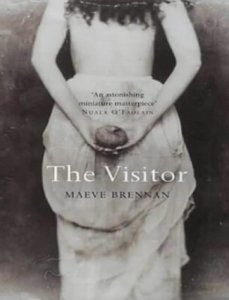 This posthumous novella was written in the 1940s but never published in Brennan’s lifetime. From Dublin, she was a longtime New Yorker staff member and wrote acclaimed short stories. After her mother’s death, Anastasia King travels from Paris, where the two set up residence after leaving her father, to Ireland to stay in the family home with her grandmother. Anastasia considers it a return, a homecoming, but her spiteful grandmother makes it clear that she is an unwelcome interloper. Mrs King can’t forgive the wrong done to her son, and so won’t countenance Anastasia’s plan to repatriate her mother’s remains. Rejection and despair eat away at Anastasia’s mental health (“She saw the miserable gate of her defeat already open ahead. There only remained for her to come up to it and pass through it and be done with it”) but she pulls herself together for an act of defiance. Most affecting for me was a scene in which we learn that Anastasia is so absorbed in her own drama that she does not fulfill the simple last wish of a dying friend. This brought to mind James Joyce’s The Dead. (Secondhand purchase – The Bookshop, Wigtown) [81 pages]
Bear by Marian Engel (1976)
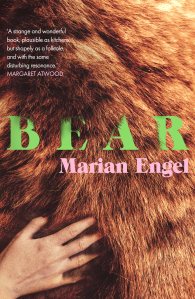 If you’ve heard of this, it’ll be for the fact that the main character – Lou, a librarian sent to archive the holdings of an octagonal house on an island one summer – has sex with a bear. That makes it sound much more repulsive and/or titillating than it actually is. The further I read the more I started to think of it as an allegory for women’s awakening; perhaps the strategy inspired Melissa Broder’s The Pisces (stuffed full of sex with a merman). “I have an odd sense of being reborn,” Lou writes to her boss, the Institute director, with whom she’d been having an affair. The bear lives in an outbuilding and at first Lou is indifferent, only feeding him as necessary. Then he becomes a friend, joining her for swims. Then he comes into the house. Bestiality is a taboo for a reason, but what mostly bothers me is the lack of mutuality, the sense of taking advantage. I’m also wary of stories in which animals have a primarily instrumental or metaphorical role. Still, this was a solid read, offbeat and nearly as shocking today as when it first appeared. (Secondhand purchase online) [167 pages]
So Late in the Day by Claire Keegan (2023)
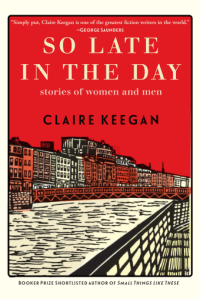 Several of us reviewed this for #NovNov though unsure it counts: in the UK the title story (originally for the New Yorker) was published in a standalone volume by Faber, while the U.S. release includes two additional earlier stories; I read the latter. The title story has Cathal spending what should have been his wedding weekend moping about Sabine calling off their engagement at the last minute. It’s no mystery why she did: his misogyny, though not overt, runs deep, most evident in the terms in which he thinks about women. And where did he learn it? From his father. (“The Long and Painful Death” is from Keegan’s second collection, Walk the Blue Fields, and concerns a woman on a writing residency at an author’s historic house in Ireland. She makes a stand for her own work by refusing to cede place to an entitled male scholar. The final story is “Antarctica,” the lead story in that 1999 volume and a really terrific one I’d already experienced before. It’s as dark and surprising as an early Ian McEwan novel.) Keegan proves, as ever, to be a master at portraying emotions and relationships, but the one story is admittedly slight on its own, and its point obvious. (Read via Edelweiss) [64 pages]
Swallowing Geography by Deborah Levy (1993)
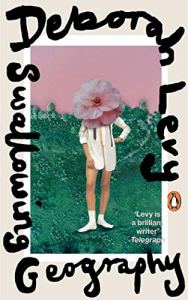 “She is Europe’s eerie child, and she is part of the storm.” J.K. is a young woman who totes her typewriter around different European locations, sleeps with various boyfriends, hears strangers’ stories, and so on. Many of the people she meets are only designated by an initial. By contrast, the most fully realized character is her mother, Lillian Strauss. The chapters feel unconnected and the encounters within them random, building to nothing. Though a bit like Crudo, this has very little detail to latch onto and so was pretentious in its opacity. I’ve generally gotten on much better with Levy’s nonfiction (see below) than her fiction. This, along with the Keegan (above), was my chosen train entertainment for the Booker Prize evening. I got so little out of it that it seemed like wasted reading time. Here’s a decent excerpted passage: “The arrogance of metaphor when facts save people’s lives. The succour of metaphor when facts inadequately describe people’s lives.” (Public library) [83 pages]
Nonfiction:
Starting with two from the Bloomsbury Object Lessons series, a great source of short monographs. These have been among my favourites so far.
Grave by Allison C. Meier (2023)
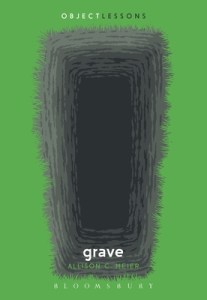 Meier is a cemetery tour guide in Brooklyn, where she lives. She surveys American burial customs in particular, noting the lack of respect for Black and Native American burial grounds, the Civil War-era history of embalming, the increasing popularity of cremation, and the rise of garden cemeteries such as Mount Auburn in Cambridge, Massachusetts, which can serve as wildlife havens. The mass casualties and fear of infection associated with Covid-19 brought back memories of the AIDS epidemic, especially for those in New York City. Meier travels to a wide range of resting places, from potter’s fields for unclaimed bodies to the most manicured cemeteries. She also talks about newer options such as green burial, body composting, and the many memorial objects ashes can be turned into. I’m a dedicated reader of books about death and so found this fascinating, with the perfect respectful and just-shy-of-melancholy tone. It’s political and philosophical in equal measures. (Read via NetGalley) [168 pages]
Pregnancy Test by Karen Weingarten (2023)
 Laboratory pregnancy tests have been available since the 1930s and home pregnancy tests – the focus here – since the 1970s. All of them work by testing urine for the hormone hCG (human chorionic gonadotropin). What is truly wild is that pregnancy used to be verifiable only with laboratory animals – female mice and rabbits had to be sacrificed to see if their ovaries had swelled after the injection of a woman’s urine; later, female Xenopus toads were found to lay eggs in response, so didn’t need to be killed. Home pregnancy kits were controversial and available in Canada before the USA because it was thought that they could be unreliable or that they would encourage early abortions. Weingarten brings together the history, laypeople-friendly science, and cultural representations (taking a pregnancy test is excellent TV shorthand) in a readable narrative and makes a clear feminist statement: “the home pregnancy test gave back to women what should have always been theirs: first-hand knowledge about how their bodies worked” and thus “had the potential to upend a paternalistic culture.” (Read via NetGalley) [160 pages]
And from a different Bloomsbury series for monographs about seminal albums, 33 1/3:
Jesus Freak by Will Stockton and D. Gilson (2019)
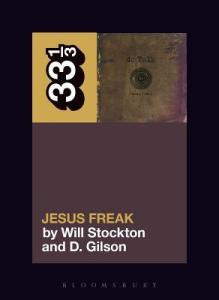 The dc Talk album Jesus Freak (1995) is the first CD I ever owned. My best friend and I listened to it (along with Bloom by Audio Adrenaline and Take Me to Your Leader by Newsboys) so many times that we knew every word and note by heart. So it’s hard for me to be objective rather than nostalgic; I was intrigued to see what two secular academics would have to say. Crucially, they were teenage dc Talk fans, now ex-Evangelicals and homosexual partners. As English professors, their approach is to spot musical influences (Nirvana on the title track; R&B and gospel elsewhere), critically analyse lyrics (with “Colored People” proving problematic for its “neoliberal multiculturalism and its potential for post-racial utopianism”), and put a queer spin on things. For those who don’t know, dc Talk were essentially a boy band with three singers, one Black and two white – one of these a rapper. Stockton and Gilson chronicle the confusion of living with a same-sex attraction they couldn’t express as teens, and cheekily suggest there may have been something going on between dc Talk members Toby McKeehan and Michael Tait, who were roommates at Liberty University and apparently dismantled their bunk beds so they could sleep side by side. Hmmm! I was interested enough in the subject matter to overlook the humanities jargon. (Birthday gift from my wish list last year) [132 pages]
And the rest:
Fifty Days of Solitude by Doris Grumbach (1994)
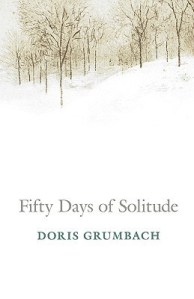 Grumbach died last year at age 104. This was my third of her books; I read two previous memoirs, Extra Innings and The Presence of Absence, when they were brought back into print as Open Road Media e-books. I knew of Grumbach through her association with May Sarton, and the two in fact had a lot in common, including lesbianism, living in Maine and writing about older age. I was expecting something on a par with Sarton’s Journal of a Solitude, one of my favourite books, but this fell short in comparison. Grumbach spent a month and a half alone in Maine during the winter of 1993 while her partner, Sybil, was away amassing stock for their bookstore. The book is a collection of unconnected meditations about nature, the cold, creativity and so on. She finds herself writing fiction so the characters can keep her company, and notes “how much more I was aware of my vices.” Although she tries to avoid the news, word reaches her of acquaintances’ demises, and she recalls the recent death from AIDS of a young local man. Amusingly, she rereads Bear (see above) during the 50 days. Some atmosphere, but low on insight. (Secondhand purchase – Wonder Book and Video, Hagerstown) [114 pages]
Things I Don’t Want to Know: On Writing by Deborah Levy (2013)
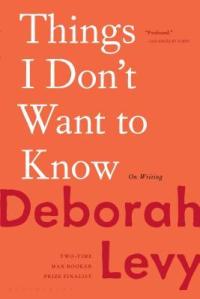 It feels like I made an error by reading Levy’s “Living Autobiography,” out of order. I picked up the middle volume of the trilogy, The Cost of Living, for #NovNov in 2021 and it ended up being my favourite nonfiction read of that year. I then read part of the third book, Real Estate, last year but set it aside. And now I’ve read the first because it was the shortest. It’s loosely structured around George Orwell’s four reasons for writing: political purpose, historical impulse, sheer egoism and aesthetic enthusiasm. The frame story has her flying to Majorca at a time when she was struggling with her mental health. She vaguely follows in the footsteps of George Sand and then pauses to tell a Chinese shopkeeper the story of her upbringing in apartheid-era South Africa and the family’s move to London. Although I generally admire recreations of childhood and there are some strong pen portraits of minor characters, overall there was little that captivated me here and I was too aware of the writerly shaping. (Secondhand purchase – 2nd & Charles, Hagerstown) [111 pages]
The Private Life of the Hare by John Lewis-Stempel (2019)
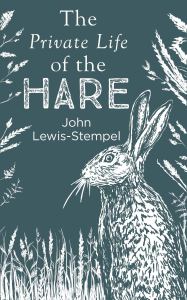 I reviewed a couple of JLS’s species-specific monographs for #NovNov in 2018: The Secret Life of the Owl and The Glorious Life of the Oak. There’s a similar range of material here: anatomy, natural history and cultural significance, including in poetry. There are chapters on hunting, the hare as food, and its appearances in myth and religion. I was engaged about half of the time; I tended to skip over longer excerpts from historical documents. The reliance on lengthy quotations and use of bullet points make it feel like a half-finished research project, with the kind of information you could find anywhere else. Too many of his recent books have felt like they were rushed into print. I would only pick this up if you’re particularly fascinated by hares. (Public library) [99 pages]
The Cancer Journals by Audre Lorde (1980)
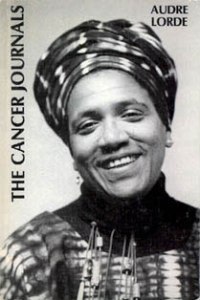 I’ve read so many cancer stories that it takes a lot to make one stand out. This feels like a random collection of documents rather than a coherent memoir. One of the three essays was originally a speech, and two were previously printed in another of her books. Lorde was diagnosed with breast cancer in 1978 and had a mastectomy. A Black lesbian feminist, she resisted wearing prostheses and spoke up about the potential environmental causes of breast cancer that need to be addressed in research (“I may be a casualty in the cosmic war against radiation, animal fat, air pollution, McDonald’s hamburgers and Red Dye No. 2”). Her actual journal entries make up little of the text, which is for the best because fear and pain can bring out the cliches in us – but occasionally a great quote like “if bitterness were a whetstone, I could be sharp as grief.” Another favourite line: “Pain does not mellow you, nor does it ennoble, in my experience.” I’m keen to read her memoir Zami. (University library) [77 pages]
A Month in Siena by Hisham Matar (2019)
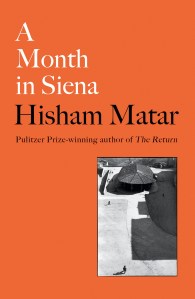 I’d not read Matar before I spotted this art book-cum-memoir and thought, why not. A Libyan American novelist who lives in London, Matar had long been fascinated by the Sienese School of painting (13th to 15th centuries), many of whose artists depicted biblical scenes or religious allegories – even though he’s not a Christian. He spent a month in Italy immersed in the art he loves; there are 15 colour reproductions here. His explications of art history are generalist enough to be accessible to all readers, but I engaged more with the glimpses into his own life. For instance, he meets a fellow Arabic speaker and they quickly form a brotherly attachment, and a Paradise scene gives him fanciful hope of being reunited with his missing father – the subject of his Folio Prize-winning memoir The Return, which I’d like to read soon. His prose is beautiful as he reflects on history, death and how memories occupy ‘rooms’ in the imagination. A little more interest in the art would have helped, though. (Little Free Library) [118 pages]
A Childhood in Scotland by Christian Miller (1981)
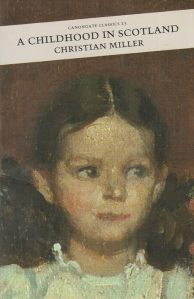 I had high hopes for this childhood memoir that originally appeared in the New Yorker and was reprinted as part of the Canongate Classics series. But I soon resorted to skimming as her recollections of her shabby upper-class upbringing in a Highlands castle are full of page after page of description and dull recounting of events, with few scenes and little dialogue. This would be of high historical value for someone wanting to understand daily life for a certain fraction of society at the time, however. When Miller’s father died, she was only 10 and they had to leave the castle. I was intrigued to learn from her bio that she lived in Newbury for a time. (Secondhand purchase – Barter Books) [98 pages]
Here and Now: Living in the Spirit by Henri J.M. Nouwen (1994)
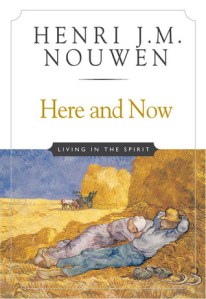 This collection of micro-essays under themed headings like “Living in the Present” and “Suffering” was a perfect introduction to Nouwen’s life and theology. The Dutch Catholic priest lived in an Ontario community serving the physically and mentally disabled, and died of a heart attack just two years after this was published. I marked out many reassuring or thought-provoking passages. Here’s a good pre-Christmas one:
“God became a little child in the midst of a violent world. Are we surprised by joy or do we keep saying: ‘How nice and sweet, but the reality is different.’ What if the child reveals to us what is really real?”
I was taken by the ideas that the life of compassion is one of “downward mobility” and that inner freedom only comes when you don’t judge anyone. He encourages readers to not live in a past of shame and regret, but to be grateful for opportunities for God’s mercy and guidance. Very peaceful and readable; a good bedside devotional book. (Free from my stepfather) [175 pages] 
De Profundis by Oscar Wilde (1897)
 My only reread for the month. Wilde wrote this from prison. No doubt he had a miserable time there, but keeping in mind that he was a flamboyant dramatist and had an eye to this being published someday, this time around I found it more exaggerated and self-pitying than I had before. “Suffering is one very long moment. … Where there is sorrow there is holy ground,” he writes, stating that he has found “harmony with the wounded, broken, and great heart of the world.” He says he’s not going to try to defend his behaviour … but what is this but one extended apologia and humble brag, likening himself to a Greek tragic hero (“The gods had given me almost everything. But I let myself be lured into long spells of senseless and sensual ease. I amused myself with being a flâneur, a dandy, a man of fashion”) and even to Christ in his individuality as well as in his suffering at the hands of those who don’t understand him (the scene where he was pilloried consciously mimics a crucifixion tableau). As a literary document, it’s extraordinary, but I didn’t buy his sincerity. He feigns remorse but, really, wasn’t sorry about anything, merely sorry he got caught. (Free from a neighbour) [151 pages]
Original rating (2011):
Rating now:
Average:
Which of these have you read?
And which do you want to read? (You may choose no more than 4!)
In total, I read 27 novellas this November – close to my 2021 record of 29. The highlights included the Barton, Meier, Nouwen and Weingarten above plus Train Dreams by Denis Johnson and Western Lane by Chetna Maroo, but the best of the lot was Absolutely and Forever by Rose Tremain.
Coming right up, final statistics on the month’s participants and posts!
Book Serendipity, August to September 2023
I call it “Book Serendipity” when two or more books that I read at the same time or in quick succession have something in common – the more bizarre, the better.
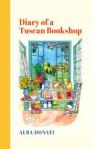
In Diary of a Tuscan Bookshop, Alba Donati remarks on this phenomenon: “Jung called these coincidences ‘synchronicities’, postulating that the universe possessed its own form of intelligence, which generated harmonies. A universe that detects and brings together the elements it feels are seeking each other in the endless swirl of life. Chance be damned.”
This is a regular feature of mine every couple of months. Because I usually have 20–30 books on the go at once, I suppose I’m more prone to such incidents. The following are in roughly chronological order.
- A memoir that opens with a little girl being injured in a bicycle accident: Some of Us Just Fall by Polly Atkin and Pharmakon by Almudena Sánchez.
- Telling stories through embroidery in Cross-Stitch by Jazmina Barrera and The Farmer’s Wife by Helen Rebanks.

- A small boy nicknamed “Willmouse” (real name: William) in Mary and the Birth of Frankenstein by Anne Eekhout and The Greengage Summer by Rumer Godden.
- An account of a routine sonogram that ends with the technician leaving the doctor to deliver bad news in Reproduction by Louisa Hall and The Unfamiliar by Kirsty Logan.
- Black dreadlocks/braid/ponytail being cut off in When We Were Birds by Ayanna Lloyd Banwo, The Wren, The Wren by Anne Enright, and Rebecca, Not Becky by Christine Platt and Catherine Wigginton Greene.

- Wondering how to arm a Black daughter against racist microaggressions in Rebecca, Not Becky by Christine Platt and Catherine Wigginton Greene and Ordinary Notes by Christina Sharpe.
- Countering the commodification or romanticization of Black suffering in The Book of Delights by Ross Gay and Ordinary Notes by Christina Sharpe.

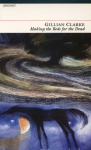
- An account of how the foot and mouth disease outbreak of 2001 affected the UK, especially northwest England, in Making the Beds for the Dead by Gillian Clarke and The Farmer’s Wife by Helen Rebanks.
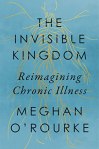
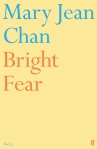
- I encountered the quote from Elaine Scarry’s The Body in Pain about pain being inexpressible in Reproduction by Louisa Hall and The Invisible Kingdom by Meghan O’Rourke on the same day. It’s also referenced in Mary Jean Chan’s Bright Fear.
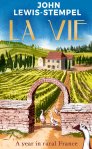
- A mention of eating frogs’ legs in The Book of Delights by Ross Gay and La Vie by John Lewis-Stempel.
- I read about the effects of heavy metal pollution on the body in The Invisible Kingdom by Meghan O’Rourke and Windswept by Annie Worsley in the same evening.
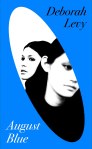
- Composer Erik Satie is mentioned in Making the Beds for the Dead by Gillian Clarke and August Blue by Deborah Levy.
- Stendhal syndrome and Florence are mentioned in The Wren, The Wren by Anne Enright and Pharmakon by Almudena Sánchez.
- Swallows nesting in an old Continental building in Diary of a Tuscan Bookshop by Alba Donati and La Vie by John Lewis-Stempel.
- France being all about the rules and a “Putain de merde” exclamation to bad news in Dirt by Bill Buford and La Vie by John Lewis-Stempel.

- A character named Nomi in Friends and Strangers by J. Courtney Sullivan and one called Noemi in Diary of a Tuscan Bookshop by Alba Donati.
- Epigenetics (trauma literally determining the genetic traits that are passed on) is discussed in The Invisible Kingdom by Meghan O’Rourke and Pharmakon by Almudena Sánchez.
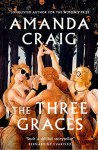
- Women of a certain age in Tuscany in The Three Graces by Amanda Craig and Diary of a Tuscan Bookshop by Alba Donati.
- Audre Lorde is quoted in Tremor by Teju Cole, Bibliomaniac by Robin Ince, The Invisible Kingdom by Meghan O’Rourke, Alone by Daniel Schreiber, and Ordinary Notes by Christina Sharpe.
- A Galway Kinnell poem is mentioned/quoted in The Dead Peasant’s Handbook by Brian Turner and Otherwise by Julie Marie Wade.
- The Bamiyan Buddhas are mentioned in Tremor by Teju Cole and The Dead Peasant’s Handbook by Brian Turner.


- Both The Three Graces by Amanda Craig and The Story of Lucy Gault by William Trevor open with a man shooting someone from his bedroom window.
- Linked short story collections about two children’s relationship with their Jamaican father, and mention of a devastating hurricane, in If I Survive You by Jonathan Escoffery and The Human Origins of Beatrice Porter and Other Essential Ghosts by Soraya Palmer. (Dual review coming up tomorrow!)
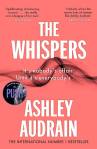
- Characters named Ben and Mara in The Whispers by Ashley Audrain and one story in Kate Doyle’s I Meant It Once.
- Occasional uncut pages in my copies of I Meant It Once by Kate Doyle and The Unfamiliar by Kirsty Logan.
- A Florida setting and mention of the Publix supermarket chain in If I Survive You by Jonathan Escoffery and Arms and Legs by Chloe Lane.
- A down-at-heel English seaside town near Scarborough features in The Seaside by Madeleine Bunting and Penance by Eliza Clark.

- A fictional northern town with “Crow” in the name: Crow-on-Sea in Penance by Eliza Clark and Crows Bank in Weyward by Emilia Hart.
- Claw-machine toys are mentioned in Penance by Eliza Clark and Directions to Myself by Heidi Julavits.
- Reading books by two Nobel Prize winners at the same time: Abdulrazak Gurnah (By the Sea) and Alice Munro (Hateship, Friendship, Courtship, Loveship, Marriage).
- Reading my second 2023 release featuring North Carolina ghost lights (after All of Us Together in the End by Matthew Vollmer, which I actually read last year): The Caretaker by Ron Rash.
- Reading my second 2023 release featuring a cat named Virginia Woolf (after Tell the Rest by Lucy Jane Bledsoe, which I actually read last year): one of the short stories in I Meant It Once by Kate Doyle.
- A character named Shay in Everyone but Myself by Julie Chavez, The Human Origins of Beatrice Porter and Other Essential Ghosts by Soraya Palmer and The Caretaker by Ron Rash.
What’s the weirdest reading coincidence you’ve had lately?
Alone by Daniel Schreiber (Blog Tour)
Daniel Schreiber is a Berlin-based essayist and biographer of Susan Sontag. These philosophical reflections on solitude and loneliness, coinciding with the first year of the pandemic, reveal his ambivalence about living alone and his frustration that the idea of the couple so defines society that anyone who does not fall in line is considered aberrant.
“I never made a conscious decision to live alone,” Schreiber says. Although he has had many partners, some of them long term, and even lived with two of them for a time, he is single at the time of writing, and can’t help but think that his state implies some kind of deficiency. Part of this he attributes to queer shame that he must have subconsciously internalized, and part to Pauline Boss’s concept of the “ambiguous loss” – missing what one has never had.
The author has many friends, men and women, but feels that society tells us platonic love is less than romantic love; “friendship is thus reduced to a time of transition … a threshold state that ends when one successfully integrates into traditional forms of cohabitation.” His friend novelist Hanya Yanagihara (who gives a quote on the cover) corroborates this suspicion, which A Little Life affirms: “In the end, she said, you are always alone when you are single.”
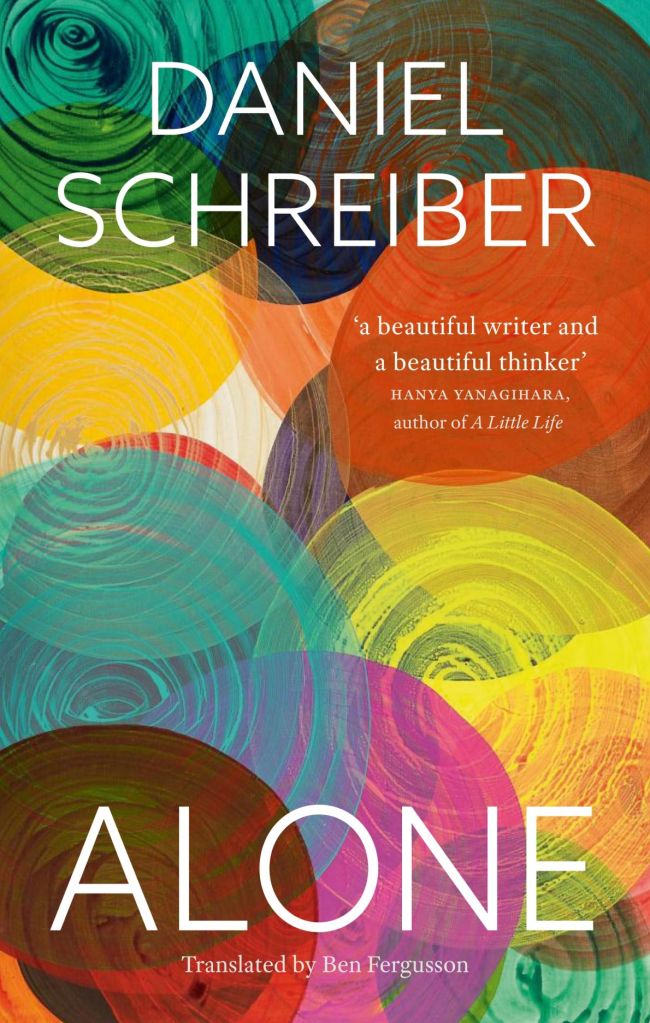
The “Never So Lonely” chapter is about the Covid-19 situation in particular. Schreiber acknowledges that being alone does not have to equate to loneliness, yet the less he saw of people during lockdowns, the more he struggled mentally and emotionally. “At some point, a self-reinforcing dynamic of fear set in: the lonelier I felt, the less I could talk about it. And the less I talked about it, the lonelier I felt.”
Hiking, gardening, yoga and, eventually, foreign travel were among his coping strategies. This is as much a mini-memoir as it is a work of cultural criticism. Its academic tone is evident from a glance at the bibliography: Hannah Arendt, Roland Barthes, Joan Didion, Deborah Levy, Audre Lorde, Maggie Nelson and so on. This resonated with other loneliness- or solitude-themed books I’ve read, such as The Lonely City by Olivia Laing and Journal of a Solitude by May Sarton. It offers not answers, but solemn, quiet thoughts.
(Original publication: 2021. Translated from the German by Ben Fergusson.)
With thanks to Reaktion Books for the proof copy for review.
 Bookish Beck = Rebecca Foster. American transplant to England. Freelance proofreader and book reviewer.
 Bookish Beck