#NovNov25 Catch-Up: Dodge, Garner, O’Collins, Sagan and A. White
As promised, I’m catching up on five novella-length works I finished in November. In fiction, I have an odd duck of a family story, a piece of autofiction about caring for a friend with cancer, a record of an affair, and a tale of settling two new cats into home life in the 1950s. And in nonfiction, a short book about the religious approach to midlife crisis.
Fup by Jim Dodge (1983)
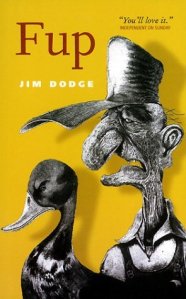 I’d never heard of this but picked it up because of my low-key project of reading books from my birth year. After his daughter died in a freak accident, Grandaddy Jake Santee adopted his grandson “Tiny.” With that touch of backstory dabbed in, we’re in the northern California hills in 1978 with grandfather and grandson – now 99 and 22, respectively. Tiny builds fences, while Grandaddy is famous for his incredibly strong, home-distilled whiskey, “Ol’ Death Whisper.” One day, Tiny rescues a filthy creature from a posthole where it’s been chased by their nemesis, Lockjaw the wild boar. It turns out to be a duckling that grows into a hen mallard named Fup Duck (it’s a spoonerism…) who eats so much she’s too heavy to fly. Grandaddy plans to continue drinking and gambling indefinitely, but the hunt for Lockjaw – who he thinks may be a reincarnation of his Native American friend, Seven Moons – breaks the household apart. This was very weird: it starts out a mixture of grit (those grotesque Harry Horse drawings!) and Homer Hickam schmaltz and then goes full Jonathan Livingston Seagull. (Secondhand – Community Furniture Project, Newbury) [89 pages]
The Spare Room by Helen Garner (2008)
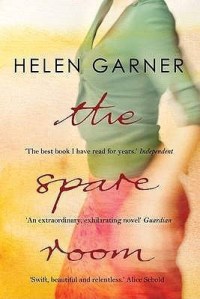 Who knew there was such a market for novels about helping a friend through cancer treatment? Or maybe it’s just that I love them so much I home right in on them. As a work of autofiction – the no-nonsense narrator, Helen, gives her old friend Nicola a place to stay in Melbourne for several weeks while she undergoes experimental procedures – this is most like What Are You Going Through by Sigrid Nunez (but I also had in mind Talk Before Sleep by Elizabeth Berg, We All Want Impossible Things by Catherine Newman, and Some Bright Nowhere by Ann Packer). Helen thinks The Theodore Institute peddles quack medicine, whereas Nicola is willing to shell out thousands of dollars for its coffee enemas and vitamin C infusions, even though they leave her terrifyingly fragile. Nicola is the only character who doesn’t acknowledge that her case is terminal. The pages turn effortlessly as Helen covers her frustration with Nicola, Nicola’s essential optimism, and the realities of living while dying. “Oh, I loved her for the way she made me laugh. She was the least self-important person I knew, the kindest, the least bitchy. I couldn’t imagine the world without her.” I’ll read more by Garner for sure. (Secondhand – Awesomebooks.com) [195 pages]
Second Journey: Spiritual Awareness and the Mid-Life Crisis by Gerald O’Collins SJ (1978; 1995)
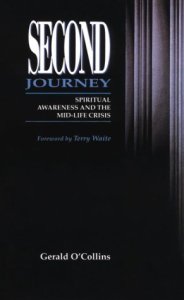 O’Collins, a Jesuit priest, sought a more constructive term than “midlife crisis” for the unease and difficult decisions that many face in their forties. He chooses instead the language of journeys, specifically one embarked upon because a previous way of life was no longer working. There are several types of triggers that O’Collins illustrates through brief case studies of famous individuals or anonymous acquaintances. The shift might be prompted by a sense of failure (John Wesley, Jimmy Carter), by literal exile (Dante), by falling in love (someone who left the priesthood to marry), by experiencing severe illness (John Henry Newman) or fighting in a war (Ignatius of Loyola), or simply by a longing for “something more” (Mother Teresa). But there are only two end points, O’Collins offers: a new place or situation; or a fresh appreciation of the old one – he quotes Eliot’s “to arrive where we started / And know the place for the first time.” This is practical and relatable, but light on actual advice. It also pales by comparison to Richard Rohr’s more recent work on spirituality in the different stages of life (especially in Falling Upward). (Free from a church member’s donations) [100 pages]
A Certain Smile by Françoise Sagan (1956)
[Translated from French by Irene Ash]
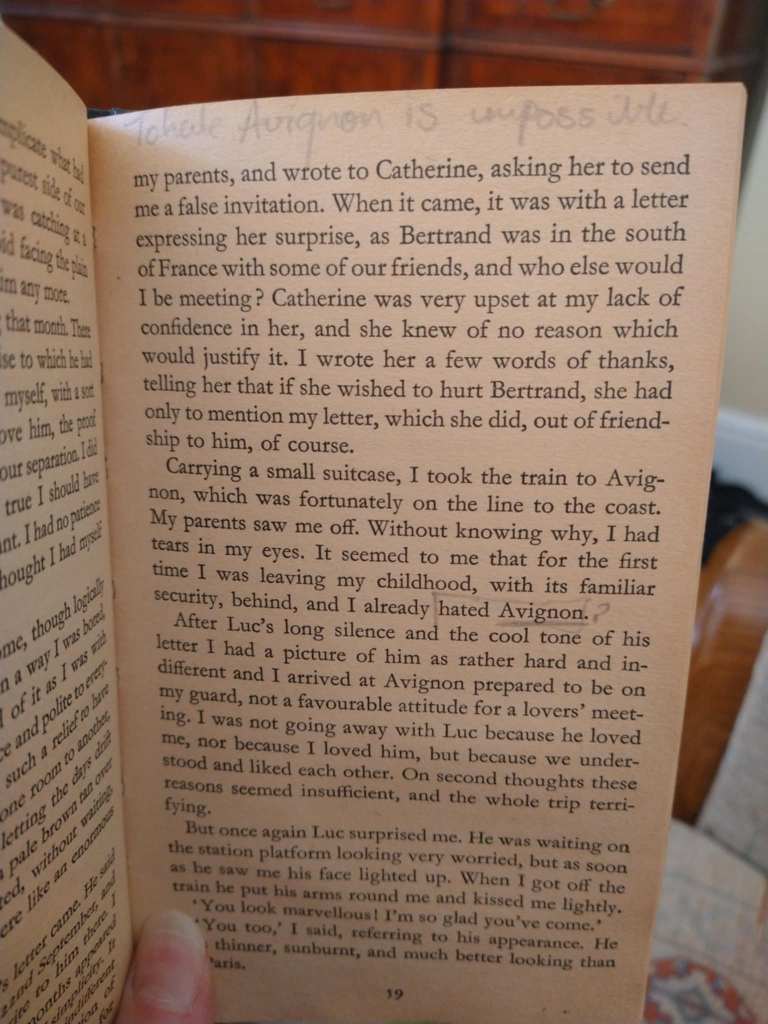
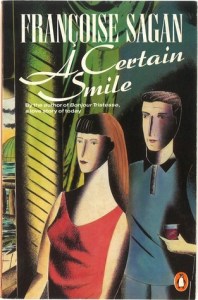 Law student Dominique is lukewarm on her boyfriend Bertrand and starts seeing his married uncle, Luc, instead. The high point is when they manage to go on a ‘honeymoon’ trip of several weeks to Avignon. Both Bertrand and Luc’s wife, Françoise, eventually find out, but everyone is very grown-up about it. The struggle is never external so much as within Dominique to accept that she doesn’t mean as much to Luc as he does to her, and that the relationship will only be a little blip in her early adulthood. I found this a disappointment compared to Bonjour Tristesse and Aimez-Vous Brahms – it really is just the story of an affair; nothing more – but Sagan is always highly readable. I read this in two days, a big section of it on a chilly beach in Devon. In its frank, cool assessment of relationship dynamics, this felt like a model for Sally Rooney. I had to laugh at the righteously angry and rather ungrammatical marginalia below (“To hate Avignon is unpossible”). (University library) [112 pages]
Minka and Curdy by Antonia White; illus. Janet and Anne Johnstone (1957)
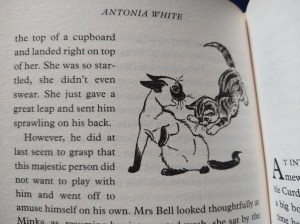
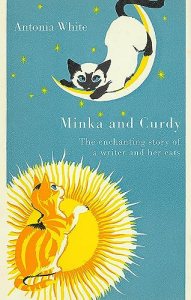 After Mrs Bell’s formidable cat Victoria dies, she hankers to get a new kitten to keep her company – she works at home as a writer. She finds herself greeting all the neighbourhood cats and, in her enthusiasm to help a ‘stray’, accidentally overfeeds someone else’s pet with fresh fish. Her heart is set on a marmalade kitten, so she reserves one from an impending litter in Kent. But then the opportunity to take on a beautiful young female Siamese cat, for free, comes her way, and though she feels guilty about the ginger tom she’s been promised, she adopts Minka anyway. When Coeur de Lion (“Curdy”) arrives a few weeks later, her challenge is to get the kitties to coexist peacefully in her London flat. This reminded me so much of myself back in February and March, when I was so glum over losing Alfie that we rushed into adopting a giant kitten who has been a bit much for us. But we’re already contemplating getting Benny a little sister or two, so I read with interest to see how she made it happen. Well, this is fiction, so it starts out fraught but then is somewhat magically fine. No matter – White writes about cats’ antics and personalities with all the warmth and delight of Derek Tangye, Doreen Tovey and the like, and this 2023 Virago reprint is adorable. (Secondhand – Awesomebooks.com) [113 pages]
I also had a few DNFs last month:
- The Book of Colour by Julia Blackburn (1995) seemed a good bet because I’ve enjoyed some of Blackburn’s nonfiction and it was on the Orange Prize shortlist. But after 60 pages I still had no idea what was going on amid the Mauritius-set welter of family history and magic realism. (Secondhand – Bas Books charity shop, 2022)
- A Single Man by Christopher Isherwood (1964) lured me because I’d so loved Goodbye to Berlin and I remember liking the Colin Firth film. But this story of an Englishman secretly mourning his dead partner while trying to carry on as normal as a professor in Los Angeles was so dreary I couldn’t persist. (Public library)
- Night Life: Walking Britain’s Wild Landscapes after Dark by John Lewis-Stempel (2025) – JLS could write one of these mini nature volumes in his sleep. (Maybe he did with this one, actually?) I’d rather one full-length book from him every few years than bitty, redundant ones annually. (Public library)
- Aunts Aren’t Gentlemen by P.G. Wodehouse (1974) – I’ve read one Jeeves & Wooster book before and enjoyed it well enough. This felt inconsequential, so as I already had way too many novellas on the go I sent it back whence it came. (Little Free Library)
Final statistics for #NovNov25 coming up tomorrow!
#WITMonth, Part I: Susanna Bissoli, Jente Posthuma and More
I’m starting off my Women in Translation month coverage with two short novels: one Italian and one Dutch; both about women navigating loss, family relationships, physical or mental illness, and the desire to be a writer.
Struck by Susanna Bissoli (2024; 2025)
[Translated from Italian by Georgia Wall]
Vera has been diagnosed a second time with breast cancer – the same disease that felled her mother a decade ago. “I’m fed up with feeling like a problem to be taken care of,” she thinks. Even as her treatment continues, she determines to find routes to a bigger life not defined by her illness. Writing is the solution. When she moves in with her grouchy octogenarian father, Zeno Benin, she discovers he’s secretly written a novel, A Lucky Man. The almost entirely unpunctuated document is handwritten across 51 notebooks Vera undertakes to type up and edit alongside her father as his health declines.
At the same time, she becomes possessed by the legend of local living ‘saint’ Annamaria Bigani, who has been visited multiple times by the Virgin Mary and learned her date of death. Wondering if there is a story here that she needs to tell, Vera interviews Bigani, then escapes to Greece for time and creative space. “Do they save us, stories? Or is it our job to save them? I believe writing that story, day in and day out for years, saved my father’s life. But I’m sorry, I don’t have time to save his story: I need to write my own. The saint, or so I thought.” In the end, we learn, Struck – the very novel we are reading – is Vera’s book.

The title comes from a scientific study conducted on people struck by lightning at a country festival in France. How did they survive, and what were the lasting effects? The same questions apply to Vera, who avoids talking about her cancer but whose relationship with her sister Nora is still affected by choices made while their mother was alive. There are many delightful small conversations and incidents here, often involving Vera’s niece Alice. Vera’s relationship with Franco, a doctor who works with asylum seekers, is a steady part of the background. A translator’s afterword helped me understand the thought that went into how to reproduce Vera and others’ use of dialect (La Bassa Veronese vs. standard Italian) through English vernacular – so Vera and her sister say “Mam” and her father uses colourful idioms.
Though I know nothing of Bissoli’s biography, this second novel has the feeling of autofiction. Despite its wrenching themes of illness and the inevitability of death, it’s a lighthearted family story with free-flowing prose that I can enthusiastically recommend to readers of Elizabeth Berg and Catherine Newman.
This was my introduction to new (est. 2023) independent publisher Linden Editions, which primarily publishes literature in translation. I have two more of their books underway for another WIT Month post later this month. And a nice connection is that I corresponded with translator Georgia Wall when she was the publishing manager for The Emma Press.
With thanks to Linden Editions for the free copy for review.
People with No Charisma by Jente Posthuma (2016; 2025)
[Translated from Dutch by Sarah Timmer Harvey]
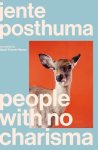 Dutch writer Jente Posthuma’s quirky, bittersweet first novel traces the ripples that grief and mental ill health send through a young woman’s life. The narrator’s mother was an aspiring actress; her father runs a mental hospital. A dozen episodic short chapters present snapshots from a neurotic existence as she grows from a child to a thirtysomething starting a family of her own. Some highlights include her moving to Paris to write a novel, and her father – a terrible driver – taking her on a road trip through France. Despite the deadpan humor, there’s heartfelt emotion here and the prose and incidents are idiosyncratic. (Full review forthcoming for Shelf Awareness)
& Reviewed for Foreword Reviews a couple of years ago:
What I Don’t Want to Talk About by Jente Posthuma (2020; 2023)
[Translated from Dutch by Sarah Timmer Harvey]
 A young woman bereft after her twin brother’s suicide searches for the seeds of his mental illness. The past resurges, alternating with the present in the book’s few-page vignettes. Their father leaving when they were 11 was a significant early trauma. Her brother came out at 16, but she’d intuited his sexuality when they were eight. With no speech marks, conversations blend into cogitation and memories here. A wry tone tempers the bleakness. (Shortlisted for the European Union Prize for Literature and the International Booker Prize.)
Both featured an unnamed narrator and a similar sense of humor. I concluded that Posthuma excels at exploring family dynamics and the aftermath of bereavement.
I got caught out when I reviewed The Appointment, too: Volckmer doesn’t technically count towards this challenge because she writes in English (and lives in London), but as she’s German, I’m adding in a teaser of my review as a bonus. Oddly, this novella did first appear in another language, French, in 2024, under the title Wonderf*ck. [The full title below was given to the UK edition.]
Calls May Be Recorded [for Training and Monitoring Purposes] by Katharina Volckmer (2025)
 Volckmer’s outrageous, uproarious second novel features a sex-obsessed call center employee who negotiates body and mommy issues alongside customer complaints. “Thank you for waiting. My name is Jimmie. How can I help you today?” each call opens. The overweight, homosexual former actor still lives with his mother. His customers’ situations are bizarre and his replies wildly inappropriate; it’s only a matter of time until he faces disciplinary action. As in her debut, Volckmer fearlessly probes the psychological origins of gender dysphoria and sexual behavior. Think of it as an X-rated version of The Office. (Full review forthcoming for Shelf Awareness)
Making Plans for a Return to Northumberland & A Book “Overhaul”
It’s just over three years since our terrific trip to Northumberland. We enjoyed ourselves so much that, when casting around for somewhere within the country to spend a week in September before the university term starts for my husband, we decided to go back later this week. This time we’re renting a holiday cottage in Berwick and travelling by train and bus instead of car – a decision that has already been complicated by rail replacement buses, but we’re making it work. The plan is to explore Berwick and Bamburgh; revisit Alnwick, the Farne Islands, and Lindisfarne (Holy Island); and venture into Scotland for a day trip. We’ll also stay with friends in York on the way up and back and attend York’s annual beer festival with them.
An Overhaul of Last Trip’s Book Purchases
Simon of Stuck in a Book runs a regular blog feature he calls “The Overhaul,” where he revisits a book haul from some time ago and takes stock of what he’s read, what he still owns, etc. (here’s the most recent one). With his permission, I occasionally borrow the title and format to look back at what I’ve bought. Previous overhaul posts have covered Hay-on-Wye, birthdays, and the much-missed Bookbarn International. It’s a good way of holding myself accountable for what I’ve purchased and reminding myself to read more from my shelves.
So, earlier this summer, I took a look back at the whopping 33 new and secondhand books I acquired in Northumberland (and en route) in July 2021; they are all pictured in my trip write-up post.
Had already read: 2
- How Far Can You Go by David Lodge
- Leaving Church by Barbara Brown Taylor – It’s on my shelf for rereading.

Have read since then: 22 – I cannot tell you how proud I am of this number! A full 2/3!
- Until the Real Thing Comes Along by Elizabeth Berg (see below)
- The Girl Aquarium by Jen Campbell
- The Waterfall by Margaret Drabble
- Home Life by Alice Thomas Ellis
- Talking to the Dead by Elaine Feinstein
- Islands of Abandonment by Cal Flyn
- The End We Start From by Megan Hunter
- The Story of My Life by Helen Keller
- Spring by Karl Ove Knausgaard
- No Time to Spare by Ursula K. Le Guin
- The Facebook of the Dead by Valerie Laws
- An Advent Calendar by Shena Mackay
- Christmas Holiday by W. Somerset Maugham
- Birds of America by Lorrie Moore
- Thinking Again by Jan Morris
- Emerald by Ruth Padel
- Dear George by Helen Simpson
- Intimations by Zadie Smith
- Filthy Animals by Brandon Taylor
- North with the Spring by Edwin Way Teale
- Female Friends by Fay Weldon
- Kitchen by Banana Yoshimoto
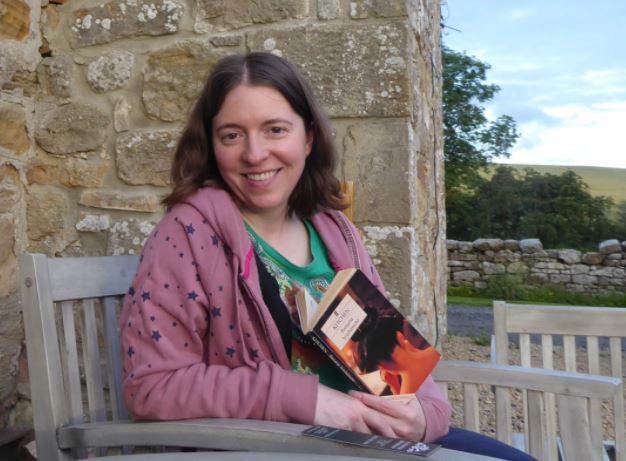
Plus…
Partially read: 4
- A Keeper of Sheep by William Carpenter
- Nature Cure by Richard Mabey
- Vida by Marge Piercy
- The Truants by Kate Weinberg
Skimmed: 1 (A Childhood in Scotland by Christian Miller)
Gave away unread: 1 (Wolf Winter by Cecilia Ekback)
Total still unread: 7
Total no longer owned: 11 (resold, gifted or donated to the Little Free Library) – Getting rid of at least 1/3 of what I read seems like a pretty solid ratio.
I surveyed the pile of books still unread or only partly read and picked up a few to read beforehand or on the way back to Northumberland. I managed to finish one:
Until the Real Thing Comes Along by Elizabeth Berg (1999)
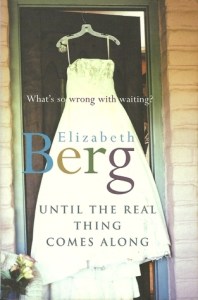 I think of Berg as Anne Tyler lite, likely to appeal to readers of Sue Miller, Catherine Newman, and Maggie O’Farrell. I’d read five of her novels and they are all at least moderately enjoyable, with Talk Before Sleep the best and Open House and The Pull of the Moon in a second tier. But this was pretty annoying and cliched. The plot is straight out of that Rupert Everett–Madonna movie The Next Best Thing. Patty is madly in love with her friend Ethan but, darn it, he’s gay. She’s also 36 and desperate for a baby. She can’t see another way to get one, so Ethan agrees to impregnate her. Works first time! Everything goes perfectly with the pregnancy, and he says he’ll try to act straight so they can move to Minneapolis to raise the baby. Reality does set in, but only very late on. My main problem was Patty: always complaining, putting no effort into her real estate career, and oblivious to when her parents are struggling. Ethan’s experience losing friends to AIDS is shoehorned in through one histrionic paragraph. This got better as it went on, but certainly wasn’t what I’d call fresh and convincing.
and am partway through another:
Sorry to Disrupt the Peace by Patrick [Patty Yumi at the time of publication] Cottrell – An unusual voice-driven novel about a Korean adoptee mourning her brother’s death by suicide. I’m not sure I’ll stay the course.
I’m packing for the train:
The Picnic and Suchlike Pandemonium by Gerald Durrell
A House Unlocked by Penelope Lively
Vida by Marge Piercy
…along with plenty of other books in progress!
Book Serendipity, June to Mid-August 2024
I call it “Book Serendipity” when two or more books that I read at the same time or in quick succession have something in common – the more bizarre, the better. This is a regular feature of mine every couple of months. Because I usually have 20–30 books on the go at once, I suppose I’m more prone to such incidents. People frequently ask how I remember all of these coincidences. The answer is: I jot them on scraps of paper or input them immediately into a file on my PC desktop; otherwise, they would flit away!
The following are in roughly chronological order.
- A self-induced abortion scene in Recipe for a Perfect Wife by Karma Brown and Sleeping with Cats by Marge Piercy.
- A woman who cleans buildings after hours, and a character named Tova who lives in the Seattle area in A Reason to See You Again by Jami Attenberg and Remarkably Bright Creatures by Shelby Van Pelt.
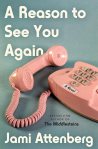
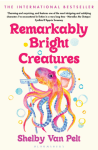
- Flirting with a surf shop employee in Sandwich by Catherine Newman and Remarkably Bright Creatures by Shelby Van Pelt.
- Living in Paris and keeping ticket stubs from all films seen in Paris Trance by Geoff Dyer and The Invention of Hugo Cabret by Brian Selznick.
- A schefflera (umbrella tree) is mentioned in Cheri by Jo Ann Beard and Company by Shannon Sanders.

- The Plague by Albert Camus is mentioned in Knife by Salman Rushdie and Stowaway by Joe Shute.
- Making egg salad sandwiches is mentioned in Cheri by Jo Ann Beard and Sandwich by Catherine Newman.
- Pet rats in Stowaway by Joe Shute and Happy Death Club by Naomi Westerman. Rats are also mentioned in Mammoth by Eva Baltasar, The Tale of Despereaux by Kate DiCamillo, and The Colour by Rose Tremain.
- Eels feature in Our Narrow Hiding Places by Kristopher Jansma, Late Light by Michael Malay, and The Colour by Rose Tremain.
- Atlantic City, New Jersey is a location in Florence Adler Swims Forever by Rachel Beanland and Company by Shannon Sanders.
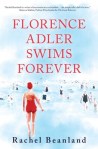 The father is a baker in Florence Adler Swims Forever by Rachel Beanland and Our Narrow Hiding Places by Kristopher Jansma.
- A New Zealand setting (but very different time periods) in Greta & Valdin by Rebecca K Reilly and The Colour by Rose Tremain.
- A mention of Melanie Griffith’s role in Working Girl in I’m Mostly Here to Enjoy Myself by Glynnis MacNicol and Happy Death Club by Naomi Westerman.
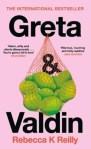 Ermentrude/Ermyntrude as an imagined alternate name in Greta & Valdin by Rebecca K Reilly and a pet’s name in Stowaway by Joe Shute.
- A poet with a collection that was published on 6 August mentions a constant ringing in the ears: Joshua Jennifer Espinoza (I Don’t Want to Be Understood) and Keith Taylor (What Can the Matter Be?).
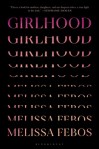
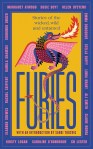
- A discussion of the original meaning of “slut” (a slovenly housekeeper) vs. its current sexualized meaning in Girlhood by Melissa Febos and Sandi Toksvig’s introduction to the story anthology Furies.
- An odalisque (a concubine in a harem, often depicted in art) is mentioned in I’m Mostly Here to Enjoy Myself by Glynnis MacNicol and The Shark Nursery by Mary O’Malley.
- Reading my second historical novel of the year in which there’s a disintegrating beached whale in the background of the story: first was Whale Fall by Elizabeth O’Connor, then Come to the Window by Howard Norman.
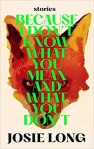 A short story in which a woman gets a job in online trolling in Because I Don’t Know What You Mean and What You Don’t by Josie Long and in the Virago Furies anthology (Helen Oyeyemi’s story).
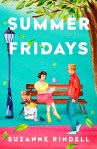
- Her partner, a lawyer, is working long hours and often missing dinner, leading the protagonist to assume that he’s having an affair with a female colleague, in Recipe for a Perfect Wife by Karma Brown and Summer Fridays by Suzanne Rindell.
- A fierce boss named Jo(h)anna in Summer Fridays by Suzanne Rindell and Test Kitchen by Neil D.A. Stewart.
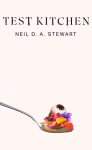
- An OTT rendering of a Scottish accent in Greta & Valdin by Rebecca K Reilly and Test Kitchen by Neil D.A. Stewart.
- A Padstow setting and a mention of Puffin Island (Cornwall) in The Cove by Beth Lynch and England as You Like It by Susan Allen Toth.
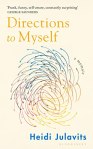
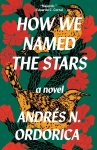
- A mention of the Big and Little Dipper (U.S. names for constellations) in Directions to Myself by Heidi Julavits and How We Named the Stars by Andrés N. Ordorica.
- A mention of Binghamton, New York and its university in We Are Animals by Jennifer Case and We Would Never by Tova Mirvis.
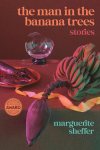
- A character accidentally drinks a soapy liquid in We Would Never by Tova Mirvis and one story of The Man in the Banana Trees by Marguerite Sheffer.
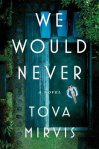 The mother (of the bride or groom) takes over the wedding planning in We Would Never by Tova Mirvis and Summer Fridays by Suzanne Rindell.
- The ex-husband’s name is Jonah in The Mourner’s Bestiary by Eiren Caffall and We Would Never by Tova Mirvis.
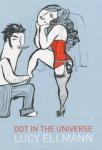
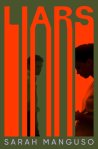
- The husband’s name is John in Dot in the Universe by Lucy Ellmann and Liars by Sarah Manguso.
- An affair is discovered through restaurant receipts in Summer Fridays by Suzanne Rindell and Test Kitchen by Neil D.A. Stewart.
- A mention of eating fermented shark in The Museum of Whales You Will Never See by A. Kendra Greene and Test Kitchen by Neil D.A. Stewart.
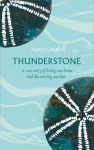
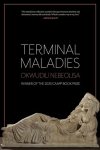
- A mention of using one’s own urine as a remedy in Thunderstone by Nancy Campbell and Terminal Maladies by Okwudili Nebeolisa.
- The main character tries to get pregnant by a man even though one of the partners is gay in Mammoth by Eva Baltasar and Until the Real Thing Comes Along by Elizabeth Berg.
- Motherhood is for women what war is for men: this analogy is presented in We Are Animals by Jennifer Case, Parade by Rachel Cusk, and Want, the Lake by Jenny Factor.
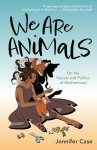 Childcare is presented as a lifesaver for new mothers in We Are Animals by Jennifer Case and Liars by Sarah Manguso.
- A woman bakes bread for the first time in Mammoth by Eva Baltasar and A Year of Biblical Womanhood by Rachel Held Evans.
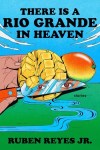
- A gay couple adopts a Latino boy in Greta & Valdin by Rebecca K Reilly and one story of There Is a Rio Grande in Heaven by Ruben Reyes, Jr.
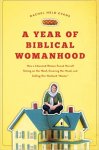 A husband who works on film projects in A Year of Biblical Womanhood by Rachel Held Evans and Liars by Sarah Manguso.
- A man is haunted by things his father said to him years ago in Parade by Rachel Cusk and one story in There Is a Rio Grande in Heaven by Ruben Reyes, Jr.
- Two short story collections in a row in which a character is a puppet (thank you, magic realism!): The Man in the Banana Trees by Marguerite Sheffer, followed by There Is a Rio Grande in Heaven by Ruben Reyes, Jr.
- A farm is described as having woodworm in Mammoth by Eva Baltasar and Parade by Rachel Cusk.
- Sebastian as a proposed or actual name for a baby in Signs, Music by Raymond Antrobus and Birdeye by Judith Heneghan.
What’s the weirdest reading coincidence you’ve had lately?
Book Serendipity, June to July 2023
I call it “Book Serendipity” when two or more books that I read at the same time or in quick succession have something in common – the more bizarre, the better.
Are all of these pure coincidence? Or, as a character says in The Year of Pleasures by Elizabeth Berg, maybe it’s true that “Sometimes serendipity is just intention, unmasked.”
This is a regular feature of mine every couple of months. Because I usually have 20–30 books on the go at once, I suppose I’m more prone to such incidents. The following are in roughly chronological order.
- A deadbeat boyfriend named Andrew in Yellowface by Rebecca F. Kuang and The Legacy of Elizabeth Pringle by Kirsty Wark.
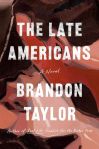
- A partner’s piano playing is by turns annoying (practice) and revelatory (performance) in The Happy Couple by Naoise Dolan and The Late Americans by Brandon Taylor.

- Frequent meals of potatoes due to poverty, and a character sneaking salt in, in Music in the Dark by Sally Magnusson and How Much of These Hills Is Gold by C Pam Zhang.
- Getting close to a seal even though the character knows it might bite in Salt & Skin by Eliza Henry-Jones and one story in High-Wire Act by JoeAnn Hart.
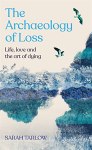
- Rev. Robert Kirk’s writings on fairies are mentioned in The Archaeology of Loss by Sarah Tarlow and The Legacy of Elizabeth Pringle by Kirsty Wark (and were also a major element in Sally Magnusson’s previous novel, The Ninth Child; I happened to be reading her most recent novel at the same time as the above two!).
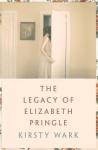
- Menthols are smoked in Death of a Bookseller by Alice Slater and The Late Americans by Brandon Taylor.
- Joan Didion’s The Year of Magical Thinking is mentioned in Death of a Bookseller by Alice Slater and The Archaeology of Loss by Sarah Tarlow.
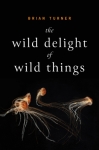 An ant farm as a metaphor in The Happy Couple by Naoise Dolan and The Wild Delight of Wild Things by Brian Turner.
- The main character, in buying a house, inherits the care of a large, elaborate garden from an older woman who kept it immaculate, in The Year of Pleasures by Elizabeth Berg and one story in High-Wire Act by JoeAnn Hart.
- A widow, despite her feminist ideals, wishes she had a man to take care of DIY and other house stuff for her in The Year of Pleasures by Elizabeth Berg and The Archaeology of Loss by Sarah Tarlow.
- A spouse’s death in 2016 and a description of cremation in The Archaeology of Loss by Sarah Tarlow and The Wild Delight of Wild Things by Brian Turner.
- A character deliberately burns a sexual partner’s cheek with a cigarette in Death of a Bookseller by Alice Slater and The Late Americans by Brandon Taylor.
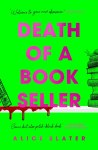
- Counting down the days, then hours, until a wedding, in The Year of Pleasures by Elizabeth Berg, The Happy Couple by Naoise Dolan, and Crudo by Olivia Laing.
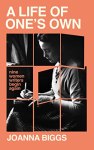
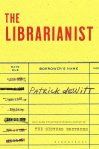
- Similar sentiments – about reading to find our own experiences expressed in a way we never would have thought to put them – in passages I encountered on the same day from A Life of One’s Own by Joanna Biggs (“I want to have that moment of recognition, finding something on the page I’ve felt but haven’t put into words”) and The Librarianist by Patrick deWitt (“the reader says to him or herself, Yes, that’s how it is, only I didn’t know it to describe it”).
- I encountered mentions of “Believe” by Cher in The Country of the Blind by Andrew Leland and House Gone Quiet by Kelsey Norris on the same evening.
- Calculating how old a newborn child will be on a certain date in the future – and fearing what the world will be like for them then – in Matrescence by Lucy Jones and Milk by Alice Kinsella.
- Moving with twin sons is a key part of the setup in Dirt by Bill Buford and Speak to Me by Paula Cocozza.


- I read scenes of a mother’s death from brain cancer in The Librarianist by Patrick deWitt and One Last Thing by Wendy Mitchell in the same evening.
- There’s a mint-green house, and a house with a rope banister (the same house in one case, but not in the other) in both Speak to Me by Paula Cocozza and The Librarianist by Patrick deWitt, two 6 July 2023 releases.
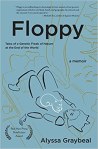
- Connective tissue in the body is compared to the threads of textiles in Cross-Stitch by Jazmina Barrera and Floppy by Alyssa Graybeal.

- The metaphorical framework of one day is used as the structure in One Midsummer’s Day by Mark Cocker and The Farmer’s Wife by Helen Rebanks.
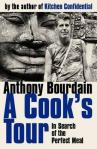
- I’ve read two chef’s memoirs this summer with a scene of pig slaughter: A Cook’s Tour by Anthony Bourdain and Dirt by Bill Buford.
- A character who lost an arm in the First World War in The Librarianist by Patrick deWitt and Haweswater by Sarah Hall.
 I read descriptions of fried egg residue on a plate, one right after the other in the same evening, in The Dead Are Gods by Eirinie Carson and The Wren The Wren by Anne Enright.
What’s the weirdest reading coincidence you’ve had lately?
Books of Summer, 6–8: Elizabeth Berg, Patricia Lockwood & Wendy Mitchell
Although I have foodie lit as a background theme for the summer’s reading, my main goal is simply to read books that I own, especially recent acquisitions and long-time shelf-sitters (whereas last year, in slavish conformity to a theme, I substituted in a bunch of library books, review books and e-books). My latest batch includes a slightly twee novel, an outlandish poetry collection, and an uneven nonfiction swan song.
The Year of Pleasures by Elizabeth Berg (2005)
 From the cover, I was expecting this to be more foodie than it was. The protagonist does enjoy cooking for other people and reading cookbooks, though. Betta Nolan, 55 and recently widowed by cancer, drives from Boston to the Midwest and impulsively purchases a house in a Chicago suburb, something she and her late husband had fantasized about doing in retirement. It’s the kind of sweet little town where the only realtor is a one-woman operation and Betta as a newcomer automatically gets invited onto the local radio show. She also reconnects with her college roommates, tries dating, and mulls over her dream of opening a women’s boutique that sells silk scarves, handmade journals, essential oils and brownies.
While Berg is true to the shifting emotions that accompany grief, and gives Betta plenty of cute opportunities to make friends across the generations – with Lydia, the nonagenarian former owner of her house, now in a nursing home; Matthew, the fickle young man who does some odd jobs for her; and Benny, the next-door neighbor’s nine-year-old boy – I found the subplot about Matthew’s messy house and relationships silly, and Betta’s “What a Woman Wants” shop idea is so stereotyping I could feel myself rolling my eyes. Still, Berg’s novels, of which this was my fifth, are always reliably light and pleasant reads in an Anne Tyler vein. (Secondhand – 2nd & Charles) 
Motherland Fatherland Homelandsexuals by Patricia Lockwood (2014)
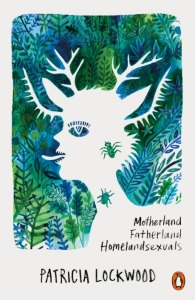 One of the more bizarre books I’ve ever read. I loved both Priestdaddy and No One Is Talking About This, but had no idea what to expect from Lockwood’s poems. They’re somewhere between absurdist monologues and thought experiments, often choosing an object or abstraction to animate (“A Recent Transformation Tries to Climb the Stairs”) and generally sexualized to the max (“Nessie Wants to Watch Herself Doing It”). Though they’re in stanzas, they aren’t heavy on poetic techniques. Some tangential topics are Bambi, Canada, basketball, waterfalls, King Kong adaptations, American poetry, Shirley Temple, and childhood hobbies like Animorphs, Egyptology and Magic Eye puzzles.
But really, her poetry is only “about” things in the loosest sense; the repetition, wordplay and snark are paramount. If you’ve heard of one, it’s likely to be the lengthy “Rape Joke,” which went as viral as it’s possible for a poem to and is, ironically, probably the sincerest entry here. Presumably based on her own bad experience with a teenage boyfriend, it is heartbreakingly banal: “The rape joke is that he was your father’s high school student … The rape joke is that come on, you should have seen it coming. … The rape joke is that you asked why he did it. The rape joke is he said he didn’t know, like what else would a rape joke say?”
A couple of my favourites were “List of Cross-Dressing Soldiers” and “He Marries the Stuffed-Owl Exhibit at the Indiana Welcome Center”; “The Father and Mother of American Tit-Pics,” in which a resurrected Emily Dickinson and Walt Whitman swap genders, had some of the more outrageous lines: “Walt Whitman is the Number Two Beach Body every year, because look at the way he snapped back into shape only months after giving birth to American Poetry.” Not really like any other poetry I’ve ever read. (New purchase with Christmas money) 
One Last Thing: Conversations on Life, Death and Assisted Dying by Wendy Mitchell with Anna Wharton (2023)
“We talk so often about prolonging life, but we are actually prolonging death by not discussing the suffering part of it.”
Wendy Mitchell’s first two books, Somebody I Used to Know and What I Wish People Knew About Dementia, are valuable peeks into daily life with young-onset Alzheimer’s. She has been a dedicated activist and educator in the nine years since her diagnosis, and I admire the work she’s done to get dementia services into the public eye.
 The problem with her final book is that I’ve read so much about preparations for dying and the question of assisted suicide and she doesn’t bring much new to the discussion – apart from the specific viewpoint of someone deciding when and how to end their life when they don’t know what the future course of their illness looks like. Mitchell believes people should have this choice, but current UK law does not allow for assisted dying. A loophole is voluntarily stopping eating and drinking (VSED), which she deems her best option. She stopped attending assessments in 2017 and has filed forms with her GP refusing treatment – her nightmare situation is being reliant on care in hospital and she doesn’t want to become that future, dependent Wendy.
Like Henry Marsh’s farewell book, And Finally, this gives the impression of having been written in a hurry and rushed into print, and so could have been edited more. As it is, it’s fairly scattered, repetitive and unpolished. The interviews could all be streamlined and tidied up, and the one with Kathryn Mannix is split up in a confusing way.
For readers new to the topic, however, this could be a useful introduction to the issues. It’s up-to-date in that Mitchell attends a Death Café, meets an end-of-life doula, and talks through the different forms (power of attorney, advance directive and so on) with experts. I also thought the epilogue was a lovely touch: after going for a ‘wing walking’ airplane adventure, she imagines that, having taken a bus into York, she sees her pre-diagnosis self and tells her everything she would want her to know, good and bad, about the challenges to come. (Proof copy from Hungerford Bookshop Summer Reading Celebration) [Different subtitle on finished edition?] 
Review Catch-up: Lost & Found and Briefly, A Delicious Life
Picador has become one of the most reliable publishers for me, whether it’s fiction or nonfiction. My ever more preposterous backlog won’t be diminishing much before the end of the year, but here are two 2022 Picador releases from my Most Anticipated list that I picked back up recently and enjoyed: a bereavement memoir turned love story, and a historical novel about a real writer–musician pair as observed by a centuries-dead ghost.
Lost & Found: A Memoir by Kathryn Schulz
Schulz is a staff writer for the New Yorker, and her 2010 book Being Wrong was my favourite kind of nonfiction: wide-ranging, erudite and uncategorizable. When I heard she’d written a bereavement memoir, I was beyond eager to read it. Her father, Isaac, was a scholarly and opinionated Polish Jew whose family emigrated from Israel via Germany to the USA in the early 1950s. Schulz grew up in the Cleveland suburbs of Ohio. Her father died at 74 after a decade of poor health. I read part of this book on the transatlantic flight to my mother’s funeral, and found the thoughts on grief so wise and true. “One of the many ways that loss instructs us is by correcting our sense of scale, showing us the world as it really is: so enormous, complex, and mysterious that there is nothing too large to be lost.”

But loss is not the end of this story; it overlaps with and is in some sense superseded by an unexpected romance. Introduced by mutual friends 18 months before her father’s death, Schulz and “C.” (fellow New Yorker writer Casey Cep) quickly fell in love and fashioned a life together on the Eastern Shore of Maryland, despite some significant differences in temperament and background – for instance, C. is a devout Lutheran while Schulz is a largely non-practicing Jew. She manages to braid this together with bereavement: “Love, like grief, has the properties of a fluid: it flows everywhere, fills any container, saturates everything.” My only slight frustration with the book was the amount of generic material on losing and finding and what other thinkers have had to say about these universal experiences – I tended to skip past it to get back to the narrative of her developing relationship with C.
Briefly, A Delicious Life by Nell Stevens
This is Stevens’s third book but her first novel; her previous books (Bleaker House and Mrs Gaskell & Me) were autofiction-ish but have tended to be classified as memoirs. That same playfulness with genre is here, turning what could have been a straightforward biographical novel about George Sand – in the vein of the underwhelming The Dream Lover by Elizabeth Berg – into something cheeky and magical.
George Sand spent the winter of 1838–9 on Mallorca with her children, Solange and Maurice, and her lover, composer Frédéric Chopin. Stevens imagines that the monastery where they stay is still haunted by Blanca, a teenager who died in childbirth (having been impregnated by one of the trainee monks) there in 1473. Sand and Chopin – between them “Godless foreign odd consumptive cross-dressers … strangers and strange and strangely insouciant about their strangeness” – are instantly unpopular with the locals.
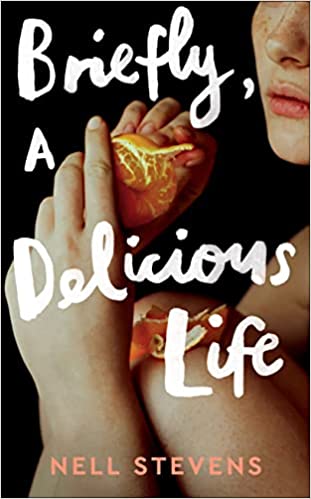
Blanca draws readers along on a tour of own past and George’s. Like any benevolent ghost, she’s a fan of pranks, but also hopes that she might use her power of omniscience to reverse tragic trajectories. A lover of men in her lifetime, she’s now enamoured with women in the hereafter, and outraged at how, even centuries later, women’s rights and desire are still being ignored. This is an earthy, impish, sexy read. Though it starts to wear a little thin before the end, it’s still well worth the ride. 
With thanks to Picador for the proof copies for review.
Would you be interested in reading one or both of these? Do you have go-to/favourite publishers?
Three on a Theme: Novels of Female Friendship
Friendship is a fairly common theme in my reading and, like sisterhood, it’s an element I can rarely resist. When I picked up a secondhand copy of Female Friends (below) in a charity shop in Hexham over the summer, I spied a chance for another thematic roundup. I limited myself to novels I’d read recently and to groups of women friends.
Before Everything by Victoria Redel (2017)
 I found out about this one from Susan’s review at A life in books (and she included it in her own thematic roundup of novels on friendship). “The Old Friends” have known each other for decades, since elementary school. Anna, Caroline, Helen, Ming and Molly. Their lives have gone in different directions – painter, psychiatrist, singer in a rock band and so on – but in March 2013 they’re huddling together because Anna is terminally ill. Over the years she’s had four remissions, but it’s clear the lymphoma won’t go away this time. Some of Anna’s friends and family want her to keep fighting, but the core group of pals is going to have to learn to let her die on her own terms. Before that, though, they aim for one more adventure.
Through the short, titled sections, some of them pages in length but others only a sentence or two, you piece together the friends’ history and separate struggles. Here’s an example of one such fragment, striking for the frankness and intimacy; how coyly those bald numbers conceal such joyful and wrenching moments:
Actually, for What It’s Worth
Between them there were twelve delivered babies. Three six- to eight-week abortions. Three miscarriages. One post-amniocentesis selective abortion. That’s just for the record.
While I didn’t like this quite as much as Talk Before Sleep by Elizabeth Berg, which is similar in setup, it’s a must-read on the theme. It’s sweet and sombre by turns, and has bite. I also appreciated how Redel contrasts the love between old friends with marital love and the companionship of new neighbourly friends. I hadn’t heard of Redel before, but she’s published another four novels and three poetry collections. It’d be worth finding more by her. The cover image is inspired by a moment late in a book when they find a photograph of the five of them doing handstands in a sprinkler the summer before seventh grade. (Public library)
Female Friends by Fay Weldon (1974)
 Like a cross between The Orchard on Fire by Shena Mackay and The Pumpkin Eater by Penelope Mortimer; this is the darkly funny story of Marjorie, Chloe and Grace: three Londoners who have stayed friends ever since their turbulent childhood during the Second World War, when Marjorie was sent to live with Grace and her mother. They have a nebulous brood of children between them, some fathered by a shared lover (a slovenly painter named Patrick). Chloe’s husband is trying to make her jealous with his sexual attentions to their French nanny. Marjorie, who works for the BBC, is the only one without children; she has a gynaecological condition and is engaged in a desultory search for her father.
The book is mostly in the third person, but some chapters are voiced by Chloe and occasional dialogues are set out like a film script. I enjoyed the glimpses I got into women’s lives in the mid-20th century via the three protagonists and their mothers. All are more beholden to men than they’d like to be. But there’s an overall grimness to this short novel that left me wincing. I’d expected more nostalgia (“they are nostalgic, all the same, for those days of innocence and growth and noise. The post-war world is drab and grey and middle-aged. No excitement, only shortages and work”) and warmth, but this friendship trio is characterized by jealousy and resentment. (Secondhand copy)
The Weekend by Charlotte Wood (2019)
“It was exhausting, being friends. Had they ever been able to tell each other the truth?”
 It’s the day before Christmas Eve as seventysomethings Jude, Wendy and Adele gather to clear out their late friend’s Sylvie’s house in a fictional coastal town in New South Wales. This being Australia, that means blazing hot weather and a beach barbecue rather than a cosy winter scene. Jude is a bristly former restaurateur who has been the mistress of a married man for many years. Wendy is a widowed academic who brings her decrepit dog, Finn, along with her. Adele is a washed-up actress who carefully maintains her appearance but still can’t find meaningful work.
They know each other so well, faults and all. Things they think they’ve hidden are beyond obvious to the others. And for as much as they miss Sylvie, they are angry at her, too. But there is also a fierce affection in the mix that I didn’t sense in the Weldon: “[Adele] remembered them from long ago, two girls alive with purpose and beauty. Her love for them was inexplicable. It was almost bodily.” Yet Wendy compares their tenuous friendship to the Great Barrier Reef coral, at risk of being bleached.
It’s rare to see so concerted a look at women in later life, as the characters think back and wonder if they’ve made the right choices. There are plenty of secrets and self-esteem struggles, but it’s all encased in an acerbic wit that reminded me of Emma Straub and Elizabeth Strout. Terrific stuff. (Twitter giveaway win)
Some favourite lines:
“The past was striated through you, through your body, leaching into the present and the future.”
“Was this what getting old was made of? Routines and evasions, boring yourself to death with your own rigid judgements?”
On this theme, I have also read: The Other’s Gold by Elizabeth Ames, Catch the Rabbit by Lana Bastašić, The Group by Lara Feigel (and Mary McCarthy), My Brilliant Friend by Elena Ferrante, Expectation by Anna Hope, Conversations with Friends by Sally Rooney, and The Animators by Kayla Rae Whitaker.
If you read just one … The Weekend was the best of this bunch for me.
Have you read much on this topic?
Northumberland Trip, Book Haul, and Reading & 20 Books #9 Emerald
We spent the first 11 days of July on holiday in Northumberland (via stays with friends in York on the way up and back) – our longest spell of vacation since 2016, and our longest UK break since 2013. The trip also happened to coincide with our 14th anniversary. It was a fantastic time of exploring England’s northeast corner, a region new to me. I loved the many different types of landscape, from sandy beaches and rocky coasts and islands to moorland and lovely towns. It’s the county for you if you like castles. We joined the National Trust so we could make stops at lots of stately homes and other historic sites. Some highlights were:
- Cherryburn, the off-the-beaten-track home of engraver Thomas Bewick.
- A cheap and delicious meal of authentic Mexican street food in Hexham, of all places (at Little Mexico).
- Walking along a tiny fraction of Hadrian’s Wall from Housesteads Roman Fort.


- Cragside, the over-the-top home of a Victorian inventor (and the first international arms dealer – whoops), nestled in a plantation of pines and rhododendrons.
- A boat trip to the Farne Islands with a landing on Inner Farne, giving close-up views of puffins, other seabirds, and grey seals. We also sailed past the lighthouse made famous by Grace Darling’s rescue of shipwreck victims in 1838. (Relevant song by Duke Special, by way of a Michael Longley poem.)
- Whiling away a rainy morning in Barter Books, one of Britain’s largest secondhand bookshops (located in an old Victorian railway station), and the charity shops of Alnwick.
- An adventurous (and very wet) walk along the coast to the Dunstanburgh Castle ruin.


- Searching the dunes for rare orchids on Holy Island, followed by a delicious and largely vegan lunch at Pilgrims Coffee House.
- Another seabird-filled boat trip, this one round Coquet Island. Sightings included roseate terns and the Duke of Northumberland.
- Our second Airbnb, The Lonnen (near Rothbury), was a rural idyll shared mostly with sheep and gray wagtails. We were spoiled by Ruth’s excellent interior décor and cooked breakfasts. You can get a feel for the place via her Instagram.
- Coffee and snacks at Corbridge Larder’s Heron Café – so good we made a second trip.


It was also, half unexpectedly, a week filled with book shopping. First up was Forum Books in Corbridge, a lovely independent bookshop. I don’t often buy new books, so enjoyed the splurge here. The Flyn and Taylor were two of my most anticipated releases of 2021. It felt appropriate to pick up a Bloodaxe poetry title as the publisher is based in nearby Hexham.
Next came a bounteous charity shop haul in Hexham.
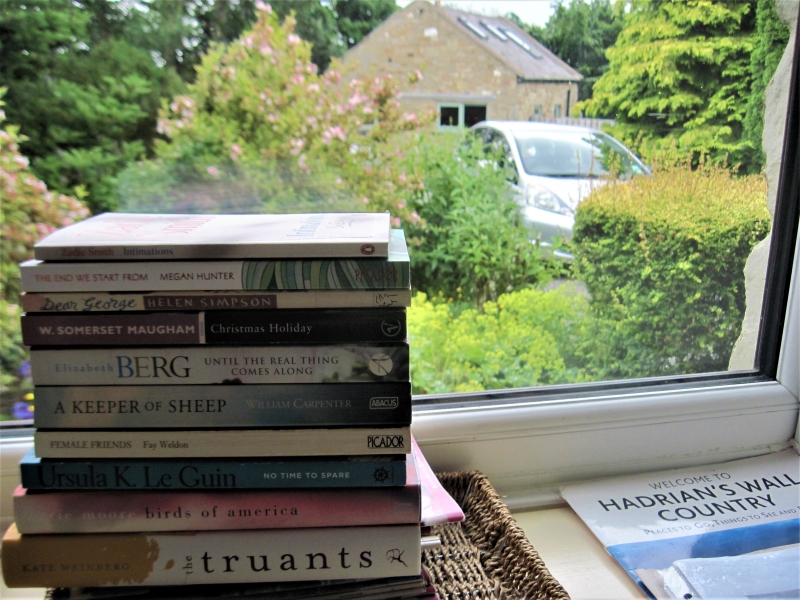
On the Tuesday we holed up in Barter Books for hours while it rained – and the queue lengthened – outside. I was surprised and delighted that the nine antiquarian books I resold to Barter more than paid for my purchases, leaving me in credit to spend another time (online if, as seems likely, I don’t get back up in person anytime soon).


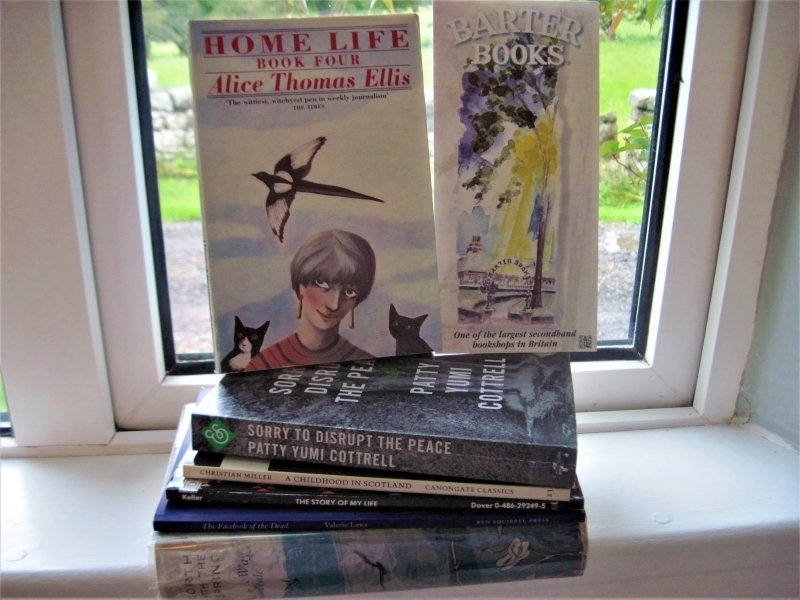
Alnwick also has a number of charity shops. I had the most luck at the Lions bookshop.
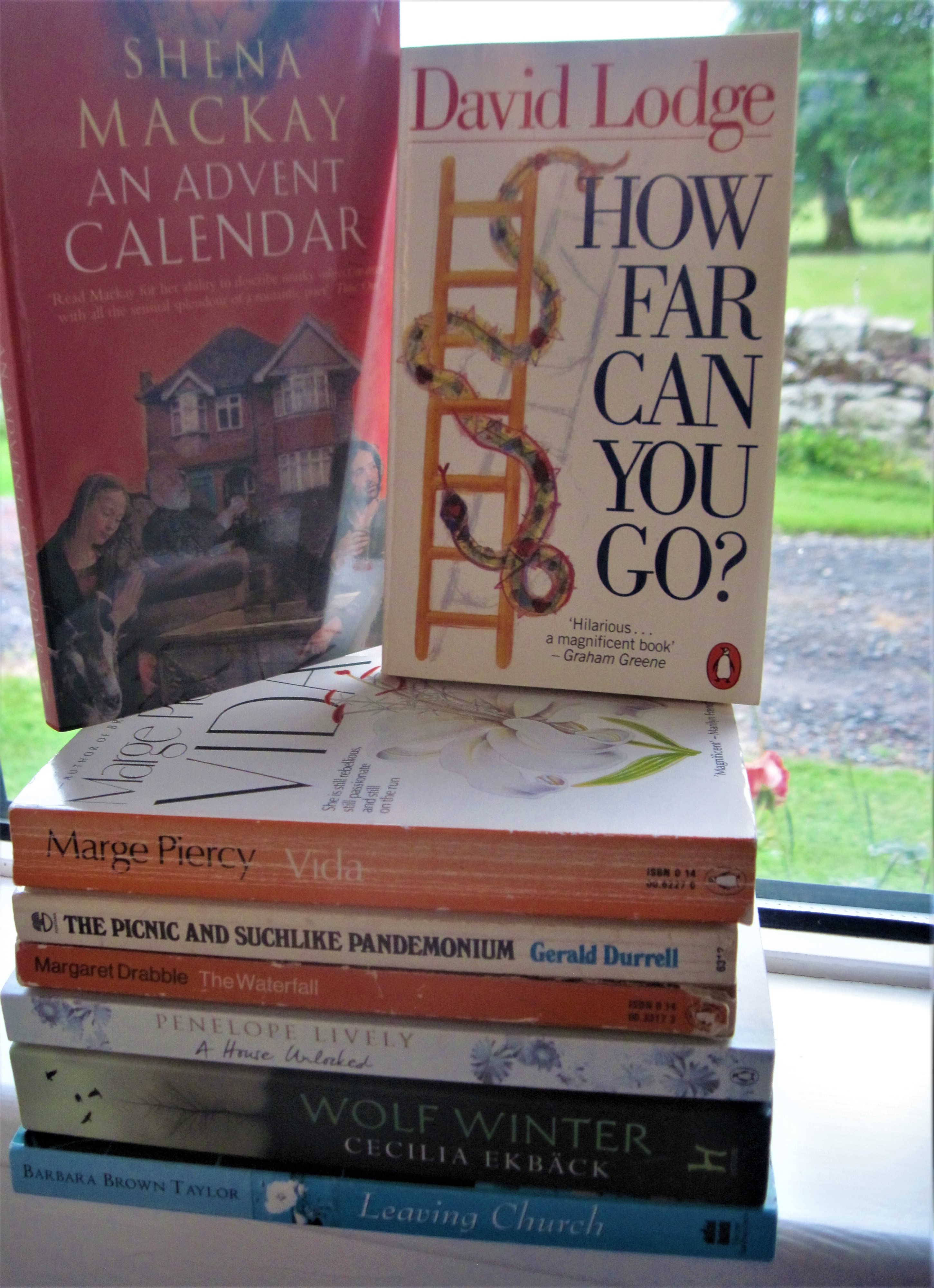
I seemed to keep finding books wherever I went. Kitchen came from a bookshelf in a shop/café on Holy Island. A secondhand/remainders shop near York Minster was the source of the other three.

What I Read:
The holiday involved significant car journeys as Northumberland is a big county with an hour or more between destinations. Alongside my navigating and DJ duties, I got a lot of reading done during the days, as well as in the evenings.
Finished second half or so of:
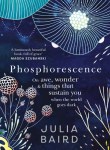 Phosphorescence by Julia Baird – An intriguing if somewhat scattered hybrid: a self-help memoir with nature themes. Many female-authored nature books I’ve read recently (Wintering, A Still Life, Rooted) have emphasized paying attention and courting a sense of wonder. To cope with recurring abdominal cancer, Baird turned to swimming at the Australian coast and to faith. Indeed, I was surprised by how deeply she delves into Christianity here. She was involved in the campaign for the ordination of women and supports LGBTQ rights.
 Open House by Elizabeth Berg – When her husband leaves, Sam goes off the rails in minor and amusing ways: accepting a rotating cast of housemates, taking temp jobs at a laundromat and in telesales, and getting back onto the dating scene. I didn’t find Sam’s voice as fresh and funny as Berg probably thought it is, but this is as readable as any Oprah’s Book Club selection and kept me entertained on the plane ride back from America and the car trip up to York. It’s about finding joy in the everyday and not defining yourself by your relationships.
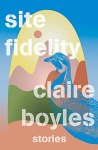 Site Fidelity by Claire Boyles – I have yet to review this for BookBrowse, but can briefly tell you that it’s a terrific linked short story collection set on the sagebrush steppe of Colorado and featuring several generations of strong women. Boyles explores environmental threats to the area, like fracking, polluted rivers and an endangered bird species, but never with a heavy hand. It’s a different picture than what we usually get of the American West, and the characters shine. The book reminded me most of Love Medicine by Louise Erdrich.
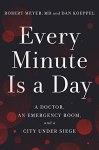 Every Minute Is a Day by Robert Meyer, MD and Dan Koeppel – The Bronx’s Montefiore Medical Center serves an ethnically diverse community of the working poor. Between March and September 2020, it had 6,000 Covid-19 patients cross the threshold. Nearly 1,000 of them would die. Unfolding in real time, this is an emergency room doctor’s diary as compiled from interviews and correspondence by his journalist cousin. (Coming out on August 3rd. Reviewed for Shelf Awareness.)
 Virga by Shin Yu Pai – Yoga and Zen Buddhism are major elements in this tenth collection by a Chinese American poet based in Washington. She reflects on her family history and a friend’s death as well as the process of making art, such as a project of crafting 108 clay reliquary boxes. “The uncarved block,” a standout, contrasts the artist’s vision with the impossibility of perfection. The title refers to a weather phenomenon in which rain never reaches the ground because the air is too hot. (Coming out on August 1st.)
Read most or all of:
 The Other Black Girl by Zakiya Dalila Harris – I feel like I’m the last person on Earth to read this buzzy book, so there’s no point recounting the plot, which initially is reminiscent of Luster by Raven Leilani but morphs into its own thing as Nella realizes her rivalry with Hazel, her new Black colleague at Wagner Books, is evidence of a wider social experiment. The prose is hip, bringing to mind Queenie and Such a Fun Age. It was a fun road trip read for me, but I could have done without the silliness of magical hair care products.
 Heartstopper, Volume 1 by Alice Oseman – It’s well known at Truham boys’ school that Charlie is gay. Luckily, the bullying has stopped and the others accept him. Nick, who sits next to Charlie in homeroom, even invites him to join the rugby team. Charlie is smitten right away, but it takes longer for Nick, who’s only ever liked girls before, to sort out his feelings. This black-and-white YA graphic novel is pure sweetness, taking me right back to the days of high school crushes. I raced through and placed holds on the other three volumes.
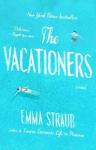 The Vacationers by Emma Straub – Perfect summer reading; perfect holiday reading. Like Jami Attenberg, Straub writes great dysfunctional family novels featuring characters so flawed and real you can’t help but love and laugh at them. Here, Franny and Jim Post borrow a friend’s home in Mallorca for two weeks, hoping sun and relaxation will temper the memory of Jim’s affair. Franny’s gay best friend and his husband, soon to adopt a baby, come along. Amid tennis lessons, swims and gourmet meals, secrets and resentment simmer.
 Kitchen by Banana Yoshimoto – A pair of poignant stories of loss and what gets you through. In the title novella, after the death of the grandmother who raised her, Mikage takes refuge with her friend Yuichi and his mother (once father), Eriko, a trans woman who runs a nightclub. Mikage becomes obsessed with cooking: kitchens are her safe place and food her love language. Moonlight Shadow, half the length, repeats the bereavement theme but has a magic realist air as Satsuki meets someone who lets her see her dead boyfriend again.
I also made a good start on a few of my other purchases from the trip: Islands of Abandonment, No Time to Spare, Filthy Animals, and Female Friends.
Alas, most of the in-demand library books I brought along with me – Great Circle by Maggie Shipstead, Malibu Rising by Taylor Jenkins Reid, and Still Life by Sarah Winman – didn’t hit the spot, so I’ve returned them unread and will borrow them at another point later in the year (except Malibu Rising, which felt soapy and insubstantial).
It’s been a struggle getting back into the routines of work and writing since we got back, but I’ve managed to review one more of my 20 Books of Summer. This is #9, slipped in from my Forum Books pile, and I’m currently working on books #10–13.
Emerald by Ruth Padel (2018)
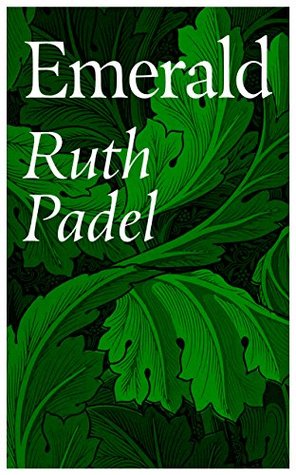 This was my 11th book from Padel; I’ve read a mixture of her poetry, fiction, narrative nonfiction and poetry criticism. Emerald consists mostly of poems in memory of her mother, Hilda, who died in 2017 at the age of 97. The book pivots on her mother’s death, remembering the before (family stories, her little ways, moving her into sheltered accommodation when she was 91, sitting vigil at her deathbed) and the letdown of after. It made a good follow-on to one I reviewed last month, Kate Mosse’s An Extra Pair of Hands.
Emerald, the hue and the gemstone, recurs frequently in ornate imagery of verdant outdoor scenes and expensive art objects. Two favourites were travel-based: “Jaipur,” about the emerald-cutters of India, where Padel guiltily flew while her mother was ill; and “Salon Noir,” about a trip down into prehistoric caves of France the summer after Hilda’s death. Overall, I expected the book to resonate with me more than it did. The bereavement narrative never broke through to touch me; it remained behind a silk screen of manners and form.
Two favourite stanzas:
“Your voice is your breath.
The first thing that’s yours
and the last.” (from “Fragile as Breath”)
“that’s all of us
sifting the dark
in our anonymities and hope.” (from “Above is the Same as Below”)
My rating:
Next books in progress: The Glitter in the Green by Jon Dunn and Nothing but Blue Sky by Kathleen MacMahon
Book Serendipity, May to June 2021
I call it Book Serendipity when two or more books that I read at the same time or in quick succession have something pretty bizarre in common. Because I have so many books on the go at once (usually 20‒30), I suppose I’m more prone to such incidents. I’ve realized that, of course, synchronicity is really the more apt word, but this branding has stuck.
The following are in roughly chronological order.
- Sufjan Stevens songs are mentioned in What Is a Dog? by Chloe Shaw and After the Storm by Emma Jane Unsworth.
- There’s a character with two different coloured eyes in The Mothers by Brit Bennett and Painting Time by Maylis de Kerangal.

- A description of a bathroom full of moisturizers and other ladylike products in The Mothers by Brit Bennett and The Interior Silence by Sarah Sands.
- A description of having to saw a piece of furniture in half to get it in or out of a room in A Braided Heart by Brenda Miller and After the Storm by Emma Jane Unsworth.

- The main character is named Esther Greenwood in the Charlotte Perkins Gilman short story “The Unnatural Mother” in the anthology Close Company and The Bell Jar by Sylvia Plath. Indeed, it seems Plath may have taken her protagonist’s name from the 1916 story. What a find!
- Reading two memoirs of being in a coma for weeks and on a ventilator, with a letter or letters written by the hospital staff: Many Different Kinds of Love by Michael Rosen and Coma by Zara Slattery.


- Reading two memoirs that mention being in hospital in Brighton: Coma by Zara Slattery and After the Storm by Emma Jane Unsworth.
- Reading two books with a character named Tam(b)lyn: My Cousin Rachel by Daphne du Maurier and Coma by Zara Slattery.
- A character says that they don’t miss a person who’s died so much as they miss the chance to have gotten to know them in Featherhood by Charlie Gilmour and In by Will McPhail.

- A man finds used condoms among his late father’s things in The Invention of Solitude by Paul Auster and Featherhood by Charlie Gilmour.
- An absent husband named David in Open House by Elizabeth Berg and Ruby by Ann Hood.
- The murder of Thomas à Becket featured in Murder in the Cathedral by T.S. Eliot (read in April) and Heavy Time by Sonia Overall (read in June).


- Adrienne Rich is quoted in (M)otherhood by Pragya Agarwal and Heavy Time by Sonia Overall.
- A brother named Danny in Immediate Family by Ashley Nelson Levy and Saint Maybe by Anne Tyler.
- The male lead is a carpenter in Early Morning Riser by Katherine Heiny and Saint Maybe by Anne Tyler.
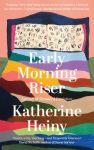
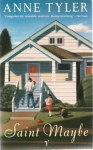
- An overbearing, argumentative mother who is a notably bad driver in Early Morning Riser by Katherine Heiny and Blue Shoe by Anne Lamott.
- That dumb 1989 movie Look Who’s Talking is mentioned in (M)otherhood by Pragya Agarwal and Early Morning Riser by Katherine Heiny.
- In the same evening, I started two novels that open in 1983, the year of my birth: The Other Black Girl by Zakiya Dalila Harris and Malibu Rising by Taylor Jenkins Reid.

- “Autistic” is used as an unfortunate metaphor for uncontrollable or fearful behavior in Open House by Elizabeth Berg and Blue Shoe by Anne Lamott (from 2000 and 2002, so they’re dated references rather than mean-spirited ones).
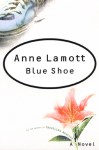 A secondary character mentions a bad experience in a primary school mathematics class as being formative to their later life in Blue Shoe by Anne Lamott and Saint Maybe by Anne Tyler (at least, I think it was in the Tyler; I couldn’t find the incident when I went back to look for it. I hope Liz will set me straight!).
- The panopticon and Foucault are referred to in Great Circle by Maggie Shipstead and I Live a Life Like Yours by Jan Grue. Specifically, Jeremy Bentham’s panopticon is the one mentioned in the Shipstead, and Bentham appears in The Cape Doctor by E.J. Levy.
 Bookish Beck = Rebecca Foster. American transplant to England. Freelance proofreader and book reviewer.
 Bookish Beck